Category Archives: Technology

NYCC 2024: DC brings some of their comics to digital comics platform GlobalComix

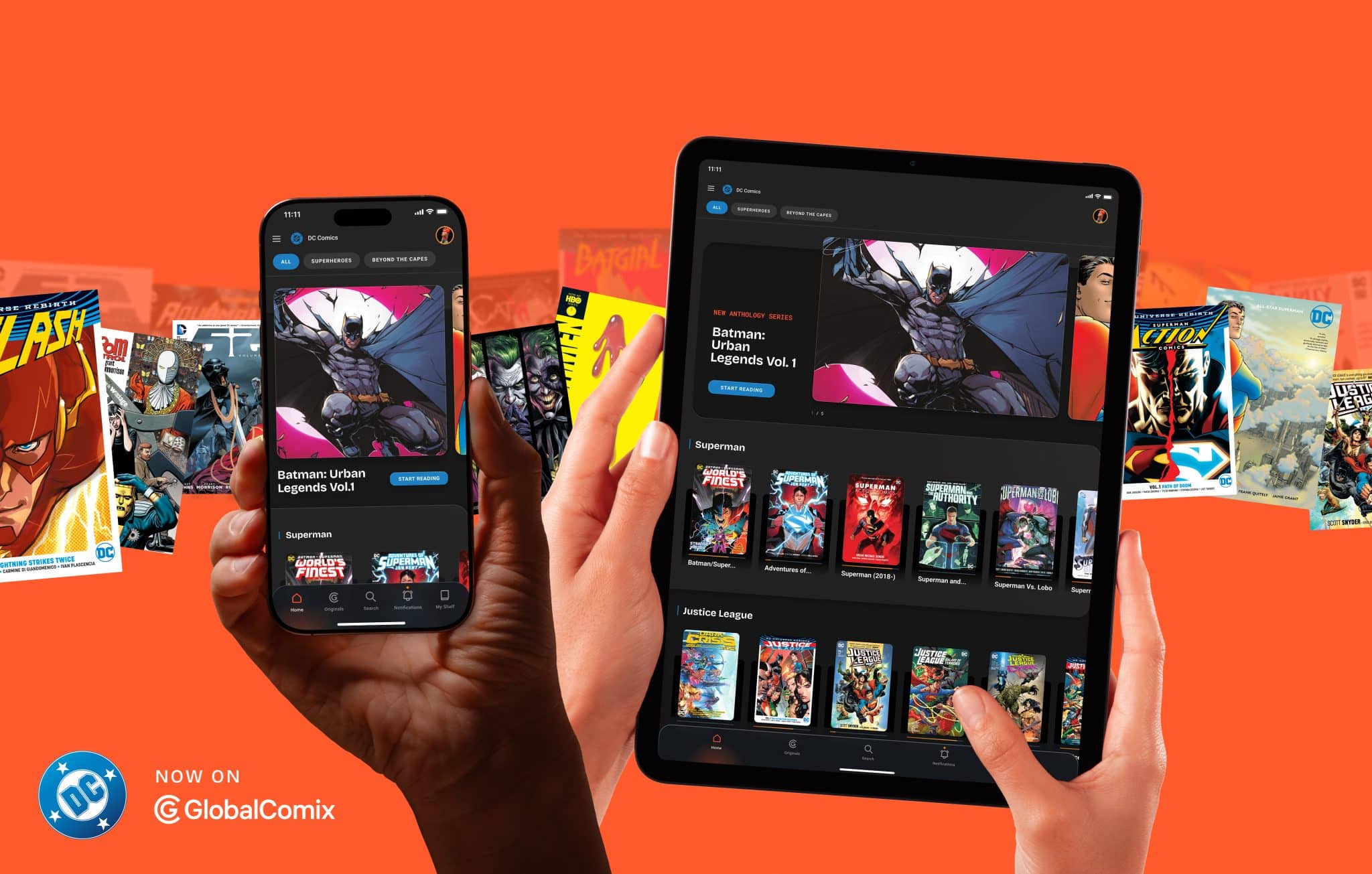
DC on GlobalComix

GlobalComix has announced that some of DC’s iconic storylines will be available on the GlobalComix app and website. Starting today, a variety of DC and DC Vertigo’s biggest franchises like Batman, Superman, Catwoman, Wonder Woman, The Flash, and Suicide Squad will be available to read on GlobalComix, anywhere in the world.

Some of the marquee titles available at launch include:

  • DC’s flagship series Batman Volumes 1-7, written by award-winning writer Tom King
  • Catwoman Volumes 1-6: Copycats, written and drawn by Eisner Award nominee Joëlle Jones
  • Doom Patrol Volumes 1-6, featuring Grant Morrison’s acclaimed run that put Doom Patrol on the map and led to the critically acclaimed HBO MAX adaptation
  • The Joker Volumes 1-3, from James Tynion IV
  • Sweet Tooth Volumes 1-6, written and drawn by award-winning creator Jeff Lemire

The addition features about 400 books totaling approximately 75,000 pages according to the announcement.

Fans will have an opportunity to engage with GlobalComix’s DC Channel at New York Comic Con (October 17-20) at booth #3300 on the Show Floor.

Opinion: Colin Kaepernick should fund comics creators, not AI platforms

Lumi

On July 24, 2024, former NFL quarterback and civil rights activist Colin Kaepernick announced a “groundbreaking platform” called Lumi that uses artificial intelligence to create comic book stories. The press release for the platform states Lumi can “[transform] any creator into Disney” as well as cut out “gatekeepers” that keep stories by diverse creators from reaching the market. It has received $4 million in venture capital funding with the firm Seven Seven Six taking the lead.

Kaepernick’s announcement led to outcries in the comic book industry against the Lumi platform. Veteran cartoonist Khary Randolph (We Are Robin, Excellence) took to Facebook and said that he met with Kaepernick about the new platform and voiced his concerns about Lumi would cut out the human creators need to bring comic book to life. He said, “Hard work, a pencil, and paper is all you need to make comics“, and that the writers, artists, colorists, and letterers who spend underpaid decades learning their craft will be hurt by his new product not the wealthy tech executives, who are funding his platform. So, it’s hypocritical that Colin Kaepernick is announcing a platform that will take jobs away from comics creators using social justice language in this initial press release.

It is unlikely that Kaepernick would receive $4 million in venture capital funds for a more traditional pursuit like starting his own comic book company, imprint, hosting platform, or even an anthology publishing the work of marginalized creators. However, according to Celebrity Net Worth, Colin Kaepernick is estimated to have a net worth of $20 million. He also has pull in the entertainment and publishing industry, co-creating a Netflix show about his life with Ava DuVernay and also starting a publishing company called Kaepernick Publishing that has put out graphic novels by creators like Eve Ewing (Ironheart) and Greg Anderson Elysee (Puerto Rico Strong). As recently as 2023, Kaepernick was paying writers, artists, and letterers to put out graphic novels so it’s reasonable to assume that it’s something that he would be interested in using his money for in the future, but perhaps he was led astray by the promises of lucrative profit from the (currently booming) AI sector.

So, instead of using the $4 million in venture capital funding to set up an AI platform, he could use that money to revive something like the Xeric Grant. Funded by Teenage Mutant Ninja Turtles co-creator Peter Laird‘s Xeric Foundation, the Xeric grant awarded $2.5 million to cartoonists from 1992-2011 to self-publish their comics and get in their foot in the door without having to rein in their creativity, art styles, or subject matters for big publishers like Marvel, DC, and even Image Comics. Some well-known creators that got their start through the Xeric grant were Adrian Tomine, Gene Luen Yang, Megan Kelso, Jessica Abel, Jeff Lemire, Tom Scioli, Box Brown, and Hazel Newlevant. The money from the Xeric Foundation allowed them to pursue a singular creative vision and put out work into the larger creative marketplace.

If Colin Kaepernick wants to actually nurture the work of marginalized comics creators and help them in the battle against “gatekeepers”, he would be better served creating something similar to the Xeric grant than an AI platform. He could even expand the scope of Kaepernick Publishing to include comic books of other genres other than nonfiction biographies. These are better options than selling his soul to big tech and reducing creativity to a high tech assembly line, and it would be better for his reputation as a civil rights activist as well.

On Discord, No One Can Hear You Scream — New Roll20 Discord Activity Launches with ALIEN The Roleplaying Game

Alien RPG Discord

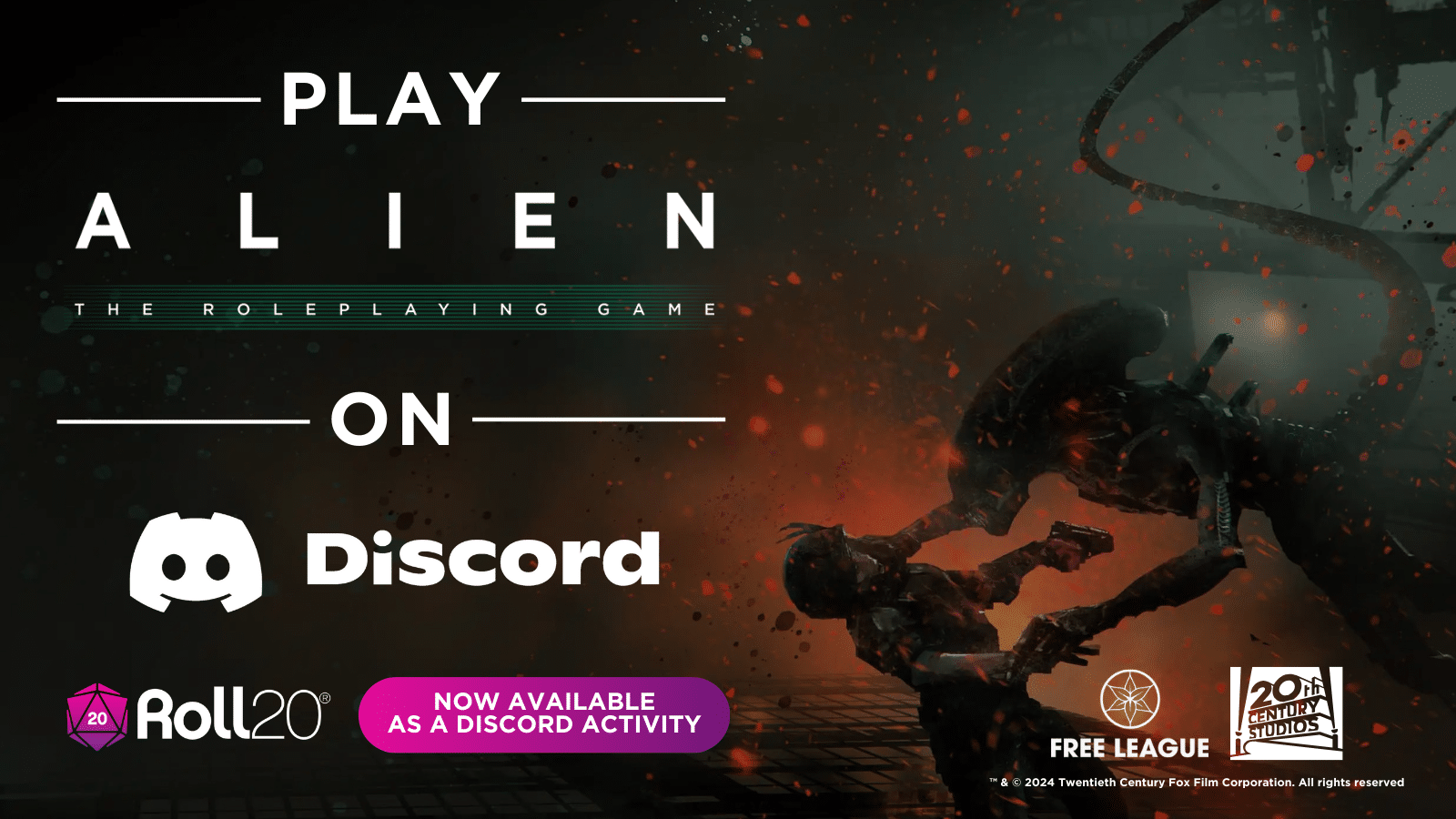
Free League Publishing and Roll20 have announced that Alien The Roleplaying Game is launching with Roll20’s new Discord Activity. At the click of a button, players can access a streamlined virtual tabletop experience with the Alien Starter Set and the Alient Starter Set Bundle.

Through the Roll20 Activity, Alien The Roleplaying Game is now readily available to Discord’s 80+ million users. With ready-to-play characters, the ability to use Discord for voice, video, and chat, and move to VTT games in seconds, GMs, players, and spectators can explore the deepest reaches of space and encounter Xenomorphs on their own servers. Additionally, fans of Alien The Roleplaying Game will be able to purchase items directly from the Discord store page and access the character sheet for free.

Space is vast, dark, and not your friend. Try to scream, and no one can hear you—hold your breath, and you rupture your lungs. And there are things lurking in the shadows—things strange and different and deadly. Things alien.
 
The multiple award-winning official Alien – The Roleplaying Game offers a universe of body horror and corporate brinkmanship. It is a harsh and unforgiving universe, and you are nothing if not expendable. Stay alive if you can.

Digital comics platform Omnibus has announced it’s shutting down

Omnibus closing

The digital comics platform Omnibus emailed the news that it is shutting down and closing up shop. In the announcement, it stated it wasn’t growing fast enough and couldn’t get external funding to “proceed and become sustainable,” blaming the “current landscape.”

The VC funding landscape has changed massively in recent years making it more difficult to raise money but also there’s a shift towards the hottest new trend, currently AI. In years past you’d show promise and a plan, get money, running a loss for some time, to eventually turn a profit and/or be bought out by a larger entity. With the sale of comiXology to Amazon, there was potential for investment but overall, nothing has quite caught fire.

Users will be able to read their books in-app and download backups until August 21st. Since some publishers won’t allow PDF backups, the company is processing “as many refunds as (they) can for (their) super fans.”

The digital comics platform made a splashy debut with a slick design but from the start there were some head scratching decisions. When I used it on launch it was difficult to find any free comics to test out the reading experience, with rather pricy comics and graphic novels being the first thing offered. Runs of comics had issues missing making them difficult to read, and creating a barrier to even want to spend money to do so. Accessing the comics as well felt like a hurdle with an odd choice in how to log in making it a convoluted process. Whether any of that was resolved is unknown to me as I left the app and didn’t look back after an initial negative experience. It felt more focused on flash than user experience.

Omnibus co-founder and head software engineer Kenny Meyers left the company in February 2024 and is on to another tech adventure. When a co-founder leaves like that it raises flags. Add in a lack of communication plan with users and general promotion… and this isn’t much of a surprise.

The platform did line up publishers over its time but in the end, never caught on with readers.

Webtoon’s Nasdaq debut sees a 14.3% jump on the first day

Webtoon

Webtoon Entertainment made its debut on Nasdaq yesterday and saw its shares rise 14.3% from its initial price.

The stock opened at $21.30 which gave the company a valuation of $2.71 billion. It traded as high as $24 but ended a last trade at $23 for the day.

Webtoon operates a digital comic platform with a user base in 150 countries. Founded in 2005, it has 170 million monthly active users (individuals who visit the platform at least once a month on average). It features 24 million creators. Its net income was $6.2 million for the first three months of the year. It announced the IPO earlier in the month.

Manga Tech Startup Orange, Inc. Raises $19.5 million in Pre-Series A Financing

emaqi

Orange, Inc., a manga localization technology company, today announced JPY 2.92 billion (approximately USD $19.5 million) fundraising in pre-series A financing. Orange is an entertainment technology startup from Japan dedicated to the manga industry. The company is leveraging deep-learning technology to address significant global market opportunities and historical development challenges within the traditional production of the Japanese art form.

The global manga market has shown substantial growth, with a compound annual growth rate (CAGR) of 10%, and is expected to reach USD 42.2 billion market in 2030 (Manga Market 2023 report by Grand View Research, Inc.). This traditional entertainment in Japan has evolved into a global IP industry, reflecting an expanding audience for manga and its adjacent industries, such as anime.

However, only a fraction of works—according to Orange’s research, approximately 2% of manga released annually in Japan—has been formally translated and made available in English, partly due to the difficult and lengthy translation process and the limited number of translators. The global piracy market for manga was $ 5.5 billion in 2022 [Content Overseas Distribution Association], which significantly harms the industry and the rights of wonderful creators and artists.

Orange is breaking through these issues by developing innovative technologies that enhance the capacity of localization and enable the worldwide simultaneous distribution of manga, working closely with several publishers

Orange has been developing a manga-dedicated localization system since it was founded. It enables significant efficiencies in the localization process of manga by integrating cutting-edge computer vision and natural language processing technologies developed by a top-class deep learning engineering team.

Their proprietary system uses their localization operation process, enabling a capacity for Japanese-to-English localization of up to 500 manga volumes per month. This is 5x more than the current production capacity of the whole localization market, according to Orange’s estimates. Orange will also work on localizing manga into other languages, ensuring that manga fans across the world can enjoy manga in their native languages.

In the summer of 2024, the company will also launch a digital manga store named “emaqi” in the US. “emaqi” will include titles localized by Orange. It will feature recommendations suggested by AI technology and manga influencers to offer new and fun experiences to all manga fans in the US.

The financing round was led by Shogakukan, Globis Capital Partners, ANRI, SBI Investment, JIC Venture Growth Investments, Miyako Capital, Chiba Dojo Fund, Mizuho Capital, Mitsubishi UFJ Capital, and GFR Fund.

The funds will be used to develop a localization product based on deep learning models and to launch their digital manga store in the summer of 2024.

DSTLRY launches its digital marketplace in beta

DSTLRY has launched the “beta” version of their digital marketplace. The platform looks to evolve the future of digital comics and collectibles that can be found at dstlry.co. With this release, fans can buy and sell their DSTLRY digital comics and collectibles to each other, with creators receiving a royalty on each resale. Additionally, all digital purchases are tied to a stream of benefits and opportunities that transfers on resale to new owners.

DSTLRY’s marketplace beta establishes a new standard for the digital collectibles community. The iteration debuting today focuses on the resale of digital comics and several rare digital art prints. This release gives comic fans a brand new way to engage with their digital comic libraries, while immediately establishing new revenue streams for creators via secondary market resales. More types of digital collectibles, in addition to the art prints available today, will be offered in the future.

DSTLRY’s single-issue digital comic releases, debuting last December, mirror the limited-run cadence of print comics and limited-run merch drops that fuel the thrill of collecting. The single-issue digital releases are available directly from the publisher on dstlry.co for one week from release. Now, with the release of the marketplace beta, readers who purchase those digital single issues can sell and buy them exclusively through dstlry.co’s digital marketplace beta, following that window. Digital owners can resell their items on the DSTLRY marketplace at a price of their choosing, with a percentage of every resale —whether the first or the hundredth—going back to the creators, generating a new revenue stream for creator-owned storytellers. 

Buying digital issues and collectibles on dstlry.co also provides benefits to fans; owners will be eligible for an array of exclusive opportunities and engagements, including access to exclusive digital and print variant covers, posters, collectible art toys, and discounts on select physical and digital drops. Benefits also include IRL fun at conventions and creator interactivity, like online Happy Hours, creator gaming sessions, and more. Fans who receive their copies through the secondary marketplace will also get the benefits attached to their collectible—unlocking unused, multi-use, and future benefits upon purchase, while the previous owner will no longer receive those benefits.

While DSTLRY’s digital single issues and collectibles will be exclusive to dstlry.coDSTLRY will be releasing mass market collections in print via comic shops and big box bookstores, with digital collections available on all major platforms including Kindle Store, Google Play Books, and Apple Books.

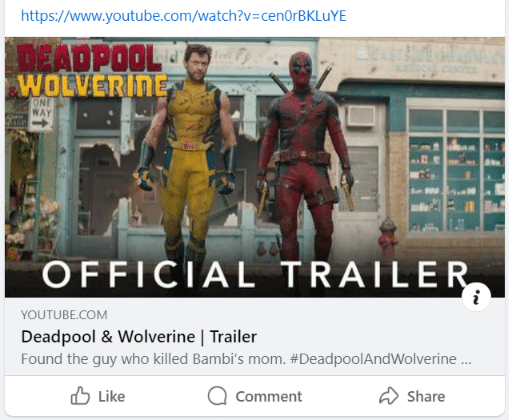
Marvel’s Deadpool & Wolverine trailer goes against Facebook’s “community standards.” Ryan Reynolds… you’re good.

If you want an example of the silliness of automated algorithms deployed by technology and clutched to by platforms like Facebook and Twitter… we mean X, then look no further than today’s debut of the trailer for Deadpool & Wolverine.

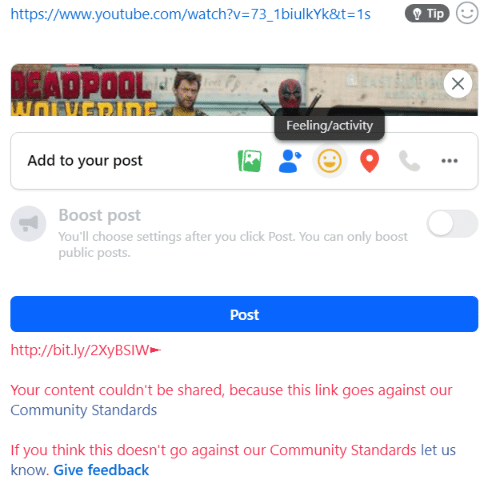
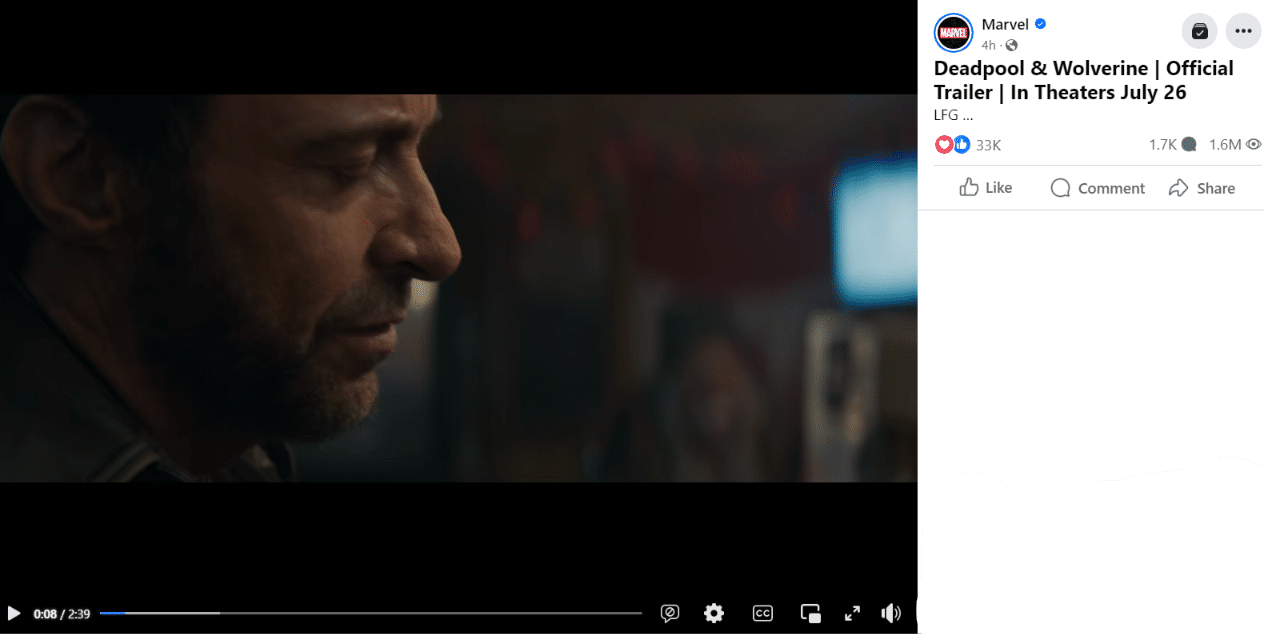
Complaints were raised that Facebook wouldn’t allow the sharing of the trailer from Marvel’s YouTube account. But, the same exact trailer shared from Ryan Reynolds’ YouTube account is perfectly fine. And, the same trailer is available on Marvel’s Facebook page. No difference at all as far as content.

Facebook says Marvel’s link goes against its standards, but… the exact same video can be shared from other accounts and is readily available directly on Facebook.

Add this to the million of reasons social media technology platforms are utter pieces of shit.

Omnibus adds Massive Publishing both in-app and the web store

Massive Publishing

Omnibus has added Massive Publishing to it’s roster of comic publishers. The new phase of their partnership launched today, both in-app and on its web store. Massive is the home of Sean Gordon Murphy’s Zorro: Man of The Dead, Quested, and The Exiled. Omnibus will be the exclusive digital distributor of their catalog for a period.

The initial list of titles included with this partnership are Harriet Tubman: Demon Slayer, Quested, Liquid Kill, North Valley Grimoire, Astrobots, The Exiled, The Plot Holes, Zorro: Man Of The Dead, Assassin’s Creed: Visionaries, and Washed In The Blood.

Zorro: Man of The Dead’s Kickstarter success started the partnership between both companies as Massive worked with Omnibus to provide digital fulfillment to all project backers.
.

Exclusive: Dave Baker’s essay, “Physical Media And The Fallacy of Digital Ownership”

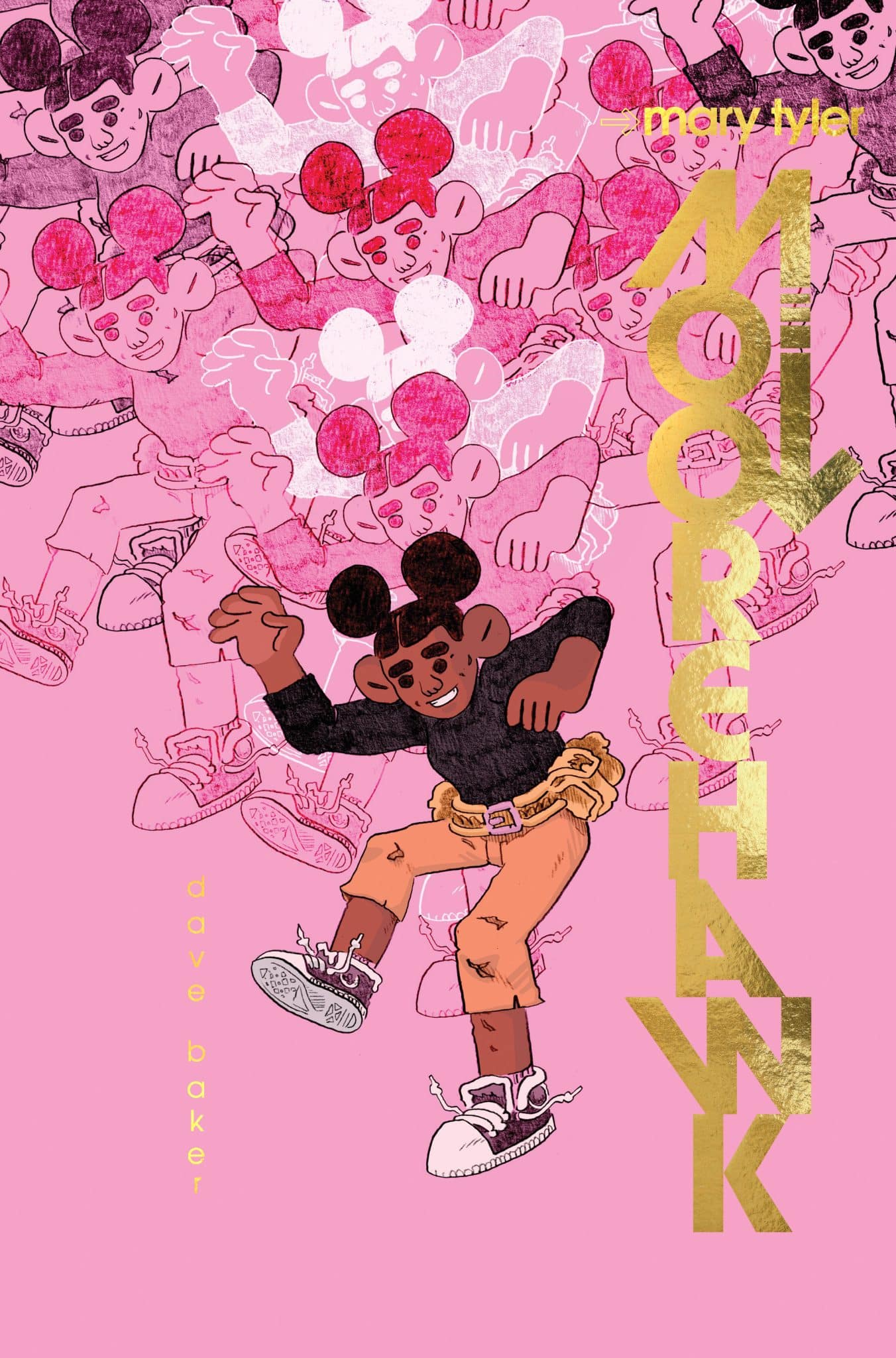
Mary Tyler MooreHawk cover

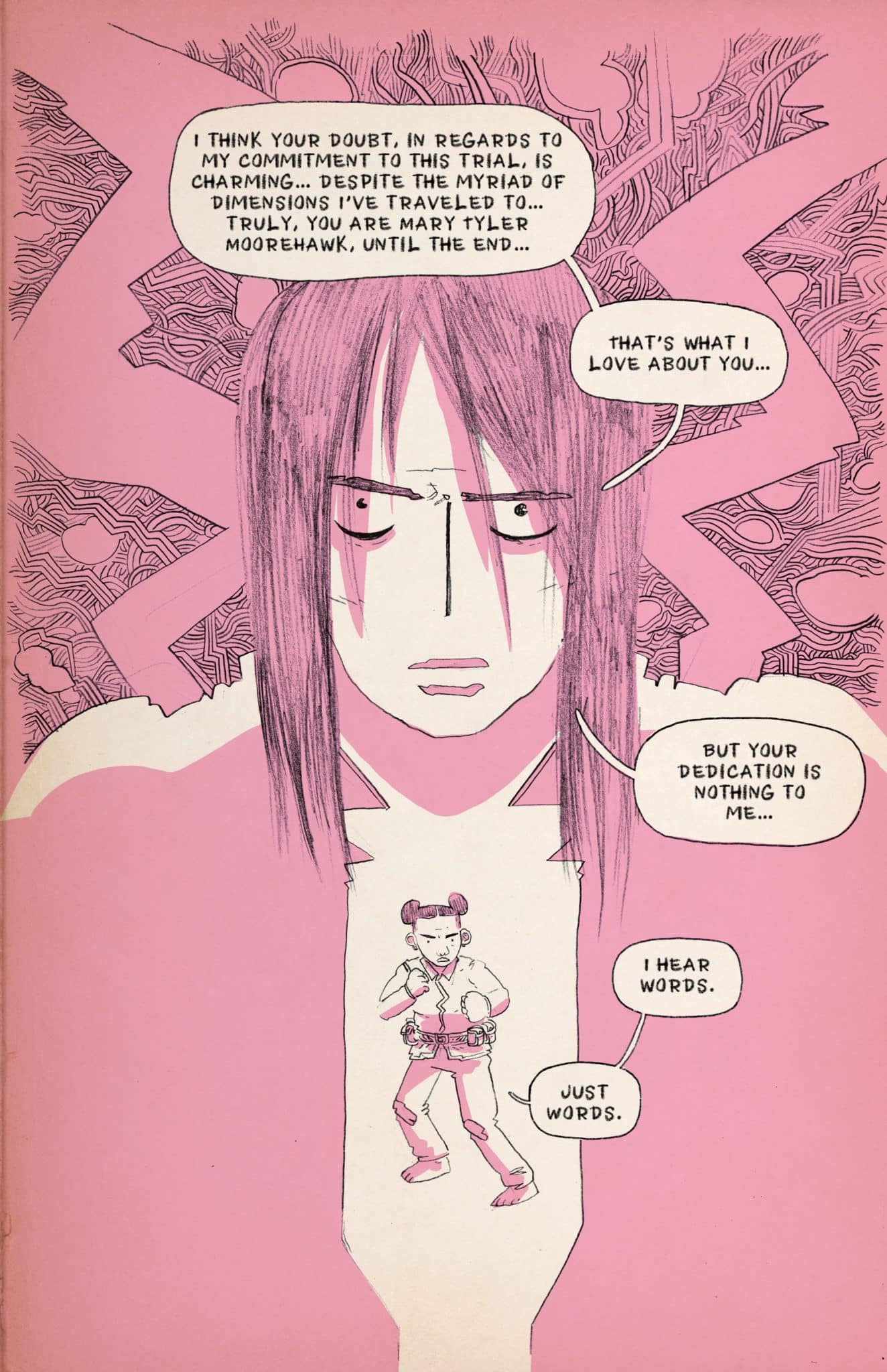
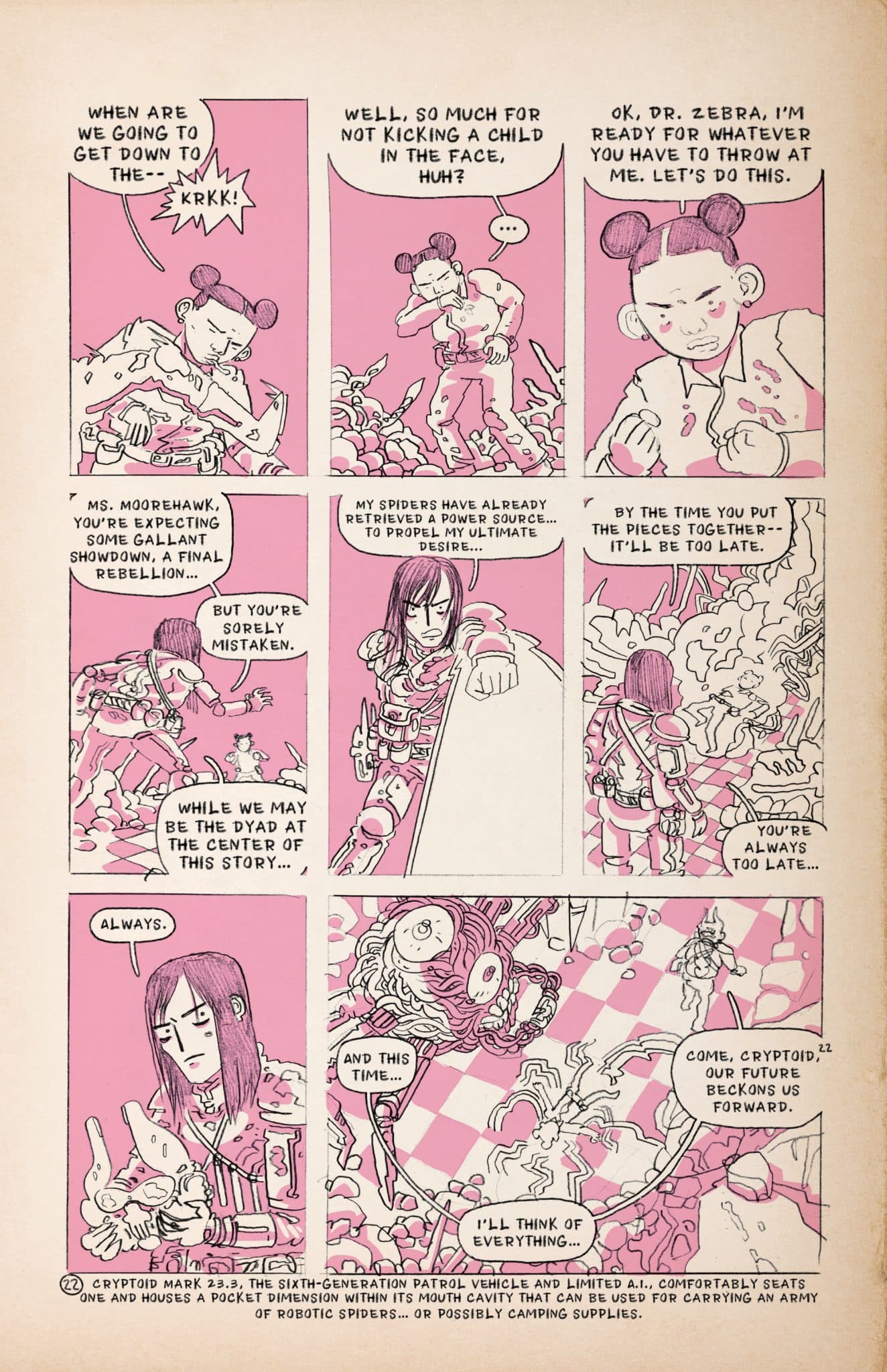
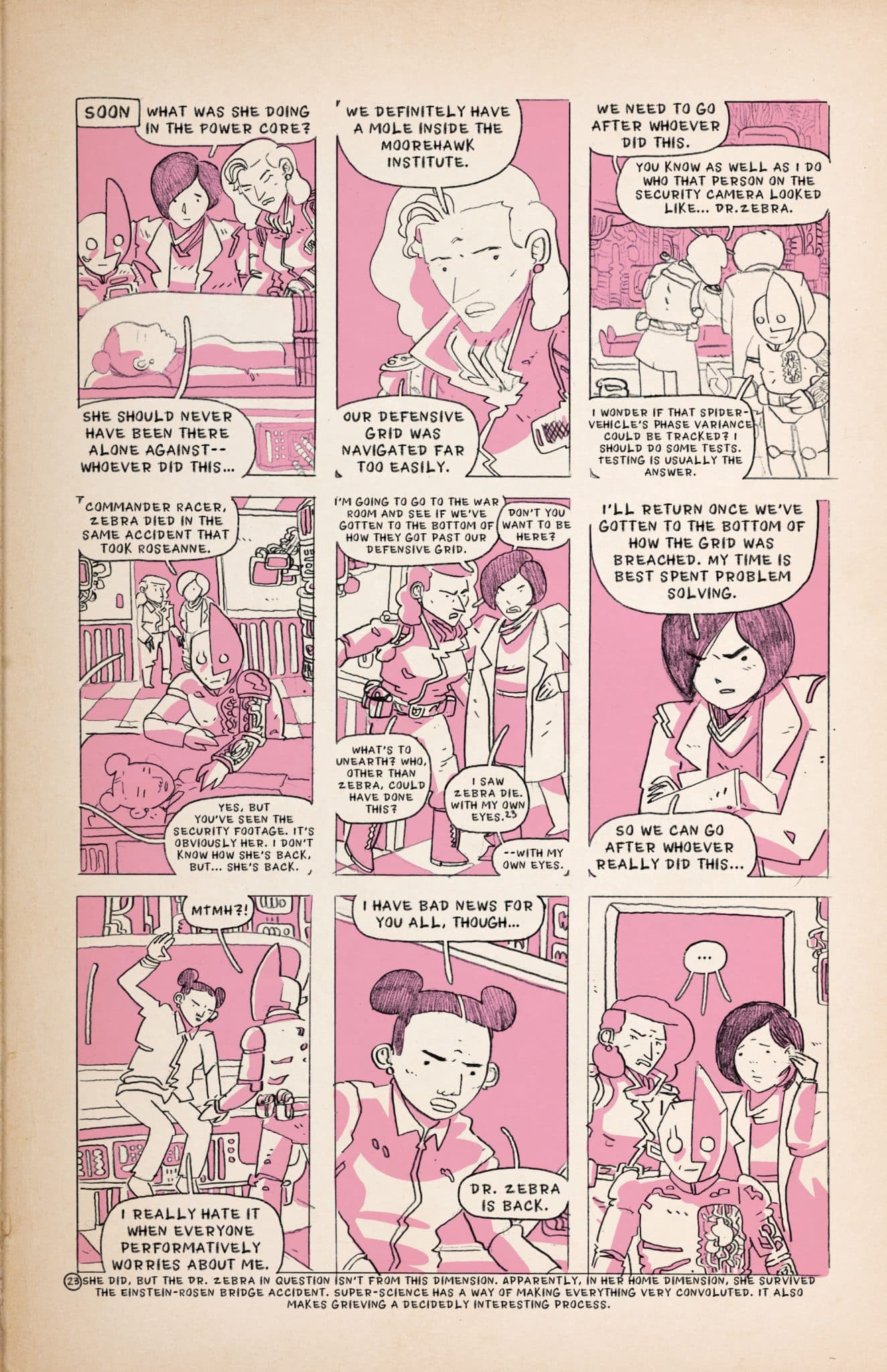
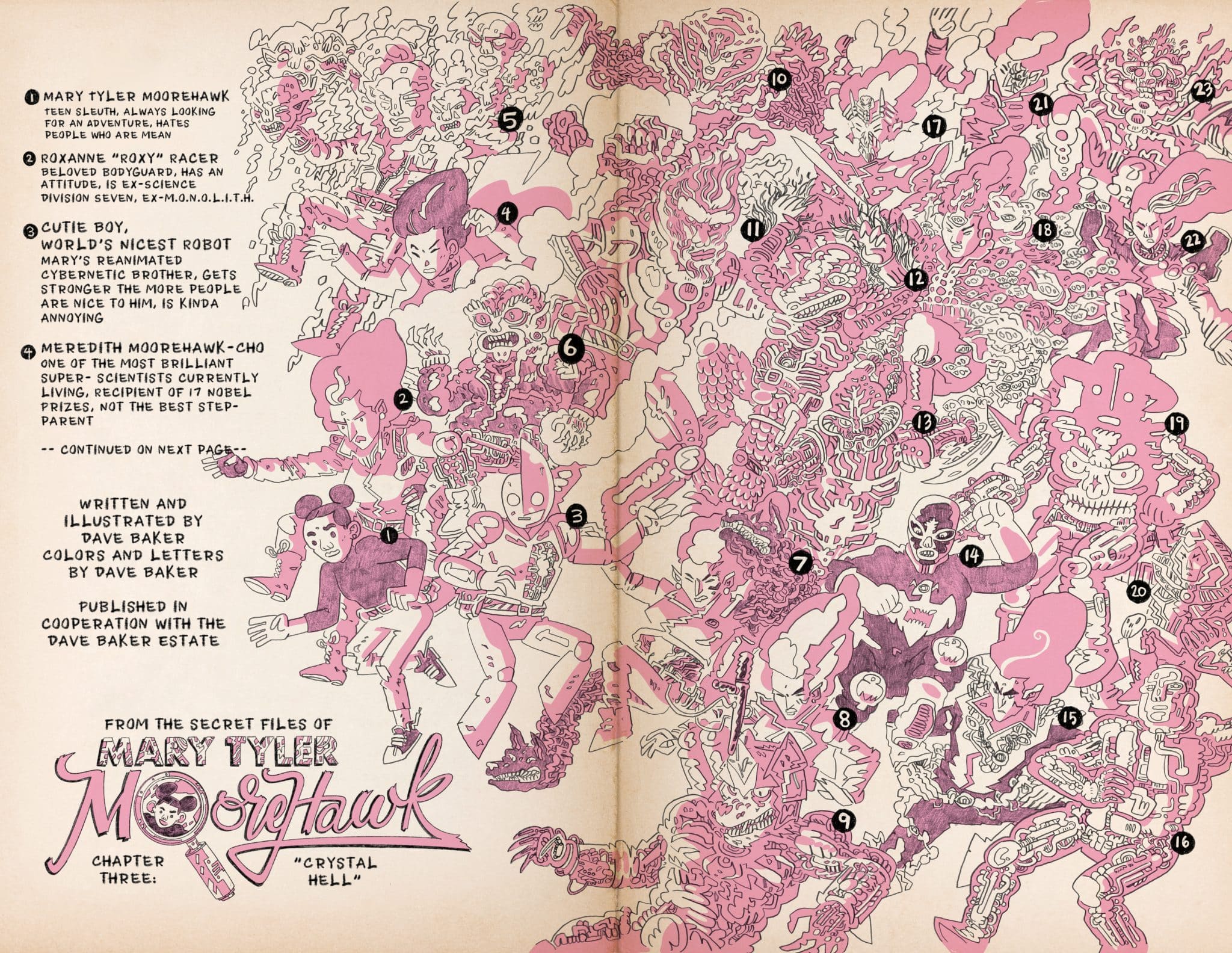
This week sees the release by Dave Baker‘s Mary Tyler MooreHawk, being published by Top Shelf Productions. Mary Tyler MooreHawk is equal parts sweeping action-adventure graphic novel and dystopian detective story that weaves back and forth between worlds, touching on everything from corporate personhood to mutant shark-men to the meaning of fandom and reality itself. It’s a show you don’t remember… and a book you won’t forget. 

We have an exclusive essay from Baker, “Physical Media And The Fallacy of Digital Ownership,” that looks at the shifting media consumption and what consumers really own. Check out the essay below as well as a preview of Mary Tyler MooreHawk.


I remember getting my first disk from Netflix in the mail. It was Green Street Hooligans, a soccer street-tough movie directed by the future Punisher: War Zone helmer Lexi Alexander, and starring Elijah Wood and Charlie Hunnam. My memory is that the movie is a fairly impressive piece of low budget work. Is that actually accurate? That’s anyone’s guess. I’ve only seen it the once.

This is a long and roundabout way to say… I remember the Before Times. The halcyon days when we all had physical discs of DVDs delivered to us by a company that just innocently wanted to make our lives easier and more convenient. Little did I know that this same company would pivot the entire cultural fabric of our country… and maybe the world. You’re probably saying, “That sounds a little extreme there, Davey Boy.” Just bare with me. Please.

The history of how media, specifically film, has developed is in two distinct revenue pipelines. The Theatrical Window and The Home Market. This is pretty self-evident, but I’m going to briefly lay it out, anyway. In the early days of the invention of cameras utilizing  the Persistence of Vision phenomenon to trick the brain into seeing 24 still images as a single moving reality the only way to witness this was to attend a theatrical experience. You paid your nickel, or dime, or quarter to sit in a darkened theater or tent, and watch magic happen before your eyes.

Mary Tyler MooreHawk

And that was it. When the magic was done… it was gone. Like so much smoke or gossamer.

And this was the status quo of the burgeoning industry for close to a half century. Eventually, betamax, VHS, Laser Disc, and DVD revolutionized and recontextualized this experience. Gone was the fleeting momentary experience, and here was an on-demand live-in fount of entertainment. And it’s been this way for close to forty years. Almost as long as the fledgling medium took to truly develop itself into the rough bones of what artists use to create works today.

But here’s the catch, that you can all see coming a mile away. This system was too good. We took it for granted. We didn’t appreciate what we had, and like a cruel stepmother in a fairytale, we were stripped of our privilege. Or something. I don’t know. That metaphor got away from me. But you see the point I’m driving at. Before: things good. Now: things less good. 

Physical media, whether they be discs or tapes or records, is an almost extinct thing. The streamers, led by the reborn Netflix, have taken convenience and weaponized it. They’ve proved that a click of a button enabling the screening of your favorite episode of Grey’s Anatomy today, is better than a disc purchased and housed in your home guaranteeing access for all time.

And while one element of this conversation is as ethereal and existential as the beginnings of the medium that the Lumiere Brothers pioneered, the other is exceedingly tangible and concrete. It lives in ones and zeroes. You see, the unintended side effect of physical media being replaced by servers and logins is that an entire secondary financial market has  been decimated.

In previous eras of the film business, you would get two bites at the apple. One during the theatrical window, which was hopefully a big debut and then massive weak over weak attrition, and then the Home Video market, which in many cases could save a film because of the funds generated by word of mouth.

Mary Tyler MooreHawk

That secondary market just does not exist in the same way. As such, residuals aren’t structured the same, if they exist at all, and very few projects are able to generate the hype and awareness to gain a second life on these labyrinthian and often siloed streaming platforms.

But here’s the darkest part of all, one that’s not a Check Out The Big Brain On Brad business and industry discussion.

Just because your favorite movie or show is currently available on your streamer of choice, doesn’t mean it will be there tomorrow. The Streaming Wars should, in theory, be offering incentives that are one-upping the competition in the arena of iron-clad digital ownership. However, it’s almost a race to the bottom, in that respect.

Recently Sony Playstation users were greeted with a prompt informing them that as of December 31st, 2023 all content related to parent company Discovery, that had been purchased to own, would no longer be available due to “licensing agreements” expiring.

Revoking ownership due to terms and conditions changing sure doesn’t seem like much of an ownership stake, does it? But this is the Faustian bargain we’ve all passively agreed to in exchange for the effortlessness of being able to stream.

What is life if you can’t binge 34 hours of House of Cards in a single weekend, taking only minimal piss and shit breaks, am I right? Who needs to feel the wind in your hair on a cool summer evening when there’s 15 seasons of Ink Master? Why unstrap yourself from the content machine when you can have your phone feeding you TikToks, and your laptop streaming Loki Season 2, and your iPad pulsing Spotify’s most listened to New Bangers for Sexy Bitches for 2k23? Content is king, baby. And there’s so much of it, who has time to do anything other than ingest.

The most horrifying element of this irrevocable trajectory, to me, is that this is just the beginning. In the early days of theatrical distribution, producers used to joke that they were in the business of getting something for nothing. Today, streamers are in the business of selling us access to everything in exchange for next to nothing. The knock on effect of this is that almost every aspect of the industry has contracted or bloated to match this anorexic binge and purge business model.  To make matters even worse we’re all permanently haunted by the idea that it could be taken away at any moment.

Mary Tyler MooreHawk

This media landscape and status quo is something that has affected nearly every creative industry. Film, TV, and Music, all permanently altered by the omnipresent specter of Infinite Access. 

Surprisingly, one industry that has weathered the Streaming Era relatively still intact is the Comic Book industry, or rather the loose network of retail comic book store locations, often referred to as the Direct Market, specifically. People who buy comics still want books. They want to hold things in their hands. However, thanks to supply chain issues, rising paper costs, editorial mismanagement, and a fervent catering towards an increasingly diminishing crowd of “speculator” collectors, even this industry is struggling in recent times.

The previous primary shift that happened in the media landscape prior to streaming was piracy. Napster, LimeWire, and a bevy of other Peer to Peer file sharing torrent sites turned the idea of distribution and ownership on its head in the late 90’s and early 2000’s. And in many ways digital piracy of music and film projects is not nearly as persistent as they once were, due in large part to the ease of access the streamers offer. However, ironically, piracy of comic books is at an all time high.

Without naming any names, there are sites available online that house literal millions of comics, organized, collated, and cataloged. They’re ready for a readership of new and interested eyeballs. And they don’t require you to fork over 4, 5, or sometimes as much as 6 dollars for a single issue that can be read in 15 minutes. The price of admission is just some annoying popup menus and probably your cookies and personal info being harvested by weirdo alt-right mailing lists that are too pathetic to actually be able to organically generate the interest they need to survive in the cold light of day.

I say all of this, because living in Los Angeles you’re inundated by these ideas. The pressures of the fiscal realities of the time and the rapidly changing consumption habits of a population who doesn’t give two shits about how the sausage is made… they just want to be fed.

So, logically, what do you do with all this pent up frustration, fascination, and rumination? You write a book about it … sort of.

Mary Tyler MooreHawk took me four years to create. It’s a book split into two halves. The first section is an action adventure comic following a group of super-science adventurers as they attempt to stop the end of the world, and the other half is a novel, about a journalist who’s obsessed with a TV show that only lasted 9 episodes and was based on the adventures of the previously detailed family.

Here’s the simple truth, most people that read my book, if they read it at all, are going to be focusing on the fun action, quirky characters, and retro-futurist science vibes. Which is great. I like those things too. But lurking just beneath that surface is something a bit more sinister. You see, in the novel components of the book there are excerpts from a zine titled Physicalist Today. In these sections you’ll experience a glimpse into what the future could hold. A world where ownership of physical objects is outlawed, a time when we’ve forgotten how the idea of “story” functions.

Mary Tyler MooreHawk

In this future, collecting and nostalgia are a poison pill. They’ve been driven underground by an oppressive government. And as such only a scant few people care enough to attend basement illegal swap meets where contraband like comic books, VHS tapes, and old vending machines are sold for pennies on the dollar.

To me, there’s a connection between ownership and the virality of an idea. Sure, there’s the Dawkins idea of a “meme” as a DNA-esque building block element of culture, that self-replicates and spreads like wildfire. But, on top of that, there’s a symbiotic relationship between the way those ideas spread and a physical attachment that reader, consumer, or viewer can experience.

Comic books specifically benefited from this relationship. In the early decades of their existence they were sold by the millions and then traded by the hundreds of millions. Children from all walks of life benefitted from the fact that once one of their friends had bought the new issue of Lois Lane, Superman’s Girlfriend, it would be traded, borrowed, and stolen tens of times before it would quite literally fall apart.

These colloquial libraries were the backbone of how Youth Culture spawned in the United States. From bootleg recordings of your favorite bands to dog-eared copies of your that one subversive novel, every idea that has had true cultural staying power has had some rooted fixture in the physical world.

Which is why the direction we’re currently headed in looks exponentially more bleak. With the idiotic calls for censorship and burning of books growing louder every day, the mind wonders what the terminus of this highly dangerous cultural preoccupation we have is? It starts by aiming a megaphone and underserved voices and people from minority groups’ self-expression. And then it rapidly evolves from there, if allowed to fester unchecked. When are the priceless pieces of our cultural history going to be removed, censored, or destroyed simply because they don’t match with the purported moral compass of a vocal minority?

When all is said and done, things are either going to completely erode, and we’re going to have no physical releases of the pieces of media we love, which is ostensibly where we are by all reasonable estimations. Or, things will course correct. The system will go into Oh, Dear God, I Must Un-Fuck Myself mode. The cultural buying habits will run counter to the world we live in right now, and the idea of physical ownership will experience a rebirth, potentially something akin to what has happened with vinyl records.

Is this the most likely case? Tragically, this is the trajectory we’re currently on. It’s frustrating, scary, and dour. But, frankly, that’s why I’ve dedicated my life to making books. I love books. I love the experience of holding them in my hands, turning the pages, and being sucked into some world that’s completely new and exciting. Which is exactly why I spent the last four years making Mary Tyler MooreHawk. I can’t say that when I started the project I anticipated it being so explicit about this exact topic, but, you know what they say, “all good art is autobiography.”

So, in conclusion, please don’t fall for the trap of thinking that digital ownership is a real thing… it’s not. It’s a mirage, propagated by corporate entities that work as stopgaps for our culture. It’s frustrating but, currently, there’s not much of a choice but to swim with these sharks. If you’re able to rebel against this new status quo in a minimal way, in your day-to-day adventures, please do so. I’ll consider it a personal favor to me. Not that you really owe me one… but, y’know, it would be nice. It’ll make me feel less alone as I’m shaking my fist at the clouds.

« Older Entries Recent Entries »