Category Archives: Technology

Exclusive: Dave Baker’s essay, “Physical Media And The Fallacy of Digital Ownership”
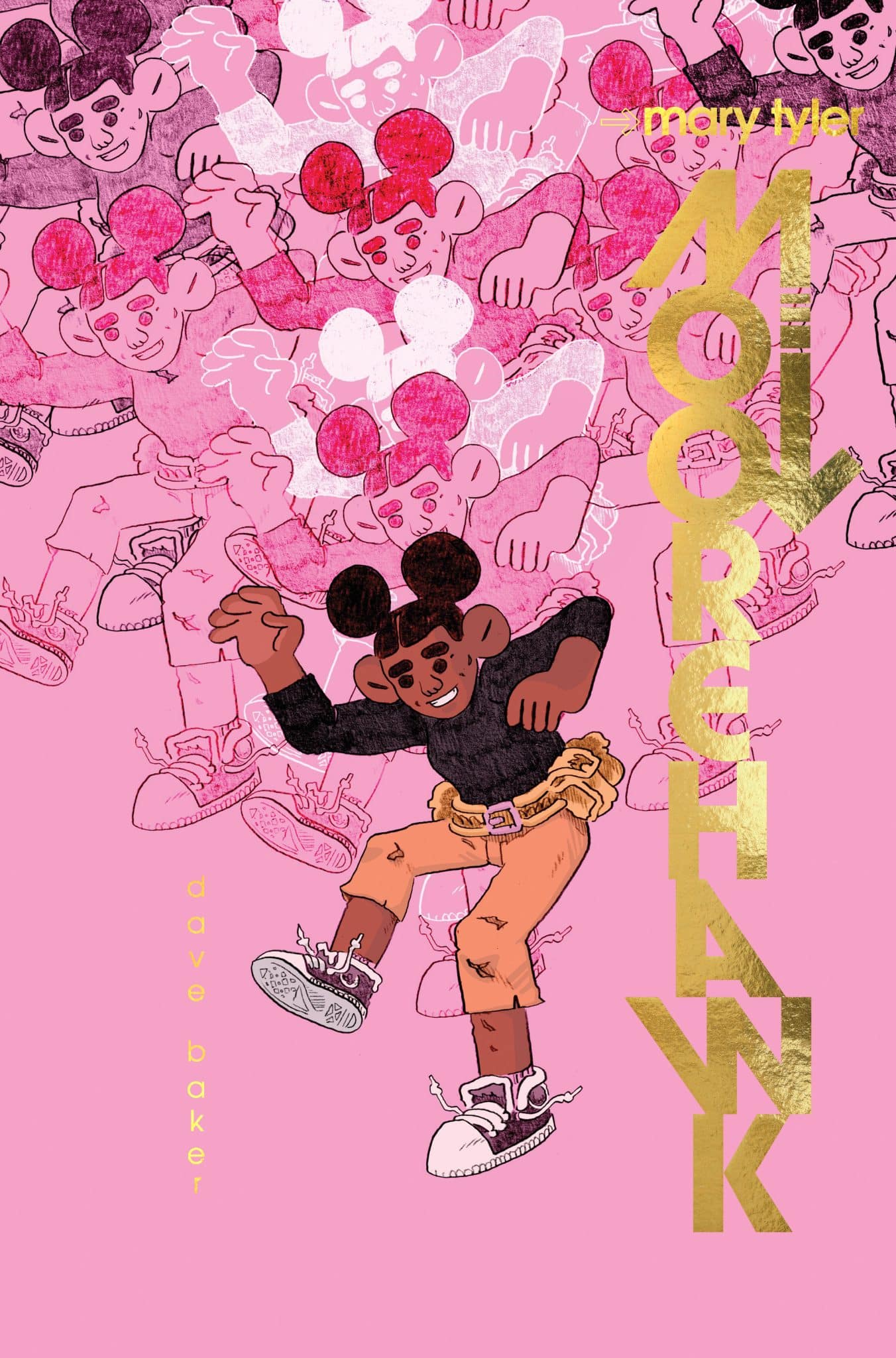
Mary Tyler MooreHawk cover

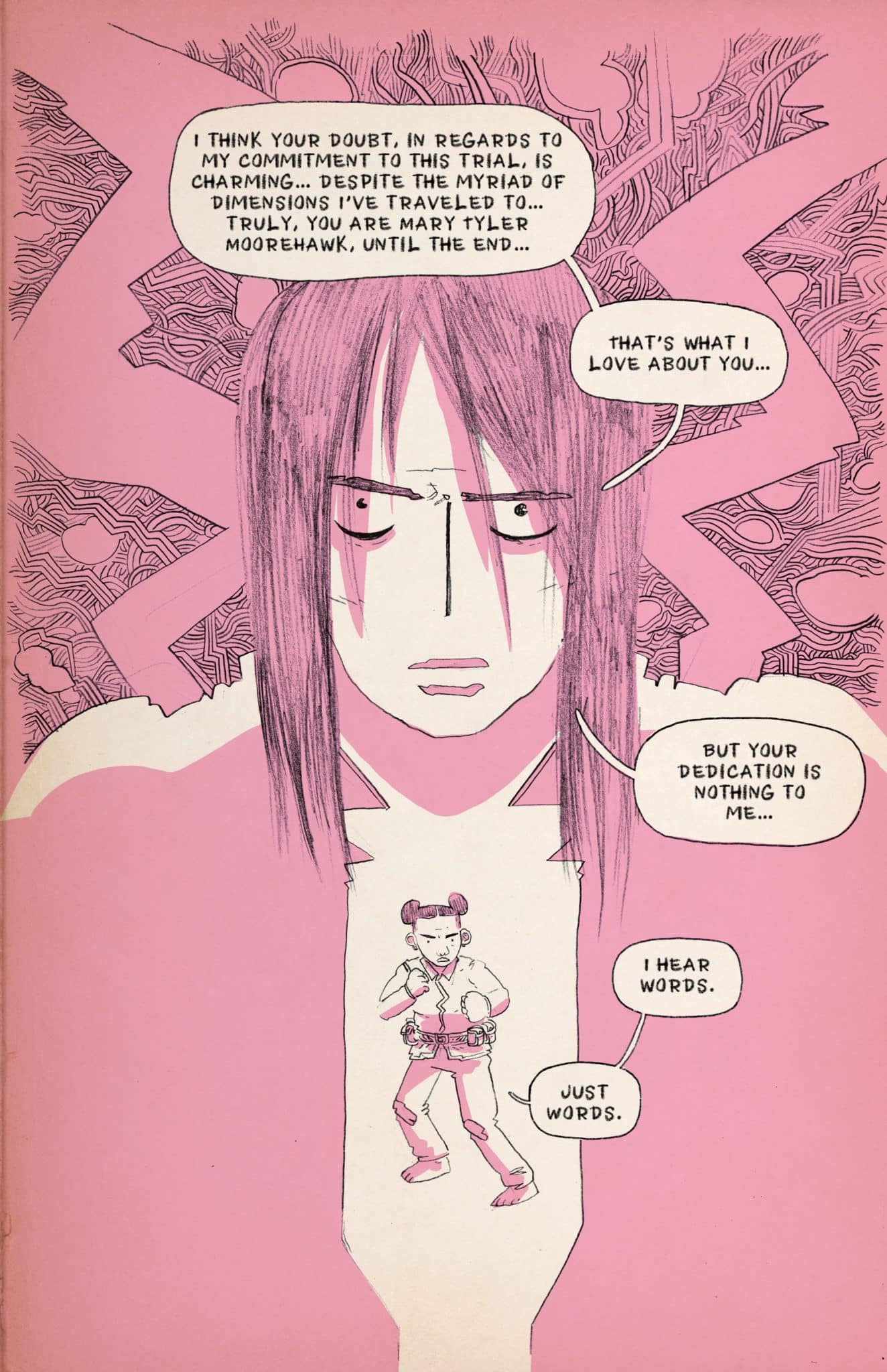
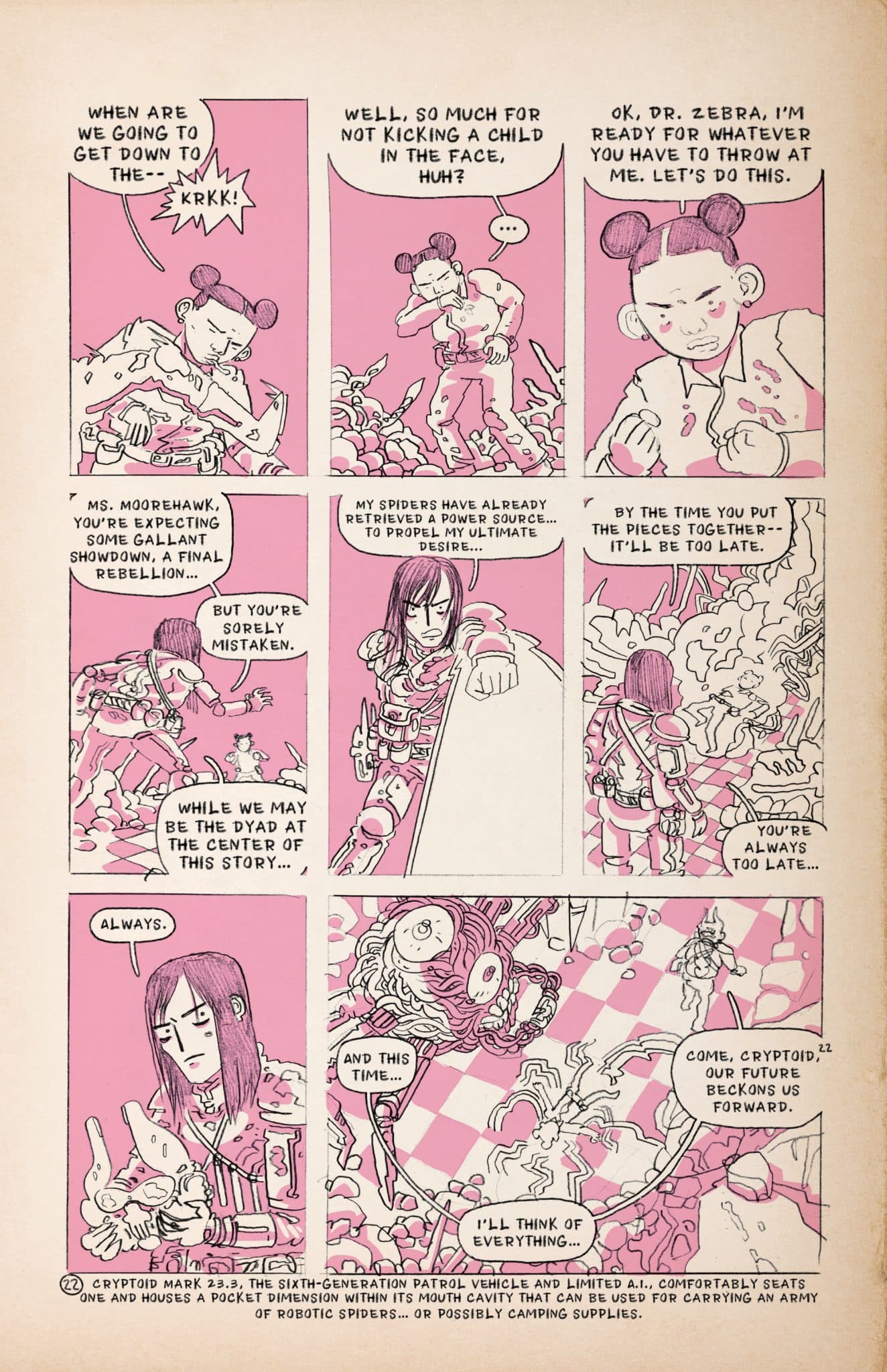
This week sees the release by Dave Baker‘s Mary Tyler MooreHawk, being published by Top Shelf Productions. Mary Tyler MooreHawk is equal parts sweeping action-adventure graphic novel and dystopian detective story that weaves back and forth between worlds, touching on everything from corporate personhood to mutant shark-men to the meaning of fandom and reality itself. It’s a show you don’t remember… and a book you won’t forget. 

We have an exclusive essay from Baker, “Physical Media And The Fallacy of Digital Ownership,” that looks at the shifting media consumption and what consumers really own. Check out the essay below as well as a preview of Mary Tyler MooreHawk.


I remember getting my first disk from Netflix in the mail. It was Green Street Hooligans, a soccer street-tough movie directed by the future Punisher: War Zone helmer Lexi Alexander, and starring Elijah Wood and Charlie Hunnam. My memory is that the movie is a fairly impressive piece of low budget work. Is that actually accurate? That’s anyone’s guess. I’ve only seen it the once.

This is a long and roundabout way to say… I remember the Before Times. The halcyon days when we all had physical discs of DVDs delivered to us by a company that just innocently wanted to make our lives easier and more convenient. Little did I know that this same company would pivot the entire cultural fabric of our country… and maybe the world. You’re probably saying, “That sounds a little extreme there, Davey Boy.” Just bare with me. Please.

The history of how media, specifically film, has developed is in two distinct revenue pipelines. The Theatrical Window and The Home Market. This is pretty self-evident, but I’m going to briefly lay it out, anyway. In the early days of the invention of cameras utilizing  the Persistence of Vision phenomenon to trick the brain into seeing 24 still images as a single moving reality the only way to witness this was to attend a theatrical experience. You paid your nickel, or dime, or quarter to sit in a darkened theater or tent, and watch magic happen before your eyes.
Mary Tyler MooreHawk

And that was it. When the magic was done… it was gone. Like so much smoke or gossamer.

And this was the status quo of the burgeoning industry for close to a half century. Eventually, betamax, VHS, Laser Disc, and DVD revolutionized and recontextualized this experience. Gone was the fleeting momentary experience, and here was an on-demand live-in fount of entertainment. And it’s been this way for close to forty years. Almost as long as the fledgling medium took to truly develop itself into the rough bones of what artists use to create works today.

But here’s the catch, that you can all see coming a mile away. This system was too good. We took it for granted. We didn’t appreciate what we had, and like a cruel stepmother in a fairytale, we were stripped of our privilege. Or something. I don’t know. That metaphor got away from me. But you see the point I’m driving at. Before: things good. Now: things less good. 

Physical media, whether they be discs or tapes or records, is an almost extinct thing. The streamers, led by the reborn Netflix, have taken convenience and weaponized it. They’ve proved that a click of a button enabling the screening of your favorite episode of Grey’s Anatomy today, is better than a disc purchased and housed in your home guaranteeing access for all time.

And while one element of this conversation is as ethereal and existential as the beginnings of the medium that the Lumiere Brothers pioneered, the other is exceedingly tangible and concrete. It lives in ones and zeroes. You see, the unintended side effect of physical media being replaced by servers and logins is that an entire secondary financial market has  been decimated.

In previous eras of the film business, you would get two bites at the apple. One during the theatrical window, which was hopefully a big debut and then massive weak over weak attrition, and then the Home Video market, which in many cases could save a film because of the funds generated by word of mouth.
Mary Tyler MooreHawk

That secondary market just does not exist in the same way. As such, residuals aren’t structured the same, if they exist at all, and very few projects are able to generate the hype and awareness to gain a second life on these labyrinthian and often siloed streaming platforms.

But here’s the darkest part of all, one that’s not a Check Out The Big Brain On Brad business and industry discussion.

Just because your favorite movie or show is currently available on your streamer of choice, doesn’t mean it will be there tomorrow. The Streaming Wars should, in theory, be offering incentives that are one-upping the competition in the arena of iron-clad digital ownership. However, it’s almost a race to the bottom, in that respect.

Recently Sony Playstation users were greeted with a prompt informing them that as of December 31st, 2023 all content related to parent company Discovery, that had been purchased to own, would no longer be available due to “licensing agreements” expiring.

Revoking ownership due to terms and conditions changing sure doesn’t seem like much of an ownership stake, does it? But this is the Faustian bargain we’ve all passively agreed to in exchange for the effortlessness of being able to stream.

What is life if you can’t binge 34 hours of House of Cards in a single weekend, taking only minimal piss and shit breaks, am I right? Who needs to feel the wind in your hair on a cool summer evening when there’s 15 seasons of Ink Master? Why unstrap yourself from the content machine when you can have your phone feeding you TikToks, and your laptop streaming Loki Season 2, and your iPad pulsing Spotify’s most listened to New Bangers for Sexy Bitches for 2k23? Content is king, baby. And there’s so much of it, who has time to do anything other than ingest.

The most horrifying element of this irrevocable trajectory, to me, is that this is just the beginning. In the early days of theatrical distribution, producers used to joke that they were in the business of getting something for nothing. Today, streamers are in the business of selling us access to everything in exchange for next to nothing. The knock on effect of this is that almost every aspect of the industry has contracted or bloated to match this anorexic binge and purge business model.  To make matters even worse we’re all permanently haunted by the idea that it could be taken away at any moment.
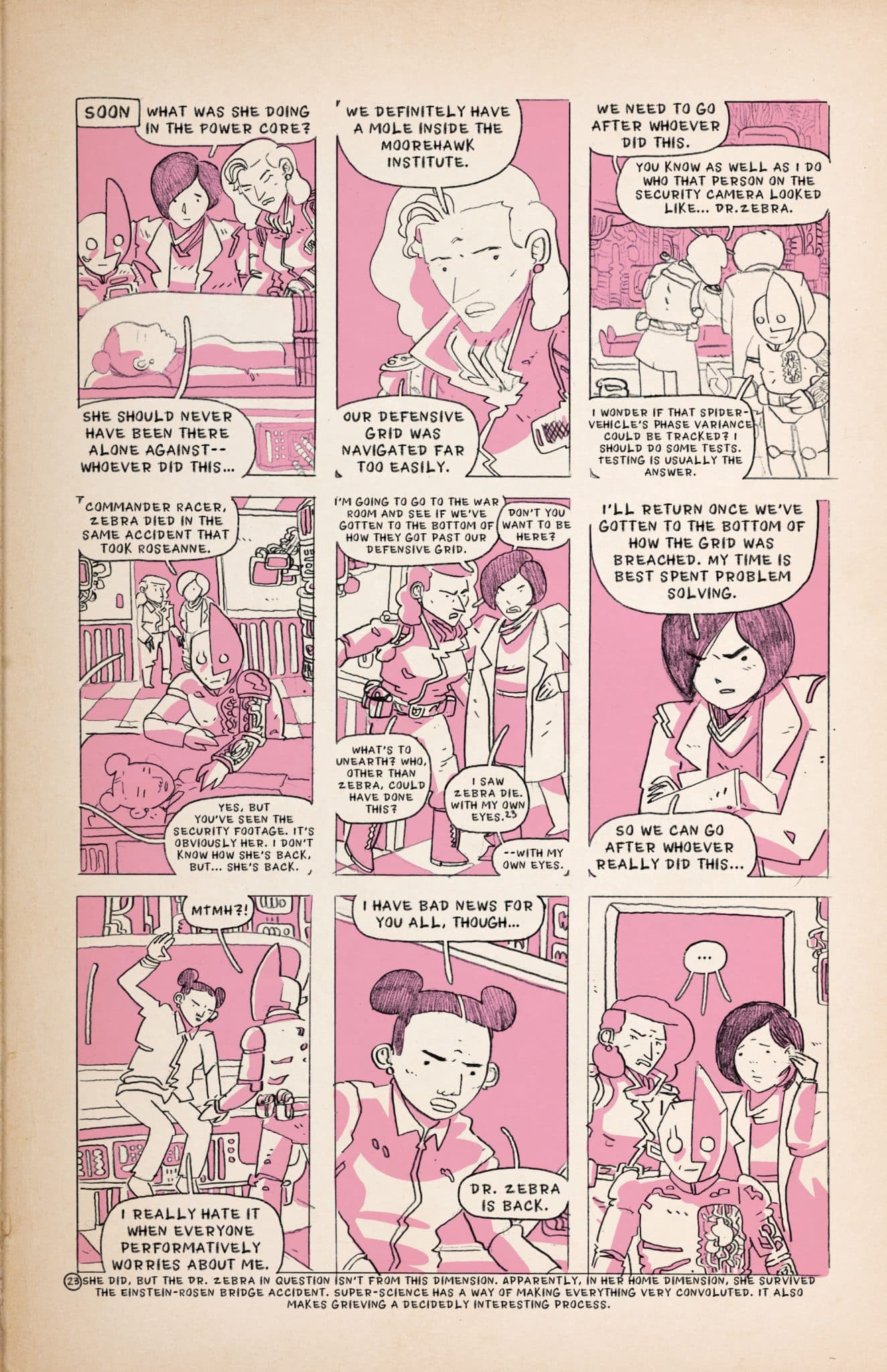
Mary Tyler MooreHawk

This media landscape and status quo is something that has affected nearly every creative industry. Film, TV, and Music, all permanently altered by the omnipresent specter of Infinite Access. 

Surprisingly, one industry that has weathered the Streaming Era relatively still intact is the Comic Book industry, or rather the loose network of retail comic book store locations, often referred to as the Direct Market, specifically. People who buy comics still want books. They want to hold things in their hands. However, thanks to supply chain issues, rising paper costs, editorial mismanagement, and a fervent catering towards an increasingly diminishing crowd of “speculator” collectors, even this industry is struggling in recent times.

The previous primary shift that happened in the media landscape prior to streaming was piracy. Napster, LimeWire, and a bevy of other Peer to Peer file sharing torrent sites turned the idea of distribution and ownership on its head in the late 90’s and early 2000’s. And in many ways digital piracy of music and film projects is not nearly as persistent as they once were, due in large part to the ease of access the streamers offer. However, ironically, piracy of comic books is at an all time high.

Without naming any names, there are sites available online that house literal millions of comics, organized, collated, and cataloged. They’re ready for a readership of new and interested eyeballs. And they don’t require you to fork over 4, 5, or sometimes as much as 6 dollars for a single issue that can be read in 15 minutes. The price of admission is just some annoying popup menus and probably your cookies and personal info being harvested by weirdo alt-right mailing lists that are too pathetic to actually be able to organically generate the interest they need to survive in the cold light of day.

I say all of this, because living in Los Angeles you’re inundated by these ideas. The pressures of the fiscal realities of the time and the rapidly changing consumption habits of a population who doesn’t give two shits about how the sausage is made… they just want to be fed.

So, logically, what do you do with all this pent up frustration, fascination, and rumination? You write a book about it … sort of.

Mary Tyler MooreHawk took me four years to create. It’s a book split into two halves. The first section is an action adventure comic following a group of super-science adventurers as they attempt to stop the end of the world, and the other half is a novel, about a journalist who’s obsessed with a TV show that only lasted 9 episodes and was based on the adventures of the previously detailed family.

Here’s the simple truth, most people that read my book, if they read it at all, are going to be focusing on the fun action, quirky characters, and retro-futurist science vibes. Which is great. I like those things too. But lurking just beneath that surface is something a bit more sinister. You see, in the novel components of the book there are excerpts from a zine titled Physicalist Today. In these sections you’ll experience a glimpse into what the future could hold. A world where ownership of physical objects is outlawed, a time when we’ve forgotten how the idea of “story” functions.
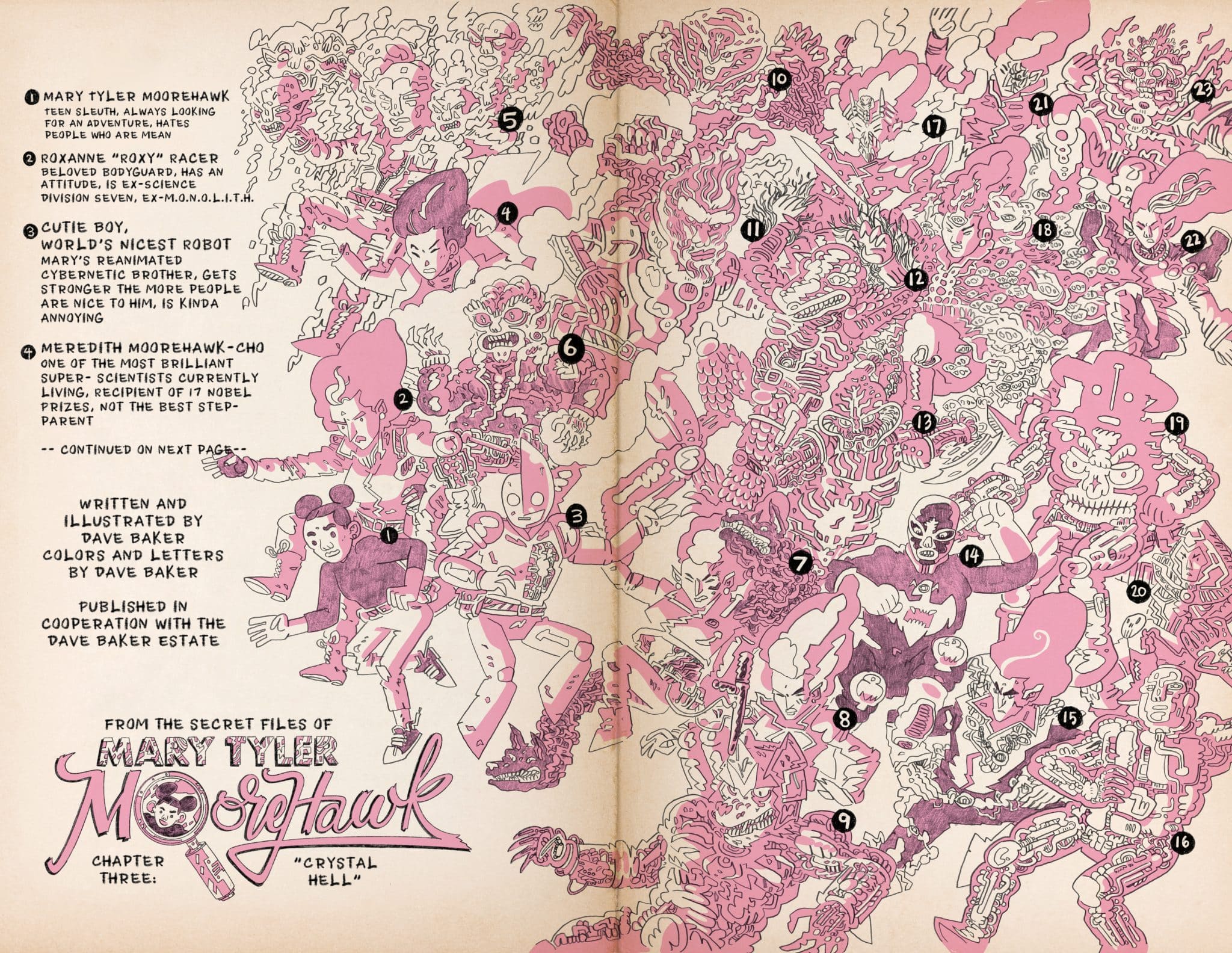
Mary Tyler MooreHawk

In this future, collecting and nostalgia are a poison pill. They’ve been driven underground by an oppressive government. And as such only a scant few people care enough to attend basement illegal swap meets where contraband like comic books, VHS tapes, and old vending machines are sold for pennies on the dollar.

To me, there’s a connection between ownership and the virality of an idea. Sure, there’s the Dawkins idea of a “meme” as a DNA-esque building block element of culture, that self-replicates and spreads like wildfire. But, on top of that, there’s a symbiotic relationship between the way those ideas spread and a physical attachment that reader, consumer, or viewer can experience.

Comic books specifically benefited from this relationship. In the early decades of their existence they were sold by the millions and then traded by the hundreds of millions. Children from all walks of life benefitted from the fact that once one of their friends had bought the new issue of Lois Lane, Superman’s Girlfriend, it would be traded, borrowed, and stolen tens of times before it would quite literally fall apart.

These colloquial libraries were the backbone of how Youth Culture spawned in the United States. From bootleg recordings of your favorite bands to dog-eared copies of your that one subversive novel, every idea that has had true cultural staying power has had some rooted fixture in the physical world.

Which is why the direction we’re currently headed in looks exponentially more bleak. With the idiotic calls for censorship and burning of books growing louder every day, the mind wonders what the terminus of this highly dangerous cultural preoccupation we have is? It starts by aiming a megaphone and underserved voices and people from minority groups’ self-expression. And then it rapidly evolves from there, if allowed to fester unchecked. When are the priceless pieces of our cultural history going to be removed, censored, or destroyed simply because they don’t match with the purported moral compass of a vocal minority?

When all is said and done, things are either going to completely erode, and we’re going to have no physical releases of the pieces of media we love, which is ostensibly where we are by all reasonable estimations. Or, things will course correct. The system will go into Oh, Dear God, I Must Un-Fuck Myself mode. The cultural buying habits will run counter to the world we live in right now, and the idea of physical ownership will experience a rebirth, potentially something akin to what has happened with vinyl records.

Is this the most likely case? Tragically, this is the trajectory we’re currently on. It’s frustrating, scary, and dour. But, frankly, that’s why I’ve dedicated my life to making books. I love books. I love the experience of holding them in my hands, turning the pages, and being sucked into some world that’s completely new and exciting. Which is exactly why I spent the last four years making Mary Tyler MooreHawk. I can’t say that when I started the project I anticipated it being so explicit about this exact topic, but, you know what they say, “all good art is autobiography.”

So, in conclusion, please don’t fall for the trap of thinking that digital ownership is a real thing… it’s not. It’s a mirage, propagated by corporate entities that work as stopgaps for our culture. It’s frustrating but, currently, there’s not much of a choice but to swim with these sharks. If you’re able to rebel against this new status quo in a minimal way, in your day-to-day adventures, please do so. I’ll consider it a personal favor to me. Not that you really owe me one… but, y’know, it would be nice. It’ll make me feel less alone as I’m shaking my fist at the clouds.
Jury finds Google has an illegal monopoly in its app store in Epic win

Epic Win

It’s been a fight going on for three years, but we finally have a bit of an answer as to who wins in the Epic Games vs. Apple and Google. Epic has won the first round. The jury has made a decision in Epic v. Google and found that Google turned the Google Play app store and Google Play Billing service into an illegal monopoly.

The jury answered yes to every question and came to the conclusion that Google has monopoly power when it comes to the Android app distribution market and in-app billing. Also Google made anticompetitive moves in those markets. And, Epic was injured by that. Basically, up and down when it comes to this Google was doing shady and illegal things.

It’s a big turn as Epic’s fight with Apple didn’t go as well when the judge decided the fight had nothing to do with apps.

There’s still a bit to go as it’s unclear what Epic has won, Judge James Donato must decide on that. Epic didn’t sue for money and instead has been pushing to allow developers freedom of their own app stores and billing systems on Android.

There’s a near guarantee Google will appeal the case. The result has massive implications for any app that has a built in store/market as well as how apps are distributed for instance digital comic distribution platforms/readers/stores.

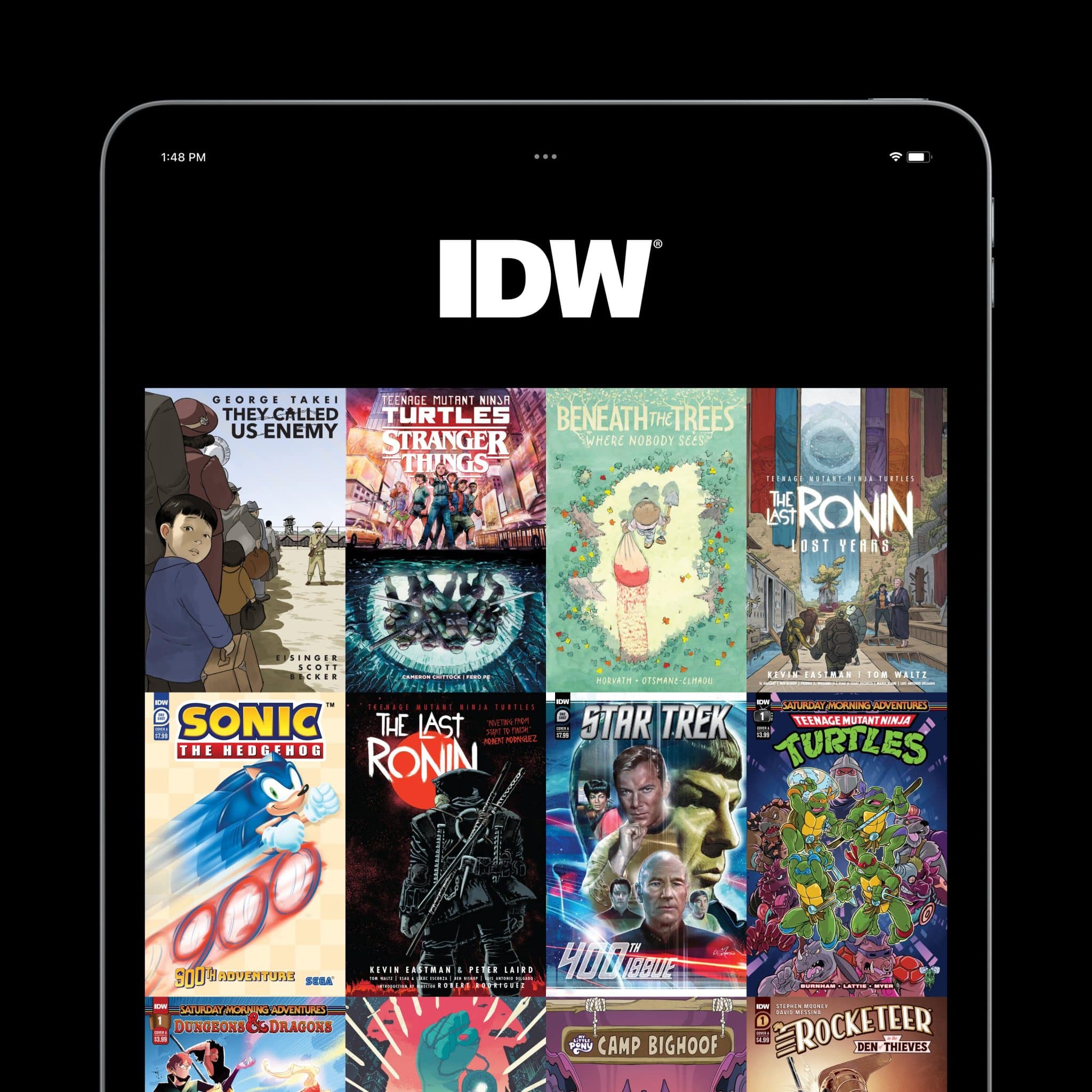
IDW Publishing Brings TMNT, Sonic, Godzilla, and More to the Omnibus App

Comics should always be accessible, and the award-winning comic publisher IDW Publishing is joining forces with the modern digital comic book store and reader app Omnibus to bring its vast library of exciting and inspiring stories to more readers.

From the pop culture phenomenon Teenage Mutant Ninja Turtles: The Last Ronin to the captivating Dark Spaces: Wildfire, more than 300 releases from IDW Publishing and Top Shelf Productions are now available for purchase on the Omnibus app.

IDW Omnibus

DSTLRY Launches its Digital Comics Reader Beta

DSTLRY has launched its beta v0.1 desktop reader at dstlry.co with the digital release of The Devil’s Cut. The digital debut of The Devil’s Cut is the first step towards a full mobile experience and marketplace, scheduled to debut in 2024.

The digital price of The Devil’s Cut will be $6.66. DSTLRY is recommending customers use the desktop reading experience; mobile reading is available but not fully stable in this beta v0.1 release. 

For a rundown on beta v0.1 and current & upcoming features, check out the intro video from DSTLRY co-founder and CEO David Steinberger.

DSTLRY’s digital store and reader beta fuses the excitement of New Comic Book Day with digital reading, while establishing a new revenue stream for creators. Mirroring the limited-run nature of print comics, DSTLRY’s digital releases will be available directly from the publisher on dstlry.co for one week—Wednesday through Tuesday—upon release. Mass market digital releases will follow when collections arrive in print.

DSTLRY’s first digital release is The Devil’s Cut, the company’s premier issue. Featuring 11 knockout short-stories from the publisher’s all-star lineup of Founding Creators and friends, the digital version of the 88-page mature-readers collection will be available for purchase directly from DSTLRY through December 12th. Gone #1 by Jock will debut digitally on December 13th alongside the first ownership benefit, and Somna #1 by Tula Lotay and Becky Cloonan will debut digitally alongside more digital benefits on December 20th.

The v0.1 beta of DSTLRY’s digital reader will allow fans to enjoy their comics library in full page view, fit to width, with basic +/- zooming controls on their desktops. While also available via mobile web browsers, the best experience for v0.1 is on desktop.

The comiXology and Kindle apps are “merging” in December

comiXology

After a generally disastrous “merging” of the web comiXology store with Amazon‘s web store, it looks like it’s take two as the comiXology app will be “merging” with the Kindle app in December.

Any comics previously purchased through comiXology are now visible in the Kindle app library and Amazon has boasted an “upgraded Kindle app experience.”

Individuals will still be able to use the comiXology app to read until December 4, 2023.

We’ve hear rumors of more changes behind the scenes and we’ll see if those pan out as well. Pour one out for comiXology, the (former) leader for digital comics. So much potential… squandered.

You can read the full email below:

Hello Comics fans,
 
We’re writing to let you know about upcoming changes to the way that you will access and read your Comixology digital comics, graphic novels, and manga titles. On December 4, 2023, we will be merging the Comixology and Kindle applications on iOS, Android, and Fire OS. Starting today, any books previously purchased on Comixology will automatically be visible in your library on the Kindle app. The upgraded Kindle app experience is available now; however, you may continue reading your books in the Comixology app until December 4, 2023. You can read more about the upcoming changes here.

We’ve been hard at work upgrading the Kindle app to deliver the great digital comics, graphic novels, and manga experience you’re accustomed to in the Comixology app, including:

Your library in the Kindle app now groups your issues, volumes, and omnibuses from the same series together.

The Kindle app now allows you to hide and unhide specific comics, graphic novels, and manga in your library. Titles you’ve already set to hide via the Comixology app will automatically be hidden in the Kindle app.

With your complete library of books now conveniently in one place, you can select ‘Comics & Manga’ from the in-app filter menu to quickly find just your comics, graphic novels, and manga titles.

Members of Comixology Unlimited, Kindle Unlimited, or Amazon Prime can borrow comics, graphic novels, and manga titles directly in app. Tap the ‘Home’ button from the bottom nav, select the ‘Explore’ button in the top left directly under the search bar, then select the ‘Comics, Manga, and Graphic Novels’ button listed under the ‘More categories’ label. You may also continue to browse for content on the web via http://www.amazon.com/comixology.

You may also continue to read your Comixology books on the web via read.amazon.com. If you prefer to read on your Kindle E-reader, you can go to Your Content and Devices to send individual titles to download on your e-reader.

If you encounter any issues accessing your content, or have not yet merged your Comixology account with an Amazon login, please contact Customer Service for support:

Go to https://www.amazon.com/hz/contact-us/

Go to ‘Help with Something Else’ and select ‘eBooks, Prime Videos or Music.’

Then click ‘Kindle eBooks/Digital Content/Comics’ and select the subcategory best related to your question.

We look forward to continuing to serve you,

The Comixology team

NYCC 2023: GlobalComix App has launched worldwide!

GlobalComix has launched its flagship app, now available on iOS and Android phones and tablets. GlobalComix is designed for publishers and creators to digitally distribute their comics much faster than traditional methods, while allowing readers to discover exciting new content as part of their affordable monthly cost. The app will bring more comics to even more readers worldwide. With this, the team is paving the way for a vibrant and thriving ecosystem in which comics creators and publishers can make a sustainable living, doing exactly what they love. 

Founded by Christopher Carter, Alessio Deiana, Eric Tapper, and Robert Hoffer, the subscription service not only brings digital comics on demand to readers, but also has become the top digital hub for leading comic book publishers such as Image Comics, BOOM! Studios, Valiant Entertainment, Top Cow, Humanoids, Mad Cave Studios, and more; which includes PDF downloads as well as exclusive content partnerships to highlight new titles and content packages. 

GlobalComix App Features

  • Over 45,000 releases of comics, manga, and webcomics across all genres, and growing
  • Simple search engine that helps readers find old and new favorite titles by filtering across genres, themes, art styles, formats, audiences, and more
  • Whether on tablet or phone, there’s powerful and customizable reading experience offered in vertical scroll, single or double page layouts
  • Readers can also easily comment, follow, and add comics to their list to be picked up later; or option opt-in and receive notification when there’s a new release 
  • GlobalComix is a creator-friendly platform where creators and publishers can publish for free — and the majority (65-70%) of their subscription fee is distributed among owners of the content read 

Get started by downloading the GlobalComix app from The App Store or Google Play! 

BLENDJET’s TMNT portable blender will have you breaking out smoothies like a ninja

BLENDJET’s TMNT portable blender

Licensed products hold a curious place in nerdom, specifically because they act as flags that signal our love of something. Teenage Mutant Ninja Turtles is perhaps one of the most treasured licenses for this. Their toys, movies, and countless other products have become a staple of childhood memories. One way or another, you’ll grow up with something bearing the TMNT name.

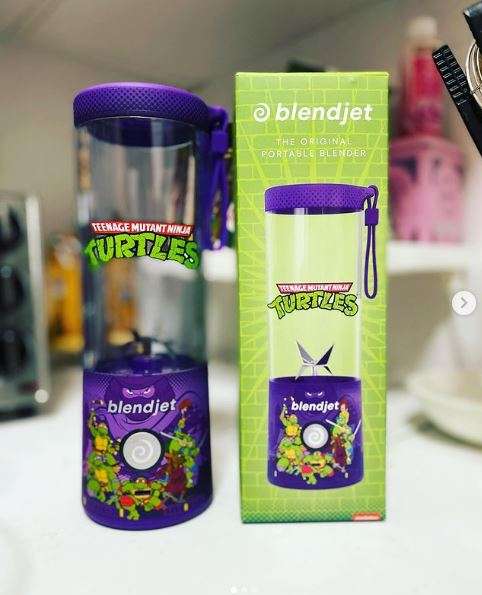
Blendjet is the latest company to further that mission with their new Teenage Mutant Ninja Turtle Blendjet 2 portable blender. It’s a light, easy to carry, and USB-rechargeable blender that lets you make smoothies on the go. It’s a powerful machine (retailing as of the time of this writing at $49.99) that can crush ice, mix it in with fruit and liquids, and produce a drink in some 20 seconds, give or take. One charge should yield 15+ blends.

The blender functions as advertised. I’ve squeezed some 16-19 blends per charge and have tested all manner of frozen fruits to see how it holds up. Cleanup consists of adding water and soap and then pushing the button to let it, essentially, clean itself. Sometimes you still have to carefully clean the blades yourself to remove any leftover pieces of fruit, but for the most part it really does do the job on its own.

BLENDJET’s TMNT portable blender

Of course, what TMNT fans will be eager to know is if it looks cool enough to add to the collection. I’m happy to say it does, and it’s mostly owed to the careful approach to design. The blender comes in two styles: “Colorful Ninjas” and “Shredder’s Mind.” For what I consider to be obvious reasons, I went with Shredder’s Mind.

There really wasn’t much competition considering the machine’s sharp and powerful blades can easily remind users of the equally sharp and dangerously pointy baddie that’s been after the Turtles since the beginning. In essence, this portable blender is like having a small Shredder in your backpack ready to rip and tear through fruit for your smoothie drinking delight.

As stated earlier, it’s the care that went into designing the package that really stands out. The blender features a wraparound illustration of the Turtles with April O’Neil, Splinter, and Shredder hovering behind everyone set to a soft purple background that brings back memories of the 1980’s animated TMNT cartoon. It keeps things from feeling exclusively tied to the release of the Mutant Mayhem animation currently in theaters, feeding the nostalgia factor driving the product’s appeal.

BLENDJET’s TMNT portable blender

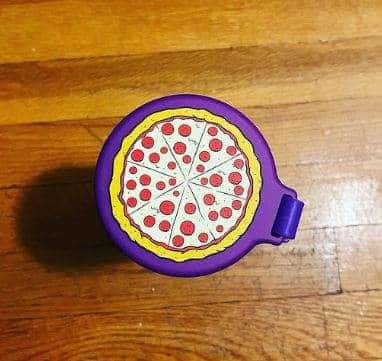
The circular lid is especially attractive. On its very top is an illustration of a classic pepperoni pizza pie, crisp enough to make it feel like a collectible all of its own. The lid itself is purple as well, keeping with the Shredder theme. It’s a nice detail that accentuates the TMNT spirit of the design. Blendjet truly put together a blender that wouldn’t look out of place in either the Turtles’ or Shredder’s costumes. It’s battle ready.

Fans of TMNT have good reason to get one of these if only for the sake of adding it to their collection. Knowing it’s also a beautifully put together machine that can blend a mean smoothie, though, is truly what makes it special. It captures the child-like excitement associated with the license and it looks sleek. It’s a great addition to any kitchen, but it begs to be taken out into the streets for a blend while on the move, or while jumping over rooftops. I hope the line expands to include styles specific to characters like April O’Neil and Casey Jones, but the two we have available are more than enough to warrant attention. Shredder himself would be proud.

Disclaimer: Graphic Policy was sent the product for FREE for review

Marvel reveals the 2023 Marvel Unlimited Plus Member Kit

2023 Marvel Unlimited Plus Member Kit

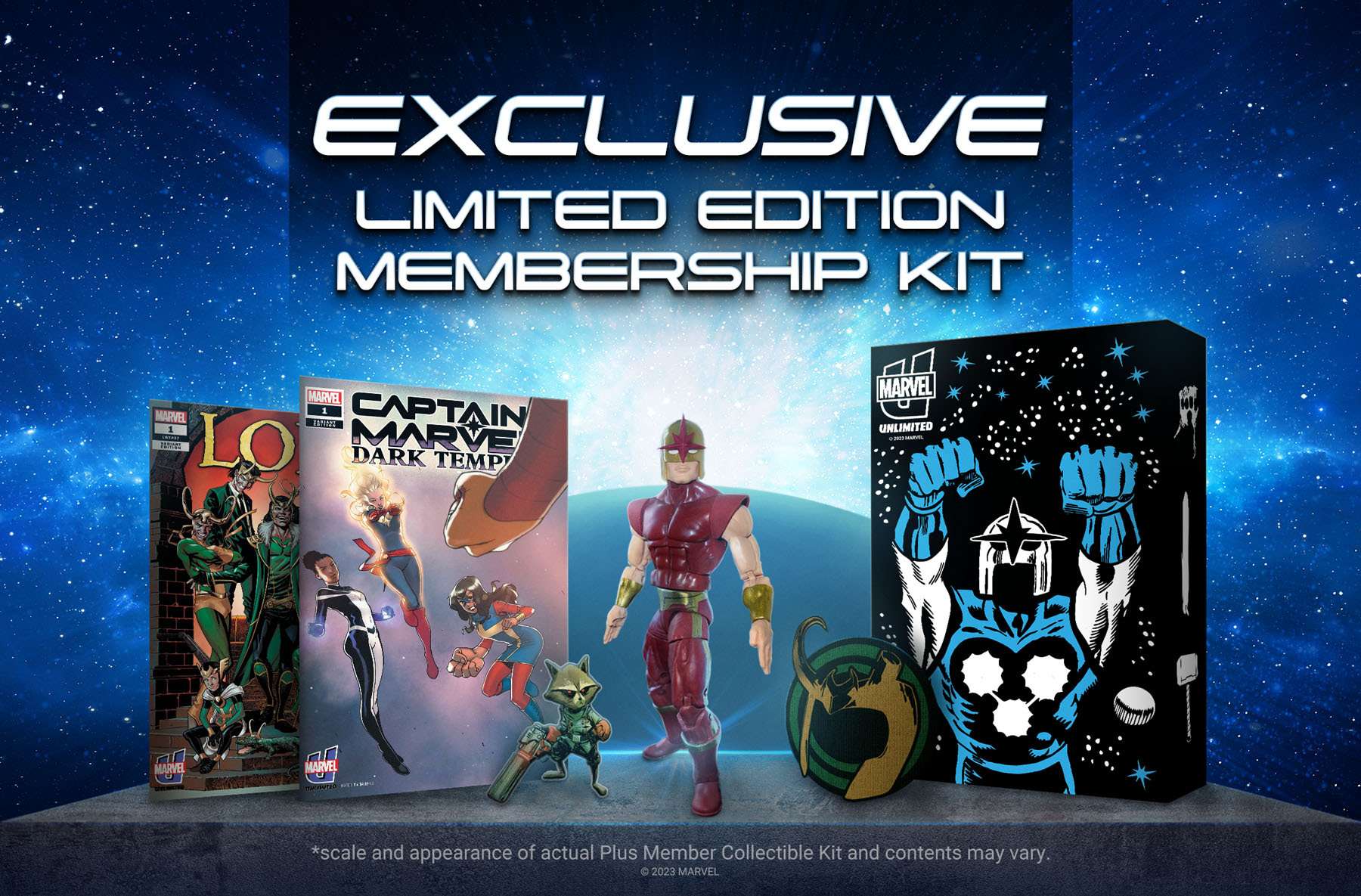
Marvel Unlimited has revealed the content of the 2023 Marvel Unlimited Plus Member Kit, a celebration of 10 incredible years of our Marvel Unlimited Annual Plus program, available exclusively for MU Plus members.

The Marvel Unlimited team is proud to present an ever-growing universe of comics, so this year’s Annual Plus kit represents limitless discovery. Cosmic Marvel stretches from Asgard to Xandar, Earth to Knowhere, plus spans the Kree and Skrull and Shi’ar empires. Its storytelling encompasses the Nova Corps, the Guardians of the Galaxy, Silver Surfer, and even Thor: God of Thunder. And, in the vastness of Marvel space, great powers have arisen, from Thanos and the planet devouring Galactus, to the living embodiment of Eternity! But its Nova: Richard Rider who takes center stage on our Marvel Cosmic kit, also containing items that celebrate the latest stories from Marvel Comics.

Here’s the complete rundown on this year’s cosmically cool kit:

  • Limited Edition Hasbro Marvel Legends Nova figure not available anywhere else!
  • Rocket by Skottie Young Pin
  • Loki’s Helmet Patch
  • LOKI (2023) #1 Mike McKone Variant Comic
  • CAPTAIN MARVEL: DARK TEMPEST (2023) #1 Bengal Variant Comic

Additionally, the following issues will have an accelerated release on Marvel Unlimited to coincide with MU+ kit update:

  • LOKI (2023) #1 (print variant included in this year’s MU+ kit)
  • CAPTAIN MARVEL: DARK TEMPEST #1 (print variant included in this year’s MU+ kit)
  • INCREDIBLE HULK (2023) #1
  • BLACK PANTHER (2023) #1
  • CAPTAIN AMERICA: COLD WAR OMEGA (2023) #1

Marvel’s digital comics subscription service, offers members instant access to over 30,000 comics on its award-winning app and web service, including 800+ issues from the app-exclusive, vertical Infinity Comics lineup! With new issues dropped throughout the week, Infinity Comics offer perfect-for-mobile reading, plus countless entry points for those new to comics or the Marvel Unlimited app.

Oni Press Joins Omnibus with More Than 250 Titles

Oni Press has announce a new partnership with modern digital comic store and reader app Omnibus to bring the multiple Eisner and Harvey Award-winning comic book and graphic novel publisher’s library of seminal comics and graphic novels to a brand-new frontier of the digital comics arena More than 250 of Oni Press’s most revered singles and graphic novels will be available on Omnibus at launch, including award-winning titles such as Scott Pilgrim by Eisner Award winner Bryan Lee O’Malley, The Tea Dragon Society by Eisner Award winner K. O’Neill, Sheets and Delicates by acclaimed creator Brenna Thummler, Gender Queer by Ignatz Award nominee Maia Kobabe, The Sixth Gun by Eisner Award winner Cullen Bunn and acclaimed artist Brian Hurtt, and Adult Swim’s Rick and Morty, alongside many dozens more.

Additional Oni Press titles will be released by Omnibus in the coming months. 

Omnibus is now available for iPad in the App Store.

NAVA and UVA fight to protect actors with an amendment to the European Union’s Artificial Intelligence Act

NAVA

United Voice Artists (UVA) and The National Association of Voice Actors (NAVA) have submitted an amendment proposal to the European Union’s Artificial Intelligence Act (AI Act), seeking to safeguard the rights and interests of voice actors in the rapidly evolving landscape of artificial intelligence and voice technology.

United Voice Artists is a global coalition of 35 voice acting guilds, associations and unions in Europe (France, Spain, Italy, Germany, Austria, Belgium, Poland, Netherlands) together with Switzerland, the United States, Turkey, Canada, Africa, Asia and Latin America representing more than 20,500 artists that have united to ensure that the use of artificial intelligence in the creative and media industry does not harm artistic heritage and human creativity and to preserve artist’s rights in relation to the use of AI, in particular in the dubbing and voice-over industry.

The UVA acknowledges the efforts of the European legislators in designing the AI Act as the first European legislation for the regulation of certain use cases of AI. However, to ensure that the AI Act does not lead to the extinction of human creativity in the entertainment industry through synthetic and cloning AI techniques and the exploitation of artists and their work by infringing their rights, both from a privacy/publicity data protection and an intellectual property rights protection perspective, we have identified the following key areas that should be urgently addressed in the upcoming trilogue negotiations:

  1. Prohibition to create or expand audio/vocal databases
  2. Extension of transparency requirements
  3. Introduction of unfair contract practices unilaterally imposed by generative AI providers

United Voice Artists and The National Association of Voice Actors have called upon policymakers and stakeholders within the European Union to carefully consider the proposed amendment, recognizing its potential to elevate the voice acting community while setting a global standard for AI legislation that respects artistic integrity and the rights of creators.

You can read the full proposal here.

« Older Entries Recent Entries »