Category Archives: Features

Demo-Graphics: Comic Fandom Sees a Slight Dip in October

Demo-Graphics is back with its seventh entry for 2025 (plus some bonus features)! Demo-Graphics was relaunched because the question still remains… who are comic fans?

What is Demo-Graphics?

Each month I dive into data from Facebook looking at the various demographics it can tell us about comic fans. This isn’t hard numbers, purchasers, or “Wednesday warriors,” but best used to show trends in the industry and the potential of the market out there. This has shown the shift towards women being a major force in readers and a shift to the younger demographic.

How does it work?

We use key terms, “likes”, that users have indicated and have come up with our own set to measure each month. There’s over 50 terms used (and no I won’t release them). We stick to specific terms for the industry such as “comics” and “graphic novels” and “one-shots” as well as publishers and leave out broad terms like specific characters or stories. Just because someone likes Batman doesn’t mean they like comics.

Other things to know…

This data is important in that it shows who the potential comic audience could be. These are not purchasers, these are people who have shown an affinity for comics, are potential purchasers, and those with a clear interest.

Also, with this being online/technology, due to laws and restrictions, those under the age of 13 are underrepresented.

Since the last time this feature was run, Facebook has made adjustments as to what it can report so some data is no longer available and we’ve also added in new data that hasn’t been reported before, and it now presents the data as a wide range. I’ve taken the average of the range. So, if it’s presented as somewhere between 500 and 1,000 people, the number would be 750.

So, let’s kick off the latest entry with the big question…

Facebook “Comic Fan” Population: Around 117.95 million in the United States

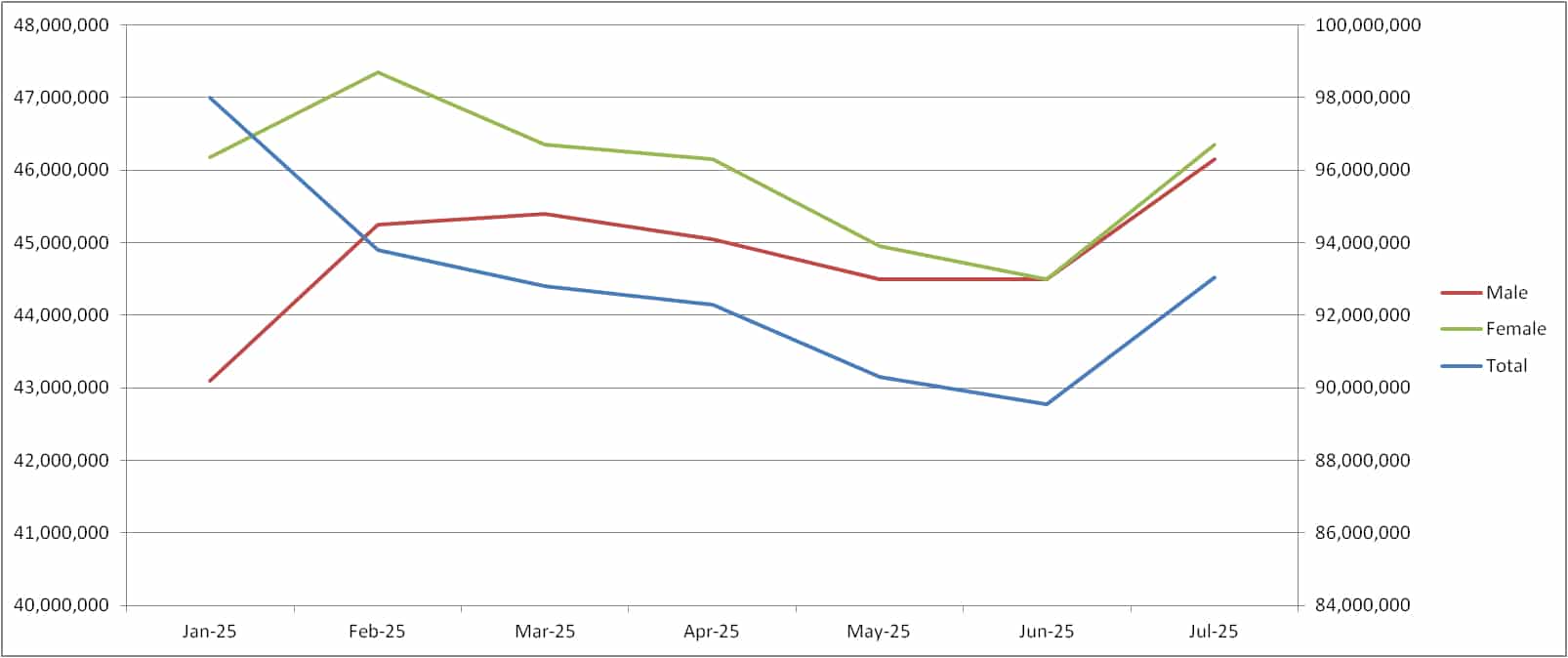
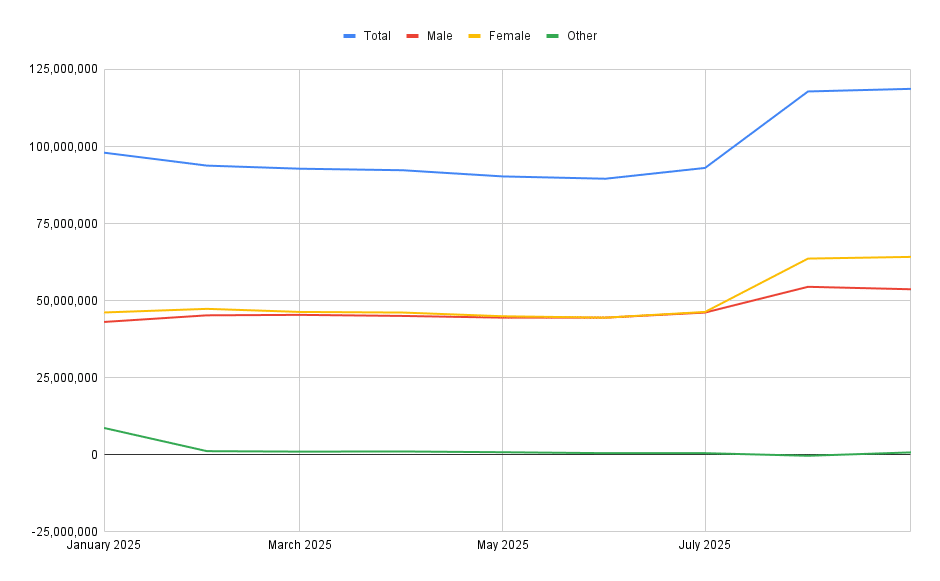
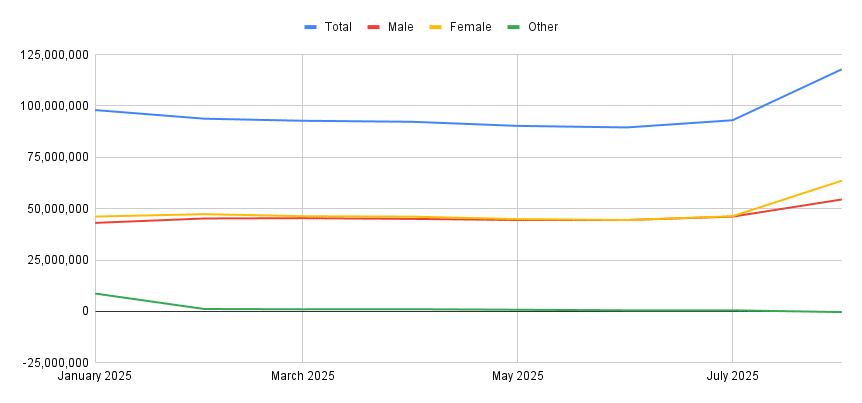
The first half of 2025 was off to an interesting start as we saw a decrease in the overall population for five months in a row. From January 2025 to June 2025, there was a loss of 8.45 million individuals. But, July stopped the slide with an increase of about 3.5 million individuals. August saw a jump of 24.8 million individuals while Facebook in the United States saw a decrease of about 500,000 individuals. September saw another bump of 850,000 while overall Facebook population increased by 2.2 million. October is a slight decrease in “comic fans” but also in the overall Facebook user population for the US.
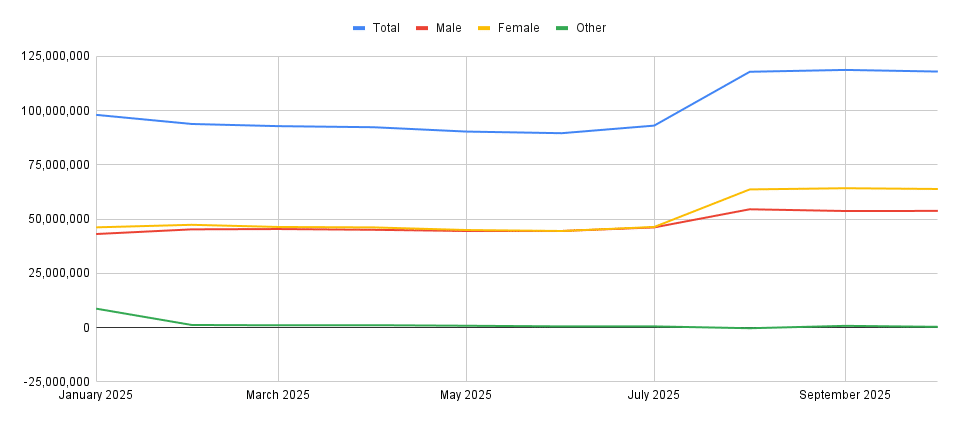
Facebook Comic Population October 2025

Gender

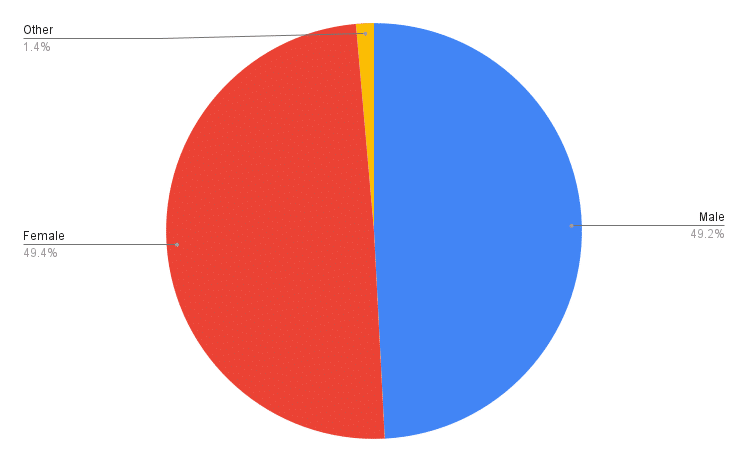
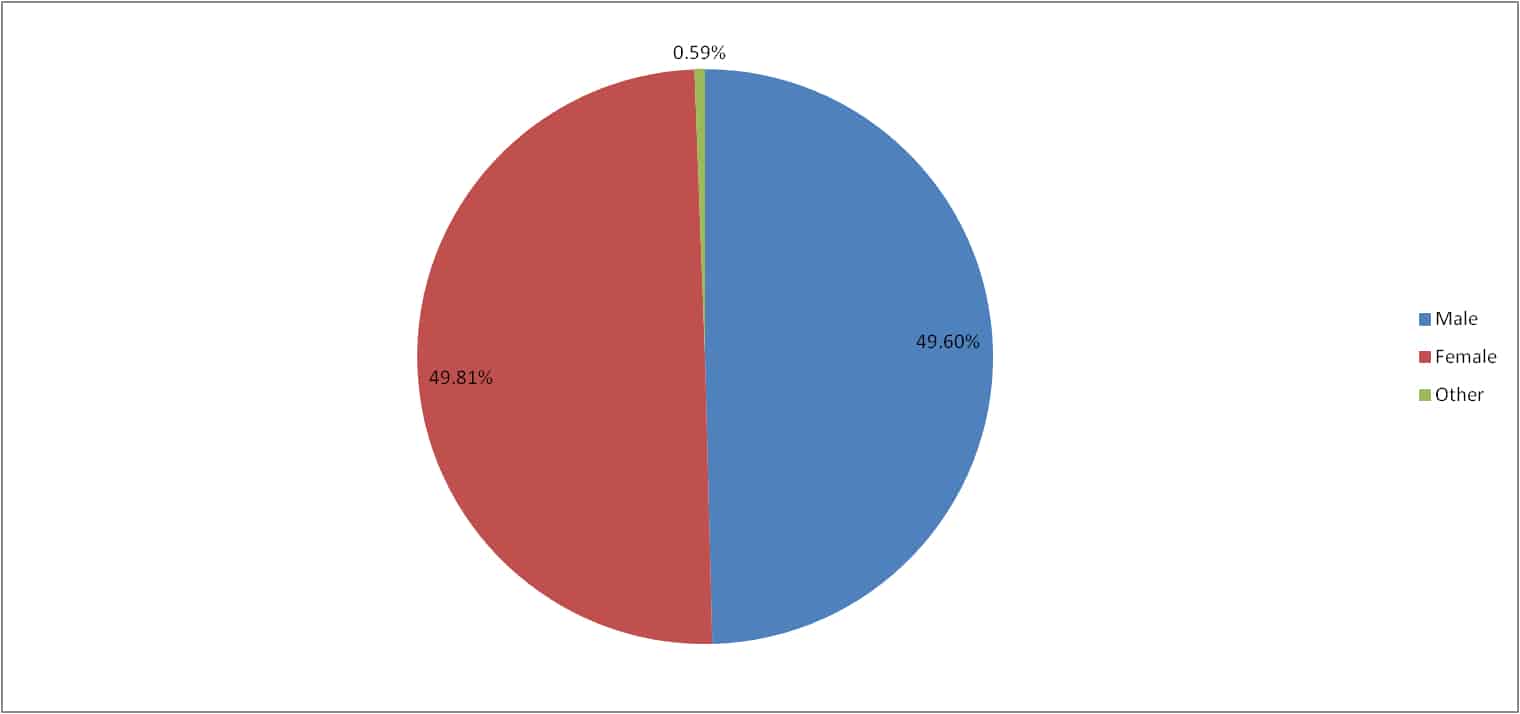
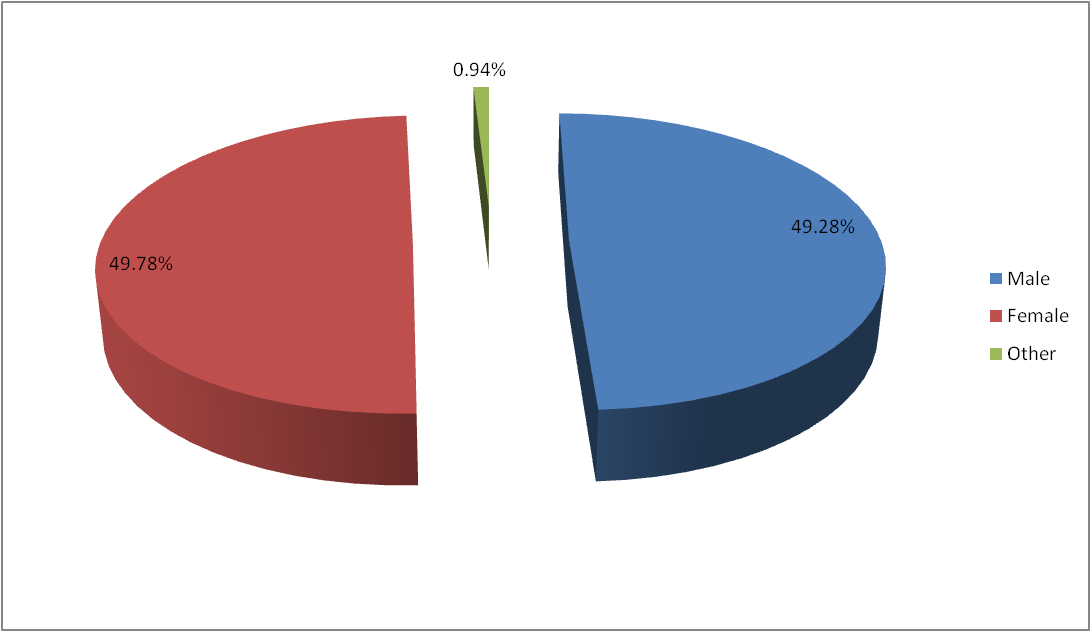
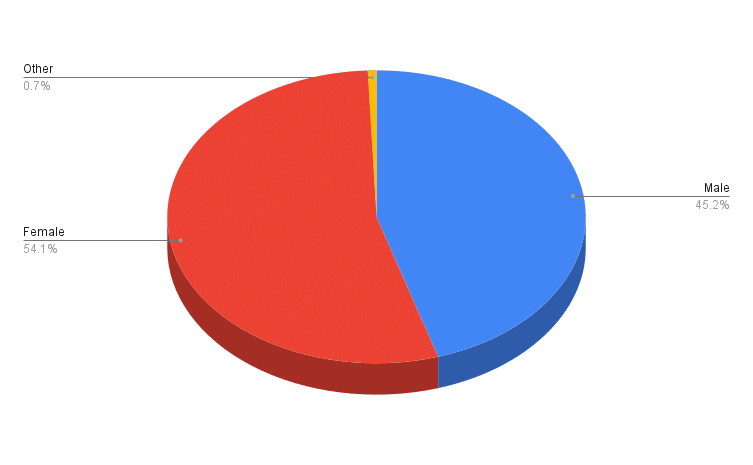
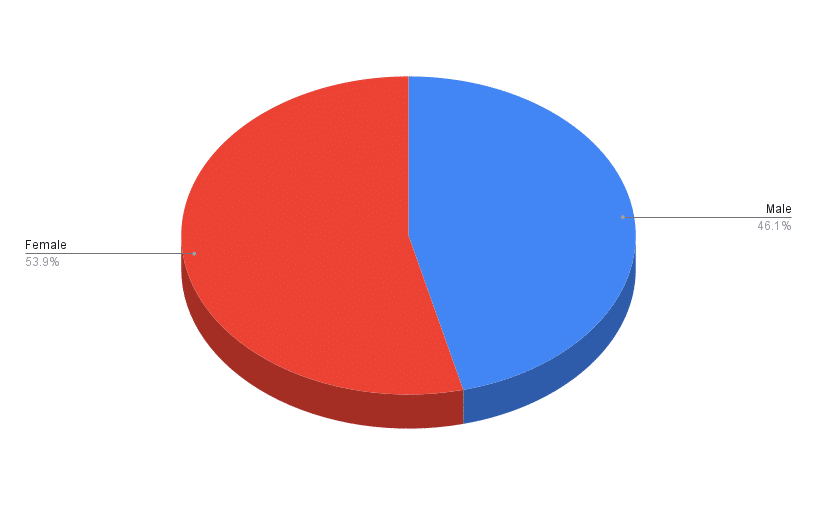
Men had a slight increase in total population with women and “other” both dropping along with the overall “fandom.” As we’ll see below with age, it’s younger fans that are the dip in population.
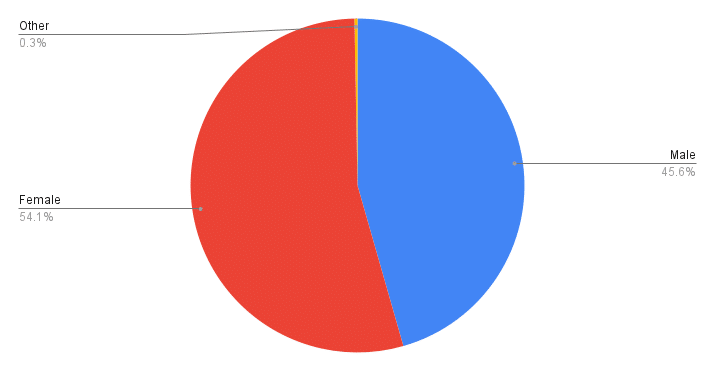
Facebook Comic Gender October 2025

Age

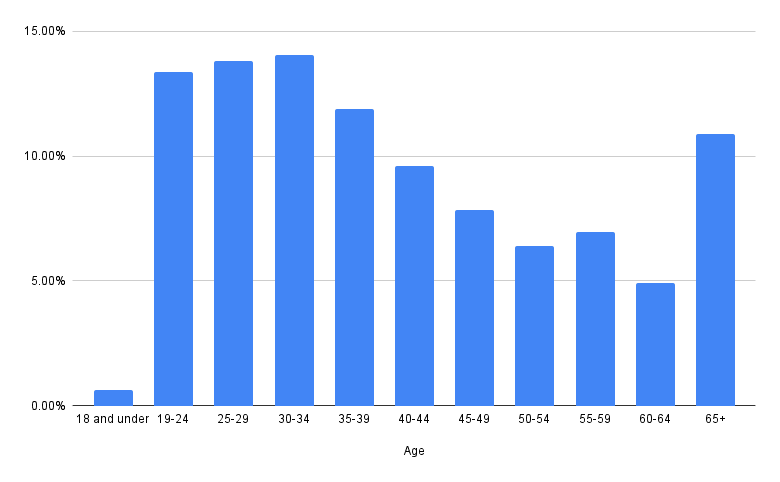
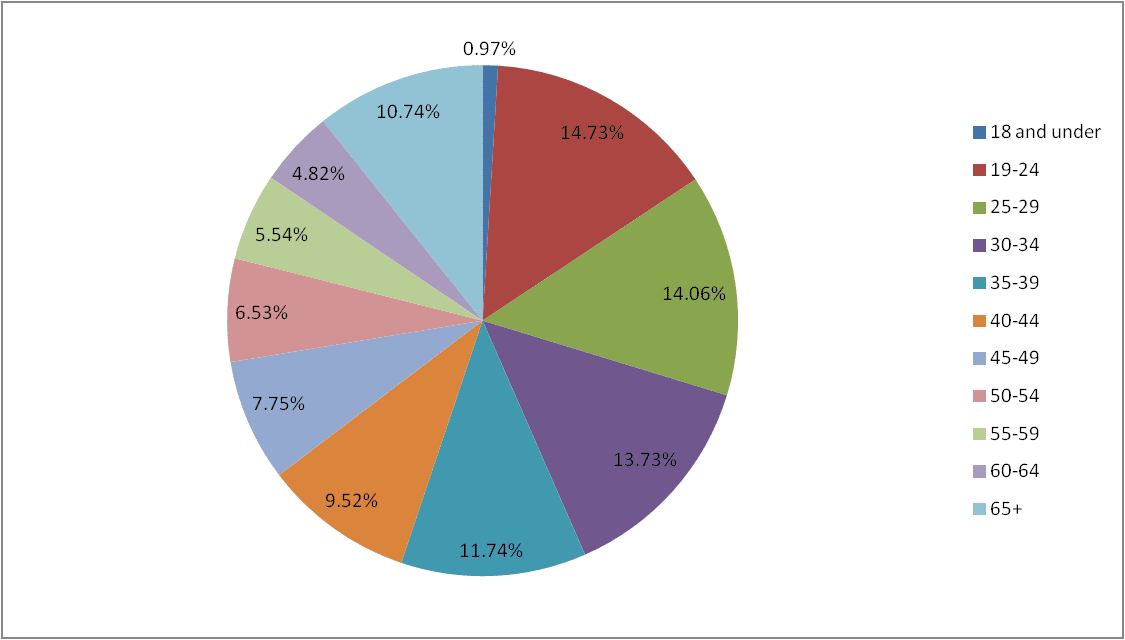
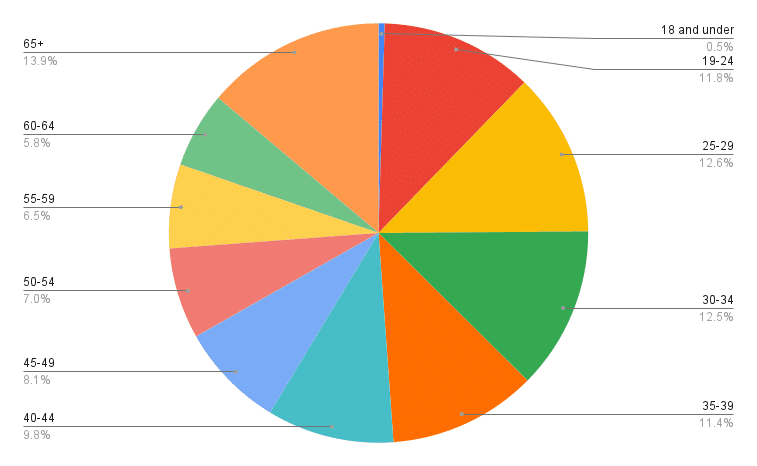
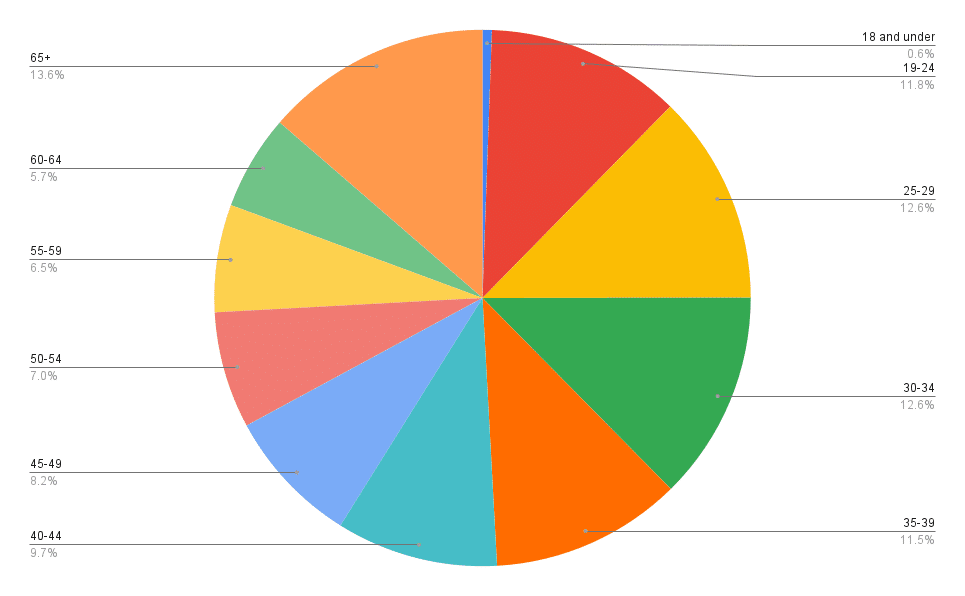
Age groupings shifted since we last did this report before this year ages so the data is a little different than before this year’s relaunch. While before “under 18” was one, it’s now “18 and under” with each subsequent grouping being 5 year blocks. This data is absolutely skewed as 1) It is believed younger individuals don’t use Facebook as much in the past and have migrated to other platforms; and 2) Laws restrict what can be collected based on age, ie those under the age of 13 shouldn’t even have accounts. So, younger readers are absolutely under-counted.

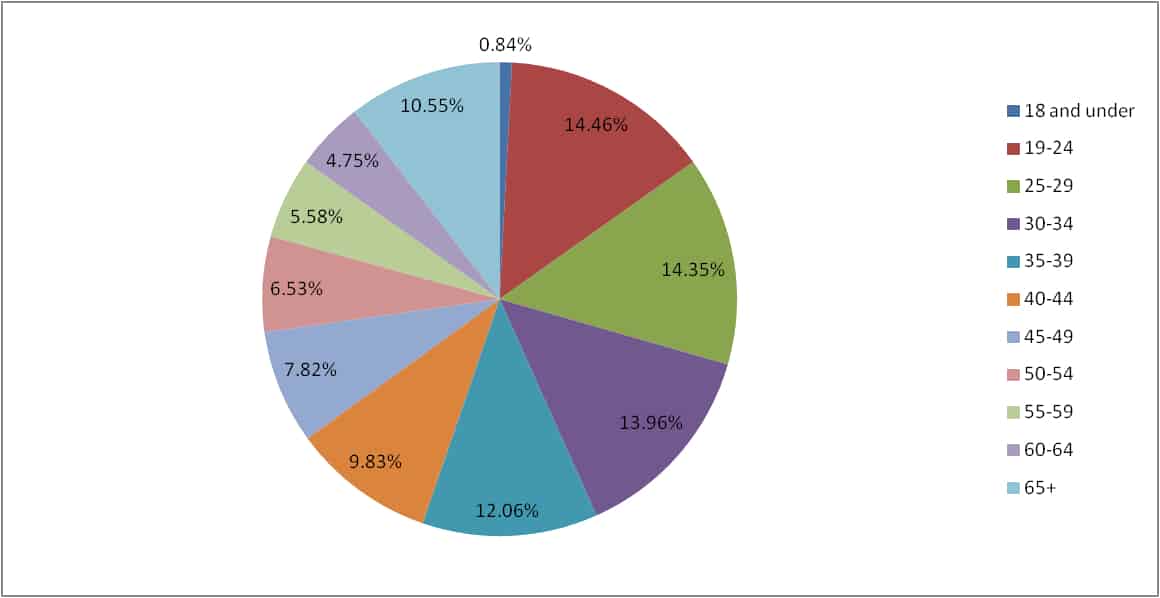
The overall fandom population is down from the previous month by about 750,000 individuals. That loss is primarily in those age 24 and under which saw a decrease of a bit over 450,000.
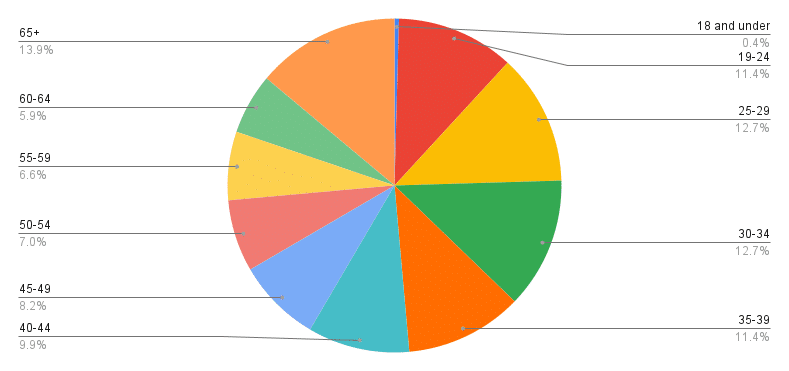
Facebook Comic Age October 2025

Relationship Status

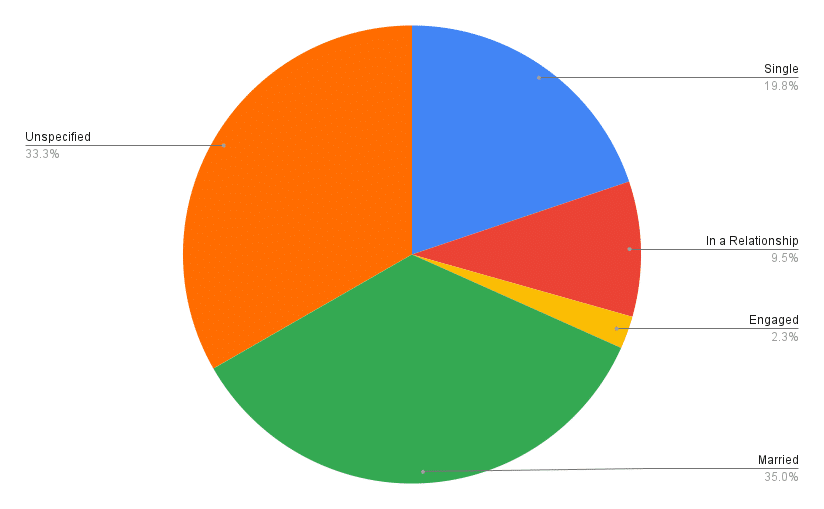
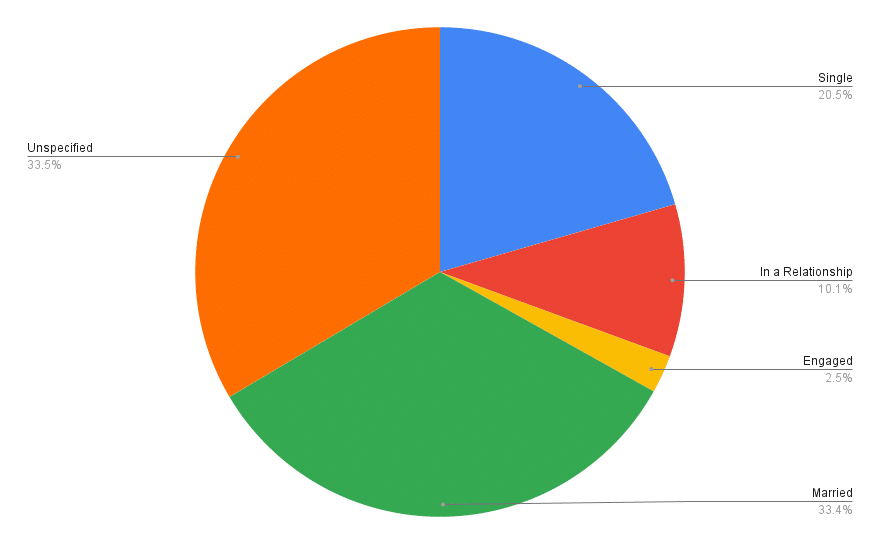
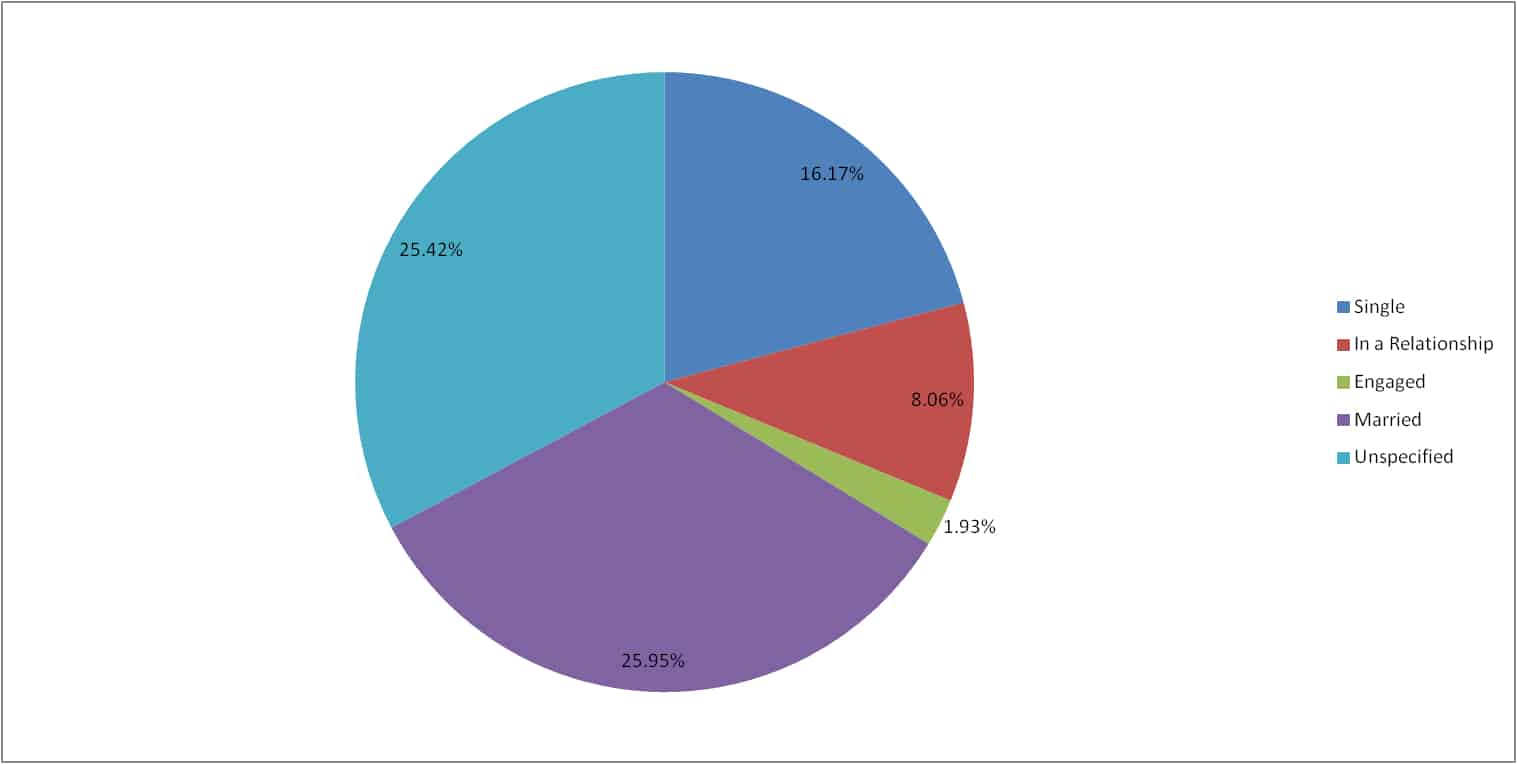
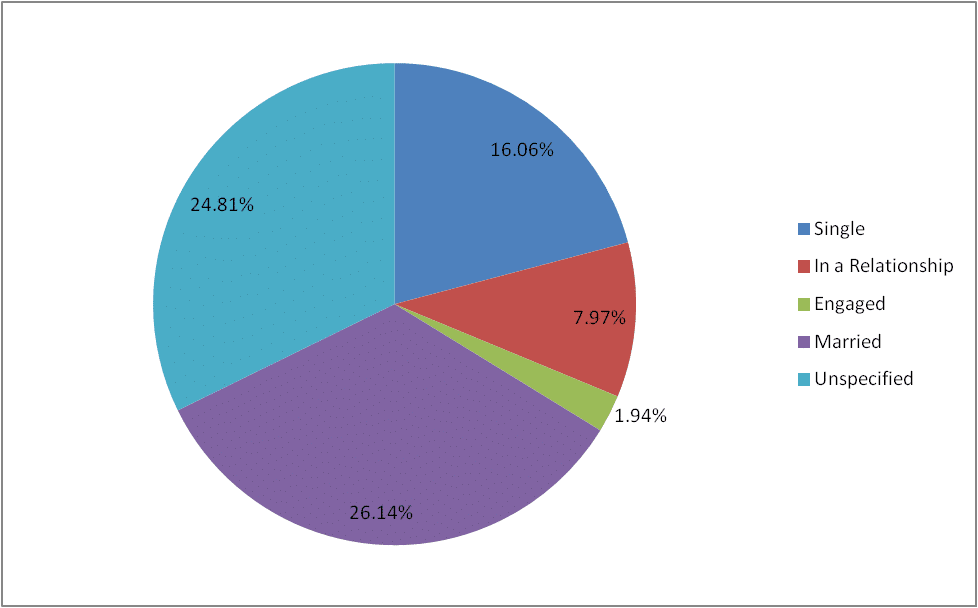
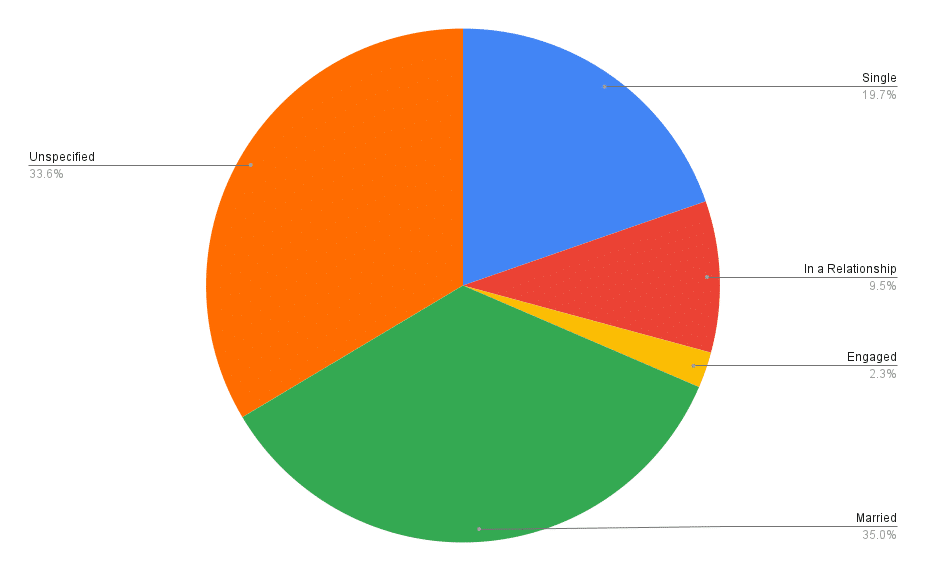
There’s some slight shifts from the previous month with those “in a relationship” and “engaged” decreasing from the previous month but “single,” “married,” and “unspecified” have all increased.
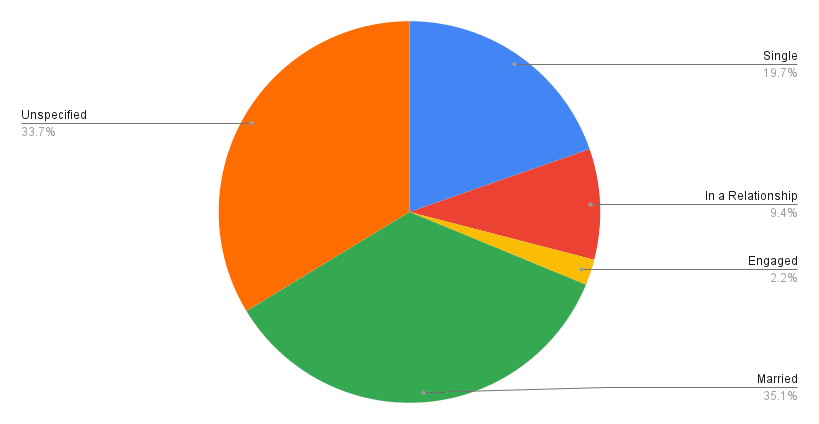
Facebook Comic Relationship Status October 2025

New Stats!

Education has been combined to see how many individuals have at least a college degree. This month saw the same amount of individuals having at least a college degree, 34.9 million. With a smaller overall population, the percentage of the population has increased. In 2024, 31.3% of the American population had at least a college degree.

23.4 million fans are parents! That’s another decrease from the previous month which was 24.8 million. That’s two months in a row this group has decreased in size.

And finally, what’s the crossover with fans of board games and video games? 45.4 million, 38.49% of comic fans also enjoy board/tabletop/card games, an increase from the previous month. 65.6 million, 55.62% also enjoy video games, a decrease from the previous month. Combined, 81.25 million like board games or video games and 29.3 million enjoy board games and video games. Get your licensing engines revving!

What’s Next?

All of this is a re-starting point. Things have shifted in how I’m collecting the data, like age, but it’s been quite a while since I’ve regularly done this. As we move along, we’ll continue to look at trends over time.

There’s some legacy data I’m going to try and fill in so we can get a better sense of how things have shifted over time that will hopefully be available next month. And, part of that will be me trying to find the original data files from many computers ago. Lots of work so we can all have a better sense of where things stand! Until next time… what gets measured, gets done!
Demo-Graphics: Comic Fandom Sees More Growth in September

Demo-Graphics is back with its seventh entry for 2025 (plus some bonus features)! Demo-Graphics was relaunched because the question still remains… who are comic fans?

What is Demo-Graphics?

Each month I dive into data from Facebook looking at the various demographics it can tell us about comic fans. This isn’t hard numbers, purchasers, or “Wednesday warriors,” but best used to show trends in the industry and the potential of the market out there. This has shown the shift towards women being a major force in readers and a shift to the younger demographic.

How does it work?

We use key terms, “likes”, that users have indicated and have come up with our own set to measure each month. There’s over 50 terms used (and no I won’t release them). We stick to specific terms for the industry such as “comics” and “graphic novels” and “one-shots” as well as publishers and leave out broad terms like specific characters or stories. Just because someone likes Batman doesn’t mean they like comics.

Other things to know…

This data is important in that it shows who the potential comic audience could be. These are not purchasers, these are people who have shown an affinity for comics, are potential purchasers, and those with a clear interest.

Also, with this being online/technology, due to laws and restrictions, those under the age of 13 are underrepresented.

Since the last time this feature was run, Facebook has made adjustments as to what it can report so some data is no longer available and we’ve also added in new data that hasn’t been reported before, and it now presents the data as a wide range. I’ve taken the average of the range. So, if it’s presented as somewhere between 500 and 1,000 people, the number would be 750.

So, let’s kick off the latest entry with the big question…

Facebook “Comic Fan” Population: Around 118.7 million in the United States

The first half of 2025 was off to an interesting start as we saw a decrease in the overall population for five months in a row. From January 2025 to June 2025, there was a loss of 8.45 million individuals. But, July stopped the slide with an increase of about 3.5 million individuals. August saw a jump of 24.8 million individuals while Facebook in the United States saw a decrease of about 500,000 individuals. September saw another bump of 850,000 while overall Facebook population increased by 2.2 million.

It’s unknown exactly why there was such an increase but it’s a possibility the algorithm picked up individuals interested in Superman and Fantastic Four due to the movies. While there’s some granularity in the search, it’s no longer like it was when we first ran these reports where we could absolutely avoid individual characters. We predicted this when we ran July’s report. We wrote then:

There’s many guesses as to why there was an increase, the release of Superman could have increased habits that Facebook would label individuals as “comic fans” because. With a similar start to Fantastic Four: First Steps, it’s possible August will see another increase.

This month’s growth is interesting though. Men decreased in population size by about 800,000 while women increased by 550,000 and those not listing gender is now 800,000.

Facebook comic population September 2025

Gender

Last month, women jumped to 54.01% of the population. This month saw a slight uptick of that group to 54.1%. Men decreased in population size by about 800,000 while women increased by 550,000 and those not listing gender is now 800,000.

Facebook Comic Gender September 2025

Age

Age groupings shifted since we last did this report before this year ages so the data is a little different than before this year’s relaunch. While before “under 18” was one, it’s now “18 and under” with each subsequent grouping being 5 year blocks. This data is absolutely skewed as 1) It is believed younger individuals don’t use Facebook as much in the past and have migrated to other platforms; and 2) Laws restrict what can be collected based on age, ie those under the age of 13 shouldn’t even have accounts. So, younger readers are absolutely under-counted.

This month’s stats are interesting in there was a drop of 18 and under while slight gains for those over 65. The rest remained relatively the same as the previous month.

Facebook Comic Age September 2025

Relationship Status

This stat is the outlier from everything. Nearly every group dropped from the previous month, though those unspecified increased a little. Overall fewer individuals are reporting this data than the previous month.

Facebook Comic Relationship Status September 2025

New Stats!

Education has been combined to see how many individuals have at least a college degree. This past month saw a slight decrease from 35.25 million the previous month to 34.9 million, that’s 29.4% of the population. In 2024, 31.3% of the American population had at least a college degree.

24.8 million fans, 20.89%, are parents! That’s a sizeable decrease of 2.5 million since the previous month which was 27.3 million.

And finally, what’s the crossover with fans of board games and video games? 55.5 million, 46.76% of comic fans also enjoy board/tabletop/card games, an increase due to the inclusion of more terms in the search. 65.05 million, 54.80% also enjoy video games, a decrease from the previous month. Combined, 87.55 million like board games or video games and 32.65 million enjoy board games and video games. Get your licensing engines revving!

What’s Next?

All of this is a re-starting point. Things have shifted in how I’m collecting the data, like age, but it’s been quite a while since I’ve regularly done this. As we move along, we’ll continue to look at trends over time.

There’s some legacy data I’m going to try and fill in so we can get a better sense of how things have shifted over time that will hopefully be available next month. And, part of that will be me trying to find the original data files from many computers ago. Lots of work so we can all have a better sense of where things stand! Until next time… what gets measured, gets done!
Demo-Graphics: Comic Fandom Blows Up with Massive Growth in August

Demo-Graphics is back with its seventh entry for 2025 (plus some bonus features)! Demo-Graphics was relaunched because the question still remains… who are comic fans?

What is Demo-Graphics?

Each month I dive into data from Facebook looking at the various demographics it can tell us about comic fans. This isn’t hard numbers, purchasers, or “Wednesday warriors,” but best used to show trends in the industry and the potential of the market out there. This has shown the shift towards women being a major force in readers and a shift to the younger demographic.

How does it work?

We use key terms, “likes”, that users have indicated and have come up with our own set to measure each month. There’s over 50 terms used (and no I won’t release them). We stick to specific terms for the industry such as “comics” and “graphic novels” and “one-shots” as well as publishers and leave out broad terms like specific characters or stories. Just because someone likes Batman doesn’t mean they like comics.

Other things to know…

This data is important in that it shows who the potential comic audience could be. These are not purchasers, these are people who have shown an affinity for comics, are potential purchasers, and those with a clear interest.

Also, with this being online/technology, due to laws and restrictions, those under the age of 13 are underrepresented.

Since the last time this feature was run, Facebook has made adjustments as to what it can report so some data is no longer available and we’ve also added in new data that hasn’t been reported before, and it now presents the data as a wide range. I’ve taken the average of the range. So, if it’s presented as somewhere between 500 and 1,000 people, the number would be 750.

So, let’s kick off the latest entry with the big question…

Facebook “Comic Fan” Population: Around 117.85 million in the United States

The first half of 2025 was off to an interesting start as we saw a decrease in the overall population for five months in a row. From January 2025 to June 2025, there was a loss of 8.45 million individuals. But, July stopped the slide with an increase of about 3.5 million individuals. Now, August saw a jump of 24.8 million individuals while Facebook in the United States saw a decrease of about 500,000 individuals.

It’s unknown exactly why there was such an increase but it’s a possibility the algorithm picked up individuals interested in Superman and Fantastic Four due to the movies. While there’s some granularity in the search, it’s no longer like it was when we first ran these reports where we could absolutely avoid individual characters. We predicted this when we ran the previous month’s report. We wrote then:

There’s many guesses as to why there was an increase, the release of Superman could have increased habits that Facebook would label individuals as “comic fans” because. With a similar start to Fantastic Four: First Steps, it’s possible August will see another increase.

The growth was seen particularly with women as well as older Facebook users. Those 18 and under saw a decrease for the month.

Facebook comic population August 2025

Gender

While the previous month still had women as the majority of “fans,” it was by a hair and near a 50/50 split. This month, women saw a big jump, no making up 54.01%, though both men and women saw gains in overall population compared to the previous month. “Other” has been shrinking for months now and we can guess as to reasons why. It is not included in this month’s chart as the total number of men and women is greater than the overall population due to rounding and “other” is in a negative amount.

Facebook comic fans by gender August 2025

Age

I’ve shifted how I’ve grouped ages so the data is a little different than before this year’s relaunch. While before “under 18” was one, it’s now “18 and under” with each subsequent grouping being 5 year blocks. This data is absolutely skewed as 1) It is believed younger individuals don’t use Facebook as much in the past and have migrated to other platforms; and 2) Laws restrict what can be collected based on age, ie those under the age of 13 shouldn’t even have accounts. So, younger readers are absolutely under-counted.

This month’s stats are interesting in that there are gains in percentage by 45 and up. 19 and up all made gains in overall population compared to the previous month while the 18 and under group saw a decrease.

Facebook comic fans by age August 2025

Relationship Status

All the categories gained in overall population compared to the previous month but just “married” and “unspecified” gained in percentage as well. The other three all decreased in their share of the pie.

Facebook comic fans by relationship status August 2025

New Stats!

Education has been combined to see how many individuals have at least a college degree. This past month saw a sizeable increase from 23.8 million the previous month to 35.25 million, that’s 29.91% of the population. In 2024, 31.3% of the American population had at least a college degree.

27.3 million fans, 23.17%, are parents! That’s an increase since the previous month!

And finally, what’s the crossover with fans of board games and video games? 34.4 million, 29.19% of comic fans also enjoy board games, a dip in percentage compared to the previous month. 65.95 million, 55.96% also enjoy video games, also a decrease from the previous month. Combined, 78.8 million like board games or video games and 21.55 million enjoy board games and video games. Get your licensing engines revving!

What’s Next?

All of this is a re-starting point. Things have shifted in how I’m collecting the data, like age, but it’s been quite a while since I’ve regularly done this. As we move along, we’ll continue to look at trends over time.

There’s some legacy data I’m going to try and fill in so we can get a better sense of how things have shifted over time that will hopefully be available next month. And, part of that will be me trying to find the original data files from many computers ago. Lots of work so we can all have a better sense of where things stand! Until next time… what gets measured, gets done!
Demo-Graphics: Tabletop Game Edition – August 2025

Demo-Graphics has generally focused on the demographics of comic fans but occasionally we have also reported on other fandoms and communities. Today, we kick off a new regular look at those interested in tabletop games. That includes board games, roleplaying games, and card games. Why? The question still remains… who are the fans of tabletop games?

What is Demo-Graphics?

Each month I dive into data from Facebook looking at the various demographics it can tell us about comic, and now tabletop game, fans. This isn’t hard numbers, purchasers, or “Wednesday warriors,” but best used to show trends in the industry and the potential of the market out there.

How does it work?

We use key terms, “likes”, that users have indicated and have come up with our own set to measure each month. There’s over 50 terms used (and no I won’t release them). We stick to specific terms for the industry such as “board games” and “collectible card games” as well as publishers and leave out broad terms.

Other things to know…

This data is important in that it shows who the potential audience could be. These are not purchasers, these are people who have shown an affinity for tabletop games, are potential purchasers, and those with a clear interest.

Also, with this being online/technology, due to laws and restrictions, those under the age of 13 are underrepresented.

The data that is presented as a wide range. I’ve taken the average of the range. So, if it’s presented as somewhere between 500 and 1,000 people, the number would be 750.

So, let’s kick off the first entry with the big question…

Facebook “Tabletop Gamer” Population: Around 79 million in the United States

79 million represents about 28.38% of individuals in the United States on Facebook. There are about 347.5 million individuals in the United States and 278.35 million accounts on Facebook in the United States

Gender

Women and Men are very close when it comes to the percentage of the fandom. Women account for 49.43% while men account for 49.18% and 1.39% unknown or other.

Gender breakdown for tabletop games in August 2025

Age

The numbers are interesting and we’ll see how much it holds up in the coming months but there seems to be a very low amount of those under 18 according to these numbers with tabletop gamers clumped together from age 19 to 39 with little change.

Relationship Status

Over half of the population is either married or “unspecified” with “single” being the third largest segment and far behind the first two.

More Stats!

For Education we’re tracking individuals who have at least a college degree. 21.55 million individuals, 27.28% of the population have at least a college degree. In 2022, 37.7% of the American population had at least a college degree.

16.8 million fans, 21.27%, are parents!

And finally, what’s the crossover with fans of board games and video games? 48.25 million, 61.08% of comic fans also enjoy board games. 46.7 million, 59.11% also enjoy video games. Combined, 65.95 million like board games or video games and 28.6 million enjoy board games and video games. Get your licensing engines revving!

What’s Next?

All of this is a re-starting point. The terms will be refined as we go forward and we’ll take a look at any previous published reports to see what the legacy data says, and of course, we need to see how this compares to comic fans!

Demo-Graphics: Comic Fandom Stops the Slide and Grows in July

Demo-Graphics is back with its sixth entry for 2025! Demo-Graphics was relaunched because the question still remains… who are comic fans?

What is Demo-Graphics?

Each month I dive into data from Facebook looking at the various demographics it can tell us about comic fans. This isn’t hard numbers, purchasers, or “Wednesday warriors,” but best used to show trends in the industry and the potential of the market out there. This has shown the shift towards women being a major force in readers and a shift to the younger demographic.

How does it work?

We use key terms, “likes”, that users have indicated and have come up with our own set to measure each month. There’s over 50 terms used (and no I won’t release them). We stick to specific terms for the industry such as “comics” and “graphic novels” and “one-shots” as well as publishers and leave out broad terms like specific characters or stories. Just because someone likes Batman doesn’t mean they like comics.

Other things to know…

This data is important in that it shows who the potential comic audience could be. These are not purchasers, these are people who have shown an affinity for comics, are potential purchasers, and those with a clear interest.

Also, with this being online/technology, due to laws and restrictions, those under the age of 13 are underrepresented.

Since the last time this feature was run, Facebook has made adjustments as to what it can report so some data is no longer available and we’ve also added in new data that hasn’t been reported before, and it now presents the data as a wide range. I’ve taken the average of the range. So, if it’s presented as somewhere between 500 and 1,000 people, the number would be 750.

So, let’s kick off the latest entry with the big question…

Facebook “Comic Fan” Population: Around 93.05 million in the United States

The first half of 2025 was off to an interesting start as we saw a decrease in the overall population for five months in a row. From January 2025 to June 2025, there was a loss of 8.45 million individuals. But, July stopped the slide with an increase of about 3.5 million individuals, though Facebook overall saw an increase of about 4.4 million.

The growth was seen partially with women who now account for a slim majority of 49.81% of the fandom.

There’s many guesses as to why there was an increase, the release of Superman could have increased habits that Facebook would label individuals as “comic fans” because. With a similar start to Fantastic Four: First Steps, it’s possible August will see another increase.

Facebook comic population July 2025

Gender

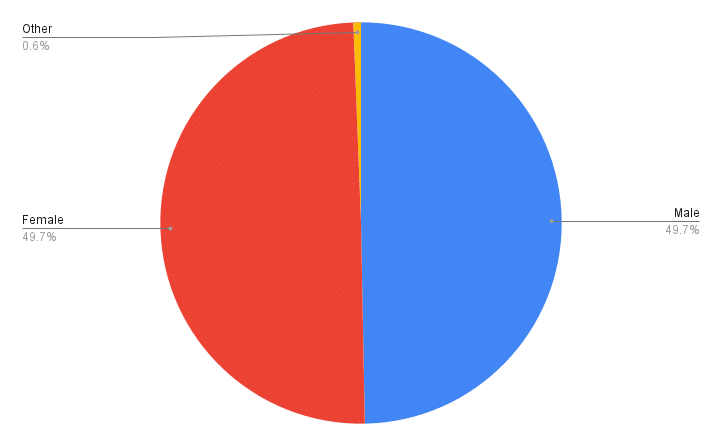
Women still make up the majority of comic fans with a slight gain over the month as far as their percent of their population. Women account for 49.81% of the population while men are 49.61%, and other is 0.59%.

Facebook comic fans gender July 2025

Age

I’ve shifted how I’ve grouped ages so the data is a little different than before this year’s relaunch. While before “under 18” was one, it’s now “18 and under” with each subsequent grouping being 5 year blocks. This data is absolutely skewed as 1) It is believed younger individuals don’t use Facebook as much in the past and have migrated to other platforms; and 2) Laws restrict what can be collected based on age, ie those under the age of 13 shouldn’t even have accounts. So, younger readers are absolutely under-counted.

Relationship Status

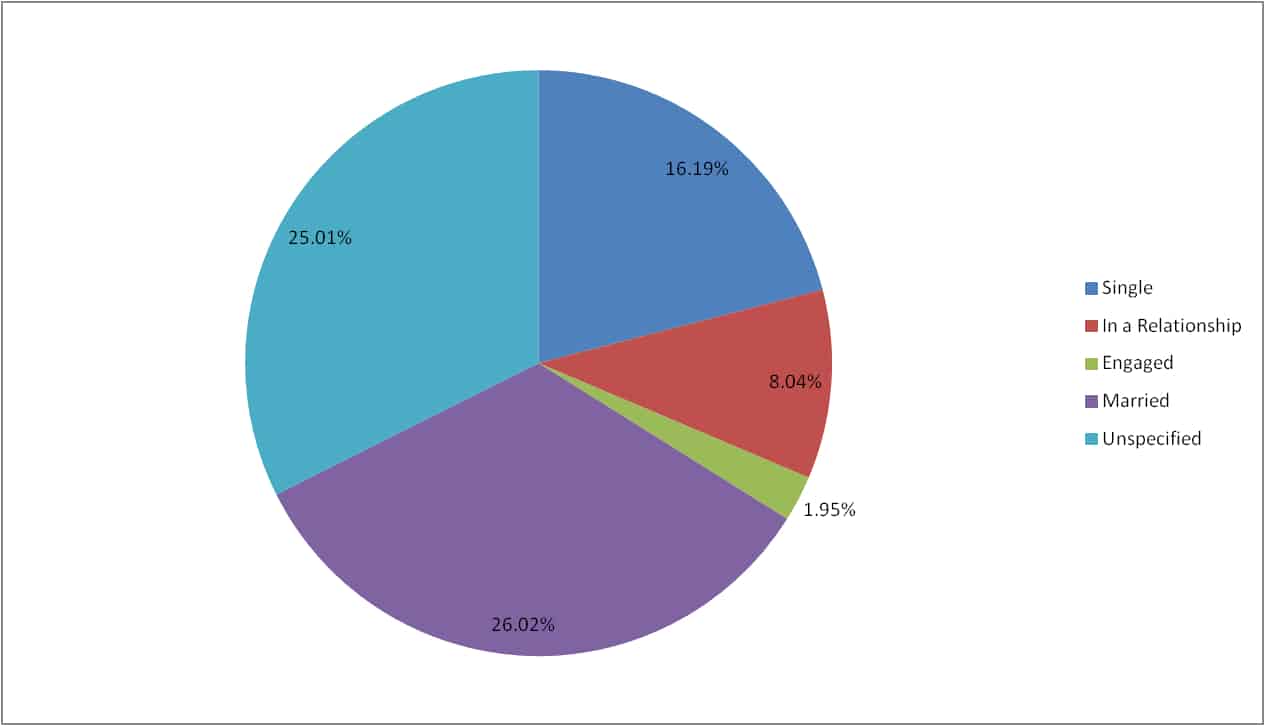
The percentages remained very similar to the previous month with the biggest change being “unspecified” growing in percentage.

New Stats!

Education has been combined to see how many individuals have at least a college degree. This past month saw a sizeable drop from 25 million the previous month to 23.8 million, that’s 25.58% of the population. In 2022, 37.7% of the American population had at least a college degree.

18.15 million fans, 19.51%, are parents! That’s a slight decrease since the previous month!

And finally, what’s the crossover with fans of board games and video games? 31.85 million, 34.23% of comic fans also enjoy board games, about the same as the previous month. 54.95 million, 59.05% also enjoy video games, an increase from the previous month. Combined, 66.6 million like board games or video games and 20.3 million enjoy board games and video games. Get your licensing engines revving!

What’s Next?

All of this is a re-starting point. Things have shifted in how I’m collecting the data, like age, but it’s been quite a while since I’ve regularly done this. As we move along, we’ll continue to look at trends over time.

There’s some legacy data I’m going to try and fill in so we can get a better sense of how things have shifted over time that will hopefully be available next month. And, part of that will be me trying to find the original data files from many computers ago. Lots of work so we can all have a better sense of where things stand! Until next time… what gets measured, gets done!
Fantastic Flops: Fantastic Four: Rise of the Silver Surfer is an undercooked mockery of some epic source material

Fantastic Four: Rise of the Silver Surfer

Even though the Fantastic Four comics kickstarted the creation of the Marvel Universe, their film adaptations have been critically maligned. In the “Fantastic Flops” series, I’m going back and re-evaluating the four previous Fantastic Four films and seeing if they’re a “Flop”, “Bop”, or “In-Between”.

Fantastic Four (2005) did okay at the box office so 20th Century Fox decided to run it back with director Tim Story, co-writer Mark Frost, and the whole cast from the first film, including Julian McMahon as Dr. Doom and Kerry Washington as Alicia Masters. Frost is joined by Simpsons and My Super Ex-Girlfriend writer Don Payne and John Turman, who worked on Ang Lee’s Hulk. In the second and final film in this franchise, they attempt to adapt the iconic Stan Lee and Jack Kirby stories “The Wedding of Sue and Reed” and “The Galactus Trilogy” while also being influenced by the more recently published Ultimate Galactus Trilogy by Warren Ellis and various artists. This latter comic is why Galactus is a mute, amorphous cloud and not the godlike being he’s depicted as in the 616 Marvel Universe. Throw in a subplot where Johnny Storm (Chris Evans) becomes the Super-Skrull plus an appearance of future Herald of Galactus/Nova Frankie Raye (An unamused Beau Garrett), and it seems like Fantastic Four: Rise of the Silver Surfer took some big swings across the board, especially for a movie with a 90 minute run time. However, it’s all strikeouts except for a few funny moments, a cool design for the Silver Surfer (Motion capture by Doug Jones ; voice by Laurence Fishburne), and Ioan Gruffudd finding his backbone in a badass monologue directed at General Hager (Andre Braugher in a thankless role) and taken almost word for word from Ellis’ Ultimate Extinction where Mr. Fantastic uses it to call out Nick Fury.

The initial setup of Fantastic Four: Rise of the Silver Surfer does have some merit. Reed Richards and Sue Storm (Jessica Alba) want to get married, but the world is about to end so they don’t live happily ever after. However, their relationship is built on “Men are from Mars, women are from Venus” stereotypes as all the “will they, won’t they” tension from the first film is gone, and they’re the default couple in this one. In addition to the weakness of this key romance, the characters’ individual motivations are wonky, and their arcs are non-existent. Of course, Johnny Storm wants to be a rich, famous celebrity, and Reed Richards wants to do science, which consists of him fiddling with things that look like Game Boys and Xbox controllers and staring at screens. (We’re one year away from Iron Man, and science looking cool again.) However, Sue Storm just wants to be a trad wife even though she was a genetics researcher in the previous film and shows skills as a mediator and leader in being the first person on Earth to actually have a conversation with the Silver Surfer. There’s also Ben Grimm (Michael Chiklis) who is in a stable relationship with Alicia, and his monstrous nature is played for laughs. He also doesn’t get a lot to do in the action sequences with Human Torch (Thanks to special molecular shifting abilities given to him by the Silver Surfer.) and Invisible Woman running point in that department, and Silver Surfer handling the final fight by himself. It’s an unfortunate waste of a solid performer.

Fantastic Four: Rise of the Silver Surfer

Another character whose appearance in Fantastic Four: Rise of the Silver Surfer is even more unnecessary is Victor Von Doom. There are a couple, hastily edited sequences of him in the shadows tracking the Silver Surfer and then getting his face healed after being zapped by the Herald of Galactus. And, then, Frost, Payne, and Turman take a page out of fellow Fox superhero sequel X2‘s playbook by having the Fantastic Four team up with their worst enemy against an even bigger threat. However, X2 succeeds because Magneto is a sympathetic figure with a genuine friendship with Professor X. The Fantastic Four films hinted at a friendship/rivalry between Reed Richards and Victor Von Doom, but these are just two guys who hate each other and stare at computer screens while Doom gets in the U.S. military’s good graces enough to test the power cosmic and fly around on a surfboard pointlessly extending the run time of the movie. Unlike both the original and Ultimate Universe Galactus trilogies, there’s no plan for taking on the Destroyer of Worlds other than having the Silver Surfer fly at him and sacrifice himself. (Of course, he gets better because studios have been trying to get a Silver Surfer film greenlit since Terminator 2 figured out the cool silver CGI effects.) They’re bullshitting so much that there’s no time for Richards and/or Von Doom to demonstrate their genius beyond a too little, too late appearance of the Fantasticar. Dr. Doom is mainly a boring distraction in the film, and we know even less about Latveria and his connection to them.

Fantastic Four: The Rise of the Silver Surfer is a moronic reflection of both the family dramedy and cosmic sides of the Fantastic Four comics. Tim Story and the screenwriters go for broad punchlines instead of fun character-driven humor even though there are some fun moments like Mr. Fantastic and the Thing cutting it up on the dance floor, or Raye roasting the Human Torch. On the cosmic side, Silver Surfer and Galactus feel like plot elements in a Roland Emmerich film not Biblical, Kirby Krackle larger than life figures although there’s a fluidity to Jones’ mo-cap performance and a majesty to Fishburne’s voice acting. Also, this might be a side effect of 17 years of the Marvel Cinematic Universe, but its world feels hollow and lacks a sense of wonder. Evans and Chiklis definitely had potential in the roles of Human Torch and the Thing, but were ruined by obvious punchlines and plot developments as well as one dimensional villains. Both Fantastic Four films suffer from Story, the screenwriters, and editors William Hoy and Peter S. Elliott not letting scenes breathe and letting us have a chance to know and love these characters. It really needed more scenes like Johnny Storm and Ben Grimm throwing darts (and accidentally burning the dart board) while talking about how they feel about the end of the world.

However, for all the movie’s failings, that John Ottman theme for the Fantastic Four films is pretty epic though!

Verdict: Flop

Demo-Graphics: Comic Fandom continues to slide for fifth straight month

Demo-Graphics is back with its fifth entry for 2025! Demo-Graphics was relaunched because the question still remains… who are comic fans?

What is Demo-Graphics?

Each month I dive into data from Facebook looking at the various demographics it can tell us about comic fans. This isn’t hard numbers, purchasers, or “Wednesday warriors,” but best used to show trends in the industry and the potential of the market out there. This has shown the shift towards women being a major force in readers and a shift to the younger demographic.

How does it work?

We use key terms, “likes”, that users have indicated and have come up with our own set to measure each month. There’s over 50 terms used (and no I won’t release them). We stick to specific terms for the industry such as “comics” and “graphic novels” and “one-shots” as well as publishers and leave out broad terms like specific characters or stories. Just because someone likes Batman doesn’t mean they like comics.

Other things to know…

This data is important in that it shows who the potential comic audience could be. These are not purchasers, these are people who have shown an affinity for comics, are potential purchasers, and those with a clear interest.

Also, with this being online/technology, due to laws and restrictions, those under the age of 13 are underrepresented.

Since the last time this feature was run, Facebook has made adjustments as to what it can report so some data is no longer available and we’ve also added in new data that hasn’t been reported before, and it now presents the data as a wide range. I’ve taken the average of the range. So, if it’s presented as somewhere between 500 and 1,000 people, the number would be 750.

So, let’s kick off the latest entry with the big question…

Facebook “Comic Fan” Population: Around 89.55 million in the United States

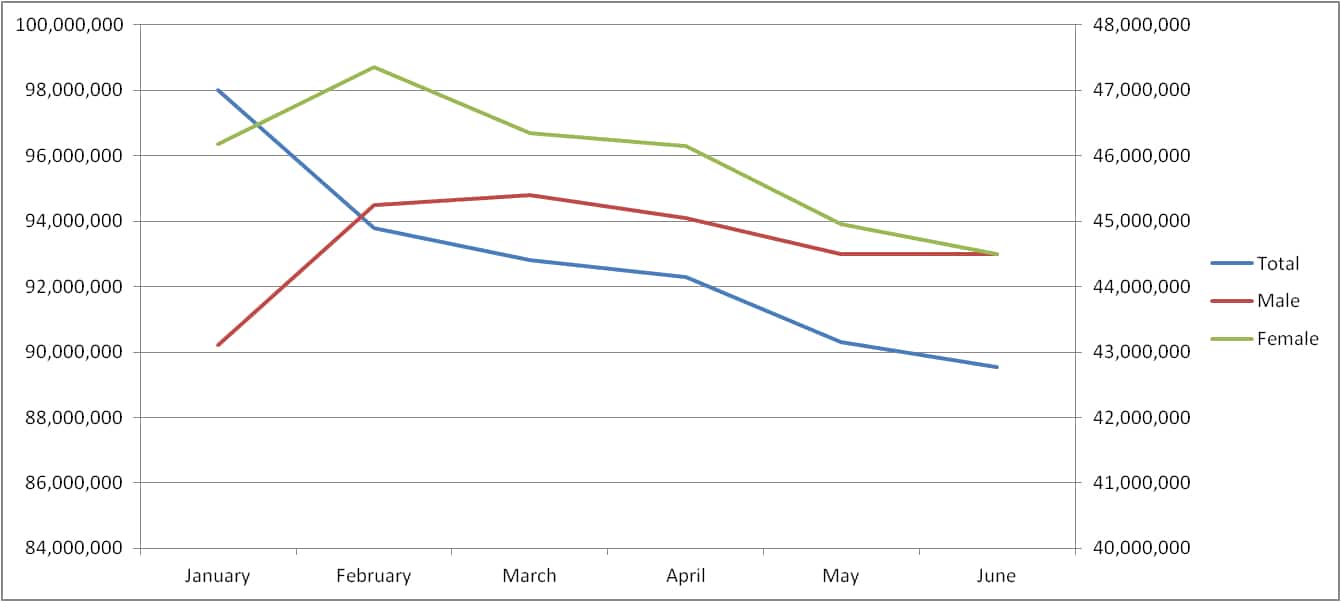
2025 is off to an interesting start as we’ve now seen a decrease in the overall population for five months in a row. That’s a decrease of 750,000 from the previous month and 8.45 million from the beginning of the year. Over the past month, the overall population of Facebook in the US decreased by 3.25 million after a gain in the previous month.

The shift in men and women has been interesting since January and now the two are split each with 44.5 million.

Will we see an eventual dip in sales to coincide with the decreased population?

Facebook comic population June 2025

Gender

Women still make up the majority of comic fans with a slight gain over the month as far as their percent of their population. Women account for 50% of the population while men are 48.81%, and other is 1.19%.

Facebook comic fans gender June 2025

Age

I’ve shifted how I’ve grouped ages so the data is a little different than before this year’s relaunch. While before “under 18” was one, it’s now “18 and under” with each subsequent grouping being 5 year blocks. This data is absolutely skewed as 1) It is believed younger individuals don’t use Facebook as much in the past and have migrated to other platforms; and 2) Laws restrict what can be collected based on age, ie those under the age of 13 shouldn’t even have accounts. So, younger readers are absolutely under-counted.

Relationship Status

The percentages remained very similar to the previous month with only a drop for those listed as “married.”

New Stats!

Education has been combined to see how many individuals have at least a college degree. About 25 million fit that which means 27.92%. In 2022, 37.7% of the American population had at least a college degree.

18.2 million fans, 20.32%, are parents! That’s an increase since the previous month, congrats to the new parents!

And finally, what’s the crossover with fans of board games and video games? 30.7 million, 34.28% of comic fans also enjoy board games, a decrease from the previous month. 52.75 million, 58.91% also enjoy video games, an increase from the previous month. Combined, 64.1 million like board games or video games and 19.5 million enjoy board games and video games. Get your licensing engines revving!

What’s Next?

All of this is a re-starting point. Things have shifted in how I’m collecting the data, like age, but it’s been quite a while since I’ve regularly done this. As we move along, we’ll continue to look at trends over time.

There’s some legacy data I’m going to try and fill in so we can get a better sense of how things have shifted over time that will hopefully be available next month. And, part of that will be me trying to find the original data files from many computers ago. Lots of work so we can all have a better sense of where things stand! Until next time… what gets measured, gets done!
Fantastic Flops: The Fantastic Four (1994) is the scrappy underdog that couldn’t

Even though the Fantastic Four comics kickstarted the creation of the Marvel Universe, their film adaptations have been critically maligned. In the “Fantastic Flops” series, I’m going back and re-evaluating the four previous Fantastic Four films and seeing if they’re a “Flop”, “Bop”, or “In-Between”.

The Fantastic Four

In 1994, German film company Constantin Film was set to release a live action Fantastic Four film that was executive produced by B-movie legend Roger Corman and directed by Oley Sassone, who had done music videos for Gloria Estefan, Eric Clapton, and John Lee Hooker among others. According to a 2005 issue of Los Angeles Magazine, the film was supposed to have a big premiere at the Mall of America, but without much fanfare, it was shelved. The Fantastic Four was never officially released, and reports vary on whether it was ever meant to be released or was hastily produced so that Constantin and executive producer Bernd Eichinger could hold onto the rights for a future film. There is a lot of information about The Fantastic Four’s production, including a feature length documentary, but how does the actual film hold up.

From the cheesy opening credits sequence featuring planets and astronomical phenomena, The Fantastic Four shows every bit of its estimated $1 to $1.5 million budget. Sassone and cinematographer Mark Parry use shoddy trick photography to show off Reed Richards’ (Alex Hyde-White) stretching ability including the film’s infamous final shot of his arm waving like the inflatable thingmajigs you see outside cellphone stores. More cleverly, they take a 1966 Batman approach to action with animated images of the Thing and punching sound effects filling the frame instead of actual fight scenes. Thankfully, invisibility is the lowest budget superpower ever, and I got some dark laughs from Sue Storm (Rebecca Staab) disappearing, and two henchmen shooting each other. Unfortunately, the Human Torch’s (A hyperactive and irritating Jay Underwood) big scene where he goes nova into Dr. Doom’s death laser is ruined by a patchwork hybrid of early CGI and animation. Honestly, a fun stylistic choice in this scene would be using the original Jack Kirby Human Torch illustrations and putting them into motion like the 1967 Fantastic Four cartoon. To end my special effects gripes on a positive note, I do adore the tactility and texture of the rubber suit that The Fantastic Four crafts for The Thing (Suit actor/stuntman Carl Ciarfalio)

The Fantastic Four Human Torch

Visual limitations aside, The Fantastic Four is fairly faithful to the spirit of the Stan Lee and Jack Kirby comics with each team member’s superpowers connecting to their personalities. The use of character actors instead of movie stars gives the film a down-to-Earth feel. Also, Fantastic Four are portrayed as accidents and monsters not superheroes like in their initial appearances. One of my favorite sequences in the film is The Thing wandering off and being shunned by regular people, but finding companionship and worship by the Jeweler’s (A very creepy Ian Trigger) minions. It drives home the point that while Reed, Johnny Storm, and Sue Storm can live fairly normal lives with their abilities that Ben Grimm’s (Michael Bailey Smith) life has irreversibly changed. However, his connection to Alicia Masters (Kat Green) still roots him in humanity so he doesn’t fall into villainy and arguably is the most heroic character of all in the film. This heroism is set up earlier in the film when Grimm risks burns to rescue Victor Von Doom (Joseph Culp) from an experiment gone wrong.

Culp probably gives the strongest performance in the film in the dual role of Victor Von Doom and Dr. Doom. He goes from a weird, slightly off-putting college student to the ultimate supervillain even if his voice is muffled by the comic book accurate Dr. Doom suit. (Ciarfalio has this issue as Thing too, which messes with the timing of his one-liners.) Oley Sassone does a lot of money-saving extreme close-ups on Doom’s face, but Joseph Culp exudes real menace, especially when he finally decides to get his hands dirty. I also love the hints of Doom as manipulator like when he lets the Jeweler sabotage the diamond that powers Reed Richards’ ship instead of committing his men to the fray, and how he shrinks from humanity when Richards tries to appeal to their own friendship. It reminded me a lot of Obi Wan and Darth Vader in a good way, which makes sense because Doom and Darkseid may have influenced George Lucas’ creation of Darth Vader. In both the portrayals of Doom and the Jeweler (A less scientific Mole Man with just a drop of Puppet Master.), Sassone and screenwriters Craig J. Nevius and Kevin Rock embrace the classic comic book villain without any attempt at irony.

The Fantastic Four Doctor Doom

Speaking of screenwriting, it’s the rushed nature of The Fantastic Four‘s storyline that drops the film from “In-Between” into “Flop” territory. A la David Lynch’s Dune, if you’re not familiar with the Fantastic Four, a lot of the moments in the story can be confusing like why Reed Richards’ landlady’s children are on the test flight with him and Ben Grimm, or why Grimm is in love with a woman that he awkwardly bumped into once on a flight of stairs. The Fantastic Four has a 90 minute running time, which leads to establishing scenes getting cut especially with the film having two villains, a flashback with Richards and Von Doom in college, telling the team’s origin story, and featuring the marriage of Reed and Sue. Nevius and Rock definitely should have included a scene showing Johnny and Sue connecting to Reed’s work (Instead of one of him being super creepy to an underage Sue, played by Mercedes McNabb aka Harmony Kendall from Buffy the Vampire Slayer.), one setting up Dr. Doom’s whole deal in Latveria, and maybe Thing and Alicia Masters getting to know each other at the Jeweler’s place instead of skipping straight to “I love you”. There’s definitely a feeling that the screenwriters want to get to the cool highlights of the Fantastic Four’s early career without the connective tissue that make these moments so memorable. At least, they didn’t try to shoehorn Silver Surfer or Galactus in the film.

Featuring scrappy character actors instead of Hollywood stars, a shoe string special budget, and a real love for the classic Stan Lee and Jack Kirby Fantastic Four comics, The Fantastic Four unexpectedly charmed me, especially since I have a soft spot for unpolished B and Z-films. However, the film’s rushed pacing and some truly moronic plotting decisions as well as the creepiness of characters like Reed Richards and the Jeweler keep it from being something I would ever revisit. I do love the similarities in the characters’ suits in The Fantastic Four and Fantastic Four: First Steps.

Verdict: Flop

Demo-Graphics: Comic Fandom continues to slide for the year

Demo-Graphics is back with its fourth entry for 2025! Demo-Graphics was relaunched because the question still remains… who are comic fans?

What is Demo-Graphics?

Each month I dive into data from Facebook looking at the various demographics it can tell us about comic fans. This isn’t hard numbers, purchasers, or “Wednesday warriors,” but best used to show trends in the industry and the potential of the market out there. This has shown the shift towards women being a major force in readers and a shift to the younger demographic.

How does it work?

We use key terms, “likes”, that users have indicated and have come up with our own set to measure each month. There’s over 50 terms used (and no I won’t release them). We stick to specific terms for the industry such as “comics” and “graphic novels” and “one-shots” as well as publishers and leave out broad terms like specific characters or stories. Just because someone likes Batman doesn’t mean they like comics.

Other things to know…

This data is important in that it shows who the potential comic audience could be. These are not purchasers, these are people who have shown an affinity for comics, are potential purchasers, and those with a clear interest.

Also, with this being online/technology, due to laws and restrictions, those under the age of 13 are underrepresented.

Since the last time this feature was run, Facebook has made adjustments as to what it can report so some data is no longer available and we’ve also added in new data that hasn’t been reported before, and it now presents the data as a wide range. I’ve taken the average of the range. So, if it’s presented as somewhere between 500 and 1,000 people, the number would be 750.

So, let’s kick off the latest entry with the big question…

Facebook “Comic Fan” Population: Around 90.3 million in the United States

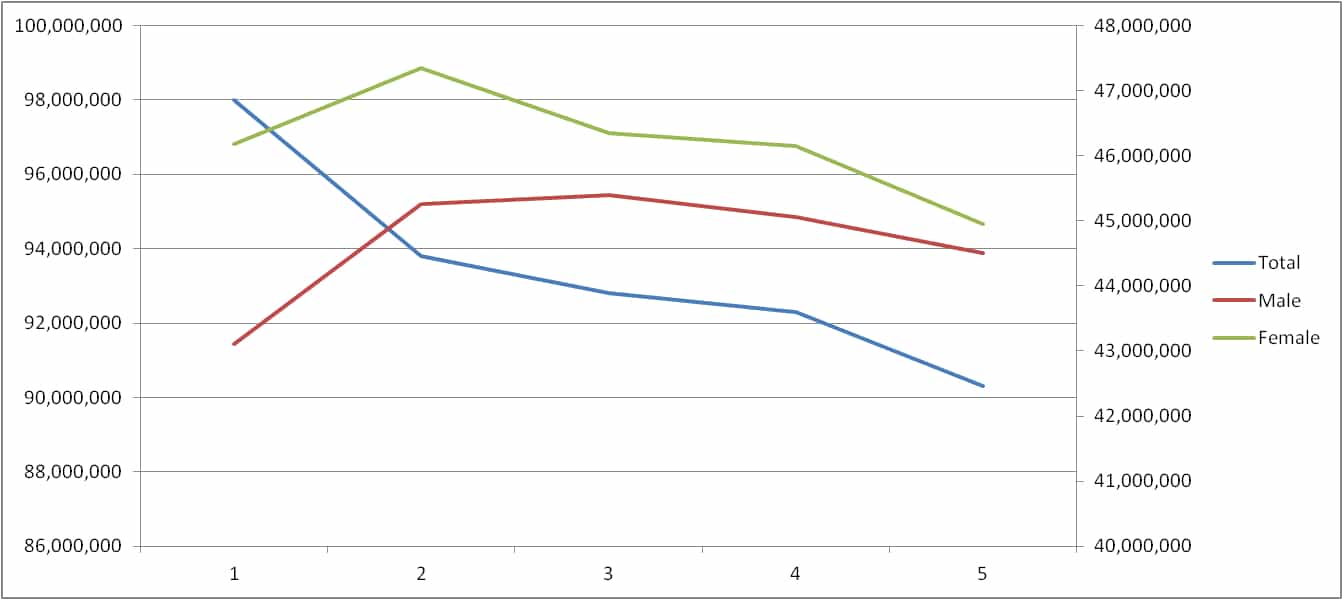
2025 is off to an interesting start as we’ve now seen four months in a row in a decrease in the overall population. That’s a decrease of 2 million from the previous month and 7.7 million from the beginning of the year. Over the past month, the overall population of Facebook in the US increased by 3.35 million making the decrease all the more stranger.

The shift in men and women has been interesting with gaining since January, though dropping since last month and women remaining steady but decreasing a lot this past month.

Will we see a dip in sales to coincide with the decreased population?

Facebook comic population May 2025

Gender

Women still make up the majority of comic fans with a slight gain over the month as far as their percent of their population. Women account for 50% of the population while men are 48.81%, and other is 1.19%.

Facebook comic fans gender April 2025

Age

I’ve shifted how I’ve grouped ages so the data is a little different than before this year’s relaunch. While before “under 18” was one, it’s now “18 and under” with each subsequent grouping being 5 year blocks. This data is absolutely skewed as 1) It is believed younger individuals don’t use Facebook as much in the past and have migrated to other platforms; and 2) Laws restrict what can be collected based on age, ie those under the age of 13 shouldn’t even have accounts. So, younger readers are absolutely under-counted.

Age breakdown by percentages May 2025

Relationship Status

The percentages remained very similar to the previous month with little ship as to the relationship status of the universe.

Relationship status breakdown comic fans Facebook May 2025

New Stats!

Education has been combined to see how many individuals have at least a college degree. About 25.35 million fit that which means 28.07%. In 2022, 37.7% of the American population had at least a college degree.

17.75 million fans, 19.66%, are parents!

And finally, what’s the crossover with fans of board games and video games? 31.85 million, 35.27% of comic fans also enjoy board games. 51.6 million, 57.14% also enjoy video games. Get your licensing engines revving!

What’s Next?

All of this is a re-starting point. Things have shifted in how I’m collecting the data, like age, but it’s been quite a while since I’ve regularly done this. As we move along, we’ll continue to look at trends over time.

There’s some legacy data I’m going to try and fill in so we can get a better sense of how things have shifted over time that will hopefully be available next month. And, part of that will be me trying to find the original data files from many computers ago. Lots of work so we can all have a better sense of where things stand! Until next time… what gets measured, gets done!
Demo-Graphics Special: Superman Fandom

Demo-Graphics is back because the question still remains… who are comic fans? And we’re back with our first “special” of the year in honor of “Superman Day.”

What is Demo-Graphics?

Each month I dive into data from Facebook looking at the various demographics it can tell us about comic fans. This isn’t hard numbers, purchasers, or “Wednesday warriors,” but best used to show trends in the industry and the potential of the market out there. This has shown the shift towards women being a major force in readers and a shift to the younger demographic.

How does it work?

We use key terms, “likes”, that users have indicated and have come up with our own set to measure each month. There’s over 50 terms used (and no I won’t release them). We stick to specific terms for the industry such as “comics” and “graphic novels” and “one-shots” as well as publishers and leave out broad terms like specific characters or stories. Just because someone likes Batman doesn’t mean they like comics.

With this special Superman edition, it does use terms like the character, films, etc.

Other things to know…

This data is important in that it shows who the potential comic audience could be. These are not purchasers, these are people who have shown an affinity for comics, are potential purchasers, and those with a clear interest.

Also, with this being online/technology, due to laws and restrictions, those under the age of 13 are underrepresented.

Since the last time this feature was run, Facebook has made adjustments as to what it can report so some data is no longer available and we’ve also added in new data that hasn’t been reported before, and it now presents the data as a wide range. I’ve taken the average of the range. So, if it’s presented as somewhere between 500 and 1,000 people, the number would be 750.

So, let’s kick off this special edition!

The terms that could be used were quite limited

In years past, it was far easier to find terms for films, characters, and more, but Facebook has made adjustments that have limited the choices for this report. Still the population is well into the millions, more than enough to have some fun and take a look as to who makes up this population.

Gender

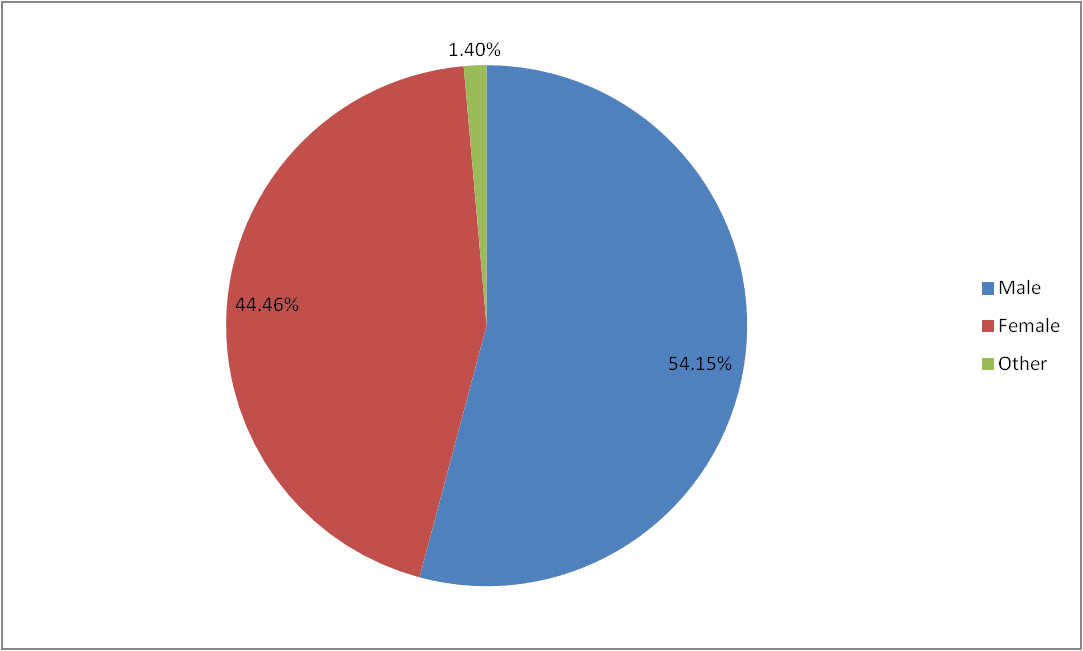
While women still make up the majority of comic fans with about 50% of the population in April, Superman fans skews more male. Men make up 54.15% of the population compared to women with 44.46%. 1.40% are unknown while that percentage is 1.19% for comic fans.

Superman likes by Gender April 2025

Age

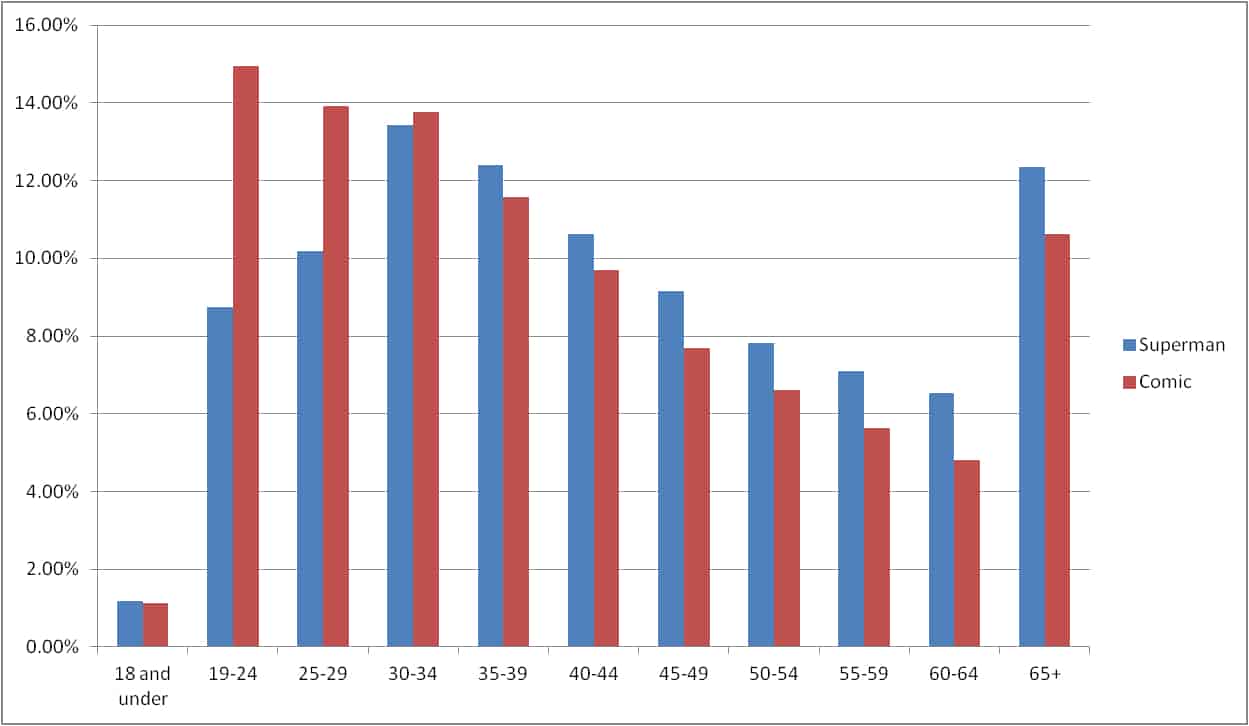
I expected fans of Superman to skew a bit older than the general comic fan population but that doesn’t seem to be the case. This population has a greater percentage in ages 19 to 34. This could be due to the popular television series on The CW that was part of this breakdown. Below is the comparison in ages for Superman likes vs. comic fan likes.

Age breakdown Superman vs. Comics

Relationship Status

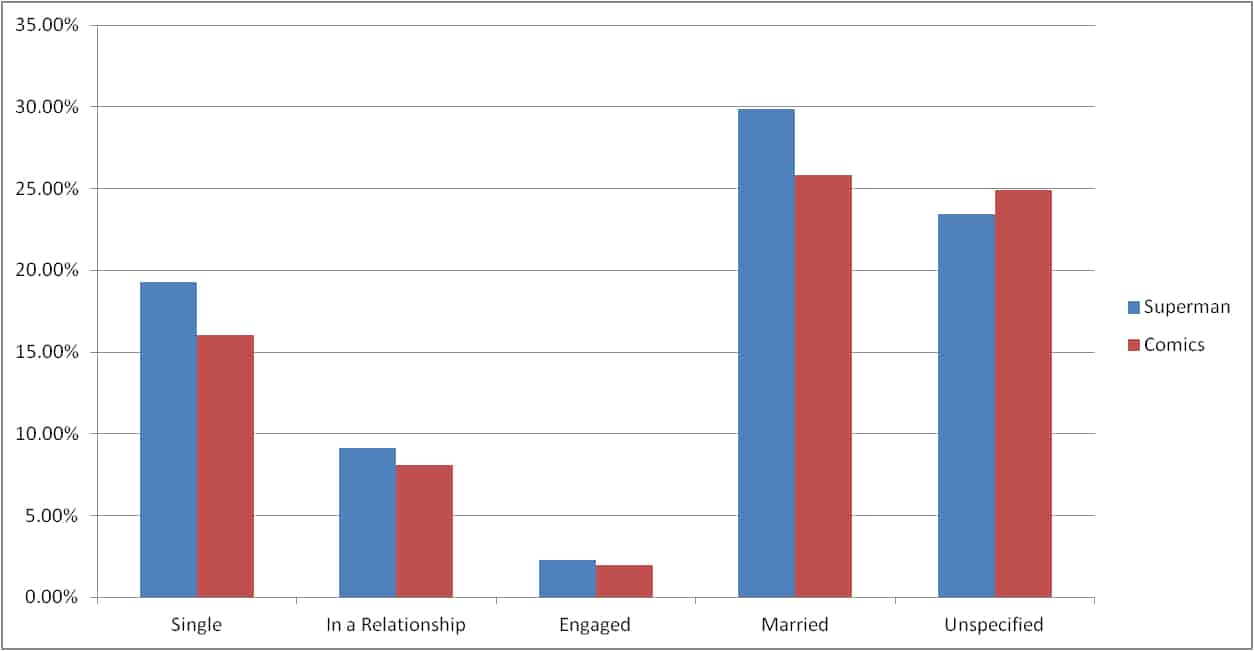
There are some differences between Superman fans and comic fans when it comes to their relationship status. Superman fans have a higher percentage across the board for almost every category.

Relationship status Superman vs. Comics

New Stats!

Parents seem to really like Superman. 30.58% of the population are parents compared to 19.72% of the comic fan population.

And Superman fans seem to be more into board games and video games. 38.80% of the population enjoy board games and 73.30% are video game fans compared to comics’ 35.70% and 58.50%. So where’s out Superman board game and video games!?

« Older Entries Recent Entries »