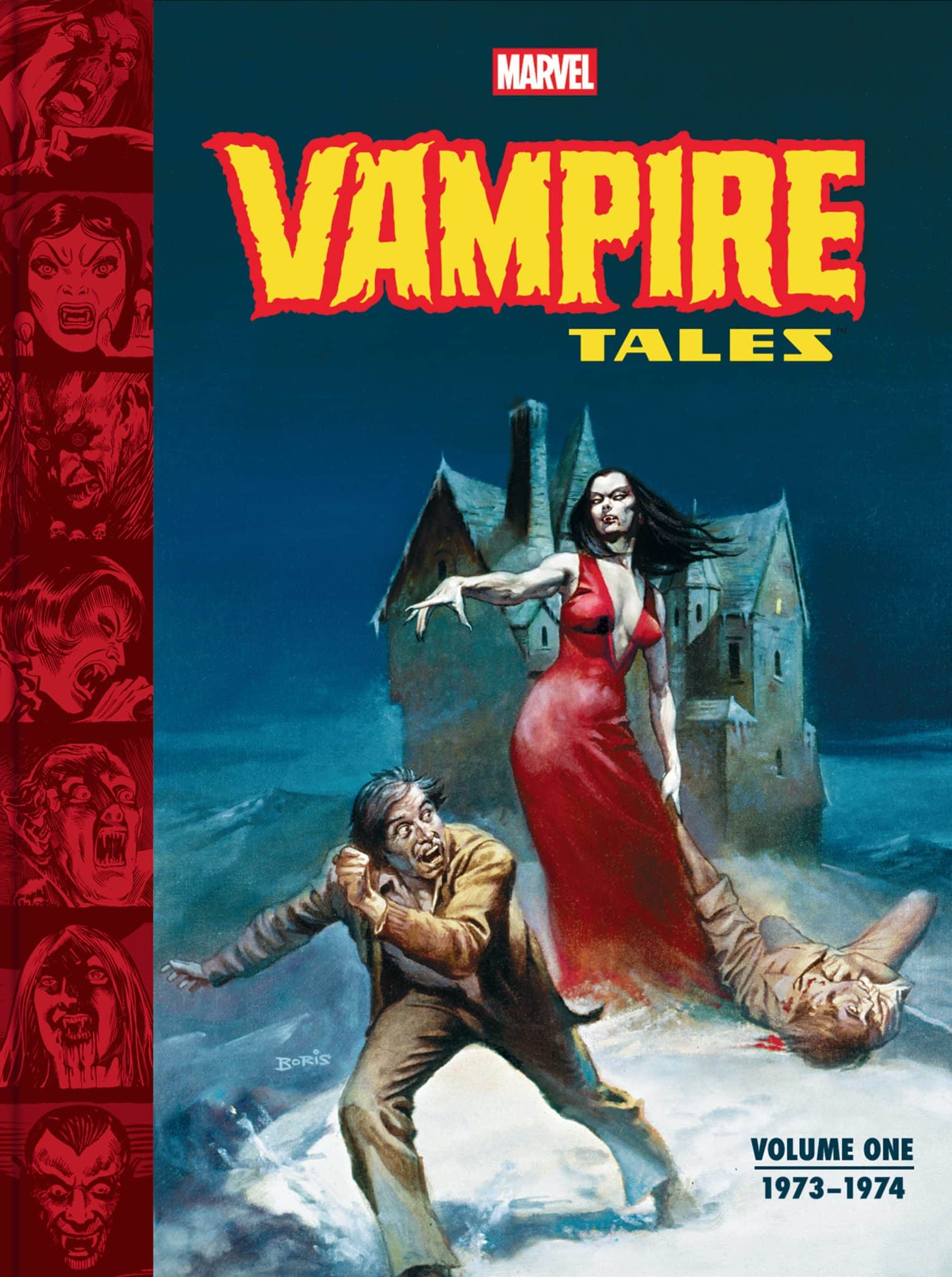
In a celebration of the history of Marvel Horror comes The Best of Marvel’s Vampire TalesVolume One, the first in a series of Dark Horse collaborations with Marvel Comics to excavate the hidden corners of the Marvel Universe and re-present its most ghoulish tales in beautiful archival hardcover editions. Helmed by comics historians Chris Ryall and John Lind, alongside designer Chris Shadoian, the oversized collection will feature full-color reproductions of the covers of Vampire Tales, along with a brand-new introduction and countless stories from one of the magazines that ignited a new horror-comics boom for Marvel.
One of the black-and-white horror anthologies debuted by Marvel Comics in 1973, Vampire Tales, included stories of bloodsucking fiends as both heroes, villains, and anti-heroes, involving fan-favorites like the reluctant monster Morbius, the Living Vampire; the first solo tales featuring Blade the Vampire Slayer; and Dracula’s daughter, the ever-lethal Lilith. VampireTales magazine also introduced the comic-book world to Satana, the Devil’s Daughter, and her introductory stories are also in this first volume. Now, fans will experience these stories again in archival size and style completing any horror collection.
The Best of Marvel’s Vampire Tales Volume One contains nearly 300 pages of terrifying tales from the first six issues of the magazine, including stories by comic-book talent such as Alfredo Alcala, Rich Buckler, Ernie Chan, Chris Claremont, Gerry Conway, Bill Everett, Gardner Fox, Steve Gerber, Carmine Infantino, Tony Isabella, Gil Kane, Stan Lee, Don McGregor, Pablo Marcos, Esteban Maroto, Doug Moench, Tom Palmer, John Romita, Jim Steranko, Tom Sutton, Roy Thomas, Marv Wolfman, and more!
Sink your teeth into the foundational frights of Marvel Comics Horror in The Best of Marvel’s Vampire Tales Volume One when the 360-page (8.375×10.875”) hardcover arrives in bookstores and comic shops on August 18, 2026, for $65.00. Pre-order now from Amazon, Barnes and Noble, or your local bookstore or comic shop.
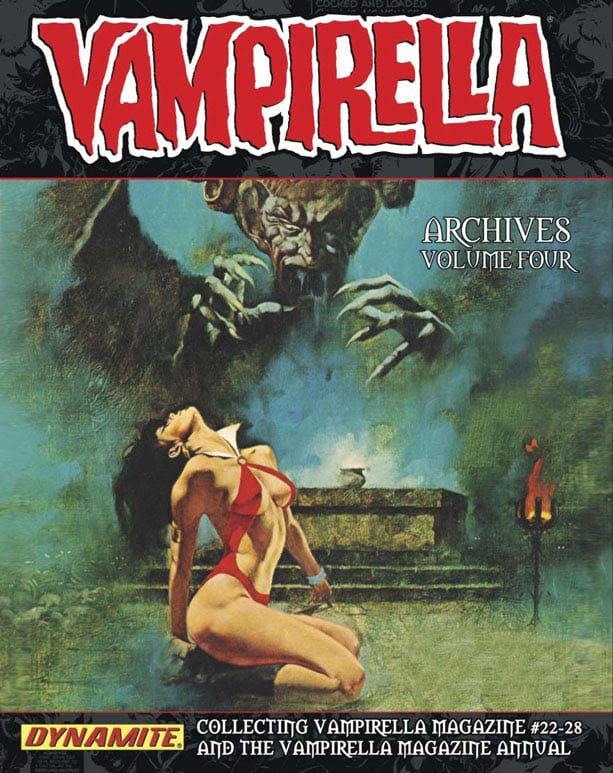
Just in time for San Diego Comic-Con, Dynamite Entertainment has announced the fabulous fourth volume of its new paperback line of Vampirella Archivesis coming this fall in October, covering key issues showcasing the Daughter of Drakulon and anthology adventures!
Volume Four of the Archives compiles issues #22-28 of the Vampirella magazine series released originally by Warren Publishing through much of 1973. Also included is the legendary 1972 annual with one of the most important stories in the Daughter of Drakulon’s history.
The preceding third volume kicked fully into the run of artist Jose Gonzalez, the definitive vision for the character in this Warren era. That masterful work continues here in the fourth, with Gonzalez once again drawing nearly every single Vampirella proper story within. The sole exception is #26’s “Demons in the Fog!” drawn by Ramon Escolano in his sole contribution to the character, though inked by Gonzalez in keeping a consistent look while presenting a unique twist.
This new volume features several juggernauts of the Bronze Age of comics that fans of the “Big Two” publishers’ output of the era will recognize. After his first contribution last volume, Steve Englehart‘s brief run on Vampirella continues here in issues #22-23 (though he also has anthology stories in #10 and #78). The writer picking up most of the other Vampirella tales here is Bill DuBay, a longtime editor and contributor to Warren titles. Creators of the anthology stories featuring horror, science fiction, fantasy, and other genres include Doug Moench, Tony Isabella, Steve Skeates, as well as great series mainstay artists like Esteban Maroto, Jose Bea, Ramon Torrents, Rafael Auraleon.
One key inclusion is the sole non-reprint story from the annual released in 1972. The “Origin of Vampirella” by J.R. Cochran and Jose Gonzalez expands the backstory of the Daughter of Drakulon to 15 pages and further detail, as the first major retelling and twice the length of her original introduction years prior.
The next volume after this will be an exciting one, with the introduction of Pantha, a run on Vampi’s stories by writer Flaxman Loew, and the most material by legendary artist Jeffrey Catherine Jones in any volume — joined on one piece by her “The Studio” compatriot Bernie Wrightson!
These paperback printings of the comprehensive archival reprints of Vampirella’s first decade-plus-spanning title are set to release every two months, working towards the 15 volume final set. Stories are primarily in black and white.
As discussed last time, starting in Captain America and the Falcon #120, various Marvel writers[1] made a good deal of use out of the Falcon’s secret identity as Sam Wilson, social worker – Stan Lee used it as a vehicle for stories about youth problems, organized crime, and urban unrest (albeit ones that ended with costumed superheroes getting into punch-ups with similarly-attired supervillains), while Steve Englehart and Alan Weiss used it as a pretext to have Captain America and the Falcon investigate abuse in America’s prisons and encounter the Queen of the Werewolves.[2]
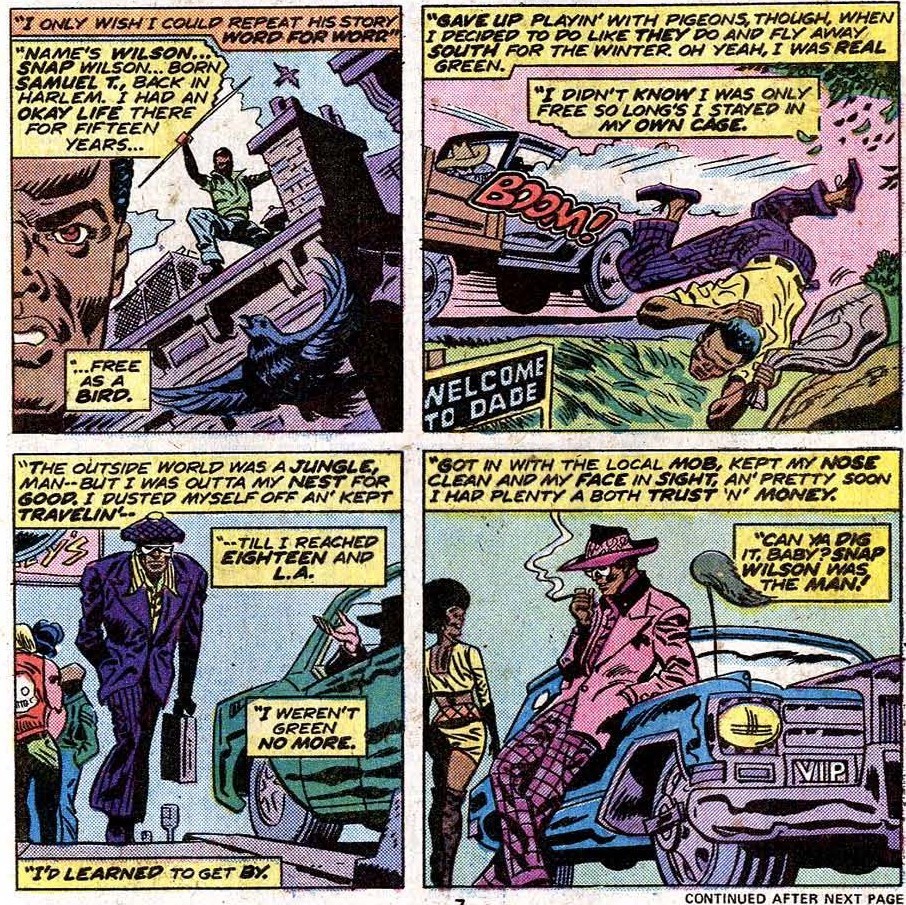
This changes in Captain America and the Falcon #186, where (in a follow-up to the original story that introduced Sam Wilson) the Red Skull reveals that everything we knew about Sam Wilson was a lie:
These four panels are worthy of some in-depth textual analysis. In the first, we see the young and innocent Sam Wilson on the rooftops of Harlem, complete with a thematic association between birds and freedom that we’ll later see embodied in his relationship with his falcon Redwing. (In future issues, this part of his backstory will be retconned to add in tragic violent crime-related deaths for both his mother and father that will inspire his vigilantism.) In the second, we see Wilson heading to Florida (like a lot of New Yorkers in the winter) only to be confronted with the specter of rural bigotry in Dade County, in a scene straight out of the shock ending of Easy Rider. By the third panel, we see that the experience has hardened our hero, and by the time that he gets to Los Angeles he’s learned to “get by” in the worlds of both street crime (as symbolized by the small crowd of black men standing on the corner) and organized crime (as symbolized by the white hand coming out of the car window). In the fourth panel, the transformation of Sam Wilson into “Snap” Wilson is complete – he’s now an L.A-based gangster complete with mob connections, a pimped-out Cadillac with vanity license plates, and some of the 70’s wildest fashions.
As we learn about on the next page, rather than arriving on the island of forbidden love as part of a vacation-turned-resistance-movement, “Snap” Wilson crash-landed on the island after attempting to hijack a small plane containing a “fortune” (presumably of drugs, given that the plane was returning from a trip to Latin America) belonging to the “Big Man,” his L.A-based crime boss.
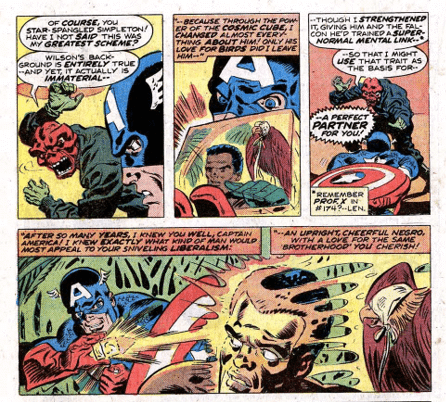
More significantly, we learn that the social Sam Wilson that readers thought they knew was a creation of the Red Skull, a fiction specifically designed to appeal to Steve Rogers’ liberal values:
Steve Englehart, John Warner, and Frank Robbins had to lean heavily on the Cosmic Cube’s, well…cosmic powers here, because this is quite a retcon. Above and beyond the psychological impact on Wilson himself, the creative team had to explain how it was that we’ve seen Sam Wilson at work as a social worker – we’ve even seen his office with clients in it! – and it would be particularly odd for the Cube to somehow have also altered the memories of the entire “Social Admin” Department of New York City so that someone without official hiring paperwork or credentials would be given office space, a salary, and a caseload for several years.
This being a superhero comic, the retcon is then used by the Red Skull (once again using mind control) to pit the Falcon against Captain America in a lose-lose fight to the death. Naturally, Captain America triumphs and destroys the Red Skull’s HYDRA base, only for the Skull himself to flee to fight another day. Rather than resolving neatly in one issue like earlier “Cap goes evil” storylines, the dangling plot thread of “Snap” Wilson and the dueling backstories continues to dominate the book for the next several issues.
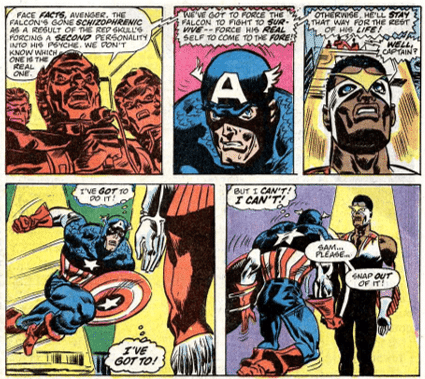
For example, in Captain America and the Falcon #189, Tony Isabella and Frank Robbins have Captain America once more fight Sam Wilson in a dubious SHIELD experiment to prove which is the real personality.
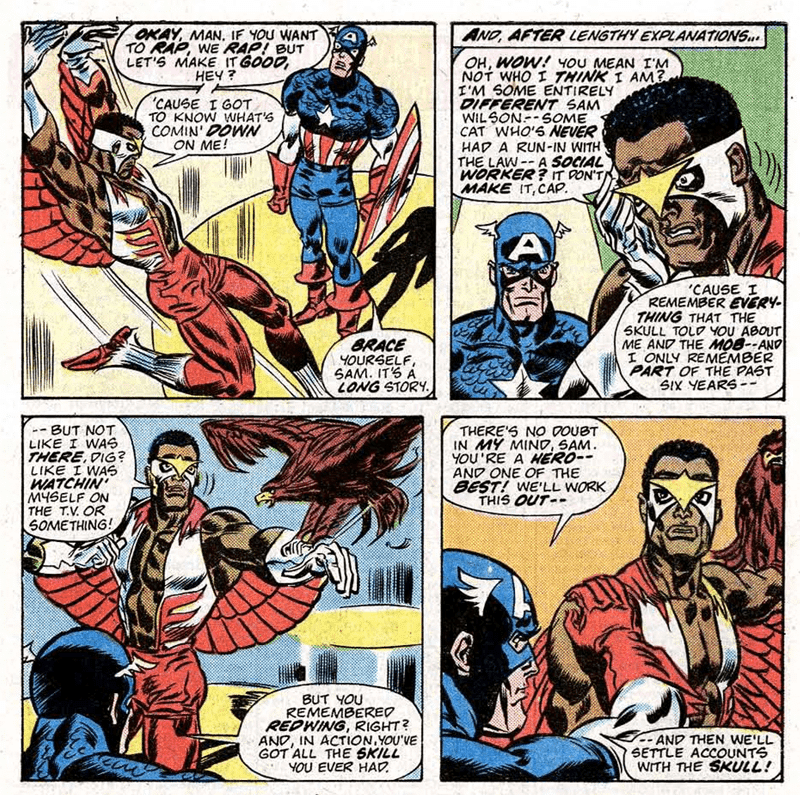
After a bunch of illusionary shenanigans, the Falcon snaps out of his “schizophrenic” state to reveal that, in fact, it is “Snap” Wilson who was the true personality and Sam Wilson who was the fake.
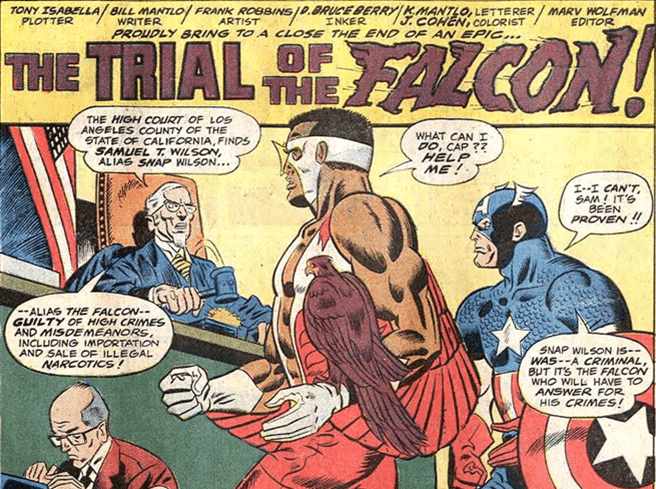
Tony Isabella, Bill Mantlo, and Frank Robbins would return to (and in their own words “bring to a close the end of an epic”) plot in issue #191, in which “Snap” Wilson is put on trial in Los Angeles County Court for the “importation and sale of illegal narcotics”:
The Falcon is only saved from prison when, in a bid to prevent him from turning state’s witness against his former mob associates, the “Big Man” of Los Angeles hires, of all the many Marvel villains-for-hire, the Stilt-Man to attack the courthouse and assassinate the Falcon before he can testify. As one might guess, the ensuing action allows the Falcon to demonstrate his heroism to the judge, leading to a suspended sentence of parole (with Nick Fury of SHIELD standing in as his parole officer), thus demonstrating the fairness and mercy of the American court system when dealing with black defendants up on drugs charges in the first wave of Nixon’s War on Drugs.
The racial politics of this retcon are bizarre to say the least. The new “Snap” Wilson behaves like a quite different character than the one readers had known for sixty-nine issues: he’s more aggressive and violent both in interpersonal communication and combat, he uses stereotypical “jive” slang, and he’s far more cynical about white America and white institutions – an interesting departure for a character previously given to attempts at “cooling down” racial tensions. One could see it as an extrapolation of the “talker” versus “fighter” dynamic between Sam Wilson, social worker, and the vigilante known as the Falcon, if not for the charged nature of “Snap” Wilson’s gangster origin.
Two potential explanations for this change suggest themselves. The first is that we need to see this in the context of Marvel chasing the trend of blaxploitation, more prominently seen in the creation of the characters Luke Cage and Blade at around the same time. A streetwise gangster simply fits into the rather narrow schema of the blaxploitation genre better than a social worker out of a prestige “problem” film. However, Captain America and the Falcon was an established comic rather than a newer, more speculative venture like Power Man, and more importantly it was the comic of their flagship “flag suit” character, which tends to come with higher visibility and tighter editorial control within the company.
The second explanation, and one that has a certain amount of plausibility given that Cap #186 was authored by noted liberal Steve Englehart (just coming off of having Captain America go up against Richard Nixon), is that the retcon was prompted by a weird white liberal guilt trip that judo-flipped its way into being accidentally racist. Sam Wilson, as originally envisioned by Stan Lee, was an “articulate,” clean-cut, politically moderate black professional. It may have been argued at the time that the character of the Falcon was a paternalistically condescending bit of outreach to the black community from a bunch of white middle aged middle class folks at Marvel. By contrast, a more “street” character, as we’ve already said more evocative of popular trends in black culture, who challenges the white establishment more consistently than before, may have been seen as a more “authentic” portrait of black masculinity in the 1970s. If so, it’s a very strange train of thought where an attempt to be racially sensitive boomerangs back around to being back-handedly racist.
The problem with this line of political logic is the question of representation. There’s nothing inherently wrong with an individual character having a backstory of coming from the “mean streets” of crime, but when you’re dealing with a situation in which there are very few characters of color in Marvel comics (especially back in the 1970s when the main struggle within Marvel was over introducing racial “firsts”), aspects of those characters become less individualized and more archetypal. When most if not all of Marvel’s black characters at the time came from “the street,” it starts to send a message that, according to Marvel creative and editorial (again, staffed almost entirely by white men), the “street” is where black characters come from. This becomes problematic when it means that having a black character with a different background – like, for example, a professional social worker – is seen as less “realistic” than an ex-hood.
So much for the “epic” of “Snap” Wilson. I know there are going to be some in the fandom who will say that, given the realities of a serial medium produced monthly over the course of almost fifty years by a variety of creative and editorial teams of varying levels of ability and care for the material, you’re going to get some bad stories worked in there. These stories – if left unchecked – can warp characters out of being usable recurring intellectual property, which is why retcons aren’t always a bad thing because they can right a sinking ship in the wake of a particularly ill-thought-out or poorly executed creative turn.
This is why, when we talk about the impact of a given story in comics, we can’t just talk about the aesthetic merit of a given panel or page or comic, but its longevity – did a given story have an enduring impression on the book and the larger Marvel Universe, or was it a flash in the pan that was swiftly cleaned up by the next team to work on the book?
The answer to that question is why the “Snap” Wilson retcon is such a big deal: it lasted for forty years, putting it up there as one of the longest-lasting retcons in Marvel history. It was the status quo when Steve Englehart left the book, it was the status quo when Jack Kirby returned to both write and draw the book (more on that in a future issue), it was the status quo for Mark Gruenwald’s classic run in the 80s, and it was the status quo for Ed Brubaker’s run that set the terms for the MCU Captain America films.
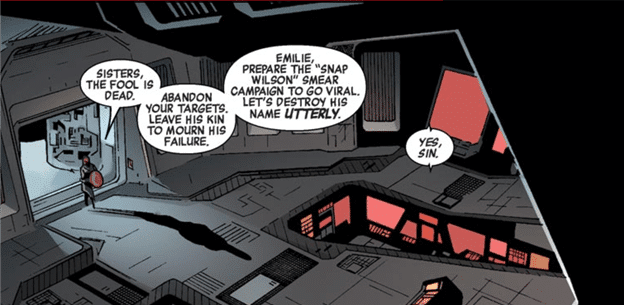
It wouldn’t change until 2015, when as part of the Avengers NOW! event[3] Sam Wilson was promoted to the role of Captain America for the first time (although not the first time that he’d worn the uniform) – a creative and editorial decision that would ultimately give rise to the Disney+Falcon and Winter Soldiershow. In All-New Captain America #3, intending to discredit as well as kill the new Captain America, Sin (the Red Skull’s daughter) and HYDRA engages in information warfare by releasing to the public the sordid details of “Snap” Wilson’s past:
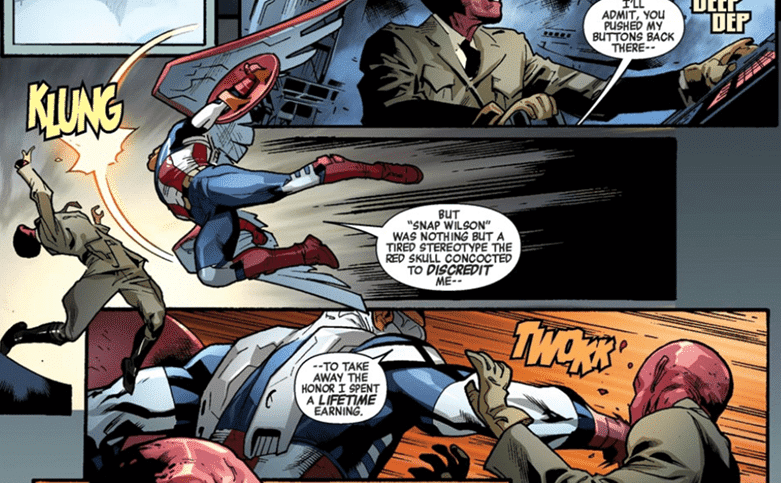
To a significant extent, Remender designs All-New Captain America #3 to be in dialogue with Englehart’s Captain America and the Falcon #186 – no less than three pages out of the book are devoted to a beat-for-beat reproduction of the story of the Red Skull using the Cosmic Cube to re-write Sam Wilson’s backstory, for example. The major difference is that, rather than staying in a mind-controlled silent stupor while Steve Rogers plays the interlocutor to the Red Skull, here Sam Wilson is allowed to speak and he challenges Sin’s characterization of his past as a “liar, thug, and gangster” as “lies.” (Remender does his own editorializing by characterizing the “Snap Wilson” backstory as a “smear campaign” and presenting Sin as clearly an unreliable narrator given to monologuing about the victors rewriting history to suit their interests.)
In foiling both Sin’s smear campaign and (somewhat more importantly) her bomb plot, Sam Wilson defiantly asserts a brand-new status quo for his own backstory:
While Rick Remender is a writer whose politics I haven’t always agreed with – only two years before this issue, Remender had writtenUncanny Avengers #5, which featured the now-infamous “M word” speech, and then reacted extremely poorly to criticism over how this speech handled the topic of minority identities and the mutant metaphor – I think he was on the right track in this case.
As I’ve suggested above in discussing the question of representation, “ex-gangster from the mean streets” was already something of a “tired stereotype” back in 1975, and it was only more of one in 2015 when you consider the increase in the raw numbers of African-American characters in big two comics, given how many of those new characters had been given “street” backgrounds themselves. By contrast, there is something innovative about a social worker backstory not just from the perspective of African-American characters but superheroes in general: whereas most heroes with secret identities are cops, private detectives, reporters (because those professions involve being “nosy” and thus lend themselves to story hooks involving investigations), or scientists (which lends itself to super-science story hooks), there really aren’t that many heroes who belong to one of the “caring” professions. As we discussed back in Week 18, social workers have a unique perspective on social phenomena, while still giving rise to sixty issues worth of story hooks.
Ultimately, however, the question of whether a given character’s backstory is innovative or stereotypical is rather subjective. Which is why the subjectivity of the creative and editorial teams matters – and why it mattered that for so long that the teams working on Captain America and the Falcon were all-white (as well-meaning as they might have been). Had there been more diversity in the room at the time, black creators might have been able to push back on the “Snap” Wilson retcon from the beginning instead of having to wait forty years for a white creator to decide it wasn’t all right.
[1] Between Cap #120 and #186, there wasn’t a regular artist on the book on issues covering Sam Wilson as a social worker: artists ranged from Gene Colan on #120 and 134 to John Romita Sr. on #139 to Sal Buscema on #149 to Alan Weiss and John Romita Sr. on #164.
[2] A story notable for being the first but by no means the last time that CapWolf became a part of Marvel Comics. More on that in a future issue of People’s History of the Marvel Universe.
[3] Itself a continuation of the All-New Marvel NOW! event from 2013, which itself was a continuation of Marvel NOW! from 2012, but which shouldn’t be confused with All-New, All-Different Marvel which would launch later in 2015, eventually giving rise to the Secret Empire event. Needless to say, Marvel editorial hasn’t exactly made things easier for comics historians in their naming conventions in recent years.
There’s eight new releases available now on comiXology. You can get new comics from Marvel, Harlequin, and Tidalwave Productions. Get shopping now or check out the individual issues below.
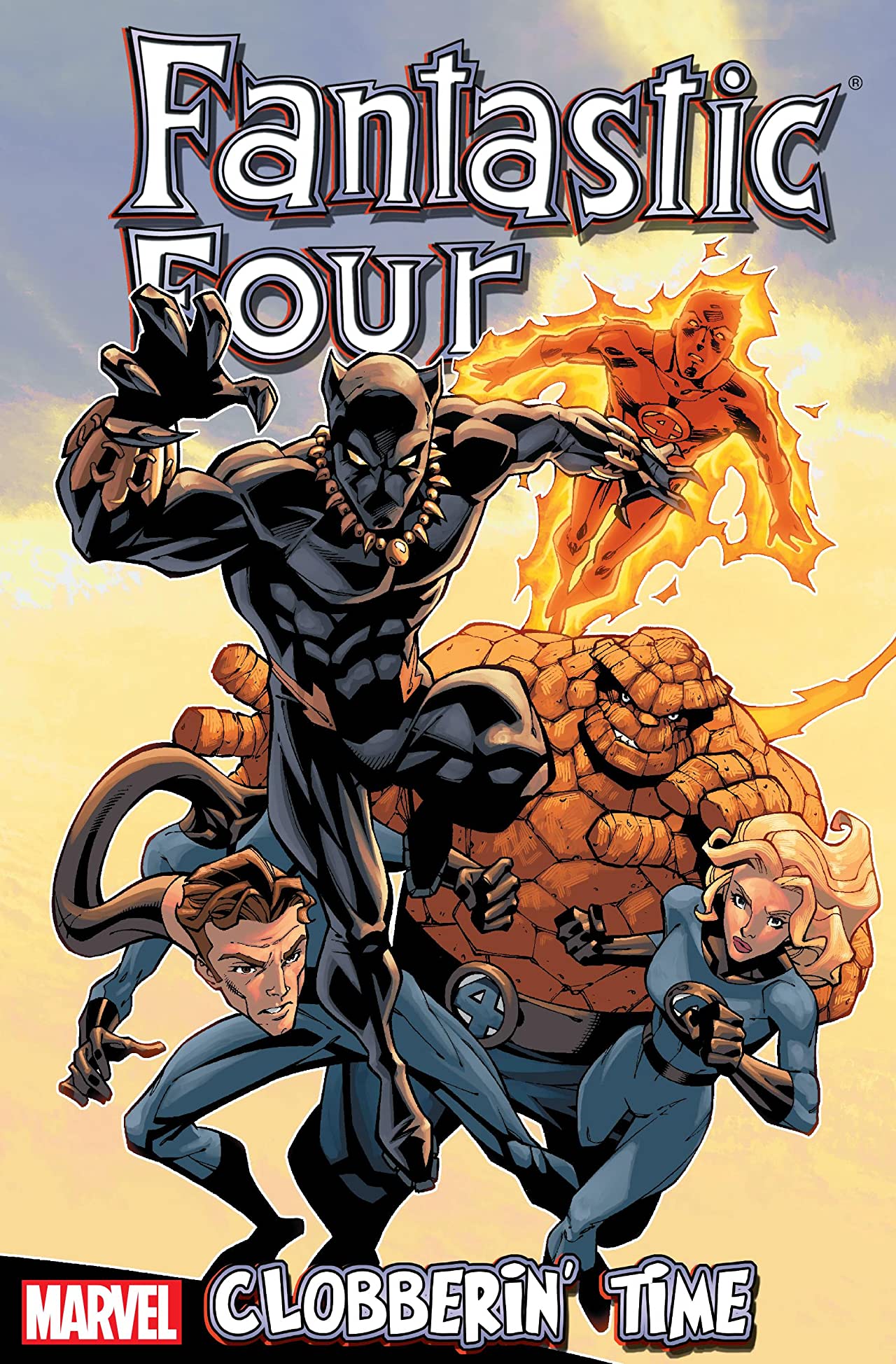
Fantastic Four: Clobberin’ Time
Written by Todd DeZago Art by Michael O’Hare Cover by Randy Green Purchase
Collects Marvel Age: Fantastic Four Tales #1, Tales Of The Thing #1-3 And Spider-Man Team-Up Special (2005) #1. Check out the Thing and the rest of his Fantastic Four pals in their latest collection of all-ages adventures! Each of these four action-packed stories features a special guest from the Mighty Marvel Universe. Join the Black Panther, Dr. Strange and other heroes as they combine forces with the Thing for this contemporary spin on classic Marvel tales.
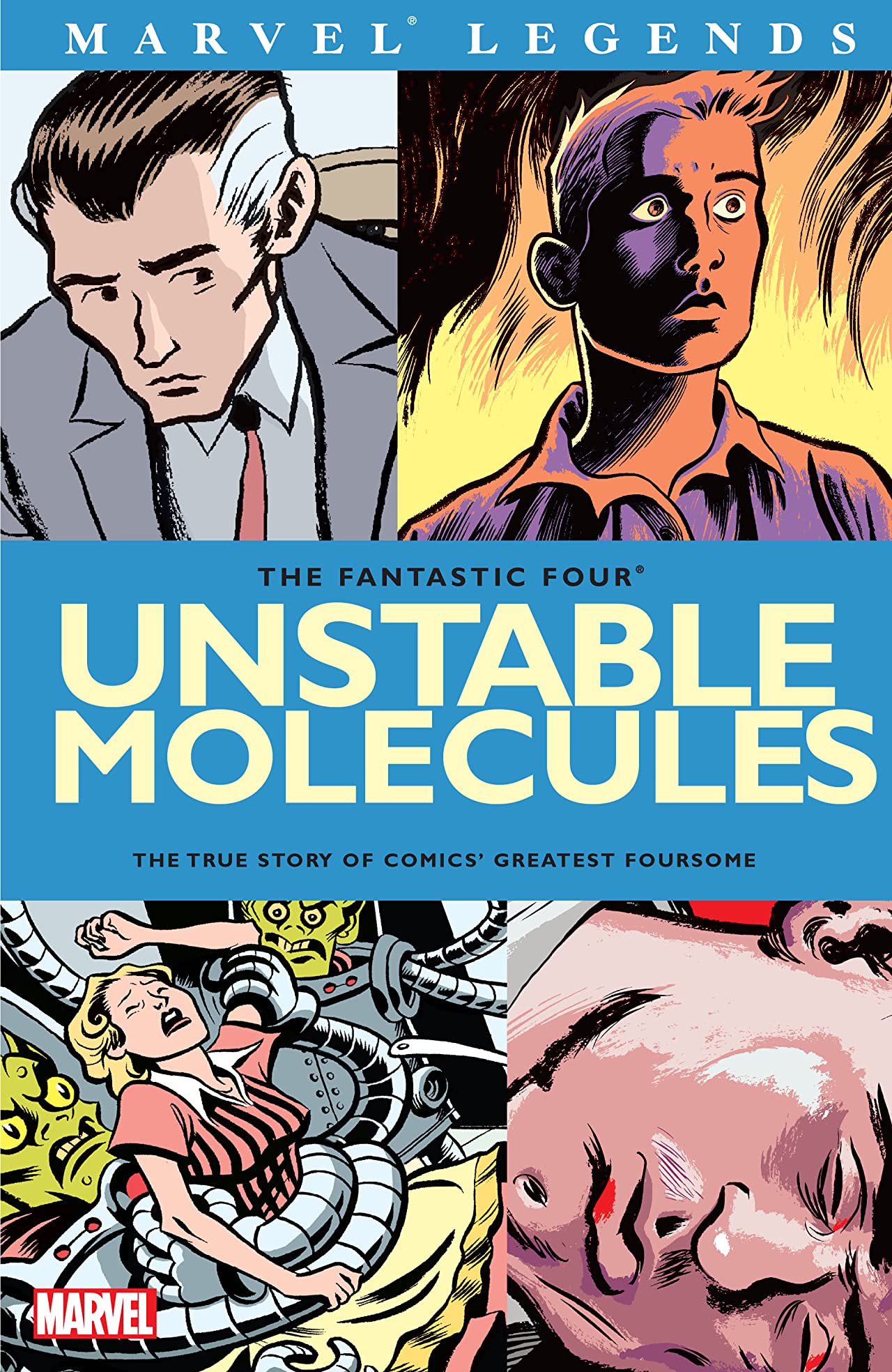
Fantastic Four: Unstable Molecules
Written by James Sturm Art by Guy Davis, James Sturm Cover by Craig Thompson Purchase
Collects Startling Stories: Fantastic Four – Unstable Molecules #1-4. In 1961 the first issue of THE FANTASTIC FOUR was drawn and written by the brilliant team of Jack Kirby and Stan Lee and set a new standard for heroic adventure comics. Few people realize that the Fantastic Four — a family of sci-fi adventurers gifted with amazing powers — were actually based on the lives of real people. As often is the case, real life was as astonishing as fiction. UNSTABLE MOLECULES is a biography that revisits the Fantastic Four’s beginnings with a historian’s eye.
Giant-Size Marvel
Written by Gerry Conway, Steve Gerber, Tony Isabella, Donald McGregor, Roger Slifer, Roy Thomas, Len Wein Art by Rich Buckler, John Buscema, Dave Cockrum, Don Heck, Gil Kane, Don Perlin, Frank Robbins Cover by John Romita Sr. Purchase
Collects Giant-Size Fantastic Four #4; Giant-Size Avengers #1; Giant-Size Defenders #4; Giant-Size Super-Heroes #1, Giant-Size Invaders #1; Giant-Size X-Men #1, Giant-Size Creatures #1. Giants roamed the Earth in those days, and now they’re back! Witness the formation of the new X-Men and the old Invaders! The rapid return of the wartime runner called the Whizzer! The debut of the multiplying Marvel Knight Madrox! Spider-Man vs. the Man-Wolf! The Defenders vs. the Squadron Sinister! The tantalizing Tigra and more! Tales almost too tall to tell, together in a titanic tome!
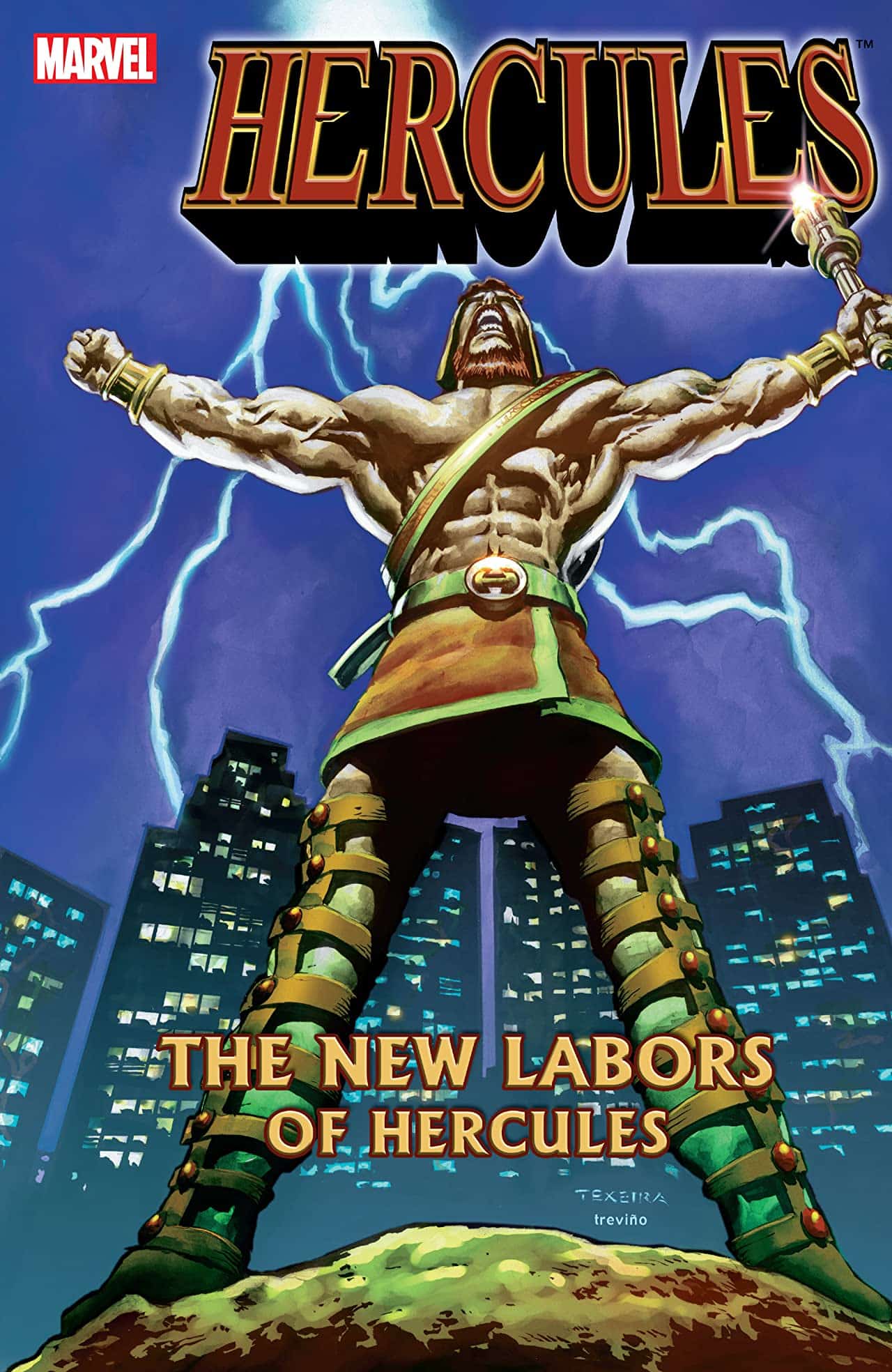
Hercules: The New Labors Of Hercules
Written by Frank Tieri Art by Mark Texeira Cover by Mark Texeira Purchase
Collects Hercules (2005) #1-5. Reeling from the tragic death of Thor, the Prince of Power knows his star is fading fast. So what better way to pump up his Q-rating than to relive his defining moment? When his most bitter foe throws down the gauntlet, Hercules agrees to the challenge: twelve labors, each more perilous than the one before it — and each updated for reality-TV consumption. Zounds!
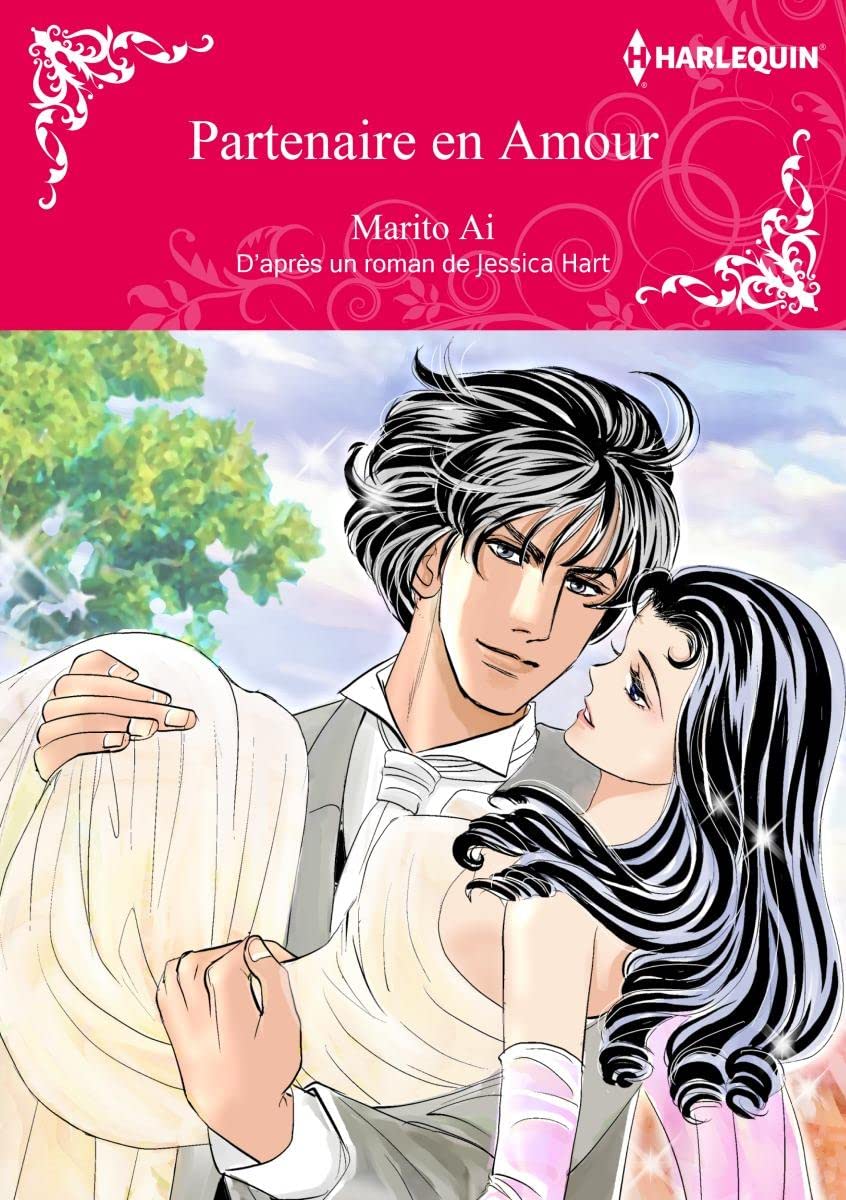
Darcy a fait le voyage depuis Londres pour visiter Bindaburra Ranch, une propriété que lui a léguée son grand-oncle. Sur sa route vers le ranch, sa voiture tombe en panne et elle se voit contrainte de continuer à pied sur ses talons dans une campagne qu’elle ne connaît pas. Juste au moment où elle commençait à désespérer, un homme nommé Cooper arrive dans sa voiture et la sauve. Mais Cooper déclare qu’il est le propriétaire de Bindaburra. Cooper essayait-il de profiter du décès de son grand-oncle pour accaparer le ranch que son oncle aimait tant ?
Un mariage par nécessité
Written by Christine Rimmer Art by Kuremi Hazama Purchase
Le père de Megan avait stipulé dans son testament qu’elle devait se marier dans les deux ans et avoir un enfant, sous peine de perdre la propriété de la ferme d’élevage. Désormais, elle doit trouver un mari, au plus vite ! Pour cela, elle se bat pour rencontrer son ami d’enfance Nathan Bravo. Alors qu’ils ont grandi ensemble, il a quitté la ville il y a longtemps pour y pratiquer la médecine vétérinaire. À présent, douze ans plus tard, Megan est décidée à lui demander de l’épouser !
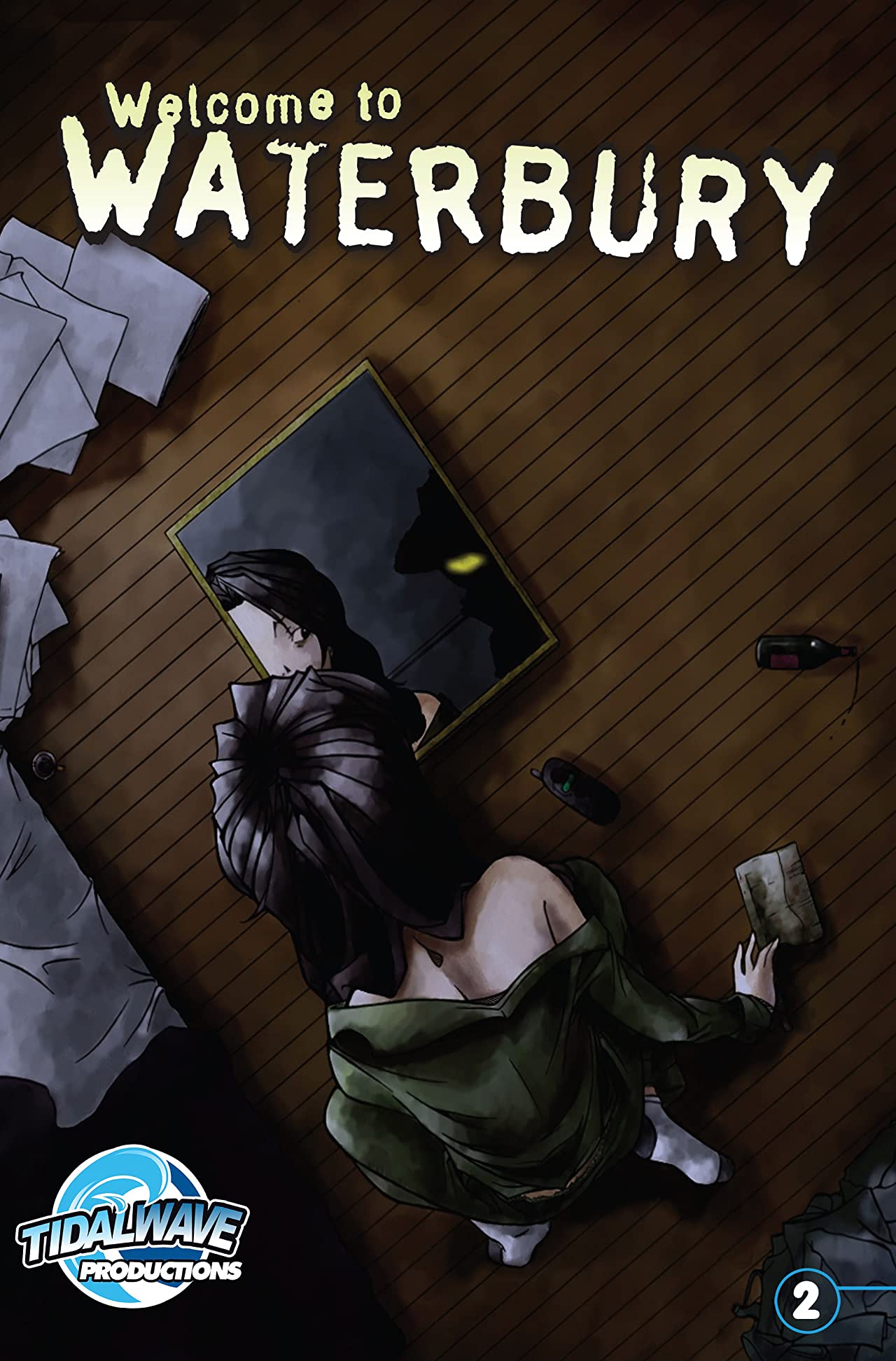
Welcome to Waterbury #2
Written by Dan Rafter Art by Byron L. Golden Purchase
Chapter 2: The Devil You Know. Living in Waterbury in an aging inn wasn’t Audrey’s dream. It was her husbands. But now her husband is dead, and Audrey is the only one who thinks it wasn’t an accident. She’s also the only one who thinks the scarecrows scattered throughout the town have been moving. What’s really going on in Waterbury? Audrey’s about to find out.
This site contains affiliate links, which means that if you click on one of the product links and make a purchase, we’ll receive a percentage of the sale. Graphic Policy does purchase items from these sites. Making purchases through these links helps support the site.
Today’s new digital releases sees five new comics from Marvel and Harlequin. Get shopping now or check out the individual releases below.
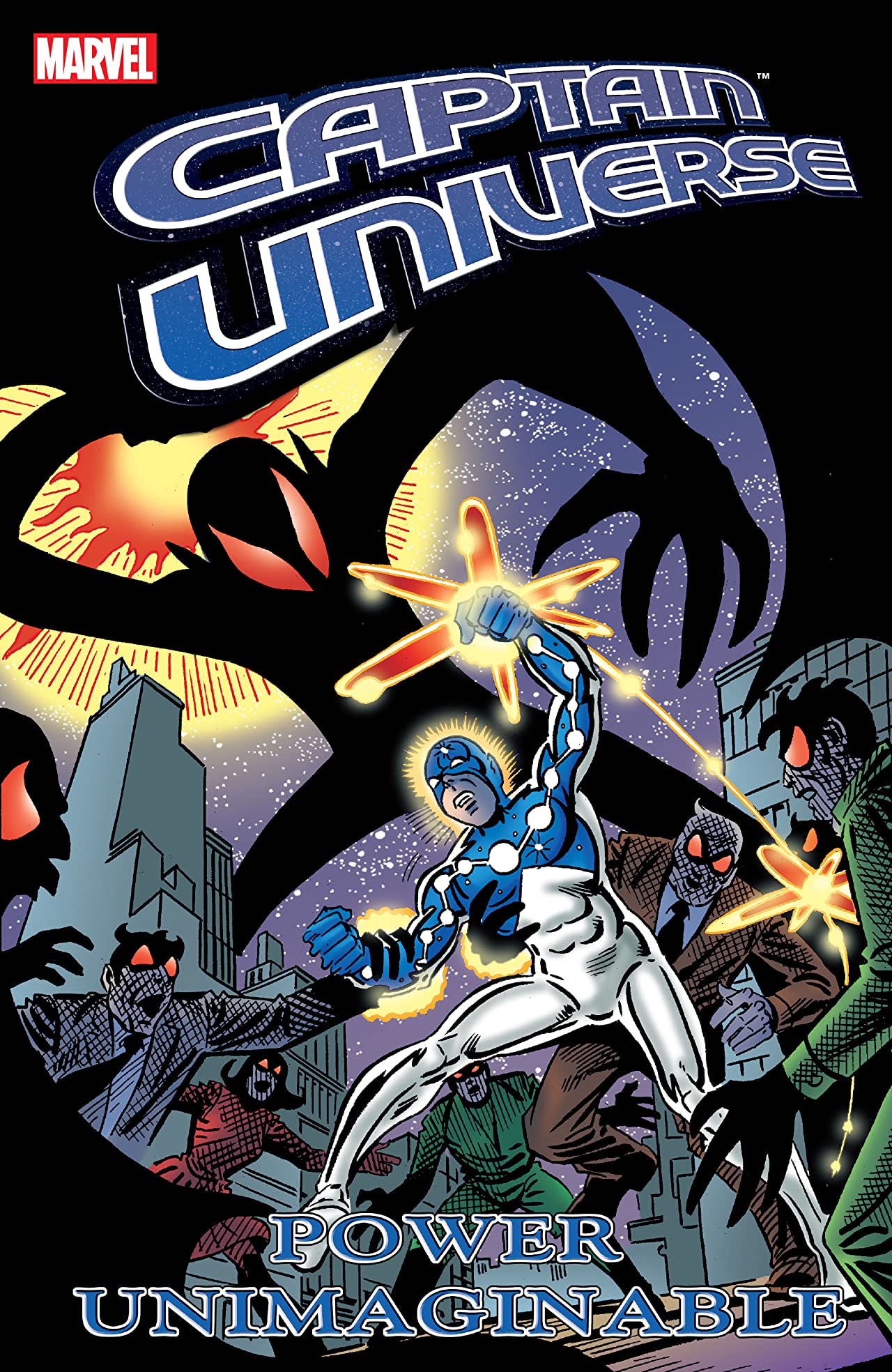
Captain Universe: Power Unimaginable
Written by Gerry Conway, Eric Fein, Tony Isabella, Bill Mantlo, Dan Slott Art by June Brigman, Steve Ditko, Neil Errar, Rick Leonardi, Bill Wylie Cover by Steve Ditko Purchase
Collects Marvel Spotlight #9-11, Incredible Hulk Annual #10, Marvel Fanfare #25, Web Of Spider-Man Annual #5-6, Marvel Comics Presents #148 And Cosmic Power Unlimited #5.
He’s the hero who could be YOU…but in these stories, being a burglar, a college professor and an astronaut will have to do! Whether it’s half-sized as a child or doubled as twins, the Uni-Power transforms its lucky recipient into Captain Universe — countering crises that range from a masked marauder to the edge of apocalypse! Guest-starring the Hulk, doing the non-mutant cosmic super-hero thing years before Spider-Man made it popular!
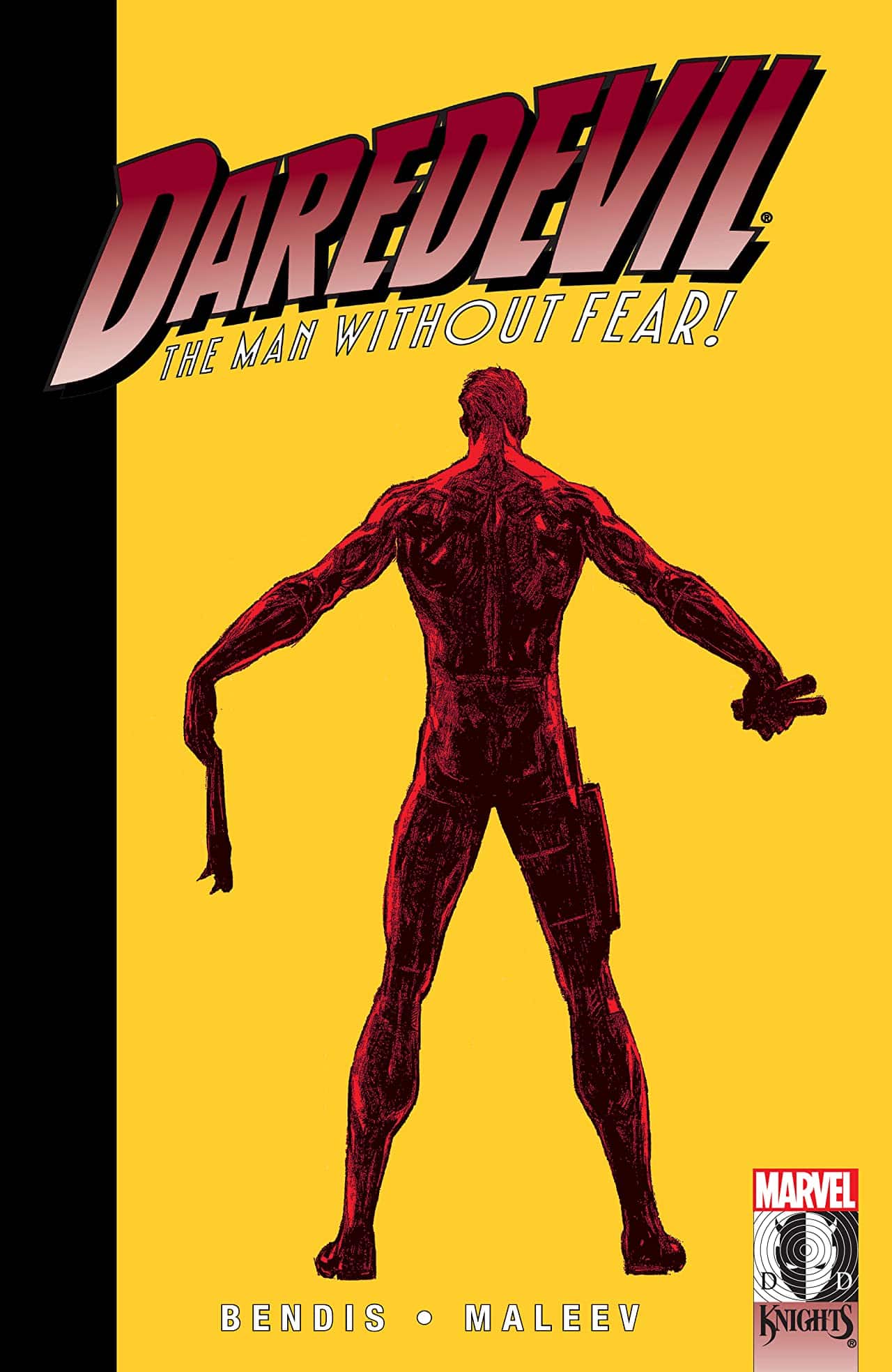
Daredevil Vol. 12: Decalogue
Written by Brian Michael Bendis Art by Alex Maleev Cover by Alex Maleev Purchase
Collects Daredevil (1998) #71-75.
The wait is over! Exactly what happened during Daredevil’s year-long reign as the new Kingpin? His historic cleaning of Hell’s Kitchen will finally be revealed in bloody detail. Framed around the Ten Commandments, this epic story is like nothing you’ve seen before!
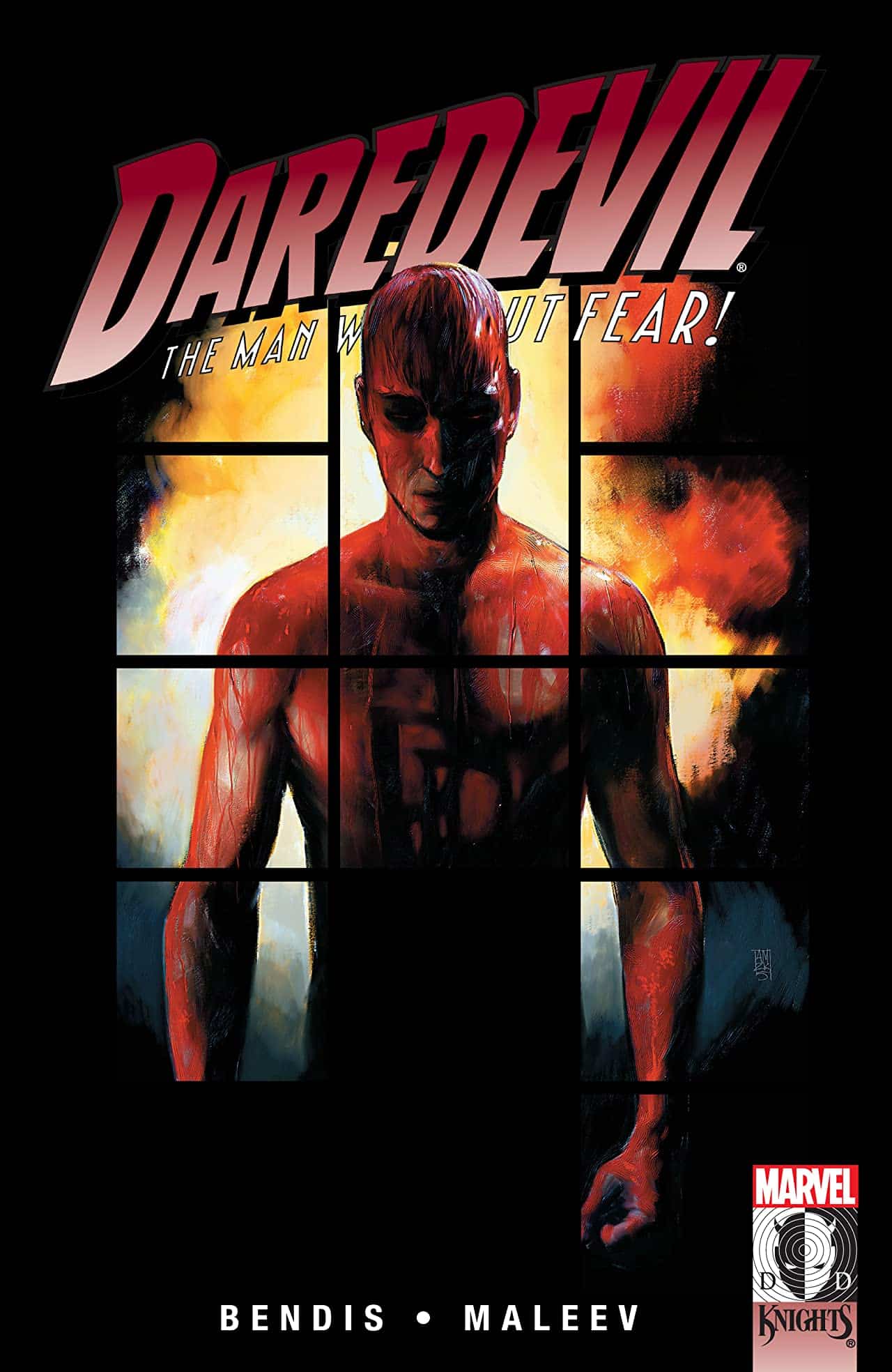
Daredevil Vol. 13: Murdock Papers
Written by Brian Michael Bendis Art by Alex Maleev Cover by Alex Maleev Purchase
Collects Daredevil (1998) #76-81.
The Eisner Award-winning run of Brian Michael Bendis and Alex Maleev comes to a blistering conclusion! First, they outed Daredevil in the press, then they married him and made him the Kingpin of Hell’s Kitchen. What could they possibly do to top that? Four words: WILSON FISK IS BACK!
A Royal Mission: Royally Wed
Written by Elizabeth August Art by Nanami Akino Purchase
Victoria, kidnapped and bound, is dazed when Lance, a royal bodyguard, comes to rescue her. She doesn’t know who Lance is or where he is taking her, but Victoria slowly becomes fascinated by this protective, caring man. But Lance must reveal a secret to Victoria that will change her life forever…
Un Bébé Pour Jack
Written by Emma Darcy Art by Eri Nakanuki Purchase
Jack sombre dans le désespoir après que Nina, l’amour de sa vie, l’ait soudainement quitté. Huit mois plus tard, voilà qu’il retombe sur elle, mais cette fois, à la maternité ! Incapable de renoncer à Nina, Jack s’arme de détermination : avec ou sans bébé, il doit la reconquérir. Or, Nina ne parvient pas à lui faire confiance et le repousse fermement. En effet, elle connaît son tempérament impétueux et elle sait qu’il déteste les enfants. Malgré l’obstination de Nina, Jack veut lui prouver son amour, alors il se lance donc dans l’éducation de sa fille à peine arrivée dans ce monde… À présent, il doit leur prouver qu’il les aime toutes les deux!
This site contains affiliate links, which means that if you click on one of the product links and make a purchase, we’ll receive a percentage of the sale. Graphic Policy does purchase items from these sites. Making purchases through these links helps support the site.
ComiXology has a nice mix of new, old, and manga in today’s digital comics releases on the platform. There’s a total of nine new digital comics available now for purchase. You can get them all right now or check out the individual issues below.
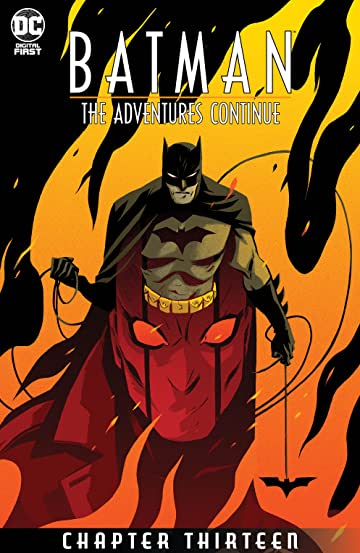
Batman: The Adventures Continue (2020-) #13
Written by Alan Burnett, Paul Dini Pencils Ty Templeton Inks Ty Templeton Colored by Monica Kubina Cover by Becky Cloonan Purchase
The Joker turns to a familiar face as he looks to take down the Red Hood. Can Batman track down his former partner before the Clown Prince of Crime strikes, or is this just what Jason wants?
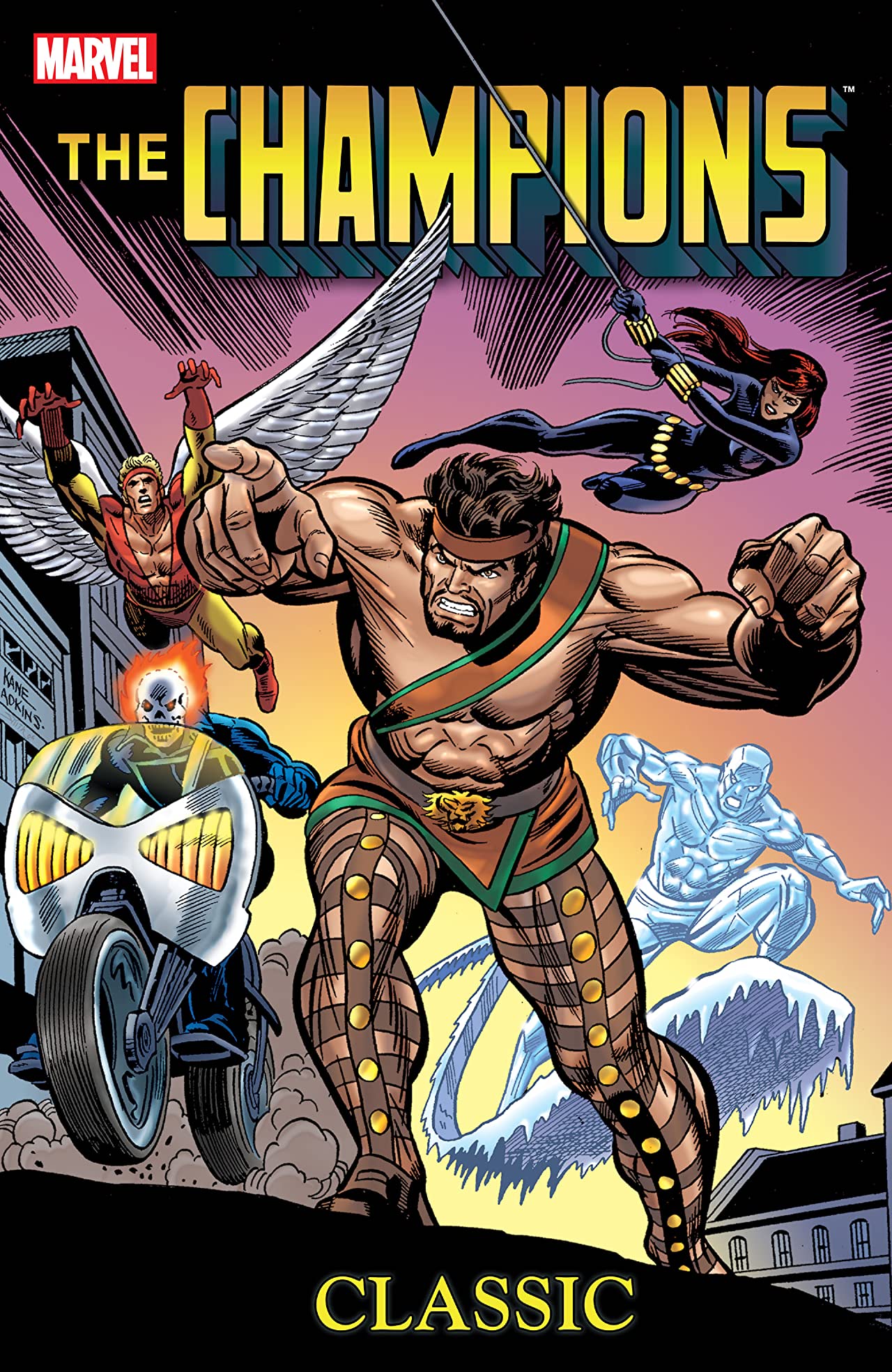
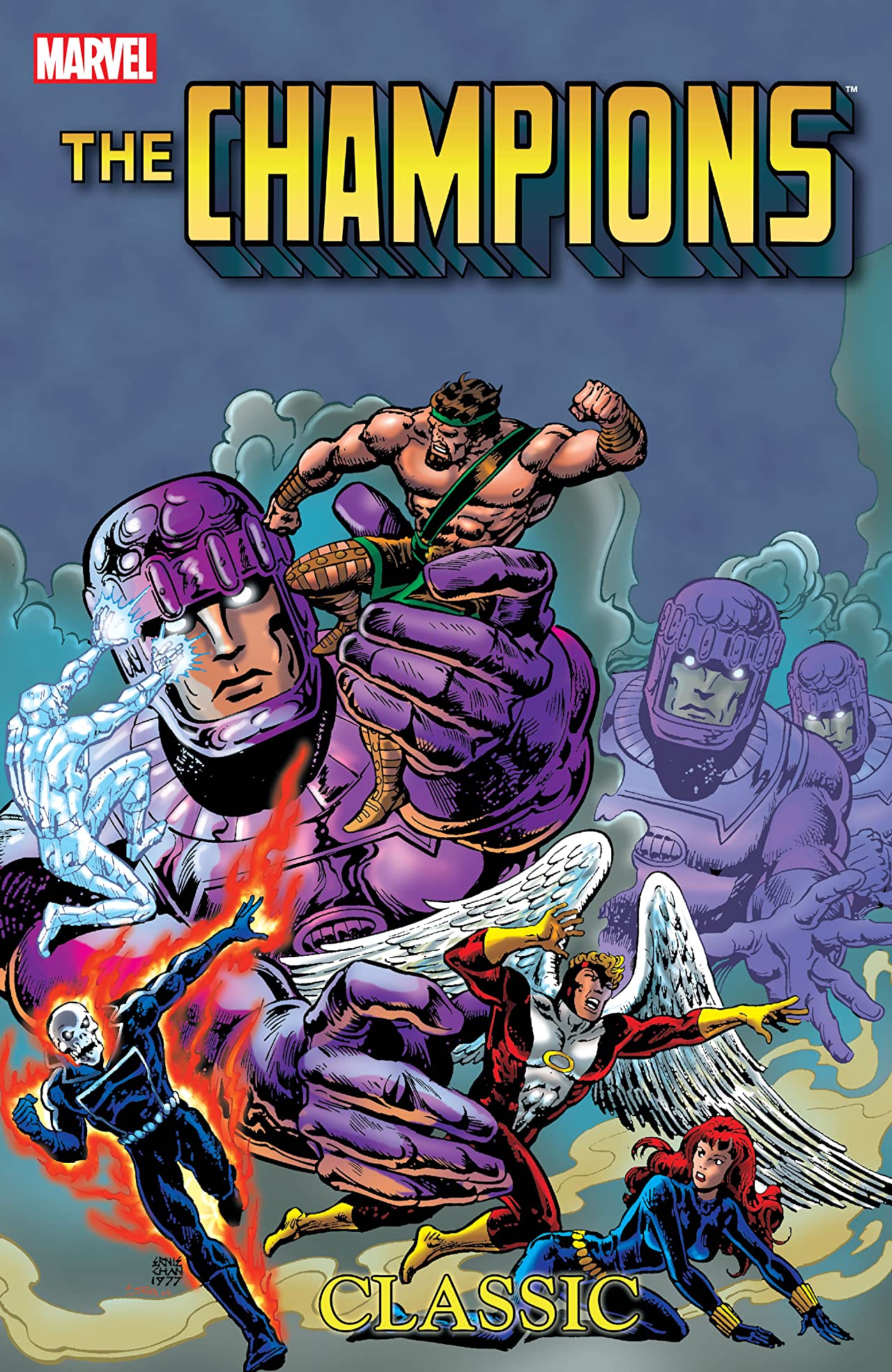
Champions Classic Vol. 1
Written by Chris Claremont, Tony Isabella, Bill Mantlo Art by John Byrne, Vince Colletta, Bob Hall, Don Heck, George Tuska Cover by Gil Kane Purchase
Collects Champions #1-11.
Okay, a god, a demon, a spy and two mutants walk into… resulting in some of the strangest scenarios of the ’70s! It’s gods vs. heroes in the City of Angels! With mad scientists, Russian super-spies, and guest-stars from Marvel’s western and horror eras! Plus: the secrets of the Black Widow! Featuring Hawkeye!
Champions Classic Vol. 2
Written by John Byrne, Bill Mantlo, Jim Shooter Art by John Byrne, Bob Hall, George Tuska Cover by Ernie Chan Purchase
Collects Champions (1975) #12-17, Iron Man Annual #4, Avengers #163, Super-Villain Team-Up #14 and Peter Parker, The Spectacular Spider-Man #17-18.
Demon-gods, alien monsters and killer bees – it only goes to show that Angel, Iceman, Hercules, Black Widow and Ghost Rider did more before #17 than some teams get done by #50! The short-lived super-team squeezed multiple mayhem into mere months of masked marvelry! Featuring the Stranger and the Stilt-Man! Magneto and MODOK! The world reign of Doctor Doom! The Sentinels and the Brotherhood of Evil Mutants! Guest-starring Spider-Man and the Avengers! Plus: destined for the pages of Punisher War Journal…Rampage!
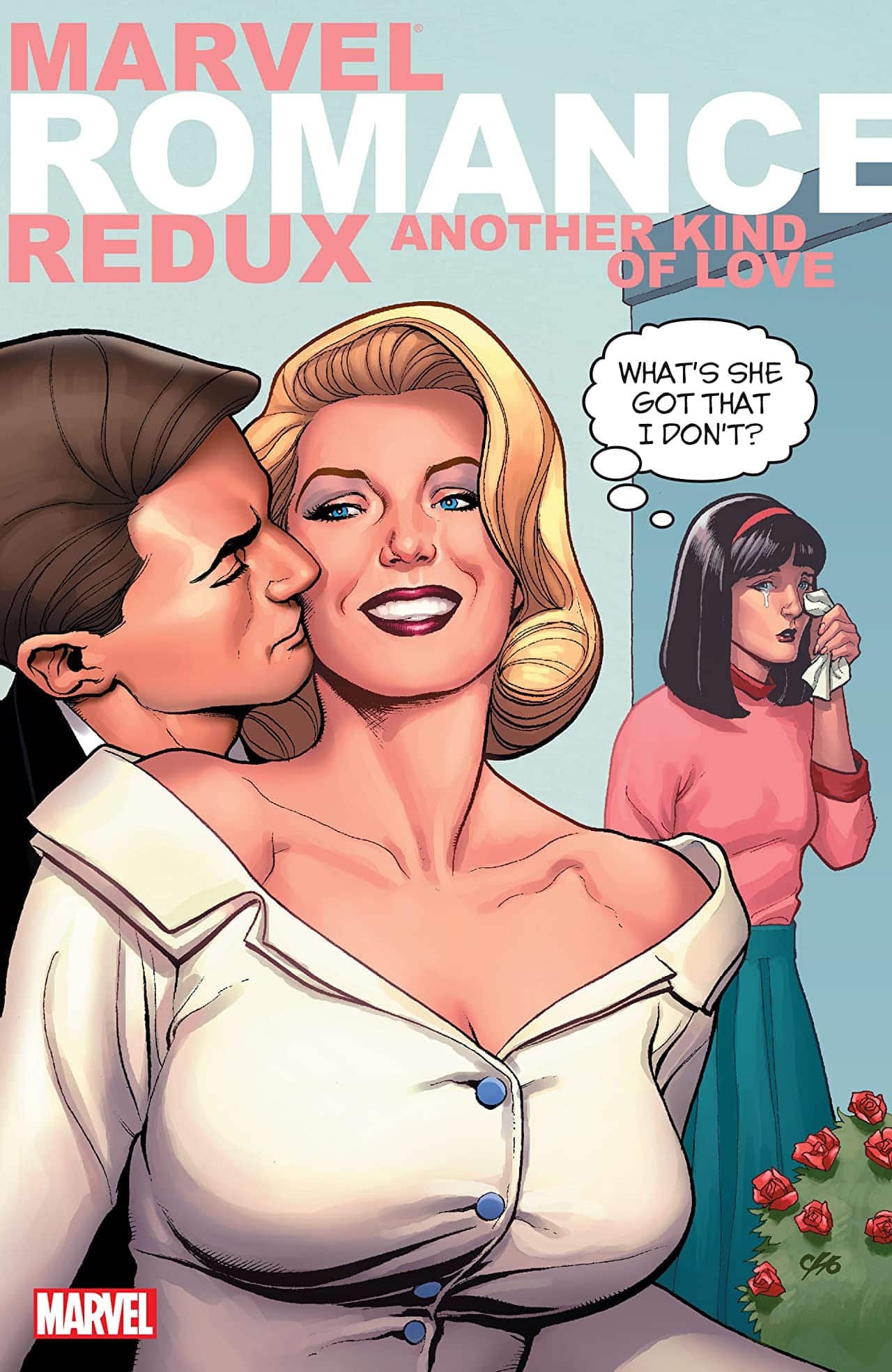
Marvel Romance Redux: Another Kind Of Love
Written by Kyle J Baker, Peter David, Paul Di Filippo, Robert Loren Fleming, Keith Giffen, Roger Langridge, Joe R. Lansdale, Mike Leib, John Lustig, Jimmy Palmiotti, Jeff Parker, Kristen Sinclair, Fred Van Lente Art by Sol Brodsky, John Buscema, Gene Colan, Vinnie Colletta, Dick Giordano, Don Heck, Jack Kirby, John Romita Jr. Cover by Frank Cho Purchase
Collects Marvel Romance Redux: But He Said He Loved Me!, I Should Have Been A Blonde, Love Is A Four-Letter Word, Restraining Orders Are For Other Girls And Guys & Dolls.
Continuing the noble pursuit of taking funny old pictures and putting funny words on top of them! We’ve asked some of the funniest writers in comics today to look at the romance comics of yesteryear and put in some new dialogue that’ll make us laugh! Unfortunately, the funniest writers were busy, so we had to settle on these guys. Hey, you get what you pay for.
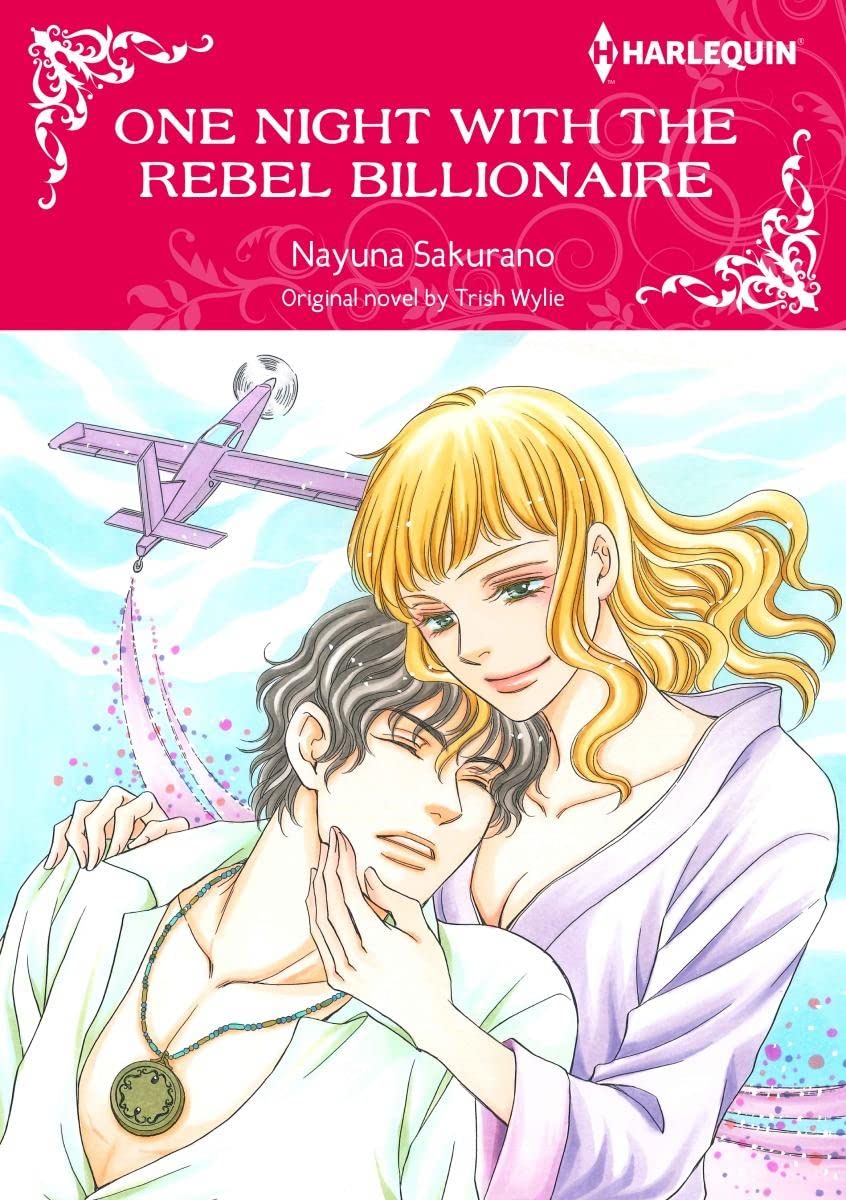
One Night With The Rebel Billionaire
Written by Trish Wylie Art by Nayuna Sakurano Purchase
Roane can’t help but feel excited as she discovers a naked man on the beach, his body chiseled like a statue’s. Under the silver moonlight, he catches her staring and teases her with a sinful and sexy smile. The next morning, she discovers that the mysterious man is Adam, a childhood friend who disappeared years ago. Roane’s nostalgic feelings of love for him soon come rushing back. But her sweet fantasy is destroyed when she discovers the real reason Adam has returned.
A Place Of Storms
Written by Sara Craven Art by Miyuki Yamaguchi Purchase
“You must marry me, Andrea.” How could she feel anything but despair over this man’s proposal? Andrea was visiting Blaise at his imposing castle to convince him to break off his impulsive engagement to her cousin. But he managed to convince Andrea to be his bride in exchange. She tries to hate the cruel castle master who forced her into this contract marriage, but she begins to discover the pure heart behind his rough exterior…
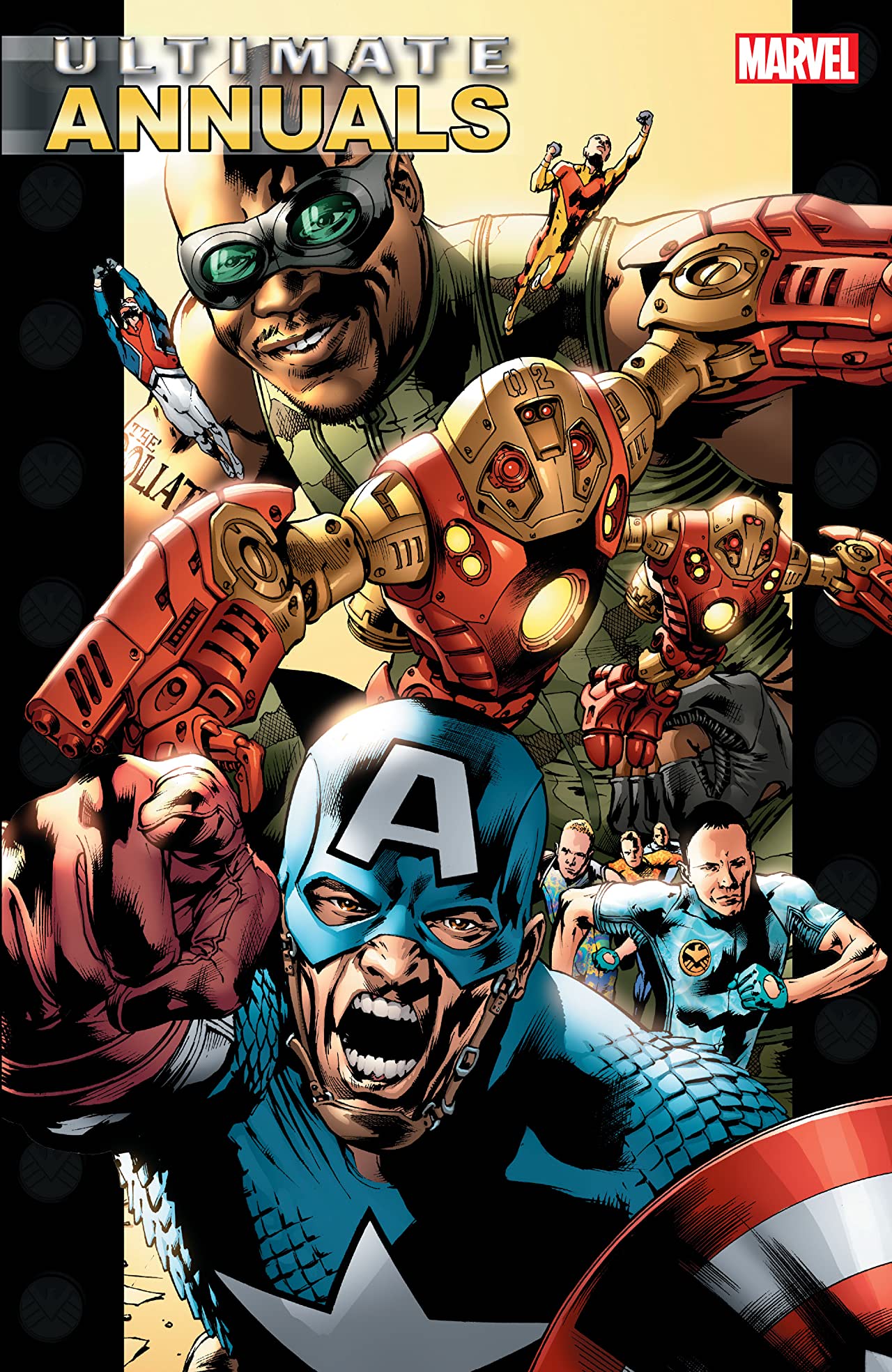
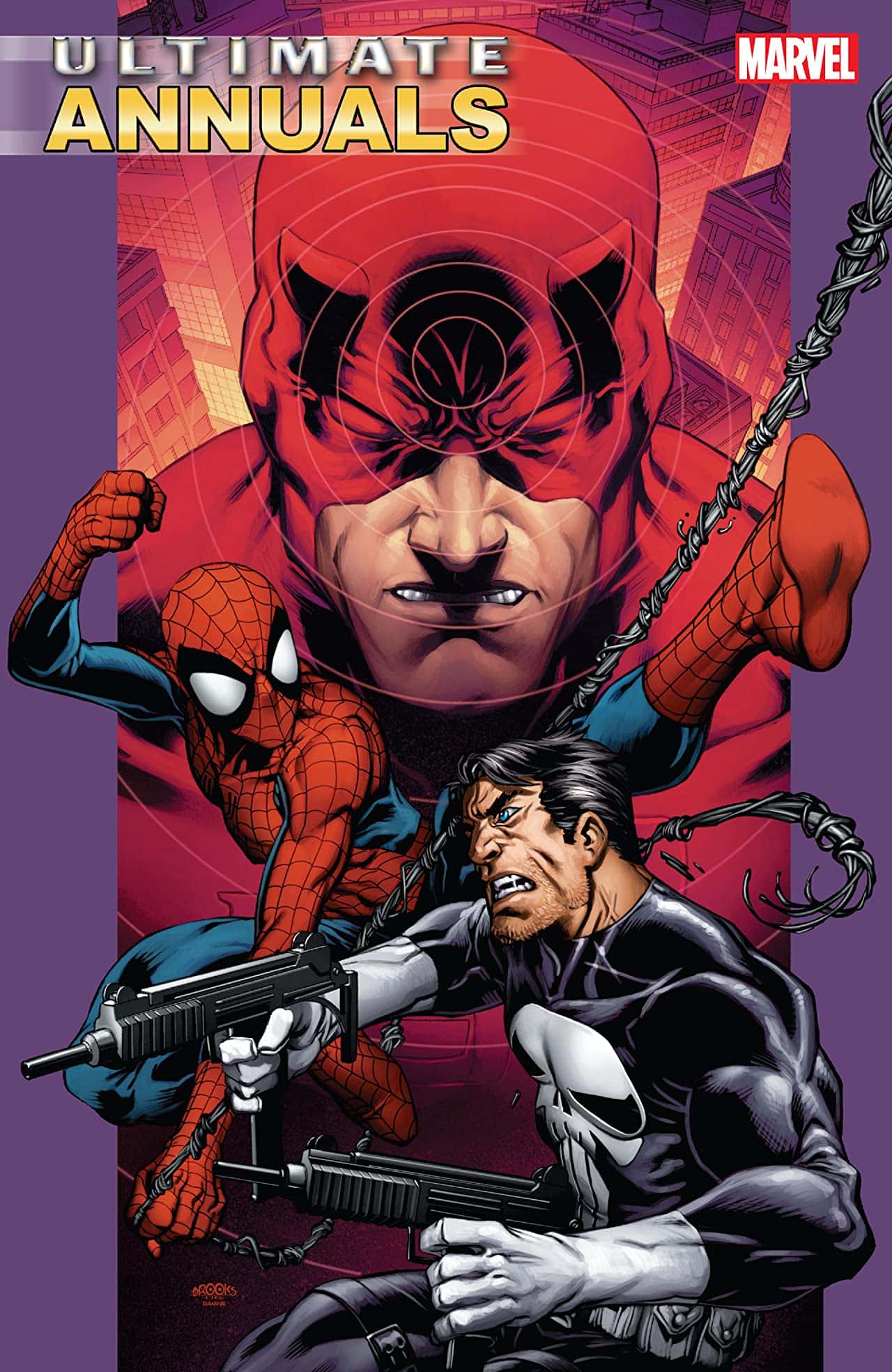
Ultimate Annuals Vol. 1
Written by, Brian Michael Bendis, Mark Millar, Brian K. Vaughan Art by Mark Brooks, Steve Dillon, Jae Lee, Tom Raney Cover by Bryan Hitch Purchase
Collects Ultimate Fantastic Four Annual #1, Ultimate X-Men Annual #1, Ultimate Spider-Man Annual #1 And The Ultimates Annual #1.
The Ultimate Inhumans debut, two lives are forever changed, Ultimate Juggernaut returns, and everyone guest-stars in the first-ever Ultimate Annuals! In ULTIMATE FANTASTIC FOUR ANNUAL #1, it’s the first appearance of the Ultimate Inhumans! From a hidden race, she came to steal the heart of the FF’s youngest member: the beautiful elemental called Crystal! In ULTIMATE X-MEN ANNUAL #1, Juggernaut makes a play for the Gem of Cyttorak, the jewel that will make him truly unstoppable. Only two small things stand in his way: Rogue and Gambit, the new prince and princess of thieves! In ULTIMATE SPIDER-MAN ANNUAL #1, Spidey goes toe-to-toe with some old foes – and winds up with a new girlfriend! Who is she? Let’s just say she has a familiar face. And in THE ULTIMATES ANNUAL #1, if you thought the Ultimates were the only team S.H.I.E.L.D. was creating – you were wrong! Get ready for the next wave of super-soldiers designed to protect America’s vital interests. But is this all Director Nick Fury is up to, or is there much more to this ultra-clandestine program? And can even S.H.I.E.L.D. keep all these super-people under control?
Ultimate Annuals Vol. 2
Written by Brian Michael Bendis, Mike Carey, Charlie Huston, Robert Kirkman Art by Mark Brooks, Mike Deodato Jr., Stuart Immonen, Frazer Irving, Salvador Larroca, Ryan Sook, Leinil Francis Yu Cover by, Mike Deodato Jr Purchase
Collects Ultimate Fantastic Four Annual #2, Ultimate X-Men Annual #2, Ultimate Spider-Man Annual #2 And The Ultimates Annual #2.
The Ultimate Annuals return with life-altering events! In ULTIMATE FANTASTIC FOUR ANNUAL #2, something strange has happened at Nursery Two, the Baxter Building’s Think Tank counterpart in Oregon. It’s disappeared, seemingly swallowed up by the earth itself! And if you think that heralds the return of the macabre Mole Man, go to the head of the class! In ULTIMATE X-MEN ANNUAL #2, Dazzler – Alison Blaire, former X-Man – has awakened from her coma only to discover her life is in deadly peril! And even her former fellow X-Men may be powerless to save her as a betrayal within the ranks has left them shell-shocked. In ULTIMATE SPIDER-MAN ANNUAL #2, Punisher and Daredevil return! While Foggy Nelson offers Spidey some legal advice, Police Captain Jean DeWolfe gives him some other advice – on how to take down the Ultimate Kangaroo! Will Peter Parker be able to navigate his way through this all-action moral maze, or will Punisher just shoot him instead? And in THE ULTIMATES ANNUAL #2, as the Ultimates clear the wreckage from the recent attack on the United States, a monstrous evil from the past rises from the ashes to launch an attack when America is at her weakest. And with the ranks of the Ultimates severely depleted, all that stands in the path of the long-thought-dead bio-fanatic Arnim Zola is the indomitable Sentinel of Liberty, Captain America, and Sam Wilson, the high-flying Falcon
Under The Brazilian Sun
Written by Catherine George Art by Moe Fujisaki Purchase
Catherine came to Portugal from England to inspect a painting. Roberto de Sousa, the man who requested her services, coldly dismisses her when he sees she’s a woman. Catherine’s determined to prove her worth to this former race car driver. But Roberto continues to avoid her, plagued by insecurities caused by the huge scar on his face from an accident. Yet his wild black curls and sexy gaze make Catherine feel as though her body is going to boil over. Scar and all, he is just too beautiful…
This site contains affiliate links, which means that if you click on one of the product links and make a purchase, we’ll receive a percentage of the sale. Graphic Policy does purchase items from these sites. Making purchases through these links helps support the site.
(W) Tony Isabella (A/CA) Clayton Henry
In Shops: Apr 04, 2018
SRP: $3.99
Cleveland and the nation! Alien weapons! Flying killers! Police under fire! And the surprises keep coming right through the very last page of this story! Black Lightning’s back… but will he survive this ultimate showdown?
Story: Tony Isabella Art: Clayton Henry, Yvel Guichet Cover: Ken Lashley, Juan Fernandez
Color: Pete Pantazis Letterer: Josh Reed
Editor: Jim Chadwick Associate Editor: Harvey Richards
In Shops: Mar 07, 2018
SRP: $3.99
Black Lightning! Tobias Whale! Face to face for the first time! With Cleveland still recovering from last issue’s terrorist attack, the two archenemies will battle in the ruins of a secluded landmark for the future of the city. Oh, and in case you were wondering, yeah, it’s a trap. A trap designed to end Black Lightning once and for all!
(W) Tony Isabella (A/CA) Clayton Henry
In Shops: Feb 07, 2018
SRP: $3.99
Where were you when terror came to Cleveland? It’s open warfare on the city streets as Black Lightning and the police form an uneasy alliance against White Thunder and his murderous flying killers. Lightning’s troubles with the cops are hardly over, and an angry Tobias Whale plots his next move.
The CW‘s Black Lightning, the new show based on the DC comic book character of the same name is actually an icon in the comic book world in that Jefferson Pierce was one of the first black comic book characters created by DC comics. I decided to explore “10 more Things You Might Not Know” about him and his daughters Jennifer and Annisa, ultimately heroes “Thunder” and “Lightning”.
Check out the list below and see if you knew all of these:
Black Lightning Was Co-Created by A Black Man – I’m not quite sure why this fact is rarely mentioned, but in 1977, Black Lightning was the first black comic book character actually co-created by an African-American. Artist Trevor Von Eden, who is African-American was the artist on the entire first run of Black Lightning which was written by Tony Isabella.
Black Lightning was Originally a Racist Character Called Black Bomber – Seriously, he was a white racist, who would turn into a Black man when under stress. Isabella is actually the person who convinced DC Comics NOT to go that route. However, in 2008, Dwayne McDuffie did decide to briefly highlight the ridiculous character under the moniker The Brown Bomber.
Black Lightning Originally Had No Innate Powers – Kind of like Tony Stark, Pierce’s powers instead came from his suit. His belt, created by his friend, mentor and tech-tailor, Peter Gambi, (kind of like James Bond’s “Q”) could generate and channel force fields and he often used it like a whip.
“Suicide Slum” vs Freedland – In the comics, Pierce’s neighborhood is located on the Southside of Metropolis in an area called “Suicide Slum”. An area that I don’t think Superman ever visited. This neighborhood has been changed for the CW version to the fictional area of Freedland. But it is not clear whether Freedland is still within Metropolis or just near it.
Black Lightning is NOT an Adult Static Shock – While Jefferson Pierce and Virgil Hawkins (Static) both do have the ability to manipulate electricity and yes, their suits look similar they have slightly different powers. Pierce internally pulls electricity from his body and can direct it in the forms of lightning bolts. In a heightened state he can also turn into pure electricity itself. However, Virgil pulls electricity out of the air around him, and also has the ability to manipulate metal. Pierce also is old enough to be Virgil’s father as is demonstrated in this clip from Young Justice from 2016.
He is an Athlete Turned Superhero – Like Cyborg and Mosaic, who all were athletes before they gave it all up to fight crime, Black Lightning was once an Olympic Decathalete, which means in addition to the metagene, and a suit that lets him control his powers, he also has some trained talent as well in terms of speed and agility.
Tobias Whale Might Have Been Immortal in the Comics – In DC Comics lore, the 100 or El Ciento, were a group of humans who had achieved a type of immortality through alchemy and science in Spain and then spread out across the world with different factions, later being called the assassins group The 1000. (Simliar to Marvel’s The Hand). Tobias Whale was an original 100 member who made Metropolis his base, which means technically, he might have been immortal as well at some point in BL/Batman lore. The CW actually stuck to canon here, by casting an albino rapper turned actor Krondon as Black Lightning’s nemesis Whale. The only thing that is different, is that the character is no longer obese, although he does have incredible strength and they did keep his weapon of choice, a harpoon.
Black Lightning is Not Part of the Arrowverse – The CW “Arrowverse” is basically made of up the shows, Arrow, The Flash, Supergirl, and Legends of Tomorrow. Although premiering on the same network, showrunners Salim Akil and Mara Brock Akil say that Black Lightning does not share their universe and currently has no crossover plans. I can see why. The Pierce’s were all born with their powers, whereas Barry Allen (The Flash) and other metahumans on the show gained theirs through a suspicious electrical storm.
Thunder is a Lesbian Superhero -Thunder was created by Judd Winick and Tom Raney, and she first appeared inOutsiders #1, August 2003. As Jefferson’s eldest daughter, Anissa Pierce is also one of the few lesbian superheroes in comics and had a long-term relationship with Grace Choi. Choi, a bisexual Amazon (in the comics), is also a superhero and along with Anissa is a part of Batman’s vigilante Outsiders. The CW has cast Canadian-Vietnamese actress Chantal Thuy as Choi so it looks like they will be bringing Anissa’s comic book relationship to life onscreen as well. This means that the CW is bringing the first queer representation to primetime that includes women of color.
Lightning Was a JSA Member – In the comics, Annisa Pierce was forbidden to use her powers and to fight crime until she graduated from college. Ignoring her father she ends up in a coma after a fight. To avoid the same rebellion in his younger daughter Jennifer (a.k.a.- Lightning), Jefferson allows Jennifer to join the Justice Society of America so that at least she will be part of a team and have some protection.











 The CW‘s Black Lightning, the new show based on the DC comic book character of the same name is actually an icon in the comic book world in that Jefferson Pierce was one of the first black comic book characters created by DC comics. I decided to explore “10 more Things You Might Not Know” about him and his daughters Jennifer and Annisa, ultimately heroes “Thunder” and “Lightning”.