Tag Archives: klaus janson

Amazing Spider-Man #1000 is a celebration of all the writers, artists, and memorable moments that made Spider-Man a pop culture icon

Cover of 'The Amazing Spider-Man' #100 featuring Spider-Man with a collage of faces on his mask.

Amazing Spider-Man is the first Marvel comic to actually hit four digit issues, and issue 1000 is a celebration of all the writers, artists, and memorable moments that made Spider-Man a pop culture icon. It hits most of the major relationships and milestones in Spider-Man/Peter Parker’s life and explores the tragedy that created him as well as the more fun kicking supervillain butt and flirting with Mary Jane type moments. However, the 100+ page comic gets off to a bit of a rough start.

Amazing Spider-Man #1000 begins with the requisite full length, present day story for folks who are actually following the ongoing series and not just checking in for the anniversary like yours truly. Joe Kelly, Pepe Larraz, and Federico Blee craft a story centered around Aunt May having a stroke and fighting for her life with her nephew Peter Parker/Spider-Man by her side as well as her long lost son, Cormac Crane. In the most predictable “twist” ever, Crane is the villainous Ravage (No relation that we know of to the 2099 or Hulk baddie.) and wants to take all of May and Peter’s memories so he can have the “life” he wish he’d had growing up. (I also too want to be filled with guilt when I experienced my uncle being murdered, and I had a chance to stop it.) This memory “exhuming” is a handy plot device to go down memory lane and revisit the important moments in Spider-Man’s heroic journey and especially in his relationship with Aunt May. The ordinary moments between Peter and May warmed my heart like when she brings him an “apologystrami” sandwich.

Kelly and Larraz’s reverence for the classic Stan Lee/Steve Ditko/John Romita comics comes through in their approach to the flashbacks in their Amazing Spider-Man #1000, especially Pepe Larraz’s cinematic compositions with layouts that look like Spider-Man’s mask or a smooth sequence where Spidey saves a train on a bridge a la Spider-Man 2. It’s why we love this character, but it’s paired with some ugly, soap opera (Derogatorily, not in a Chris Claremont way) plotting that definitely didn’t make me want to pick up issue 1001 although Larraz is a perfect fit for the character. There is no depth to Crane beyond him being a pure evil guilt trip with an omniscient knowledge of Spider-Man’s life. Even his visuals look like a Fortnite skin. I look forward to a six issue arc and then never hearing about him again. (Remember Teresa Parker?)

After an insightful Q&A with Tom Holland (I really resonated with his love for Ultimate Spider-Man.) and Destin Daniel Cretton (He’s a fellow Boomerang stan!), the second story in Amazing Spider-Man #1000 marks the Marvel Comics debut of Fargo/Legion/Alien Earth creator Noah Hawley with art from Patrick Gleason, Marco Menyz, and Erick Arciniega. Predominantly set in the memory care unit of a retirement home in Queens, New York, “Still Standing” is a poetic final Peter Parker adventure as he finds closure and eventually gets to see the legacy of Spider-Man realized through his grandson. The story starts unobtrusively enough until Peter’s first, long lost love Gwen Stacy waltzes back in his life, and feelings and regrets well up. Of course, there’s more to this reunion than meets the eye, and the whole memory loss aspect really makes it a tearjerker. (My grandma is going through a similar situation right now.)

“Still Standing” centers around conversations and past memories so Gleason’s character acting and Menyz and Arciniega’s wistful color palette with touches of red and blue help unpack these elements. Peter, his son Miles, and his grandson Spider-Man are at different stages in their lives and have distinct gaits and bearings. It’s very jarring to see Peter go from sitting in his easy chair to hanging from the ceiling, but having the proportionate strength and speed of a spider doesn’t go away even if his mind unfortunately isn’t doing too well. The interactions between Peter and Gwen are very charged as she brings light and love to his twilight years. I won’t spoil how Hawley and Patrick Gleason get from Point A to Point B, but I felt a touch of sadness and an even stronger sense of closure after reading this story. If this was the final issue of Amazing Spider-Man, this is the kind of story perfect for wrapping up the decades-long saga.

Amazing Spider-Man #1000’s intergenerational throughline continues in its third story “Requiem for a Goblin” by J.M. DeMatteis, Humberto Ramos, Victor Olazaba, and Edgar Delgado. This story is about the funeral of Harry Osborn, who became the New Goblin, but then made a heroic sacrifice back in 1993’s Spectacular Spider-Man #200. DeMatteis and Ramos dig into the friendship between Peter Parker and Osborn as well as their superheroic or villainous alter egos. Most of it takes place in Peter’s head while he tries to come to grips with the loss of his friend, and whether villainy was something he chose or something thrust on him by his abusive and evil father and grandfather. True to form, J.M. DeMatteis’ writing is dark and psychological while Humberto Ramos and Olazaba’s line work is more upbeat and takes you back to the more laidback days of the late 1990s/early 2000s. Their character designs coupled with Delgado’s palette have so much personality and energy, and it makes me miss the days when superheroes had robust civilian supporting cast. “Requiem for a Goblin” is the perfect, reflective story for fans of media like Sam Raimi’s Spider-Man trilogy and Ultimate Spider-Man where the Peter Parker/Norman Osborn/Harry Osborn father/son dynamic is important.

In “Tears of the Spider-Queen”, two comics auteurs Frank Miller and Peach Momoko join forces to spin a yarn (Pun very much intended.) of an early career Spider-Man coming to blows with Miller creation, the Hand. Body horror, superheroes, and ninjas collide as Spidey tracks down a young girl named Allison, who has been given the title of Spider-Queen by The Hand and transformed into something monstrous. Momoko’s manga-tinged visuals and powerful color palette goes hand in hand with the ratatat of Frank Miller’s Spillane-esque captions. Even now, you feel like he could turn in another run on Daredevil or a killer collaboration like Elektra Assassin or Martha Washington. His words accentuate the primal nature of Peach Momoko’s art, especially when Allison transforms from girl to spider. She’s a counterbalance to Spider-Man, but also someone for him to mentor and rescue. I hope we get to see more of her, but I’ll take this spine chilling story by two of my all-time favorite comics artists for now.

After this, Amazing Spider-Man #1000 goes a little lighter with a wrestling/Uncle Ben-centric story from *naturally* Triple H, Rob Fee, Ed McGuinness, Mark Farmer, and Matthew Wilson. Most of this sweet, sentimental story is a young Peter Parker geeking out about going to a wrestling match with his uncle. His enthusiasm is infectious and a good match for the big limbs and high energy of McGuinness and Farmer’s art that culminates in a double page spread featuring Crusher Hogan and D-Man duking it out. However, the best part of this story is reading Uncle Ben’s body language and understanding that the wrestling match was a financial sacrifice for him, but he’d do anything to make his nephew happy. It’s interesting that Spidey gets back to his working class hero roots in a story by probably the most corporate co-writer in this comic.

After the wrassling and splash pages, we get some snappy patter and well-paced action sequences in “The Gesture” courtesy of Brian Michael Bendis, Stuart Immonen (Inking himself!), and Marte Gracia. Spider-Man gets an Avengers alert on almost never used, often lost Priority Identicard, but first, he has take out some Z-list supervillains in Times Square. The insecurity, the well-timed comedy, and of course, the explosive action is all here and a reminder of why Bendis and Immonen (And Bagley before him, and Pichelli after him) were so great on Ultimate Spider-Man. Spidey’s roast of White Rabbit, Firebrand, and Basilisk is the perfect combination of his annual run-ins with the Shocker and when he verbally decimated the Kingpin. Brian Bendis’ love of deep Spider-Man lore comes out in this issue, and it has a heartwarming finale showing just how important he is to his friends and family with the help of Captain America. The heart and humor in this story definitely made me want to dust off my Ultimate Spidey omnibi!

The penultimate story in Amazing Spider-Man #1000 features a script from living legend Larry Lieber with art from Giuseppe Camuncoli, Klaus Janson, and Rachelle Rosenberg. It’s a straight up Spider-Man goes back to the Old West with a prominent appearance from Lieber co-creation The Rawhide Kid. This comic feels like going back in time over 60 years ago when John Wayne ruled the box office instead of, well, our friendly neighborhood Spider-Man. Camuncoli and Janson give the visuals an old school vibe that is aided by Rosenberg’s use of primarily flat colors. This feels like finding a long lost Western/superhero mash up comic and is just plain fun although both Spidey and the Rawhide Kid find common ground in shared tragedy.

Amazing Spider-Man #1000 saves the best for last in a retelling of Amazing Fantasy #15 from the POV of the policemen chasing the Burglar, who Spider-Man lets get away and then kills Uncle Ben. Dan Slott, Marcos Martin, and Muntsa Vicente drop us straight into a pulse pounding cops and robbers chase and shootout with speed lines, quick nimble paneling, and rapid fire dialogue. It’s a movie we’ve seen dozens of times, but edited and shot differently. Except for the tiniest of silhouettes, Spider-Man and Peter Parker are always off panel: they’re incidental characters in Arthur’s all-consuming quest to catch the Five Boroughs Burglar. This rule only applies to the flashback sequence, and as Slott and Martin progress into the present day, the Spider-Man iconography takes over the page. This represents closure and finality as Amazing Spider-Man #1000 closes a loop that began 60+ years ago in Amazing Fantasy #15. It’s a nigh-perfect way to conclude the comic.

A dud of an opening story aside, Amazing Spider-Man #1000 is an emotional and visually stunning journey through the triumph and tragedy of an American icon. Although each story has vastly different art and writing styles, creators as disparate as Noah Hawley and Triple H, Larry Lieber and Peach Momoko find common ground in shared themes of family, finding closure, and finding heroism after experiencing the darkest moment in one’s life. I don’t know if the current Amazing Spider-Man stories will be any good, but there’s an epic back catalog to dive back (Let’s say I probably have about 500 issues of ASM to catch up on.) that’s accessible thanks to Marvel Unlimited. Plus you could always re-read this book, especially the Hawley/Patrick Gleason story if you need a good cry.

Story: Joe Kelly, Noah Hawley, J.M. DeMatteis, Frank Miller, Triple H, Rob Fee,
Brian Michael Bendis, Larry Lieber, Dan Slott
Art: Pepe Larraz, Patrick Gleason, Humberto Ramos & Victor Olazaba, Peach Momoko,
Ed McGuinness & Mark Farmer, Stuart Immonen, Giuseppe Camuncoli & Klaus Janson, Marcos Martin
Colors: Klaus Janson, Marcos Martin
Letters: Joe Caramagna
Story: 8.1 Art: 8.9 Overall: 8.5 Recommendation: Buy

Marvel provided Graphic Policy with a FREE copy for review


Purchase: Zeus Comics – Kindle

Rafael Albuquerque, Brett Breeding, Eric Canete, Klaus Janson, Rick Leonardi, and Matt Slay are coming to Baltimore Comic Con

Baltimore Comic-Con occurs on September 25-27, 2026 at the Inner Harbor’s Baltimore Convention Center. Baltimore Comic-Con has announced Rafael Albuquerque, Brett Breeding, Eric Canete, Klaus Janson, Rick Leonardi, and Matt Slay as comics guests of the 2026 event. You can purchase tickets online now!

Rafael Albuquerque was born in Porto Alegre, Brazil. He has been working in the American comic book industry since 2005. Best known from his work on All Star Batman, Animal Man, and Batgirl, he has also published the creator-owned books Mondo Urbano (2010), Eight (2015), and Huck (2015).

Rafael is an Eisner, Harvey, and Inkpot Award winner for the NY Times Bestseller American Vampire (DC Comics/Vertigo, 2010), written by Scott Snyder and Stephen King, and known by Neil Gaiman’s tale A Study in Emerald, Mark Millar’s Hit-Girl, and Detective Comics, to mention a few.

Brett Breeding has enjoyed nearly forty-seven years as a comic book artist, illustrating and creating characters for Marvel and DC Comics as well as numerous independent publishers. Primarily known for his finished inks over pencilers George Perez, Ron Frenz, Dan Jurgens, Bob Hall, and Kerry Gammill, Brett has also done penciling and traditional and computer coloring, as well as story development and plotting. He is a co-creator of DC Comics characters Doomsday, Blaze, Lord Satanus, and Shadowdragon, as well as Marvel Comics’ Dargo Thor.

Brett has worked on many titles for Marvel and DC Comics, but is most recognized for his work on the Superman titles, notably the “Death of Superman” storyline, as well as the Spider-Man titles, The Mighty Thor, The Avengers and West Coast Avengers, the Hawkeye Limited Series, and the first comic series featuring the Thundercats. While working on Thor #390 with Ron Frenz, Brett originated the idea that Steve Rogers would be worthy to wield Thor’s hammer, Mjolnir, and Ron and writer Tom DeFalco made it a key part of the story. Over 30 years later, Brett’s idea would be immortalized on the big screen as a key moment in Marvel’s Avengers: Endgame.

Brett regularly produces licensing art for DC Comics and Warner Brothers Consumer Products, and in 2012, he created numerous children’s books and digital interactive iPad apps featuring Superman and Batman for WB Global Publishing which are available digitally on Amazon.

Recently, Brett returned to Marvel, inking occasional covers and interior story pages, as well as special projects for the MCU. In 2022, for the first time in over 25 years, Brett again teamed up with Dan Jurgens on Superman to create artwork for the main story for the 30th Anniversary of The Death of Superman Special Edition comic, followed in 2023 with the 30th Anniversary of the Reign of the Supermen Special Edition. They continue to team up on covers for Marvel and DC special projects. Brett’s most recent project teamed him again with long-time collaborator Ron Frenz for a 10-page story in Venom #252, an homage to their first team-up together on Amazing Spider-Man #252 published back in 1984.

Eric Canete is a concept artist, comic book illustrator, and storyboard artist whose signature style — kinetic, expressive, and built on a foundation of serious design craft — has made him one of the most distinctive voices working across comics and animation.

His credits span some of the most recognizable properties in both mediums: Iron Man: Enter The Mandarin (Marvel Comics), Run Love Kill (Image Comics), Aeon Flux (MTV), Ben 10: Alien Force (Cartoon Network), Justice League Unlimited, Teen Titans, The Batman (Warner Bros. Animation), TRON: Uprising (Disney TVA), and Killer Instinct (Microsoft).

Most recently, Canete served as guest artist on Absolute Batman #17–18, illustrating the acclaimed “Absolute Poison Ivy” arc.

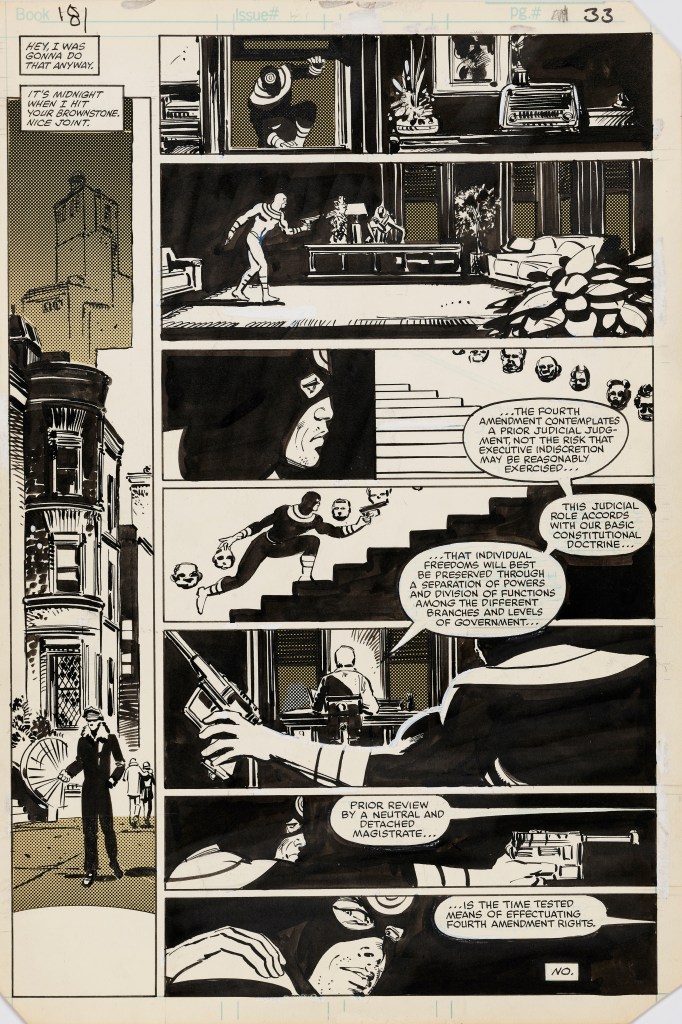
Klaus Janson was born in 1952 in Coburg, Germany, and came to America in 1957. As a child growing up in Connecticut, he learned how to read and write the English language almost exclusively from Lois Lane and Superman comics. Even at that early age, delusions of competence overtook him and he would cut apart the comics and paste them onto paper to construct new stories. This eventually led to the notion that drawing the stories outright and preserving the comics might be a more efficient way of approaching this medium. A valuable and life saving apprenticeship with his mentor Dick Giordano encouraged him to continue. After many summers of portfolio reviews and rejections, Marvel Comics offered a part time office job applying grey tones to the black and white horror comic reprints that were glutting the market. Two things happened that would change that: Daredevil and teaching at The School of Visual Arts. Daredevil with Frank Miller in the mid-1980s was a rare opportunity for two artists to work unconstrained by the typical expectations or oversight of corporate thinking. An anomaly for mainstream publishing, Daredevil was a struggle between artistic instinct and intellect that, at its best, resulted in that perfect balance. The other step forward was teaching at The School of Visual Arts. Klaus believes that communication is the most powerful tool human beings possess. That ability to communicate can come in many forms but at its root is called storytelling. Klaus lives in New York, where he writes, draws, inks, and colors, and teaches comics.

Rick Leonardi has drawn comics for more than forty years. His best-known works include various issues of The Uncanny X-Men and New Mutants, as well as runs on Cloak & Dagger, Spider-Man 2099, Nightwing, Batgirl, and Green Lantern vs. Aliens. He is credited, along with fellow illustrator Mike Zeck, with designing the black-and-white costume to which Spider-Man switched during the miniseries Secret Wars, and with creating the costume for Spider-Man 2099. He was penciler/inker for the original four issues of Watson and Holmes, which received an Eisner nomination for Best New Series in 2014.

Recently, Rick finished up an original graphic novel, Blue Angel, for the US Naval Institute Press, contributed pages to Nightwing #100, and enjoyed Spider-Man 2099’s appearance in Across the Spider-Verse.

Matt Slay has worked in comics for 15 years, but quickly made a name for himself painting variant covers for IDW’s Teenage Mutant Ninja Turtles. His dark and earthy watercolors bring a grown-up sense of danger to any character. Born in St. Michaels and raised in Easton, the Maryland native now paints for the sci-fi anthology series Time Traveled Tales with authors such as Timothy Zahn. Matt has generated production art for Marvel Premiere as well as Iron Man 3, and has since provided covers for Six Gun Gorilla and American Mythology’s Equilibrium while writing his own book and cartoon series, 3 Story Dungeon. Matt is represented by Comic Art House.


This year’s confirmed guests for the show include: Jason Aaron (Teenage Mutant Ninja Turtles), Arthur Adams (Longshot), Joel Adams (Ms. Mystic), Zeea Adams (Deadman), Rafael Albuquerque (Absolute Green Arrow), Marty Baumann (Pixar artist), Brett Bean (D’Orc), Josh Blaylock (Mercy Sparx, courtesy of Hero Initiative), Carolyn Belefski (Curls), Russ Braun (The Boys), Jeffrey Brown (Hulk Teach, courtesy of Hero Initiative), Mark Buckingham (Fables), Jeffrey Burandt (Gonad the Ballbarian), Jim Calafiore (NED, Lord of the Pit), Eric Canete (Absolute Superman), Joe Carabeo (The Legettes), Richard Case (Doom Patrol), Keith Champagne (Stranger Things), Howard Chaykin (Time Squared), Jo Chen (Runaways), Cliff Chiang (Paper Girls), Frank Cho (Harley Quinn), Chris Claremont (Uncanny X-Men), Taurin Clarke (Star Wars: Jedi Knights), Becky Cloonan (War), Michael W. Conrad (In Bloom), Steve Conley (The Middle Age), Amanda Conner (Harley Quinn), Denys Cowan (The Question), Olivia Cuartero-Briggs (The College Try), Paris Cullins (Blue Devil), Mike Decarlo (The Simpsons), Vito Delsante (Stray), Todd Dezago (The Perhapanauts), Colleen Doran (The Sandman), Scott Dunbier (DC Silver Age Covers and Stories Artist’s Edition), Steve Englehart (Captain America), Garth Ennis (The Boys), Victor Farro (Invincible Universe: Battle Beast), Trish Forstner (Feral), Jose Luis Garcia-Lopez (DC Nation), David Gerrold (Star Trek), Chris Giarrusso (Mini Marvels), Randy Green (Witchblade), Che Grayson (Absolute Catwoman), Gene Ha (Mae), Bob Hall (West Coast Avengers), Cully Hamner (Blue Beetle), Scott Hanna (Amazing Spider-Man), Tony Harris (The Whistling Skull), Dean Haspiel (Chest Face), Glenn Hauman (They Keep Killing Glenn), Mike Hawthorne (Deadpool), Marc Hempel (Sandman), Jamal Igle (Superman), Dave Johnson (100 Bullets), Phillip Kennedy Johnson (Infernal Hulk), Klaus Janson (Daredevil), JG Jones (Wanted), Joëlle Jones (Lady Killer), Dan Jurgens (Action Comics), Chris Kemple (Red Vengeance), Tom King (Wonder Woman), Peter Krause (The Power of Shazam, courtesy of Hero Initiative), Mike Kunkel (Herobear and the Kid), Erik Larsen (Savage Dragon), Creees Lee (Sorcerer Supreme), Jae Lee (Inhumans), Jim Lee (Batman: H2SH), Rick Leonardi (Spider-Man 2099), Jesse Lonergan (DROME), Tula Lotay (Bloodland), Nate Lovett (Commander Tomorrow), Andy MacDonald (Rogue Planet), Kevin Maguire (Justice League), Anthony Marques (Superman Unlimited), Laura Martin (Nubia: Queen of the Amazons, courtesy of Hero Initiative), Shawn Martinbrough (Red Hood: The Hill), Ron Marz (Green Lantern), Jose Marzen Jr. (Y: The Last Man), Mike McKone (Teen Titans), Bob McLeod (New Mutants), Carla Speed McNeil (Finder), Adriana Melo (Fantastic Four), Pop Mhan (He-Man and the Masters of the Universe), Joshua Middleton (Aquaman), Al Milgrom (Spectacular Spider-Man), Terry Moore (Strangers in Paradise), Mark Morales (Thor), Bill Morrison (The Simpsons), Drew Moss (Thundercats), Trevor Mueller (Bat Pat), Sarah Myer (TMNT Saturday Morning Adventures), Phil Noto (Fantastic Four: First Foes), Kevin Nowlan (Batman: Sword of Azrael), Patrick Olliffe (Untold Tales of Spider-Man), Jerome Opena (Uncanny X-Force), Ryan Ottley (Invincible), Jimmy Palmiotti (The Punisher), Dan Parent (Sabrina the Teenage Witch), Margeaux Pepoy (Simone & Ajax), David Petersen (Mouse Guard), Pornsak Pichetshote (Absolute Green Arrow), Stephen Platt (Moon Knight), Andy Price (My Little Pony), Joe Pruett (Savage Sword of Conan), Tom Raney (Incredible Hulk), Afua Richardson (Kahhori: Reshaper of Worlds), James Robinson (Starman), Tone Rodriguez (Feral, courtesy of Hero Initiative), Don Rosa (Uncle Scrooge), Craig Rousseau (The Perhapanauts), Stephane Roux (Void Rivals), Andy Runton (Owly), Ethan Sacks (Old Man Hawkeye), Stuart Sayger (Red Sonja), Joe Schmalke (We Don’t Kill Spiders), Erica Schultz (Rogue), Louise Simonson (The Death of Superman 30th Anniversary Special), Walter Simonson (Thor), Don Simpson (Megaton Man), Matthew Dow Smith (DC’s Misfits of Magic), Scott Snyder (Friday and Sunday only, DC K.O.), John K. Snyder III (Suicide Squad), Mark Sparacio (Liberty Girl Deluxe), Cat Staggs (David Dastmachian’s Through), Jim Starlin (Dreadstar), Joe Staton (Dick Tracy), Brian Stelfreeze (Black Panther), Karl Story (Batman & Robin), Martha Thomases (Dakota North), Frank Tieri (Absolute Batman: Ark-M), Peter J. Tomasi (The Rocketfellers), Billy Tucci (Shi), Jonathan Uribe (Spawn, courtesy of Comics and Collectibles R Us), Gus Vazquez (Sunfire and the Big Hero Six), Wade Von Grawbadger (Justice League), Dave Wachter (Godzilla), Steve Walker (Pay the Devil), Lee Weeks (Batman/Catwoman Special), Mark Wheatley (Breathtaker), Bob Wiacek (All-New Wolverine, courtesy of Hero Initiative), Matt Wieringo (Stargate Atlantis: Gateways), Keith Williams (Web of Spider-Man), Ron Wilson (Marvel Two-In-One), Chuck Wojtkiewicz (Justice League, courtesy of Hero Initiative), Rich Woodall (Sgt. Werewolf), Kelly Yates (Doctor Who), and Thom Zahler (Long Distance).

Justice League: Dream Girls #4 shows both the triumphant and sad sides of queer identity

Justice League: Dream Girls #4

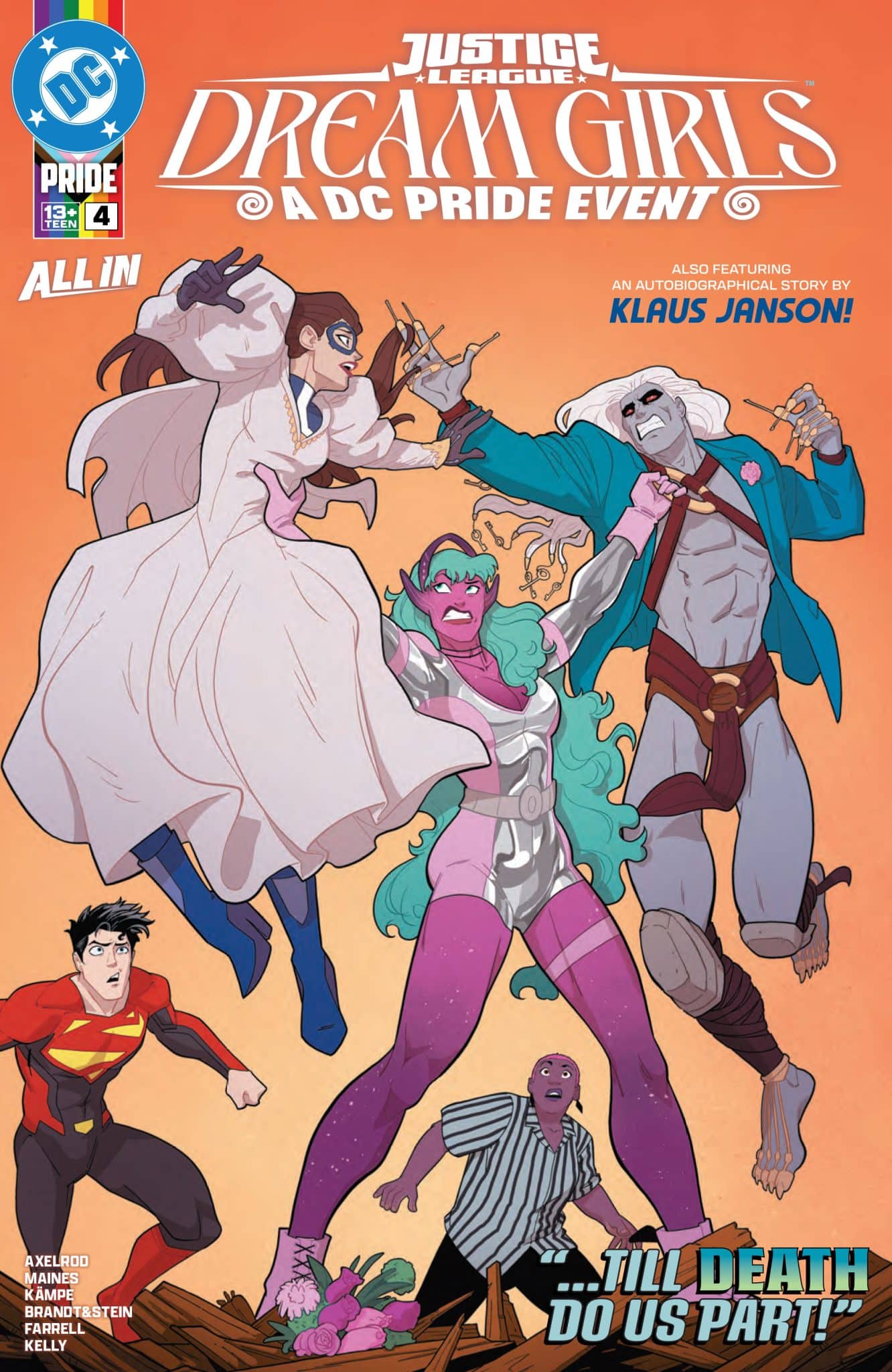
Jadzia Axelrod, Nicole Maines, Stein & Brandt, Rosi Kampe, Triona Farrell, and Dearbhla Kelly wrap up their beautiful, action-packed, and soul-searing Pride Month event in Justice League: Dream Girls #4. Most of this issue is set in the Kampe-drawn dream dimension, where Galaxy fights to save her BFF Dreamer from the clutches of the Key, who is very close to having infinite knowledge that will transform him from that one villain you vaguely remember getting knocked out by a boxing glove arrow in Grant Morrison’s JLA run to an A-list baddie. It cements the bond between Galaxy and Dreamer while setting them on two quite different, yet valid heroic paths. Axelrod and Maines give both heroines full arcs while leaving room for either them or other creators to play in the sandbox. In addition to wrapping up the weekly crossover event, JL: Dream Girls #4 features a powerful, personal black and white autobiographical comic from the legendary Klaus Janson about growing up as a gay, immigrant cartoonist in the 1960s and 1970s.

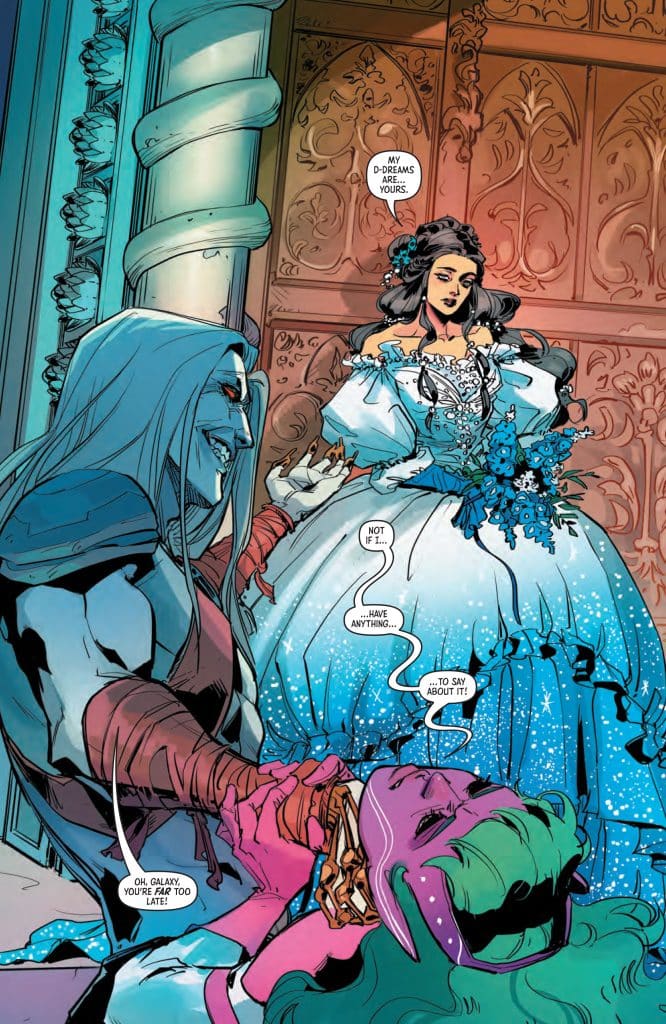
To start, it’s been such a pleasure to follow JL: Dream Girls each week and see transgender superheroes written by transgender comics creators get to be front and center in a big summer crossover with such a buffet of different art styles and a huge cast of characters, LGBTQ+ otherwise. (Batman is a trans ally, y’all!) And it wouldn’t be a summer crossover with some badass fisticuffs, and JL: Dream Girls #4 doesn’t disappoint. There’s a surreal action-horror vibe to Rosi Kampe and Kelly’s visuals, with interesting panel layouts as Galaxy flies around and tries to get Dreamer to literally wake up and not be married to the Key. For example, while Dreamer is under the Key’s thrall, the gutters are black, but when she gets her act together, they’re different colors or non-existent. Kampe’s line art and Dearbhla Kelly’s colors go from something light and almost trance-like to solid and punchy as the story progresses. As someone who has put on a variety of identities throughout the series, it’s so empowering to see Dreamer finally be herself in JL: Dream Girls #4’s climax.

After the big fight, JL: Dream Girls #4 has an extended epilogue that’s drawn by Stein & Brandt and colored by Farrell, who have done an excellent job on the Watchtower sequences throughout the series, giving this large cast of characters their own unique personalities, sometimes with a single eye movement or head tilt. (I live for Jon Kent’s eyes lighting up and wanting to play DnD even though Damian Wayne says it’s for nerds.) The use of “Bwahahaha” all but confirms, but they’re worthy successors to the superhero sitcom era of J.M. DeMatteis, Keith Giffen, and Kevin Maguire’s Justice League. The highlight of this part of the story is a conversation between Batman and Dreamer, where he tells her that if someone is uncomfortable with her being simply present in a space, that’s their problem. It brings the superhero/queerness/trans metaphor full circle and means a lot because it’s DC’s biggest seller saying those words. Jadzia Axelrod and Nicole Maines have done a wonderful job telling a story that is both a sci-fi/superhero epic with psychological dimensions that also works as a personal tale of two very different transgender women coming to terms with who they are. It was in the previous issue, but Coagula and Dreamer talking about being transgender lesbians is an all-time great moment in superhero comics. Finally, Galaxy and Dreamer are just awesome friends, and I hope they have many more adventures either as part of the Justice League or together. (DC editorial, we need a JLQ ongoing.)

After the colorful triumphs of the lead story, the black and white backup story from Janson entirely switches tone, and I appreciate the reader’s advisory between them. He gives a stark portrayal of what it was like to be a gay man in the 60s and 70s, with bullying, slurs, and not having heroes like Galaxy and Dreamer to look up to. However, young Klaus finds hope through superhero comics, which are the only part of the story done in color and give him an escape as he struggles to fit in with the oppressive society around him. Another place of escape for him is one of the first Pride parades that happened after Stonewall, and it’s cool to see the LGBTQ+ culture of the era, like when Klaus shows another young man his art portfolio after getting an early assignment at DC Comics. There’s also a shift in Klaus Janson’s art style as he grows in confidence in himself as an artist and gay man, before culminating in that iconic style that defined Batman and Daredevil for generations of heroes. And, personally, I love that a queer person like myself is partially responsible for those dark stories that were important to me growing up and still are to this day. I appreciate that Mr. Janson was able to share something so personal in such a beautiful way and that DC continues to publish autobiographical stories by LGBTQ+ creators.

Justice League: Dream Girls #4 shows both the triumphant and sad sides of queer identity through its punching and friendship-filled lead story and its sobering, yet hopeful backup story. It’s the perfect comic to read during the last week of Pride Month.

Story: Jadzia Axelrod, Nicole Maines, Klaus Janson
Art: Stein & Brandt, Rosi Kampe, Klaus Janson 
Colors: Triona Farrell, Dearbhla Kelly
Letters: Jodie Troutman, Frank Cvetkovic, Lucas Gattoni
Story: 9.0 Art: 9.5 Overall: 9.3 Recommendation: Buy

DC Comics provided Graphic Policy with a FREE copy for review


Purchase: Zeus Comics – Kindle
Preview: Justice League: Dream Girls – A DC Pride Event #4

Justice League: Dream Girls – A DC Pride Event #4

(W) Nicole Maines, Jadzia Axelrod, Klaus Janson (A) Ted Brandt, Ro Stein, Rosi Kämpe, Klaus Janson
DC’S AWARD-WINNING PRIDE CELEBRATION IS BACK IN AN ALL-NEW FORMAT! Will an isolated and untethered Dreamer surrender herself, at long last, to an unholy union that would give the Key power to exact his revenge on the Justice League once and for all? Not if Galaxy’s got anything to say about it! Speak now or forever hold your peace in this frightful finale issue!
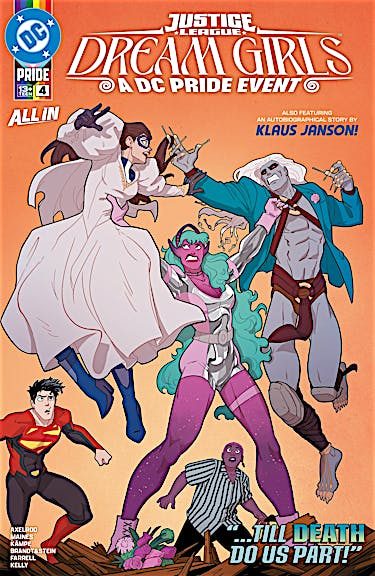
A colorful comic book cover titled 'Justice League Dream Girls: A DC Pride Event.' It features various characters, including a superhero in a red costume, characters in wedding attire, and a green-skinned character with pink hair, striking dynamic poses against a vibrant background.

Batman: The Dark Knight Returns: DC Compact Comics Edition is a solid new edition to a classic

Regarded as one of the greatest Batman stories of all time, master storyteller Frank Miller’s The Dark Knight Returns is the perfect graphic novel for longtime comic book fans and new readers alike!

Writer/artist Frank Miller completely reinvents the legend of Batman in this saga of a near-future Gotham City gone to rot, 10 years after the Dark Knight’s retirement. Forced to take action, the Dark Knight returns in a blaze of fury, taking on a whole new generation of criminals and matching their levels of violence. He is soon joined by a new Robin—a girl named Carrie Kelley, who proves to be just as invaluable as her predecessors.

Can Batman and Robin deal with the threats posed by their deadliest enemies after years of incarceration have turned them into perfect psychopaths? And more importantly, can anyone survive the coming fallout from an undeclared war between the superpowers—or the clash of who were once the world’s greatest heroes?

Story: Frank Miller
Art: Frank Miller
Ink: Klaus Jansen
Color: Lynn Varley
Letterer: John Costanza

Get your copy now! To find a comic shop near you, visit http://www.comicshoplocator.com or call 1-888-comicbook or digitally and online with the links below.

Bookshop
Amazon


This post contains affiliate links, which means that if you click on one of the product links and make a purchase, we’ll receive a percentage of the sale. Graphic Policy does purchase items from this site. Making purchases through these links helps support the site

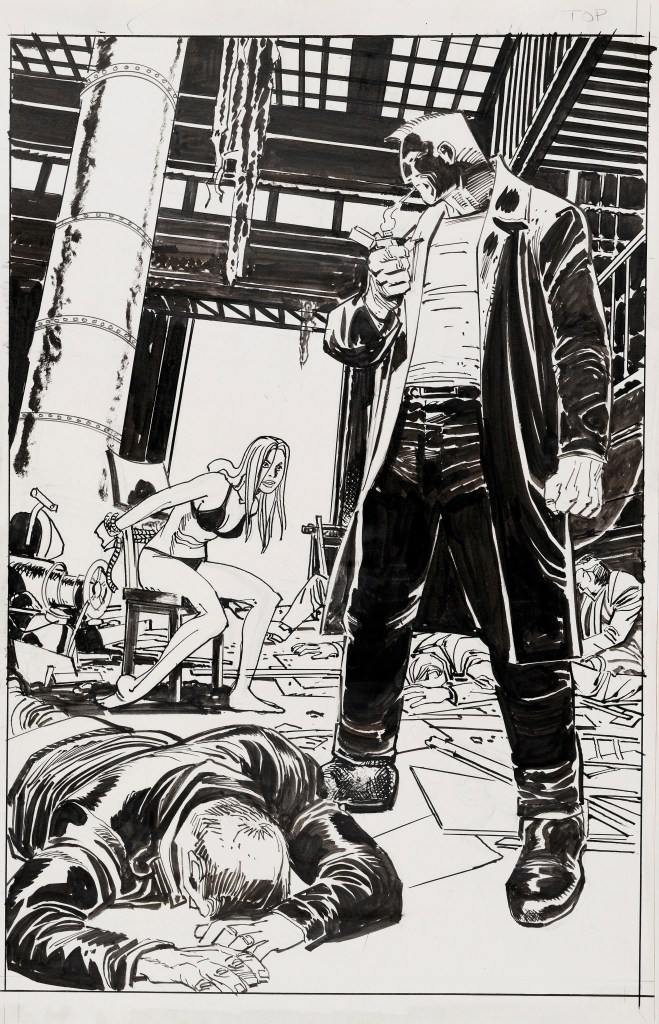
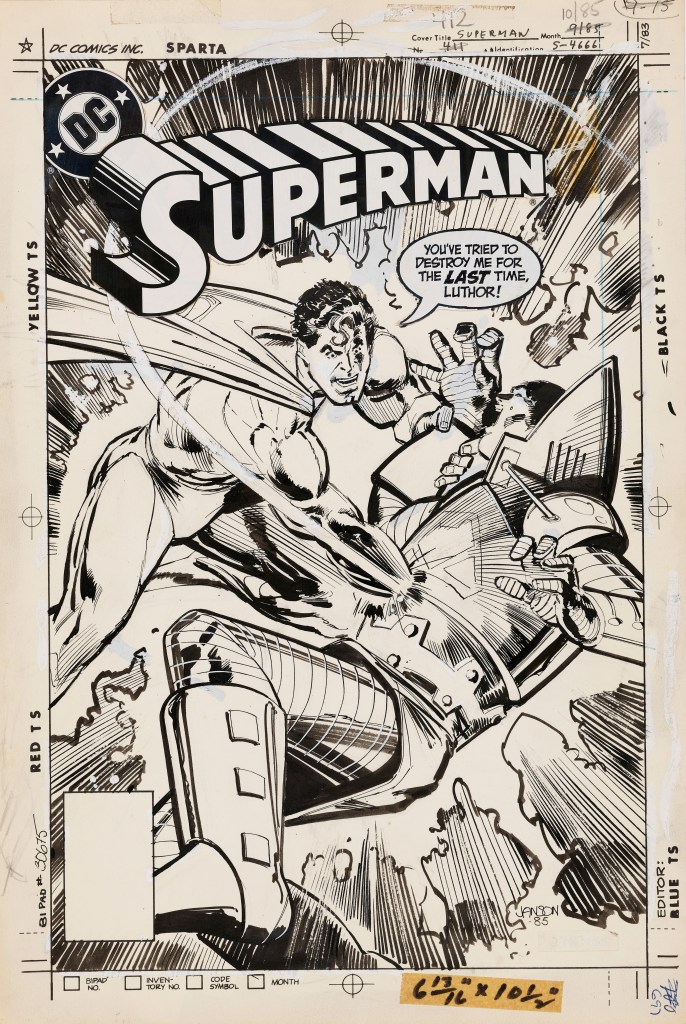
Exclusive Preview: Klaus Janson’s first U.S. Art Exhibition at New York’s renowned Philippe Labaune Gallery

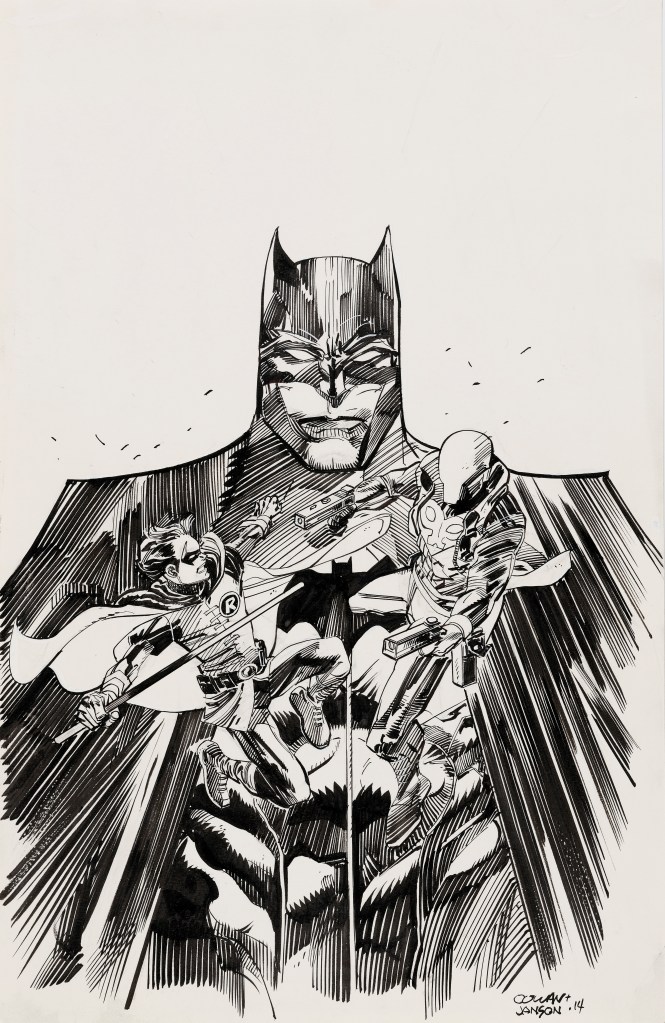
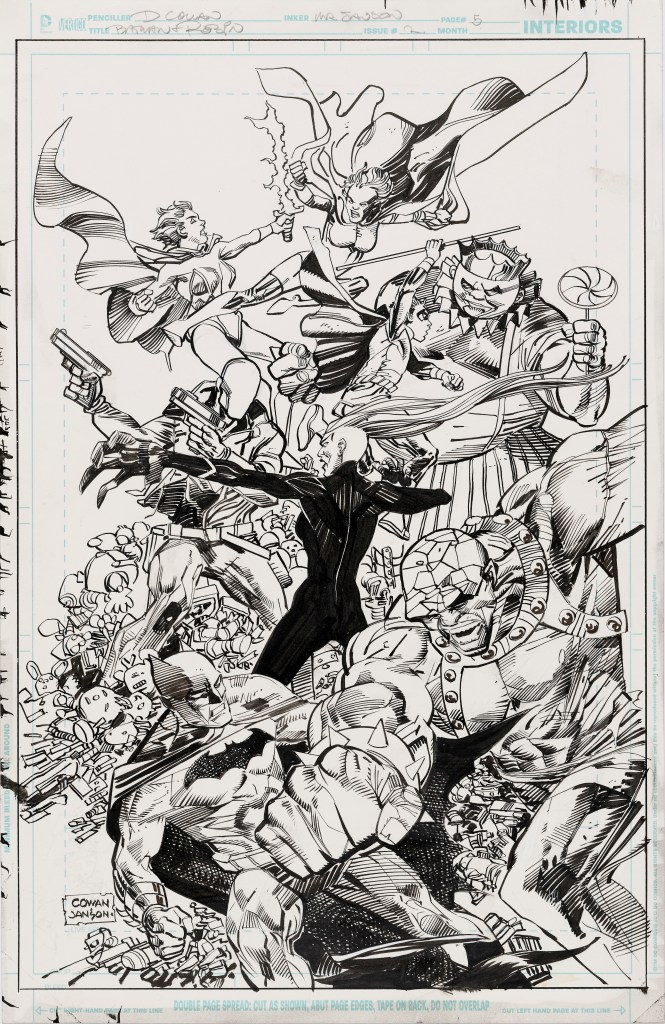
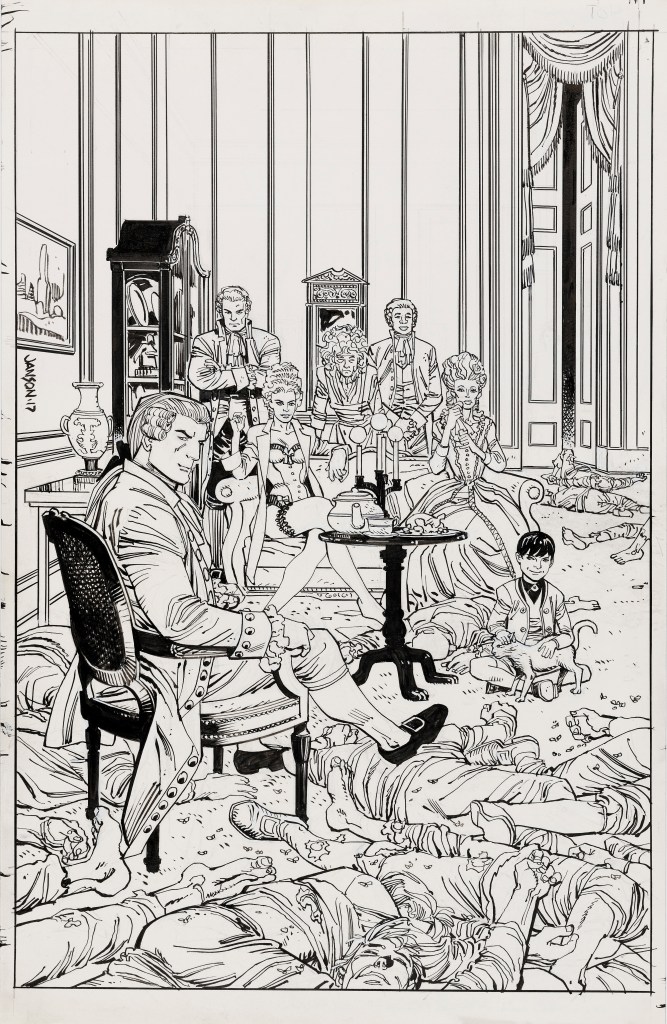
This March, New York’s Philippe Labaune Gallery will present a career-spanning exhibition of artwork by Eisner and Harvey Award-winning artist Klaus Janson, one of the most influential figures in American comic art and a defining force in the medium for more than five decades. Known for his iconic Batman and Daredevil art, Janson is one of the most important and influential comic artists of the 20th and 21st centuries. Featuring over 100 pieces of stunning artwork including collaborations with Janson’s fellow comic legends Frank Miller, John Romita Jr., John and Sal Buscema, Dick Giordano, Bill Sienkiewicz, Gil Kane, and Gene Colan, and more, the exhibit at the Philippe Labaune Gallery is a beautiful survey of the artist’s groundbreaking career.

We have an exclusive preview of some of the work that you’ll be able to see in the exhibition.

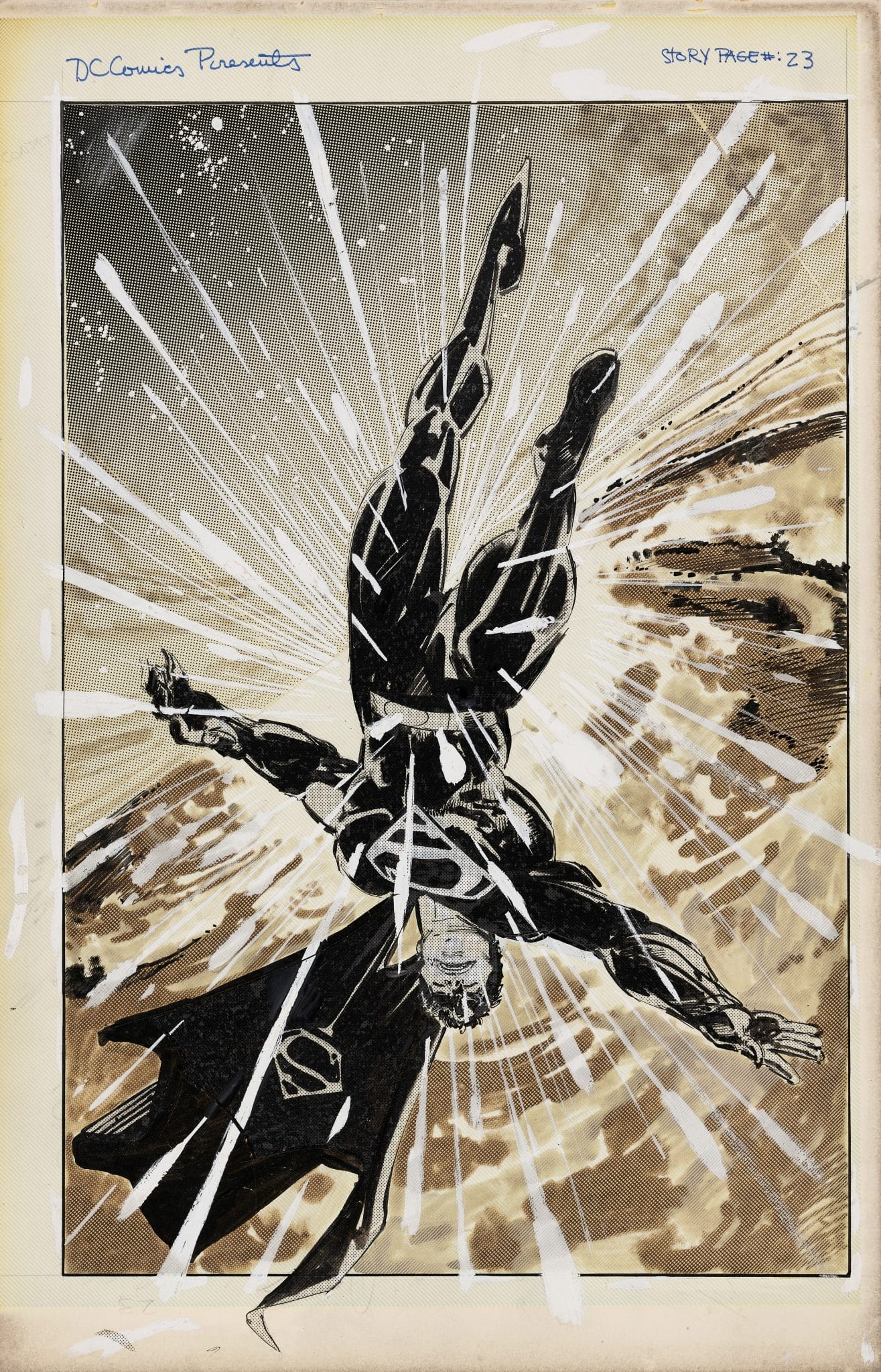
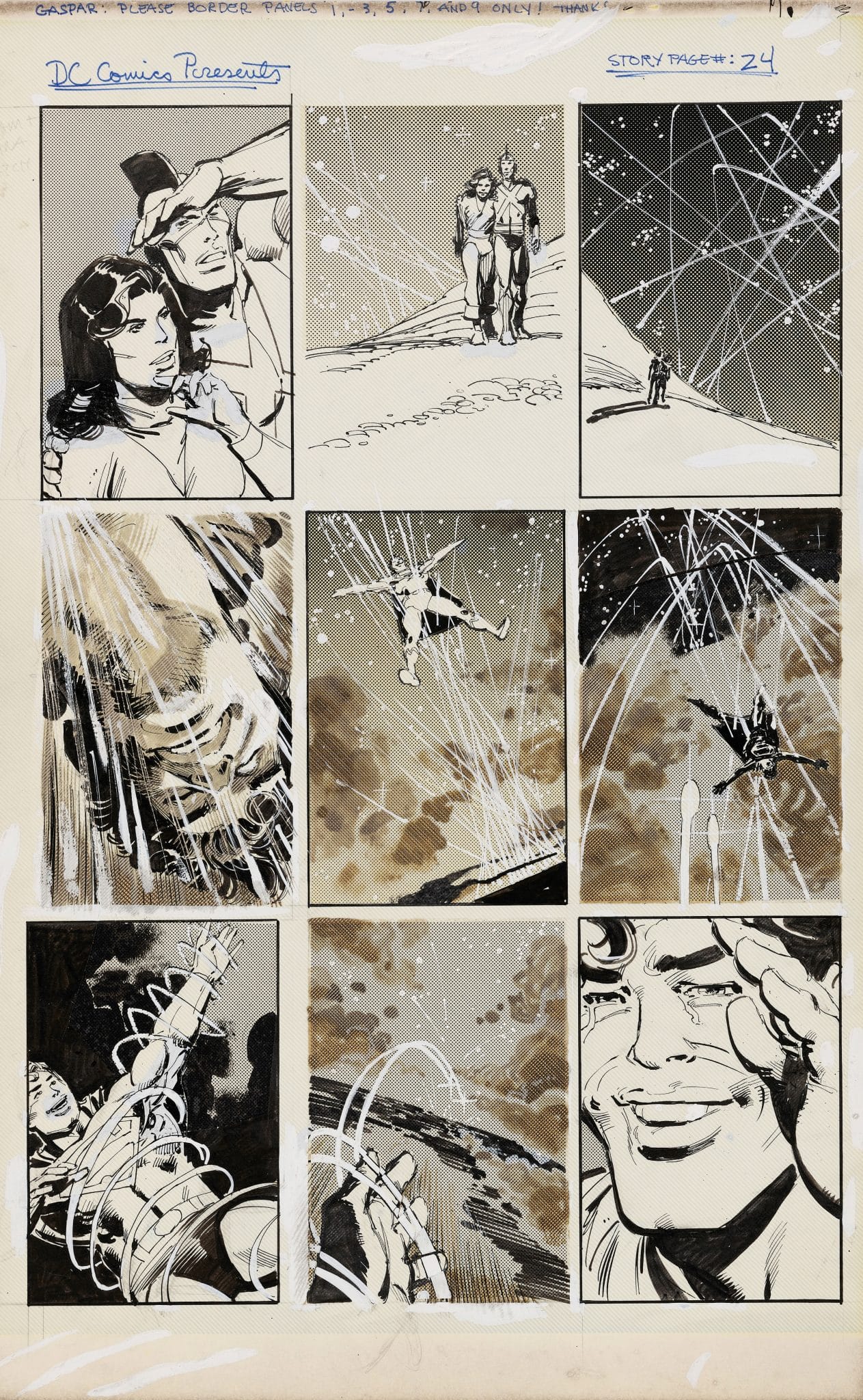
  • DC Comics Presents Dream Strange Superman 1985 penciled and inked by Klaus
  • DC Comics Presents Dream Strange Superman 1985 penciled and inked by Klaus
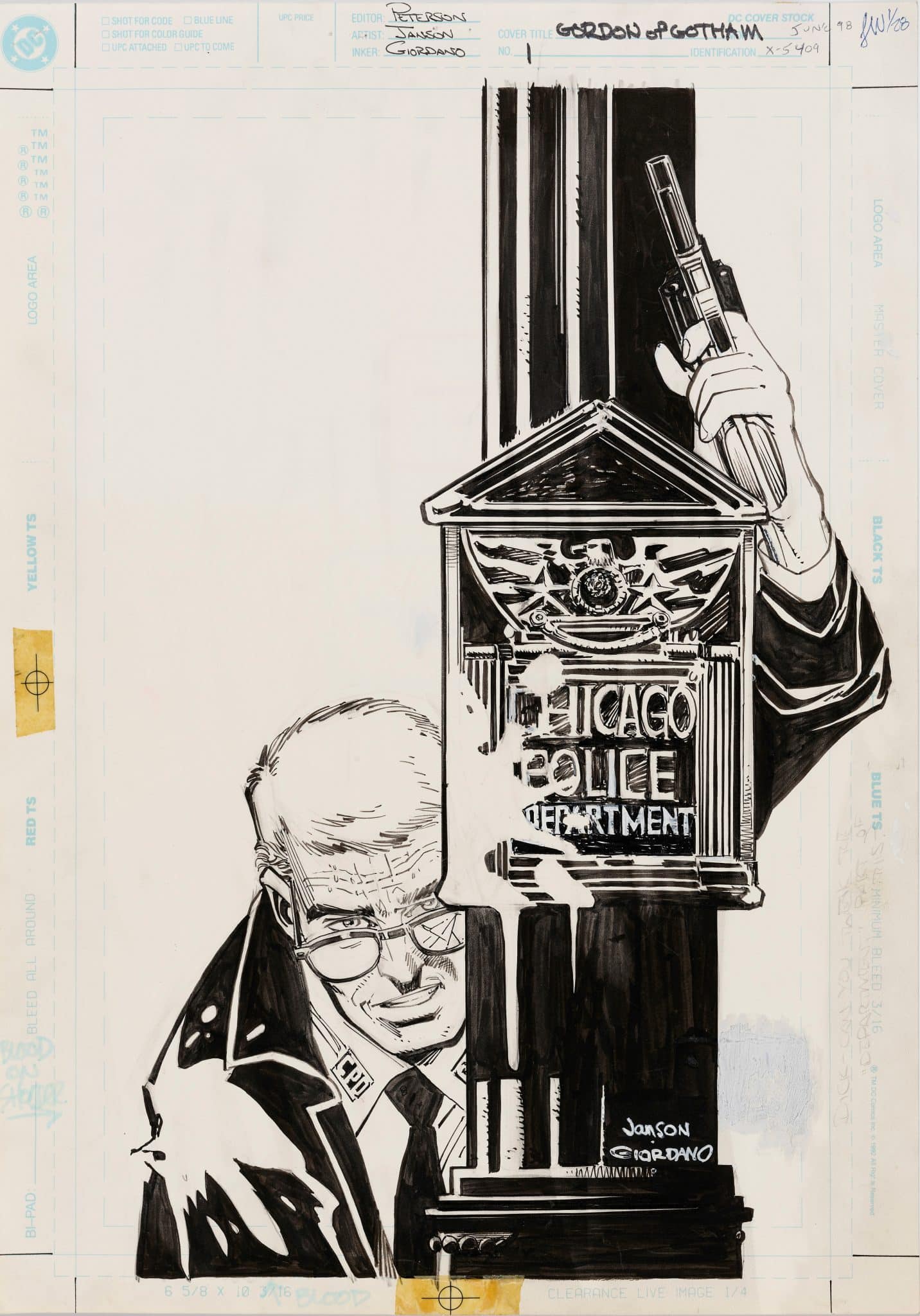
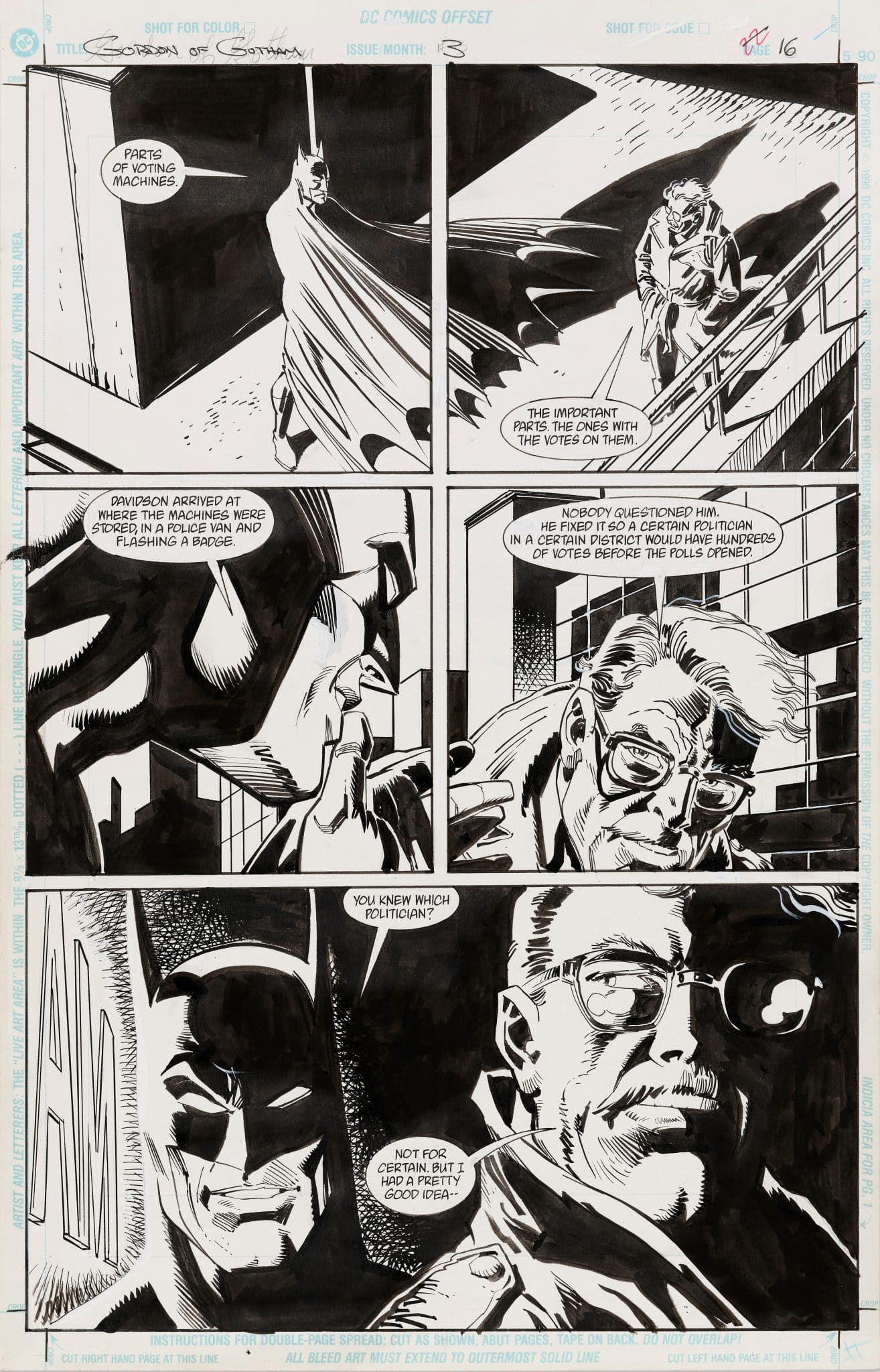
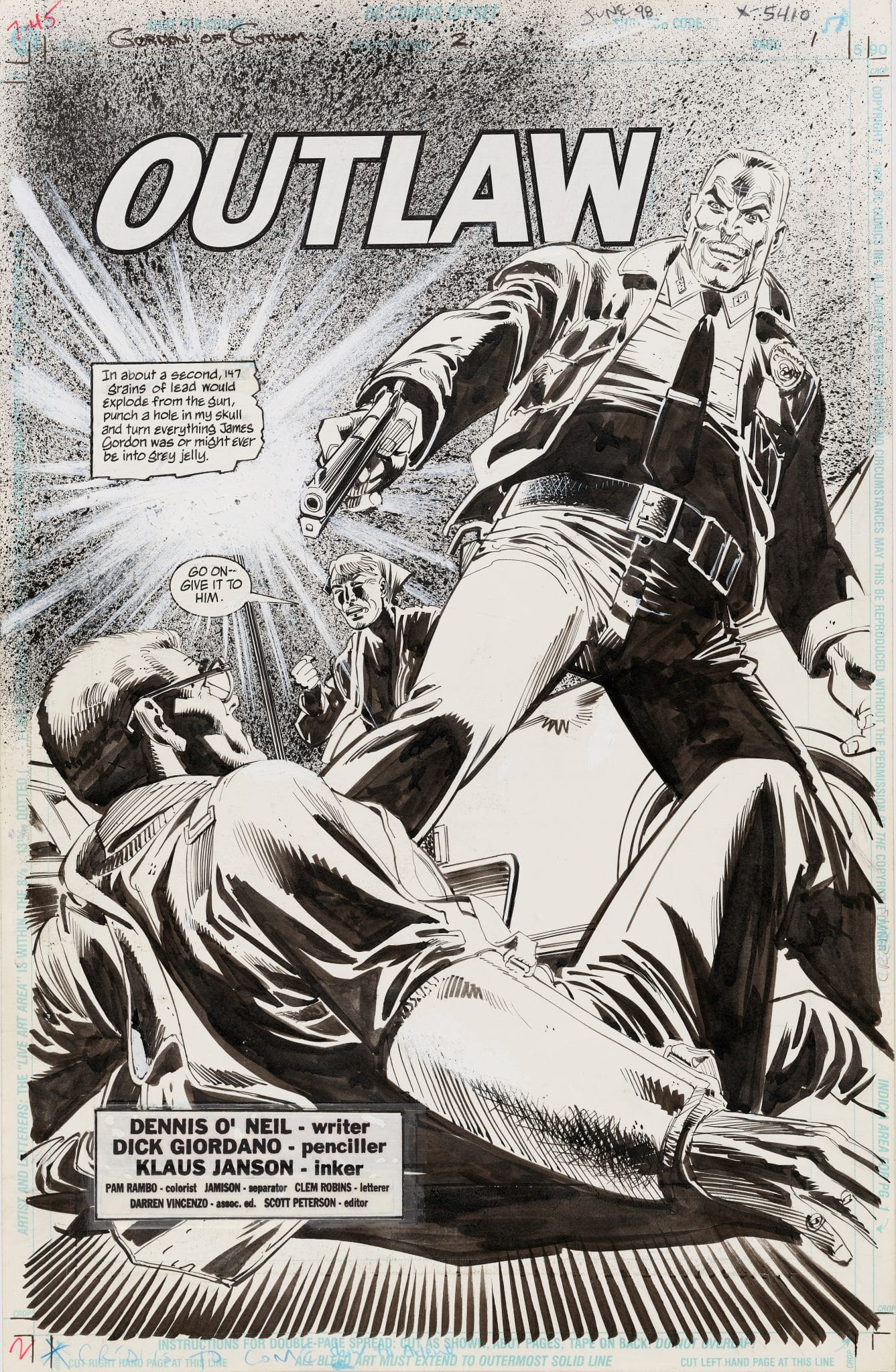
  • Gordon of Gotham 1998 penciled by Dick Giordano and inked by Klaus
  • Gordon of Gotham 1998 penciled by Dick Giordano and inked by Klaus
  • Gordon of Gotham 1998 penciled by Dick Giordano and inked by Klaus
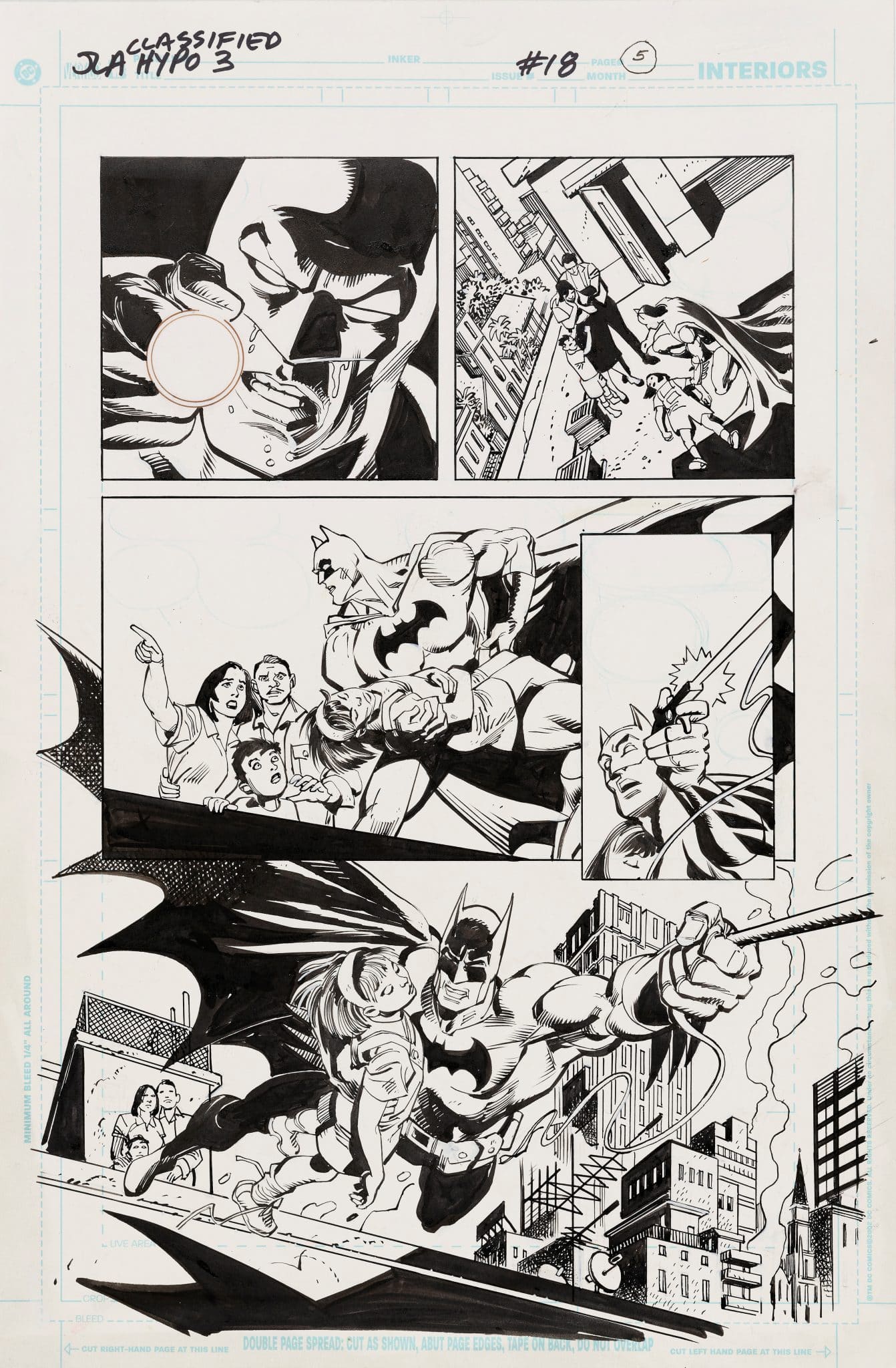
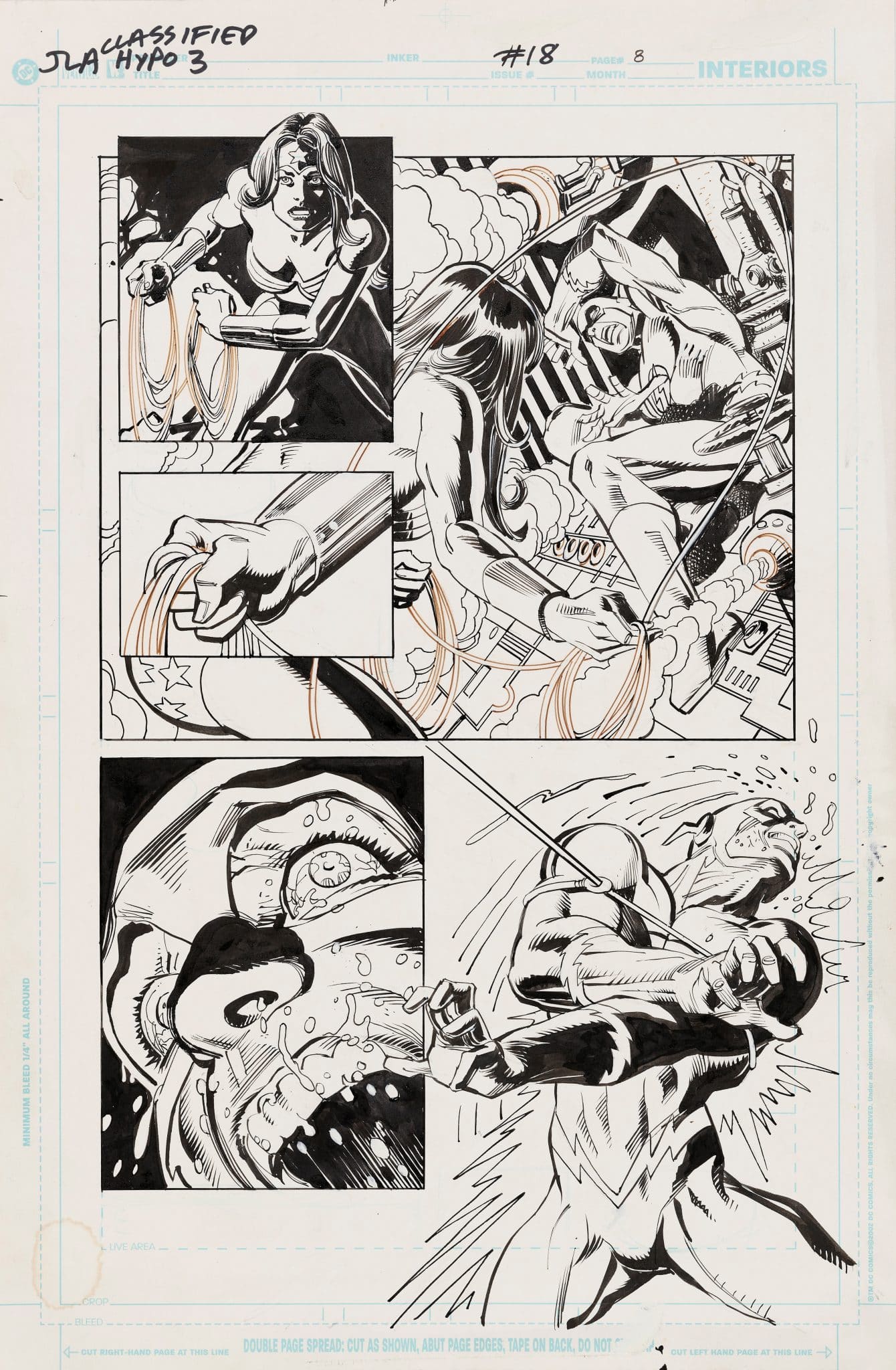
  • JLA 18 penciled by Jose Garcia Lopez and inked by Klaus
  • JLA 18 2 pages penciled by Jose Garcia Lopez and inked by Klaus

Through his deep engagement with penciling, inking, coloring, and writing, Janson has developed a comprehensive understanding of visual storytelling, from conception to execution, and from the mind of the creator to the eyes of the audience. Moving fluidly among these disciplines, he observes,“Everything on a page is connected to everything else. No decisions are arbitrary. Everything is conscious and deliberate.” 

Working with both traditional and digital tools, what distinguishes Janson’s practice is not only technical mastery, but an exceptional ability to collaborate with artists of widely varying stylistic approaches, including Frank Miller, John Romita Jr., John and Sal Buscema, Dick Giordano, Bill Sienkiewicz, Gil Kane, and Gene Colan, among others. Janson approaches each collaboration by carefully studying the pencils before applying ink.“I try to figure out what the intent of the penciler is, what he wants, and then I try to figure out what they actually need to get there.” This capacity to intervene without overpowering, to clarify while preserving the individuality of the original drawing, defines his approach and underscores his sensitivity as a collaborator. 

In addition to his work as an inker, Janson has penciled stories written by some of the most significant voices in contemporary comics. Collaborations with writers such as Alan Moore, Grant Morrison, Greg Rucka, Denny O’Neil, Matt Kindt, Jeph Loeb and Brian Michael Bendis have resulted in projects that continue to occupy shelf space in comic book shops decades after their publication. His partnership with Frank Miller on Daredevil remains one of the most consequential collaborations in comics history. Their process was rooted in sustained dialogue and marked by mutual trust and confidence.“One thing that’s missing in comics today is the ability to sit and talk face to face, learning from each other,” Janson reflects.“Frank and I would often discuss and review what we were doing on our work together.” That exchange, technical, conversational, and iterative, helped define the visual language of a generation. 

Equally significant is Janson’s role as an educator. Through decades of teaching and mentorship, he has shaped generations of storytellers, emphasizing not only the technical foundations of the medium, but also the personal discipline and qualities required to sustain a life of creativity.“I didn’t realize until I stood in front of a classroom how much I didn’t know. There’s no doubt that teaching made me a better artist.” 

Central to Janson’s philosophy is the belief that stories must carry emotional weight. Influenced by impressionism and expressionism, he seeks to embed feeling into every element of a page.“I try to reveal some information in a visual way that is not in the text. The stories that interest me all share a common theme: family, relationships, and the choices we all make everyday in our lives” This approach gives his work its distinctive resonance, imbuing objects, environments, and figures with meaning that suggests psychological and emotional depth beyond the written narrative. 

The Klaus Janson Exhibition will be open to the public from Friday March 6th until Saturday April 11th. There will be an opening reception on March 5th  from 6 PM to 9 PM. The Philippe Labaune gallery is located at 534 West 24th Street in New York. 

Legendary Comics Artist Klaus Janson Opens First U.S. Art Show at New York’s Philippe Labaune Gallery in March

This March, New York’s Philippe Labaune Gallery will present a career-spanning exhibition of artwork by Eisner and Harvey Award-winning artist Klaus Janson, one of the most influential figures in American comic art and a defining force in the medium for more than five decades. Known for his iconic Batman and Daredevil art, Janson is one of the most important and influential comic artists of the 20th and 21st centuries. Featuring over 100 pieces of stunning artwork including collaborations with Janson’s fellow comic legends Frank Miller, John Romita Jr., John and Sal Buscema, Dick Giordano, Bill Sienkiewicz, Gil Kane, and Gene Colan, and more, the exhibit at the Philippe Labaune Gallery is a beautiful survey of the artist’s groundbreaking career.

Through his deep engagement with penciling, inking, coloring, and writing, Janson has developed a comprehensive understanding of visual storytelling, from conception to execution, and from the mind of the creator to the eyes of the audience. Moving fluidly among these disciplines, he observes,“Everything on a page is connected to everything else. No decisions are arbitrary. Everything is conscious and deliberate.” 

Working with both traditional and digital tools, what distinguishes Janson’s practice is not only technical mastery, but an exceptional ability to collaborate with artists of widely varying stylistic approaches, including Frank Miller, John Romita Jr., John and Sal Buscema, Dick Giordano, Bill Sienkiewicz, Gil Kane, and Gene Colan, among others. Janson approaches each collaboration by carefully studying the pencils before applying ink.“I try to figure out what the intent of the penciler is, what he wants, and then I try to figure out what they actually need to get there.” This capacity to intervene without overpowering, to clarify while preserving the individuality of the original drawing, defines his approach and underscores his sensitivity as a collaborator. 

In addition to his work as an inker, Janson has penciled stories written by some of the most significant voices in contemporary comics. Collaborations with writers such as Alan Moore, Grant Morrison, Greg Rucka, Denny O’Neil, Matt Kindt, Jeph Loeb and Brian Michael Bendis have resulted in projects that continue to occupy shelf space in comic book shops decades after their publication. His partnership with Frank Miller on Daredevil remains one of the most consequential collaborations in comics history. Their process was rooted in sustained dialogue and marked by mutual trust and confidence.“One thing that’s missing in comics today is the ability to sit and talk face to face, learning from each other,” Janson reflects.“Frank and I would often discuss and review what we were doing on our work together.” That exchange, technical, conversational, and iterative, helped define the visual language of a generation. 

Equally significant is Janson’s role as an educator. Through decades of teaching and mentorship, he has shaped generations of storytellers, emphasizing not only the technical foundations of the medium, but also the personal discipline and qualities required to sustain a life of creativity.“I didn’t realize until I stood in front of a classroom how much I didn’t know. There’s no doubt that teaching made me a better artist.” 

Central to Janson’s philosophy is the belief that stories must carry emotional weight. Influenced by impressionism and expressionism, he seeks to embed feeling into every element of a page.“I try to reveal some information in a visual way that is not in the text. The stories that interest me all share a common theme: family, relationships, and the choices we all make everyday in our lives” This approach gives his work its distinctive resonance, imbuing objects, environments, and figures with meaning that suggests psychological and emotional depth beyond the written narrative. 

The Klaus Janson Exhibition will be open to the public from Friday March 6th until Saturday April 11th. There will be an opening reception on March 5th  from 6 PM to 9 PM. 

The Philippe Labaune gallery is located at 534 West 24th Street in New York and is open from Thursday through Saturday, from 10am to 6pm. The roots of Philippe Labaune Gallery have a strong European influence: among the artists are esteemed creators such as Lorenzo Mattotti, Nicolas de Crécy, Guido Crepax, Dave Mckean or François Schuiten. In recent years, American artists such as Landis Blair, Rebecca Leveille Guay, Mike Mignola, Frank Miller, and Peter de Sève have helped Philippe Labaune Gallery to foster a community of overlapping art collectors and comic fans from all over the world. 

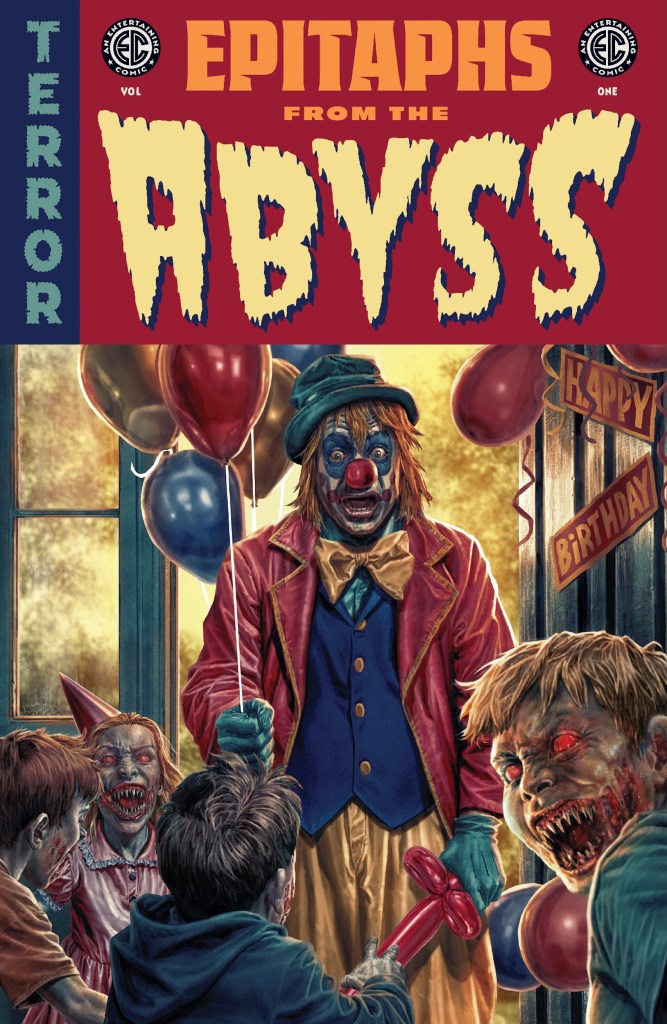
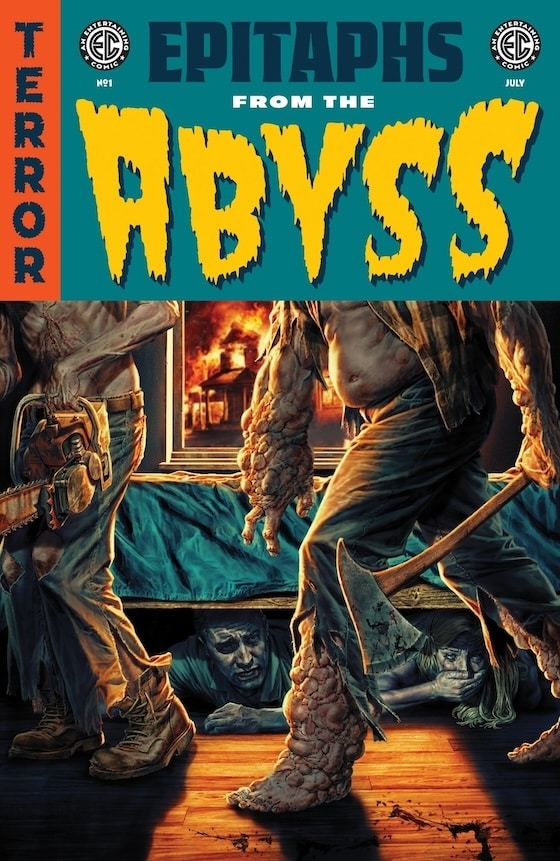
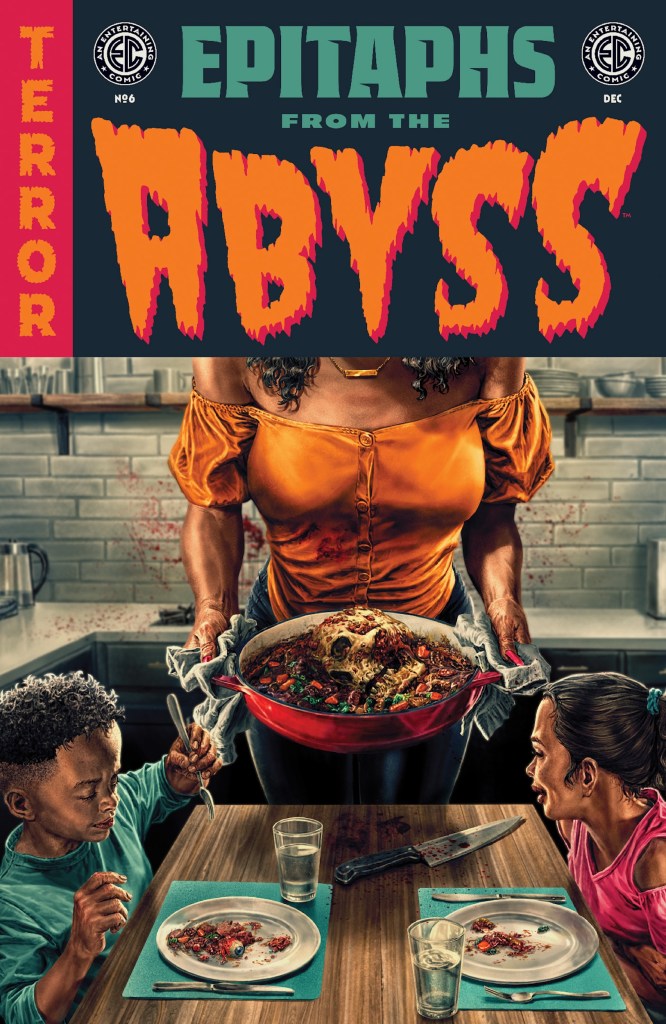
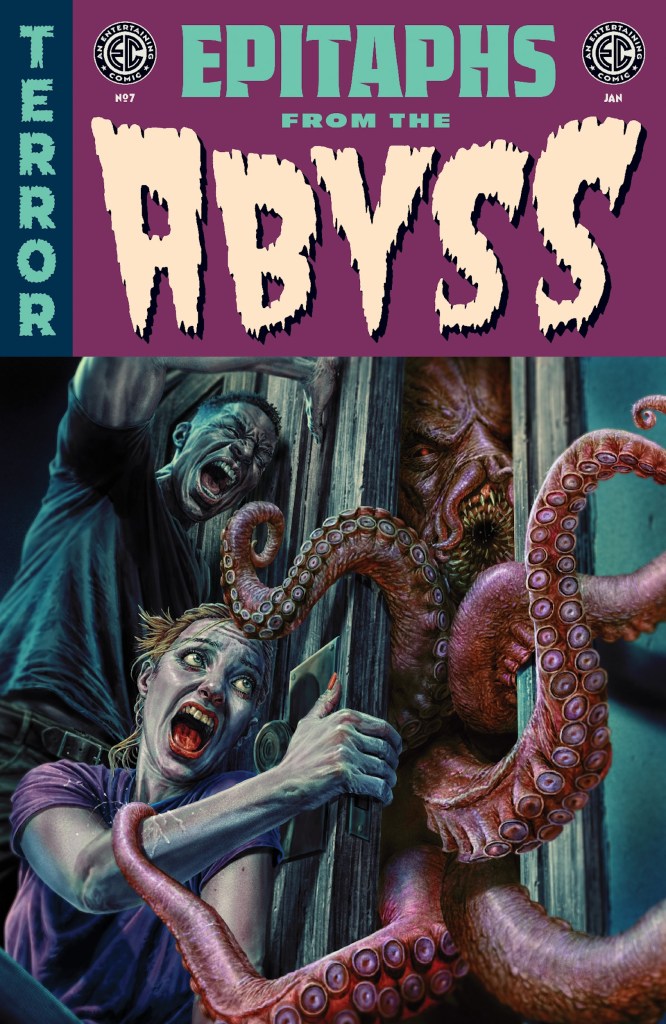
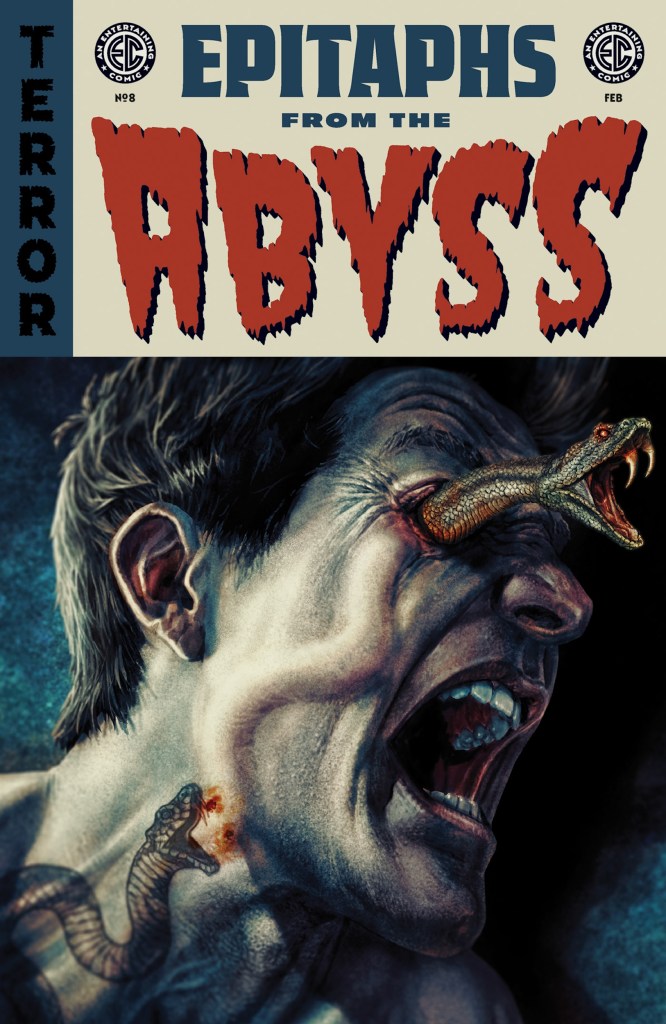
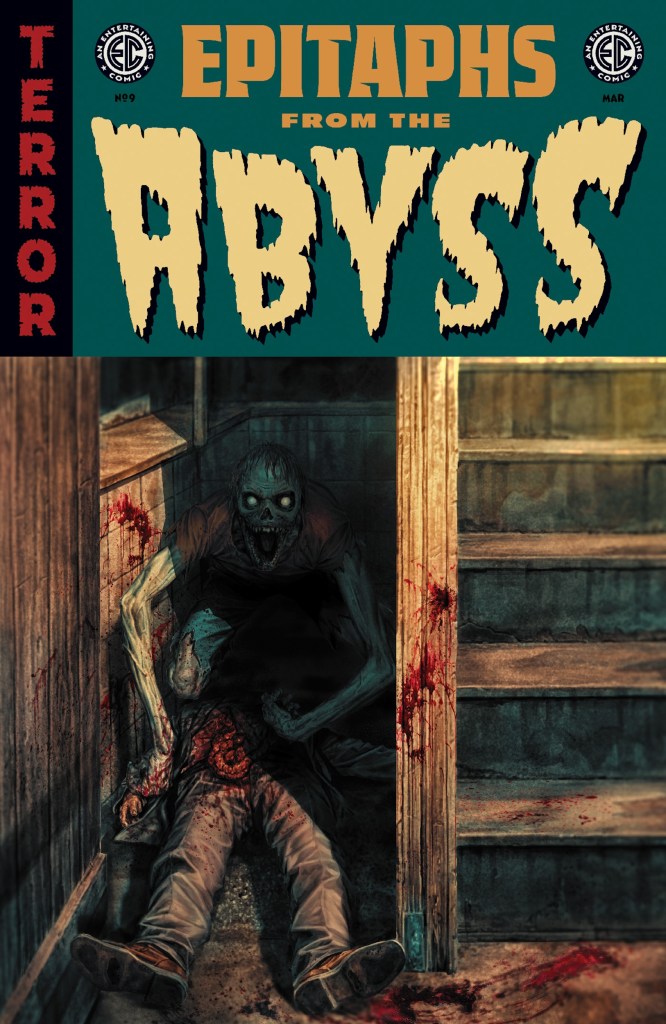
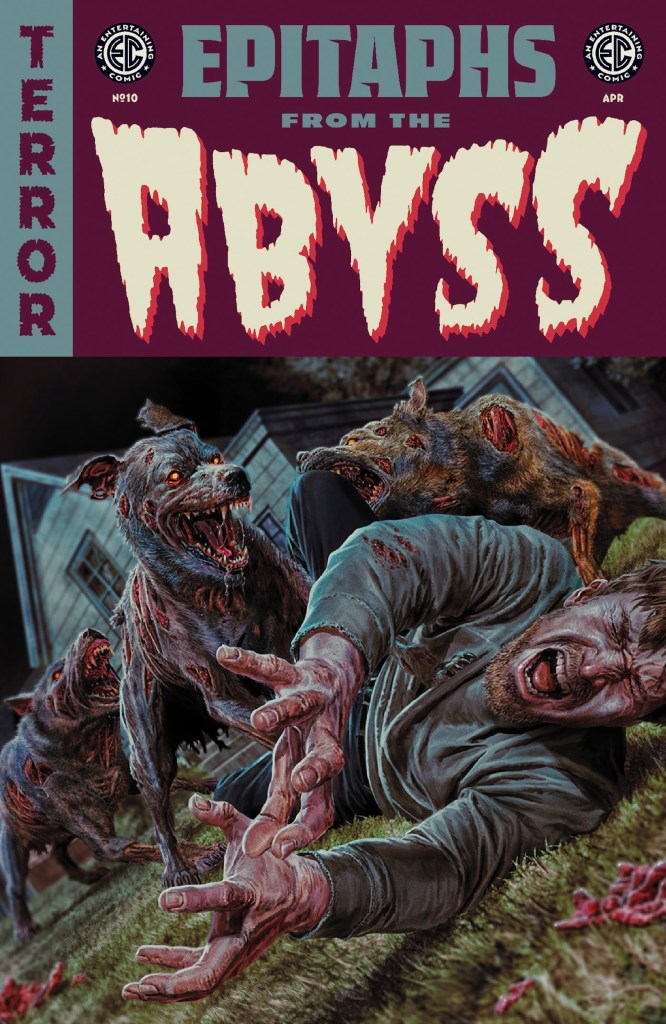
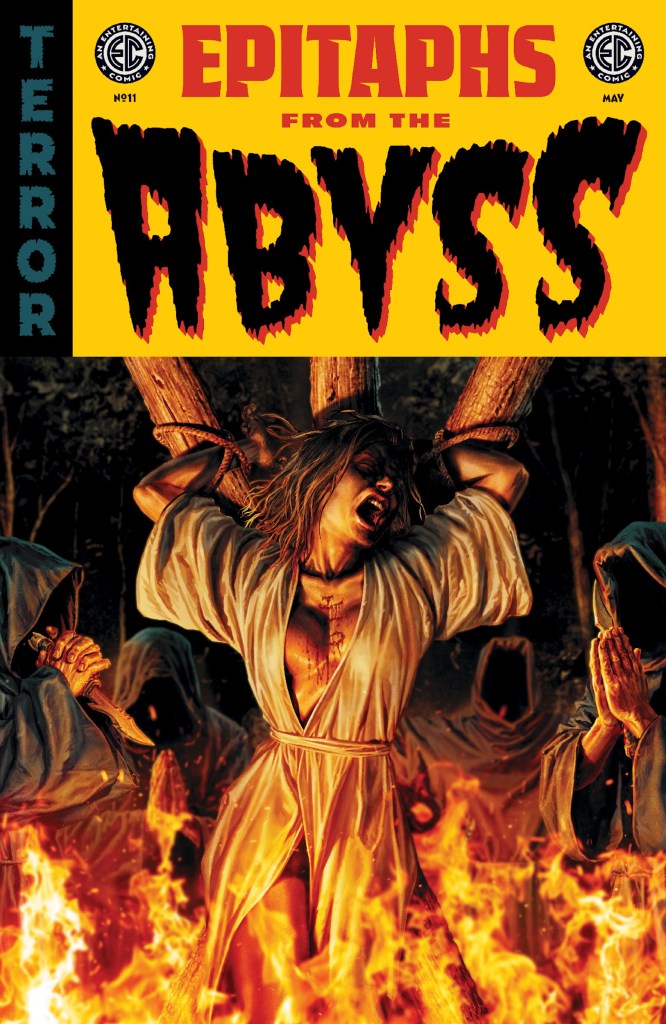
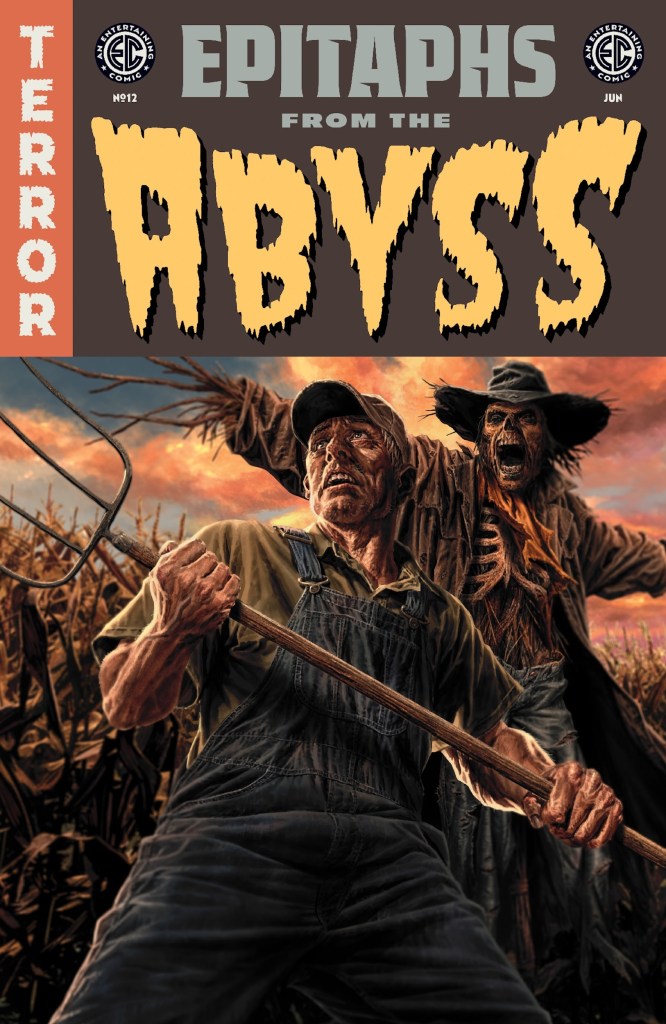
Oni and EC Comics’ Epitaphs From the Abyss gets a Library Edition and Limited Slipcase

Oni Press and William M. Gaines Agent, Inc., are celebrating EC Comics’ history-making, headline-grabbing return Epitaphs From the Abyss Library Edition: Book One – the first in a new line of enhanced hardcovers collecting the entirety of the new EC library at Oni Press and debuting in two eye-popping editions, Oversized, unapologetic, and uncontrollably outrageous, both the standard Epitaphs From the Abyss Library Edition and the sublime Epitaphs From the Abyss Library Edition – Limited Slipcase & Portfolio Edition (limited to 1,000 units) will be on sale on July 14th, 2026—just as the new and nightmarish EC Comics horror host the Grave-Digger foretold.

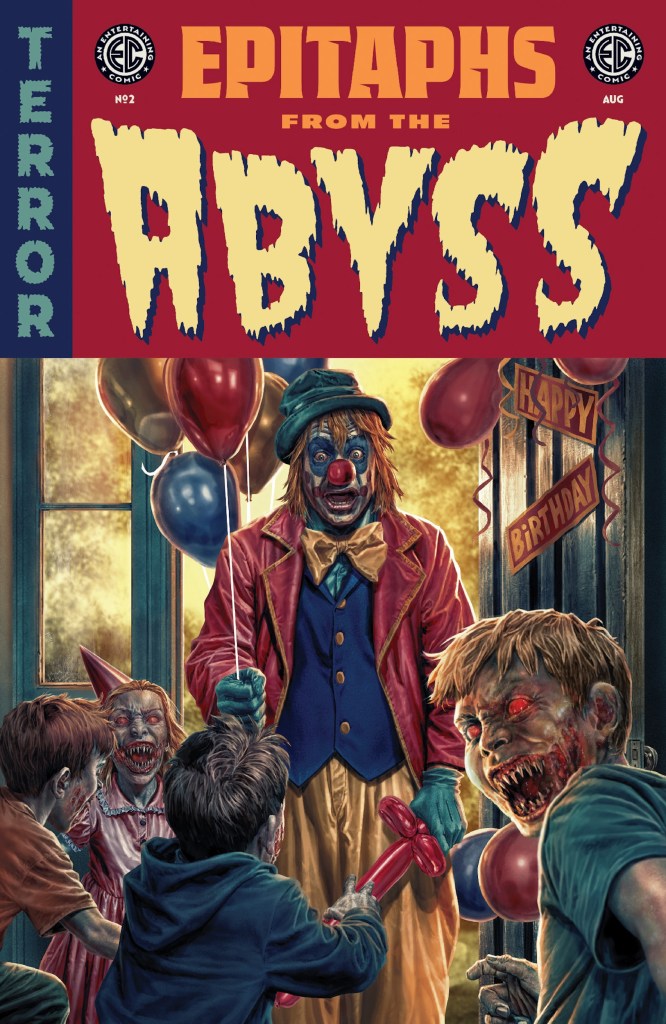
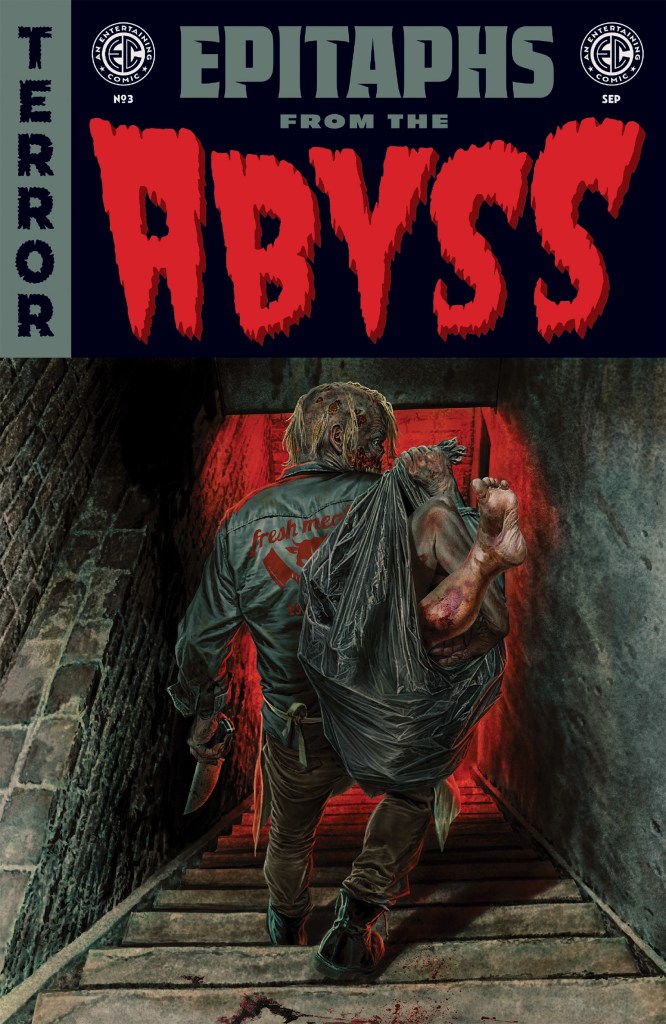
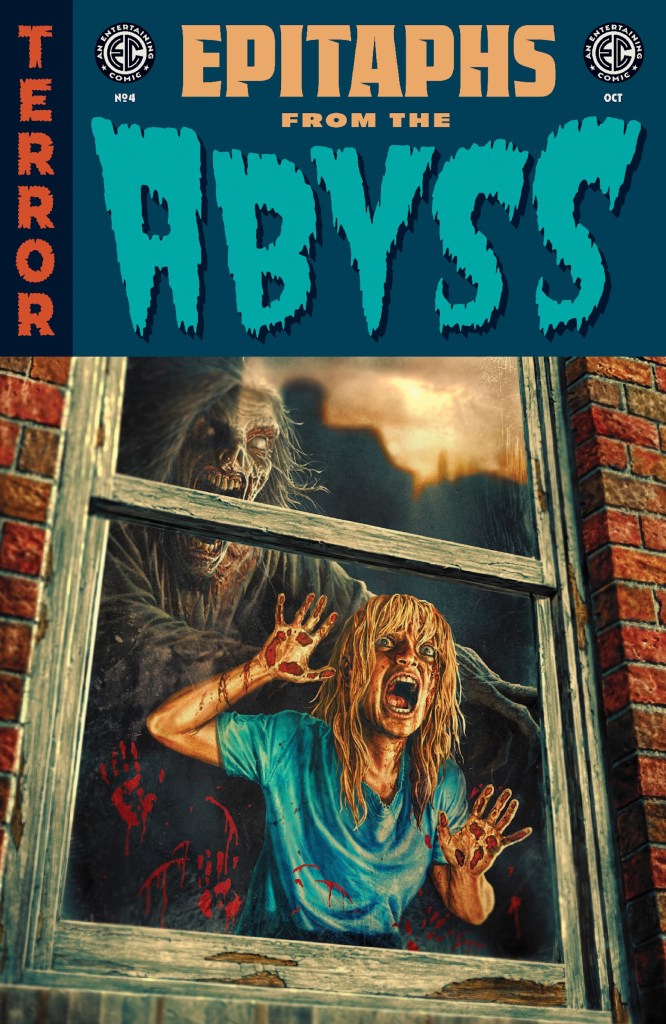
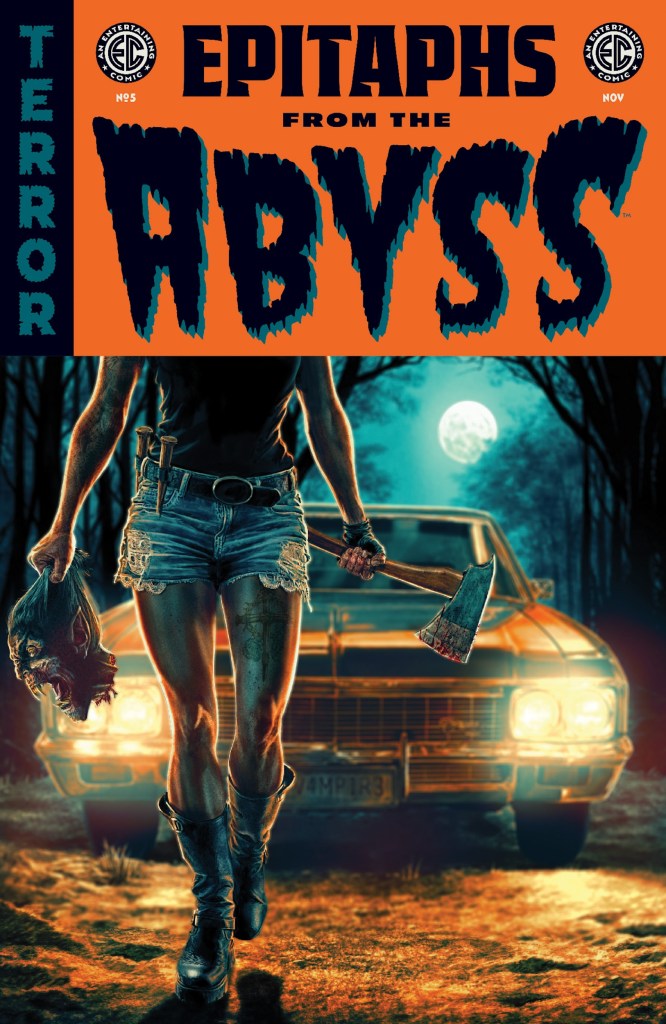
Collecting Epitaphs From the Abyss #1–12 for the first time in a staggeringly deluxe, oversized (7.5″ x 11.5″) hardcover, both editions of Epitaphs From the Abyss Library Edition: Book One feature tales of depraved intention and traumatic tension in the undying EC tradition by relentless writers including Jason Aaron, Brian Azzarello, Corinna Bechko, Chris Condon, J. Holtham, and Matt Kindt, all realized into bloody reality by “all-slaughter” artists like Charlie Adlard, Tyler Crook, Kano, Klaus Janson, Leomacs, Alison Sampson, and many more. Both editions also feature more than 50 pages of “behind-the-screams” material, including process art, character designs for EC’s newest horror hosts, and a cover gallery for readers to gouge their eye, as well as all-new commentary from cartoonist Jay Stephens and series designer Rian Hughes. 

But that’s not all! Enter: the Epitaphs From the Abyss Library Edition – Limited Slipcase & Portfolio HC! – will feature an ultra-deluxe, limited-edition version of the Epitaphs From the Abyss hardcover comes packaged with a specially designed portfolio set featuring high-quality, 11” x 7″ cardstock prints featuring gallery-ready reproductions of all 12 covers by comics master Lee Bermejo, and packaged in a masterfully designed, foil-stamped slipcase featuring the work of artist Dustin Weaver and Eisner Award–nominated designer Rian Hughes.

In the history of comics, no one publishes a horror comics cover like EC Comics! Iconic, scandalous, and unforgettable, EC Comics’ historic horror covers are seared into the collective memory of generations. Epitaphs From the Abyss Library Edition – Limited Slipcase & Portfolio HC is the first-ever portfolio for the new EC Comics titles from Oni Press, featuring Lee Bermejo’s meticulously macabre covers spanning all 12 issues of the first hit series to immortalize EC’s long-awaited return. Having reaped international renown for his collaborations with writer Brian Azzarello on Joker and Batman: Damned, and with writer/screenwriter Mattson Tomlin on the Eisner Award-nominated A Vicious Circle, and countless unforgettable comics series, Bermejo has earned a reputation as one of the industry’s most iconic and formidable artists across a nearly three decade career. 

In 1955, the Comics Code Authority drove a stake through the depraved heart of EC Comics—the iconic publisher behind Tales from the Crypt, Vault of Horror, Haunt of Fear, and more instantly influential titles that redefined American horror for generations to come. Now, groundbreaking comics publisher Oni Press has done the unthinkable: resurrected the immortal spirit of EC Comics for the 21st century with a brand-new slate of wildly bestselling, critically acclaimed, and award-nominated new series . . . beginning with its flagship horror title Epitaphs From the Abyss! 

On July 14th, find out what brought the most notorious name in terror roaring back from the crypt as the Epitaphs From the Abyss Library Edition: Book One stalks into comic shops and book stores everywhere in two masterfully designed editions that no true fan – or blood-drinking fiend – will want to miss. 

Batman/Deadpool #1 is a Satisfying Intercompany Crossover that features Dynamic Work from Some of the Best in Comics

Batman/Deadpool #1

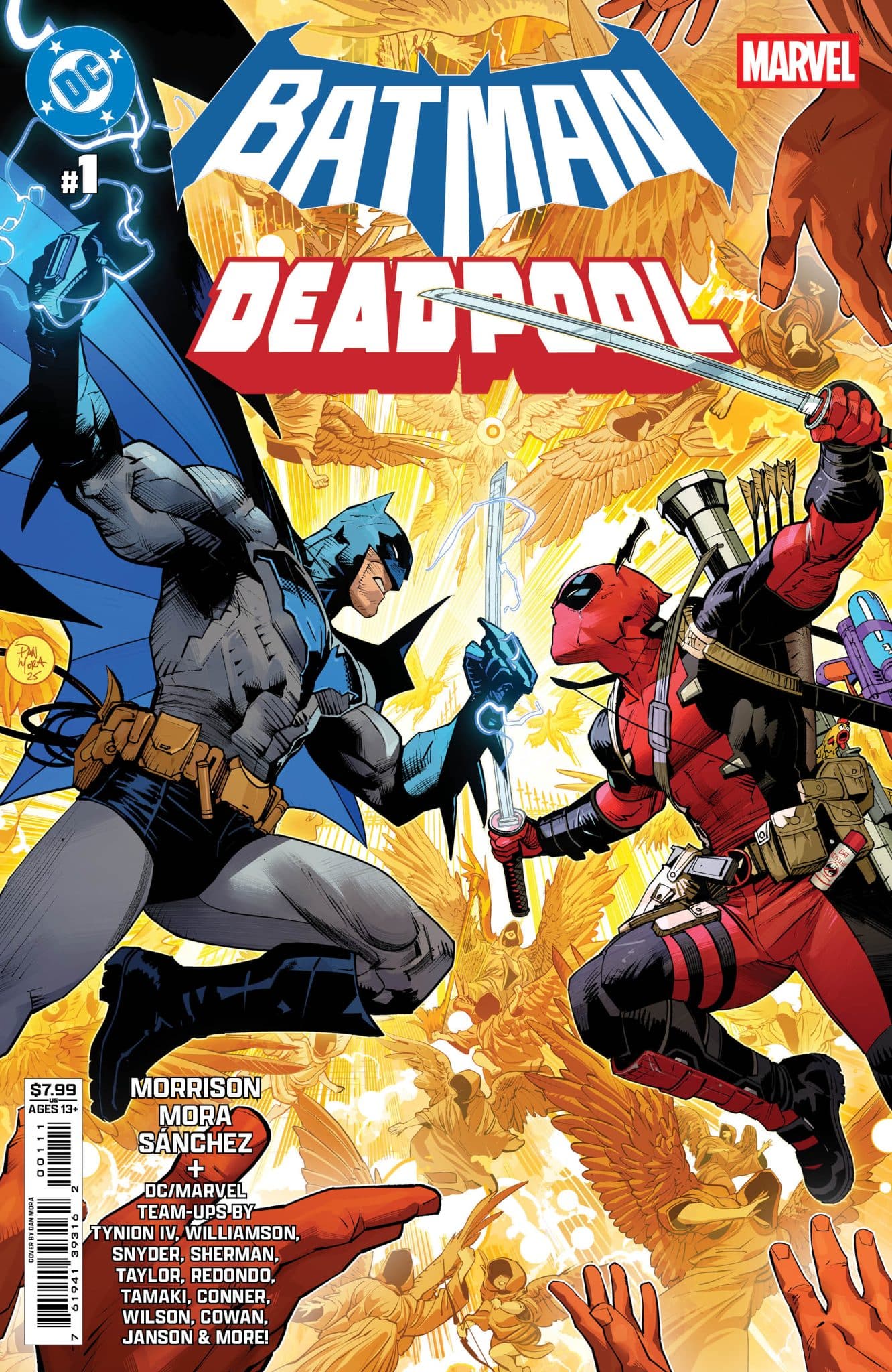
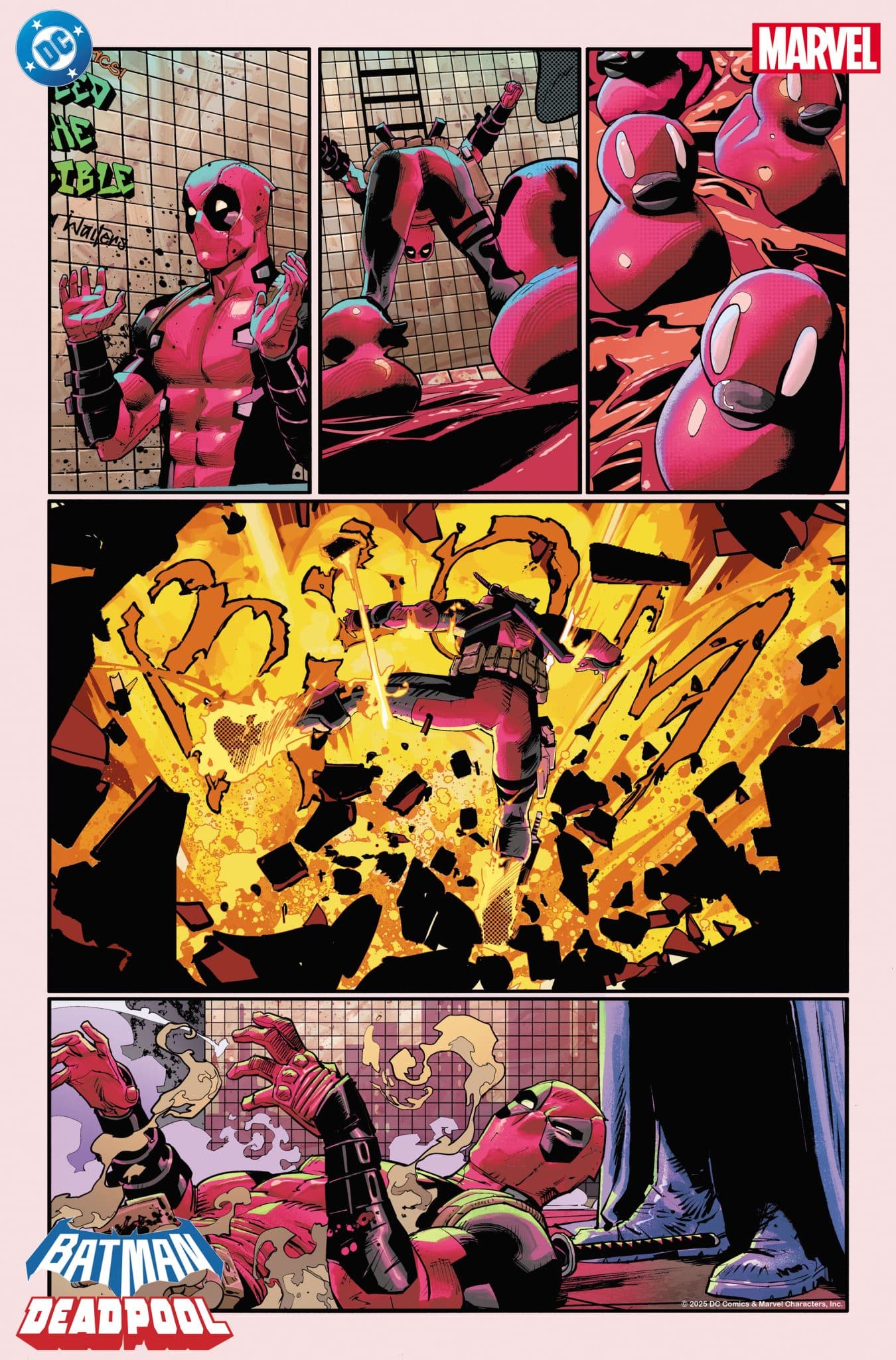
The second big Marvel/DC crossover this year features a fifth dimension/fourth wall shattering lead Batman/Deadpool story from Grant Morrison, Dan Mora, and Alejandro Sanchez as well as four individual team-up tales ranging from great (Tom Taylor, Bruno Redondo, and Adriano Lucas are the perfect team for a Nightwing/Laura Kinney Wolverine crossover comic.) to good (It’s great to have new Amanda Conner interior art, but her, Mariko Tamaki, and Tamra Bonvillain‘s Hulk/Harley Quinn story has big “lol so random energy). The crossover explores the differences and similarities between the Marvel and DC Universes, connections between heroes, and in Morrison’s case, they mine their past as a writer and previous intercompany crossover. Let’s just say that Animal Man and bidders on the Gerry Conway/Ross Andru/uncredited house art fixer uppers’ Superman vs The Amazing Spider-Man are in for a good time.

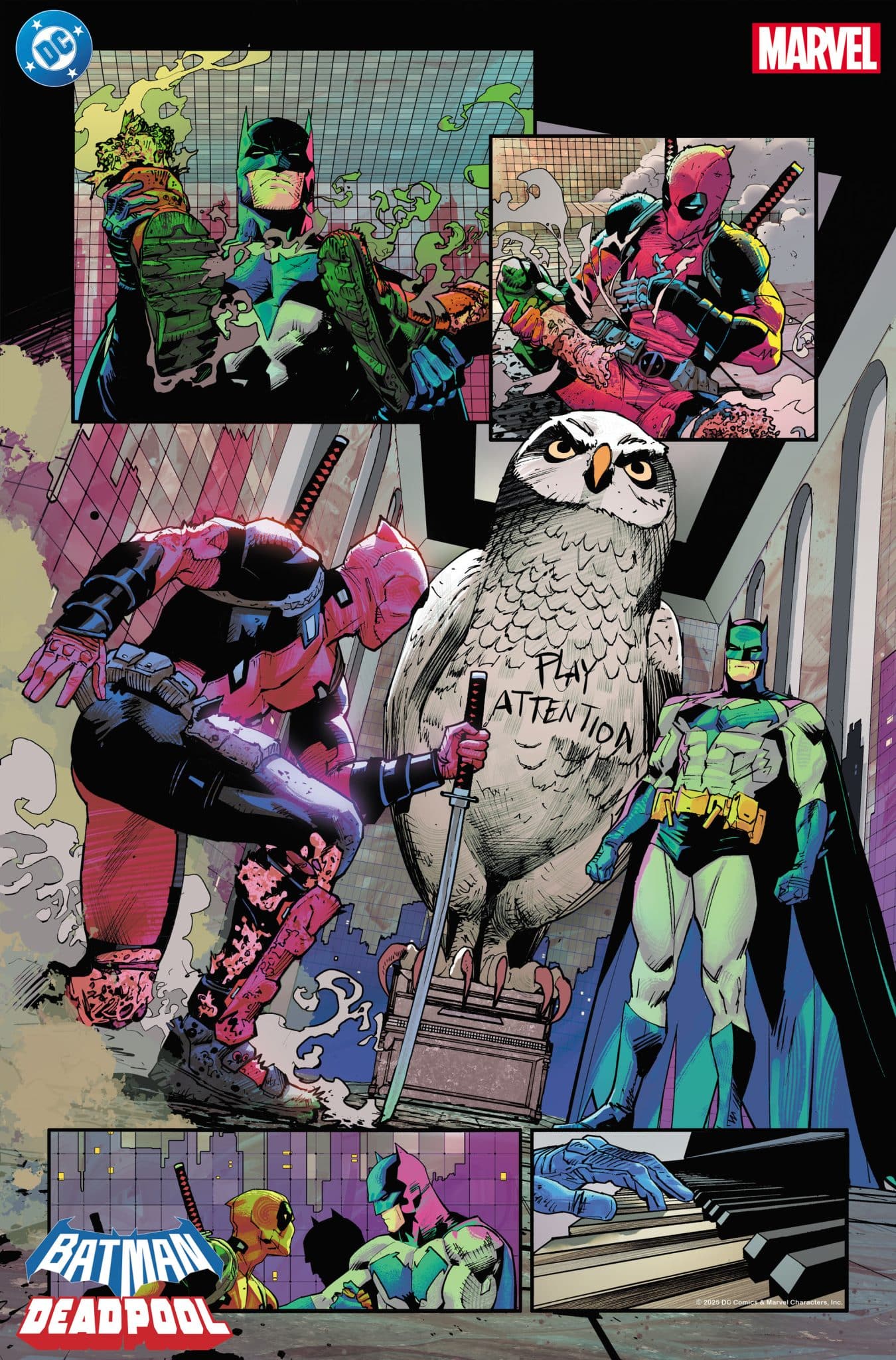
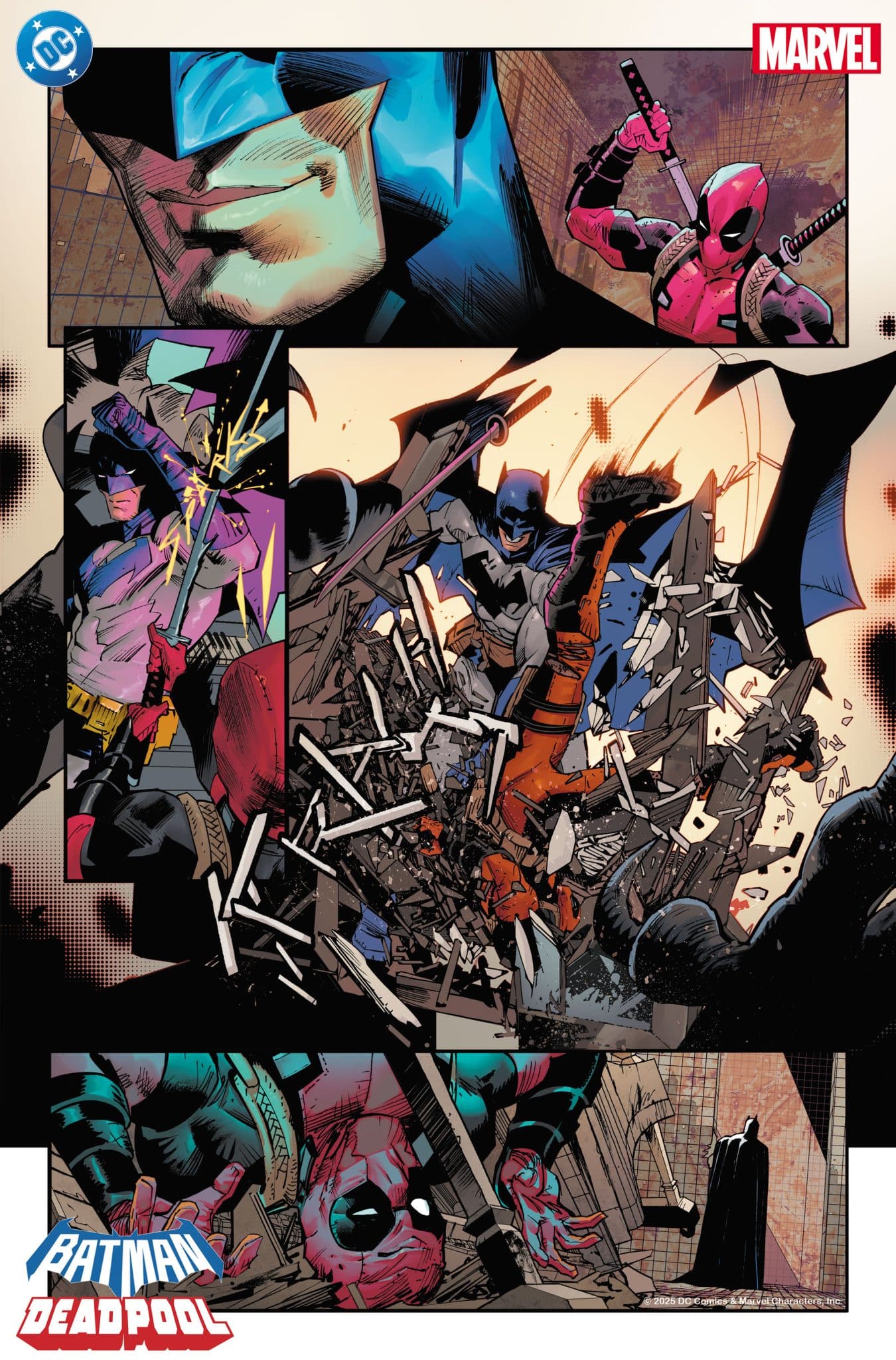
I have a love/hate relationship with the lead Batman/Deadpool story, “The Cosmic Kiss Caper”. This would be a story that I would have died laughing over back in the day with my freshman roommate and our twin comic book collections of Grant Morrison JLA and Action Comics issues, Daniel Way Deadpool trade paperbacks, and various Marvel/DC intercompany crossovers. (Ron Marz and Darryl Banks’ Green Lantern/Silver Surfer slapped!) Morrison uses Deadpool’s fourth wall obliterating, over-caffeinated joke-a-minute personality to flex their incredibly deep reference pool, which Mora enhances through the visuals like a room dedicated to the Amalgam Universe. Like the Deadpool & Wolverine film, it can get grating after a while, but Grant Morrison is a much more clever writer than any of the five on that film and ends up using the comic’s barely there semblance of a plot to poke fun at themself.

“The Cosmic Kiss Caper” also made me realize how much I’ve missed Morrison’s sanity-in-a-sea of a chaos with a dry wit and bit of a James Bond flair take on Batman. Batman has been through these kind of situations before, and a Dark Claw reunion tour has nothing on Batman of Zur-En-Arrh or whatever the heck happened in Final Crisis. He reacts to the PG-13 Looney Tunes antics of Deadpool with style, grace, and dialogue that sounds like it could have been delivered by the late Kevin Conroy. On the art side, Dan Mora and Sanchez pour on flashy colors and poses that satisfied my inner action junkie while going for a more muted approach when this story’s special guest star appears. Batman/Deadpool can be cringy at times, but it’s a love letter to the enduring absurdity as well as emotional honesty of superhero comics. It’s solid pop comics, but Grant Morrison has more of knack writing Batman than the Merc with a Mouth.

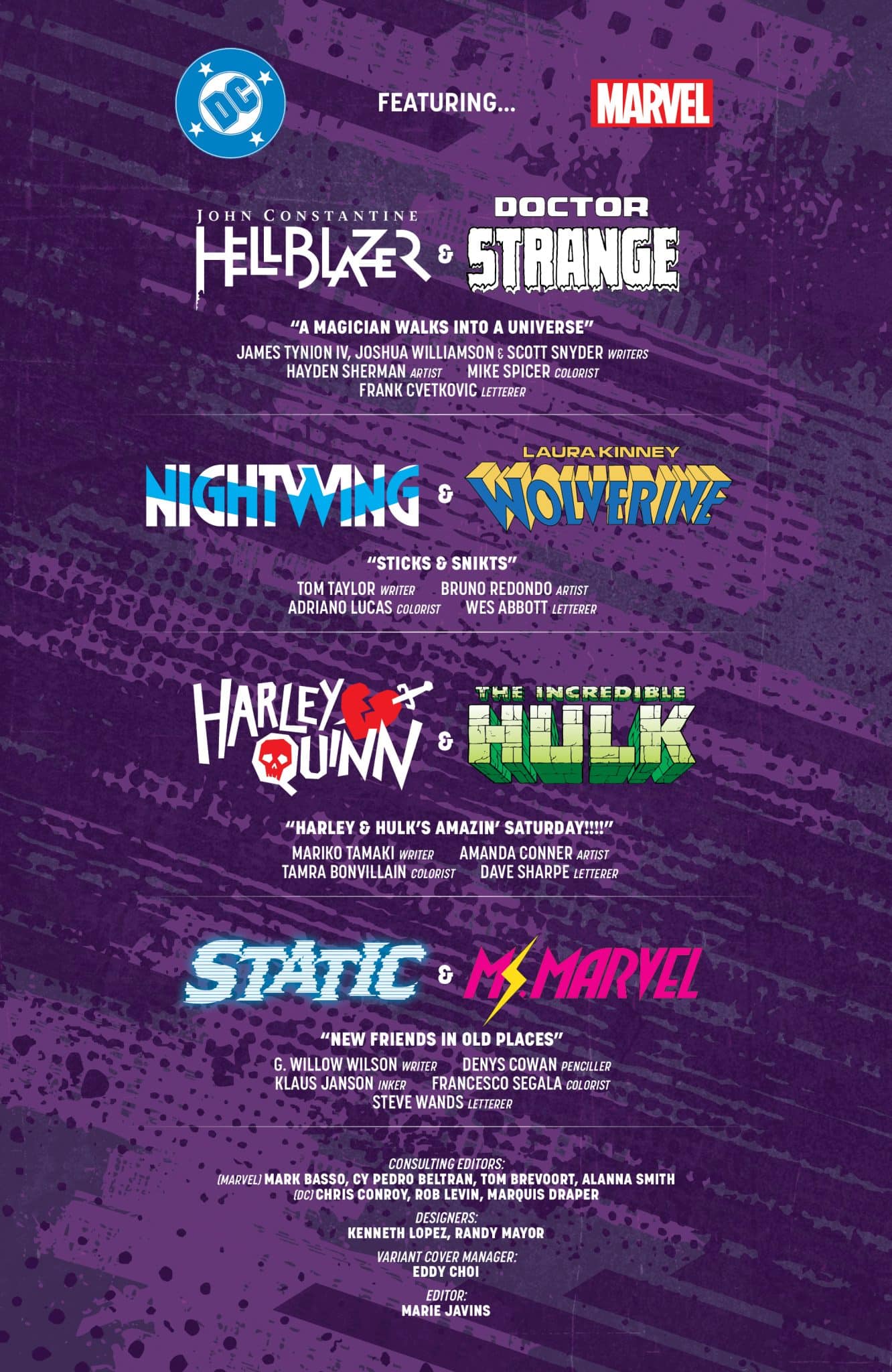
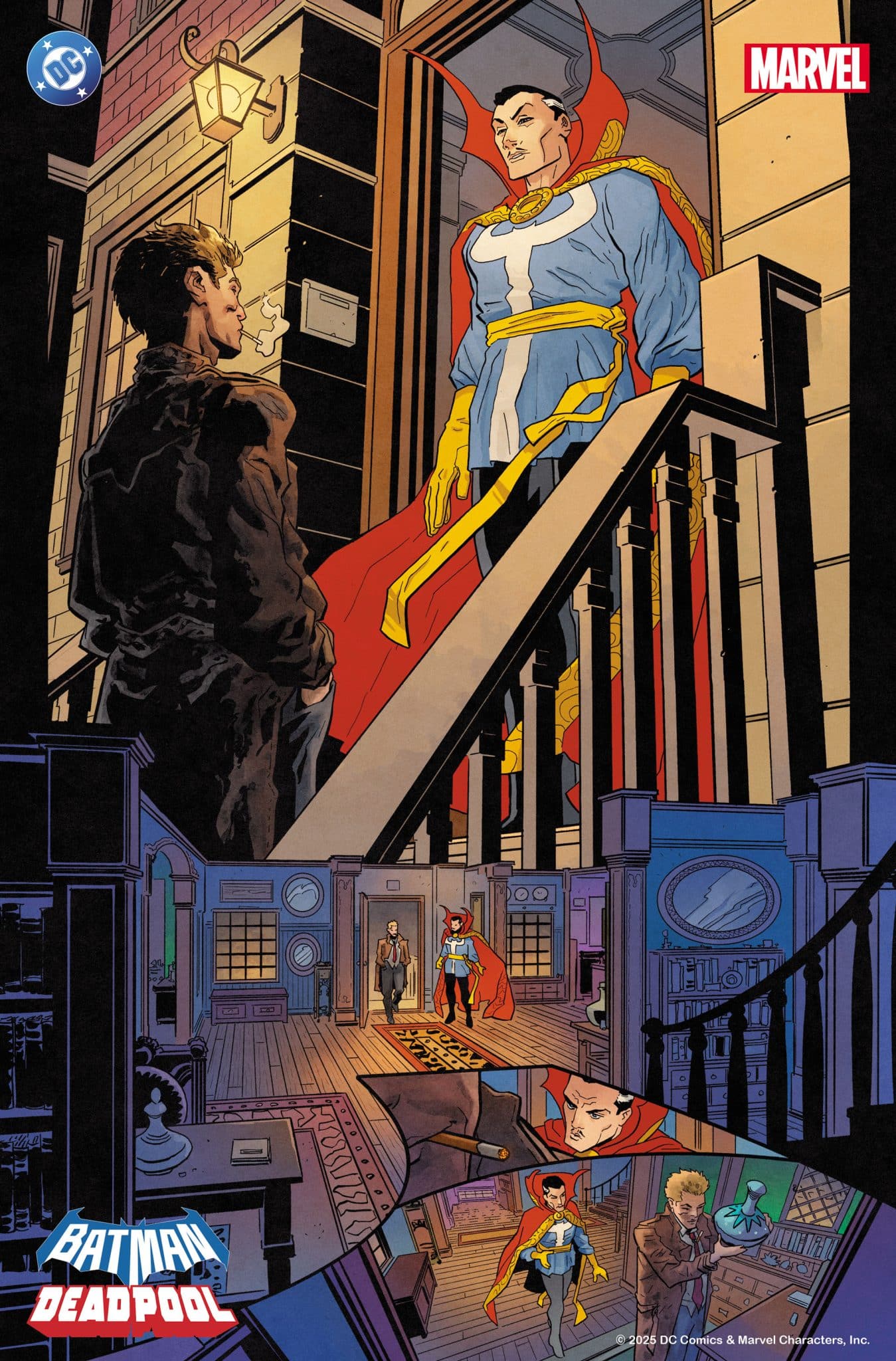
Following up the chaos is a Dr. Strange/John Constantine story written by James Tynion, Joshua Williamson, and Scott Snyder, a triumvirate of writers, who have found success penning horror comics as well as Big Two superhero books. The art is handled by Hayden Sherman, who is one of the strongest visual storytellers in mainstream comics with their knack for inventive layouts, with colors by Mike Spicer. This story is about a showdown/conversation between Constantine and Strange (With a Ghost Rider vs Swamp Thing battle royale in the background.) that also ends up being about the nature of fear, darkness, and reality itself in the Marvel and DC universes. DC has the prestige of Vertigo, Alan Moore, Garth Ennis, Peter Milligan and more while Marvel has the more dubious “Midnight Sons” and the Nicolas Cage Ghost Rider duology. (Guillermo Del Toro has directed a Marvel horror film and not a DC one though.) However, Stephen Strange was doing his visually stunning occult thing way before the chain smoking lad from Liverpool, and Tynion, Williamson, and Snyder draw on the moral compromises that the Sorcerer Supreme has made in some of his more recent runs. This gives Sherman the opportunity to do some horrific chimera panels of Strange and Constantine merging with various mystical elements, and I love how they structure the story like a kind of wizard duel. As a fan of gritty fantasy, the occult, and superheroes, this story is a wicked delight, and team-ups between the supernatural denizens of the Big Two would be more than welcome.

Batman/Deadpool #1

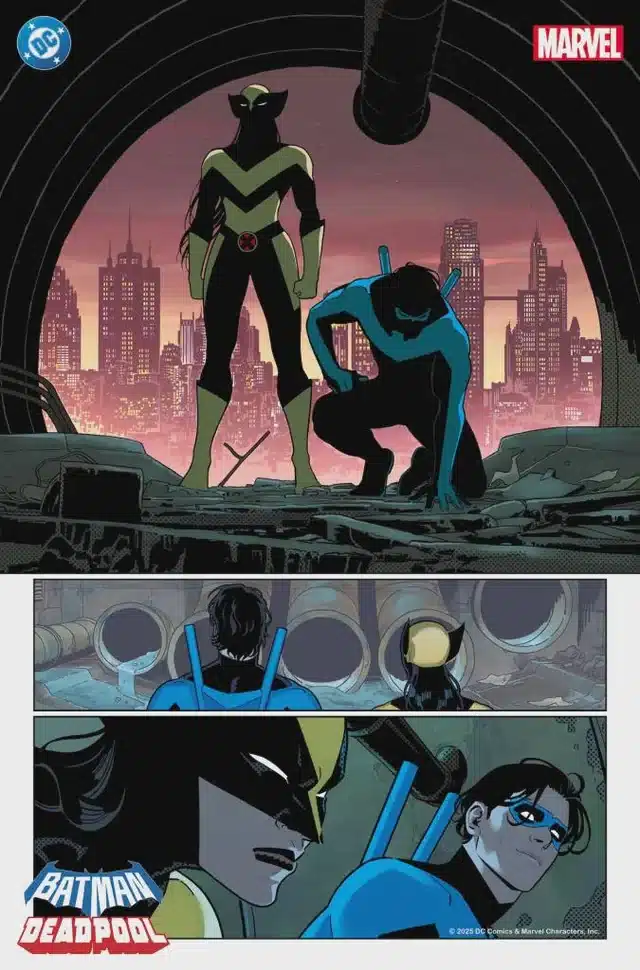
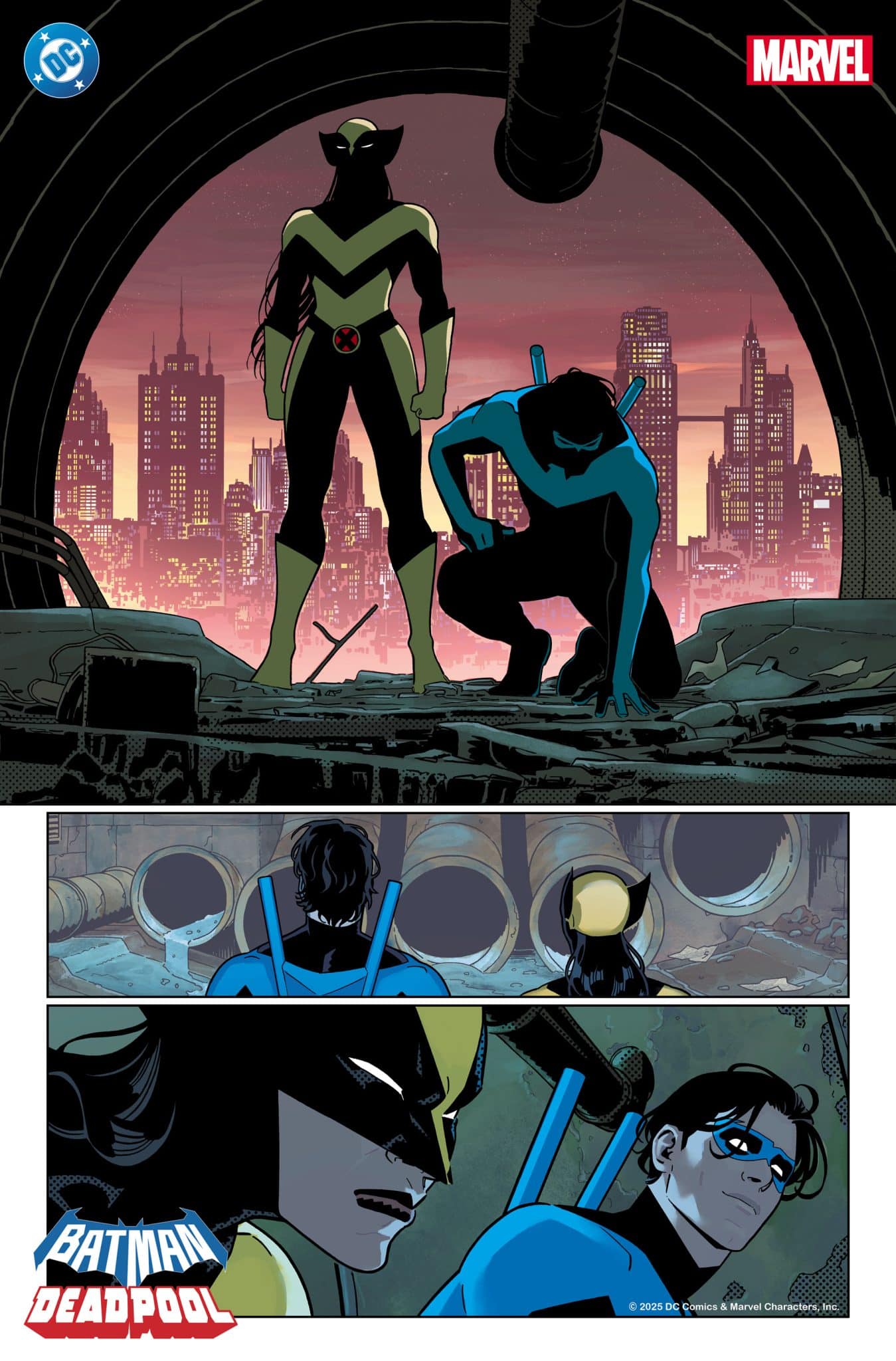
The third story in Batman/Deadpool #1 is a team-up between Wolverine and Nightwing aka “nepo heroes” to rescue Gabby and Jonathan the Wolverine from Killer Croc. Tom Taylor uses a dual narration style that is a contemporary version of what Jeph Loeb did in Superman/Batman, and Bruno Redondo’s fluid choreography and grid brings a directness and ease of reading complemented by Adriano Lucas’ flat gold and blues. Taylor is a humorous writer with a side of pure heart like in moments where Dick Grayson, Laura Kinney, Gabby, and Barbara Gordon all bond over their different pets. Although different in outward demeanor, Dick and Laura have a lot of similarities, and Tom Taylor’s succinct narration adds context to the body language showcased in Redondo’s art. They have instant chemistry and could easily appear in each others’ books on regular basis without batting an eye. “Sticks and Snikts” is a no-brainer crossover that pays homage to Tom Taylor’s excellent work with both heroes as well as legacy heroes and their growth and development in general.

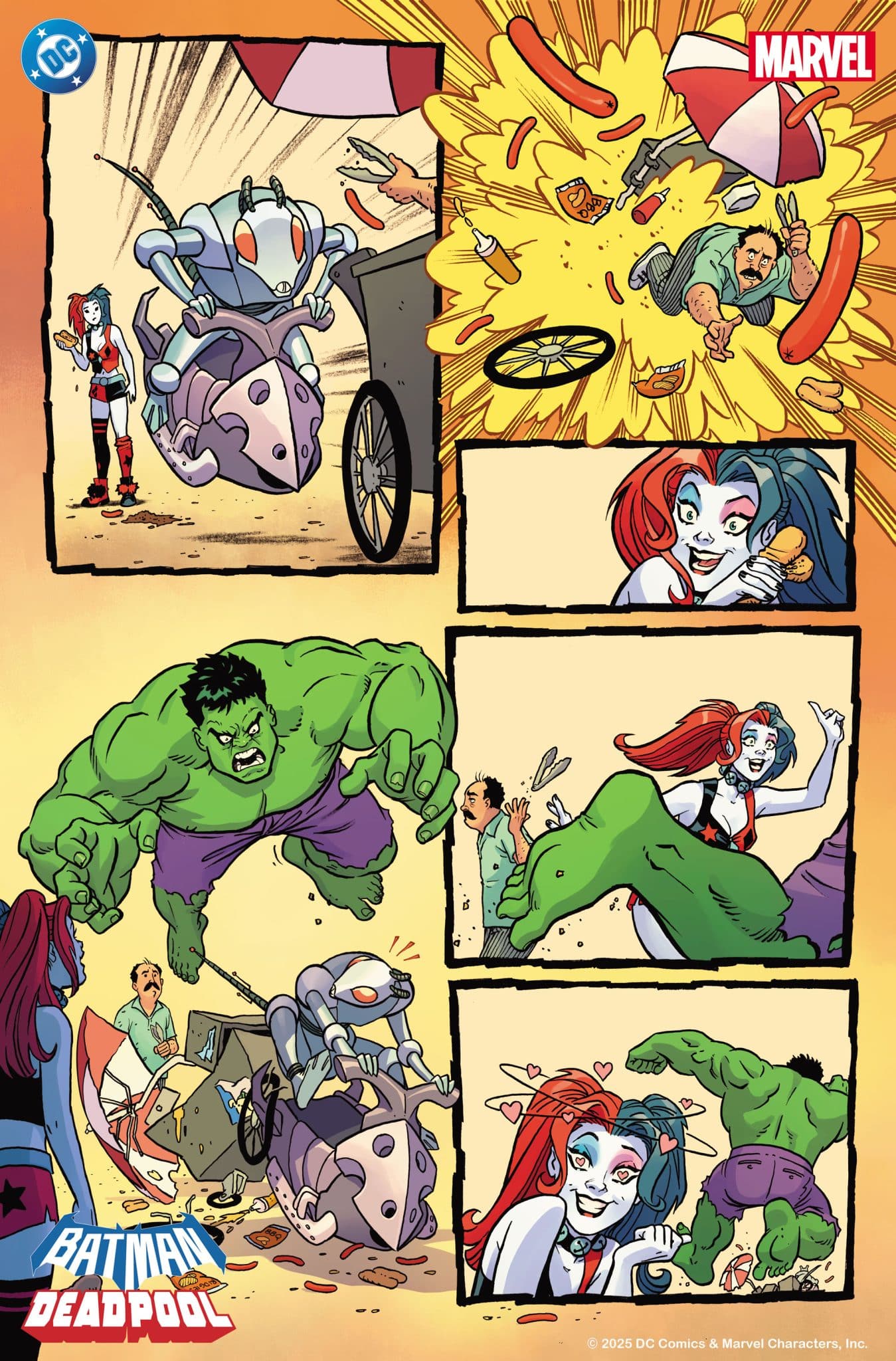
Batman/Deadpool #1 wraps up with a Hulk/Harley Quinn story and a Static/Ms. Marvel story that have polar opposite tones. “Harley and Hulk’s Amazin’ Saturday” is a bright adrenaline rush with boundless energy as the more colorful alter egos of Harleen Quinzel and Bruce Banner smash, eat, and even flirt their way through a five page story. There isn’t really a point for these characters to interact, but it’s a rare opportunity for Amanda Conner to show why she still has one of the smoothest lines in comics and shows that the anarchic nature of her Harley Quinn run with Jimmy Palmiotti could fit in with Hulk too. Also, it’s just nice to see the Hulk have fun and not being sent down to Hell or being sad and lonely for once.

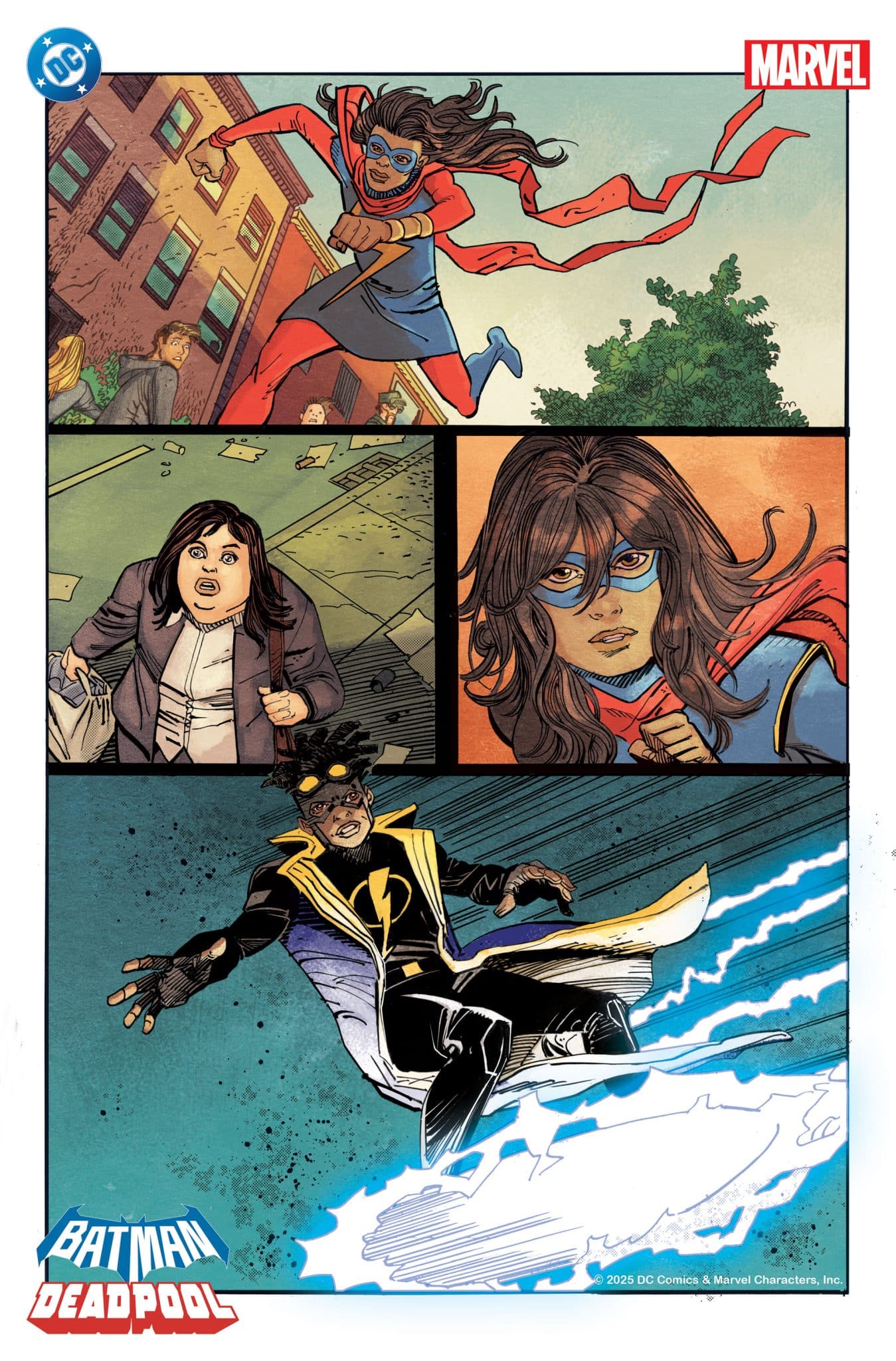
On the flip side, “New Friends in Old Places” brings together the iconic teenage hero of the 1990s and the iconic teen hero of the 2010s. The old-ish, new school vibes matches the dynamic of the creative team of G. Willow Wilson, artists Denys Cowan and Klaus Janson, and colorist Francesco Segala. There’s not a lot of time to develop the story so Cowan ably transitions from domestic life to superhero ass kicking with plenty of teenage awkwardness as Static and Ms. Marvel team up to fight a generic kaiju. “New Friends in Old Places” felt like a few bits of an appetizer and not even a full small plate so hopefully there will be future interactions between these two heroes that have inspired young people of all genders, races, and religions. (And are also total nerds!)

Batman/Deadpool #1 is a satisfying intercompany crossover that features dynamic work from some of the best artists in comics and a range of tones and types of stories. It’s fun to see Grant Morrison turn back the clock to 1990 in some ways while dropping hit and miss one-liners about Gen Z Internet culture and Absolute Batman, and Dan Mora was born for this kind of big, bad action spectacular. However, my favorite stories were the Dr. Strange/John Constantine and Nightwing/Laura Kinney Wolverine crossovers because they were both intellectually simulating and visually enticing while digging to the core of their protagonists and roles in their respective universes. Also, it’s kind of epic to see Hayden Sherman draw Ghost Rider and Swamp Thing beating each other up. (One day your Alan Moore, Stephen Bissette, and John Totleben will come, Mr. Blaze/Ketch/Reyes!)

Story: Grant Morrison, James Tynion IV, Joshua Williamson, Scott Snyder
Story: Tom Taylor, Mariko Tamaki, G. Willow Wilson
Art: Dan Mora, Hayden Sherman, Bruno Redondo, Amanda Conner, Denys Cowan, Klaus Janson
Colors: Alejandro Sanchez, Mike Spicer, Adriano Lucas, Tamra Bonvillain, Francesco Segala
Letters: Todd Klein, Frank Cvetkovic, Wes Abbott, Dave Sharpe, Steve Wands
Story: 8.2 Art: 8.9 Overall: 8.6 Recommendation: Buy

DC Comics provided Graphic Policy with a FREE copy for review


Purchase: Zeus Comics

Get an early look at DC’s Batman/Deadpool #1 out November 19

The Dark Knight and the Merc with a Mouth team up for an adventure so mind-bending you’ll think you’re in a dream! Batman/Deadpool #1 is brought to you by legendary creators Grant Morrison and Dan Mora!

And be sure not to miss these incredible extra stories: Scott Snyder, James Tynion IV, and Joshua Williamson team up with Hayden Sherman for a magical Constantine/Doctor Strange tale! Tom Taylor and Bruno Redondo bring you an epic Nightwing/Dick Grayson and Laura Kinney/Wolverine story! Mariko Tamaki and Amanda Conner smash Harley Quinn and the Hulk together! G. Willow Wilson and Denys Cowan tell an electrifying Static and Ms. Marvel yarn!

Check out the full list of creators below as well as an early preview of the comic!

  • Batman and Deadpool in “The Cosmic Kiss Caper!” by Grant Morrison, Dan Mora, Alejandro Sánchez, and Todd Klein
  • John Constantine and Doctor Strange in “A Magician Walks Into a Universe” by Scott Snyder, James Tynion IV, Joshua Williamson, Hayden Sherman, Mike Spicer, and Frank Cvetkovic
  • Nightwing (Dick Grayson) and Wolverine (Laura Kinney) in “Sticks & Snikts” by Tom Taylor, Bruno Redondo, Adriano Lucas, and Wes Abbott
  • Harley Quinn and The Incredible Hulk in “Harley & Hulk’s Amazin’ Saturday!!!!” by Mariko Tamaki, Amanda Conner, Tamra Bonvillain, and Dave Sharpe
  • Static (Virgil Hawkins) and Ms. Marvel (Kamala Khan) in “New Friends in Old Places” by G. Willow Wilson, Denys Cowan, Klaus Janson, Francesco Segala, and Steve Wands

DC’s Batman/Deadpool #1 is on sale November 19.

« Older Entries