Demo-Graphics is back with its third entry for 2025! Demo-Graphics was relaunched because the question still remains… who are comic fans?
What is Demo-Graphics?
Each month I dive into data from Facebook looking at the various demographics it can tell us about comic fans. This isn’t hard numbers, purchasers, or “Wednesday warriors,” but best used to show trends in the industry and the potential of the market out there. This has shown the shift towards women being a major force in readers and a shift to the younger demographic.
How does it work?
We use key terms, “likes”, that users have indicated and have come up with our own set to measure each month. There’s over 50 terms used (and no I won’t release them). We stick to specific terms for the industry such as “comics” and “graphic novels” and “one-shots” as well as publishers and leave out broad terms like specific characters or stories. Just because someone likes Batman doesn’t mean they like comics.
Other things to know…
This data is important in that it shows who the potential comic audience could be. These are not purchasers, these are people who have shown an affinity for comics, are potential purchasers, and those with a clear interest.
Also, with this being online/technology, due to laws and restrictions, those under the age of 13 are underrepresented.
Since the last time this feature was run, Facebook has made adjustments as to what it can report so some data is no longer available and we’ve also added in new data that hasn’t been reported before, and it now presents the data as a wide range. I’ve taken the average of the range. So, if it’s presented as somewhere between 500 and 1,000 people, the number would be 750.
So, let’s kick off the latest entry with the big question…
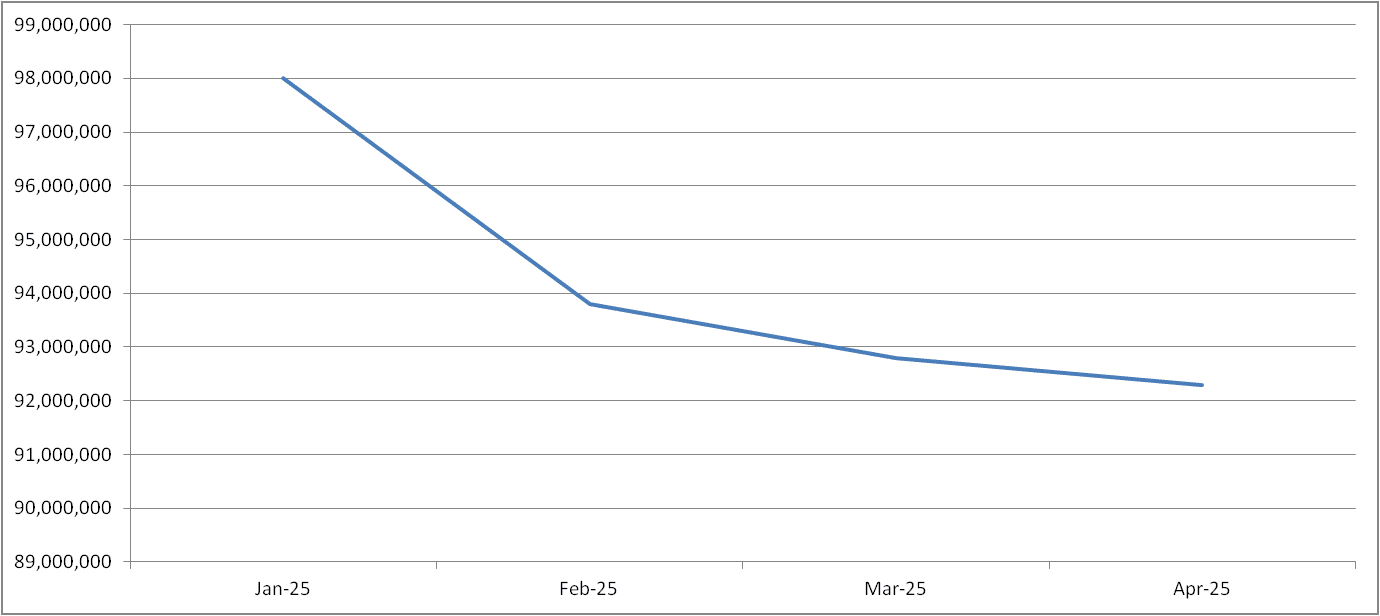
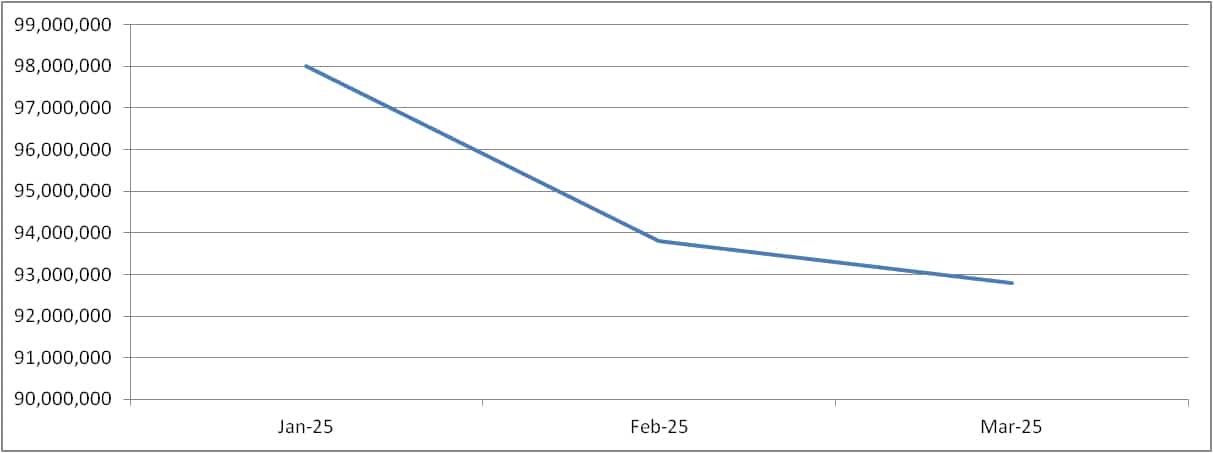
Facebook “Comic Fan” Population: Around 92.3 million in the United States
2025 is off to an interesting start as we’ve now seen three months in a row in a decrease in the overall population. That’s a 500,000 decrease from the previous month 5.7 million from the beginning of the year. and The loss is just a few of the segments while many remained the same as the previous month. These numbers often are ahead of sales trends and we might be seeing unease in the economy playing out in some way. If there’s a continue dip, we mighty see sales issues within a few months.
Gender
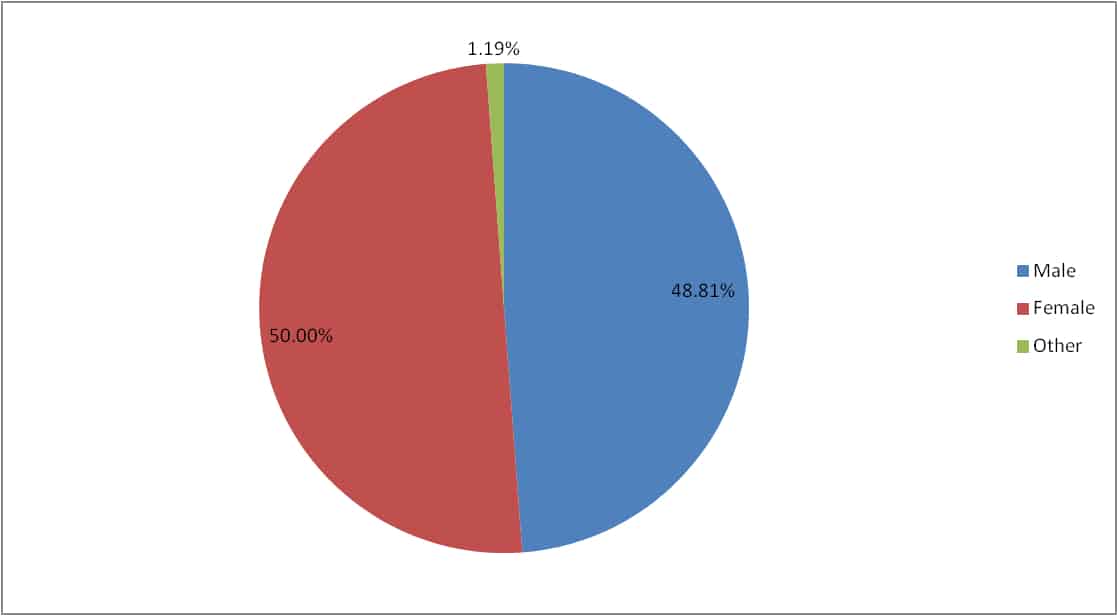
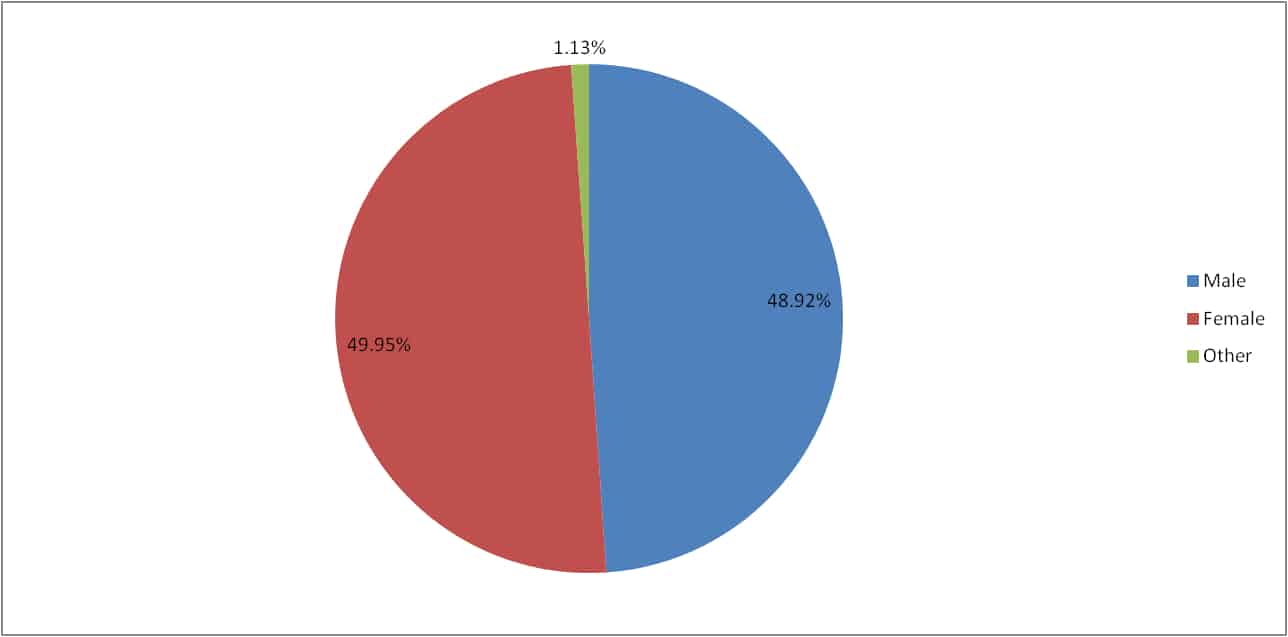
Women still make up the majority of comic fans with a slight gain over the month as far as their percent of their population. Women account for 50% of the population while men are 48.81%, and other is 1.19%.
Age
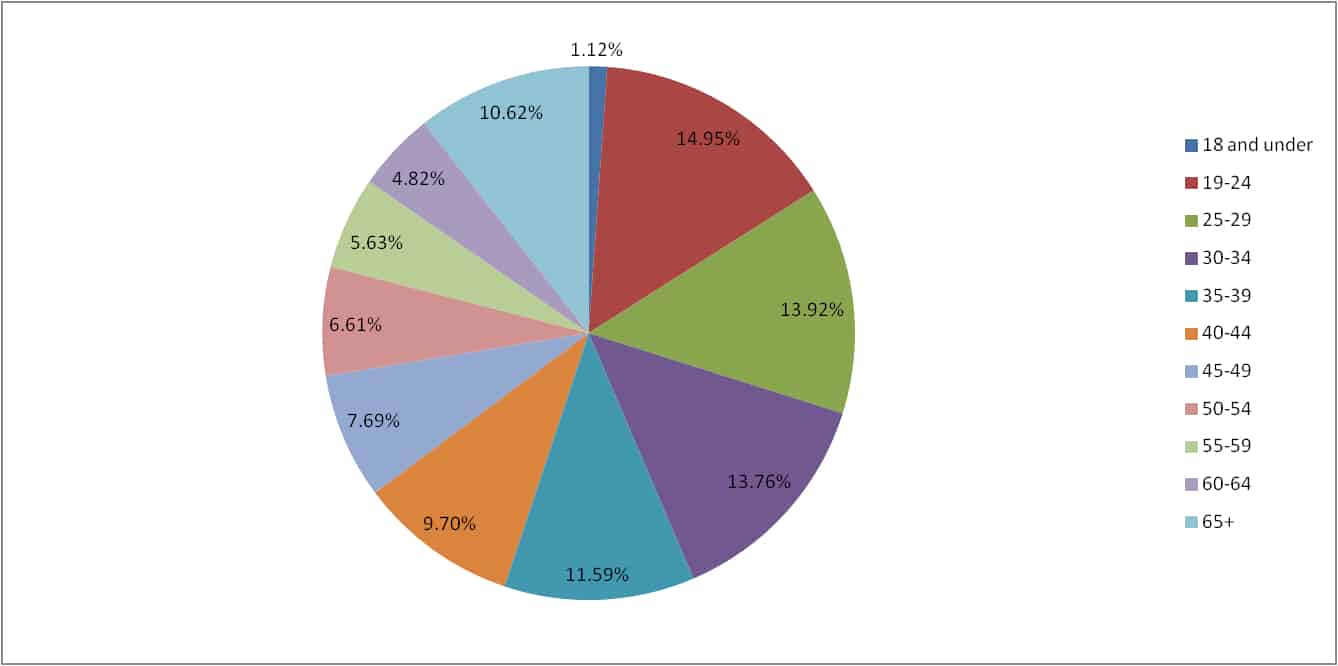
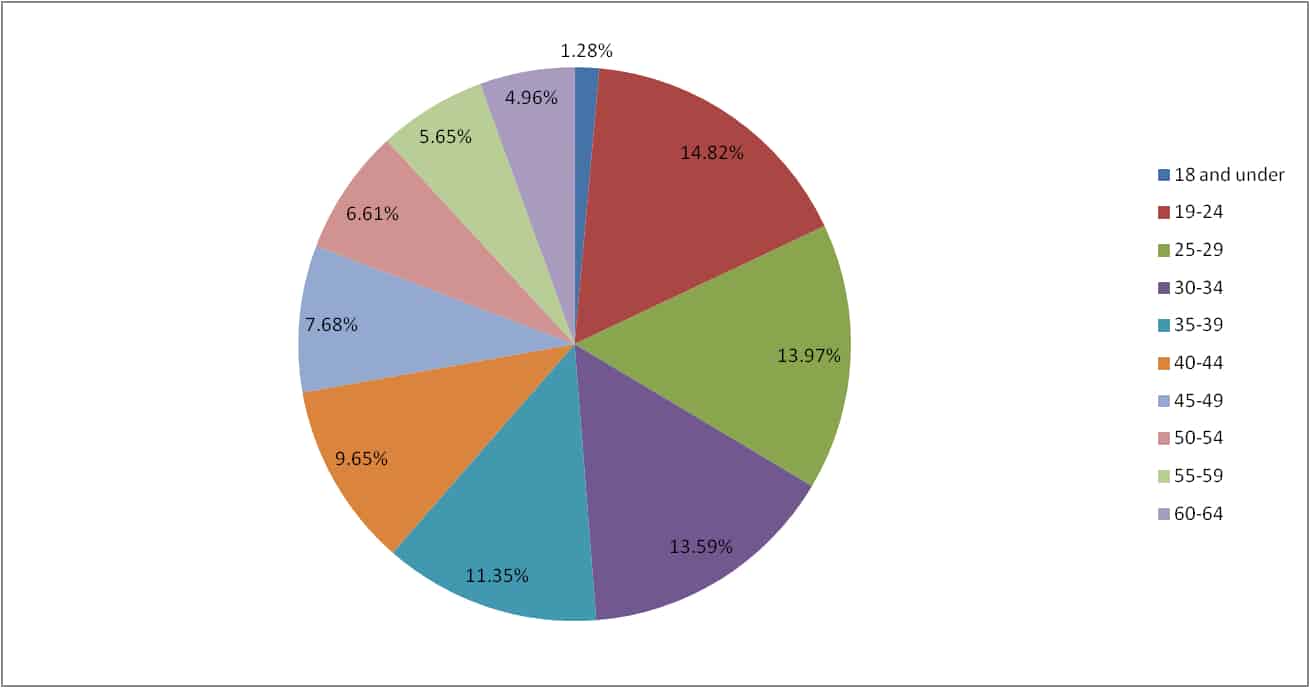
I’ve shifted how I’ve grouped ages so the data is a little different than before this year’s relaunch. While before “under 18” was one, it’s now “18 and under” with each subsequent grouping being 5 year blocks. This data is absolutely skewed as 1) It is believed younger individuals don’t use Facebook as much in the past and have migrated to other platforms; and 2) Laws restrict what can be collected based on age, ie those under the age of 13 shouldn’t even have accounts. So, younger readers are absolutely under-counted.
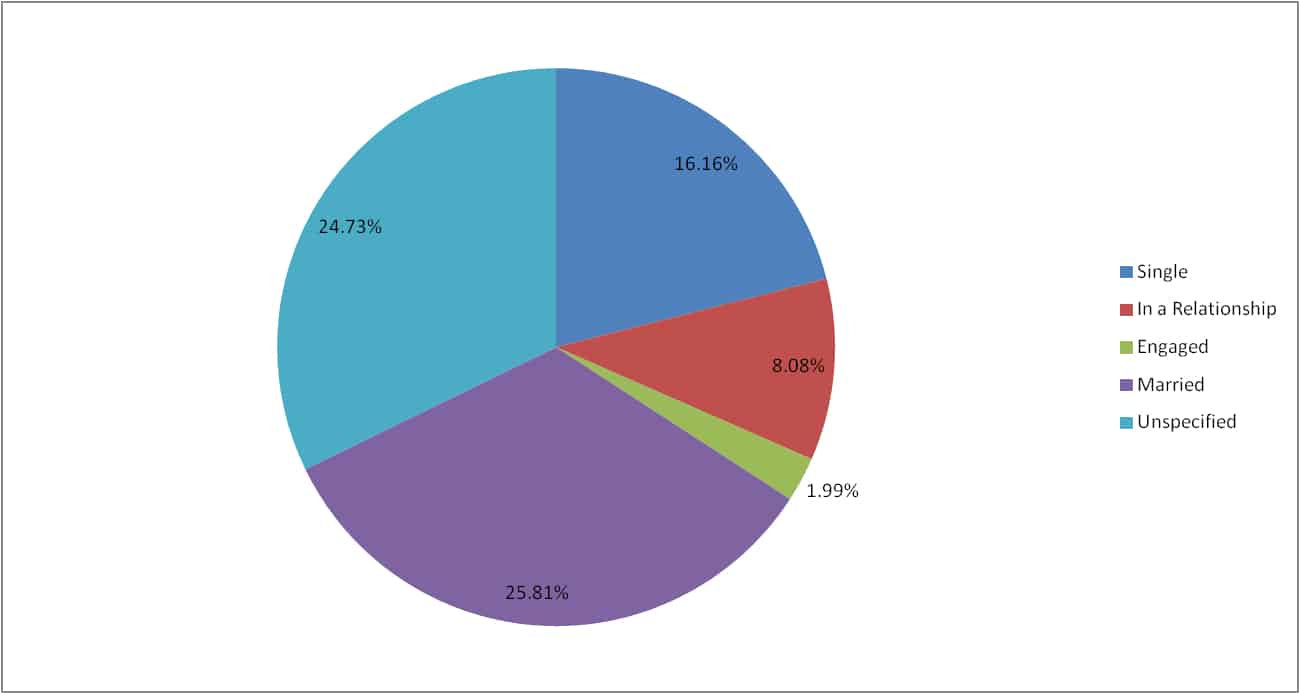
Relationship Status
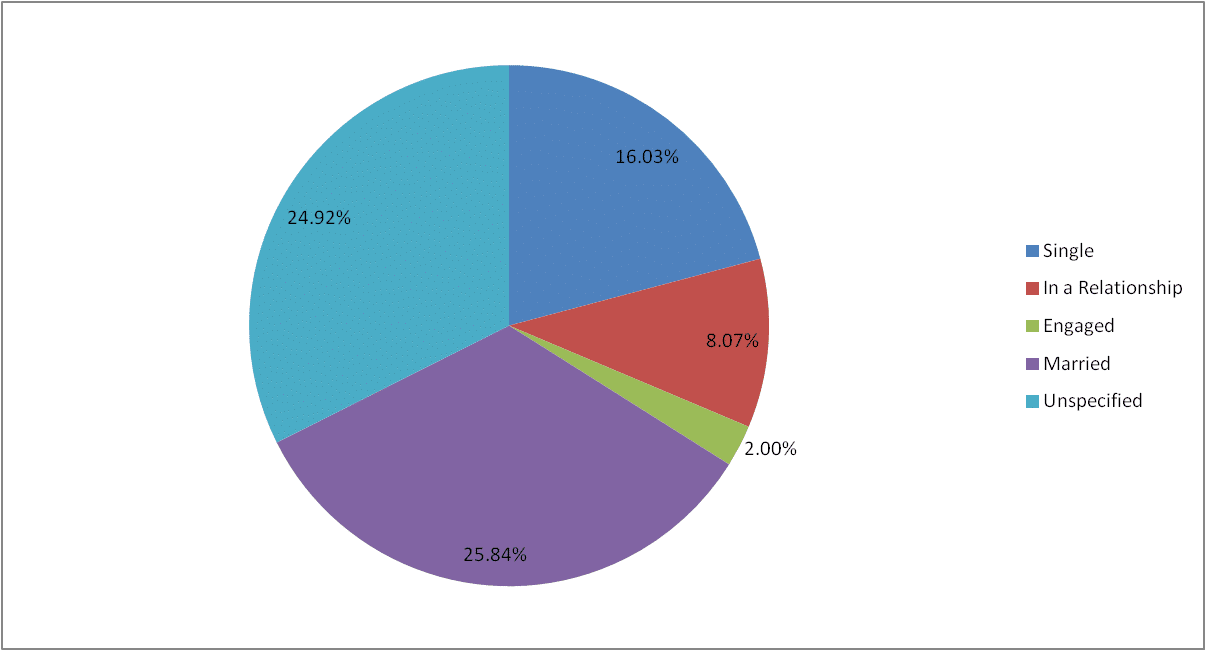
The percentages remained very similar to the previous month with little ship as to the relationship status of the universe.
New Stats!
Education has been combined to see how many individuals have at least a college degree. About 25.9 million fit that which means 28.06%. In 2022, 37.7% of the American population had at least a college degree.
18.2 million fans, 19.72%, are parents!
And finally, what’s the crossover with fans of board games and video games? 32.95 million, 35.70% of comic fans also enjoy board games. 54 million, 58.50% also enjoy video games. Get your licensing engines revving!
What’s Next?
All of this is a re-starting point. Things have shifted in how I’m collecting the data, like age, but it’s been quite a while since I’ve regularly done this. As we move along, we’ll continue to look at trends over time.
There’s some legacy data I’m going to try and fill in so we can get a better sense of how things have shifted over time that will hopefully be available next month. And, part of that will be me trying to find the original data files from many computers ago. Lots of work so we can all have a better sense of where things stand! Until next time… what gets measured, gets done!
Demo-Graphics is back with its second entry for 2025! Demo-Graphics was relaunched because the question still remains… who are comic fans? While I got the information for February, I wanted to wait a month to start showing off more trends than a one month change.
What is Demo-Graphics?
Each month I dive into data from Facebook looking at the various demographics it can tell us about comic fans. This isn’t hard numbers, purchasers, or “Wednesday warriors,” but best used to show trends in the industry and the potential of the market out there. This has shown the shift towards women being a major force in readers and a shift to the younger demographic.
How does it work?
We use key terms, “likes”, that users have indicated and have come up with our own set to measure each month. There’s over 50 terms used (and no I won’t release them). We stick to specific terms for the industry such as “comics” and “graphic novels” and “one-shots” as well as publishers and leave out broad terms like specific characters or stories. Just because someone likes Batman doesn’t mean they like comics.
Other things to know…
This data is important in that it shows who the potential comic audience could be. These are not purchasers, these are people who have shown an affinity for comics, are potential purchasers, and those with a clear interest.
Also, with this being online/technology, due to laws and restrictions, those under the age of 13 are underrepresented.
Since the last time this feature was run, Facebook has made adjustments as to what it can report so some data is no longer available and we’ve also added in new data that hasn’t been reported before, and it now presents the data as a wide range. I’ve taken the average of the range. So, if it’s presented as somewhere between 500 and 1,000 people, the number would be 750.
So, let’s kick off the latest entry with the big question…
Facebook “Comic Fan” Population: Around 92.8 million in the United States
2025 is off to an interesting start as we’ve now seen two months in a row in a decrease in the overall population. The loss is nearly across the board as far as age group though 30-34 remained the same and 35-39 increased slightly. These numbers often are ahead of sales trends and we might be seeing unease in the economy playing out in some way. If there’s a continue dip, we mighty see sales issues within a few months.
Gender
Women still make up the majority of comic fans but men have made some gains over the months. Women account for 49.95% of the population while men are 48.92%, and other is 1.13%. The gains in those reported as men as seen gains over the months as “other” has decreased. This could be more due to the current negative climate for those not conforming to a binary choice.
Age
I’ve shifted how I’ve grouped ages so the data is a little different than before this year’s relaunch. While before “under 18” was one, it’s now “18 and under” with each subsequent grouping being 5 year blocks. This data is absolutely skewed as 1) It is believed younger individuals don’t use Facebook as much in the past and have migrated to other platforms; and 2) Laws restrict what can be collected based on age, ie those under the age of 13 shouldn’t even have accounts. So, younger readers are absolutely under-counted.
Relationship Status
Those “married” has decrease over the past few months. It’s possible this is the population that is part of the decrease of the population.
New Stats!
Education has been combined to see how many individuals have at least a college degree. About 26 million fit that which means 28.02%. In 2022, 37.7% of the American population had at least a college degree.
19.15 million fans, 20.64%, are parents!
And finally, what’s the crossover with fans of board games and video games? 33.5 million, 36.10% of comic fans also enjoy board games. 54.55 million, 58.78% also enjoy video games. Get your licensing engines revving!
What’s Next?
All of this is a re-starting point. Things have shifted in how I’m collecting the data, like age, but it’s been quite a while since I’ve regularly done this. As we move along, we’ll continue to look at trends over time.
There’s some legacy data I’m going to try and fill in so we can get a better sense of how things have shifted over time that will hopefully be available next month. And, part of that will be me trying to find the original data files from many computers ago. Lots of work so we can all have a better sense of where things stand! Until next time… what gets measured, gets done!
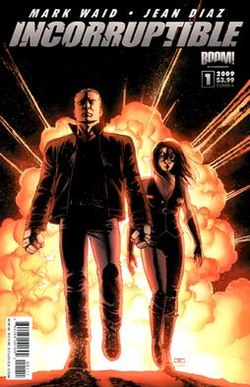
This is a column that focuses on something or some things from the comic book sphere of influence that may not get the credit and recognition it deserves. Whether that’s a list of comic book movies, ongoing comics, or a set of stories featuring a certain character. The columns may take the form of a bullet pointed list, or a slightly longer thinkpiece – there’s really no formula for this other than whether the things being covered are Underrated in some way. This week: Incoruptible
Last week we looked at Irredeemable, Mark Waid’s exploration of Superman snapping and going from the world’s greatest hero to its most despised villain. That series ran for just shy of 40 issues, and also spawned a spin-off series called Incorruptible that asks the same question but in reverse; what if the world’s greatest villain became its greatest hero?
After seeing the atrocities commited by Waid’s Superman analogue the Plutonian, Max Damage decides that somebody has to stop the rampaging villain – somebody has to give the world hope. And so he sets about becoming everything he isn’t in order to try and save the world, much to the confusion and annoyance of his former gang.
But Max Damage doesn’t have a moral compass; he sees the world in a strange black and white, and so his idea of heroism is to, literally, do the exact opposite of what he once did. He destroys all his ill-gotten gains, rather than anonymously donating it to a charity or those in need (or even returning the stuff), and takes down his old gang.
The switch from villain to hero is so abrupt that when he arrives on scene to help police with a situation, their reaction is pure terror, even when assured that Damage is no longer a villain. Much like the series it span out of, there’s some dark humour on display here as Waid gives us a psychological study of a damaged person trying to atone for their mistakes without actually understanding why what they did was wrong.
As a person who deeply enjoys redemption stories, this is one of the more enjoyable ones I’ve read. Max Damage’s journey from villain to hero is as amusing as it is fascinating; he never quite understands what makes a man a hero or a villain, leading to the question of if an evil man does good things, does that mean they’re not actually evil?
Max Damage’s power set itself is also interesting; the more sleep deprived he gets, the more invulnerable and strong he becomes, which leads to its own set of problems as he realizes just how much the Plutonian was pulling his punches in their earlier encounters, and has to find a solution to the power imbalance if he’s ever to go head to head with his enemy.
Between both Irredeemable and Incorruptible Waid has a great deconstruction of the nature of heroism and villainy that holds up nearly a decade after it debuted. If I’m honest, I prefer the spin-off series, but you can’t really enjoy one without the other; they’re each a side of the same coin, and reading them both concurrently enhances each series more than you would initially expect.
As a series, this is very much loved by many, but it doesn’t get the recognition it deserves. That’s why it’s Underrated.
Join us next week when we look at something else that is, for whatever reason, Underrated.
This is a column that focuses on something or some things from the comic book sphere of influence that may not get the credit and recognition it deserves. Whether that’s a list of comic book movies, ongoing comics, or a set of stories featuring a certain character. The columns may take the form of a bullet pointed list, or a slightly longer thinkpiece – there’s really no formula for this other than whether the things being covered are Underrated in some way. This week: Irredeemable
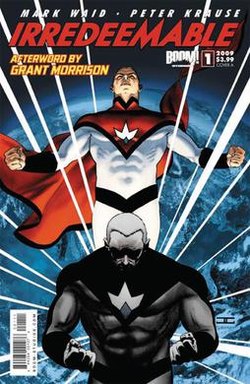
If you’ve been half paying attention to the gamut of movies hitting the theater this year that have some relation to comics or geek culture, then you’ve probably heard about the movie Brightburn, a superhero horror film that reimagines Superman’s wholesome origin as something much darker – this superpowered alien is a touch less well adjusted, and begins murdering people. Ten years ago, Mark Waid told a similar story. The Plutonian was essentially Superman, though without the influence of Jonathon and Martha Kent, who one day snaps after the world’s snide comments and contempt becomes too much for him to bear.
If you’ve ever wondered about whether Superman could take out the Justice League – or the Paradigm in this universe – the answer, at least according to Waid, is when he snaps he absolutely can.
Irredeemable is as much about the fall of the Plutonian, told in flashbacks, and how the world copes being at the mercy of the terrible supervillain. There are remnants of various teams left alive, but few seem capable of facing the Plutonian head on, instead trying to make the best of the new status quo.
“What if you go from, you know, Captain America to Doctor Doom? What if you go from Superman to Lex Luthor? How do you go from being the greatest hero in the world—someone that everybody knows, and everybody loves, and everyone recognizes—to the greatest villain in the world? What is that path? It’s not a light switch, it’s not an on-off switch, it’s not something that you wake up one day and just become evil.”
Mark Waid on the basis for Irredeemable, markwaid.com podcast.
Irredeemable earned Waid two Eisner awards, and understandably so, as his thirty seven issue deconstruction of the superhero mythos makes for essential reading for any who want to see the darker take on Superman have real consequences. But with as much despair as there is in the comic, there’s also hope, and humour. Waid’s commentary on the superhero genre (including some accurate comments about the frequency of black men with electrical powers, and the less than subtle racism said black hero faces) is another notch on the belt of a series that must be read.
The comic has now been collected in various trades, and can be found on comiXology for those interested in digital reading. I can’t recommend it, and the spin off series Incorruptible enough (more on Incorruptible next week). There’s thirty seven issues of Irredeemable to devour, and that’s it.
Join us next week when we look at something else that is, for whatever reason, Underrated.
This is a column that focuses on something or some things from the comic book sphere of influence that may not get the credit and recognition it deserves. Whether that’s a list of comic book movies, ongoing comics, or a set of stories featuring a certain character. The columns may take the form of a bullet pointed list, or a slightly longer thinkpiece – there’s really no formula for this other than whether the things being covered are Underrated in some way. This week: The Astounding Wolf-Man
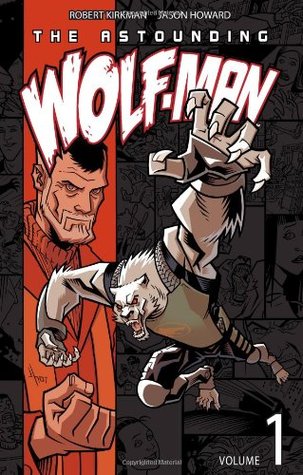
Born from Robert Kirkman‘s desire to see comic books on the rack that are easily identifiable from the cover and the title, The Astounding Wolf-Man is a comic about a werewolf superhero. The complete twenty five issue run is collected across four volumes, all published by Image. The series originally ran in the mid 2000’s, culminating with the 25th issue in 2010.The Astounding Wolf-Manmixes the supernaturally traditional horror monsters (basically werewolves and vampires) in with the traditional cape and cowl crowd in ways that you may not have necessarily encountered before within the Marvel or DC universes. Kirkman establishes the existence of the monsters long before he does the heroes, which has the effect of grounding the world in the supernatural long before we see the heroes – so while the reader is used to and has accepted the existence of werewolves, the heroes are left to question the very nature of Wolf-Man much longer into the series.
The origin of Wolf-Man is told succinctly, with Kirkman never allowing the origin to feel overly drawn out or excessive – the story is well paced from start to finish, and it all begins with the origin.
Who is the Wolf-Man?
Gary Hampton. A man who was mauled by a werewolf while out camping with his family, and chooses to use his newfound powers for good by becoming a superhero. But there are dangers with being a heroic werewolf, both the physical reactions of those he confronts, and from the reactions of those around Gary Hampton. Kirkman stays true to the horror stories that have made him famous by injecting a touch of the emotional tension fromThe Walking Deadas the audience witnesses Wolf-Man’s world adjust to who and what he is.
Joining Kirkman in this venture is artistJason Howard. Howard was a relative newcomer at the time of the series publication, but has gone on to work onSuper Dinosaur, also with Kirkman, andTreeswith Warren Ellis. His style throughout the comic reminded me a lot ofBatman: The Animated Seriesin how the characters had a weight to them, and their kinetic energy as they dance their often violent dance across the pages of the graphic novel. Obviously, given the nature of the titular hero, one should expect a judicious use of red ink on these pages as Wolf-Man slices his way through various opponents of varying degrees of villainy.
So the question now, is why is this underrated? Because aside from it being an incredibly fun read, I hadn’t heard of it until I saw the collection on the used shelf at my local comic shop. It turned out that the fresh take on supernatural superheroes was far more entertaining than I had initially expected, and given the fame of some of Kirkman’s other work, I was a little surprised that the twenty five issue run ofThe Astounding Wolf-Manhadn’t gained any real stream before.
If you get a chance to read this, then do so. You’ll find an Underrated gem just waiting for you.
Join us next week when we look at something else that is, for whatever reason, Underrated.
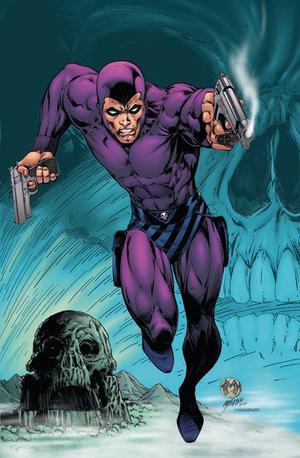
This is a column that focuses on something or some things from the comic book sphere of influence that may not get the credit and recognition it deserves. Whether that’s a list of comic book movies, ongoing comics, or a set of stories featuring a certain character. The columns may take the form of a bullet pointed list, or a slightly longer thinkpiece – there’s really no formula for this other than whether the things being covered are Underrated in some way. This week: The Phantom.
First appearing in newspapers on February 17, 1936, the Phantom was the first character to wear the skintight costume that has become emblematic of the superhero (inspired, it turns out, by stage productions of Robin Hood). He was also the first character to wear a mask with no visible pupils; the Phantom’s creator, Lee Falk, explained that Ancient Greek busts inspired the idea of the not showing the Phantom’s pupils when he was wearing his mask, incorrectly believing that the statues had no pupils, when instead it was just that the paint had faded over the centuries. But Falk felt the pupil-less eyes gave the statues an inhuman, awe-inspiring appearance – ideal for the Ghost That Walks.
The Phantom has been in continuous publication since he debuted as a newspaper strip in 1936, with Lee Falk continuing to write the character until his death in 1999 (let that sink in for a moment. That’s sixty three years on the same character), although before he died, Falk dictated his final Phantom story to his wife from his death bed.
The essence of the Phantom is that he is an undying ghost destined to protect the fictional country of Bengala, located in Africa, from the evil Singh Brotherhood – originally a gang of pirates, though they manage to evolve with the times. The Phantom’s reputation as The Ghost That Walks comes from his longevity – Bengala has been protected by the Phantom since the early 1500’s, but it hasn’t always been the same man. Son takes over the mantle from father, over and over, giving the impression of immortality to his enemies (establishing the character as the first true legacy hero in comics).
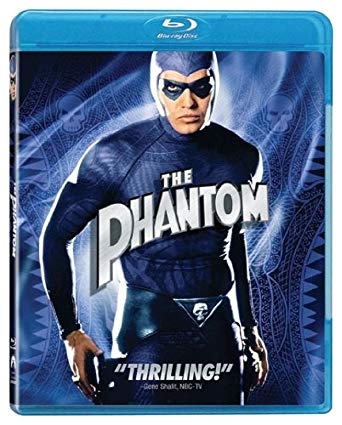
The reason I’ve gone in to such detail about the character is because I have finally found the 1996 movie on DVD from Amazon. I say finally because I’ve been looking on and off for this movie for quite some time. It hasn’t been on any streaming service that I subscribe to, and it comes and goes from online stores – usually for more than I want to pay for a Blu-ray. In the end, I needed to bulk up an Amazon order for free shipping, and the DVD was $7* or so – well worth the price for the movie.
*(Before you ask, my wife has Amazon Prime, so I could have gotten free shipping, but for some reason the item I wanted, a low end drawing tablet, gave me a coupon and not her so in the end the DVD was closer to $2 – which is an absolute bargain).
It had been nearly twenty years since I had seen this movie, and after the glut of big budget super hero films, and so I was curious as to whether it would hold up as more than a nostalgic diversion or whether it would still be a good film in its own right. Billy Zane’s performance is solid enough, though the script doesn’t give him much to do; Treat Williams commands the screen as a wonderfully camp comic book villain with just enough of a sinister bent to make you nervous; Kirsty Swanson and Catherine Zeta Jones are both able to play strong, if fairly one dimensional characters; and James Remar is James Remar – an actor who will never give a bad performance (you may see a bad movie with him in it, but it wasn’t bad because of him).
You might think that I’m going to start ragging on the movie, but I genuinely enjoyed it. It was exactly what I hoped it would be, and indeed remembered it as; a good movie that stuck to the core concepts of the Phantom (as I remembered them); the Phantom doesn’t shoot to kill, his horse and wolf are in the movie, the stunts and effects haven’t aged brilliantly, but they’re still not terrible (the only time that you really notice anything is anytime a vehicle crashes into a ball of flames; everything else is forgivable or still holds up).
Yes, it’s a kitschy movie, and the Phantom isn’t the one man wrecking machine that super heroes have become in movies today – which oddly keeps the flick pretty grounded – but it is a really fun film.
I am absolutely going to watch the movie again. And again.
If you’re curious about the Phantom in the comics, well although the character has been in continuous publication in newspaper strips from the 30’s, The Ghost Who Walks has also appeared in several comic books throughout the last few decades – the most recent of which was Dynamite Entertainment’s The Last Phantom, a fantastic 12 issue modern take on this legendary character that I highly recommend. You can find the issues collected under The Last Phantom: Ghost Walk andJungle Rules.
Join us next week when we look at something else that is, for whatever reason, Underrated.
After whatever the hell 2023 was, I got back into comics in 2024. The Absolute and Ultimate lines helped me get back into Marvel and DC’s output, and I also finally read some stone cold classics, both old and new, like Starman, GenderQueer, 20th Century Men, and Something is Killing the Children. I really love that I can get Silver Sprocket’s books from Comics Plus and Hoopla from my public library, and even though I’m not a New Year’s Resolution person, I definitely plan on reading more of their catalog in 2025 (Caroline Cash’s Peepee Poopoo calls my name!) as well as the back half of Starman, Planetary, finally finding out what actually happened to Krakoa in the X-Books, and keeping up with new titles. (Metamorpho and New Gods were two year end bangers!)
Without further ado, here are my favorite ten comics of 2024
One of the happiest surprises of 2024 was the release of one last issue of Joe Matt’s Peepshow a year after his untimely passing. This comic deals with Matt moving to Los Angeles to pitch a TV version of Peepshow to HBO and deals with similar subject matter as the previous decades of the book like his frugality, personal feelings of inadequacies, and yes, obsession with Asian women. However, occasional distasteful subject matter aside, Peepshow #15 shows a cartoonist’s cartoonist at the height of his craft with impeccably placed sweat beads and speed lines as Joe Matt has another existential crisis. It’s also a love letter to a comics medium with one of Matt’s friends entreating both him and the reader to pore over some of the comics taking up space in his apartment.
In the launch title for DC’s new Absolute line, Scott Snyder, Nick Dragotta, and Frank Martin rebuild and revise the Caped Crusader from the ground up. Absolute Batmantakes elements from Frank Miller’s works, various Bat-films, and Snyder’s previous work with the character to create a beefy, working class Batman, who is currently bestie with what might later become his Rogue’s gallery. Scott Snyder and Dragotta take aim at school shootings, the prison industrial complex, and cryptocurrency while having entertaining action and chase sequences. They’re three issues into building a universe, and I’m excited to see where this book goes in 2025.
Rick Remender, Brian Posehn, Brett Parson, and Moreno Dinisio’s Grommets is a semi-autobiographical love letter to 1980s skate and punk culture set in the Sacramento suburbs. Remender and Posehn draw on their own experiences as teenagers while Parson and Dinisio turn them up to eleven with detailed and period-accurate visuals that are something out of Mad Magazine. It’s fun to watch Rick and Brian’s misadventures and the ups and downs of their friendship, especially once a timer is put on it when Rick’s parents tell him they’re moving to Phoenix. The past few issues of the series have been literal bloodbaths as punks and jocks clash, and of course, the cops don’t take the jocks’ side. Grommets really captures how epic, hilarious, and occasionally sad growing up was.
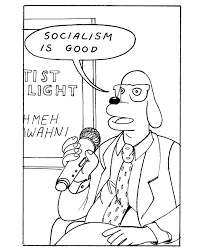
I read Sami Alwani’s Ignatz-winning “The Happy Art” on his Instagram, but it’s also available in the Pulping “Comics on Comics” anthology. “The Happy Art” is a quite meta comic about how hard it is to appeal to different audiences in comics and also about collective thinking, cancel culture, and all that jazz. Alwani portrays himself as a dog, and the story reaches new heights of absurdity with each page. I love the juxtaposition of Gen Z lingo with a fanatical love for comics as a medium, and how it changes styles and POV with each panel. Saehmeh is indeed based, and so is this very accessible comic.
Zoe Tunnell, Sebastian Piriz, and Rebecca Nalty tell a cute queer love story against the backdrop of kaiju attacks in Godzilla Valentine’s Day Special. Kaiju romcom is kind of the perfect subgenre, and Tunnell gives the full progression of the relationship between unemployed burnout-turned-monster chaser Piper and Earth Defense Force soldier Tam from loathing to sweet loving. On the art side, Piriz gets to dig deep into Toho’s library of critters, including a battle royale between Godzilla and MechaGodzilla that shows that building bigger bombs and weapons doesn’t lead to peace, but just more war. It’s also interesting to see the portrayal of the King of Monsters change as the book progresses from something jarring and life-changing to just a reality of life. This could also be a metaphor for the progression of a romantic relationship as well.
5. Belly Full of Heart (Silver Sprocket)
Madeline Mouse’s Belly Full of Heart is queer softness, love, and desire in fluid comic book short story format. Mouse uses pomegranates, starfish, cars, Adidas slides, and more as visual metaphors for love. Their vignettes flow from page to page and color palette to palette in a way that feels like a warm hug multiplied by eleven. Belly Full of Heart throws plot out of the window and focuses on feelings and vibes instead. It’s also full of silly humor with “Kissin’ at the beach/Pissin’ at the beach” getting inducted into the kind of rhyming couplet hall of fame. Belly Full of Heart captures the feeling of being 100% yourself around another person as Madeline Mouse rejects rigid panel boundaries and embraces hand lettering to craft one of the most beautiful and gender euphoric comics of 2024.
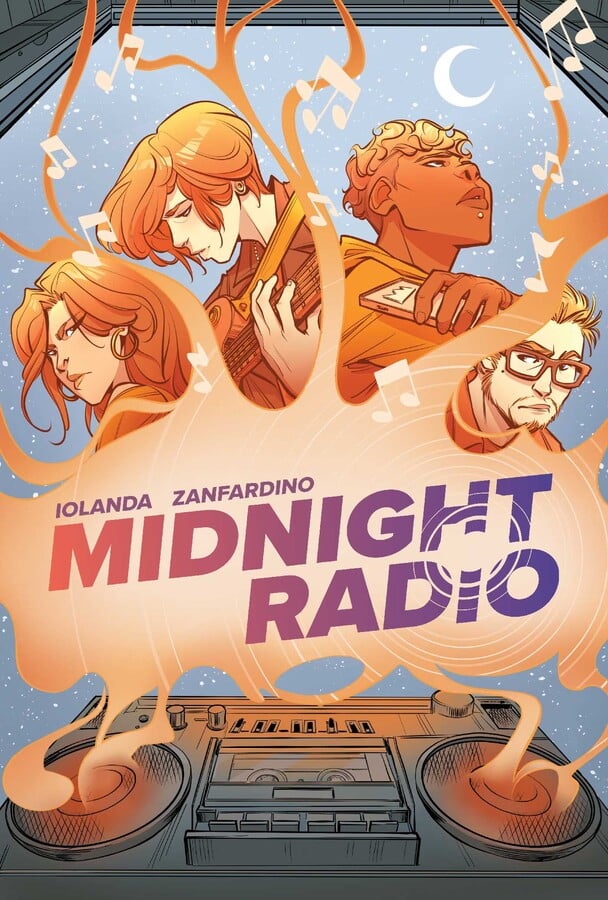
I know that Midnight Radio technically came out in 2019, but it got a special edition remaster from writer/artist Iolanda Zanfardino so it’s eligible for my “Favorite Comics of 2024” list. Using a distinct color palette for each protagonist, Midnight Radio follows the lives of a diverse cast of characters brough together by a mysterious radio message urging them to be their own authentic selves. There’s a plotline with a healthcare company being responsible for the deaths of many people that was painfully relevant last year, and Zanfardino explores even more social issues like racism, xenophobia, social media addiction, and violence against queer people throughout her story. However, the main draw of Midnight Radio for me was the characters breaking off the shackles of corporate jobs, corrupt cops, unwelcoming families, and societal pressure and finding fulfillment through a variety of types of art, including indie games, music, and more!
Deniz Camp, Juan Frigeri, and Phil Noto’s Ultimates is anti-imperialist team superhero comic published by the world’s largest entertainment corporation that is also an ode to the single issue. As a collective unit, Ultimates builds to the assembling of Earth-6160’s mightiest heroes and the return of the Maker. However, Camp does the opposite of writing for the trade and gives each single issue its own flair. For example, Ultimates #4 is about Dr. Doom trying to bring the Fantastic Four back and can be read in five distinct ways to tell his tragic story with Noto channeling his inner Dave Gibbons and creating gorgeous symmetry. Deniz Camp and Frigeri connect new takes on She-Hulk and Hawkeye to the violence done towards the indigenous people of the Pacific islands and North America and breathe new life into old school anti-fascists Captain America and Jim Hammond’s Human Torch. Ultimates feels a lot like if Angela Davis wrote the Avengers, and that is a high compliment.
Influenced by comic book history as well as his own experiences as a cartoonist, Chip Zdarsky’s Public Domainis part love/hate letter to the medium and dysfunctional family drama. Public Domain #6-10 shows how the sausage is made with Dallas Comics trying to beat the clock and their new take on iconic superhero, The Domain. Along the way, there are old men arguing at bars, thinly veiled analogues for “star” comic book creators, and a look back at a love affair. Public Domain shows the difficulty of being creative under corporate constraints and also having a personal life while being caught up in the wringer of the comic book industry. It comes across as a real passion project for Zdarsky who crams each issue with visual gags, parodies, and of course, heartfelt moments.
Jonathan Hickman, Marco Checchetto, and David Messina’sUltimate Spider-Man was twelve issues of comic book comfort food as Peter Parker gets his powers as a thirty-something and must learn how to use them in a world undergirded by evil and corruption. In opposition to certain other writers and editors, Ultimate Spider-Man shows that a married with children Spider-Man comic can be compelling. There’s nothing like struggling fighting the Shocker while one kid knows your secret identity, and the other doesn’t and is kind of besties with J. Jonah Jameson. Speaking of Jameson, the story that showcased him and Uncle Ben digging into the Kingpin and Oscorp might have been the single issue of the year as the two old school newspapermen show their work and speak truth to power. On the art side, Checchetto brings a sleek high tech sheen to the suits and fights while not losing that classic Spider-Man charm, and Messina does a good job of holding down the fort in his fill-in issues. All in all, Ultimate Spider-Man (2024) is the Spider-Man comic I needed at 31 like Ultimate Spider-Man (2000) was the Spider-Man comic I needed at 13, and I love that it wrapped up its first year with a dark, Empire Strikes Back type ending.
Demo-Graphics is back! After an almost 4 year break since the last report, I’m relaunching Demo-Graphics because the question still remains… who are comic fans? With a new year, it felt like the right time to bring back the feature monthly and see how trends shift over time.
What is Demo-Graphics?
Each month I dive into data from Facebook looking at the various demographics it can tell us about comic fans. This isn’t hard numbers, purchasers, or “Wednesday warriors,” but best used to show trends in the industry and the potential of the market out there. This has shown the shift towards women being a major force in readers and a shift to the younger demographic.
How does it work?
We use key terms, “likes”, that users have indicated and have come up with our own set to measure each month. There’s over 50 terms used (and no I won’t release them). We stick to specific terms for the industry such as “comics” and “graphic novels” and “one-shots” as well as publishers and leave out broad terms like specific characters or stories. Just because someone likes Batman doesn’t mean they like comics.
Other things to know…
This data is important in that it shows who the potential comic audience could be. These are not purchasers, these are people who have shown an affinity for comics, are potential purchasers, and those with an interest.
Also, with this being online/technology, due to laws and restrictions, those under the age of 13 are underrepresented.
Since the last time this feature was run, Facebook has made adjustments as to what it can report so some data is no longer available and we’ve also added in new data that hasn’t been reported before, and it now presents the data as a wide range. I’ve taken the average of the range. So, if it’s presented as somewhere between 500 and 1,000 people, the number would be 750.
So, let’s kick things off with the big number…
Facebook “Comic Fan” Population: Around 98 million in the United States
I’m honestly kicking myself that I wasn’t tracking this during the pandemic. Interest in collectibles blew up during that time and it’d have been interesting to track how things have shifted. Never before revealed, in January 2023 data was pulled and it revealed a population of 118.3 million. We’ve seen a 17.16% decrease in that two year period and that could match the reported cooling in sales and/or it could also be a decrease in the overall number of individuals on Facebook which was not recorded at the time. In January 2021 the same population was 73 million and in January 2018 it was 57 million.
Gender
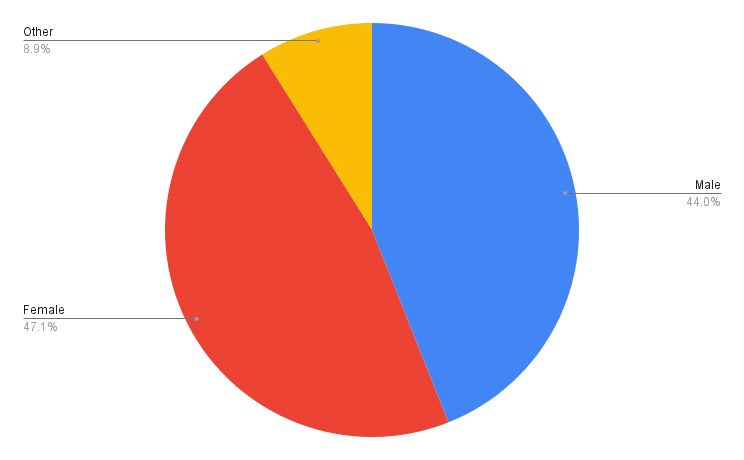
Women still make up the majority of comic fans but those listed as “other” (Facebook is not good on this data) has increased a lot over the years. Women account for 47.12% of the population while men are 43.98%, and other is 8.90%.
Age
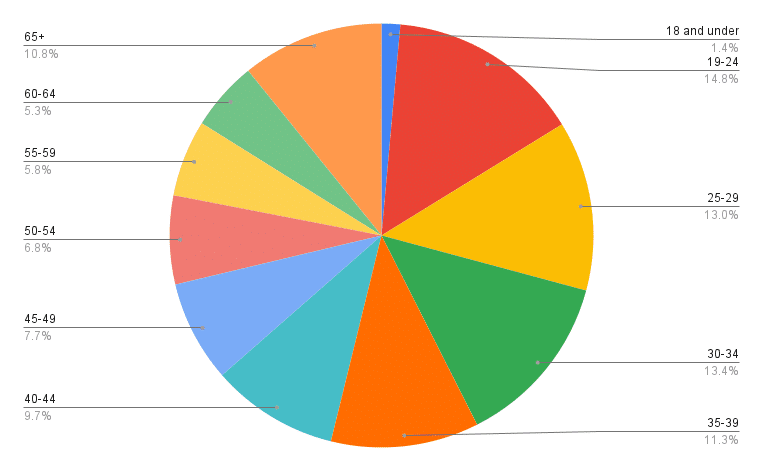
I’ve shifted how I’ve grouped ages so the data is a little different than before. While before “under 18” was one, it’s now “18 and under” with each subsequent grouping being 5 year blocks. This data is absolutely skewed as 1) It is believed younger individuals don’t use Facebook as much in the past and have migrated to other platforms; and 2) Laws restrict what can be collected based on age, ie those under the age of 13 shouldn’t even have accounts. So, younger readers are absolutely under-counted.
Relationship Status
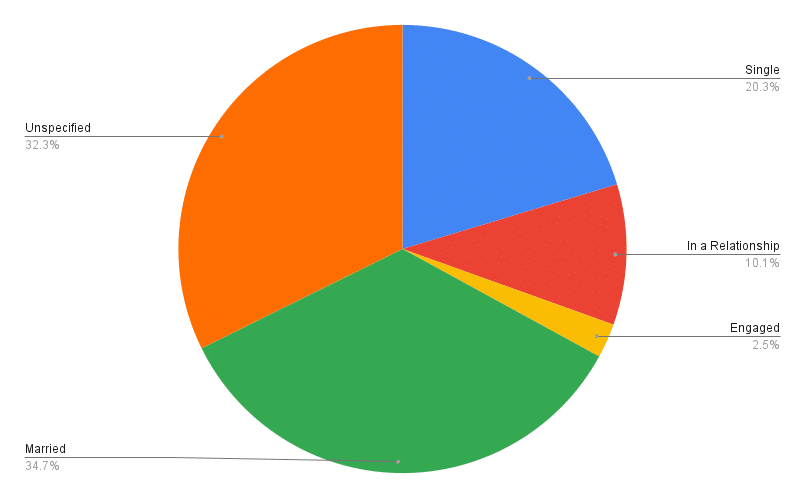
It feels like more are married now with the largest segment being exactly that and the second not reporting their relationship status. It could very well be a sign of an aging population of fans.
New Stats!
Education has been combined to see how many individuals have at least a college degree. About 28.15 million fit that which means 28.72%. In 2022, 37.7% of the American population had at least a college degree.
14.2 million fans, 14.49%, are parents!
And finally, what’s the crossover with fans of board games and video games? 33.5 million, 34.18% of comic fans also enjoy board games. 59.5 million, 60.71% also enjoy video games. Get your licensing engines revving!
What’s Next?
All of this is a re-starting point. Things have shifted in how I’m collecting the data, like age, but it’s been quite a while since I’ve regularly done this. As we move along, we’ll start to look at trends over time.
There’s some legacy data I’m going to try and fill in so we can get a better sense of how things have shifted over time that will hopefully be available next month. And, part of that will be me trying to find the original data files from many computers ago. Lots of work so we can all have a better sense of where things stand! Until next time… what gets measured, gets done!
This is a column that focuses on something or some things from the comic book sphere of influence that may not get the credit and recognition it deserves. Whether that’s a list of comic book movies, ongoing comics, or a set of stories featuring a certain character. The columns may take the form of a bullet pointed list, or a slightly longer thinkpiece – there’s really no formula for this other than whether the things being covered are Underrated in some way.
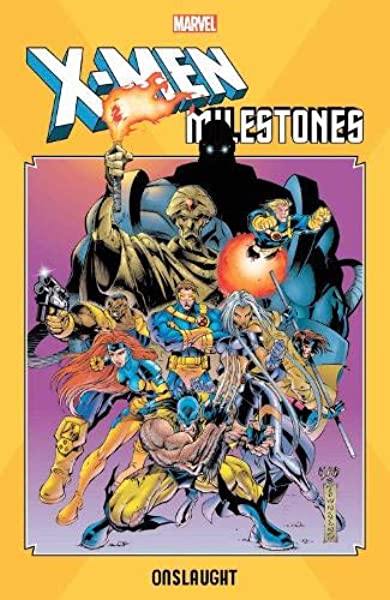
This week: the multi-part crossover event X-Men: The Onslaught Saga.
If I’m totally honest, my Golden Age of X-Men comics is from the mid 90’s to the early 2000’s. This wasn’t exactly when I first started reading the X-Men, that was around 98/99, but because I was largely reading UK reprints, I wasn’t reading the current comics – they were probably always a good two to five years behind what was being published and sold in comic shops depending on the story being presented in the magazine. The reprint magazine had space for three comics in it – this wouldn’t always be three concurrent issues, but was often an issue of Uncanny X-Men and X-Men that were published within the same month and an issue of Uncanny from the 60’s or 70’s). These reprint magazines are actually responsible for the weird dichotomy in my head of knowing the stories very well, but having no context for what issue they came from (yes, the reprint did tell you what comics they were reprinting, but it was much like a tpb; you don’t really notice unless you look in the fine print if the covers).
Over the years, I’ve slowly been picking up and working on completing a run of X-Men comics from issues 100-500, though my focus for years was around 250-400, but because I’ve been largely focused on Uncanny X-Men, I don’t have a lot of the issues that form the giant crossover – if I even have all the Uncanny issues (look, I was often going by cover art and price when picking books up, not sequential numbering, so I have holes everywhere in my collection), so for a story that I really want to read I’ve been picking up collected editions just to be able to read or reread them. There’s collecting for the joy of the hunt and collecting to (re)read the stories – sometimes those things are one and the same, and sometimes they’re not, because I have no intention of risking damaging the early Uncanny issues I own, I’ve also been looking for collected editions of The Dark Phoenix Saga and so on.
Despite having several issues of Uncanny X-Men that comprise the Onslaught Saga, there was a lot I didn’t have, and won’t be getting any time soon, so when I saw this trade for sale at my comic shop I decided to pick it up so I could scratch the itch I had to read it in its entirety.
The Onslaught Saga was a story that came was featured in the reprint magazines just as I had started to read them, and so I ended up missing most of what took place in the story (everything, honestly, other than the aftermath), and so consequently a lot of it was relatively new to me. Sometimes the journey is as important as the conclusion (especially given how two decades later most of the characters in the story are still around).
The basic plot of the story focuses around Xavier losing control after the events of Fatal Attractions (you don’t need to worry about having read that – I still haven’t, though it is in my To-Be-Read pile), and the combined efforts of New York’s heroes to put a stop to his rampage. It’s pure 90’s awesomeness – there’s more destruction that you can shake a stick at, but the story never pulls away from the core focus of the intimate struggle that the heroes face when dealing with an evil Xavier.
The version I read was the X-Men: Milestones trade (pictured above), and it told a very comprehensive story. There was at least one issue missing, but it was tangentially related (Wolverine #105 was a story about Wolverine helping rescue civilians during the battle), so I assume there could be other tie-ins skipped that don’t further the plot, which keeps the tale on point. Which is good because it’s a big trade, clocking in at over 200 pages (closer to 300, I’d guess without counting/checking). It’s easily the best way to read the story, unless you already have the single issues in your collection.
Which I don’t – yet. Oddly, despite my love of the X-Men from the 90’s, I’ve got a lot of holes to fill, which should be pretty easy given how many are in the back issue bins. After all, 90’s comics aren’t all bad, there’s just a huge number of them in longboxes across the country because so many were printed to satisfy a demand that disappeared almost over night. So that just makes them worth less than the comics from the 70’s and 80’s, but it doesn’t mean they’re not any good.
X-Men: The Onslaught Saga eventually leads into Operation: Zero Tolerance, another story I’m also fond of from that era of X-books, and likely subject of another column at some point in the future, as it holds up fairly well to this day.
Join us next week when we look at something else that is, for whatever reason, Underrated.
This is a column that focuses on something or some things from the comic book sphere of influence that may not get the credit and recognition it deserves. Whether that’s a list of comic book movies, ongoing comics, or a set of stories featuring a certain character. The columns may take the form of a bullet pointed list, or a slightly longer thinkpiece – there’s really no formula for this other than whether the things being covered are Underrated in some way.
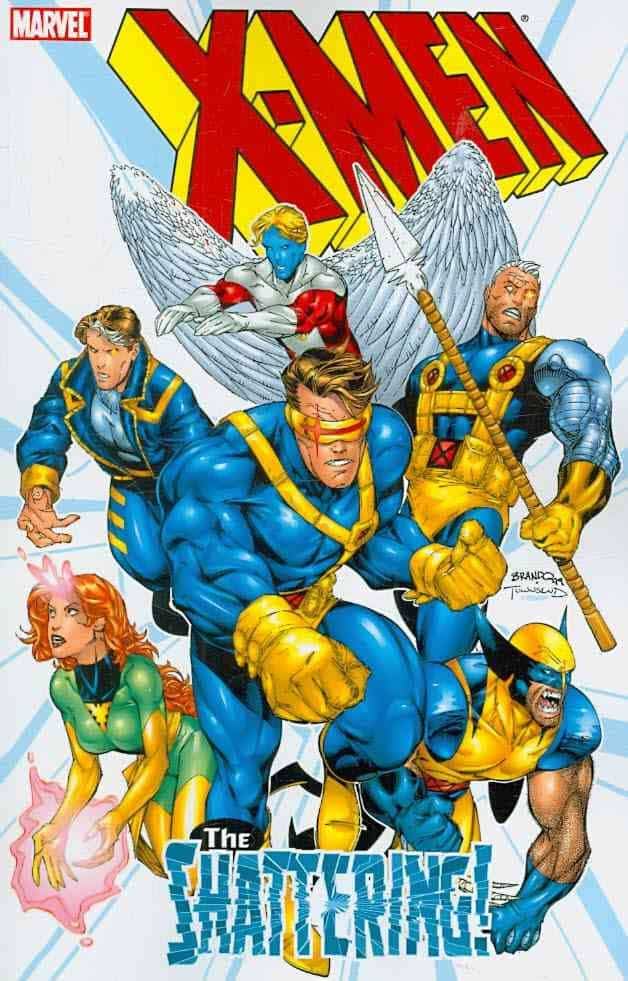
This week: the multi-part crossover event X-Men: The Shattering.
If I’m totally honest, my Golden Age of X-Men comics is from the mid 90’s to the early 2000’s. This wasn’t exactly when I first started reading the X-Men, that was around 98/99, but because I was largely reading UK reprints, I wasn’t reading the current comics – they were probably always a good two to five years behind what was being published and sold in comic shops depending on the story being presented in the magazine. The reprint magazine had space for three comics in it – this wouldn’t always be three concurrent issues, but was often an issue of Uncanny X-Men and X-Men that were published within the same month and an issue of Uncanny from the 60’s or 70’s). These reprint magazines are actually responsible for the weird dichotomy in my head of knowing the stories very well, but having no context for what issue they came from (yes, the reprint did tell you what comics they were reprinting, but it was much like a tpb; you don’t really notice unless you look in the fine print if the covers).
Over the years, I’ve slowly been picking up and working on completing a run of X-Men comics from issues 100-500, though my focus for years was around 250-400, but because I’ve been largely focused on Uncanny X-Men, I don’t have a lot of the issues that form the giant crossover – if I even have all the Uncanny issues (look, I was often going by cover art and price when picking books up, not sequential numbering, so I have holes everywhere in my collection), so for a story that I really want to read I’ve been picking up cheap collected editions just to be able to read or reread them. And because I have no intention of risking damaging the early Uncanny issues I own, I’ve also been looking for collected editions of The Dark Phoenix Saga and so on.
The Shattering was a story that came out just as I was transitioning away from reprints and into the single issues for most series, and so where parts of the comic is familiar to me, a lot of it is relatively fresh – or fresh enough. I’ve got an obvious soft spot for this period of the X-Men, but I acknowledge that not everybody will enjoy the way that Alan Davis tells the story here – though this isn’t the end of the story by any means because the book ends on a cliffhanger that’s already got me scouring online retailers for the next volume (my LCS didn’t have it – I picked this book up from them and didn’t see any others), because I feel the need to follow up on just how this tale ends and I don’t have all the single issues just yet.
I remember reading bits and pieces of this years ago, and was shocked at the time about the revelation on the final page; I won’t reveal it here in case you’ve never read the story and choose to, but reading the trade knowing what was coming does give you an interesting insight into what’s to come.
Oddly, despite my love of the X-Men from the 90’s, I’ve got a lot of holes to fill, which should be pretty easy given how many are in the back issue bins. After all, 90’s comics aren’t all bad, there’s just a huge number of them in longboxes across the country because so many were printed. That just makes them worth less than the comics from the 70’s and 80’s, but it doesn’t mean they’re not any good.
X-Men: The Shattering leads into The Twelve, a story I am reasonably sure I’ve never read, but seems to be full of all the characters I loved the most when I first started reading about Marvel’s merry mutants. Something I was more than happy to do with a story that is far more Underrated than I ever expected.
Join us next week when we look at something else that is, for whatever reason, Underrated.