Tag Archives: caspar wijingaard

Logan’s 10 Favorite Comics of 2025

2025 was a hellscape of a year so in my comics reading habits, I fell hard into the “escapism” genre, including a lot of DC Comics. I don’t know if it was residual goodwill from James Gunn’s Superman, or the fact that they hired some of my favorite writers and artists, but I enjoyed so many books from the company formerly known as National Comics this past year. I also fully embraced the one-shot format this year, and honestly, the majority of this favorite comics list could have been made up of one-shots. I’ve always been a pop single girlie (And even purchased CD singles once upon a time) so it’s natural that I would enjoy this kind of thing in comics whether it’s Archie meeting my favorite stoners from the View Askewniverse, a glorious intercompany crossover between Thor and Shazam, or the singular book that topped this list.
10. The Power Fantasy (Image)

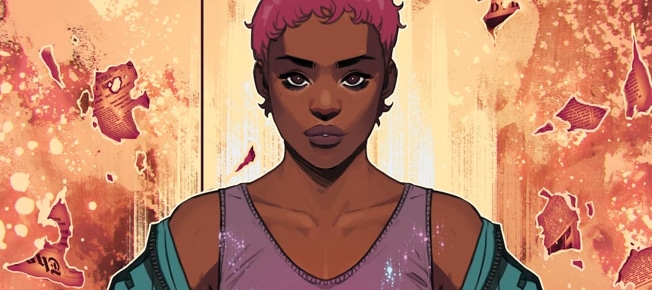
There’s something rewarding about struggling with a comic early on, but eventually embracing and having it become one of your favorites. That describes my relationship with Kieron Gillen and Caspar Wijingaard‘s The Power Fantasy to a tee. I always enjoyed Wijingaard’s approach to fashion, layout, and color palette, but the book’s narrative started to draw me in during year two as he and Gillen toppled dominoes and showed just how frightening a world with godlike heroes could be. This concept has been explored in more juvenile ways in the past (I won’t name any names). However, Kieron Gillen and Caspar Wijingaard take more of a premium cable anti-hero approach in The Power Fantasy that is quite riveting and prioritize ethics and relationships over punching although this book had its fair share of pyrotechnics in 2025.
9. Bytchcraft (Mad Cave)

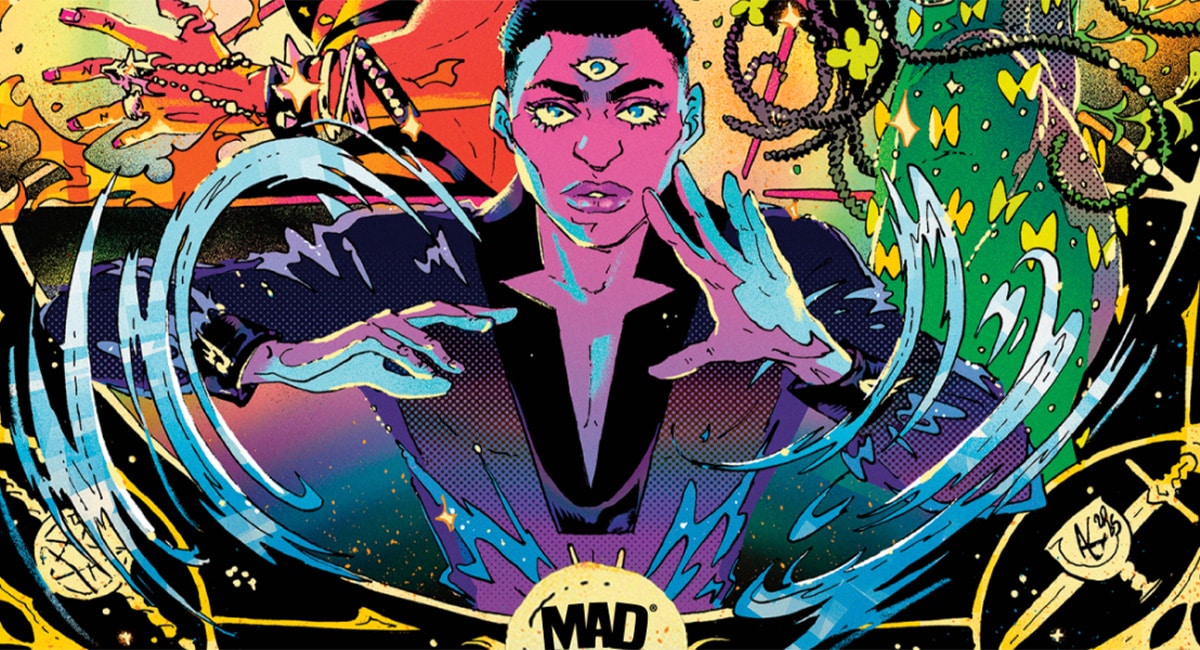
Writer Aaron Reese sadly passed away in January 2025, but they left us with a lasting legacy of Bytchcraft, a magical and fiercely queer series about a coven of witches in New York battling the apocalypse. Reese and artist Lema Carril crafted a world with a fascinating cosmology and magic system that definitely had Buffy the Vampire Slayer, Charmed, or Supernatural vibes, but its cast didn’t resemble the contents of a Duke’s Mayo bottle. Also, Carril’s eye for fashion made the characters some of the best-dressed in comics to go with a flashy color palette from Bex Glendining. Above all, Bytchcraft is a call to be queer and do magick, and I will clutch to it in the coming years.
8. Godzilla: Heist (IDW)

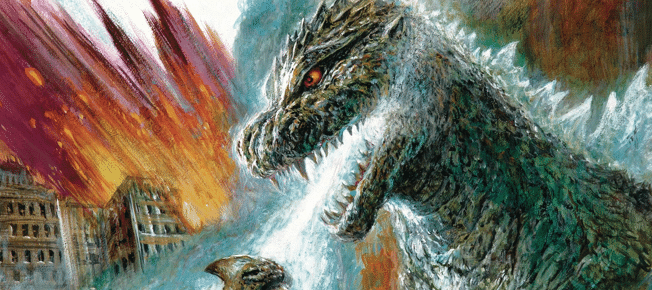
A tense smash and grab job under the nose of a kaiju attack is one of the coolest concepts I’ve heard in a while, and Van Jensen and Kelsey Ramsay pull it off in their Godzilla : Heist miniseries with style, grace, and social commentary. Genre blends are tough to do, but Ramsay’s line art and Heather Breckel’s colors know when to go for gritty urban crime mode or pull it back for the big monster reveal. Plotwise, there’s plenty of cool gadgets, double crosses, and general mayhem, but it’s all grounded by protagonist Jai, who wants to get back at the British government for being imperialist losers and screwing over his mother. And the King of Monsters ends up being the perfect partner for this vengeance quest.
7. The Ultimates (Marvel)

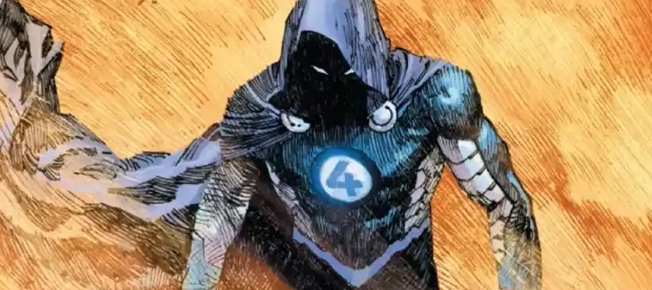
In its second and unfortunately final year, Deniz Camp, Juan Frigeri, and Phil Noto’s The Ultimates continues to be revolutionary pop art. Camp and Frigeri turn corporate mascots into avatars of resistance infusing them with leftist, anti-capitalist, and anti-imperialist ideologies while simultaneously making us care about them larger-than-life human beings. The Ultimates also gives each single issues its own unique identity whether that’s a commentary on the school-to-prison pipeline courtesy of Luke Cage, an epic poem set in Asgard, a kung-fu epic, or the wonderful Noto-drawn issues with Doom aka Earth-6160 Reed Richards trying to recreate the Fantastic Four that can be read in five different ways. It’s one of the best Marvel runs in recent memory, and I bittersweetly look forward to seeing how it all wraps and then going back and following the threads Deniz Camp seeded in early issues.
6. Absolute Wonder Woman (DC)

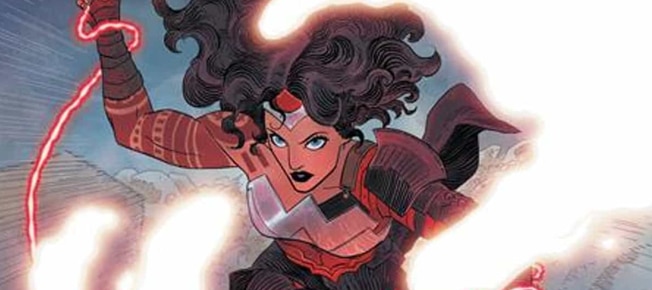
The combination of Hayden Sherman being a layout deity, Jordie Bellaire unleashing a color palette that is part Gothic nightmare and part ancient Greek pottery-inspired, and Kelly Thompson giving Diana a proper heroic-in-the-face-of-darkness character arc made Absolute Wonder Woman one of my favorite reads of 2025. Even the fill-in arcs drawn by Mattia De Iulis and Matias Bergara reveal important information about the cost of Wonder Woman using her abilities and her literally hellish past. But the real highlight is we got an honest to Hera Minotaur/labyrinth plotline featuring the return of some favorites from Greg Rucka’s Wonder Woman run as well as Sherman nailing the claustrophobic feel with their visuals. Also, Absolute Zatanna and the end-of-year crossover with Absolute Batman cemented this book as a proper blockbuster title.
5. Krypto: The Last Dog of Krypton (DC)

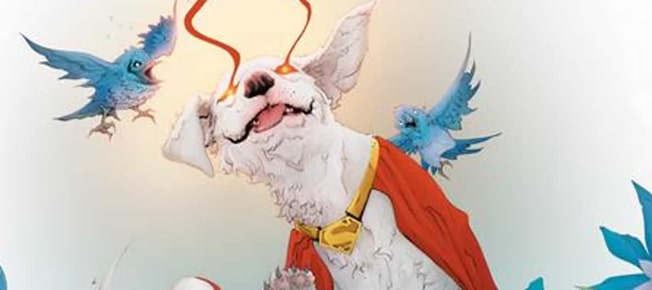
Ryan North, Mike Norton, and Ian Herring’s Krypto : The Last Dog of Krypton was the one comic in 2025 that made ugly cry. Structured by seasons, Krypto explored tough topics like death and pet abuse in an honest, yet empathetic way and was also filled with a multitude of wholesome moments establishing its protagonist as the ultimate good boy. (Who can sometimes be naughty.) North and Norton drop the Silver Age concept of Krypto being able to talk and instead rely on body language and gestures to move the story forward. He also provides a listening ear and insight into characters like Lex Luthor and Superboy as well as the ordinary folks who cross his paths. Krypto : The Last Dog of Krypton isn’t just *the* definitive Krypto comic, but an evergreen for DC in general.
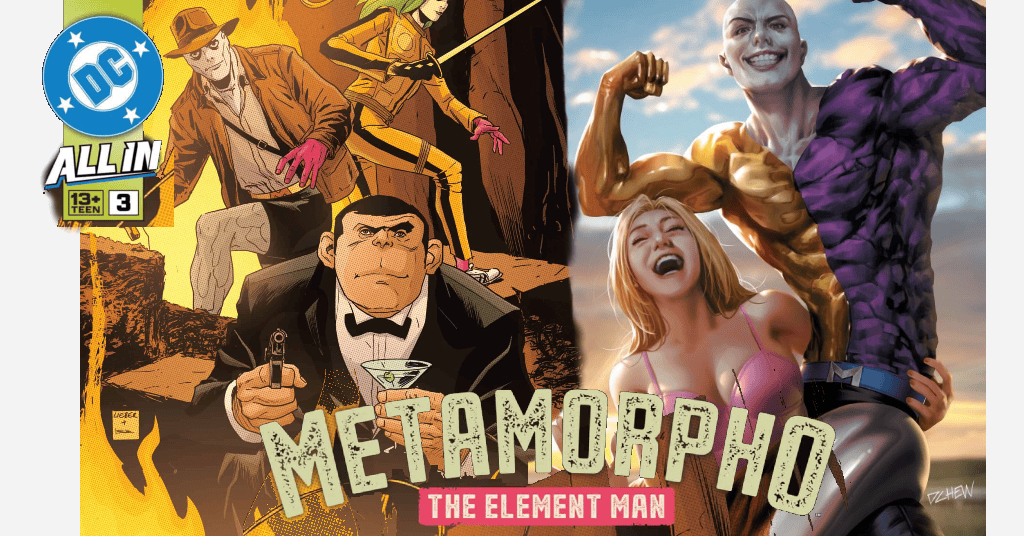
4. Metamorpho, The Element Man (DC)

Al Ewing, Steve Lieber, and Lee Loughridge’s beyond sadly cut short six issue Metamorpho, The Element Man series (Right before its lead’s triumphant big screen debut.) was the funniest and most clever comic of 2025. On the surface, Metamorpho is a send-up of Silver Age comics with Ewing channeling the late Stan Lee in his omniscient, mock-Beat, fourth wall leaning narration. However, as the series progressed and revealed its Big Bad, Metamorpho revealed itself as a love letter to the weird and wacky side of superhero comics, which is something I feel like DC has over Marvel. (See the Brotherhood of Dada and Brother Power the Geek, for example.) To name a few things, we had a Mod-themed antagonist, a supervillainous skewering of generative AI, and an emotional arc for Simon Stagg’s Neanderthal servant, Java. Finally, this book wouldn’t have succeeded without Lieber’s period-perfect visuals and impeccable comedic timing, especially during the more espionage-tinged issues where he pulls off Jim Steranko-esque layouts without being a weird racist.
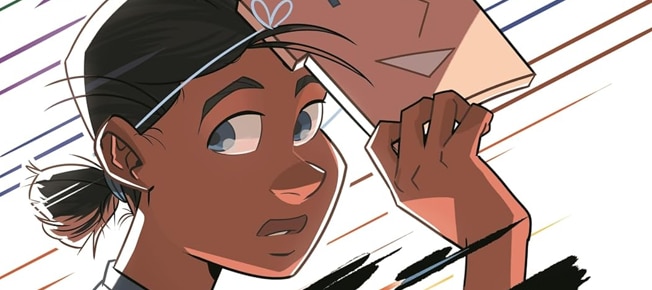
3. Flip (First Second)

Cartoonist Ngozi Ukazu puts an original spin on the body swap genre in her graphic novel, Flip. In the book, a Black working class nerdy girl named Chi-Chi swamps bodies with a wealthy white jock named Flip Henderson, who she has a crush on and accidentally asks to the school dance via Power Point in an engaging, embarrassing opening scene. Flip showcases Ukazu’s skills with character acting, and it’s rewarding to slow down and see how Flip and Chi-Chi move differently in each other’s bodies. The story also has poignant commentary on race, class, and mental health, but also fun K-Pop dances and fandom. Seriously, every time Chi-Chi, her friends, and eventually Flip chat about their favorite K-Pop group and their biases, the comic takes on a sparkling energy. In a world of full of division, Flip makes the bold call to empathize with folks, who have different experiences, in an entertaining way.
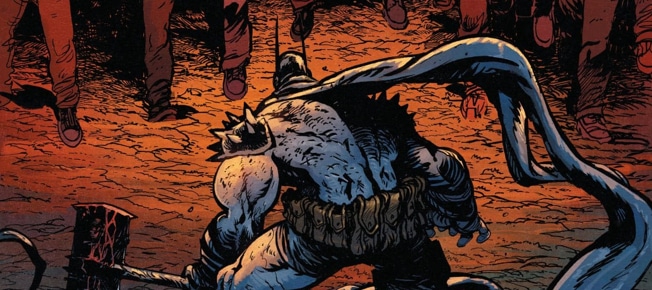
2. Absolute Batman (DC)

After a strong launch in 2024, Scott Snyder, Nick Dragotta, Marcos Martin, Clay Mann, and Jock’s Absolute Batman reached masterpiece status this year finishing especially strong with the conclusion of the horrific “Abomination” arc and even more horrifying stand-alone story that introduced Absolute Joker. Toxic, working class, and incredibly jacked Batman just works in our day and age, and Snyder and company aren’t afraid to take big swings and put truly original spins on iconic heroes, villains, and all the folks in-between. Reading this comic is like taking both a physical and psychological beating, and there is real power in the punches and moves Dragotta draws and in Martin’s flat colors. And the lobster to this juicy steak of a comic is the Absolute Batman Annual where skilled cartoonists like Daniel Warren Johnson, James Harren, and Meredith McClaren put their own stamp on this grimdark universe and also draw Batman breaking Nazis’ limbs and doing cool wrestling moves.
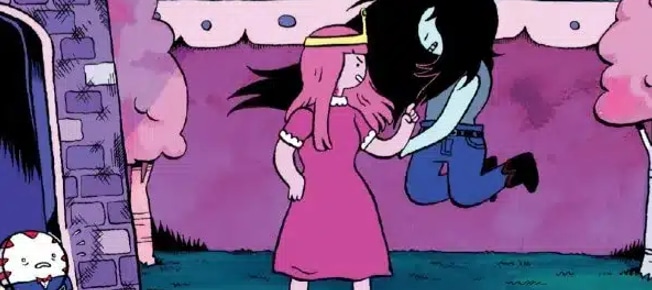
1. Adventure Time: The Bubbline College Special (Oni Press)

My favorite comic was Adventure Time : The Bubbline College Special aka the cutest sapphic romance ever between a STEM princess and a humanities vampire queen. This one-shot from one of the most hilarious cartoonists in the game, Caroline Cash, is a love letter to slow burn romances, fan fiction, unexpected LGBTQ+ representation in pop culture, and finding someone you connect with even if you start out on the wrong foot. Cash’s color palette revels in the trippy weirdness of the Adventure Time universe while still making room for tender glances and shoulder brushes. It hits the right balance between indie and mainstream, which is about perfect for my own personal comics-enjoying aesthetic.

Honorable mentions: Giant-Size Criminal (Image), Street Sharks (Oni Press), Exquisite Corpses (Image), DC x Sonic the Hedgehog (DC/IDW), Thor/Shazam (Marvel/DC)
The Power Fantasy #6 Introduces the 21st Century Superpower Boy

“Tried to tell you about no control
But now I really don’t know
And then you told me how bad you had to suffer
Is that really all you have to offer?”- Bad Religion “21st Century (Digital Boy)”

The Power Fantasy #6

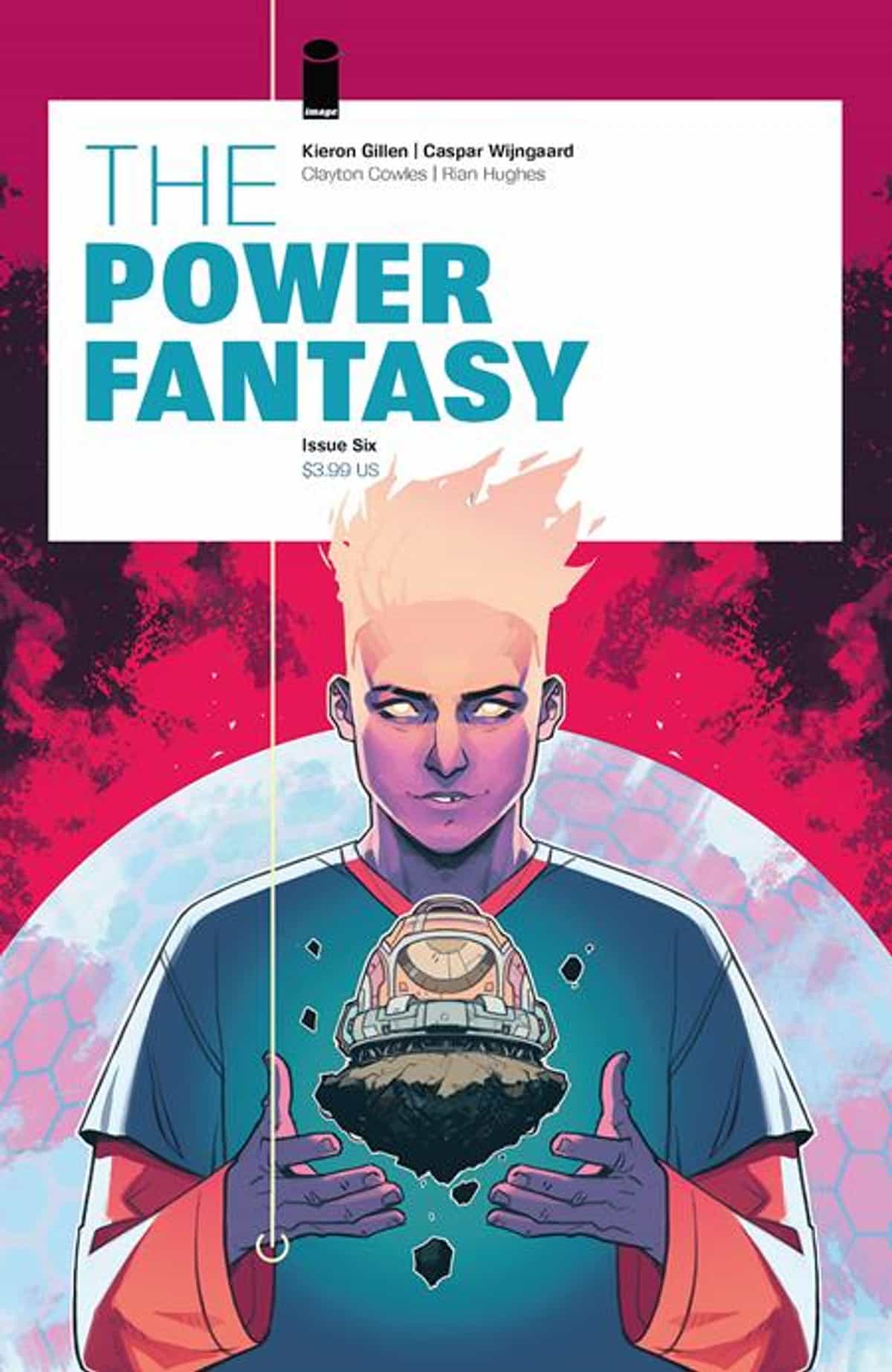
The fragile alliances of the Superpowers stand even more on the brink as Heavy’s secret plan unfolds. With the future reveal of Kid Ignition as a secret seventh superpower to the world, the potential doomsday quickly draws closer and threatens the safeguards Lux placed. Mixed with Magus directly arming the United States as the new Secretary of Magic, the remaining Superpowers need to tread lightly before it quickly goes up pear-shaped. If the beginning of the world started in a big bang, then the potential end arrived from another one in Kieron Gillen and Caspar Wijngaard’s The Power Fantasy #6.

Teased as the “teenage Limp Bizkit fan who could destroy the world,” Kid Ignition embodies not only the typical bravado of a seventeen-year-old concerned with sex, horror movies, and skateboarding mixed with the destructive power of an atomic bomb thanks to Gillen’s writing and Wijngaard’s art. The combination of youthful relatability with potentially destroying the world adds to the darker layers of the character. He has some concept of normalcy but cannot be genuinely normal due to his status as a Superpower. He cannot be a regular kid. If the adult Superpowers can barely keep it together, then a teenage version could do it even less successfully. 

We also get three aspects of attempting control and holding power with Heavy, Lux, and Magus. Because of Kid Ignition, Heavy has an ace up his sleeve, and if anyone tried to attack him or Haven, then his son’s threat of retaliation prevented it. Lux, through Tonya, gains information about Heavy’s plans to keep the various alliances in check. Then comes Magus, hoping to transform the military into an extension of his pyramid to gain more power to combat the others. They all believe they know what’s best for the world and want to jockey for control over each other. As they get closer to the brink, all that matters will be who pulls the trigger.

The Power Fantasy #6 also reinforces its meditations on the fears of the future with Heavy and Kid Ignition. Prophesied by an atomic that his son would be a Superpower, Heavy founded Haven to hide his future child and raise him. Stating his desire to raise Kid Ignition to protect him, the line blurs between parental and political due to Heavy viewing him as a chess piece on the board. Especially with not having the choice of being a superpower but existing due to Heavy’s wishes, Kid Ignition is akin to a weapon instead of a person. Even being trapped in the orb on Haven, away from any outside prying eyes, robs him of a potential childhood and only knowledge of the world around the Family. Heavy will do whatever it takes to protect Atomics’ future and use his child to secure it.

Wijngaard’s linework, paneling, and coloring, combined with Clayton Cowles’s lettering, make it another exquisite and striking issue. Wijngaard knows how to build tension through body language, timing, and emotion. Nothing is truly wasted in the art department. The Power Fantasy #6 begins the new arc and accelerates the potential end of the world thanks in part to a hormonally charged teenager.  

Story: Kieron Gillen Art/Colors: Caspar Wijngaard Letterer: Clayton Cowles
Story: 10 Art: 10 Overall: 10 Recommendation: Read

Image Comics provided Graphic Policy with a FREE copy for review


Purchase: Zeus Comics Kindle

The Power Fantasy #1 is the next chapter in the almost 100 year old history of superhero comics

Warning: this review contains spoilers

The Power Fantasy #1

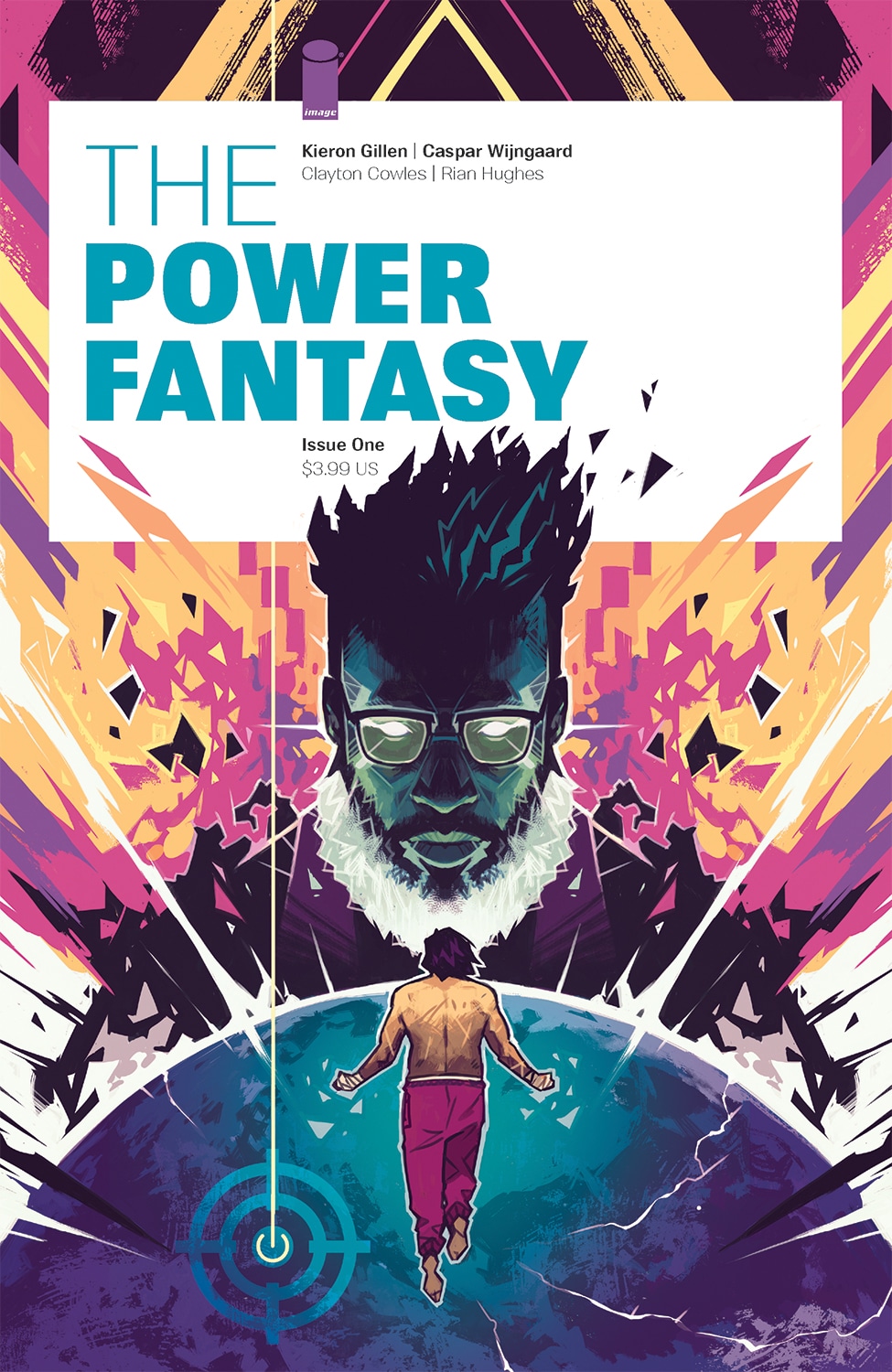
The next chapter in the almost 100 year old history of superhero comics is here, and it’s The Power Fantasy #1 by Kieron Gillen, Caspar Wijingaard, and Clayton Cowles. The basic premise of the series is that there are six beings in the world known as “superpowers” because they have the strength of a nuclear arsenal of a world power. A battle between two superpowers doesn’t lead to billing Damage Control or Wayne Enterprises, but an actual effect on the geopolitical order. So, it’s fitting that this first issue is structured around two conversations featuring Etienne Lux, the world’s most powerful psychic, and Valentina, an angelic pop music lover in 1966 and Tonya, a reporter who can make her fingers light up in 1999. Etienne sets up the theory of the world, the praxis immediately knocks it down, and readers get one of the most innovative, forward thinking superhero comics since Miracleman. But it features contemporary pacing and slick visuals plus Cowles’ colored word balloons make Etienne’s psychic chats even more engaging.

Although there are six superpowers in The Power Fantasy plus folks with lower level abilities like Tonya, Gillen and Wijingaard wisely focus on Etienne Lux in the first issue. Etienne is a public intellectual, who tries and fails to come across as humble. He also has a hyperfixation with ethics, which makes sense because his power set means he can make anyone do anything. Like Professor X in some iterations of X-Men, Etienne is quite well-read and gets a boost from skimming the minds of other people. He name drops Bertrand Russell, Kant, and the Beach Boys as he tries figure out what role he and the superpowers play in the world. In conversation, he flirts with authoritarianism, genocide, and seems really into benevolent dictatorships. Etienne tries to live in the grey areas and keep a Cold War detente, but with some of the other superpowers that pop up in this issue, this isn’t going to cut it.

Caspar Wijingaard brings mood and a feeling of time and place to The Power Fantasy #1 and punches up the talkier, early bits of the comics. (But with these characters, a conversation is basically a fight scene.) His color palette for the 1966 evokes the warmth of listening to Pet Sounds for the first time, the needle crackling on your parents’ turntable with faded tie dye t-shirts and peace beads in the attic. However, he immediately leaves this nostalgic ambience for more direct, flat background colors as Etienne and Valentina debate the role they’re going to play in the world. Finally, Wijingaard’s colors reach a new level when the superpowers actually use their abilities. The double page compositions almost sneak up on you as Etienne droning to a reporter about past events turns into something a little more summer blockbuster. In addition to his and Gillen’s storytelling chops shown through Etienne and his 1999 rival Heavy having different panel layouts when they talk, Caspar Wijingaard’s character designs are striking and adds to the richness of the world even though we only get the tiniest glimpses of superpowers like Eliza and Masumi.

From the genre’s earliest days, writers, artists, directors, and showrunners have pondered the question, “What if superheroes were real?”, but even something interesting like The Boys TV show (I haven’t seen the latest season.) devolves into heroes vs villains as part of a neverending soap opera. This is why Watchmen having a finite end served it so well even as Warner Brothers/DC Comics continues to exhume its corpse. The Power Fantasy goes a step forward and shows how status quo shifting even six Superman/Dr. Manhattan/Omega mutant type individuals would have on the world. Let’s just say Etienne is one scary guy.

The Power Fantasy #1 is a smart, fresh, and thought-provoking take on the superhero genre. Kieron Gillen and Caspar Wijingaard craft a world that is pure catnip for folks who did all the history reading in school, but also like pop music and fashion.

Story: Kieron Gillen Art: Caspar Wijingaard Letters: Clayton Cowles
Story: 9.6 Art: 9.4 Overall: 9.5 Verdict: Buy

Image Comics provided Graphic Policy with a FREE copy for review


Purchase: Zeus ComicsKindle

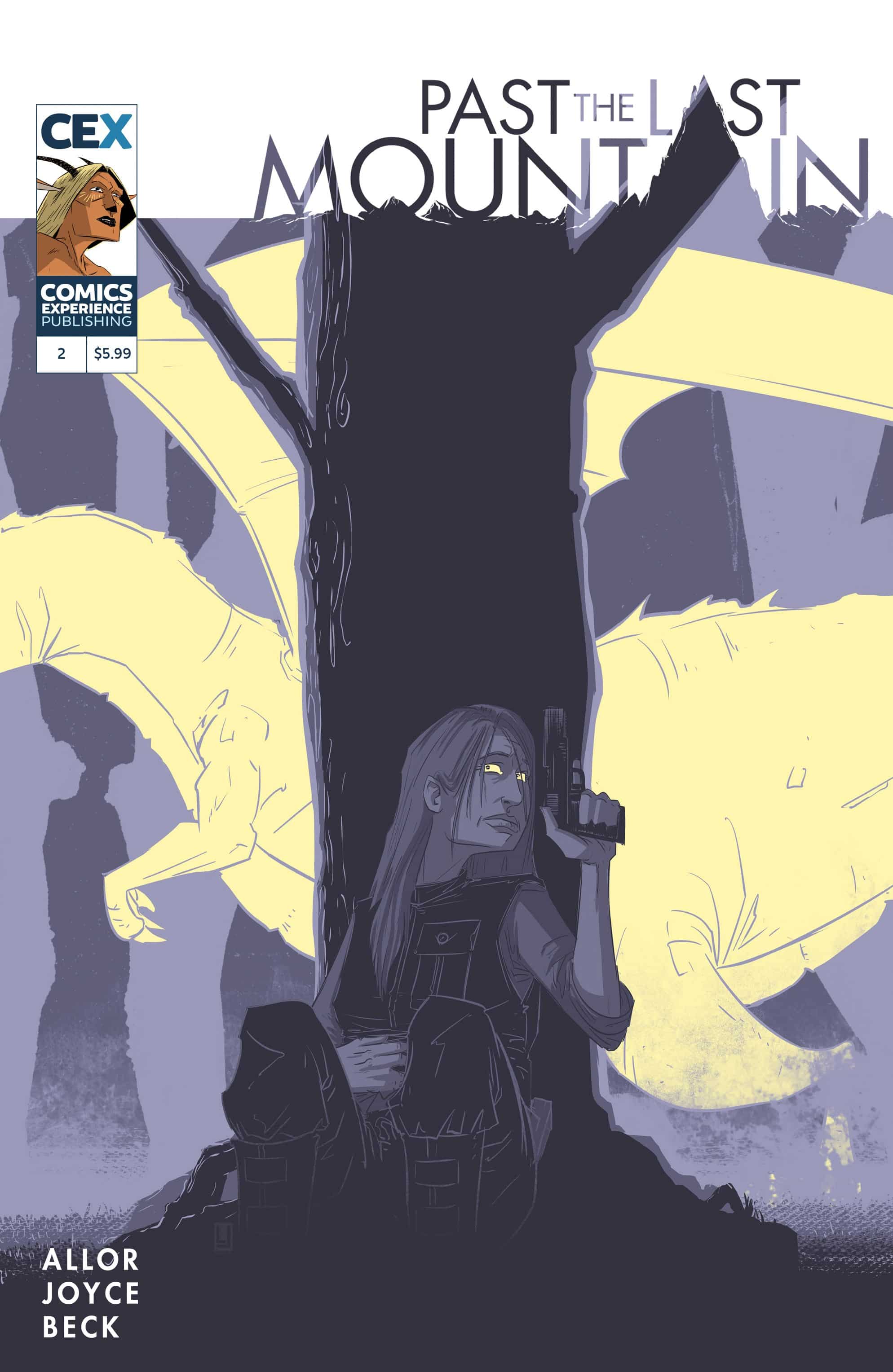
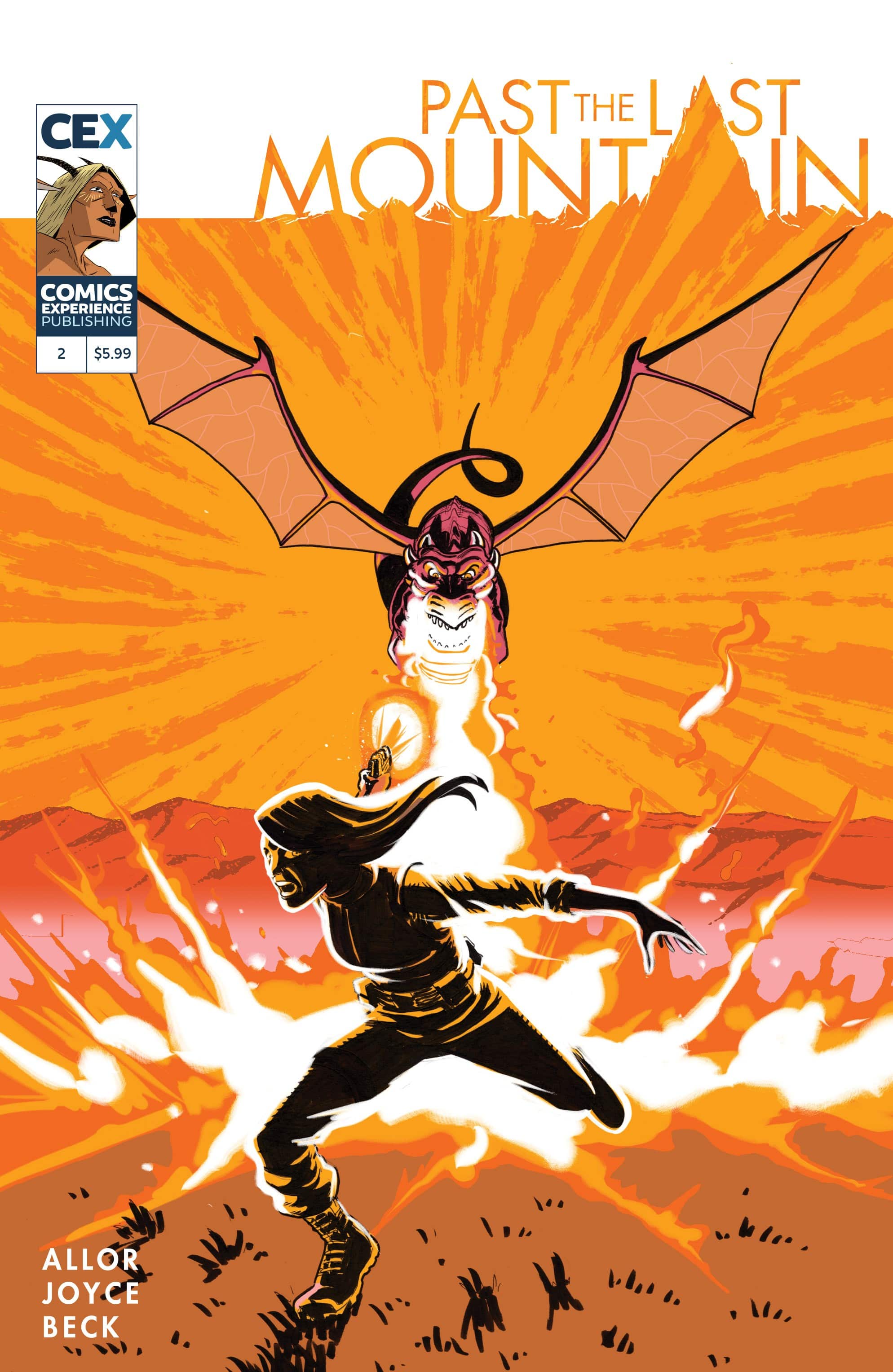
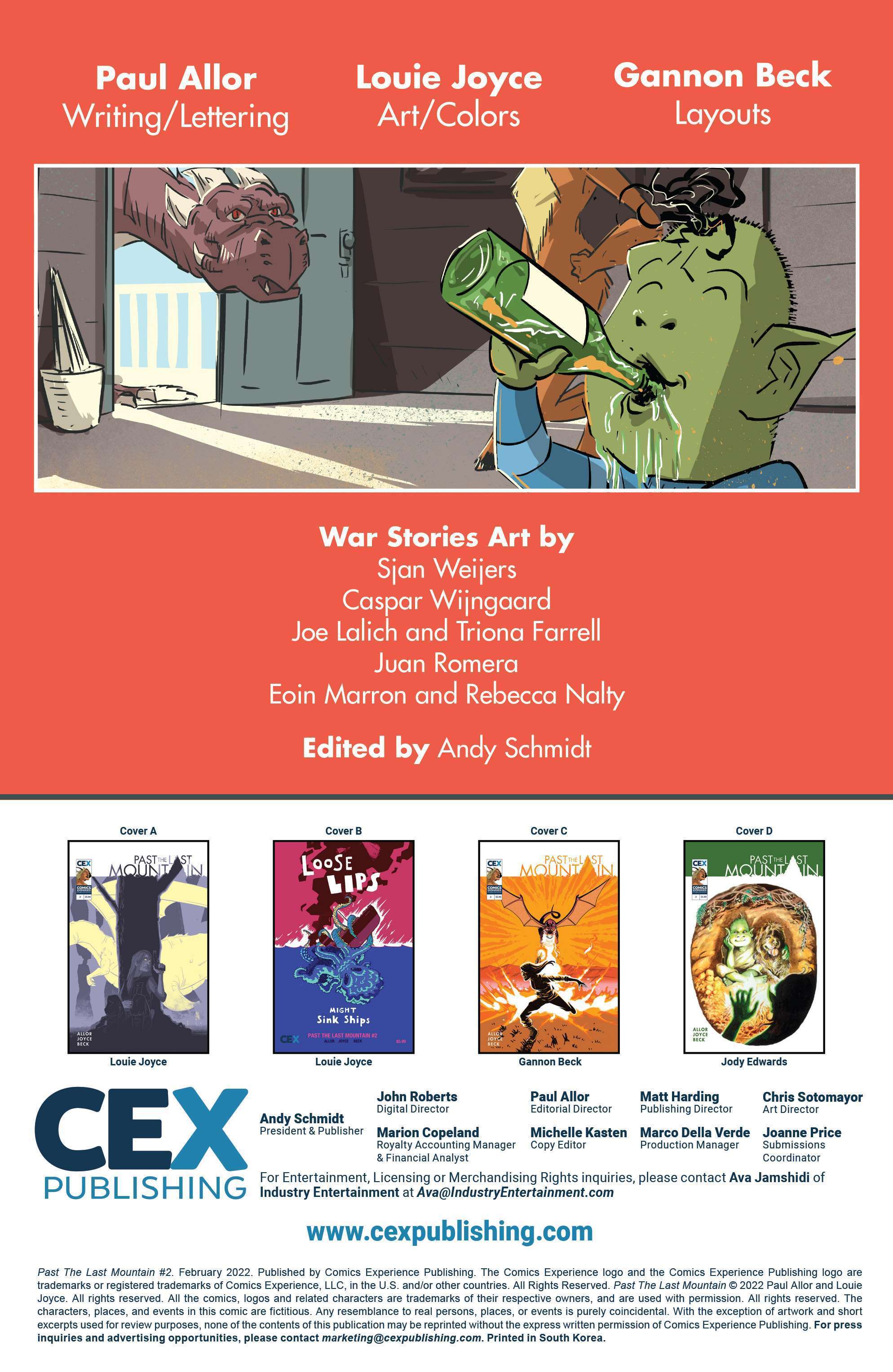
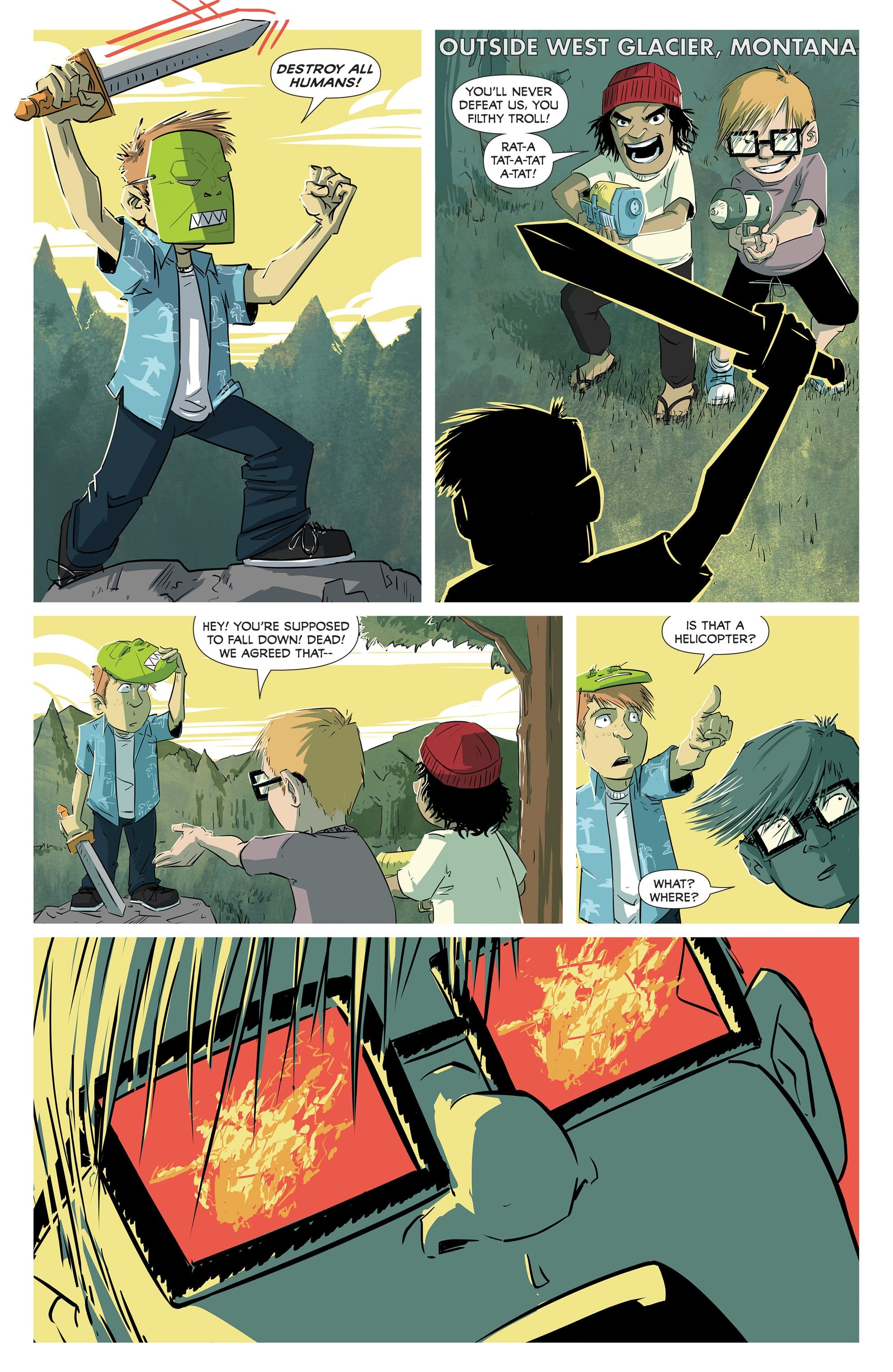
Preview: Past the Last Mountain #2 (of 4)

Past the Last Mountain #2 (of 4)

(W) Paul Allor (A) Louie Joyce, Gannon Beck (CA) Louie Joycen, Gannon Beck, Jody Edwards
In Shops: May 11, 2022
SRP: $5.99

The search continues, as the fantasy creatures seek shelter with a kind stranger, and the humans consider drastic actions to bring them back! Plus, short stories illustrated by Caspar Wijingaard, Eion Marron, Sjan Wiejers, Joe Lalich, and Juan Romera!

Past the Last Mountain #2 (of 4)

Preview: Past the Last Mountain #2 (of 4)

Past the Last Mountain #2 (of 4)

(W) Paul Allor (A) Louie Joyce, Gannon Beck (CA) Louie Joycen, Gannon Beck, Jody Edwards
In Shops: May 11, 2022
SRP: $5.99

The search continues, as the fantasy creatures seek shelter with a kind stranger, and the humans consider drastic actions to bring them back! Plus, short stories illustrated by Caspar Wijingaard, Eion Marron, Sjan Wiejers, Joe Lalich, and Juan Romera!

Past the Last Mountain #2 (of 4)

A Dark Interlude #1 Gets a Cover from Caspar Wijingaard

Vault Comics has announced two new gorgeous Caspar Wijingaard incentive covers for A Dark Interlude #1. Caspar’s cover art will come in two different versions: a regular cover will be available as a 1:15 variant, while a deluxe foil edition printed on thick card stock will be available as a 1:30 variant.

A Dark Interlude is the “not-quite-a-sequel” to Fearscape, co-created by writer Ryan O’Sullivan and artist Andrea Mutti with colors by Vladimir Popov, letters by Andworld, and design by Tim Daniel

A Dark Interliude marks the return of comics most unreliable narrator and legendary jerk, Henry Henry.

After the stunning success of Fearscape, comes A Dark Interlude, the story of-No! The only offence to literature greater than the loathsome synopsis is the sequel. I will not stand idle while some poor excuse for an editor mangles and confuses my story, which is intact, perfect, and concluded, with this derivative drivel. Mark my words, this nonsense has nothing to do with my tale. I am not in it. I do not condone it. And you, dear reader, should not buy it.

-HH

Cover A (Kristantina): SEP201542
Cover B (Gooden & Daniel): SEP201543
Cover C (Isaacs): SEP201544
Cover D 1:15 (Wijingaard): SEP208238

Cover E 1:30 Foil (Wijingaard): SEP208239

A Dark Interlude #1 hits store shelves on November 11th.

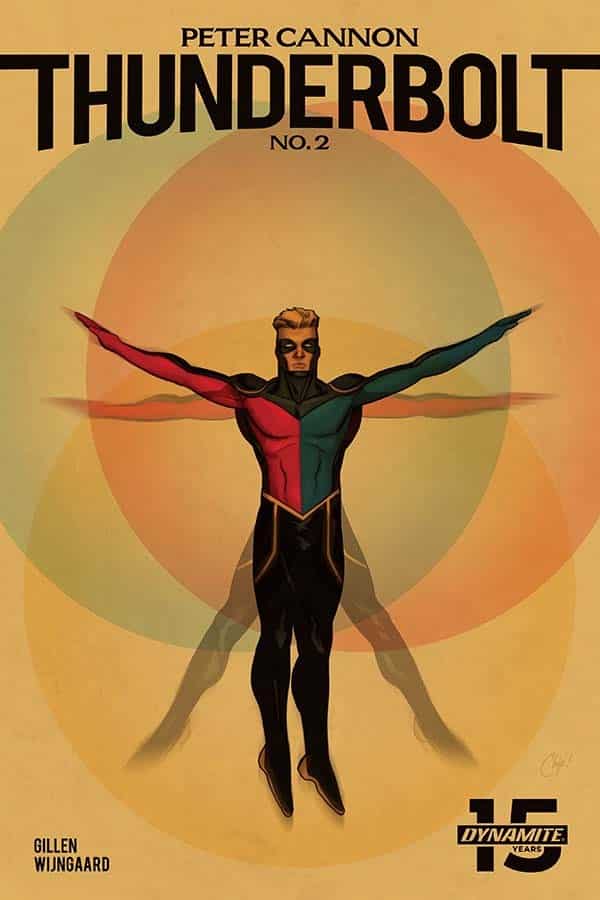
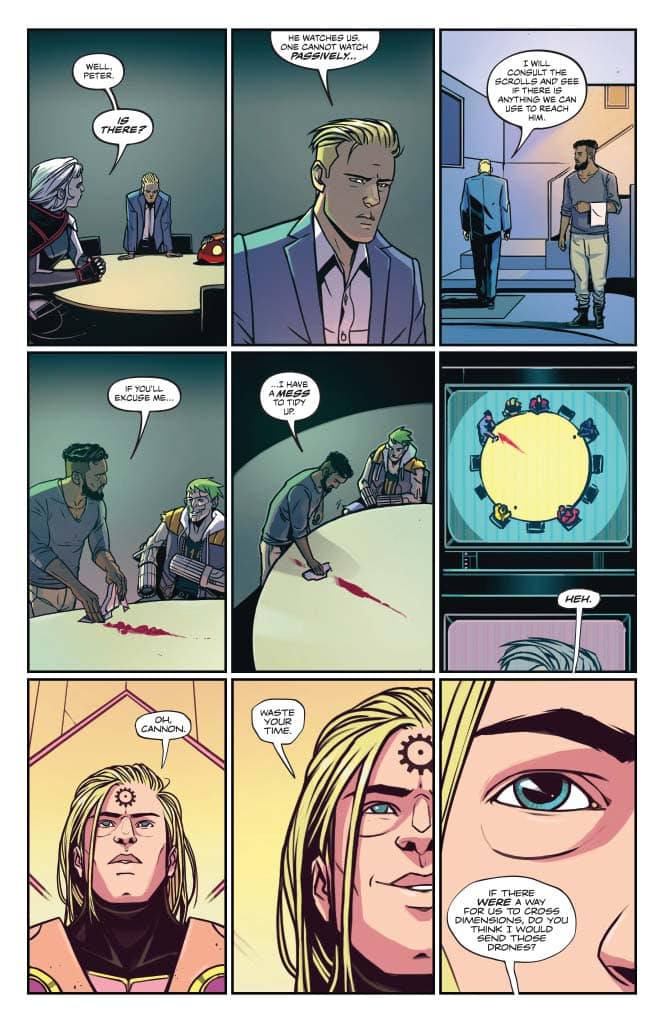
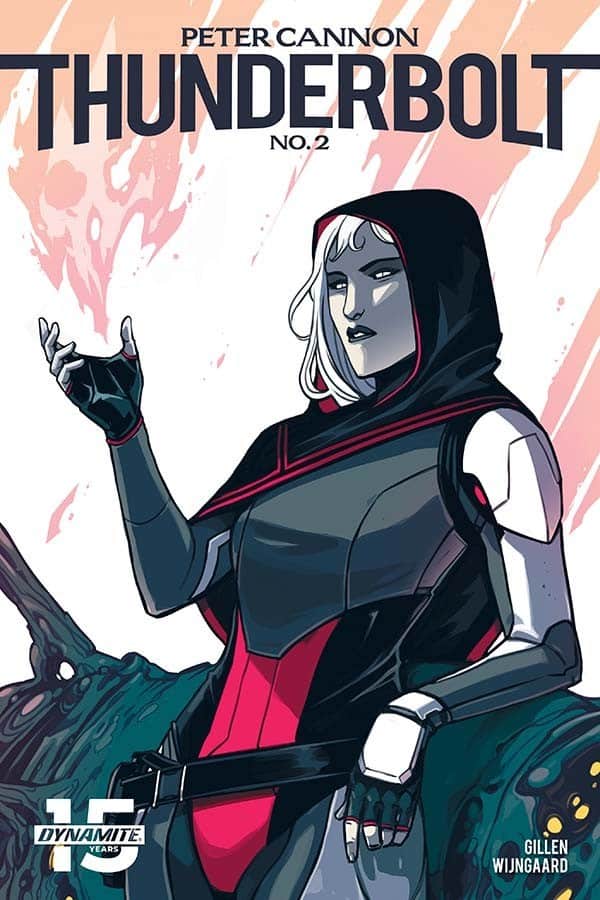
Preview: Peter Cannon Thunderbolt #2

Peter Cannon Thunderbolt #2

writer: Kieron Gillen
artist: Caspar Wijngaard
covers: Chip Zdarsky (A), Paulina Ganucheau (B), Caspar Wijngaard (C)
Caspar Wijngaard (RI-Virg), Chip Zdarsky (RI-Virgin), Paulina Ganucheau (RI-Virg)
FC | 32 pages | $3.99 | Teen +

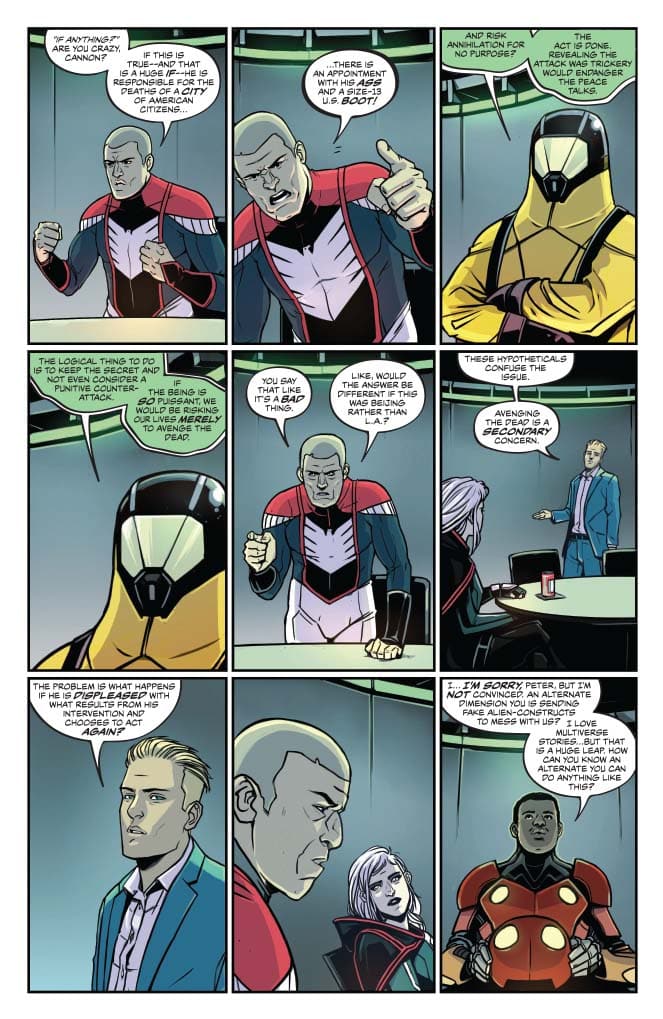
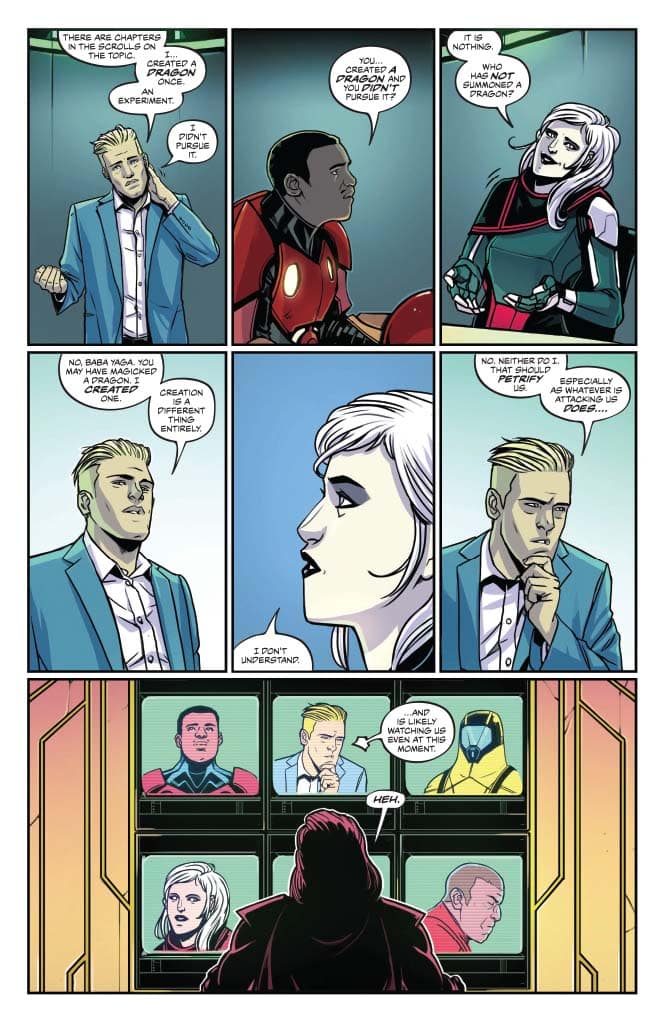
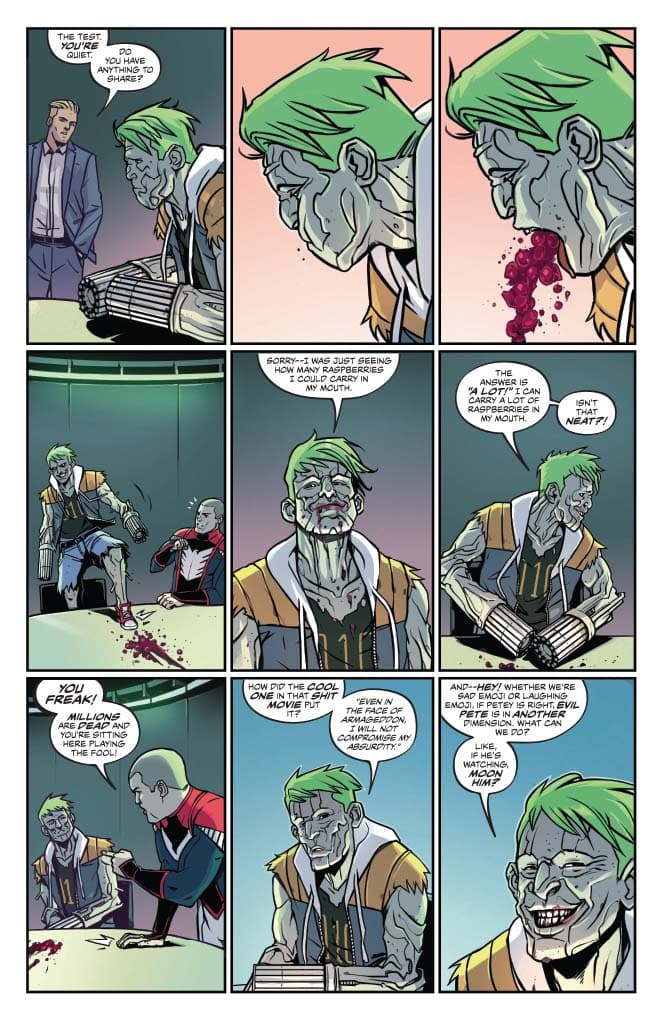
Humanity is at a crossroads, between life and annihilation. The threat comes not from space, but from a place absolutely inconceivable to anyone other than Peter Cannon: Thunderbolt. Only he can take Earth’s remaining heroes to confront that which threatens us all…but when he knows so much more than they do, should he? Also: strike a light, how hot is Tabu now? This is what happens when you give “DREAM DADDY” as the main artistic direction.

Peter Cannon Thunderbolt #2