Tag Archives: Aaron Reese

Preview: Bytchcraft

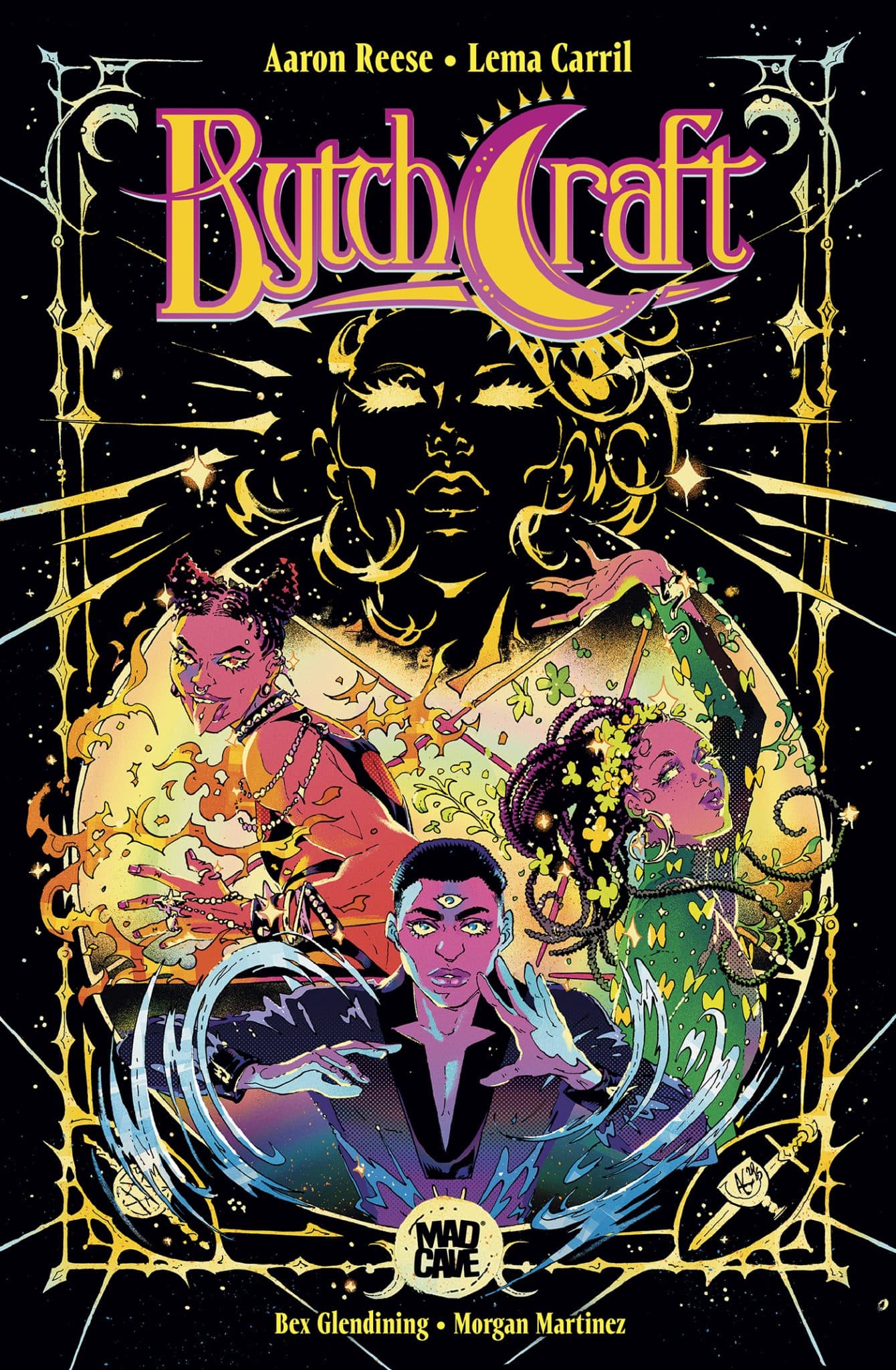
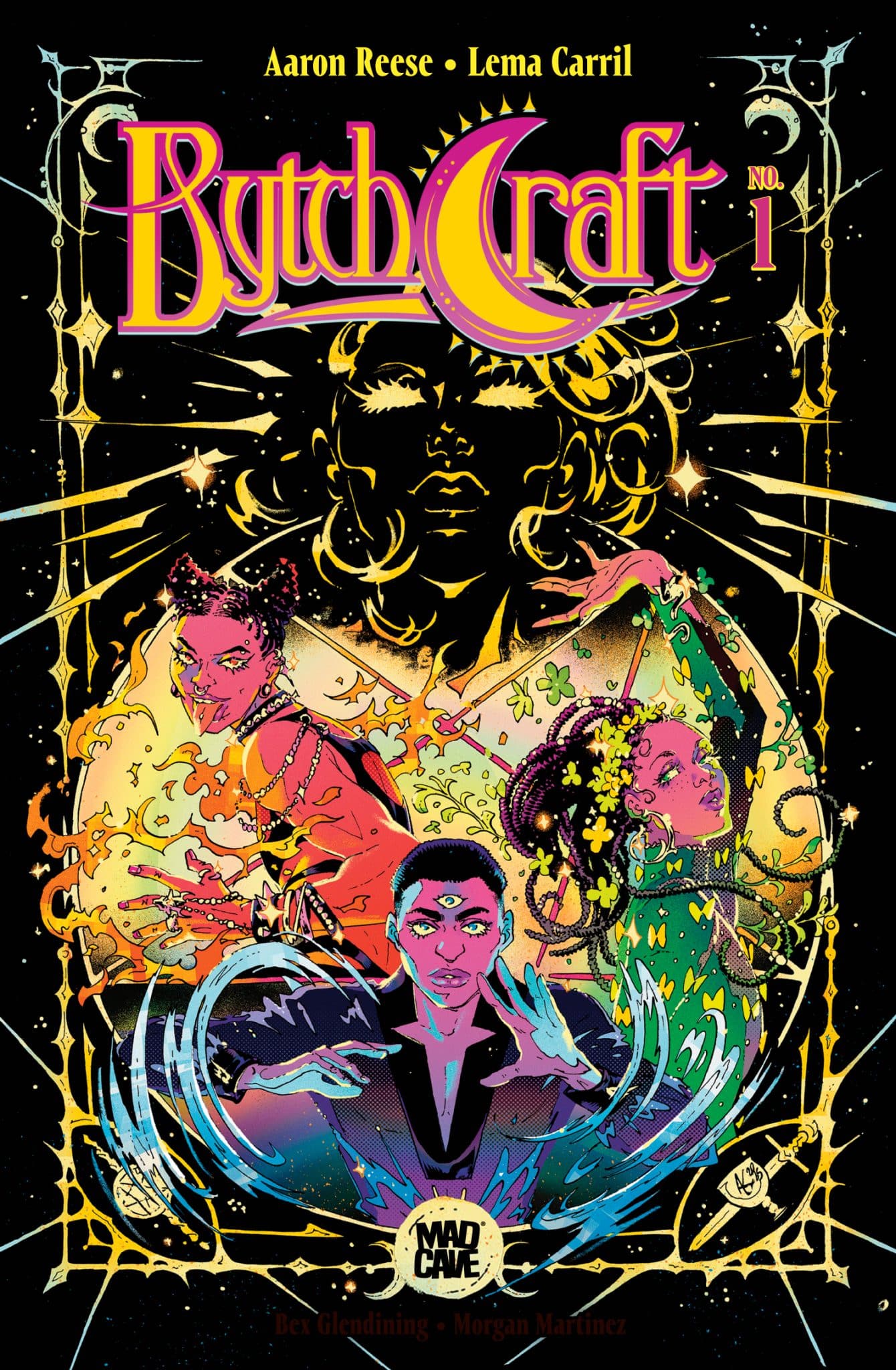
Bytchcraft

(W) Aaron Reese (A) Lema Carril (C) Bex Glendining (L) Morgan Martinez

Three modern witches must parlay with ancient gods and battle supernatural forces to stop a biblical entity from ascending to godhood, unaware their resistance plays perfectly into their enemy’s plan.

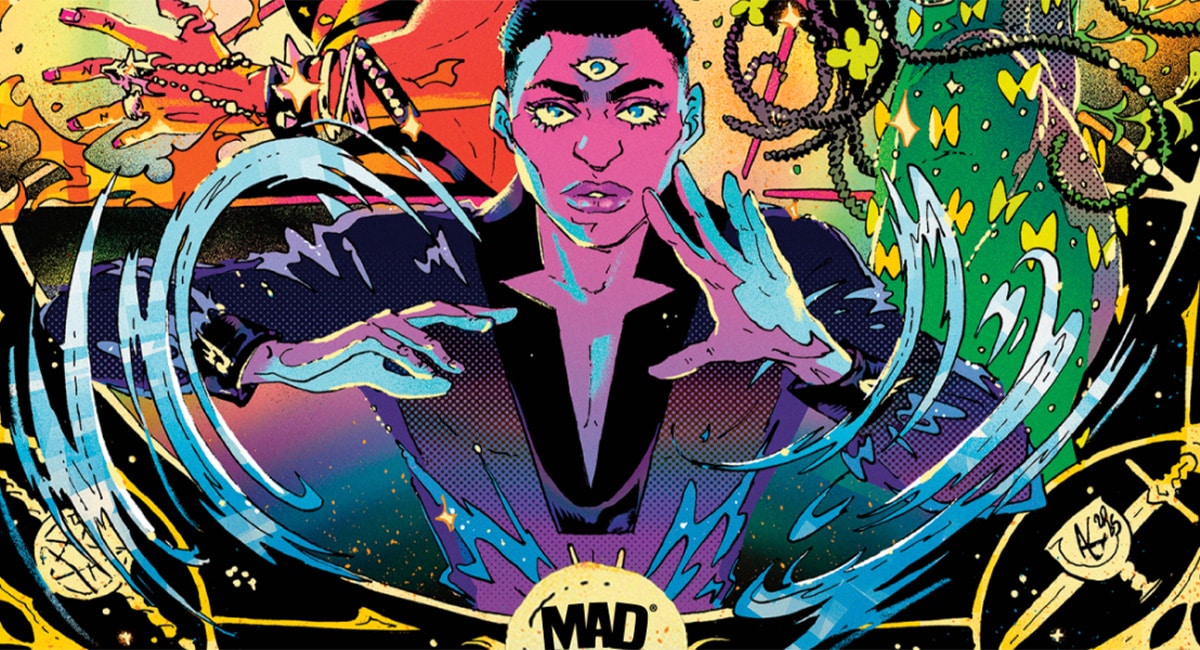
Adriyel of the All-Seeing Eye, a pretentious oracle who speaks with the gods. Michele of Mother Earth’s Flesh, a nature wytch with a tender heart. Em of the Living Hellfire, an emo necromancer with a sharp tongue. These three friends are bound together through magick and blood as a queer coven in New York, each following their own magickal path under the watchful eye of their spectral coven matriarch, MTHR.

When the coven accidentally sends all of New York into a supernatural eclipse and sends the magick of the city into imbalance, their presence is revealed to a religious zealot and their angelic beast of retribution. Not only that, they soon discover they are at the center of an ancient prophecy, and all of wytchkind hangs in the balance! Now, each of them must face the secrets of the past, present, and future in order to save the magick.

Created by the late Aaron Reese, Bytchcraft is a love letter to queer friendship, Black Magick, and the found families that sustain us. Enter the magickal world of Bytchcraft and remember – God Save the Wytch.

Bytchcraft

Logan’s 10 Favorite Comics of 2025

2025 was a hellscape of a year so in my comics reading habits, I fell hard into the “escapism” genre, including a lot of DC Comics. I don’t know if it was residual goodwill from James Gunn’s Superman, or the fact that they hired some of my favorite writers and artists, but I enjoyed so many books from the company formerly known as National Comics this past year. I also fully embraced the one-shot format this year, and honestly, the majority of this favorite comics list could have been made up of one-shots. I’ve always been a pop single girlie (And even purchased CD singles once upon a time) so it’s natural that I would enjoy this kind of thing in comics whether it’s Archie meeting my favorite stoners from the View Askewniverse, a glorious intercompany crossover between Thor and Shazam, or the singular book that topped this list.

10. The Power Fantasy (Image)

There’s something rewarding about struggling with a comic early on, but eventually embracing and having it become one of your favorites. That describes my relationship with Kieron Gillen and Caspar Wijingaard‘s The Power Fantasy to a tee. I always enjoyed Wijingaard’s approach to fashion, layout, and color palette, but the book’s narrative started to draw me in during year two as he and Gillen toppled dominoes and showed just how frightening a world with godlike heroes could be. This concept has been explored in more juvenile ways in the past (I won’t name any names). However, Kieron Gillen and Caspar Wijingaard take more of a premium cable anti-hero approach in The Power Fantasy that is quite riveting and prioritize ethics and relationships over punching although this book had its fair share of pyrotechnics in 2025.

9. Bytchcraft (Mad Cave)

Writer Aaron Reese sadly passed away in January 2025, but they left us with a lasting legacy of Bytchcraft, a magical and fiercely queer series about a coven of witches in New York battling the apocalypse. Reese and artist Lema Carril crafted a world with a fascinating cosmology and magic system that definitely had Buffy the Vampire Slayer, Charmed, or Supernatural vibes, but its cast didn’t resemble the contents of a Duke’s Mayo bottle. Also, Carril’s eye for fashion made the characters some of the best-dressed in comics to go with a flashy color palette from Bex Glendining. Above all, Bytchcraft is a call to be queer and do magick, and I will clutch to it in the coming years.

8. Godzilla: Heist (IDW)

A tense smash and grab job under the nose of a kaiju attack is one of the coolest concepts I’ve heard in a while, and Van Jensen and Kelsey Ramsay pull it off in their Godzilla : Heist miniseries with style, grace, and social commentary. Genre blends are tough to do, but Ramsay’s line art and Heather Breckel’s colors know when to go for gritty urban crime mode or pull it back for the big monster reveal. Plotwise, there’s plenty of cool gadgets, double crosses, and general mayhem, but it’s all grounded by protagonist Jai, who wants to get back at the British government for being imperialist losers and screwing over his mother. And the King of Monsters ends up being the perfect partner for this vengeance quest.

7. The Ultimates (Marvel)

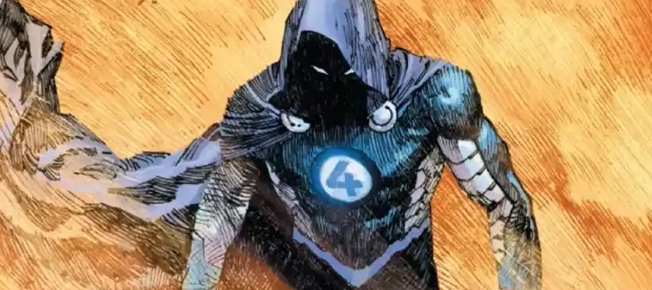
In its second and unfortunately final year, Deniz Camp, Juan Frigeri, and Phil Noto’s The Ultimates continues to be revolutionary pop art. Camp and Frigeri turn corporate mascots into avatars of resistance infusing them with leftist, anti-capitalist, and anti-imperialist ideologies while simultaneously making us care about them larger-than-life human beings. The Ultimates also gives each single issues its own unique identity whether that’s a commentary on the school-to-prison pipeline courtesy of Luke Cage, an epic poem set in Asgard, a kung-fu epic, or the wonderful Noto-drawn issues with Doom aka Earth-6160 Reed Richards trying to recreate the Fantastic Four that can be read in five different ways. It’s one of the best Marvel runs in recent memory, and I bittersweetly look forward to seeing how it all wraps and then going back and following the threads Deniz Camp seeded in early issues.

6. Absolute Wonder Woman (DC)

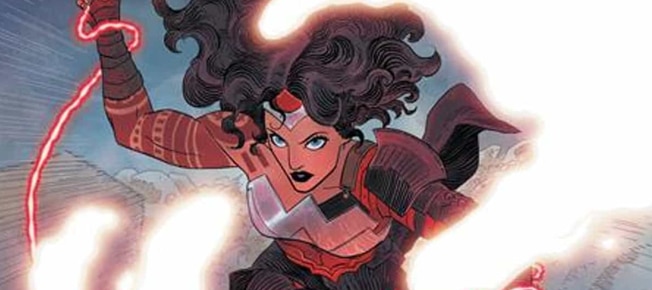
The combination of Hayden Sherman being a layout deity, Jordie Bellaire unleashing a color palette that is part Gothic nightmare and part ancient Greek pottery-inspired, and Kelly Thompson giving Diana a proper heroic-in-the-face-of-darkness character arc made Absolute Wonder Woman one of my favorite reads of 2025. Even the fill-in arcs drawn by Mattia De Iulis and Matias Bergara reveal important information about the cost of Wonder Woman using her abilities and her literally hellish past. But the real highlight is we got an honest to Hera Minotaur/labyrinth plotline featuring the return of some favorites from Greg Rucka’s Wonder Woman run as well as Sherman nailing the claustrophobic feel with their visuals. Also, Absolute Zatanna and the end-of-year crossover with Absolute Batman cemented this book as a proper blockbuster title.

5. Krypto: The Last Dog of Krypton (DC)

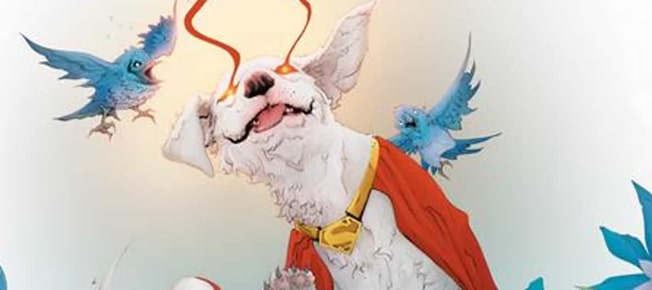
Ryan North, Mike Norton, and Ian Herring’s Krypto : The Last Dog of Krypton was the one comic in 2025 that made ugly cry. Structured by seasons, Krypto explored tough topics like death and pet abuse in an honest, yet empathetic way and was also filled with a multitude of wholesome moments establishing its protagonist as the ultimate good boy. (Who can sometimes be naughty.) North and Norton drop the Silver Age concept of Krypto being able to talk and instead rely on body language and gestures to move the story forward. He also provides a listening ear and insight into characters like Lex Luthor and Superboy as well as the ordinary folks who cross his paths. Krypto : The Last Dog of Krypton isn’t just *the* definitive Krypto comic, but an evergreen for DC in general.

4. Metamorpho, The Element Man (DC)

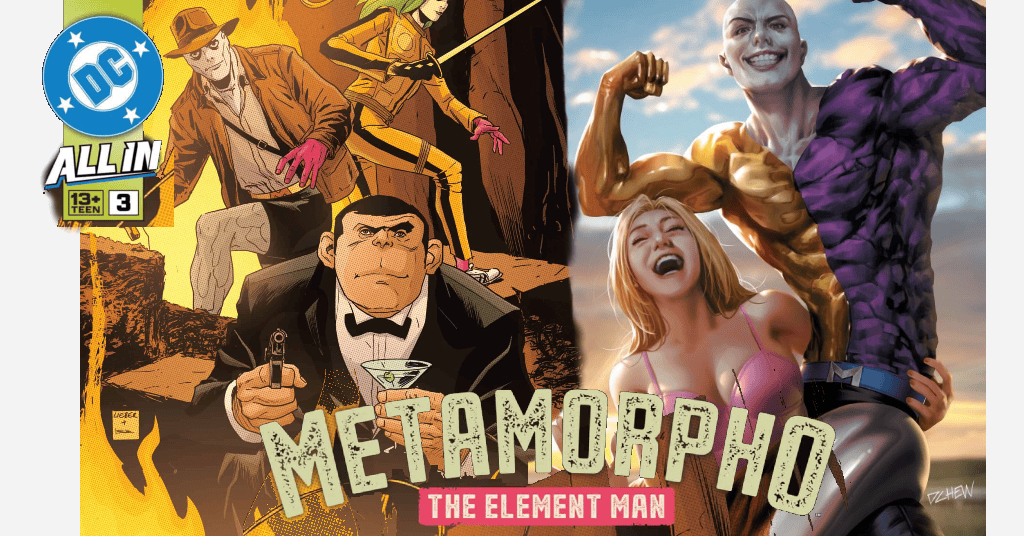
Al Ewing, Steve Lieber, and Lee Loughridge’s beyond sadly cut short six issue Metamorpho, The Element Man series (Right before its lead’s triumphant big screen debut.) was the funniest and most clever comic of 2025. On the surface, Metamorpho is a send-up of Silver Age comics with Ewing channeling the late Stan Lee in his omniscient, mock-Beat, fourth wall leaning narration. However, as the series progressed and revealed its Big Bad, Metamorpho revealed itself as a love letter to the weird and wacky side of superhero comics, which is something I feel like DC has over Marvel. (See the Brotherhood of Dada and Brother Power the Geek, for example.) To name a few things, we had a Mod-themed antagonist, a supervillainous skewering of generative AI, and an emotional arc for Simon Stagg’s Neanderthal servant, Java. Finally, this book wouldn’t have succeeded without Lieber’s period-perfect visuals and impeccable comedic timing, especially during the more espionage-tinged issues where he pulls off Jim Steranko-esque layouts without being a weird racist.

3. Flip (First Second)

Cartoonist Ngozi Ukazu puts an original spin on the body swap genre in her graphic novel, Flip. In the book, a Black working class nerdy girl named Chi-Chi swamps bodies with a wealthy white jock named Flip Henderson, who she has a crush on and accidentally asks to the school dance via Power Point in an engaging, embarrassing opening scene. Flip showcases Ukazu’s skills with character acting, and it’s rewarding to slow down and see how Flip and Chi-Chi move differently in each other’s bodies. The story also has poignant commentary on race, class, and mental health, but also fun K-Pop dances and fandom. Seriously, every time Chi-Chi, her friends, and eventually Flip chat about their favorite K-Pop group and their biases, the comic takes on a sparkling energy. In a world of full of division, Flip makes the bold call to empathize with folks, who have different experiences, in an entertaining way.

2. Absolute Batman (DC)

After a strong launch in 2024, Scott Snyder, Nick Dragotta, Marcos Martin, Clay Mann, and Jock’s Absolute Batman reached masterpiece status this year finishing especially strong with the conclusion of the horrific “Abomination” arc and even more horrifying stand-alone story that introduced Absolute Joker. Toxic, working class, and incredibly jacked Batman just works in our day and age, and Snyder and company aren’t afraid to take big swings and put truly original spins on iconic heroes, villains, and all the folks in-between. Reading this comic is like taking both a physical and psychological beating, and there is real power in the punches and moves Dragotta draws and in Martin’s flat colors. And the lobster to this juicy steak of a comic is the Absolute Batman Annual where skilled cartoonists like Daniel Warren Johnson, James Harren, and Meredith McClaren put their own stamp on this grimdark universe and also draw Batman breaking Nazis’ limbs and doing cool wrestling moves.

1. Adventure Time: The Bubbline College Special (Oni Press)

My favorite comic was Adventure Time : The Bubbline College Special aka the cutest sapphic romance ever between a STEM princess and a humanities vampire queen. This one-shot from one of the most hilarious cartoonists in the game, Caroline Cash, is a love letter to slow burn romances, fan fiction, unexpected LGBTQ+ representation in pop culture, and finding someone you connect with even if you start out on the wrong foot. Cash’s color palette revels in the trippy weirdness of the Adventure Time universe while still making room for tender glances and shoulder brushes. It hits the right balance between indie and mainstream, which is about perfect for my own personal comics-enjoying aesthetic.

Honorable mentions: Giant-Size Criminal (Image), Street Sharks (Oni Press), Exquisite Corpses (Image), DC x Sonic the Hedgehog (DC/IDW), Thor/Shazam (Marvel/DC)

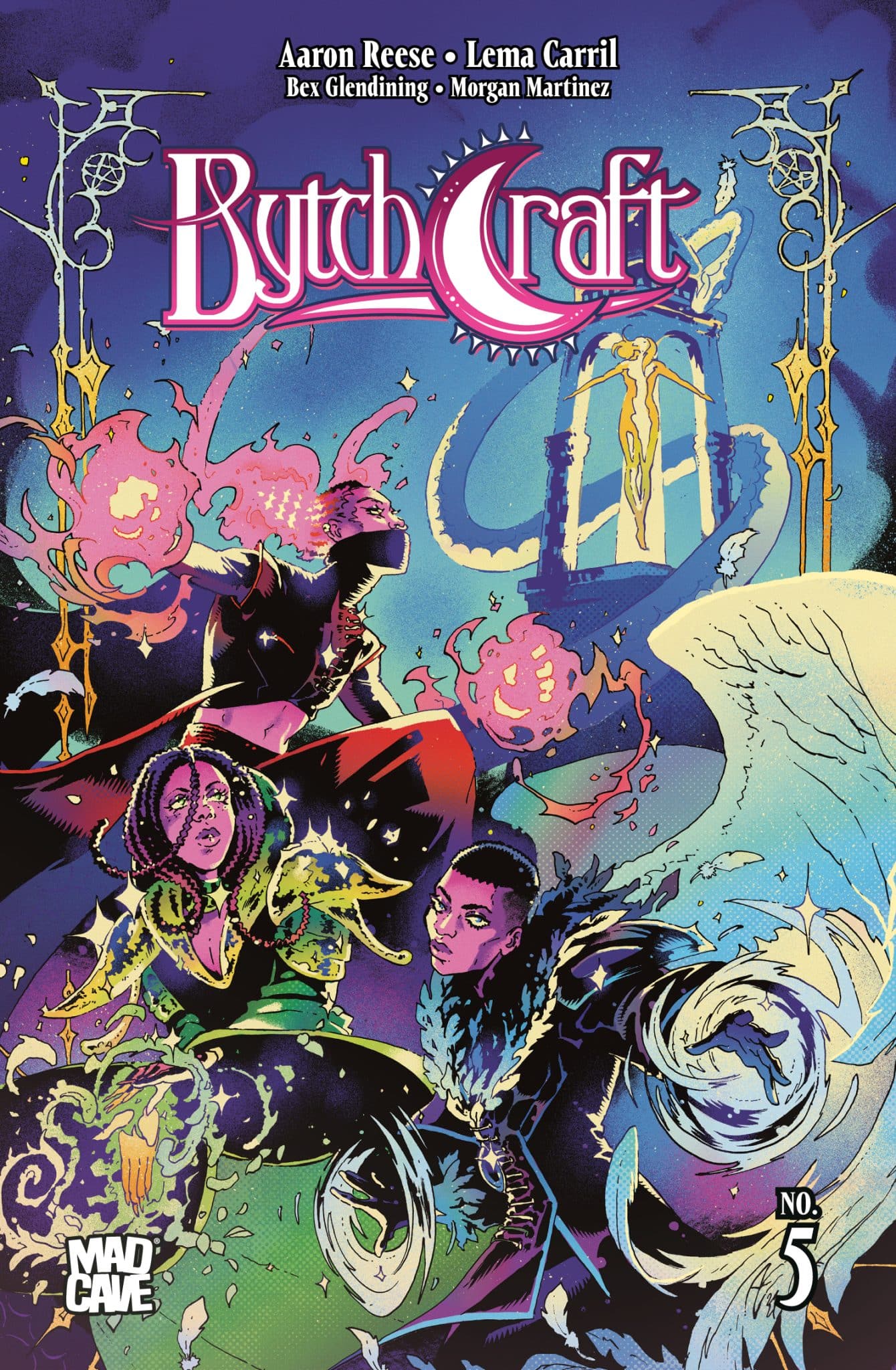
Preview: Bytchcraft #5

Bytchcraft #5

(W) Aaron Reese (A) Lema Carril (C) Bex Glendining (L) Morgan Martinez (CA) A.L. Kaplan

MTHR has done all she can to prepare the coven to face unspeakable threats, and now they must do so…alone. Adri, Em, and Michele prepare for a final confrontation that holds not only wytchkind in the balance, but multiple planes of existence. They have each other, but will that be enough to take down Eve and stop the endless midnight?!

Bytchcraft #5

Preview: Bytchcraft #4

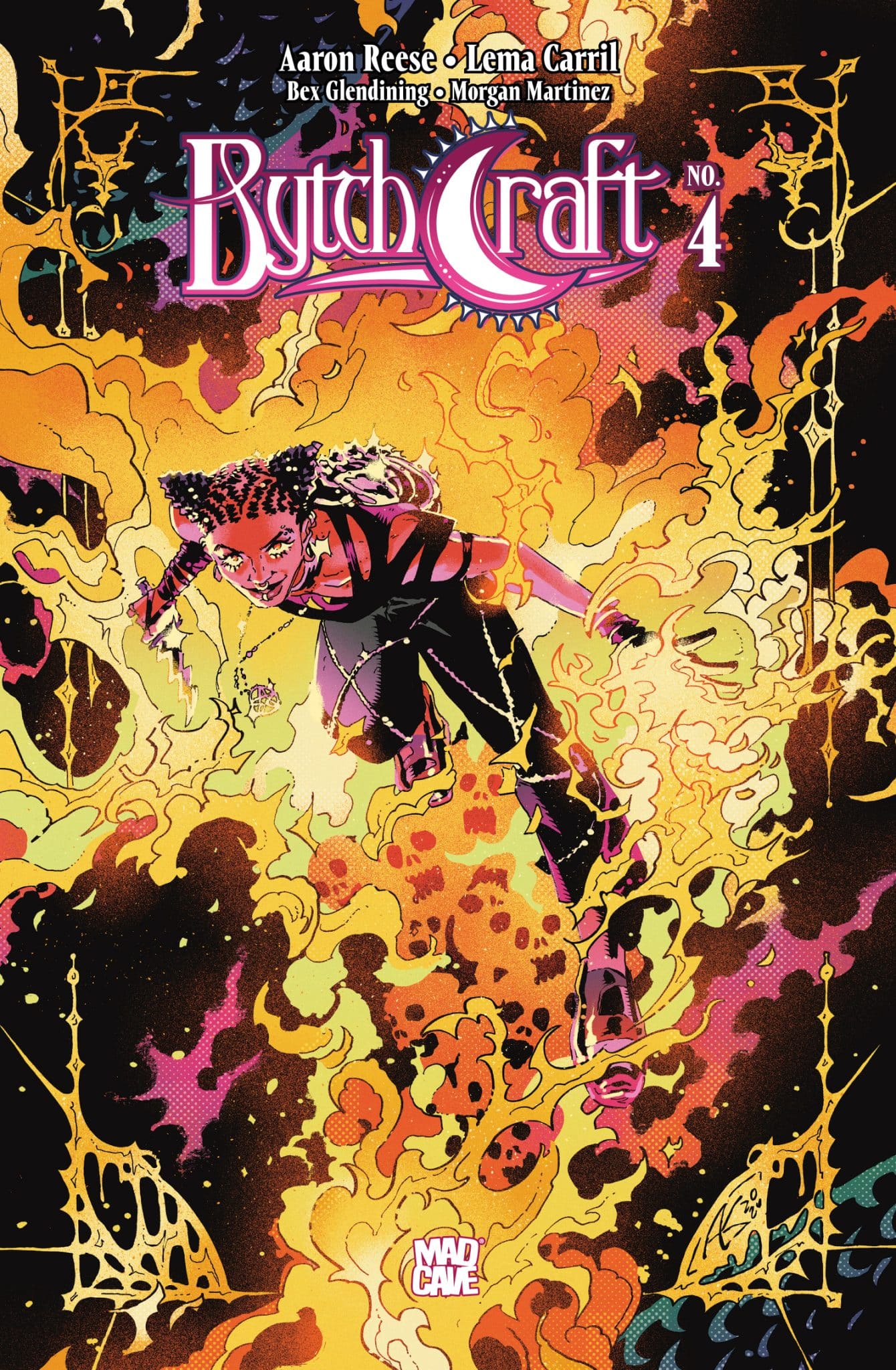
Bytchcraft #4

(W) Aaron Reese (A) Lema Carril (C) Bex Glendining (L) Morgan Martinez (CA) A.L. Kaplan

MTHR has transported Adri, Em, and Michele away from the sanctum, so she alone can face the threat that has been hunting and killing the wytches across the city. However, this threat and MTHR are connected by a fateful night years ago, and that connection could prove to be MTHR’s undoing. Will the coven be able to finally unlock the sight and save not only MTHR, but all of wytchkind?!

Bytchcraft #4

Preview: Bytchcraft #3

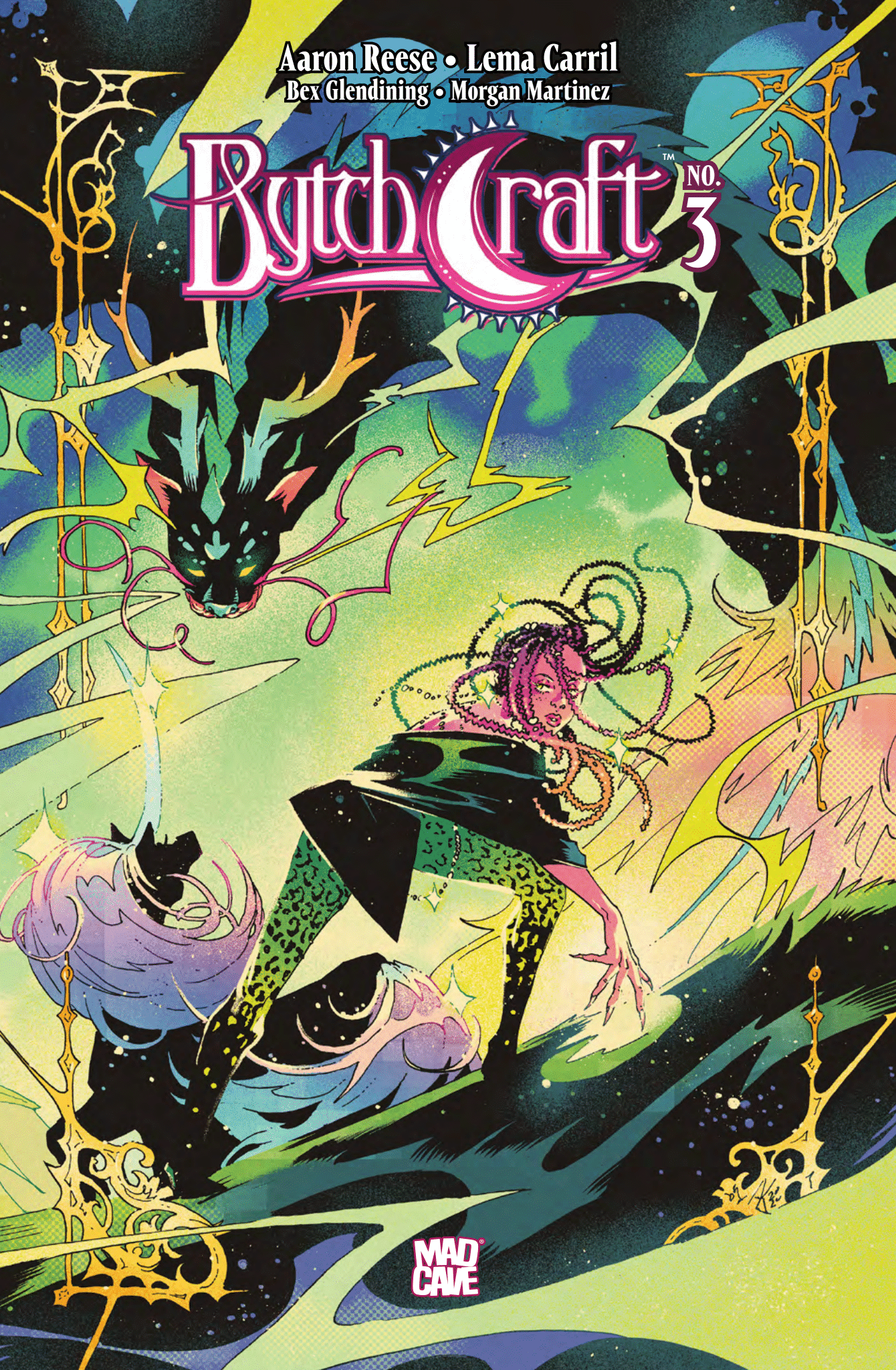
Bytchcraft #3

(W) Aaron Reese (A) Lema Carril (C) Bex Glendining (L) Morgan Martinez (CA) A.L. Kaplan

The coven, Adri, Em, and Michele, transported themselves to The Sacred Green…One of the many “God-Realms” on Earth! They might be able to find the key to combating the dark forces trying to eliminate all wytchkind in this realm…if they can survive the Sacred Green’s monstrous sentry and its master!

Bytchcraft #3

Preview: Bytchcraft #2

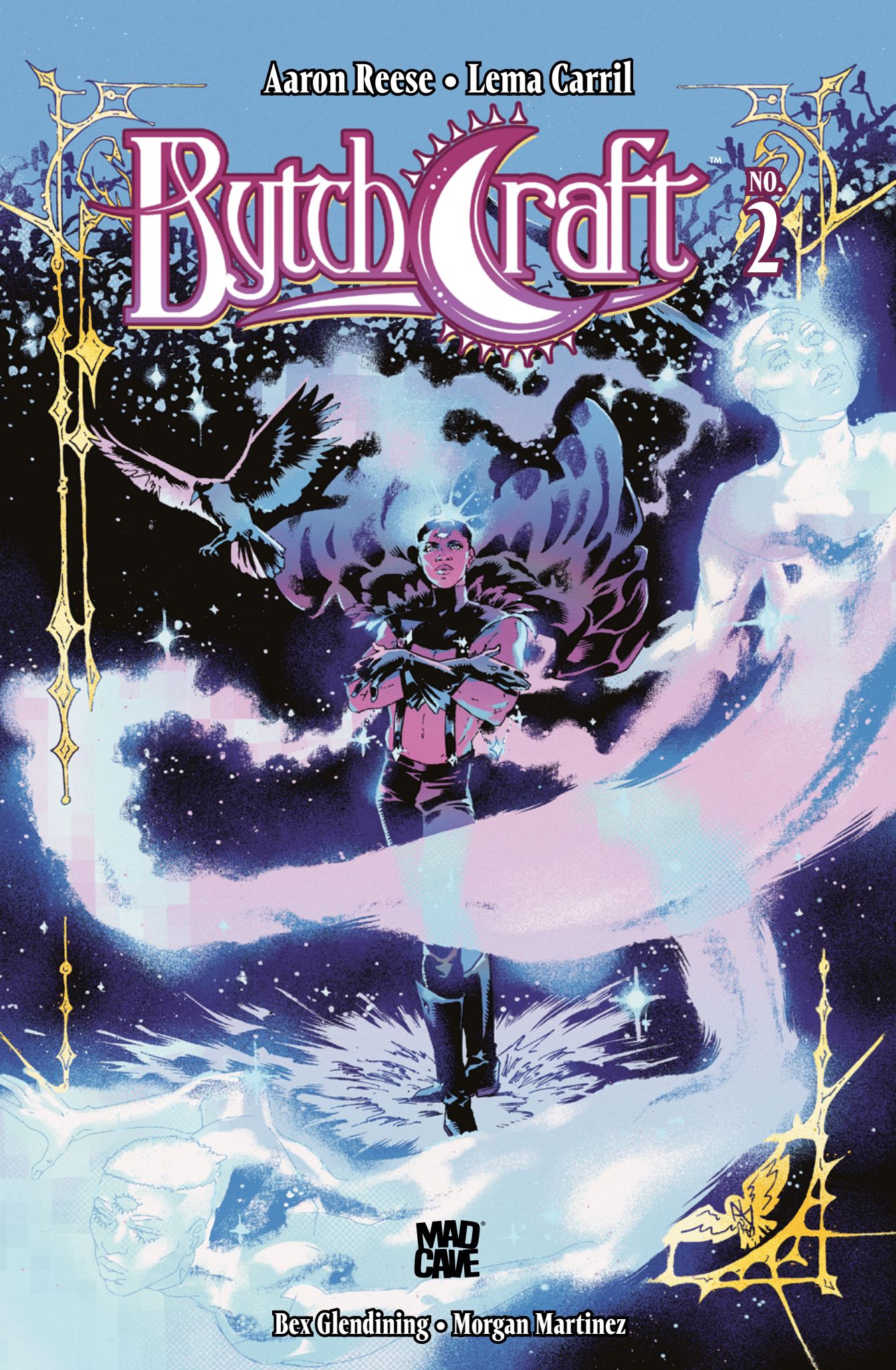
Bytchcraft #2

(W) Aaron Reese (A) Lema Carril (C) Bex Glendining (L) Morgan Martinez

The coven, Adriyel, Em, and Michele, need to end the ominous magickal eclipse they caused…however, the danger only continues to escalate as wytches throughout New York City are being massacred. Is the endless wytching hour connected to the sudden attacks? Will the wytches survive long enough to unravel the mystery and save all of wytchkind?!

Bytchcraft #2

Preview: Bytchcraft #1

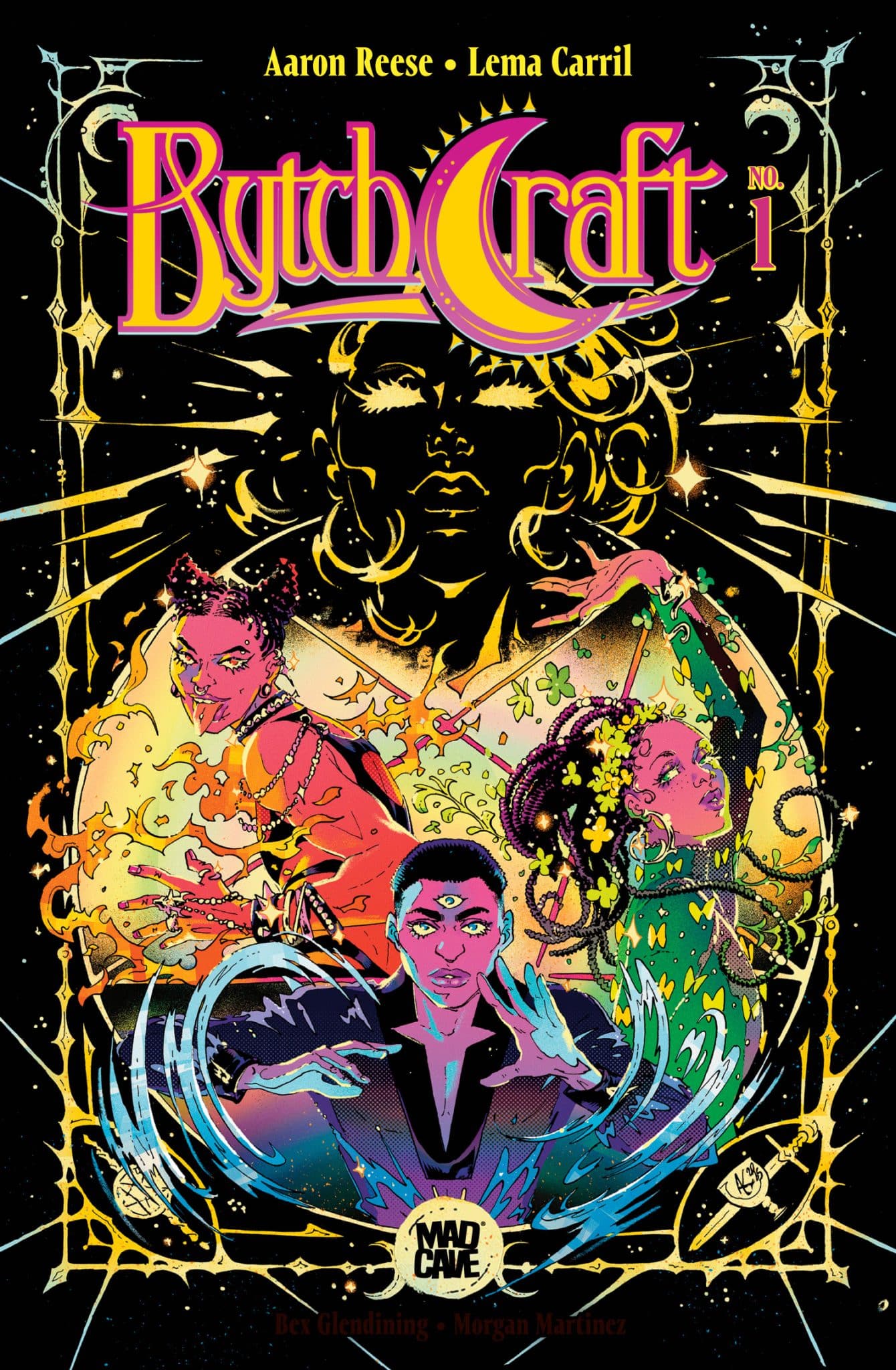
Bytchcraft #1

(W) Aaron Reese (A) Lema Carril (C) Bex Glendining (L) Morgan Martinez
(CA) A.L. Kaplan (CB) Luciano Vecchio (CC) Joshua “Sway” Swaby

Set against the backdrop of modern-day New York City during a seemingly permanent supernatural eclipse, Bytchcraft follows a queer coven bound by magic and blood, each bringing their own flair to the craft: a pretentious oracle who speaks with gods, an emo necromancer with a forked tongue, and a nature witch with the soul of a fairy tale princess. Under the guidance of their enigmatic guardian MTHR, the coven discovers they’re at the center of an ancient prophecy, and all wytchkind hangs in the balance!

Bytchcraft #1

Review: Bytchcraft #1

Bytchcraft #1

To preface this review, I’d like to say that I used to hang out with Bytchcraft‘s writer Aaron Reese at various cons before the COVID pandemic, such as C2E2 and Brooklyn’s Flame Con. They were a beautiful, creative soul with an amazing sense of humor and the fiercest sense of fashion. Aaron’s work for Comics Alliance inspired me in my early days as a comic critic, and even though we lost touch in recent years, I loved seeing them share art and images from Bytchcraft on Instagram and was incredibly sad to hear about their passing earlier this year. Reading Bytchcraft #1 was like having one last conversation with Aaron, and I’m glad that the whole comic book reading public can experience their literal magical vision.

Like all good first issues, Bytchcraft #1 establishes its three key characters, chief conflict, and offers an initial look at a world full of danger, magic, and badass queer witches. Aaron Reese and Lema Carril go beyond a simple light/dark magic dichotomy and take a nuanced look at the occult through the perspectives of the series’ three leads, Adriyel, Michele, and Em. Reese gives each lead a completely unique personality and voice as well as a complex web of relationships that’s only hinted at in this first issue. “Emo boi” necromancer Em is my favorite character so far, and some of their dialogue makes me laugh out loud like a line where they mention their dancing style. Bytchcraft deals with apocalypses, creepy cults, and eclipses, but there is still time for fun like an extended night club sequence, which is an opportunity for Carril to show off their flair for fashion and reveal more about the protagonists through their clothing choices.

Speaking of Lema Carril, their line art and Bex Glendining’s majestic color palettes make Bytchcraft #1 a memorable first issue. Carril’s character designs are iconic, but they have storytelling chops as well. For example, they and Aaron Reese use a lot of three panel layouts to play off Wicca’s Rule of Three and reveal the separate, yet unified nature of the book’s main coven. Triangles, and sacred geometry in general, also play a key role in the world of Bytchcraft so this all connects to the creators’ triplicate approach to layouts. To top things off, Glendining adds an extra sheen to sequences with magical energy and a complexity to the dark background colors that play off the characters’ approach to magic. They also make sure the characters are well lit so Reese’s dialogue and Lema Carril’s facial expressions can stand out.

If you enjoyed Buffy the Vampire Slayer or Charmed, but wished that the cast didn’t resemble the contents of a Duke’s mayo bottle so much or had a more in-depth and respectful view of the occult, then Bytchcraft #1 is the comic for you. Aaron Reese and Carril take some massive worldbuilding swings in this first issue while not neglecting the best part of the book, the interactions between Adril, Michele, and Em as well as their guardian, the ethereal Mthr. I can’t to dive into this world that Aaron left behind for all us queer comics reading kids trying to find connection in an uncertain, oppressive world.

Story: Aaron Reese Art: Lema Carril
Colors: Bex Glendining Letters: Morgan Martinez
Story: 8.8 Art: 9.2 Overall: 9.0 Recommendation: Buy

Mad Cave provided Graphic Policy with a FREE copy for review

Purchase: Zeus Comics

Bytchcraft, where queerness and magic collide!

Mad Cave Studios has revealed Bytchcraft: where modern witchcraft collides with biblical mythology in a world where queer joy and dark fantasy coexist.

Created by the late Aaron Reese, Bytchcraft is a love letter to queer friendship, Black Magick, and the found families that sustain us. A seasoned digital storyteller, Reese left an indelible mark on the industry, having worked with brands like Disney, Marvel, and DC Comics.

This exciting original is illustrated by Lema Carril, colored by Bex Glendining, lettered by Morgan Martinez, and features Cover A by A.L. Kaplan, Cover B by Luciano Vecchio, and a special Pride variant by Joshua “Sway” Swaby.

Bytchcraft blends dark fantasy, supernatural horror, and fierce LGBTQ+ representation into one thrilling narrative. 

Bytchcraft #1 hits comic shops and online retailers on June 18th.

Bytchcraft #1

FlameCon 2018: The Panels

To go along with an environment free of toxicity and full of heartfelt enthusiasm to go with the water stations, pronoun stickers, and the best press lounge in my five years of covering conventions, Flame Con also had nuanced panels on a variety of comics and pop culture topics with panelists, who represented a broad spectrum of voices and experiences. I attended three panels at the con: “Fan Activists Assemble!” about practical ways members of fandom can effect sociopolitical change, “Fangirl… But then Make It Fashion” an entertaining, yet wide ranging panel about the larger cultural context of character designs and costumes, and “Telling All Ages Queer Stories” about LGBTQ representation in all ages comics.

Jay Edidin and Elana Levin

Fan Activists Assemble! (Saturday)

Fan Activists Assemble” was hosted by Elana Levin of Graphic Policy Radio, who also trains digital organizes and is a new media mentor and also featured a guest appearance from journalist and podcaster Jay Edidin of Jay and Miles X-Plain the X-Men fame. Pop culture has always been intertwined with her activism beginning with her love for the X-Men comics, and her current passion is bridging those two worlds via the tool of the Internet. She also talked about how social media and the ability for protests to “trend” has helped the way they are viewed in society unlike in the past when protesters were arrested or beat up by the police, and their narrative was shaped by traditional news media.

As Stephen Duncombe said, “Scratch an activist, and you’re apt to find a fan.” At the beginning of her talk, Elana Levin stated many strengths that fans can bring to the world of activism, including community building, thinking beyond the world we exist in, and practical skills like art, writing, social media posting, and even meme and GIF making. Fans don’t have to reinvent the wheel and form their own organization and can bring their talents and fresh POV to existing organizations from larger ones like GLAAD or the ACLU to smaller, local ones.

Next, Levin brought in Jay Edidin as a case study of fan activism when he confronted Dark Horse Comics for having healthcare that excluded any coverage “…related to gender dysphoria and transition” while claiming to be an LGBTQ friendly company and featuring the Pride flag on their Twitter profile. Edidin used to be an employee of Dark Horse Comics and has been a journalist since 2007. He couldn’t go public for a while because his ex-husband worked for Dark Horse, but seeing the company’s Pride Day tweet led to him confronting the company. With the help of comic book creator, Mariah McCourt, an open letter stating a demand for expanding Dark Horse’s healthcare coverage was drafted and signed by many comics professionals. Dark Horse changed their policy a day before the letter went public.

Elana Levin showed that this action fit an effective four part organizational strategy. There was the goal, which was for Dark Horse Comics to have trans inclusive healthcare, the target was upper management because they have the power to effect change in the company, the “ask” was for comics creators to sign the open letter, and the message was for Dark Horse to basically put their money where their mouth is and support the LGBTQ community through their actions and not just through rainbow logos. Jay Edidin added that using the letter format was important because comics creators are vulnerable on their own.
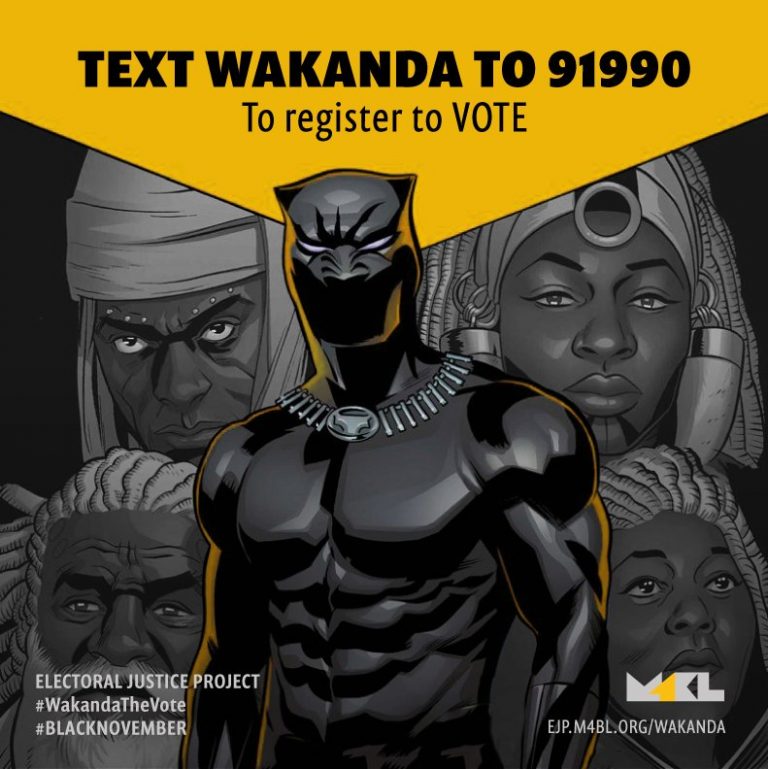
Later, in the panel, Elana Levin gave examples of how social media and hashtags are able to shape discussions like the conversation around having an Asian American Iron Fist that cast a shadow over Finn Jones’ eventual casting as him in the Marvel Netflix show. Even if this didn’t end in a “win”, it started a conversation, and Marvel later did some race bent casting by having Tessa Thompson play Valkyrie in Thor Ragnarok and Zazie Beetz play Domino in Deadpool 2. Levin also laid out practical rules for hashtags, including keeping them short and simple and only using two per tweet. An example was using #WakandatheVote and #BlackPanther in a tweet about registering voters who were in line for the Black Panther film. She also reiterated the importance of having a specific goal, targeting decision makers, and having a clear ask in online activism using the Harry Potter Alliance’s efforts of having the franchise’s chocolate frogs made with fair trade chocolate and opposing North Carolina’s anti-trans HB2 “bathroom bill”.

The panel concluded with Levin engaging the audience in their own activism brainstorming session with an audience member discussing the need for more asexual representation in pop culture and comics and using FlameCon as a venue to make a case for this.  This led to a side discussion about the importance of fun in activism and helping keep people engaged in cause from free pizza and T-shirts to crafting GIFs like one of the Dora Milaje from Black Panther metaphorically confronting ICE.

Little Corvus, Yoshi Yoshitani, Aaron Reese, Terry Blas, Jen Bartel, Irene Koh

“Fangirl… But Then Make It Fashion!” (Saturday)

“Fan Activists Assemble” was immediately followed by the “Fangirl… But Then Make It Fashion” panel, which was moderated by Geeks Out’s Aaron Reese. The panelists were comic book creators Little Corvus (Deja Brew), Yoshi Yoshitani (Jem and the Holograms), Terry Blas (Dead Weight), Irene Koh (The Legend of Korra), and Jen Bartel (America). After breaking the ice with a fun discussion about favorite candies, Reese started out by asking about the difference between cultural inspiration and appropriation in character outfits. Bartel stressed the importance of “cultural and historical context” in fashion while Koh gave the positive example of the Bangladeshi character she introduced in the Legend of Korra comics as well as time periods where there was “cultural exchange” between European and Asian cultures.

A negative example given by Koh was Queen Amidala’s outfits in Star Wars, which she said were inspired by North Asian and Mongolian fashions and demeaned the original culture. Reese added that Padme had dreadlocks in a deleted scene from Revenge of the Sith, which led to the realization that most of the design and fashion choices in Star Wars are cultural appropriation beginning with the “white guys dressed like ninjas” that Terry Blas used to describe the Jedi Knights. Blas said that unlike Star Wars which exoticizes or “others” its Asian influences, Avatar: The Last Airbender respected Asian cultures even though it wasn’t created by Asians and was superhero stories for people who didn’t have superheroes that looked like them.

The discussion then turned to the popular video game Overwatch where Yoshi Yoshitani criticized the character Doomfist, whose map and character is supposedly inspired by Nigerian culture, but he is half naked, has tusks, and looks like the creators never did research on actual Nigerian fashion. She said that Hanzo and Symmetra had good designs while Irene Koh poked fun at Hanzo’s obsession with honor. Aaron Reese said that the issue with Overwatch was that the game designers focused on environments instead of character looks.

The next topic was body positivity, and Reese gave a shout out to Rose Quartz and the curviness and softness of characters in Steven Universe as well as the strength of Antiope from the Wonder Woman film and the other athletic “hunter/gatherer” Amazon women. His bad example was Psylocke, and a slide showed an example from both the comics and Olivia Munn playing her in X-Men: Apocalypse. Little Corvus made a good point that the difficulty that the panel had thinking of examples was a big problem in pop culture. Terry Blas used the example of his comic Dead Weight about a murder mystery at a fat camp where the characters are drawn as fat in different ways that reflects their character instead of just having the same body shape.

Bartel said that she had done covers for the character Faith from Valiant Comics and liked her as a representative of body positivity, but said that she wished she could redesign her costume into something that the superheroine would actually wear. In connection with this, Blas said that some male comic book artists spend hours of research getting a jet engine part right, but don’t consider fashion in their work. This led to a discussion about female superhero body types with Yoshitani saying that there was pressure on female superheroes to be perfect for everyone. Irene Koh said that she wished superhero artists took inspiration from ESPN: The Body Issue, which shows how different kinds of athletes have different body types.

Other topics discussed by the panel, included gender expression and how this was handled better in anime than in Western comics with Little Corvus making an excellent point about how Mulan could be non-binary as she explores different gender presentations in the 1998 Disney film. Another topic was color washing where Reese and Koh strongly criticized writers who described people of color like food.  The panel ended on a positive note with Reese, Blas, and Little Corvus talking about how the Runaways from the Hulu TV show and America were good representations of teenage fashion and their clothing choices made them seem like they were real people.

This panel reinforced the idea that careful attention to a character’s heritage even through something like a piece of clothing makes for a richer reading or viewing experience, and it also challenged me to look at media that I have taken for granted for instances of cultural appropriation. Star Wars was a big one.

Steve Fox, Chad Sell, Barbara Perez Marquez, Molly Ostertag, Lilah Sturges, James Tynion IV

“Telling All Ages Queer Stories” (Sunday)

The final panel I attended was on Sunday and was about all ages comics created by LGBTQ creators. The panel was moderated by Paste’s Steve Foxe and featured Chad Sell (Cardboard Kingdom), Barbara Perez Marquez (Cardboard Kingdom), Molly Ostertag (Witch Boy), Lilah Sturges (Lumberjanes: The Infernal Compass), and James Tynion IV (Justice League Dark)Foxe began by asking what kind of LGBTQ characters whether positive or negative the panelists came across when they were young adults.
Tynion said that he mainly read superhero comics growing up where there wasn’t a lot of LGBTQ representation except for homophobic jokes and said he connected to the X-Men as well as webcomics with gay characters when he was in middle school. Sell said that an issue of Superman from the early 1990s scared him into possibly not coming out when two gay men were chased out of town and then rescued by Superman. The point he got from this story is that if he came out as gay, he would be forced to run away. Sturges’ first experience with a trans character in media was The Crying Game, but she said until Lana Wachowski made her 2012 speech that trans characters were portrayed as either pathetic or deceivers. She said that she enjoyed writing Jo as a happy trans kid in Lumberjanes. Perez Marquez talked about how she didn’t grow up with LGBTQ characters, but did connect with queer coded” characters like Spinelli from Recess.

Foxe’s next question was that in writing stories about LGBT youth that the panelists drew on their own childhood or an idealized one. James Tynion said that his science fiction series The Woods about a school being transported to a different planet drew on his own experiences as an out queer high schooler while his series The Backstagers about theater kids was more idealized. Molly Ostertag said that she wasn’t out as a lesbian in high school, and her upcoming queer high school girl romance was a vision of what she wanted as a teenager. However, she didn’t want to talk down to teens or avoid the realities of homophobia. Lilah Sturges said she felt a moment of doubt writing about the happy romance between Mal and Molly in Lumberjanes, but said she was able to write it because Lumberjanes like their relationship is a true utopian vision. Barbara Perez Marquez’s work on Cardboard Kingdom was more true to her life as a young queer Dominican girl while her webcomic Order of the Belfry was pure wish fulfillment about lady knights who kiss.

The discussion shifted to queer content filtering and pushback about LGBTQ content from editors and publishers. Tynion made a good point about how companies realized there was money in queer audiences and said he got some pushback in his superhero books and relatively none in his all ages comics for BOOM! Ostertag said it was easier to “push the envelope” in regards to LGBTQ content in comics versus television where she rarely interacted with the people who pulled the strings. So, it was much easier for her to explore gender roles in Witch Boy where a boy wants to try girl magic and not boy magic and harder to have a same gender couple holding hands in the background of an animated show. Sell and Perez Marquez talked about the “sneaky” representation of Cardboard Kingdom which are stories geared to 9-12 year olds and don’t have labels, but do explore things like same sex attraction and gender nonconformity.

Then, the panel basically transformed into a pure celebration of LGBTQ YA stories. James Tynion talked about how in Backstagers that he began with subtle representation and then had two of his leads, Jory and Hunter, become boyfriends by the end of the series. Lilah Sturges said that she enjoyed writing a pre-teen trans coming of age story in Lumberjanes because it’s not sexual and is a pure statement about what does it mean to have a gender. She also revealed something adorable that will make fans of the series smile when they read her graphic novel. Chad Sell talked about how he chose writers for The Cardboard Kingdom based on their own personal experiences that they could bring to the “neighborhood” of stories.

The panel ended in Q and A where an audience member asked about how the creators as adults captured the voices of today’s young people in their comics. Barbara Perez Marquez made the excellent suggestion of having kids or teens like in a public library’s graphic novel or anime club to beta read their scripts and give notes on what they liked about the scripts.