Category Archives: Reviews

The Batman Review: Matt Reeves’ Magnum Opus on Trauma and Vengeance

The Batman movie poster starring Robert Pattinson as Batman/Bruce Wayne and Zoe Kravitz as Selina Kyle.

Every naysayer is going to be eating a lot of bat, er… crow, as director Matt Reeves delivers in The Batman not only one of the best films among the Caped Crusader’s silver screen appearances, but most importantly, simply a great film.

This outing is unlike every other iteration of Batman we’ve ever had, unlike anything we’ve seen in the broader attempt at a DC Comics extended cinematic universe, and also so true to the essence of what makes the character work. Robert Pattinson delivers a hit to the solar plexus of a complex character, and, surprising for many Batman or other comic book movies, the character actually has an arc and growth. He’s matched in Zoe Kravitz‘s stunning portrayal of Selina Kyle as well as Paul Dano‘s scene-chewing madness as The Riddler, the latter of whom really elevates this material. But most importantly, the film feels poignant, delivering a message that fits the zeitgeist we find ourselves in.

This should be no surprise to those who are familiar with Reeves’ work with the Planet of the Apes franchise. His attention to character and theme are perfect for Batman. And while fans may find a lot of similarities between Reeves’ film and the Christopher Nolan Batman trilogy, this manages to be very much its own thing. In fact, really the only similarity is that both directors are committed to elevating the material and focusing on character. This Batman is really the first time we see “The World’s Greatest Detective” actually do detective work as he tries to unravel the mystery of what The Riddler wants. The Batman actually owes more to films like The French Connection, Chinatown, and David Fincher’s Zodiac and Se7en than most of the other Batman films. In fact, the Batman property this film most resembles is the Bruce Timm directed Batman: The Animated Series and the cinematic release The Mask of the Phantasm. But darker. And also? Longer. This movie is LONG, and it is slowly paced. If that is a problem for you, you may not enjoy this. But if you like the slowest of burns, this pays off.

The central mystery of the film? (No spoilers) The Riddler keeps murdering some of Gotham’s top officials, leaving behind cryptic clues for The Batman and threatening to spill everyone’s secrets. The Gotham PD are none too excited when the masked vigilante shows up at crime scenes, summoned by Detective Jim Gordon (Jeffrey Wright) to help unravel the mystery. The two make a really good police partnership, again echoing the best parts of detective movies past. But Batman soon finds the case leads to Gotham’s underground including Oswald Cobblepot aka the Penguin (Colin Farrell) and his boss Carmine Falcone (John Turturro). And when Selina Kyle and Batman’s investigations into the same people cross paths, they form a temporary and untrusting partnership.

What happens next? Everything you think it does. And it is glorious.

When there is finally a moment when the Batmobile shows up and revs its jet engine, it is primal how happy it can make you feel down deep inside. And what follows is one hell of a car chase, some bits of which we’ve already had spoiled in the trailers. But needless to say, it’s amazing.

It’s also wet. This movie’s rain and water budget must have been huge. Gotham is apparently more like Seattle in this iteration, with constant rain and darkness. It’s an effective mood, especially punctuated by Nirvana’s brooding “Something in the Way” which gets dropped multiple times and is given multiple motifs in the score.

The acting is superb, the dialogue crisp, the puzzles and riddles fun, and the mystery is worth solving. Along the way, we also delve deep into Bruce Wayne’s family and his psyche. We plumb the depths of what he is really doing and why, and the film asks if that’s really the best way to go about creating the change he wants to see in the world. It’s incredibly reflective, and what makes it so poignant is it feels like it probes each one of us as well. Are the things you think you’re laboring for really aligning with your values and desires? Or is a lot of it a smokescreen and bull$#!t? In this, it feels very 2022: a time when we all need to take a look around at our mental health, our values, and our institutions and decide what changes need to be made in an increasingly untenable status quo.

There are also tiny threads that it feels like Reeves is weaving in to make some specific statements. For his second film in a row, he pits his heroes against a disaster in its third act that is natural in origin, but manmade/triggered in what feels like an homage to the crisis we face against climate change. But really, the actual threat comes from people who have been marginalized by society, slipped through whatever safety nets we’ve tried to create, and then radicalized and armed. In it, the citizens of Gotham must face their own demons, confront their own trauma, just as the other main characters do as well. Again, very 2022.

Just as Dano’s Riddler wants to make Gotham face its lies about its history, institutions and elites, so too must we unmask the truth about our own complex history and face a reckoning on issues of race, genocide, patriarchy, and all other forms of oppression that have been woven into our narrative from the beginning.

One of the things that makes this film so effective is that Bruce/Batman goes on a journey in this film. One of the joys of film is with its limited runtime you have precious little time to help your characters grow, so it becomes a part of the artistry of film writing and directing to efficiently move things from A to B to C. One of the problems with films based on comic books is that these characters are as much archetypes as anything else, so they’re not supposed to change. So it’s incredible that Reeves is able to make Bruce Wayne engage in a lot of self-reflection about his own trauma, how he is reacting to it, and how healthy that truly is both for himself and for Gotham. “I am Vengeance” is the Batman mantra that strikes fear into the hearts of Gotham’s underworld. But are there limits on what avenging his dead parents can do?

Or? This is just a movie about a rich guy in body armor who drives a really cool car. You decide. Either way, you will enjoy this.

Prepare yourselves for The Batman. Prepare for its extremely long runtime. Prepare to reassess everything you though you knew about Robert Pattinson. Prepare to be humming Nirvana’s “Something in the Way” for a week after. Prepare for the truth about The Batman.

* * * *
4 out of 5 stars

Review: The Matrix Resurrections

The Matrix Resurrections

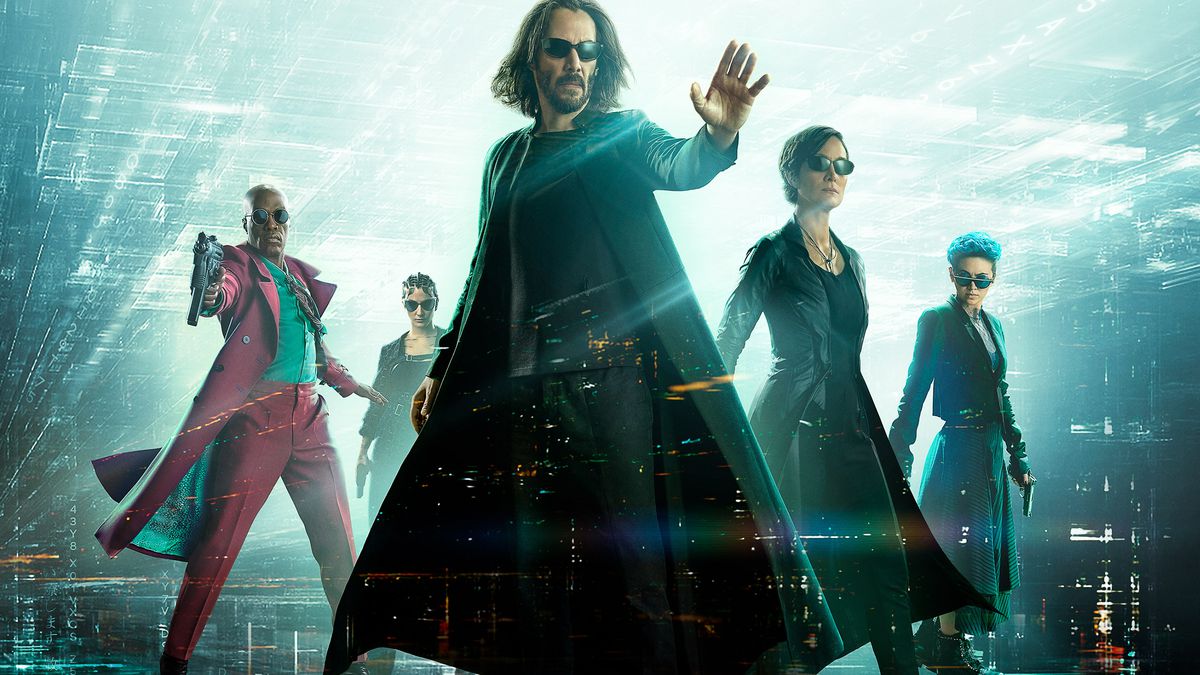
18 years after the previous installment, director, producer, and co-writer Lana Wachowski returns to a world of choices, hacking, philosophical monologues, and yes, kung fu in The Matrix Resurrections. Writers David Mitchell and Aleksandar Hemon help her shape a script that treads a narrow line between a J.J. Abrams-esque remake, or the approach George Miller took in Mad Max Fury Road where he took familiar iconography and characters and used them to explore new themes and turn the set pieces up to eleven. The basic premise of the film is that Neo (Keanu Reeves) and Trinity (Carrie-Anne Moss) are somehow still alive after the event of The Matrix Revolutions where they still died. However, Thomas Anderson and “Tiffany” are a video game developer and soccer mom who have never even spoken and see the events of the previous trilogy as a video game developed by Anderson. But the appearance of the enigmatic and energetic Bugs (Jessica Henwick) and a new take on a couple familiar faces from the original films cast this reality into doubt…

From the opening scene of The Matrix Resurrections, which is a shot by shot recreation of the opening fight sequence in The Matrix until Bugs and the new look Morpheus (Yahya Abdul-Mateen II) shake things up, this is a film that is in deep conversation with its predecessors as well as Hollywood’s propensity for reboots, remakes, sequels, prequels, and expanded universes. Wachowski, Mitchell, and Hemon take potshots at the studio that has been trying to make this film since 2004 with or without the Wachowskis in a pitch perfect parody of focus groups and the committee approach taken to most tentpole films in 2021. However, The Matrix Resurrections doesn’t drown in metafiction and uses these early scenes to set up Reeves’ more forelorn approach to an aging Neo that is tired and haunted as well as Jonathan Groff‘s new-look Smith, who is Anderson’s business partner and is generally doing the most during both his condescending monologues and physicality-filled fight scenes. Honestly, I was fatigued with Neo and Smith’s relationship after the Burly Brawl in The Matrix Reloaded, but Lana Wachowski breathes new life into the rivalry by making it a metaphor for binary thinking versus fluidity, safety versus risks, and nostalgia versus something new.

The theme of humans and machines (Now called “synthients”) working together was explored in The Matrix sequels to mixed reviews with Chingy Nea nailing the contemporary audience reaction by saying “Perhaps audiences [at the time] were more attuned to sequels like Lord of the Rings: The Return of the King, which was just as full of Judeo-Christian imagery but was a more obvious story of fantasy heroes and didn’t tend as much toward existential philosophy and horny latex vignettes.” In The Matrix Resurrections, synthients have made getting in and out of The Matrix and real world much easier with a couple of them playing a key role in Neo’s second unplugging. They also are crucial to the ecosystem of Io, the new human city, that is more garden oasis than warzone. Old age makeup sporting Niobe (Jada Pinkett Smith) fights to protect the status quo at all costs, and she barely sees the irony of putting Neo in house arrest after his mind was freed from a simulation as her soldiers geek out at a man, who has inspired them so much. After all she’s been through, no one will begrudge Niobe a bit of piece and quiet (The sound mix and score are tamped down during the Io sequences.), but freeing minds has started to play second fiddle to caring for plants, which is why she is in conflict with Bugs and her crew.

Breaking the binary and playing with well-established formulas is always on the margins of The Matrix Resurrections from dialogue about the red and blue pills to a new context for the famous sparring program. Wachowski, Mitchell, and Hemon weave in tons of callbacks and motifs from the original both visually, verbally, and even sonically in Johnny Klimek and Tom Tykwer‘s score that melds orchestral and electronic music. It can be annoying at times, and I’m not a big fan with the film’s actual ending. However, where it works best isn’t Henwick or Abdul-Mateen mugging at the camera, but when the film puts meat on the bones of an idea or plotline that didn’t land in the first three films like Neil Patrick Harris‘ The Analyst, who replaces the Architect’s math and metaphysics for psychology. And this is where I say the best part of The Matrix Resurrections isn’t its expertly choreographed fight scenes (You can follow Neo’s character arc through the way he fights.), cool chases, or even that it abandoned Christianity for The Invisibles as its spiritual mentor: it’s the romance and relationship between Neo and Trinity.

On paper, Neo and Trinity’s love for each other was the lynchpin of The Matrix trilogy, but their on-screen relationship seemed stiff and clinical (See Trinity’s overlong death monologue in The Matrix Revolutions.) although Keanu Reeves and Carrie-Anne Moss are fine performers. The Matrix Resurrections makes spark fly between them by sneaking in a romantic film under the guise of an action/science fiction one in addition to making Neo and Trinity saving each other the main crux of the plot instead of extra nonsense with the Oracle, Architect, or side characters from a video game. Neo and Trinity get to have full adult conversations about being dissatisfied with their jobs or marriages, and how they deal with these issues through therapy or repairing motorcycles. (Some things never change.) Because they have lived full lives over the past decades, getting out of The Matrix is a much tougher road, and The Matrix Resurrections spends a decent about of time showing the pods where Neo and Trinity are plus the pain to get them unplugged. Finally, there are new dimensions to Keanu Reeves and Carrie-Anne Moss’ performances of these characters with Reeves getting to be sweet and charming while Moss gets to hide that she’s a total badass for about two hours before cutting loose in what is sure to be several crowd pleasing moments.

The Matrix Resurrections isn’t a pop culture shifting blockbuster and may rely on grace notes from its predecessors a little too heavily. However, it uses action to build tension and shape character relationships, which also extends to the special effects and production design. Let’s just say the old dog of bullet time might have one last trick. Reeves and Moss also explore growth, love, and aging in a tender way through the characters of Neo and Trinity, and Yahya Abdul-Mateen and Jonathan Groff add humor and physical brutality to the iconic characters of Morpheus and Smith respectively. Lana Wachowski has crafted a film that is an engaging work of cultural criticism, a showcase for setpieces and worldbuilding, and also happens to be romantic as hell.

Overall Verdict: 8.0

The Stylist gives the slasher genre an overdue makeover

The Stylist
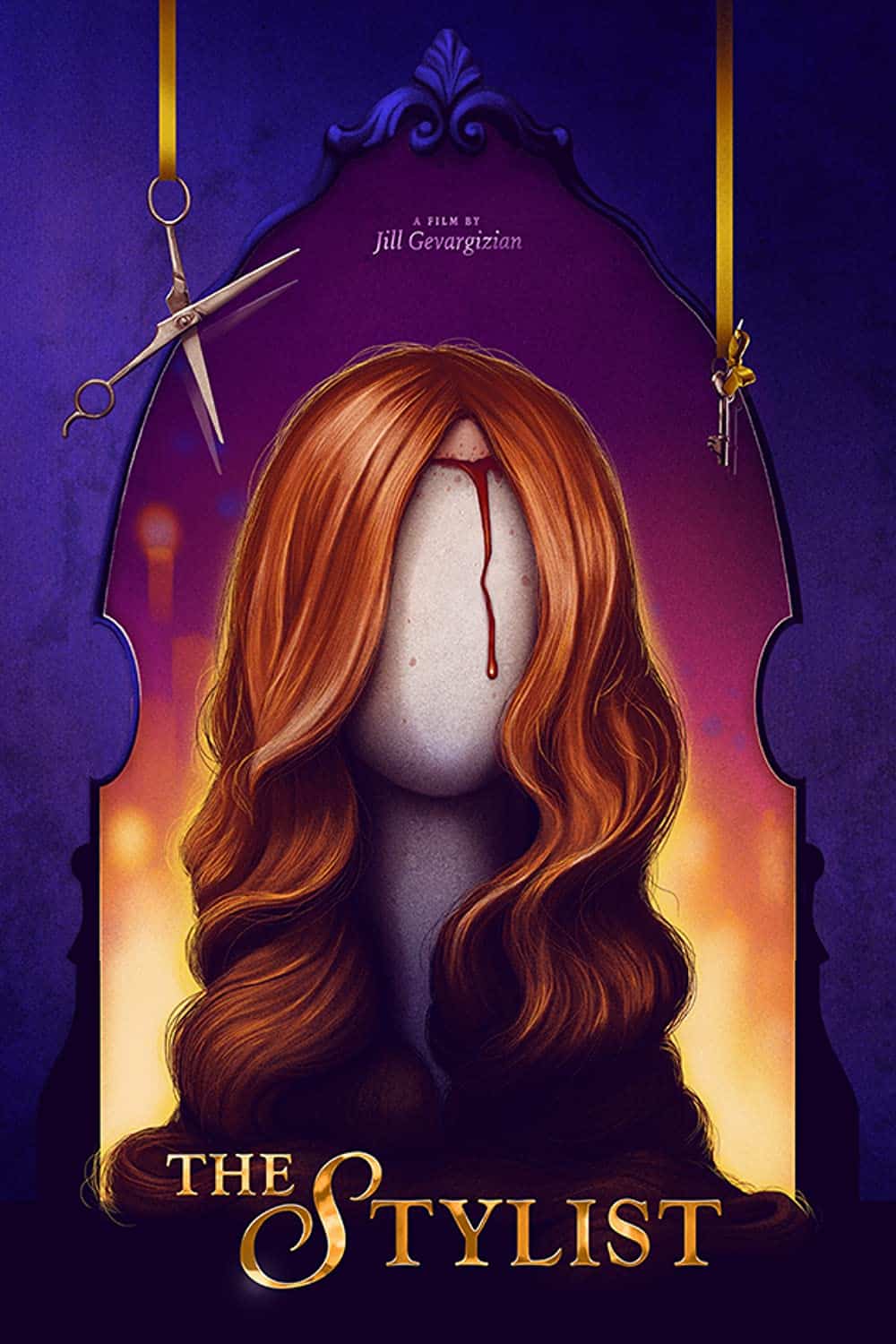
The Stylist, poster

To no one’s surprise, the slasher genre has largely been dominated by male killers, most of them with deeply seated mommy issues. Norman Bates, Jason, Leatherface (as revealed in the 2006 prequel), all take their childhood traumas and dump them on unsuspecting women that must die because they remind them of their own mothers. One woman’s failure becomes a blight on the entirety of womanhood.

Jill Gevargizian’s The Stylist isn’t unaware of this trend among slashers. It actually acknowledges it for its story’s benefit, finding in it an opportunity for subversion, for turning the table on the formula without completely disposing of it.

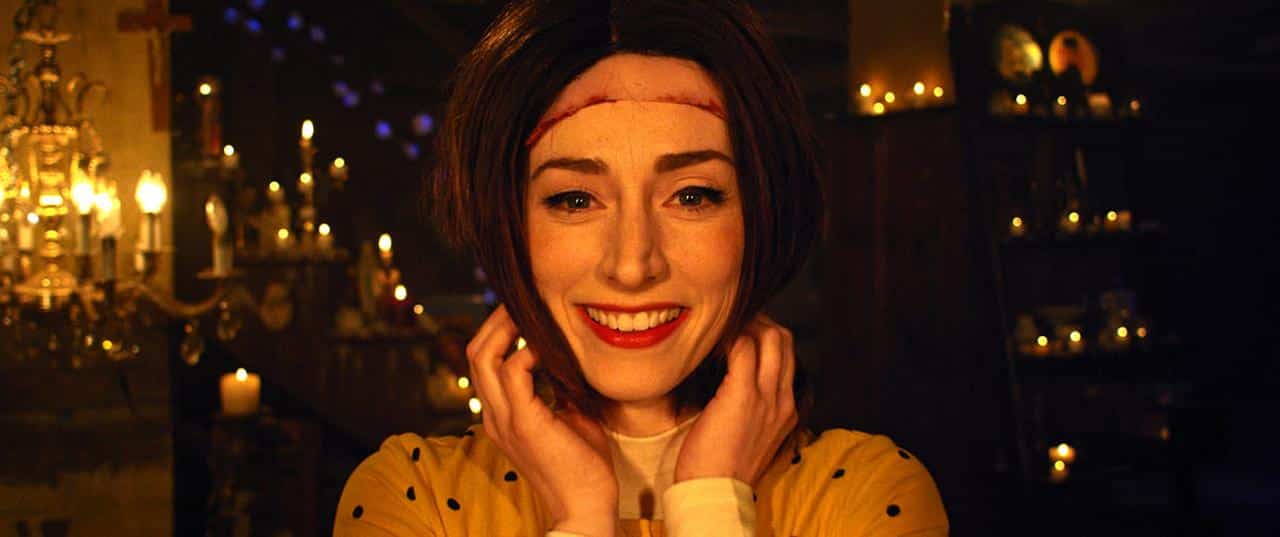
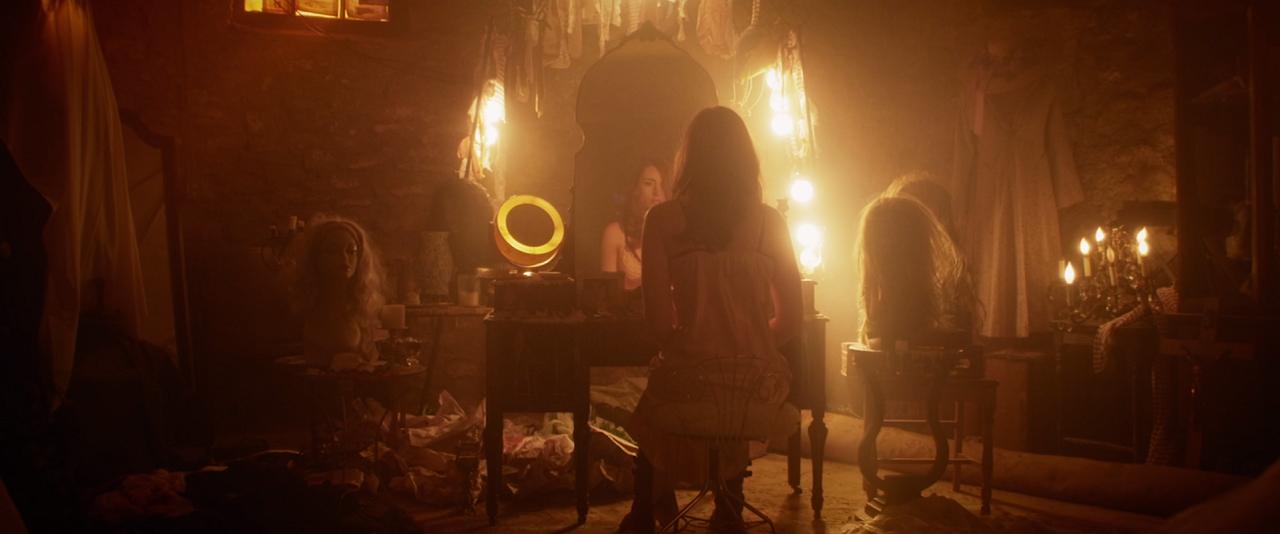
The Stylist presents audiences with a female killer called Claire (played by Najarra Townsend), a hair stylist that kills unsuspecting customers and removes their scalps to preserve their hair. The reasons why she does this is where the formula gets refreshingly tampered with. Claire isn’t obsessed with hair. She’s obsessed with the image people want to project with their new hair styles.

The movie takes advantage of Claire’s macabre methods to offer commentary on acute social anxiety and how the weight we put on physical appearances forces certain inflexible expectations upon people. One of Claire’s victims, for instance, makes a comment on how we always want what we can’t have as we settle into our lives, mostly by making decisions that box us into society’s idea of what we should be. This is basically the movie’s motto. We always want what we can’t have.

The Stylist

The movie develops this idea by focusing on a particular character that reaches out to Claire for her wedding hair, a thing that stresses the bride to be to the point of considering it the thing that’ll brings the whole experience together, as if the event’s success hinges on curls and extensions.

The concept of marriage, being one of the experiences people struggle with the most in terms of when to do it or even if it should be done in the first place, acts as the catalyst that puts Claire on crisis mode. It puts her face to face with a human tradition that requires having certain things she unfortunately doesn’t have: meaningful friendships.

The situation lends itself well to the metaphors at play. It helps them surface more noticeably as given how it’s commonly assumed that the person that has to shoulder the burden of making sure the wedding ends up being a resounding success is the bride, who also has the responsibility to dazzle in her dress and keep up appearances.

Claire takes all this in and struggles with her place in it, fortifying her frustrations with fitting in as a woman within that environment. In this regard, parts of the original slasher formula start seeping in. Women are still the killer’s main source of anguish, but the killings aren’t borne out of misogyny. They come from a profound frustration, and perhaps incompatibility, with the roles they’re expected to fulfill. That’s what makes the story feel so subversive as a slasher.

The Stylist

Najarra Townsend’s performance as the serial killer stylist is a definite highlight and one of the best in a year filled with strong horror performances (Robert Patric’s in What Josiah Saw comes to mind as one of the others). Claire is a very awkward character that always looks as if she’s uncomfortable in her own skin—hence her desire to become other women while wearing their scalps—and Townsend captures that in every single scene.

The film’s lighting is another high point. It has an eye-popping color palette that could’ve fooled anyone into thinking the story was going to borrow heavily from Giallo slasher movies. While there’s certainly a wink or two here and there that’ll surely leave fans of the genre satisfied, the overall tone of the story and its focus on deep character development owes more to films like Maniac (1980) and Henry: Portrait of a Serial Killer (1986), in which the intention is to paint a picture of the killer in as many shades as possible.

The Stylist is an unsettling film that relishes in its ability to make audiences uncomfortable. It’s confrontational even, shoving viewers into a place where they’re forced to ask themselves if Claire’s experiences wouldn’t be enough to drive anyone to do the things she does to try and fit in. It’s stylish, smart, and quite simply unforgettable, the same things one would expect from a killer haircut.

Movie Review: Halloween Kills betrays its characters in the franchise’s dumbest entry

David Gordon Green’s 2018 Halloween was a masterful take on the small but heavily storied world of Michael Meyers and Laurie Strode. It succeeded in not being another babysitter murder flick where horny teenagers get the knife as the sadistic masked killer goes from house to house. Instead, it turned the main survivor of the 1978 John Carpenter original movie, played by Jaime Lee Curtis, into a hardened and battle-ready warrior that weaponized her trauma while also training her daughter to also be able to defend herself.

Halloween Kills
Halloween Kills

Halloween Kills takes all of that and throws it out the window without much to offer in return, other than a dumb violent movie burdened with messy metaphors and unnecessary lore alterations. Sure, Michael Meyers kills, and some of the kills are satisfying to watch, but what ultimately gets butchered in the process is the core Strode family struggle the first movie worked so hard to establish.

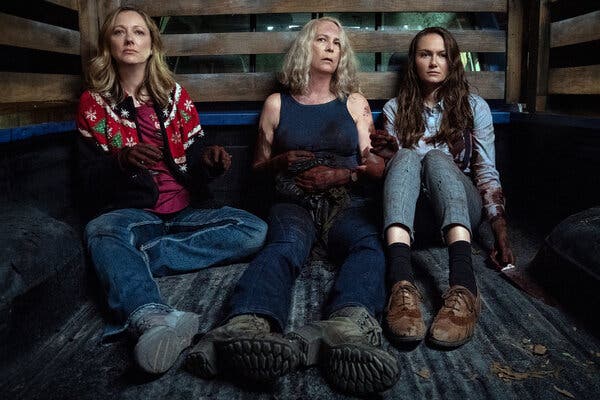
In what’s the second movie in a trilogy that was originally meant to be a two-parter, Halloween Kills picks up moments after the ending of the previous movie to see Michael Meyers surviving the fire at the Strode house. Laurie, daughter Karen (Judy Greer), and granddaughter Allyson (Andi Matichak) drive off thinking Meyers is a pile of ash underneath the rubble they left behind, but little do they know that The Shape is alive and well, and royally pissed off to boot. Chaos ensues.

In an interesting turn on expectations, Halloween Kills takes Easter eggs to a new level by making characters from the original film take on larger roles in this one, shifting the focus from Laurie’s fight against the Boogieman and onto how Haddonfield itself figures into Michael Meyers’ plans (which the movie very lazily tries to reveal through exposition dumps, in addition to trying to convince audiences on the silly idea that the killer has a masterplan of sorts). In fact, it’s what lies at the heart of the movie. The Boogieman isn’t just someone’s problem. It’s everyone’s.

Halloween Kills
Halloween Kills

Things start to get very shaky here as the expansion of the mythos seems inconsequential and sidelines Laurie and her family’s story in favor of half-baked messages and forced alterations to formula. For instance, it turns out that Michael (intentionally?) exposes Haddonfield as the real monster as its people take arms to dole out justice by themselves in a spectacularly dumb show of mob rule that tries very hard to evoke images of the January 6th Capitol Riots, resulting in the tragic death of an innocent man in the film.

One character actually blurts out the movie’s message at one point, observing that the unruly mob has basically become Haddonfield’s real killer (an issue that is “fixed” by creating a smaller, more focused mob, it seems). What’s worse is that all the time spent setting the angry mob up is time taken away from doing anything meaningful with what the previous movie brought to the table.

On the killing side of things, the movie fulfills the promise of its title, but it does so at the cost of turning Meyers into another kind of slasher that shares more with Friday the 13th’s Jason rather than the one we all know and love by now. Not that there’s anything wrong with experimentation, but implementation is key for these variations on character to succeed. Halloween Kills does not approach this aspect convincingly.

Michael is at his most sadistic in this installment, but his signature ‘slow and intimate’ killing style feels too out of character. There is only one kill scene in which we get a glimpse of that behind-the-scenes sadism Meyers usually indulges in out of camera in previous entries, in which the victim gets several knives stuck to his back for no other reason other than to show how much violence truly drives the character’s identity.

Halloween Kills
Halloween Kills

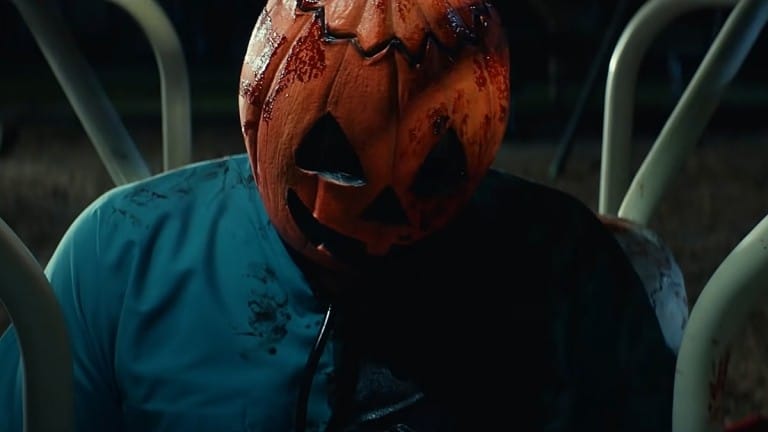
Remember, this is the same killer that beheaded a cop in the previous film and turned the head into a grizzly Jack-o-Lantern, lighted candle included. We never see him carve the cop’s face in the style of a Jack-o-Lantern, but we know he likes to get creative with his kills. Halloween Kills’ focus on fast, action-heavy kill sequences rob him of that creativity.

David Gordon Green’s Halloween sequel sacrifices too much of everything for an uninspired and clunky sequel. Its most tragic casualty is Laurie’s story, which never reaches anything worth writing about other than clichés and stunted character development. It’s a shame. I had hopes for this new trilogy. All I was left thinking of was that everything should’ve been left wrapped up in 2018. Unfortunately, we still have one more movie to go.

The Suicide Squad review: Blood, Guts, and Comedy

The Suicide Squad

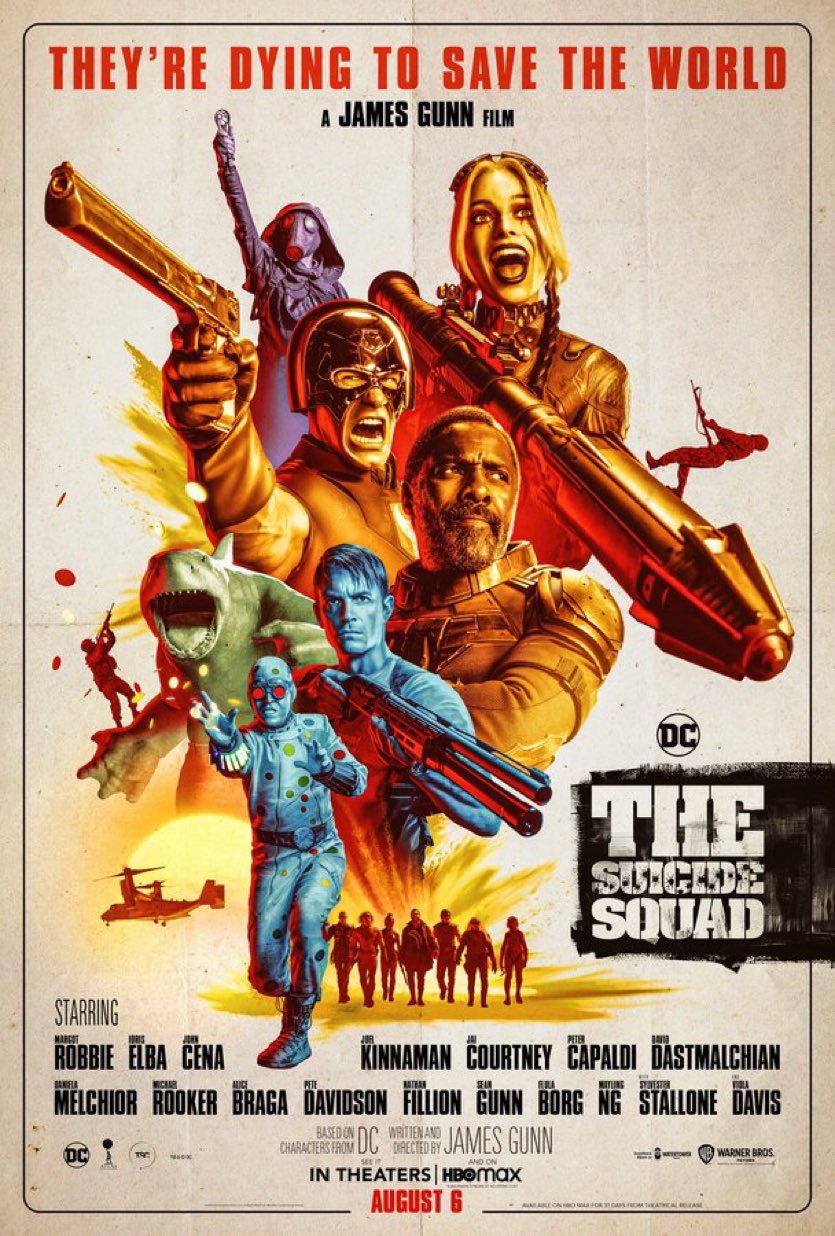
The Suicide Squad is one of the best movies of 2021, one of the best comic book movies of the last several years, and one of the best movies based on DC Comics of the last decade of their attempted construction of a shared movie universe. Director James Gunn is in his best form, tongue planted firmly in cheek, serving up ridiculous violence layered with humor and pathos. It’s clear that this is where DC should be going with its films: finding hungry filmmakers with a specific take on their properties, and then letting them go wild.

Although really I’m not convinced James Gunn wrote and directed this, or much moreso that “James Gunn” is not actually three kids in a trenchcoat. This movie is ridiculous, violent, and hilarious in all the right ways. It also proves the adage that we shouldn’t be remaking good movies, we should be remaking bad movies (like David Ayers’ Suicide Sqaud) and taking good elements from them.

Because those do exist. Margot Robbie as Harley Quinn continues to be amazing, playing incredibly well in this ensemble even with her own specific character arc. And Viola Davis as Amanda Waller is everything we want her to be and more. A scene between her and Idris Elba is a master class by two actors bringing all of the gravitas possible to set the personal stakes for this silly violent comic book movie that is The Suicide Squad.

Gunn also embraces the silliness of the premise. With a team of truly expendable anti-heroes, how do you make us care about each of these people, set up their stakes, and then let us laugh at so many ridiculous deaths. But this is the magic of James Gunn: he makes us care about Ratcatcher. And not just Ratcatcher, but technically Ratcatcher 2. And Polka Dot Man. And he makes their silly powers something not to underestimate.

But the film also smartly anchors us around Idris Elba‘s Bloodsport and John Cena‘s Peacemaker, whose chemistry is great and whose competition over who is better using very similar power sets is quite enjoyable. And a truly spot-on performance by Sylvester Stallone as King Shark is absolutely everything we want it to be.

While The Suicide Squad is 90% ham and cheese and blood and gore, there’s also a surprising amount of pathos. Between this and Guardians of the Galaxy 2, I have to wonder if Gunn doesn’t have some unresolved daddy issues. Or? It’s just an easy way to motivate characters. But so much of this is about intergenerational trauma. It’s also stealth feminist and puts a diverse cast of characters at the forefront. The women of this movie kick all sorts of ass, but are also flawed where they need to be. It’s refreshing because it’s usually not something we get in our movies, much less our comic book movies.

The Suicide Squad as a movie is just bonkers. It’s not even worth trying to explain the plot, because that’s not what’s important or impressive here. Here’s what is worth watching this movie for. Harley Quinn’s spree of violence set to “I’m Just a Gigolo”. A fight scene with large sections shot from the perspective of the reflection of Peacemaker’s helmet. So. many. character deaths. Caring about Polka Dot Man and Ratcatcher 2. King Shark being hilarious.

And yes, stay though the credits. There’s a final scene that sets up the John Cena Peacemaker series coming exclusively to HBO Max.

And that’s my ultimate recommendation: as much fun as this would be to go see on a giant screen with an audience and popcorn (and it’s probably the most theater-experience-y movie that has come out so far), the Delta variant of COVID is nothing to mess with. Watching this on HBO Max is going to be perfectly adequate for most people. Or? Make sure if you are going to a theater to go to one that is mostly empty, wear a mask, wash your hands, etc, etc. You don’t want to become a part of the Suicide Squad by catching a potentially deadly disease.

But go watch this movie. Enjoy it. While the squeamish should not check this out, those who enjoy the ridiculous and violent will find this a perfect summer treat.

4 out of 5 stars

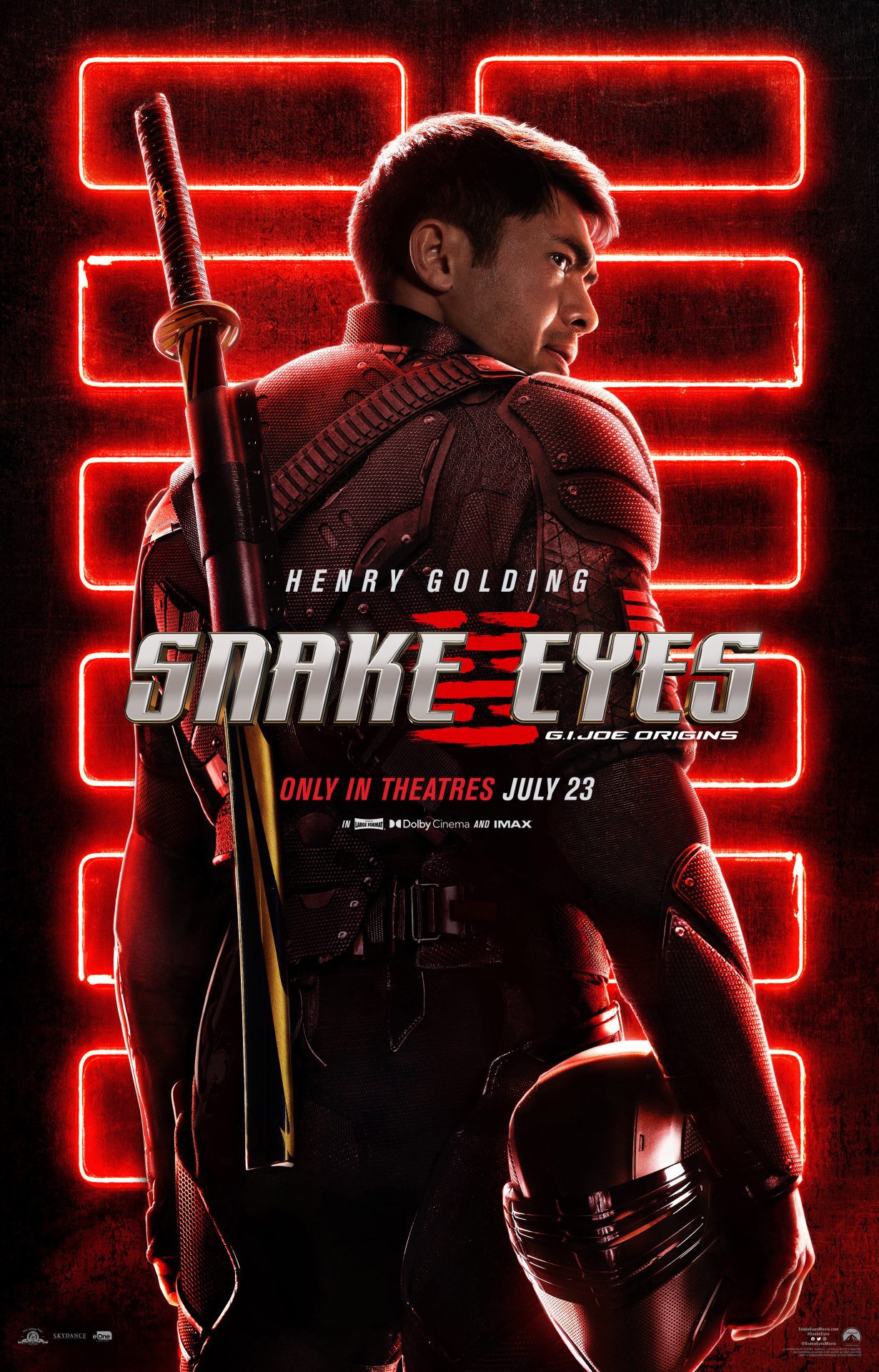
Movie Review: Snake Eyes: G.I. JOE Origins

Snake Eyes: G.I. Joe Origins

You know who the coolest GI Joe action figure always was? Snake Eyes. You know who was pretty cool in those otherwise terrible GI Joe movies from a decade ago? Snake Eyes. So it makes a lot of sense to reboot the franchise and include at the center the oh-so-hot-right-now Henry Golding as your black-clad ninja, right?

Yes, but then you need to deliver a better movie rather than one centered around the least interesting character in the entire film. You know who’s a badass in this movie? Storm Shadow. Scarlett. The Baroness. Multiple other members of the Arashikage clan. You know who wasn’t? Snake Eyes.

This movie could’ve been really cool. But ultimately it serves as a better origin story for Storm Shadow than it does for Snake Eyes, who is just sort of there. The film doesn’t give us a lot of reason to root for him and like the slowest fighter ever, it telegraphs its every move, making it a cliched “curse your inevitable but sudden betrayal!’ vibe. No lie: my 13 yr old son whispered to me 10 minutes into the movie “He’s going to be the bad guy, right?” When your target adolescent audience is that far ahead of the movie and its main characters, you’ve officially dumbed it down too far.

The story is pretty simple: Snake Eyes was orphaned at a young age and has spent his entire life fighting on the streets and seeking revenge against the man who killed his father. When a powerful member of the Japanese mafia hires him with promises to deliver his father’s murderer, Snake is ordered to befriend a young man named Tommy, heir to the leadership of the Arashikage, a legendary clan of ninja. They take in Snake Eyes and train him, ultimately leading to him having to make a choice to betray them to seek the path of vengeance or to choose the path of honor and his new clan and family. And also COBRA and GI Joe sort of show up and have interest in how all of this plays out, too.

All of this might be cool if done just a little more deftly. And here the problem lies with both the script and direction. Director Robert Schwentke, responsible for the R.I.P.D. film and a couple of the Divergent series sequels, faces the same problems he did in those films: the directing is competent but lackluster. Utterly devoid of voice or any personal statement or connection, it’s hard to emotionally connect with the film, even with such a slam dunk toyetic premise as “Action figure ninjas!” This may also be due to screenwriters Evan Spiliotopoulos, Joe Shrapnel, Anna Waterhouse, and the no doubt 8-12 other members of the script by committee who demanded certain elements be included in the movie to satisfy the desires of Hasbro or other studio executives. Shrapnel and Waterhouse have collaborated on other good projects in the past, including the 1936 Olympics Jesse Owens story Race and the recent Seberg, and it’s hopeful that they’re being tapped to write an Untitled GI Joe sequel as it’s likely the good things in this movie (and there are many good things). But the dullness seems very familiar for Spiliotopoulos’s work, which mostly includes uninspired Disney straight to video sequels and the recent live-action Beauty and the Beast (talk about uninspiring).

All of this sounds very negative towards this film, and perhaps we shouldn’t be so hard on it. At the end of the day, it’s a serviceable action movie and has a few actually really cool moments. This isn’t surprising, since the supporting cast is full of martial arts veterans. I just wish they got to do more. And I wish I didn’t have to wait until 90 minutes into the film to really get to something that felt cool.

And to be very clear, this is the best GI Joe movie that has been made. That is an extremely low bar since the first two are ridiculous disasters. But here’s the weird thing: those movies at least left a huge impression on me. It was a bad impression, no doubt, but an impression nonetheless. I couldn’t tell you the villain’s name from this movie. But I do remember the bat$#!^ insane performances by Joey Gordon Leavitt and Christopher Eccleston as Cobra Commander and Destro. And I remember the second movie, where they had the audacity to literally kill off 90% of the characters from the first movie in the first 10 minutes so we could start fresh with The Rock and Channing Tatum. Bad movies. But I’m still thinking about them. In two weeks I will likely have forgotten Snake Eyes even came out.

Which is a shame. Snake Eyes as a character deserves better than this. Henry Golding deserves a better role written for him. Andrew Koji, who gives the breakout performance here as Tommy/Storm Shadow, deserves better. I only hope they do all of them justice in whatever sequel will come. Let’s hope it feels at least a little more personal and interesting than this did.

At least the toys are still cool.

2.5 out of 5 stars

You can watch the trailer for Snake Eyes: G.I. Joe Origins here.

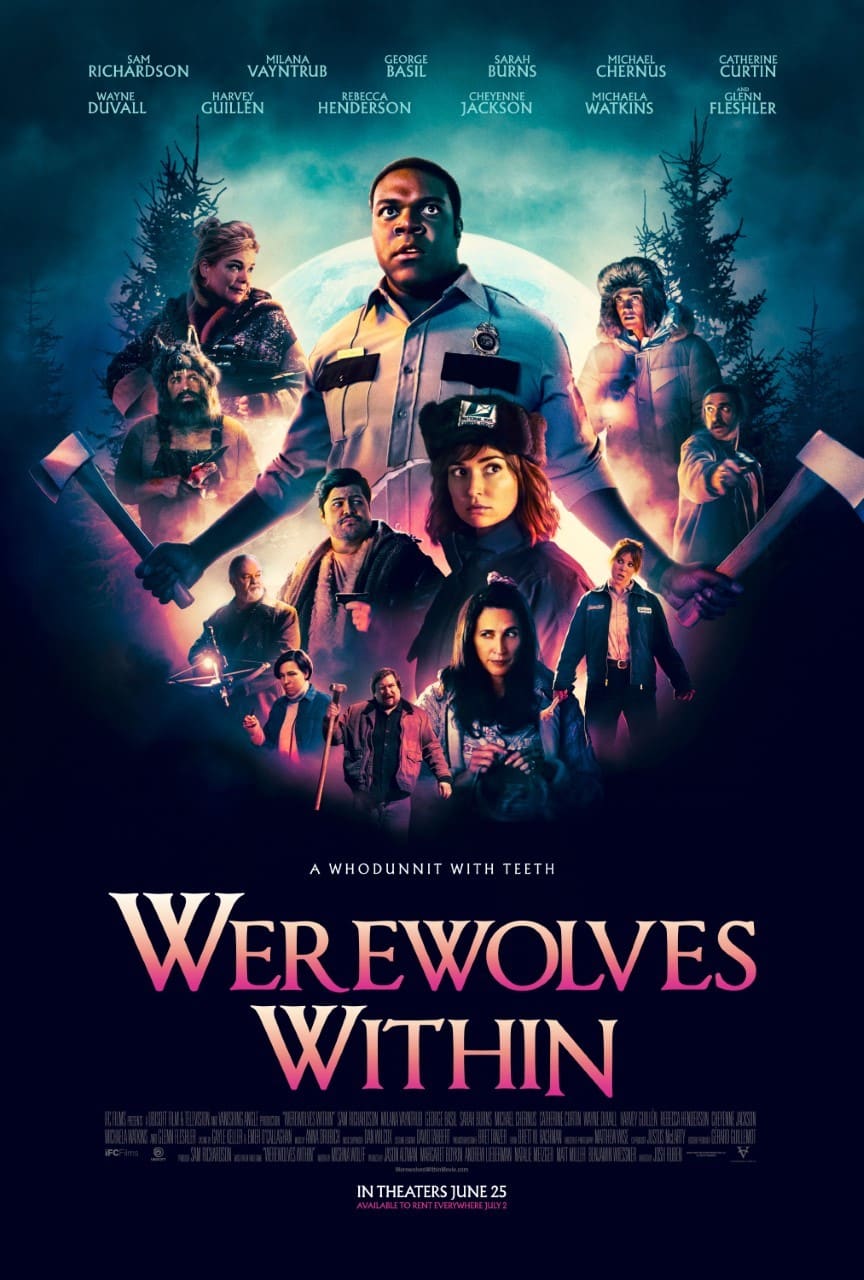
Review: Werewolves Within pokes fun at American politics and sneaky lycans, in that order

Werewolves Within
Werewolves Within poster

Imagine a werewolf story where the coming of the full moon is the least of the main character’s worries given he’s surrounded by a group of people more invested in the construction of a pipeline than the prospect of being torn to shreds by a lycanthrope. That, in a nutshell, is Werewolves Within, directed by Josh Ruben and written by Mishna Wolff.

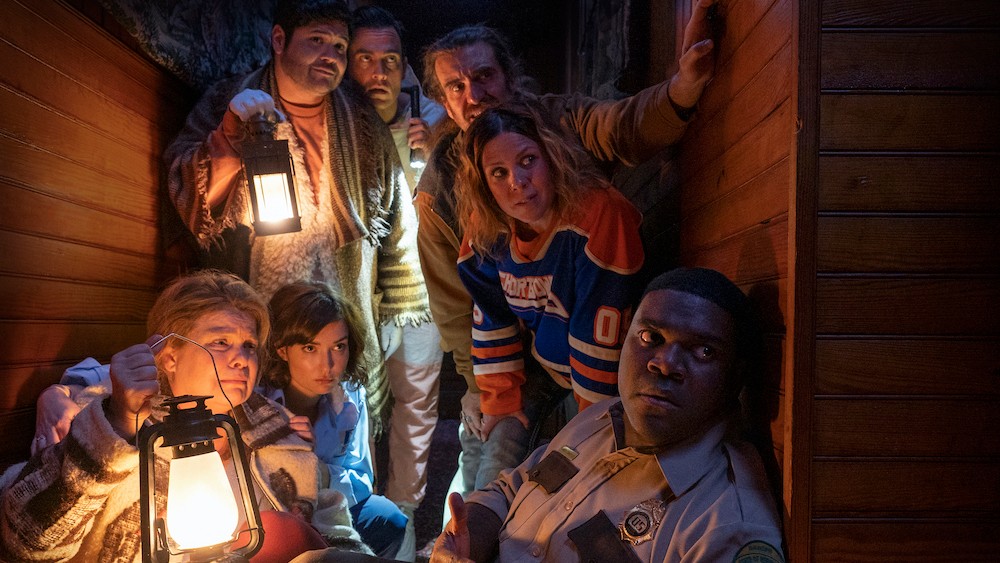
Based on the VR game of the same name, Werewolves Within centers on a group of people forced to stay together under a single roof, during a snowstorm, just as a series of grizzly happenings have scared everyone into thinking a werewolf is loose on the small town of Beavertown.

The story unravels like a game of Clue, where every character is a suspect, only in this case the suspicion revolves around the identity of the werewolf. And yet, the movie takes a sharp turn into oddball political paranoia, in which each suspect is a unique caricature of American politics that makes them as predictable as they are dangerous. It’s as if everything is split between party lines, right down to the way the group should go about solving the mystery.

The main divide that pits each character against each other is the potential construction of a pipeline through the natural beauty that surrounds Beavertown. A bullyish, macho oil man is all for the pipeline and is trying to get as many residents to his side as possible while an environmentalist, a forest ranger, a mailperson, the owner of the local inn, and a rich gay couple stand it total opposition to it.

Werewolves Within
Werewolves Within

A woman with small business aspirations (and a cute small dog called Chachi), her creepy grabby husband, and a money-hungry couple are all for the pipeline. Alliances are drawn from each side’s prejudices against the other and that’s where the movie finds its groove.

Werewolves Within’s two main leads, Finn and Cecily (played by Sam Richardson and Milana Vayntrub respectively), are the glue that keeps everything together. Finn is Beavertown’s new forest ranger and Cecily is the town’s mailperson. Their chemistry carries an undeniable pull that immediately places them as people worthy of trust in case of a werewolf crisis. They’re easy to root for, which makes all the violence around them bite that much harder.

What’s smart about the two leads is that they function as balancing agents, towing the line between the left-leaning suspects and the pro-pipeline right-wingers. To be clear, I don’t believe the movie is a right-wing bashing free-for-all where the more liberal camp comes out as the clear winner. Each side is a caricature of itself and the movie invites making fun of everyone.

You might’ve already noticed I haven’t mentioned the werewolf that much. There’s a reason for that, but I’ll let the movie do the talking on that front. I’ll say this, the direction they take it in is whip-smart and well worth the many twists and turns the movie throws at its audience at nearly every turn.

Werewolves Within is a remarkable satire of our current political climate and it uses horror conventions just as well as it subverts them to make it stand out. It serves a higher purpose and it’s all the better for it. It has quite a few tricks up its sleeves, and you’ll laugh hard through each one as you try to figure who is and who isn’t an asshole. I mean, who is or who isn’t a werewolf.

Movie Review: Black Widow

Black Widow

After much delay, the highly anticipated Black Widow soon comes to theaters. The film delivers popcorn escapism, the exact sort of adventure and story to allow you to forget the chaos of the current world. It also feels like a well-positioned film to address exactly that too. Taking place after Captain America: Civil War, Natasha Romanoff is on the run and a wanted woman. Scarlett Johansson against slips into the role giving the character a send-off after her fate in Avengers: Endgame. It’s a solo adventure that’s long overdue and more importantly, delivers a worthy successor to fill Black Widow’s role going forward.

The story has Black Widow and her allies dealing with their legacy and the Red Room, the secret program to train and build assassins across the world. The film goes out of its way to mention, or at times how, the abuse of the program. It’s a very dark subject matter for Marvel films that have often dance around the subjects. While it doesn’t fully explore the psychological impact, it does dive a bit deeper into the horrid things Natasha endure growing up, having been mentioned in passing in previous films. Black Widow fills in the gaps and answers so many questions.

Black Widow at its center is about control by the state and those “behind the curtain”. Its villain in Dreykov, played by Ray Winstone, is the powerful man manipulating women and abusing them for his own means. There’s multiple levels it can be taken, the clear abuse of women, but in today’s unease, there’s a nice aspect of the 1% manipulating us all.

The film could easily dwell in its dark subject matter only broken up by action sequences. Instead, the film delivers a lot of humor and a solid recurring discussion about what it means to be family. Black Widow introduces us to Natasha’s sister and her parents from the program, all of whom outshine its star.

While Johansson might get the top-billing, it’s her castmates that stand out.

Florence Pugh has a star-making turn as Yelena Belova. She delivers dry humor that picks apart Natasha’s superhero turn. There’s a brilliance to the film taking all of the “ticks” of how Black Widow has been portrayed and mocks it a bit. Mix it in the fact her role within the Avengers, it delivers a nice punch and laugh along with the action.

Pugh as Belova is Natasha’s partner in crime helping to bring down the Red Room and explore their experiences growing up. She delivers a different take on a similar character with a dry delivery to her lines that gives it all a kick in laughs. She’s the “cold Russian” to Natasha’s “Americanized Russian”. She also has the best lines of the film.

The two are joined in their adventure by Rachel Weisz‘s Melina Vostokoff and David Harbour as Alexei Shostakov/Red Guardian. The two are the Red Room parents to Natasha and Melina giving the film a dysfunctional family dynamic to work through. Harbour especially delivers the laughs in his out-of-shape Red Guardian and Weisz smacks his ego down regularly. The four characters together bring a nice aspect to the film as it explores family. It’s a juxtaposition to the one Natasha has found with the Avengers.

The film emphasizes either the quiet moments or massive action sequences. There is some issues where scenes feel like they pick up just before the actors begin to do their scene but overall, the film delivers spectacle. There’s also a Bond-like quality about the film as Natasha and Yelena must break into and out of locations and escape capture. While I saw the film on my tv with surround sound, it looks great and should be fantastic to experience wherever you choose.

Black Widow is a solid solo outing for the character delivering a little over 2 hours of escape and entertainment.

What the film impressively does is give its star a fun, final performance before exiting the role while setting up the next generation of Marvel Cinematic stars.

Overall Rating: 7.5

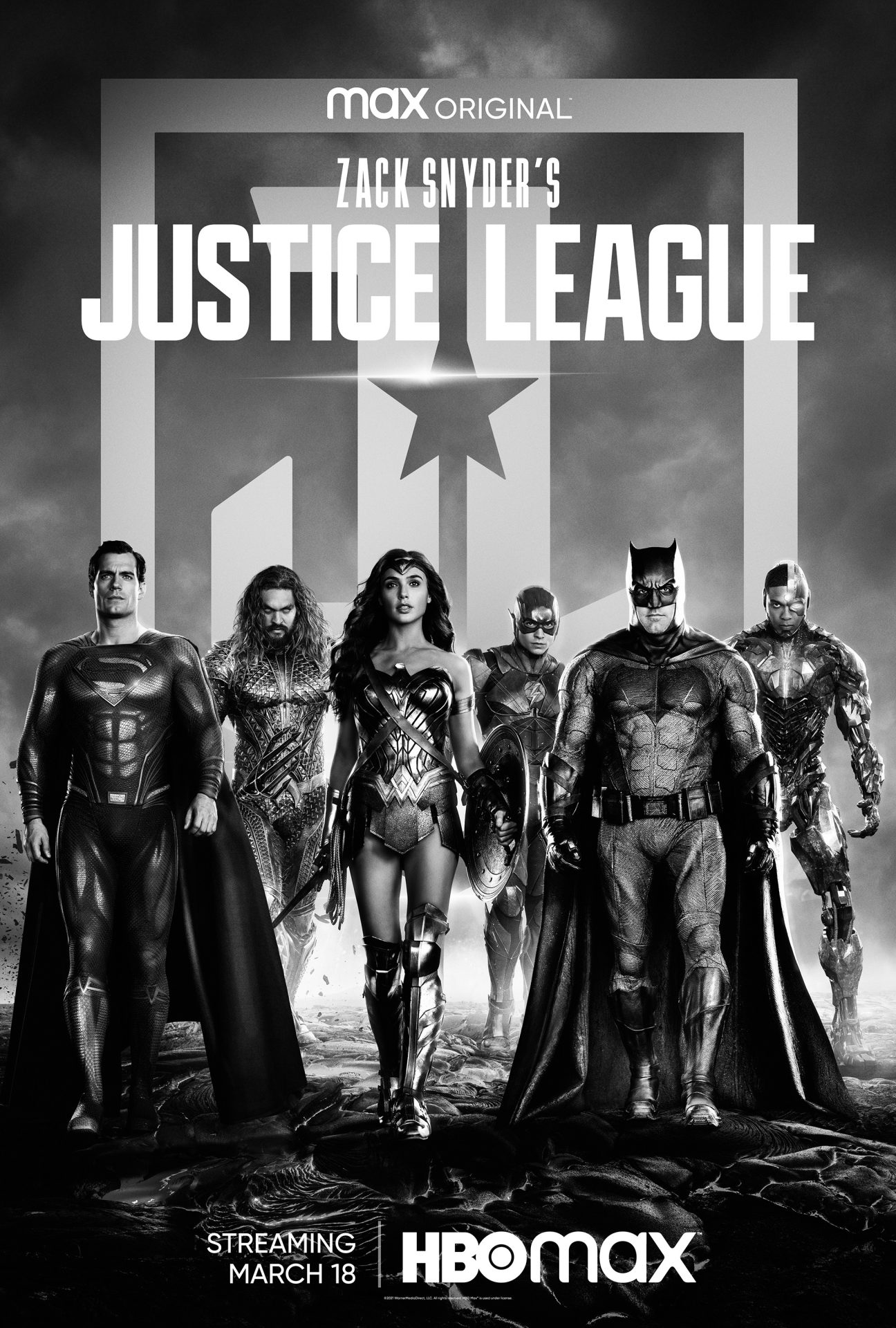
Movie Review: Zack Snyder’s Justice League Shows Bigger Isn’t Always Better

Zack Snyder's Justice League

In 2017, I was excited to see Justice League on the big screen. The film brought together classic DC characters in a new formula that skipped the individual origin films and started with a spectacle. The film was middling, not good and not bad. There were things to like and things not to. Four years later, we get to see a new take on the film on HBO Max with Zack Snyder’s Justice League.

The film is director Zack Snyder‘s take using some of his original material and some new scenes and reshoots filmed just for this. Snyder was unable to deliver his vision originally due to a family tragedy. And all these years later, we get a sense of what he wanted to do and while it’s very different, it too is rather middling. Like the original take, some things work and some things don’t. It’s not a disaster of a film but also delivers nothing new, in fact, it feels like steps back in the gains comic films have made in the four years since.

Zack Snyder’s Justice League basks in its creator’s vision. That’s drilled into viewers before the first scene rolls, stating that’s the reason the film is in 4:3 ratio. The movie is full with visuals that only work on a big screen (thankfully my tv is large with a solid sound system) and has a glee about it, like a child playing with toys in an ever-escalating adventure. It’s also very basic in its concepts. At no point does it really show that it “gets” its characters beyond their powers in a very surface-level way.

Despite a reported additional $70 million spent, the special fx far too often looks dated. This becomes apparent early on in the opening slow-motion of various Mother Boxes where some look very “off” in a glitchy sort of way. Wonder Woman’s opening scene is another example of this. Her speed was handled in a less jerky/choppy way in her own film. Here, here movements look like a nightmare from 1999’s House on Haunted Hill. Her solo film handled this in a much-improved manner and one that’s more visually appealing. Cyborg, Steppenwolf, far too much looks slightly off in its delivery where lines don’t match up at times or even “collisions” of objects. There’s far too much of a reliance on CGI that hurts the film and distracts.

Slow motion is to Snyder’s vision as lens flair is to J.J. Abrams. It’s overused and a distraction. In Snyder’s case, it also drags out the film, slowing the pace to the point of near boredom at times. The dour mood of the film is enhanced by the overuse and obsession with the technique. It’s so overused that by the time The Flash is introduced (in the third segment) that his powers, which benefits from the technique, no longer feels interesting visually.

At a little over 4 hours, the film delivers more of everything. Each of the characters are given more to do as the movie attempts to deliver the epic fight with evil while acting as an origin story for six characters. It does what it can with that with a jumble of side-quests and tangents as we meet the various pieces of the puzzle. The Flash and Cyborg, play by Ezra Miller and Ray Fisher gain the most out of this and each plays a more pivotal role than just members of the team. Miller especially comes out a star with his different and very likable take on Barry Allen.

There are things that make absolutely no sense in the film beyond style. The battle between the Amazons and Steppenwolf left me with so many questions. Queen Hippolyta pausing to do battle while escaping. The fact they thought sealing a rock building would do anything. And again, the fx that look like they belong in video games like Dragon’s Lair and Revolution X as opposed to a big-budget film in 2021. The movie is filled with WTF moments that feel so stilted and not fleshed out and dialogue that’s childish in creativity at best.

About the only way Snyder’s version improves upon the original release is in the film’s ending. Though there are some issues with it still, the film delivers a more satisfying ending in its key action, again giving The Flash and Cyborg a much bigger role in stopping things. The epilogue too feels like it’s a much better way to send things off.

This is a film though that’s Snyder’s to own. And it’s a depressing one. From the action sequences, to the look, to the color, the film has a dour sense about it. It’s drap, depressing, and lacks joy. The actors (as wonderful as Gal Gadot, Ben Affleck, and Henry Cavill are in their roles) feel like it’s all a bit too serious. Beyond Miller’s Flash, everyone feels like a stick is up their asses with a stiffness that sucks the fun from it all. It’s a bit too serious and at four hours, it all drags.

Zack Snyder’s Justice League isn’t bad. There’s a lot to enjoy about it. It’s an improvement upon the original in some ways. It’s a step back in others. The enjoyment of it all will be in the eyes of the viewer and whether you enjoy Snyder’s style. It can work, and work well, in a lot of his other films, but here it results in a downer of a film. This is one that should have been an exciting coming together of titans but the end result is a film that takes itself too seriously.

Overall Rating: 6.0


You can view Zack Snyder’s Justice League on HBO Max

Movie Review: The Vigil turns Jewish folklore into claustrophobic horror

Much has been said about how The Vigil ventures into Jewish folklore to create a truly genuine Jewish horror story. The movie accomplishes this convincingly and it’s nothing short of impressive, especially when one considers how much of it happens almost exclusively in a small house setting.

The Vigil is a very focused horror movie. It takes place in a small Hasidic household that hides more secrets than one thought possible along with a Jewish entity known as the Mazzik (from the Hebrew word mazikeen which translates into “damager” or “destroyer”). A member of the Orthodox Jewish community has passed away and a man called Yakov Ronen (played by Dave Davis) is asked to become the body’s shomer from midnight to early morning, a religious responsibility that entails acting as the deceased’s watchman. He’s supposed to care for the dead man’s soul as it crosses over.

The Vigil
The Vigil

Complications arise as we learn Yakov has recently left the Hasidic community after a traumatizing experience. In the process, his faith has been broken, leaving him somewhat isolated while in the process of dealing with his separation from the life he’s always known.

Director Keith Thomas, who also wrote the film’s script, decided to cram as much as possible into the story to create a fully realized nightmare specific to the Jewish experience. The intention is to get at the terror behind trauma, memory, and the unknown.

It all speaks to Thomas’ ambitiousness and drive to create an authentic Jewish horror film by fully committing to the culture behind its subject matter. The film goes as far as shooting on location at Williamsburg and Borough Park, two places known for their Hasidic populations, to capture as much as possible from the community that hovers around the main character.

Horror
The Vigil

Despite these elements being put firmly in place for maximum narrative effect, what makes The Vigil intriguing is its decision to keep to an enclosed place as it makes Yakov relive his traumas just as the house’s cursed memories start spilling out.

The small, two-story house the story takes place in carries itself like an old and bruised place, overtaken by shadows that seem to only recede in dimly lit spots. Light sources themselves are tinged with opaque reds and greens, making everything seem somewhat shapeless. It makes for a location that comes across as ill-intentioned, persistent in boxing in its chosen victim with no escape in sight.

Thomas uses this to his advantage and amplifies it by keeping the camera close to Yakov. And yet, there’s always enough space left over to peer into the background and see if something unnatural moves closer to him. It allows for a heightened sense of tension and dread to build up and it results in some great scares.

Dave Davis makes the entire experience work with his measured and tortured performance as Yakov. His fear is palpable, but so is the pain he carries. The house and its entity put Yakov inside a black hole of fresh wounds and traumatic memories, all concerning his decision to leave the community he’s currently back in for the night, in spite of his best efforts.

Davis lets the viewer in on his character’s suffering and makes him infinitely relatable, even in the face of his character’s specific cultural traits. The house’s lack of big open spaces creates the eerie sensation one is also trapped inside it with Yakov, making us feel the same claustrophobic terror he’s engulfed in.

Jewish horror
The Vigil

In this regard, The Vigil reminded me in parts of Scott Derickson’s Sinister. That movie’s demon also turned the house setting into a place where memories and hard life choices became things an evil entity could feed on. It exposed them and turned them into nightmares of their own. The Vigil showcases a similar approach to its horror, basically turning the house into a representation of the character’s fractured psyche.

In the middle of all this, the movie also finds a way to comment on antisemitism—from the Holocaust all the way to more modern forms of it—but not in a way that feels heavy-handed or forced. It’s presented as a constant that doesn’t need to rear its head on-screen to remind viewers of its existence, but it’s present enough to also play a role in creating its own sense of claustrophobia for whose who are victims of it.

The entity that attacks Yakov, both spiritually and mentally, is cleverly allowed to be seen in key moments so as to not allow the film to be solely consumed by its metaphors. The Vigil has a lot of things to say, but they don’t get in the way of making sure the movie also gives its audience a proper horror experience. The Jewish demon is memorable and is given the full weight of myth and history to have it embody a kind of evil that is ancient but still relevant.

The Vigil
The Vigil

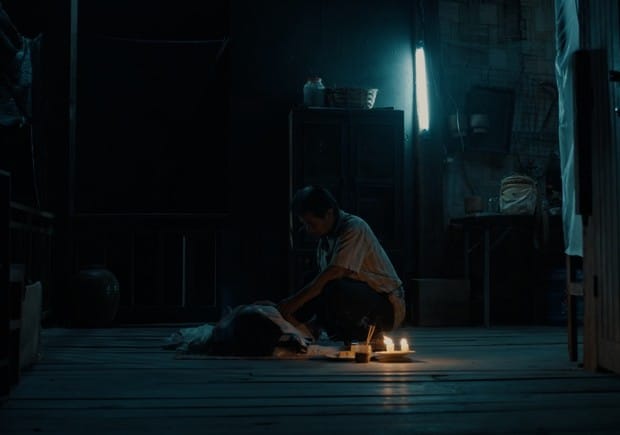
The Vigil succeeds at making each story beat and horror sequence correspond organically with its Jewish folklore influences and elements. The demon, the house’s haunted memories, and the trauma are all specific to the Jewish experience, but they never close the door on audiences from other cultural backgrounds so they can relate to the horrors on display. It’s claustrophobic and it actively tries not to make anyone feel safe within its story, all attributes of a great horror movie.

« Older Entries Recent Entries »