Author Archives: Andy Wilson

The Worst Movies of 2017

Welcome to the Worst. 

There’s a lot to celebrate in 2017 that was awful. One of them, however, wasn’t movies (or tv, or video games). So I hesitate to put out a list of the worst of 2017 without a little bit of context.

First, no easy slams. Sure, there were your Monster Trucks and Geostormsbut those films were always kind of destined to be cringy and terrible.

Second, I’m not going to fall for the trap of mistaking something that wasn’t made for me with something being objectively terrible. I actually kind of liked The My Little Pony movie (its strong anti-Trump themes were incredibly refreshing), and while by the end of 50 Shades Darker I really just wanted Christian Grey to have died in that helicopter crash, I recognize there are people who love this story and these characters. And I’m not going to crap all over them just because something isn’t to my taste. And in the year of The Disaster Artistwe can hopefully celebrate the weirdos who put out strange independent films because of their passion.

Third, besides, there are much worse things. And so I’ve tried to concentrate on them– collecting 10 “films” that should’ve “worked” for me. Several of these are big budget movies or done by experienced filmmakers who should know better. Others are by directors capable of much better. In fact, if there’s one common theme for these, it’s the “Spider-Man Rule” of movies– “with great filmmaking power comes great filmmaking responsibility.” So I’m going to hold these people to higher standards, especially if their efforts were backed by hundreds of millions of dollars of budget.

Let’s be clear that what gets produced in Hollywood is a zero-sum game: the money put behind any of these films is money that didn’t go to un-produced films.  And while I’m glad the streaming outlets are putting resources behind great films, let’s also recognize that giving money to Woody Allen or David Ayer (#9 and 10 on this list) is money that didn’t go someplace else to someone more deserving. I can at least give props to someone like David Lowery who put the money he made from Pete’s Dragon into making his passion project (#8 on this list). I only wish it had turned out better for him.

So, then, here you are: the worst of 2017:

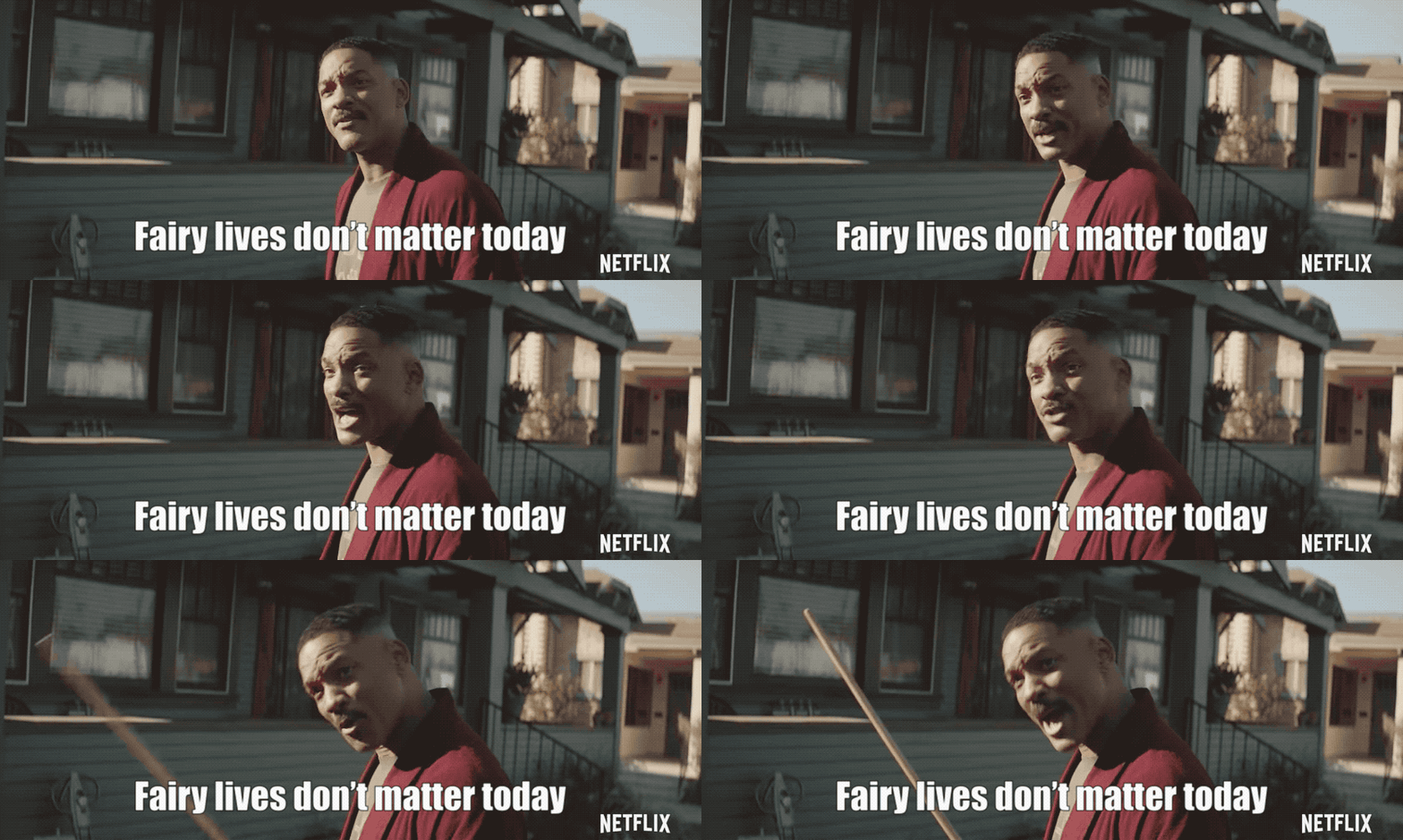
10. Bright – Yes, I’m including streaming movies on here (they’re in my best-of list, too, so it’s only fair), especially since this was a BFD that Netflix was making this blockbuster-type movie. I just don’t know what went wrong here, but this is almost incomprehensible. I like the idea of mixing high fantasy and gritty urban, but this was not the way to do it. The attempts at social commentary fall so flat they’re almost laughable. Will Smith, how do you keep ending up releasing movies in December that end up in my worst of lists? You’re on notice for 2018.
wonder wheel9. Wonder Wheel – It’s like Woody Allen is inviting us to say, “Hey, maybe it’s time we talked about how this filmmaker treats his female characters.” Not a good time for this conversation for you, Mr. Allen. And Jim Belushi and Justin Timberlake. I’m just left flabbergasted. And if this ended up on your best of list, I’m even more flabbergasted. Just go read this.

8. A Ghost Story – A piece of pretentious nonsense that decides to put its “message” in the mouth of its most abrasive character, a know-it-all drunk hipster, and beat you over the head with it in a ridiculous monologue. Also, that didn’t need to be Casey Affleck under that sheet. It could’ve been literally anyone. And while I didn’t know about the allegations about his treatment of women before I reviewed Manchester By the Sea, I did know about them here. And it’s baffling to me this ends up on anyone’s best of list. Oh, except that scene where Rooney Mara grief-eats a whole pie was legit.
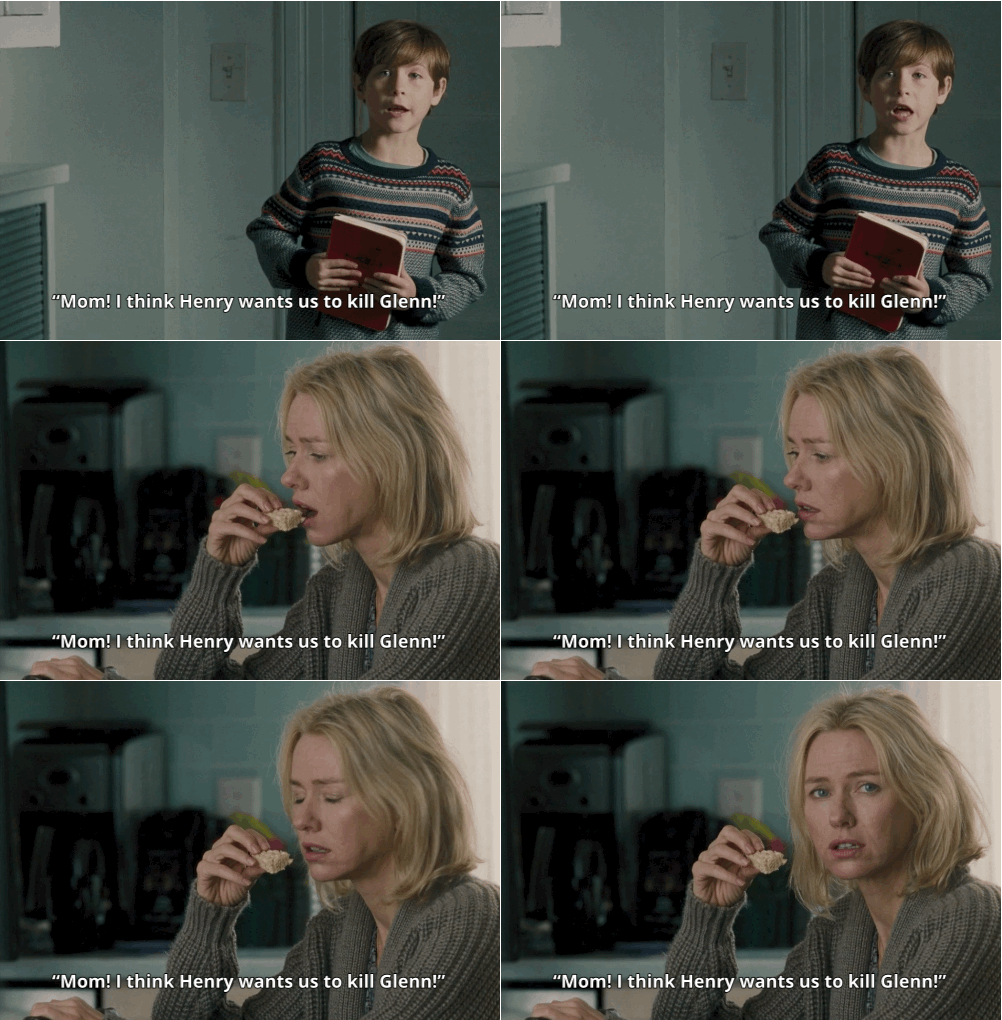
7. The Book of Henry – What the hell was this?!?! This is apparently the movie that got Colin Trevorrow fired from making the next Star Wars, and after seeing it, I don’t blame anyone for making that call. And inexplicable turn takes this from tearjerker over death of savant child to. . . dead child walking his grieving mother through how to kill their abusive next door neighbor and get away with it. Wow. Just wow.

6. Transformers: The Last Knight – We don’t expect much from Michael Bay and his Transformers movies, and this reaffirmed that. We had Grimlock, King of the Dinobots, review the movie for us, and his summary was, “Grimlock small dinobot brain, but even Grimlock know that super dumb.”

Snowman-Poster5. The Snowman – Why, Mister Police? We Gave You All The Clues. When the audience laughs at what are supposed to be tense moments, you know you have a problem. This was supposed to be Zodiac meets Let the Right One In and instead is more Manos, the Hands of Fate.

4. The Emoji Movie – Still unclear why this movie got made, except that somehow it managed to beat the far superior Atomic Blonde (in my top 10) at the box office its first week in release. America, this is why we can’t have nice things. My daughter (the target demo for the movie) texted her friends she’s never cringed so much in a movie. Smart kid.

3. Downsizing – Small review: this movie was b.s. You can read the rest here.

2. Split – This set the bar for bad movies all year long. It was so bad, it actively ruined several other movies for me, specifically in its attempts to tie itself to Shyamalan’s Unbreakable. I don’t expect much from him, but I don’t expect it to be this bad.

1. mother! – throughout this list I’ve gone after a lot of hacks: Bay, Shyamalan, Trevorrow, Ayer. But Darren Aronofsky should know better. This was impeccably shot and put together by a filmmaker who knows what he’s doing. But what he’s doing here is 100% bad.

And there it is. A load of terrible movies.

Agree? Disagree? Did I miss something egregious? Let us know what you think, and may 2018 give us better than these ten sorry flicks.

Movie Review: Molly’s Game

mollys game posterAaron Sorkin‘s newest film (and his directorial debut) is super Sorkin-y. Fans of his previous work will rejoice and enjoy this film, as well as recognize some of his most favorite tropes.
Jessica Chastain plays the eponymous Molly Bloom in this true story of how a former Olympic level skier ended up running one of the most exclusive poker games, first in Los Angeles and then New York. Her clientele included movie stars, tech gurus, musicians, wealthy financiers, and. . .  the Russian mob. This, of course, brings the FBI down on her, and most of the movie is told in flashback as she and her lawyer (Idris Elba) go through the government’s case against her.

This combination of courtroom drama, sports, and emphasis on quick, quippy dialogue is classic Sorkin. In fact, the opening scene that sets up Molly’s story is perhaps one of the most quintessentially Sorkin-y things possible, almost bordering on self-parody. Other of his favorite tropes that show up? Drugs/addiction, therapy, and honor. He did everything but start quoting Gilbert and Sullivan, although he does make several references to Arthur Miller and James Joyce.

Sorkin is a masterful scriptwriter– a lesser scribe might have gotten bogged down in explaining to us all of the rules of Texas Hold ‘Em poker. But because Molly comes in as a neophyte to poker, we get to go on her journey with her. Instead of getting bogged down in the intricacies and odds of each hand, they speed through the more technical aspects with the help of some clever on-screen tutorials. It’s not quite Margot Robbie in a bubble bath explaining the math behind credit default swaps in The Big Short, but almost as good. For an example of how not to handle these scenes, you can see Casino Royale where James Bond’s friend Mathis explains every hand of poker to Vesper, deflating the tension of one of the more intense scenes of the film in what is otherwise an almost perfect film.

Chastain and Elba shine with real chemistry, although in some of the longer monologues Elba’s accent come through a little bit. Another standout is Michael Cera, who plays a certain movie star Molly only refers to as “Player X” (one of the key plot points in Molly’s refusal to name the people who played in her game) and has the most interesting character arc in the film. Cera plays one of his fellow actors with a joy and contempt rarely seen, and it makes you wonder what personal interactions Cera may have had with this person in real life to color his portrayal.

Mollys Game book

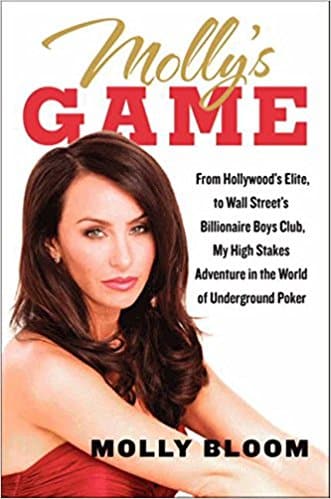
The actual Molly Bloom and the book Sorkin based his screenplay on.

But what you really get is a slice of just how awful people are in each of these industries. Sorkin skewers the way the rich and powerful all treat people as things, as commodities to buy, as things to be replaced when you tire of them. And as awful as the mobsters in the movie are (actually most of them are nice guys, giving Molly deniability she knew they were in the mafia), it’s the Hollywood and Wall St. guys who are undeniably the worst.

Molly’s Game becomes a sort of populist critique of the 1% voiced by the most hoity of the toity elites, Sorkin himself.  This is neither new nor unexpected territory for him — after all, he gave us President Jed Bartlett on The West Wing as a sort of proto-Obama when Barack was still an unknown state senator and law school professor.

This movie was going along great until its near-climax, when Kevin Costner shows up as Molly’s estranged father to explain the movie. As a trained psychiatrist and college professor, he gives her a “three minute therapy session” to explain her motivations to us in case we weren’t paying attention. The scene is eyeroll and cringe-worthy, immediately derailing this from Oscar-worthy to. . .  “Well, that was really good.” Pro-tip: If you want to take a five minute bathroom break when Molly goes to the ice skating rink, you will enjoy the movie more. It’s seriously that bad.

Despite Costner-interference, this is a sort of “Peak Sorkin” moment. It’s great to see him directing his own films, though one wonders if teaming with a more skilled director would instruct him to tone it down a little (and get rid of the Third Act Deus Ex Therapist). But the rest of the film is amazing.

Fans of Sorkin will enjoy themselves, and other audiences will also likely have a good time. Oscar buzz for this film for Chastain, Elba, and Sorkin himself are warranted. Just beware the Costner.

4 out of 5

Movie Review: Downsizing

downsizing-posterHere’s a tiny review: this movie sucks.
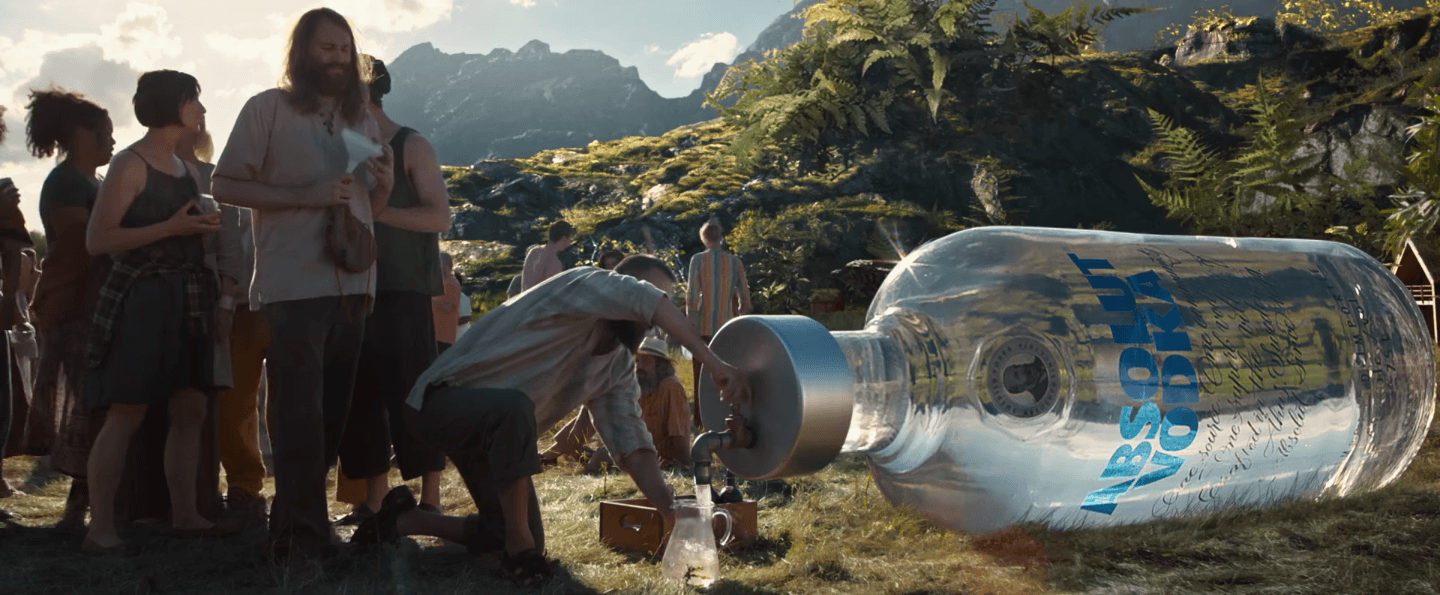
For a movie about downsizing, Downsizing‘s glacially paced and two and a half hour runtime leave you wondering, “What was that?” It’s not a comedy — never funny — and if a drama doesn’t really stir any feelings one way or the other.

You think you know what this movie is about? You have no idea. If you’ve seen the trailers, you know Matt Damon (and a host of other people) shrink themselves to go live in a fabulous planned community where, because you’re so small, your dollar stretches farther.

Yeah, that’s not what this is at all. The entire impetus for downsizing is to save humanity from overpopulation, climate change, scarce resources, etc. But, of course, it gets used in different ways across the world.

Despots and warlords use it as an alternative to ethnic cleansing to get rid of certain populations. And, of course, in America, we turn it into a way for a normal working guy (like Damon) to live an upper-middle class bourgeoisie lifestyle. Once there, he finds an underclass still working there to prop up the rich and goes about trying to help them?

This could’ve been a movie about classism, but it fails miserably at that. There are glimpses of attempts to make small people second class citizens, but they never go anywhere.

It could’ve been a movie about environmentalism, but it fails equally as miserably at that– turning its environmentalist characters into punchlines and doomsday culters. Speaking of punchlines, the film is also filled with too many “we’re small and things are big!” gags.

downsizing saltines

It’s not funny.

downsizing vodka

Here either.

DOWNSIZING

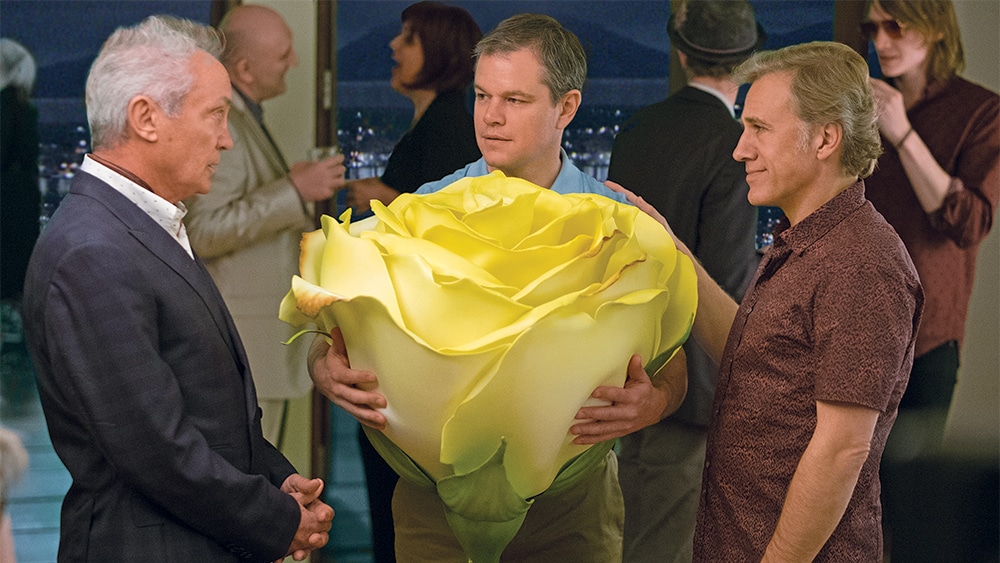
Even Christoph Waltz can’t act his way into being amused by this “giant rose” gag.

Not since mother! earlier this year has an otherwise talented filmmaker made such an incomprehensible mess. I hate every character in this movie. I hate everything about this movie. And its two and a half hour runtime feels almost doubly as long. It’s all very sad, because with more focus, this might have been something worth watching.

Don’t waste your time or money on this.

0 out of 5

Movie Review: Pitch Perfect 3

Pitch-Perfect-3-poster last callThe newest installment of the Pitch Perfect franchise about college a capella competition and the fictional Barden Bellas finds them mostly retreading greatest hits and tapping into the formula that has made the previous two films so charming, but it ends up a little flat in key places.
They simply can’t top the zaniness of part two, making this seem a little more lackluster. It’s still the Anna Kendrick and Rebel Wilson show, although the film does try to give some extra time to heretofore less explored characters, to varied effect. But the film’s central conceit of “getting the band back together” for a nostalgia-fueled USO tour just doesn’t work except seemingly as a backdrop for our stars to travel through Europe. All of our characters seem to have the same problem– life isn’t working out exactly as they planned one year out of college. While this seems a decent commentary on the plight of the entire millennial generation, it just isn’t interesting enough to sustain itself.

It shines best, as in previous films, in the lavish musical numbers the Bellas put on, this time joined by an all-girl rock group names Evermoist (yes, really), and alt country band Whiskey Shivers plays a group called Saddle Up. All of them are “competing” for a spot to share the stage with DJ Khaled (played unconvincingly by himself) in a final show, and here’s the real showstopper: Khaled is a black hole of charisma, and every moment he’s on screen the film grinds to a screeching halt.

Another problem lies in a strange side-plot involving Amy’s father, played by John Lithgow with a not-quite convincing Aussie accent. Apparently he’s an international arms dealer trying to reunite with his daughter. This allows for a strange third act where Rebel Wilson gets to play action star while the rest of the Bellas perform Britney Spears’ “Toxic” to distract him. It’s fun, and it’s good to see Wilson stretch herself as an actor, but it’s strangely off-tone and just doesn’t work as part of the larger film.

Matt Lanter (Star Wars: The Clone Wars, Timeless) also shows up as a military officer assigned to escort the Bellas, and ends up being a romantic interest. Lanter personally is fine (and indeed charming), but his character has nowhere to go. What’s really missing from this are some of the more interesting male foils from previous films (Adam DeVine, Flula Borg, and Ben Platt. . .  oh, how we miss you, Ben Platt). This was obviously a deliberate creative choice to focus on our female cast, and I applaud that. But compared to their previous films, Lanter and Lithgow just sort of take up space. DJ Khaled takes up negative space and drags the entire movie down.

And, as with all of the movies, I can always use more Elizabeth Banks and John Michael Higgins.

Fans of the franchise will likely enjoy this movie– its script is still chock-full of jokes and the musical numbers. . . err. . .  hit all the right notes. It’s too bad the entire package is not quite as good.

2.25 out of 5

Movie Review: Jumanji: Welcome to the Jungle

JumanjiThe 1995 film Jumanji holds a special place in the heart of many a millennial who grew up on the Robin Williams classic. So, when a sequel/reboot was announced, expectations were rightfully quizzical.

Did we really need another Jumanji movie? Apparently yes– and the biggest surprise of all is how much fun Jumanji: Welcome to the Jungle manages to be while also giving a quick, subtle nod to its roots. However, don’t be fooled into thinking this is another kid-friendly movie. It was apparently written to the level of 13 year olds, shoving in as many dick jokes as possible into a PG-13 film. Parents should likely consider the maturity of younger children before bringing the whole family– but there’s also Coco out there if you’re looking for traditional family-friendly entertainment.

A group of high school students find themselves in detention, stumble on to a video game called Jumanji and find themselves stuck inside the game unless they can manage to defeat it. It’s sort of a Breakfast Club meets Tron, with the kids stuck in an Indiana-Jones-type jungle adventure full of the most over-the-top and ridiculous action you can imagine. Apparently all the bad guys in this jungle ride a motorbike and use machine guns.

In lesser hands, this might not have worked, but somehow this cast’s audacity and charm make this a surprisingly fun movie– as long as you don’t think about it too much.

Dwayne “The Rock” Johnson and Kevin Hart reunite and prove themselves a sort of post-modern Bing Crosby and Bob Hope (minus the songs). Karen Gillan stretches even more here to reinforce her bonafides as a blockbuster action star with some stellar acting and even more impressive stunt work. But it’s Jack Black who steals the show, playing his role as the popular girl stereotype to its limits.

These four do incredibly well with one another. They have real chemistry, especially Hart and Johnson. The jokes are mostly hits, and there’s a lot of them. But most of them rely on the conceit that The Rock is the nerd, Hart is the jock, Gillan the awkward girl, Black the mean girl, and that does get stretched. However, I could watch Gillan awkwardly flirt with guards and then kick their asses with martial arts all day.

The camera is also an equal-opportunity objectifier in this case, as both Gillan and Johnson are subjected to multiple cheesecake shots of their chests, arms, and other sexy bits. The film also makes a point of playing up Hart and Johnson’s height difference and Black’s more rubenesque physique for laughs. It’s all done so over-the-top and knowingly, though, that it’s fairly clear this is a satire of action movie (and video game) tropes.

However, the film’s opening exposition means we spend a decent amount of time in the real world before the film gets going, and it feels like we spend both too much time with the boring versions of these characters but also not enough to truly develop them into anything more than stereotypes.

Speaking of exposition and plot devices, upon arriving in the video game, our heroes almost immediately encounter a computer NPC (non-player character) played by Rhys Darby who is there to explain the game. It’s essentially a giant exposition dump, and with almost anyone else it might wear thin, but Darby proves himself entertaining as always.

The biggest problem with this version is its slang, mentions of social media, and other things are going to horribly date the movie. Upon meeting Nick Jonas within the video game, our heroes immediately sense something is strange about him by the way he talks. I was a teenager in the 90’s. I don’t remember anyone actually talking like that. This is likely the same for our main cast. Again, they’re stereotypes played for laughs. Oscarbait this is not. But it is otherwise really funny, and the action and pacing keep things moving along.

One black hole of charisma is whenever Bobby Cannavale shows up as the video game’s villain. He’s supposed to be awful, but he’s mostly just unwatchable and every time it cuts to him threatening his minions the film grinds to a halt. This is a waste for the same guy who (rightfully) won multiple acting awards for things like The Station Agent and Will and Grace. I want that Bobby Cannavale back, and I want him in a better role than this.

But other than that, this is a fun movie if you’re looking for a little respite from the stresses of the holidays, and if you show up to the movie theater and can’t get into The Last Jedi or aren’t in the mood for a more challenging film like The Shape of Water, this is a decent consolation prize as long as you can handle all the dick jokes. Seriously, so. many. penis jokes.

Eagle-eyed-viewers can also be on the lookout for a tribute to Robin Williams, whose character Allan Partridge, was stuck in the Jumanji board game for decades. A note carved into a the place Jonas makes his home tells us “Allan Partridge Was Here.” This film can’t replace the heart the Williams brought to the original, but this was a nice nod in what is otherwise a breakneck pace that moves from action setpiece to action setpiece.

One might consider this a successful adaptation of a video game into a movie– an incredibly rare feat for Hollywood. Other would-be adapters should take note that the comedic tone and satire of video game tropes work because it doesn’t take itself too seriously. And neither should we.

3.5 out of 5 

Give My Love to Rose: A Song for Unsung Heroes

[Minor spoilers for Star Wars: The Last Jedi ahead]

Rose (Kelly Marie Tran ) is my new favorite character. And I hope she’s yours too.

Not only is she arguably the true hero of the film, she provides not one but two of the key lines necessary to understand the film. Beyond that, she does something I never thought possible: she turns the entire concept of heroism upside down and reminds us that true heroes aren’t just the ones who get attention and accolades.

The first time we meet Rose she is starstruck by Finn (John Boyega), saying she isn’t used to talking to heroes. Rose works behind the scenes in the Resistance, “behind [the] pipes” as she calls it.

Her sister Paige, with whom she is very close, is a hero in her own right as witnessed in the opening space battle as a gunner in one of the Resistance’s bombers. Through Paige’s heroism and sacrifice, the Resistance is able to take out one of the Empire’s ships. Poe, in talking to Leia, says “Heroes were on that mission.”

“Heroes, but no leaders,” Leia chides him as she demotes him for his insubordination.

Why does this matter? Because the film shows us as important as the heroes are — the Poe Damerons, the Luke Skywalkers — the people who really make things run are the others who are so often nameless and faceless. Finn’s background as a former stormtrooper janitor should also be noted here, and why it’s so important that Finn and Rose get paired up for the better part of the movie.

There has been a decent amount of complaints over the Canto Bight storyline, but it is, in fact, one of the most important in the film. Not only does Rose deliver a strong populist critique of this new hive of scum and villainy — the 1%, war profiteers selling to both sides of the conflict — she wakes Finn up from being dazzled by their surroundings.

“Look closer,” Rose tells him, and he begins to see the people behind the scenes — many of them oppressed or forgotten, many of them children — who actually make everything run.

“Look closer,” as we remember maybe it’s worth staying through the credits of a movie to appreciate all the people who worked on it rather than just to see if there’s a stinger scene to set up the next movie.

“Look closer,” as we remember all of the Star Wars fans who have waited for years to see representations of themselves on screen. Because perhaps even the most important is noticing the actors playing these roles. The fact that both Finn and Rose are being portrayed by people of color adds another layer to the commentary they bring. And especially given the problems of erasure of Asians and women in tentpole blockbusters, Kelly Marie Tran getting the breakout hero role of the film should cause people to take notice.

“Look closer,” at all of the people who never get noticed, but who heroically do their work every day.

A final visit to see the children of Canto Bight at the end of the film puts a cap on why it’s so important we look closer and the importance of heroism to inspire others.

And then Rose delivers the most important line in the entire movie during the film’s finale in the battle on Crait, which gives me unending hope in a time of darkness: That’s how we’re going to win. Not fighting what we hate. Saving what we love.

With so much hate out there, we can remember this and brush off the hate like Luke Skywalker brushes his shoulders after a barrage of laser blasts. The love and self-sacrifice and heart that Rose brings to The Last Jedi is one of the best parts of the film.

Rose is my hero.

Movie Review: Coco

Coco-Family-PosterPixar seems to have the magic capable of making children smile and adults weep. And with Coco, they add to that a masterful, universal story about family filled with music and visuals to delight the senses.
And while it is universal, it is also very specifically Mexican, while also never feeling false or like it appropriates their culture. Given our current political climate in the United States where Mexicans are denigrated as “bad hombres,” “drug dealers” and “rapists” (and that’s just by the president), this presents a true representation of a culture where family and remembering your legacy is key. It also ends a long and painful history where Disney has really failed in representing Latinos and Latinx culture.

Our story centers around Miguel, a young boy who is obsessed with music despite it being banned from his family for generations. His nonagenarian great-grandmother Coco was abandoned as a child by a musician father who went off to seek his fortune. Left without a patriarch, the family’s matriarchy learned to make shoes, a trade which is their family’s legacy and heritage.

On the Day of the Dead, they place all of the photos of their extended and departed family on the ofrenda to remember them, including a photo of Coco as a child with the face of her musician father torn out. Miguel comes to believe that this missing great-great-grandfather might in fact be one of Mexico’s greatest singers of all time, Ernesto de la Cruz (Benjamin Bratt), so he breaks into de la Cruz’s memorial at the graveyard to borrow his guitar to play in a talent competition.

Because of the weakening of the barriers between worlds on Dia de los Muertos, Miguel finds himself transported to the land of the dead where he must find a member of his family to give him a blessing to help him return. Hearing a con artist ne’er-do-well skeleton named Hector (Gael Garcia Bernal) mention that he knows how to get access to de la Cruz (who is still a hugely big deal in the afterlife apparently), they decide to team up. Hector’s price is he needs Miguel to put his picture on his ofrenda so he can cross over to see his family and loved ones. Having been forgotten, he is in danger of completely fading away, suffering a “second death” from which no one knows where you go.

This brings to the forefront the film’s theme on the importance of remembering your family and loved ones. Perhaps better than any other Pixar movie to date, this has well-developed themes that make it not only entertaining but meaningful.

Also unlike other Pixar movies, this is a musical. But unlike the traditional Disney princess model of musical, here the music is an organic part of the story and storytelling. They sing songs that are thematically relevant, but they always do so because there is a talent competition, a concert, or so on. In this way, it’s very similar to last year’s Sing Street. There’s also an easy comparison to Kubo and the Two Strings, although that film did less with its music as a storytelling device, but both films up the ante with delivering authentic stories about family and loss mixed with a realistic, loving tribute to another culture.

And the music is excellent. One of the recurring songs is de la Cruz’s biggest hits “Remember Me.” This takes on special significance when understanding that it is the remembrance of our family that continues to sustain them even after death. A final version of the song sung at the end with Miguel reunited with his family will not leave a dry eye in the theater.

And then there’s the visuals. Pixar is able to deliver a beautiful, stylized version of the land of the dead that is surreal, vibrant, and beautiful. The use of color, especially of orange marigold petals, brings life to the film in unexpected ways. The “sugar skull” look of so many different faces gives each character a different look and feel.

The most spectacular are some of the creatures that act as “spirit guides” in the land of the dead. Based on dragons, monkeys, dogs, and other creatures they are day-glo, beautiful, and magical. Miguel’s great-great grandmother’s spirit guide is a giant winged cat-dragon who may be the most impressive visual feat of the film.

The music and the visuals brings up one of the more interesting details many will not notice, but when Miguel plays his guitar, his fingers are playing actual chords and his strums and finger picking is correct for the music he’s playing. This is yet another example of a film taking the time to make sure all its details are right and authentic.

A word of caution: don’t go see this movie in 3D. It doesn’t need it. And wearing sunglasses in the theater will only dampen the beauty of the color palatte, as well as making it harder to wipe away tears that will flow from all but the most stone-hearted among us.

This is not a perfect film. The plot twist at the end is a tad predictable, but for a medium whose entire raison d’être is repeat viewings ad nauseum on home video, it doesn’t need to be. Will it hold up over repeat viewings? Absolutely.

With so many families now spending time during the holidays going to see movies together, there is simply no better choice out there than Coco. Make a date to take your familia as soon as possible.

Final rating: 4.5 out of 5

Movie Review: Justice League

Justice League posterIt’s hard to think of a time recently when a film has had so many expectations riding on it. 
And Justice League will undoubtedly fulfill many of those for a lot of fans of the source material. If you’ve been a fan of what Zack Snyder has done with the DC universe so far, you will continue to enjoy this. If you enjoyed Joss Whedon‘s work on The Avengers but have been “meh” so far on Man of Steel or Batman v. Superman, then you may enjoy yourself here, as the best explanation of Justice League is “Joss Whedon meets Zack Snyder.”

Unfortunately, that also means the film also embodies many of their respective weaknesses, too.

It’s no wonder this feels like a mishmash. Zack Snyder finished principle photography on the film and then had to step away from the project due to family issues. He entrusted finishing the film, including some reshoots and a script polish, to Whedon. Both of their fingerprints are evident in this film. Snyder’s stylized action is key and brings a bombasticity to the fights Whedon has never been capable of. Whedon brings some humor and teases out character elements in little asides that are key to enjoyment of the movie. In a lot of ways, this is a marriage that makes sense. In others. . . well, let’s say it’s easy to tell which parts of the film who was responsible for. It’s sort of like listening to The Beatles’ White Album — Lennon and McCartney were credited for all of their songs together, but it was very clear who took the lead on which track as the two partners styles started to diverge more wildly.

THE SETUP

Superman is dead. (Spoiler alert!) Sensing a moment of weakness and hopelessness, intergalactic conqueror Steppenwolf has returned to Earth to try to conquer it. Yes returned, because apparently he tried this schtick before and was repelled by the combined armies of Amazons, Atlanteans, and men. So he’s going back after them and artifacts he left behind that he needs to conquer the planet.

Batman (Ben Affleck), wracked with guilt over the death of Superman, is trying to put together a team to fight what he sees as this oncoming storm even before he’s aware of Steppenwolf’s presence. When Wonder Woman (Gal Godot) informs him the threat is already here, they redouble their efforts to find new teammates.

This includes Arthur Curry aka Aquaman (Jason Momoa), Barry Allen aka The Flash (Ezra Miller), and Victor Stone aka Cyborg (Ray Fisher). While Bats and Diana get top billing, make no mistake that the other teammates are not sidekicks. Indeed, each gets their due and gets their own fun moments and character arcs.

Yes, Aquaman is really f*#king cool. You would’ve told me 20 years ago I’d be saying my favorite part of a Justice League movie might be Aquaman, I’d have laughed in your face. You’ll believe a man can swim. . . and kick all sorts of ass. Momoa’s comedic skills are put on full display here as well, delivering some of the best lines in the movie.

Speaking of comic relief, The Flash has always been the Justice League’s jokey conscience. In this version, we get a much younger, greener version of the character who is only barely discovering his powers. This is a double edged sword, as it gives the character room to grow and a great story arc, as well as giving Batman a chance to play superhero mentor. Ezra Miller does a great job and tries to steal every scene he’s in, which can sometimes be a little overbearing, but is overall really fun.

Unfortunately, we also get a wildly uneven powerset and skillset. At one moment Flash is literally tripping over himself, and not ten minutes later must perform a demanding run to deliver a static electricity bolt at a precise moment. Characters can be layered and be able to grow and have varying degrees of competence, but we can’t expect someone to be so bad at something one minute and five minutes later perfect at it (without even the use of a sports training montage!) That’s not showing growth and nuance, it’s just sloppy storytelling and characterization.

Speaking of, this brings us to Cyborg. It’s a good thing most audiences aren’t familiar with the character, or else they may have expectations about his powers. Apparently, Cyborg’s main superpower is exposition. He also has the ability to pull a Deus Ex Superhero at any given time. Need your jet to take you from Gotham to Russia in under 2 hours? Cyborg can “hack” your plane and make it happen!  Need to prevent Steppenwolf from assembling his doomsday terraforming machine to conquer earth? Cyborg can “hack” it!!

To be fair, [Minor Spoiler] Cyborg’s origin in the film is tied in to one of the artifacts Steppenwolf is using, but it’s still incredibly convenient. You know what else is incredibly convenient? The Kryptonian spaceship containing all sorts of technology (for the THIRD. MOVIE. IN A ROW.) whose main purpose, again, is to move the plot forward. Equally convenient? Another alien would-be conqueror who wants to terraform the earth.

It’s almost hard for Batman, Wonder Woman, Aquaman, and The Flash to shine under the weight of all of this– but they do. It’s just unfortunate that they have to.

WHEDON v. SNYDER: DAWN OF “JUST US” LEAVE

Getting back to the description of the film as “Joss Whedon meets Zack Snyder”– Note that in this description of the film, nowhere is a mention of Patty Jenkins. And that’s with good reason. Jenkins’ Wonder Woman still stands head and shoulders above all other DC movies, including this, as Princess Diana herself does among her teammates. Nowhere here do we match the spirit and fun of Wonder Woman, but we get occasional glimpses of it.

And Wonder Woman is the best part of Justice League. Her mere introduction on screen elicited cheers and applause from the audience, and her opening intro is masterful and fun. No small amount of credit should be given to Whedon, whose trademark handling of “strong female characters” is basically a cliche at this point, but it’s still missing some of what Jenkins brought.

Indeed, the film’s best analogue is Whedon’s Avengers: Age of Ultron. That film nearly collapsed under its own weight of trying to move Marvel’s franchises forward, but forgot to really ever be or say anything in and of itself. Justice League sometimes feels that way– an obligatory team up sequel because that’s the next step in the movie franchise plan.

Another apt comparison might be to Superman II, which famously had Richard Donner fired from it and the rest of the film was completed by Richard Lester. The seams are clearly visible on that Frankenmovie where Donner ends and where Lester begins. So too is it clear how much of Whedon’s sardonic essence was brought into this film both in its script and reshoots which he oversaw.  While Snyder stepped away due to family issues (and I’m not going to give him any hard time about that) and entrusted Whedon to finish his movie, the end result is more Donner-Lester than Lennon-McCartney.

But perhaps this is best seen in the film’s most glaring flaw: Steppenwolf is a boring villain. The only thing remarkable about him is he’s big and powerful and he wants to conquer the earth, so we need an equally awesome team to work together to defeat him. In this, he’s a lot like Ultron. . . and, come to think of it, Zod. Unfortunately you don’t have as interesting an actor portraying Steppenwolf as Terrance Stamp, Michael Shannon, or James Spader. He’s not bad, he’s just lackluster. He can join Malekith from Thor: The Dark World as the least interesting superhero movie villains of recent memory.

And yet, both Avengers: Age of Ultron and Superman II are incredibly good, enjoyable films. You might invoke an aphorism about how great power brings great responsibility, and so maybe we should expect even better than this, but that’s a completely different guy– and he has his own track record of mediocre movies he’s trying to fix (and largely succeeding).

A STORY ABOUT SUPERHERO MOVIES

My son is 9. He is a frequent companion of mine to press screenings, especially when superhero movies are concerned. His first movie in the theater was The Avengers in 2012. He liked Batman v. Superman ok, but mostly just the final battle. Fast forward to 2017: He liked Guardians 2, but not as much as the first one. He was not a fan of Spider-Man: Homecoming — let’s be clear, that was a teeanagery John Hughes movie with superheroes in it, so give him a few years. He was not a huge fan of Wonder Woman —ugh. Girls. (His father is hugely disappointed in him for this)

He gave Thor: Ragnarok a “13 out of 10” and begged to go see it again as soon as possible.

He gave Justice League a 9 out of 10. Because if you can just enjoy this movie for its jokes, its iconography, its action, and its broad characters, you can have a great time with it. Truth? It made my inner 9 year old pretty happy, too– the same 9 year old who taped Superman II off of tv and watched it over and over not at all aware of the film’s flaws. It was simply “Kneel before Zod!” time, and everything else was just fine.

There are also moments of sheer brilliance in this movie, some of which we can’t get into without spoilers. DC fans will be happy, though, as other characters are referenced or implied.

And there are some sweet moments. In a flashback that opens the movie, little kids interview Superman for a podcast they’re doing. A sign of the type of hopelessness Steppenwolf and his parademons feed off of are a white skinhead hassling a Muslim shopkeeper and kicking over his fruit stands. Wonder Woman signs autographs for some little girls and I triple dog dare you not to tear up a little at how much it matters to them.

And then there are the after credits scenes. Yes, two of them. So make sure you stay. The one at the very end of the credits made me want a direct sequel as soon as meta-humanly possible.

It’s unfortunate these moments only checker the film rather than deeply permeating it like a piece of finely marbled kobe beef. Instead it adds extra sizzle to the steak, but doesn’t leave the whole thing as tender and juicy as it might otherwise be. But when you’re dining at Snyder & Whedon steakhouse, this is the meal that we expect. And at the end of the day, it’s still a pretty good steak.

3.5 out of 5

Movie Review: Thor: Ragnarok

Thor_Ragnarok_SDCC_PosterThor’s outings in the Marvel Cinematic Universe have been. . . uneven at best, to put it kindly. Indeed, Thor: The Dark World remains the unequivocal nadir of the MCU’s otherwise good track record. But given that and Avengers: Age of Ultron also being less than stellar — the last two times we saw our Asgardian hero — you might come in to this film with zero expectations.
Prepare to be blown away by one of the best movies in the MCU and certainly Thor’s best film appearance to date. 

Chris Hemsworth reprises his role as the Norse God of Thunder. Reunited with his presumed-dead brother Loki (Tom Hiddleston), they track down their missing father Odin (Anthony Hopkins), who reveals a deep family secret — an older sister, Hela (Cate Blanchett), the goddess of death who has her sights set on the Asgardian throne.

Various misadventures find Thor reunited with fellow Avenger The Hulk / Bruce Banner (Mark Ruffalo), against whom he is pitted in gladiatorial combat reminiscent of the storyline in Planet Hulk. They must escape back to Asgard to take on Hela with the help of a recalcitrant Valkyrie (Tessa Thompson) who is probably the best part of the movie and given some of the most fun action pieces and one of the best character arcs of any person in the film.

But don’t be fooled into thinking most of this is a Planet Hulk movie. Its roots go far deeper than the relatively recent storyline. But if you take one part Planet Hulk, plus equal amounts Jack Kirby and Walt Simonson classic Thor, that’s the comics cocktail from which this springs.

The ringmaster for this particular circus is director Taika Waititi, who delivers something truly unexpected: different kind of Marvel movie. One of the most common complaints against the MCU is how similar / unoriginal / mass produced they feel. Thor: Ragnarok defies that claim with its humor, characters, visuals, and soundtrack.

This movie is funny. Of course, that should be of no surprise to those who know Waititi for his time working on Flight of the Conchords or his previous films What We Do in the Shadows and Hunt for the Wilderpeople. It’s a very specific humor which is undeniably Kiwi in its politeness, awkwardness, and wry sense of irony — and wholly different from Joss Whedon’s or James Gunn’s much broader humor in The Avengers or Guardians of the Galaxy films.

Waititi also brings along some familiar faces to those who know his other films, including Rachel House, who plays a lackey of Jeff Goldblum‘s The Grandmaster in Ragnarok, is very similar to the character she played in Wilderpeople. And Waititi himself shows up (as he is wont to do in his own films) as Korg, a rock-person gladiator who ends up with some of the funniest lines in the film.

Waititi’s work has always been good before, but he’s never been given this big of a canvas to paint on. Wilderpeople especially felt like they spent the majority of the movie’s budget on a climactic, over-the-top car chase full of explosions that would make Michael Bay blush. With the ability to really cut loose — and decades of Kirby and Simonson art to draw from — Waititi gives us some of the most astounding visuals of the MCU so far.

While not quite as mind-blowing as last year’s Doctor Strange, the visuals Waititi seems to be trying to give us a late 70’s/early 80’s psychedelic trip of a sci-fi movie, complete with a soundtrack by Devo’s Mark Mothersbaugh — heavy on the Devo and John Carpenter synth vibe. Oh, and a heaping helping of Led Zeppelin’s Immigrant Song in case you couldn’t get enough of it from the trailer. Waititi also borrows (steals?) visually from fellow Marvel director Sam Raimi in fun and unexpected ways and includes perhaps the most interesting nod to Willy Wonka and the Chocolate Factory ever.

But a film always comes down to its characters and its themes. And this is where Thor: Ragnarok perhaps shines above many of its other MCU peers. Every character in this film goes on a journey. Their stories, interactions, and dialogue are incredibly well-woven together. Everything has a purpose and eventual payoff. It sits alongside its peer Logan this year for being so well-crafted from a storytelling perspective. One tiny complaint is that it gets a little too bogged down in its own exposition in the middle. It could stand to lose five or seven minutes, but not much more.

And at the end you ask yourself, “So what?”

One of the great joys of being able to analyze movies is to ask these questions. Is this just a cashgrab to get butts in seats, buy popcorn, and sell merchandising? There’s something unique in here, which requires going into very minor spoiler territory. Skip the next 5 paragraphs if you don’t want to know any more.

[Begin Minor Spoilers]

The title Thor: Ragnarok is instructive. Ragnarok — the Norse apocalypse — is the destruction of the world, and in the case of the film and the comics, of Asgard. But it often signifies a form of creative destruction or nihilism necessary for a new chapter.

Hela comes to Thor and Loki replacing their ideas of what Asgard was — a beautiful civilization that loves peace — with the true history that she once rode with Odin making war on the 9 Realms to capture their treasure and slay millions of innocents. Odin cast her out when he decided to switch brands from bloodthirsty warmonger to benevolent father-king, but he kept the gold and trinkets that made him powerful. But after a lifetime, Odin passes onto Thor the wisdom that Asgard is not a place– it’s people. You could just as easily insert for “Asgard” there the names America, Britain, Spain . . . New Zealand.

And so here we are in 2017. Maybe we’re looking at the world with fresh eyes, that the advances of “the West” are built on a bloody history of colonialism, slavery, and other forms of oppression. Perhaps we’re now seeing the chickens of our nationalism, jingoism, sexism, and quest for economic hegemony coming home to roost in the the rise of forces and ideals we long thought dead or outmoded. Perhaps Ragnarok — some creative nihilism — is what we need to wipe the vestiges of former power away to be replaced by a more pure, benevolent rule of law.

Or maybe it’s just a story about two brothers, one of whom has a magic hammer, and it gets smashed by their mean old sister, so they have to recruit a giant green monster to help beat her up. Could be that, too.

ONE OTHER THING (Is it a spoiler to reveal what isn’t in a movie?) If you’ve got your hopes up to see the final infinity stone, just tamp those expectations down. You do get a couple glances at the Tesseract (aka the Space Stone), but we already knew about that one anyway, right? Right. Just enjoy the movie without worrying about it moving that particular storyline forward.

But, of course, make sure you stay through the credits, because. . . well, you know the drill.

[End Spoilers]

It’s likely unfair to castigate the MCU for having movies that feel like they came off an assembly line. While it may have been true previously (again, looking at you, Thor: The Dark World and Avengers: Age of Ultron), it’s worth noting how unique the Marvel Phase 3 films have been:

Captain America: Civil War is a philosophical political thriller and ethical Rorschach test with action set-pieces. (I still don’t trust anyone who is totally Team Iron Man)
Doctor Strange is a psychedelic mystic Hero’s Journey where the real enemy is ego.
Guardians of the Galaxy Vol. 2 is a family drama where a reluctant patriarch has to lose the last vestiges of his mother and father to become the father he needs to be — and where a raccoon cries at the end as he wonders whether or not there is a god.
Spider-Man: Homecoming is a John Hughes movie with superheroes.
Black Panther looks to be the most unique Marvel movie of all.

There is a theme running through all of these: the act of creative destruction. In all of these films, our characters have to give up something they love or thought defined them in order to take the next step in their hero’s journey.

Further, family looms large in Cap: Civil War, Guardians 2, and Spider-Man. Family is at the core of Thor: Ragnarok, as it’s essentially sibling rivalry writ large with intergalactic consequences. It’s almost like. . . they actually plan these things out and are trying to say something more broadly about the human condition.

Kudos, Marvel. And Kudos (or whatever the New Zealand equivalent) to Taika Waititi. You have created something unique that blends together some of the best parts of the history of the character of Thor, given us astounding visuals, great music, jokes to make us laugh, action to thrill us, and even some nuggets to ponder.

You’ve given us a film finally worthy of the God of Thunder. Go see this on the biggest, brightest screen you possibly can. And then hug your family and friends. Because even in an apocalypse, home is not just a place– it’s people.

4.5 out of 5 stars

Movie Review: Only the Brave

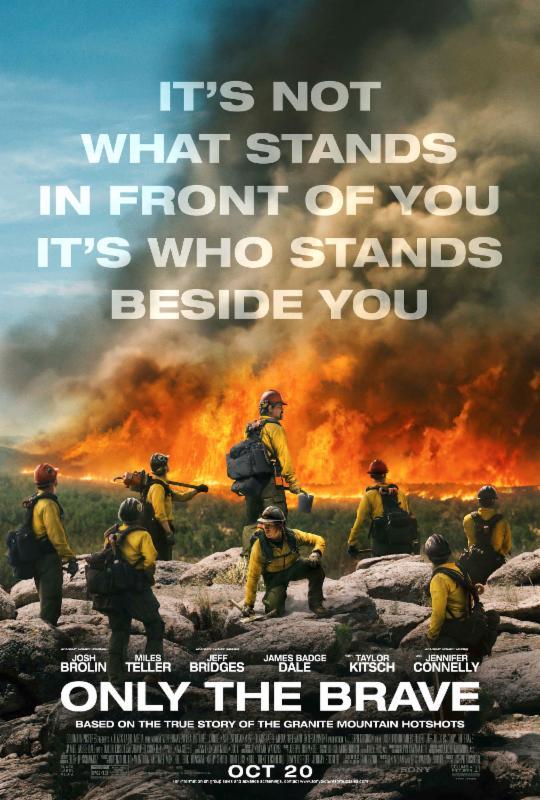
only the brave posterJosh Brolin’s head firefighter Eric Marsh tells a story of being caught in a wildfire and a bear on fire running out and past them and it being the most terrible and beautiful thing he’s ever seen, which features prominently in the film’s trailer. It’s as apt a metaphor as any for this well-intentioned but ultimately cliched and manipulative film.

Telling the “based on a true” story of the Granite Mountain Hotshots, Only the Brave suffers first and foremost from a terrible and trite title. (Shouldn’t they have just called it “Bear on Fire”? That’s at least interesting.)

The rest of the script doesn’t get much better, including its tagline “It’s not what stands in front of you, it’s who stands beside you.” I don’t even know what that’s supposed to mean. It’s so obvious that it sounds like it’s trying to sound deep, but a similar sentiment could be expressed more powerfully and in fewer words.

So much of the script feels like it was written by a computer trying to sound deep, self-important and patriotic. Some of it lands. Some of it is groan-worthy.

This is a big slab of red meat served up rare for red state audiences who loved American Sniper, 13 Hours, and so on. Who doesn’t love and respect the heroism and rugged manliness of firefighters? Apparently, this jaded liberal.

The film would be so much better if it wasn’t so obvious about everything. An early scene is a travel montage as the firefighter crew gets together to go out on a job. Set to AC/DC’s “It’s a Long Way to the Top if You Want To Rock and Roll” it’s hard not to enjoy a good song and the working class hero vibe they’re setting. But then as Bon Scott sings “Riding down the highway!” they cut to a shot of them. . .  riding down the highway. And that, maybe even more than the flaming bear, is the best explanation of the film.

Also grating is the presence of charisma black hole Miles Teller. As much fun and down home gravitas as the presence of Josh Brolin and Jeff Bridges bring, Teller sucks it all up and ruins it. Teller is also apparently not acting, as he simply shows up playing a stoner douchebro who wants to join the squad to help turn his life around. He is also really the only one of the team, besides Brolin’s character, with any discernible character arc.

This is all so sad, because Brolin, Bridges, and the other supporting cast actually do good work. Even more phenomenal is Jennifer Connelly, playing Brolin’s wife. As the only woman in the cast with more than a few seconds of screen time, she’s expected to stand in for all women in the film, and she delivers.

But this is one of the biggest problems with the film. While it’s absolutely true that the Granite Mountain Hotshots were an all-white, all-male crew, and their story would not be served best by erasing that fact, it’s worth asking why only one female character has any real agency or purpose outside of being an adjunct to a man.

And why is this story being told that features the heroism of white men, rather than another story that might tell about the heroism of other communities? Why are the contributions and sacrifices of women kept behind the scenes?

Still, I’m a firm believer in the aphorism that you should meet a movie where it’s at and what it was trying to accomplish, not judge it based on what it isn’t. And based on that metric, Only the Brave does well. Its aim is low, and it meets those expectations– like a giant greasy chicken fried steak dinner served at a down home restaurant.  Its visuals and human drama are real, even if strained by a barrage of cliches. And as much as Tellar tries to drag the movie down, Connelly, Brolin, and Bridges do their best to elevate this story to honor the sacrifices of these men and their families.

Overall Rating: 2.5 out of 5

« Older Entries Recent Entries »