Tag Archives: sumerian

The Fog returns after over 40 years and we have the scoop from writer Steve Ekstrom!
The Fog #1

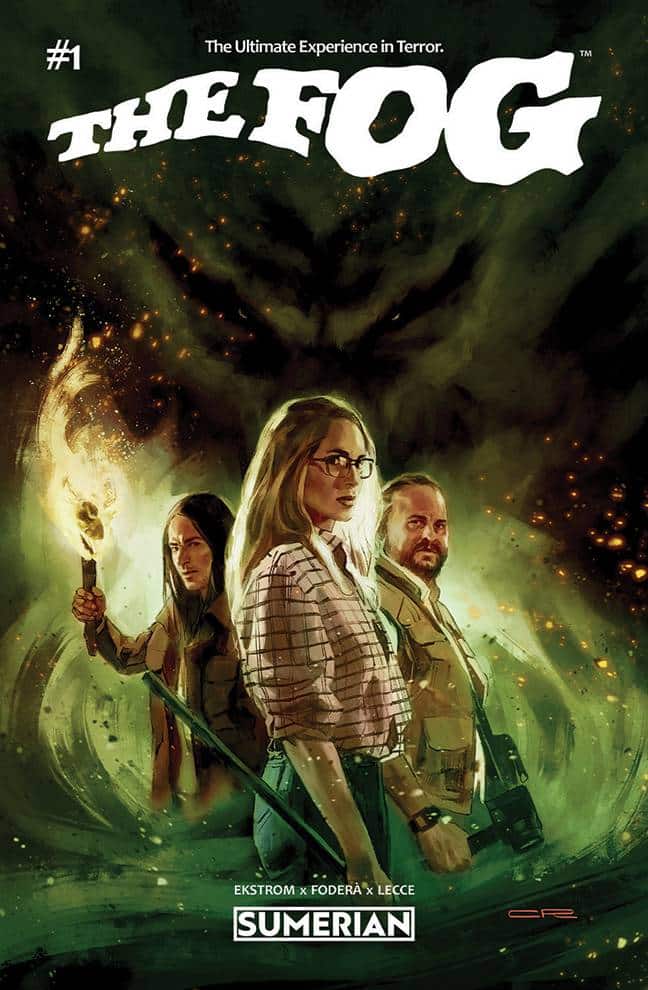
The classic John Carpenter film The Fog returns but to comics written by Steve Ekstrom, art by Marco Foderá, and published by Sumerian! Forty years after the events of The Fog, the comic series tells a supernatural horror story that reconnects several surviving characters and/or their descendants from Carpenter’s original story to a new series of paranormal events that plague Antonio Bay, a small fishing community turned ghost-hunting tourist destination.

Now, in 2022, something far more malevolent from Antonio Bay’s dark past is roiling up from the depths of the sea.

We got to talk to writer Steve Ekstrom about the return of this cult classic.

Graphic Policy: It’s been over 40 years since the original film. How did this series come about and how did you get involved?

Steve Ekstrom: Behemoth had been sold and one of the co-publishers, Nathan Yocum, had contacted me about some possible licensing work for the rebranding to Sumerian Comics. He and I had been talking about movies we liked and worthwhile licenses for adapting or developing for at least two years by then.

Nathan brought up that The Fog was available and I sort of gushed. John Carpenter is easily one of my biggest creative influences outside of comics. I was a kid growing up in the early 80’s who saw the first TV-adapted Halloween as well as The Fog…and I was terrified for life. (laughs) I had literally watched The Fog three nights earlier so I dropped everything I was working on and I pitched a rough one page concept about Andy Wayne (the little boy in the original film) grown up and secretly living with the trauma from the night Captain Blake and his crew sought revenge on Antonio Bay. I wanted to sort of blend this sort of easygoing naturalism you’d find at the heart of Carpenter’s movies with postmodern survivalist themes while keeping the core traditional ghost story of the original movie intact.

GP: What’d you know about The Fog before coming on board?

SE: I think I mentioned this earlier but I’ve been a fan of this movie since I was a little boy. I used to stay with my grandparents a lot and my grandma was one of those old ladies who couldn’t sleep so she naturally sat up watching “Late Late Movies” on local access television and me, being her oldest grandkid, I would get to sit up with her and we’d be terrified together. (laughs)

Ironically, I had never really experienced the movie as a writer and creator of comics until that night three days prior to my conversation with my boss. I had rewatched it with very fresh eyes that now had tools from my education and experiences as a storyteller so I was able to view it in a more technical manner.

It was fun and a little silly because it was a 40 year old horror movie but it really captures, again, Carpenter’s ability to appreciate the human condition and how we recoil when we’re afraid.

GP: Sequel, prequel, requel, reboot, there’s a lot of debate about them, especially in horror. Was it always intended to be a clear sequel and connected to the original?

SE: I pitched it as a follow-up. This series is grounded in the original story. I wanted to add to the mythos of the overall concept by honoring its existence and taking pieces of it that were left available and sort of turning them on their side so readers can digest concepts like supernatural curses and what may or may not happen to restless spirits once their thirst for revenge has been slaked.

The Fog was one of the first movies that I remember seeing where so many people walked away with their lives at the end. That kind of blows your mind after the last 40 years or so of horror movies and all of the body counts that seem to ratchet up as a franchise adds more films to a story.

I really liked the sort of timelessness of the Curse of Antonio Bay and how these guys rolled in during a centennial celebration of the town. But then I asked myself, “Does a ghost keep a scheduled calendar?What if something else, something more malevolent, caused them to stir instead?”

GP: The comic picks up around 40 years after the film by John Carpenter. There’s a lot that has changed technology wise that would impact the story. It seems like that’s something you’ve taken into account with the first issue? How has the world changing impacted this sequel?

SE: Modernity and the cellular phone ruined horror movies for about a decade and then, all of a sudden, people making movies and telling stories started to realize that we fuck up and drop our phones, we travel into areas with bad signal, we leave them places, we don’t charge them…whatever. I take a small moment to address that. There’s a little undercurrent in this story about our human need for technology, weapons, vehicles and how these tools can become a bigger weakness when they fail.

I want the story to feel logical and, again, I want naturalism to guide the story as the supernatural horror aspects of The Fog start to curl into the corners of the frames of the comic.

GP: The original film was about revenge and repressed historical events resurfacing. Carpenter’s films often have commentary about what’s going on. It feels like the original’s theme plays well with events from today. Is that something you thought of when writing it?

SE: I actually used local supernatural lore from around my hometown and outlying counties as the inspiration for a new character from Antonio Bay’s bloody legacy involving Captain Blake and the crew of the Elizabeth Dane.

The story was so compelling that I couldn’t resist. It’s embedded in the extra content in the first issue. Every issue has a two-page component that ties to the meatier parts of the story that needed context without going over the meager budget…and I say that lovingly because I got to tell this story with the remarkably talented Marco Foderá whose work was worth every penny he was paid. He’s such an absolute dynamo who deserves all the recognition and work opportunities at the Big 2. His future is going to be bright in American comics.

Graphic Policy: The comic is a sequel to the original film. As a writer, how do you balance writing for fans of the cult classic while also making it inviting to new readers who might not know it?

SE: It’s a lot easier than you think. I grew up watching soap operas with that same grandma I mentioned earlier so I have a firm grasp on the pacing of serialized entertainment. I think that the core of comics, especially when I was reading them as a kid, was that you could pick up a story and it was open enough that you were always able to enter it and it would guide you enough that you could understand where it was going based on where it came from. This project is no different. I think I’ve front-loaded enough character driven dialogue to reintroduce you to characters like Andrew and Stevie Wayne and, at the same time, introduce you to new characters like Annie Castle, Travis Mathew, and Jamie Machen-Wayne.

I think we buy horror comics because they’re fun and we want to be creeped out or tantalized or both. I think The Fog has a timeless quality and I hope people go watch the original film from 1980 and then pick this book up or vice versa.

There are a couple of scenes throughout the project where I basically reframe scenes from the original movie as new connective tissue for my own story’s framework. I hope that that sort of homage to the original film really drives home how much I care about the readers’ experiences. I want you all to love the original movie and this new story as much as I do by the end. I want you to want more after the fourth issue ends.

GP: The comic feels like it takes inspiration from ghost hunting shoes and true crime podcasts a bit. What influences, beside the original film, helped shape the story?

SE: Oh, I definitely drew from supernatural ghost hunting shows and podcasts. There’s a sort of facade of cocky curiosity with so many of those folks that I hope translates playfully with the new characters I introduce.

I also used some spooky lore from around the edges of my hometown, Valdosta, Georgia. I’m a very healthy skeptic so I also sort of tempered my skepticism with my imagination and what I could sort of envision as something truly horrific involving malevolent paranormal entities as well as spiritual ones.

GP: Horror has shifted a lot since the original was released. Any changes to how you approached this due to that?

SE: Absolutely. I’ve been consuming this sort of content for the last 40 years. One of the things I most admire about Carpenter’s movies like The Fog and Halloween is that these films have minimal gore. I should correct myself…as a 47 year old writer and creator of stuff, I’ve come to admire it more than say something Eli Roth has made in the last 10 to 15 years. There is a place for “torture porn” horror movies because they’re jarring and, in my opinion, even life-affirming, but suspense and existential dread have much more value when a viewer’s imagination fills in the blanks of what they’re experiencing. Our minds are VERY scary places, I hope that this story, which mostly (MOSTLY–haha) honors that sort of minimalist approach, takes your minds to a frightening place.

GP: Part of the original film’s hook is Carpenter’s music and the atmosphere. How do you approach that with a comic?

SE: First and foremost, I wrote 100% of this entire project while listening to Carpenter tracks and nothing else. There is an iconicism and sense of suspenseful urgency that is almost anxiety-inducing when you listen to the theme from The Fog. It’s almost as iconic when you hold it up to the Halloween theme which may be the most iconic score from a horror movie.

Because we can’t hear anything or have pages scored to a beat, I try to control pacing and tempo on pages by giving clearcut moments of rising and falling action that sort of slows down or speeds up the reading experience.

The Fog #1 variant cover

GP: Where can people connect with you online? Anything else you’d like to plug?

SE: I am currently building my own website at http://steveekstrom.rocks and it should be fully operational in the next week or so. You’ll be able to connect with me there, buy books I’ve worked on, check out interviews I’ve done, and you’ll be able to see where I’ll be appearing for signings and conventions in the future.

For now, I have about 50-ish openings on Facebook before I hit the cap and I am on Instagram, Threads and I’m trying to get some traction and followers on Bluesky Social.

I have been a lifelong collector of comics and I know that the chase variant market is an exciting place for a lot of readers and collectors. I will announce here that I will be selling TWO virgin cover chase variants, one standard version, one ultra-rare foil version of The Fog #1 with a new cover by artist, Drew Ragland. There are 150 Copies of the Standard Virgin Variant and 50 Chrome Virgin Variants. Those go on sale on Wednesday. Anyone can contact me through social media and buy them while supplies last.
Mini Reviews: Wesley Dodds, Superior Spider-Man, and American Psycho return

Wesley Dodds: The Sandman #1

Sometimes, the staff at Graphic Policy read more comics than we’re able to get reviewed. When that happens you’ll see a weekly feature compiling reviews of the comics, or graphic novels, we just didn’t get a chance to write a full one for.

These are Graphic Policy’s Mini Reviews and Recommendations.

Logan

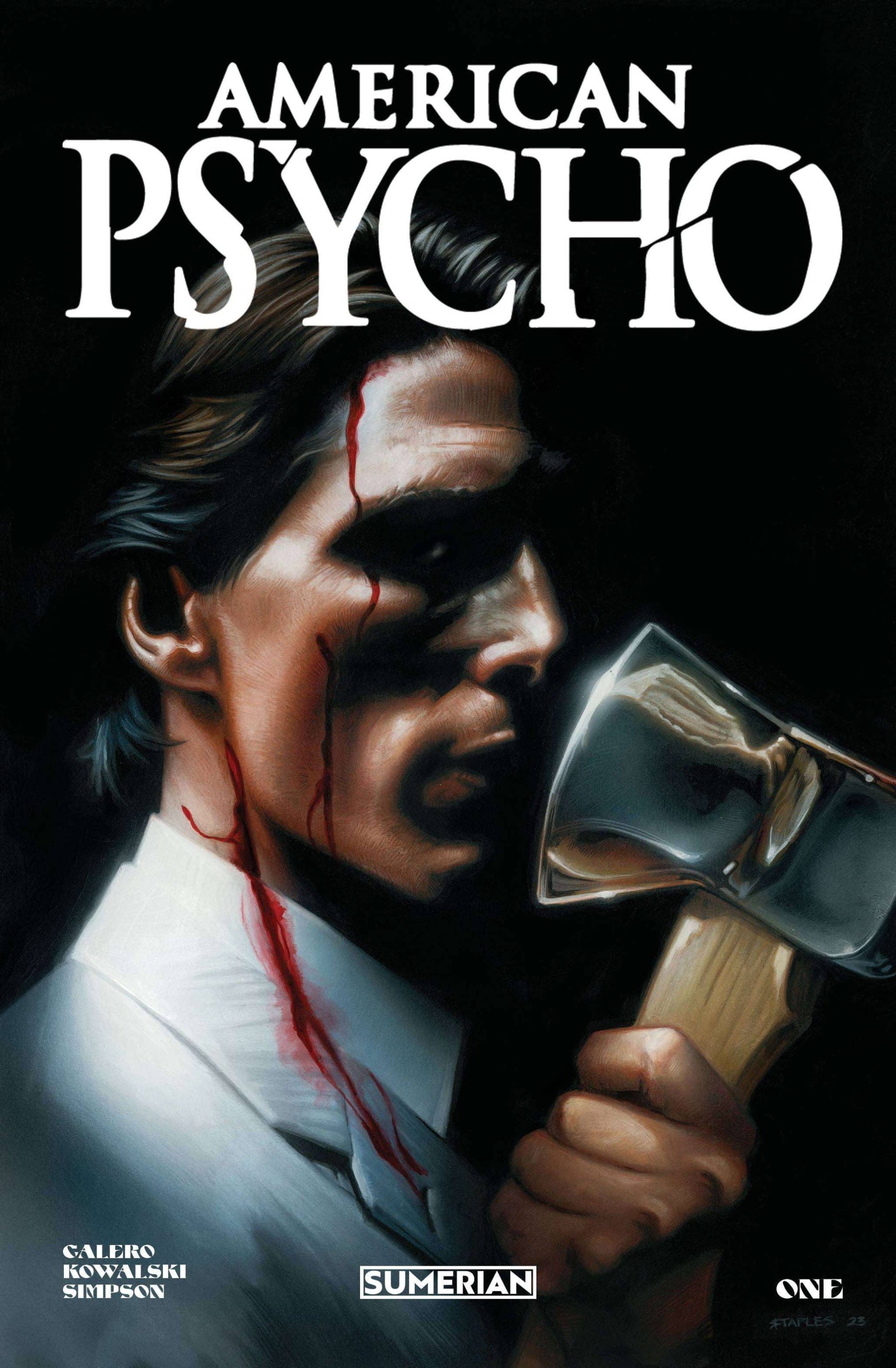
American Psycho #1 (Sumerian) – The American Psycho comic from Mike Calero and Piotr Kowalski reads like a hybrid of the original American Psycho film and its not as memorable sequel American Psycho 2. One half of the story shows Patrick Bateman’s killing spree from the POV of private eye Donald Kimball (Played by Willem Dafoe in the film), and the other sets up a new killer in 2011 with young woman Charlene Carruthers as the protagonist. Calero nails the self-satisfied style of narration in the film while Kowalski lays out the kills (real and imagined) in a suitably graphic way. Calero digs into some of the homerotic elements of the source material with the way Kimball gazes at Bateman and appreciates his body, especially when he’s killing. There’s some fun voyeurism going on. However, my main issue with this comic is that beyond the violence, axes, and basic commentary on men being creepy along with copious drug use is that the dual plot lines don’t really intersect. Because of this, American Psycho might read better as a trade paperback. Overall: 7.4 Verdict: Read

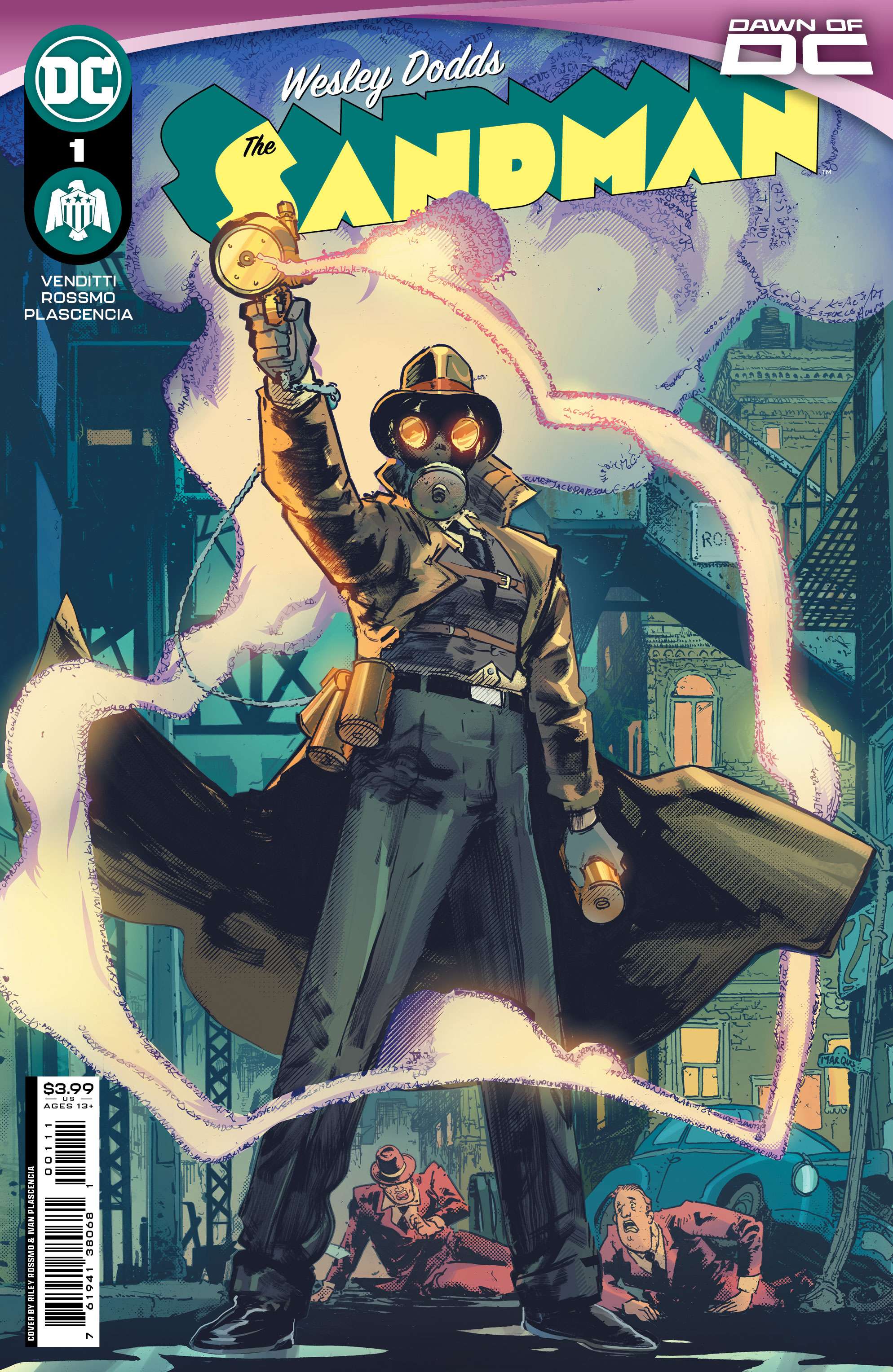
Wesley Dodds: Sandman #1 (DC Comics)Robert Venditti, Riley Rossmo, and Ivan Plascencia breathe new life into the original Sandman in an action-packed, social-commentary filled first issue. Even though Sandman #1 takes place entirely in 1940, war, inequality, and fear are conflict that every era has to deal with as Wesley Dodds struggles to use his privilege and scientific know-how to make the world a better place, both at home and potentially abroad. Rossmo’s angular style fits the surreal nature of a comic starring a nightmare-plagued, gas mask wearing, and sleep gun wielding superhero. The cold open of the comic is especially memorable with a gas mask silhouette taking up the page and causing a crime lord to squeal. With his mix of competency and insecurities and hate for Nazis and the 1%, Dodds is a protagonist that’s easy to latch onto, and Sandman #1 is a solid introduction to the classic Golden Age crime fighter. Overall: 8.6 Verdict: Buy

Brett

Superior Spider-Man Returns #1 (Marvel) – I’m a fan of writer Dan Slott‘s original run of Superior Spider-Man. The concept of Doc Ock being in Peter’s body delivered something a bit different and added some more depth to the classic villain. It created a path that was interesting with things I felt like I never saw in a Spider-Man comic. Superior Spider-Man Returns #1 takes us back to that time as Doc Ock in modern times attempts to remember some details of something he did. With a new series coming, the issue really just comes off as a really bad “0” issue. With a story by Slott and script by Christos Gage, the issue feels like recent Marvel releases that fill in missing time. The art is packed with artists including Mark Bagley, Ryan Stegman, Humberto Ramos, Giuseppe Camuncoli, ink by John Dell, JP Mayer, and Victor Olazaba, and color by Edgar Delgado with lettering by Joe Caramagna. Despite a movie crawl of artists, the comic is pretty good in the visual department with just a few bumps along the way. I was excited for what’s to come but the issue pretty much killed that adding not all that interesting and instead just feeling like an addition to that run that wasn’t needed and whose end result could have been handled a different way. It’s an issue that didn’t need to exist and the story that’s to come could have just given us everything here easily. Overall: 6.0 Verdict: Pass

American Psycho #1 expands the story… but is it needed?

American Psycho #1

American Psycho #1 is an interesting comic. It’s one I can’t tell what it’s trying to do. Is it just an extension of the original story along with a new story? Or, is it commentary about consumerism and pop culture, like it’s own version of Patrick Bateman’s rants about Huey Lewis and the News. It’s not easy figuring that out after one single issue.

The debut issue features two stories, one set during the time of the original book/film (I’ve only seen the film) and another more modern tale set in 2011.

For the first half, we’re introduced to a new character who delivers a new perspective. Patrick Bateman’s killing spree is just happening and we get to see it all from the new character’s eyes. It’s “new revelations” from the world of American Psycho and I’m not sure if seeing it from a “whole new lens” really adds much… yet. For those who dive in, things might feel a bit off with the new character, like maybe it’s all in Patrick’s head or something but nope, it’s a new psycho with his own issues and then it connects to the original.

So far, it doesn’t really add anything to that story other than New York had a lot of psychos in the 80s. There might be something more profound but it hasn’t delivered that yet.

The second story introduces a new psychopath based in 2011. With the beginning of social media, it should be interesting to see where it all goes but the setup feels more Scream than American Psycho. Like the other story, it’s hard to tell if this will really “say” anything or just be another body count. There’s also an oddity about Patrick Bateman’s killing spree being called “infamous” and it not being brought up in the second story. There really hasn’t been a chance to organically yet, but if one doesn’t mention the other, then it throws a whole lot of questions into the mix.

Writer Michael Calero has a difficult task ahead and I’m intrigued to see where it all goes but the start feels more like the property’s name is slapped on than a real deep dive as to what made the original work. It’s hard to do in one comic since the original material is actually a slow psychotic build. Maybe as a collection or if it were a graphic novel it’d read a bit better. We’ll have to wait and see as releases come out.

The art by Piotr Kowalski is good. It hits the beats and there’s some interesting details thrown in but overall the look is rather generic. It never quite embraces 80s or even 10s New York City. Nothing in the art really stands out to me about the time at all. It’s not bad, it just lacks a personality. Kowalski is joined on color by Brad Simpson and lettering by Micah Myers. Myers lettering does stand out as the narrative is mostly in a journal of the new psycho and there’s something about the lettering that gives us insight into who this person is. It’s both controlled and off at the same time.

American Psycho #1 isn’t a bad comic but it just doesn’t deliver the same witty commentary of its source material. It’s just the first issue though and this is likely going to be a miniseries that’ll have to be judged on the whole and not individual parts.

Story: Michael Calero Art: Piotr Kowalski
Color: Brad Simpson Letterer: Micah Myers
Story: 7.0 Art: 7.25 Overall: 7.0 Recommendation: Read

Sumerian provided Graphic Policy with a FREE copy for review


Purchase: TFAWZeus Comics

Mini Reviews: Hawkgirl, Fall of X, Gotham at War, and a blackout drunk PI!

Uncanny Avengers #2

Sometimes, the staff at Graphic Policy read more comics than we’re able to get reviewed. When that happens you’ll see a weekly feature compiling reviews of the comics, or graphic novels, we just didn’t get a chance to write a full one for.

These are Graphic Policy’s Mini Reviews and Recommendations.

Logan

Hawkgirl #3 (DC Comics) – Kendra, Galaxy, and Argus hit the road and fight the Court of Owls in Gotham with the assistance of Batman and Chef Alysia Yeoh in Hawkgirl #3. Artist Amancay Nahuelpan‘s visual tricks and skill with layouts get a workout beginning with a hilarious, yet epic riff on “I’m Batman”. He and writer Jadzia Axelrod continue to have wonderful chemistry as she puts captions revealing Kendra’s inner thoughts, and he brings the fisticuffs and handles the shift in timelines with style and grace. Letterer Hassan Otsmane-Elhaou also adds flavor to Axelrod’s dialogue with his bubbles, font choices, and timely capitalizations and underlining and highlights some big emotional beats like Galaxy’s insecurity around Batman or Kendra’s nigh-metafictional rage about how she’s been treated by different characters in the DC Universe over the year. Hawkgirl #3 is a fun team-up, adds depth to Galaxy and Kendra’s characters, and also progresses the Nth metal mystery plotline as the book continues to be one of the cutest, gayest, and most badass current comics on the stands. Overall: 8.8 Verdict: Buy

Brett

The Blackout Bombshell #1 (Sumerian) – Written by Louis Southard with art by Dean Kotz, color by Patrick Buermeyer, and lettering by Buddy Beaudoin, The Blackout Bombshell #1 nails everything you’d want in a PI/noir story. The private dick is a… dick, a blackout drunk who can’t remember why he wants to find a mysterious woman. She also just so happened to show up at his door and tried to kill him. Then there’s an attorney who himself has some ethical and personal issues. An ever growing pile of dead bodies are mixed in and it’s all set in a post Vietnam world, and you’ve got an intriguing start that’s full of individuals you want to slap. The art is solid, using a noir-ish style but a more modern setting. It all comes together for a start that fans of detective stories will want to get. Overall: 8.5 Verdict: Buy

Avengers Inc. #1 (Marvel) – Writer Al Ewing, artist Leonard Kirk, colorist Alex Sinclair, and letterer Cory Petit deliver an intriguing Avengers team that mixes your typical spandex superheroes with a bit of a detective/crime spin. It all works well setting things up for what should be something a bit different from your regular Avengers title. The art by Kirk and the team is solid with colors popping to set up each scene. Overall: 8.25 Verdict: Buy

Catwoman #57 (DC Comics) – The third part of “The Gotham War,” writer Tini Howard, artist Nico Leon, colorist Veronica Gandini, and letterer Lucas Gattoni give us events from Catwoman’s perspective. It’s a decent entry in the crossover event as she must figure out how to proceed through Batman’s stubbornness. But, the comic also focuses a lot on the Red Hood, almost distracting from the title character. The end adds a bit of a wrinkle to the story but beyond that, the entry is rather forgettable. Overall: 7.25 Verdict: Read

Alpha Flight #2 (Marvel) – Overall, Alpha Flight’s entry in Fall of X has been entertaining by predictable. Written by Ed Brisson with art by Scott Godlewski, color by Matt Milla, and lettering by Travis Lanham, it hasn’t surprised too much. Still, it’s interesting to see this sort of resistance against Orchis and the government’s bending to their will. While the overall story follows the beats you’d expect, individual choices and moments stand out. The art is good and the characters all look like the Alpha Flight we love with some nice fights and dynamic moments. Still, the comic feels like it’s playing it a bit safe instead of pushing the underlying concepts and themes of Fall of X. Overall: 7.5 Verdict: Read

Dark X-Men #2 (Marvel) – Writer Steve Foxe, artist Jonas Scharf, colorist Frank Martin, and letterer Clayton Cowles continue to deliver what is the standout of Fall of X. The team is dysfunctional but on a mission that’s familiar, save mutants. But, it’s that dysfunction of this misfit team that really stands out and nails the spirit and classic feel of the X-Men. Add in solid art and some dynamic visual moments and you have a comic series you hope continues well after this storyline event ends. Overall: 8.0 Verdict: Buy

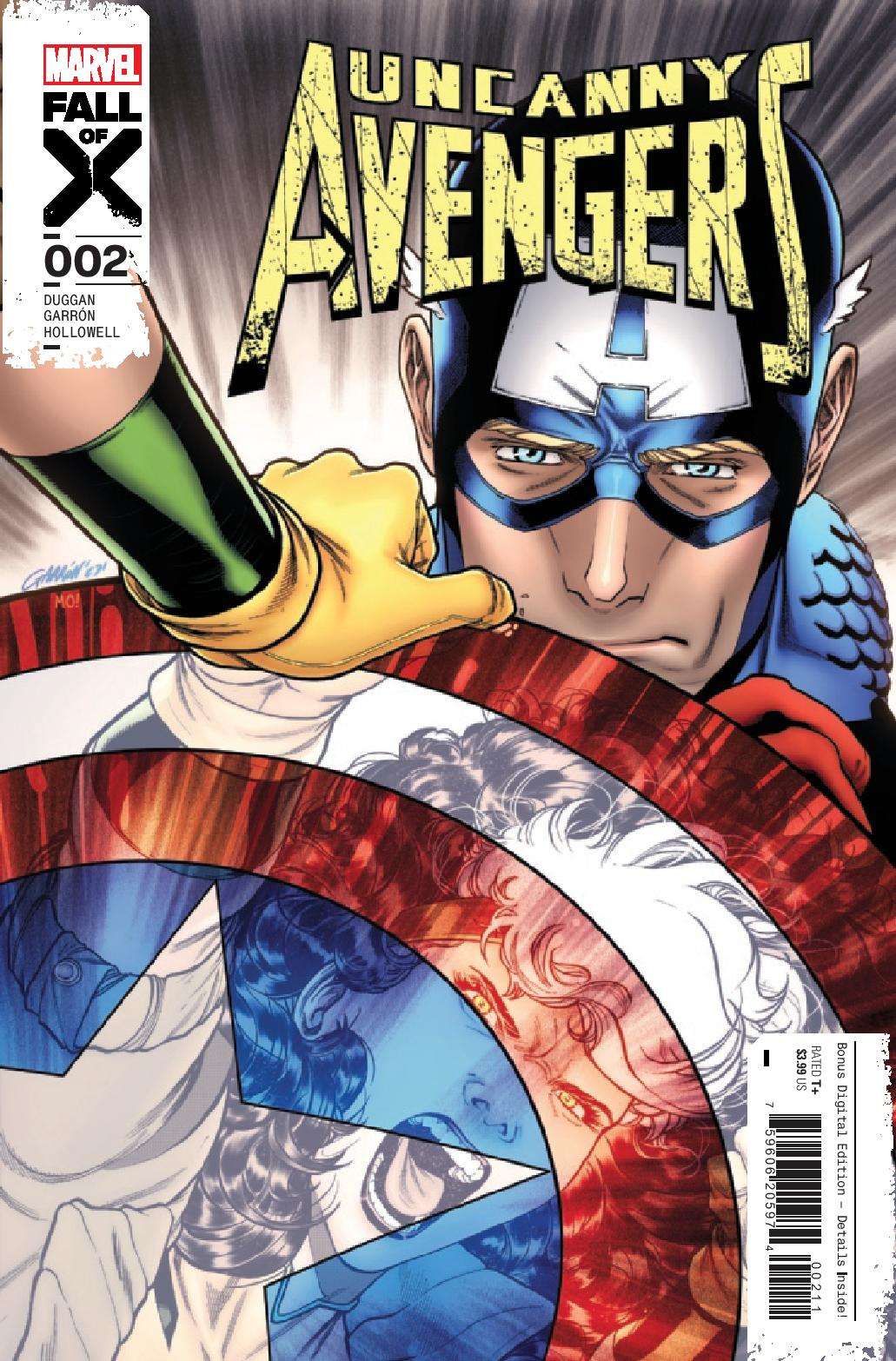
Uncanny Avengers #2 (Marvel) – Writer Gerry Duggan, artist Javier Garron, colorist Morry Hollowell, and letterer Travis Lanham take on the newest unity team as they fight Captain Krakoa and the new iteration of the Mutant Liberation Front. There’s a lot of interesting moments but really we just want to find out who is under the mask of Captain Krakoa, and we’re given a major hint here. Overall, the comic is entertaining enough with some decent action and good art but it feels like a piece of a puzzle rather than a comic that stands on its own. It’s only job is to get the plot from point A to point C, when it could be far more. Overall: 7.75 Verdict: Read

Around the Tubes

We’re balancing SDCC (and crappy internet) with the site, so keep on checking back with news from the show, and there’s a lot to come next week. While you wait for the latest from the show, here’s some comic news and reviews from around the web to start the day.

CBR – Christian Bale’s American Psycho Lands Comic Book Adaptation from Sumerian – Well, ok then.

Reviews

CBR – Gargoyles: Dark Ages #1
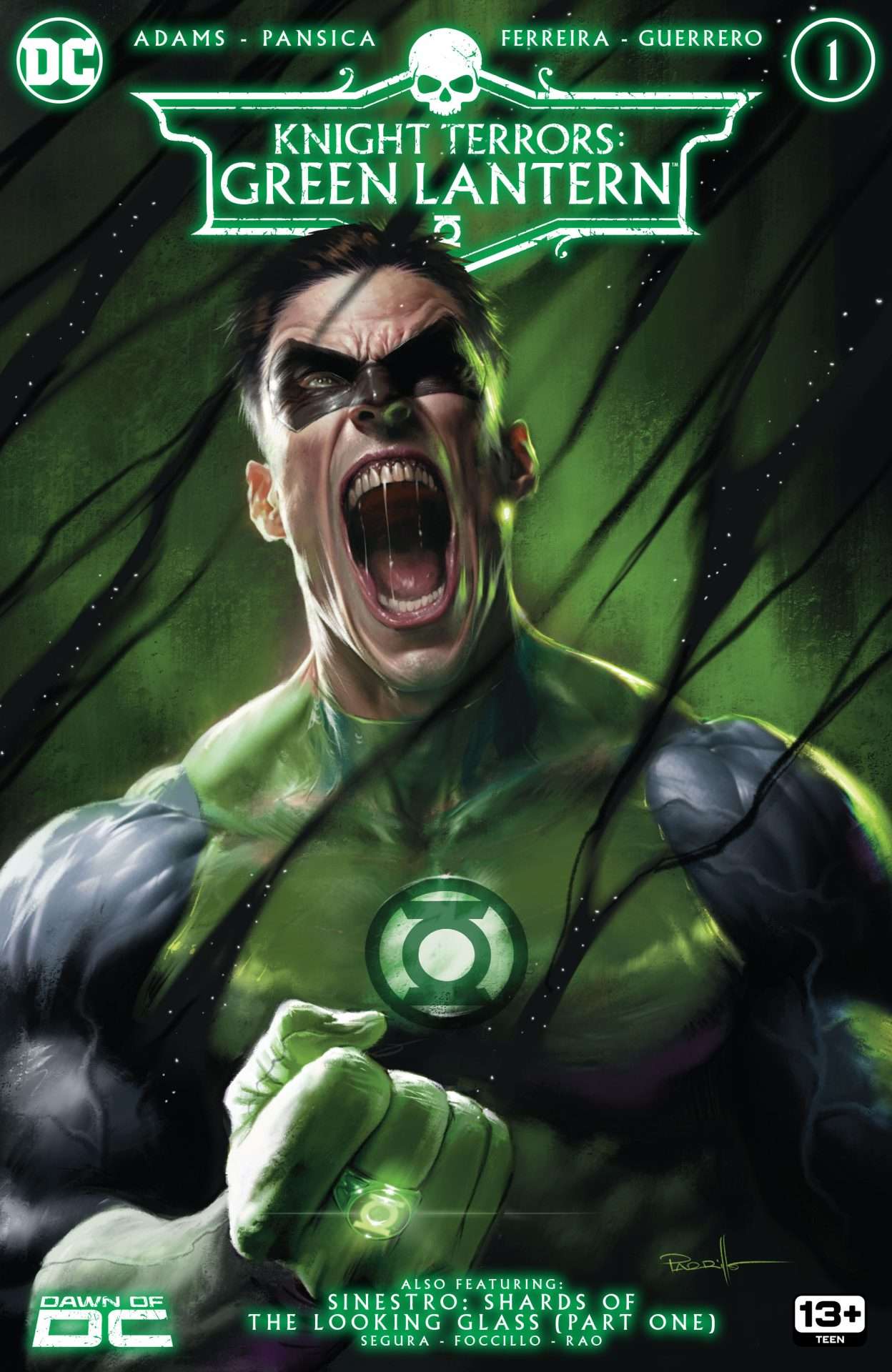
CBR – Knight Terrors: Green Lantern #1
CBR – Savage 6 #1

Knight Terrors: Green Lantern #1