Tag Archives: slasher

Ghostface goes to New York in Scream VI for what could be an homage to city slashers

The Big Apple is no stranger to sadistic slashers, both real and imagined. New York City has quite simply proven fertile ground for gratuitous violence, often amplified by its dark history. The city is, after all, home to some of America’s most vicious serial murderers, among them the Torso Killer, the Son of Sam, and Albert Fish (also known as The Brooklyn Vampire and The Werewolf of Wysteria). In the horror world, it has hosted slasher icon Jason Vorhees (in 1989’s Jason Takes Manhattan), Maniac’s gory mannequin collector Frank Zito (1980), and Reno Miller the Driller Killer (from the 1979 movie of the same name, directed by Abel Ferrara).

It’s now Ghostface’s turn to carve up the city as is revealed in the new teaser trailer for Scream VI, in which the survivors of the previous instalments leave Woodsboro, California behind for the promise of new terrors in the sprawling metropolis.

The teaser focuses on a subway train ride filled with people in masks and costumes, seemingly on Halloween night, as returning cast members Jenna Ortega and Melissa Barrera Martínez realize a man dressed like Ghostface is staring at them. It’s an unsettling development that is made worse by the presence of more than one passanger dressed as Ghostface. How many of them are just morbid fans of the real one and how many are actual killers remains a mystery, something we’ll definitely be looking at more closely in the movie.

The move to another location is a welcome one. There’s only so much metafictional horror storytelling you can do in the same place. In a way, Woodsboro has given everything it possibly could and it’s now time for a change of scenery. Setting swaps in franchise horror movies can be tricky to pull off. You don’t want the story to fall victim to gimmick by giving a tourist’s view of the new place with key stops in fresh crime scenes. In a sense, the movie’s success will hinge on how well it captures the feel of New York, on how well it can make Ghostface adapt to its surroundings.

It might do well to avoid all of the pitfalls that the infamous Jason Takes Manhattan movie falls so hard into. The movie’s jump from summer camp into a big city proved to be a massive flop and it quickly became the least liked entry in the Friday the 13th franchise (it also tanked at the box office). For one, the movie wasn’t shot in New York and it shows. It was filmed in Vancouver, with additional photography in Times Square and Los Angeles, and very rarely does it even resemble the place it features in its very title.

One of the scariest components of city horror is how it considers the concept of anonymity. This alone brushes aside the relative safety of small-town scenarios seen in more traditional slashers. In Woodsboro, the suspect pool is limited mostly to the town’s residents or a stranger from elsewhere. In a city, the suspect list numbers in the millions. The possibilities are near endless.

Fear ramps up under this condition, an element that makes Maniac’s Frank Zito (played by Joe Spinell), for instance, such an unsettling slasher. Maniac, it should be noted, deals in serial killings from a resident, not an outsider. The killer is homegrown, not a transfer from somewhere else. And yet, what makes him so scary still offers lessons on how to make slashers work in cities.

Frank Zito’s motivations, for instance, point to the frustrations of a very lonely and mentally disturbed man that is ignored by city folk whose attention spans are severely limited to the people they interact with on a daily basis. They don’t have time for strangers. In fact, they avoid them at all costs, a luxury that’s on short supply in small towns. Scream VI might not have the time to laser-focus on Ghostface that Maniac has, but it does present a detailed blueprint for the creation of a terrifying city location.

Maniac excels in putting victims in real places anyone could run into and trap themselves in. It portrays the darkest corners of the city as places where people can die without anyone ever finding out. A shout for help might not even help as a city of millions doesn’t stop for just one scream. Again, anonymity. Whatever’s happening to a victim somewhere is no one else’s business in an urban environment.

In a sense, the city slasher creates its own fear state, thrusting an entire city into panic and paranoia. They turn cityscapes into killing floors where anyone is a potential victim. Whereas the small town slasher makes killing personal to those looking from the outside, the city slasher makes it impersonal. The net this kind of fear casts is wider, deadlier, and more unpredictable.

Scream VI steps into a very special kind of slasher territory by making the jump to NYC. The history, the culture, the social indifference attributed to it by principle of overpopulation all combine for a cruel playground that killers can run amok in. Ghostface’s sixth outing stands to gain quite a lot if it knows how to use New York to its advantage, to find horror among the masses who more often than not look the other way.

Scream VI premieres in theaters on March 10th, 2023.

Movie Review: Dark Glasses

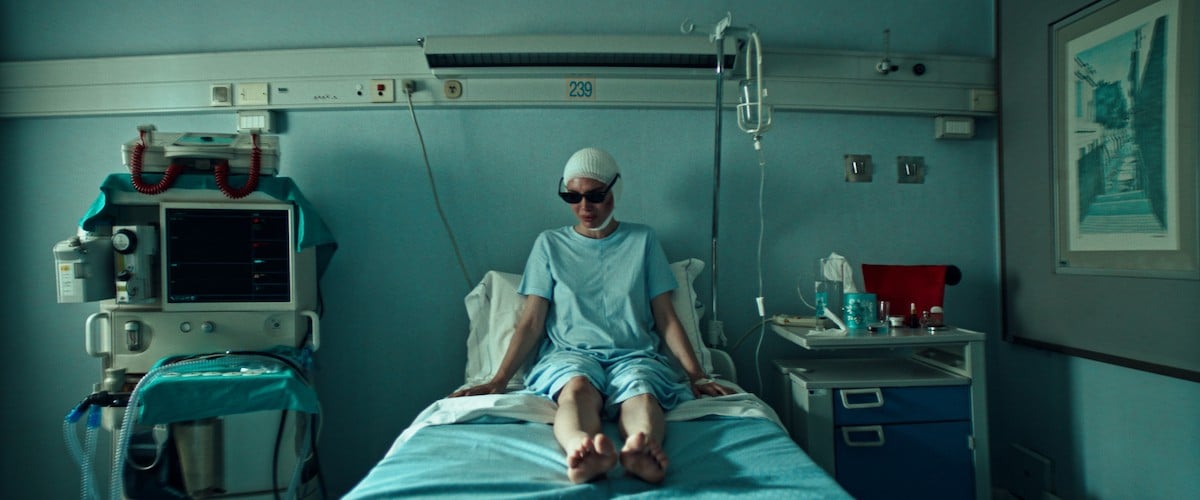
Dark Glasses

Dario Argento is considered by many to be one of horror’s great directors, an icon that serves as the face of the giallo subgenre (along with Mario Bava and Lucio Fulci). What pushed the Italian director into that sphere of recognition lies in his ability to produce highly stylized horror sequences involving very intimate and gruesome murders, often at the expense of story and narrative coherence. Seldom has Argento sacrificed an elaborate kill scene, which are more often than not soaked in neon or solid reds and blues, for the sake of logic. And yet, his films carry a distinctive signature that make them unique, that make them Argento.

The director’s new movie, Dark Glasses (now streaming on Shudder), is a surprising departure from the excesses of the genre. It’s more an exercise in restraint than in self-indulgence, something that can’t easily be said about the rest of his films, and it’s one of the reasons why it succeeds so convincingly even as an example of giallo. In a way, Dark Glasses is giallo stripped of its messy storytelling bits, finely tuned to get at the things the subgenre can do well if given the chance.

Dark Glasses follows Diana (played by Ilenia Pastorelli), a highly successful escort that becomes the target of a serial killer that’s preying on sex workers. The reason for the killings is kept a mystery, as is the case in most giallos, but it does lead early on to an intense car chase where the killer slams into Diana’s vehicle and causes a violent crash, resulting in Diana losing her sight. A third car is caught up in the violence, belonging to a Chinese family. A boy is left orphaned as a result, complicating matters further for Diana. The kid, called Chin (Andrea Zhang), later decides to seek out Diana and help her as she navigates her new reality as a blind person, perhaps because he feels a connection to her given their shared experience in loss. This dynamic ends up being one of the film’s greatest strengths.

Dark Glasses

Diana and Chin make for an unusual pairing in a giallo, which leads to them being such a unique set of characters within that context. Their relationship is one of companionship and mutual protection, standing opposed to the usual lonely investigator on the trail of the killer. They very clearly need each other, one due to the loss of a crucial sense and the other due to the loss of his core family unit. This allowed Argento to build his characters, to develop a bond between them and then put it to the test in tense scenarios.

Ilenia Pastorelli’s Diana becomes one of Argento’s strongest and most imposing leading ladies thanks to this welcome focus on character development. Her performance relies heavily on her struggle to accept and understand her new condition and she leans heavily on the character’s frustrations to project that sensation on screen. It’s easy to feel her anger and desperation in the movie’s most intense sequences, especially as she fights against her condition to try and get an advantage over the killer.

Zhang also commits to his role, especially in terms of the range of emotions his character has to go through after the crash. He’s vulnerable in moments when his family is being discussed, especially his future without them, but his resourcefulness as Diana’s guide when trying to the escape the killer shines bright thanks to the all the character work Argento puts in beforehand. It’s a tender and delicate show of friendship that rarely gets the time to grow in these types of movies.

Dark Glasses

On the traditional giallo violence side of things, Argento goes for a measured touch that prioritizes quicker shots of gore over extended stays on open wounds and severed limbs. Each kill is still elegantly shot in a way that achieves the kind of macabre beauty featured in his other films, but in Dark Glasses he favors teasing the audience with the idea of brutality and cruelty rather than linger on it. Whereas in other films the violence comes off as gratuitous and sensationalized, here it carries weight while also building up the terror the killer carries with him.

Dark Glasses is the kind of Argento I’ve always wished we’d gotten more of. He crafts a memorable female character with Diana, one that avoids falling into the oversexualized and oversimplified characterizations of the past. There’s enough giallo here to please hardcore fans, too, but it’s in the twists and tweaks to the formula that the movie finds a life of its own. Argento should be commended for offering a blueprint for future forays into giallo with Dark Glasses. Goes to show, masters of horror always have a movie in their back pockets that can remind fans why they’ve earned the title.

Movie Review: Pearl is a masterfully crafted origin for a new female slasher

Pearl

The decision to reveal the origins of a new killer within the slasher genre incurs a lot of risk. A botched attempt can result in a slasher with diminished presence and mystique. Rob Zombie’s 2007 Halloween remake comes to mind. The movie has its high points, especially in terms of how it adds another layer of violence and cruelty to the myth of Michael Myers, but to explain the source of his evil and the reasons why he kills robbed him of the mystery that made his very existence so unsettling in the John Carpenter original.

Ti West’s Pearl manages to avoid all this by making sure the story behind the titular slasher is strong enough to warrant exploration. The bad things that turn Pearl into a killer make for a fascinating watch as they’re put on a more intimate and emotional path that mixes violence and tragedy in the service of sculpting a new horror icon with an identity all her own. Its success is owed to a stellar performance from Mia Goth, who takes the character into places largely reserved for established movie monsters and murderers. It’s impressive enough to flirt with the idea of several nominations for the actress in the upcoming awards season.

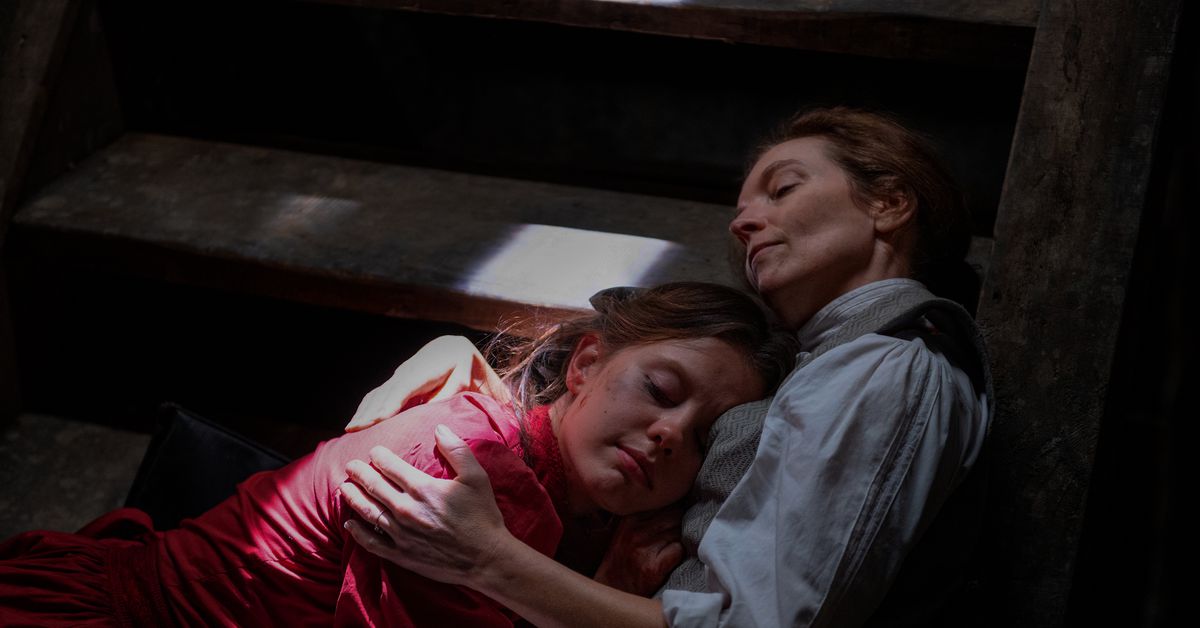
Pearl is the second part in West’s “X” trilogy, which began with 2021’s X, a movie about a small group of porn actors and filmmakers that rent out a small cabin in a remote farm deep in Texas only to find the old couple they rented it from are vicious killers. Pearl, played by Goth in heavy prosthetics that make her look very old (and who also plays the younger character of Maxine in the movie), is one of the two aging killers. Pearl is a prequel, set in 1918 with the intention of looking at the killer’s younger days, when she was but a mere farmer’s daughter with a secret love for musicals (and an even more secret urge to kill and feed her victims to an alligator in a pond near her house).

Pearl

Pearl’s mother and wheelchair-stricken father (played by Tandi Wright and Matthew Sunderland respectively) stand in her way, a tragic pair whose circumstances interfere with the development of their daughter’s true potential (at least in Pearl’s mind, that is). It’s a theme that runs throughout the entire movie. Pearl desperately wants to avoid the fate her parents embody the entire time they’re onscreen, which points to a lifetime of regrets and dullness in relative isolation.

It doesn’t help matters that it’s revealed quite early that Pearl is married to a man who is currently overseas, dug in the trenches of World War I. Every aspect of her life, every decision she’s made or has been made for her, further pushes her into the future she dreads. Her killer side takes form within the confines of that.

It’s easy to see how much tragedy envelops Pearl at a mere glance. Goth and West don’t set out to turn her into evil incarnate. On the contrary, she’s portrayed as an ambitious young woman that’s constantly reminded of all the things she’ll never manage to achieve. The movie takes to a slower pace because of this, letting the world around Pearl breath organically to better allow audiences to step into the character’s shoes.

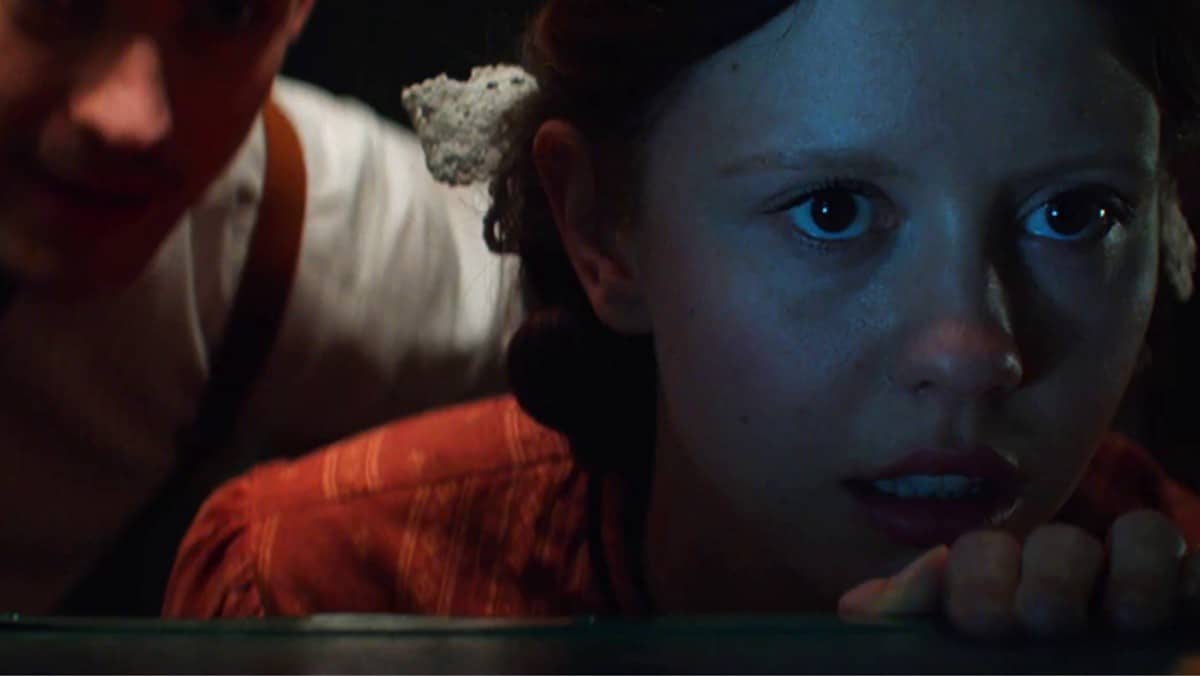
Goth takes all this and channels it into a performance that is wholly committed only to then take it a step further. She doesn’t just deliver every single line with conviction and belief, she also brings every possible facial expression into it to fully become and define the character. Goth’s face twists, turns, contorts, and flexes in ways that give the character a sense of physicality that makes her presence intensely magnetic and endlessly watchable.

Pearl

Much of Pearl’s story revolves around the slow psychological breakdown of the character, her descent into a life of murder. Goth compartmentalizes her expressions, saves some of them for the character’s later stages, when her world is teetering on the edge of existential collapse. She can go from sweet and naïve to angry and murderous at a moment’s notice, making her face a powerful source of horror. It’s quite simply spectacular, a treat to witness as it evolves throughout the movie. Goth gives audiences one of the best performances in horror movie history.

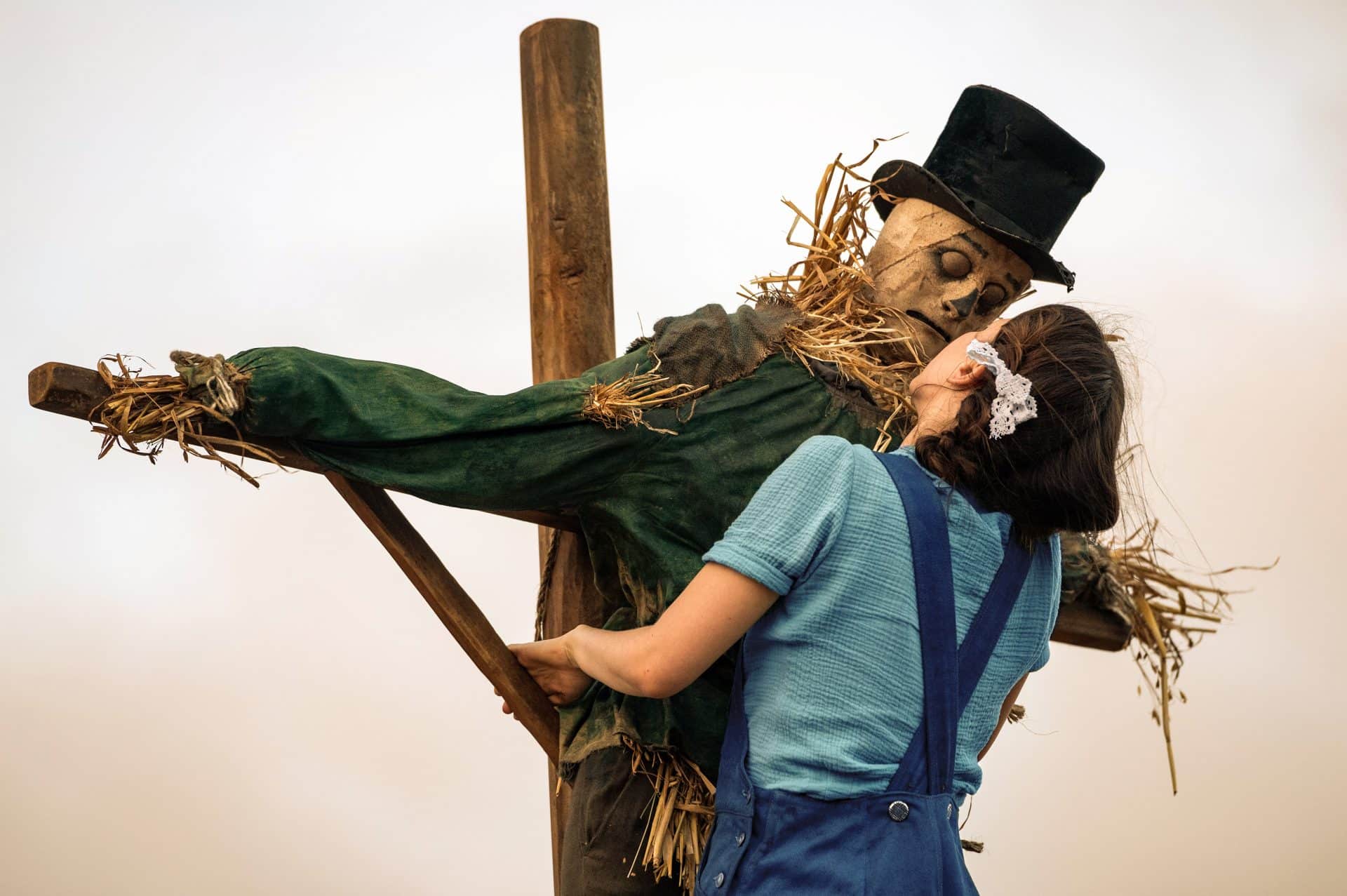
Then come the movie’s influences and how they contrast with the first entry of the “X” trilogy. Where X drew comparisons to The Texas Chainsaw Massacre (1974) for its approach to setting and violence, Pearl finds its look in the Hollywood classics of the 1920’s and 1930’s, in the age of Technicolor. Movies like The Wizard of Oz (1939) take the lead here, but with a generous coat of blood and body parts added to the mix. This is where West’s directing skills come in to elevate the story and give Goth the best chance possible to shine.

Classic movies tend to have a kind of shiny and well-defined visual style that was lighted in a way that accentuated the actors’ features and draped shots with carefully constructed shadows that made each scene pop. West achieves the same with Pearl. Each scene vibrates with life, sound, and color, all of which combine for a very different type of slasher horror styling that no other recent movie in the genre can lay claim to. It’s not played for laughs or even irony. Pearl is a serious story and it is treated as such every step of the way.

Pearl

The same applies with Tyler Bates and Timothy Williams’ score. It captures the sounds of early 20th century classics with a measured treatment of strings that can get quite sinister when Pearl is at her scariest. The first trailers might’ve suggested a musical take that would homage the movie’s influences while also poking some fun at it, but the end result is way more thoughtful and meaningful. It’s perfectly captures the hopes and dreams Pearl holds dear right down to the disappointment and rage that take over as the story plays out. It’s another well-oiled component in a movie that’s very cleverly constructed.

Pearl is a new horror classic. It’s propelled by a masterful performance from Mia Goth that creates a new titan in the field of the horror slasher and an equally masterful directorial showing by Ti West. It’s the kind of movie that sets new standards, that creates new possibilities and dares future filmmakers to push themselves creatively. Succeeding in this can bring about the creation of new horror icons and classics. Pearl has already achieved this, in both regards.

The Stylist gives the slasher genre an overdue makeover

The Stylist
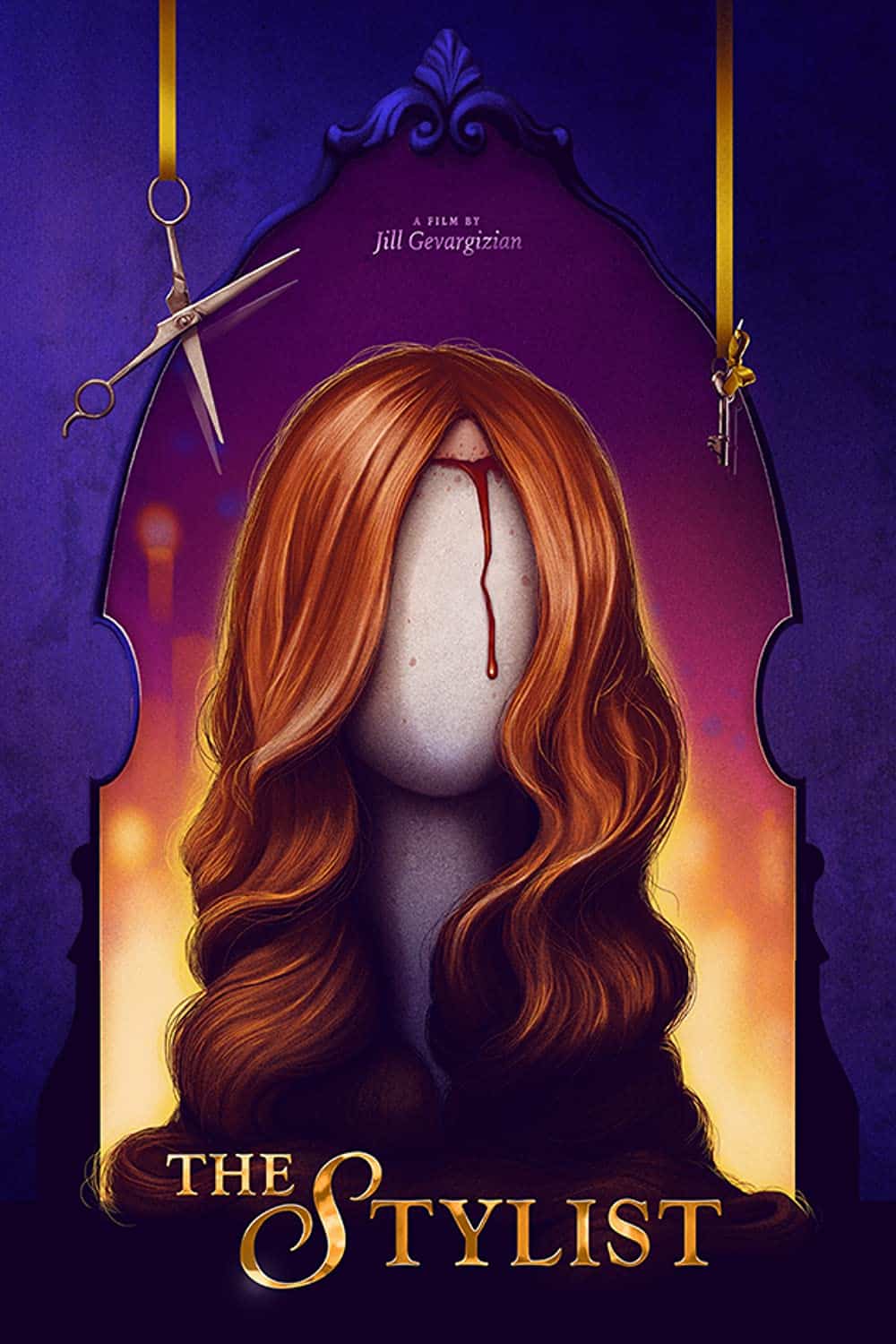
The Stylist, poster

To no one’s surprise, the slasher genre has largely been dominated by male killers, most of them with deeply seated mommy issues. Norman Bates, Jason, Leatherface (as revealed in the 2006 prequel), all take their childhood traumas and dump them on unsuspecting women that must die because they remind them of their own mothers. One woman’s failure becomes a blight on the entirety of womanhood.

Jill Gevargizian’s The Stylist isn’t unaware of this trend among slashers. It actually acknowledges it for its story’s benefit, finding in it an opportunity for subversion, for turning the table on the formula without completely disposing of it.

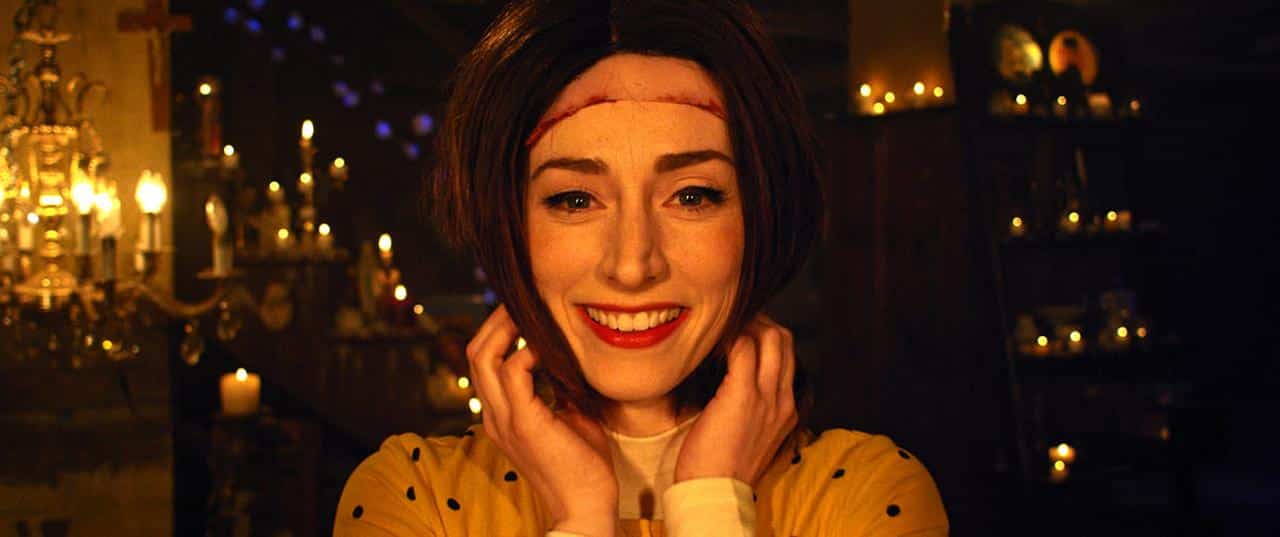
The Stylist presents audiences with a female killer called Claire (played by Najarra Townsend), a hair stylist that kills unsuspecting customers and removes their scalps to preserve their hair. The reasons why she does this is where the formula gets refreshingly tampered with. Claire isn’t obsessed with hair. She’s obsessed with the image people want to project with their new hair styles.

The movie takes advantage of Claire’s macabre methods to offer commentary on acute social anxiety and how the weight we put on physical appearances forces certain inflexible expectations upon people. One of Claire’s victims, for instance, makes a comment on how we always want what we can’t have as we settle into our lives, mostly by making decisions that box us into society’s idea of what we should be. This is basically the movie’s motto. We always want what we can’t have.

The Stylist

The movie develops this idea by focusing on a particular character that reaches out to Claire for her wedding hair, a thing that stresses the bride to be to the point of considering it the thing that’ll brings the whole experience together, as if the event’s success hinges on curls and extensions.

The concept of marriage, being one of the experiences people struggle with the most in terms of when to do it or even if it should be done in the first place, acts as the catalyst that puts Claire on crisis mode. It puts her face to face with a human tradition that requires having certain things she unfortunately doesn’t have: meaningful friendships.

The situation lends itself well to the metaphors at play. It helps them surface more noticeably as given how it’s commonly assumed that the person that has to shoulder the burden of making sure the wedding ends up being a resounding success is the bride, who also has the responsibility to dazzle in her dress and keep up appearances.

Claire takes all this in and struggles with her place in it, fortifying her frustrations with fitting in as a woman within that environment. In this regard, parts of the original slasher formula start seeping in. Women are still the killer’s main source of anguish, but the killings aren’t borne out of misogyny. They come from a profound frustration, and perhaps incompatibility, with the roles they’re expected to fulfill. That’s what makes the story feel so subversive as a slasher.

The Stylist

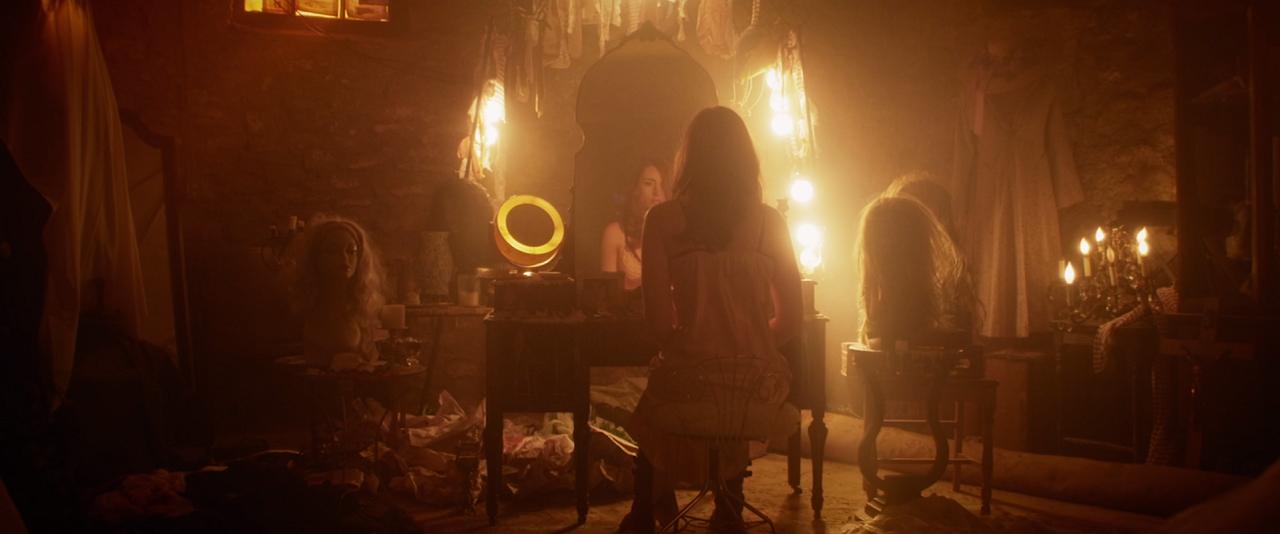
Najarra Townsend’s performance as the serial killer stylist is a definite highlight and one of the best in a year filled with strong horror performances (Robert Patric’s in What Josiah Saw comes to mind as one of the others). Claire is a very awkward character that always looks as if she’s uncomfortable in her own skin—hence her desire to become other women while wearing their scalps—and Townsend captures that in every single scene.

The film’s lighting is another high point. It has an eye-popping color palette that could’ve fooled anyone into thinking the story was going to borrow heavily from Giallo slasher movies. While there’s certainly a wink or two here and there that’ll surely leave fans of the genre satisfied, the overall tone of the story and its focus on deep character development owes more to films like Maniac (1980) and Henry: Portrait of a Serial Killer (1986), in which the intention is to paint a picture of the killer in as many shades as possible.

The Stylist is an unsettling film that relishes in its ability to make audiences uncomfortable. It’s confrontational even, shoving viewers into a place where they’re forced to ask themselves if Claire’s experiences wouldn’t be enough to drive anyone to do the things she does to try and fit in. It’s stylish, smart, and quite simply unforgettable, the same things one would expect from a killer haircut.

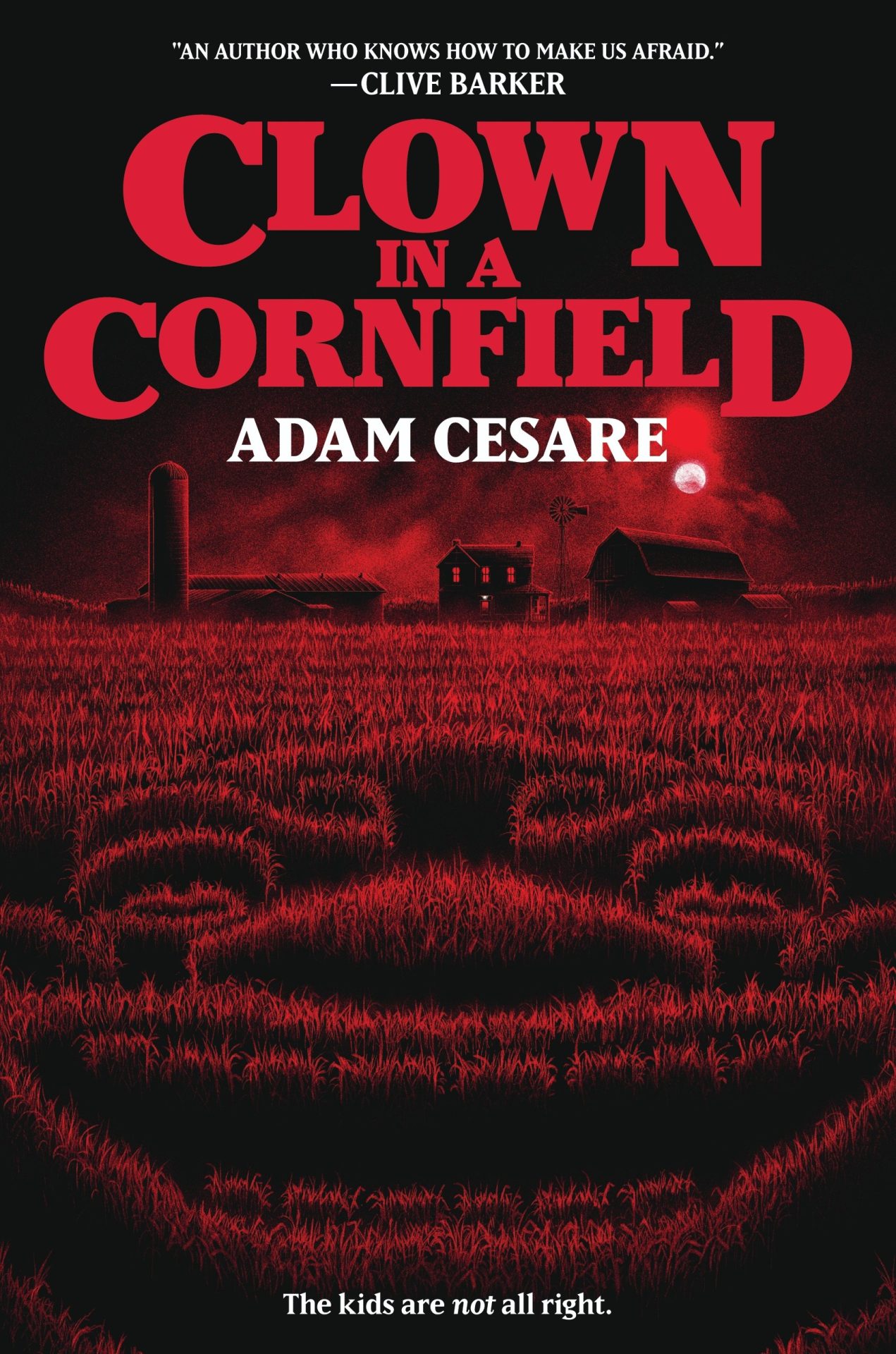
Why the Best Horror Book of 2020 is Clown in a Cornfield

Clown in a Cornfield
Clown in a Cornfield, cover

To an extent, the title of Adam Cesare’s latest book, Clown in a Cornfield, feels like an affront to expectations. We have a YA horror book about teens navigating social media, high school, and rage-filled teachers all hinging on the promise of an actual clown possibly picking off kids in a cornfield. Having read Cesare’s excellent, and surprisingly meta, cannibal movie homage Tribesmen, which shows a profound love and understanding for 1970s horror cinema, I knew something else was hiding in the fields. And that something turned the book into one of the best examples of horror fiction in the context of Trump’s America, and the year’s best in the process.

Clown in a Cornfield follows Quinn, a high schooler that moves into the town of Kettle Springs with her dad following the death of her mom. Now an ex-city girl, Quinn goes about understanding the town and its people but also the looming presence of its recent past, the thing that divides the town into those who see progress as moving forward and those who see it as keeping up with traditions. This is where the titular clown comes in. The rest deserves to be read.

The setup is deceptively recognizable, seemingly on purpose. The story starts with a look at Quinn and her dad going though a short adjustment period, Quinn in particular getting to know the people she’ll eventually get to rely on to survive the deadly events that clown authors.

Cesare takes his time putting every piece in place before taking the reader through a hellish gauntlet of inventive slasher violence, all of which takes cues from John Carpenter, Wes Craven, and a lot of 1990’s horror movie imagery if only to build on them and make them his own. Once the killing begins, the book settles into high tension and doesn’t let up even when commenting on the ideas that prop up the story.

The buildup to the clown horror comes with a few twists on the formula that sets this story apart from the conventional slasher. The teens that drive the story don’t fit the traditional mold of jock, nerd, hot, or final girl characters of old. Instead, Cesare skillfully dodges some of the sexual and “school as a rite of passage” subtexts that govern a lot of classic slasher stories in favor of showing a group of teens that more genuinely reflects the current state of American society.

Adam Cesare

Instead of prom and homecoming queen and king competitions or relationship woes tied to characters losing their virginity, Cesare creates a cast of young Americans that talk about guns, are comfortable around them, and know how to handle them; that embrace social media and make it a point to flirt with its most dangerous aspects; and who know perfectly well what they represent to the older townsfolk (hints of The Lost Boys here).

Kettle Springs is a small town where it’s not hard to imagine every other car sporting a ‘Make America Great Again’ bumper sticker. And yet, the book doesn’t judge the entirety of the town for its conservative leanings. On the contrary, it provides a more complicated human panorama of it, with varying degrees of political inclinations even within the targeted group.

This is perhaps one of the most impressive things Cesare accomplishes with his characters. He breaks away from the black and white morality of the traditional slasher, in which the ‘good’ teens and the ‘bad’ teens could be identified from a mile away, in favor of presenting teens that are not just different from one another but also from the preconceived notions we have of them. This bleeds over into the book’s take on what small-town America was, is, and could be.

Explaining what Cesare does with slasher morality in the story would result in spoiling some the book’s biggest surprises, but it does make for one hell of a killer clown. Frendo is a part of the town’s economic history, being the face of an abandoned factory that at one point was at the heart of Kettle Springs. He was a symbol of success at one point only to later become an imposing symbol of defeat.

Frendo wastes not a single instance of violence on simplicity. Every death, blood spurt, or dismemberment is masterfully choreographed, unafraid to go into detail, leaving the reader with just enough information to let him or her fill in the rest. It’s also hauntingly realistic in parts. Whereas many slasher movies go over the top to create memorable death sequences, Clown in a Cornfield keeps things more plausible, holding back to make the more explosively violent parts truly unforgettable.

Frendo is one unsettling clown, but what drives the killings and how sinister things get in the process is what really scared me to the core. Unlike the Freddies and the Jasons of the genre, Frendo is one killer I completely believe can come after me. Whereas the aforementioned slashers are known for carrying a sense of dark fantasy and myth about them, Frendo seems like an actual inevitability should America continue on the path it’s currently on.

Adam Cesare gave us an important horror book in 2020, one that hits closer to the real horrors America has lived through these past four years. Its commentary on tradition, progress, and what’s expected of newer generations is as sobering as it is terrifying. Give Clown in a Cornfield a read and make sure your windows are closed and your doors locked because Frendo isn’t the stuff of nightmares. It’s the stuff of reality.

Graphic Policy’s Top Comic Picks this Week!

Wednesdays are new comic book day! Each week hundreds of comics are released, and that can be pretty daunting to go over and choose what to buy. That’s where we come in!

We’re bringing back something we haven’t done for a while, what the team thinks. Our contributors are choosing up to five books each week and why they’re choosing the books.

Find out what folks think below, and what comics you should be looking out for this Wednesday.

Paul

Top Pick: X-Men Gold #3 (Marvel) – This title has been everything I was hoping for and it’s only 3 issues in. I love the line up, love that they’re out being heroes again and they’re out to show that ‘mutant’ isn’t a bad word. Very excited to see this rematch with the Brotherhood and hoping Magma hasn’t switched sides for good.

Jean Grey #1 (Marvel) – I love seeing Jean and the other time displaced X-Men now working with Magneto over in X-Men Blue and I’m more then a little curious to see how a title with only Jean will play out. Of course it’s going to be Phoenix centric, we all knew that. I just hope they explore this Jean Grey a little more deeply and forge something new with her, and not just an eventual host to the Phoenix for things to play out like they have so many times before.

Secret Empire #1 (Marvel) – This is just getting started and I can’t wait for someone to knock Steve Rogers down a peg or two. I have mixed feelings about this event; I absolutely hate what Marvel as let happen to the character and all the back peddling to try and re-imagine Hydra into something we all know it isn’t. But, I am looking forward to seeing how the rest of the heroes are going to band together to knock Hydra flat on its ass. Just hoping this doesn’t fall into the ‘ho hum’ category most of Marvel’s recent events have stumbled into.


Alex

Top Pick: Batman And Bill (Hulu) – While you’d usually expect to find a (Valiant) comic in this spot, this week one of the very few things I’m genuinely excited for is the Hulu exclusive documentary about Bill Finger. If you’re a Batman fan and you don’t know who Bill finger is, and what Bob Kane did to him, then be prepared for an emotional story that should make you angry. I’ve been waiting for this for months… May 6th can’t get here fast enough.


Joe

Top Pick: FCBD Comics – FREE COMIC BOOK DAY COMICS!!!!! What’s not to love about free comics? Remember to go to your local comic book store and get yours!

Batman #22 (DC Comics) – What an ending of The Flash and Batman #21. Especially who Bruce sees at the end. Right in the feels. I am liking The Button so far and want more!

Superman #22 (DC Comics) – One of my favorite books every time it comes out. The Superman Reborn arc looks to be wild, and this along with Action Comics is even better.

Catalyst Prime Noble #1 (Lion Forge) – A new universe with a diverse cast of heroes and creators. I’ve been hyped for this for awhile!

Secret Empire #1 (Marvel) – Maybe I am a sucker, but I am still excited for this event. I want to see where the heck they go with this crazy story. Please don’t be another CWII.


Shay

Top Pick: Jean Grey #1 (Marvel) – I read this one before I consigned it and I like it. It has a male writer but, it isn’t utter crap. It’s well written , plausible , fresh & on point.

Top Pick: Harley Quinn #19 (DC Comics) – The “Deadly Sin” arc is ending and Harley’s about to remind these fools why she’s not the woman to mess with! I’ve got popcorn and, I’m ready !

Hawkeye #6 (Marvel) – This arc keeps turning it up to 11 and I’m all the way here for female mentorship, strength and badassery!


Brett

Top Pick: Slasher #1 (Alternative Comics/Floating World Comics) – Charles Forsman’s new series about a woman discovering her sexuality and penchant for blood.

Abirato #1 (Lion Forge) – Rebels taking on corporate powers that control a city and vaccine that allows a lifespan of hundreds of years? Sign me up.

Catalyst Prime Noble #1 (Lion Forge) – A whole new world that’s really thought and featuring diverse characters, diverse voices writing them, and diverse individuals on art. In other words, it’s already ahead of so many others.

Eternal Empire #1 (Image Comics) – Sarah Vaughn and Jonathan Luna team up again, this time for a fantasy series. If you missed their Alex + Ada, you missed out on an amazing series and this one I expect to be just as good.

Youngblood #1 (Image Comics) – I’m looking forward to this, I’ll admit it. I’m fully expecting turn my brain off fun or the reading experience of slowing down to look at a car wreck. Either way….

A 5 page Preview of Charles Forsman’s New Psychosexual Thriller Slasher

Meet Christina, a data-entry specialist in her early twenties. Seemingly timid and plain to her coworkers she harbors dangerous urges. A lion of sexual violence bubbles just below the surface. The only soul she shares these feelings with is a terminal boy named Joshua in a wheelchair that lives several states away. They strike up a love through the internet but have to keep it hidden from Joshua’s strict and over-attentive mother. Will these two broken people get the freedom to love each other or will Christina’s monster escape its cage and scratch that violent itch that taunts her?

A psychosexual thriller in the tradition of the films of Brian de Palma and David Cronenberg. This 5 issue series by Charles Forsman and published by Floating World Comics will leave you breathless and heartbroken.

Slasher #1 is available to order in this month’s Diamond Previews catalog – FEB171109

slasher__1-1