Tag Archives: middle earth

Die Has a Nuanced Love/Hate Relationship with J.R.R. Tolkien (And Perhaps So Do I)

In advance of Kieron Gillen and Caspar Wjingaard’s upcoming comic The Power Fantasy, we’re revisiting some of Gillen’s previous creator-owned work.

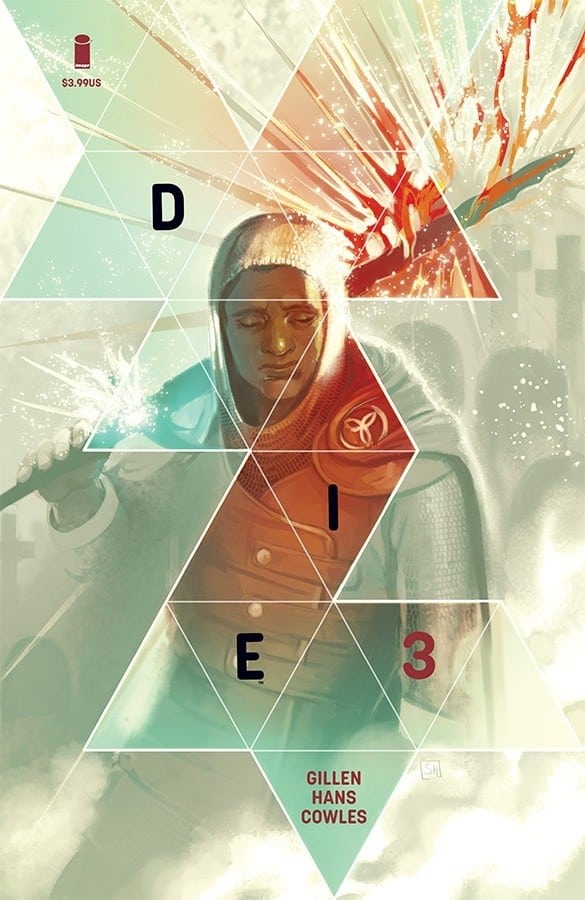
Die #3

I re-read the first arc of Die “Fantasy Heartbreaker” by Kieron Gillen and Stephanie Hans, and I think a full series binge may be in the cards. I’ve gone on record in the past as saying I didn’t immediately connect with Die like I did with Phonogram, The Wicked + the Divine, or Young Avengers, but I didn’t have that issue this time. I immediately connected with the narrator Dominic/Ash not just because they have a complicated relationship to their gender identity that doesn’t get unpacked until later in the series, but because they understand the hollowness of nostalgia and yet also yearn for it. As also someone who’s moved around a lot and can be bad at keeping in touch with people, I also related to the Die cast members struggling to be an adventuring party decades after their initial “adventure”.

The elevator pitch for Die is that it’s “Goth Jumanji”. Six friends are trapped in a fantasy world while playing a tabletop roleplaying game at the aforementioned Ash’s 16th birthday party, and only five return. 25 years later, Dominic gets a bloody twenty-sided die (D20) that he thinks is from Sol, the missing party member, so he gets his friends Matt, Chuck, Isabelle, and his sister Angela to return to the world of Die (By rolling the D20) and find Sol. What seems like a basic, smash and grab rescue mission turns into an epic fantasy-meets-horror with just a touch of cyberpunk battle/quest between the adventuring party and Sol, who has taken the role of the villainous Grandmaster. Also, to throw a wrench into the story, the characters can’t leave the world of Die until they all agree to end the game and go back home. (This includes Sol.)

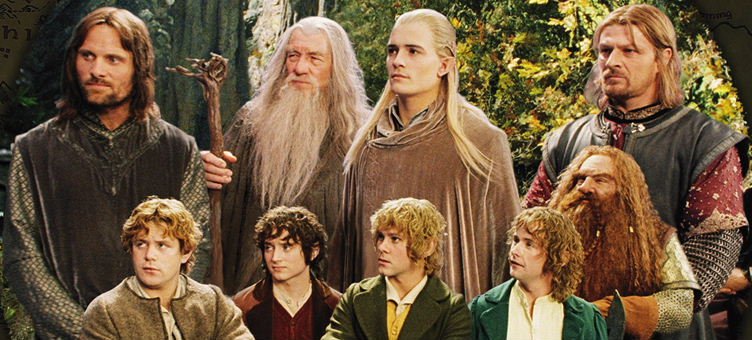
Initially, I was going to write about the parallels between how I feel about my gender identity and how Ash feels about theirs in Die. (There was going to be a silly anecdote about how I would always play as the female Elf in the underrated couch co-op, hack and slash RPG Dungeons and Dragons Heroes.) But I think I’d rather write about the series’ (and my) relationship to the works of J.R.R. Tolkien. Gillen and Hans grapple with Tolkien in Die #3 when the adventuring party decides to cross through a war-torn area called “the front” to Glass Town instead of Angria because it’s haunted by the specters of their previous adventures. For example, an Arthurian-type knight who had a crush on Ash turns into a maggot-ridden corpse in front of her with some disgusting visuals from Hans. “The front” is basically a fantasy take on World War I with the combatants being Little England and Eternal Prussia. The Little Englanders look a little bit like characters played by Elijah Wood and Sean Astin in an Academy Award winning film trilogy while Eternal Prussia has dragons that spew poison gas.

Die

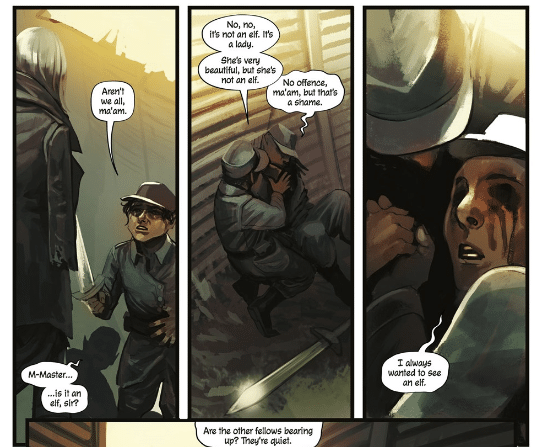
Ash first encounters the Little Englanders in a trench while she is looking for way out after a dragon attack splits the party. Stephanie Hans uses a dark palette, and there’s yet another character whose eyes have bled out, who is deferential to a slightly more alive character. Yes, it’s basically Frodo and Sam dying in World War I trenches. A ring pops up, but it’s one of the Englanders’ wedding band that reminds him of his wife not a world-ending weapon of mass destruction. Through this conversation and a relatable line of dialogue from Ash about liking the hobbit chapters most of all in Lord of the Rings, Gillen unpacks the sad truth that most of us will never go on an epic quest like the Fellowship of the Ring and will probably just be fodder for more powerful people. Hopefully, that’s just in the workplace, but back in 1914, young British men like J.R.R. Tolkien had to go to war for king and country.

There is tension in Ash’s interactions with the Little Englanders because she knows it’s all a Tolkien riff, but gets invested in their stories and feels sadness when they think that the war will end in spring. Sure, there are speaking roles for two women in The Lord of the Rings books and the Orcs are simplistic baddies. Don’t even get me started on the people of Rhun and Haradwaith and Tolkien’s lazy orientalism. (He’s not as bad as his bestie C.S. Lewis though ; The Horse and his Boy is almost unreadable in 2024.) However, these stories still give me hope to endure. If two hobbits can get to Mordor, I can get through this day. Gillen and Hans also explore the emotional resonance of these classic fantasy stories in a sequence where Ash telling the stories of the two Little Englanders makes Matt sad enough that he is able to kill a dragon in three gold and red panels. (Matt is a grief knight and basically can kick all kinds of ass when he’s sad.) It’s words and visuals: the power of comics as a medium in a short burst of an action sequence.

In Die #3, Kieron Gillen and Stephanie Hans peel back the layers of epic quests, good and evil, and now-cliched quotes about deciding what to do with the time that is given us. I love the use of the eagle in the story. In Lord of the Rings, the Great Eagles are an almost spiritual deus ex machina and are unfairly considered a plot hole. However, in Die, the Great Eagles represent hope being lost as they’re shot down by the leaders of the Little Englanders, who immediately send more soldiers to the front as the issue wraps up with a darkly comic nod to the “One does not simply walk into Mordor” meme. It’s also a metaphor for the narrative of Die. This isn’t a 5 issue miniseries ; the cast of former friends must go through many trials before doing their “there’s no place like home” thing.

J.R.R. Tolkien originally wrote The Lord of the Rings as a more kid-friendly sequel to The Hobbit (Aragorn was a original a hobbit ranger called Trotter.), but in the writing process, it became a darker tale possibly influenced by the shadow of authoritarianism sweeping Europe as well as his own experiences in the trenches of World War I. Kieron Gillen and Stephanie Hans follow that tradition in Die crafting a fantasy world that isn’t an escape, but is sour milk nostalgia like playing Skyrim after a bad trip. Escapism feels like guilt when you have “responsibilities” in the “real world”, and that tension pervades Die and makes it a compelling read.

However, killing dragons will always be cool!

TV Review: The Lord of the Rings : Rings of Power S1E1-E2 “Shadows of the Past”/”Adrift

The Lord of the Rings : Rings of Power

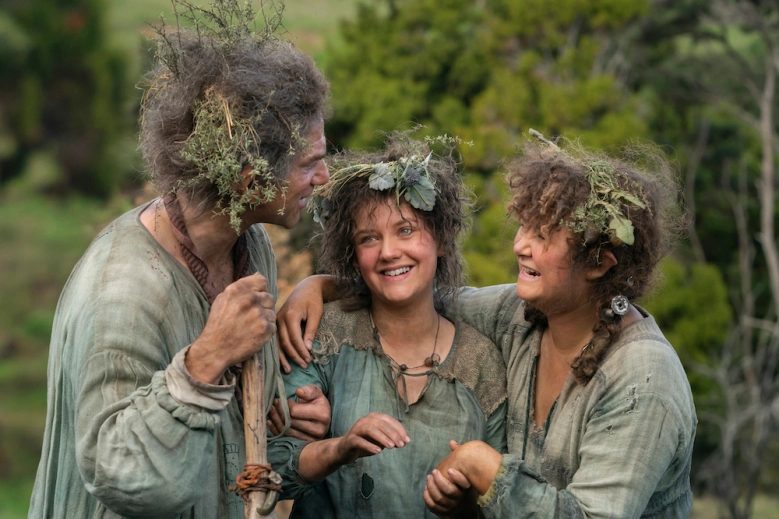
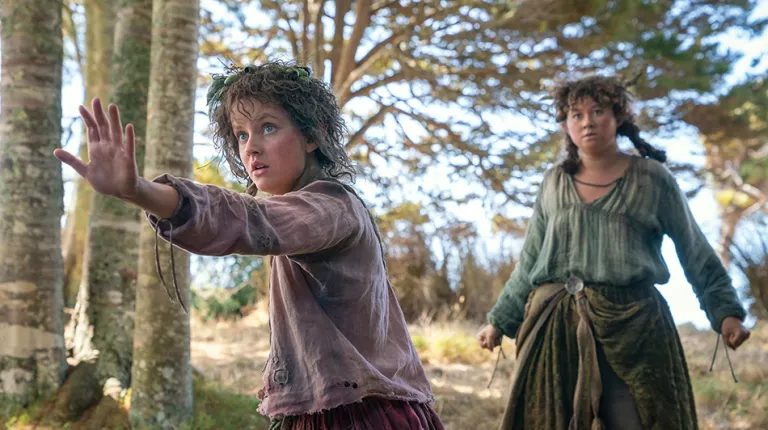
After much hype and anticipation, Amazon Studios’ adaptation of J.R.R. Tolkien’s Middle Earth stories dropped with its first two episodes this past week. The Lord of the Rings: Rings of Power isn’t an adaptation of Lord of the Rings, The Hobbit, or even The Silmarillion, but instead uses the appendices and prologue from The Lord of the Rings novel to weave a story set after the defeat of Middle Earth’s first great foe Morgoth, but before the forging of the Rings of Power and the return of Sauron as seen in the first few minutes of the Fellowship of the Ring film. There are some familiar faces like Galadriel and Elrond, but also new ones like the Brandyfoots and Proudfellow families, Prince Durin IV, and the mysterious Halbrand and the Stranger. The first two episodes have a general through-line of evil rising across Middle Earth affecting all races from the High Elves of the West to the humans of the South and even the nomadic Harfoots. (Someone in the comments will probably say, “Harfeet!”) They generally do a solid job of introducing the characters, conflicts, and location in a visually dazzling way ; honestly, the show has better visuals than dialogue except for the Dwarves and Harfoots.

“Shadows of the Past”

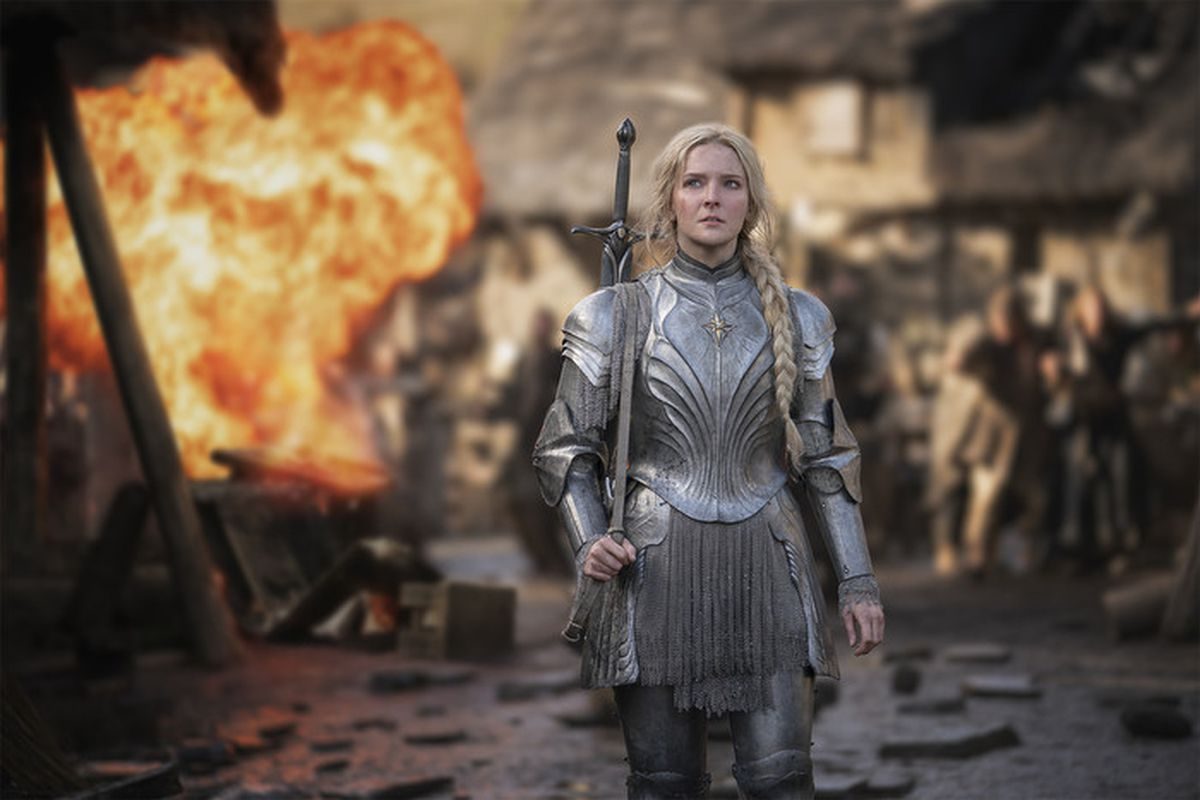
The first episode of Rings of Power opens in a similar manner to the Lord of the Rings: Fellowship of the Ring with a voiceover from the Elf queen Galadriel. However, she’s played by Morfydd Clark in the show, and her voiceover tells the story of her childhood in the deathless land of Valinor where two trees kept everything in perpetual light until they were destroyed by Morgoth, an evil so strong that he’s not even shown on screen and just depicted as a dark rot. This evil leads to an epic war where Amazon Studios has shown that no expense is spared in regards to CGI eagles, dragons, ships, and fireballs and also gives Galadriel her motivation in the series because her brother Finrod was killed by Sauron, who may have survived after the war and is being hunted by Galadriel and her Elves.

However, writers J.D. Payne and Patrick McKay subvert the epic quest narrative of both Lord of the Rings and The Hobbit and instead show a world between two wars from a variety of perspectives in a kind of “People’s History of Middle Earth”. Using a cool visual of the map of Middle Earth to transition between each location, director J.A. Bayona introduces different groups of characters, including the aforementioned High Elves Galadriel, her king Gil-Galad (Benjamin Walker), and his herald/speechwriter Elrond (Robert Aramayo) plus the Harfoots, a kind of proto-Hobbit people, two mysterious Hunters, and a village of humans watched over by the Silvan Elf Arondir (Ismael Cruz Cordova), who is romantically interested in the town healer Bronywn (Nazanin Boniadi).

Even though they’re from disparate locations, they’re connected thematically by the lingering effect of evil on Middle Earth although Sauron is supposedly defeated. This theme is handled directly in Galadriel’s plot lines as she takes her battalion to the farthest Northern wastes of Forodwaith to seek out traces of evil. Elves using their weapons to scale a beyond icy cliff is a powerful image to show the extents that Galadriel will take in her quest for revenge as she repeatedly waves off her compatriots’ requests to take shelter and return to Gil-galad the next day. This leads to danger and a sleekly choreographed battle with an Ice Troll in a cave that is so cold that the Elves’ torches give off no heat and, of course, a mutiny.

The Lord of the Rings : Rings of Power

Throughout the episode, Galadriel is perceived as a rebellious figure, who still believes in the pervasive nature of evil even as Gil-galad holds a ceremony for her and her soldiers as well as giving them the opportunity to return to Valinor and basically live in Elf heaven forever. Through her tone of voices and the pain in her eyes, Morfydd Clark’s performance nails the fact that Galadriel is older than, say, Elrond and has seen true, primal, light-destroying evil and can tell it’s coming back even though this isn’t convenient politically for the Elves of Middle Earth. It all builds up to a spine-chilling climax where she would rather leap into the cold water of the Sundering Sea than have peace in Valinor. Bayona and cinematographer Oscar Faura flood the frame with life as the other Elves accept their eternal rest while Galadriel flinches, grabs her brother’s sword, and peaces out. Clark brings a lot of conviction to the role of Galadriel. I’m definitely invested in her story moving forward even if some parts of it are weirdly structured like Finrod doing a Bill Murray in Lost in Translation whisper to her at the beginning at the episode and revealing it at the end.

The scenes with the Harfoots and the humans of the South plus Arondir are more atmosphere-setting than jumping head-first into the series’ plot. And that’s totally okay for a first episode because we get to see the effects that the Elves’ war against Morgoth had on ordinary, mortal folks. The Harfoots have chosen the hiding in plain sight route, and a clever little setpiece shows why they weren’t mentioned in the great stories and tales. Nori Brandyfoot (Markella Kavanagh) is the standout in this episode with her firecracker energy and curiosity about the outside world, but Lenny Henry’s Sadoc Burrows brings wisdom and good humor as he pores over a book of symbols to explain the natural, or supernatural phenomena around him. They don’t get as much screen time as the Elves or humans, but a strange visitor is sure to change that.

Arondir, Bronwyn, and the various Silvan Elves and humans of the Southlands lack the charm of the Harfoots or the charisma and wow factor of the High Elves, but provide the most interesting perspective on the nature of evil with a side of colonialism and Elf/human tension. The reason why the Silvan Elves watch Bronwyn’s village is because they supported Morgoth ages ago and are afraid that they’ll turn to evil again. It’s super paternalistic and reminds me a lot of why the United States still has military bases in places like German, Japan, Italy, South Korea, and to a lesser extent now, the Philippines.

Because Elves are immortal, they see centuries as no time at all and still hold a grudge towards these villages for helping Morgoth even though the only thing that happens in them is the occasional bar brawl. The only reason that Arondir lingers in the village is because he is romantically interested in Bronwyn, who is from a village that helped Morgoth even more during the war. He sees evil as something in the past, but his watchwarden still thinks the humans in the villages are evil people and is glad to leave their outposts behind and return west. The interactions between Arondir and all non-Bronwyn humans show the tension between Elves and humans and their long memories versus short. Throw in the presence of actual evil in the village, and it introduces an intriguing element of moral greyness even if the characters in this plotline are about as compelling as Skyrim NPCs.

“Shadows of the Past” features a compelling protagonist in Galadriel and also introduces a variety of POVs during this era of Middle Earth while featuring lavish production values, especially the sequences in Valinor and Forodwaith. It’s a lovely appetizer before hopefully is an intriguing feast about unlikely heroes and an ever-pervasive evil.

The Lord of the Rings : Rings of Power

“Adrift”

Director J.A. Bayona continues to use imagery to weave together the disparate characters and locations with Galadriel swimming back to Middle Earth under the stars while Nori and the hilarious Poppy Proudfellow (Megan Richards) investigate an amnesiac stranger (Daniel Weyman) who has fallen from the sky and has some kind of power involving flame, darkness, and other scary stuff. Richard and Markella Cavanagh’s chemistry is a highlight of this episode as they try to help out this “Big Person” while also fulfilling their duties as part of the Harfoot community even though the free-wheeling nature of the settlement is a good cover for them bringing snails and checking on their mysterious visitor. They have the same vibe as Saoirse Ronan and Beanie Feldstein’s characters from Lady Bird, but in the wilds of Middle Earth. Weyman’s performance as the Stranger almost has a Frankenstein’s Monster quality to it with him enjoying a meal of snails and then causing every firefly in Poppy and Nori’s lantern to go out. He will definitely be the source of many fan theories.

Another fan theory spawner is Halbrand (Charlie Vickers), a pretty boy from the Southlands, who Galadriel ends up escaping with on a bit of driftwood after a pretty epic monster destroys the raft of a group of not-so-nice sailors that they were with earlier in the episode. Both Galadriel and Halbrand share a common hatred of Orcs because they had killed someone important in their lives, which causes Galadriel to immediately order him to take him to the last place where he saw them. However, she’s just a wandering Elf on the Sundering Sea, and Halbrand waves this off. The only thing they really have in common is survival at this point, and there’s even a parallel in Galadriel leaving her soldiers in the previous episode and Halbrand leaving his crew in this one as they try to accomplish their goals. Galadriel takes more of a backseat in this episode after anchoring the first one, but Halbrand being from the Southlands welds her storyline to the one of Bronwyn, Arondir, and the village.

There’s not a lot of great characterization and Bronwyn’s village continues to feel like a generic fantasy town setting, but Bayona does do a little mini-horror film with Bronwyn, her son Theo, and and one gnarly, bone helmet wearing orc that has been under the house and is scaring all the rats and mice. There’s jump scares, swarming rats, tight spaces, and this bit of the episode feels more Lovecraft than Tolkien. But it’s nice to see Orcs as slasher movie monsters and not just cannon fodder and to see how they would actually affect regular people in a village versus the trained warriors that usually fight them in the Peter Jackson films. The creature design works fits the recurring them of decay and rot with a bloated head spilling black blood. Also, we get to see Bronwyn be a badass and see her son Theo continue to be enthralled with the mysterious part of a blade he found that behaves similarly to one in Fellowship of the Ring. It’s nice to see that Middle Earth can continue to be home to different genres, especially horror.

The Lord of the Rings : Rings of Power

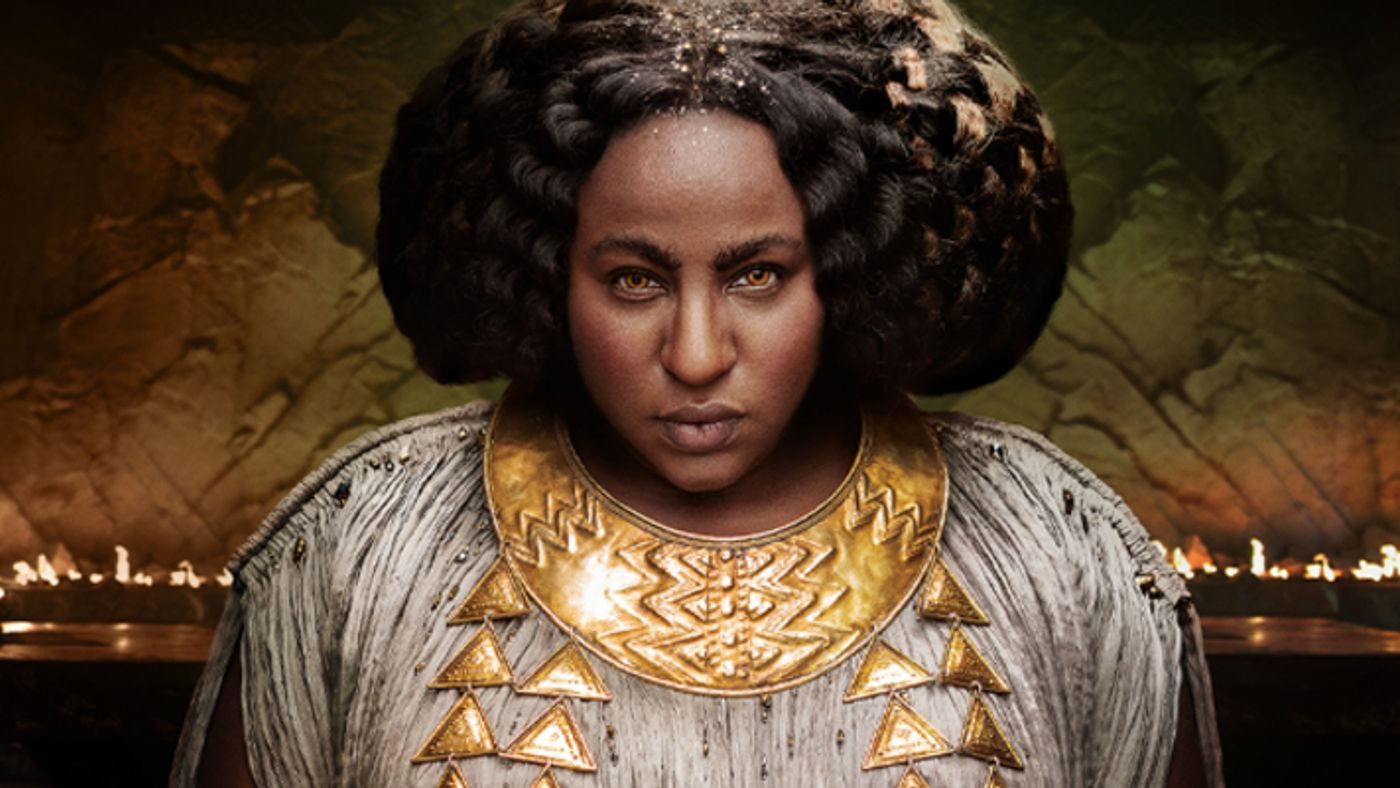
The final plotline in “Adrift” follows Elrond working with Celebrimbor (Charles Edwards), who wants to build a forge and tower to create something with real “power”. Elrond suggests that they visit his friend Prince Durin IV (Owain Arthur) in the underground Dwarf city of Khazad-Dum aka the Mines of Moria. Writer Gennifer Hutchison uses some wonderful intertextuality with Elrond talking up Dwarven hospitality a la Gimli in the Fellowship of the Ring only to get spurned at the gate and only allowed in if he takes part in a ceremonial rock smashing contest, which he loses to Durin, but still gets to spend time with him thanks to the kindness and his good humor of his wife Disa (A warm, yet humorous performance from Sophia Nomvete aka the first female Dwarf to have a speaking role in any Tolkien property.)

When Durin and Elrond interact, the politics are cast aside, and Elrond gets berated for being a bad friend and not being there for his wedding or the birth of his two children. In another excellent use of how Elves see time differently from other races because of their immortality, Elrond basically treats 20 years like not seeing someone for a couple months or so. However, he still genuinely cares about Durin and spends the dinner asking questions about how he and Disa met (At work, of course!) before broaching the topic of working with the Elves. Of course, Durin III isn’t thrilled with and thinks that the Elves will exploit them although Elrond and Celebrimbor are genuinely curious in learning their methods that include singing to the stone to figure out where to sculpt or carve. This anecdote shared by Disa continues to show how Rings of Power is genuinely interested in showing the day to day life of the folks of Middle Earth along with its slow-burn return of evil/mystery men overarching story.

“Adrift” has good humor, a few scares, and Markella Kavanagh continues to be a delight as Nori Brandyfoot. The appearance of an Orc raises the return of evil stakes, and Bayona and Hutchison wisely show its impact on ordinary people instead of badass heroes like Galadriel. Plus seeing Khazad-Dum at the height of its glory is a genuinely cool use of set design and visual effects and puts Elrond in a different context than the first episode adding depth to his character.

In conclusion, the first two episodes of Rings of Power use the television medium to tell an epic fantasy story of good and evil from a variety of perspectives even if it is only starting to scratch the surface of this era of Middle Earth. The dialogue can be hit or miss, especially when the Elves start speaking in Fran Walsh/Tolkien-esque aphorisms, but this is a gorgeous, immersive fantasy story that reminded me why I fell in love with this world as a kid a little over 20 years ago. It also gives more prominent roles to women and characters of color than the source material, which is refreshing as well.

9 Ideas for Amazon’s ‘Lord of the Rings’ Show

LOTRFI

Unless you’ve been chilling out in your hobbit hole smoking a couple bowls of Old Toby with limited wi-fi connection courtesy of the Hobbiton equivalent of Time Warner/Spectrum, you may have heard that Amazon Studios now has the rights to make television shows based on The Lord of the Rings and The Hobbit. Amazon CEO Jeff Bezos himself tweeted about the acquisition, which some see as a power move to try to have a big fantasy show to compete with HBO and Game of Thrones. And if you’re trying to make a “prestige” fantasy universe, you can’t go wrong with playing in J.R.R. Tolkien’s original high fantasy sandbox even though Peter Jackson’s 2001-2003 Lord of the Rings trilogy is a modern film classic and basically my generation’s Star Wars. (The two too many Hobbits not so much.)

In related news,  J.R.R. Tolkien’s son, Christopher Tolkien, who has been the director of the Tolkien Estate since the author’s passing in 1973 has stepped down and is retiring. Christopher Tolkien compiled his father’s posthumous works, including the Silmarillion (1977), which features the creation myth of Middle Earth and sets up many of the events of Lord of the Rings. (Characters like Gandalf, Galadriel, and Elrond even cameo in it.) However, he wasn’t a big fan of the film adaptations and refused to sell Warner Bros the rights to any books other than Lord of the Rings or The Hobbit.

This could all change with his retirement, and Tolkien geeks could look forward to The Silmarillion trilogy to go with unending Star Wars sequels and Harry Potter prequels. But for the sake of this article, I’ll be limiting the possible TV shows to stories and characters that appear in The Lord of the Rings, it copious appendices, and The Hobbit even though a show about the rise and fall of Numenor would dunk on Game of Thrones while stealing its lunch money and making out with its romantic partner.

All these stories take place before Fellowship of the Ring just like the potential show mentioned in the Amazon press release.
YayAragorn

9. Young Aragorn Show

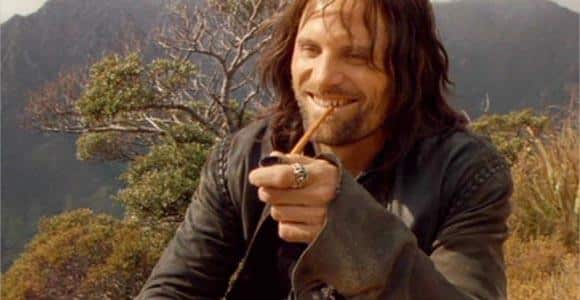
This show was the first one that came to mind for many Tolkien fans so let’s get it out of the way first. Even though he looks like he’s in his mid-30s, Aragorn is actually in his 80s during Lord of the Rings, which earns a laugh from Eowyn, who has an unrequited crush on him. He has been around the block a little bit: riding through the wild with Elrond’s sons, fighting for both Gondor and Rohan, and even going on a solo man hunt for Gollum. (The subject of a solid, violent fan film.)

The Aragorn prequel show definitely shouldn’t go the Gotham route and have Aragorn be a kid with the exception of flashbacks featuring him in Rivendell and not being a fan of his foster father Elrond pushing him towards becoming king of Gondor. It would work best in the vein of the 2013 Tomb Raider game, Casino Royale, and Batman Begins showing how the orphan Estel became the hardened, badass ranger, Strider, and a king in exile. Hell, you could probably come up with a whole part of a character arc from one of Viggo Mortensen’s long, smouldering looks in Lord of the Rings.

Besides being a cool lone wanderer fantasy adventure show, like Xena with stubble, the young Aragorn prequel has a wealth of relationships to develop from his father figures Elrond and Gandalf to younger versions of Theoden and Denethor when he fights as a mercenary for Rohan and Gondor and especially his romance with Arwen. Honestly, I could watch a whole season of them fighting the forces of Evil in the North and doing a lot of smooching.
ElrondIsildur

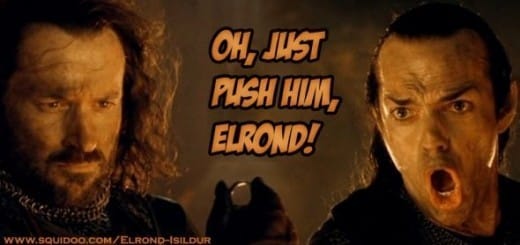
8. Isildur and Elrond Show

This show would take place 3,000+ years before the Fellowship of the Ring, but it would be fantastic and could lead into the epic battle, cold open in Fellowship. It would focus on the characters of Elrond and Isildur and provide an inside look at the legendary “Last Alliance” between humans and Elves from the POV of their two young leaders. The show could flesh out Isildur’s father, Elendil, and Elrond’s commander, Gil-Galad, who barely appeared in Fellowship and show what kind of personalities the men who stood up against Sauron had.

Isildur, his father, and brother are also some of the last refugees from the Atlantis-like island of Numenor, which was destroyed by the Valar (Gods of Middle Earth) after their last king struck up an alliance with Sauron. So, the main conflict of the series wouldn’t just be good versus evil, but also personal. It could also show how Elrond went from an optimistic Half-Elf warrior to a cynical, misanthrope after Isildur decides to keep the One Ring and not destroy it. Speaking of the Ring, it already has a built in climax as Isildur chooses power over peace and allows Sauron to survive. (Honestly, Elrond should have pushed him in the lava and saved a lot of trouble.)

If Amazon is serious about being competitive with Game of Thrones and wants to do a real high fantasy show, they couldn’t go wrong with adapting the story of the first war against Sauron featuring the characters of Isildur and Elrond. Plus it’s a chance at seeing the Elven rings in action, having flashbacks featuring Sauron in a sexy, deceptive, Milton’s Lucifer form, and also exploring the interesting topic of religion in Middle Earth. Because Isildur is probably pissed off that his homeland is thousands of feet underwater.
Haradrim

7. Rhun or Harad-Focused Show

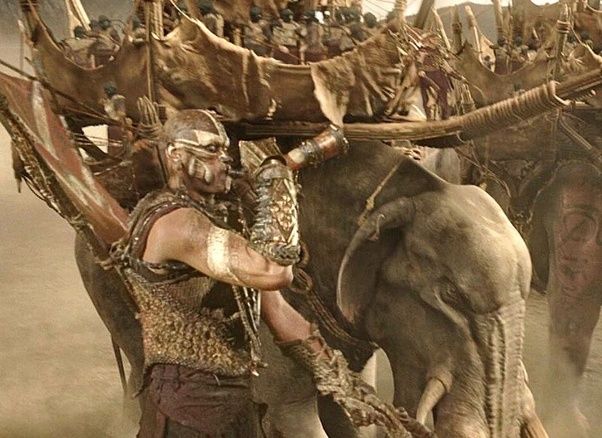
Although not as bad as his frenemy C.S. Lewis, J.R.R. Tolkien’s treatment of race in Lord of the Rings was quite problematic. You could play a drinking game with how many times he refers to “non-Western” humans as “swarthy” in the book. Sauron’s allies, the people of Rhun (Who are referred to by the basically racist sobriquet Easterlings),  and Harad, don’t fare much better in the film and are just face mask and turban wearing enemies for the main characters to cut through or sneak around.

Even though they get zero characterization in the books and films, both Tolkien and Jackson saw some potential in the people of Rhun and Harad in a monologue delivered by Sam in the book and Faramir in the movie where he asks, “You wonder what his name is… where he came from. And if he was really at heart.” I think a serious fantasy war drama about a young Rhun or Haradrim would be fascinating and go into the motivation behind banding together with someone really evil in Sauron and Mordor.

In Tolkien’s Unfinished Tales, he mentions a resistance movement to Sauron in Rhun, and this footnote could turn into an entire TV show. I think it would be more powerful to show the life of a Rhun or Haradrim soldier, who fought for Sauron and their daily life and emotions.

While HBO is doing a fantasy/alternate show about the Confederacy winning the Civil War, wouldn’t it be cool if Amazon did a revisionist take on the Tolkien mythos and gave people of color agency and robust character arcs to go with the cool armor designs and giant elephants?
TombofBalin

6. Mines of Moria Show

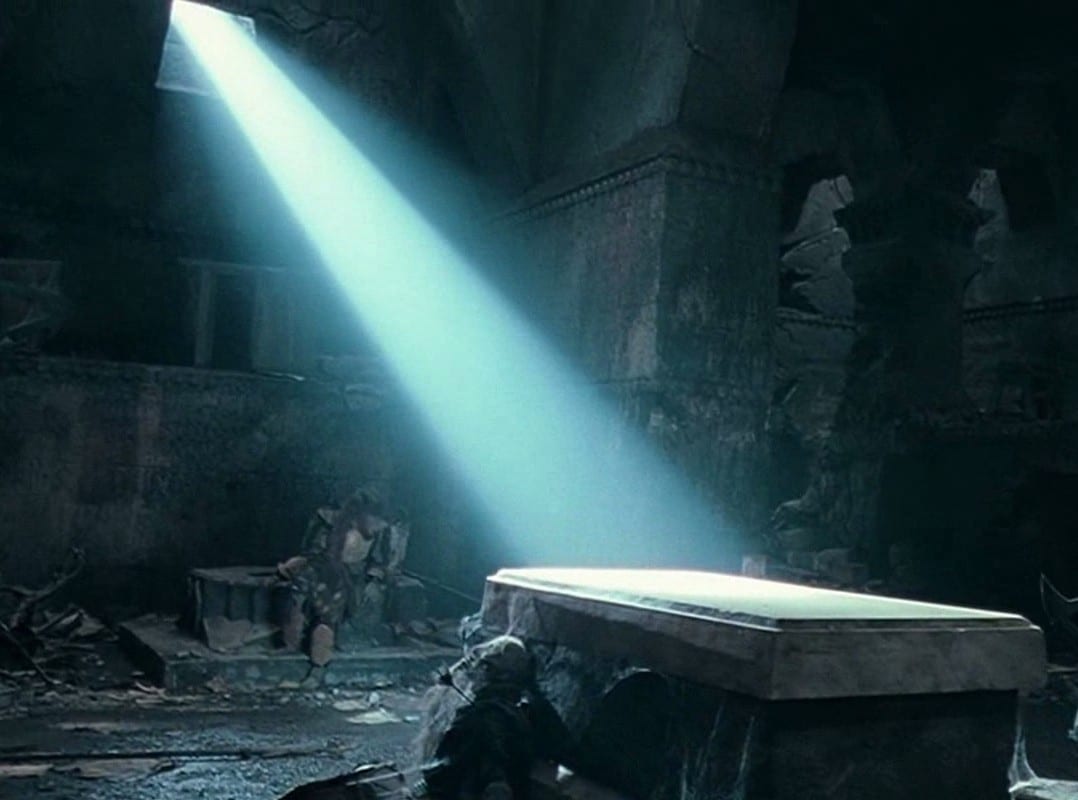
Players and ex-players (Like yours truly) of The Lord of the Rings Online should definitely know that the Mines of Moria is easily one of the coolest and scariest places in Middle Earth. It’s the ultimate RPG dungeon, and unfortunately The Fellowship of the Ring could only show audiences its main quest line. This is why a show centered around Balin’s failed colonization of Moria would be a very entertaining and horrifying show.

The show could begin with Balin (Ken Stott reprising his role from The Hobbit films) feeling restless in a peaceful Erebor and deciding to reclaim the dwarves’ ancestral homeland and mine the beyond precious metal mithril. There would be plenty of gruff humor, axe swinging action, and all kinds of creepy critters either from Tolkien’s mythos or twisted original creations.

I was sad that Guillermo del Toro didn’t get to direct The Hobbit films so it would be really redemptive for him if he directed the pilot, executive produced, and helped design some of the monsters for this Mines of Moria show. It could provide a longer look at one of the cooler places in Middle Earth and also tell a story from the POV of the dwarves, who are supporting players in both the Middle Earth books and films. Plus it would make the Tomb of Balin scene even sadder.
TheodenBoss

5. Young Theoden Show

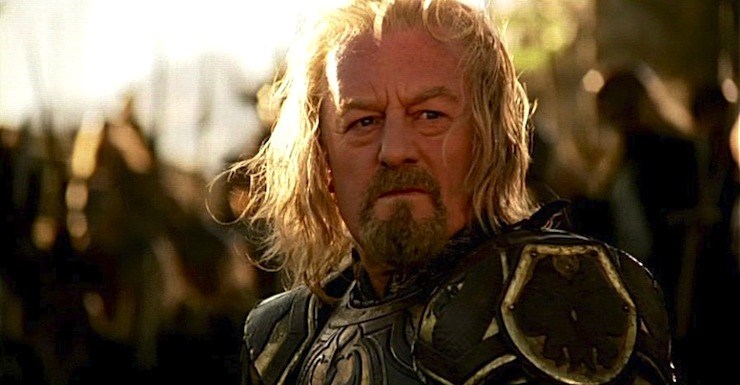
Rohan is one of the most fascinating countries in Middle Earth because they’re basically Vikings, who ride horses. J.R.R. Tolkien’s essay The Monsters and the Critics  is pretty much responsible for you reading Beowulf in AP English or Lit 101, and you can see a lot of his passion for the 9th century Anglo-Saxon epic poem in the honorable warriors and people of Rohan. Plus “shield maiden” is seriously a job you can have there until Grima Wormtongue decided to bring the patriarchy back.

As played by Bernard Hill with a fantastic wig, Theoden is one of my favorite characters in The Two Towers and Return of the King. He has strong emotional connections to his niece, Eowyn, his late son, Theodred, and even the hobbit, Meriadoc Brandybuck. Theoden also has a passive aggressive relationship with the people of Gondor, which he kind of takes out on Aragorn. (The whole “Where was Gondor?” scene.) His empathetic approach to kingship would be a unique wrinkle in a TV drama landscape filled with assholes and anti-heroes

A Theoden TV show would also be a chance to explore the relationship between the Rohirrim and people of Dunland, who were allies of Saruman in The Two Towers and utilize a fantasy setting to look at political imperialism. Theoden might be a nice guy, but he perpetuates the oppressive status quo, oops.
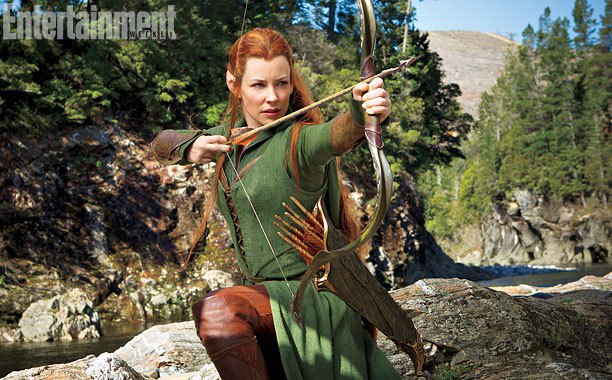
HBT2-fs-140204.DNG

4. Tauriel/War of the Ring “Northern Front” Show

While the Lord of the Rings was focusing on the events in Gondor, Rohan, and Mordor, there was a whole war being fought in the North. Remember the dwarves, people of Dale, and Elves of Mirkwood from The Hobbit? They had to deal with hordes of Orcs and Sauron’s allies from Rhun decades after liberating their people from a giant dragon voiced by Benedict Cumberbatch.  The valiant effort of Legolas’ fabulous father Thranduil and the dwarves of Erebor and the Iron Hills misdirected resources that could have been used to hunt down Frodo and the One Ring or besiege Minas Tirith.

The setting of the War of the Ring’s “Northern Front” would be a prime place to reintroduce the unfairly maligned character, Tauriel, who was played by Ant-Man‘s Evangeline Lilly in The Hobbit: Desolation of Smaug and The Battle of Five Armies. With Legolas traveling with the Fellowship, she’s the top warrior of Mirkwood and also has interesting connection to the dwarves because of her relationship with Kili from The Hobbit. Most of the leaders in Lord of the Rings are male so it would nice to see the War of the Rings from a female POV and get a real arc for Tauriel instead of just being a cog in a forced love story.

This show would also provide an opportunity for Lee Pace to come back as Thranduil, King of Mirkwood, and I could definitely use some more fantastic eyebrows and moose mounts. An interesting subplot could be centered around the Elves of Lothlorien deciding to help at Helm’s Deep instead of their relatives’ war in the North, which probably made Thranduil furious.
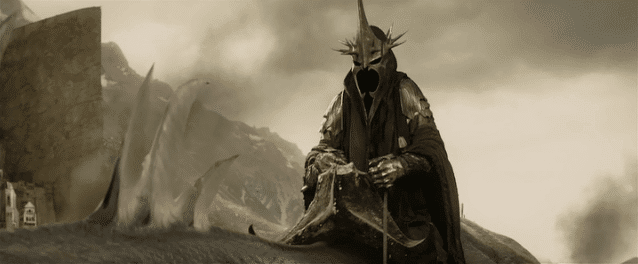
WitchKing

3. Rangers of the North vs. The Witch King Show

This show idea completely comes from my personal love for the “Shadows of Angmar” quest line in the Lord of the Rings Online MMO. Before he chased down hobbits with magical rings, the Witch King was responsible for the decline and eventual demise of Arnor, the kingdom in the North that Aragorn is the heir to. The attack on Weathertop in The Fellowship of the Ring is the Witch King basically talking trash to Aragorn and telling him that the North still belongs to him.

The battle between the Witch King and Arnor is interesting because with the help of hobbits, Elves, and Gondorians, the Rangers of the North eventually defeat him, but they’re scattered and have no real political power. This is why Aragorn looks like he hasn’t taken a bath ever (And still looks hot.) instead of looking like royalty in Fellowship of the Ring. 

The war between Arnor and Angmar spans five centuries and involves Arnor splitting into three separate kingdoms. (Game of Thrones is not original.) A good way to tell this long story would be to pick a family of Rangers and tell their story over the years and using the framing device of Aragorn telling the story to the hobbits by the camp fire. They didn’t have much food so they had to do something to pass the time. The show’s setting in the North could also lead to cameos from fan favorite characters, like Tom Bombadil, the Barrow-Wights, and Old Man Willow as well as the occasional hobbit and familiar places like the Prancing Pony Inn.
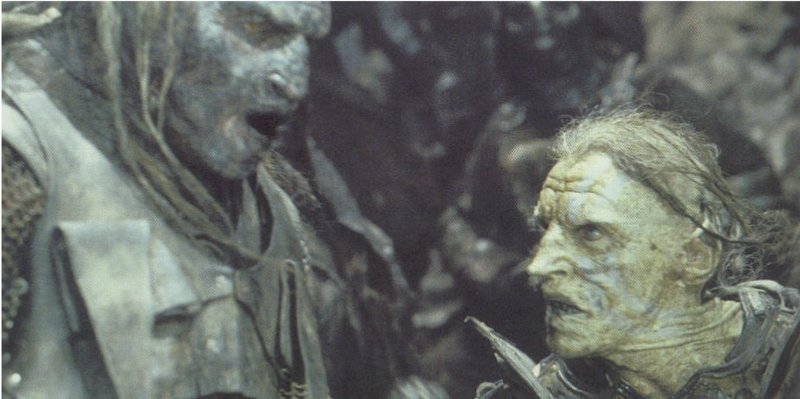
OrcsGross


2. A Dark Comedy About Orcs, War, and Their Feelings

With the exception of  Saruman and Gollum, the forces of Evil in Lord of the Rings aren’t really well-sketched out. The glorified flashlight Eye of Sauron that pops up throughout the three films is certainly no Hannibal Lecter, Anton Chigurh, or even Jason Voorhees. Sure, Weta Workshop’s designs for the various Orcs, Goblins, and Uruk-Hai in Lord of the Rings is very cool and grotesque, but Peter Jackson didn’t have time to dig into their inner feelings in his film trilogy.

This is where this unnamed show about Orcs and their feelings come into play. It should be a war story about foot soldier on either the Gondor or Rohan front and be a dark comedy in the vein of Full Metal Jacket, MASH, or most recently, Four Lions finding the funny side of fighting for the forces of evil. The main character should be either a foot soldier or non-commissioned officer with occasional cameos from named Orcs/Uruk-hai from the books and films, like Lurtz, Gothmog (The puffy, white faced guy from Return of the King) , and Gorbag, who did a cool crane kick move before getting stabbed in the back by Samwise Gamgee.

I am here for latrine digging humor and jabs from regular Orcs about how the Uruk-Hai are pretty, but dumb as well as finding out what the ordinary, lunch pail, er, scimitar wielding foot soldier thinks about Sauron and his war against humans, Elves, and the “free people”.  A good showrunner for this project would be one of Middle Earth (Aka New Zealand’s) finest comedic directors Taika Waititi if he’s not too busy making every future Marvel movie.
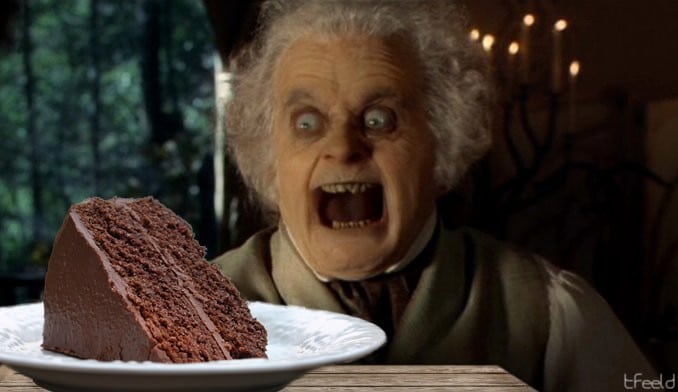
GreatBilboBakeOff

1. The Great Bilbo Bake Off

In the terrible of year of 2017, who wouldn’t want a show featuring cakes, pies, pastries, and all matter of hobbit treats judged by Noel Fielding, Paul Hollywood, and company. Plus since this competition technically takes place in a fantasy world, why not bring back Mel, Sue, and everyone’s favorite Commander of the British Empire, Mary Berry from previous seasons of the Earth spinoff of The Great Bilbo Bakeoff.

Yes, because he’s one of the oldest hobbits, Bilbo (As played by Martin Freeman, duh.) should definitely be the main judge of his show. It would also give him a much needed break from his hobby of map flipping, ring fondling, and generally being a weird loner hoarder. Plus his 111th birthday is coming up, and you definitely need a tasty cake if you’ve lived that long.

Just be wary of the Sackville-Bagginses taking your Baked Alaska out of the freezer…
LEGO Dimensions Main Game Includes 14 Distinct Levels

Warner Bros. Interactive Entertainment revealed today some of the many different environments that exist throughout the 14 levels of LEGO Dimensions, the upcoming entertainment experience that merges physical LEGO brick building with interactive console gameplay. Players can interact with most of the fan-favorite universes within LEGO Dimensions from the Starter Pack main game, no matter which characters, vehicles and gadgets they choose to play with, and with no additional purchase or expansion pack required.

At the start of the game, the heroes Batman, Gandalf and Wyldstyle begin their journey on the Yellow Brick Road in the colorful world of Oz. Their quest takes them through the city of Ninjago, plus Metropolis, Middle Earth, and Hill Valley, just to name a few. Each level offers players a new mission on their path to save the LEGO Multiverse.

For players who want to further customize their gameplay experience, the characters, vehicles and gadgets from any of the LEGO Dimensions Level Packs, Team Packs and Fun Packs can be brought into any of the different level environments with no restrictions. The LEGO Dimensions Level Packs will provide players with an additional level to play of a given entertainment franchise, in addition to the 14 levels included in the main game.

Launching September 27, 2015, LEGO Dimensions will be available for Xbox One, Xbox 360, PlayStation 4, PlayStation 3, and the Wii U.

Here’s a look at the 14 levels.

Back to the Future

LEGODimensions_BackToTheFuture_1

Doctor Who

LEGODimensions_DrWho_1 LEGODimensions_DrWho_2 LEGODimensions_DrWho_3

Ghostbusters

LEGODimensions_GhostBusters_1 LEGODimensions_GhostBusters_2

Metropolis

LEGODimensions_Metropolis_1

Middle Earth

LEGODimensions_MiddleEarth_1 LEGODimensions_MiddleEarth_2

Ninjago

LEGODimensions_Ninjago_1 LEGODimensions_Ninjago_2

Portal

LEGODimensions_Portal_1

Scooby Doo

LEGODimensions_Scooby_1 LEGODimensions_Scooby_2 LEGODimensions_Scooby_3 LEGODimensions_Scooby_4 LEGODimensions_Scooby_5

Wizard of Oz

LEGODimensions_WizOfOz_1 LEGODimensions_WizOfOz_2