
Review: The Catalyst #1
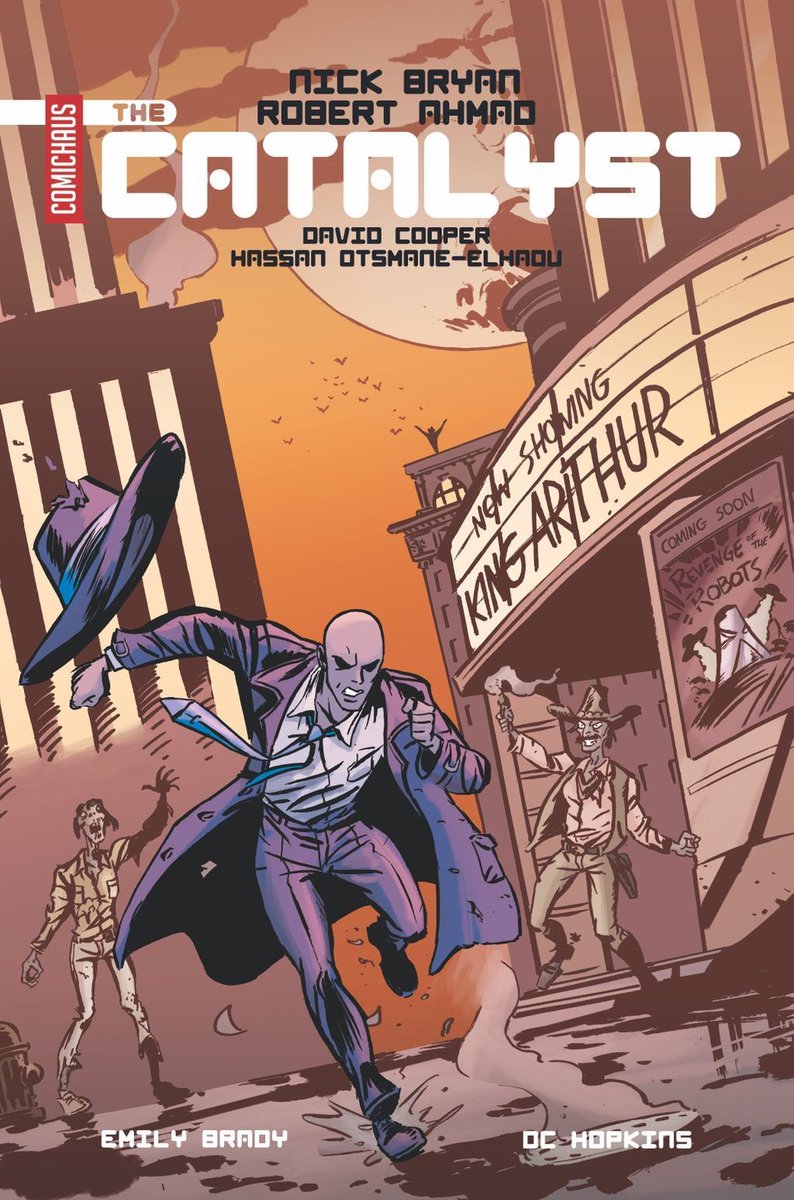
When it comes to the characters who make you invested in a story, there are some general types. There’s the antagonist, which is the main reason for the existence of the hero. This character usually is the source of evil acts, making them a villain. Then there’s the protagonist, the character whose inherent goodness makes them the eyes and ears of the audience, thus making them the hero. Of course, every story can have multiples of these character types. An example of this is in Game Of Thrones.
Then there are those characters that feel like a hurricane. The moment they enter the scene no one can take their eyes off of them. Daenerys Targaryen was one such character. Her arc felt like she went through the gauntlet. Her turn as the Mad Queen was not really surprising for most of us who watched and read this story. Her family history and the events that lead her to that point became a catalyst for her turn. Every character in that story eventually became a catalyst to push the story and other characters forward. In the one shot, The Catalyst, we find one character who jumps into different stories in different genres moving each plot.
We meet The Catalyst, a robot. As he enters Universe #1945, his entrance allows for characters to change their destinies. In Universe #1006 The Catalyst finds himself sent to a medieval setting as a Friar. He does his job but not without being burned by a dragon. In just about every universe (story/genre) he jumps to, though his efforts keep the story on track, it comes at great harm to him. By story’s end, The Catalyst has done better than he will ever know. The reader is also treated to an additional adventure of the Bravest Warriors, an equally entertaining story that will have the reader in stitches.
Overall, an excellent one-shot comic that will remind readers of Quantum Leap but with robots. The story by Nick Bryan is brilliant, funny, and heartfelt. The art by the creative team is beautiful and endearing. Altogether, a great story that has made this reviewer a fan of this creative team.
Story: Nick Bryan
Art: Robert Ahmad, David B. Cooper, Emily Brady, Hassan Otsmane-Elhaou and DC Hopkins
Story: 10 Art: 10 Overall: 10 Recommendation: Buy

 The allure of literary magazines is the simple escape that words can provide. They transport you to a world that your imagination takes you. This is what made Edgar Rice Burroughs books so infectious to read. Anyone who picks them up instantly gets pulled into how sweet the prose drips off the page. What brought this to mind, is that I recently found in The Mucker (The Man Without Soul), a ruffian that carries some characteristics from his more celebrated characters but has a grit all his own. I feel as though if Burroughs was alive today, he would have certainly explored the anthology format, magazine, or book, as his interests were not constricted to one genre.
 At no time in recent history has popular culture and politics clashed in the ugliest ways. As America faces several conflicts in the coming years, just a few years ago, I can remember when many of this was just fodder for late night hosts, now much of it is a scary future. As part of the recent documentary about Dr. Martin Luther King Jr., “King in the Wilderness,” much of the documentary covered what happened in his last years. The years when no one cared for his message, when no one funded his demonstrations, and when much of the movement struggled in the shadows of its former self.
 Anthology shows are a thing these days, as increasingly networks are considering the format, because of the flexibility. As the rigors of telling a story, but conventional means, has stifled not only creators but also audiences. One such example of unconventional storytelling is the popular This Is Us, where the story is not only told form two timelines but also various characters, all interconnected, and each story sharing the same message of that episode. During all this, the story evokes all senses and emotions, form laughter to tears, the show reaches us every viewer.
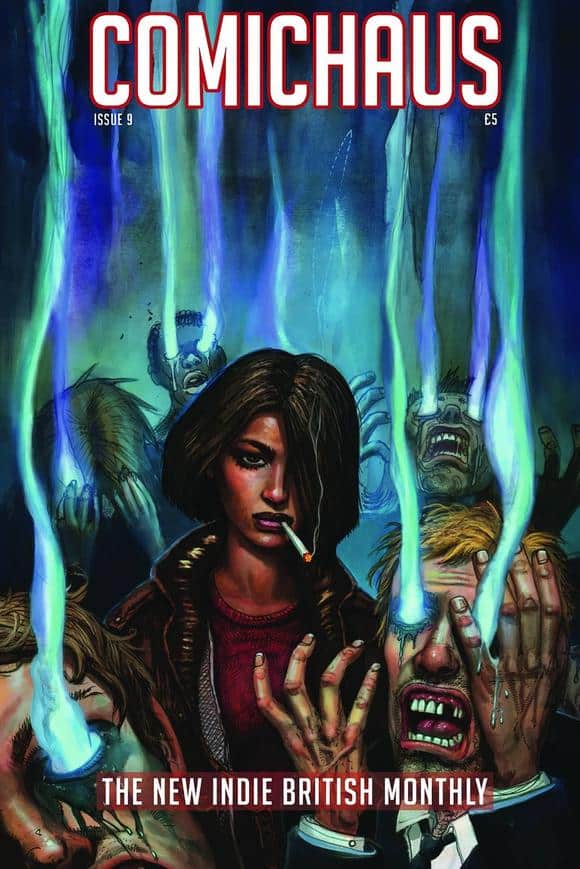 Having just watched the documentary Future Shock, one epiphany I had is the indie scene in for comics is huge in England. I learned a few things about how those first creators at 2000AD changed the way we see the future, not only in comics, but largely throughout popular culture. The recent boom in dystopian fiction, can be attributed to these creators, too many to name but include in their ranks are the creators of Watchmen, Alan Moore and Dave Gibbons. Denzel Washington’s dystopian rogue movie, Book Of Eli, has heavy influences from Judge Dredd’s Cursed Earth storyline.
 Many movies over the years have taken swipes at people in power, either in dramas or comedies. They are even more ridiculous, when they’re comedies, as they rarely pull no punches. Who can forget Jack Nicholson’s superb performance as President Jack Dale in Mars Attacks. Then there is Kevin James portrayal as both a relatable but strong president in Pixels.
 I recently read in an article where they interviewed Charlie Adlard of Walking Dead fame with his thoughts on comics. He had been recently named, the United kingdom’s Comics laureate, an honor, which befuddles me why America has not adopted this title to honor our greatest comic creators. In the interview, what I felt most, was not only love of his craft, but his passion of comics. He even mentioned how the French, call comics, the “Ninth Art”.
 I have been an avid reader of Mad Magazine ever since I can remember, as have aunts that still ask do I read as they remember I read it back when I was seven. I was also a reader of Cracked Magazine. In my humble opinion, both magazines were funny, and asking me to choose one is better is nonsense. To me, it is like comparing Star Wars to Star Trek, as there really is no comparison, as both are deserving of their fanbases.