(W) Bill Mantlo, Christos Gage, J. M. DeMatteis, MacKenzie Cadenhead (A) Enid Balám, Keith Giffen, Shawn McManus, Todd Nauck
ROCKET RACCOON: FIFTY YEARS OF FURY!
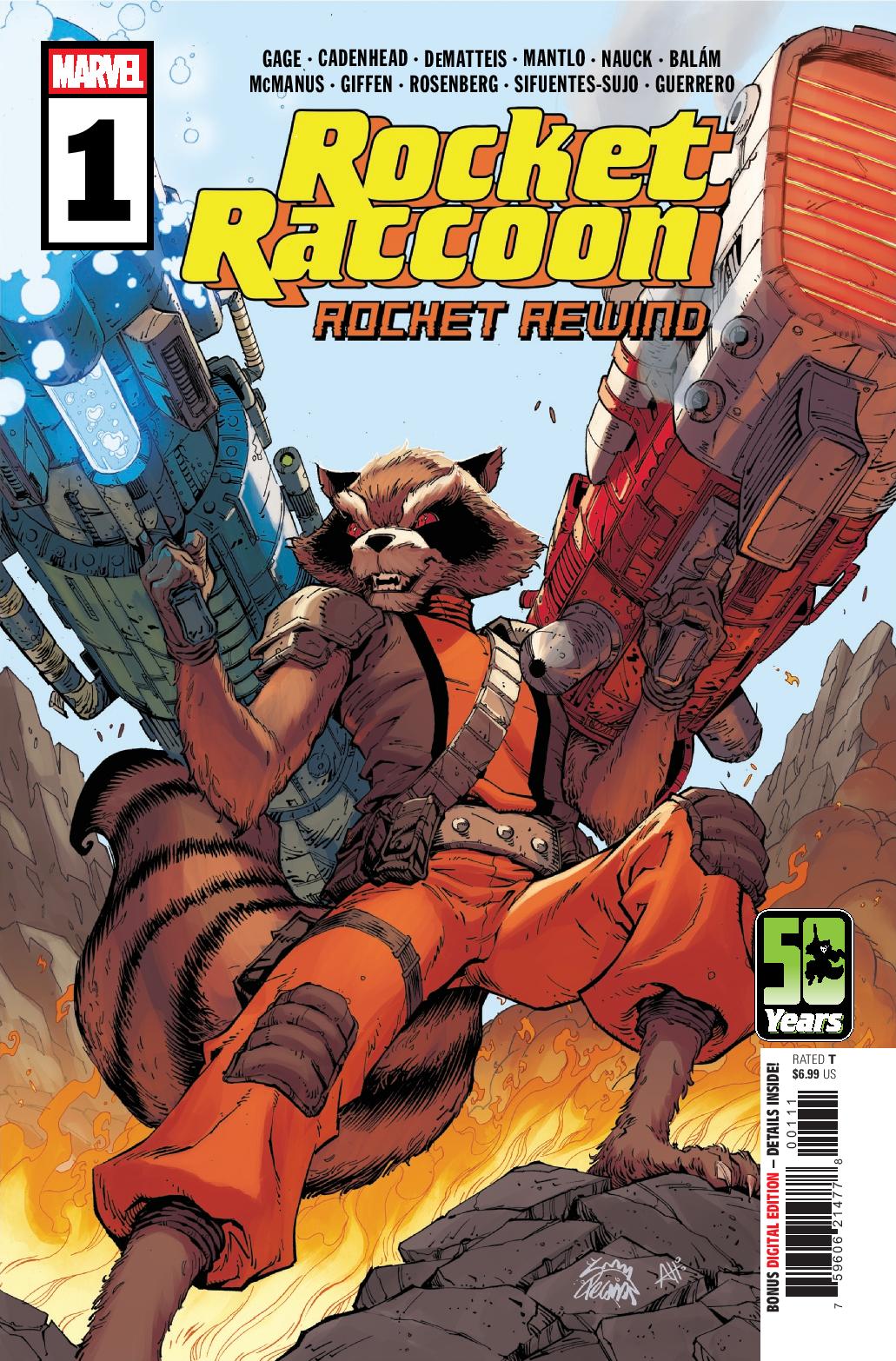
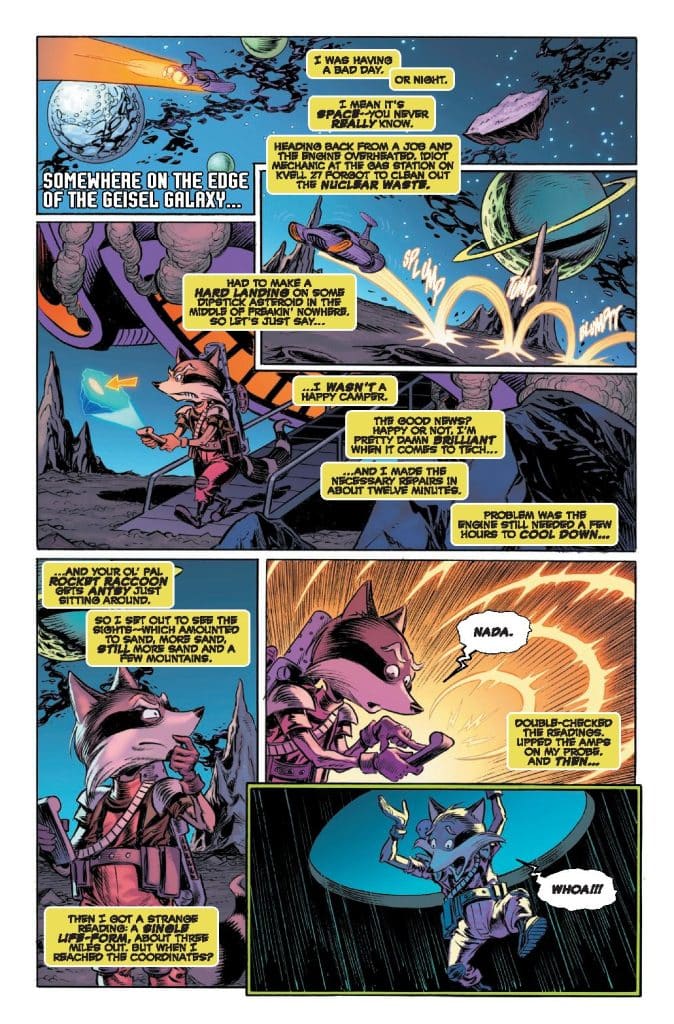
Blast off into a cosmos of colossal adventure as MARVEL celebrates half a century of ROCKET RACCOON! This anniversary spectacular takes you on brand-new, star-spanning exploits, a jaw-dropping team-up with the one and only… ROCKY RACCOON? And re-presenting the historic first tale that launched our blaster-happy hero into legend! Packed with pulse-pounding action, cosmic calamity and enough firepower to make GALACTUS blink! Don’t miss the milestone that proves big things come in small, furry packages! ‘NUFF SAID!
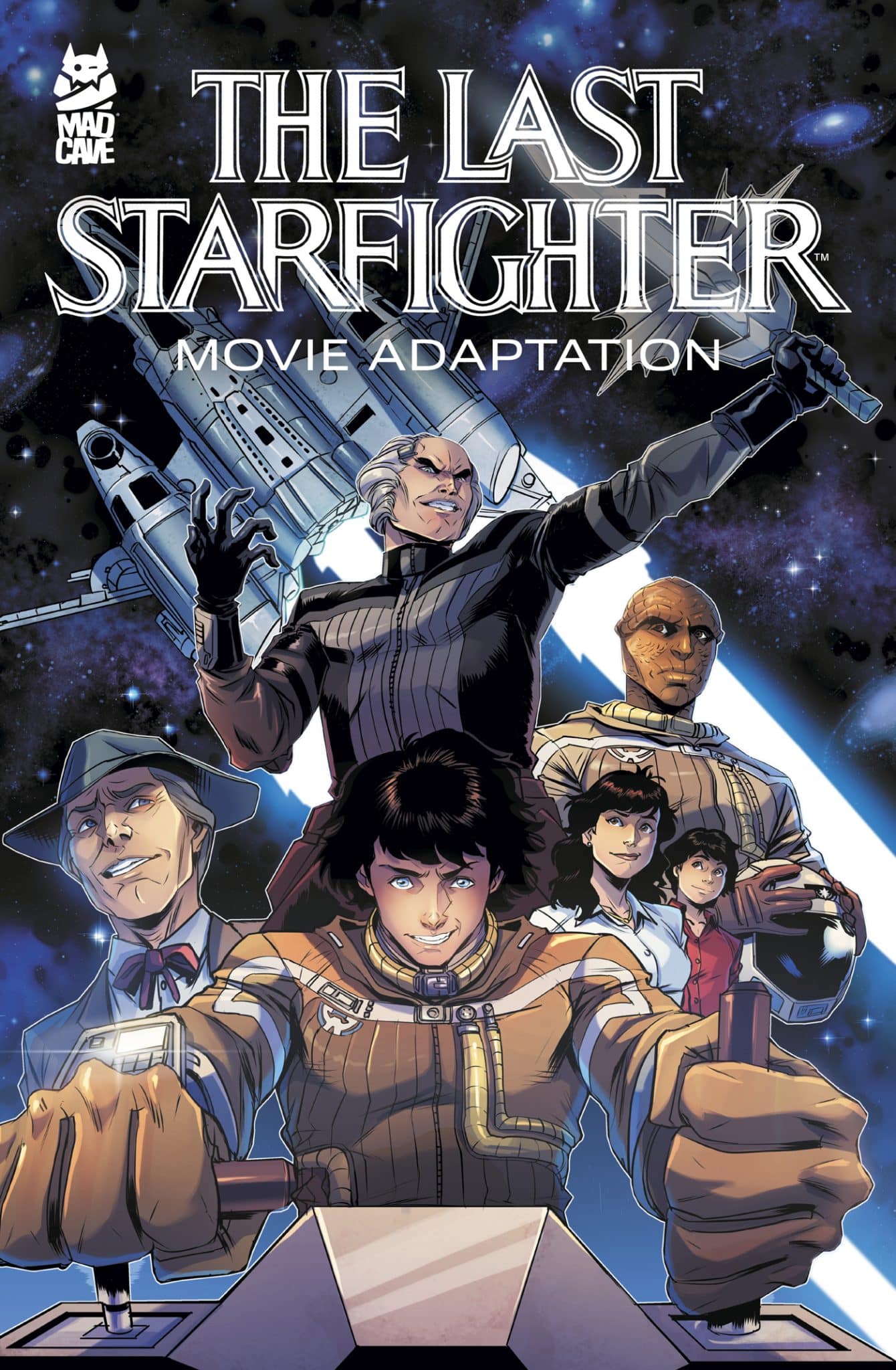
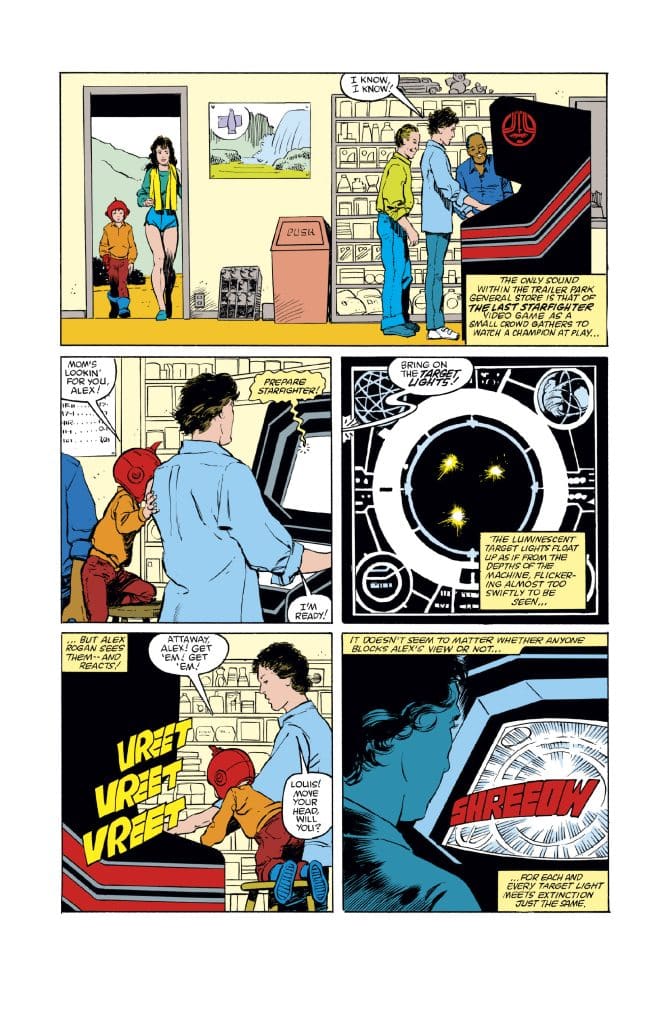
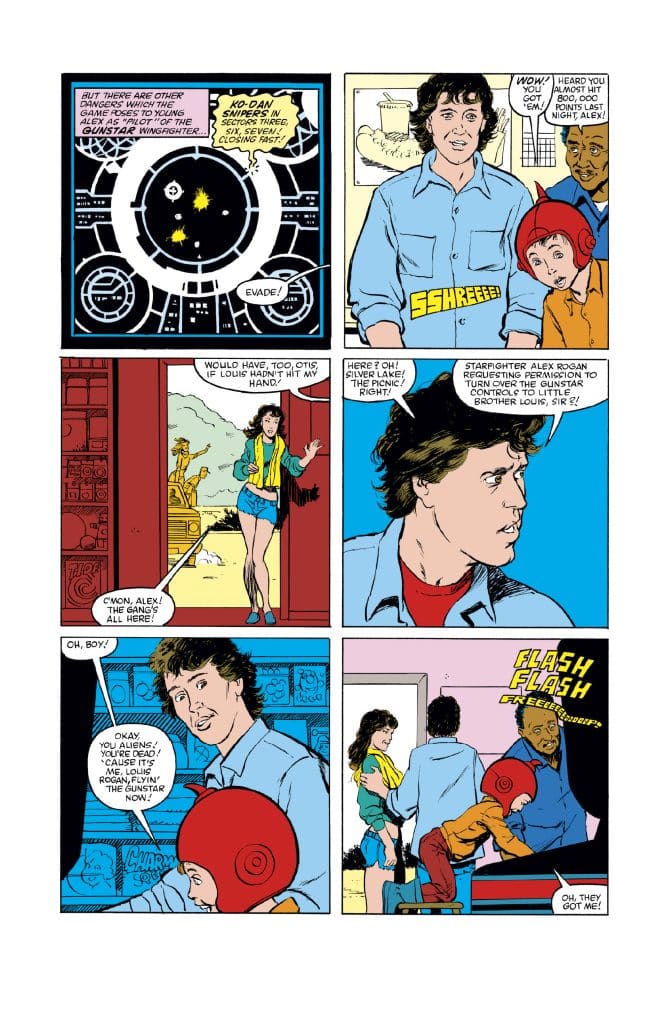
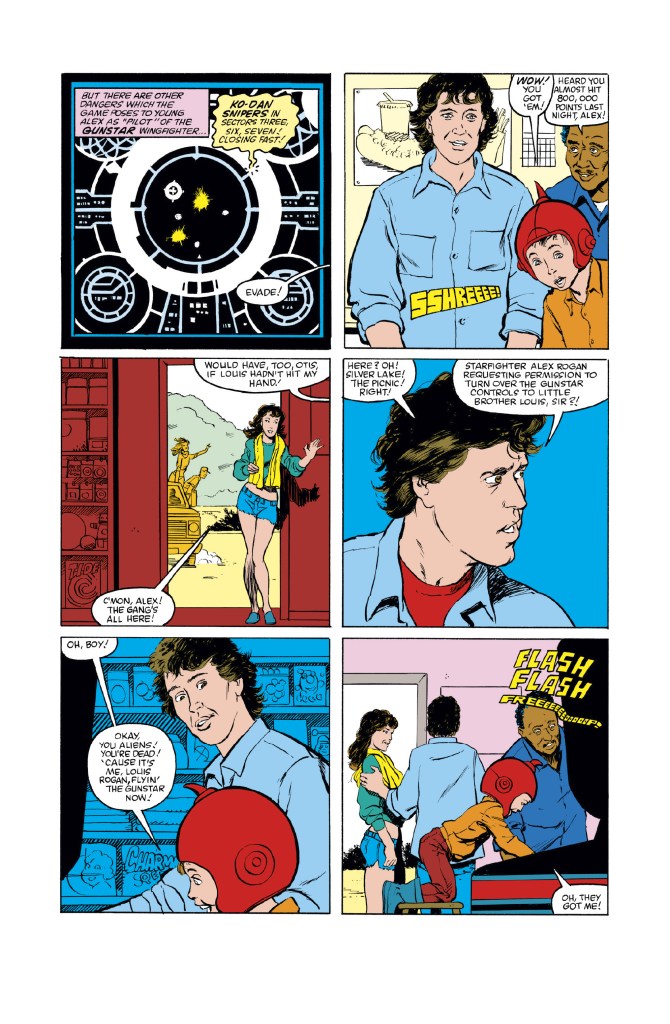
This volume collects the three-issue adaptation of the cult classic film The Last Starfighter on its own for the first time!
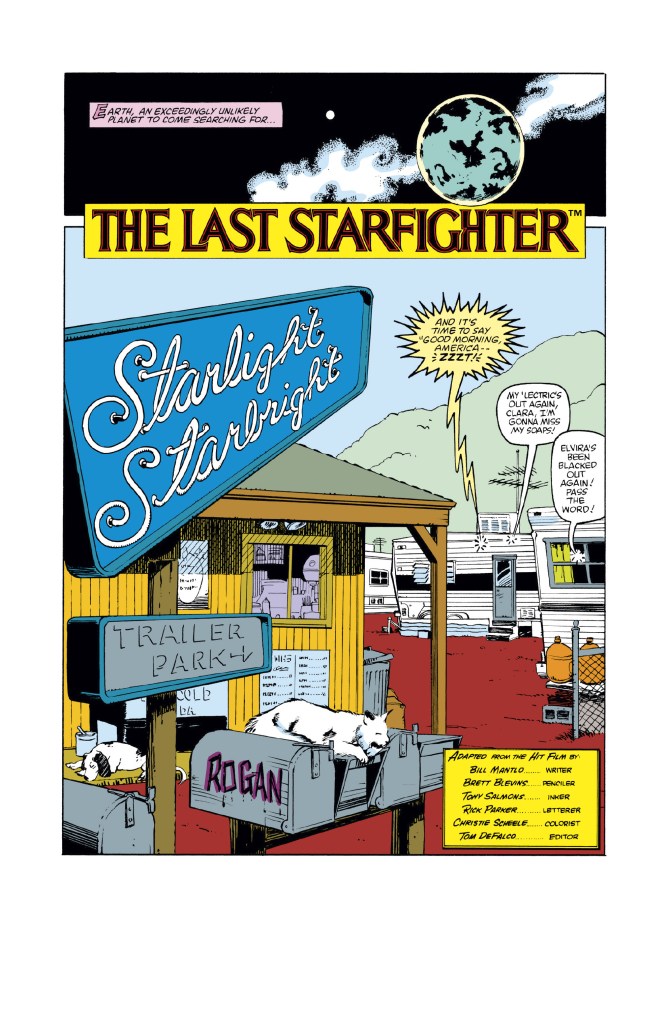
In 1984, The Last Starfighter thrilled movie-goers all over, and for comic book readers hungry for more science fiction, it was a revelation. Now the three-part comic adaptation of the beloved film gets new life in an exclusive collection! With covers by Jackson Guice, story by Bill Mantlo, and art by Bret Blevins, The Last Starfighter Movie Adaptation is a hidden gem ripe for rediscovery.
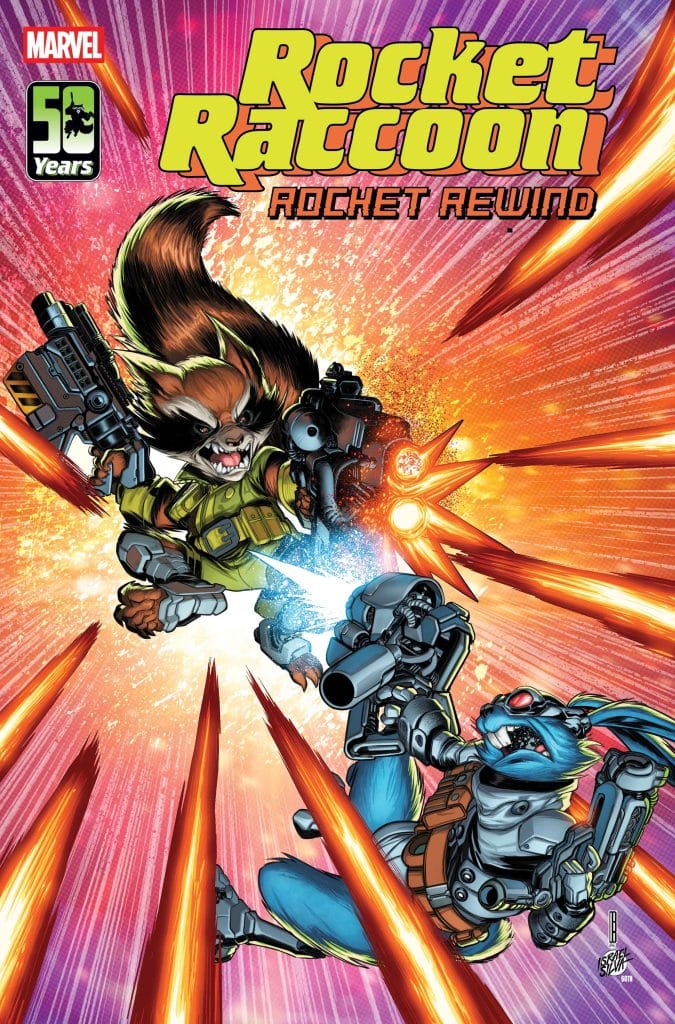
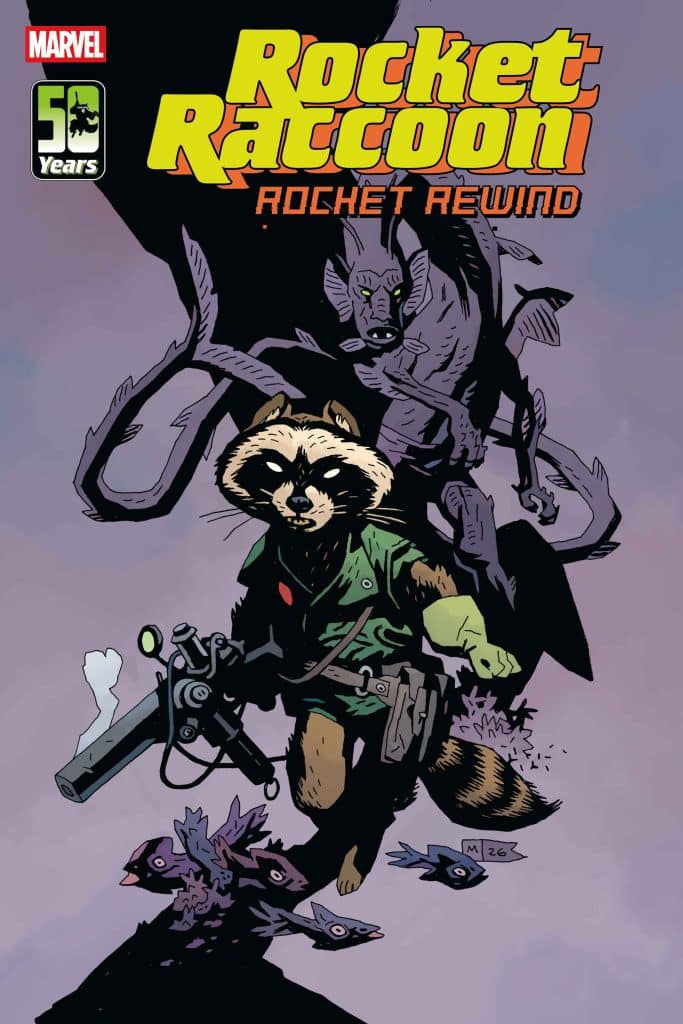
Big things come in small, furry packages… and this July, Rocket Raccoon sets out to prove it with a 50th anniversary one-shot: Rocket Raccoon: Rocket Rewind!
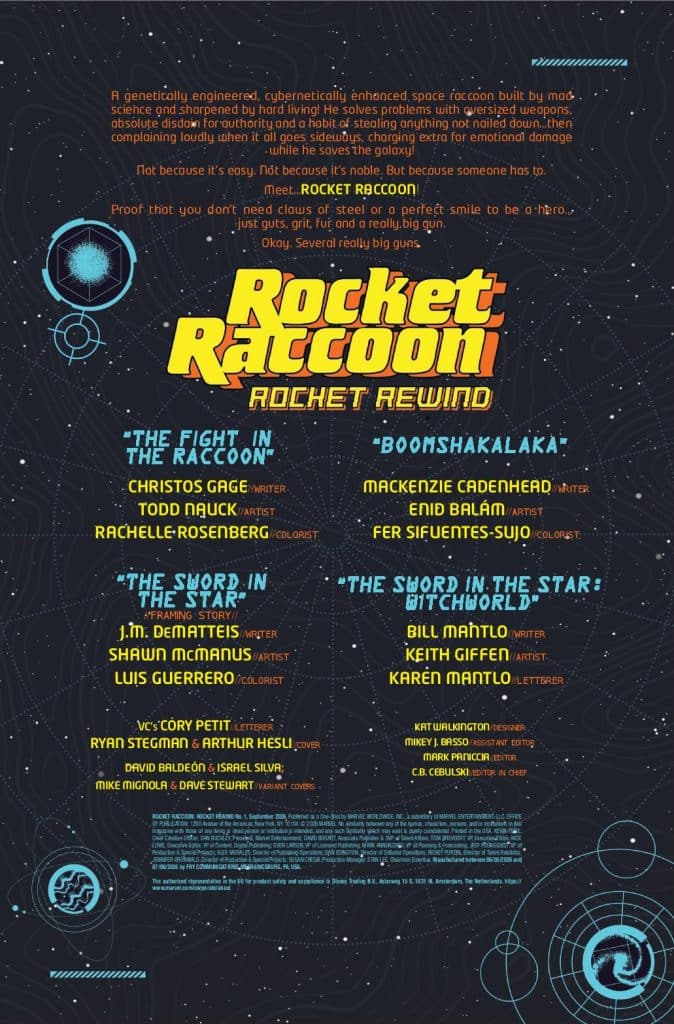
Buckle up and travel the stars as Rocket engages in over-the-top action and calamity across three all-new stories from a roster of titanic creators including writers J.M. DeMatteis, Christos Gage, and MacKenzie Cadenhead and artists Shawn McManus, Todd Nauck, and Enid Balám, plus a re-presentation of Rocket’s debut tale from co-creators Bill Mantlo and Keith Giffen.
Originally introduced in the pages of Marvel Preview #7 by Mantlo and Giffen, Rocket has blasted and jetpacked his way into becoming an integral part of the Marvel cosmic tapestry and a key figure (as well as the heart and soul) of numerous Guardians of the Galaxy team line-ups.
Follow the heavily armed rapscallion as he blazes new trails in locations both new and familiar across the following stories:
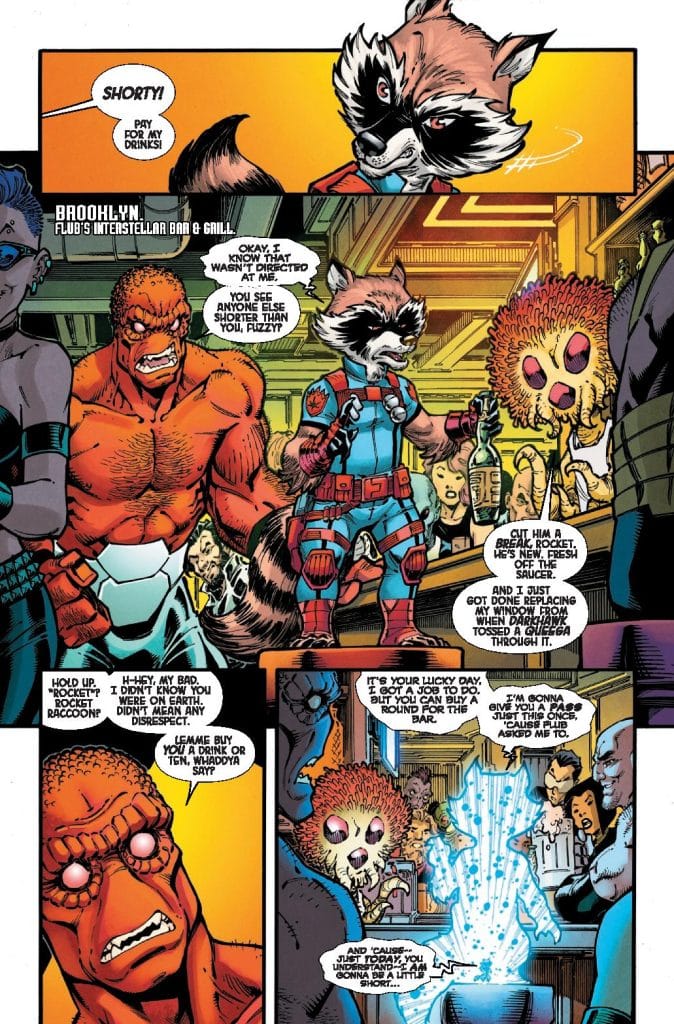
Rocket Raccoon encounters a mysterious galactic book collector before coming face-to-face with the one-and-only Rocky Raccoon (wait, what?!) in a brain-bending tale from writer J.M. DeMatteis and artist Shawn McManus.
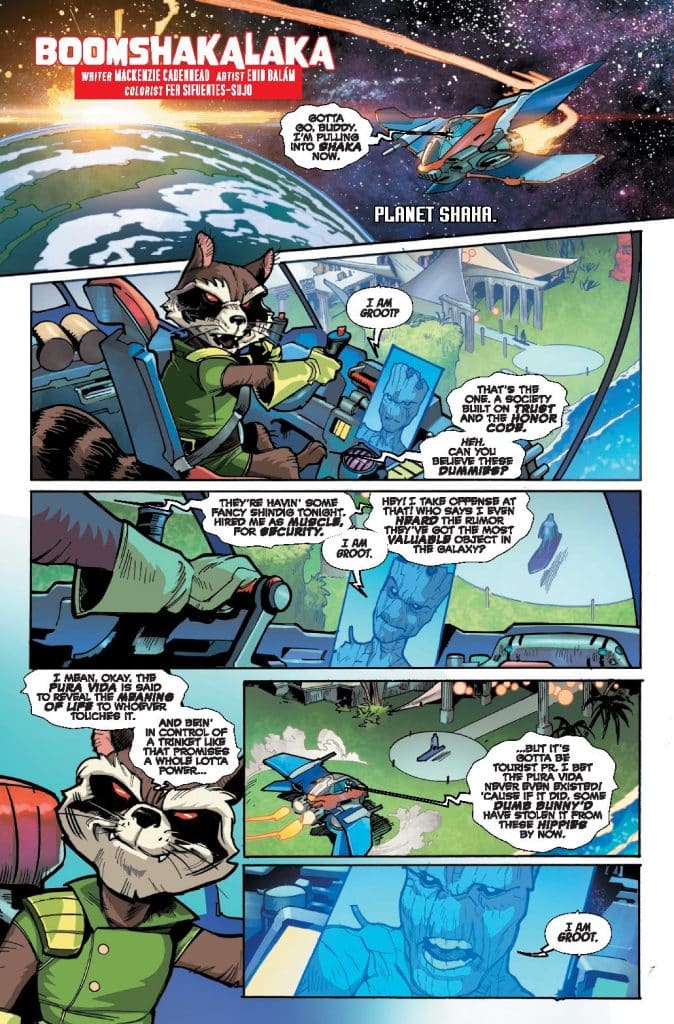
In “BoomShakaLaka,” MacKenzie Cadenhead and Enid Balám take Rocket to a paradise planet full of good vibes and an immensely powerful artifact that’s just begging to be stolen by a cybernetically enhanced creature with a bad attitude. Know anybody like that?
Christos Gage and Todd Nauck set out to prove that size does matter in “The Fight in the Raccoon,” featuring an odd-couple team up of Hank Pym and Rocket as they fight back a massive invasion force in Sub-Atomica!
Plus, the original debut of Rocket by Bill Mantlo and Keith Giffen!
Check out the covers for Rocket Raccoon: Rocket Rewind #1, including the main image by Ryan Stegman and variants by David Baldeón and Mike Mignola, and place your pre-orders at your local comic shop!
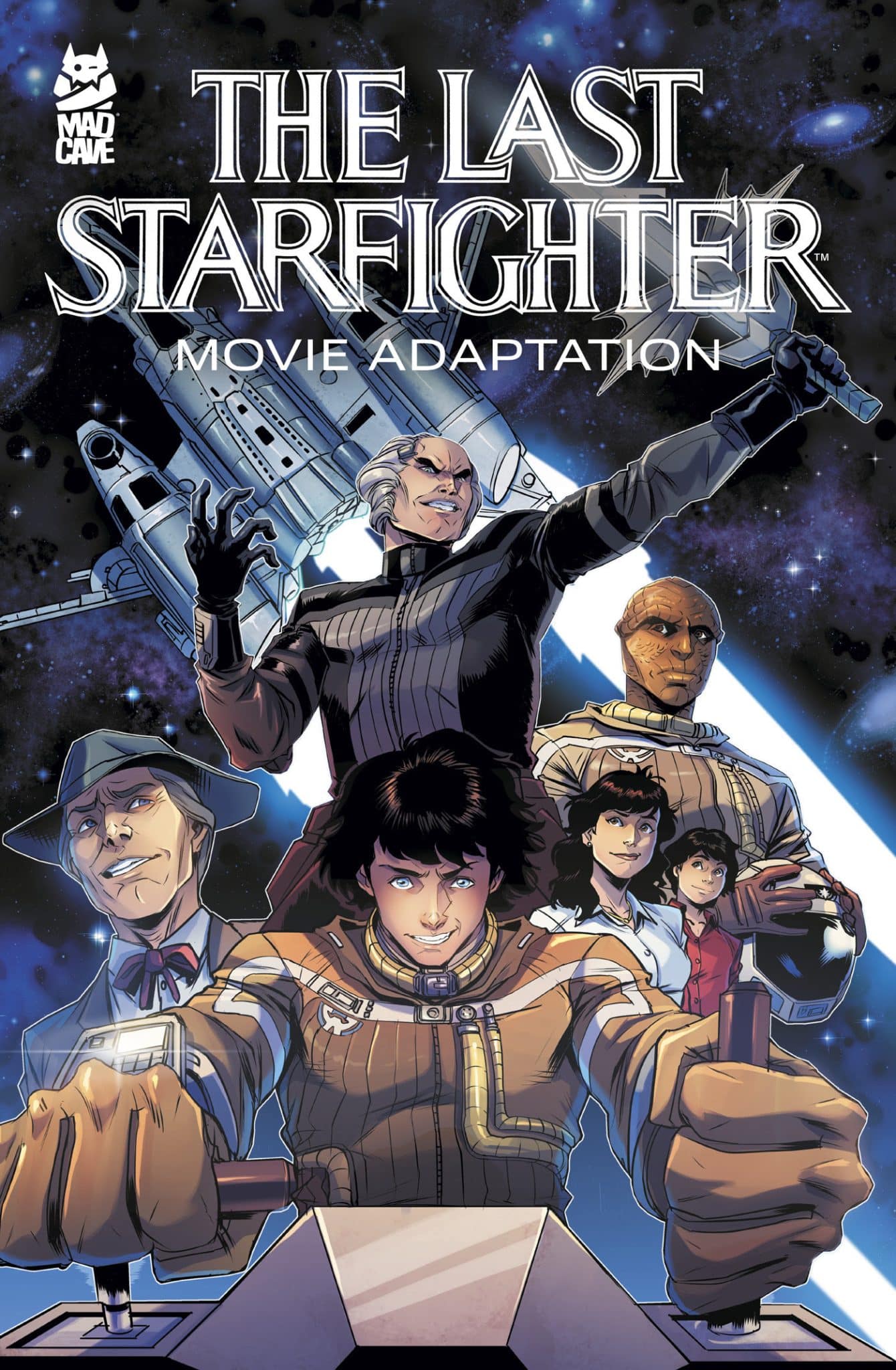
Long cherished by science-fiction fans for its heart, ambition, and outsider heroism, The Last Starfighterreturns in a format that honors its legacy while making it newly accessible to today’s readers. Mad Cave Studios presents The Last Starfighter Movie Adaptation, a newly collected paperback edition of the original three-issue comic adaptation of the cult-classic film.
In 1984, The Last Starfighter thrilled movie-goers all over, and for comic book readers hungry for more science fiction, it was a revelation. Now the three-part comic adaptation of the beloved film gets new life in an exclusive collection!
The project, led by the original screenwriter Jonathan Betuel and producer Paul Davidson, is an exclusive 80-page edition, featuring an all-star cast of creators with a story by Bill Mantlo, art by Bret Blevins and Tony Salmons, colors by Christie Scheele, and lettering by Rick Parker, with original covers by the late Jackson Guice. Together, this creative team delivers a faithful and heartfelt adaptation that captures what made The Last Starfighter endure: a sense of wonder, its unlikely hero, and its belief that courage can come from anywhere!
The Last Starfighter Movie Adaptation soars into comic shops and select bookstores on June 23, 2026, in paperback (ISBN: 9781545827062 | $17.99) format. Final order cut-off is June 1.
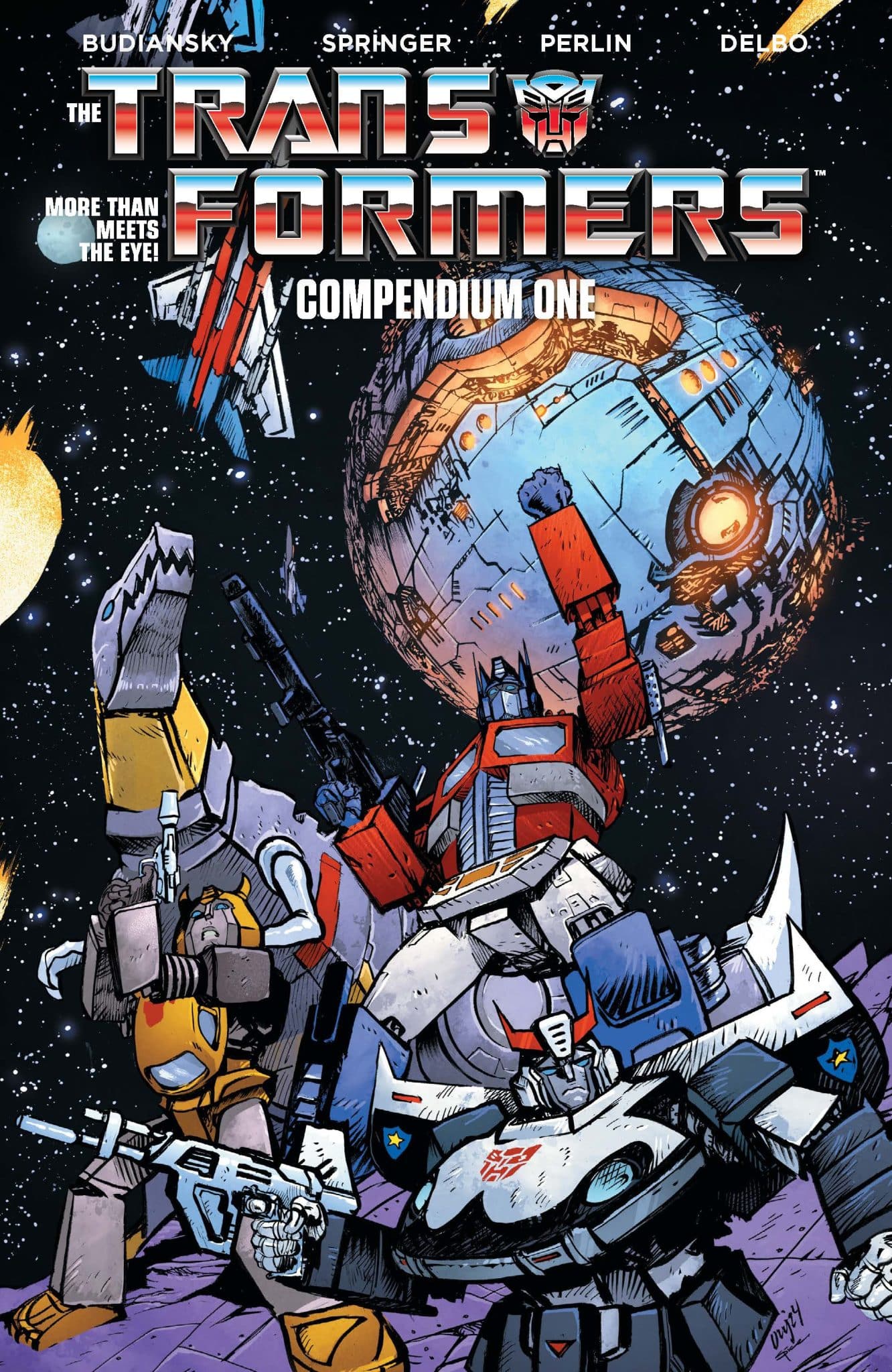
In celebration of the 40th anniversary of the beloved Transformers franchise, marking “40 Years. One Legacy.”, Skybound, Image Comics, and Hasbro have announced the upcoming spring 2025 release of The Transformers Compendium Vol. 1, which will collect every issue of the original Marvel Comics series for the landmark franchise in a new reader-friendly compendium format for the very first time. This will be followed later in 2025 with a second volume completing the entire Marvel series run.
With stories from writers Bob Budiansky, Bill Mantlo, Jim Salicrup, and art from Frank Springer, Don Perlin, Jose Delbo, The Transformers Compendium Vol. 1 is the first compendium of its kind, promising to transport readers into theMarvel Era of the beloved series—including a guest appearance from your friendly neighborhood Spider-Man!
THE TRANSFORMERSrocked the comic book world with their debut that was truly …MORE THAN MEETS THE EYE…, and now fans can experience every issue from the original series and its tie-ins. Discover the heroic Autobots, the evil Decepticons, and the galaxy-spanning war that will leave you breathless.
Collecting issues #1-44 of the original The Transformers comics and Headmasters #1-4 limited series, longtime and new fans alike can expect to relive the classic 80s Marvel stories that started it all for the Robots in Disguise when this compendium hits comic book shops on April 9, 2025.
The Transformers Compendium Vol. 1 (ISBN: 978-1-5343-7367-9 | MSRP: $64.99) will be available at comic book shops on Wednesday, April 9, 2025, and at booksellers, along with digital platforms including Amazon Kindle, Apple Books, comiXology, and Google Play on Tuesday, April 22, 2025.
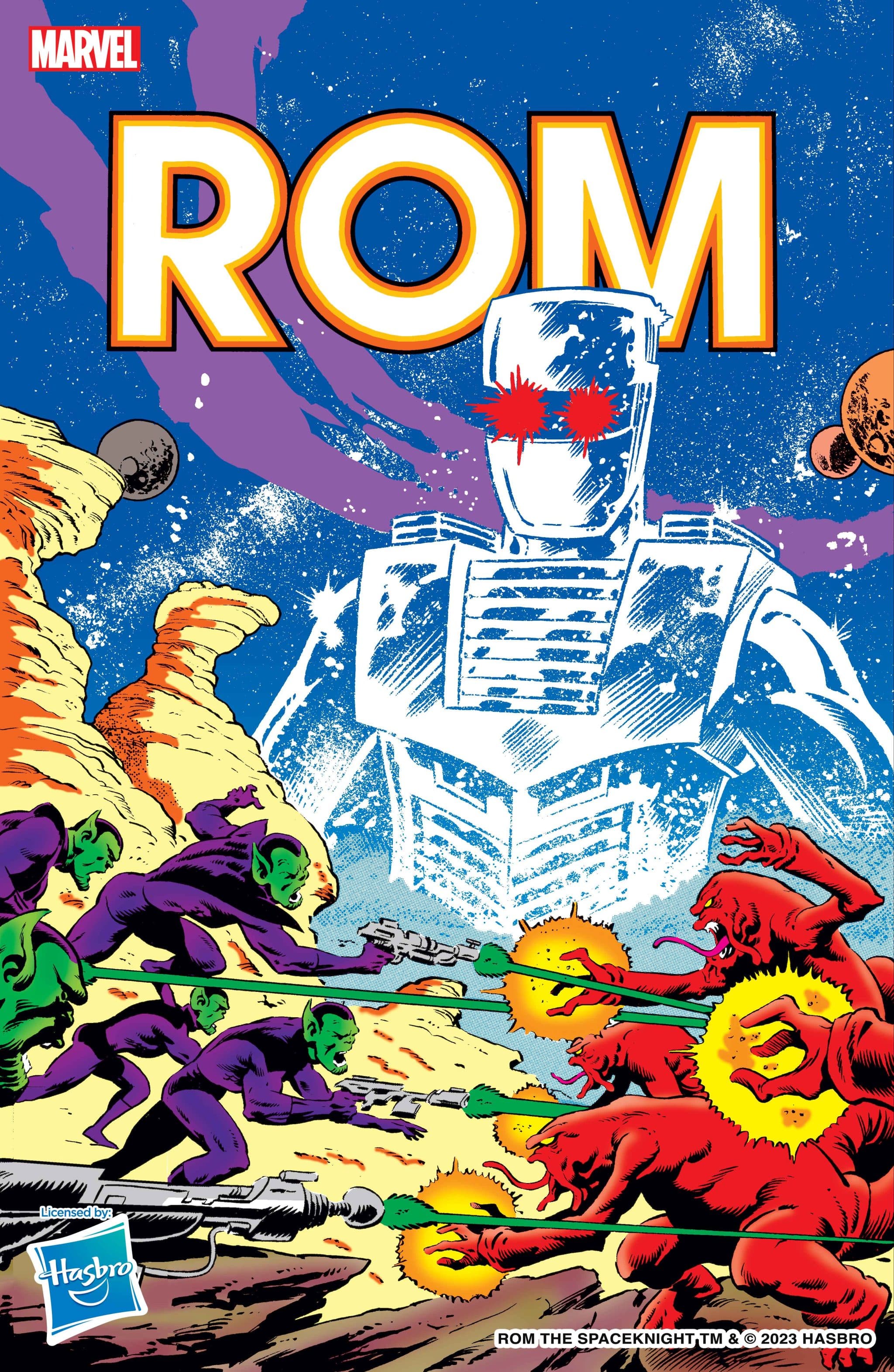
Back in May, fans were ecstatic to learn that Marvel and Hasbro, a global leader in play, would collaborate to reprint Rom’s original comic book series for the first time ever! A special Rom #1 Facsimile Edition will hit stands in September followed by the long-awaited Rom: The Original Years Omnibus Volume 1 in January. These glorious new omnibus collections will contain the entirety of Rom’s beloved solo series as well as his memorable team-ups and guest appearances throughout the Marvel Universe! Today, fans can learn about the contents of ROM: THE ORIGINAL YEARS OMNIBUS VOLUME 2!
Arriving in June 2024, Rom: The Original Years Omnibus Volume2 will collect Rom (1979) #30-50, Rom Annual (1982) #1-2, Marvel Two-In-One (1974) #99 which includes a pivotal storyline involving the iconic X-Men member Rogue and her mother Mystique!
Locked in an endless struggle with the Dire Wraiths, Rom’s solemn quest to eradicate them from Earth brings him into conflict with the Metal Master and his army of spiders, Mystique and the Brotherhood of Evil Mutants, and more! The Spaceknight joins Namor to battle monsters of the deep, and Shang-Chi lends his deadly hands to thwart the Wraiths’ black magic! Meanwhile, Rom’s human friend Brandy Clark is transformed, and the impending arrival of the dreaded Dweller on the Threshold may spell doom for all! It’s a cosmic epic featuring Doctor Strange, the In-Betweener, the Living Tribunal…and the human form of Rom?! Has he been freed from his armor at long last? All that, plus the Skrulls, the ever-lovin’ Thing — and a tragedy that even Rom cannot withstand!
Check out the covers for Rom: The Original Years Omnibus Volume 2 now and experience these rare stories all over again or for the very first time!
Earlier this week, Marvel announced a new collaboration with Hasbro that would result in new collections of Rom the Spaceknight’s beloved comic book adventures. Marvel has revealed that another popular toy-originating comic book series will receive the same treatment: The Micronauts!
From out of the Microverse, it’s the Omnibus you thought could never happen! The subatomic superstars headlined a long-running series packed with rich world-building, fascinating mythology and big-scale, sci-fi excellence! With the series set in the main Marvel Comics universe, the Micronauts joined forces with the X-Men and the Fantastic Four and dared to go up against the likes of Doctor Doom, Arcade, and other iconic Marvel super villains. Like ROM, these exemplary comic book classics were written by industry legend Bill Mantlo and will be reprinted for the first time ever in Micronauts: The Original Marvel Years Omnibus, on sale April 2024. In anticipation for this long-awaited collection, fans can also pick up a facsimile edition of the Micronauts’ comic book debut, 1979’s Micronauts #1, this September!
Micronauts: The Original Marvel Years Omnibsu Vol. 1 will collect The Micronauts (1979) #1-29 & Annual (1979) #1-2 and material from Micronauts Special Edition (1983) #1-5. Helmed by writer Bill Mantlo, the Micronauts brought together the subatomic heroes of Homeworld and the Marvel Universe. Mantlo’s rich character mythology and groundbreaking artwork by Michael Golden made the series an instant classic. In Micronauts, Commander Rann, Princess Mari, Biotron, Acroyear and Bug traverse the universe aboard the microship Endeavor as they struggle to free Homeworld from the tyrannical Baron Karza. Their exploits also bring them to Earth where our micro-sized heroes encounter big-time heroes and villains including the Fantastic Four, Doctor Doom, S.H.I.E.L.D., Captain Universe and Man-Thing. This Omnibus edition presents a stunning restoration, complete with letters pages and a host of bonus material, including house ads, original artwork and more.
Micronauts #1 Fascimile Edition boldly re-presents Micronauts (1979) #1, one of the all-time great Marvel comic books, in its original form, ads and all! They came from inner space! Explorer Arcturus Rann! Freedom-fighting princess Marionette! The armored warrior Acroyear! Fun-loving thief Bug! The robots Microton and Biotron! They are the greatest heroes of the Microverse! But after 1,000 years in suspended animation, Rann has returned to a Homeworld vastly changed from the one he knew — and Mari’s family was killed in the coup d’état that saw Baron Karza rise to power. Now, together with their allies, they begin their epic quest to free Homeworld from the tyrannical Karza’s iron grip in the first chapter of an acclaimed comic-book space opera from the legendary creative pairing of Bill Mantlo and Michael Golden!
Check out the covers now, including a wide variety of Direct Market Exclusive Variant Covers from industry legends!
Marvel has announced a new collaboration with Hasbro that will result in brand-new collections and reprints of Rom’s original comic book adventures!
The popular toy turned comic book superstar headlined his very own solo series throughout the 80s, igniting readers’ imaginations for 75 issues. Set in the main Marvel Comics universe, Rom was a full-fledged Marvel icon who had memorable team-ups with the Avengers, the Fantastic Four, and the X-Men, and even battled bravely against the likes of Galactus and the Skrulls! These incredible stories by industry legends Bill Mantlo and Sal Buscema, along with various Rom guest appearances, will be reprinted for the first time ever in Rom: The Original Marvel Years Omnibus Volume 1, on sale January 2024. In addition to this long-awaited collection, fans can pick up a facsimile edition of Rom’s comic book debut, 1979’s Rom #1, this September!
Rom: The Original Marvel Years Omnibus Volume 1 will collect Rom (1979) #1-29 and Power Man and Iron Fist (1978) #73. He strikes from outer space…and nothing can stop him! Marvel Comics is proud to present the iconic early adventures of the greatest of Spaceknights — Rom! Centuries ago, Rom pledged his life to protect his planet, Galador, from the evil Dire Wraiths. Now, Rom has tracked these vile creatures across the cosmos to Earth, where they have infiltrated the highest levels of power — including S.H.I.E.L.D. itself! Armed with his energy analyzer, only Rom can see the Wraiths’ true form — and with his neutralizer, he can blast them into Limbo! But what will Earth make of this armored invader? Will Rom’s quest be aided or hindered by encounters with the X-Men, the Fantastic Four, Jack of Hearts, Nova, and Power Man and Iron Fist? And when Galactus targets Galador, can Rom and his fellow Spaceknights save their homeworld from destruction?
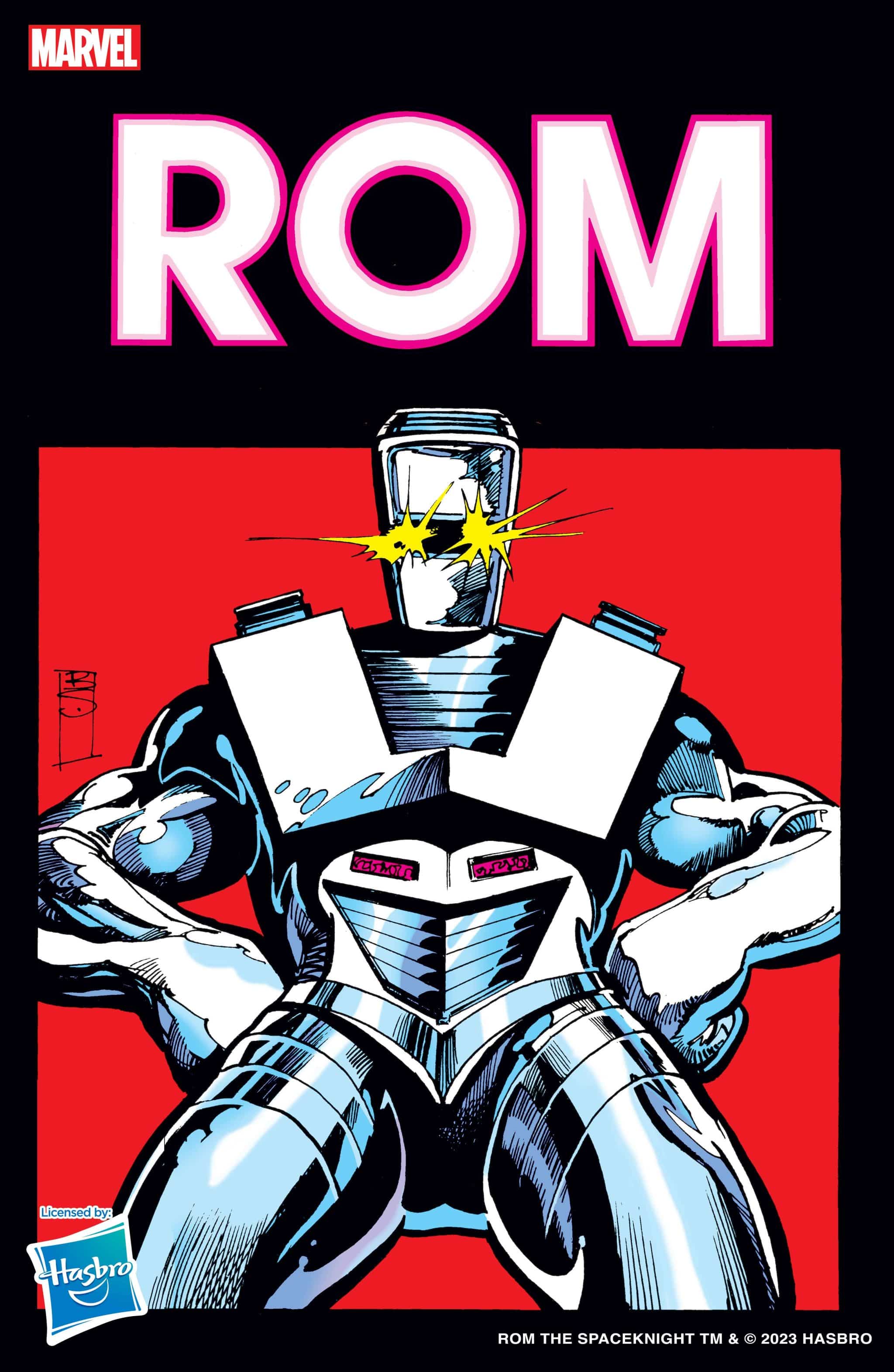
Rom #1 Facsimile Edition boldly re-presents Rom (1979) #1, one of the all-time great Marvel comic books, in its original form, ads and all! Long ago, Rom offered his life to serve his planet of Galador as a Spaceknight — an armored warrior, sworn to protect his people from the vile alien invaders known as the Dire Wraiths. Now, his solemn vow brings him to Earth — the latest front in an ancient cosmic conflict! The Wraiths can assume human form, and they’ve been worming their way into our society. Only Rom’s trusty energy analyzer can detect them — and with his powerful neutralizer, he can banish them to Limbo! In this landmark first issue, Rom blasts his way into the Marvel Universe, meets his future ally Brandy Clark and begins his quest to free Earth from the Dire Wraiths’ invisible infiltration!
Check out the covers now, including the exemplary original Rom #1 cover art by Frank Miller. In addition, view never-before-seen Rom artwork from industry legend George Pérez’s archives. Received from his estate, this piece will serve as a Direct Market Exclusive Variant Cover!
As discussed last time, starting in Captain America and the Falcon #120, various Marvel writers[1] made a good deal of use out of the Falcon’s secret identity as Sam Wilson, social worker – Stan Lee used it as a vehicle for stories about youth problems, organized crime, and urban unrest (albeit ones that ended with costumed superheroes getting into punch-ups with similarly-attired supervillains), while Steve Englehart and Alan Weiss used it as a pretext to have Captain America and the Falcon investigate abuse in America’s prisons and encounter the Queen of the Werewolves.[2]
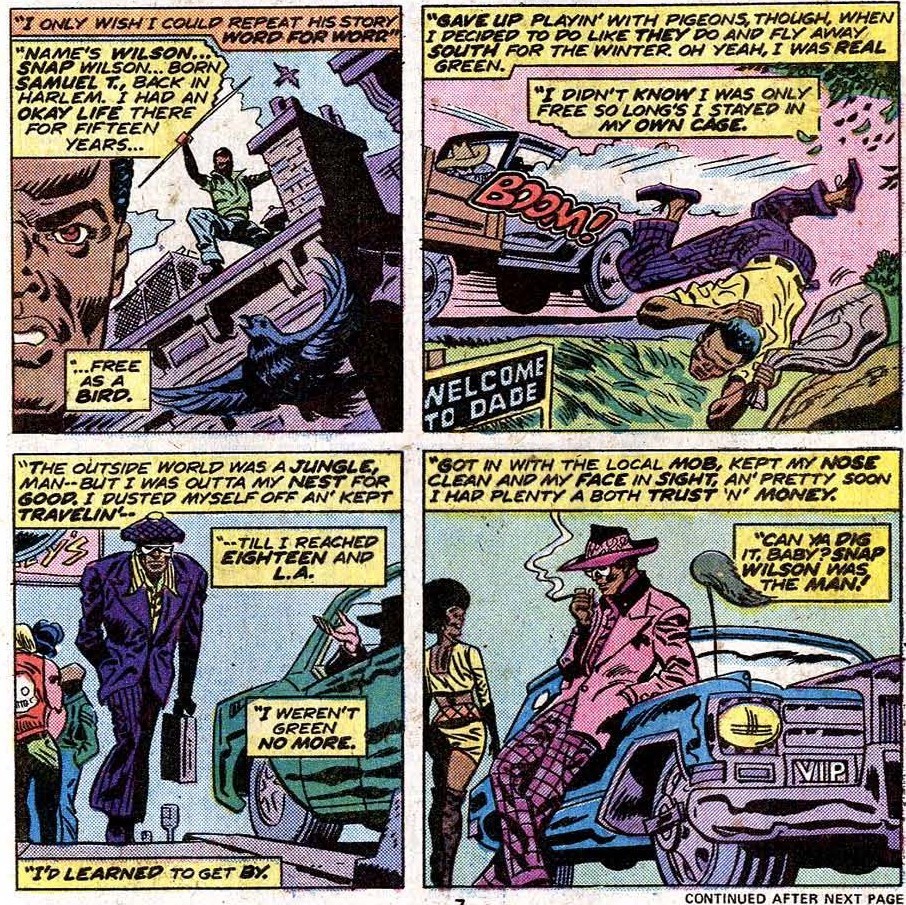
This changes in Captain America and the Falcon #186, where (in a follow-up to the original story that introduced Sam Wilson) the Red Skull reveals that everything we knew about Sam Wilson was a lie:
These four panels are worthy of some in-depth textual analysis. In the first, we see the young and innocent Sam Wilson on the rooftops of Harlem, complete with a thematic association between birds and freedom that we’ll later see embodied in his relationship with his falcon Redwing. (In future issues, this part of his backstory will be retconned to add in tragic violent crime-related deaths for both his mother and father that will inspire his vigilantism.) In the second, we see Wilson heading to Florida (like a lot of New Yorkers in the winter) only to be confronted with the specter of rural bigotry in Dade County, in a scene straight out of the shock ending of Easy Rider. By the third panel, we see that the experience has hardened our hero, and by the time that he gets to Los Angeles he’s learned to “get by” in the worlds of both street crime (as symbolized by the small crowd of black men standing on the corner) and organized crime (as symbolized by the white hand coming out of the car window). In the fourth panel, the transformation of Sam Wilson into “Snap” Wilson is complete – he’s now an L.A-based gangster complete with mob connections, a pimped-out Cadillac with vanity license plates, and some of the 70’s wildest fashions.
As we learn about on the next page, rather than arriving on the island of forbidden love as part of a vacation-turned-resistance-movement, “Snap” Wilson crash-landed on the island after attempting to hijack a small plane containing a “fortune” (presumably of drugs, given that the plane was returning from a trip to Latin America) belonging to the “Big Man,” his L.A-based crime boss.
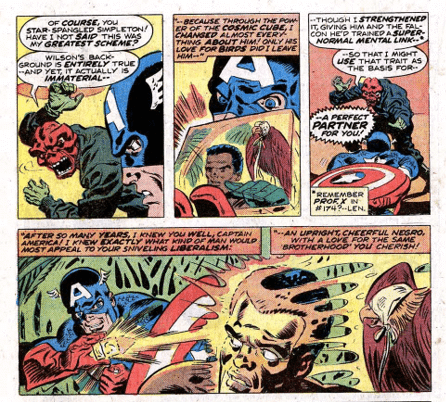
More significantly, we learn that the social Sam Wilson that readers thought they knew was a creation of the Red Skull, a fiction specifically designed to appeal to Steve Rogers’ liberal values:
Steve Englehart, John Warner, and Frank Robbins had to lean heavily on the Cosmic Cube’s, well…cosmic powers here, because this is quite a retcon. Above and beyond the psychological impact on Wilson himself, the creative team had to explain how it was that we’ve seen Sam Wilson at work as a social worker – we’ve even seen his office with clients in it! – and it would be particularly odd for the Cube to somehow have also altered the memories of the entire “Social Admin” Department of New York City so that someone without official hiring paperwork or credentials would be given office space, a salary, and a caseload for several years.
This being a superhero comic, the retcon is then used by the Red Skull (once again using mind control) to pit the Falcon against Captain America in a lose-lose fight to the death. Naturally, Captain America triumphs and destroys the Red Skull’s HYDRA base, only for the Skull himself to flee to fight another day. Rather than resolving neatly in one issue like earlier “Cap goes evil” storylines, the dangling plot thread of “Snap” Wilson and the dueling backstories continues to dominate the book for the next several issues.
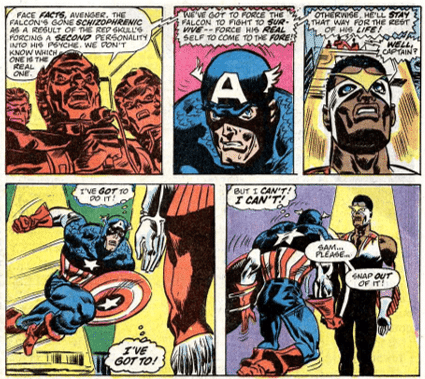
For example, in Captain America and the Falcon #189, Tony Isabella and Frank Robbins have Captain America once more fight Sam Wilson in a dubious SHIELD experiment to prove which is the real personality.
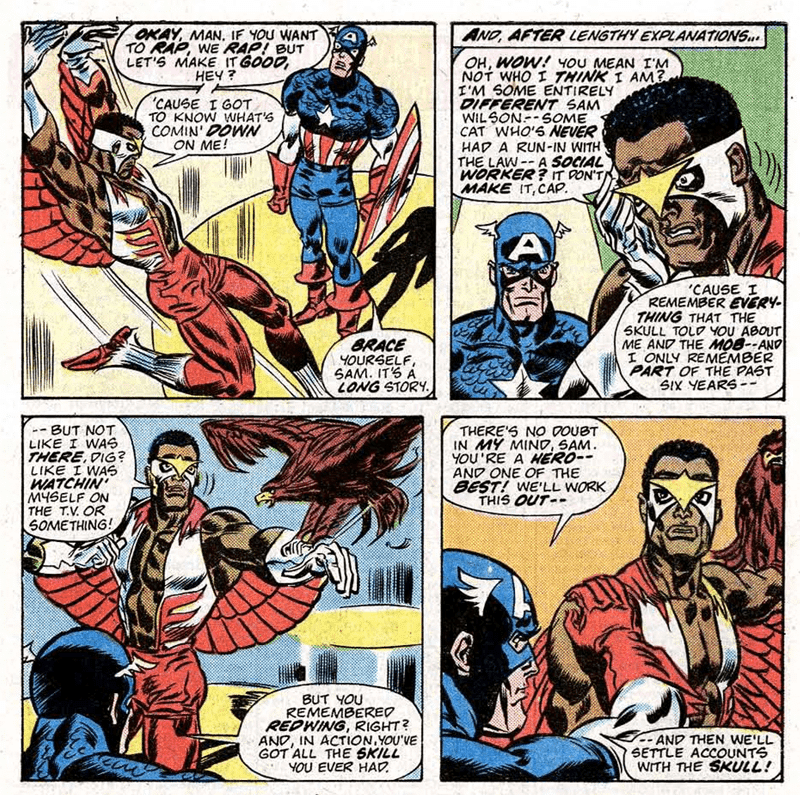
After a bunch of illusionary shenanigans, the Falcon snaps out of his “schizophrenic” state to reveal that, in fact, it is “Snap” Wilson who was the true personality and Sam Wilson who was the fake.
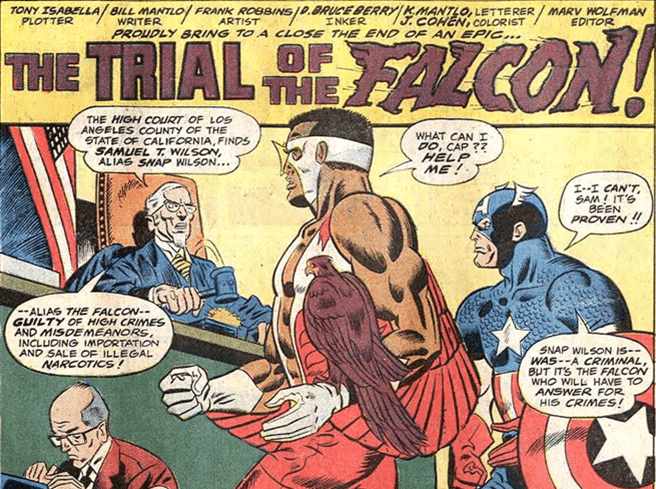
Tony Isabella, Bill Mantlo, and Frank Robbins would return to (and in their own words “bring to a close the end of an epic”) plot in issue #191, in which “Snap” Wilson is put on trial in Los Angeles County Court for the “importation and sale of illegal narcotics”:
The Falcon is only saved from prison when, in a bid to prevent him from turning state’s witness against his former mob associates, the “Big Man” of Los Angeles hires, of all the many Marvel villains-for-hire, the Stilt-Man to attack the courthouse and assassinate the Falcon before he can testify. As one might guess, the ensuing action allows the Falcon to demonstrate his heroism to the judge, leading to a suspended sentence of parole (with Nick Fury of SHIELD standing in as his parole officer), thus demonstrating the fairness and mercy of the American court system when dealing with black defendants up on drugs charges in the first wave of Nixon’s War on Drugs.
The racial politics of this retcon are bizarre to say the least. The new “Snap” Wilson behaves like a quite different character than the one readers had known for sixty-nine issues: he’s more aggressive and violent both in interpersonal communication and combat, he uses stereotypical “jive” slang, and he’s far more cynical about white America and white institutions – an interesting departure for a character previously given to attempts at “cooling down” racial tensions. One could see it as an extrapolation of the “talker” versus “fighter” dynamic between Sam Wilson, social worker, and the vigilante known as the Falcon, if not for the charged nature of “Snap” Wilson’s gangster origin.
Two potential explanations for this change suggest themselves. The first is that we need to see this in the context of Marvel chasing the trend of blaxploitation, more prominently seen in the creation of the characters Luke Cage and Blade at around the same time. A streetwise gangster simply fits into the rather narrow schema of the blaxploitation genre better than a social worker out of a prestige “problem” film. However, Captain America and the Falcon was an established comic rather than a newer, more speculative venture like Power Man, and more importantly it was the comic of their flagship “flag suit” character, which tends to come with higher visibility and tighter editorial control within the company.
The second explanation, and one that has a certain amount of plausibility given that Cap #186 was authored by noted liberal Steve Englehart (just coming off of having Captain America go up against Richard Nixon), is that the retcon was prompted by a weird white liberal guilt trip that judo-flipped its way into being accidentally racist. Sam Wilson, as originally envisioned by Stan Lee, was an “articulate,” clean-cut, politically moderate black professional. It may have been argued at the time that the character of the Falcon was a paternalistically condescending bit of outreach to the black community from a bunch of white middle aged middle class folks at Marvel. By contrast, a more “street” character, as we’ve already said more evocative of popular trends in black culture, who challenges the white establishment more consistently than before, may have been seen as a more “authentic” portrait of black masculinity in the 1970s. If so, it’s a very strange train of thought where an attempt to be racially sensitive boomerangs back around to being back-handedly racist.
The problem with this line of political logic is the question of representation. There’s nothing inherently wrong with an individual character having a backstory of coming from the “mean streets” of crime, but when you’re dealing with a situation in which there are very few characters of color in Marvel comics (especially back in the 1970s when the main struggle within Marvel was over introducing racial “firsts”), aspects of those characters become less individualized and more archetypal. When most if not all of Marvel’s black characters at the time came from “the street,” it starts to send a message that, according to Marvel creative and editorial (again, staffed almost entirely by white men), the “street” is where black characters come from. This becomes problematic when it means that having a black character with a different background – like, for example, a professional social worker – is seen as less “realistic” than an ex-hood.
So much for the “epic” of “Snap” Wilson. I know there are going to be some in the fandom who will say that, given the realities of a serial medium produced monthly over the course of almost fifty years by a variety of creative and editorial teams of varying levels of ability and care for the material, you’re going to get some bad stories worked in there. These stories – if left unchecked – can warp characters out of being usable recurring intellectual property, which is why retcons aren’t always a bad thing because they can right a sinking ship in the wake of a particularly ill-thought-out or poorly executed creative turn.
This is why, when we talk about the impact of a given story in comics, we can’t just talk about the aesthetic merit of a given panel or page or comic, but its longevity – did a given story have an enduring impression on the book and the larger Marvel Universe, or was it a flash in the pan that was swiftly cleaned up by the next team to work on the book?
The answer to that question is why the “Snap” Wilson retcon is such a big deal: it lasted for forty years, putting it up there as one of the longest-lasting retcons in Marvel history. It was the status quo when Steve Englehart left the book, it was the status quo when Jack Kirby returned to both write and draw the book (more on that in a future issue), it was the status quo for Mark Gruenwald’s classic run in the 80s, and it was the status quo for Ed Brubaker’s run that set the terms for the MCU Captain America films.
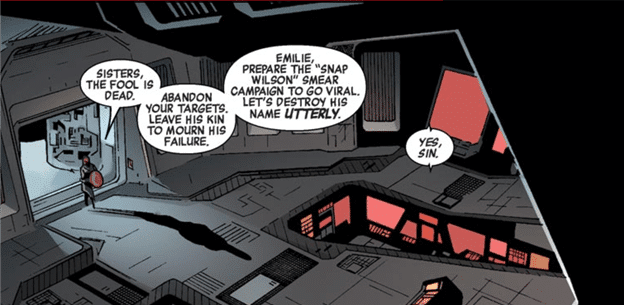
It wouldn’t change until 2015, when as part of the Avengers NOW! event[3] Sam Wilson was promoted to the role of Captain America for the first time (although not the first time that he’d worn the uniform) – a creative and editorial decision that would ultimately give rise to the Disney+Falcon and Winter Soldiershow. In All-New Captain America #3, intending to discredit as well as kill the new Captain America, Sin (the Red Skull’s daughter) and HYDRA engages in information warfare by releasing to the public the sordid details of “Snap” Wilson’s past:
To a significant extent, Remender designs All-New Captain America #3 to be in dialogue with Englehart’s Captain America and the Falcon #186 – no less than three pages out of the book are devoted to a beat-for-beat reproduction of the story of the Red Skull using the Cosmic Cube to re-write Sam Wilson’s backstory, for example. The major difference is that, rather than staying in a mind-controlled silent stupor while Steve Rogers plays the interlocutor to the Red Skull, here Sam Wilson is allowed to speak and he challenges Sin’s characterization of his past as a “liar, thug, and gangster” as “lies.” (Remender does his own editorializing by characterizing the “Snap Wilson” backstory as a “smear campaign” and presenting Sin as clearly an unreliable narrator given to monologuing about the victors rewriting history to suit their interests.)
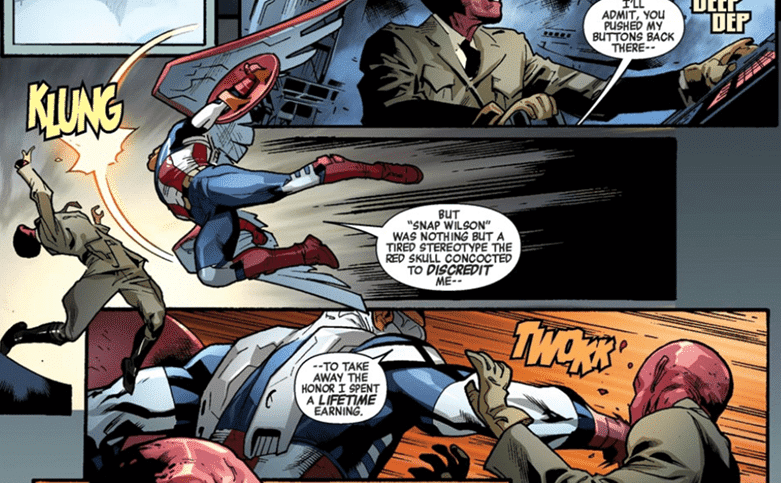
In foiling both Sin’s smear campaign and (somewhat more importantly) her bomb plot, Sam Wilson defiantly asserts a brand-new status quo for his own backstory:
While Rick Remender is a writer whose politics I haven’t always agreed with – only two years before this issue, Remender had writtenUncanny Avengers #5, which featured the now-infamous “M word” speech, and then reacted extremely poorly to criticism over how this speech handled the topic of minority identities and the mutant metaphor – I think he was on the right track in this case.
As I’ve suggested above in discussing the question of representation, “ex-gangster from the mean streets” was already something of a “tired stereotype” back in 1975, and it was only more of one in 2015 when you consider the increase in the raw numbers of African-American characters in big two comics, given how many of those new characters had been given “street” backgrounds themselves. By contrast, there is something innovative about a social worker backstory not just from the perspective of African-American characters but superheroes in general: whereas most heroes with secret identities are cops, private detectives, reporters (because those professions involve being “nosy” and thus lend themselves to story hooks involving investigations), or scientists (which lends itself to super-science story hooks), there really aren’t that many heroes who belong to one of the “caring” professions. As we discussed back in Week 18, social workers have a unique perspective on social phenomena, while still giving rise to sixty issues worth of story hooks.
Ultimately, however, the question of whether a given character’s backstory is innovative or stereotypical is rather subjective. Which is why the subjectivity of the creative and editorial teams matters – and why it mattered that for so long that the teams working on Captain America and the Falcon were all-white (as well-meaning as they might have been). Had there been more diversity in the room at the time, black creators might have been able to push back on the “Snap” Wilson retcon from the beginning instead of having to wait forty years for a white creator to decide it wasn’t all right.
[1] Between Cap #120 and #186, there wasn’t a regular artist on the book on issues covering Sam Wilson as a social worker: artists ranged from Gene Colan on #120 and 134 to John Romita Sr. on #139 to Sal Buscema on #149 to Alan Weiss and John Romita Sr. on #164.
[2] A story notable for being the first but by no means the last time that CapWolf became a part of Marvel Comics. More on that in a future issue of People’s History of the Marvel Universe.
[3] Itself a continuation of the All-New Marvel NOW! event from 2013, which itself was a continuation of Marvel NOW! from 2012, but which shouldn’t be confused with All-New, All-Different Marvel which would launch later in 2015, eventually giving rise to the Secret Empire event. Needless to say, Marvel editorial hasn’t exactly made things easier for comics historians in their naming conventions in recent years.
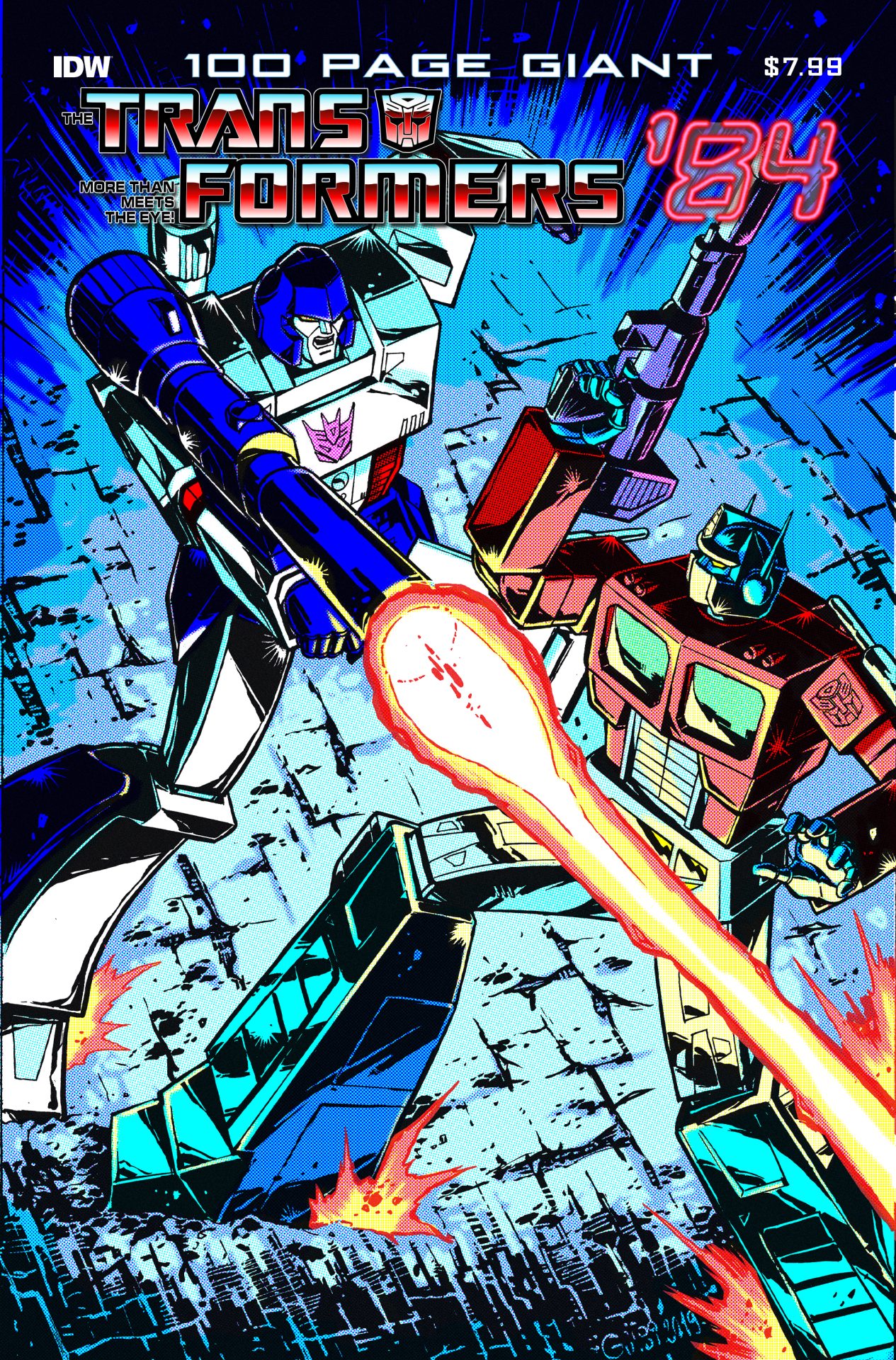
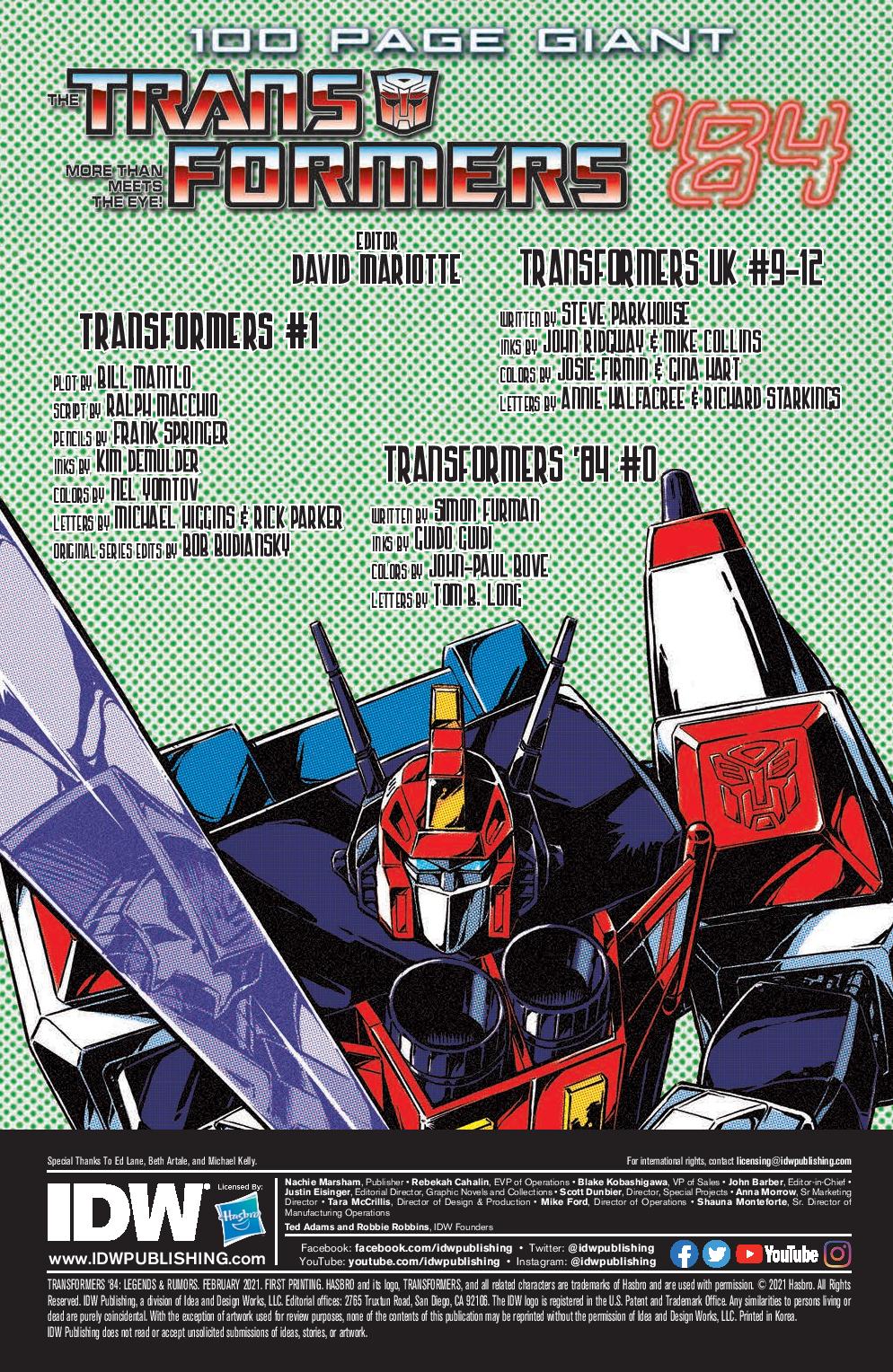
(W) Bill Mantlo, Ralph Macchio, Steve Parkhouse, Simon Furman (A) Kim DeMulder, Frank Springer, John Ridgeway, Mike Collins (A/CA) Guido Guidi In Shops: Apr 07, 2021 SRP: $7.99
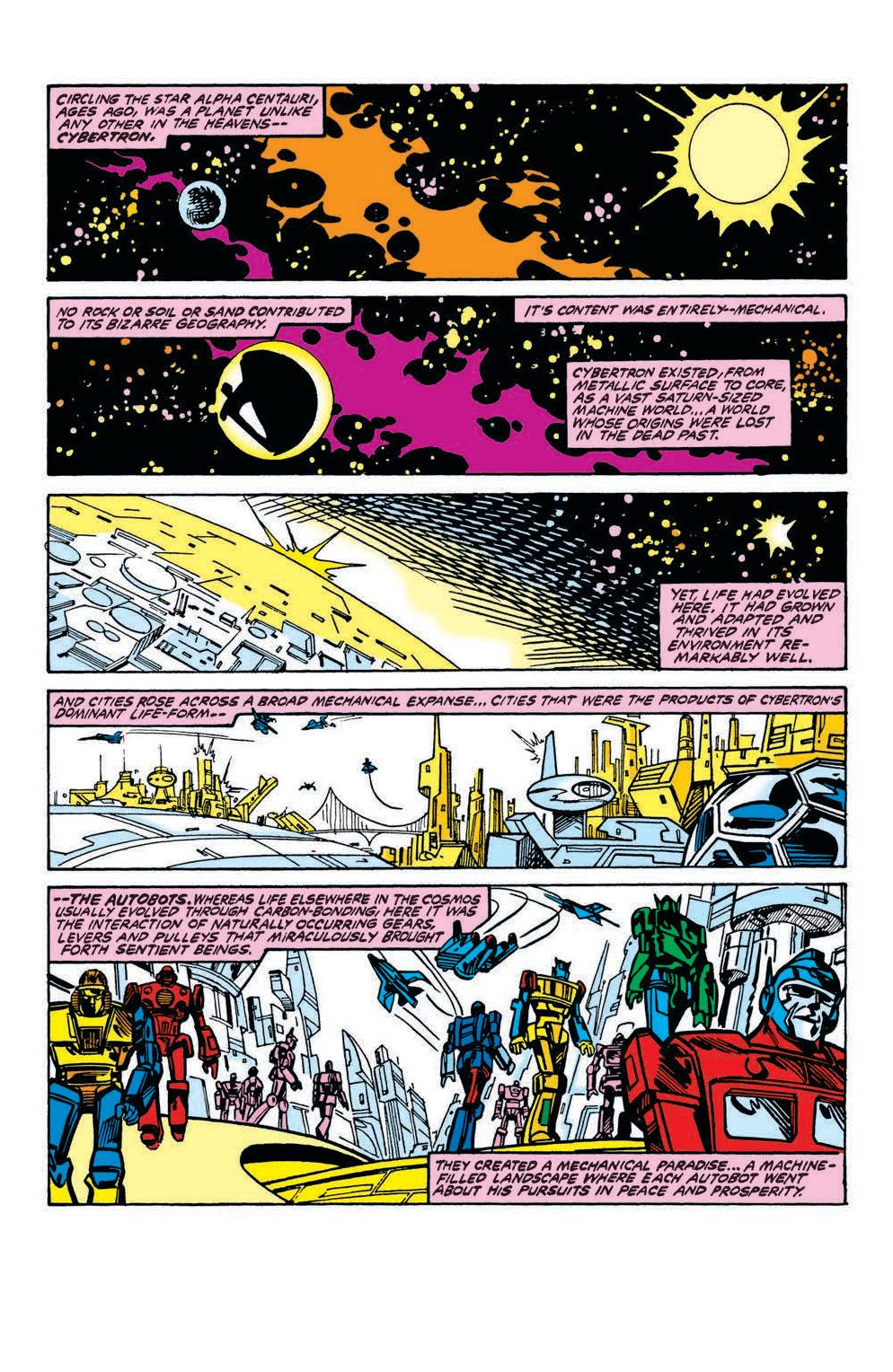
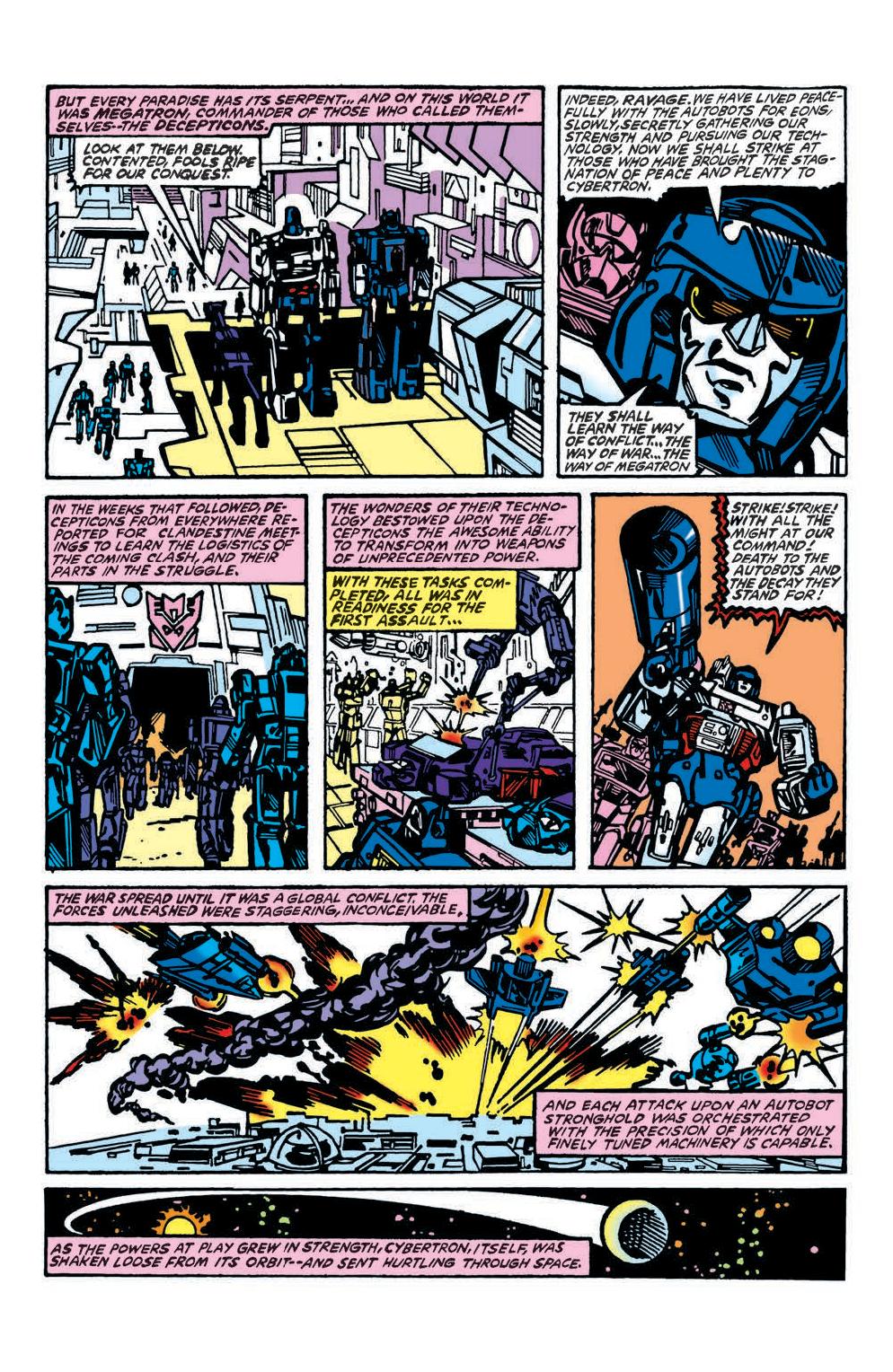
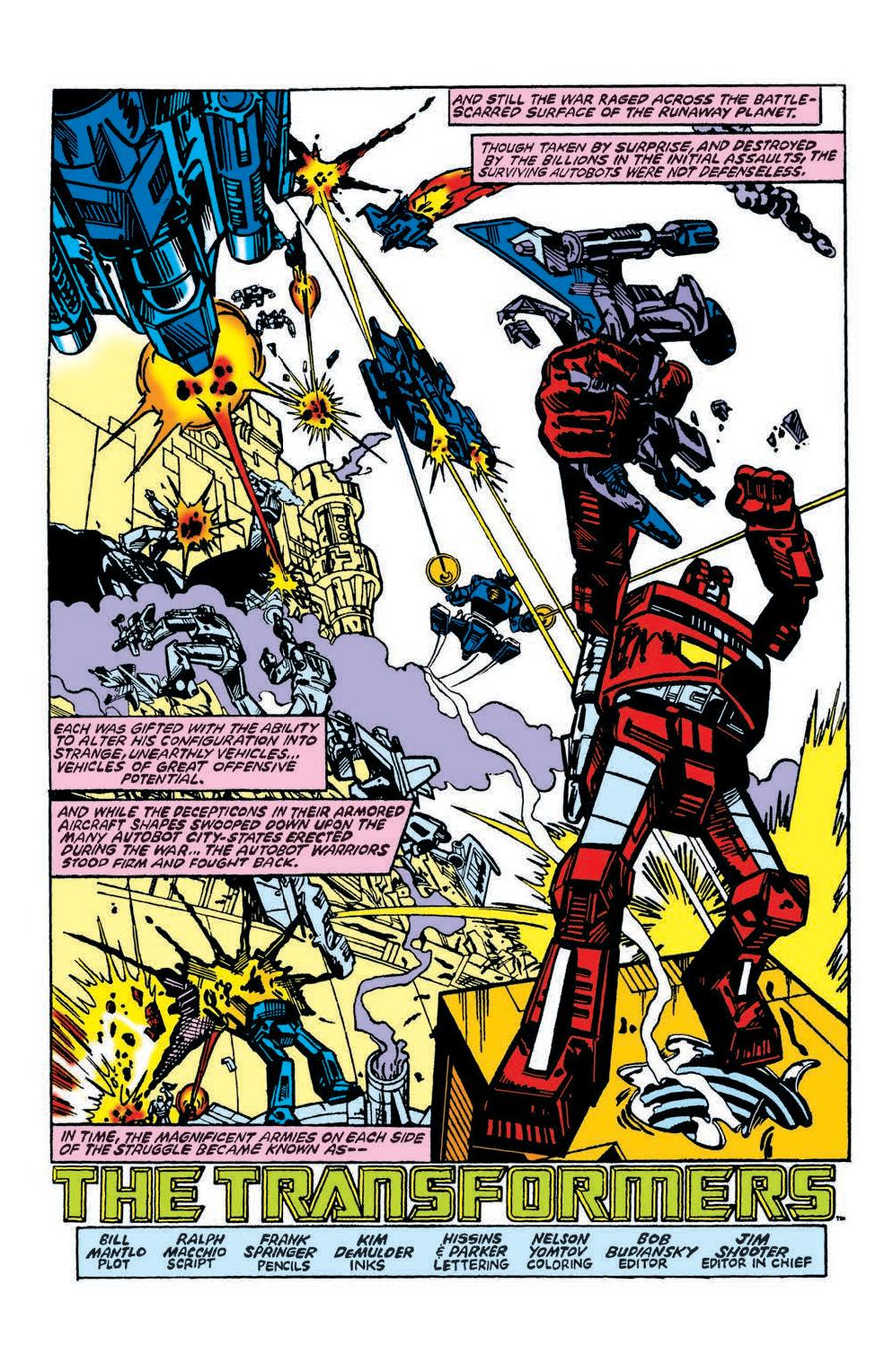
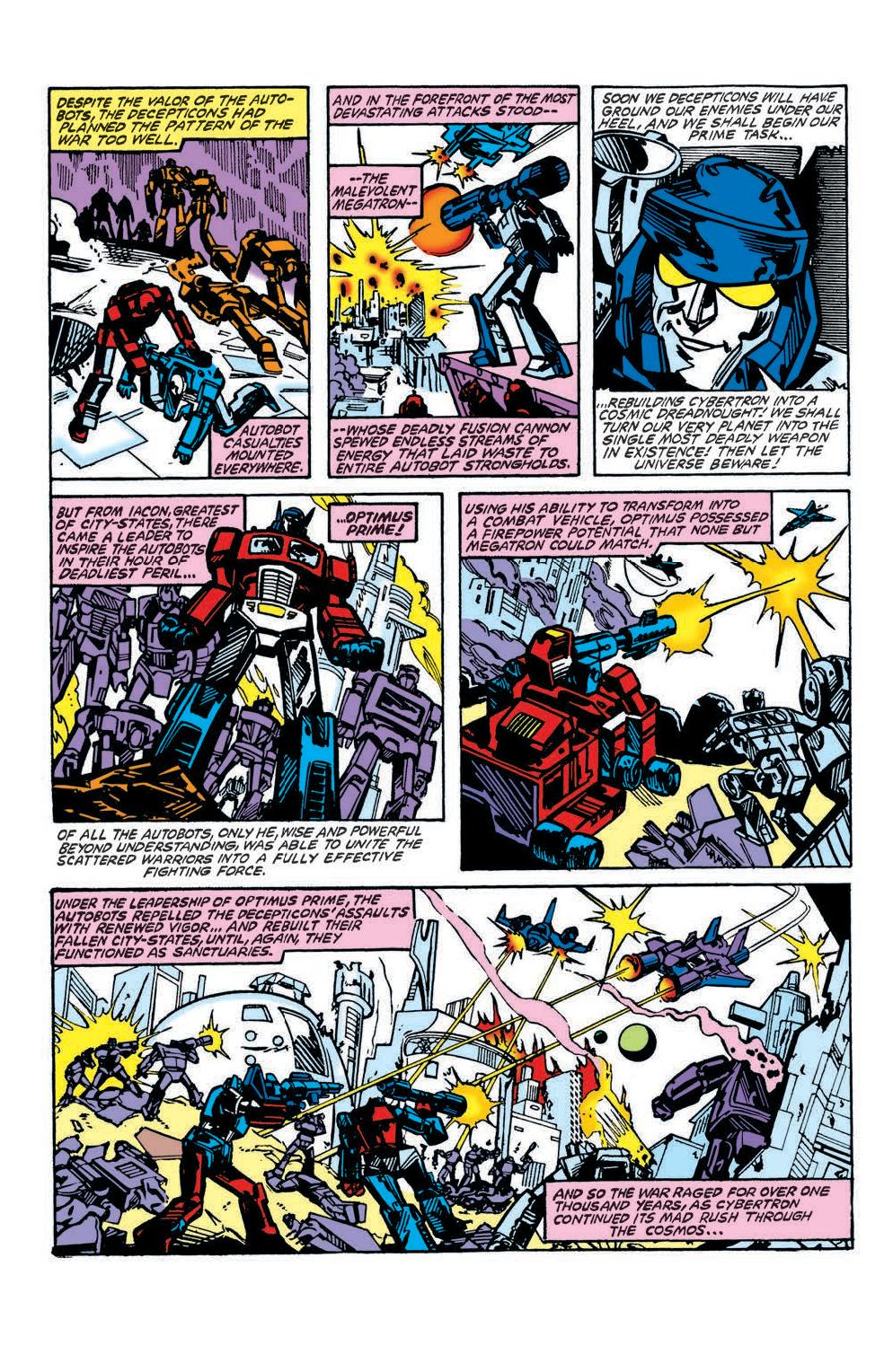
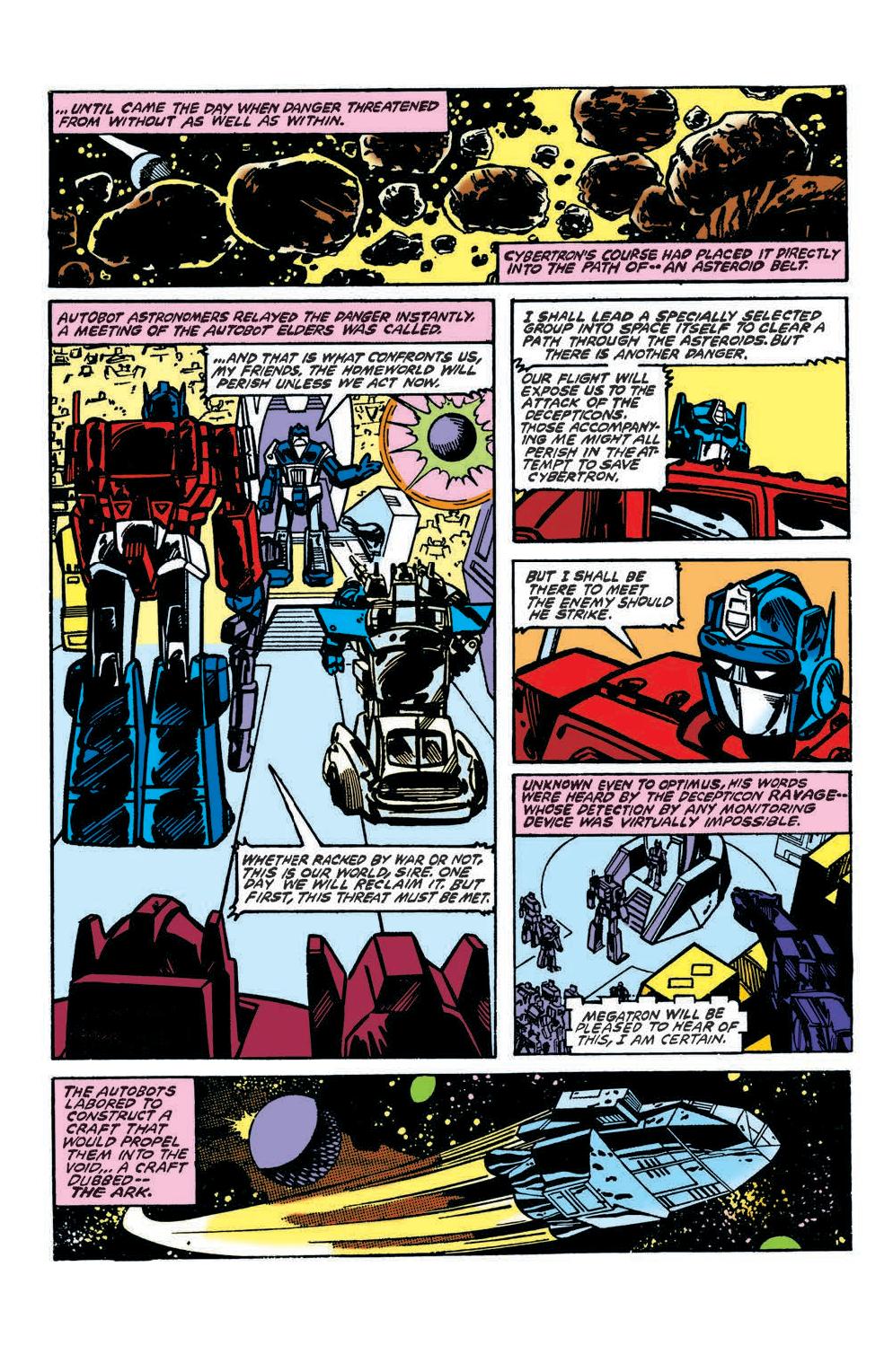
Some events in history are so incredible, that they’ve gone down in legend-epic tales of epic heroes and villains. Others remain shrouded in mystery, only surfacing as snippets of the real story. Transformers ’84: Legends & Rumors is the perfect companion book to the Secrets & Lies mini-series. Representing the classic stories that inspired the series: “The Transformers” (Transformers #1), “Man of Iron” (Transformers UK #9-12), and the Transformers ’84 #0 one-shot!