Tag Archives: andrea cucchi

Review: The Other History of the DC Universe #3

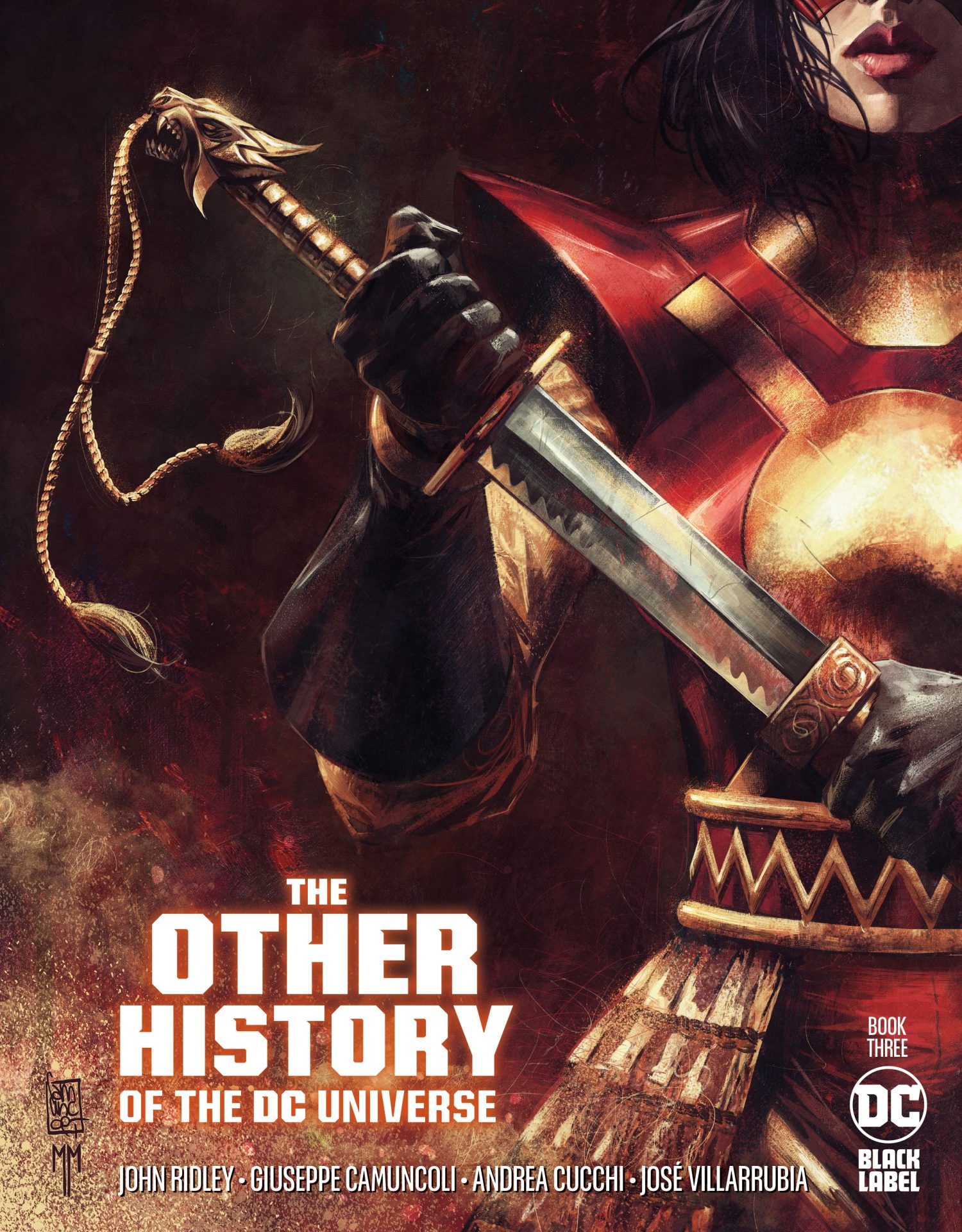
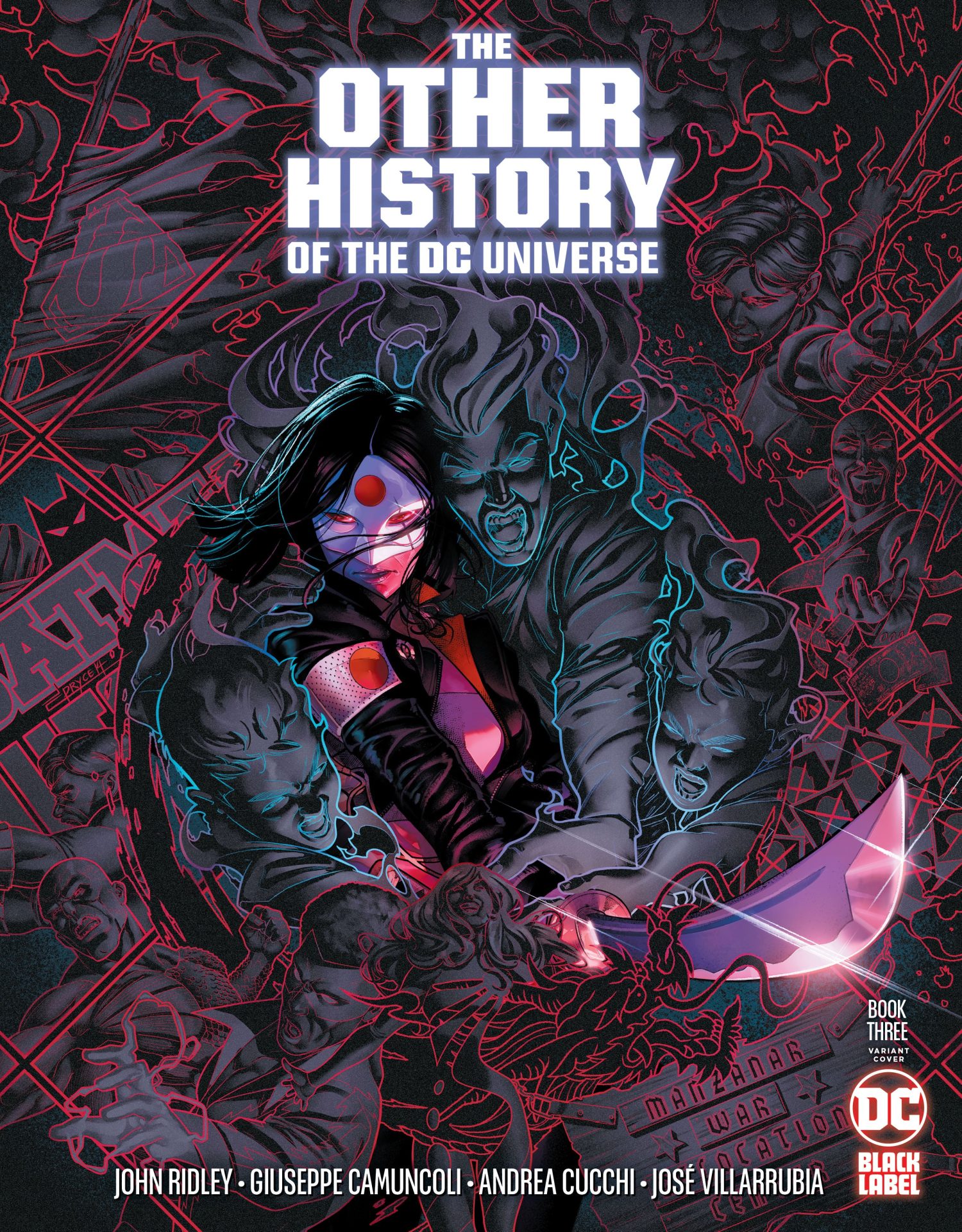
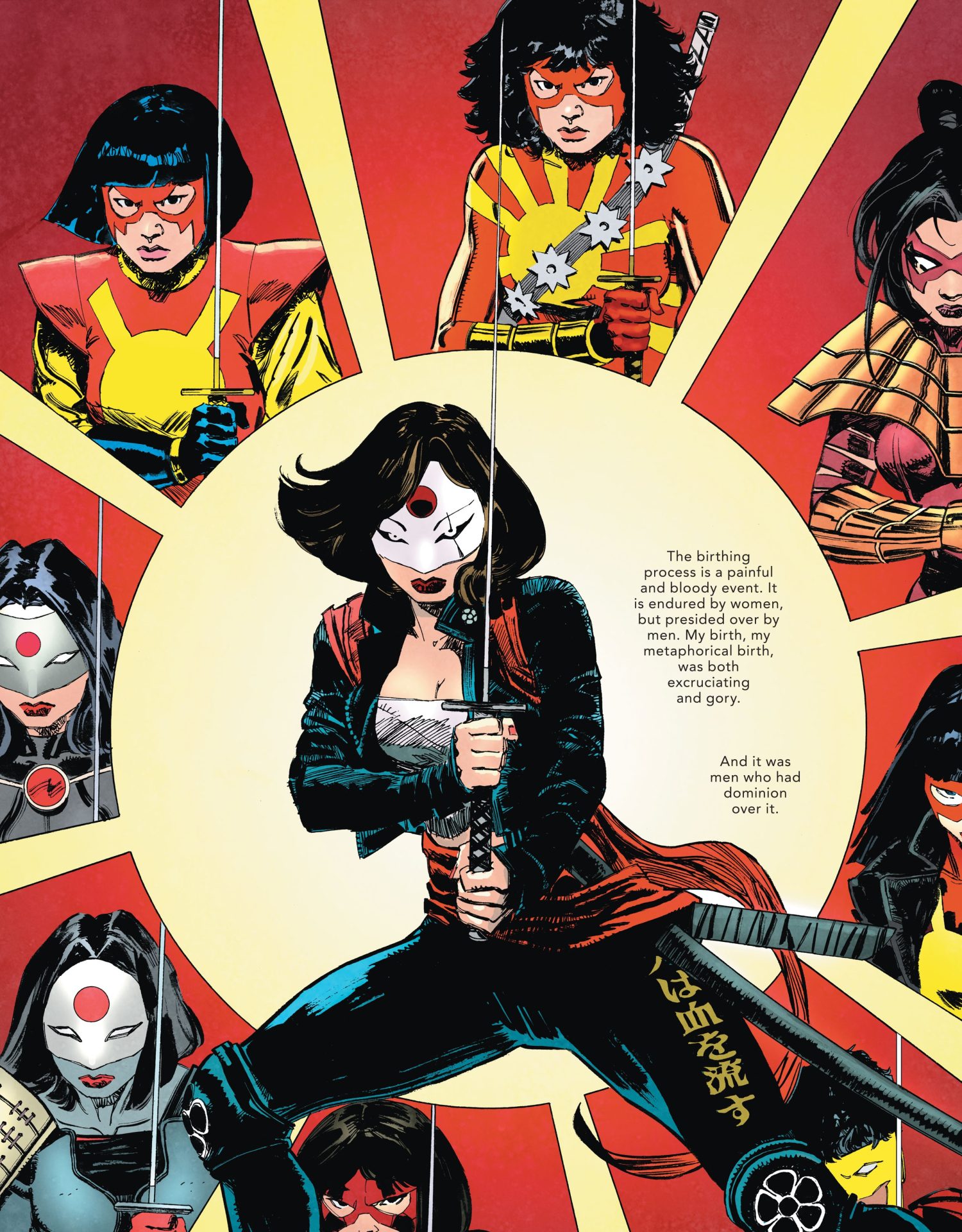
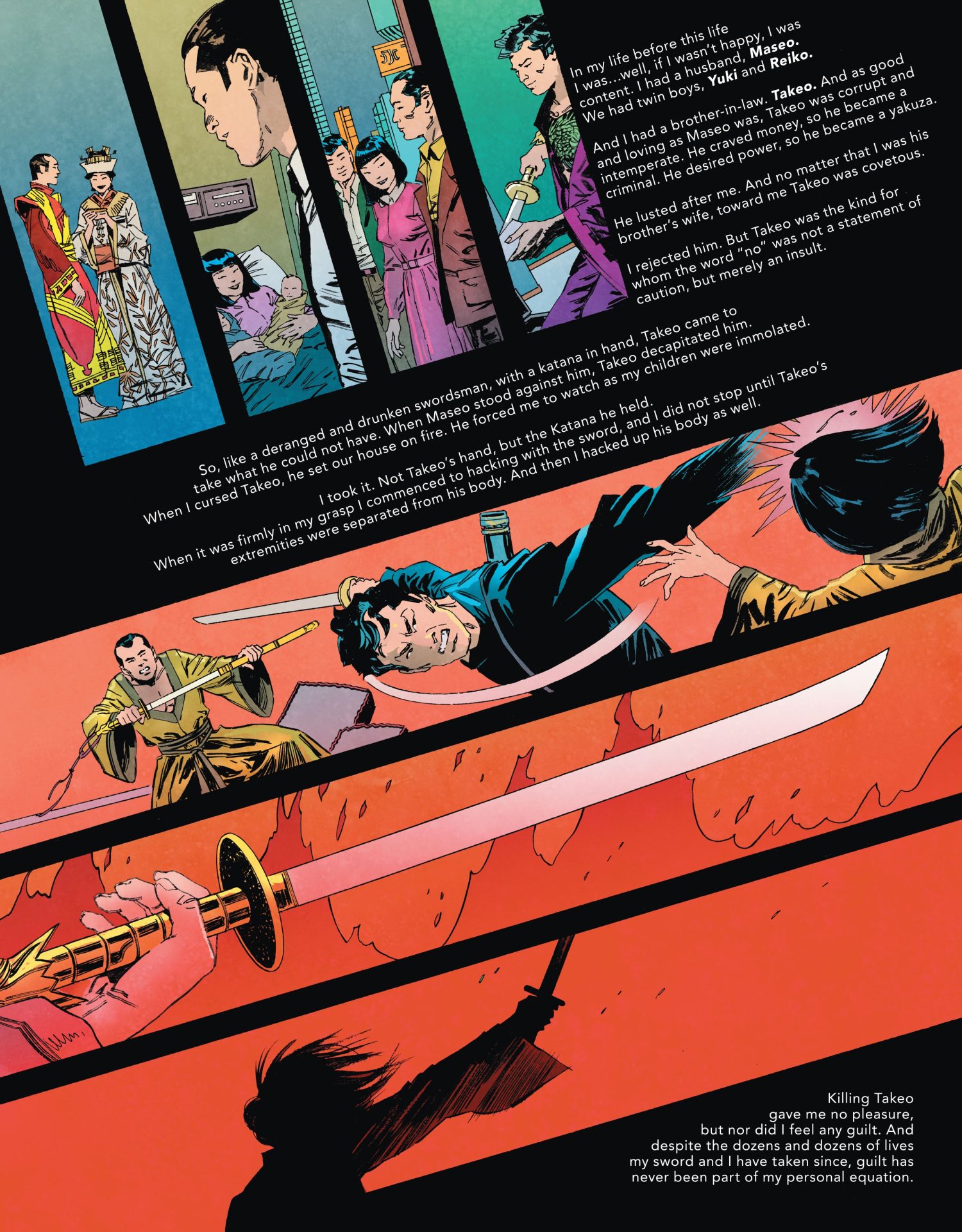
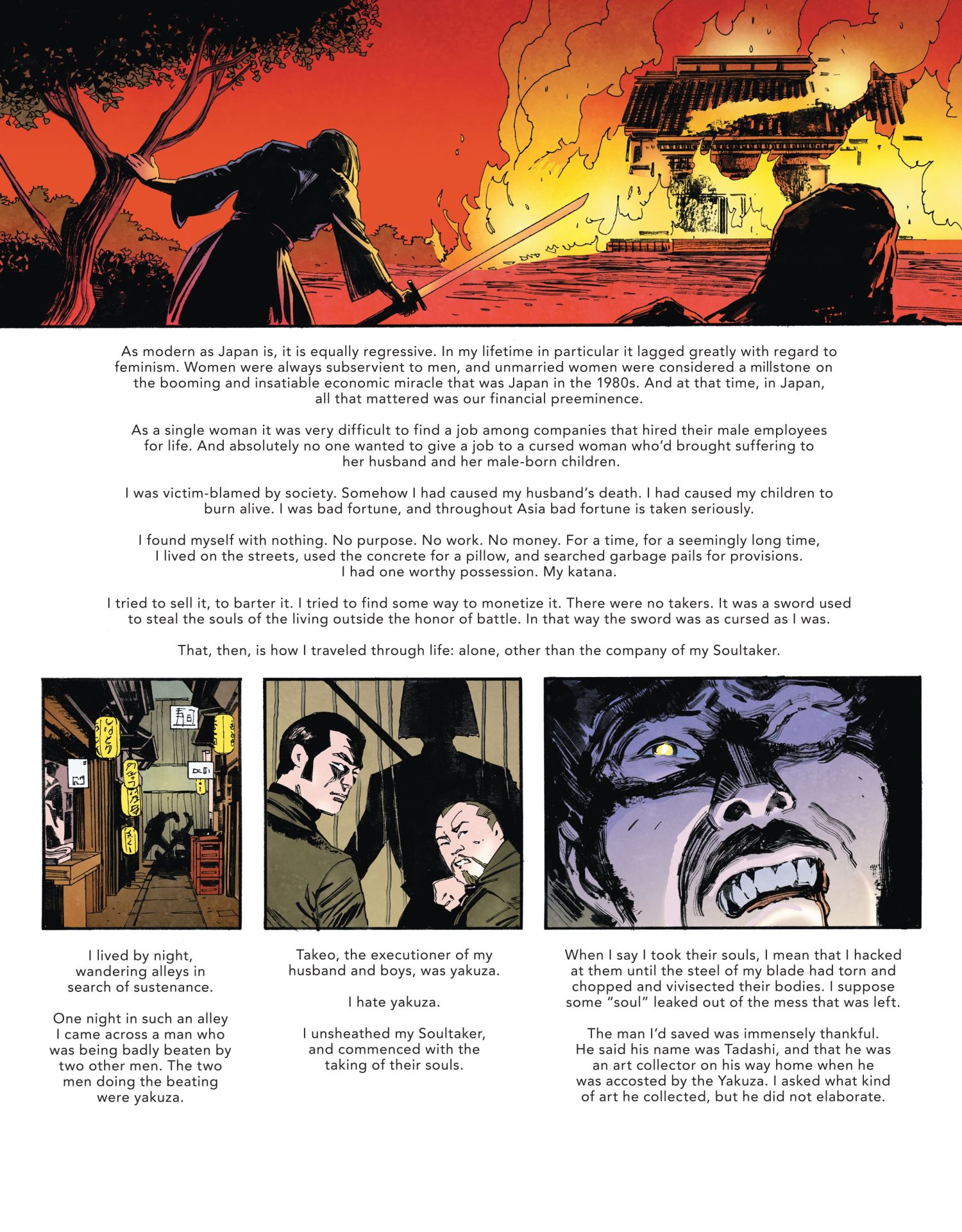
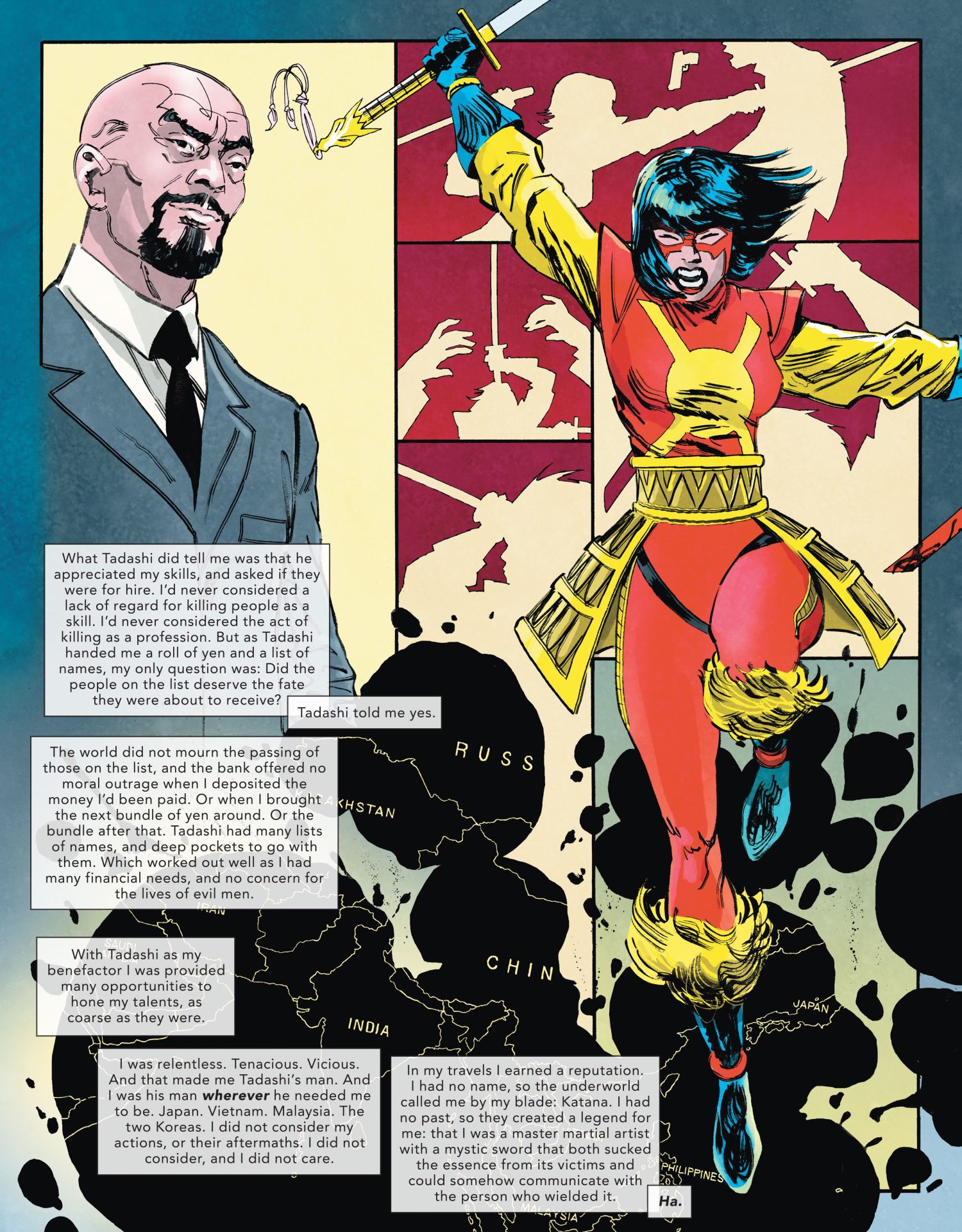
The Other History of the DC Universe #3 is an interesting shift from the first two issues. This is more of a focus on the myth superheroes build about themselves with Katana as the focus. It’s a graphic essay and a graduate course in DC history.

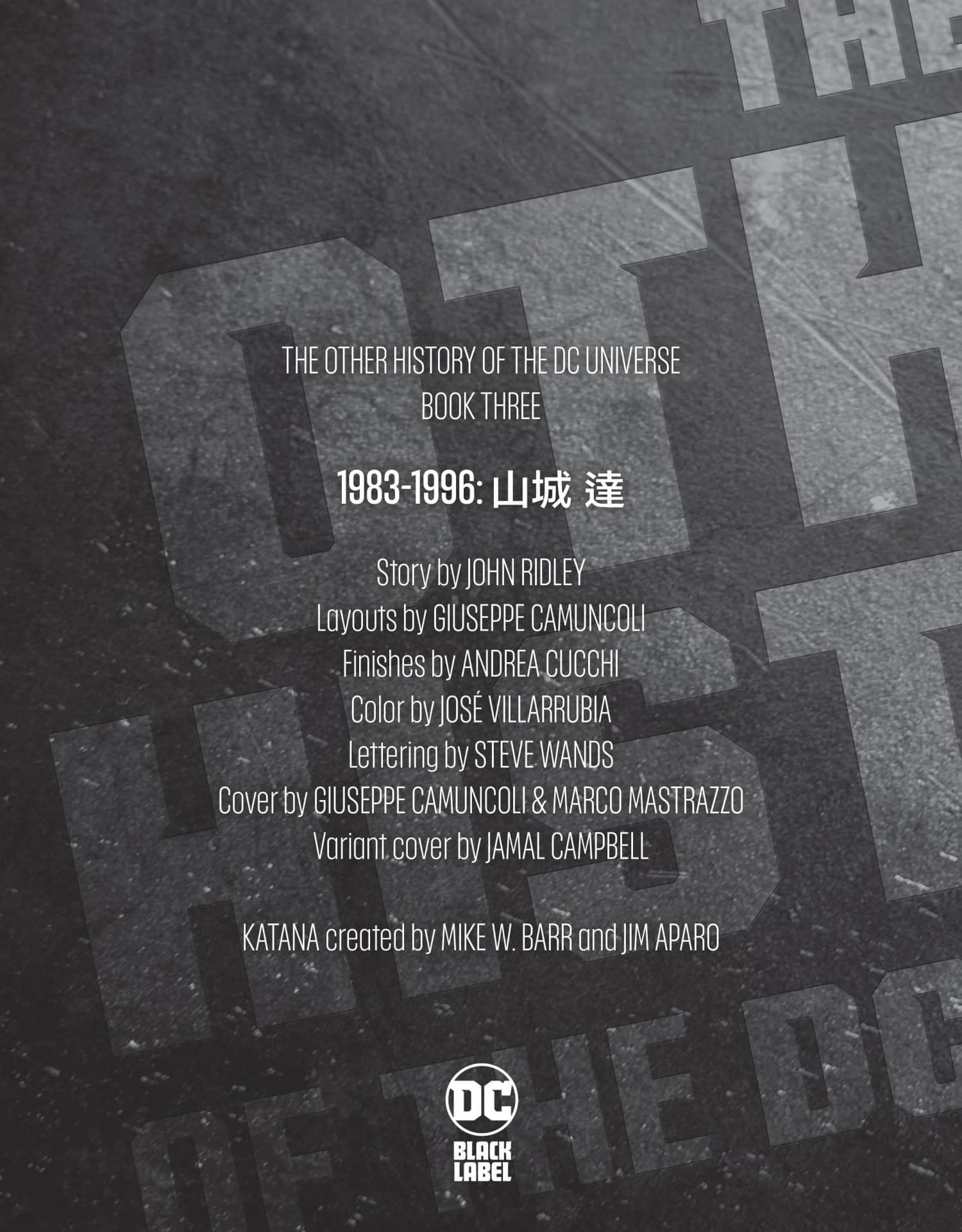
Story: John Ridley
Layouts: Giuseppe Camuncoli
Finishes: Andrea Cucchi
Color: José Villarrubia
Letterer: Steve Wands

Get your copy now! To find a comic shop near you, visit http://www.comicshoplocator.com or call 1-888-comicbook or digitally and online with the links below.

Amazon
Kindle
comiXology
Zeus Comics
TFAW

This post contains affiliate links, which means that if you click on one of the product links and make a purchase, we’ll receive a percentage of the sale. Graphic Policy does purchase items from this site. Making purchases through these links helps support the site

Preview: The Other History of the DC Universe #3

The Other History of the DC Universe #3

Written by: John Ridley
Art by: Giuseppe Camuncoli, Andrea Cucchi

1983. Japan. Tatsu Yamashiro’s life has been taken from her. Her home, her children, her husband are all gone. With nothing left but a burning pain and the sword that stole her family from her, Tatsu begins a long journey of healing, self-discovery, agency, and rebirth. This is the story of Tatsu Yamashiro, the woman known to many as Katana-a hero who became more than the world ever intended for her, ultimately making a family of like-minded Outsiders who rally together for the common good amidst xenophobia and oppression. The long-awaited miniseries written by Academy Award-winning screenwriter John Ridley (12 Years a Slave, Let It Fall) and beautifully illustrated by Giuseppe Camuncoli and Andrea Cucchi continues to look at the mythology of the DC Universe as seen through the prism of DC Super Heroes who come from traditionally disenfranchised groups.

The Other History of the DC Universe #3

Review: The Other History of the DC Universe #2

The Other History of the DC Universe #2

In The Other History of the DC Universe‘s debut, writer John Ridley planted a flag with a raw, emotional, and blunt take on DC’s superhero history. The debut was not only a celebration of the history but it’s the type of reflection on it that we see today with our own real experiences. The comic didn’t examine it with rose-colored glasses, instead, it delivered a perspective and truth that stands up and feels justified. It was like a band-aid being ripped off to show a still festering wound. The Other History of the DC Universe #2 that direction with a shift of a focus to the Teen Titans.

Told from the dual perspectives of Karen Beecher-Duncan (Bumblee) and Mal Duncan, we’re taken from their early years in Metropolis through the history of their time with the Teen Titans and then Titans. I’m not personally too knowledgeable with either character, so Ridley’s take is just new history for me as a whole. Karen and Mal, like the first issue, show the white-centered team for what it was and don’t pull punches. Drama, drug use, abuse, these are some of the topics touched upon. But, it’s the second class citizen nature of Mal and Karen’s membership that really stands out.

Mal rightly comes back to the fact that as much as he was there for the team, the team was rarely there for Mal or Karen. They missed their wedding, they saw Mal as nothing more than a maintenance person, there feels like a rooted racist aspect of the team. When they initial met, the Teen Titans were hiding in one of Metropolis’ crime infested areas as if no one would care about anyone in these areas. We’re taken through the history of the Teen Titans, then Titans, as they break up and get back together, ignoring Mal and Karen throughout the years except when they could use their help.

But beyond the Titans, the comic is also an examination of the relationship of the two individuals. We get to experience their ups and downs. There’s high and lows with all of the human emotion one would expect. There’s drama throughout the education. While we’re teased the Titan’s drama, we get to experience Mal and Karen’s.

Ridley delivers what feels like a very interesting critique at DC as a whole. Not just the comics but the publisher itself. The comics feel like a graphic thesis paper on the depiction of minorities in literature and entertainment. This is a series that’s going to spur discussion for quite some time.

Like the first issue, The Other History of the DC Universe #2 has a graphic essay feel about it. Breaking from “traditional” comic layouts, the comic breaks from the usual panels that are expected. The result is a read that feels like journal entries enhanced with beautiful art. Giuseppe Camuncoli‘s layouts with Andrea Cucchi‘s finishes are impressive. The art is just amazing, along with the color from José Villarrubia and lettering by Steve Wands. There’s so much packed in with art that plays as homage to classic scenes and styles. There’s some pages that feel like they’re ripped from the original material, it all brings back memories.

The Other History of the DC Universe #2 is another fantastic and amazing issue. The series is calling out the failures of DC Comics’ history and the issues with its narratives. It’s impressive the publisher would do this at all. The fact it’s all at such a high quality is such a treat. Each issue feels like it’s a college level course in DC comic history. Time for all of us to get schooled.

Story: John Ridley Layouts: Giuseppe Camuncoli Finishes: Andrea Cucchi
Color: José Villarrubia Letterer: Steve Wands
Story: 9.0 Art: 9.0 Overall: 9.0 Recommendation: Buy

DC Comics provided Graphic Policy with a FREE copy for review


Purchase: comiXology – Amazon – Kindle – Zeus Comics

Preview: The Other History of the DC Universe #2

The Other History of the DC Universe #2

Written by: John Ridley
Art by: Giuseppe Camuncoli, Andrea Cucchi
Color: José Villarrubia
Letterer: Steve Wands

Before the New Teen Titans, there were the original Teen Titans. In the tumultuous 1970s, in an America that was very different than today but in many ways all too familiar, the trials and tribulations of these young heroes were witnessed by two of DC’s first Black superheroes: Karen Beecher-Duncan, better known as Bumblebee, and Mal Duncan-even if their versions of events are often at odds. And across that decade, they fought for their seats at the Titans’ table while joining the battle against injustice. The long-awaited miniseries written by Academy Award-winning screenwriter John Ridley (12 Years a Slave, Let It Fall) and beautifully illustrated by Giussepi Camuncoli and Andrea Cucchi continues to look at the mythology of the DC Universe as seen through the prism of DC Super Heroes who come from traditionally disenfranchised groups.

The Other History of the DC Universe #2

Review: The Other History of the DC Universe #1

The Other History of the DC Universe #1

I had high expectations for John Ridley‘s The Other History of the DC Universe. But, I didn’t expect The Other History of the DC Universe #1 to crush those expectations so much. It’s that good and well worth the wait. Ridley is a producer and writer who has been behind such amazing productions as 12 Years a Slave and American Crime. The latter one being some of the best television in the last decade. And in this debut, Ridley does in one issue what others haven’t achieved in an entire run.

The Other History of the DC Universe #1 kicks off a new miniseries that explores the history of the DC Universe from the perspective of characters from disenfranchised groups. This isn’t the white-washed history written by winners, instead, it’s a brutal and honest take from perspectives we don’t get to often read and see.

The debut issue follows the story of Jefferson Pierce, the man who will one day become Black Lightning. Taking place between 1972 and 1995, we see Pierce’s growth from a young man to star athlete to teacher to hero. It shows us both the good and the bad in a condensed take on the character’s history. We get highs, lows, victories, and tragedies, all in one issue.

Ridley’s delivery is amazing. There’s a poetic flow to his narrative which forgoes traditional dialogue and instead pages are packed with Pierce’s thoughts. The issue feels more like a novel with amazing visuals than a traditional comic. This is more of a diary confession. Taken through the years we get a sense of how events impact Pierce and his decisions on each step of his journey. There’s good and bad as we see how those decisions both succeed and fail. It’s an honest assessment of the character and we can see his growth and failures as a person. In one comic Ridley gives us a fully fleshed out character full of flaws and an understandable perspective.

Through Pierce, Ridley explores the rise of DC’s superheroes including Superman, Wonder Woman, and Batman, and their impact on the world. It’s a brutal and honest take highlighting the focus on global threats but ignoring everyday suffering. Any of these heroes could potentially reshape so much of the social injustice but they choose not to. They stay out of the day to day struggles and slip into their roles as Gods protecting mankind. Black Lightning and Pierce are the antitheses of that, shaping children at the school level and then shaping the community in a battle against street crime. He also sees it as white heroes ignoring those of a different skin color. The trio, Green Arrow, the Flash, with the only person not quite fitting that being Martian Manhunter. Ridley explores, through Black Lightning, that these heroes didn’t dare cross into his territory to help, only to scold him.

Ridley is boosted by the jaw-dropping layouts and art. Giuseppe Camuncoli handles the layouts with Andrea Cucchi‘s finishes and the result is amazing. The pages are unreal in style, perspective, and use of panel. The line art itself captures the look of DC Comics during the time. The duo are helped by José Villarubia‘s colors which again echo the style of the 70s and 80s. This is a love letter when it comes to the classic art style of DC Comics from Neal Adams to Denny O’Neil with a little Frank Miller thrown in as well. Everything comes together visually for a treat and one of the best looking issues this year.

Steve Wands‘ lettering too just adds so much. When I mentioned there was a lot of text, I wasn’t joking. Pages are near prose level and Wands makes it flow packing in so much into each page. The skill to pull that off and not impact the imagery is at master level. What’s more impressive is the lettering at times looks like it was worked into the art, spaces purposely left to fill in with Ridley’s prose.

The Other History of the DC Universe #1 is a triumph of a comic. Though it’s main character has amazing powers, in the end it’s the man that truly matters. We see his impact, both good and bad, in the streets fighting and his role in the school guiding. Ridley shows us the fallout, the bodies piled up, the marriage shattered. He gives us a realistic and honest take on the superhero. And he does all of this in one issue.

Story: John Ridley Layouts: Giuseppe Camuncoli Finishes: Andrea Cucchi
Color: José Villarubia Letterer: Steve Wands
Story: 9.0 Art: 10 Overall: 9.75 Recommendation: Buy

DC Comics provided Graphic Policy with a FREE copy for review


Purchase: comiXology – Kindle – Zeus Comics

The Other History of the DC Universe Gets Stunning Covers from Marco Matarazzo and Jamal Campbell

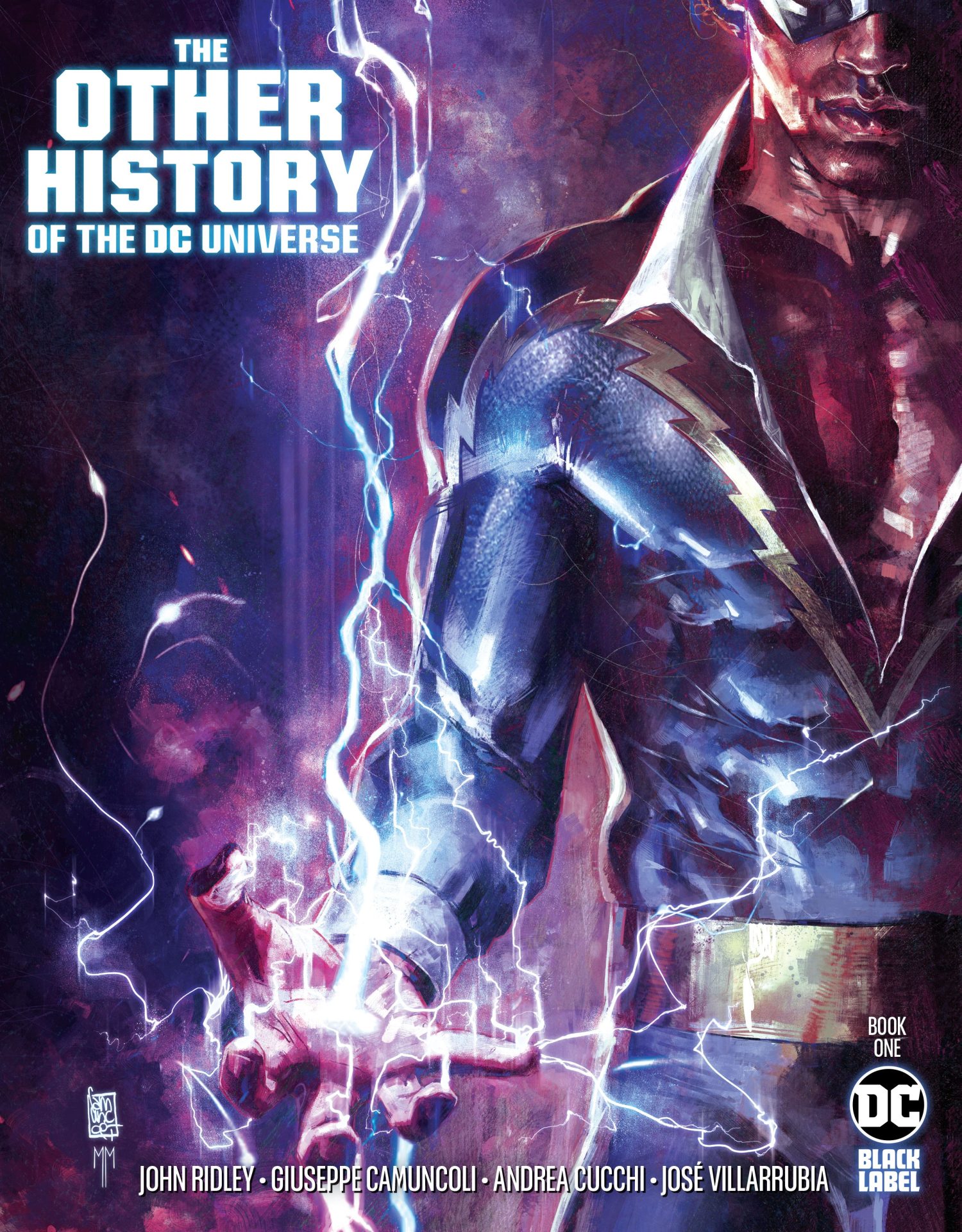
On November 24, John Ridley, Giuseppe Cammuncoli, Andrea Cucchi, and Jose Villarubia provide comic book fans with a new and provocative perspective on the World’s Greatest Super Heroes with the launch of The Other History of the DC Universe, a five-issue bi-monthly (every other month) miniseries that presents major events from throughout DC’s history through the eyes of its heroes of color – Black Lightning, Mal and Karen Duncan, Renee Montoya, Katana and Thunder (Anissa Pierce).

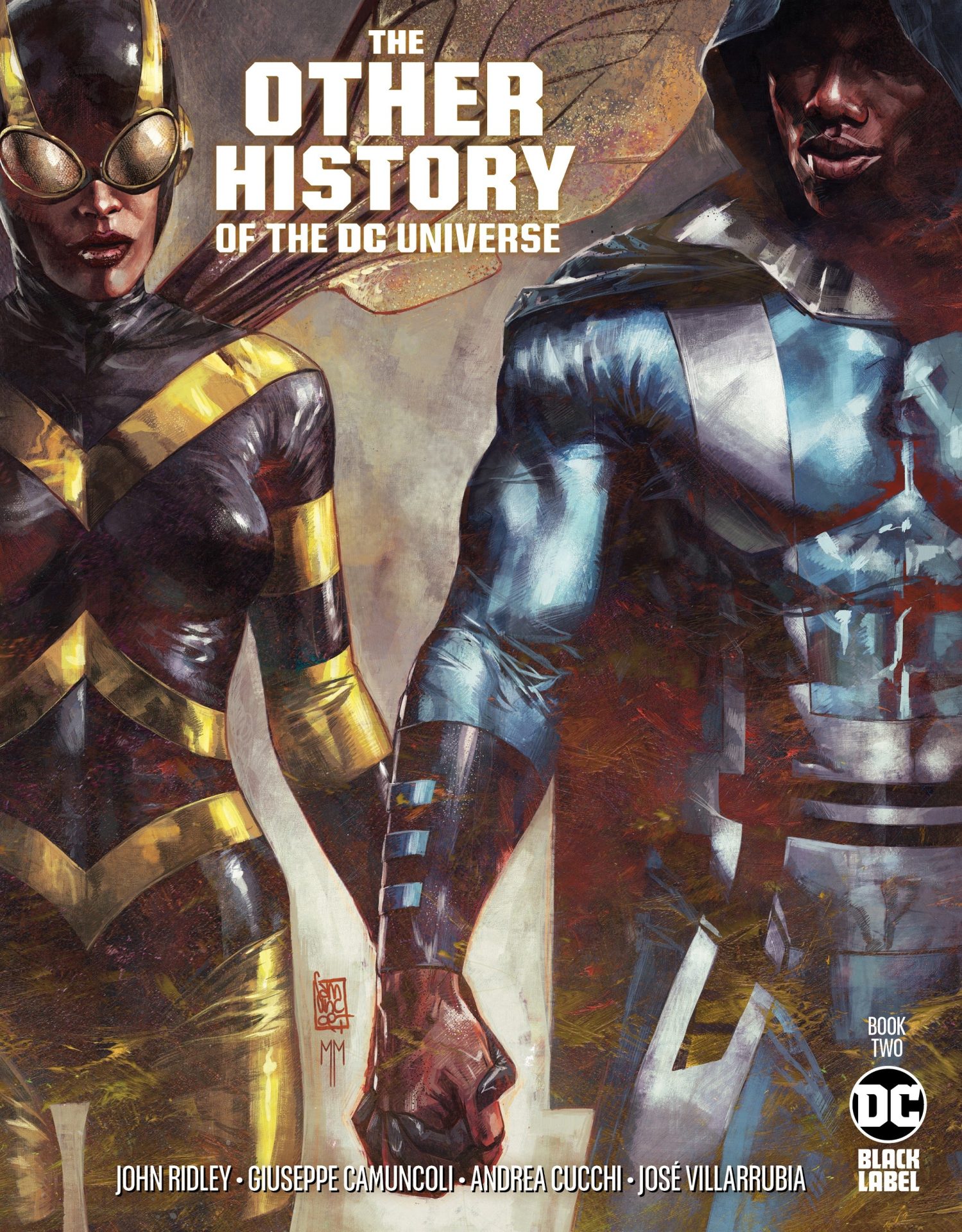
This never-before-told story features breathtaking cover art by series artist Cammuncoli in collaboration with painter Marco Matarazzo, and DC superstar artist Jamal Campbell. DC has revealed two new covers for this groundbreaking series:

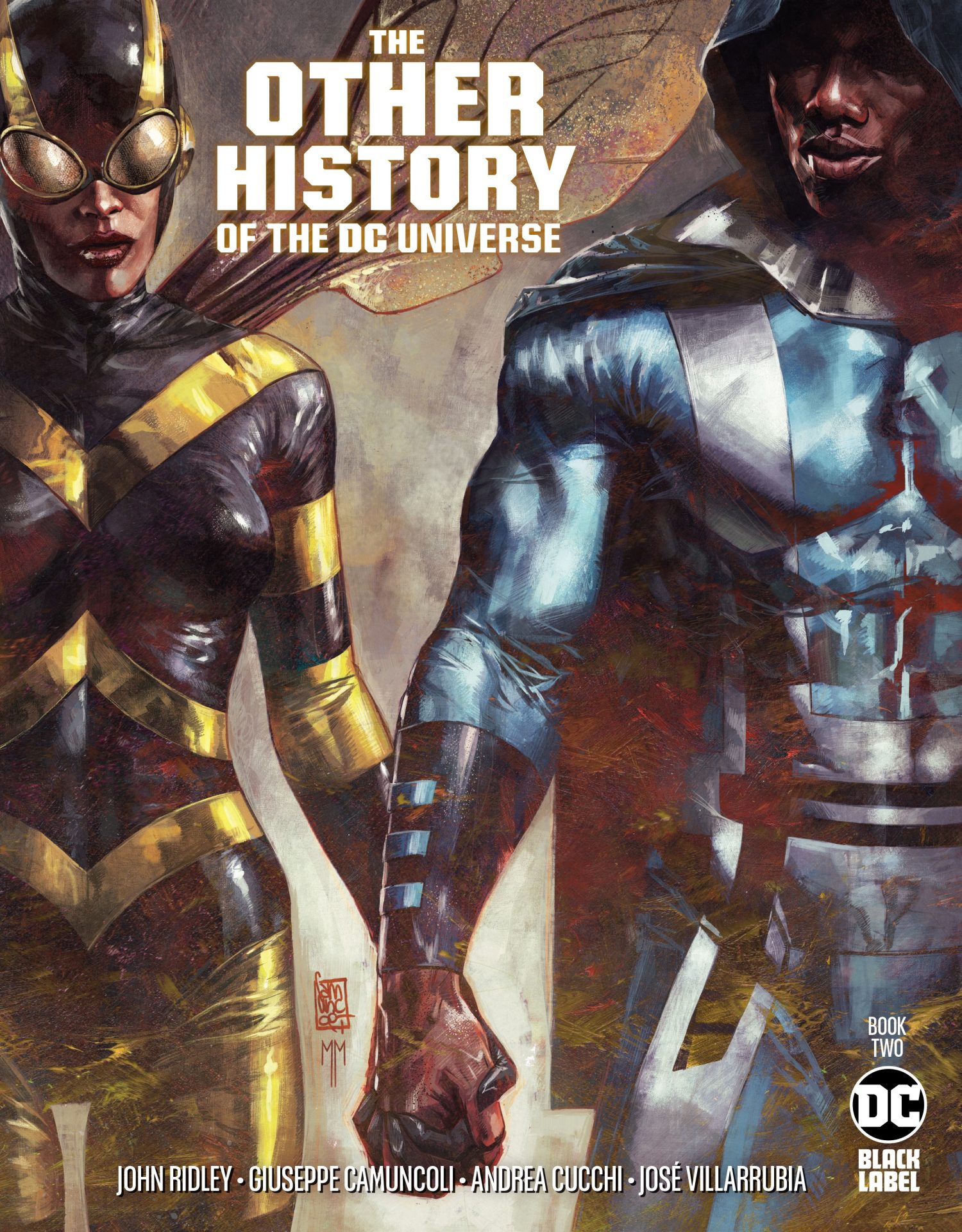
On sale January 26, 2021, Book Two spotlights Mal Duncan and his wife, Karen Beecher-Duncan, also known as Bumblebee. One recently revealed cover for Book Two shows Mal in his costumed identity as The Guardian, while this companion “alternate” cover shows the couple with Mal in his earlier identity as the Teen Titans’ hero, The Herald. 

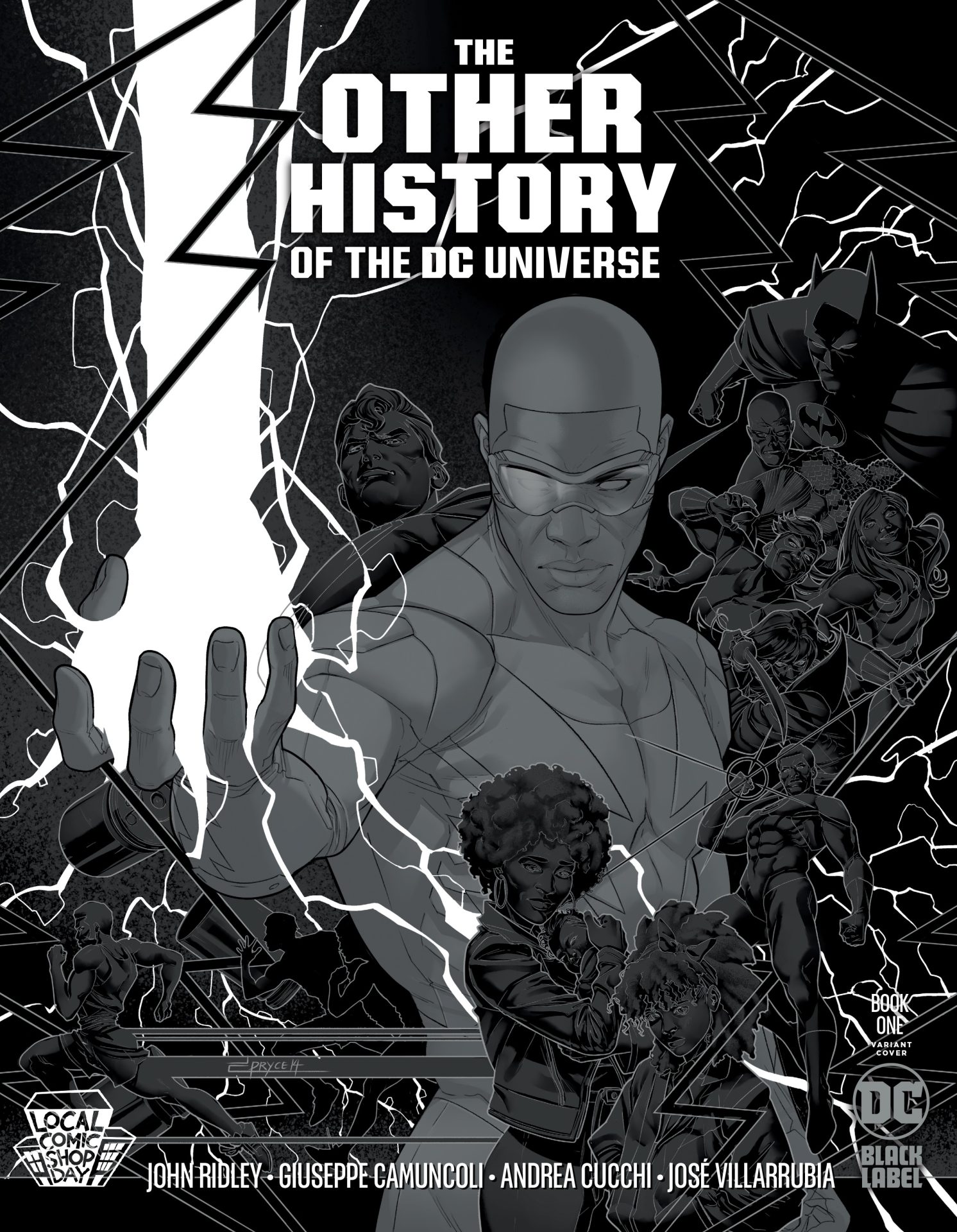
Also, in celebration of Local Comic Shop Day (Wednesday, November 25, 2020), DC has produced the exclusive The Other History of the DC Universe #1 Local Comic Shop Day Edition, featuring a silver metallic ink version of the cover to Book One by Jamal Campbell. Check with your local retailer for more details pre-ordering this fantastic cover.

John Ridley’s The Other History of The DC Universe Finally Arrives in November

This November, fans who have been awaiting award-winning screenwriter John Ridley’s The Other History of the DC Universe haven’t much longer to wait, as DC announced today that the five-issue miniseries will debut on Tuesday, November 24. Joining Ridley on this series are artists Giuseppe “Cammo” Camuncoli, Andrea Cucchi, and colorist José Villarrubia, with covers by Camuncoli (with Marco Mastrazzo) and Jamal Campbell.

Ridley is no stranger to comic book storytelling at DC, having written The Authority: Human on the Inside (with artist Ben Oliver) in 2004 in addition to an issue of the 2005 The Razor’s Edge: Warblade series. Ridley also collaborated with artist Georges Jeanty on the limited series The American Way (2006) and its sequel, The American Way: Those Above and Those Below (2017). On September 29, the Batman: The Joker War Zone anthology will feature a short story by Ridley, with art by Olivier Coipel. 

This five-issue seriesreframes iconic moments from DC history, exploring them through the eyes of DC Super Heroes representing traditionally disenfranchised groups. The series centers around the perspectives of Jefferson Pierce, a.k.a. Black Lightning; his daughter Anissa, also known as Thunder; Mal Duncan (Herald) and his wife, Karen Beecher (Bumblebee); Renee Montoya (the Question); and Tatsu Yamashiro (Katana).

This series promises to be an experience unlike any other. DC fans may think they know the history of the DC Universe, but its true history is far more complex. The Other History of the DC Universe isn’t about saving the world—it’s about having the strength to simply be who you are.

The Other History of the DC Universe debuts at open and operating comic book stores and participating digital retailers on Tuesday, November 24. New issues will ship bimonthly, and the series will carry DC’s Black Label content descriptor, with content appropriate for readers ages 17+.

Recent Entries »