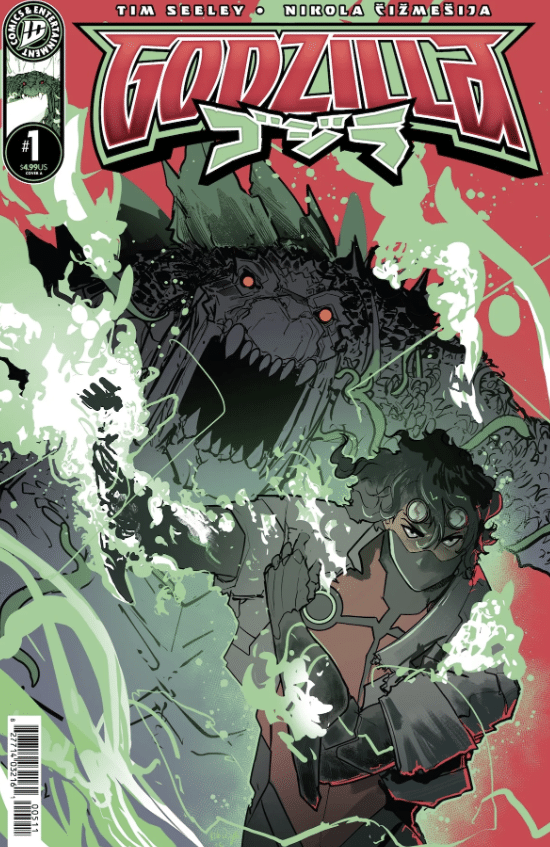
In Godzilla #1, Tim Seeley, Nicola Cizmesija, and Francesco Segala craft an entire universe centered around kaiju and the energy they emit, namely, kai-sei. There are familiar elements from the Godzilla mythos like his emergence in 1954, a hilarious take on Jet Jaguar, and of course, some monsters to fight, punch, and interact them, but Seeley and Cizmesija mix them all together in a way that sustains an ongoing comic book series (With two spinoffs!) instead of just a one-shot or series of miniseries. This first issue introduces our protagonist Jacen Braid, the newest recruit of G-Force, who has big “fight and kill God” energy and a boatload of trauma. There’s definitely some big monster action, but most of what I liked about Godzilla #1 was the interactions between the different G-Force members and their distinct philosophies in handling kaiju.
Godzilla #1 hits the sweet spot between shonen manga and superhero team comics. There’s a true explosiveness to Nicola Cizemesija and Francesco Segala’s visuals, especially the conflicts that center around kai-sei. Speed lines crackle, facial expressions get more dramatic, and special effects lettering from Nathan Widick takes front and center when G-Force goes to war or just spars against one another. Seeley uses the extra length of the issue to build a rapport between the team and drop hints at this brave new world before introducing the series’ hook. Braid is definitely angsty, but he kicks ass. Also, his past trauma makes him easy to empathize with like in a small, touching sequence with his roommate. Finally, he has what I think the kids call “main character energy” as in he’s not a faceless soldier or scientist, but an actual foil for the kaiju.
Godzilla #1 has rich world-building, explosive action, and makes me want to experience more of the universe that IDW is creating featuring the King of Monsters and his monstrous and human friends and enemies.
Story: Tim SeeleyArt: Nicola Cizmesija Colors: Francesco Segala Letters: Nathan Widick Story: 7.8 Art: 8.4 Overall: 8.1 Recommendation: Buy
IDW Publishing provided Graphic Policy with a FREE copy for review
Sometimes, the staff at Graphic Policy read more comics than we’re able to get reviewed. When that happens you’ll see a weekly feature compiling reviews of the comics, or graphic novels, we just didn’t get a chance to write a full one for.
These are Graphic Policy’s Mini Reviews and Recommendations.
Logan
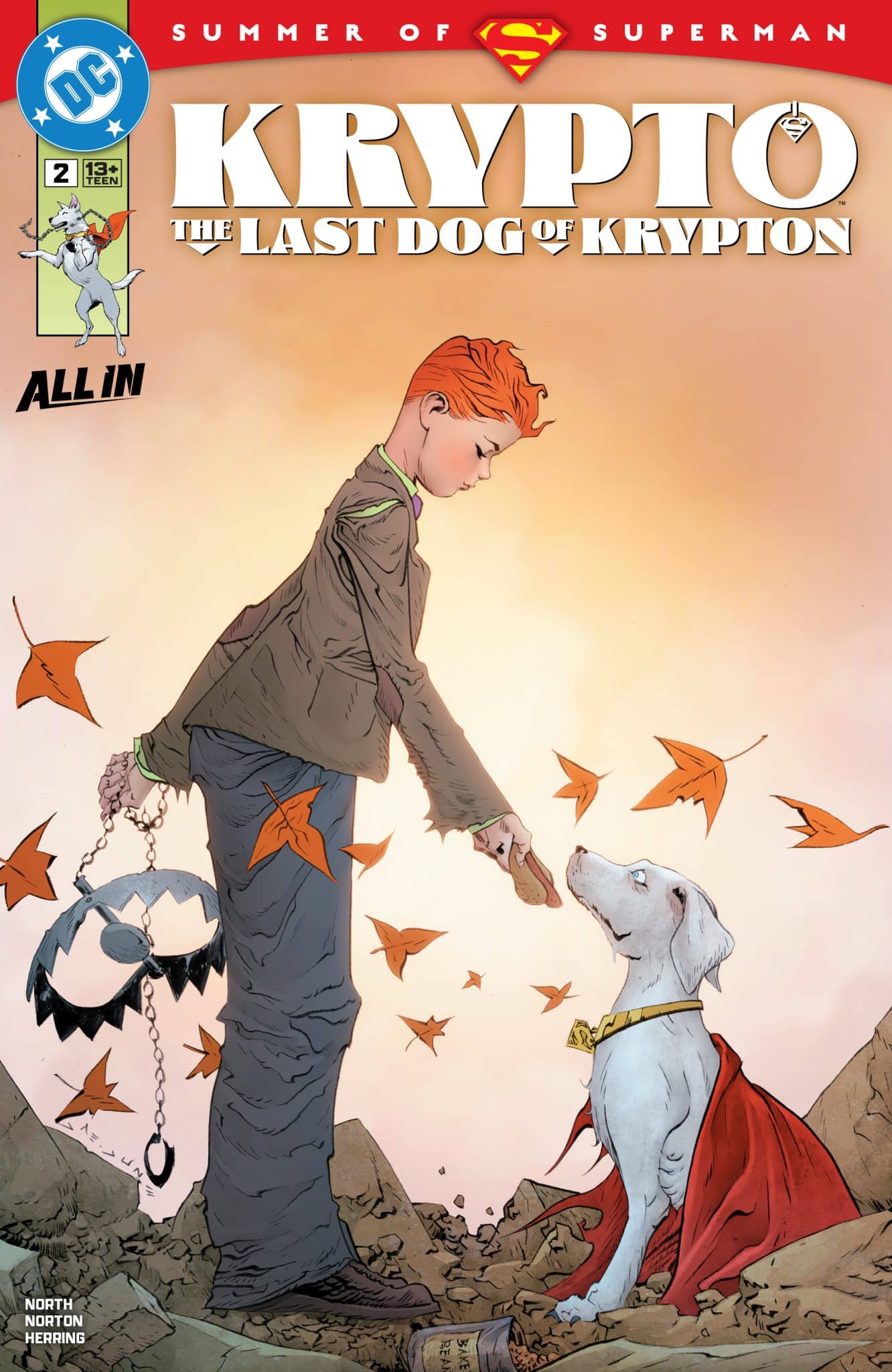
Krypto: The Last Dog of Krypton #2 (DC) – The sentiment that you can see someone’s character by how they treat animals rings true is at the core of Krypto: The Last Dog of Krypton #2 from Ryan North, Mike Norton, and Ian Herring. This is a painful read, and I’m glad North or the editors included a content warning at the beginning because Lex Luthor abuses Krypto throughout the issue while monologuing about how he’s going to run Metropolis beginning by getting his relatives’ life insurance. Norton’s visuals show the lack of a bond between Lex and Krypto building up to a tragic climax, but thankfully it’s not all depressing, and there are moments of escape and relief. Because animals can’t speak and are the best listener, the Krypto series continues to provide insight into key figures from Superman’s life, including his parents in the previous issue and Luthor in this one. I love the seasonal motif to match the tone of the series and the passing of time. While not a “fun read”, Krypto #2 is a powerful chapter in this soon to be evergreen series. Overall: 8.4 Verdict: Buy
Toxie Team-Up #2 (Ahoy!) – The Toxic Avenger, the Jersey Devil, and a shitty diner are a brilliant match in Toxie Team-Up #2 from Stuart Moore and Ryan Kelly. The story pulls at the heart strings with a greytone flashback showing Toxie in his pre-acid days trying to make connections with his quiz bowl teams before being bullied yet again. What follows is chaos, slop flying, and lots of New Jersey references. Toxie fighting crime and talking trash with the help of some hopped up sodas that are probably the hot new thing on BYU’s campus makes for solid reading, and it’s always a treat to have some new Kelly interior art. Overall: 7.6 Verdict: Read
Absolute Batman #10 (DC) – Scott Snyder, Nick Dragotta, and Frank Martin take Batman to his utter breaking point before kind of, sort of building him up in Absolute Batman #10. Batman is probably where he belongs in the private prison of Ark M, and Snyder’s gift for dry, dark humor comes out in the narrative captions describing what he brought to the jail. However, this isn’t a funny comic, but a physically draining one that ends a half-moment of triumph. Flashbacks break up the ordeals that Bruce goes through and sharpen his relationship with his future villains, especially Waylon Jones, who is also a prisoner at Ark M. The camaraderie they had running scams and watching boxing matches together as young men definitely comes in handy in this issue. Also, I can’t continue to heap enough praise on Dragotta’s art and page design. His splash pages are climaxes, and it’s insane how much detail and character he can cram into these multi-panel grid pages. Overall: 8.9 Verdict: Buy
Post Malone’s Big Rig #1 (Vault) – I didn’t know what to expect from recording artist Post Malone‘s venture into comics other than some kind of vehicle, and surprisingly, this was a gonzo good time if you can suspend your disbelief a little bit. Co-written by Malone and Adrian Wassel with gorgeous black and white art from Nate Gooden, Big Rig #1 is about face-tatted priest named John who must save a medieval village from demons with the help of a 18-wheeler that fell from the sky. It has big Devilman energy while keeping things PG-13, and I love how Post Malone and Wassel use the extended page count to flesh out John’s supporting cast. Some of the worldbuilding seems willy-nilly, and the villains are one note, but Big Rig #1 is a ride worth going on, especially if you consider your lucky trucker hat to be Excalibur. The whole vibe of Post Malone’s self-insert character was like someone from GTA popping up in Elden Ring or Dark Souls. Overall: 8.0 Verdict: Buy
Godzilla Destroys the Marvel Universe #1 (Marvel) – Just an absolute fun time of a comic! Gerry Duggan and Javier Garron revel in Godzilla’s insane powers and set the tone by having him solo a Celestial in the first few pages. Godzilla Destroys the Marvel Universe #1 is an all-fight comic, but there is some visual cleverness to it like a fun, cutaway style layout of Quicksilver evacuating a building or the result of Captain America’s shield blocking Godzilla’s nuclear breath. This issue features all the scientists and heavy hitters so looking forward to next issue’s street level-centric battle even more. Overall: 8.6 Verdict: Buy
Even though the Fantastic Four comics kickstarted the creation of the Marvel Universe, their film adaptations have been critically maligned. In the “Fantastic Flops” series, I’m going back and re-evaluating the four previous Fantastic Four films and seeing if they’re a “Flop”, “Bop”, or “In-Between”.
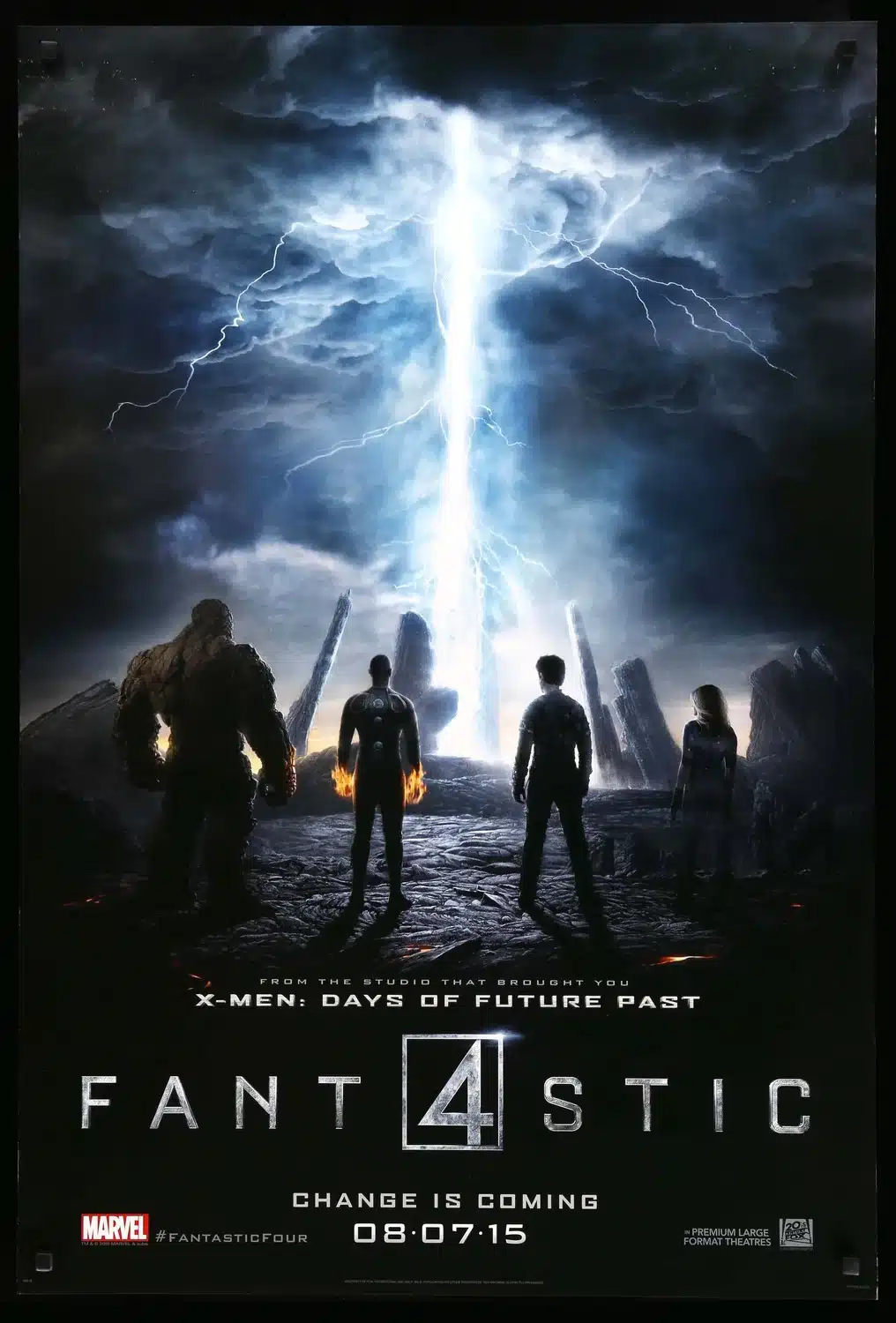
Thinking back to the mid-2010s, it seemed like every studio wanted to do a dark superhero yarn. You had the neck snapping, hero vs hero, nihilist Pa Kent antics of Man of Steel and Batman v. Superman: Dawn of Justice. More successfully, Fox decided go dystopian with X-Men: Days of Future Past before atoning for X-Men: The Last Stand and X-Men Origins: Wolverine with a hopeful ending that was immediately walked back in the final two X-Men films. Even the quippy world of Marvel went to some literal or tonally dark places with Thor: The Dark World, the conspiracy thriller-inspired Captain America: The Winter Soldier, and the collateral damage filled Avengers: Age of Ultron. Instead of providing counter-programming, Fantastic Four goes for a darker, more trauma-filled take on Marvel’s First Family. Even though I enjoyed his directorial debut Chronicle, director Josh Trank lacks even the visual style of Zack Snyder to make the film look memorable even if the tone is dour. However, what really sinks this film is the lack of spark and familial connection between the Fantastic Four even though Reg E. Cathey’s Dr. Franklin Storm does give a few speeches on the topic, and there’s a seemingly tacked on scene on the end to give their “team” a name.
Some tone deaf moments (“Clobbering time” being used by Ben Grimm’s abusive older brother.) and the complete lack of chemistry between Reed Richards (Miles Teller) and Sue Storm (Kate Mara) aside, I honestly don’t mind the beginning of Fantastic Four before they go into the other dimension. I love the scene where Dr. Franklin Storm (A thoughtful performance from the late Cathey) and Sue pluck Reed from the school science fair and let him unleash his passion for science and other dimensions at the Baxter Institute. It’s hilarious that working on an interdimensional transport is Johnny Storm’s (Michael B. Jordan) punishment for illegally street racing. Also, the motivation for their mission is sound as Harvey Allen (Tim Blake Nelson) wants to send trained NASA astronauts to another dimension instead of young science nerds. (He does have a point, but apparently, this Reed Richards is into wanting fortune and fame.)
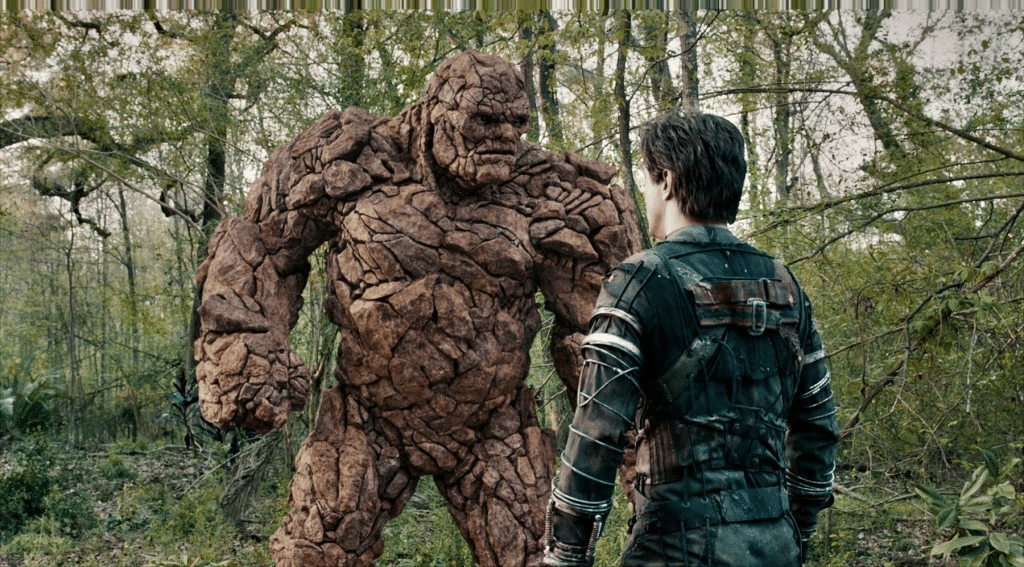
However, the film really goes downhill after we get some genuinely interesting, if a little over-CGIed body horror and transformation takes on the Fantastic Four and Dr. Doom. The Storm siblings are lab rats, Ben Grimm (An unconvincing Jamie Bell) ends up being a super soldier for the US government, and Reed Richards is a fugitive attempting to build an interdimensional teleporter in a cave with a box of scraps. Fantastic Four‘s narrative momentum fizzles and springs back to life with the re-emergence of Von Doom, who has survived his green energy/laundry detergent bath and is extremely pissed off and nihilistic. He also has a death touch and uses it to take out characters played by beloved character actors, Reg E. Cathey and Nelson. (The ending is so rushed that the Storm siblings and Reed don’t even mourn for Dr. Storm before moving into their new space. Earlier, in the film, he had a bit of anti-authority streak, but that has turned into a desire to destroy our Earth and reign over the utter barrenness that is Planet Zero. This involves the cliched glowing portal in the sky, one of the most anti-climactic final superhero battles ever, and Reed Richards playing ring around the rosie with Dr. Doom before Ben Grimm punches him while repeating his abusive brother’s catch phrase.
Other than laughable fight choreography and special effects, the final fight scene in Fantastic Four doesn’t land because it’s Reed, Sue, Ben, and Johnny’s first time working together as a team because they’ve been fragmented throughout the entire film. Logically, Dr. Doom would kick their lackluster chemistry having butts and then portal off to run Latveria or whatever, and the team would come back stronger in the sequel. However, the entire fate of the world is on the line so, of course, they have to win with Trank adding a sliver of unearned hope at the end.
I have to give slight kudos to Josh Trank and writers Jeremy Slater and Simon Kinberg for attempting a different tone than the previous two Fantastic Four films. They draw heavily on the Mark Millar and Brian Michael Bendis Ultimate Fantastic Four, and a lot of the way the government treats folks with superpowers reminds me of the Ultimate Universe trying to find the latest super soldier and fight foreign wars for the United States. Like Chronicle, I think Trank was going for real world plus superhero vibes, but the Fantastic Four isn’t the property you do that with. Planet Zero could have been a Cronenberg-ian take on the “Negative Zone”, but it’s like Mordor in the Lord of the Rings if they got rid of the Orcs, giant Spiders, cool fortresses, and giant Eye and replaced it with the Ooze from Teenage Mutant Ninja Turtles. Characters talk about Planet Zero being this place that could change the fortune of the human race, but the visuals don’t live up to it. Also, the lack of connection between Grimm, Richards, Johnny Storm, and Victor Von Doom accentuates the emptiness of the landscape even more. (It’s so weird to me that Sue isn’t on that first mission, but you have to four sci-fi coffins on your teleporter machine in a Fantastic Four film.)
Fantastic Four (2015) tries to be a dark, Elseworlds-y take on Marvel’s first superheroes, but is crippled by a snooze of a second act, a stinker of a third act, and characters that feel more like co-workers whose shifts occasionally crossover rather than found family squandering the talents for four great young actors in Teller, Jordan, Mara, and Bell. (Casting a Brit as Ben Grimm is a misstep though.) I can definitely see why Stan Lee didn’t have a cameo in this as Trank and cinematographer Matthew Jensen drain the color and wonder out of one of his finest co-creations.
So, it sadly looked like all the previous Fantastic Four film adaptations were flops even though I was very close to ranking the 1994 one as “Mid”. Here is my ranking of all the Fantastic Four films so far, and I’ll be back next week with a review of Fantastic Four: First Steps
Sometimes, the staff at Graphic Policy read more comics than we’re able to get reviewed. When that happens you’ll see a weekly feature compiling reviews of the comics, or graphic novels, we just didn’t get a chance to write a full one for.
These are Graphic Policy’s Mini Reviews and Recommendations.
Logan
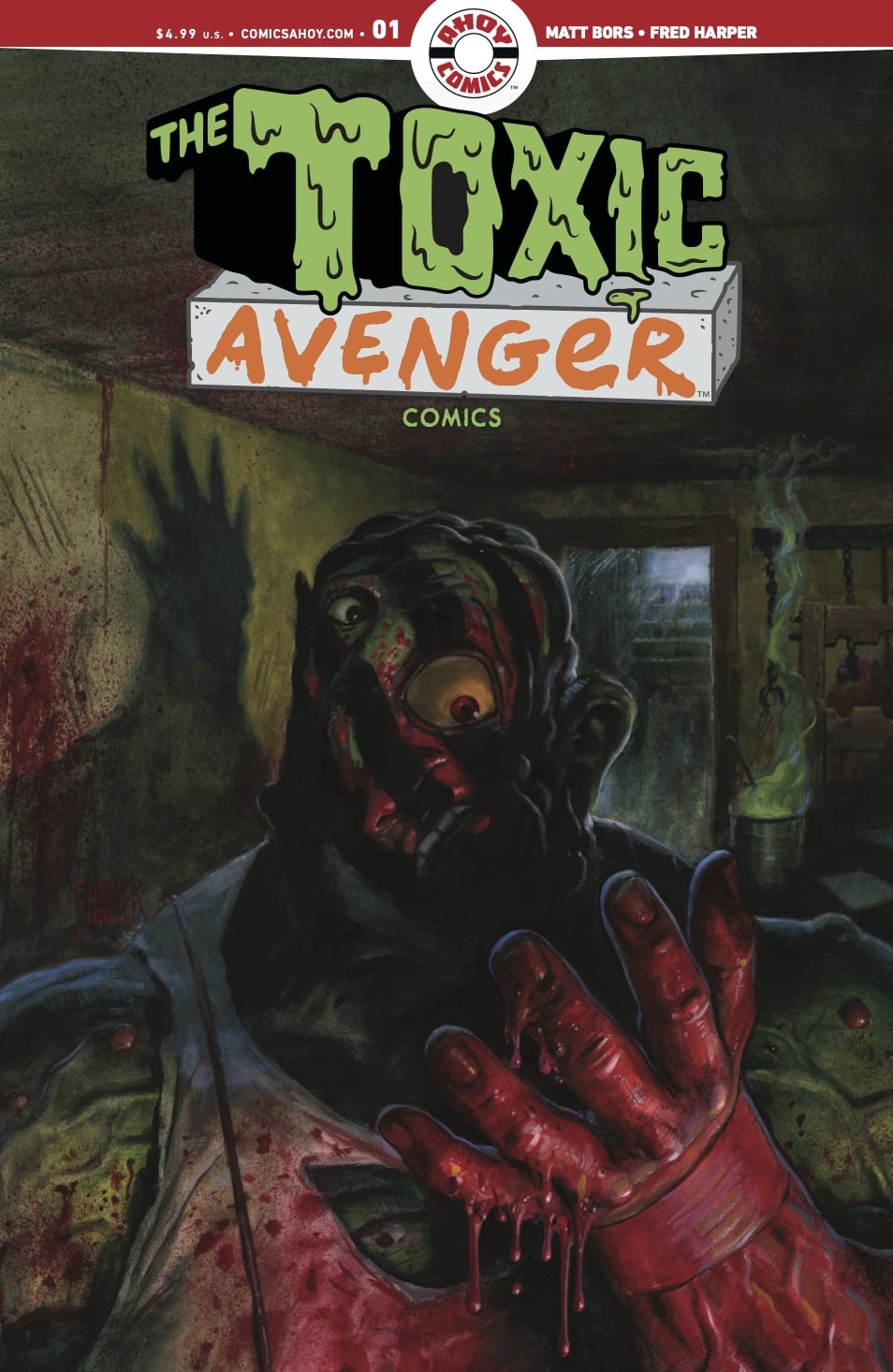
The Toxic Avenger Comics #1 (Ahoy) – Following up on the original Ahoy Toxic Avenger miniseries, Matt Bors and a rotating team of artists showcase life in Tromaville after the toxic waste spill through different genres in The Toxic Avenger Comics. First up is horror, and Fred Harper and Lee Loughridge handle the art duties and bring the creepy atmosphere as Toxie investigates some missing girls kind of, sort of alongside the mother of his bully from the previous series. There’s some gross body horror as well as atmospheric chills, but the book really shines when Bors’ narration captures what it likes to live in a world that has passed you by and abandoned you. The whole wanting to run away, yet staying to fight back is super relatable. Overall: 8.0 Verdict: Buy
The Unchosen #1 (Image) – Writer/artist David Marquez creator-owned debut is an action packed portal fantasy/magical school comic with JRPG elements. Aida is a young girl with unimaginable powers that she must learn to honest with other children like her. This definitely isn’t an original premise, but Marquez and colorist Marissa Louise‘s visuals definitely spice things up. I love the almost painted style they use for the mysterious figures trying to nab Aida. In future issues, I can hopefully fall in love with the character, but for now, I’m mainly digging on David Marquez’s art. Overall: 7.1 Verdict: Read
Marvel Swimsuit Special: Friends, Foes, and Rivals (Marvel) – Marvel brings its iconic Swimsuit Special back with a frame story from Tim Seeley, Tony Fleecs, and Nick Bradshaw and lots of sexy/cheeky/artistic pinups of superheroes enjoy the summertime. I appreciate the anti-corporate/AI art bent of the frame story, and it lands some great gags like the return of the infamous Punisher skull speedo. Also, let’s say there’s definitely equal opportunity objectification. This isn’t the most “substantial” read, but it updates the Marvel Swimsuit for the era of Marvel Rivals and Chat GPT. Overall: 7.4 Verdict: Read/Ogle
Planet Death #1 (Bad Idea) – The first full length issue of Planet Death suffers from similar problems as the zero issue. It has jaw dropping art from Tomas Giorello and Sunny Gho, but the story from Derek Kolstad and Robert Venditti is a little thin. They do capture a feeling of hopelessness as soldiers get mowed down by aliens as they drop on a planet to destroy a weapon throughout the entire issue. I like that we’re immersed in the carnage from page 1, but would like to actually care about the characters. Overall: 6.9 Verdict: Read
Sometimes, the staff at Graphic Policy read more comics, sees more movies, and watch more tv than we’re able to get reviewed. When that happens you’ll see a weekly feature compiling reviews of the comics, or graphic novels, we just didn’t get a chance to write a full one for.
These are Graphic Policy’s Mini Reviews and Recommendations.
Logan
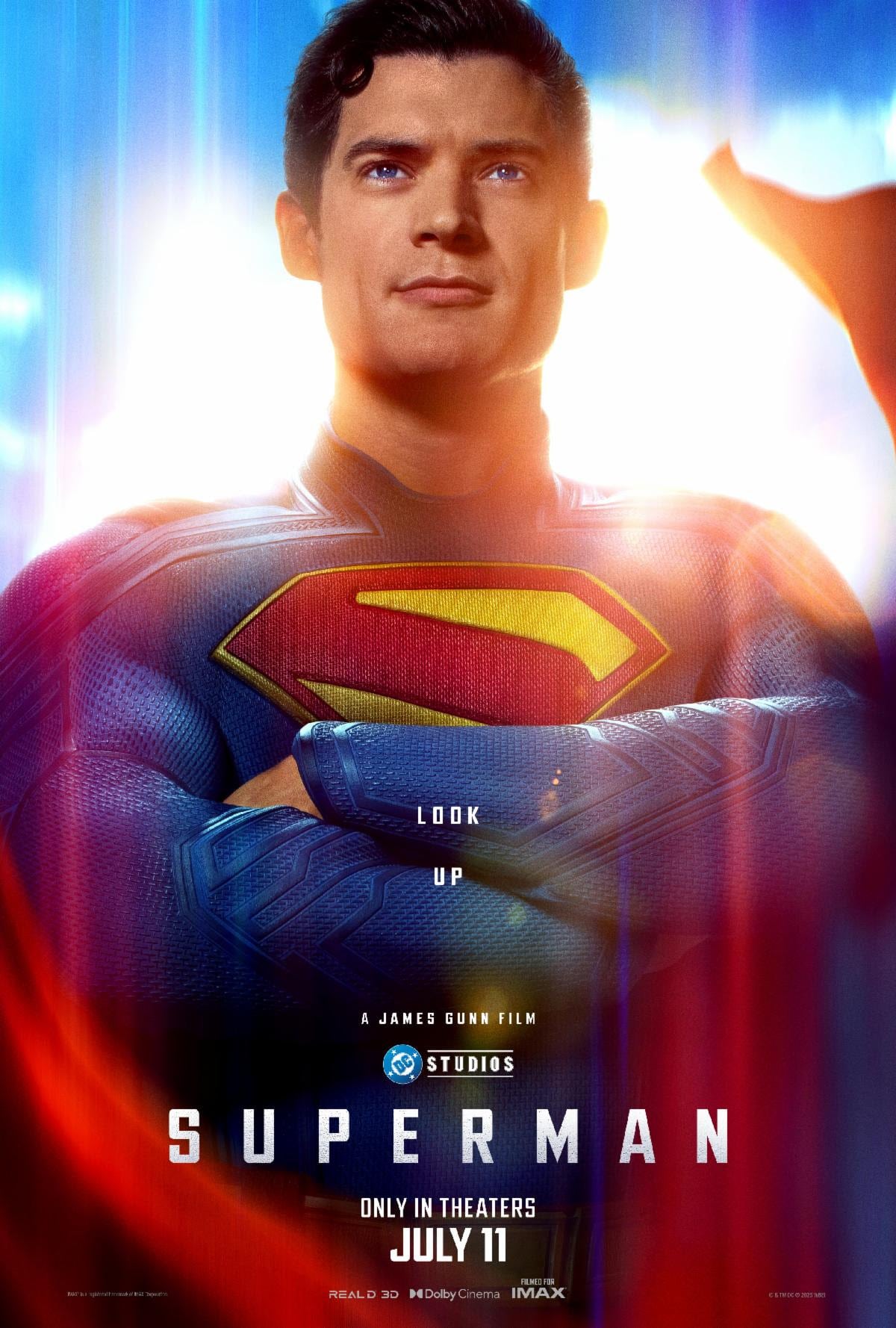
Superman (2025) – Boring, annoying people say Superman isn’t a good superhero because he’s “overpowered”. In Superman, writer/director James Gunn swats that notion away like the Man of Steel does to Lex Luthor’s Silicon Valley rent-a-goons. He begins the story with Superman’s first defeat, and he and a game David Corenswet break down the iconic superhero putting him through the wringer before building up stronger and braver than ever.
Superman takes the sports film formula and throws in a dash of Silver, Bronze, and Copper Age of Comics kookiness while finishing off with a timely helping of contemporary politics. Superman uses otherworldly and crazy sci-fi tech as metaphors to create cathartic hope in a world run by billionaire criminals that sadly aren’t chilling in Belle Reve prison. The film has its preachy moments, but I’m in the choir so I didn’t mind although let’s definitely say that James Gunn has read his Larry Niven.
However, for the most part, Superman is pop rock fun that showcases Gunn’s skill with making it easy to connect with quirky characters in ensemble casts. I came out of the theater clamoring for Superman’s Pal Jimmy Olsen (Skyler Gisondo has the freak factor.), Metamorpho, and a Bwahahaha-type Justice League film while still savoring the triumph of nurture over nature, truth over deception, justice over venality, and populism over plutocracy that I had just witnessed. Also, wow, Corenswet and Rachel Brosnahan have incredible chemistry as Clark Kent and Lois Lane.
Even though the Fantastic Four comics kickstarted the creation of the Marvel Universe, their film adaptations have been critically maligned. In the “Fantastic Flops” series, I’m going back and re-evaluating the four previous Fantastic Four films and seeing if they’re a “Flop”, “Bop”, or “In-Between”.
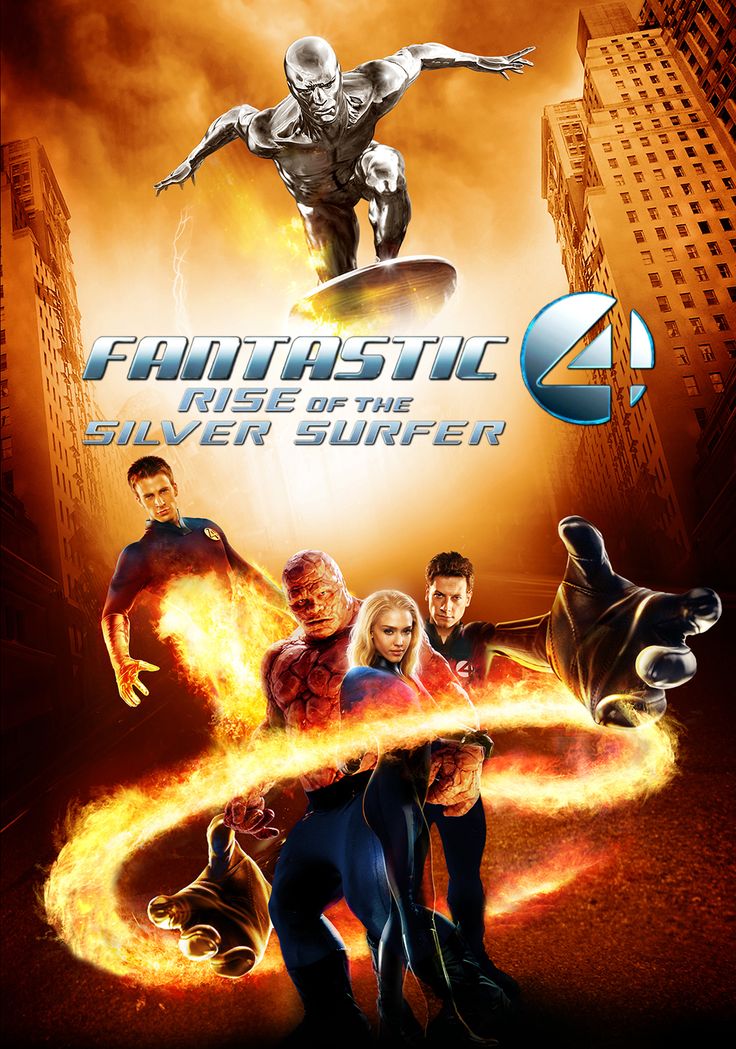
Fantastic Four (2005) did okay at the box office so 20th Century Fox decided to run it back with director Tim Story, co-writer Mark Frost, and the whole cast from the first film, including Julian McMahon as Dr. Doom and Kerry Washington as Alicia Masters. Frost is joined by Simpsons and My Super Ex-Girlfriend writer Don Payne and John Turman, who worked on Ang Lee’s Hulk. In the second and final film in this franchise, they attempt to adapt the iconic Stan Lee and Jack Kirby stories “The Wedding of Sue and Reed” and “The Galactus Trilogy” while also being influenced by the more recently published Ultimate Galactus Trilogy by Warren Ellis and various artists. This latter comic is why Galactus is a mute, amorphous cloud and not the godlike being he’s depicted as in the 616 Marvel Universe. Throw in a subplot where Johnny Storm (Chris Evans) becomes the Super-Skrull plus an appearance of future Herald of Galactus/Nova Frankie Raye (An unamused Beau Garrett), and it seems like Fantastic Four: Rise of the Silver Surfer took some big swings across the board, especially for a movie with a 90 minute run time. However, it’s all strikeouts except for a few funny moments, a cool design for the Silver Surfer (Motion capture by Doug Jones ; voice by Laurence Fishburne), and Ioan Gruffudd finding his backbone in a badass monologue directed at General Hager (Andre Braugher in a thankless role) and taken almost word for word from Ellis’ Ultimate Extinction where Mr. Fantastic uses it to call out Nick Fury.
The initial setup of Fantastic Four: Rise of the Silver Surfer does have some merit. Reed Richards and Sue Storm (Jessica Alba) want to get married, but the world is about to end so they don’t live happily ever after. However, their relationship is built on “Men are from Mars, women are from Venus” stereotypes as all the “will they, won’t they” tension from the first film is gone, and they’re the default couple in this one. In addition to the weakness of this key romance, the characters’ individual motivations are wonky, and their arcs are non-existent. Of course, Johnny Storm wants to be a rich, famous celebrity, and Reed Richards wants to do science, which consists of him fiddling with things that look like Game Boys and Xbox controllers and staring at screens. (We’re one year away from Iron Man, and science looking cool again.) However, Sue Storm just wants to be a trad wife even though she was a genetics researcher in the previous film and shows skills as a mediator and leader in being the first person on Earth to actually have a conversation with the Silver Surfer. There’s also Ben Grimm (Michael Chiklis) who is in a stable relationship with Alicia, and his monstrous nature is played for laughs. He also doesn’t get a lot to do in the action sequences with Human Torch (Thanks to special molecular shifting abilities given to him by the Silver Surfer.) and Invisible Woman running point in that department, and Silver Surfer handling the final fight by himself. It’s an unfortunate waste of a solid performer.
Another character whose appearance in Fantastic Four: Rise of the Silver Surfer is even more unnecessary is Victor Von Doom. There are a couple, hastily edited sequences of him in the shadows tracking the Silver Surfer and then getting his face healed after being zapped by the Herald of Galactus. And, then, Frost, Payne, and Turman take a page out of fellow Fox superhero sequel X2‘s playbook by having the Fantastic Four team up with their worst enemy against an even bigger threat. However, X2 succeeds because Magneto is a sympathetic figure with a genuine friendship with Professor X. The Fantastic Four films hinted at a friendship/rivalry between Reed Richards and Victor Von Doom, but these are just two guys who hate each other and stare at computer screens while Doom gets in the U.S. military’s good graces enough to test the power cosmic and fly around on a surfboard pointlessly extending the run time of the movie. Unlike both the original and Ultimate Universe Galactus trilogies, there’s no plan for taking on the Destroyer of Worlds other than having the Silver Surfer fly at him and sacrifice himself. (Of course, he gets better because studios have been trying to get a Silver Surfer film greenlit since Terminator 2 figured out the cool silver CGI effects.) They’re bullshitting so much that there’s no time for Richards and/or Von Doom to demonstrate their genius beyond a too little, too late appearance of the Fantasticar. Dr. Doom is mainly a boring distraction in the film, and we know even less about Latveria and his connection to them.
Fantastic Four: The Rise of the Silver Surfer is a moronic reflection of both the family dramedy and cosmic sides of the Fantastic Four comics. Tim Story and the screenwriters go for broad punchlines instead of fun character-driven humor even though there are some fun moments like Mr. Fantastic and the Thing cutting it up on the dance floor, or Raye roasting the Human Torch. On the cosmic side, Silver Surfer and Galactus feel like plot elements in a Roland Emmerich film not Biblical, Kirby Krackle larger than life figures although there’s a fluidity to Jones’ mo-cap performance and a majesty to Fishburne’s voice acting. Also, this might be a side effect of 17 years of the Marvel Cinematic Universe, but its world feels hollow and lacks a sense of wonder. Evans and Chiklis definitely had potential in the roles of Human Torch and the Thing, but were ruined by obvious punchlines and plot developments as well as one dimensional villains. Both Fantastic Four films suffer from Story, the screenwriters, and editors William Hoy and Peter S. Elliott not letting scenes breathe and letting us have a chance to know and love these characters. It really needed more scenes like Johnny Storm and Ben Grimm throwing darts (and accidentally burning the dart board) while talking about how they feel about the end of the world.
However, for all the movie’s failings, that John Ottman theme for the Fantastic Four films is pretty epic though!
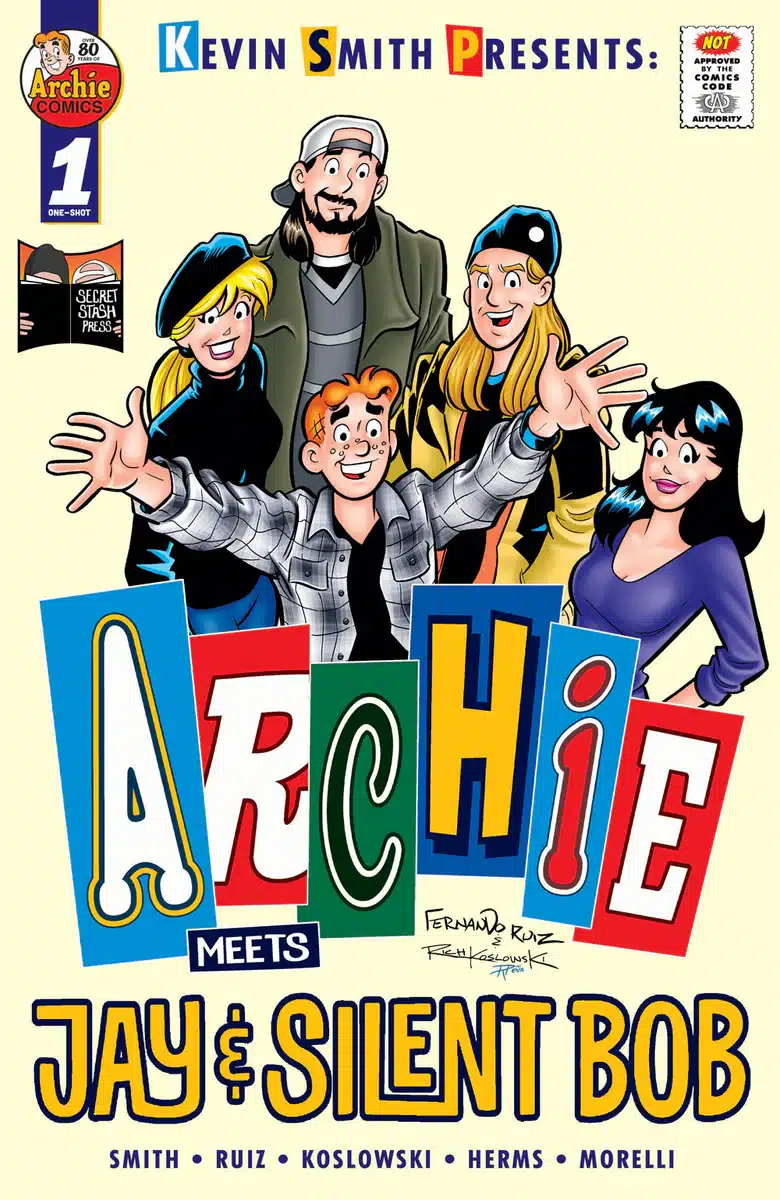
The wholesomeness of Archie Comics’ Riverdale and the (hilarious) crudity of the View Askewniverse come together and are a match made in Heaven in Archie Meets Jay & Silent Bob. Set after the event of Clerks III,Kevin Smith, Fernando Ruiz, Rich Koslowski, and Matt Herms make Archie Andrews the newest Quick Stop clerk after Dante’s passing. Archie immediately brings the drama and love triangles of Riverdale to Red Bank, New Jersey while Jay and Silent Bob bring the (legal) weed and good times with everything crossing over in a massive Josie and the Pussycats concert. Full of callbacks to both properties, stoner comedy hijinks, unexpected pairings, and pop culture references, Archie Meets Jay & Silent Bob is laugh out loud funny and a successful intercompany crossover. (You actually get to kind of sort of see what would happen if Jay and Silent Bob sold weed to the kids in Shermer, Illinois.)
Archie Meets Jay & Silent Bob works as a comic because both universes are similar: slice of life mundanity, but with the occasional heightened moment that takes it into genre territory. Archie Comics are mostly about a teenager deciding what girl to date, but there’s also magic and superpowers going on while the View Askewniverse has angels, God that looks a lot like Alanis Morrisette, and all the weird stuff that goes down in the Jay and Silent Bob duology. But the films set in that universe also tackle mortality, bisexuality, and the shittiness of working a retail job. Both universes are colorful and memorable in their own ways, which makes them both a perfect fit for comics where characters can pull facial expression that would destroy the career of both actor on this side of Jim Carrey.
I love how Smith slowly introduces the more PG-13/R-rated elements of the View Askewniverse world into the comic before setting off Jay like a foul mouthed fire cracker and running for cover while Archie Andrews tries to process the comedic stylings of Jason Mewes’ pencil and ink avatar. He and Ruiz also make fun, little connections between both universes like connecting Jughead to Alyssa Jones from Chasing Amy, which is even funnier if you remember Ewell in that movie talking about Jughead and Archie being gay lovers. Some of the plot points and moments seem self-indulgent and like Kevin Smith recycling his greatest hits, but adding the Archie elements makes them feel fresh and new like a Veronica Lodge-infused take on another Veronica bringing a Quick Stop clerk lasagna. The View Askew characters might be quirky, but there is an earthiness compared to the walking superlatives that are the Archie characters. But Josie and the Pussycats brings them all together, and gives Smith and Fernando Ruiz a chance to riff on big, expensive contemporary concert tours.
One underrated thing about Archie Meets Jay & Silent Bob is how much of a fit the classic Archie house style works for the View Askewniverse characters courtesy of Fernando Ruiz, Koslowski, and Herms whose flat colors make everything pop up from weed smoke clouds to stage lights and Blockchain and Elias’ makeup. (I love that Randal compares Elias to Chappell Roan and wonder what his favorite track is.) Cartoony not realistic is the best approach to these characters, and that’s what Jim Mahfood and Phil Hester did in their View Askew comics. The transition from the “alternative” stylings of Mahfood and Hester to the power pop of Ruiz also mirrors Kevin Smith the artist’s transition from indie filmmaker to nerd-friendly promoter, who still makes indie films. Also, the freckles, cross hatching, and wholesome color palette of Archie softens some of the dirtier jokes while making them even funnier because that’s Archie from the supermarket shelf digests wandering in a haze of smoke at the store formerly known as RST Video, or Jay is getting outsmoked by Riverdale’s own drug dealer and freaking out at the Josie and the Pussycats concert. The Archie house style is versatile for big gestures and slapstick moments, and there’s plenty of that in the book. There’s also a denseness to the humor in Ruiz and Rich Koslowski’s line art in Archie Meets Jay & Silent Bob , and I definitely want to go back and check out all the background references I missed the first time.
Archie Meets Jay & Silent Bob brings big laughs and utter chaos that are much needed in these bleak times. Reading this book is like having a milkshake and/or a blunt with your strangest friends that you have the most amazing times with, and there’s a lot of heart beneath the clever jokes and f-bombs.
Story: Kevin SmithArt: Fernando Ruiz Inks: Rich KoslowskiColors: Matt Herms Letters: Jack Morelli Story: 9.3 Art: 9.1 Overall: 9.2 Recommendation: Buy
Archie Comics provided Graphic Policy with a FREE copy for review
Sometimes, the staff at Graphic Policy read more comics than we’re able to get reviewed. When that happens you’ll see a weekly feature compiling reviews of the comics, or graphic novels, we just didn’t get a chance to write a full one for.
These are Graphic Policy’s Mini Reviews and Recommendations.
Logan
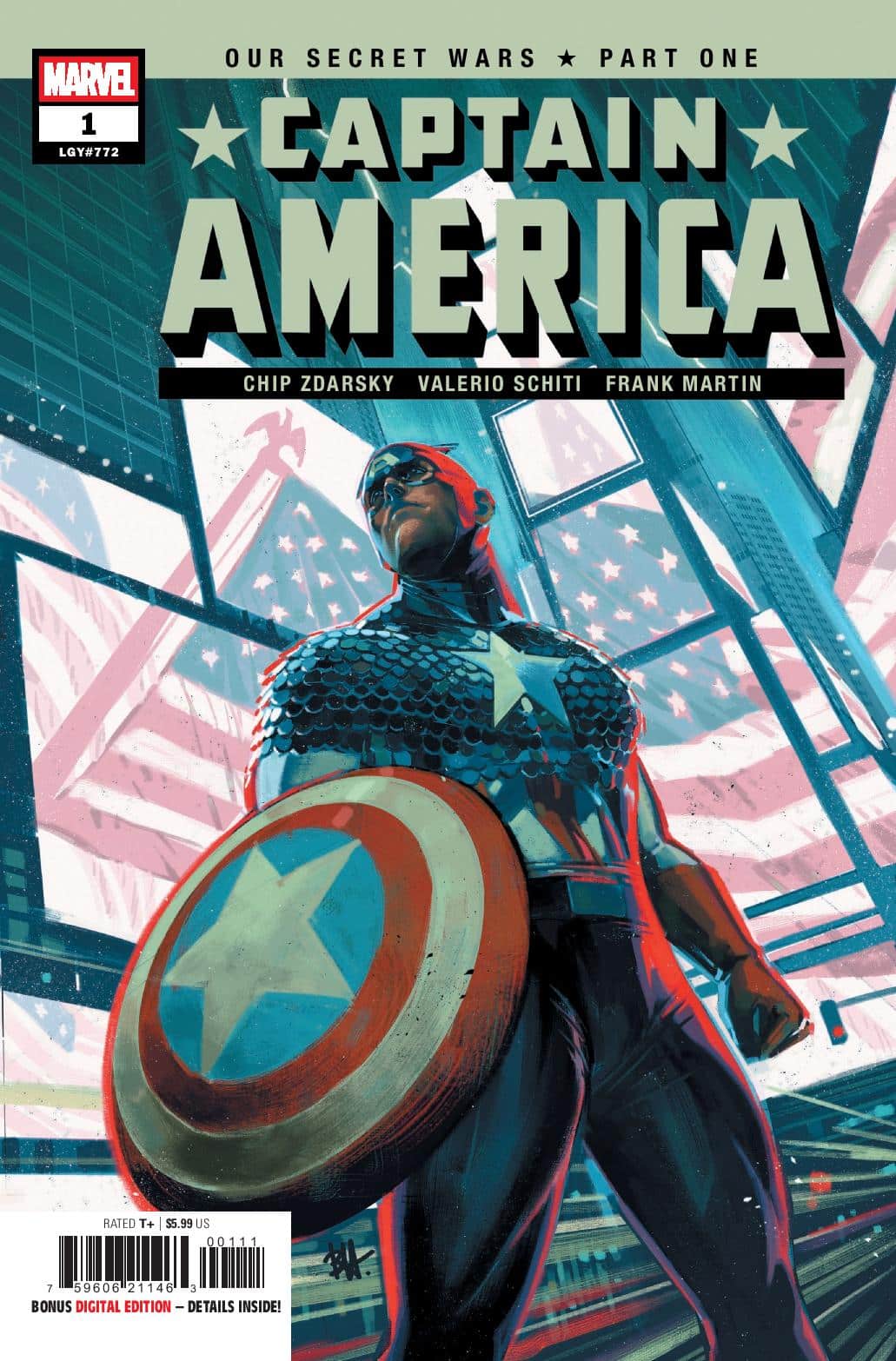
Captain America #1 (Marvel) – Chip Zdarsky, Valerio Schiti, and Frank Martin go for the high concept, no holds barred take on their new volume of Captain America. The series is set in the past in the shadow of both 9/11 and the emergence of superheroes with Cap being one week out of the ice. There’s a feeling of skepticism around superpowered beings with the exception of ones that answer to the U.S. military like Captain America in this case. Captain America #1 sets up Dr. Doom as the antagonist for the Man Out of Time’s first mission and also fleshes out a new partner for him with a similar hatred for bullies and desire to service his country. However, 2001 isn’t 1941 by a long shot. I love how Zdarsky writes Cap coming to grips with the complexities of 21st century, and he and Schiti aren’t afraid to depict him as a larger than life figure. The past setting is honestly freeing for this arc to potentially be an evergreen tale. Also, the early 2000s being the beginning of the age of marvels gives the comic an Ultimate Universe type of vibe, but Chip Zdarsky is a much better writer than Mark Millar so I’m excited to see how he explores the hopes and fears of that time period with more maturity and the benefit of hindsight. Overall: 8.1 Verdict: Buy
Godzilla vs Thor #1 (Marvel) – This series is back to its epic ways as Jason Aaron, Aaron Kuder, and Jesus Aburtov spin a yarn of an epic duel between the God of Thunder and the King of Monsters. There’s a little bit of a connection to Aaron’s Punisher run, but most of the book is a callback to his iconic Thor run with Godzilla taking up the mantle of God Butcher and setting up an eternal battle between god and demon, life and death. Kuder and Aburtov are game with wide screen layouts and gorgeous colors showing the back and forth and destruction of both divine beings. This is a mythic read as well as being a fun coda to Jason Aaron’s Thor run. Overall: 8.9 Verdict: Buy
Godzilla: Heist #5 (IDW Publishing) – Enough sneaking around, Godzilla: Heist #5 is all about the battle royale between Godzilla and Mechagodzilla as Jai is willing to sacrifice his own life to kill the King of Monsters. I love Van Jensen‘s captions for Jai as he calculates ways to get Godzilla away from civilians while also realizing there will always be collateral damage. Kelsey Ramsay draws a bunch of big spreads to show the scale and physicality of the fight scene with destruction raining across the page. The ending is a slight cop-out, but I wouldn’t mind a sequel to this series, or even better having Jai be incorporated in the Kai-Sei era. Overall: 8.1 Verdict: Buy
Even though the Fantastic Four comics kickstarted the creation of the Marvel Universe, their film adaptations have been critically maligned. In the “Fantastic Flops” series, I’m going back and re-evaluating the four previous Fantastic Four films and seeing if they’re a “Flop”, “Bop”, or “In-Between”.
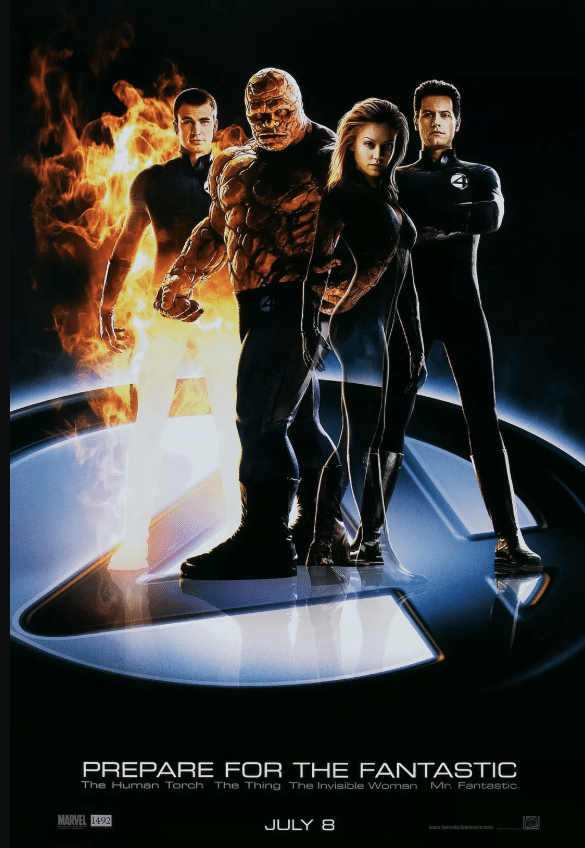
11 years after the first Fantastic Four film was unceremoniously rushed out, 20th Century Fox put out the first proper theatrical film starring Marvel’s first family. Featuring a $100 million budget, a screenplay co-written by Twin Peaks’ Mark Frost and a cast of young, up and coming actors (Chris Evans as Johnny Storm, Jessica Alba as Sue Storm) and steady supporting actors/TV veterans (Ioan Gruffudd as Reed Richards, Michael Chiklis as Ben Grimm, Julian McMahon as Victor Von Doom), Fantastic Four hoped to bring these classic heroes into the new millennium. However, the end product is a film that is ashamed of being a superhero movie and cribs and scenes from the contemporary Sam Raimi Spider-Man and Bryan Singer’s X-Men film while lacking the former’s heart and the latter’s social conscience.
My main takeaway from rewatching the 2005 Fantastic Four film is its derivative nature. Like in Spider-Man, there’s a big superhero action scene on a bridge, but it’s just going through the motions and bringing the team together instead of creating tension in a heroic journey. Explosions, super powers, and special effects just happen willy nilly, and it doesn’t add to the four leads’ character arcs at all. Also, I hate to say this, but McMahon’s Dr. Doom is a defanged, Xerox of a Xerox of Willem Dafoe’s Green Goblin. The scenes where he takes out the board members who denied his IPOs lack the menace and freak factor of similar scenes in Spider-Man. McMahon’s best moments as Von Doom are when he’s looking at his increasingly scarred visage showcasing his vanity, and this is all thrown by the wayside when he puts on the sadly not-so-iconic Dr. Doom mask. Also, Julian McMahon uses a basic, robotic voice for Dr. Doom that makes him seem like a cheesy villain of the week and not the Fantastic Four’s arch-nemesis. Unlike Chiklis, who imbues his performance as The Thing with a gravelly physicality and vocal performance, McMahon loses his edge right before the big superhero/supervillain showdown.
Turning Victor Von Doom into a tech mogul instead of the magic wielding monarch of Latveria really homogenizes the character even though the Doom/Sue Storm/Reed Richards love triangle is a quick, immediate source of conflict. Fantastic Four could be a film about an immigrant trying to assimilate into the United States by being the ultimate capitalist, but Von Doom’s Romani heritage is absent while Latveria only acts as a punchline and a hook for a sequel. Unlike the 1994 Fantastic Four film, the Richards/Von Doom relationship is quickly dashed out through dialogue so director Tim Story can go back to showing off the film’s CGI budget by having Mr. Fantastic turn into a surrealist painting or having lots of “cool” heads up displays as Richards looks for a cure for his and his friends’ conditions. The Von Doom doing corporate espionage on Reed Richards angle definitely plays up his portrayal as a slimy capitalist, but at no time, I felt like Richards was one of the smartest men of the room. Honestly, he reminded me more of early 2000s/married Peter Parker than Mr. Fantastic, but sans quips. Gruffudd doesn’t even get to do a British accent to make the science speak sound better.
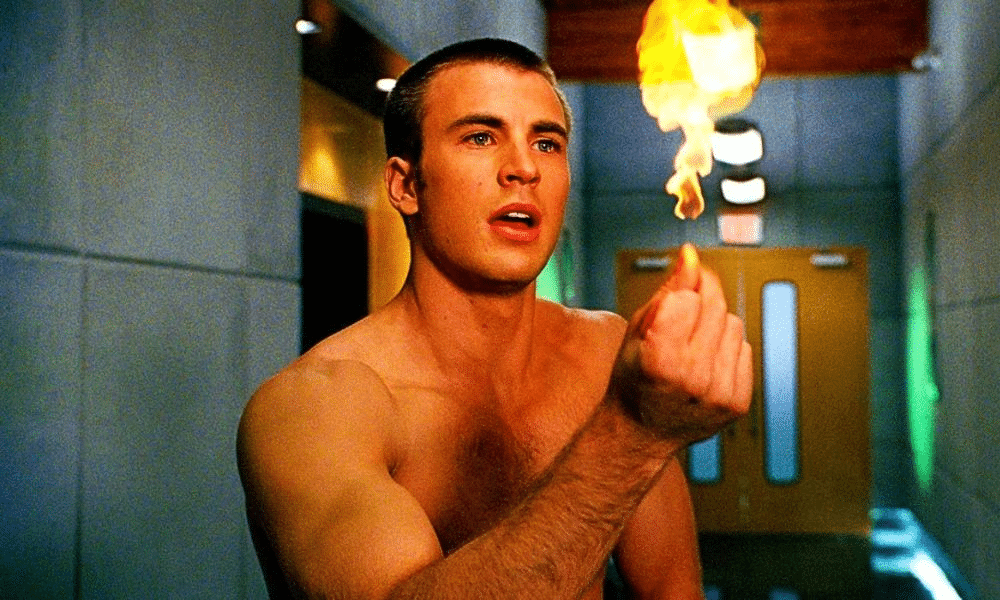
The main positives of Fantastic Four are Evans and Michael Chiklis’ performances as Johnny Storm and Ben Grimm. Even before he gains the ability to burst into flames, Chris Evan oozes charisma and nails the role of douchebag heartthrob. He objectifies women, but does it with a smile and a sense of humor, especially when he’s pranking Grimm. Director Story and writers Frost and Michael France wisely tap into the early-2000s extreme sports zeitgeist with Storm’s character featuring two genuinely fun snowboarding and BMX sequences to show him struggling with his powers before he gains control while still being a show-off towards the end of the film. The nu metal/G-Unit soundtrack and product placement overload date the film while also making it wistfully nostalgic. But what isn’t dated is Chiklis bringing an everyman charm to the role of the Thing as he nails both the sadness of the role as well as Ben Grimm’s sense of humor. He earns the “It’s clobbering time.” moment, and early scenes show a real friendship between him and Richards until the movie designs to drop it for the chemistry-averse Reed/Sue romance. (Also, Grimm would never trust Von Doom even if he bought him a heaping plate of pancakes.
In Fantastic Four, Tim Story, Mark Frost, and France don’t know whether they want the film to be a dysfunctional family drama, straight up superhero film, unlikely heroes sci-fi film, or a glorification of early 2000s celebrity culture. The film feels like a patchwork of scenes and tones before wrapping up with a decent action sequence and a coda that is an homage to Johnny Storm making the Fantastic Four sign in the Stan Lee and Jack Kirby comics as well as a very rushed-seeming proposal from Reed to Sue right as they show a little actual chemistry. But it’s too little too late, and I wish we had more scenes of the team spending time together instead of rushing after each other or being isolated in different rooms. (After they save the day, the Ben Grimm cure plot/superpowers being treated as a disease is conveniently pushed aside and sent back over to the X-Men franchise.)
Looking back, I think the reason I liked this movie as a pre-teen were the aforementioned X-Games tie-ins, onslaught of So-Be product placement, and the attractiveness of Chris Evans and Jessica Alba.
Will the appearance of heavy hitters like Galactus and the Silver Surfer in the sequel improve the film or make it even more annoying, you’ll find out on next week’s “Fantastic Flops” covering this film’s 2007 sequel Fantastic Four: Rise of the Silver Surfer. (Hey, I can do pre-credits stingers too.)
Even though the Fantastic Four comics kickstarted the creation of the Marvel Universe, their film adaptations have been critically maligned. In the “Fantastic Flops” series, I’m going back and re-evaluating the four previous Fantastic Four films and seeing if they’re a “Flop”, “Bop”, or “In-Between”.
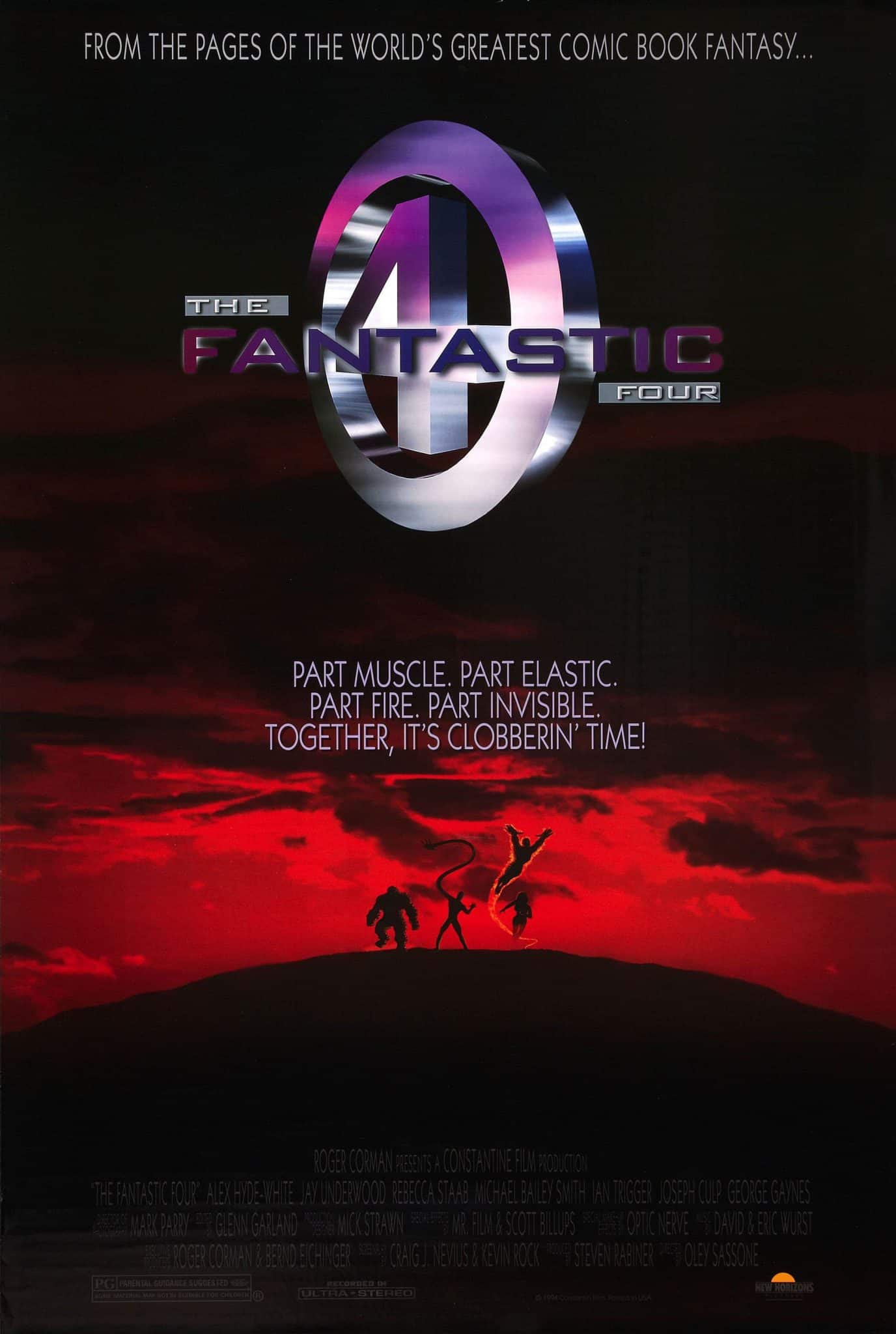
In 1994, German film company Constantin Film was set to release a live action Fantastic Four film that was executive produced by B-movie legend Roger Corman and directed by Oley Sassone, who had done music videos for Gloria Estefan, Eric Clapton, and John Lee Hooker among others. According to a 2005 issue of Los Angeles Magazine, the film was supposed to have a big premiere at the Mall of America, but without much fanfare, it was shelved. The Fantastic Four was never officially released, and reports vary on whether it was ever meant to be released or was hastily produced so that Constantin and executive producer Bernd Eichinger could hold onto the rights for a future film. There is a lot of information about The Fantastic Four’s production, including a feature length documentary, but how does the actual film hold up.
From the cheesy opening credits sequence featuring planets and astronomical phenomena, The Fantastic Four shows every bit of its estimated $1 to $1.5 million budget. Sassone and cinematographer Mark Parry use shoddy trick photography to show off Reed Richards’ (Alex Hyde-White) stretching ability including the film’s infamous final shot of his arm waving like the inflatable thingmajigs you see outside cellphone stores. More cleverly, they take a 1966 Batman approach to action with animated images of the Thing and punching sound effects filling the frame instead of actual fight scenes. Thankfully, invisibility is the lowest budget superpower ever, and I got some dark laughs from Sue Storm (Rebecca Staab) disappearing, and two henchmen shooting each other. Unfortunately, the Human Torch’s (A hyperactive and irritating Jay Underwood) big scene where he goes nova into Dr. Doom’s death laser is ruined by a patchwork hybrid of early CGI and animation. Honestly, a fun stylistic choice in this scene would be using the original Jack Kirby Human Torch illustrations and putting them into motion like the 1967 Fantastic Four cartoon. To end my special effects gripes on a positive note, I do adore the tactility and texture of the rubber suit that The Fantastic Four crafts for The Thing (Suit actor/stuntman Carl Ciarfalio)
Visual limitations aside, The Fantastic Four is fairly faithful to the spirit of the Stan Lee and Jack Kirby comics with each team member’s superpowers connecting to their personalities. The use of character actors instead of movie stars gives the film a down-to-Earth feel. Also, Fantastic Four are portrayed as accidents and monsters not superheroes like in their initial appearances. One of my favorite sequences in the film is The Thing wandering off and being shunned by regular people, but finding companionship and worship by the Jeweler’s (A very creepy Ian Trigger) minions. It drives home the point that while Reed, Johnny Storm, and Sue Storm can live fairly normal lives with their abilities that Ben Grimm’s (Michael Bailey Smith) life has irreversibly changed. However, his connection to Alicia Masters (Kat Green) still roots him in humanity so he doesn’t fall into villainy and arguably is the most heroic character of all in the film. This heroism is set up earlier in the film when Grimm risks burns to rescue Victor Von Doom (Joseph Culp) from an experiment gone wrong.
Culp probably gives the strongest performance in the film in the dual role of Victor Von Doom and Dr. Doom. He goes from a weird, slightly off-putting college student to the ultimate supervillain even if his voice is muffled by the comic book accurate Dr. Doom suit. (Ciarfalio has this issue as Thing too, which messes with the timing of his one-liners.) Oley Sassone does a lot of money-saving extreme close-ups on Doom’s face, but Joseph Culp exudes real menace, especially when he finally decides to get his hands dirty. I also love the hints of Doom as manipulator like when he lets the Jeweler sabotage the diamond that powers Reed Richards’ ship instead of committing his men to the fray, and how he shrinks from humanity when Richards tries to appeal to their own friendship. It reminded me a lot of Obi Wan and Darth Vader in a good way, which makes sense because Doom and Darkseid may have influenced George Lucas’ creation of Darth Vader. In both the portrayals of Doom and the Jeweler (A less scientific Mole Man with just a drop of Puppet Master.), Sassone and screenwriters Craig J. Nevius and Kevin Rock embrace the classic comic book villain without any attempt at irony.
Speaking of screenwriting, it’s the rushed nature of The Fantastic Four‘s storyline that drops the film from “In-Between” into “Flop” territory. A la David Lynch’s Dune, if you’re not familiar with the Fantastic Four, a lot of the moments in the story can be confusing like why Reed Richards’ landlady’s children are on the test flight with him and Ben Grimm, or why Grimm is in love with a woman that he awkwardly bumped into once on a flight of stairs. The Fantastic Four has a 90 minute running time, which leads to establishing scenes getting cut especially with the film having two villains, a flashback with Richards and Von Doom in college, telling the team’s origin story, and featuring the marriage of Reed and Sue. Nevius and Rock definitely should have included a scene showing Johnny and Sue connecting to Reed’s work (Instead of one of him being super creepy to an underage Sue, played by Mercedes McNabb aka Harmony Kendall from Buffy the Vampire Slayer.), one setting up Dr. Doom’s whole deal in Latveria, and maybe Thing and Alicia Masters getting to know each other at the Jeweler’s place instead of skipping straight to “I love you”. There’s definitely a feeling that the screenwriters want to get to the cool highlights of the Fantastic Four’s early career without the connective tissue that make these moments so memorable. At least, they didn’t try to shoehorn Silver Surfer or Galactus in the film.
Featuring scrappy character actors instead of Hollywood stars, a shoe string special budget, and a real love for the classic Stan Lee and Jack Kirby Fantastic Four comics, The Fantastic Four unexpectedly charmed me, especially since I have a soft spot for unpolished B and Z-films. However, the film’s rushed pacing and some truly moronic plotting decisions as well as the creepiness of characters like Reed Richards and the Jeweler keep it from being something I would ever revisit. I do love the similarities in the characters’ suits in The Fantastic Four and Fantastic Four: First Steps.