Author Archives: Logan Dalton

Fantastic Flops: Fantastic Four (1994) Season 1 is an Exercise in 90s Cheesiness

In a continuation of the “Fantastic Flops” series, I’m going back and re-evaluating the 1994 and 2006 Fantastic Four cartoon as well as the 1998 Silver Surfer seriesand various crossovers and seeing if they’re a “Flop”, “Bop”, or “In-Between”.

The 1990s are seen as somewhat of a golden age for superhero cartoons with such classics as Batman: The Animated Series and X-Men: The Animated Series as well as Superman: The Animated Series and Spider-Man: The Animated Series. One show that doesn’t seem to get as much love of these is the 1994 syndicated Fantastic Four cartoon that aired with episodes of Iron Man as part of The Marvel Action Hour. In fact, contemporary Fantastic Four comic book writer Tom DeFalco made fun of it in Fantastic Four #396 where replacement team member Scott Lang roasts the show while ribbing The Thing.

Fantastic Four‘s animation is nothing to write home about with the exception of some cool monster designs for Namor and Mole Man’s denizens as well as a very Jack Kirby-accurate Blastaar. Mr. Fantastic’s powers definitely will always look better in this medium. On the writing and story side, showrunner Ron Friedman and his cohorts Elwin Ransom (So cool that they have the same name as the protagonist of C.S. Lewis’ Space Trilogy) and Don Segall’s scripts fluctuate from poignant adaptations of the source material to chaotically humorous (See “The Mole Man”, especially Johnny Storm’s rap because voice actor Brian Austin Green wanted to have a hip hop career.) or intelligence insulting (Both Skrulls episode.) This is a show that jokes about Prince Charles dating Roseanne Barr and features guest spots from Dick Clark and Gary Owens in the two part pilot, but also the solution to defeating various villains comes up in unrelated conversations between Mr. Fantastic and other members of the team. It also loves a running gag and catch phrase, which makes sense for the team that brought you “Flame on” and “It’s clobberin’ time”, but I swear if I have to hear the Thing say “One for the money, two for the show”, I might cancel my Disney Plus subscription. (I do enjoy the Thing’s obsession with Wayne Newton, and how he fights with Johnny Storm when he tries to burn them up.)

The mediocre “Mask of Doom” three-parter is the Fantastic Four show in a nutshell. It begins with the Thing poorly following a TV yoga workout and follows with 2 episodes of he, Mr. Fantastic, and the Human Torch dodging various Dr. Doom death traps while he mansplains his origin story to the Invisible Woman. The third part is an anachronism-filled time travel caper set in 4th century BCE Greece that has big Bill and Ted energy, especially when the Human Torch romances a Greek oracle. The extended theme song, credits, and “previously on” recaps really eat into the runtime of the episode, and important plot points like Victor Von Doom’s relationship with Reed Richards as a college student is quickly glossed over so the team can run around in creepy passageways. Dr. Doom’s origin story should have been the A-plot, and the action hijinks should have been the B-plot, but Friedman and Ransom flip that dynamic. One thing I will say about the Fantastic Four cartoon is that your never more than a few minutes away from the Thing punching something and generally crashing out.
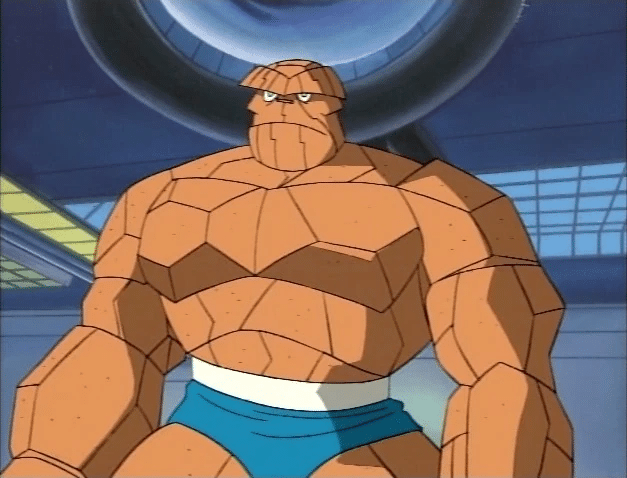
I briefly mentioned the two Skrulls episodes as being the low points of Fantastic Four, and they are along with “Behold the Negative Zone”, which shows that Annihilus and Blastaar are more interesting in their own world than on Earth. Despite having a vast invasion fleet and a warrior with all the powers of the Fantastic Four plus hypnosis, the Skrull never come across as a threat. Friedman, Ransom, and Segall would rather do a cheap imitation of basically Mars Attacks (Which hadn’t come out at the time of the cartoon.) than dig into Marvel’s rich cosmic tapestry. The most memorable moments from this episode are finding out that the Thing didn’t vote for Bill Clinton in the 1992 presidential election, and that he has bars. Seriously, he spends the entire “Super Skrull” episode trying to film a rap rock video for MTV, one of his many attempts throughout the season to capitalize on his fame as a member of the Fantastic Four to make money.

The high point of Fantastic Four other than the utter silliness of “Mole Man”, which also features Reed Richards and Human Torch/his spoiled girlfriend Melinda and Sue Storm and the Thing working as pairs, is the “The Silver Surfer and Coming of Galactus” two-parter. The scene where Alicia Master senses the Surfer’s humanity and kindness and compares it to Ben Grimms is played beautifully by Pauline Lomas and Robin Sachs. Also, Alan Oppenheimer and Shakespearean actor Tony Jay bring a real direness and grandeur to the episode as Uatu the Watcher and the Devourer himself with the Fantastic Four facing their greatest threat yet. And while this is going on, they’re facing eviction from their landlady Ms. Forbes in a take-it-or-leave-it performance from Joan Lee, who did a much better job as Madame Web in Spider-Man: The Animated Series. Dealing with every day struggles while facing the end of existence and finding the good in antagonists is Marvel at its finest, and these plus the YouTube clip of Johnny Storm rapping are the episodes of this series you should watch.

The framing narrative of the two-part pilot of Fantastic Four set at a Dick Clark telethon reminded me a lot of how Fantastic Four: First Steps told the team’s origin. Even though the film was set in the 1960s and the show was set in the 1990s, it hops right to the adventures with the Fantastic Four being a known entity with recurring foes, a relationship with the US government (And a nagging landlady), and as public figures. The 2025 film handles these elements in a much more interesting way, but it’s also a PG-13 blockbuster film and not hamstrung by the need to sell toys to cereal eating children and maybe a stoner or two. I really wanted to give a “Mid” score to Fantastic Four Season One, but am choosing to get a “Flop” instead because there is definitely potential for improvement as evidenced by a season finale that balances pathos (Silver Surfer must doing something heroic without his abilities.) and humor (A few meta jabs at their Action Hour compatriot Iron Man). If anything, the theme song is an ear worm!

Overall Verdict: Flop
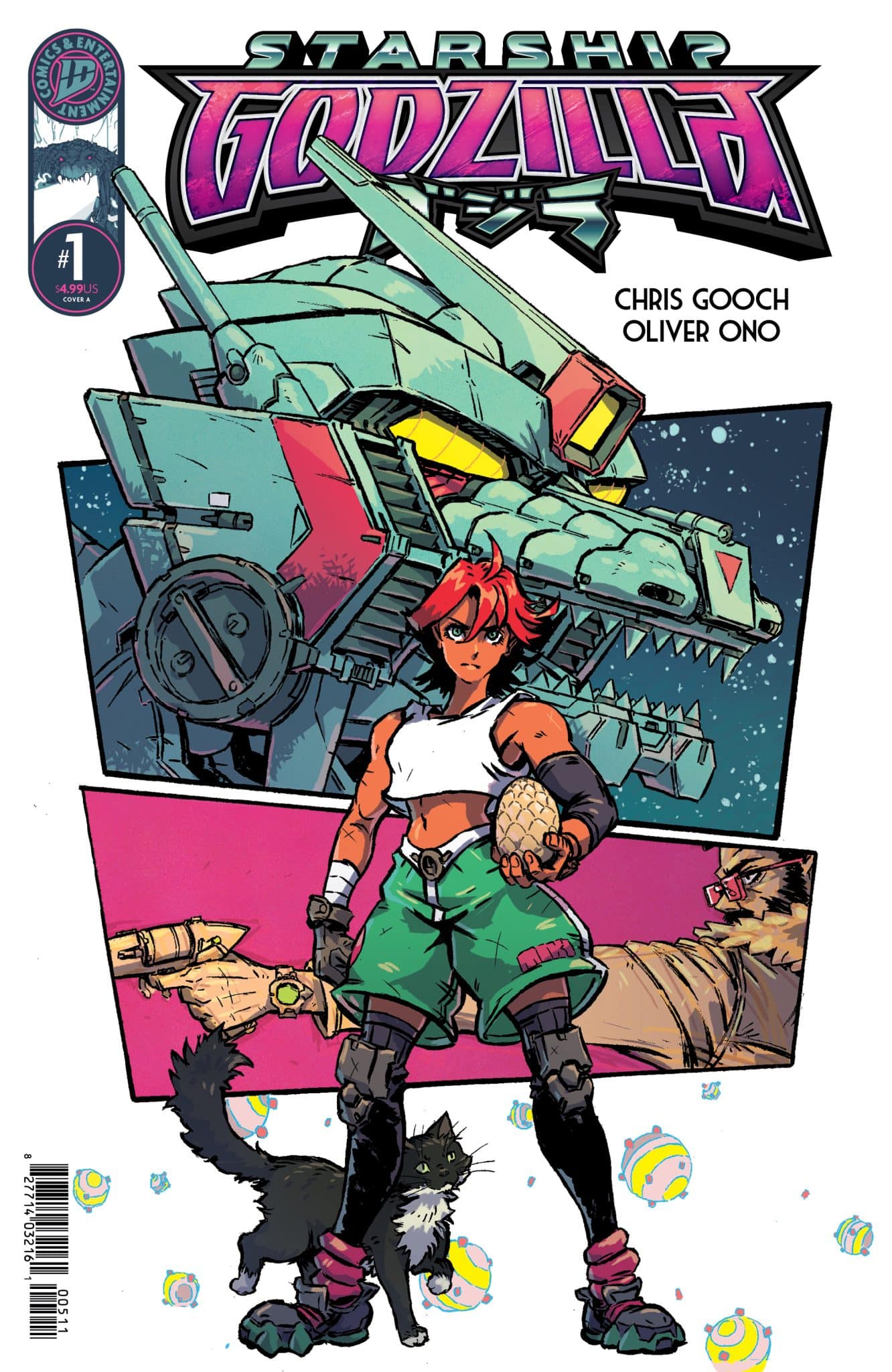
Early Review: Starship Godzilla #1 transports monster stories to another galaxy

Starship Godzilla #1

Godzilla has found his way to outer space in several films, but Starship Godzilla #1 doesn’t feature the titular monster and instead is a Cowboy Bebop-type saga of a crew of scrappers in the titular ship, which bears a resemblance to Mechagodzilla. Chris Gooch and Oliver Ono‘s first installment is heavy on the action beginning at an intergalactic auction where protagonists Captain Rohan, Ayan, and their “person in the chair” Ilsa are snagging kaiju eggs to sell for a tidy profit. These various exciting sequences set up the crew’s dynamic without being dragged down by exposition. There’s also a cute cat named Ralphy involved that could give Jonesy or Ein a run for their money.

Ono’s line art and colors continues the anarchic feel of the Kai-Sei era while bringing a unique sci-fi flair out of bande desinees or manga/anime like the aforementioned Cowboy Bebop, Space Battleship Yamamoto, and Captain Harlock. I love his adorable, yet creepy creature design, and how he makes the color palette explode on the page, especially during one of the many chase scenes. However, Oliver Ono also does some killer splash pages like the initial reveal of Starship Godzilla establishing Rohan and company as a well-heeled group although Gooch’s script keeps most character backstory and information close to its chest. There’s enough information to run through the original plot and keep the action going, but plenty of mystery for this ongoing series to unlock.

Starship Godzilla #1 transports monster stories to another galaxy as Chris Gooch and Oliver Ono craft an interstellar black market to offset what’s going on the ground in this new era of GodzillaI like the unique personalities they craft for this book’s lead characters as they understand that a good sci-fi story lives and dies by the chemistry of its crew. As well as having fast-paced action, Starship Godzilla also shows the reactions of various individuals to the kaiju phenomenon from profit to keeping them as pets or even killing ’em all. With its combination of the kaiju and space opera genres, Starship Godzilla might be my favorite launch title of the Kai-Sei era and its physical distance from other events in this universe make it fairly standalone too if you’ve ever read a comic or watched a movie, TV show, or anime with a spaceship or giant monster in it.

Starship Godzilla #1 arrives in comic shops on October 1.

Story: Chris Gooch Art: Oliver Ono Letters: Hassan Otsmane-Elhaou
Story: 8.0 Art: 8.6 Overall: 8.3 Recommendation: Buy

IDW Publishing provided Graphic Policy with a FREE copy for review

Mini Reviews: Cul-De-Sac #1, Captain America #2, and Ancestral Recall #1

Captain America #2

Sometimes, the staff at Graphic Policy read more comics than we’re able to get reviewed. When that happens you’ll see a weekly feature compiling reviews of the comics, or graphic novels, we just didn’t get a chance to write a full one for.

These are Graphic Policy’s Mini Reviews and Recommendations.

Logan

Cul-De-Sac #1 (Bad Idea)Mike Carey and Jonathan Wayshak team up on an interesting riff on the vampire genre that humanizes both the hunters and the monsters that they’re after. The stories focuses around a powerful vampire clan called the Necratil that can have children, live basically normal lives, and super scarily, drain the life out of their prey instead of sucking their blood. I love the normalcy with which the vampire kids are portrayed compared to the vampire hunters without taking away the air of menace. And on the art side, Wayshak has a little bit of that Richard Corben flair for any time someone is doing something monstrous and does a little classic newspaper cartoon style for the more mundane moments. Overall: 8.0 Verdict: Buy

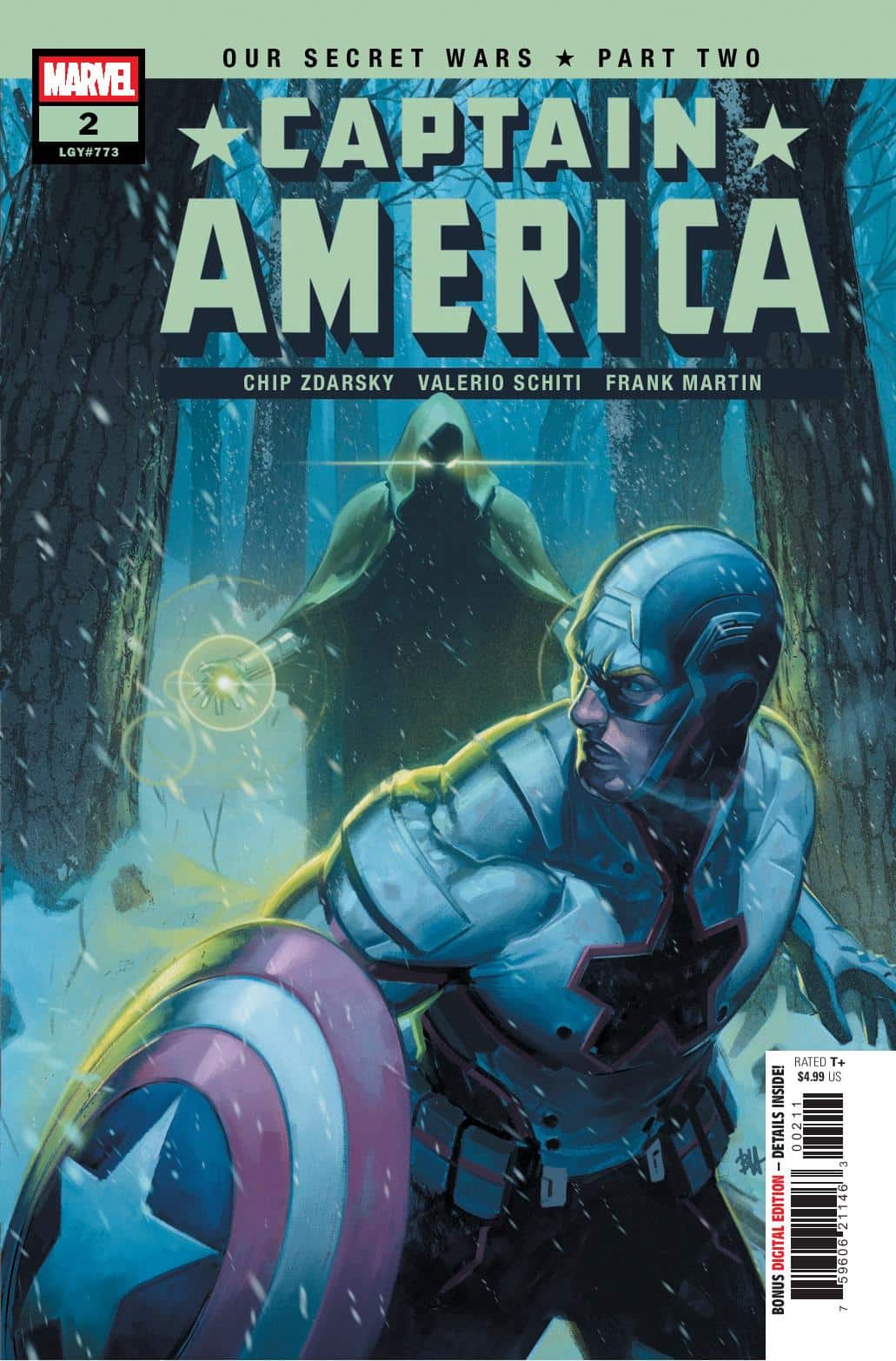
Captain America #2 (Marvel) – This issue of Captain America is all about exploring the nuances and tough choices facing and being Cap in the early 20th century. Chip Zdarsky and Valerio Schiti craft a parallel narrative with sand-swept flashbacks of Colton’s experiences in the War on Terror and his current mission with Steve Rogers in Latveria. The stories look at the pros and cons of American interventionism and also highlight Rogers’ naive idealism as well as his status as a living symbol and legend. It’s not a simple smash and grab mission for sure. Overall: 8.7 Verdict: Buy

Ancestral Recall #1 (AHOY Comics)Jordan Clark and Atagun Ilhan‘s Ancestral Recall lives up to the hype of its concept, which is an elderly painter named Melvin uses the power of Black history to help find his missing wife. I love how much of a curmudgeon Melvin is and his interactions with his neighbor-turned-sidekick Myran, who is the epitome of hospitality. On the visual side, Ihan uses the different historical figures that Melvin embodies to play with different styles like noir and swashbuckling adventure. (Also, did you know that Philip Marlowe was originally based on a Black man?) This comic is a robust argument against algorithm/AI culture and for re-connecting with one’s roots and neighbors. Overall: 8.3 Verdict: Buy

Godzilla: Escape the Dead Zone #1 shows there’s rooms for a variety of genres in the Kai-Sei era

Godzilla: Escape the Dead Zone #1

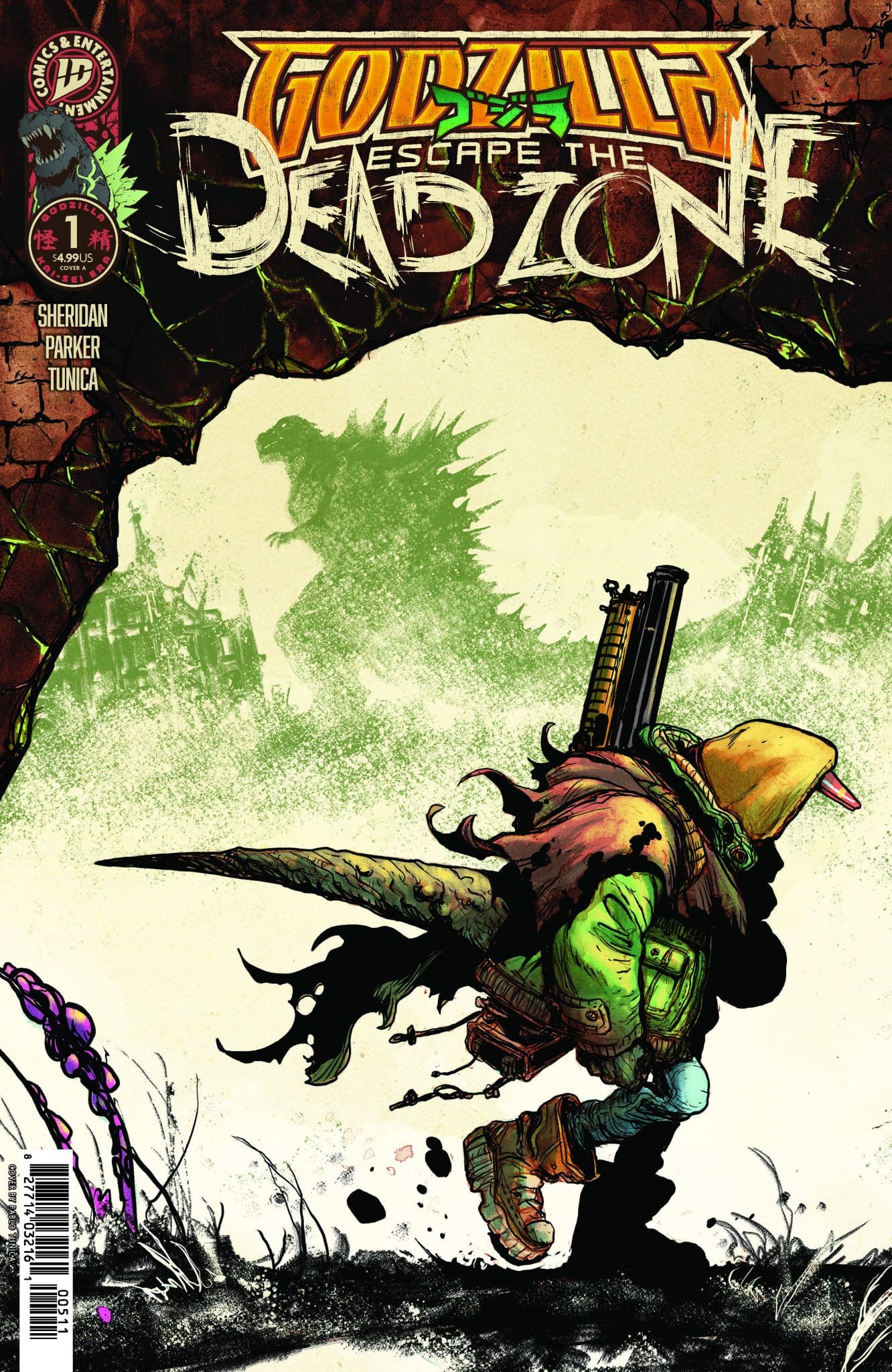
Godzilla: Escape the Dead Zone is the dirty, grungy little sibling of the shining Kai-sei era flagship book, Godzilla. In the book, writers Ethan Parker and Griffin Sheridan and artist Pablo Tunica show every day life in the kaiju and radiation-infested Dead Zone, an area that used to be Seattle and has been left for dead by the United States government. The story centers around a mysterious half-kaiju, half-human figure that is treated like an urban legend by the locals until he appears in glorious Tunica Technicolor. For the most part, Godzilla: Escape the Dead Zone #1 sets up this particular corner of the United States as well as its protagonist’s role in it before kicking into the real meat of the series’ ongoing plot towards the end of the issue.

As a comic, Godzilla: Escape the Dead Zone is built on vibes, namely, anarchic one. Pablo Tunica’s graphomania is self-evident, especially when the desert winds swirl, and monsters come out of hiding. There’s a lived-in feel to his line art with the characters definitely looking like they survived some kind of monstrous disaster. I love that Tunica colors himself, and blasts of punk rock colors offset the post-apocalyptic gloom and add tension to the fight sequences. He also plays with anatomy with limbs swaying and rocking in this irradiated world. That’s all to say that this book has a bit of edge to it compared to other licensed books: it’s more street art than IP. The main character, in particular, looks really cool.

Godzilla: Escape the Dead Zone focuses on the folks that have been left behind in a world centered around giant monsters and the energy they emit. The monsters that appear in the book are relatively small-ish fries compared to Godzilla and the other Toho big guns, but with no military or sci-fi technology, they pose a dire threat to the denizens of the Dead Zone. There aren’t any heroes or villains in this world: just survival. From the first page, Parker, Sheridan, and Tunica strip away contemporary comforts and hurl you into the deep end of this dangerous world where finding a beer or a smoke could cost your life, but a human/monster hybrid with a giant tail could be your salvation.

Featuring bright colors, an end of the world aesthetic, and gnarly, feral monsters, Godzilla: Escape the Dead Zone #1 shows there’s rooms for a variety of genres in the Kai-Sei era.

Story: Ethan Parker and Griffin Sheridan
Art: Pablo Tunica Letters: Nathan Widick
Story: 7.7 Art: 8.8 Overall: 8.2 Recommendation: Buy

IDW Publishing provided Graphic Policy with a FREE copy for review


Purchase: Zeus ComicsKindle

Mini Reviews: Bytchcraft #2, Bring on the Bad Guys: Loki #1, and Godzilla vs Boston

Bring on the Bad Guys: Loki #1

Sometimes, the staff at Graphic Policy read more comics than we’re able to get reviewed. When that happens you’ll see a weekly feature compiling reviews of the comics, or graphic novels, we just didn’t get a chance to write a full one for.

These are Graphic Policy’s Mini Reviews and Recommendations.

Logan

Bytchcraft #2 (Mad Cave Studios) – New York plunges deeper into darkness and chaos, and the wytches are public enemy number one in the second installment of Aaron Reese and Lena Carrillo‘s Bytchcraft. The banter, fashions, and Bex Glendining‘s color palettes complement the danger that the main coven of characters has been experiencing. I love the bond between the three main characters and the explosion of world building as this issue continues. It’s truly a rich urban fantasy world, and WitchTok cracked me up. Overall: 8.0 Verdict: Buy

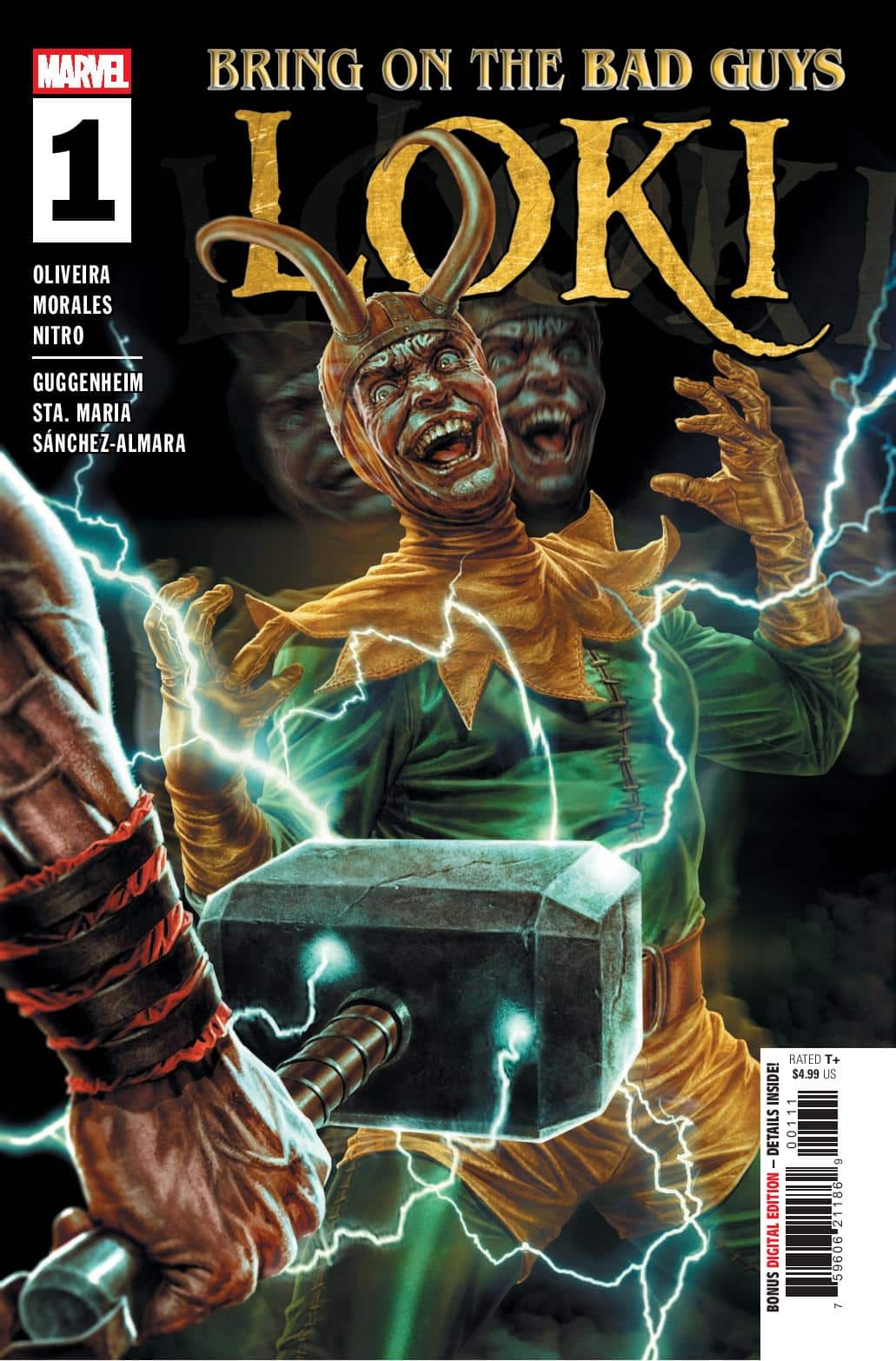
Bring on the Bad Guys: Loki #1 (Marvel) Anthony Oliveira and Jethro Morales elevate a middling summer Mephisto/supervillain-centric event with a touch of literary flair. They basically adapt Robert W. Chambers’ King in Yellow with an Asgardian trickster god and elements from Phantom of the Opera and all of its successors. Morales’ art is gorgeous and helps capture the story’s operatic nature, and Oliveira executes a fun, modern twist on the deal with the devil while also indulging his and Loki’s flair for the literary. The Marc Guggenheim/Michael Santa Maria backup story with the Sister of Sorrow setting up the Soul Forge after a fight scene in K’un L’un is just okay like a Big Mac after a filet mignon. Overall: 8.5 Verdict: Buy

Godzilla vs Boston (IDW Publishing) – Some of Boston’s finest comics creators shout out their city through the lens of the King of Monsters in Godzilla vs. Boston. The comics kicks off with “The Great Gorilla Whale”, an old-fashioned fish story from Steve Orlando and Matt Emmons. Set in 1888, this story describes a Godzilla attack on Boston in the late 1800s, and Orlando nails the dialect and speech patterns of old school Boston fisherman and sailors. The visuals are equally as rough and tumble: a late Victorian illustration style meets blockbuster kaiju destruction. The ending is a little abrupt, but Godzilla is a force nature no matter the era or setting. In the next story, cartoonist Jesse Lonergan uses a battle between Godzilla and a giant blue lobster during the Boston Marathon to educate readers about Boston history and culture. You can follow the story from his clear visuals, but the footnotes add a lot of humor and context. This story is beaming with civic pride, and I love the parallels between the runners striving to finish and Godzilla fending off the giant blue meanie, who was making me crave lobster rolls in landlocked Tennessee. Hanna Cha‘s “Make Way for Mothra” is an homage to the great children’s authors who have called New England home like Eric Carle and Robert McCloskey. Cha uses big, bright full page illustrations showing Godzilla and a larval Mothra wreaking havoc on the gridlocked Boston freeway and other landmarks. I love this story’s playful tone and the bright colors have me screaming out for a full length picture book. Godzilla vs Boston concludes with an eponymous love letter to the MBTA’s Green Line from writer/artist Hayden Sherman. Telling the story from the POV of transit workers frantically trying to find a way to stop Godzilla, the story blossoms into an appreciation of community, connection, and the magic of film. Also, Sherman’s take on underrated kaiju, Minilla is adorable. Although it’s filled with the usual big monster mayhem and destruction, Godzilla vs Boston successfully argues the case for how awesome the city is through its history, culture, people, and especially its comics creators. (The Celtics will always suck though.) Overall: 8.6 Verdict: Buy

DC x Sonic the Hedgehog #5, and honestly the miniseries as a whole, is the comic book equivalent of a “good hang”

Review: DC x Sonic the Hedgehog #5

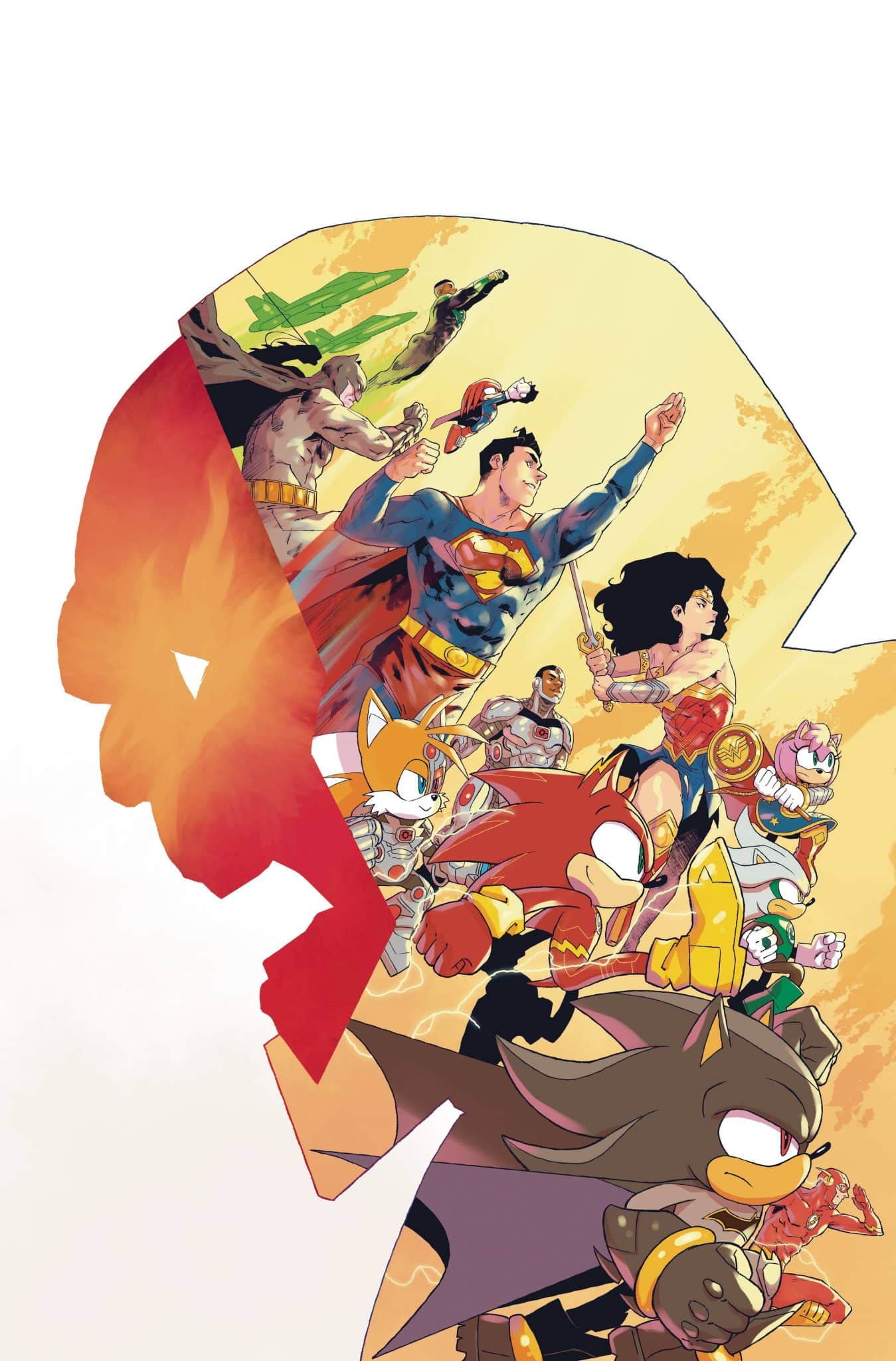
DC x Sonic the Hedgehog #5, and honestly the miniseries as a whole, is the comic book equivalent of a “good hang”. The various bursts of colorful energy, chaos emeralds, and plot to defeat Darkseid and save the multiverse is just a frame for fun banter, relationships, action team-ups, and let’s face it, an excuse for Team Sonic members to wear DC Comics superhero costumes. After the previous two issues showed the Sonic heroes in the DC Universe and vice versa, Ian Flynn, Adam Bryce Thomas, and Matt Herms put everything together as the two hero teams combine forces to take down Darkseid once and for all.

Other than Super Sonic deflecting an Omega beam and sending it right back at Darkseid, the best part of DC x Sonic the Hedgehog #5 are the beginning and the end. The different heroes filling in each other on their adventures on the Sonic and DC Comics Earths is like when you get separated on a night out and regale your friends with crazy shenanigans. I especially adored Amy Rose’s enthusiasm for the Amazons and Themiscyra with Thomas drawing big gestures, and Wonder Woman reassuring the pink hedgehog that she will be part of the sisterhood. On the flipside, there’s the terse back and forth between Batman and Shadow about the happenings in Gotham featuring dry humor that the late Kevin Conroy and Keanu Reeves would excel and sinking their teeth into. And, of course, there’s the big fun chili dog featuring finale with Flynn leaving the door just slightly ajar for a sequel even though you can’t get more high stakes than Darkseid. I definitely think individual character crossovers could work though.

Being a regular artist on the IDW Sonic the Hedgehog series, of course, Adam Bryce Thomas nails the Sonic characters, but I enjoy the manga influenced take on the DC superheroes while still keeping the iconic Jack Kirby designs for Darkseid and the various Apokoliptians that pop up in the series. The style is an olive branch for younger readers who may have grown up on manga and not Big Two superheroes, but maybe are getting into the DC characters via the Webtoons, the recent Superman film, or hell even Fortnite. Also, this type of visual presentation fits in with the physics defying world of the Sonic video games although chaos emeralds are definitely something that Eclipso would be into, or Thanos if for some reason Marvel lost the rights to the Infinity stones.

While temperatures soar and outside world continues to plunge into ideological darkness, the DC x Sonic the Hedgehog has been a nice escape as two, well-matched teams of wholesome heroes work together to save the universe and learn something about themselves through their experiences in different settings. I could read Ian Flynn’s dialogue for the interactions between these iconic characters all day, and Thomas and Herms bring the candy colored action that makes you feel like you’re playing video games in your neighbor’s basement after a long hot day. The recent live action Sonic the Hedgehog films are a great way to introduce kids to the superhero genre, and this comic kind of bridges the gap between those movies and something like the DC Animated Universe or even the vast never ending world of Detective Comics Comics.

Story: Ian Flynn Art: Adam Bryce Thomas
Colors: Matt Herms Letters: Becca Carey
Story: 7.6 Art: 8.2 Overall: 7.9 Recommendation: Buy

DC Comics provided Graphic Policy with a FREE copy for review


Purchase: Zeus ComicsKindle

Fantastic Flops: The Fantastic Four: First Steps has a Decent Story and Charming Production Design

Fantastic Four: First Steps

Even though the Fantastic Four comics kickstarted the creation of the Marvel Universe, their film adaptations have been critically maligned. In the “Fantastic Flops” series, I’m going back and re-evaluating the four previous Fantastic Four films and seeing if they’re a “Flop”, “Bop”, or “In-Between”.

To get the obvious out of the way, after 31 years of struggles and not-so-close calls, we finally have a good live action Fantastic Four film in the clunkily named The Fantastic Four: First Steps. (Franklin Richards is incredibly crucial to this film so I get why they did it though.) Veteran television director Matt Shakman (Wandavision, It’s Always Sunny in Philadelphia) and writers Josh Friedman, Eric Pearson, Jeff Kaplan, Ian Springer, and Kat Wood turn in an engaging, retro-futurist standalone yarn that honors the spirit of those early Jack Kirby and Stan Lee comics while adding psychological and ethical dilemmas that come from some of the more contemporary runs like Jonathan Hickman’s work in the early 2010s.

The best thing that Fantastic Four: First Steps has going for it is the production design. Kasra Farahani crafts a world where in the 1960s Marvel Comics only published Fantastic Four comics for the first four years of its existence instead of immediately expanding its universe and bringing back old superheroes like Captain America. Shakman uses breezy news reel montages to establish a utopian world that would make New Deal Democrats, flower children, and sci-fi fanzine readers all smile in perfect harmony. There is a sheen, but also a lived-in feel to the technology used by the Fantastic Four on their various missions as well as the Baxter Building and downtown Manhattan. It’s a shiny, happy world, but there are some rough edges like when Ben Grimm (Ebon Moss-Bachrach) goes to his old neighborhood in Yancy Street to get black and white cookies and perform feats of strength for kids at the local Hebrew school. (The Thing’s Jewish heritage is very much intact in this film.) The attention paid to the brave old/new world helps keeps the stakes real when a regal, yet slightly melancholy Silver Surfer (Julia Garner) heralds the coming of Galactus (Ralph Ineson) and the end of this universe. As a cherry on top, Michael Giacchino’s score perfectly blends soaring heroism and sci-fi exploration.

Let’s continue on to the casting. I didn’t love Joseph Quinn as Human Torch, and he doesn’t have the charisma that Chris Evans and Michael B. Jordan had in previous iterations of the character. Although charming in other roles, Pedro Pascal doesn’t quite pull off the universe’s smartest man, Reed Richards in the science speak sequences. This is really a difficult role to cast. I did find him endearing as a clueless, new dad and trying to override the part of his brain that treats everything like a problem to solve. Vanessa Kirby as Invisible Woman carries the film. She bring heart, humanity, diplomacy, and a mother’s love that turns a moment that could have been a deus ex machina, close the portal, and end the movie type sequence into something emotionally resonant. There’s a big “having it all”, second wave of feminism energy into the way that she’s written as Invisible Woman that fits the period as she is a mother, de facto team leader, and quite the diplomat as well. There’s a sequence where she smooths over a moral dilemma that should be required viewing in public relations courses.

So, if it only got the casting about half-right, then why does Fantastic Four: First Steps succeed where its predecessors failed? It is because Shakman and the writing team understands the Fantastic Four are at the best when they’re solving problems and not just punching bad guys. I love the impossible dilemma that is set for the team: choosing between giving Reed and Sue’s firstborn child to Galactus or giving the Earth to the Devourer. The preparation of Galactus’ invasion is actually one of the most underrated and engaging parts of the film. It’s entertaining watching Reed test all kinds of science and equations while Sue markets them to folks around the world. This is while Johnny Storm becomes a linguistics expert because he has a little crush on the Silver Surfer, and Ben Grimm has a crush of his own on Rachel (An always spectacular Natasha Lyonne) and connects with his neighborhood before the end of days. And when the initial plan fails, it’s fun to watch the team move and adjust on the fly. They’re like a well-oiled machine that’s been doing this for four years, helped usher in a utopian society, and of course, their next challenge is fighting God.

Another element that makes Fantastic Four: First Steps a successful film is the aura that Matt Shakman, the visual effects team, Garner, and Ineson give to the Silver Surfer and Galactus. As revealed in the trailers, the movie uses a comics-accurate design for Galactus, and I love how Ralph Ineson in both voice and motion capture plays the antagonist like a universal constant and force of nature, not a malevolent being. He really wishes he could stop doing this, but someone has to keep the scales balanced in the universe. It’s a similar situation with the tragic Shalla-Bal who acts as Galactus’ herald because she wants to keep her planet and children safe. I love the parallels that Shakman, the writers, Vanessa Kirby, and Julia Garner draw between the Silver Surfer and Invisible Woman, and the flashback scene is pure tragic poetry. It’s nice to see these iconic characters finally get their due in live action, and the writers wisely leave a door open for them to return. Also, hell yeah, the power cosmic!

Despite some less than stellar casting, jokes that unfortunately don’t land, and a return sequence from Galactus’ ship to Earth that drags on and on, The Fantastic Four: First Steps is an entertaining retro sci-fi blockbuster with clever world-building and memorable production design plus a multi-faceted lead performance from Vanessa Kirby as Susan Storm-Richards that makes up for the way the character was poorly written and portrayed in previous films. The battle against Galactus is fittingly epic, and it makes you want to pore over Jack Kirby splash pages or re-read those Jonathan Hickman trade paperbacks. Also, in a similar vein to its movie-mates Superman and Thunderbolts, it’s nice to have superhero films that tell a complete story and have decent character arcs instead of just trying to set up the next installment.

(P.S. I need a Disney Plus animated series in the style of the second post credits scene!)

Overall: 7.0
Verdict: Bop

Mini Reviews: Fantastic Four Fanfare #3 and Exquisite Corpses #3

Sometimes, the staff at Graphic Policy read more comics than we’re able to get reviewed. When that happens you’ll see a weekly feature compiling reviews of the comics, or graphic novels, we just didn’t get a chance to write a full one for.

These are Graphic Policy’s Mini Reviews and Recommendations.

Logan

Fantastic Four Fanfare #3 (Marvel)Fantastic Four Fanfare #3 centers around the friendship/frenemyships of Ben Grimm with art from some of comics’ most interesting storytellers. The anthology’s first story “Flight or Flight” from Dan Slott, Marcos Martin, and Muntsa Vicente reminds readers that Ben Grimm has both brains and brawn. Complementing Martin’s retro stylings nicely, Slott weaves together vignettes from Grimm’s past showing his struggles academically and physically when he transforms and can’t maneuver flight controls like he used to. I love the focus on the friendship between him and Reed Richards, and overall how this story focuses on a side of the blue eyed Thing that doesn’t get as much love in most stories. The theme of friendship continues in Tom DeFalco, Ron Frenz, Brett Breeding, and Rachelle Rosenberg‘s “Another Round” where Sandman and Ben Grimm bro out and rescue some out-of-work Latino miners, who are scavenging for materials they can sell. Artwise, Frenz still packs one hell of a wallop beginning on page one where Sandman hits Grimm with Thor’s hammer made out of sand. However, the story is all heart as the Thing and Sandman work together and find out how doing good feels. Also, there’s lots of fun banter about beer, sandwiches, and roasts of Sandman’s former teammates, the Frightful Four. The final story from “Universal Appeal” is pure Chip Zdarsky and Allreds wackiness as Johnny Storm accepts a “Sexiest Being in the Universe” award, and Ben Grimm tags along. There’s a fun fluidity to the visuals, and Zdarsky mines a lot of comedy out of the Thing/Torch repartee, but a little stranger. Fantastic Four Fanfare #3 is another fun installment in a great series that lets readers dip into evergreen adventures of Marvel’s First Family while you’re catching up on Ryan North’s Fantastic Four run like this writer. Overall: 8.8 Verdict: Buy

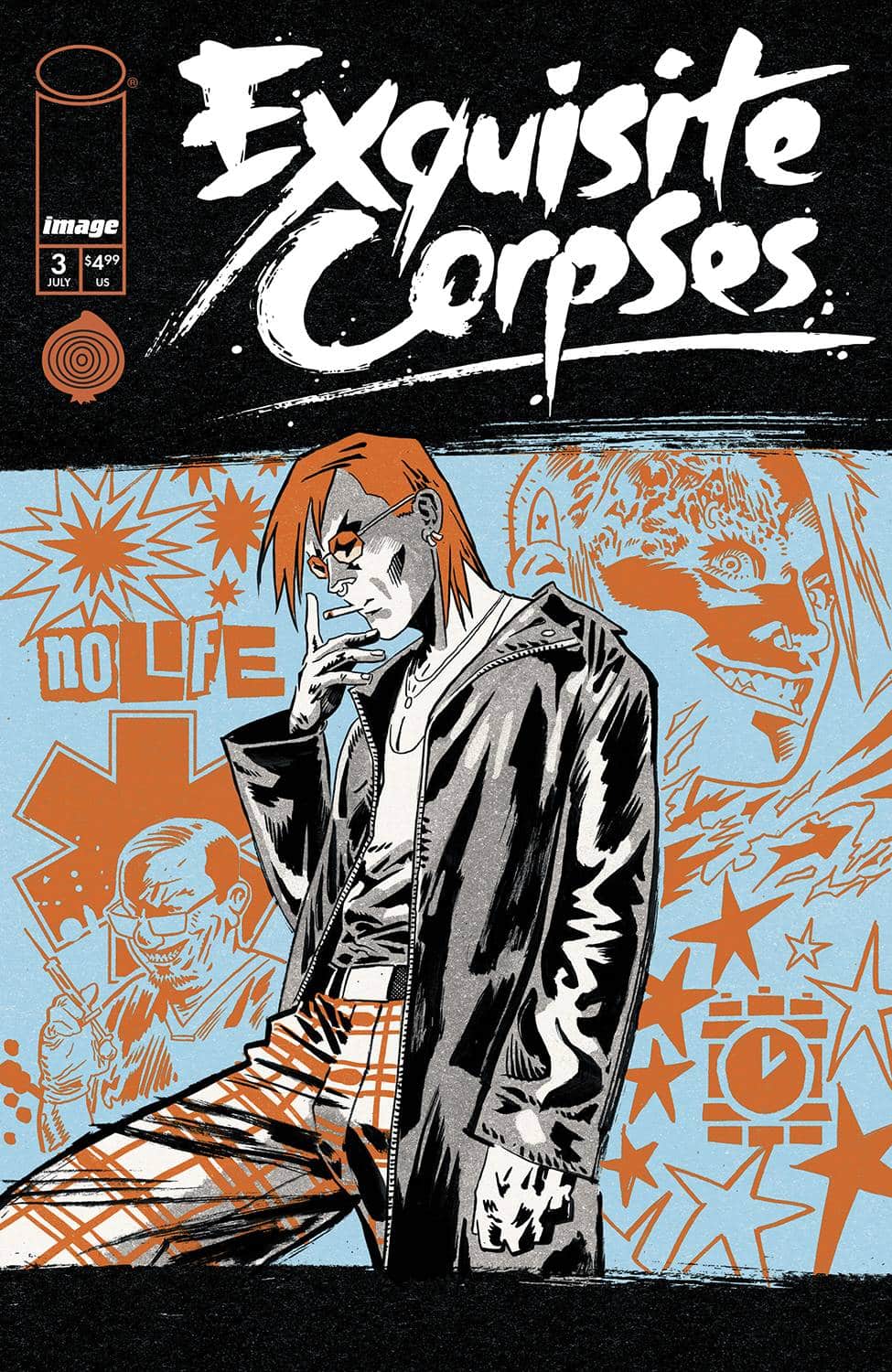
Exquisite Corpses #3 (Image) Pornsak Pichetshote, James Tynion IV, Valentine De Landro, and Michael Walsh wisely hone in on one of the serial killers, Virginia’s Nurse Pete as he causes havoc in the town’s hospital. I’m still getting to know this book’s sprawling cast of characters, but the creators do a good job of squeezing in human moments like 2 EMTS having a heart to heart or two young people trying to make a connection on the dance floor between the behind the scenes maneuvering and carnage. Colorist Jordie Bellaire and letterer Becca Carey are the two underrated MVPs of this issue providing blood and sound while the inhabitants of Oak Valley run around like chickens with their heads cut off. Overall: 8.1 Verdict: Buy

Godzilla #1 has rich world-building, explosive action, and makes us want to experience more of the universe

Godzilla #1

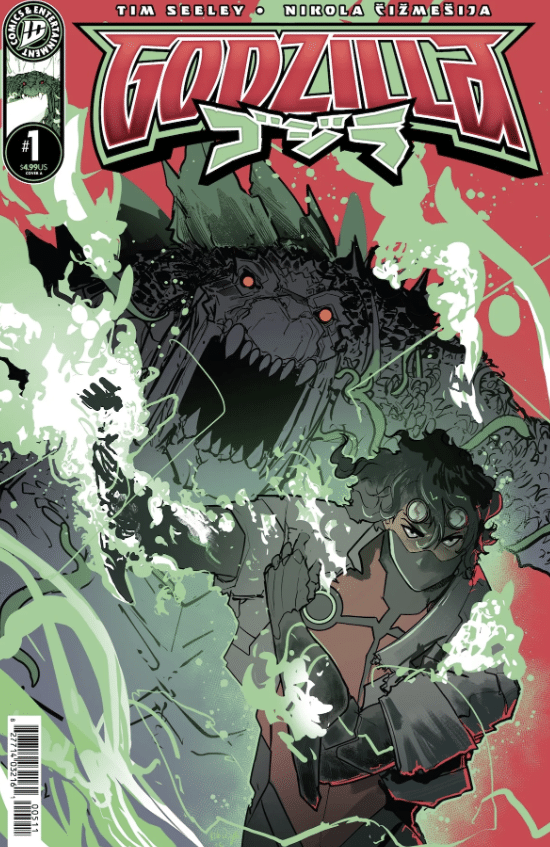
In Godzilla #1, Tim Seeley, Nicola Cizmesija, and Francesco Segala craft an entire universe centered around kaiju and the energy they emit, namely, kai-sei. There are familiar elements from the Godzilla mythos like his emergence in 1954, a hilarious take on Jet Jaguar, and of course, some monsters to fight, punch, and interact them, but Seeley and Cizmesija mix them all together in a way that sustains an ongoing comic book series (With two spinoffs!) instead of just a one-shot or series of miniseries. This first issue introduces our protagonist Jacen Braid, the newest recruit of G-Force, who has big “fight and kill God” energy and a boatload of trauma. There’s definitely some big monster action, but most of what I liked about Godzilla #1 was the interactions between the different G-Force members and their distinct philosophies in handling kaiju.

Godzilla #1 hits the sweet spot between shonen manga and superhero team comics. There’s a true explosiveness to Nicola Cizemesija and Francesco Segala’s visuals, especially the conflicts that center around kai-sei. Speed lines crackle, facial expressions get more dramatic, and special effects lettering from Nathan Widick takes front and center when G-Force goes to war or just spars against one another. Seeley uses the extra length of the issue to build a rapport between the team and drop hints at this brave new world before introducing the series’ hook. Braid is definitely angsty, but he kicks ass. Also, his past trauma makes him easy to empathize with like in a small, touching sequence with his roommate. Finally, he has what I think the kids call “main character energy” as in he’s not a faceless soldier or scientist, but an actual foil for the kaiju.

Godzilla #1 has rich world-building, explosive action, and makes me want to experience more of the universe that IDW is creating featuring the King of Monsters and his monstrous and human friends and enemies.

Story: Tim Seeley Art: Nicola Cizmesija
Colors: Francesco Segala Letters: Nathan Widick
Story: 7.8 Art: 8.4 Overall: 8.1 Recommendation: Buy

IDW Publishing provided Graphic Policy with a FREE copy for review


Purchase: Zeus ComicsKindle

Mini Reviews: Krypto: The Last Dog of Krypton #2, Toxie Team-Up #2, Absolute Batman #10, Post Malone’s Big Rig #1, Godzilla Destroys the Marvel Universe #1

Krypto: The Last Dog of Krypton #2

Sometimes, the staff at Graphic Policy read more comics than we’re able to get reviewed. When that happens you’ll see a weekly feature compiling reviews of the comics, or graphic novels, we just didn’t get a chance to write a full one for.

These are Graphic Policy’s Mini Reviews and Recommendations.

Logan

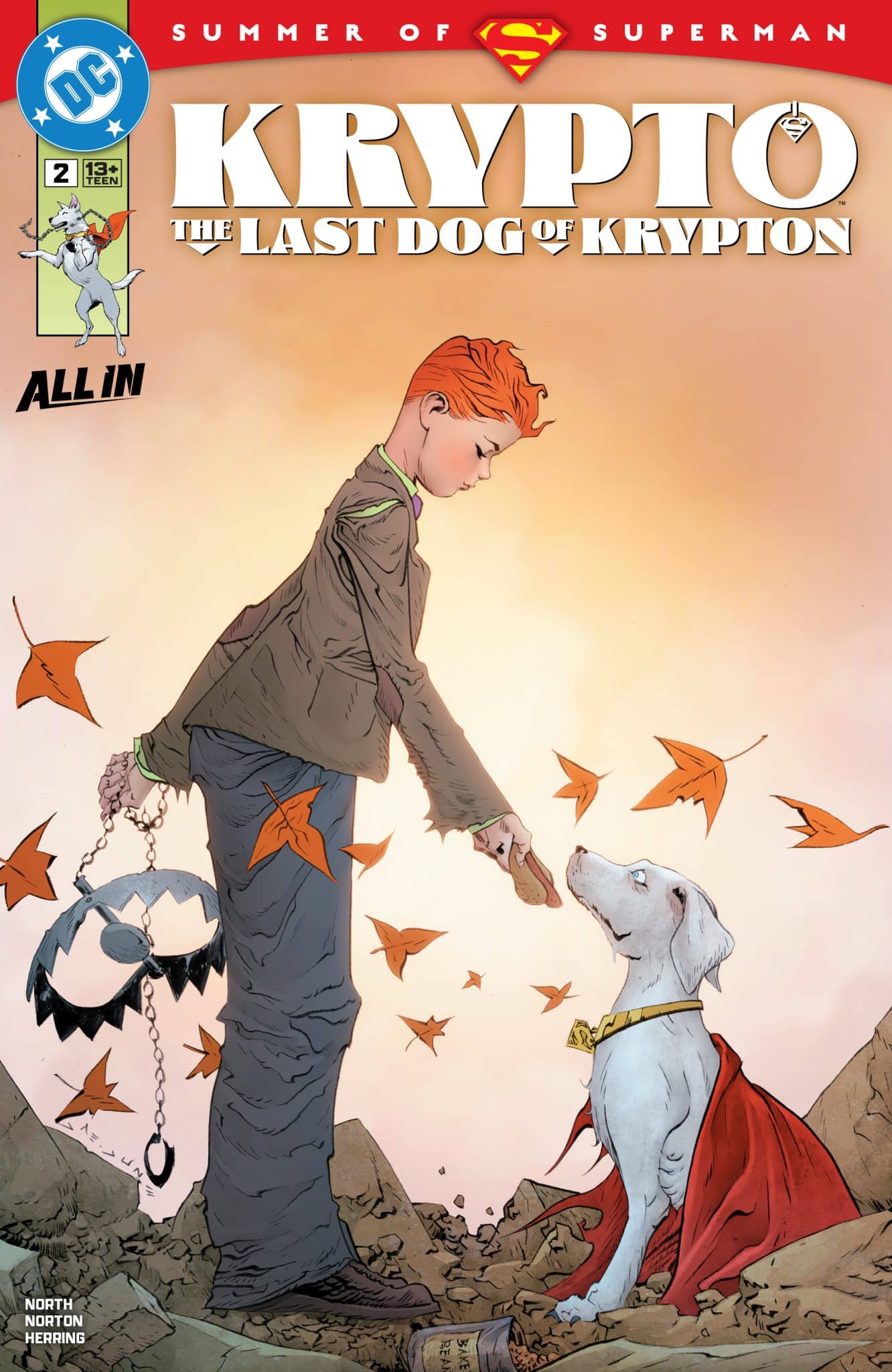
Krypto: The Last Dog of Krypton #2 (DC) – The sentiment that you can see someone’s character by how they treat animals rings true is at the core of Krypto: The Last Dog of Krypton #2 from Ryan North, Mike Norton, and Ian Herring. This is a painful read, and I’m glad North or the editors included a content warning at the beginning because Lex Luthor abuses Krypto throughout the issue while monologuing about how he’s going to run Metropolis beginning by getting his relatives’ life insurance. Norton’s visuals show the lack of a bond between Lex and Krypto building up to a tragic climax, but thankfully it’s not all depressing, and there are moments of escape and relief. Because animals can’t speak and are the best listener, the Krypto series continues to provide insight into key figures from Superman’s life, including his parents in the previous issue and Luthor in this one. I love the seasonal motif to match the tone of the series and the passing of time. While not a “fun read”, Krypto #2 is a powerful chapter in this soon to be evergreen series. Overall: 8.4 Verdict: Buy

Toxie Team-Up #2 (Ahoy!) – The Toxic Avenger, the Jersey Devil, and a shitty diner are a brilliant match in Toxie Team-Up #2 from Stuart Moore and Ryan Kelly. The story pulls at the heart strings with a greytone flashback showing Toxie in his pre-acid days trying to make connections with his quiz bowl teams before being bullied yet again. What follows is chaos, slop flying, and lots of New Jersey references. Toxie fighting crime and talking trash with the help of some hopped up sodas that are probably the hot new thing on BYU’s campus makes for solid reading, and it’s always a treat to have some new Kelly interior art. Overall: 7.6 Verdict: Read

Absolute Batman #10 (DC)Scott Snyder, Nick Dragotta, and Frank Martin take Batman to his utter breaking point before kind of, sort of building him up in Absolute Batman #10. Batman is probably where he belongs in the private prison of Ark M, and Snyder’s gift for dry, dark humor comes out in the narrative captions describing what he brought to the jail. However, this isn’t a funny comic, but a physically draining one that ends a half-moment of triumph. Flashbacks break up the ordeals that Bruce goes through and sharpen his relationship with his future villains, especially Waylon Jones, who is also a prisoner at Ark M. The camaraderie they had running scams and watching boxing matches together as young men definitely comes in handy in this issue. Also, I can’t continue to heap enough praise on Dragotta’s art and page design. His splash pages are climaxes, and it’s insane how much detail and character he can cram into these multi-panel grid pages. Overall: 8.9 Verdict: Buy

Post Malone’s Big Rig #1 (Vault) – I didn’t know what to expect from recording artist Post Malone‘s venture into comics other than some kind of vehicle, and surprisingly, this was a gonzo good time if you can suspend your disbelief a little bit. Co-written by Malone and Adrian Wassel with gorgeous black and white art from Nate Gooden, Big Rig #1 is about face-tatted priest named John who must save a medieval village from demons with the help of a 18-wheeler that fell from the sky. It has big Devilman energy while keeping things PG-13, and I love how Post Malone and Wassel use the extended page count to flesh out John’s supporting cast. Some of the worldbuilding seems willy-nilly, and the villains are one note, but Big Rig #1 is a ride worth going on, especially if you consider your lucky trucker hat to be Excalibur. The whole vibe of Post Malone’s self-insert character was like someone from GTA popping up in Elden Ring or Dark Souls. Overall: 8.0 Verdict: Buy

Godzilla Destroys the Marvel Universe #1 (Marvel) – Just an absolute fun time of a comic! Gerry Duggan and Javier Garron revel in Godzilla’s insane powers and set the tone by having him solo a Celestial in the first few pages. Godzilla Destroys the Marvel Universe #1 is an all-fight comic, but there is some visual cleverness to it like a fun, cutaway style layout of Quicksilver evacuating a building or the result of Captain America’s shield blocking Godzilla’s nuclear breath. This issue features all the scientists and heavy hitters so looking forward to next issue’s street level-centric battle even more. Overall: 8.6 Verdict: Buy

« Older Entries Recent Entries »