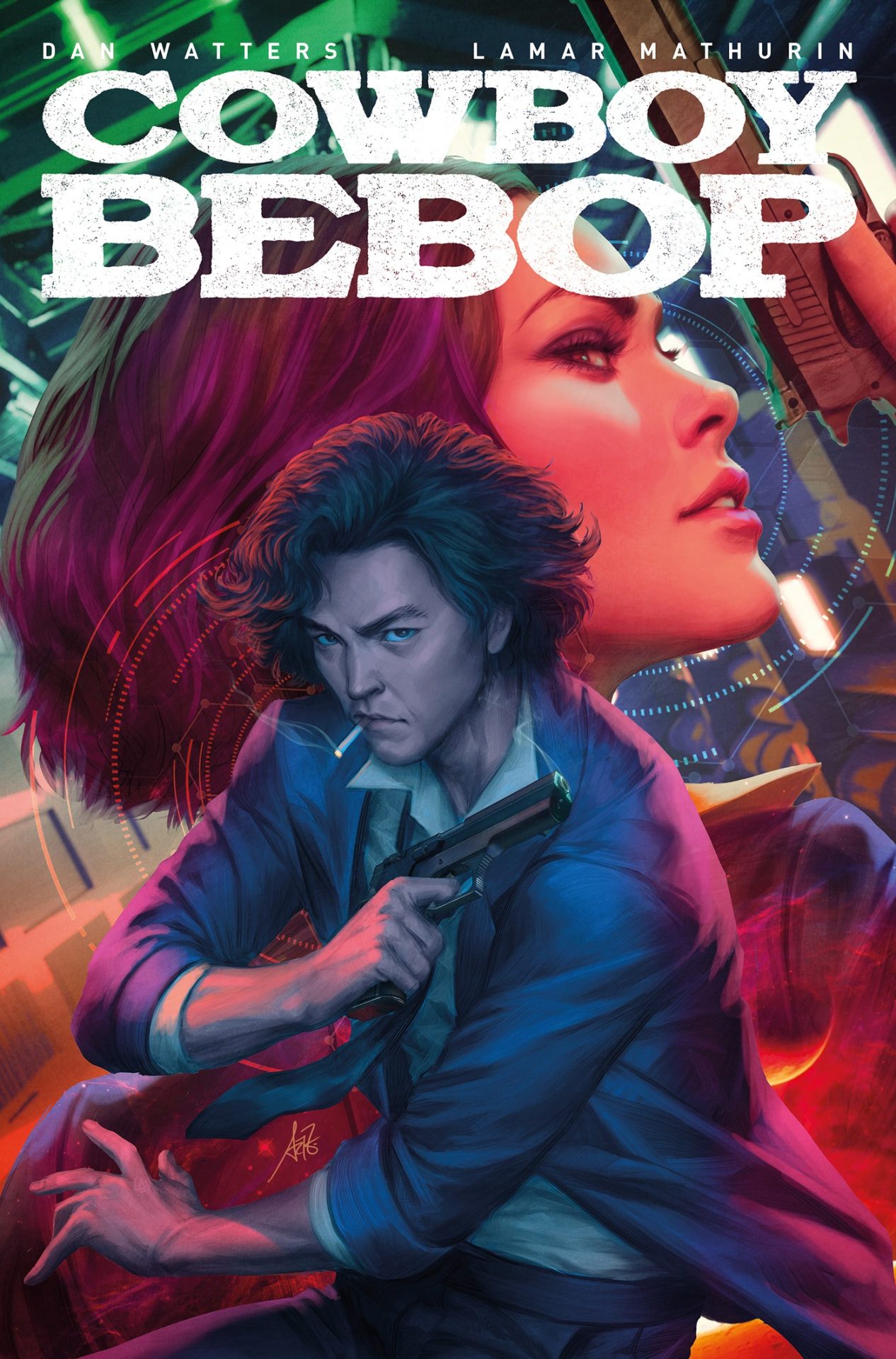
In honor of Pride Month, Humble Bundle has announced an expansive collection of comics and graphic novels exploring the LGBTQ experience—through their characters, themes, and stories, or written and drawn by LGBTQ creators.
The bundle is titled “Comics Are for Everyone: Pride Month Collection” and is available now until June 30, 2022. The collection features $848 worth of superhero sagas, sweet fairy tales, and slice-of-life stories. Additionally, each purchase of this bundle helps support The Trevor Project, the world’s largest suicide prevention and crisis intervention organization for LGBTQ young people.
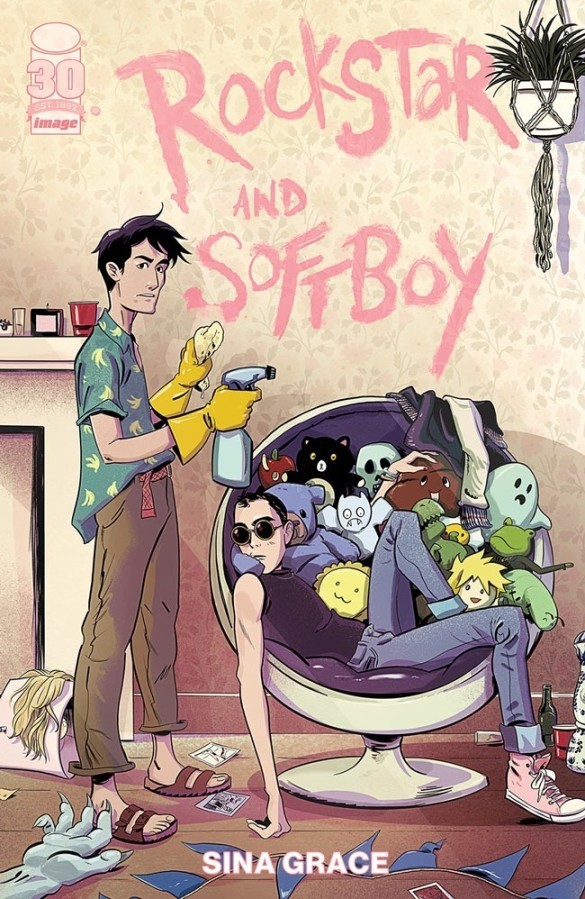
Rockstar and Softboyis a breezy anthem to queer male friendship from writer/artist Sina Grace and features everything from power bottoms and party animals to chainsmoking cats and magical girl transformations. The story centers around two besties, the titular Rockstar and Softboy, who are a musician and a video game developer living together in Los Angeles. They are both gay, but their relationship is strictly platonic. The comic’s story centers around them throwing a big-ass house party to help Softboy get laid and break his creative block, but it goes very wrong. However, Rockstar and Softboy is mostly good vibes and even better outfits.
One thing I love about Grace’s work as an artist in both his autobio comics and even the slightly more surreal slice of life series Lil Depressed Boy is his ability to use clothing to flesh out a character’s personality. And that’s on full display in this book from the different “cliques” that attend the house party to Rockstar and Softboy’s own wardrobes. Sina Grace uses a full page spread to show their chest-baring party get-up’s as they’re ready to have a good time, mix and mingle, and meet some new friends and lovers. However, when they end up getting in a fight, Rockstar goes full sweatpants and comfiness, and Grace uses a darker color palette. But when they reunite, the colors go full Saturday morning sentai because Rockstar and Softboy combines slice of life and magical realism with plenty of nods to both occult chic and Japanese pop culture.
Along with his eye for fashion, use of white space to make the story breathe, and memorable poses for his characters (I’m still laughing at Rockstar’s demonstration of what “dicked down” looks like to Softboy.), Sina Grace writes fun, conversational dialogue in Rockstar and Softboy with captions that add context to their relationship and punch up the comedy of certain scenes like when they met at an ABBA tribute show. He digs into the differences between the two lead characters that lead to the big tension in the comic, but also make for some fun moments when Softboy’s FOMO leads to him okaying the party even though he just wants to relax and/or attempt to work on his video game.
Creativity and queerness are the beating heart of Rockstar and Softboy behind the jokes, one-liners, silly faces, and urinating coyotes. From the first few pages, Grace sets up Rockstar and Softboy’s creative synergy with Softboy adding emotion and lyrics to Rockstar’s tunes while Rockstar acts as a sounding board for game ideas. The party initially happens because Rockstar wants to get Softboy’s creative juices flowing so he can finish the KickStarter for his video game, but it ends up inspiring something totally different. Rockstar and Softboy is breezy and free-flowing, but it also acknowledges the the difficulty of the creative act as well as the eccentricity of artists with Softboy going full Charlie Day conspiracy board as he plans out the levels in his game. The queerness comes out in how the boys and their party guests flaunt gender norms through fashion. (The party’s wild car is a nonbinary wizard who lives in their mom’s basement aka a bit relatable.) There’s even an homage to the Orville Peck gays midway through the story as Sina Grace continues to be the master of needle dropping in comics even though the medium is just visual.
Rockstar and Softboy is a rare and wonderful queer friendship story from Sina Grace that isn’t afraid to embrace its chaotic side once the house party gets going. The comic is also filled with frank and honest conversations from the main characters as they discuss their relationships, flaws, and why they end up clicking in the end. It’s definitely worth adding to your Sina Grace slice of life/memoir library, and he even uses some tricks from working in superhero comics for the big gay super sentai battle royale at the end in a fusion of indie and mainstream styles.
Story/Art: Sina Grace Letters: Rus Wooton Story: 8.9 Art: 8.5 Overall: 8.7 Recommendation: Buy
Image Comics provided Graphic Policy with a FREE copy for review
The weekend is almost here! What geeky things will you all be doing? Sound off in the comments below! While you decide on that, here’s some comic news and reviews from around the web.
The weekend is almost here! What geeky things will you all be up to? Sound off in the comments below! While you decide on that, here’s some comic news and reviews from around the web.
It’s one of two new comic book days. What are you all getting? What are you excited for? Sound off in the comments below. While you wait to get your comics, here’s some news and a review from around the web.
“As a boundary defying human I found myself looking for ways to engage with the stories that made me feel alive. When I watched a superhero movie or read Octavia Butler I was talking about real things in a way that felt more fruitful” – S.E. Fleenor, writer/editor/podcaster.
S.E. Fleenor joins us to talk about the queer speculative fiction anthology they co-created for Pride Month, http://DecodedPride.com. Decoded is a story-a-day anthology of queer science fiction, fantasy, and horror by queer authors. A short story or comic is released to subscribers every day of Pride month.
S.E. co-hosts Bitches on Comics https://bitchesoncomics.com/, a pop culture and comics podcast, and is an editor of Decoded Pride and http://QueerSpec.com. They are also managing editor of Bella Media Channel. They write fiction (podcasts, novels, and short stories), personal essays, and articles centering on queer identities, feminism, pop culture, and literature. Their work appears in The Independent, Buzzfeed Reader, Vice, and http://them.us, among others. They consider themself to be professionally, queer, trans, and nonbinary.
S.E. and I delve into the current state of Queer Discourse around creating independent art, consuming corporate media, and telling trans stories.
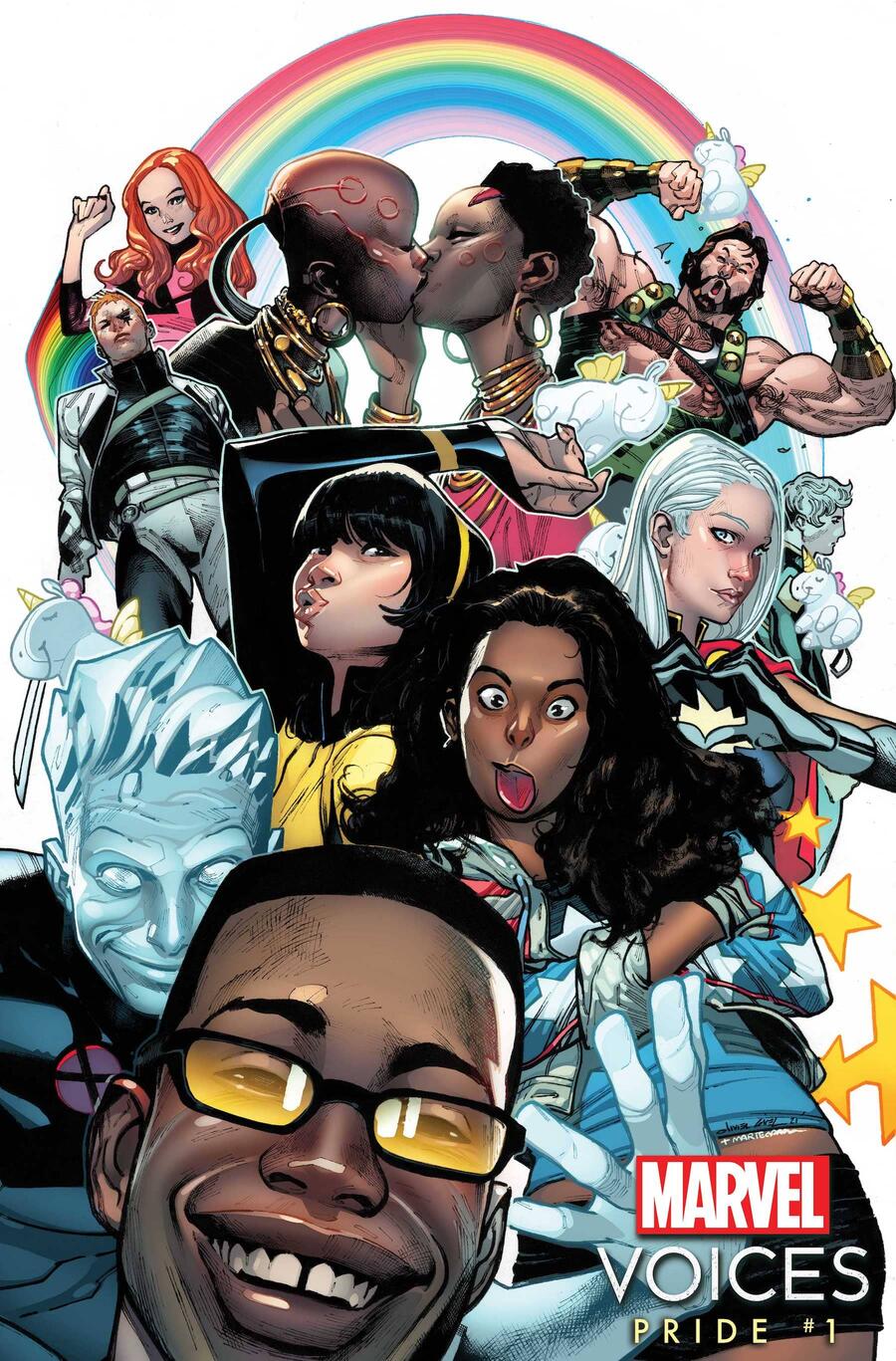
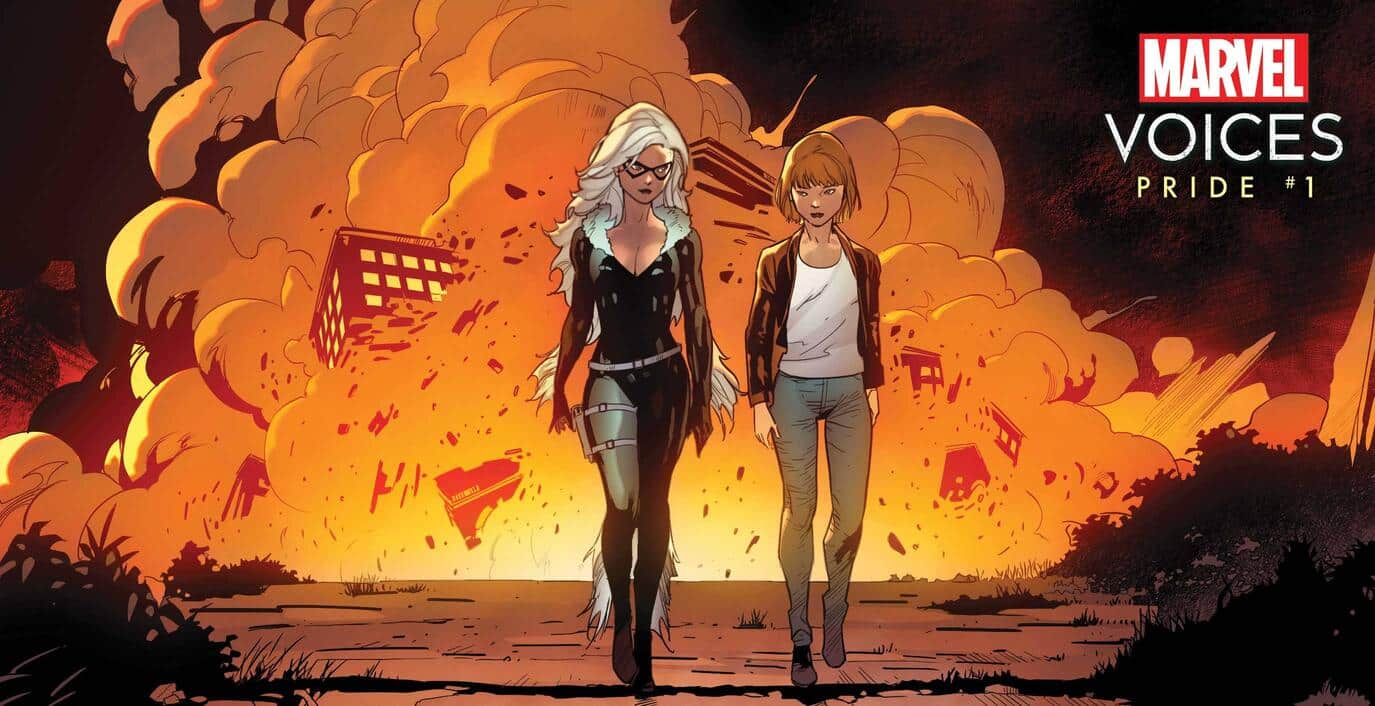
In honor of Pride Month, Marvel Comics dropped a big 84 pages one-shot celebrating both its LGBTQ+ creators and characters. Beginning with a story from Luciano Vecchio that’s not sure if it’s telling the story of queer characters in the Marvel Universe from an in-universe or more of a real-world documentary perspective,Marvel Voices Pride #1 sputters with a story that basically says aliens and shapeshifters brought the idea of being non-binary, genderqueer, or gender nonconforming to this world followed by a text-heavy Allan Heinberg/Jim Cheung Young Avengers reunion. However, it catches its footing with a cute Karolina Dean/Nico Minoru story, and for the most part, it provides a wide spectrum of LGBTQ+ representation with a special focus on the mutant/X-Men side of the Marvel Universe, who have acted as a mostly metaphorical representation to queer fans like myself. However, it’s nice to see characters like Anole, Prodigy, Destiny, Karma, and Jessie Drake get the spotlight along with more prominently featured cis male gay characters like Northstar (His coming out story in Alpha Flight #106 is reprinted at the end) and Iceman. But fans of non-mutant/Runaways/Wiccan and Hulkling characters may be disappointed as characters like Angela, Sera, Hercules, and America Chavez don’t appear except in small cameo roles.
Marvel VoicesPride #1 kicks off with a journey through the LGBTQ+ history of the Marvel Universe from writer/artist Luciano Vecchio. Even though many of his adult characters look like teens, Vecchio has a beautiful art style and color palette. However, my issue with this first story isn’t the form, but the content. As mentioned earlier, this introductory story isn’t sure if it’s being told from the perspective of the real world or Earth-616 even though it’s narrated by Prodigy. It also has a very self-congratulatory, back-patting tone, especially for a company that recently cancelled a book starring many of its queer characters (X-Factor) and mentions characters like Angela and Sera that haven’t been barely heard or seen from since getting their own title in 2015. Even though Vecchio is a queer creator, there’s big “ally” energy in this first story with a heterosexual character, Captain America getting the spotlight, and the implication that non-binary identities came from aliens and shapeshifters. He does successfully lay out what ended up being a thesis for the anthology, which is the connection between mutants and queer identity.
This story is followed by a one page Young Avengers creator reunion as Allan Heinberg, Jim Cheung, and Marcelo Maiolo chronicle Hulking and Wiccan’s wedding vows. Heinberg’s writing is tender, but this feels like more of a prose piece than a comic. Heinberg and Cheung’s inclusion seems like more stunt-casting to get older queer Marvel fans interested in the one-shot rather than being any kind of substantial addition to their work on Young Avengers. However, Marvel Voices: Pride rights the ship (Pun fully intended.) in its next story featuring two members of Marvel’s other prominent 2000s teen superhero team, the Runaways. Mariko Tamaki, Kris Anka, and Tamra Bonvillain turns in three pages of sweet glances, chatter, and a super adorable kiss as Nico Minoru and Karolina Dean think about what they would tell people if they asked how they met. The long line out of the venue reminded me of the pre-pandemic days when I would wait in line for hours to get a good spot to see artists like Carly Rae Jepsen and Robyn with my fellow queer folks, and Bonvillain’s summery color palette matches Anka’s skill with facial expressions. This story is like the cherry on top of the sundae that he helped build when he was the artist on Runaways and finally put Karolina and Nico in a relationship together.
The next story in Marvel Voices Pride is the first one to feature a trans protagonist, Dr. Charlene McGowan from Immortal Hulk. The plot of Lilah Sturges, Derek Charm, and Brittany Peer is about some “hilarious” misunderstandings when Lady Daredevil aka the artist formerly known as Elektra Natchios and some Z-list, rapping supervillains raid McGowan’s lab when they think she’s producing mutant growth hormone when when she’s actually working on a way to get trans women’s bodies to produce progesterone without taking pills. What follows is Trans 101 with a little bit of ass kicking courtesy Charm, who is in his Bronze Age element with the cheesy costumes and dark shadows. However, other than the fact that’s she a scientist who sometimes makes jokes, we don’t learn anything about Dr. McGowan except that she’s surprisingly cool with microaggressions from A-List Marvel heroes. Kudos to Marvel Voices‘ editorial for getting a trans writer in Sturges to pen this story, but the whole thing feels reductive and geared towards fanboys who know every member of Daredevil or Hulk’s rogues gallery and have never interacted with a transgender person.
In contrast, Leah Williams, Jan Bazaldua, and Erick Arciniega re-introduce Marvel’s first transgender character, the mutant Jessie Drake in a thrilling manner as she appears in her first comic in 27 years. However, Black Cat is the protagonist of this story and is tracking down Steel Raven, a villain who’s been impersonating her, pulling some sloppy heists, and ruining her reputation. Williams’ quippy writing style works well for the fast-paced short story as Black Cat and Jessie meet, flirt, and figure out their next move in catching Steel Raven. Bazaldua plays with space and transforms what would normally be your run of the mill villain warehouse into something more surreal. She and Williams do succeed in building a connection between Jessie and Black Cat as well as showing off Jesse’s empathy-based abilities, but this is just a teaser for a bigger cat and mouse game. Hopefully, there’s room for more batting of eyes, power showcasing, and insight into the character of Jessie Drake, both in her own series or in Black Cat’s current ongoing, which has been a sneaky good read.
Continuing this positive trend is Crystal Frasier, Jethro Morales, and Rachelle Rosenberg telling a wonderful She-Hulk and Titania. But there’s a twist as Jennifer Walters doesn’t appear, but Jennifer Harris, who was inspired by her to come out as trans and cosplay her at a copyright friendly version of New York Comic Con. As someone who came out as bi around the same time Prodigy did in Young Avengers or when Iceman came out as gay in All-New X-Men, I can definitely connect to the inspirational power of fictional characters like Jennifer did with She-Hulk. She and Titania also have some nice banter, and Frasier and Morales also remind readers that She-Hulk was the original fourth wall breaker with some jokes and exploding layouts.
After the She-Hulk story is probably my favorite story of Marvel Voices Pride #1, which is a Prodigy and Speed one from Kieron Gillen, Jen Hickman, and Brittany Peer as Gillen returns to both the X-Men and Young Avengers franchises. The dialogue between Speed and Prodigy sparkles, and Hickman shows off their chops as a storyteller working in eating pizza, stealing glances at Colossus, and empathizing with Kitty Pryde as Prodigy basically tells his bisexual origin story. His story also acts as a critique of how the mutant books have been good about metaphorical queer representation, but not actual queer representation. This is timely because the book that Prodigy was a main cast member in is getting cancelled. However, this is really a lovely story full of hilarious and insightful writing from Kieron Gillen and pitch-perfect images and comedic timing from Hickman as Speed teases Prodigy for having a crush on Colossus when he ran with the New Mutants. Prodigy is true overthinking, chaos bisexual representation, and I’m personally glad to see him get a spotlight in this story even if it’s only a few pages long.
The anthology takes a break from comics for a bit and features an interview with Christian Cooper, one of the first queer editors at Marvel, and he talks about his experiences at the company and the impact comics have had on his life. After this, there’s a timeline of big LGBTQ+ moments in Marvel Comics. It’s followed up with a cute Anole story from Terry Blas, the wonderful Paulina Ganucheau, and Kendall Goode. Blas connects the idea of Krakoa being a mutant utopia to things like Pride, and the ability to unwind at the Green Lagoon with folks who understand your struggles being the goal of all this hard work and fighting. However, it’s not all big metaphors as he and Ganucheau probe into Anole’s body issues leading to him not wanting to date along with his friendship with Jonas Graymalkin. It all ends on a fabulous final page, and this story is worth checking out for Ganucheau and Goode’s soft, colorful takes on the different mutants.
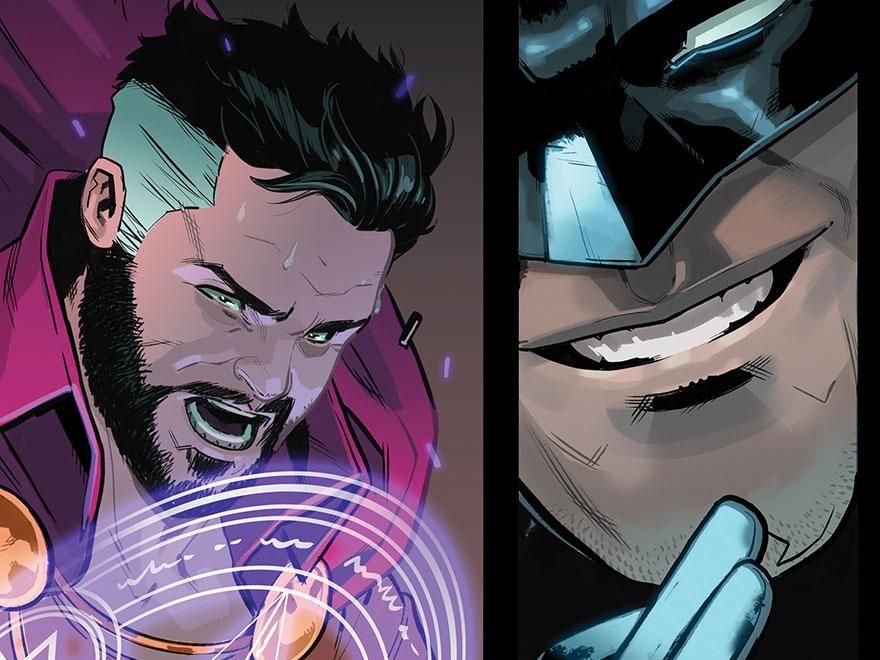
Sticking with the mutant theme, Anthony Oliveira, Javier Garron, and David Curiel go all in with the mutant as gay metaphor in an Iceman story set during the time period of the original five X-Men. They play on the fact that Magneto was played by a gay man in four of the X-Men films and find a real connection between Bobby and Magneto, who takes a break from the missiles to provide a listening ear to this young man struggling with his identity. Oliveira writes Iceman as having a crush on Angel, and Garron nails the longing glances that he throws at the majestic mutant that turn into words when Magneto sits down to chat with him. They take the subtext (For example, Bobby not being interested in Jean Grey when she joins the team.) of these Silver Age text and transform them into glorious text while also showing off the sweeter side of Magneto, a man who would one day break down when he realized that his crusade almost led to the death of an innocent child, Kitty Pryde.
This story is followed up by one focusing on the relationship between Northstar and his husband, Kyle Jinadu from writer/artist J.J. Kirby. It’s touching to see what Northstar is like away from the cameras and public, and what Kyle loves about them. However, Kirby’s 1990s-style artwork with modern, digital coloring is a mismatch for the story, and I spent most of the time wondering why Northstar looked like a vampire or a block of ice instead of the events of the story. Luckily, the misstep is remedied by a thrilling riff on Sherlock Holmes vs. Professor Moriarty from Tini Howard, Samantha Dodge, and Brittany Peer featuring Mystique and Destiny. The story is adventurous filled with wits matching, chess games, and lover’s embraces and shows how iconic a couple these two are while also showing what a big deal it was for them to be open with their love in a time period where being queer got you thrown in jail. Plus it’s a reminder that queer people have always existed in history. (Or fiction.)
Vita Ayala, Joanna Estep, Brittney Williams, and Brittany Peer continue the theme of both mutants and queer women in a Karma story set during the Hellfire Gala after party where Magik gives her a pep talk to dance (and maybe even smooch) Elle, who as far as I can tell is a new, queer mutant created for this anthology. Karma truly gets the spotlight this story and gets to work out some of her issues with her powers and emotions as she’s afraid that if she asks Elle out that she’ll use her abilities to mess with her free will. However, this doesn’t happen, and we get to see a mutant who has been screwed over so many times be happy for once and get the girl in a beautiful sequence from Ayala, Estep, Williams, and Peer.
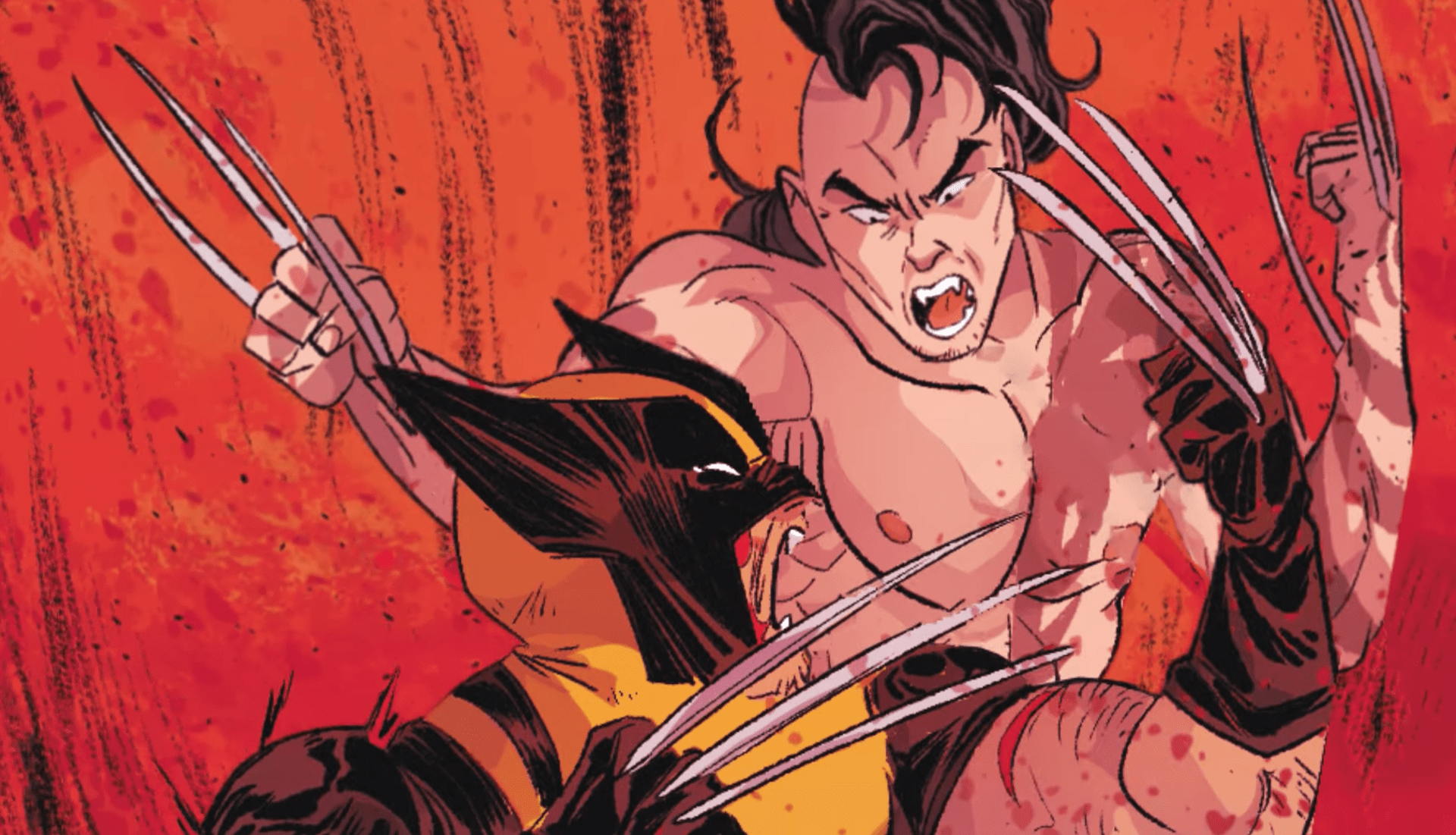
The final story in Marvel Voices Pride #1 again shows that Steve Orlando is perfect for writing violent, queer characters with a sensitive side as he and Claudia Aguirre tell the story of Daken and Somnus, a new character who can make one night seem like a life time together. He used this power on Daken back in the day during a one night stand and then ended up living a long life without him even though he didn’t divulge his oneiromantic mutant abilities to everyone. However, Krakoa and its resurrection protocols are all about second chances, and Daken gives him one in this story. As well as digging deep into Daken’s emotions, Orlando and Aguirre also use this story to remind readers of queer elders, who because of society’s hate, never came out or came out later in life, and this is what makes Somnus’ second chance so special. Also, his abilities are pretty cool and bring a little Vertigo into the X-Books.
Marvel Voices Pride #1 is definitely an up and down ride. Some of the stories mishandle nonbinary and gender nonconforming identities (Also, there are no nonbinary lead characters in this anthology.) or seem to pander heavily to allies while others have issues with their art or storytelling style. (Northstar/Kyle, Wiccan/Hulkling) But, for the most part, it’s nice to see queer creators and queer characters get the spotlight for once instead of being hidden behind things like the mutant metaphor, which is usually Marvel editorial’s approach. Time will tell if we see them beyond this anthology, but most of the creators in Marvel Voices Pride work on books in Marvel’s main line or have had consistent success at other companies or even television in Allan Heinberg’s case so, at least, that’s something they have going for them.
Story: Luciano Vecchio, Allan Heinberg, Mariko Tamaki, Lilah Sturges, Leah Williams, Crystal Frasier, Kieron Gillen, Terry Blas, Anthony Oliveira, J.J. Kirby, Tini Howard, Vita Ayala, Steve Orlando Art: Luciano Vecchio, Jim Cheung, Kris Anka, Derek Charm, Jan Bazaldua, Jethro Morales, Jen Hickman, Paulina Ganucheau, Javier Garron, J.J. Kirby, Samantha Dodge, Joanna Estep with Brittney Williams, Claudia Aguirre, Jacopo Camagni Colors: Marcelo Maiolo, Tamra Bonvillain, Brittany Peer, Erick Arciniega, Rachelle Rosenberg, Kendall Goode, David Curiel Letters: Ariana Maher Story: 8.0 Art: 8.6 Overall: 8.3 Recommendation: Buy
Marvel Comics provided Graphic Policy with a FREE copy for review
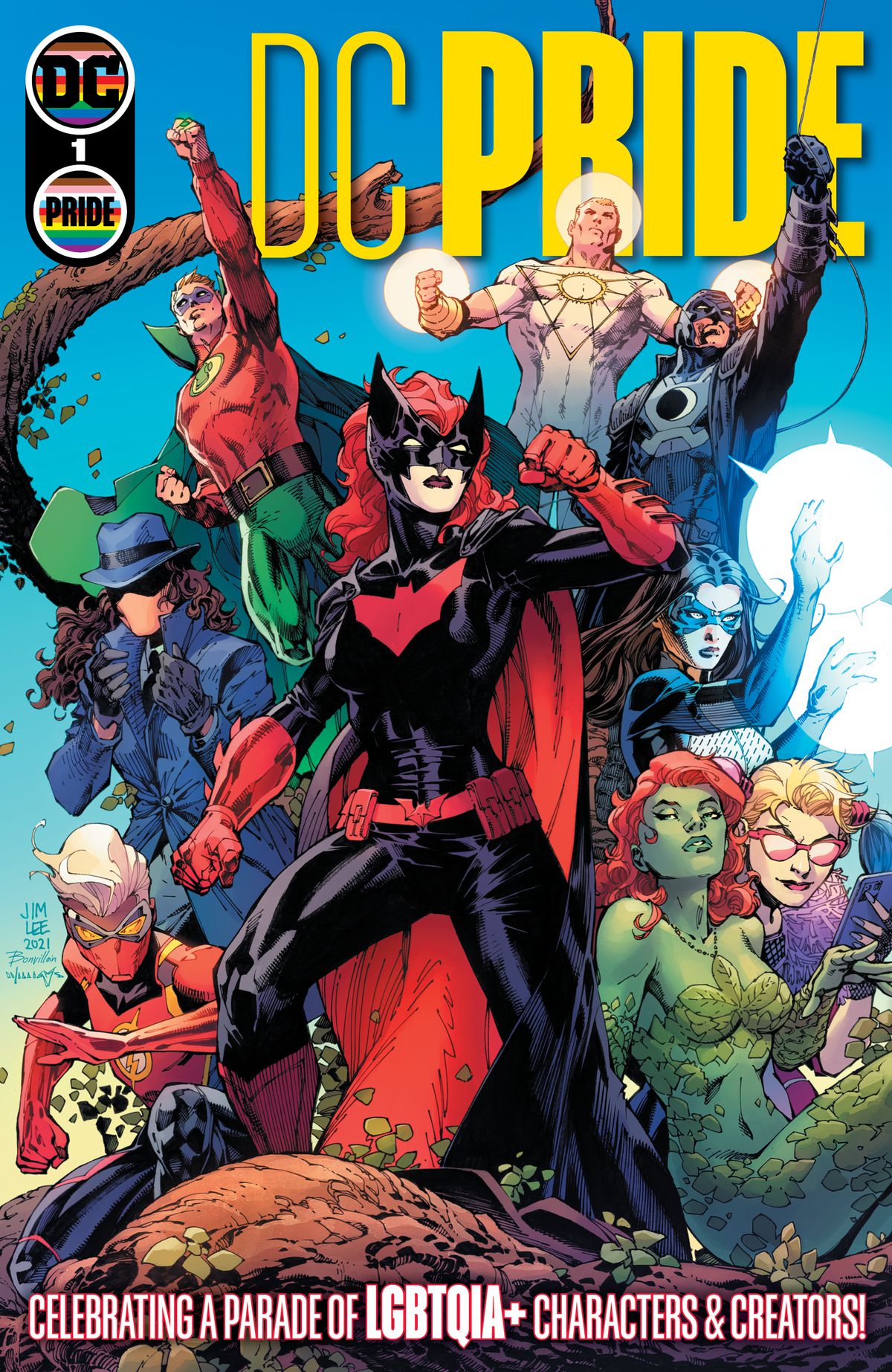
In honor of Pride Month, DC Comics dropped DC Pride #1, an 80 page anthology featuring short stories with LGBTQ+ characters by mainly LGBTQ+ creators. In addition to the stories, there’s an introduction by prominent gay comics writer Marc Andreyko (Manhunter, Love is Love) and pinups by some of the best LGBTQ+ artists (and artists period) like Sophie Campbell, Nick Robles, and Kevin Wada. The overall tone of the anthology is celebratory, but one story definitely made me tear up. I really enjoyed how DC Pride touched all corners of the LGBTQ umbrella and its exploration of how our differences make us stronger and really hope that one day all the characters featured in the book can have their own comic.
After the aforementioned introduction by Andreyko and a vibrant pinup of queer Teen Titans Aqualad, Bunker, Traci-13, and Crush from Travis Moore, DC Pride #1 leads off with a Batwoman story from James Tynion and Trung Le Nguyen. It starts with a look back at Kate Kane’s childhood, and how she didn’t conform to traditional gender roles and desires beginning with the games she would play with her sister Beth (Now the supervillain Alice) where they would pretend to be dolls complete with makeup, frilly dresses, and the accoutrements of traditional femininity. There’s almost a fairy tale cadence to both Tynion’s writing and Nguyen’s art as Kate grows up, finds love in the arms of a variety of women, and forges an identity as the superhero, Batwoman. Trung Le Nguyen’s flat reds and blacks punctuate these changes while James Tynion’s script takes a macro-level to the theme of pride as they show a montage of various queer heroes in the DC Universe fighting their battles and being themselves. This opening story is a fine encapsulation of Batwoman’s character journey and also is an ode to embracing queerness and gender conformity in a heteronormative world. Plus Nguyen’s story book style applied to superhero comics is a real visual treat.
The next story was one of my favorites as Steve Orlando returns to Midnighter (kind of) and Extraño as the magician regales John Constantine with a tale of a night out with the violent vigilante. Orlando and artist Stephen Byrne’s story is pure fanservice and adventure in the best way with iconic visual and verbal moments like Midnighter punching a Nazi vampire’s head off and John Constantine flirting with Extraño at a bar and totally being open to a threesome with Extraño and his werewolf husband. This story is mostly made up of fun things like one-liners, magic, and mayhem. However, Steve Orlando digs a little deeper with his script and commentates on how queer history is rewritten by bigoted historians with lovers becoming relatives (Like in the original Sailor Moon English dub) or “pals” as Midnighter and Extraño fight the aforementioned vampire to stop him from casting a spell that makes people think the mythological heroes Achilles and Patroclus were cousins, not lovers. This is a very real issue, and it’s vindicating to watch Midnighter and Extraño kick the asses of those who would straight-wash history in a thrilling, beautiful way thanks to Orlando’s witty script and Byrne’s power-packed visuals.
The third story in DC Pride is a noir-tinged saga of dark alleys, fisticuffs, and political activism starring Renee Montoya aka The Question from Vita Ayala, Skylar Partridge, and Jose Villarrubia. The plot is fairly straightforward with the Question tracking down missing defense attorney and city council candidate Valeria Johnson. Partridge and Villarrubia bring the dark shadows, atmosphere, and flat background colors when Montoya puts the fear of her into some loutishly heterosexual goons. I love how Skylar Partridge uses inset panels to show Montoya’s speed and skill and match Ayala’s snappy narrative captions. The whole story looks gorgeous, and there’s also a hint of budding romance between Renee Montoya and Valeria Johnson as the latter isn’t just a do-gooder damsel in distress. It definitely feels like a backdoor pilot for a Renee Montoya Question series, and I would love to see more of this creative team fleshing her and her relationship with Valeria out.
The Question story is followed by a hilarious and touching Harley Quinn and Poison Ivy story from Mariko Tamaki, Amy Reeder, and Marissa Louise. Basically, this anti-heroic duo stop a plant monster from going on a rampage (After giving it several cute pet names.) and talk about their relationship. Underneath Louise’s candy-meets-body horror palette and Reeder’s memorable facial expressions and high-wire layouts, they chat about going from the “will they, won’t they” stage to the moving in and starting a life stage. Tamaki’s script is peppered with jokes (Including a classic lesbian U-Haul one.), but she also once and for all shows that Harley and Ivy are a well-matched, occasionally wacky queer couple, and that they’ve brought a lot of support and laughs into each other’s lives. Also, Harley’s hammer should always have a Kirby face on it.
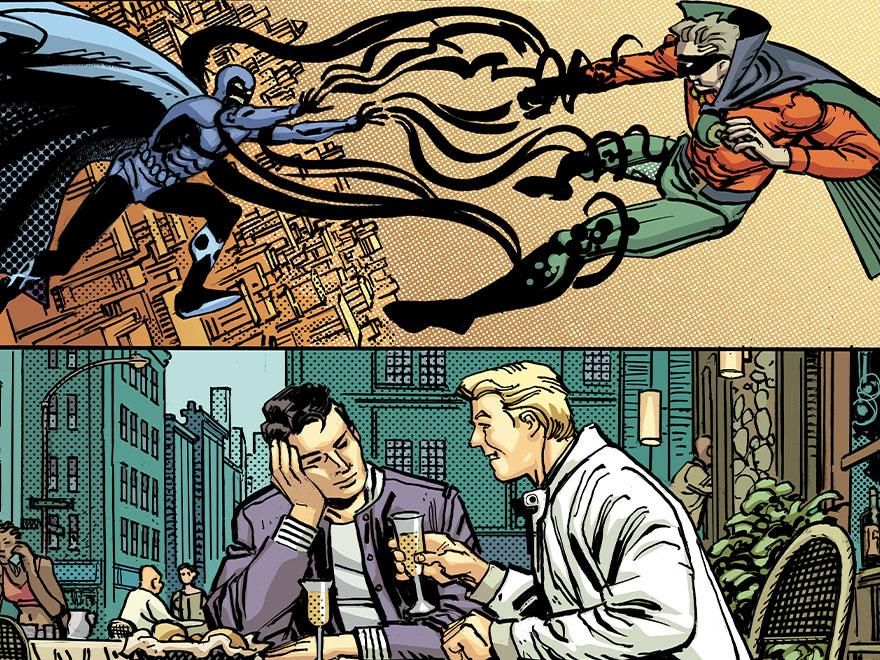
Full disclosure: Sam Johns, Klaus Janson, and Dave McCaig’s Alan Scott and Obsidian story was the one that made me cry. At brunch with Obsidian and his partner, the Golden Age Green Lantern opens up to his estranged son and tells him that Obsidian’s confidence to live as an out gay man encouraged him to finally come out and be his full, true self to the world. Janson uses nine panel grids, Ben-Day dots, and a command of 1940s fashion to show Alan’s secret romance with a train conductor named Jimmy and also walk down memory lane when being gay was a crime and gay bars were shuttered and didn’t have liquor licenses. As well as expanding on Alan Scott coming out in the main DC continuity in Infinite Frontier, this story is an homage to queer elders and their struggles in a world where they could be jailed or even killed holding someone of the same gender’s hand in public. It’s a beautiful intergenerational story and really made me fall in love with Alan Scott as a character even more. He’s the queer grandpa I never had.
The sixth story in DC Pride #1is a fast-moving, romantic story from Danny Lore, Lisa Sterle, and Enrica Erin Angiolini about Jess Chambers (Future State Flash) getting ready for their date with Andy Curry aka Aquawoman. This pair had fantastic chemistry in Future State: Justice League, and it’s nice to see a story centered around their relationship that also riffs on the classic Flash tropes of lateness, Rogues, and legacy. As Jess faces off against Reflek, who was trained by Mirror Master, Sterle and Angiolini get play with different panel shapes simulating the speedster trying to break free from a hall of mirrors while trying to get their outfit, makeup, and gift together. Also, it’s refreshing to see a story featuring a nonbinary character not be all about their gender identity, but focus on action and relationships like any other Flash story. Andy and Jess have a nice thing going, and like many of the other characters who appear in this anthology, I hope to see more of them, their impeccable fashion senses, and cool superpowers in future DC titles.
DC Pride #1 returns to the intergenerational queerness well in a Pied Piper story from Sina Grace, Ro Stein, and Ted Brandt. They introduce a new character, Drummer Boy, who is inspired by Pied Piper to create mind-controlling beats so that he can take money from rich fat cats and save Central City’s gayborhood from gentrification, which is a very real problem in real life today. Drummer Boy calling out Pied Piper’s photo ops and not taking direct action since he’s been rich and famous is something that could be directed at many LGBTQ+ celebrities like Ru Paul, who literally uses his wealth to destroy the Earth. This issue creates a real fantasy in which LGBTQ+ celebrities help their community instead of palling around with war criminals at NFL games while Grace gets in some licks about being smart with one’s direct action and abilities when Pied Piper points out that if Drummer Boy steals money off rich people’s credit cards that they’ll just contest the charges. Drummer Boy has a real activist streak as a hero, and I love the energy that Stein and Brandt visually bring to his powers as well as not making him look like the average Ken-doll superhero body type.
The penultimate story in DC Pride #1introduces the transgender superhero Dreamer, who first appeared in the Supergirl television show, to the comics in a story written by Nicole Maines (Who played Dreamer in the show) and with art by Rachael Stott and Enrica Erin Angolini. Dreamer’s debut is a slice of story as she rushes to clean up a League of Shadows cell before rushing off to date night with Brainiac 5. Maines’ script has a cheery, humorous tone with a hilarious final panel, and Dreamer makes a lot of quips to go with Stott’s acrobatic fight choreography that is still good at showing motion even though her art style is more photorealistic. There’s a big feeling of wanting to get the fights over with so that Dreamer can spend time with the man she loves, and this story could honestly be one big metaphor for work/life balance. Dreamer makes her mark with charm and wholesomeness in the story, and her oneiromantic abilities have real visual flair.
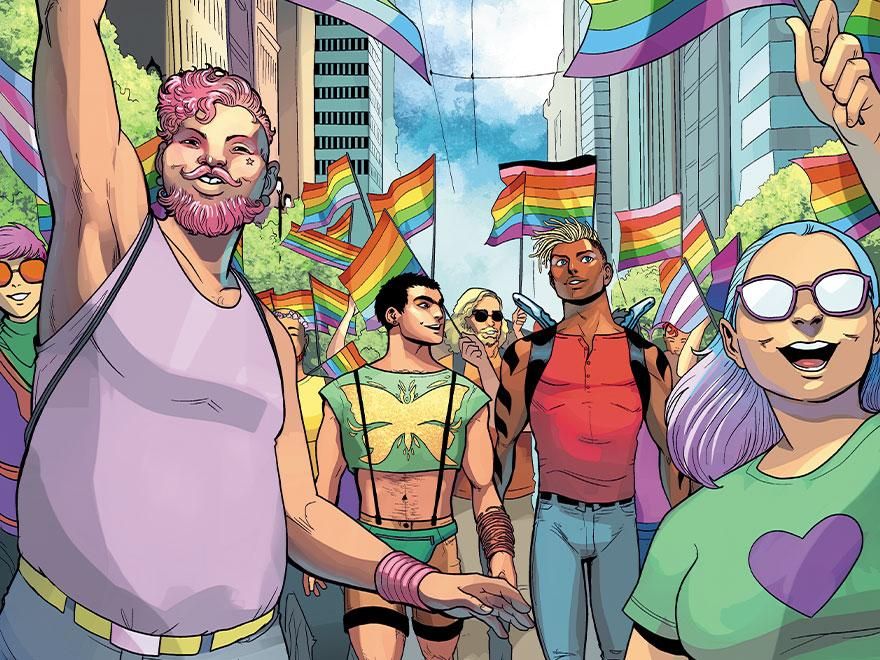
DC Pride #1 wraps up with a superhero spin on a big damn Pride parade with Andrew Wheeler, Luciano Vecchio, and Rex Lokus chronicling Aqualad’s first Pride since coming out with his new friend (and Extraño’s apprentice) Syl. Lokus’ colors match the tone of the story from bright and triumphant to dark and dreary as Eclipso has everyone at Pride airing out their worst thoughts and finally triumphant again with a group of DC’s LGBTQ+ superheroes led by Extraño saving the day and being the true, queer selves in the process. This story is a true victory lap, but Wheeler spends a little time in Aqualad’s head as he takes in the sights and sounds of Pride and also grapples with not wanting to be like his father, the villainous Black Manta. Even though everyone feels isolated and alone when targeted by Eclipso, there is actually a large, vibrant LGBTQ+ community of heroes in the DC Universe and hopefully they show up in stories beyond this anthology, which has honestly been a recurring theme as I read through the stories in DC Pride #1.
DC Pride #1 is a fantastic showcase not just for DC Comics’ LGBTQ+ characters, but the company’s LGBTQ+ creators too as they capture a range of relationships, feelings, sexualities, and gender identities. There’s a lot of focus on established romantic relationships, but some of the stories explore activism, community, and the Midnighter/Extrano/John Constantine is a straight up adventure yarn. I enjoyed seeing myself and my queer siblings uplifted in this comic and hope DC can do something more ongoing with these characters, situations, and especially creators.
Story: James Tynion IV, Steve Orlando, Vita Ayala, Mariko Tamaki Sam Johns, Danny Lore, Sina Grace, Nicole Maines, Andrew Wheeler Art: Trung Le Nguyen, Stephen Byrne, Skylar Partridge, Amy Reeder, Klaus Janson Lisa Sterle, Ro Stein and Ted Brandt, Rachael Stott, Luciano Vecchio Colors: Jose Villarrubia, Marissa Louise, Dave McCaig, Enrica Erin Angiolini, Rex Lokus Letters: Aditya Bidikar, Josh Reed, Ariana Maher, Tom Napolitano, Becca Carey, Steve Wands Story: 9.8 Art: 10 Overall: 9.9 Recommendation: Buy
DC Comics provided Graphic Policy with a FREE copy for review
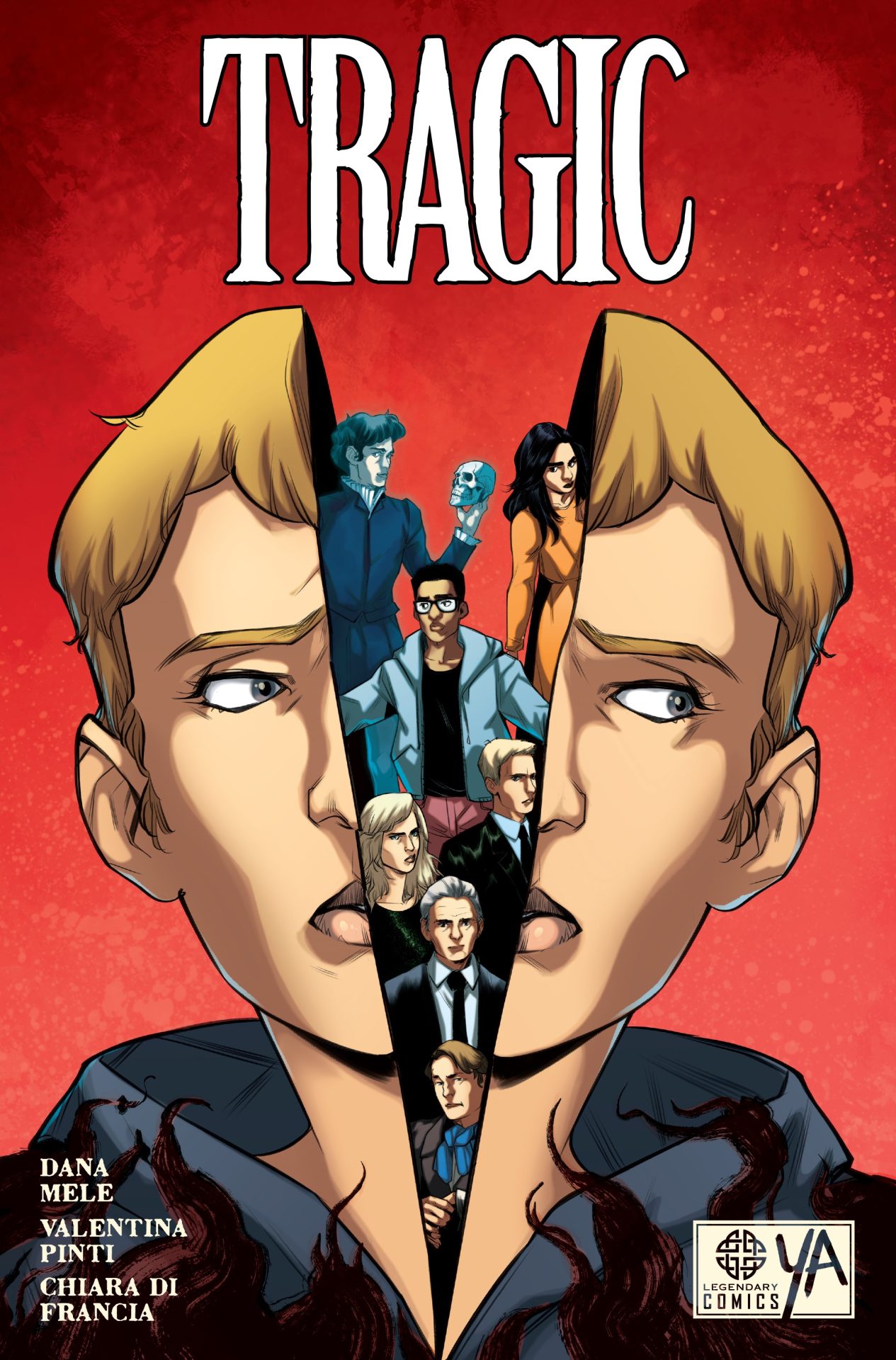
Legendary Comics announced today a new original graphic novel, Tragic, a retelling of Shakespeare’s Hamlet exploring family, mystery and death, from Pushcart-nominated writer Dana Mele. Featuring artwork from artist Valentina Pinti and colorist Chiara Di Francia,Tragic takes on redefined and curious characters layered into a queer narrative that weaves together both lovely and unsettling perspectives inspired by the infamously classic tragedy. The graphic novel is set for release in Spring 2022.
Tragic is told through the eyes of 17-year-old Harper Hayes. After her father Hamilton dies a mysterious and tragic death, Harper is convinced that he was murdered, and her first suspect is her uncle, who has been sleeping with her mother. With the help of her ex-girlfriend Talia and her best friend (sometimes with benefits) Holden, Harper is determined to find her father’s killer. But when Caius, Talia’s father and Hamilton’s business partner, is also found dead, Harper realizes the answer to Hamilton’s murder is more complicated than she had initially realized. As Harper begins to see her father’s ghost in the form of a teenage Hamlet everywhere and starts slipping into hallucinations of his murder that end with blood on her hands, one thing becomes clear—in order to uncover the truth about what happened to her father, Harper has to confront her own demons and ones that haunt the Hayes family.
It’s the home stretch for submissions of LGBTQ+ comics and graphic novels for the 2021 Prism Awards. Submissions close on Friday, March 12 at 11:55 pm PT.
The Prism Awards are presented annually by the Cartoon Art Museum, Prism Comics, and the Queer Comics Expo to comic works by queer authors that promote diverse, powerful, innovative, positive or challenging representations of LGBTQAI+ characters in fiction or nonfiction comics. There are six categories:
Best Short Form Comic
Best Webcomic
Best Comic from a Small to Midsize Press
Best Comic from a Mainstream Publisher
Best Comic Anthology
Best Comic for Young Readers
Works must be in English and have been published digitally or physically between January 1 and December 31, 2020.