Tag Archives: junji ito

Junji Ito’s SOICHI is a terrifying celebration of that weird cousin we all have
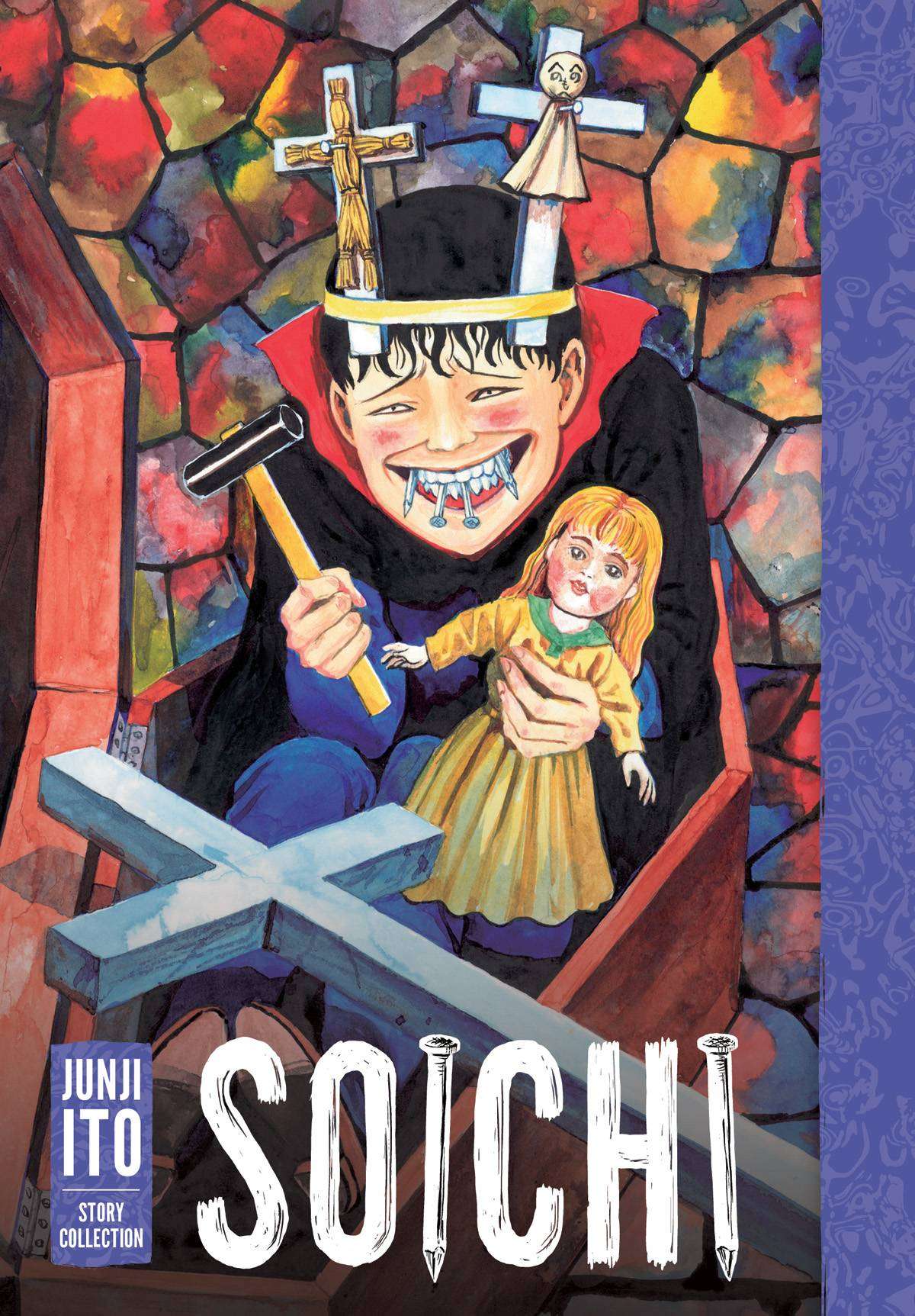
Soichi

For all the terror that Junji Ito conjures throughout his stories (even the cat one), there’s a fair amount of dark comedy to go around with it. When Ito wants to be funny, he’s funny. But it’s never without a healthy dose of weird to go along with it. Oddly enough, it’s a style that lends itself perfectly to stories about families. I mean, what is a family if not a dark comedy with a strange cast of characters that features at least one person that freaks everyone out.

This is what Ito’s Soichi is all about, a humorous look at a family that harbors enough horror to give you nightmares all while giving the weird cousin character his long overdue time in the spotlight.

Soichi is composed of 10 short stories featuring the titular character, a kid with a strange and macabre sense of humor that likes to torture his own family along with any visiting cousins that dare spend their vacations where he lives. To an extent, the book chronicles the strange life of Soichi, going from birthdays to elaborate myths concerning his grandmother and then to incidents concerning the creation of life-sized puppets that come alive to create havoc and spread discontent.

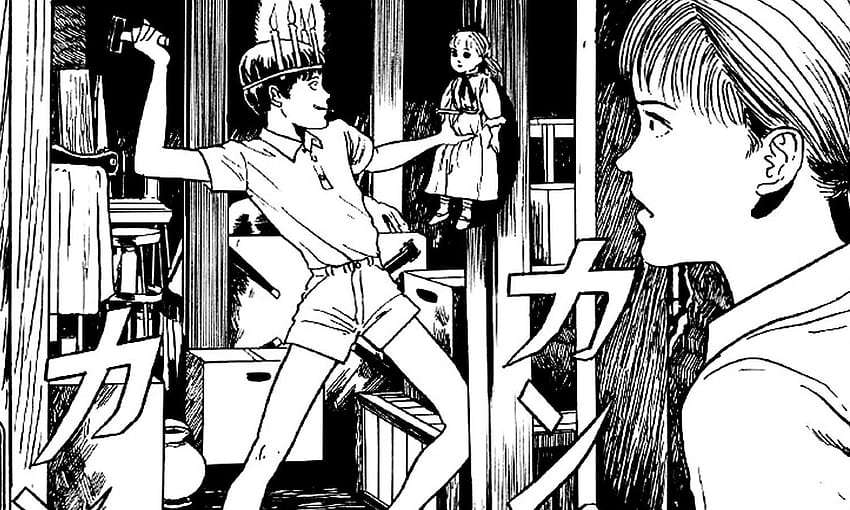
Explaining Soichi’s character can be quite tricky. It’s easy to label the kid as nothing more than a proverbial black sheep, the kind every family seems to have at least one of. He’s antisocial, scurries around the attic with the intention of loosening dirt so it falls on people eating below, claims to be able to tap into supernatural elements to torment those he sees fit, and he shoots nails from his mouth.

In the book’s first story, titled “A Happy Summer Vacation,” Soichi’s second cousins (Yusuke and Michina) come for a visit all the way from Tokyo, hoping to spend time with distant relatives they’ve never really had the chance to bond with. They find this part of the family to be the very picture of happiness and cordiality. But then they quickly find out that their son, Soichi, is the exact opposite of this. This kid trades all the brightness his parents and siblings exude and trades it in for doom and gloom. To Soichi’s chagrin, everyone loves the very pleasant Yusuke and Michina. He finds them annoying. So, he responds in kind by creating voodoo dolls in their likeness to visit as much misfortune upon them as possible.

Soichi

While reading this first story, I half-expected the family to be revealed as Satanists that openly worshipped the Dark Lord before every meal. But they weren’t. They were the perfect relatives, the kind everyone wants. It made no sense that this family was responsible for creating such a dark cloud of a human being without an equal within the unit. Therein lies the genius behind these stories.

Because Soichi’s family doesn’t share in his darkness, Soichi becomes relatable. He might be annoying and aggressively unlikeable, but he’s also part of a family that represents everything he’s not. He’s the grungy teen, the headbanger, the metalhead, and the horror hound that every family has at least one of. This is apparent in the way Ito illustrates him.

Soichi is extremely thin, almost to the point of looking sickly. He almost always in a slouch and he has black bags under his eyes to denote a lack of sleep, as if he was destined from the start to be a creature of the night. It’s important that he doesn’t look entirely unwell, though. He’s not neglected by his family or abused. He’s just not like them, making it hard to justify spending quality time with them. He likes to dress in black and he sticks to corners and shadows. Sharing in family events is an obligation to be skirted for him.

While his pranks and snarky remarks go too far (remember the voodoo dolls?), I couldn’t help but feel sad he doesn’t have another likeminded sibling or aunt or cousin to share his darkness with (an idea that comes up in a later story concerning a possible twin brother that no one else can see other than his equally ghoulish grandmother).
soichi

Anyone who’s ever tried to convey the excitement of watching George Romero’s Night of the Living Dead or how listening to Black Sabbath can be life-changing to family members whose automatic response is a disgusted scoff or a throwaway comment on why they’ll never get why people watch horror movies will feel a connection with Soichi.

Ito amplifies this by not turning his family into a scarier and more twisted version of The Addams Family. Soichi doesn’t have a sister like Wednesday or a brother like Pugsly. Hell, he doesn’t even have a Cousin It. He has a painfully normal family that is nothing like him. In truth, Soichi just needs someone who prefers to view life for the terror it is. Views contrary to that are simply alien to him, much like his family.

Soichi will mean different things to different readers, but something that’s indisputable about the character is how much of an outsider he is. He doesn’t care that no one likes him, or that his cousins would rather keep their interactions with him to a minimum. His world is his own, though. He apologizes for none of it. His plans might backfire each time, but he’s true to himself. And then there’s the creeping idea that Ito masterfully sneaks in to make readers consider a very basic fact: every family has their own Soichi, and it might be you. If that’s the case, just be you. But maybe try not to go overboard with the voodoo dolls and the nails.

Soichi is a Junji Ito story collection that’s more weird than anything else

Soichi, the unhinged second son of the Tsujii family, chews nails and makes them clatter and clack as he spouts horrific curses to bring about the most bizarre happenings. Whether it’s summer holidays or a birthday party, Soichi can turn any occasion into a nightmare in a heartbeat.

Writer: Junji Ito
Art: Junji Ito
Translation and Adaptation: Jocelyne Allen
Lettering and Touch-Up Art: Eric Erbes

Get your copy now! To find a comic shop near you, visit http://www.comicshoplocator.com or call 1-888-comicbook or digitally and online with the links below.

Bookshop
Zeus Comics
Amazon
Kindle


This post contains affiliate links, which means that if you click on one of the product links and make a purchase, we’ll receive a percentage of the sale. Graphic Policy does purchase items from this site. Making purchases through these links helps support the site

SDCC 2023: VIZ Media celebrates Junji Ito with multiple panels

Ito-Verse

VIZ Media hosts two panels featuring manga horror icon and four-time Eisner Award winner, Junji Ito during San Diego Comic-Con 2023! VIZ Media is proud to co-sponsor these two panels alongside hosting Junji Ito’s largest North American exhibit. The exhibit features over 100 pieces of art! Also releasing this July is a new collection of ten tales celebrating Ito’s favorite antihero, Soichi!

WHAT, WHEN, WHERE:

  • Thursday 7/20 11:00am – 12:00pm @ San Diego Public Library – Horror at the Library: Junji Ito   
    Join Comic-Con Special Guest and legendary horror master Junji Ito (Uzumaki, Black Paradox) at the San Diego Public Library for a Q&A that’s sure to bring your nightmares to life.
  • Friday 7/21, 10:00 – 11:00am @ Room 6DE – PANEL: Welcome to the Ito-Verse: Junji Ito 
    Dive into the Ito-verse with the master of horror manga Junji Ito, as he discusses what inspires, drives, and horrifies him, all while drawing up something truly terrifying for his faithful, macabre-loving fans.
  • Thursday 7/20 – Sunday 7/23 @ Marriott Marquis San Diego Marina
    Torrey Pines Rooms 1-2 – EXHIBIT: Welcome to the Ito-Verse: Junji Ito 
    Come help us celebrate the career of world-renowned creator Junji Ito. Walk among the cosmic and the macabre and lose yourself in the Ito-verse. With over 100 works on display, this will be the largest exhibition of Junji Ito’s work in North America.

Around the Tubes

The weekend is almost here! What geeky things are you all doing? Sound off in the comments below! While you wait for the weekday to end and weekend to begin, here’s some comic news and reviews from around the web to start the day.

Book Riot – Who is Junji Ito? An Introduction to the Master of Horror Manga For those that want to find out!

The Beat – AWARDS ROUND-UP: Nominees for the 2023 Glyph Awards announced – Congrats to all!

Reviews

Collected Editions – Batman & Robin Adventures Vol. 2
CBR – Deep Cuts #1
CBR – Star Wars Darth Vader – Black, White, & Red #1

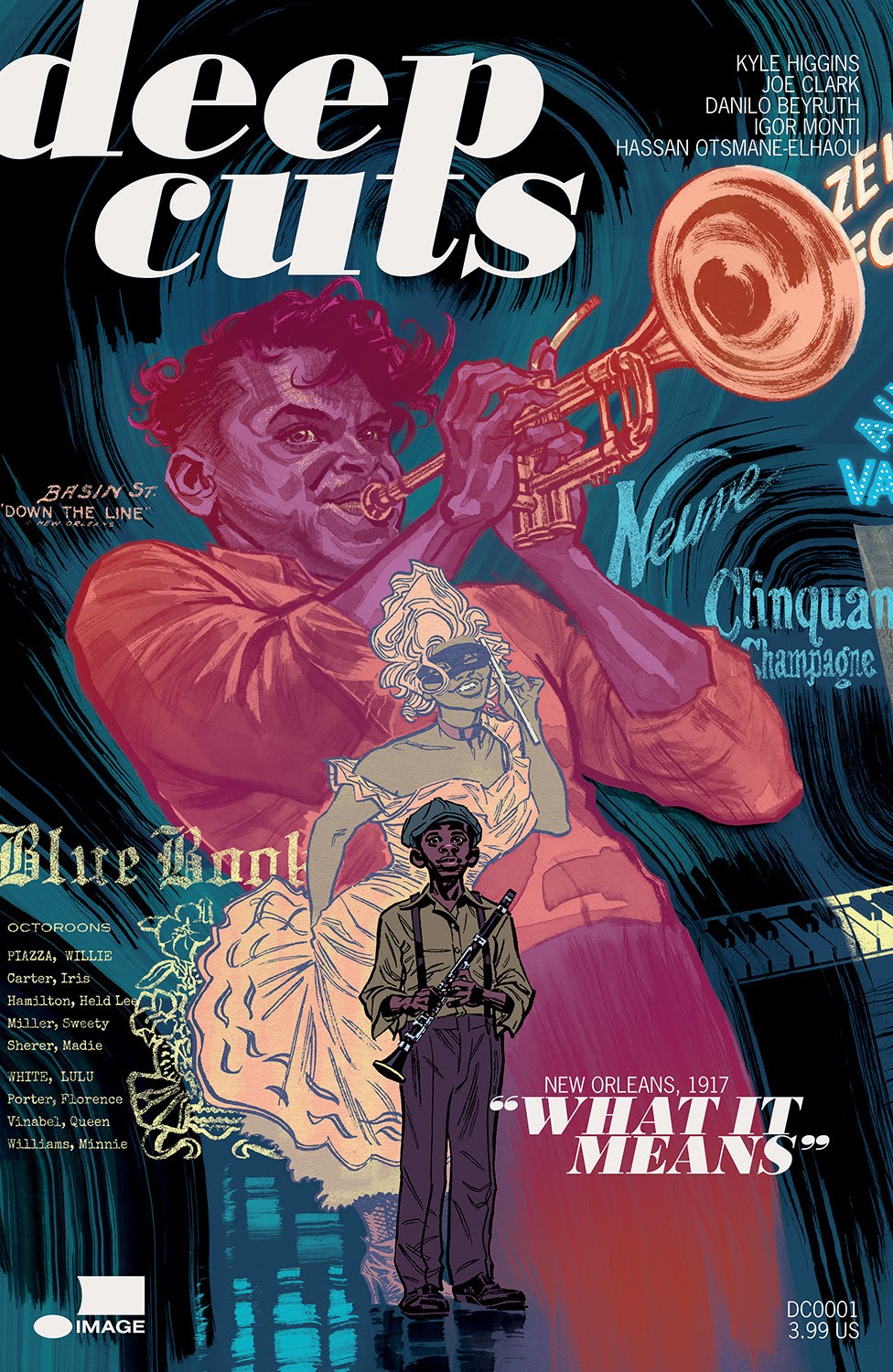
Deep Cuts #1

Tombs is another fantastic collection of horror manga from Junji Ito

Countless tombstones stand in rows throughout a small community, forming a bizarre tableau. What fate awaits a brother and sister after a traffic accident in this town of the dead? In another tale, a girl falls silent, her tongue transformed into a slug. Can a friend save her? Then, when a young man moves to a new town, he finds the house next door has only a single window. What does his grotesque neighbor want, calling out to him every evening from that lone window?

Story: Junji Ito
Art: Junji Ito

Get your copy now! To find a comic shop near you, visit http://www.comicshoplocator.com or call 1-888-comicbook or digitally and online with the links below.

Amazon
comiXology/Kindle
Bookshop


This post contains affiliate links, which means that if you click on one of the product links and make a purchase, we’ll receive a percentage of the sale. Graphic Policy does purchase items from this site. Making purchases through these links helps support the site

Review: Dissolving Classroom Collector’s Edition

A pair of twisted siblings—Yuuma, a young man obsessed with the devil, and Chizumi, the worst little sister in recorded history—cause all sorts of tragic and terrifying things to happen wherever they go. At the heart of the ills lies a culture, both foreign and all too close to home, of excessive apologetics…

Story: Junji Ito
Art: Junji Ito
Translation: Melissa Tanaka

Get your copy now! To find a comic shop near you, visit http://www.comicshoplocator.com or call 1-888-comicbook or digitally and online with the links below.

Amazon
Bookshop


This post contains affiliate links, which means that if you click on one of the product links and make a purchase, we’ll receive a percentage of the sale. Graphic Policy does purchase items from this site. Making purchases through these links helps support the site

Review: Deserter: Junji Ito Story Collection

Deserter: Junji Ito Story Collection collects a dozen of Junji Ito’s earliest works. A great way to discover the horror master!

Story: Junji Ito
Art: Junji Ito
Translation and Adaptation: Jocelyne Allen
Touch-Up Art and Lettering: Eric Erbes

Get your copy now! To find a comic shop near you, visit http://www.comicshoplocator.com or call 1-888-comicbook or digitally and online with the links below.

Bookshop
Amazon
Kindle
comiXology


This post contains affiliate links, which means that if you click on one of the product links and make a purchase, we’ll receive a percentage of the sale. Graphic Policy does purchase items from this site. Making purchases through these links helps support the site

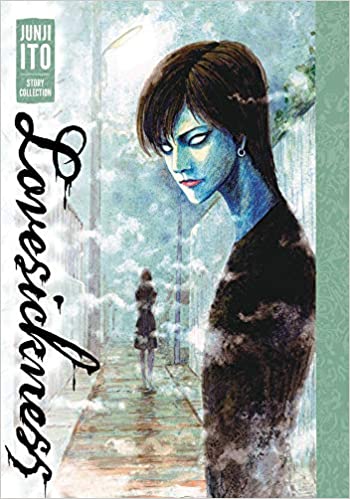
Review: Lovesickness- Junji Ito Story Collection

Content warning: suicide

Lovesickness

Junji Ito is probably my favorite manga creator, and he is a master of finding terror in the everyday escalating normal situations into something resembling cosmic horror. And that continues to be the case in his new collection Lovesickness, which features the titular story as well as two “Strange Hizikuri Siblings stories and three unrelated horror yarns. Ito dips into every day problems like wanting to be loved or desired, family conflict, and even being stuck a job that literally takes over your life and turns them up to eleven with imagery that will scar your psyche.

A big chunk of this story collection is the Junji Ito horror serial, “Lovesickness”, which is about a foggy town obsessed with fortune telling at crossroads. Basically, you can’t cross the street without a girl covering her face and asking you if she’ll find love or if the cute boy at school likes her. The protagonist, Ryusuke, is thrust into this world as his family returns to the town he lived in as a kid, and he rekindles relationships with some of his childhood friends, including his crush Midori and another girl Suzue. However, “Lovesickness” isn’t a relationship drama or a cute romance, but a visual striking and horrifying story that takes “falling in love will kill you” to its literal extent.

“Lovesickness” is a true masterpiece in atmosphere and escalation. Ito creates tension through wind-swept lines of fog that obscure the people that Ryusuke, Midori, and other supporting characters run into. It’s also a great visual metaphor for the secrets surrounding Ryusuke and the “beautiful boy at the crossroads” that is telling girls to end their lives because they will never be loved. This reminds Ryusuke of an incident in the past when he brushed off Midori’s aunt when she wanted her fortuned told, which led to her committing suicide as well as the death of her unborn child. There is definitely an air of death around Ryusuke throughout “Lovesickness”, and he is pale and withdrawn even if he never becomes like the walking corpses who haunt his town.

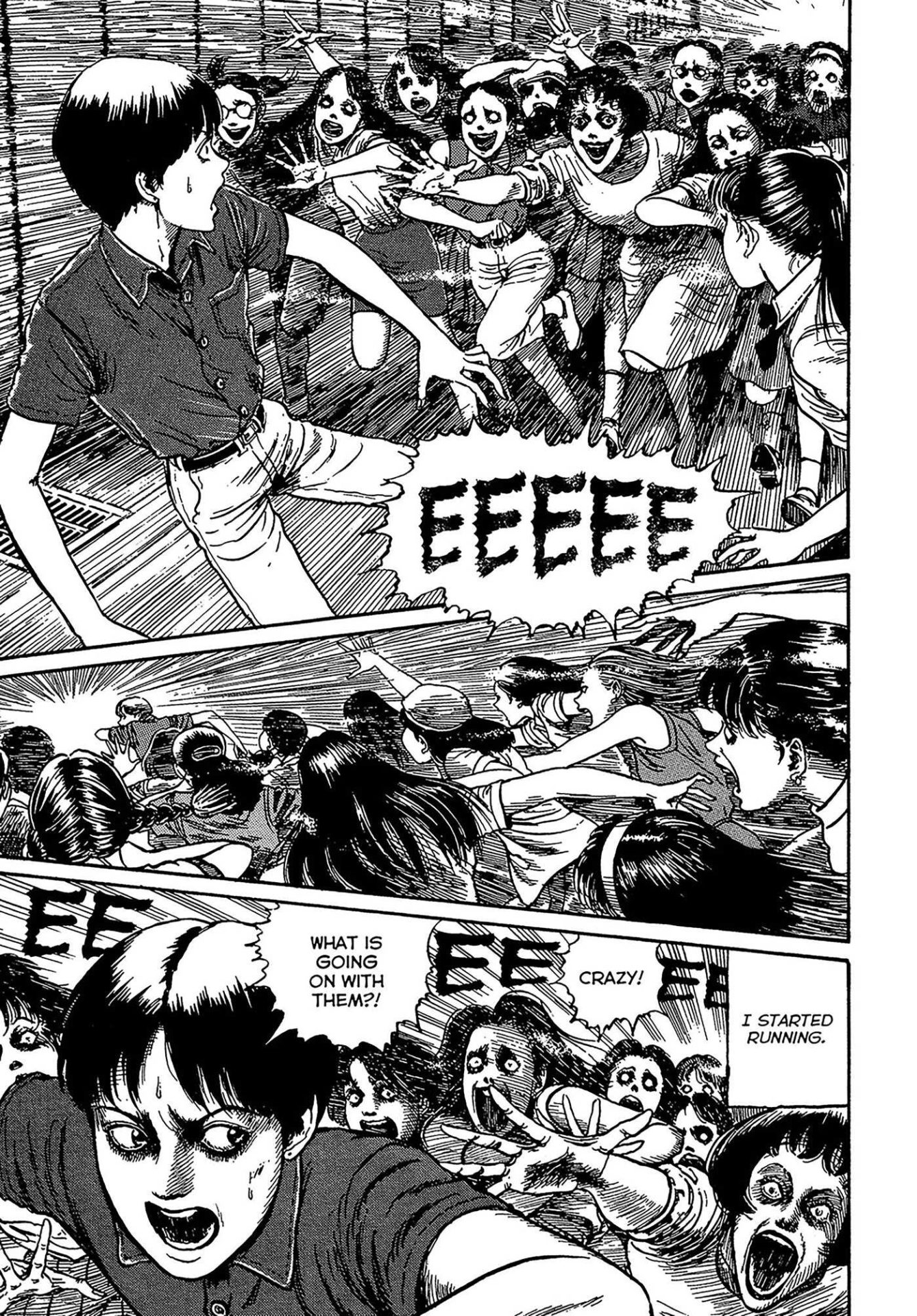
Lovesickness

Speaking of walking corpses, Junji Ito ramps up the level of danger as well as mystery in the later chapters by seeding in situations where Ryusuke thinks he’s the beautiful boy at the crossroads. Ito fills the page with speed lines and images of blood-splattered women taking revenge on the man that preyed on their weakness at a difficult times in their lives. “Lovesickness” progresses from more atmospheric horror to jump scares and bodies filling the street and the page, but there is a kernel of hope in the midst of the tragedy even if Ito draws parallels between Romeo and Juliet in the relationship between Midori and Ryusuke. This story actually ends up having a good moral in the midst of all the gore and frightening imagery, and Junji Ito gives Ryusuke an arc as he tries to make amends for his past failings. Throw in some satire about celebrity culture, relatable insights into the anxiety of moving to an old/new place, and yet another creepy, obsessive town, and “Lovesickness” is a solid start to this collection of horror stories.

“Lovesickness” is followed by a series of short stories featuring a kooky, creepy family that would make the Addams Family blush. They’re called the “Strange Hizikuri Siblings” and are a group of five siblings named Narumi, Kizuya, Kinako, Shigoro, Hitoshi and Misako, who live together after their parents’ passing. Junji Ito gives them each a distinct design, personality, and even verbal tics with Hitoshi coming off as a fairly normal young kid while Misako runs and acts like a cat sneering and teasing her siblings. The stories featuring the Hizikuri siblings are Ito doing horror comedy like a great sequence in “Narumi’s Boyfriend” where each family member comes up with a gruesome way to kill the man that Narumi has moved in with, and Hitoshi just deadpans that she shouldn’t see her boyfriend any more. This story is basically making life a living hell for nice, normal Kotani and dramatic Narumi, and it wraps up with a necrophilia joke. Junji Ito being both transgressive and funny is a good time, and “Strange Hizikuri Siblings” definitely isn’t filler to pad out Lovesickness and still features horror elements like creepy eyes and facial expressions and a haunted house chase sequence.

The second Strange Hizikuri Siblings story is called the “Seance”, and the basic premise is that the siblings are holding a seance so that their youngest sister Misako will stop throwing rage fits and slashing up the youngest brother Hitoshi’s face. The oldest brother Kizuya also wants to impress his crush (Who already has a boyfriend) Sachiyo, who tries to photograph the spirit world. Junji Ito combines dysfunctional family drama with a touch of the paranormal and little bit of the farcical in this story setting up Kizuya as a terrible person who only pretends to work and uses his role as the eldest brother to abuse and insult his siblings. This story is filled with moments that are both disgusting and clever as Ito manipulates the expectations of both believers and skeptics of the supernatural throughout “Seance”. His art hits that Evil Dead II aesthetic of something being scary or funny depending on the context. I definitely won’t forget the big reveal in this story for a while as well as the Strange Hizikuri Siblings whose lack of decorum in an eerie setting make for a great bit of splatter horror/comedy.

Lovesickness concludes with three standalone horror stories, “The Mansion of Phantom Pain”, “The Rib Woman”, and “Memories of Real Poop”. “The Mansion of Phantom Pain” takes the medical concept of phantom pain to extend to an entire large house as a young man named Kozeki is hired to help run around the mansion of a wealthy family and soothe their son’s pain while the son’s father and other workers are basically dying from sepsis. The concept might seem farcical, but Junji Ito uses thick dark lines and waves to show how much Kozeki and his fellow workers suffer transforming and live-in healthcare job into a nightmare. “Phantom Pain” is a unique take on the haunted house story and also has a running theme of tension between social classes as these working class people must risk life and limb and literally die while working for something that is probably imaginary. “The Rib Woman” takes aim at body dysmorphia when its protagonist wishes she looked like her classmate, a beauty queen and goes to a quite sketchy plastic surgeon to get one of her ribs removed. Junji Ito channels the anxieties crafted by the beauty and diet industries through creepy side effects and the appearance of a character that symbolizes the consequences of the classmate’s plastic surgery. A story that starts as a day at the beach erupts into chaos with bones flying everywhere. Finally, “Memories of Real Poop” is a very short, slight story about a boy who buys what he thinks is fake poop in front of his friends and gets secondhand embarrassment from it. It’s definitely the weakest of the Ito stories in this collection, but fits with the gross-out approach to horror in “Seance”.

Lovesickness features yet another Junji Ito horror epic in the story that shares a name with a title, but it also shows off his gift for dark humor in “The Strange Hizikuri Siblings”, Gothic horror with a late capitalist twist in “The Mansion of Phantom Pain”, and social commentary with jarring images in “The Rib Woman”. It’s yet another example how he’s the master of building up his plots from regular to horrifying and finding the monstrous in all of us from ordinary people looking for love to sociopathic siblings and even workaholics and beauty queens.

Story: Junji Ito Art: Junji Ito
Story: 8.4 Art: 9.0 Overall: 8.7 Recommendation: Buy

Viz Media provided Graphic Policy with a FREE copy for review


Purchase: comiXologyAmazonKindleZeus ComicsBookshop

Graphic Novels Suck!

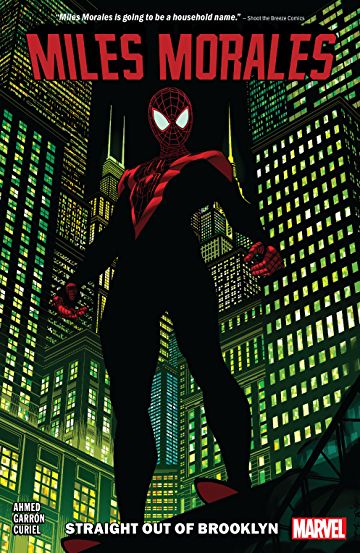
Miles Morales: Spider-Man #1

One benefit of transitioning from the corporate world to the library world is that I get to work with and handle comics (or graphic novels as they like to call them.) on a daily basis. I mean I literally got paid to order and enter the ordering information for the first volume of Saladin Ahmed and Javier Garron’s Miles Morales: Spider-Man comic today and then at my other job at a public library, I got to show a couple of kids (whose first library card I made.) where the Pokemon “comics” were. It’s pretty awesome, but there’s a bittersweet lining to it too.

And that lining is that in the minds of many of the people I interact with at work, whether that’s colleagues or patrons, comics are still solely for kids. Yes, I know it’s a cliche, but it was corroborated by Eric Reynolds, the co-publisher of Fantagraphics in an interview with Ed Piskor and Jim Rugg of the Cartoonist Kayfabe podcast where he talked about how well comics by Dav Pilkey or Raina Telgemaier were selling, but how those sales don’t translate to the adult or even the YA market. Kids comics (and manga) are booming, but unless you’re already into the world of comics, or it’s something evergreen like Watchmen, Maus, or Fun Home, it seems like comics are not a viable reading material for, say, post-college age adults.

And I hate that I don’t feel empowered to recommend comics and graphic novels to adults at my work unless they’re already checking one out. For example, I told a patron who checked out Manhattan Projects to check out Jonathan Hickman’s recent X-Men work and that we would probably be ordering the complete hardcover in the winter. However, if a patron likes spy novels, I probably won’t recommend Ed Brubaker and Steve Epting’s Velvet or Antony Johnston and Sam Hart’s The Coldest City. I think a lot of this is how the graphic novels are shelved. (In the teens and kids section at one job, and hidden away on the 2nd floor at another.) But it might be a personal thing too.

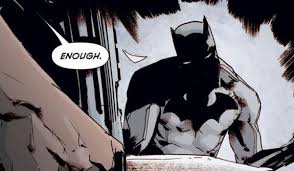
In my mind as a comics critic/fan and librarian-in-training, I have two wolves inside me. One is out here trying to champion comics as either serious literature or something that can appeal to everyone like young adult dystopian novels, airport novels, or Oprah’s Book Club nonfiction. (She makes some pretty great choices.) Then, there’s another, admittedly bad, wolf that relishes in comics’ history and reputation as the “bastard child of art and commerce” and doesn’t give a shit if the people around me look down on the medium or see it as only fit for children and people, who need help learning how to read. (This is hilariously reductive because comics require both verbal and visual literacy to be understood.) I also enjoy having a little fun and saying things like the latest issue of Batman has more literary value than anything James Patterson and Tom Clancy. (It’s true, especially when Scott Snyder and Grant Morrison were writing the book.)

Batman "Enough"

What both wolves really like to come to blows over is the term “graphic novel”. The good wolf likes to emphasize it when talking to patrons because it reminds them of a currently respected medium. (The novel, which used to be seen as trash once upon a time.) The bad wolf likes to say that it’s a meaningless term, especially for trade paperbacks of ongoing series with multiple writers and artists. Both wolves agree that graphic non-fiction, memoirs, and medicine belong with their respective subjects and not with “graphic novels” because that makes so sense. Would you shelve a non-fiction book about anxiety next to J.D. Robb’s latest vapid thriller?

If I had my way, I would call anything that told a sequential story in both words and images a comic, plain and simple. However, graphic novel does have some marketing value even though some of the ways it’s used and overused are utterly banal. But, hey, if leads to a comic being checked out, I’ll use the word.

I have high hopes that as film and television shows of different genres that are comic book adaptations continue to be released, members of Generation Z keep reading comics even after their teachers and other adults say “They’re below their reading level” (This adds to their punk rock value, to be honest.), and cartoonists like Gene Luen Yang and Ed Piskor speak at prestigious book events (Aka they mainly focus on prose.) that comics will end up being just another item on the reading menu. Maybe, Alexandria Ocasio-Cortez will get elected president in 2024 and invite Alan Moore (He’ll probably decline.) and Dave Gibbons to chat Watchmen.

But, for now, I need to dig a little deeper and get better at recommending comics to people who aren’t children, teenagers, “geeks”, or fans of science fiction and fantasy. (I got a librarian at my work, who read Mort Weisinger-edited Superman books and 1960s Marvel comics as a child, seriously hooked on Saga.) I need to be a little less precious about semantics and use the term “graphic novel” as a tool for promotion instead of something that numbs my brain and makes me throw up in my mouth a little bit. I need to understand that some people might not have the visual literacy levels to read and enjoy comics, which is okay.

And my final takeaway is that I need to read more manga. Seriously, I went to a Barnes and Noble in the Louisville, Kentucky suburbs and there were four full rows of manga. Because of the prevalence of public transportation and the lack of a Comics Code incident leading to one genre taking over the industry due to censorship, manga of all genres is easy to obtain in Japan, and maybe it’ll be like that the United States. But, for now, it’s time to crack open Uzumaki by Junji Ito. (Once I knock off all the others on my “to be read” list).

« Older Entries Recent Entries »