Interview: Women of BOOM! – Corinna Bechko
 It’s Thursday which brings us a new interview and our 15th “Women of BOOM!” feature, spotlighting the many kick-ass women that work at BOOM!, Archaia and KaBOOM! We’re focusing on everyone, editors, designers, writers, artists, you name it! We’re making sure to include the hard-working folks whose contributions are often overlooked in the process.
BOOM! (and KaBOOM! and Archaia) has given us unprecedented access and the chance to ask questions to their staff, and creative teams, to find out why the publisher is so successful in hiring women and their experiences in the comic industry as women.
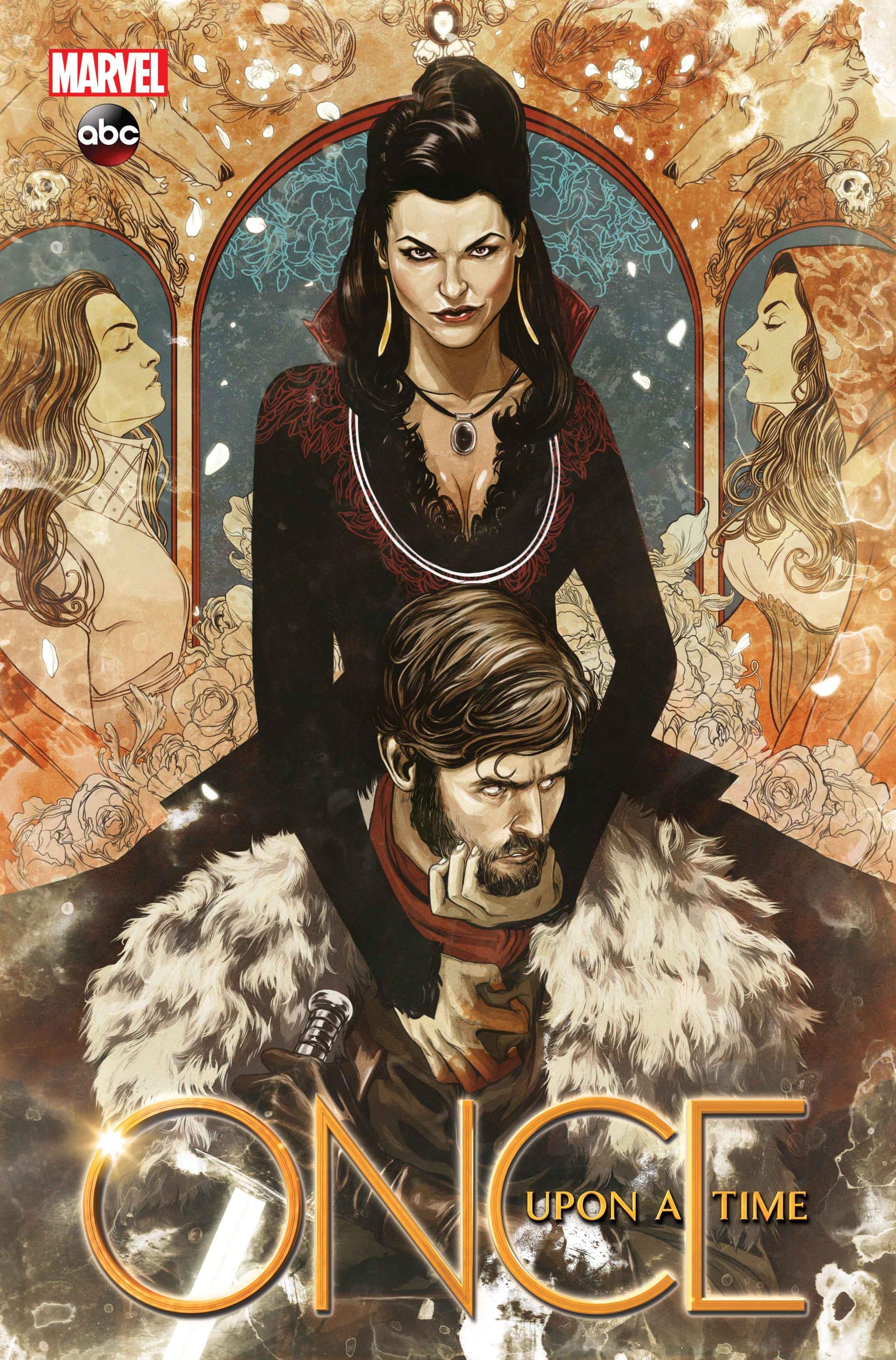
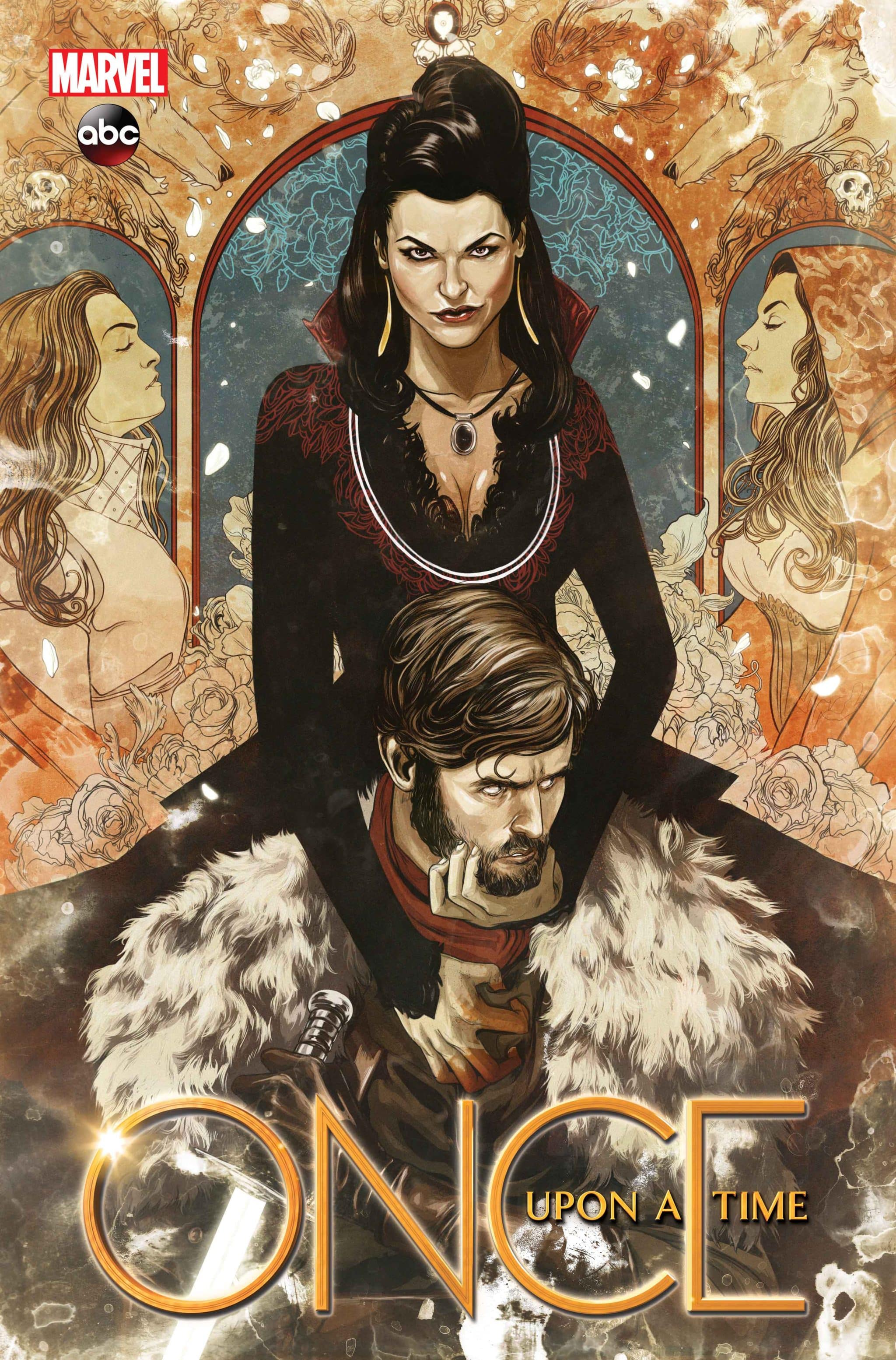
Corinna Bechko is a writer who has worked on Betrayal of the Planet of the Apes, Exile on the Planet of the Apes, Planet of the Apes: Cataclysm for BOOM! Studios; Once Upon a Time: Shadow of the Queen for Marvel; Star Wars: Legacy for Dark Horse; and Heathentown for Image/Shadowline.
Graphic Policy: How did you get involved in the comic book industry?
Corinna Bechko: I wrote a creator owned graphic novel called Heathentown that was published by Image/Shadowline.
GP: Did you read comics growing up? Do you read them now?
CB: I read a lot of them now, both digitally and in print. So much interesting stuff is coming out lately! Growing up I read comic strips in the paper and imported Indian comics about Hindu mythology.
 GP: How did you come to work with BOOM!/Archaia?
CB: My writing partner (and husband) Gabriel Hardman and I ran into Matt Gagnon at the LA Festival of Books. We mentioned how much we loved what Daryl Gregory and Carlos Magno were doing with their Planet of the Apes book and asked if BOOM! would consider a one-shot from us. Instead they offered us a miniseries, and that became Betrayal on the Planet of the Apes.
GP: How would you describe your job for people?
CB: I simply say that I write comics.
GP: For people who want to pursue a career in what you do, what advice would you give them?
CB: Be persistent, don’t give up, and always, always be polite. The industry is small and everyone knows everyone. Read lots of comics to get a feel for how they flow and the visual ways that a story can be told. Pay attention to the art, especially how page turns impact the pacing and how information is revealed. Try to work with the best artist you possibly can because that is the first thing anyone will notice about your book.
GP: Did you have a mentor to help you break into the industry? Do you mentor anyone yourself?
CB: My husband and writing partner is a master visual storyteller and I have learned a lot from him. He spent years working as a storyboard artist on feature films so it’s second nature to him. As for mentoring someone else, I did have the chance a couple of months ago to be “job shadowed” by a young woman in high school who is considering a career in comics. I brought her to the BOOM! offices where my editor Dafna Pleban generously showed her all aspects of how comics are made and really gave her the lowdown on what it means to be a woman in this industry. She was amazed to see how much hard work goes into even a single issue!
GP: Do you think women have a more difficult time breaking in and making it in the comic industry, if so why? And if yes, how do you think that can be overcome?
CB: I do think there’s still a bit of glass ceiling in certain areas. All you have to do is look at the percentages of females vs. male creators to see that. Things are changing, but not as fast as they should. I don’t think that there’s a “no women allowed” sign hanging anywhere, but rather that many people in the position to hire new talent don’t have a mental image of comic creators that comes in more than one template. That will hopefully be naturally overcome as more people speak up about the problem. The rise of digital delivery is helping too, since it presents consumers with choices that may not be available in tiny local shops that sometimes only order from “the big 2.”
GP: We notice that when it comes to women in the comic industry, BOOM!/Archaia has a lot of diversity present. Why do you think have they succeeded when so many other publishers struggle with this?
CB: In my dealings with BOOM! it was always striking how young and energetic the company seemed. I don’t think anyone there has just one idea of what a creator should look like. They’re looking towards the future where you make comics for all sorts of people, not just one type. Which is not to say that every story has to appeal to every person, but it is nice when there aren’t stories that are actively excluding people.
GP: We’ve heard horror stories concerning women in the industry, have you ever seen or been discriminated/harassed and if so, how did you handle it?
CB: I’ve been very lucky. Aside from a couple of twitter trolls and a few ignorant comments, I haven’t been actively harassed or discriminated against within the industry. I do get the occasional “soft” discriminatory assumption at cons, like that I’m just minding the booth for my husband or that what I’d really like to do is write for children (even though my OGN is horror and that’s my first love) but I haven’t had the struggle that women who blazed the path before me have had.
GP: What advice do you have for women looking to break into the comic book industry?
CB: Act like a professional and don’t let anyone treat you like you’re not. Read a lot, study scripts, and pay attention to what’s going on in the industry. But mostly, make comics!
Related: