Logan’s 10 Favorite Comics of 2024
After whatever the hell 2023 was, I got back into comics in 2024. The Absolute and Ultimate lines helped me get back into Marvel and DC’s output, and I also finally read some stone cold classics, both old and new, like Starman, Gender Queer, 20th Century Men, and Something is Killing the Children. I really love that I can get Silver Sprocket’s books from Comics Plus and Hoopla from my public library, and even though I’m not a New Year’s Resolution person, I definitely plan on reading more of their catalog in 2025 (Caroline Cash’s Peepee Poopoo calls my name!) as well as the back half of Starman, Planetary, finally finding out what actually happened to Krakoa in the X-Books, and keeping up with new titles. (Metamorpho and New Gods were two year end bangers!)
Without further ado, here are my favorite ten comics of 2024

10. Peepshow #15 (Fantagraphics)
One of the happiest surprises of 2024 was the release of one last issue of Joe Matt’s Peepshow a year after his untimely passing. This comic deals with Matt moving to Los Angeles to pitch a TV version of Peepshow to HBO and deals with similar subject matter as the previous decades of the book like his frugality, personal feelings of inadequacies, and yes, obsession with Asian women. However, occasional distasteful subject matter aside, Peepshow #15 shows a cartoonist’s cartoonist at the height of his craft with impeccably placed sweat beads and speed lines as Joe Matt has another existential crisis. It’s also a love letter to a comics medium with one of Matt’s friends entreating both him and the reader to pore over some of the comics taking up space in his apartment.

9. Absolute Batman (DC)
In the launch title for DC’s new Absolute line, Scott Snyder, Nick Dragotta, and Frank Martin rebuild and revise the Caped Crusader from the ground up. Absolute Batman takes elements from Frank Miller’s works, various Bat-films, and Snyder’s previous work with the character to create a beefy, working class Batman, who is currently bestie with what might later become his Rogue’s gallery. Scott Snyder and Dragotta take aim at school shootings, the prison industrial complex, and cryptocurrency while having entertaining action and chase sequences. They’re three issues into building a universe, and I’m excited to see where this book goes in 2025.

8. Grommets (Image)
Rick Remender, Brian Posehn, Brett Parson, and Moreno Dinisio’s Grommets is a semi-autobiographical love letter to 1980s skate and punk culture set in the Sacramento suburbs. Remender and Posehn draw on their own experiences as teenagers while Parson and Dinisio turn them up to eleven with detailed and period-accurate visuals that are something out of Mad Magazine. It’s fun to watch Rick and Brian’s misadventures and the ups and downs of their friendship, especially once a timer is put on it when Rick’s parents tell him they’re moving to Phoenix. The past few issues of the series have been literal bloodbaths as punks and jocks clash, and of course, the cops don’t take the jocks’ side. Grommets really captures how epic, hilarious, and occasionally sad growing up was.
7. “The Happy Art” (Self-Published)
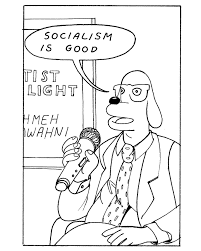
I read Sami Alwani’s Ignatz-winning “The Happy Art” on his Instagram, but it’s also available in the Pulping “Comics on Comics” anthology. “The Happy Art” is a quite meta comic about how hard it is to appeal to different audiences in comics and also about collective thinking, cancel culture, and all that jazz. Alwani portrays himself as a dog, and the story reaches new heights of absurdity with each page. I love the juxtaposition of Gen Z lingo with a fanatical love for comics as a medium, and how it changes styles and POV with each panel. Saehmeh is indeed based, and so is this very accessible comic.

6. Godzilla Valentine’s Day Special (IDW)
Zoe Tunnell, Sebastian Piriz, and Rebecca Nalty tell a cute queer love story against the backdrop of kaiju attacks in Godzilla Valentine’s Day Special. Kaiju romcom is kind of the perfect subgenre, and Tunnell gives the full progression of the relationship between unemployed burnout-turned-monster chaser Piper and Earth Defense Force soldier Tam from loathing to sweet loving. On the art side, Piriz gets to dig deep into Toho’s library of critters, including a battle royale between Godzilla and MechaGodzilla that shows that building bigger bombs and weapons doesn’t lead to peace, but just more war. It’s also interesting to see the portrayal of the King of Monsters change as the book progresses from something jarring and life-changing to just a reality of life. This could also be a metaphor for the progression of a romantic relationship as well.

5. Belly Full of Heart (Silver Sprocket)
Madeline Mouse’s Belly Full of Heart is queer softness, love, and desire in fluid comic book short story format. Mouse uses pomegranates, starfish, cars, Adidas slides, and more as visual metaphors for love. Their vignettes flow from page to page and color palette to palette in a way that feels like a warm hug multiplied by eleven. Belly Full of Heart throws plot out of the window and focuses on feelings and vibes instead. It’s also full of silly humor with “Kissin’ at the beach/Pissin’ at the beach” getting inducted into the kind of rhyming couplet hall of fame. Belly Full of Heart captures the feeling of being 100% yourself around another person as Madeline Mouse rejects rigid panel boundaries and embraces hand lettering to craft one of the most beautiful and gender euphoric comics of 2024.
4. Midnight Radio (Oni Press)
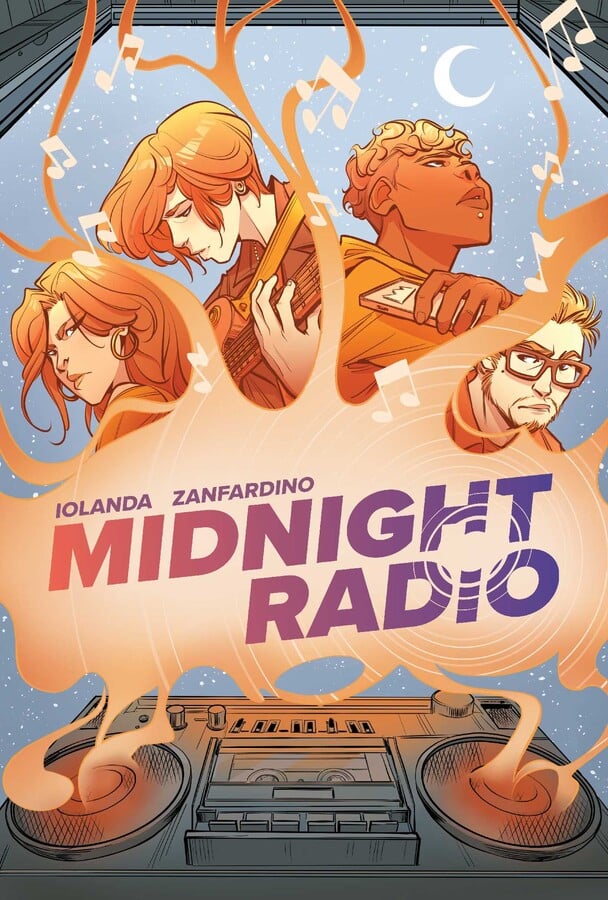
I know that Midnight Radio technically came out in 2019, but it got a special edition remaster from writer/artist Iolanda Zanfardino so it’s eligible for my “Favorite Comics of 2024” list. Using a distinct color palette for each protagonist, Midnight Radio follows the lives of a diverse cast of characters brough together by a mysterious radio message urging them to be their own authentic selves. There’s a plotline with a healthcare company being responsible for the deaths of many people that was painfully relevant last year, and Zanfardino explores even more social issues like racism, xenophobia, social media addiction, and violence against queer people throughout her story. However, the main draw of Midnight Radio for me was the characters breaking off the shackles of corporate jobs, corrupt cops, unwelcoming families, and societal pressure and finding fulfillment through a variety of types of art, including indie games, music, and more!

3. The Ultimates (Marvel)
Deniz Camp, Juan Frigeri, and Phil Noto’s Ultimates is anti-imperialist team superhero comic published by the world’s largest entertainment corporation that is also an ode to the single issue. As a collective unit, Ultimates builds to the assembling of Earth-6160’s mightiest heroes and the return of the Maker. However, Camp does the opposite of writing for the trade and gives each single issue its own flair. For example, Ultimates #4 is about Dr. Doom trying to bring the Fantastic Four back and can be read in five distinct ways to tell his tragic story with Noto channeling his inner Dave Gibbons and creating gorgeous symmetry. Deniz Camp and Frigeri connect new takes on She-Hulk and Hawkeye to the violence done towards the indigenous people of the Pacific islands and North America and breathe new life into old school anti-fascists Captain America and Jim Hammond’s Human Torch. Ultimates feels a lot like if Angela Davis wrote the Avengers, and that is a high compliment.
2. Public Domain (Image)
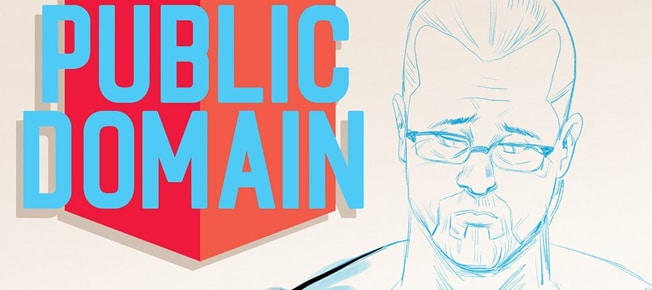
Influenced by comic book history as well as his own experiences as a cartoonist, Chip Zdarsky’s Public Domain is part love/hate letter to the medium and dysfunctional family drama. Public Domain #6-10 shows how the sausage is made with Dallas Comics trying to beat the clock and their new take on iconic superhero, The Domain. Along the way, there are old men arguing at bars, thinly veiled analogues for “star” comic book creators, and a look back at a love affair. Public Domain shows the difficulty of being creative under corporate constraints and also having a personal life while being caught up in the wringer of the comic book industry. It comes across as a real passion project for Zdarsky who crams each issue with visual gags, parodies, and of course, heartfelt moments.

1. Ultimate Spider-Man (Marvel)
Jonathan Hickman, Marco Checchetto, and David Messina’s Ultimate Spider-Man was twelve issues of comic book comfort food as Peter Parker gets his powers as a thirty-something and must learn how to use them in a world undergirded by evil and corruption. In opposition to certain other writers and editors, Ultimate Spider-Man shows that a married with children Spider-Man comic can be compelling. There’s nothing like struggling fighting the Shocker while one kid knows your secret identity, and the other doesn’t and is kind of besties with J. Jonah Jameson. Speaking of Jameson, the story that showcased him and Uncle Ben digging into the Kingpin and Oscorp might have been the single issue of the year as the two old school newspapermen show their work and speak truth to power. On the art side, Checchetto brings a sleek high tech sheen to the suits and fights while not losing that classic Spider-Man charm, and Messina does a good job of holding down the fort in his fill-in issues. All in all, Ultimate Spider-Man (2024) is the Spider-Man comic I needed at 31 like Ultimate Spider-Man (2000) was the Spider-Man comic I needed at 13, and I love that it wrapped up its first year with a dark, Empire Strikes Back type ending.
