This is a column that focuses on something or some things from the comic book sphere of influence that may not get the credit and recognition it deserves. Whether that’s a list of comic book movies, ongoing comics, or a set of stories featuring a certain character. The columns may take the form of a bullet pointed list, or a slightly longer thinkpiece – there’s really no formula for this other than whether the things being covered are Underrated in some way. This week: Incoruptible
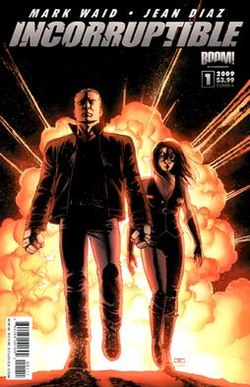
Last week we looked at Irredeemable, Mark Waid’s exploration of Superman snapping and going from the world’s greatest hero to its most despised villain. That series ran for just shy of 40 issues, and also spawned a spin-off series called Incorruptible that asks the same question but in reverse; what if the world’s greatest villain became its greatest hero?
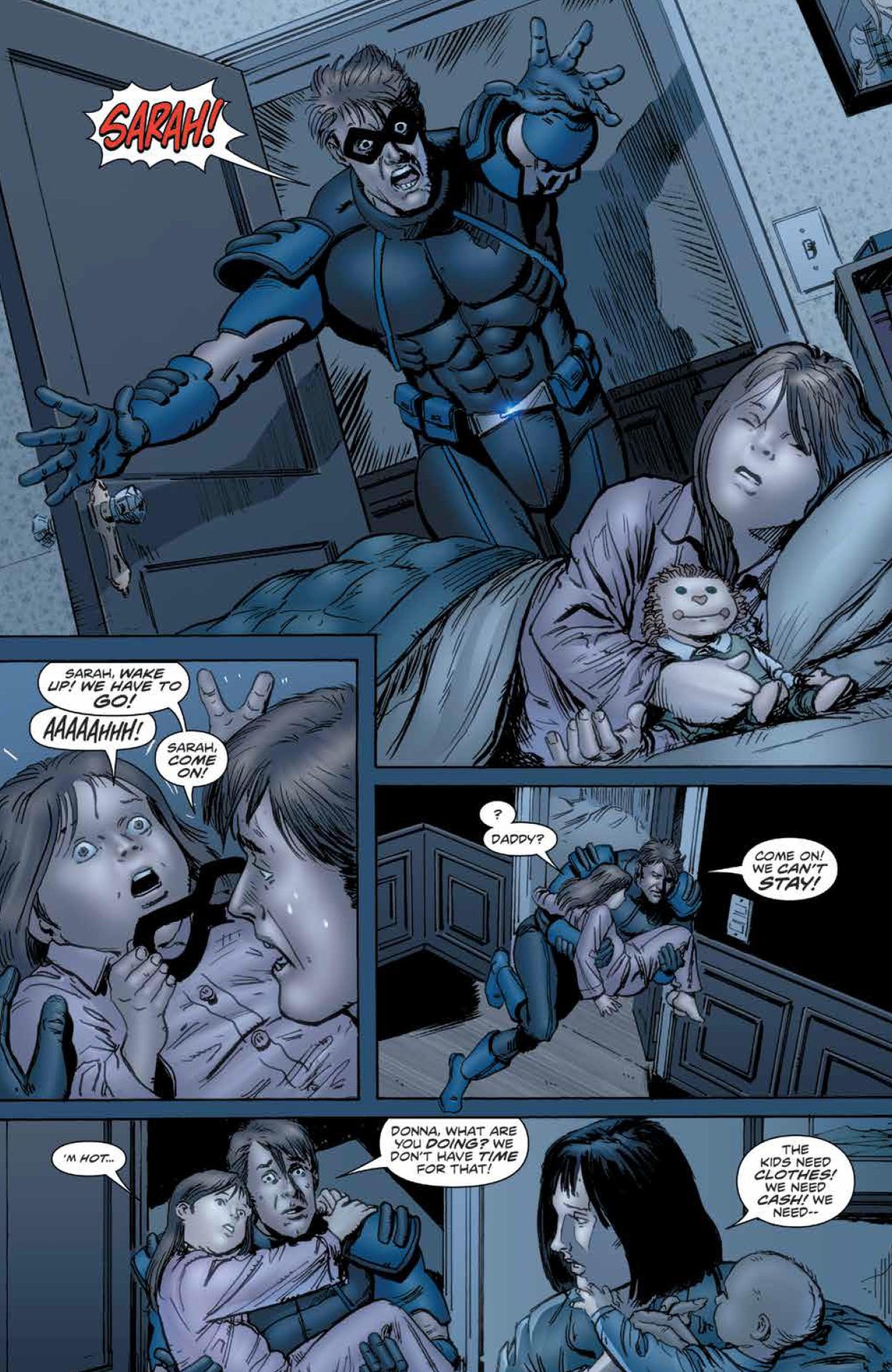
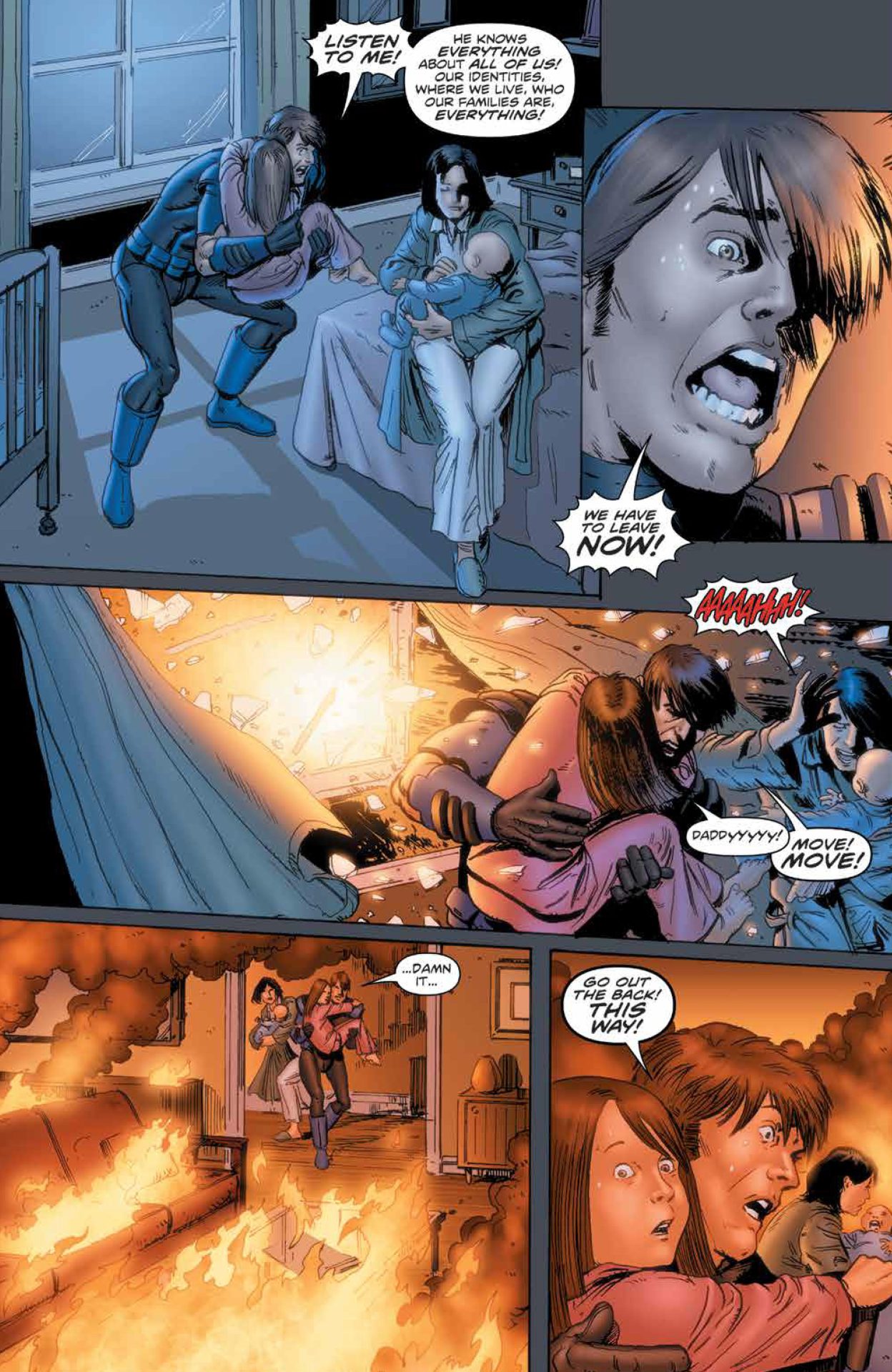
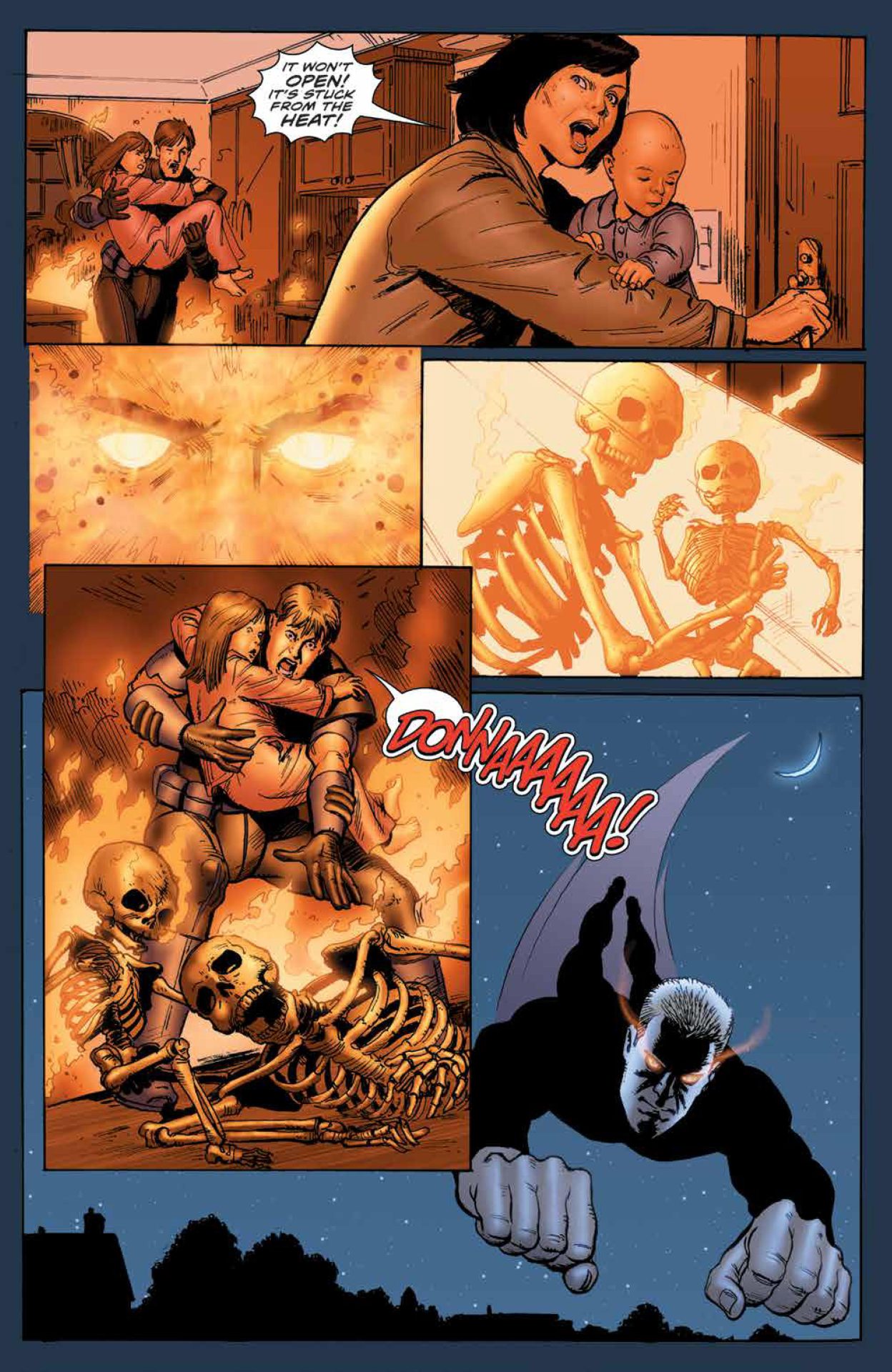
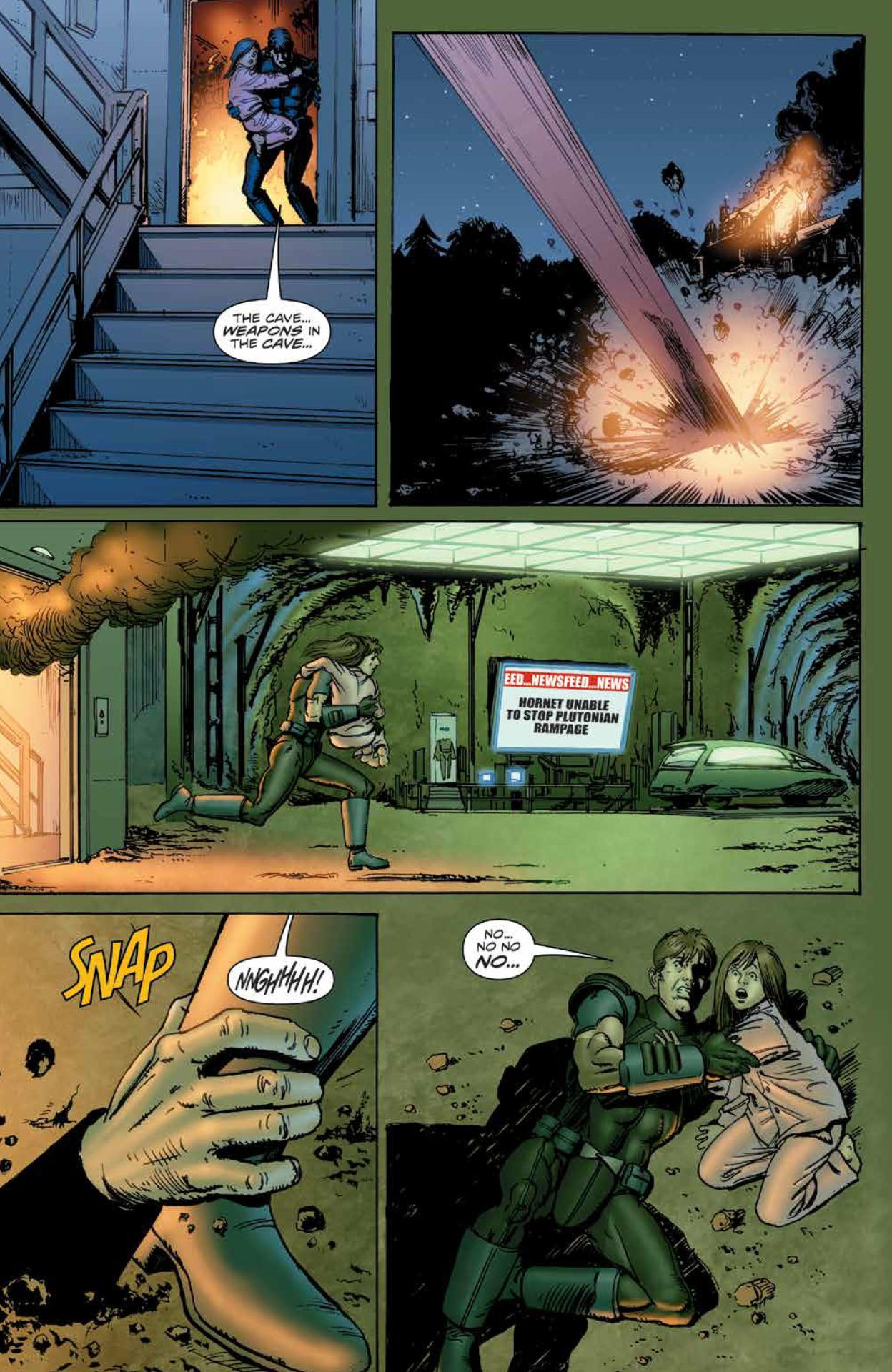
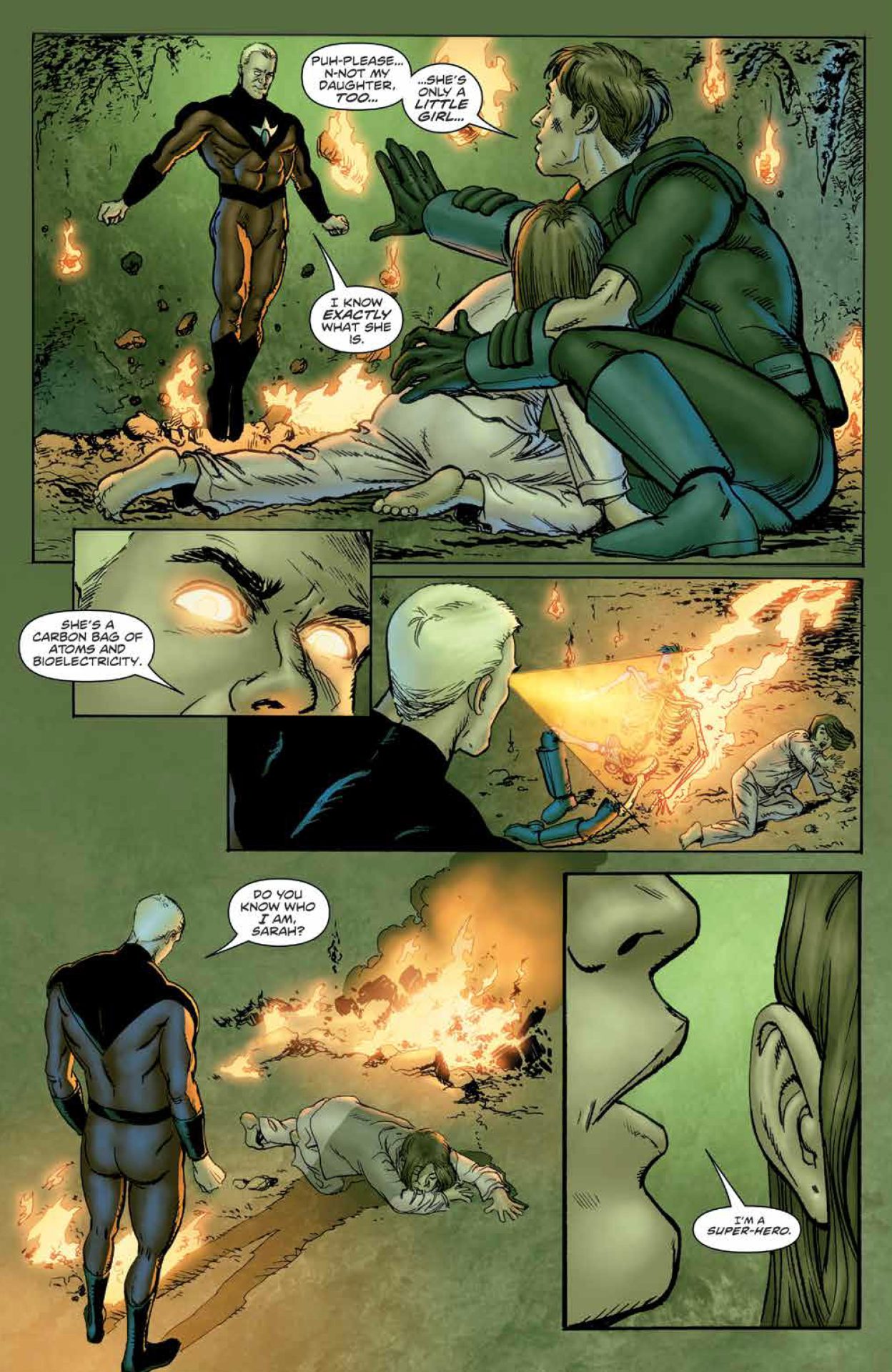
After seeing the atrocities commited by Waid’s Superman analogue the Plutonian, Max Damage decides that somebody has to stop the rampaging villain – somebody has to give the world hope. And so he sets about becoming everything he isn’t in order to try and save the world, much to the confusion and annoyance of his former gang.
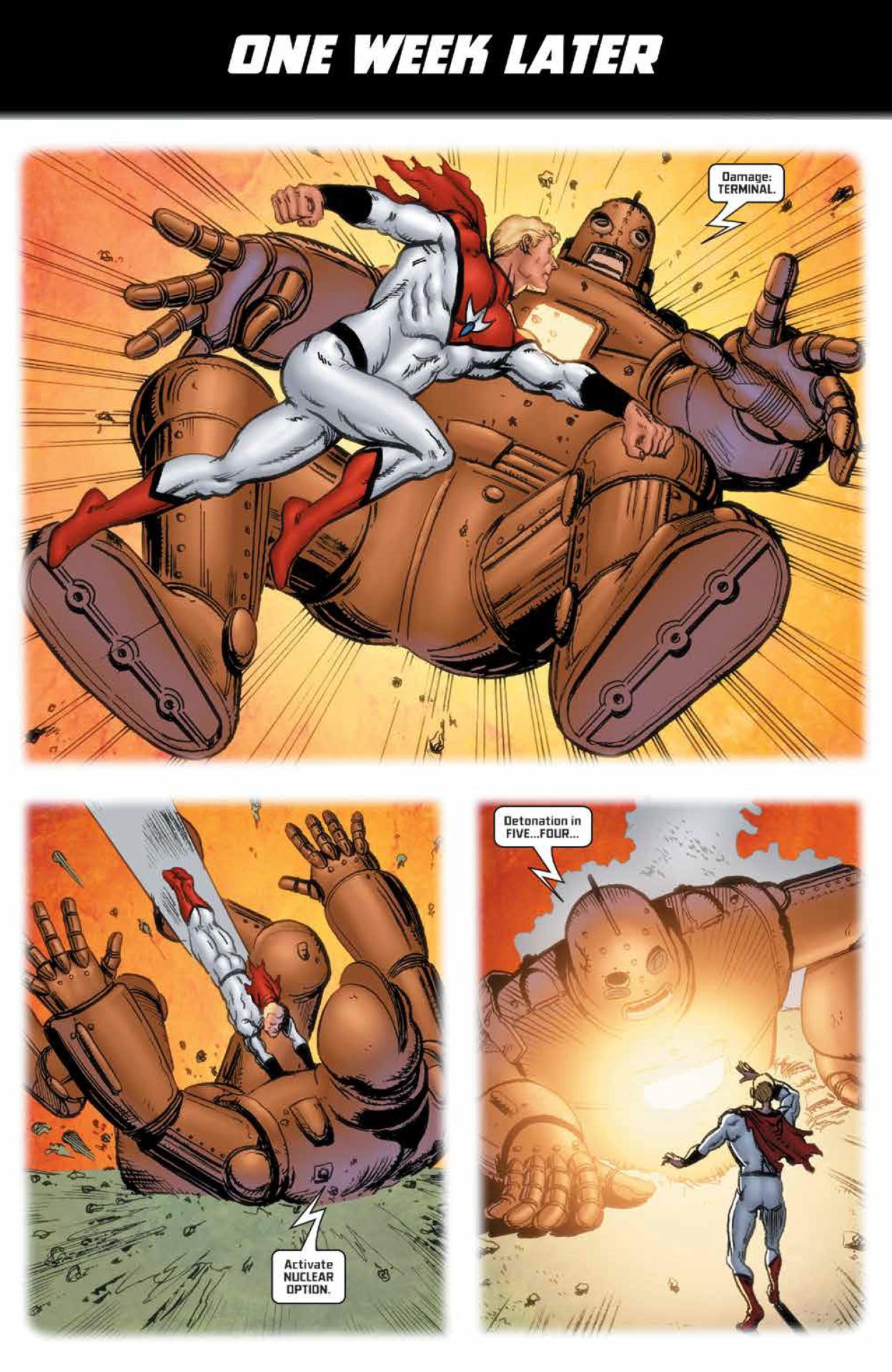
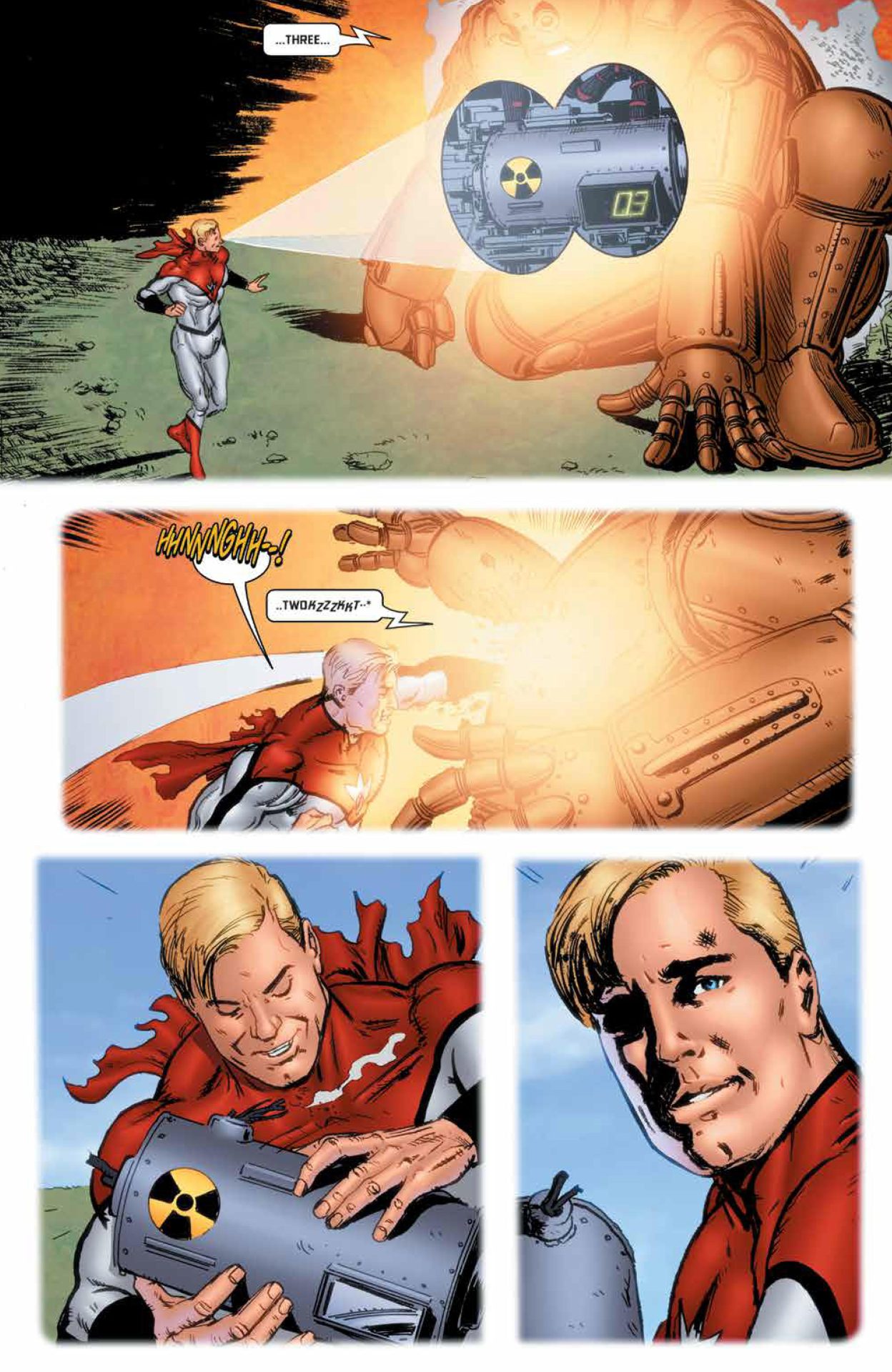
But Max Damage doesn’t have a moral compass; he sees the world in a strange black and white, and so his idea of heroism is to, literally, do the exact opposite of what he once did. He destroys all his ill-gotten gains, rather than anonymously donating it to a charity or those in need (or even returning the stuff), and takes down his old gang.
The switch from villain to hero is so abrupt that when he arrives on scene to help police with a situation, their reaction is pure terror, even when assured that Damage is no longer a villain. Much like the series it span out of, there’s some dark humour on display here as Waid gives us a psychological study of a damaged person trying to atone for their mistakes without actually understanding why what they did was wrong.
As a person who deeply enjoys redemption stories, this is one of the more enjoyable ones I’ve read. Max Damage’s journey from villain to hero is as amusing as it is fascinating; he never quite understands what makes a man a hero or a villain, leading to the question of if an evil man does good things, does that mean they’re not actually evil?
Max Damage’s power set itself is also interesting; the more sleep deprived he gets, the more invulnerable and strong he becomes, which leads to its own set of problems as he realizes just how much the Plutonian was pulling his punches in their earlier encounters, and has to find a solution to the power imbalance if he’s ever to go head to head with his enemy.
Between both Irredeemable and Incorruptible Waid has a great deconstruction of the nature of heroism and villainy that holds up nearly a decade after it debuted. If I’m honest, I prefer the spin-off series, but you can’t really enjoy one without the other; they’re each a side of the same coin, and reading them both concurrently enhances each series more than you would initially expect.
As a series, this is very much loved by many, but it doesn’t get the recognition it deserves. That’s why it’s Underrated.
Join us next week when we look at something else that is, for whatever reason, Underrated.
This is a column that focuses on something or some things from the comic book sphere of influence that may not get the credit and recognition it deserves. Whether that’s a list of comic book movies, ongoing comics, or a set of stories featuring a certain character. The columns may take the form of a bullet pointed list, or a slightly longer thinkpiece – there’s really no formula for this other than whether the things being covered are Underrated in some way. This week: Irredeemable
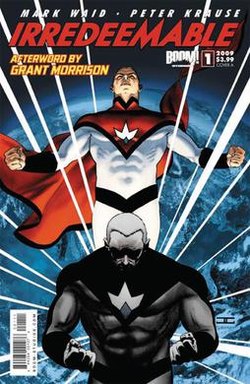
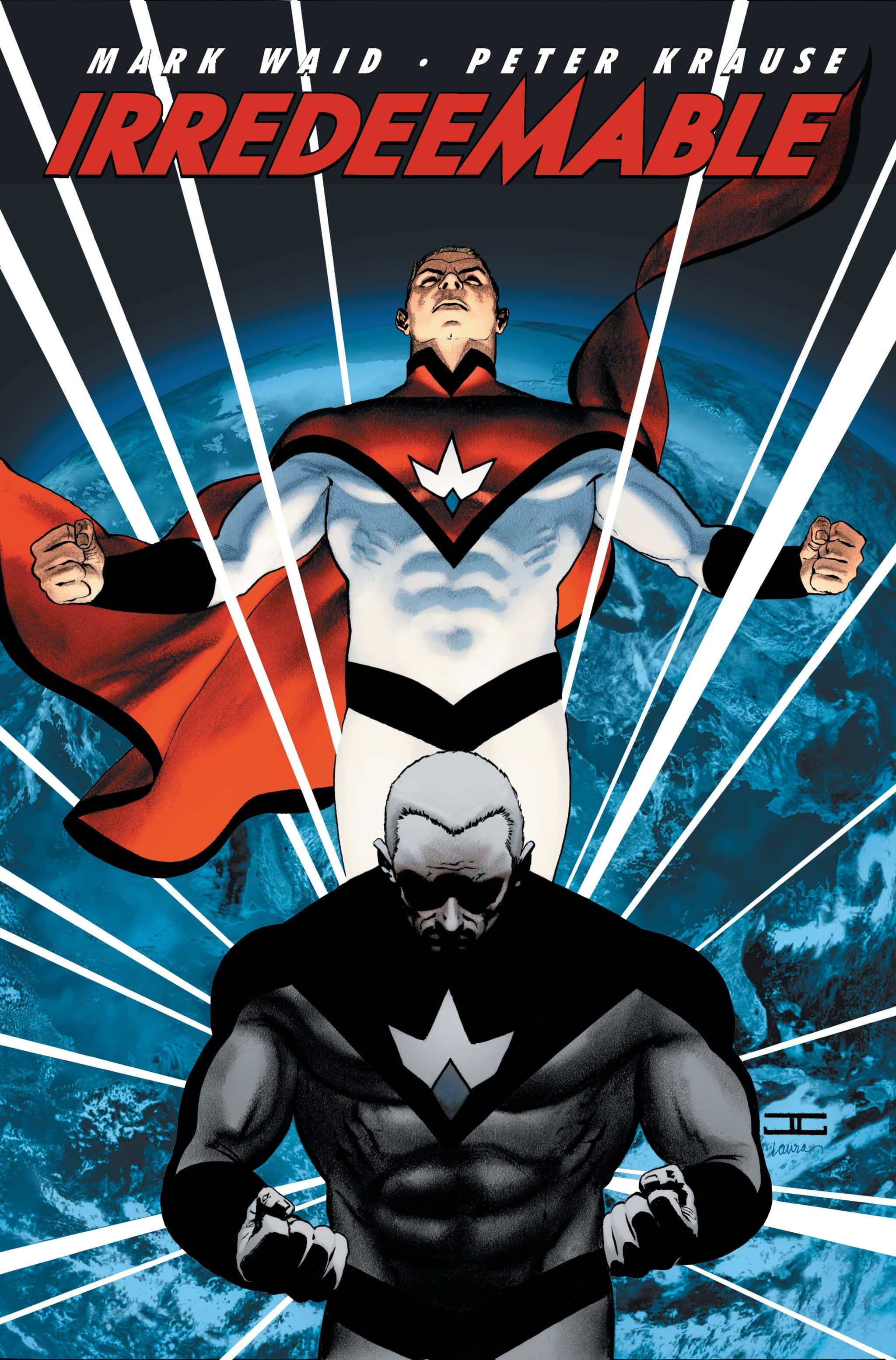
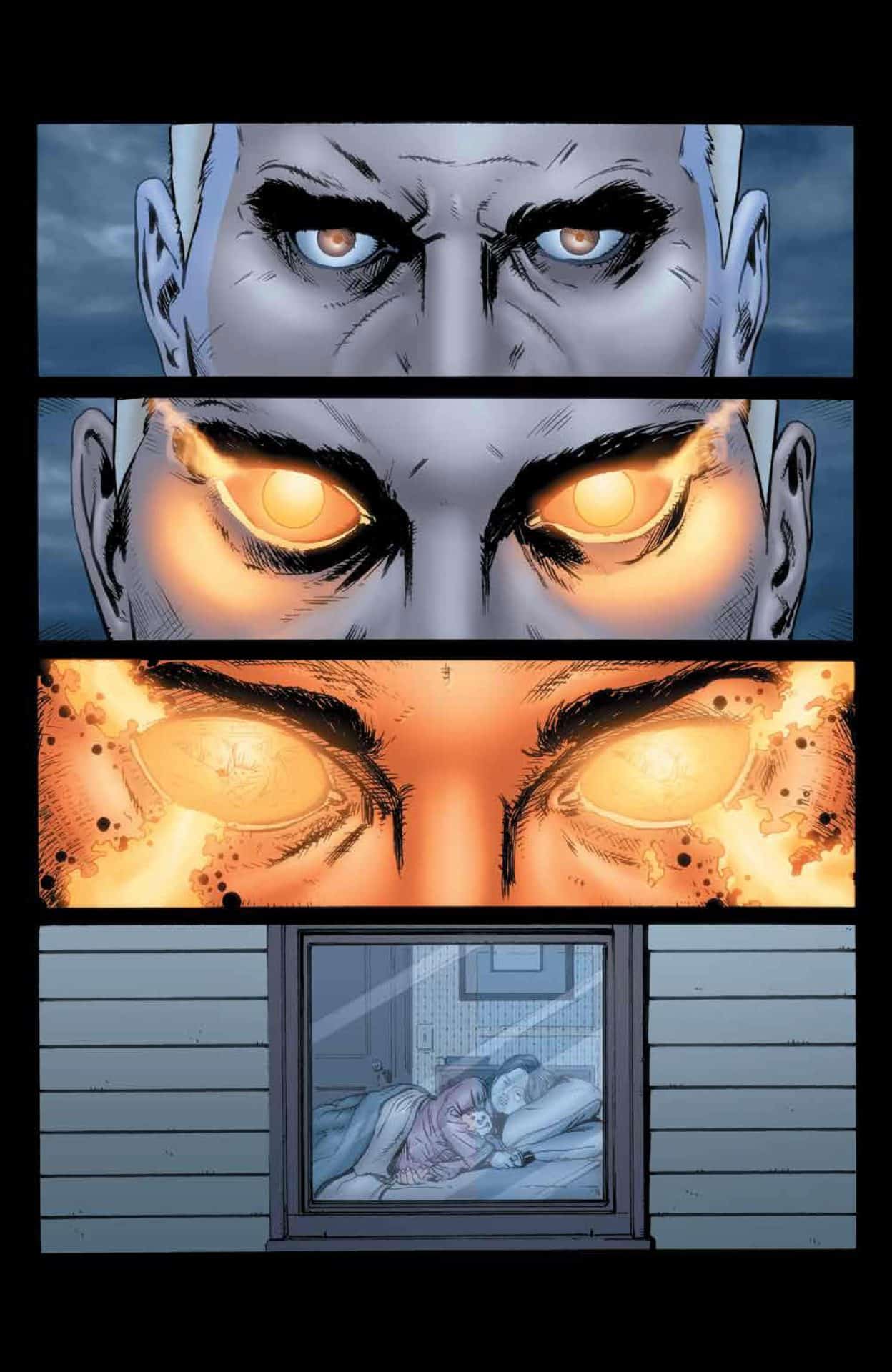
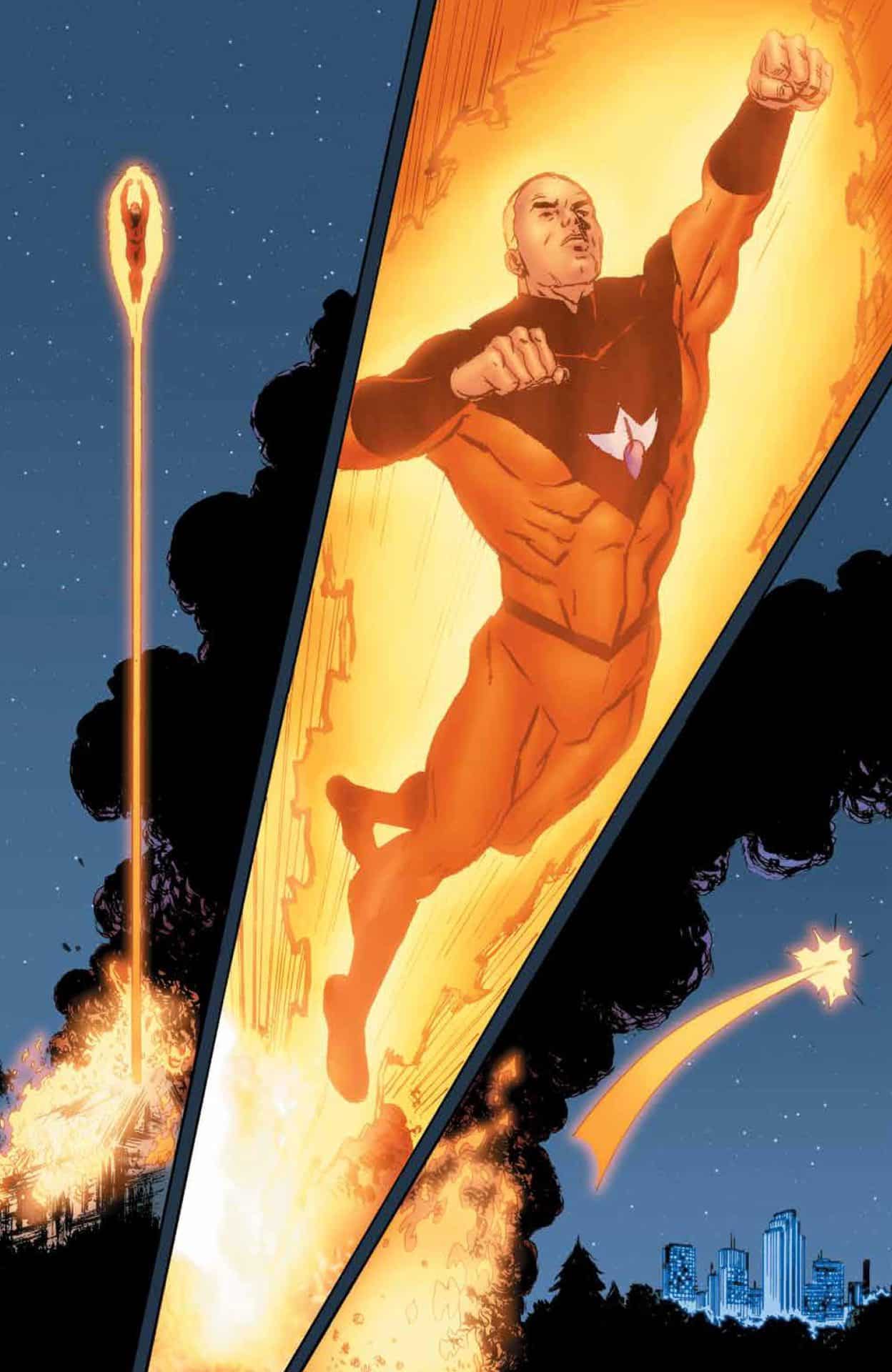
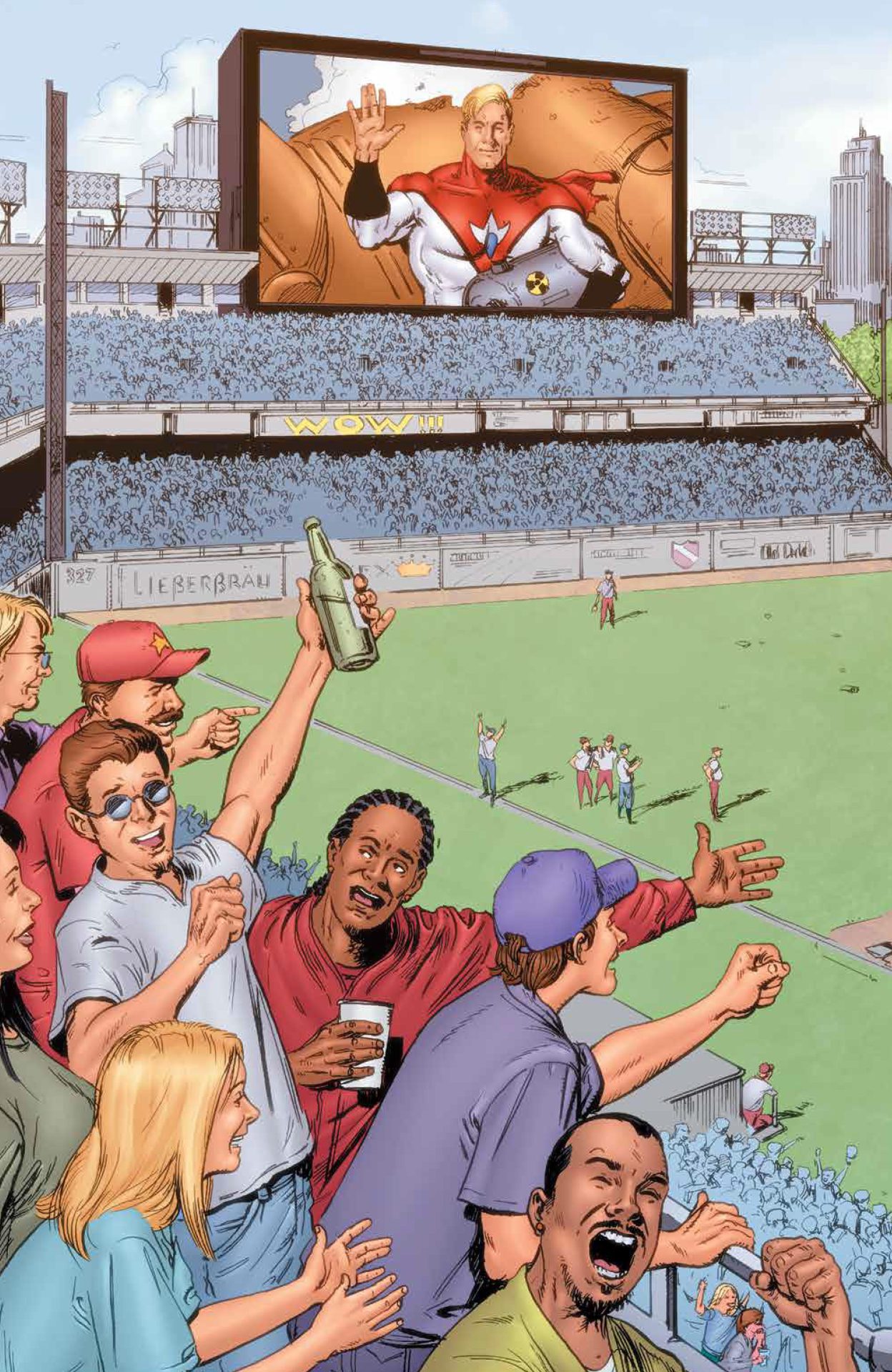
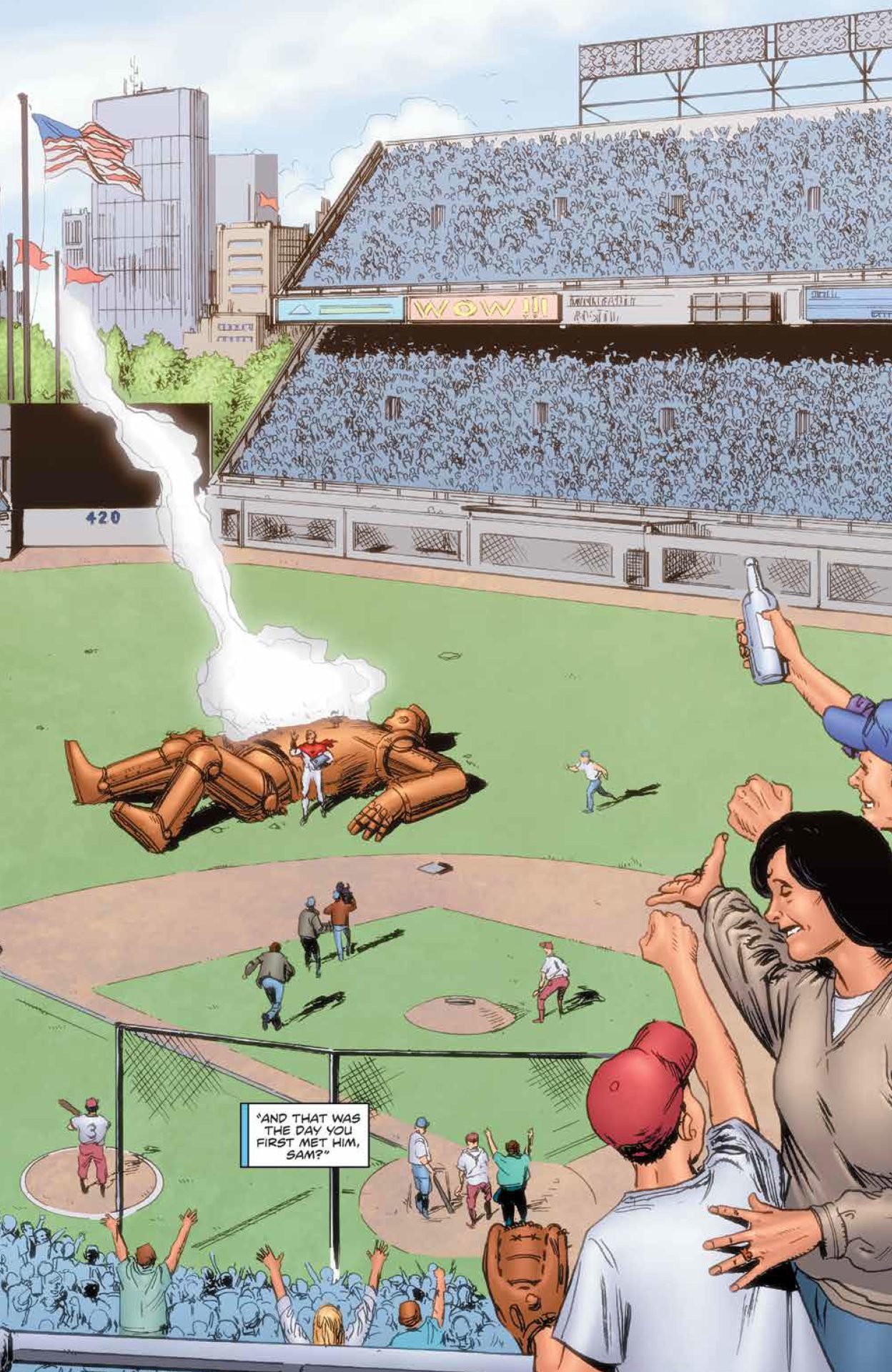
If you’ve been half paying attention to the gamut of movies hitting the theater this year that have some relation to comics or geek culture, then you’ve probably heard about the movie Brightburn, a superhero horror film that reimagines Superman’s wholesome origin as something much darker – this superpowered alien is a touch less well adjusted, and begins murdering people. Ten years ago, Mark Waid told a similar story. The Plutonian was essentially Superman, though without the influence of Jonathon and Martha Kent, who one day snaps after the world’s snide comments and contempt becomes too much for him to bear.
If you’ve ever wondered about whether Superman could take out the Justice League – or the Paradigm in this universe – the answer, at least according to Waid, is when he snaps he absolutely can.
Irredeemable is as much about the fall of the Plutonian, told in flashbacks, and how the world copes being at the mercy of the terrible supervillain. There are remnants of various teams left alive, but few seem capable of facing the Plutonian head on, instead trying to make the best of the new status quo.
“What if you go from, you know, Captain America to Doctor Doom? What if you go from Superman to Lex Luthor? How do you go from being the greatest hero in the world—someone that everybody knows, and everybody loves, and everyone recognizes—to the greatest villain in the world? What is that path? It’s not a light switch, it’s not an on-off switch, it’s not something that you wake up one day and just become evil.”
Mark Waid on the basis for Irredeemable, markwaid.com podcast.
Irredeemable earned Waid two Eisner awards, and understandably so, as his thirty seven issue deconstruction of the superhero mythos makes for essential reading for any who want to see the darker take on Superman have real consequences. But with as much despair as there is in the comic, there’s also hope, and humour. Waid’s commentary on the superhero genre (including some accurate comments about the frequency of black men with electrical powers, and the less than subtle racism said black hero faces) is another notch on the belt of a series that must be read.
The comic has now been collected in various trades, and can be found on comiXology for those interested in digital reading. I can’t recommend it, and the spin off series Incorruptible enough (more on Incorruptible next week). There’s thirty seven issues of Irredeemable to devour, and that’s it.
Join us next week when we look at something else that is, for whatever reason, Underrated.
This is a column that focuses on something or some things from the comic book sphere of influence that may not get the credit and recognition it deserves. Whether that’s a list of comic book movies, ongoing comics, or a set of stories featuring a certain character. The columns may take the form of a bullet pointed list, or a slightly longer thinkpiece – there’s really no formula for this other than whether the things being covered are Underrated in some way. This week: Incoruptible
Last wek we looked at Irredeemable, Mark Waid’s exploration of Superman snapping and going from the world’s greatest hero to its most despised villain. That series ran for just shy of 40 issues, and also spawned a spin-off series called Incorruptible that asks the same question but in reverse; what if the world’s greatest villain became its greatest hero?
After seeing the atrocities commited by Waid’s Superman analogue the Plutonian, Max Damage decides that somebody has to stop the rampaging villain – somebody has to give the world hope. And so he sets about becoming everything he isn’t in order to try and save the world, much to the confusion and annoyance of his former gang.
But Max Damage doesn’t have a moral compass; he sees the world in a strange black and white, and so his idea of heroism is to, literally, do the exact opposite of what he once did. He destroys all his ill-gotten gains, rather than anonymously donating it to a charity or those in need (or even returning the stuff), and takes down his old gang.
The switch from villain to hero is so abrupt that when he arrives on scene to help police with a situation, their reaction is pure terror, even when assured that Damage is no longer a villain. Much like the series it span out of, there’s some dark humour on display here as Waid gives us a psychological study of a damaged person trying to atone for their mistakes without actually understanding why what they did was wrong.
As a person who deeply enjoys redemption stories, this is one of the more enjoyable ones I’ve read. Max Damage’s journey from villain to hero is as amusing as it is fascinating; he never quite understands what makes a man a hero or a villain, leading to the question of if an evil man does good things, does that mean they’re not actually evil?
Max Damage’s power set itself is also interesting; the more sleep deprived he gets, the more invulnerable and strong he becomes, which leads to its own set of problems as he realizes just how much the Plutonian was pulling his punches in their earlier encounters, and has to find a solution to the power imbalance if he’s ever to go head to head with his enemy.
Between both Irredeemable and Incorruptible Waid has a great deconstruction of the nature of heroism and villainy that holds up nearly a decade after it debuted. If I’m honest, I prefer the spin-off series, but you can’t really enjoy one without the other; they’re each a side of the same coin, and reading them both concurrently enhances each series more than you would initially expect.
As a series, this is very much loved by many, but it doesn’t get the recognition it deserves. That’s why it’s Underrated.
Join us next week when we look at something else that is, for whatever reason, Underrated.
This is a column that focuses on something or some things from the comic book sphere of influence that may not get the credit and recognition it deserves. Whether that’s a list of comic book movies, ongoing comics, or a set of stories featuring a certain character. The columns may take the form of a bullet pointed list, or a slightly longer thinkpiece – there’s really no formula for this other than whether the things being covered are Underrated in some way. This week: Irredeemable
If you’ve been half paying attention to the gamut of movies hitting the theater this year that have some relation to comics or geek culture, then you’ve probably heard about the movie Brightburn, a superhero horror film that reimagines Superman’s wholesome origin as something much darker – this superpowered alien is a touch less well adjusted, and begins murdering people. Ten years ago, Mark Waid told a similar story. The Plutonian was essentially Superman, though without the influence of Jonathon and Martha Kent, who one day snaps after the world’s snide comments and contempt becomes too much for him to bear.
If you’ve ever wondered about whether Superman could take out the Justice League – or the Paradigm in this universe – the answer, at least according to Waid, is when he snaps he absolutely can.
Irredeemable is as much about the fall of the Plutonian, told in flashbacks, and how the world copes being at the mercy of the terrible supervillain. There are remnants of various teams left alive, but few seem capable of facing the Plutonian head on, instead trying to make the best of the new status quo.
“What if you go from, you know, Captain America to Doctor Doom? What if you go from Superman to Lex Luthor? How do you go from being the greatest hero in the world—someone that everybody knows, and everybody loves, and everyone recognizes—to the greatest villain in the world? What is that path? It’s not a light switch, it’s not an on-off switch, it’s not something that you wake up one day and just become evil.”
Mark Waid on the basis for Irredeemable, markwaid.com podcast.
Irredeemable earned Waid two Eisner awards, and understandably so, as his thirty seven issue deconstruction of the superhero mythos makes for essential reading for any who want to see the darker take on Superman have real consequences. But with as much despair as there is in the comic, there’s also hope, and humour. Waid’s commentary on the superhero genre (including some accurate comments about the frequency of black men with electrical powers, and the less than subtle racism said black hero faces) is another notch on the belt of a series that must be read.
The comic has now been collected in various trades, and can be found on comiXology for those interested in digital reading. I can’t recommend it, and the spin off series Incorruptible enough (more on Incorruptible next week). There’s thirty seven issues of Irredeemable to devour, and that’s it.
Join us next week when we look at something else that is, for whatever reason, Underrated.
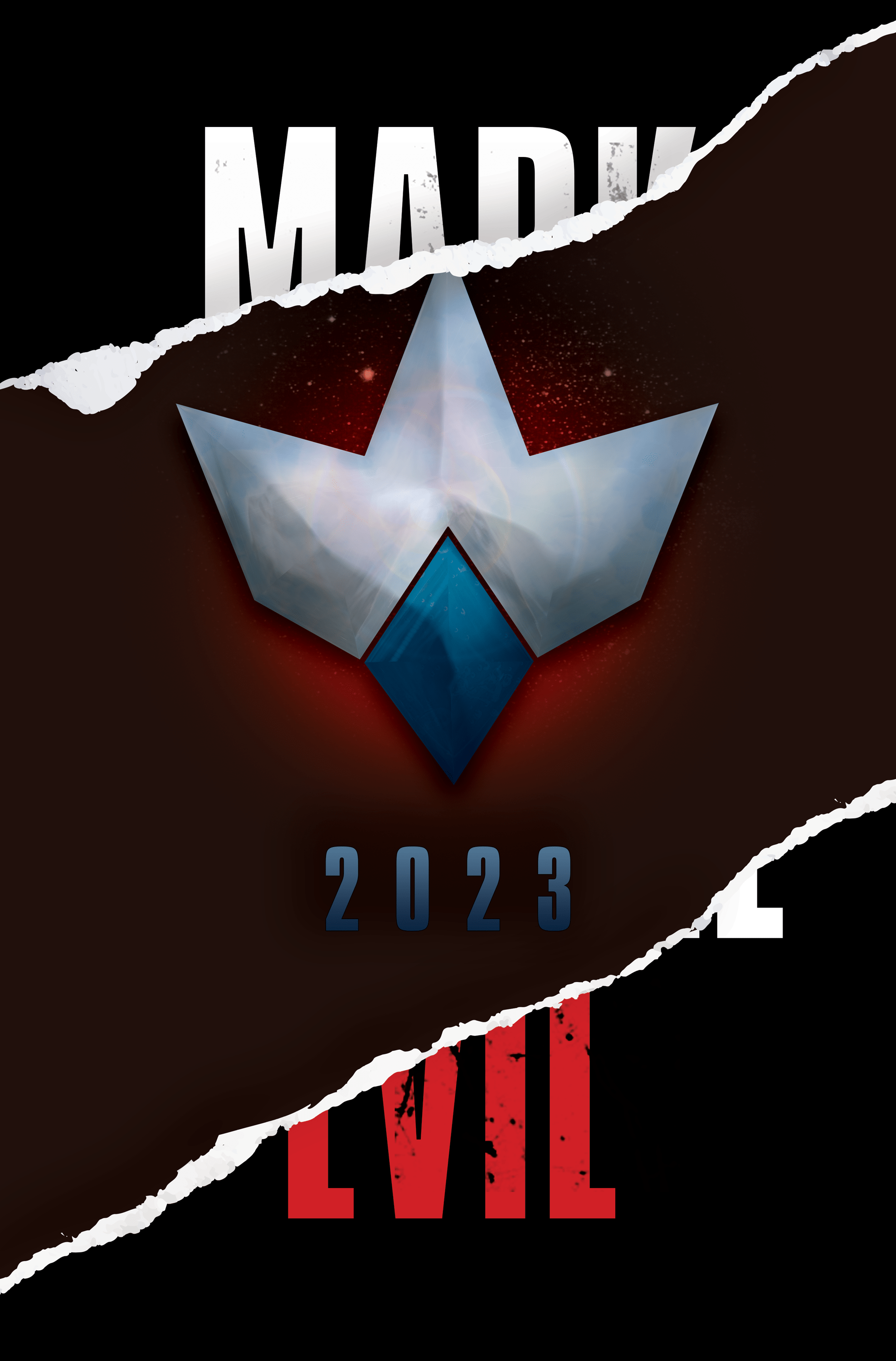
Not long after the launch of The Complete Irredeemable Deluxe Edition Library on Kickstarter, BOOM! Studios is proud to announce that the series’ original creative team – master storyteller Mark Waid and multiple Eisner Award nominee Peter Krause – will be reuniting in 2023 for an all-new series in theIrredeemable saga. The series catches up on what has happened in that universe all these years later.
BOOM! Studios is keeping the full details of the new series under wraps, but will be revealing more about the highly anticipated return to the franchise in the weeks and months to come.
The news also follows the recent announcement that Netflix is currently developing both Irredeemable and Incorruptible as the foundation of a new feature film franchise from BAFTA Award-winning director Jeymes Samuel, Academy Award-nominated screenwriter Kemp Powers, and producers Shawn Carter, James Lassiter, Stephen Christy, and Ross Richie.
It’s been 10 years since Irredeemable ended, could we be getting more? BOOM! Studios has released the below teasing something is coming. The series was written by Mark Waid and featured art by Peter Krause and Diego Barreto.
The comic followed the world’s greatest superhero, the Plutonian, as he turns evil. Another series, Incorruptible, was also released and followed Plutonians greatest enemy during Plutonian’s fall. A third series was teased but never released through BOOM!.
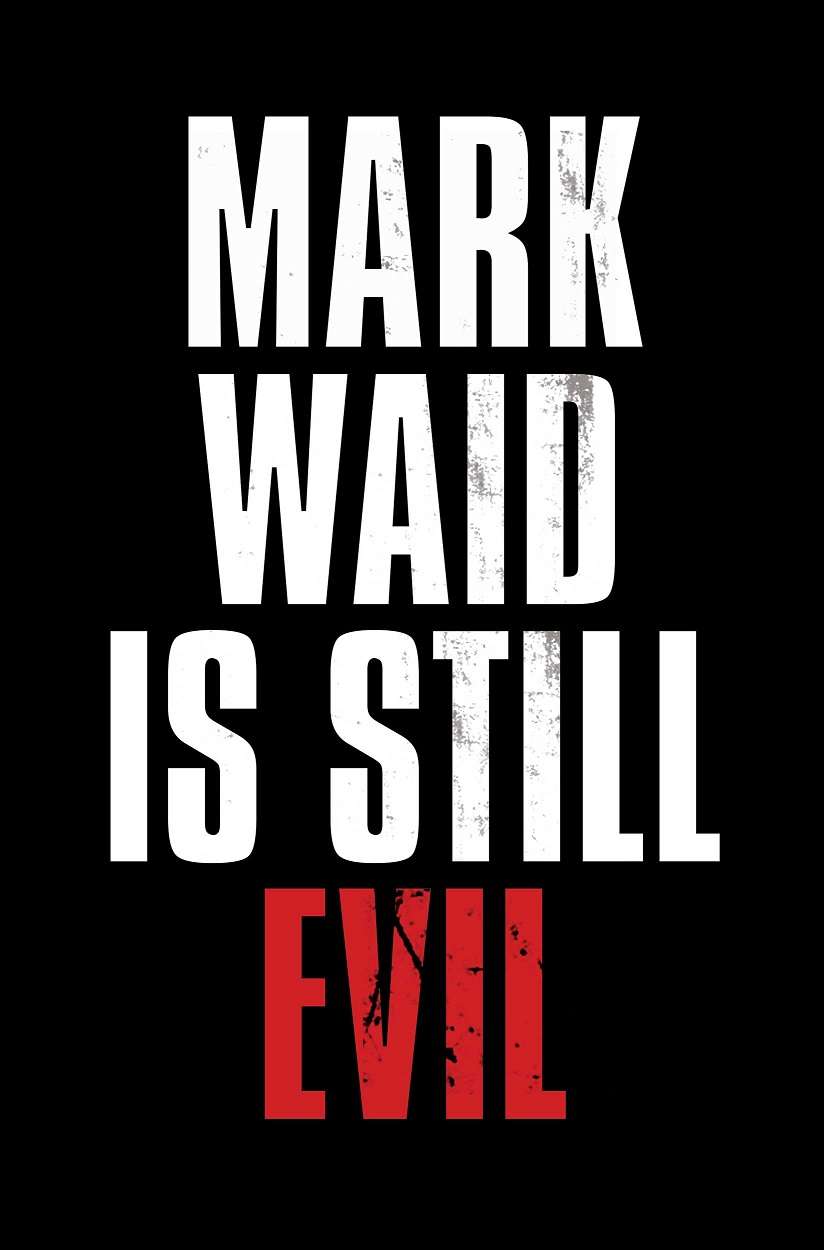
Irredeemable ran for 37 issues beginning in 2009 and ended in May 2012. The pre-release included the saying “Mark Waid is Evil!” and included a limited edition t-shirt.
BAFTA Film Award winner Jeymes Samuel is set to direct a film adaptation of the BOOM! Studios graphic novel seriesIrredeemable and its spin-off Incorruptible for Netflix. Academy Award nominated Kemp Powers will pen the adaptation, which will have the protagonists from each series – one a villain on a quest to become a superhero, and the other a fallen hero turned villain – face off.
The film will be produced by Shawn Carter, James Lassiter, and Stephen Christy and Ross Richie for BOOM! Studios. Kemp Powers and Adam Yoelin are executive producers on the film. Mette Norkjaer will oversee the project for BOOM! Studios.
When the world’s most powerful and beloved superhero, the god-like Plutonian, inexplicably begins slaughtering everyone on Earth, the only person that can stop him is his former arch-nemesis, the super-powered villain Max Damage. Unwillingly thrust into the role of savior, Max must uncover the Plutonian’s mysterious past in order to discover how to bring him down. But can he discover what made the Plutonian go crazy before his own degenerative super powers cause him to lose his mind?
Created by comic book legend Mark Waid and illustrated by Peter Krause, Irredeemable ran for 37 issues and selling over 1.5 million copies. A deconstructionist remix of the genre, the series dramatizes how the world’s greatest hero — The Plutonian — snapped under the pressure of his responsibilities and charted a dark path to become the world’s greatest supervillain.
Irredeemable’s sister series, Incorruptible, flipped the coin and followed supervillain Max Damage as he responded to the Plutonian’s evil by gradually transforming himself into a superhero. Created and written by Waid, Incorruptible ran for 30 issues and sold over 1 million copies during its run.
(W) Mark Waid (A) Peter Krause, Various (CA) Scott Newman In Shops: Sep 23, 2020 SRP: $49.99
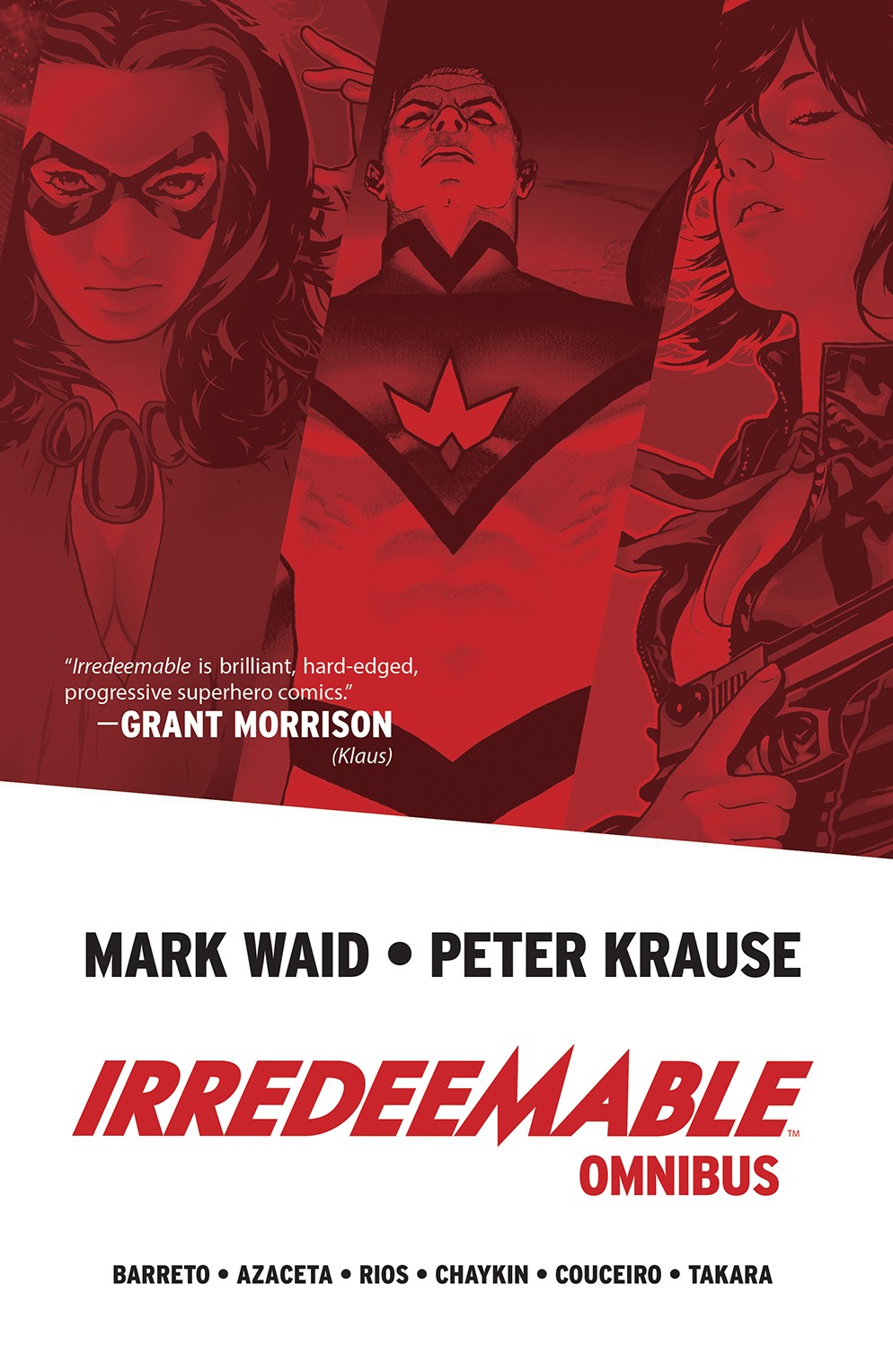
When the Plutonian, the world’s greatest superhero, snaps and turns into the world’s greatest villain, only his former teammates have a chance at stopping his rampage. What became of the hope and promise once inside him? What happens to the world when its savior betrays it? What makes a hero irredeemable? For the first time, the entire Irredeemable saga is available in a single volume.
The acclaimed team of writer Mark Waid (Kingdom Come, The Avengers) and artist Peter Krause, along with some of the most acclaimed creators in comics, challenge everything you think you know about superheroes by exploring the good, the bad… and the irredeemable inside all of us.
Collects Irredeemable #1-37, Irredeemable Special #1 and Incorruptible #25-26.
This is a column that focuses on something or some things from the comic book sphere of influence that may not get the credit and recognition it deserves. Whether that’s a list of comic book movies, ongoing comics, or a set of stories featuring a certain character. The columns may take the form of a bullet pointed list, or a slightly longer thinkpiece – there’s really no formula for this other than whether the things being covered are Underrated in some way. This week: Incoruptible
Last wek we looked at Irredeemable, Mark Waid’s exploration of Superman snapping and going from the world’s greatest hero to its most despised villain. That series ran for just shy of 40 issues, and also spawned a spin-off series called Incorruptible that asks the same question but in reverse; what if the world’s greatest villain became its greatest hero?
After seeing the atrocities commited by Waid’s Superman analogue the Plutonian, Max Damage decides that somebody has to stop the rampaging villain – somebody has to give the world hope. And so he sets about becoming everything he isn’t in order to try and save the world, much to the confusion and annoyance of his former gang.
But Max Damage doesn’t have a moral compass; he sees the world in a strange black and white, and so his idea of heroism is to, literally, do the exact opposite of what he once did. He destroys all his ill-gotten gains, rather than anonymously donating it to a charity or those in need (or even returning the stuff), and takes down his old gang.
The switch from villain to hero is so abrupt that when he arrives on scene to help police with a situation, their reaction is pure terror, even when assured that Damage is no longer a villain. Much like the series it span out of, there’s some dark humour on display here as Waid gives us a psychological study of a damaged person trying to atone for their mistakes without actually understanding why what they did was wrong.
As a person who deeply enjoys redemption stories, this is one of the more enjoyable ones I’ve read. Max Damage’s journey from villain to hero is as amusing as it is fascinating; he never quite understands what makes a man a hero or a villain, leading to the question of if an evil man does good things, does that mean they’re not actually evil?
Max Damage’s power set itself is also interesting; the more sleep deprived he gets, the more invulnerable and strong he becomes, which leads to its own set of problems as he realizes just how much the Plutonian was pulling his punches in their earlier encounters, and has to find a solution to the power imbalance if he’s ever to go head to head with his enemy.
Between both Irredeemable and Incorruptible Waid has a great deconstruction of the nature of heroism and villainy that holds up nearly a decade after it debuted. If I’m honest, I prefer the spin-off series, but you can’t really enjoy one without the other; they’re each a side of the same coin, and reading them both concurrently enhances each series more than you would initially expect.
As a series, this is very much loved by many, but it doesn’t get the recognition it deserves. That’s why it’s Underrated.
Join us next week when we look at something else that is, for whatever reason, Underrated.
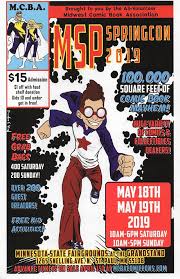
Now that I’d earned a spot at my biggest con yet,MSPSpringCon , I knew I needed to up my game, to shift my normal con plans. Part of this change was pretty obvious. I had to make sure I had enough product for the bigger crowd, so I ordered extra copies of each of my graphic novels. And then, thinking about it some more, I ordered more extra copies. I figured that I’d always be able to sell the extras later–if I had any extras–but that I didn’t want to run out on the first day of the con when I was in a different state.
Some of these changes were still obvious, but ones I’d been putting off. Before this point, I’d used a big piece of paper as my “tablecloth”, a piece of paper that I’d written my name and company on in marker. Talk about professional. I knew I needed something classier (and more durable) than that, so I ordered a table cloth. Weirdly, the first cloth they sent had my logo on it, just printed upside down. Luckily, they comped me a second cloth that was printed correctly. I didn’t know it at the time, but I could use the bad version for covering my table overnight at multiple day cons.
Now that I’d earned a spot at my biggest con yet, I knew I needed to up my game…
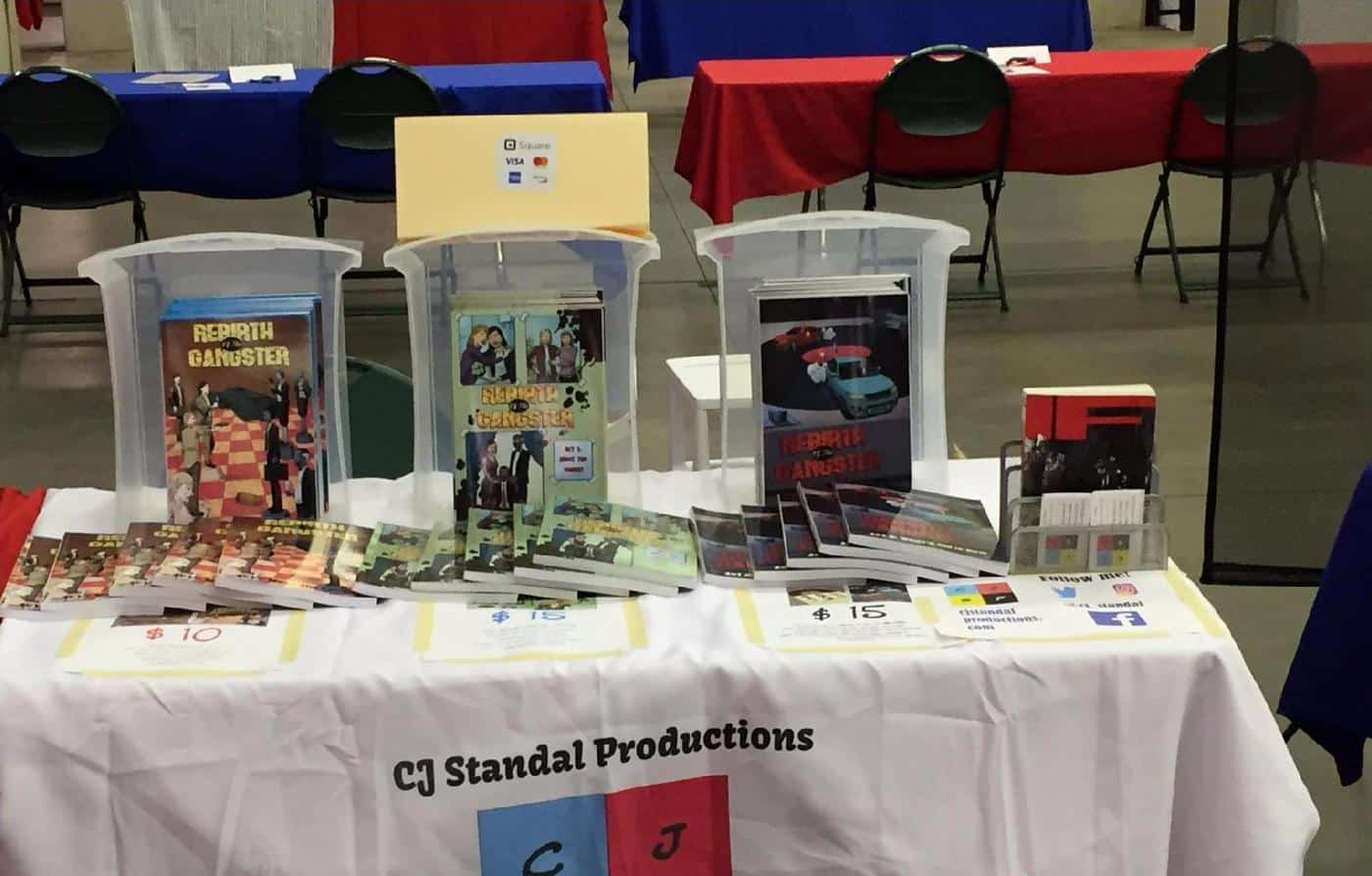
I also needed a better display (given that I’d only displayed my books laying down on the table, spread out like a fan). When I was at a comic signing for Free Comic Book Day, someone who was in marketing told me that I should have my comics displayed vertically, displayed in a better way for the customer to see it. This, again, seems obvious, but if there’s one thing I’ve learned in my time as a writer and self-publisher, it’s that sometimes I need to make mistakes and then correct them with a solution that in hindsight seems obvious. Like any new trade, skill, or job, we can be overwhelmed when we start it and miss the fixes staring us right in our faces. At that FCBD, I’d luckily had a plastic shelving unit, one where the shelves pulled out of the frame, so I used those as containers holding my graphic novels then and figured it would be good enough to use at the con.
Finally, I printed out some new signs; at previous Mighty Cons, many creators told me that I was selling my graphic novels at too cheap a price. And they were right–I was selling the first trade for $5 and the second for $10, when the cover prices on both of those were $15. With those discount prices, I needed to sell about 50 copies to barely make a profit at the Mighty Cons, to cover the table cost, printing costs of the graphic novel, transportation, and then still only make a few extra dollars. They also rightly pointed out that I could charge even more than cover price, given that they were getting a signature and personalized message. I still don’t feel comfortable charging more than cover price, but I decided to charge cover price with one exception: the old edition of Act 1 would be $10 instead of $15. I figured that it would help to have a discount option, especially in the face of stiffer competition at the bigger MSPSpringCon.
My table at Mighty Con
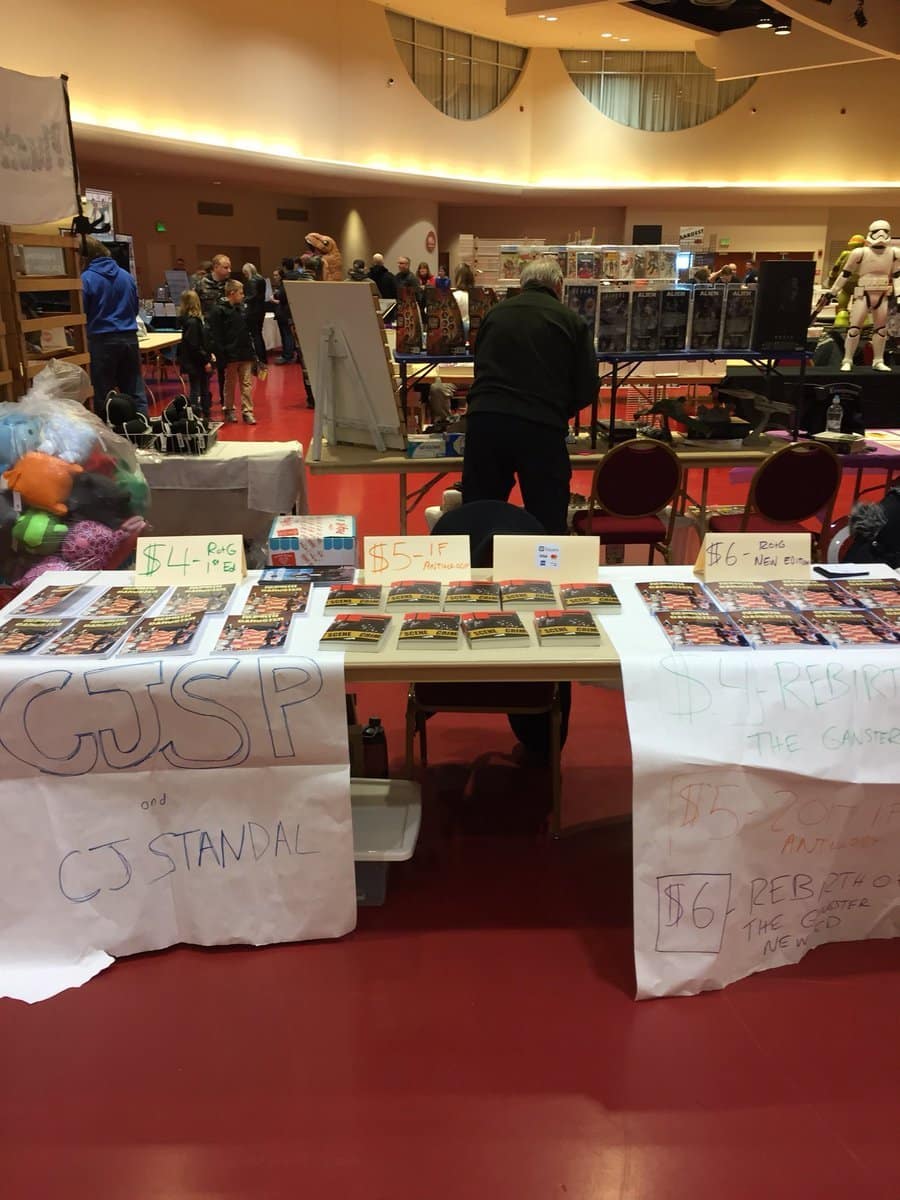
My table at MSPSpringCon (still needs work but definitely going in the right direction)
Finally, I figured out lodging. I grew up right outside Minneapolis, and my family still lives there, so I was fortunate enough to have a rent-free place to lay my head. And, since the table at MSPSpringCon was free (a rarity at cons, something that happens because they vet the creators they want there instead of just selling the spaces), my whole trip would be pure profit (well, minus the cost of gas for driving). Still, most cons don’t come with that small of overhead.
All that was left was the waiting. And the Tweeting. And the Instagramming. These were things I would do anyway, but MCBA (the Midwest Comic Book Association, the organization sponsoring the con) wanted me to do this too.
The weekend of the con approached, and I drove to Minneapolis that Friday, the day before the con started, to set up. Compared to other tables, I didn’t have much to set up, but I still wanted to do it early and lay that worry to rest. When I was done setting up, there was one comparison to other tables that couldn’t escape my notice: they all used tablecloths to cover their wares overnight. I’d written earlier that I could use the first, misprinted tablecloth in this manner, but I didn’t know that until this moment. And I’d left that tablecloth at home. Still, like everything, I learned how to better myself and what to do next time for a stronger show.
I fitfully slept through the night and woke up so early that I decide to head to the con (at the MN State Fairgronds) about an hour earlier than I’d planned. Once I got there, I didn’t do much other than the last minute setting up that left me with still about an hour before the doors opened. Knowing that I don’t stray from my table much once the con starts, I took that opportunity to buy a few trades and–more importantly–scope out the competition/friendly family of creators. I had a good small conversation with Peter Krause, praising his work on Irredeemable (being a stereotypical rookie gushing praise, of course), meeting Karl Kesel, and seeing the booth for Dan Jurgens empty (the big names did seem to cut it close to opening time, but I suppose that’s the way I’ll eventually be too, once cons become less exciting and new).
Since it was pretty bad weather–overcast and going to rain the rest of the weekend–the con opened early so that customers didn’t have to stand outside and possibly get drenched. And, even with the rain, this con had a bigger crowd than any I’d seen so far as a creator. Of course, this was because the venue was bigger, the location was a denser city than Madison, and (most importantly) there were bigger names from the industry here than at Mighty Con.
Despite the big crowd, though, I wasn’t doing any better than at Mighty Con in terms of sales. I was doing much worse, in fact. It took me about three hours to make my first sale; at Mighty Con, I would’ve probably sold 10 trades in that time, partly because of the limited competition, partly because I was a true local author at those cons, and (possibly) partly because of the reduced prices. By the end of the day, I’d sold four trades, and my spirits had sunk. I had brought 200 trades with me to the con, and it was clear that I only needed a sliver of that amount.
There were still a few good things to say about that day, though. First, MCBA knows how to treat their creators. They gave us a free lunch, one that had a lot of variety and tasted pretty good, especially for mass-produced meals. They also–after the con ended that day–had a free steak dinner social. While the food there was a little lackluster (steak especially suffers from being mass-produced), I got to meet a lot of fellow creators and see that my experience wasn’t too different from other small publishers and independent creators.
They too only sold a handful of trades but were able to look on it in a bright light. They talked about the exposure, something that was true: while only a few attendees purchased Rebirth of the Gangster, I talked to more people about my work that day than probably all of my cons added up to that point. And, you know what they say, sometimes it takes seven exposures to something to remember it, let alone buy something. I even think back to some of my favorite comics and other media, and I realize that it often takes me about a half year from the first time I hear about something to actually buy it, read it, play it, or watch it. So, trying to join the other creators, I focused on that silver lining.
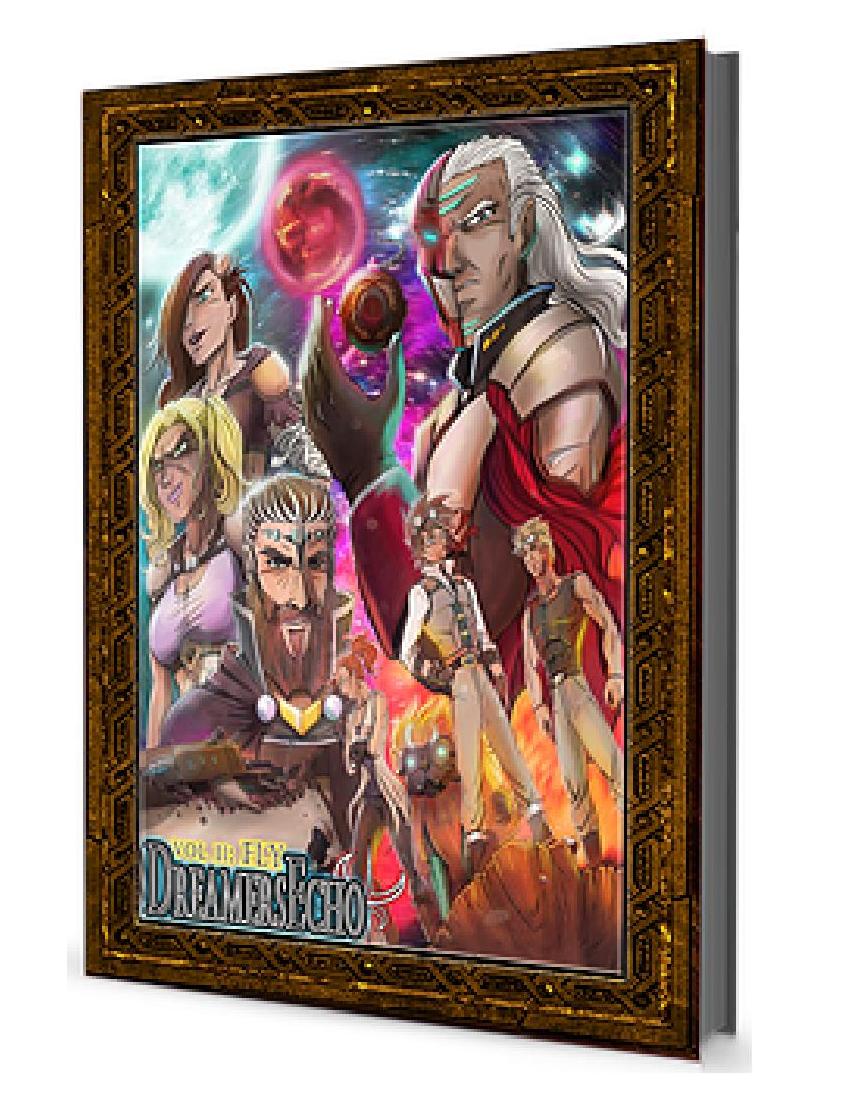
And, speaking of fellow creators, one of the best parts of the con (that Saturday and Sunday too) was meeting and talking to the other creator at my table, Jet Falco. He was friendly, knowledgeable (having been to more cons than I had), relaxed–something I needed, because I was getting more and more anxious as the day went on and my sales sputtered out–and he also had a pretty cool concept for his work, Dreamers Echo. His work is about a world where dreams have somehow disappeared, until the main character starts to be the first to dream in ages. I may even write a short story to contribute to his next volume: a cool way to keep building my writing chops, pay him back for his advice, and widen my audience.
The next day rolled around, and I slept more soundly. I was still nervous in the sense that I wanted to sell more trades, but I think having a quiet Saturday actually calmed my nerves in general. I didn’t have much to worry about, because I didn’t have to think about running out of trades, being so busy I couldn’t eat the free lunch, etc… And, maybe because of that relative relaxation, Sunday was a better day.
I was more personable, I was having more fun, and–from a business standpoint–I was selling more comics. Part of those sales were from attendees I saw the first day. They had to look around and really decide what was worth spending their hard-earned cash on, what fit in their budget and what didn’t. But some of these sales were from attendees who hadn’t heard my pitch before, and their immediate interest relaxed me even more. At the end of the day, while the con hadn’t met my original sales expectations, I was still pretty happy. Yeah, at this point, being a big fish in a big con might be more financially lucrative, but I had learned one thing. I was still a small fish in a big con, but I had proved I can swim with the big fish, even if they had bigger fins…for now.
CJ Standal is a writer and self-publisher. He is co-creator of Rebirth of the Gangster, which has been featured in Alterna Comics’ 2017 IF Anthology; he has lettered the webcomic Henshin Man; and he has written for online sites like Graphic Policy and the now-defunct Slant. Follow him on Twitter and Instagram (@cj_standal), Facebook, and visit his website: cjstandalproductions.com.