Tag Archives: Eric Bradbury

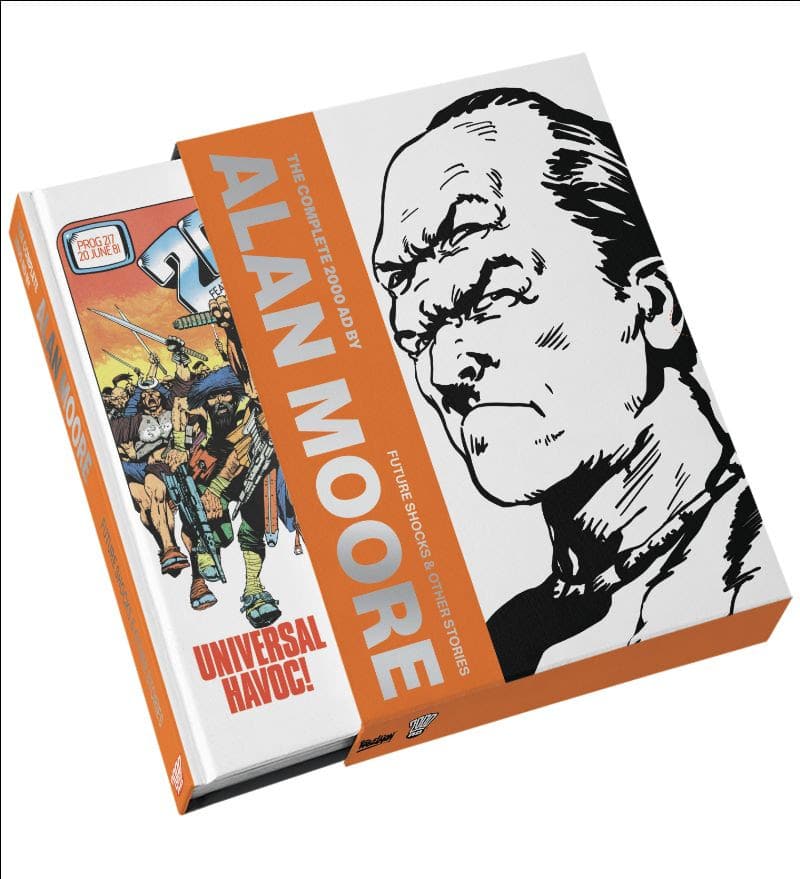
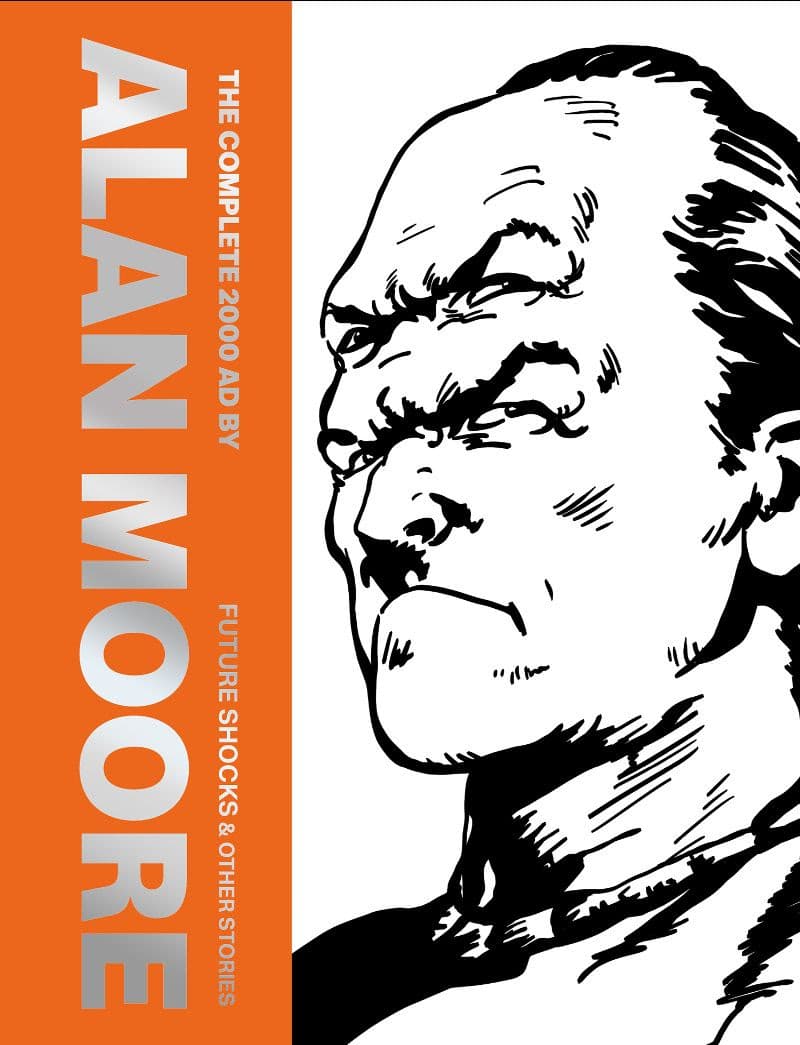
2000 AD has announced the first volume of The Complete 2000 AD by Alan Moore!

Alan Moore is the legendary comics writer credited with transforming the medium and how it was seen through his seminal works such as V For VendettaFrom Hell and, of course, Watchmen. But, before any of that, some of his first published work came after he submitted a Future Shock pitch to 2000 AD – a short story with a twist on the last page.

After getting a story approved by 2000 AD’s editor Tharg The Mighty, Moore didn’t look back, quickly establishing himself as an assured and engaged writer across a host of Future Shock stories for The Galaxy’s Greatest Comic.

Moore went from strength to strength at 2000 AD, contributing longer-form comics including D.R. & Quinch – who graduated from a Future Shock to their own continuing series – Skizz, and his three-story epic with Ian Gibson, The Ballad of Halo Jones. Moore’s work brought heart and working-class soul to 2000 AD, creating memorable and anarchic characters who railed against the system – and sometimes succeeded.

Now, 2000 AD are proud to begin a collection of every Alan Moore story in the form of The Complete 2000 AD By Alan Moore. In volume one, readers will be able to enjoy his mastery of the short-form story as we collect together his Future Shocks and one-off stories into one complete volume. Whipsmart and funny, this first volume doubles as the perfect guide for how to write comics to a page limit – and it also includes the story “A Holiday In Hell” which has never been reprinted in English since its first publication in 1980!

Featuring over 250 pages of imaginative and mind-expanding stories and set for release in April 2026, The Complete 2000 AD By Alan Moore Volume 1 is available now for pre-order in either standard hardback or webshop-exclusive slipcase editions.

This first volume not only collects all of Moore’s Future Shocks and Time Twister stories, but will also feature his short stories for legendary 2000 AD characters including The ABC Warriors, Ro-Busters and Rogue Trooper; a Tharg The Mighty one-off, and of course Ro-Jaws’ Robo Tales! And if you’re looking for the smartest comics in history, this volume features the full run of Abelard Snazz stories: the man with the multi-storey brain! It’s genius, master!

Moore’s stories are complemented by the works of a string of legendary artists, including his first work with artist Dave Gibbons (Watchmen), alongside 2000 AD icons including Ian Gibson (The Ballad of Halo Jones), Eric Bradbury (Rogue Trooper), Bryan Talbot (Grandville), Steve Dillon (Preacher), Brett Ewins (Bad Company) and more.

Collecting together all of the Moore’s work at 2000 AD across several volumes, The Complete 2000 AD by Alan Moore Volume 1: Future Shocks is available for pre-order now from the 2000 AD webshop!
The Complete 2000 AD by Alan Moore

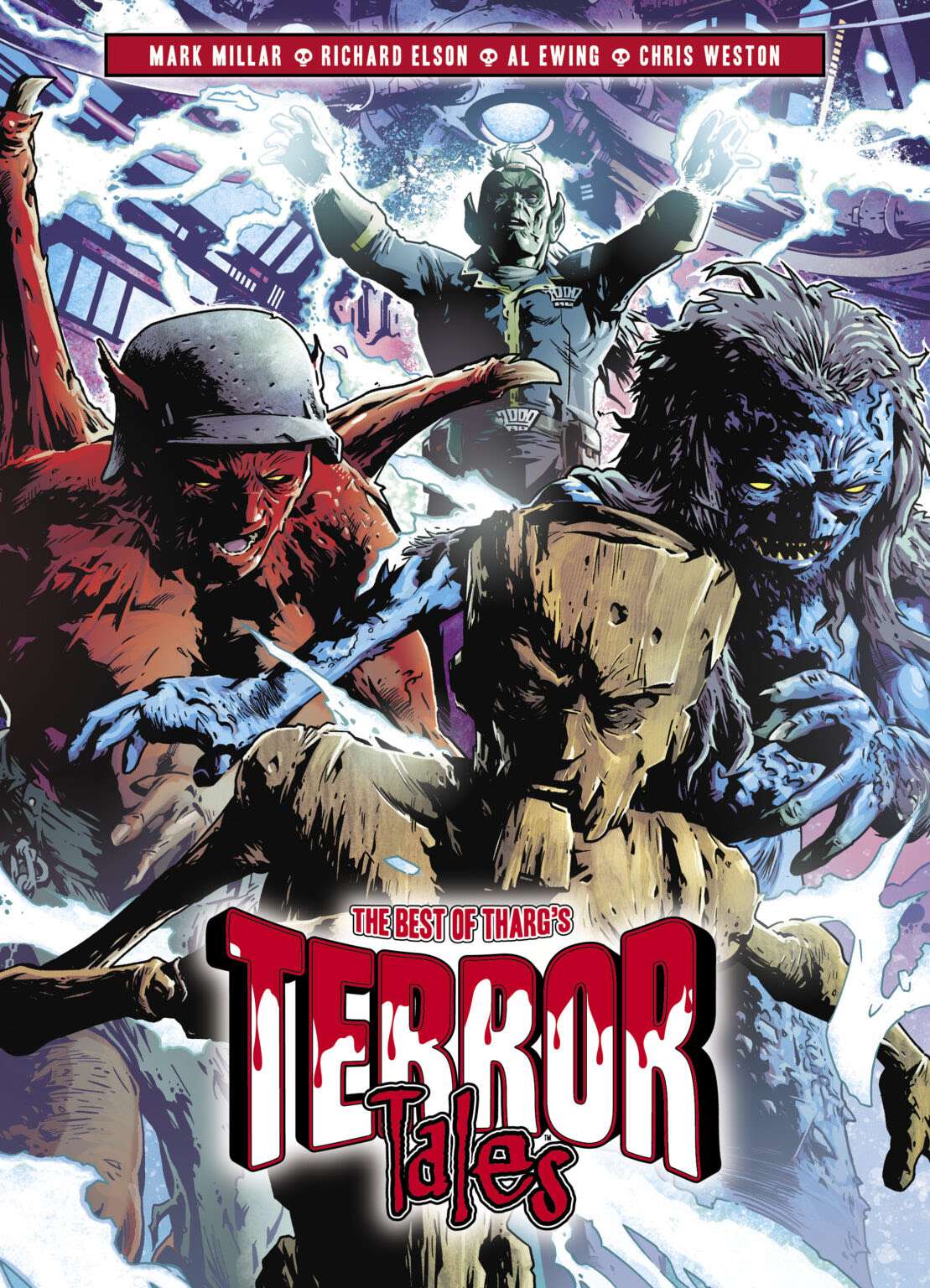
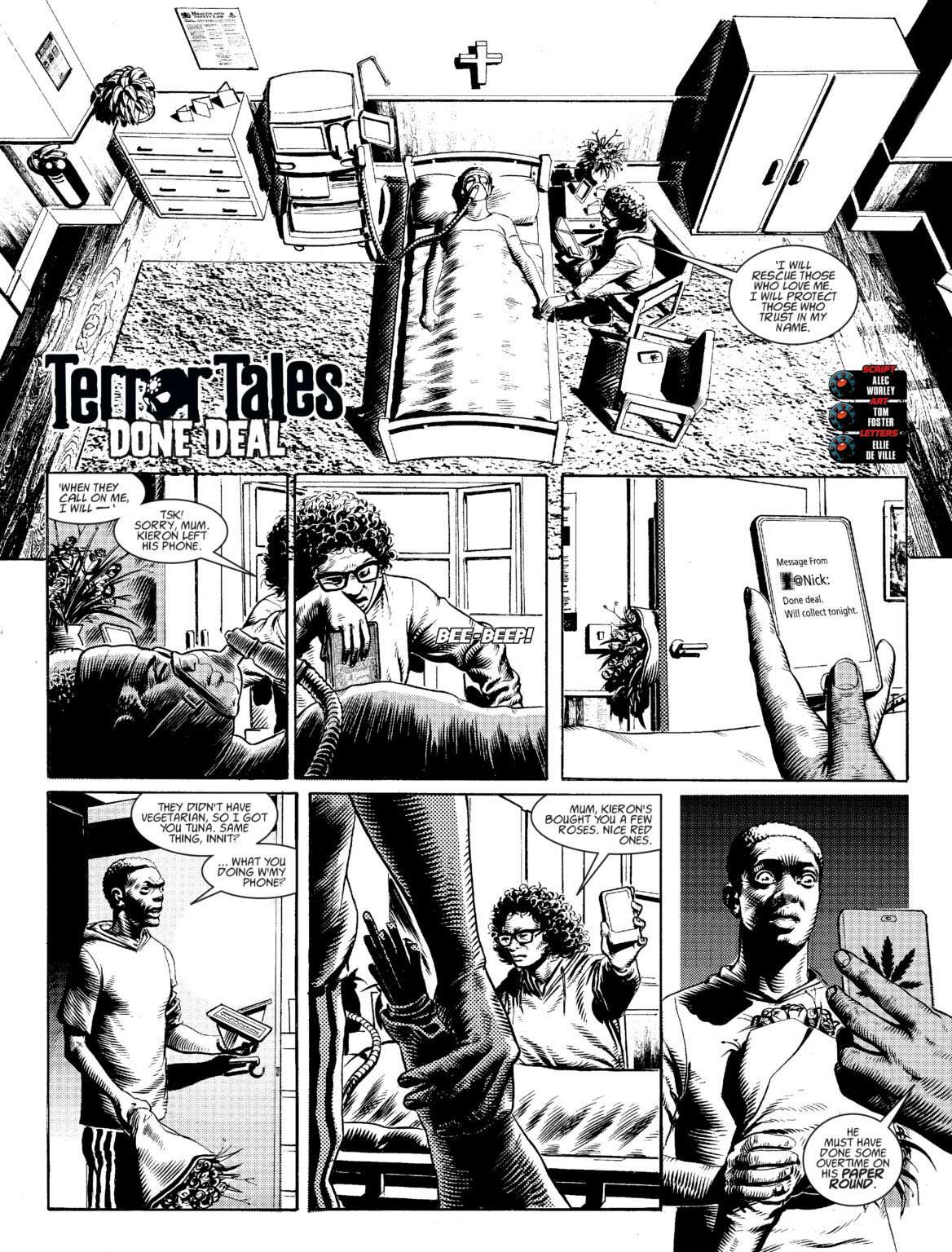
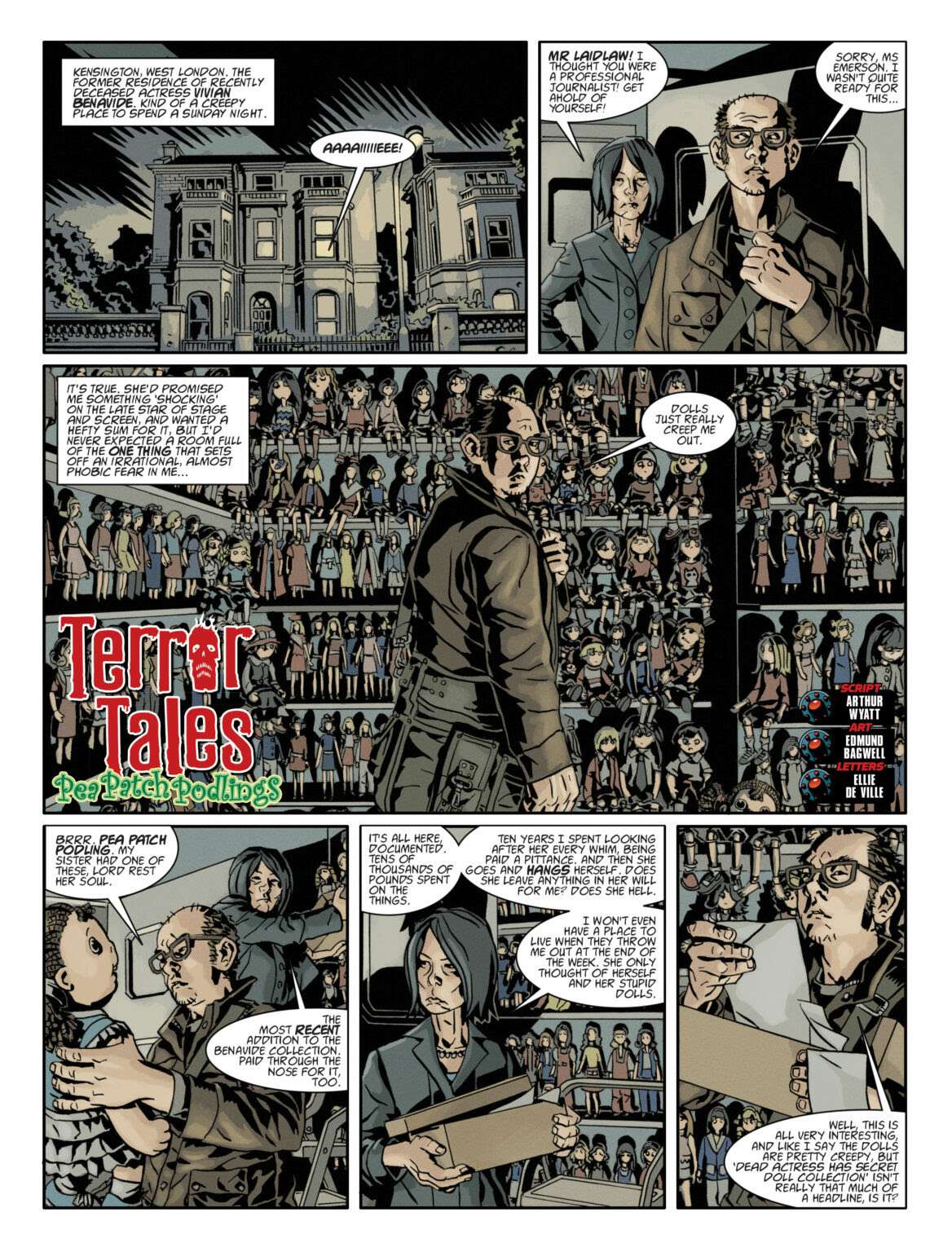
Preview: The Best of Tharg’s Terror Tales

The Best of Tharg’s Terror Tales

(W) Mark Millar, Al Ewing, Simon Spurrier, John Smith, Alec Worley, Kek-W, Eric Bradbury, Alan McKenzie, Keith Richardson (A) Arthur Wyatt, Laura Bailey, Edmund Bagwell, Tom Foster, Henry Flint, Alan McKenzie, Dom Reardon, P. J. Holden, Mick Austin, Greg Staples (CA) Simon Coleby
In Shops: Oct 11, 2023
SRP: $24.00

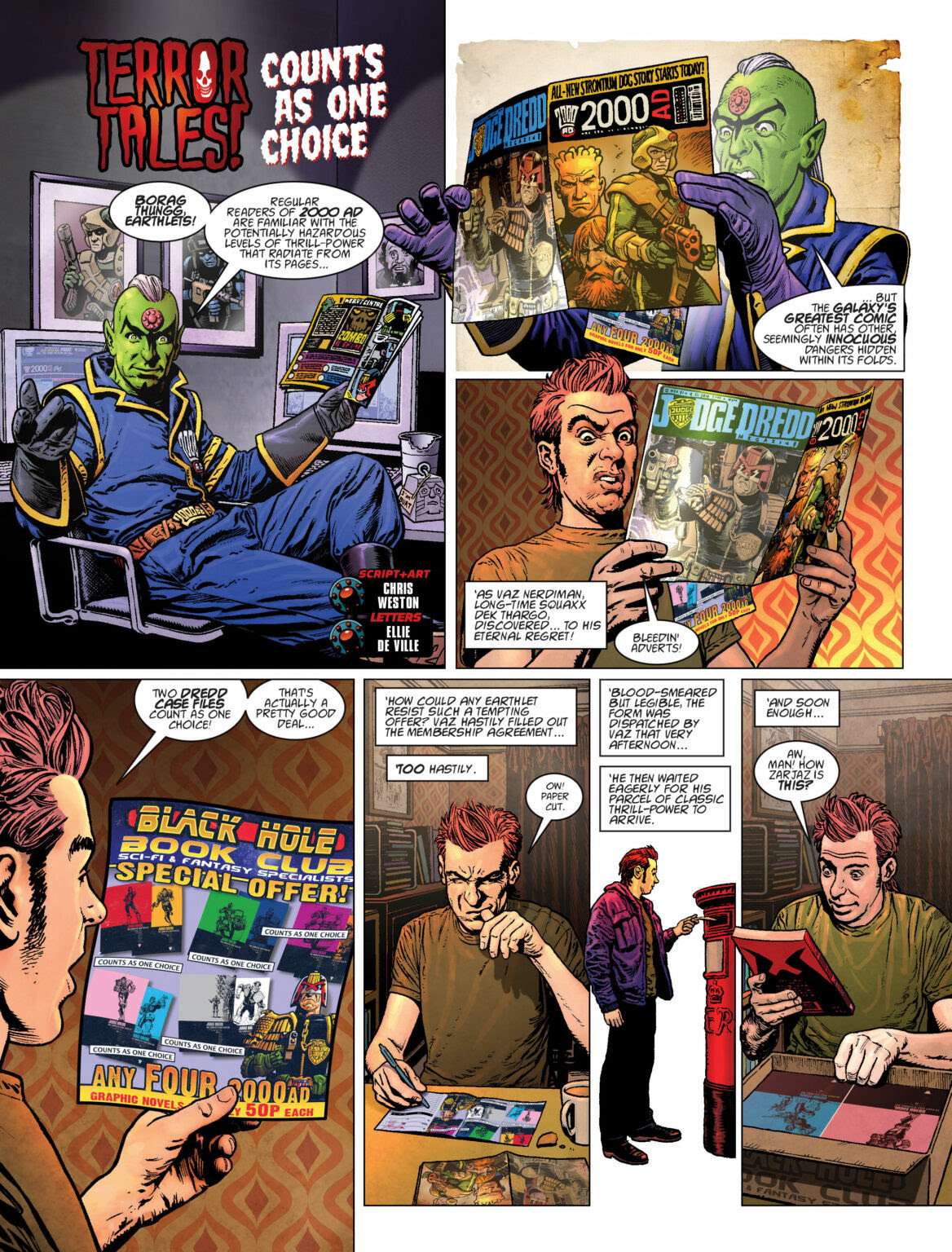
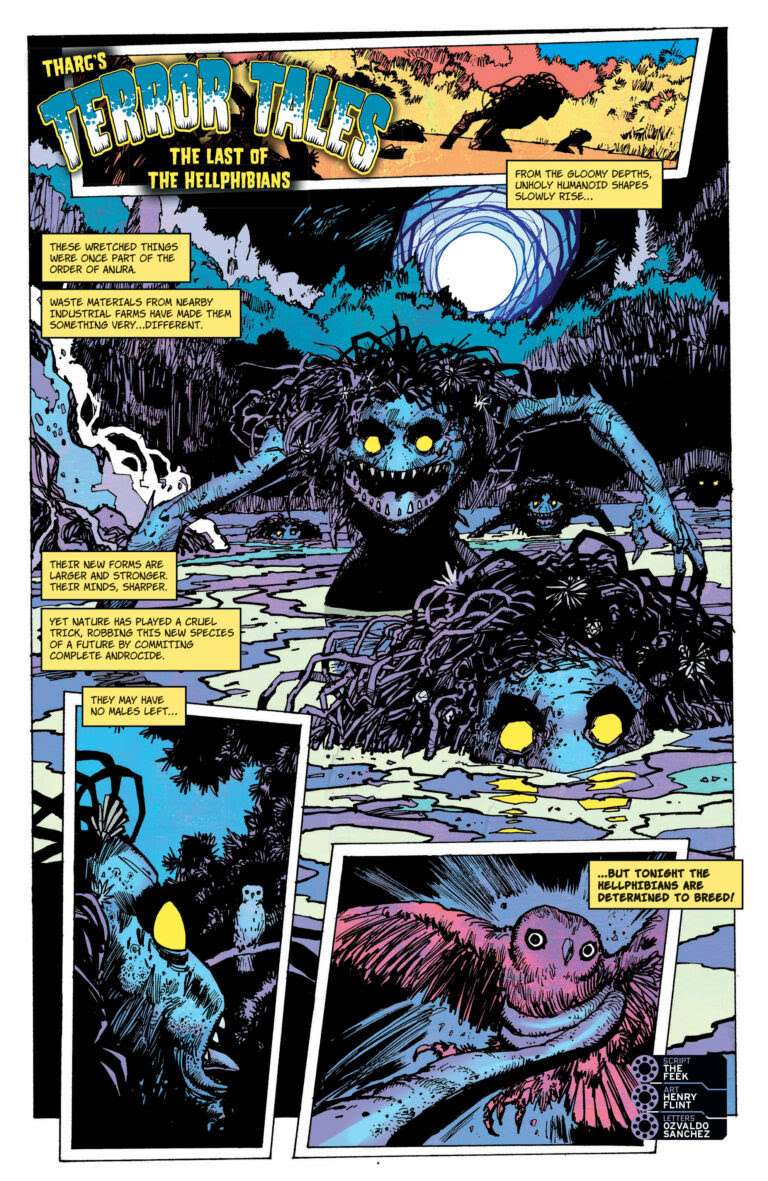
From the deepest, darkest recesses of the Nerve Centre vaults, the eerie alien editor of 2000 AD known as Tharg the Mighty presents the creepiest tales to ever grace the pages of the galaxy’s greatest comic! This fear-filled anthology introduces one-off stories full of ghosts, demons, mutants, and killers and is thick with atmosphere, dark humor. and mind-blowing twists. Written and illustrated by some of the biggest names in the comic book industry, this collection features strips by Mark Millar, Al Ewing, Simon Spurrier, Chris Weston, Richard Elson, and Eric Bradbury among others.

The Best of Tharg's Terror Tales

The Dracula File is the Cold War vampire comic we need this Halloween

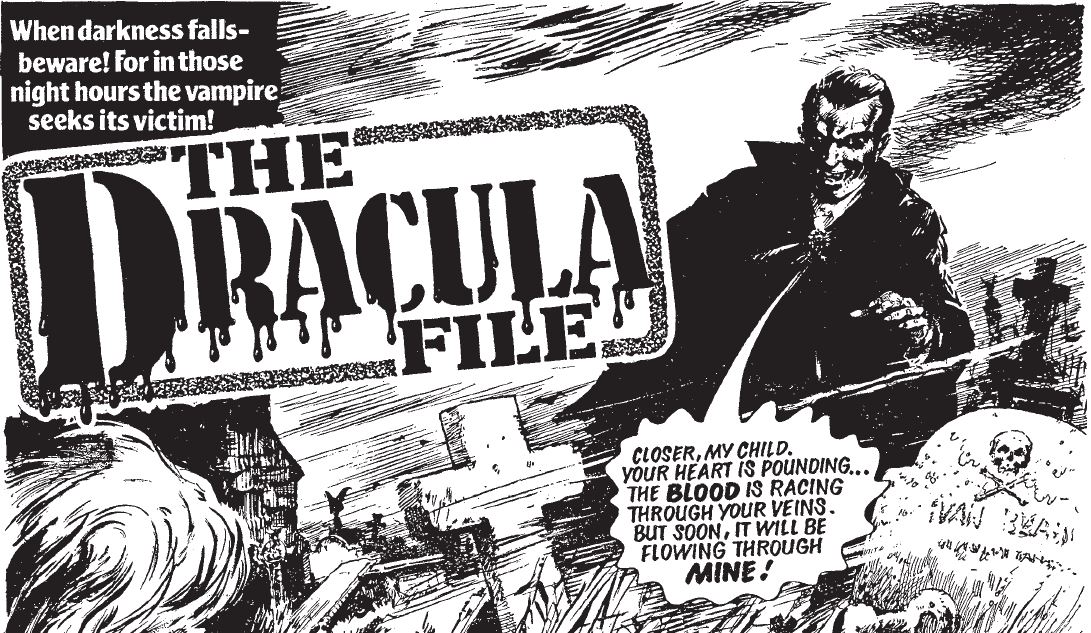
Horror in the 1980’s had a particularly sinister bite to it, especially if it came from across the pond, from England. While the Cold War was still haunting geopolitics during that decade, the collective imagination was no longer hung up on the 1950’s and 1960’s brand of communist fears and paranoia. In comes a British comics magazine called Scream!, a weekly horror anthology that ran for 15 issues in 1984. With it came one of the most unique vampire tales ever to have graced the comic book page: The Dracula File.

The Dracula File
The Dracula File

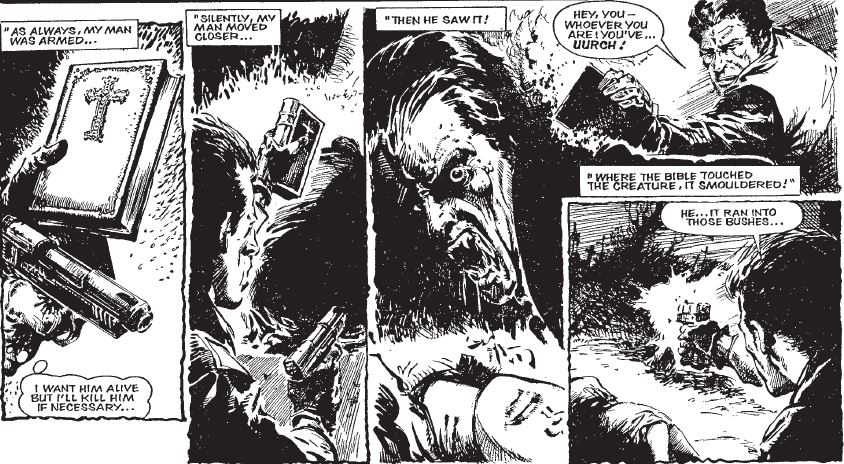
Mainly written by Gerry Finley-Day, one of the minds behind Rogue Trooper, and illustrated by Eric Bradbury, The Dracula File took Bram Stoker’s iconic vamp, dropped him right in the middle of 1984, and then had him come out of the Iron Curtain and into Western Europe for his nightly feedings. Perhaps Soviet blood just wasn’t as fulfilling anymore.

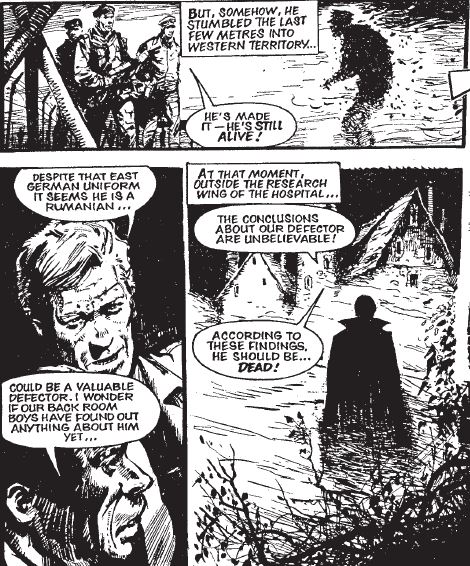
Finley-Day and Bradbury take every opportunity to indulge in the Cold War setting to portray Dracula’s horror as a natural fit within the world of spies, secrets, and the constant threat of nuclear war. In fact, the story’s first entry opens with a scene involving a vampire crossing the ‘death strip’ (the distance that had to be run to reach the West over the Berlin Wall) to escape East Germany.

As was the case for those who actually attempted to escape East Germany, the vampire is met with machine gun fire and all manner of death traps that were supposed to deter people from trying their hand at it. After the vampire makes it to the other side, The Dracula File makes an unexpected shift into a genre not commonly associated with the famed bloodsucker: spy fiction.

The Dracula File
The Dracula File

Given the history of British horror, one could be tempted to assume the story would take much of its inspiration from the classic Hammer films. While there is a fair bit of Hammer in it, especially in terms of ambiance and monster designs (there are parts where the vampire shows a passing resemblance to Christopher Lee’s Dracula), The Dracula File owes more to the spy novels of John le Carré, Graham Greene, and John Deighton.

The first parts of the overall story carry the pacing and tone of a spy thriller. Reports of someone who survived the jump to the West are shrouded in secrecy due to the circumstances of the escape while supernatural incidents are studied methodically to account for the unexplained things that accompany the new development. Later, mysterious deaths lead to investigations that keep to dark alleys and backchannels, whispered among a select few. Finley-Day and Bradbury go lengths to present Dracula as a legitimate Cold War threat and a national security problem. And then they have spies and government agents become the natural evolution of the Van Helsing character.

The script and the art never let the spy elements overwhelm the horror in the story. Dracula File never stops being a horror story, but the underlying intrigue that comes with treating vampires as another threat under the umbrella of the Cold War gives it an identity all its own. Heavy mist still hangs over scenes where a vampire attack is imminent and the supernatural permeates throughout the entire story, but the spy thriller elements frame Dracula as a kind of provocateur without any real allegiance to any side other than his own. His cause is one of blood and it poses a threat to the order of things in the world of secrets the Cold War created.

The Dracula File

The Dracula File is a different kind of vampire story, a rare one, in fact. To insert vampires into the spy game and still honor the more classic elements of spy fiction is truly a feat and begs further reading. It’s a great addition to anyone’s Halloween reading list and it’s a refreshing break from tradition.