Tag Archives: documentary

Quiet on the Set puts Nickelodeon in very dark waters

nickelodeon

There’s a scene in the movie Steve Jobs (2015) between the titular Apple giant and his friend Steve Wozniak in which they fight over giving certain development teams their due for helping build some of the most successful products in the company’s history. Jobs hunkers down on his position to not recognize those people. Wozniak offers stern rebuttals. When Wozniak realizes Jobs won’t budge, he offers this as a parting shot before walking out on his friend: “It’s not binary. You can be gifted and decent at the same time.”

The sentiment behind this scene echoes throughout ID’s new 4-part docuseries Quiet on the Set: The Dark Side of Kids TV, on Nickelodeon’s toxic work environment during the Nineties and the early 2000s in shows led by Dan Schneider. It’s essentially an exploration of what happens when a company’s biggest moneymaker is an abusive, sexist, and unethical presence that can make or break careers and leave deep scars on those caught in his path.

In addition, the show dives into the discovery of at least three sexual predators that worked on different sets and prayed on talent from programs such All That and iCarly. From this comes the bombshell revelation that one of Nickelodeon’s biggest stars, Drake Bell, was a victim of one such predator. He tells his story publicly for the first time in this series and it is both heartbreaking and deeply harrowing.

There are a lot of things Quiet on the Set does right, but a few specific ones are truly striking. First up is the quality of the interviews and the time afforded to them so that the voices of the affected lead the narrative. Featuring some of the now-adult stars of Schneider’s shows and other staff—All That cast members Bryan Hearne and Katrina Johnson, director Virgil Fabian, and The Amanda Show writers Jenny Kilgen and Christy Stratton among them—series directors Mary Robertson and Emma Schwartz give each interviewee a chance to get as much of their story out to the public as possible.

One thing that elevates these interviews is the set design for their scenes. Each person is seated either behind a table with office supplies on it or on an actor’s chair that highlights what their roles were and how important they’re work was to the success of each show. It gives them a sense of respectability that recognizes their experience without forcing upon them the victim label as if that’s all they came to be after they left or were removed from their positions.

The setup makes it seem like we’re stepping into a professional’s office, a place that belongs to someone who has achieved much despite the dark times they had to endure.

nickelodeon

Another thing the docuseries does really well is highlight the investigative nature of the story, letting facts and carefully shot testimony make the case rather than impassioned bits of narration that guides the audience towards indignation. Directors Robertson and Schwartz trust in the audience to make their own judgments with the information provided.

The docuseries is very careful not to lay the blame entirely on Dan Schneider. It’s made clear that the hiring of those who would go on to engage in illegal sexual behavior were not hired by Schneider, nor were they protected by him. The revelations blindsided him just as much as they did a lot of the cast members. Many different things can go wrong in one place, but they can’t all be attributed to just one person. It takes a village to sustain a toxic work environment.

Nickelodeon executives and company men are also to blame for trying to sweep everything under the proverbial rug, and the show does an excellent job of showing just enough to get the point across without naming names that couldn’t be verified.

That said, Schneider is meticulously portrayed as a problematic genius that was allowed to get away with a lot just because he was producing hit after hit. The cost of building an empire on the back of an abusive person, though, is that whenever the bad stuff comes out the work becomes tainted. Glory is not without reckoning when it entertains so much ugliness in the process. Quiet on the Set is firm on this point. It’s a lesson places such as Nickelodeon should take to heart to secure a healthier and safer working environment.

nickelodeon

Depending on your attachment to the shows explored in this docuseries, it’s safe to say a lot of your childhood memories will be affected. It’s not easy to enjoy something that you now know was built on abuse, gender discrimination, and trauma. There’s a lot of tragedy here, some of which couldn’t be explored more deeply for lack of testimony (Amanda Bynes, for instance, did not participate). But there’s more than enough here to further conversations on power, child safety, workplace toxicity, and the scary things that hide behind success.

Apple’s new The Enfield Poltergeist documentary dives into the real story of the infamous UK haunting

As popular as paranormal shows and documentaries are, there’s really only a handful of them that mystify people enough to consider the possibility that ghosts are real. The United States, for instance, will forever have The Amityville Haunting, which produced an entire franchise of movies and books given how aggressively it took over the American psyche when it reached the zeitgeist. England has The Enfield Haunting. Or The Conjuring 2 haunting, as many might know it as.

Apple + dropped a trailer for their new docuseries focusing on the British haunting, titled The Enfield Poltergeist, a project that might garner a lot of attention for its connection with The Conjuring universe. It took place in 1977, when a working-class family in Enfield, London claimed their house was visited upon by angry ghosts that caused kids to levitate and be thrown around by unseen forces. All four episodes drop on Friday, October 17, 2023.

The case is not without its controversy. Much like Amityville, accusations of the haunting being staged for publicity, fame, or financial gain were quick to make the rounds. Skeptics point to the picture “evidence” of the poltergeist as being fabricated, and that it was quite obvious at that. Pictures of family members levitating, for instance, have been subjected to considerable scrutiny as they seem to show girls just launching themselves up into the air or jumping to give off the impression they were being thrown around by ghosts.

This isn’t the only documentary dropping this year tied to the James Wan-developed horror franchise. Netflix is releasing its own, titled The Devil on Trial, the first case in the US to attempt a “demonic possession” defense at a murder trial. It was the basis for the third Conjuring movie, what many consider to be the weakest entry of the three films. The Devil on Trial will also drop on October 17.

enfield

These two docs lay bare the fictionalized aspects behind the films, especially in the case of the Enfield haunting. The Conjuring 2 made it look like The Warrens, the paranormal investigators and exorcists driving the films, were mostly responsible for riding the house of its demonic afflictions despite investigator Maurice Grosse alleging they were only there briefly. Grosse was the original investigator behind the Enfield Haunting, staying on the case for the duration of it while also acting as witness to some of the more extreme phenomena (levitation, changes in voice).

In fact, Apple also revealed the series will draw heavily from Grosse’s research, especially from the recordings he made and the reports he wrote up. Events will be recreated and will aim for fidelity to the sources. All of this to say, this won’t be The Conjuring 2.

The Enfield Haunting does have an interesting cultural record, having been used as the basis and inspiration for other movies and TV series. One notable project that used it as its foundation was the 1992 BBC television movie Ghostwatch, a pseudo-reality horror documentary that aired on Halloween of the same year. It took the form of a live special report on a haunting at a house on the fictional Foxhill Drive area in Northolt, Greater London. The found footage genre owes it a lot, preceding The Blair Witch Project by seven years.

The Enfield Poltergeist is a fascinating case that should yield a compelling watch once it premieres. Myths can certainly be shattered here, especially if the hoax allegations are treated seriously enough (some of which are referenced in both The Conjuring 2 and Ghostwatch). Real or not, there’s potential for deep fear to set in the series. Ultimately, audiences will have enough to be afraid of. Even if the haunting is entirely human.

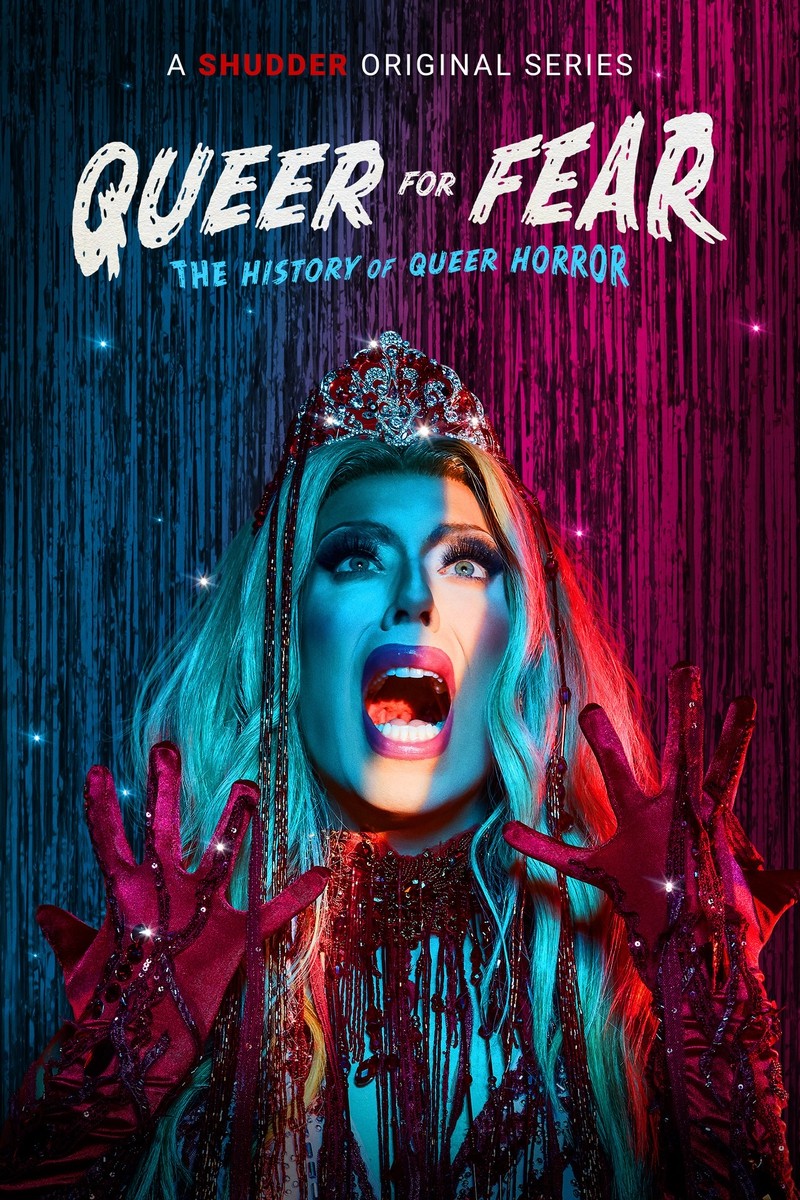
SHUDDER’s new four-part documentary QUEER FOR FEAR aims to celebrate LGBT horror cinema

Queer for Fear

Horror has a very complicated history with queerness. At times it’s been the genre that’s turned queer stereotypes into evil monsters or gratuitous victims of extreme violence (think Sleepaway Camp). In others, it’s the genre that’s created iconic monsters and killers that cast a reflection on society’s fears and those groups that don’t conform to the status quo (Psycho’s Norman Bates, for instance). And yet, their place in the history of queer representation is not static. Some of the most ‘problematic’ queer horror films for instance, have been reclaimed as examples of resistance and confrontation in mass market spaces (a good example of this is A Nightmare on Elm Street 2: Freddy’s Revenge, which has its own Shudder documentary).

Shudder’s new four-part documentary Queer for Fear: The History of Queer Horror looks to be just what audiences need to untangle this complex story and look at the many shifts and changes queerness has experienced in horror. The streaming service took to San Diego Comic-Con to reveal an extended sneak peek of the docuseries, which is executive produced by Hannibal’s Brian Fuller.

According to Shudder’s description of Queer for Fear, the docuseries will stretch as far back as the 19th century to look at literary origins (including the influences and subtexts present in the works of authors like Bram Stoker, Mary Shelley, and Oscar Wilde), the 1920-30’s ‘pansy craze’ (the rise in popularity of drag performers that had been gathering steam since the New York masquerades balls of the 1890s), all the way to the ‘lavender scare’ of the 1950s, the 1980-90’s AIDS crisis, and the present.

Given how adaptable horror is to the realities of any given context, Queer for Fear is sure to become further confirmation of the genre’s ability hold up a mirror to society in an attempt to scare them into realizing just how terrifying discrimination, Othering, and violence predicated on hate can be.

As is the case with any attempt at capturing the history of something, I’m curious to see what films make it into the story and how much importance is ascribed to them. The extended sneak peek clip Shudder shared seems to present Psycho as a kind of watershed moment in queer horror cinema, for instance. Finding out what other films manage to reach that iconic quality is just one of the reasons viewers will keep coming back for all four episodes.

Nightbreed

I for one hope Clive Barker’s work shines through, especially Nightbreed (1990). As a metaphor for the importance of community for ‘outsider’ groups, Nightbreed stands as one of the British author/director’s most impressive and compelling films. Based on Barker’s own novel Cabal, the story follows a man called Aaron Boone as he searches for the mythical underground city of Midian, a place where monsters live without the pressures of being exposed and judged in the outside world. A murderous psychopath learns of Midian and seeks to destroy the monsters’ refuge.

It was a commercial and critical failure for reasons that fit into the common thread of other queer horror films: it was misunderstood and promoted as something that it was not. In Nighbtbreed’’s case, trailers and other promotional material hinted at a slasher movie rather than a dark queer fantasy experience. It should go without saying, Queer for Fear will have a lot of these type of examples to pull from to explain how so many of these horror films fell into cult status and obscurity because of studio interference in the process of building up a film’s identity.

Queer for Fear is set to premiere on September 29th on Shudder and it’s already looking like a crucial piece of horror history that fans and newcomers should definitely take the time to learn about. It follows in the footsteps of Horror Noire: A History of Black Horror (2019), which also premiered on Shudder, in its intention to promote visibility and champion representation. To say it’s one of the year’s most important releases is quite simply an understatement.

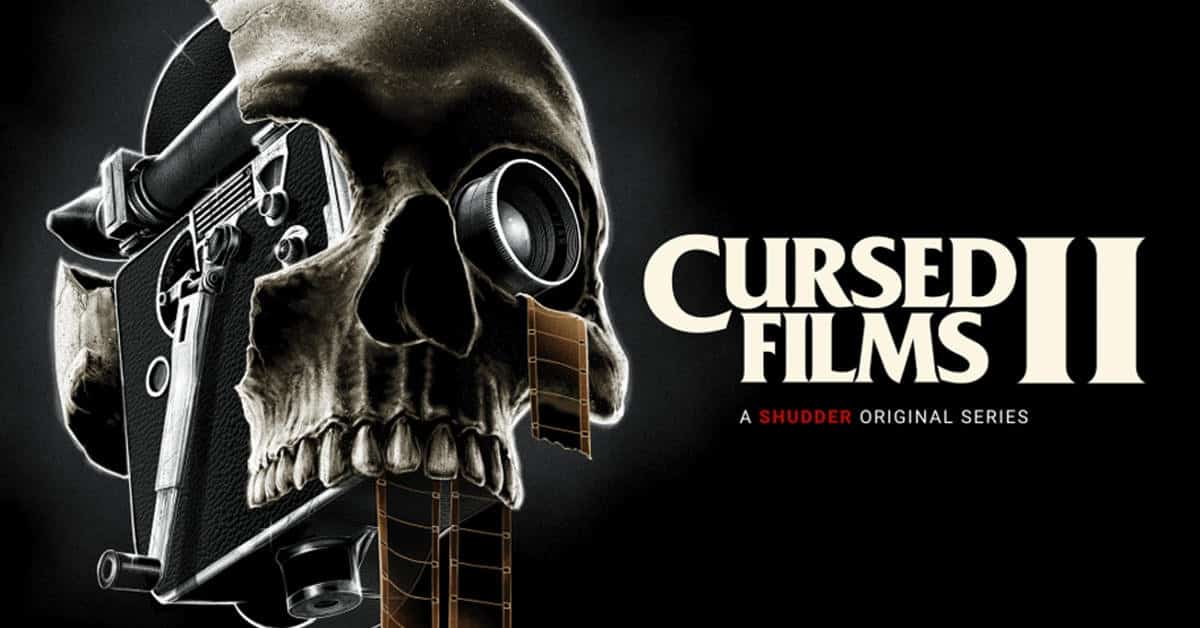
TV Review: Cursed Films kicks off season 2 with the dark myths behind The Wizard of Oz

Cursed Films

The first season of Shudder’s Cursed Films turned the tables on what its own title seemed to suggest, that it was going to be about the supernatural elements at play in the making of certain horror films. Instead, it went for a more noble goal. It sought to debunk the myths and conspiracy theories that haunt certain movies afflicted by a history of tragedy, irresponsible filmmaking, and superstition. Season two of the docuseries is a continuation of this, and it decided to go for one of Hollywood’s (and cinema’s) most treasured films for its opening episode: The Wizard of Oz.

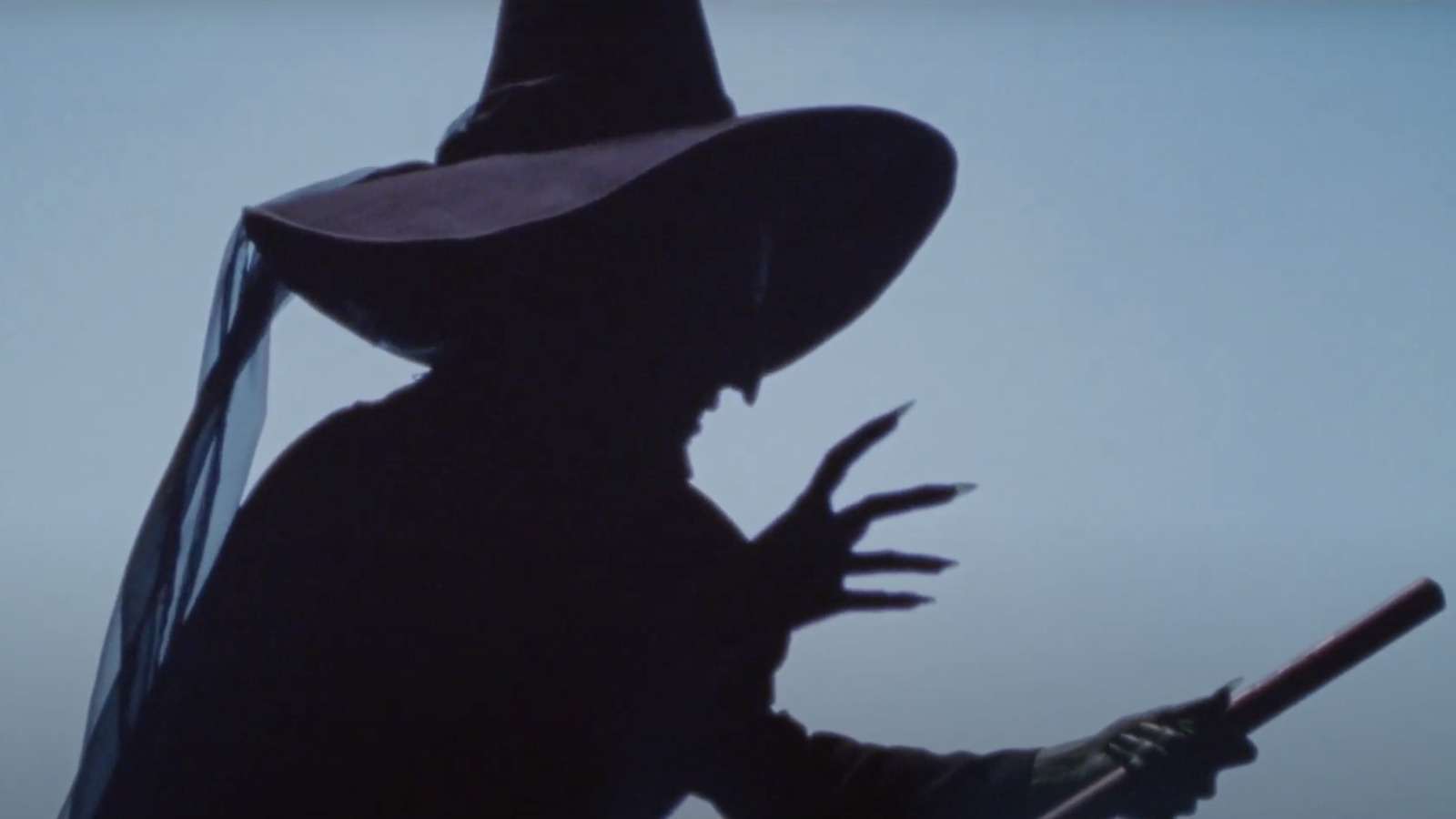
A cursory online search about the supposedly dark secrets contained within the original cuts of 1939’s The Wizard of Oz (dir. by Victor Fleming) will yield a hefty volume of grim hits that promise to reveal the “truth” behind deep backlot rumors concerning hanging munchkins and abusive Hollywood producers that took turns in abusing the movie’s star, Judy Garland, while on set.

Cursed Films 2 employs the same approach that made season one such a compelling watch. It goes for an aggressive deconstruction of the very idea of what a cursed film is and why reality, and not superstition, offers the best explanations for the mysteries that’ve latched on to it. Taken as a whole, season one ultimately suggests that films become cursed thanks to fans who want to explain production woes and accidents via the same lore that’s in the content of the movies in question.

Weird noises on the set of The Exorcist? It had to be the devil. It’s what the movie is about in the first place. You can’t really blame anything that happened during its production on a vampire, for instance. The movie is not about undead bloodsuckers. It’s about a possessed girl who, in one scene, claims to be the devil. The same goes for the other movies explored in the docuseries.

Cursed Films

The Wizard of Oz, the show suggests, becomes a cursed film for its position in American film history and how it stands to represent the spirit of Hollywood, a place that is as classy and fantastic as it is ugly and corrupt. Add in the internet’s message board community culture, plus its conspiracy-heavy leanings, and you’ve got a cursed film.

The episode is well-scripted and researched, featuring interviews with surviving family members of the movie’s cast along with other commentators, such as Mythbusters’ own Adam Savage (brought in to discuss the case of the Tin Man’s original aluminum-based makeup and how it nearly killed the first actor that was cast to play him). Surprises are plentiful throughout, especially when it comes to the rumors that swirled around the actors who played the munchkins in the movie. This part of the episode is one of its strongest and is sure to give viewers something to talk about.

Perhaps one of the most effective components of the episode comes in the form of incident reenactments. They possess a haunting quality that strengthens the show’s idea on reality being dark enough on its own without requiring curses to explain away the strange happenings. They’re presented with a grainy filter that heightens the events they recreate while adding context and texture in the process. It’s a very successful approach and I hope the remaining episodes feature them as well.

The decision to open a new season of Cursed Films with a staple of classic American filmmaking is a daring one, and a resounding success at that. It can even be viewed as a statement on the controversial practice of declaring . Cursed Films goes to the land of Oz to say that no myth is safe, that they can be exposed as distorted truths for all to see. The upcoming episodes include Rosemary’s Baby, Stalker, Cannibal Holocaust, and Wes Craven’s The Serpent and The Rainbow (the one I’m looking forward to the most). You should expect them to scare you with what actually happened rather than with demonic forces that hold grudges against troubled Hollywood productions.

The Accidental President Explores the 2016 Presidential Election

As America began to try and come to terms with the surprising (and for many voters, horrifying) results of the presidential race of 2016, the subsequent rapid-fire speed of events and jam-packed news cycles meant that nobody would ever have the opportunity to truly and properly reflect on what exactly just happened — and how did it?

The Accidental President is British filmmaker/journalist James Fletcher’s quest for those answers. In it, he not only uncovers a detailed play-by-play from all angles on how it all went down, but also the state of America that led to the results, what the electorate was really motivated by, and how a former game show host with an elevated understanding of the media and entertainment was able to connect with voters from all walks of life and stage a takeover of Washington D.C. — whether he meant to or not.

Featuring an impressively diverse and balanced set of fascinating interviews from both sides of the aisle, Fletcher has taken what could have simply been a “Trump-bashing” film and has instead created something for a much larger audience: everyone. An educated examination of the most controversial election in modern history, and one that every future campaign – most notably the one currently in play – should study with an electron microscope.

Movie Review: 76 Days

76 Days

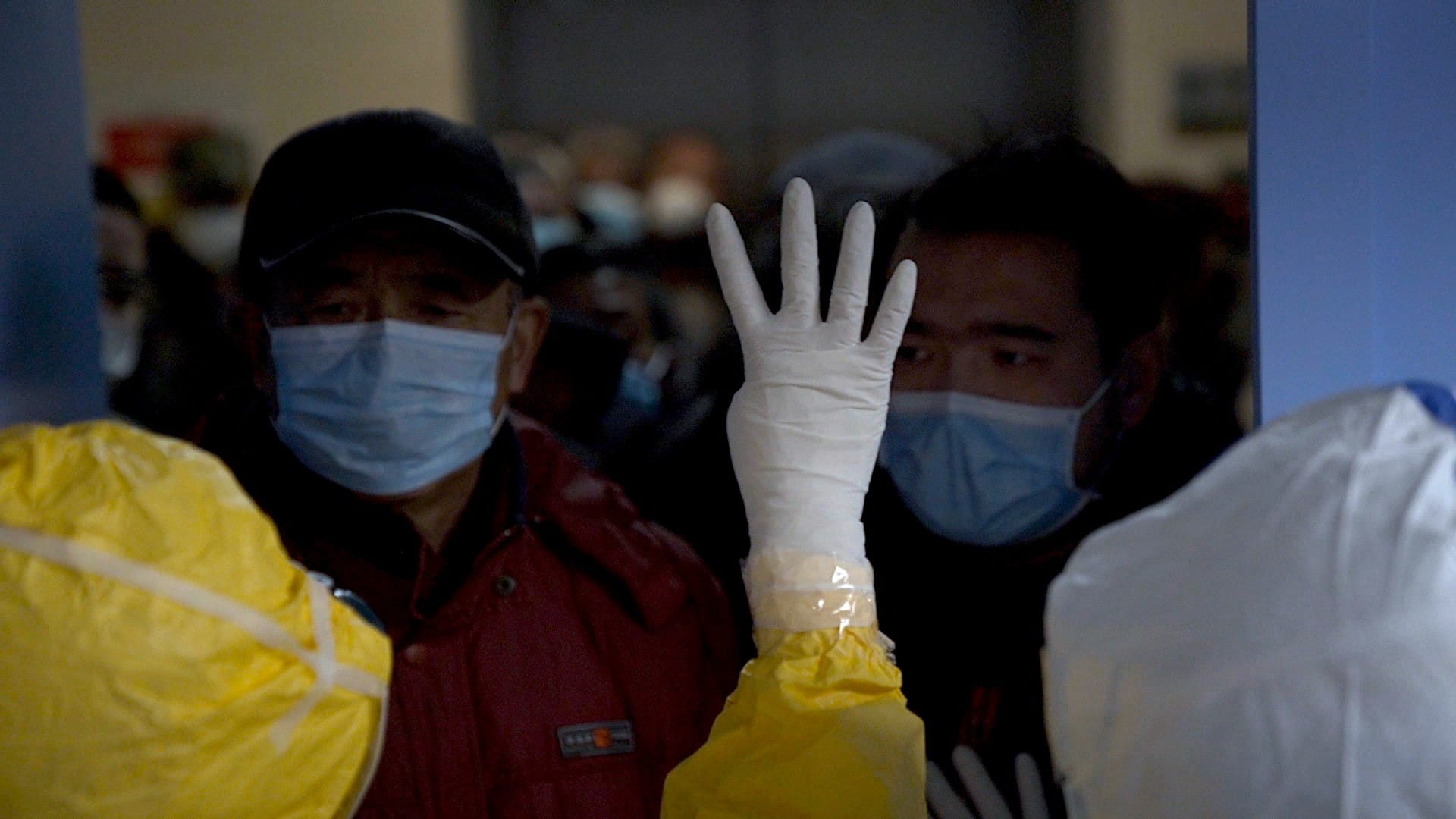
January 23rd marks the one-year anniversary of the start of the COVID-19 lockdown in Wuhan, China. 76 Days is a documentary directed by Hao Wu, Weixi Chen, and “Anonymous” taking us into the region and giving us a look at their struggle against the deadly pandemic. The film takes place through four Wuhan hospitals beginning a few days after lockdown.

The documentary opens with a gut punch as family is torn apart from each other. It delivers a visceral start of a raw and emotional journey the world has been experiencing for over a year. The film focuses on the struggles of the people of Wuhan in the earliest days of the outbreak. It’s the stories at the humans at the center of ground zero attempting to survive and do their best in impossible times.

76 Days

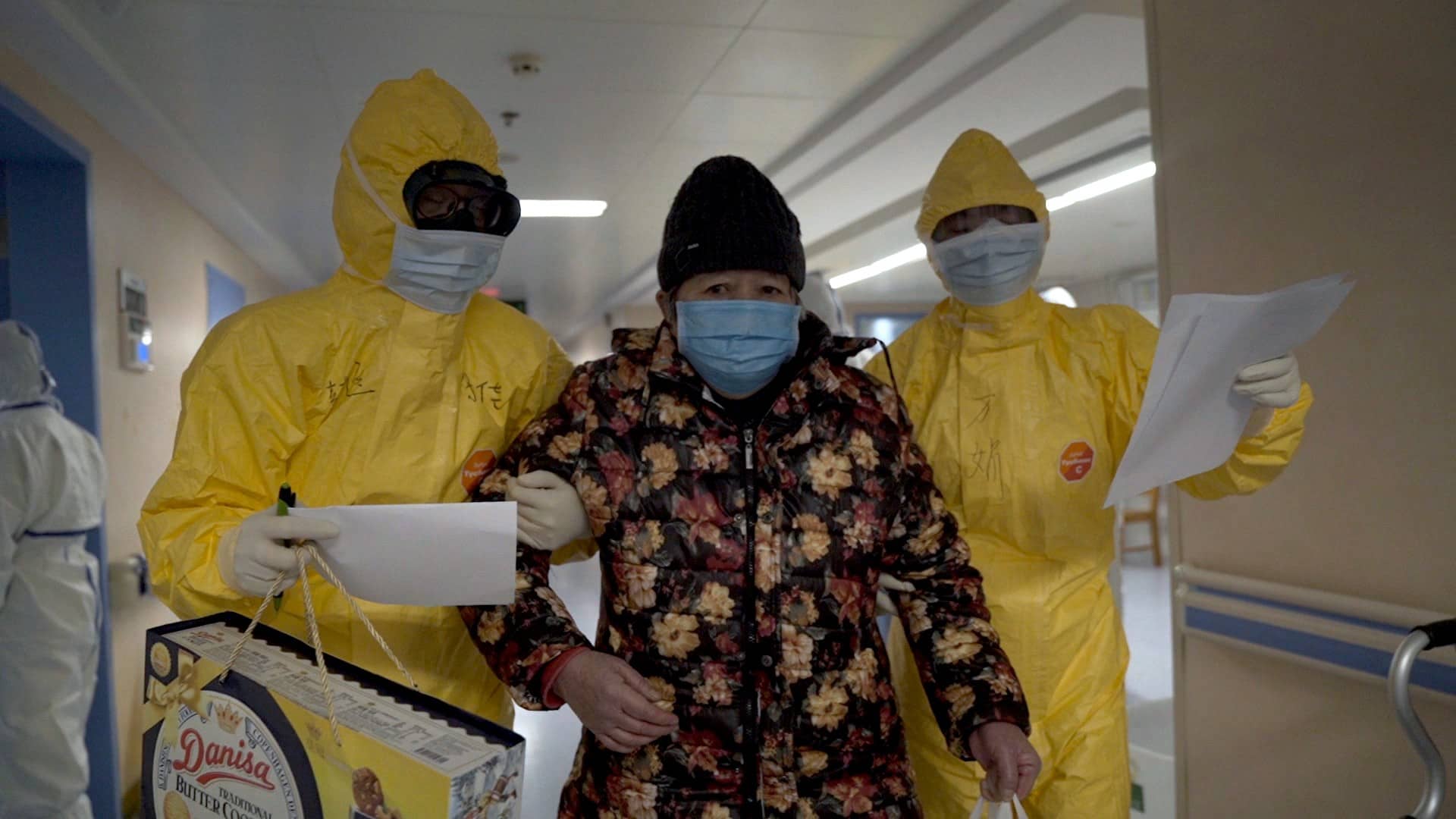
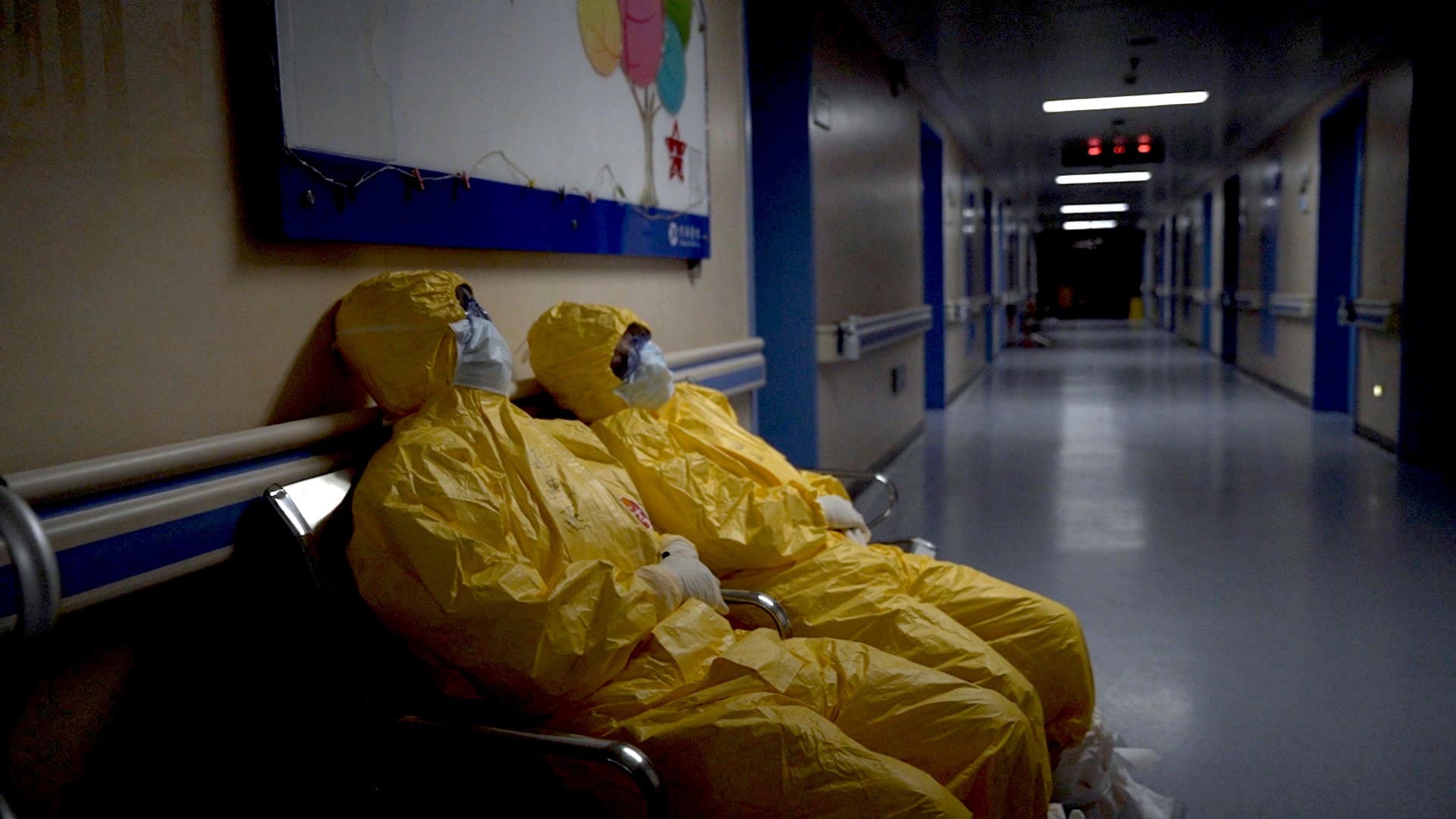
Early on we’re takento a hospital as it needs to hold back the hoards of individuals attempting to seak treatment. The film feels like a zombie horror film as the hopsital staff are clad head to toe in protective gear and individuals bang on the door looking for treatment and refuge. It’s a surreal segment that doesn’t feel real taking us into the city’s lockdown and extreme measures from there. 11 million people on the frontline of the crisis.

The film might take place across the world but its struggles are universal. The pain clear. It’s hard to not tear up at as the phones of the deceased ring and messages are sent. To not cry as individuals recount the dead and family they’ve lost.

It also highlights the efforts of so many to fight the disease in its early days and the complete chaos of the situation. They were up against impossible odds constantly adapting and learning what they were up against. A year later, we’re in much of the same situation as the disease mutates and tests the world’s abilitiy to fight back once again.

76 Days

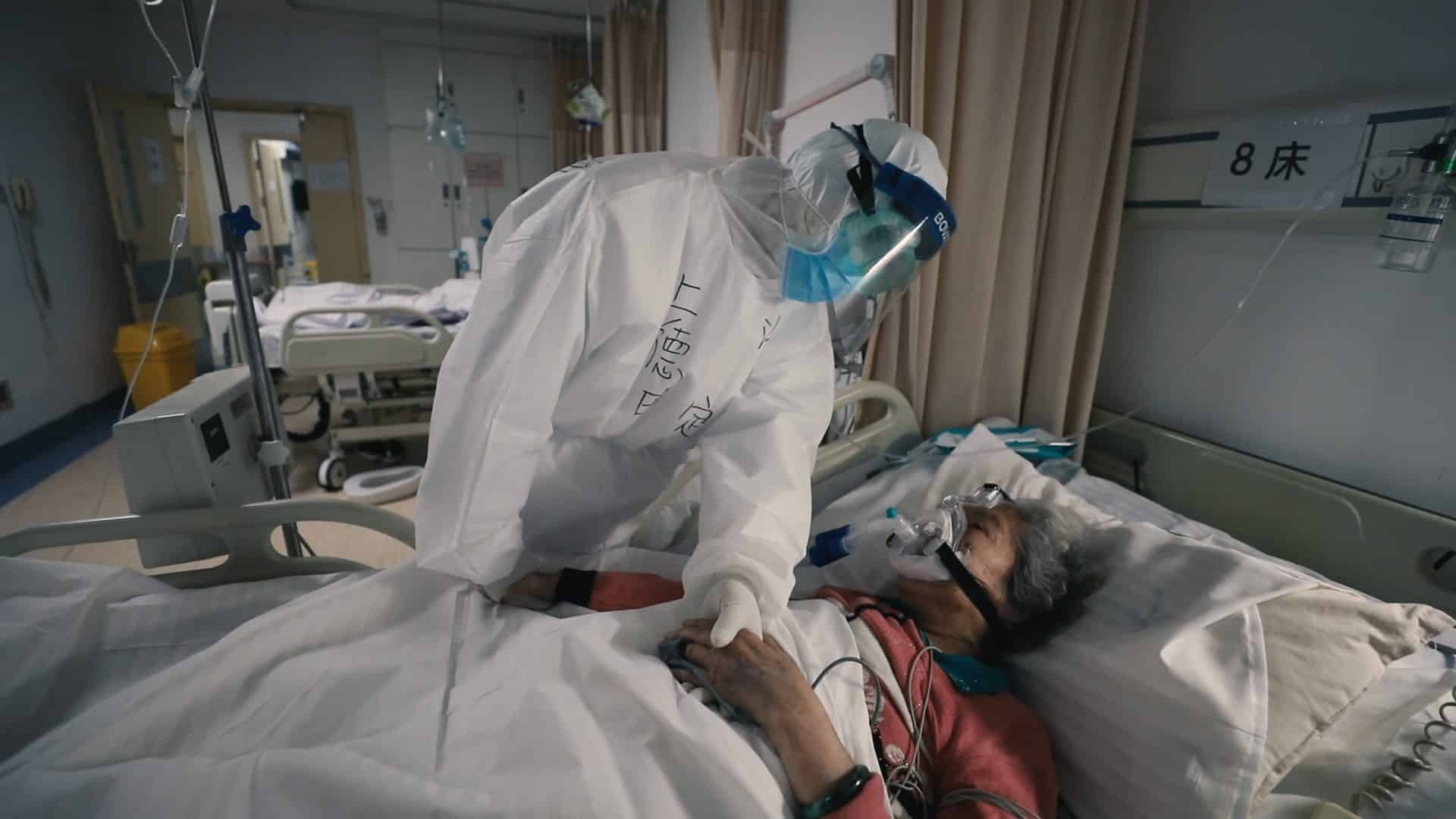
The humanity on display is inpsiring. Doctors and nurses scrambling to fight for patients, some of who have little fight in them. Some cut off from their family, these medical soldiers adopt their patients becoming their surrogate families in these trying times.

But what’s amazing is, this is a city clearly at war with a force it can’t see. This feels like a battle for survival. It’s amazing to watch this and reflect on the laxidazical response by so many in so many other regions.

But the film goes beyond that showing the impact on others. A woman faces a C-section alone as her husband isn’t allowed to attend the birth due to the risk of disease. Beyond that we see the struggle of the same family to bring their child home during a pandemic. We see the lines of food being handed out to keep individuals at home. There’s the amazing level of work put in to disinfect so much regularly. Often reminding workers of those lost to the disease and how it doesn’t care about age or class.

76 Days

But, the film constantly comes back to the struggle within the hospital. The hurdles are far more than I ever realized beyond the disease itself. Patients with different needs. Patients with different dialects. Some take to the internet filling them with misinformation. Some suffering from other diseases like dementia. It all comes together to make the battle that much more difficult.

This is a war film. There are losses and death. There is trauma that will live with individuals for years. For 76 days the city and its people struggled. It’s a struggle the world continues to experience with no end in sight.

Movie Review: Push Attempts to Lift the Veil on Housing Issues

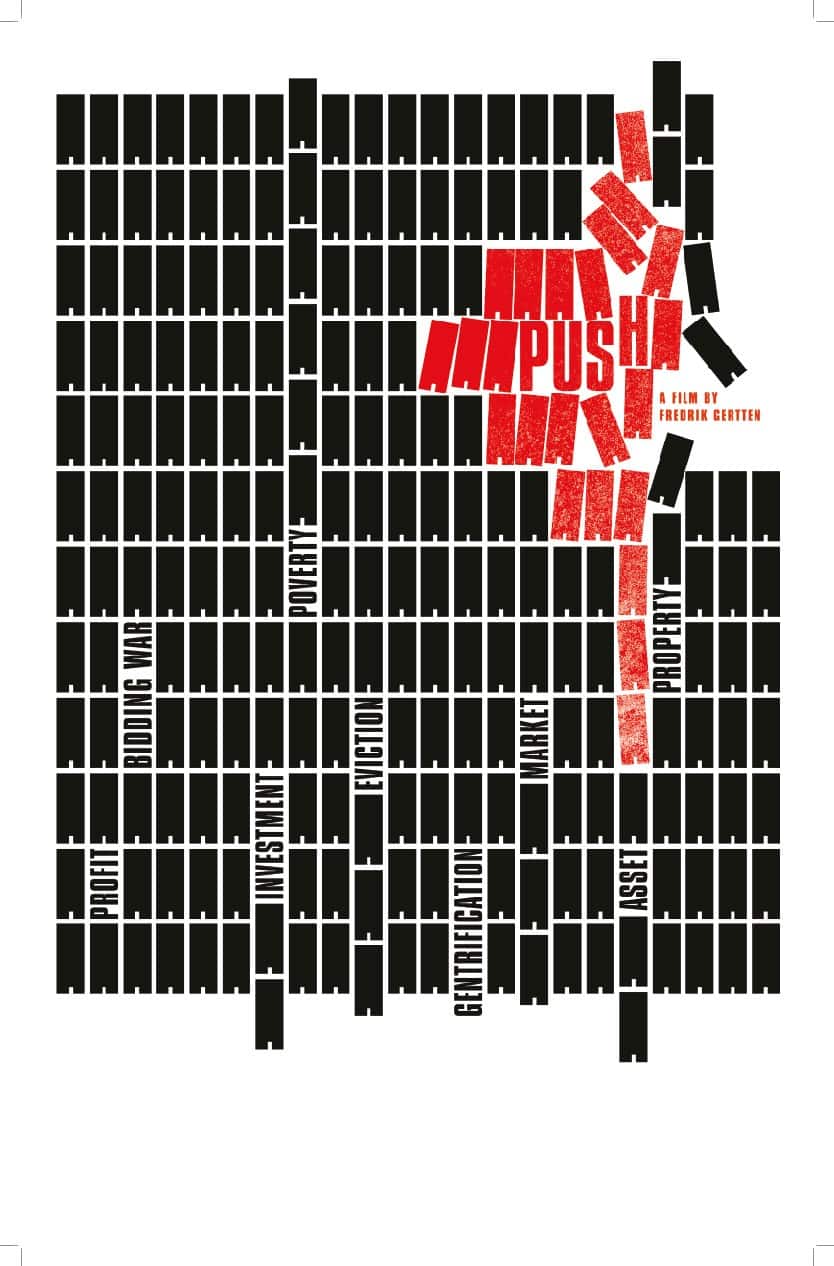
Push Movie Poster

As wages are stagnating, the price of urban life continues to rise across the globe. Director Fredrik Gertten’s new documentary PUSH follows UN Special Rapporteur on Adequate Housing, Leilani Farha, as she meets with people from around the world who are struggling to afford housing.

PUSH presents interviews with disaffected tenants, city mayors, and experts in international economics, connecting the several stories to the main issue. The film does not focus on one city, but on many. We follow Farha everywhere from Harlem to Seoul. The wide variety of perspectives very effectively put us in the shoes of Farha as she tries to come to a greater understanding of why housing inequality is such a big issue in many cities today.

Since the film spends so much time with Farha, it’s a good thing that she is a very compelling subject. Her passion for the cause endears us to her and to everyone she fights for. We also see the frustrations she faces within the UN and with large companies profiting from the current system. From UN delegates ignoring her to Presidents of Real Estate companies refusing to meet with her, the struggles Farha faces help us to empathise with her and believe in her cause.

One way Gertten connects the viewer with the topic is through the cinematography. It excellently captures the details of each city Farha visits. As we see the forces that are profiting off of displacing communities, Gertten also takes time to show small moments of joy that make those communities so powerful. We see a neighbor waving goodbye to children on their way to school, two men having a cup of coffee together, and a family relaxing on their couch. Though there are some points where the film drags, the editing and pacing keep us engaged throughout while the cinematography connects us with the circumstances each subject is facing.

A larger issue with PUSH is that it does not have much focus on history. Housing inequality such as redlining and segregation in the United States and other nations is touched on, but not discussed in much detail. The majority of people Farha meets with over the course of the film are white, and little time is devoted to discussing these points with POC. Though the documentarians might have felt unqualified to discuss such topics, I believe it could have strengthened their message to point out how the housing market has always been unequal.

Considering how world events are affecting many people’s ability to pay their rent, this film has become even more pertinent to our current situation. Though the message could have been stronger if it delved more into the history of housing and included more diverse voices, I would still recommend PUSH. It makes a strong case that the housing crisis should be taken seriously.

Movie Review: Todd McFarlane: Like Hell I Won’t

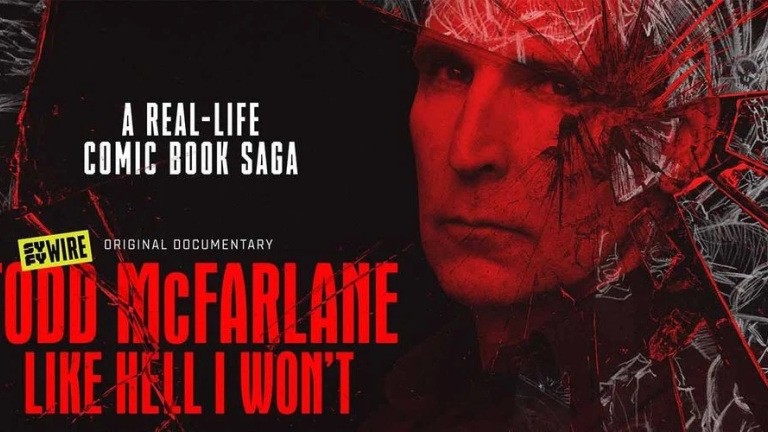
Todd McFarlane: Like Hell I Won't

Todd McFarlane: Like Hell I Won’t celebrates McFarlane’s history breaking run on Spawn and is a look at his career. The documentary intersperses footage from conventions, testimonials, and McFarlane himself. He recounts his time in comics with a recurring theme of “drive”. The documentary is an interesting one that mostly props McFarlane up with little criticism. In that way, it feels a bit glossed over in history and is an incomplete picture of his actual career in comics, film, television, and toys. But, the documentary goes through some interesting history doing a fine job of catching up those that might not know it.

From McFarlane’s beginning to modern times, the documentary covers a career that’s been focused and full of drive. From his early comic career to his start at Marvel, we get to see how his early years was one of luck that opened opportunity. We get some strife as he admits that his time at Marvel was one of being pushed back on with his style but he also praises some people he was able to work with there and the opportunities he received. It’s a look at working within a corporate structure as an artist.

But, where things get interesting is when the documentary shifts away from Marvel. While the formation of Image goes quickly, the documentary focuses on the collapse of the comic industry and how McFarlane weathered the storm. We get to see the pillars by which he built his empire and his shift from comics to film, television, video games, and most importantly toys. Though that too is painted as nothing but success with little failure or issues.

Todd McFarlane: Like Hell I Won’t isn’t all roses. A few minutes of it towards the end are dedicated to lawsuits and bankruptcy though all of them are just touched upon with little detail. McFarlane attempts to wash over the time as if success begets lawsuits, and there’s nothing more than others seeing opportunity. It comes off as if he did nothing wrong and everyone else was the issue. The documentary though highlights the losses. The rocky history of Image isn’t mentioned and his Chapter 11 filing is briefly mentioned. Though there’s been success there were failures too that aren’t explored enough. And that makes sense based on Todd McFarlane: Like Hell I Won’t’s focus. The documentary is meant as a puff celebration of Spawn #300, not as a hard-hitting history.

The documentary is about McFarlane’s belief. It’s about the belief in himself and his vision of how things should go. And it’s clearly worked for him. Spawn is still going, well past issue #300, setting a record each month witch each new release. McFarlane Toys continues to inovate and maybe we’ll eventually see Spawn on film again some day. McFarlane has had a successful career and Todd McFarlane: Like Hell I Won’t is focused on that. It dances around his impact. It dances around the industry has changed yet he remains. There’s so much more that could have been explored and expanded upon to make this documentary interesting. But, the final product feels a bit like a late night informercial, an advertisement wrapped up as something else.

If you don’t know anything about Todd McFarlane, a super fan, or a fan of Spawn, then Todd McFarlane: Like Hell I Won’t might be interesting. It’s surface deep in details dancing around the depth and never exploring statements or giving any examples of impact. For those looking at an exploration of comic history, even McFarlane’s career, there’s so many other documentaries and books to spend your time with.

Todd McFarlane: Like Hell I Won’t debuts on SyFY on July 25 at 11pm ET.

Overall Rating: 6.0

DC Universe Announces Visionnaries: Featuring Jorge Jiménez

Jorge Jiménez is known by fans for his unique take on a number of DC’s biggest characters and iconic teams including Batman, The Justice League, Super Sons, and more. Debuting on Saturday, June 20 on DC Universe, the nearly hour-long Visionnaries: Featuring Jorge Jiménez will profile Jiménez and his lifelong dream to become a comic book artist.

Visionnaries: Featuring Jorge Jiménez enters the world of one of DC’s brightest talents. The documentary charts Jiménez’s journey as a young artist from a remote village in Spain to his early professional struggles to illustrate some of the most well-known DC heroes. Along the way, Jiménez details his artistic process and his desire to one day draw his childhood hero, Superman.

Drawn Together: Comics, Diversity and Stereotypes is Free to Watch in May on World Channel

This month PBS premiered my documentary – Drawn Together: Comics, Diversity and Stereotypes. The film has been to over 52 film festivals and has won 9 major awards. It has also screened in over 100 educational institutions, at almost all Comic Cons and numerous conferences.

Drawn Together traces the fascinating journey of three comic creators who challenge the notion of race, appearance and gender stereotypes through cartoons, comics and cosplay. The film features Keith Knight, Vishavjit Singh ( AKA Sikh Captain America ) and Eileen Alden.

For the month of May, you can watch the film for free on Youtube.

« Older Entries