Logan’s 10 Favorite Movies of 2024
2024 was terrible year for comic book adaptations and blockbusters, but was a solid year for films in general. I feel like “elevated” horror became my genre of choice from this year with my favorite picks touching on that subject matter in some way. Also, I became a member at my local indie theater (Shout out The Belcourt!), and it’s a fun experience to pay late 2000s prices to see the latest A24 or Neon film and then also have the opportunity to see Eyes Wide Shut in 35 mm or Hannah Montana: The Movie or Ghost World at midnight. (There was no overlap between those two audiences.) Seriously, if you have the means, supporting your local indie cinema is one of the best things you can do and also provides you a little escapism in our late capitalist hellscape.
But enough rambling, here are my favorite ten films of 2024!
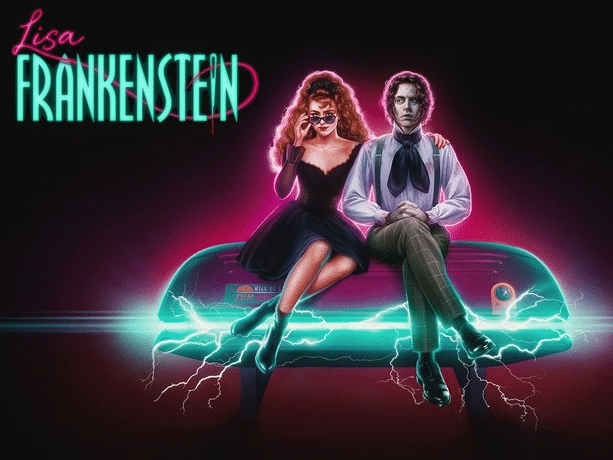
10. Lisa Frankenstein (Zelda Williams)
Starring Kathryn Newton and Cole Sprouse and with a sparkling screenplay from Jennifer’s Body‘s Diablo Cody, Lisa Frankenstein is about a 1989 teenage girl, who falls in love with a reanimated corpse while the dealing with the trauma of her mother being axe murdered. Although the PG-13 rating stymies some of the horror elements, this film is a sweet, devilishly funny, and maniacally homicidal love story. Newton brings a buoyant, weird girl energy to the lead role of Lisa Swallows, and costume designer Meagan McLaughlin deserves an Oscar nomination for the Gothic-inspired fits she puts the lead characters in. However, my favorite part of Lisa Frankenstein is its expertly curated soundtrack of late 1980s college rock that overlays key scenes like “Strange” by Galaxie 500 washing over an animated sequence of Lisa and The Creature falling love, or “Head On” by The Jesus and Mary Chain when she walks in like the coolest girl in school. (Because she is.)

9. My Old Ass (Megan Park)
My Old Ass is a throwback to classic high concept comedies like Heaven Can Wait, Peggy Sue Got Married, and a heavy dose of Freaky Friday with a contemporary sensibility like its main character being bisexual and her little brother having a shrine to Saoirse Ronan. In the film, Canadian high school senior Elliott (Maisy Stella) has a bad mushroom tea trip and meets her older self, played by an always deadpan hilarious Aubrey Plaza. Elliott gets advice from her older self about bonding with her family while she gets the chance and also to avoid a teenager who works for her family named Chad (Percy Hynes White) Despite the light science fiction and psychedelic elements, My Old Ass is a wise, beautiful film about cherishing family, friendship, and romantic relationships while you have them and to be more realistic about goals for the future. (Older Elliott reveals that she’s a 39 year old graduate student in one of the film’s funniest scenes.) The rural Canadian countryside setting is also an invitation to soak in and savor the film like Elliott does with her last moments of freedom before being thrust into the world of adulthood.

8. Furiosa: A Mad Max Saga (George Miller)
Furiosa is the darker, more character driven little sister and prequel to Mad Max: Fury Road and fills in the backstory of Furiosa as she goes from a kidnapping victim to a commander of a war rig. Just like its predecessor, Furiosa has many balls-to-the-walls chase and action sequences, but the film succeeds because of the twin performances from Alyla Browne and Anya Taylor-Joy as Furiosa. Through just a look, they can convey fear, rage, or just resignation as the manically evil and aptly named Dementus (Chris Hemsworth) tries to find the mythical Green Place. An Ozsploitation villain is a perfect fit for Hemsworth’s comedic and physical skills, and he injects a little B-movie fun into Furiosa when it’s at the risk of getting too dour. However, the film works as both set-piece spectacle and a character study of one of the best action film heroines of the 21st century.

7. Love Lies Bleeding (Rose Glass)
Love Lies Bleeding is a roid rage-infused lesbian romance thriller about a gym manager named Lou (Kristen Stewart) and a bodybuilder named Jackie (Katy O’Brian), who fall in love, murder abusive men, take a lot of performance enhancing drugs, and eventually go on the run. Rose Glass both explores and queers the Pumping Iron gym culture of the 1980s and brutally satirizes the “family values” of Reagan/Bush Sr-era United States in the dysfunctionality of Lou’s family, especially her father Lou Sr. (A menacing Ed Harris) and toxic brother-in-law JJ (A smarmy Dave Franco) Of course, Lou wants to find escape and freedom, but she ends up repeating old patterns, and Love Lies Bleeding ends up being tragic rather than life affirming. But it’s one hell of a ride, especially in its surreal third act, and Stewart and O’Brian have insane chemistry.

6. Queer (Luca Guadagnino)
An adaptation of the William S. Burroughs novel, Queer is about the relationship between a thinly-veiled analogue for Burroughs named William Lee (Daniel Craig) and a beautiful, young US army veteran named Eugene (Drew Starkey) Through the literally down-for-anything conduit of Craig, Luca Guadagnino takes from the gay bars of Mexico City to the jungles of Ecuador in a search for something to scratch that itch and expand the consciousness. Like many of the films on this list, Queer has trippy visuals to go along with a mind-altering score from Trent Reznor and Atticus Ross as well as timely Nirvana needle drops. (Kurt Cobain and William S. Burroughs were actually friends.) Some of my favorite moments in the film are the ghostly representations of the desires of what Lee wishes he was doing with Eugene, but can’t because of illness or shame. He’ll probably lose to Timothee Chalamet or Ralph Fiennes, but Daniel Craig gives a Best Actor-worthy performance as Lee and digs deep into the grimy pits of love, lust, and telepathy.

5. Didi (Sean Wang)
Didi is both a universal and very specific coming of age story about about an eighth grader in 2008 named Chris “Didi” Wang (Izaac Wang), who makes videos with his friends and tries to find love and acceptance in the summer before going to high school. Sean Wang understands the vibe of the late-2000s Internet and social media as Didi uses Facebook to gather intel on the girl he has a crush on or hastily deletes his prank videos when he tries to become the filmer for a group of cool, popular skater kids. Throughout the film, he tries to put on a variety of identities, but still gets flak for being Taiwanese and not having the knowledge, skills, or lingo to fit in with various in-groups he tries to join. Didi is a film for anyone who struggled to fit inset to a music landscape of 2000s indie pop and pop punk (His older sister is a big Paramore fan!), and I love how Didi’s family members have their own arcs and struggles and aren’t just obstacles or comic relief. Shirley gives a beautiful performance as his mother Vivian, who must deal with an absent husband, two pain-in-the-ass kids, and a disapproving mother-in-law.

4. Wicked (Jon M. Chu)
Featuring two iconic performances from Cynthia Erivo and Ariana Grande as Elphaba and Glinda respectively, Wicked is a soaring musical fantasy blockbuster that doesn’t lose any of its source material’s subversiveness. Splitting the story into two parts was a shrewd move from Chu as it lets the musical numbers breathe, and he even finds some room for a new one with Idina Menzel and Kristin Chenoweth passing the torch to the next generation in a spot-on, pro-Wizard propaganda number. Grande has Broadway pipes, but is in full pop diva mode as she exudes confidence and conventionality in contrast with Erivo’s rebel with a cause. However, it’s Peter Dinklage’s voice performance as Dr. Dillamond that sticks with me in the months after seeing the film as he makes a bold and clear stand for marginalized folks and academic freedom that has become more increasingly relevant with the re-election of Trump and putting Linda McMahon in charge of the Department of Education. To steal a line from Billy Bragg, Wicked mixes pop and politics very nicely indeed.
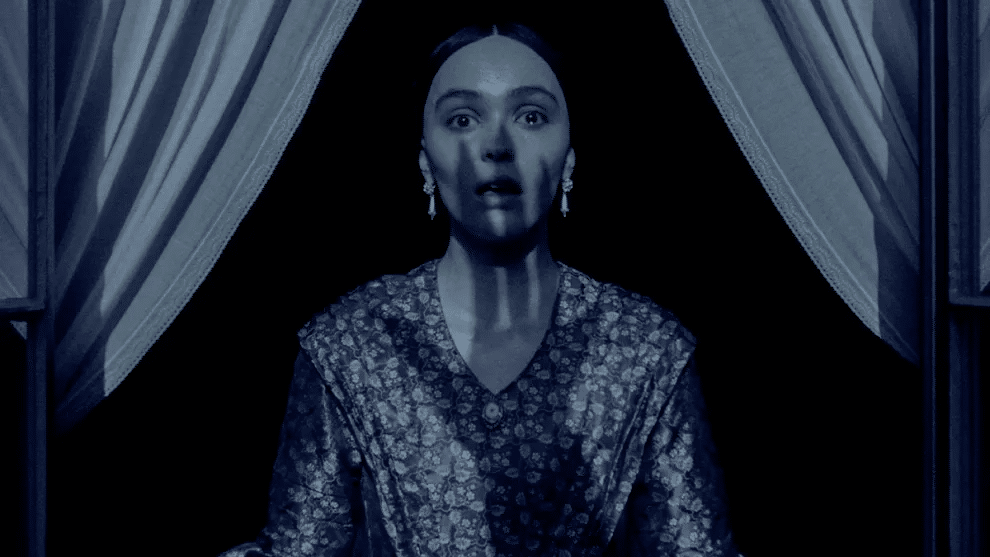
3. Nosferatu (Robert Eggers)
Opening with Ellen Hutter (Lily-Rose Depp) convulsing orgasmically to the dulcet Dacian tones of Count Orlok (Bill Skarsgard), Nosferatu establishes itself as a slow-burn, Gothic freak fest that’s not afraid to explore the darker side of humanity and stare into the abyss of pure evil. Writer/director Robert Eggers’ winning streak continues, and he crafts a world where people take the undead and the supernatural completely seriously far removed from 21st century cynicism and postmodernism. Cinematographer Jarin Blaschke embraces the film’s German Expressionist-meets-Victorian penny dreadful roots in his use of chiaroscuro lighting, shadow, wide vistas, and sharp corridor. Nosferatu is a masterclass in classic horror storytelling with Willem Dafoe’s defrocked academic Professor Von Franz bringing a quirky occultist balance to the powerful physical performances from Depp and Skarsgard.
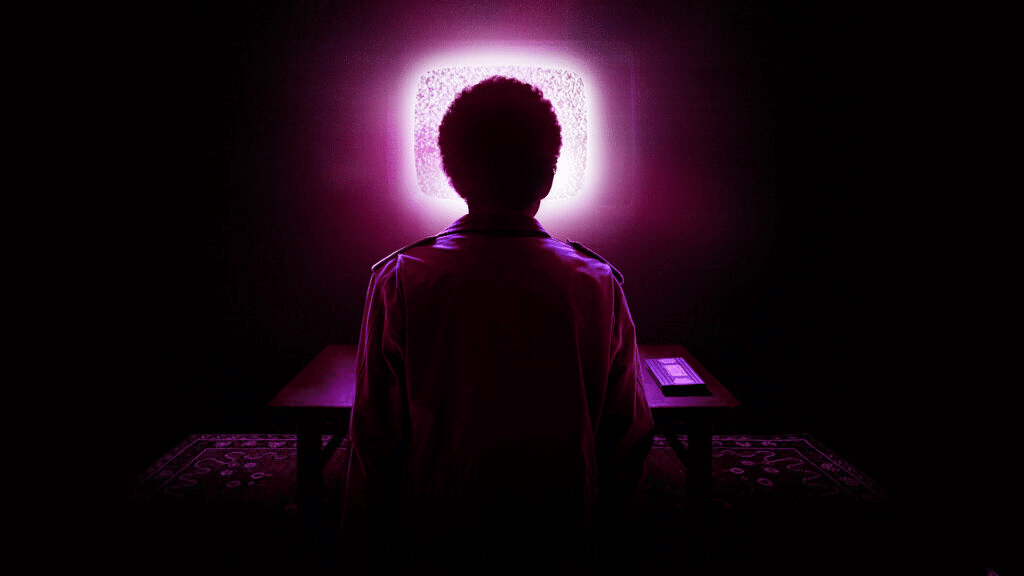
2. I Saw the TV Glow (Jane Schoenbrun)
I Saw the TV Glow is an allegory for gender dysphoria couched in the visual language of cheesy fantasy horror TV shows, sad girl indie pop, and liminal spaces. (Also, jump scares from Fred Durst and Phoebe Bridgers.) It’s buoyed by soul-destroying lead performance from Justice Smith as Owen with Brigette Lundy-Paine’s acting as the Virgil to his Dante and introducing him to the show The Pink Opaque that is the only spark of light in his white noise suburban childhood. Both frightening and immersive, I Saw the TV Glow is the one 2024 film that has been a splinter in my mind as I compare my own experiences with pop culture and gender with Owen’s. (X-Men Evolution was my Pink Opaque.) It interrogated and transformed my relationship to reality and identity in a similar manner to The Matrix or The Invisibles, but with a lot less gunplay and more serialized storytelling a la the comics and television shows I’ve spent analyzing for over 1/3 of my existence. Maybe, the egg will crack one day.
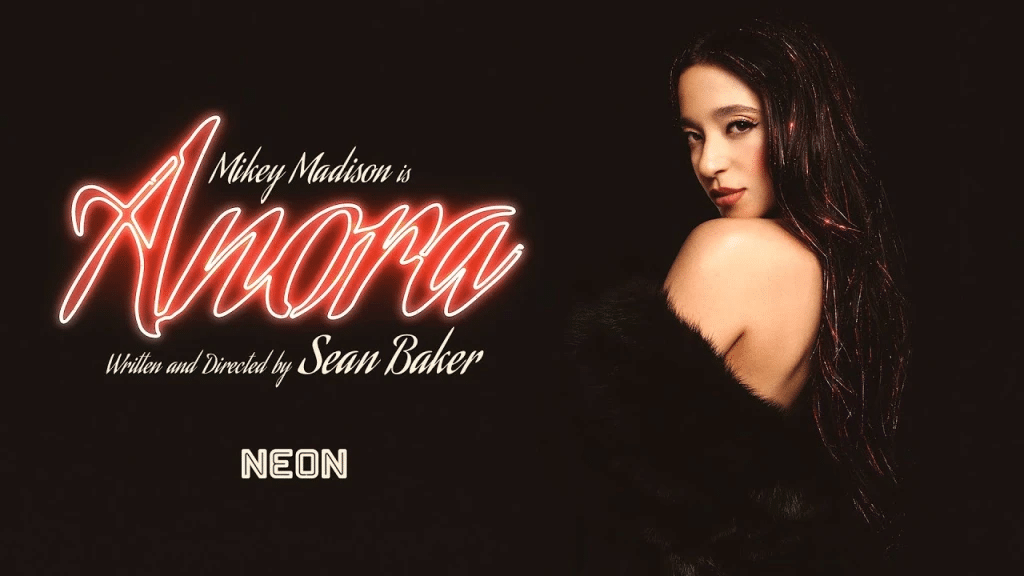
1. Anora (Sean Baker)
While I Saw the TV Glow touched me the most personally, Sean Baker’s Anora was the most engaging and well-made film I saw in 2024. The movie is about a sex worker named Ani (Mikey Madison) who has a whirlwind romance and marriage with Vanya (Mark Eydelshteyn), the son of a powerful Russian oligarch. From the opening strip club sequence, Madison is a riveting force of nature, who dances, fucks, quips, and fights her way out of extremely stressful situations. Along the way, she bonds with Igor (Yura Borisov), who steals the whole damn movie with his empathy, active listening, and stoic sense of humor. Anora is a romance, thriller, and full of social commentary about social class in the United States. Ani Mikheeva is a true working class hero and deserves all the fairytale endings.
 Bad Times at the El Royale might tread some familiar territory, but it’s also not like anything we’ve quite seen before. Much like director and writer Drew Goddard’s previous film, Cabin in the Woods, this is both an homage and new classic in the canon of “strangers meet at a hotel” noir thrillers.