Category Archives: Reviews

Film Review: Captain America: Brave New World is a low point for the Marvel Cinematic Universe and is neither entertaining, thought-provoking, funny, or interesting to look at

When something catches on fire, you’re supposed to immediately smother/cover it and/pr finish it off with a fire extinguisher. What you’re not supposed to do is keep throwing stuff into the fire while wearing a nighty and continuing to live stream. All this to say is that I wasn’t surprised when the credits rolled for Captain America: Brave New World, and there were five credited writers, including director Julius Onah. New chefs kept respawning in the burning kitchen that was the screenplay for this film. Captain America: Brave New World is simultaneously Sam Wilson’s (Anthony Mackie) first cinematic outing as Captain America, a follow-up to Incredible Hulk and Eternals, and a bit of a prequel to Thunderbolts and anything the Marvel Cinematic Universe wants to do with Wolverine/the Weapon X program. It succeeds at being none of these things (Although, Harrison Ford’s Thaddeus Ross/Red Hulk is a somewhat delightful grump), has muddled visual effects, corny dialogue, and above all else, bad politics.

Captain America: Brave New World begins at the inauguration of Ross as president of the United States, which is a controversial choice thanks to his actions towards the Hulk in his solo film and to superheroes as a whole in Captain America: Civil War. But, like a good centrist, he’s ready to cross the aisle and work with the new Captain America to start a new Avengers team. Unfortunately, this plan immediately backfires when something triggers forgotten/screwed over by the United States government super soldier Isaiah Bradley (Carl Lumbly), and he attacks President Ross at a reception for world leaders centered around the adamantium discovered in “Celestial Island” in the Indian Ocean. The film follows Sam Wilson and Joaquin Torres’ attempt to clear Bradley’s name and figure out who is really behind the assassination attempt.

This plot synopsis makes it seem like Brave New World is a political thriller like the excellent Captain America: Winter Soldier, but it’s unfortunately a pale echo of the previous film. The writing (and let’s face it, marketing) team shows their hands too early, and we go from Wilson and Torres rooting around in sketchy labs in West Virginia to squabbling with fighter planes, aircraft carriers, and Celestial heads. Secondary villain Sidewinder (Giancarlo Esposito) mentions something about the CIA paying him to steal adamantium from the Japanese, but it’s brushed over for explosions, rage-outs, stale quips, and empty speeches that not even Mackie’s (And a sleep walking Sebastian Stan in one scene.) charisma can salvage.

The opening scene where Sam Wilson and Joaquin Torres fight Sidewinder and the Super Society has well-choreographed hand-to-hand action augmented by whiz bang special effects for Wilson’s Wakanda-enhanced Captain America costume, but it’s all downhill from there in the action department. The fights seem just a perfunctory part of the superhero genre than revealing anything about the characters in them although Wilson often complains about not taking the super-soldier serum while he fights foes from the Hulk’s rogues gallery. It’s fun to see Ford freak out as Red Hulk and be consumed by rage until he gets talked down by Sam Wilson’s plot-relevant background as a social worker. (Winter Soldier handled this part of his character much better.)
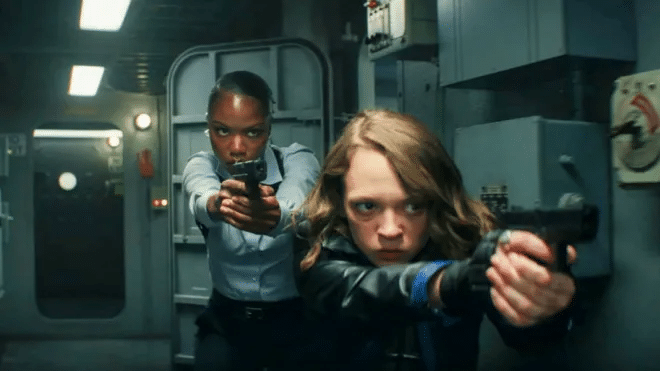
In keeping with the through-line of Brave New World being a Xerox of a Xerox of Winter Soldier, the film has its own (Former) Black Widow. It’s not Scarlett Johansson’s Natasha Romanov even though the performer playing her is also a Zionist: Israeli actress Shira Haas appearing as Ruth Bat-Seraph. (The character’s comic book codename Sabra and backstory as a Mossad agent don’t appear in this adaptation.) Politics aside, Bat-Seraph is a nothingburger of a character, who represents President Ross’ distrust of superheroes and love of the covert. Let’s just say she’s no Romanov, Maria Hill, or even Sharon Carter. It’s puzzling how such a controversial character survived multiple reshoots and plays no meaningful role in the film even though an American president having an Israeli secret agent as a key figure in his security detail could have led to compelling commentary on the relationship between the United States and Israel. Instead we get to see a stilted performance by an actress from a country that is currently committing genocide, who hasn’t spoken out against it.

Sometimes, Captain America: Brave New World feels like it’s actually about something, and that’s usually in scenes featuring Isaiah Bradley, who was also the best part of the Falcon and Winter Soldier TV show/six hour movie. Although, most of his interactions are responding to ageist quips from Joaquin Torres, Bradley also talks to Sam Wilson about his misgivings of going to the White House and standing with President Ross after how he was treated by the US government. He finds common ground with Wilson’s imprisonment in Captain America: Civil War, but this is immediately brushed aside by the new Captain American saying something about having a seat at the table. Ideological tension is swept aside for “there are fine people on both sides” type of rhetoric, and of course, Isaiah Bradley needing to be at the White House to kick off the plot, being benched for the rest of the movie, and not receiving any kind of recognition or reparations at the end of the film. If Brave New World has any kind of overarching theme, it’s to throw scary, traumatic, soul and society shattering things in a literal prison and get back to the status quo. In this way, it connects to one of the chief criticisms of the MCU, which is the films care more about getting to the next movie/event than telling a compelling story in the current film.

Captain America: Brave New World is truly a low point for the Marvel Cinematic Universe and is neither entertaining, thought-provoking, funny, or interesting to look at. (They did nail Sam Wilson’s Captain America costume.) Most of the film is empty spectacle a la Michael Bay’s Transformers sequels, and the whole endeavor is a waste of Anthony Mackie, Harrison Ford, Giancarlo Esposito, and Tim Blake Nelson’s talents. Maybe, Galactus should eat this universe and its cowardly politics.

Overall Verdict: 3.0
Film Review: Companion is a genre-bending film that is chock full of truths

Companion

*Warning: this review contains spoilers. Seriously, this film changes its status quo every 5-10 minutes so don’t read on unless you’ve seen the film or want it spoiled for you*

Alt right chuds like Andrew Tate would see the world of Companion as some kind of utopian paradise where men can treat women (and men) like literal on-demand sex and intimacy bots mediated by Smartphone apps and five minutes into the future Bluetooth pairing. (Of course, this film’s protagonist drives a copyright friendly Tesla.) However, to folks who actually have a moral compass, this world is terrifying, if fascinating in a window shattering, gore spraying, car crash kind of way, which makes it a compelling backdrop for a film that is a mélange of horror and science fiction in anti-romantic (pitch black) comedy wrapping from writer/director Drew Hancock.

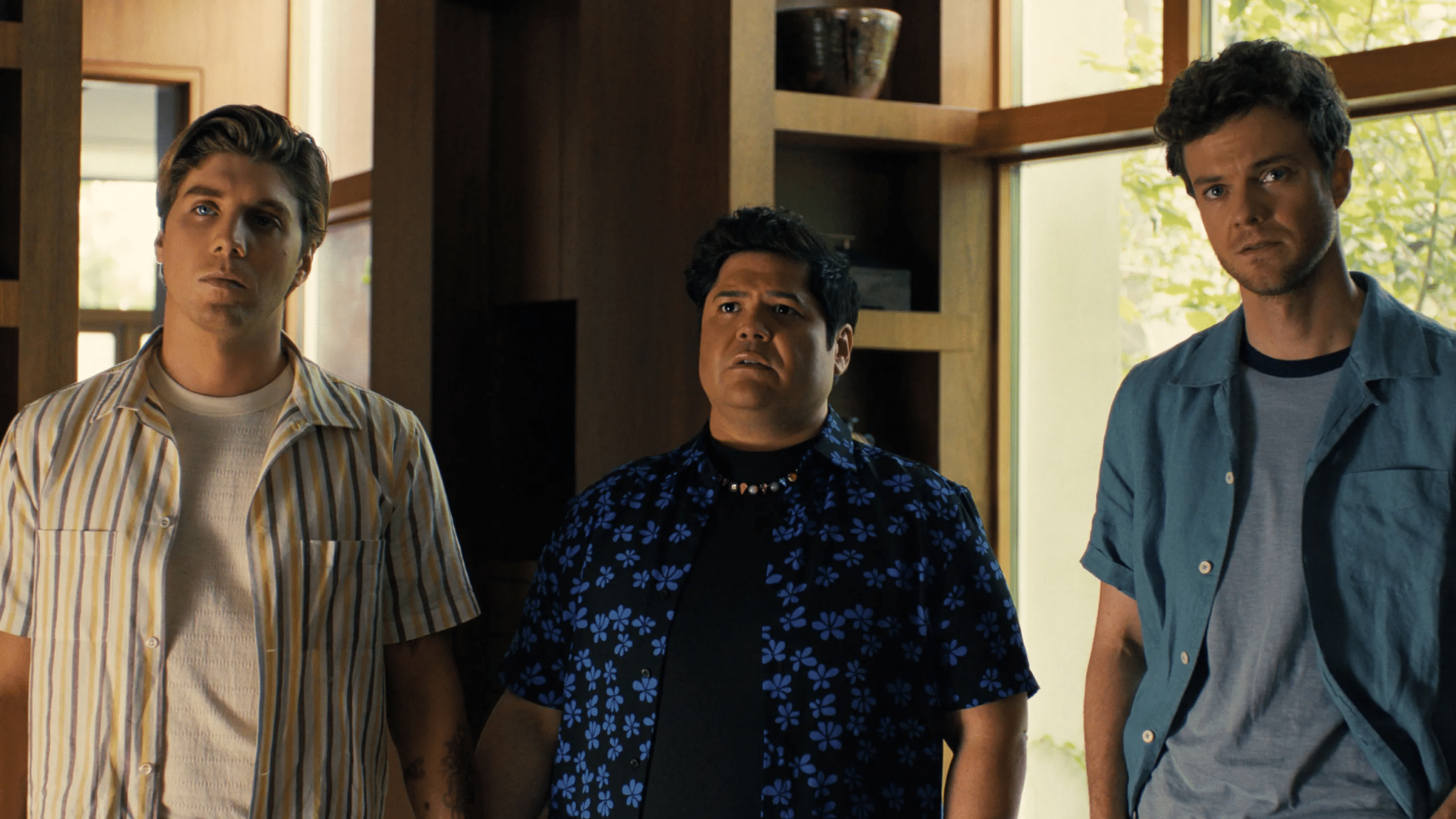
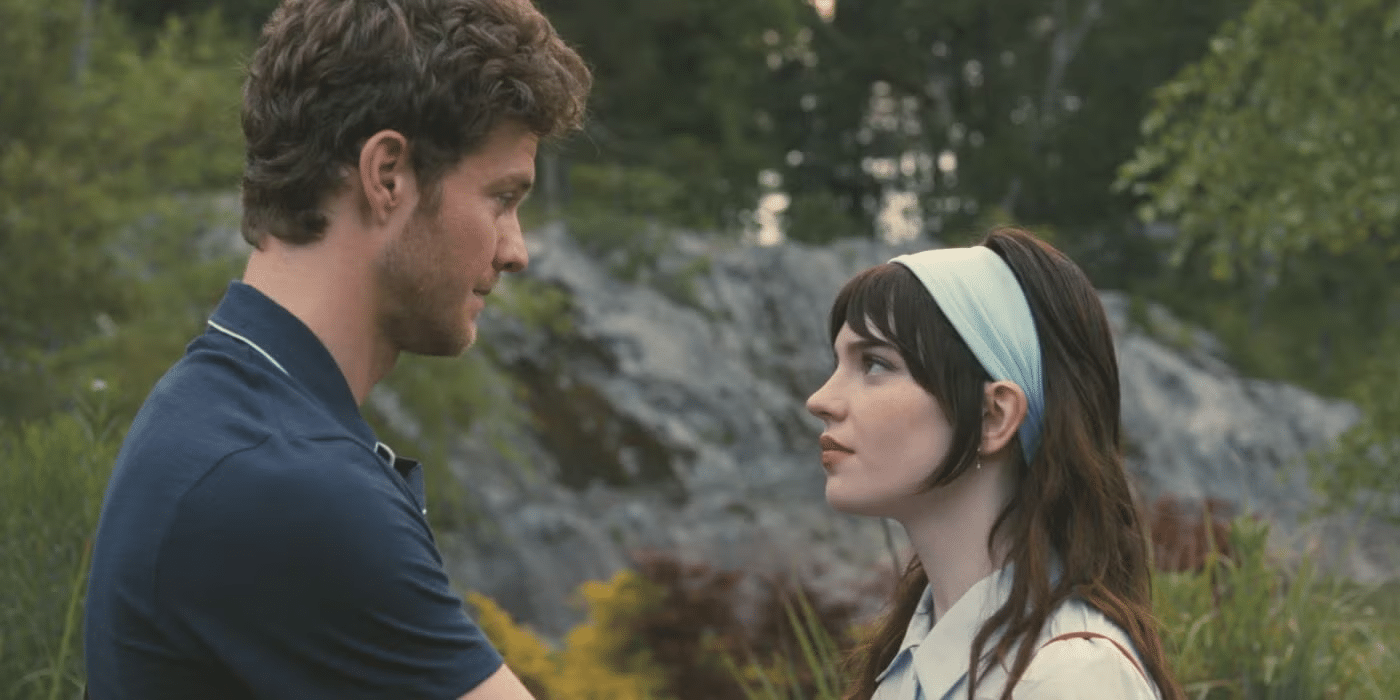
The basic premise of Companion is that an average white cishet “nice guy” male named Josh (Jack Quaid) goes on a trip to a remote cabin with his girlfriend Iris (An incredible Sophie Thatcher), his best friend Kat (Megan Suri), his other best friend Eli (A silly and wholesome Harvey Guillen), and his boyfriend Patrick (Lukas Gage). Their host is Kat’s kind of, sort of Russian sugar daddy Sergey (Rupert Friend), who is incredibly wealthy and also tries to sexually assault Iris leading to his murder and the increasingly unhinged events of the film as it’s revealed that Iris is actually a robot. What follows is a saga of greed, hubris, entitlement, and Thatcher showcasing her acting range as she nails all the different “settings” of the Companion robot from humorous comic relief (She talks to a cop in German because she’s programmed not to lie.) to bone dry, emasculating sarcasm.

On the surface and maybe from some of the marketing, one could view Companion as a dark parable about how men treat women like property, and of course, they’ll have sex with a robot immediately after meeting them. And it definitely is like this as Hancock draws parallels between Josh and Sergey’s behavior even hoisting characters in-universe and audiences watching on their own petard when it’s revealed that he got wealthy selling sod and wasn’t a part of the Russian mob. However, he also introduces some nuance in the human/Companion relationship when it’s revealed that Patrick is a robot too, but they genuinely love each other.

Companion

This is established through an adorably specific meet cute of them meeting at a Halloween party where an over-the-top Dracula costume sporting Patrick accidentally steps on Eli’s dinosaur costume tail, they lock eyes, and fall in love. Even Guillen and Gage’s body language while telling this story sell the adorableness of the moment before we get to see it in flashback. On the other hand, Iris and Josh’s “meet cute” makes Nicholas Sparks look like a literary genius. Of course, he literally just picked it from a drop down menu, and there’s no actual connection or similarities between Josh and Iris beyond them joking about the AI on Josh’s self-driving car, or that Iris can tell the weather in a very precise manner. Iris is just a means to an end for Josh whether that’s killing a wealthy Russian man for money, or an outlet for his sexual desires. There’s one mercifully brief sex scene between Josh and Iris in Companion, and he has a very loud orgasm and immediately uses a sleep command on Iris without even caring about her needs or pleasure. He’s definitely not Joaquin Phoenix’s character in Her and has no inner life. Jack Quaid weaponizes the affable everyman vibe that made him a great POV character in The Boys to be the worst (and most pathetic villain) of all.

On the flipside of this, Sophie Thatcher has the opportunity to sink her teeth into a multidimensional role as Iris and truly delivers. The intrepid robot who wants to become a real woman (And always was one!) joins the recent pantheon of powerful female lead horror acting performances in the past year, including Demi Moore in The Substance, Lily Rose Depp in Nosferatu, and a highly underrated Kathryn Newton in Lisa Frankenstein and Abigail. Early in the film, even before the initial robot reveal, Thatcher’s jerky movements and the stilted way she delivers the smallest of small talk is more android than or human. (Or maybe a biting satire of how poorly written “love interest” female characters are in blockbuster films.) Once she turns her intelligence settings to 100%, Hancock and cinematographer Eli Born dig into flights of fancy and overthinking as Iris goes from video game NPC to a Final Girl written by Aaron Sorkin. And when Josh gets the upper hand one last time and changes her intelligence settings to 0%, Sophie Thatcher’s face and eyes work overtime to show how utterly helpless and in agony she is as he tries to “kill” her and run off with the money. And, well, let’s say when Iris gets actual free will, Thatcher exudes badass in an effortless, let’s say Thelma and Louise way.

My one real qualm with Companion is that stylistically it definitely comes across as Drew Hancock’s first feature film. He’s a competent craftsman, but all the memorable moments come through dialogue and character interactions and not visuals. However, co-editor Brett Bachman channels his work on recent Nicolas Cage films like Mandy, Pig, and Colour of Space with his ability to cut to a moment that feels you with utter disgust and/or total empathy. (Let’s just say I feel really bad with how Josh treats Patrick in the second half of the film.) But Hancock definitely has the writer side of writer/director down with an eye for satire, dark humor, and surprisingly beautiful queer moments while working on TV shows like Suburgatory and Faking It. I love that he gives Iris a powerful character arc and doesn’t reduce her to a victim while still indulging in grindhouse movie antics with an iOS sheen.

Companion is a genre-bending film that is chock full of truths about everything from smartphone addiction and clinginess to the orgasm gap, mansplaining, and maybe even true love. It’s also a star-making turn for Sophie Thatcher and a clever first feature from Drew Hancock.

Overall Verdict: 8.4

Movie Mini Review: Deadpool & Wolverine

Deadpool and Wolverine

Sometimes, the staff at Graphic Policy see more movies than we’re able to get reviewed. When that happens you’ll see a weekly feature compiling reviews of the movies, we just didn’t get a chance to write a full one for.

These are Graphic Policy’s Mini Reviews and Recommendations.

Logan

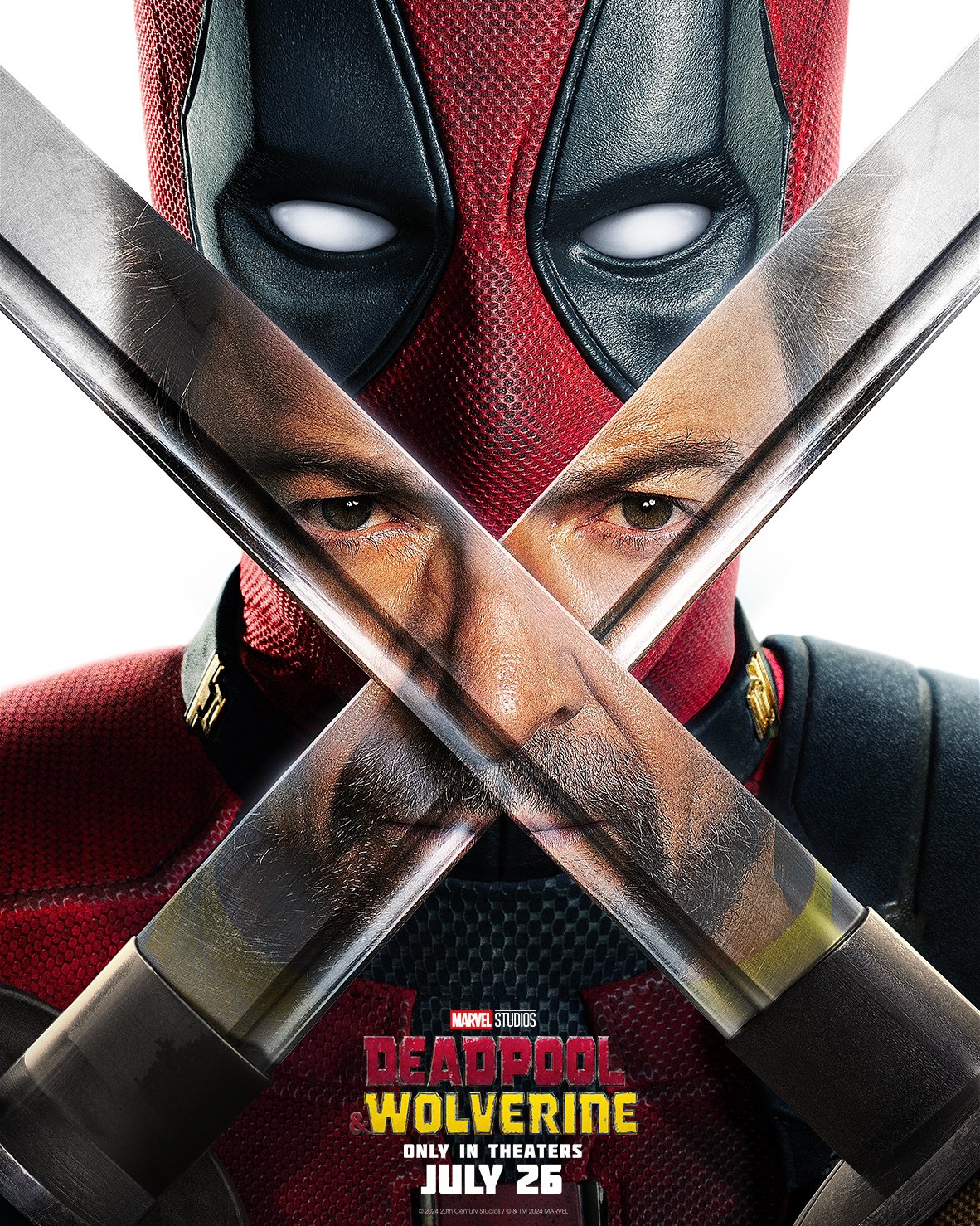
Deadpool & Wolverine – Whether intentionally or not, Deadpool & Wolverine shows that staking your entire cinematic universe on a multiverse is quite the silly proposition. Directed by Shawn Levy and a blue screen in London and featuring five credited writers (Included Hellions and Amazing Spider-Man‘s Zeb Wells!), Deadpool & Wolverine is a potpourri of tones from deadly serious to goofy as hell and is a love letter and piss take to the inconsistently good Marvel comic book films of the 2000s.

Ryan Reynolds bats around .300 or so with his quips and fourth wall breaking while Hugh Jackman is good even when the film around him is bad. The real standout are some cameos that I won’t spoil, and Emma Corrin as Cassandra Nova. Deadpool & Wolverine respect the character’s origins in Grant Morrison and Frank Quitely’s New X-Men while Corrin plays the role with a gleeful menace. The lowlights of the film are anything having to do with the TVA (Doctor Who, but bureaucrats=yuck) and a predictable, poorly choreographed third act. Also, Rob Delaney is in the movie way too much ; is this early 2010s Twitter?

But, if you grew up on the Fox Marvel films and liked the previous Deadpool films, this is worth watching, especially with friends who have vastly different opinions than you so you can debate after.

Overall Verdict: 6.9

Quiet on the Set puts Nickelodeon in very dark waters

nickelodeon

There’s a scene in the movie Steve Jobs (2015) between the titular Apple giant and his friend Steve Wozniak in which they fight over giving certain development teams their due for helping build some of the most successful products in the company’s history. Jobs hunkers down on his position to not recognize those people. Wozniak offers stern rebuttals. When Wozniak realizes Jobs won’t budge, he offers this as a parting shot before walking out on his friend: “It’s not binary. You can be gifted and decent at the same time.”

The sentiment behind this scene echoes throughout ID’s new 4-part docuseries Quiet on the Set: The Dark Side of Kids TV, on Nickelodeon’s toxic work environment during the Nineties and the early 2000s in shows led by Dan Schneider. It’s essentially an exploration of what happens when a company’s biggest moneymaker is an abusive, sexist, and unethical presence that can make or break careers and leave deep scars on those caught in his path.

In addition, the show dives into the discovery of at least three sexual predators that worked on different sets and prayed on talent from programs such All That and iCarly. From this comes the bombshell revelation that one of Nickelodeon’s biggest stars, Drake Bell, was a victim of one such predator. He tells his story publicly for the first time in this series and it is both heartbreaking and deeply harrowing.

There are a lot of things Quiet on the Set does right, but a few specific ones are truly striking. First up is the quality of the interviews and the time afforded to them so that the voices of the affected lead the narrative. Featuring some of the now-adult stars of Schneider’s shows and other staff—All That cast members Bryan Hearne and Katrina Johnson, director Virgil Fabian, and The Amanda Show writers Jenny Kilgen and Christy Stratton among them—series directors Mary Robertson and Emma Schwartz give each interviewee a chance to get as much of their story out to the public as possible.

One thing that elevates these interviews is the set design for their scenes. Each person is seated either behind a table with office supplies on it or on an actor’s chair that highlights what their roles were and how important they’re work was to the success of each show. It gives them a sense of respectability that recognizes their experience without forcing upon them the victim label as if that’s all they came to be after they left or were removed from their positions.

The setup makes it seem like we’re stepping into a professional’s office, a place that belongs to someone who has achieved much despite the dark times they had to endure.

nickelodeon

Another thing the docuseries does really well is highlight the investigative nature of the story, letting facts and carefully shot testimony make the case rather than impassioned bits of narration that guides the audience towards indignation. Directors Robertson and Schwartz trust in the audience to make their own judgments with the information provided.

The docuseries is very careful not to lay the blame entirely on Dan Schneider. It’s made clear that the hiring of those who would go on to engage in illegal sexual behavior were not hired by Schneider, nor were they protected by him. The revelations blindsided him just as much as they did a lot of the cast members. Many different things can go wrong in one place, but they can’t all be attributed to just one person. It takes a village to sustain a toxic work environment.

Nickelodeon executives and company men are also to blame for trying to sweep everything under the proverbial rug, and the show does an excellent job of showing just enough to get the point across without naming names that couldn’t be verified.

That said, Schneider is meticulously portrayed as a problematic genius that was allowed to get away with a lot just because he was producing hit after hit. The cost of building an empire on the back of an abusive person, though, is that whenever the bad stuff comes out the work becomes tainted. Glory is not without reckoning when it entertains so much ugliness in the process. Quiet on the Set is firm on this point. It’s a lesson places such as Nickelodeon should take to heart to secure a healthier and safer working environment.

nickelodeon

Depending on your attachment to the shows explored in this docuseries, it’s safe to say a lot of your childhood memories will be affected. It’s not easy to enjoy something that you now know was built on abuse, gender discrimination, and trauma. There’s a lot of tragedy here, some of which couldn’t be explored more deeply for lack of testimony (Amanda Bynes, for instance, did not participate). But there’s more than enough here to further conversations on power, child safety, workplace toxicity, and the scary things that hide behind success.

Movie Review: Godzilla Minus One turns the iconic kaiju into the God of Monsters

Godzilla Minus One

From the very first trailer on, it was evident Godzilla Minus One was setting its sights on echoing the roaring debut of the nuclear monster back in 1954. Gojira, directed by Ishirō Honda, was a visceral kaiju allegory for the newly minted atom bomb world, a giant creature feature that turned the titular monster into a reminder of the position humanity put itself in by creating weapons of mass destruction. It looked at the state of things at a macro level, from a pretty frightening vantage point. Minus One goes for a more focused approach, putting soldiers and their PTSD at the forefront for a different look at the consequences of human-led devastation and the towering psychological obstacles it creates for those tasked with carrying out militaristic violence.

Godzilla Minus One, directed by Takashi Yamazaki, follows a soldier called Koichi (played by Ryunosuke Kamiki) as he comes home from the war with not just the trauma of his failed mission as a kamikaze pilot but also as a survivor of a battle against a young Godzilla. During that encounter, his inability to act in a key moment of the fight led to the deaths of several soldiers, a decision that’ll haunt him for almost the entirety of the film.

Koichi returns to his hometown only to see it buried under rubble, the victim of allied bombing. As he tries to salvage whatever he can to make his home again, he meets a woman called Noriko (played by Minami Hamabe), a woman in a precarious position that’s trying to survive with a baby in hand. He takes both of them in and time passes. Just as things start getting rebuilt, Godzilla is awakened by atomic bomb tests and Japan is reminded once more that wars never truly end. They just assume a different form.

Godzilla Minus One

From the very first Godzilla movie on, audiences have gotten uniquely different iterations of the classic kaiju. He’s gone from King of the Monsters to Japan’s protector to a parody of himself and back again. In Hideaki Anno and Shinji Higushi’s 2016 Shin Godzilla (widely considered as the best Godzilla movie after the 1954 original), for instance, he becomes a force of nature that exposes humanity’s inability to coordinate a unified response to solve a problem. The film mocks the government’s insistence on bureaucracy to problem-solve and how contradictory the efforts end up being. Godzilla represents the consequences of such dysfunction and how destructive it can be.

In Minus One, Godzilla is essentially turned into a god. He’s the ultimate expression of cataclysmic consequence. Director Yamazaki frames every scene he’s in with a sense of finality that absolutely terrifies. Godzilla’s arrival means humanity is about to get judged, harshly. It’s an impressive showcase of the giant monster that makes for one of the most tense-inducing portrayals of it in franchise history. It’s all reflected in his powers this time around. Without spoiling anything, just know you’re in for a few surprises that both make this version of the monster unique while updating certain aspects of it to make sure the metaphors on display hit harder.

The severity of Godzilla’s presence, what it implies, does an excellent job of imbuing the Japanese soldier experience with a sense of duty and hope that isn’t always given the attention it deserves in war movies. Koichi’s character, for instance, wears his PTSD on his sleeves, constantly reminding the audience his war is a constant and that it didn’t end with the armistice that brought the conflict itself to a close. Trauma does not sign off on this process and thus owes it no recognition. The film hits you over the head with this idea, but it’s in service of setting up a different outcome for the soldiers driving the story.

Godzilla Minus One

Koichi’s supporting cast does an incredible job of exploring the range of trauma and disillusionment that ailed soldiers in the postwar period. One character of note is Sosaku Tachibana, played by Munetaka Aoki, a soldier that also survived the first Godzilla attack along with Koichi. His trauma manifests as anger, making his own war one of disappointment in his brother in arms. The way the movie tackles the diversity of trauma, though, is by highlighting the things soldiers have in common rather than the things that separate them.

By turning trauma into a unifying force, Minus One opens the doors for hope and healing to come through as real and attainable things. War movies dealing with the similar themes rarely opt for hope. Minus One does and it makes for a welcome deviation from the norm. It actually makes the Godzilla scenes feel scarier as the possibility of surviving the giant monster raises the stakes considerably. The audience is encouraged to cheer for the story’s heroes more so than in other stories that deal in war.

Naoki Satô pulls all this together with one of the best Godzilla scores to date. It’s surprisingly restrained but possessed by an epic sense of dread and momentousness that captures the god-like terror of the iconic creature. There’s one particular sequence that feels ripped straight out of Stephen Spielberg’s Jaws that ramps up the horror of facing a giant monster at sea by relying on doom-charged sounds that slightly quicken whenever Godzilla gets closer to the boat he’s chasing. Not a single musical cue is wasted in this regard, giving individual action sequences their own identities. Even when the requisite theme music from the original Gojira (composed by Akira Ifukube) kicks in during one sequence, it doesn’t overshadow Satô’s score. In fact, I wanted to see how that particular sequence would’ve played out with Satô’s score accompanying it.

Godzilla Minus One

Godzilla Minus One is a triumph. It earns a spot among the greatest Godzilla movies ever made, right next to the original one and Shin Godzilla. It’s integration of multiple war metaphors along with tense kaiju action lets it stand on its own. What makes it soar, though, is how it manages to turn an already iconic monster into an even more impressive and colossal version of itself. The age of the King of Monsters is over. The age of the God of Monsters has begun.

Demián Rugna’s WHEN EVIL LURKS is a masterful exercise in cruelty

When Evil Lurks

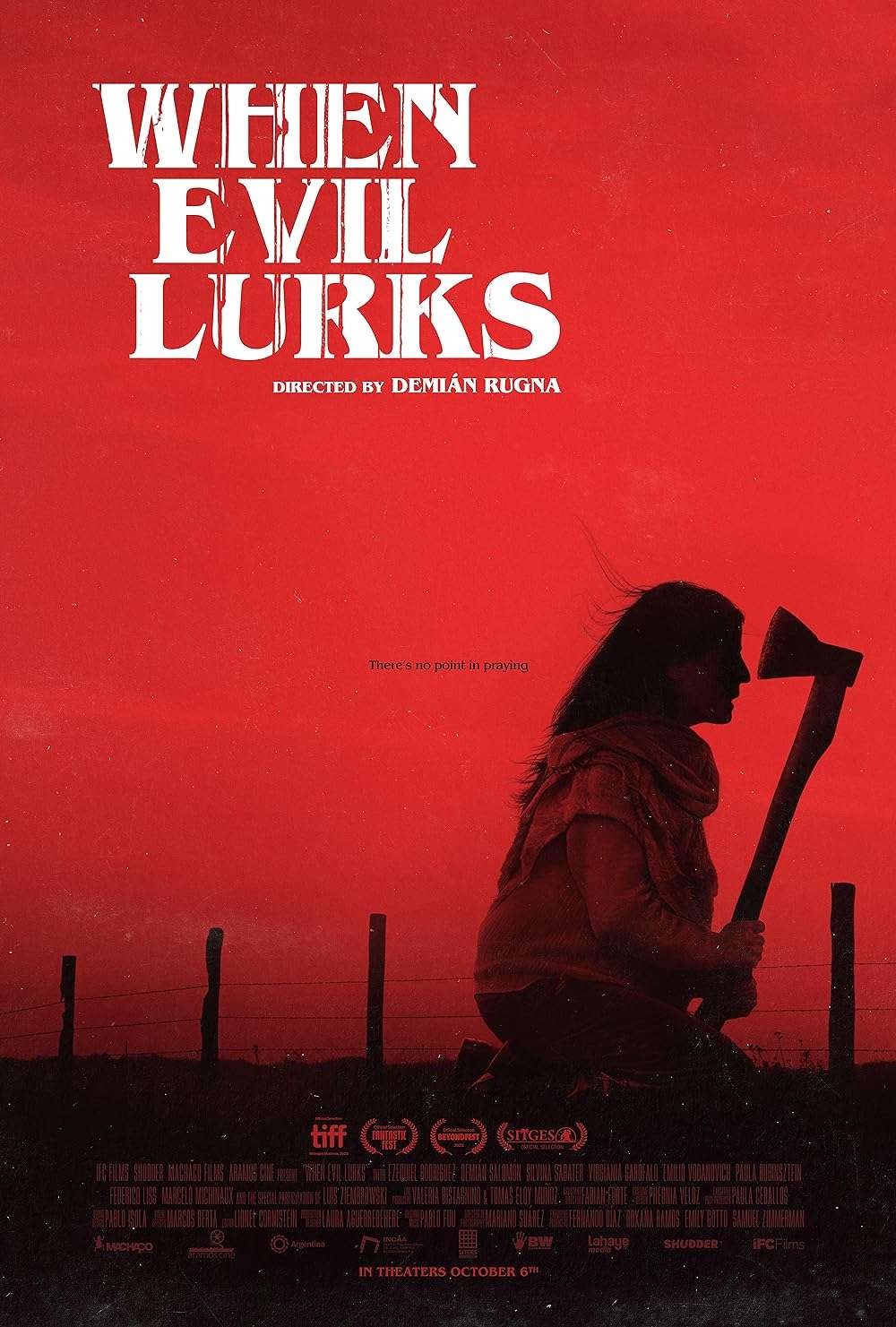
Horror loves grand metaphors about society, be it on the effect capitalism has on people (Dawn of the Dead) or the terrors racism can manifest in different scenarios (Tales from the Hood). Demián Rugna’s When Evil Lurks certainly has its metaphor in place – namely human behavior in times of crisis – but more than having an interest in calling out society, what it really wants is to express its highly justified anger at it. And this movie is angry.

When Evil Lurks (or Cuando Acecha la Maldad, in the original Spanish) imagines a world where demonic possession spreads like a virus. Essentially, humanity is in the throes of a possession pandemic, a very cruel one at that. Cities are hotspots, making smaller rural areas the ideal places for safety. That is, until panic inevitably sets in and people start giving in to it.

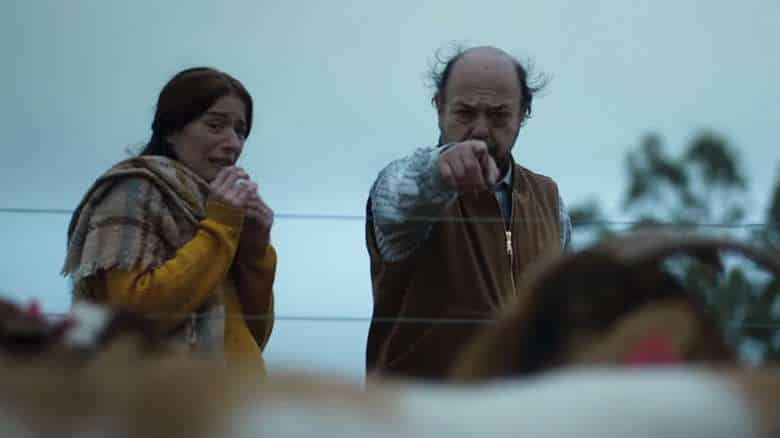
The movie follows Pedro (Ezequiel Rodríguez) and Jaime (Demián Solomón), two brothers who live in an isolated and very quiet part of the countryside. One night they hear gunshots, a sign that things in their corner of the world might not be so disconnected from the outside world. The next day they find a possessed (or embichado in Spanish) and realize the pandemic has reached their home. Panic rears its head almost immediately, and what follows is a blood-soaked journey that leads to death, doom, extreme violence.

What sets this particular pandemic horror story apart is how intently it focuses on human error and how it can lead to all the tragedy that ensues once a full-blown crisis is under way. Pedro and Jaime are scared and unbearably anxious for almost the entirety of the film, and it influences each decision made in their poor attempt to outrun the demonic pandemic.

When Evil Lurks

Pedro and Jaime’s actions put their group in immediate danger from the onset, an interesting comment on how people disregard logic and common sense when met with danger in its earliest stages. Echoes of the COVID-19 pandemic carry through here. The memory of people disregarding social guidelines and hoarding supplies due to fake fears of shortages is fresh enough that it’s hard not to connect the dots while watching the movie. But it goes beyond that. The mistakes Pedro and Jaime make are timeless, things people have been doing since time immemorial.

The performances do an excellent job of conveying this throughout. Interactions are intense and loud, led by frustration rather than careful thought. Ezequiel Rodríguez, especially, channels this with aplomb. His characterization of Pedro weaves good intentions with desperation to show a man that wants to help but does more damage in doing so. Here’s where cruelty sets in.

Rugna approaches death sequences with a visceral sense of violence that is unmatched when compared to what landed on cinemas this year. What makes them hit hard isn’t necessarily their explicitness, but rather how important he makes each character feel to the group that Pedro and Jaime eventually put together. One scene in particular, involving a dog and a small kid, ripped through the silence of the theater with a shock that threw any semblance of safety out the window. No one is safe, and no one dies easy. The violence the victims face help build the more sinister qualities of the pandemic while also reflecting how badly key characters screwed up so that this could happen.

Cruelty, here, is a storytelling tool that accentuates consequence. Shock value is there to weigh characters down with the guilt of having put people in the way of their terrible deaths. Tried to save your son without considering taking him out of his home was the wrong idea in the first place? Expect an embichado to eat his head while casually walking on the road. A tragedy, sure, but an avoidable one. Realizing that brings with it a special kind of pain.

When Evil Lurks

One other point of note is Rugna’s worldbuilding. Not unlike James Mangold’s 2017 Logan, there are no dedicated points of exposition to explain how the story got to this point in the pandemic. You get bits and pieces and are then expected to put them together. Preventing infection, for instance, is a process that’s mostly inferred. Fighting the possessed follows suit, but is given more depth with the introduction of certain tools that carry a lot of story. In a clever twist, though, these arcane-looking tools are there to inspire more questions. They are pieces of a puzzle with strange dimensions the audience is not made privy of. It helps keep the mystery of the pandemic open enough to not just be COVID-specific, but rather more universal regarding humanity’s woeful track record with crisis management.

When Evil Lurks is a dare for the horror genre. It pulls the camera away from the über-intimate focus of newer horror movies (that often overindulge the topic of trauma to get their point across) to get a very good look at panicked social behavior. It’s pandemic horror of the highest order, of the kind that points the finger at people and tells them they’re making it worse. We need more movies like this, hence the dare. Angry horror movies are like getting a bucket of cold water getting dunked on our heads followed by a bucket of hot blood. You’re not supposed to feel comforted. You’re supposed to feel guilty if you’re part of the problem. It’s confrontational horror at its finest, and it’s precisely what When Evil Lurks is.

John Carney’s Flora and Son is one of the Best Films of 2023

Movie poster of Flora and Son, directed by John Carney, premiering in theaters and Apple TV+ September 29

Fans of Irish writer/director/songwriter John Carney (Once, Begin Again, Sing Street) can rejoice again in having another strong entry in the filmmaker’s oeuvre. Flora and Son delivers that sweet spot that Carney is king of, successfully blending music and melodrama in a way that, pardon the pun, hits all the right notes in that perfect blend of happy/sad. But this time Carney stretches himself a bit by delving into dance and hip hop, which also alludes to a generational divide: youth who previously picked up guitars are now more likely to be making beats on a Macbook. While the film builds slowly and doesn’t quite have the showstoppers some of Carney’s previous works have, it sticks the landing so hard with its finale that it just leaves you feeling everything in a wide array of emotions.

Our protagonist is Flora (Eve Hewson), a single working-class Dublin mom to Max (Orén Kinlan), whom she had as a teenager. Estranged from Max’s dad, Ian (Jack Reynor), Flora is struggling to keep Max out of jail and connect with him. Finding a beat up guitar in a dumpster, she fixes it up and offers it to him as a gift, which he rejects, but she stubbornly decides instead to try to learn how to play it herself. She connects with Jeff (Joseph Gordon Levitt) a Los-Angeles-based guitar tutor online and there’s some immediate sparks. Flora crosses a few inappropriate lines, but undaunted, Flora continues to learn, even collaborating with Jeff on a song as they grow closer to one another.

At the same time, she’s trying to be there for Max, eventually discovering he’s also making music on his laptop. While his is more beats and hip hop, they begin collaborating, with her even helping shoot a rap music video. It’s beautiful to see Flora try and fail to connect with people, over and over. She’s a mess, but we’re always rooting for her.

Flora and Son ends up being a really beautiful tribute to family, to music, and to the messiness of life. While it’s not as immediately striking as Carney’s previous films, it’s still right in the pocket of what he’s known for. Carney again writes many of the songs, and is joined by the always adept Gary Clark, Jr. Joseph Gordon-Leavitt also delivers a wonderful supporting performance that is vulnerable, aloof, and charming in equal parts.

There are a few downsides, as the film certainly earns its R rating with language and a decent amount of sexual content. No nudity, but still a decent amount of talk that would be uncomfortable to watch with a lot of younger viewers. Speaking of talk, more than any of Carney’s previous films, this movie leans in heavily to its Irish brogue. One argument to watch this at home on Apple TV+ would be that you can turn on subtitles, which may be a necessity. The most unrealistic thing in the entire film is despite major portions of the film taking place over Skype between Flora and Jeff, he never once asks her, “What? What did you say?” Flora’s accent is thicker than the head on a Guinness. It’s also equally as amazing.

Flora and Son gets a hybrid release both in a handful of theaters and on Apple TV+ on Friday, September 29. Apple’s release plan mirrors its similar film, CODA, in 2021, and the similarities could not be more striking. It’s worth noting CODA ended up nabbing numerous Oscar nominations, and wins for Best Picture and Supporting Actor. Given Gordon-Levitt’s performance, don’t be surprised to see him in the mix come awards season. And Carney himself is an early favorite for Original Screenplay. Given the Academy’s ranked-choice voting system, if there is a pitched battle for Best Picture between Oppenheimer, Barbie, The Color Purple, etc, if Flora and Son can be everyone’s second or third choice (the way CODA was), it could be a surprise winner.

Whether streaming or in a theater, treat yourself to Flora and Son as soon as possible.

4 1/2 stars out of 5

MOVIE REVIEW: CREEPYPASTA Is Hopefully the First of Many

Creepypasta

Creepypasta is horror for the internet age. It started out as user-generated urban legends, more freely dipped in horror, that were shared online in forums and message boards in a style that catered to plausibility. They lived in the grey areas between ambiguity and anonymity, the two things that best describe digital interactions across the board (which is scary in itself). Classic monsters were replaced with hooded figures with abnormally long limbs or faces with frozen smiles on them, carrying names like Candlejack or Ickbarr Bigelsteine. Haunted houses were cast aside for liminal spaces and interdimensional spots that could feature stairs going to places unseen or strange TV shows with names like Candle Cove.

The ScreamBox exclusive Creepypasta movie manages to capture a lot of this with an anthology format that goes for 5-6-minute-long stories, à la The ABCs of Death, that feel like a greatest hits rundown of what Creepypastas are all about. Among the filmmakers that contribute to the film are Daniel Garcia, Buz Wallick, Berkley Brady, Paul Stamper, Carlos Omar De Leon, Tony Morales, Mikel Cravatta, and Carlos Cobos Aroca.

Like all good horror anthologies, the film features a wraparound story which, in this case, follows a man in a strange house who’s looking for a flash drive that’s housing a sensitive video in it. The place is a mess, with dead bodies strewn about and an analogue TV with an 8-bit video game stuck on its start menu screen to round out the atmosphere (here we get a clever Easter egg in the form of Ben Drowned, a popular Creepypasta by Alexander D. Hall, aka Jadusable). The man moves towards a computer screen that sits on a cryptic chat page that directs him to watch sinister video after sinister video as he searches for the right one. We never know who’s writing on the other end.

The short stories range from shadow people to long-legged boogeymen (like Jumby) that kidnap kids. They serve as introductions to urban legends, brief glimpses into horrors that have the potential to become movies independently. The setup is simple enough. One or two characters come into contact with something that defies explanation, and is also off-center weird, only to be immediately haunted or traumatized by it.

Reality itself gets altered to accommodate the beings in these stories, but never to the point of completely breaking away from it. One thing Creepypastas excel at is in projecting a kind of strangeness that flirts with the possibility of being real. I’d argue that’s what makes them so compelling. They aim to scare in a very intimate way while never fully letting go of the little truths that make the mind wonder.

Not every story hits the mark, though. Those that play around with scary imagery and keep to the margins so that the viewer’s mind fills in the blanks are more successful than those that indulge in special effects and overdramatic performances. There’s a story about blue-eyed people that communicate with another dimension, for instance, that could’ve done with some restraint.

On the other hand, There’s a Black Eyed Kids story that’s quite a highlight. It follow a lonely and sick old woman as she’s visited by one of these kids. The segment keeps to a grey toned and heavily shadowed aesthetic that accentuates the horror whenever we’re shown something terrible, if only for a moment, and it sustains the effect throughout the brief runtime. The closing story, about El Cuco (a variation of El Coco), is another high point, and it might be the best the bunch. It builds up the legend of a dark creature with clever use of suggestion and dread. It carries a sense of dark fantasy that makes it come off almost fairytale-like, but not to the point of shedding its Creepypasta identity. Its closing sequence makes sure the anthology ends on a high note.

Creepypasta has the necessary elements to become a very different and exciting horror anthology. It has a unique identity that already sets it apart from the rest. The micro-short story approach plays to the strengths of the Creepypasta concept and opens doors to future entries. Aiming for a stronger selection of stories and a continuation of high-quality wraparound stories will surely lead to the creation of a loyal fanbase that’ll constantly be itching for more. I wouldn’t be surprised if that fanbase isn’t growing now as we speak.

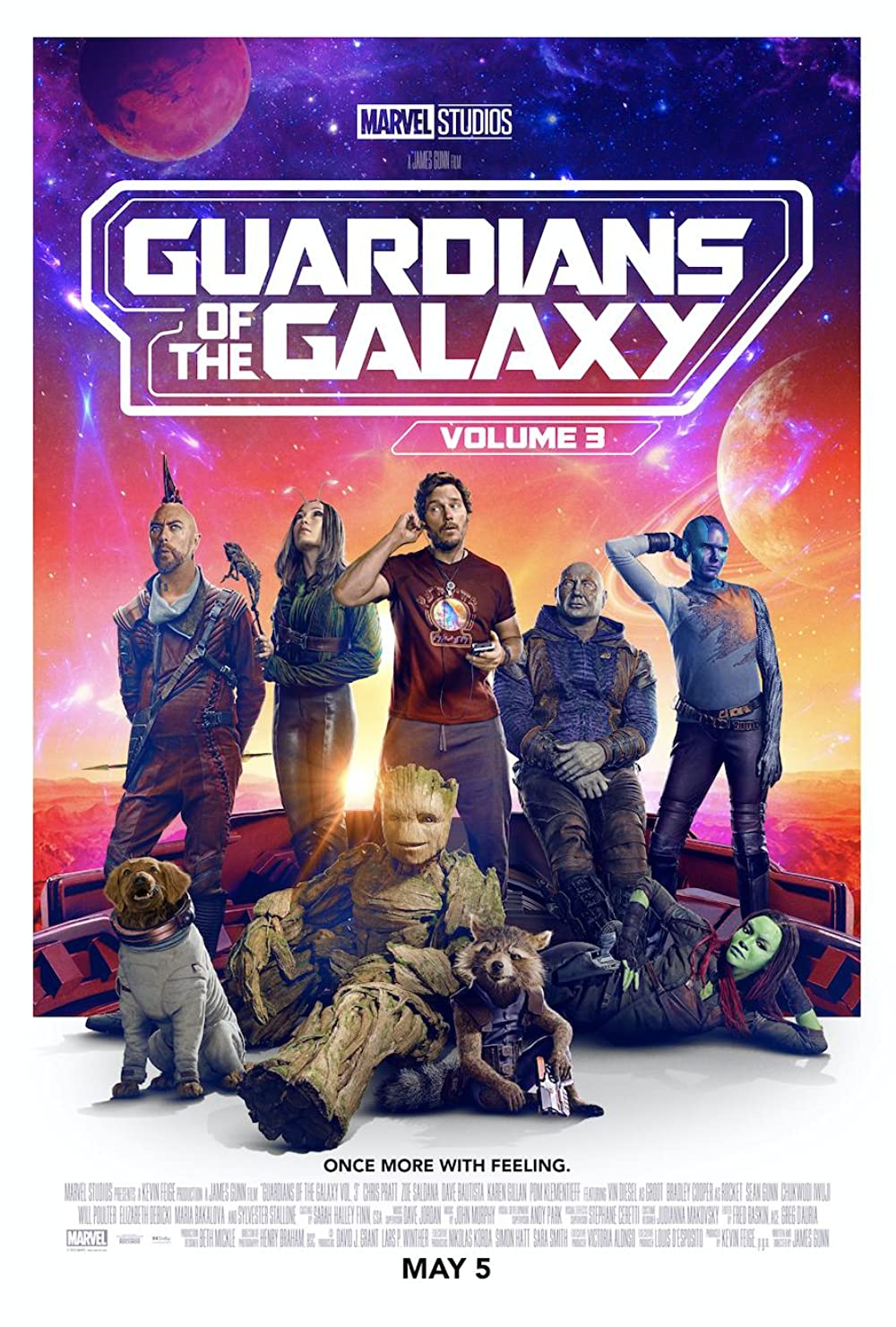
Guardians of the Galaxy, Volume 3 Review: A First Class Sendoff to the MCU’s Second-Best Team

Guardians of the Galaxy, Volume 3

Let’s be real: it feels like the once-mighty MCU now really needs a hit. Phase 4 has been, to be kind, uneven. And so, can James Gunn bring some magic back before heading off to DC? Yes. Good news, true believers! Guardians of the Galaxy, Volume 3 is a good movie! You will laugh, you will cry (believe me, you will CRY), you will believe a living talking tree can fly? Ok, well, maybe not that far, but it is a solid movie.

That being said, it is missing some of the magic of previous outings. But it does deliver a satisfying end to the trilogy of films focused on our special band of a-holes. Rocket builds stuff. Drax and Mantis banter. Groot takes new forms. Star-lord is… just sort of there (which is good if you, like many, are at the end of your tolerance for Chris Pratt). But returning supporting characters also get some great work, like Kraglin and Cosmo. Cosmo is a very good dog. Cosmo is maybe the best dog. Good dog, Cosmo.

Our story involves Rocket’s origins and his ties to new villain The High Evolutionary (Chukwudi Iwuji), who is desperately searching for Rocket, deploying every resource at his disposal. This includes returning baddies The Sovereign and their new experiment teased in the after-credits of Guardians of the Galaxy, Volume 2: Adam Warlock (Will Poulter). Some comic book nerds are going to be very upset at Adam Warlock’s portrayal in this film as it is incredibly divorced from its comics lore. Just sit tight and wait to the end and what this portends for the future of the character, and forgive the film for needing a Big Bad who is actually a match for our Guardians of the Galaxy.

After an initial fight with Warlock leaves Rocket mortally wounded, Peter and the rest of Guardians have to undertake a desperate heist to save their friend. And through this we learn about Rocket’s origins and his previous life with other experiments of the High Evolutionary Lylla, Teefs, and Floor. And this is the section of the movie that will make you cry and should probably come with a content warning.

Guardians of the Galaxy is a series that has massive kid-appeal. Your kid loves Rocket and Groot, right? Well, this film contains scenes of implied animal torture and experimentation that is incredibly upsetting both for children and adults. While the intent is obviously to create pathos, it is maybe the most disturbing thing so far in the relatively anodyne MCU.

The High Evolutionary is also abusive: the way he speaks to Rocket and treats him is steeped in patterns any kid who grew up in a verbally and emotionally abusive home will immediately recognize. Again, this might be traumatic for people, so go in eyes open and maybe have a therapy session scheduled soon after, just in case.

And while the film focuses a lot on Rocket, its greatest strength is in providing something for every other single team member to do. Everyone gets a true superhero moment, and even better, several team-up moments where we see our gang of misfits fighting together. A hallway battle late in the third act is a symphony of teamwork and gonzo filmmaking only James Gunn could deliver.

Explosions? Yes. Guts and bodily fluids of various colors spraying everywhere? (It’s ok MPAA, they’re aliens and creatures, get it?) You know it! Laser blasts, punches, kicks, impalements, bisections, Groot showing what he can do with his various forms? Oh, HELLS yes.

And, again, everyone gets a hero moment. Mantis has a particularly fun one late in the film that I will simply call her Paul Atreides moment. But it is that same sort of heroic epic moment usually only given to single protagonists, and every. single. member. of the team gets one. It’s obvious James Gunn is leaving everything out on the field in his likely final entry into the MCU, and the last cinematic outing for this particular team of the Guardians of the Galaxy.

The themes from past films of found family continue to shine through. There’s also a strong potential queer/trans allegory in a lot of this, as The High Evolutionary obsesses over “his creations” needing to be “perfect” in his eyes. (Again, the abuse shown and implied here.) But as Rocket and his fellow experiments choose their own names and do things beyond his designs, they are further abused and rejected.

There is also a story of liberation here that comes at a time when basic human rights, from reproductive freedom to state governments bullying trans kids (and even legislators), are increasingly under attack. Guardians of the Galaxy continues to be a series for those of us who are misfits, but have a strength — when we fight together — that rivals any Avengers lineup.

It’s nowhere close to a perfect film. But it earns a space as one of my favorite films of Phase 4. And its message comes at a time when we couldn’t possibly need it more.

3.75 anulax batteries out of 5 (they’re pronounced “harbulary batteries.”)

Movie Review: Suzume is a visually stunning tale of disaster and healing

Suzume

To contemplate death in the face of natural disasters requires an eagerness to reckon with the uncomfortable, something director Makoto Shinkai has shown he’s more than willing to do in his films. His latest, Suzume, does this in as approachable a way as possible with a story that mixes magical-realism with deep loss to produce a visual marvel that impresses on multiple fronts. In the process, Shinkai presents audiences with the possibility of healing despite the cruel suddenness of death during events that hit with the full force of nature.

Suzume follows the titular character, a seventeen-year-old teen (voiced by Nanoka Hara), as mysterious doors start appearing in moderately populated and highly populated areas to release a giant supernatural worm that can bring about massive earthquakes if allowed to touch ground. She’s aided by a Closer called Souta (voiced by Hokuto Matsumura), a man that travels the country hunting and closing these doors to prevent disasters.

A mysterious talking cat with magical powers turns Souta into a small wooden chair that can run and speak, a development that pushes Suzume to help the man-chair close the new doors that start popping up throughout Japan. As disasters start getting averted, we learn of Suzume’s own history with destructive natural events and the things it can take from people. In her case, it’s her mother’s death that’s reshaped her reality and her dedication to the Closer’s mission.

Despite what the subject matter might suggest, Suzume is a movie that favors a vision of hope and healing in the face of trauma and the grieving process. It’s not difficult to view the doors and the giant worm as representative of the things people wish they could control but ultimately can’t. An inability to accept that preventing every single disaster is impossible, that death can come in many different forms at any given time. The task becomes progressively difficult and riskier the more you attempt to contain the uncontainable.

Suzume

The story portrays the prevention of natural catastrophes as a kind of fool’s journey that essentially negates life by requiring such an exhaustive dedication to vigilance and readiness. There’s a sense of inevitability to it, of relentless force, that makes the character of Suzume come off as both noble and stubborn at the same time.

The visuals do an excellent job of showing the worm as an unstoppable force without an unmovable object in sight. It can be delayed, but never fully stopped. To an extent, the movie invites a reading that frames the phenomenon as a thing we have to accept, be it as a metaphor for the guarantee of death or as one for the unpredictable certainty of mass traumatic events that we simply can’t always prepare for (or survive regardless of preparedness).

What keeps the story from falling off the deep end into despair is the magical-realist element of the world the movie creates. Only Suzume, Souta, and the cat can see the doors and the worm, but everyone can see the living chair and the talking cat. People react to them with wonder rather than fear or panic and it makes for a very light and colorful experience with several sequences that garner attention just on spectacle alone.

Rounding out the experience are the characters Suzume meets along the way towards each door. They each offer different avenues towards the idea of hope and acceptance and they turn the movie into a living journey with a variety of locations and color palettes to boot. They feel like short stories in their own right and they carry their own arcs.

Suzume

There are too many metaphors and ideas inhabiting Suzume to account for here, but discovering them on your own is quite rewarding. I latched on to those regarding Japan’s history with natural disasters and crises, especially in recent times with the earthquakes that rocked the country’s nuclear sites. The doors that the worm uses, for instance, are all found in abandoned places such as schools and amusement parks, as if they belong to past traumas people would rather forget than process collectively. There are just so many ways into the story and its characters that repeat viewings are essentially a requirement.

Thankfully, going back into the world of Suzume is an easy sell. It’s a movie that welcomes complexity without overcomplicating the conversations it wants to have on grief, the memory of disasters, and the magic of hope. It truly is a remarkable story that impresses by being as inventive as it is emotionally grounded, and it will become a highlight in anyone’s film education upon watching.

« Older Entries Recent Entries »