Author Archives: Ricardo Denis

Movie Review: Suzume is a visually stunning tale of disaster and healing

Suzume

To contemplate death in the face of natural disasters requires an eagerness to reckon with the uncomfortable, something director Makoto Shinkai has shown he’s more than willing to do in his films. His latest, Suzume, does this in as approachable a way as possible with a story that mixes magical-realism with deep loss to produce a visual marvel that impresses on multiple fronts. In the process, Shinkai presents audiences with the possibility of healing despite the cruel suddenness of death during events that hit with the full force of nature.

Suzume follows the titular character, a seventeen-year-old teen (voiced by Nanoka Hara), as mysterious doors start appearing in moderately populated and highly populated areas to release a giant supernatural worm that can bring about massive earthquakes if allowed to touch ground. She’s aided by a Closer called Souta (voiced by Hokuto Matsumura), a man that travels the country hunting and closing these doors to prevent disasters.

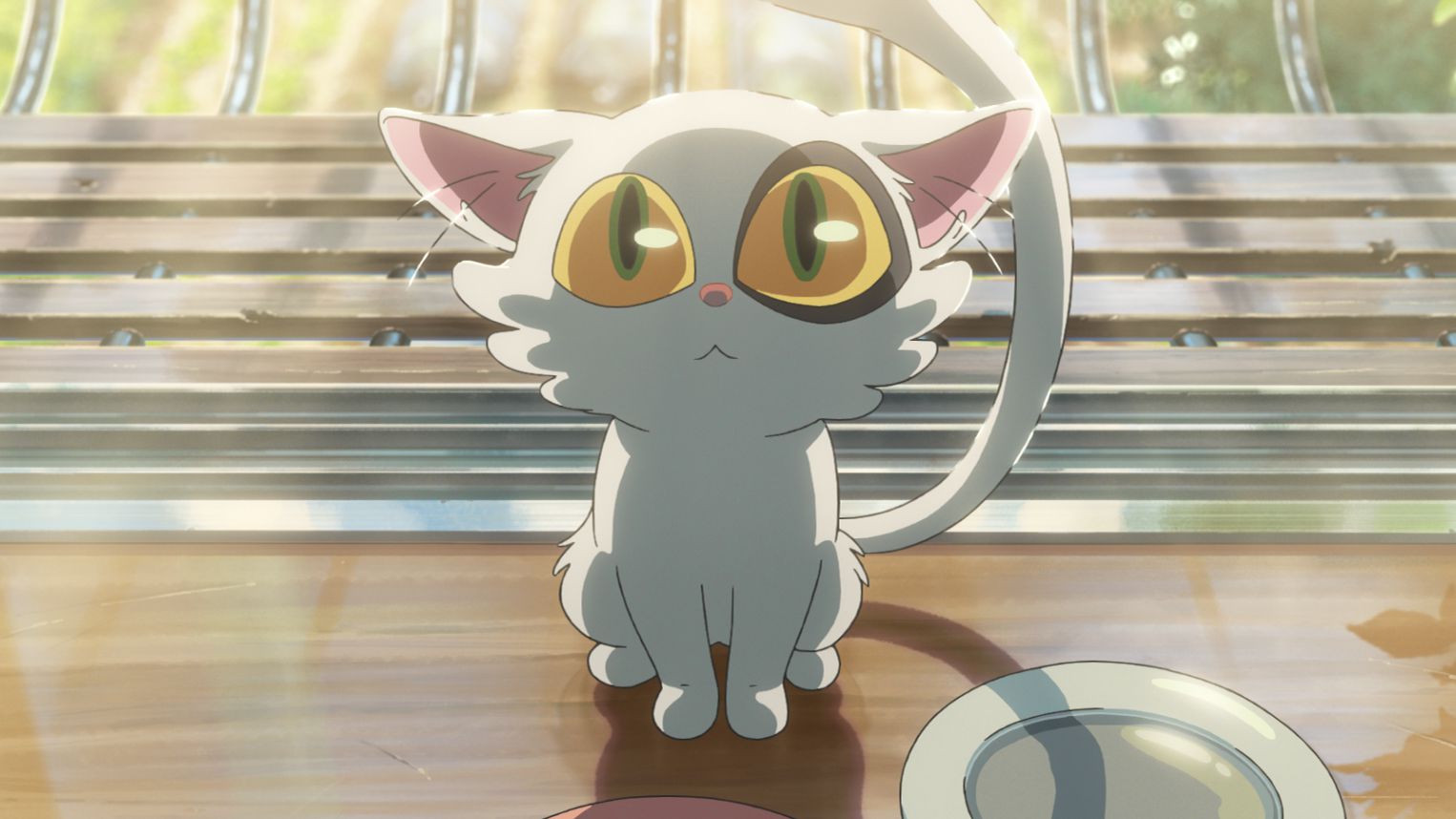
A mysterious talking cat with magical powers turns Souta into a small wooden chair that can run and speak, a development that pushes Suzume to help the man-chair close the new doors that start popping up throughout Japan. As disasters start getting averted, we learn of Suzume’s own history with destructive natural events and the things it can take from people. In her case, it’s her mother’s death that’s reshaped her reality and her dedication to the Closer’s mission.

Despite what the subject matter might suggest, Suzume is a movie that favors a vision of hope and healing in the face of trauma and the grieving process. It’s not difficult to view the doors and the giant worm as representative of the things people wish they could control but ultimately can’t. An inability to accept that preventing every single disaster is impossible, that death can come in many different forms at any given time. The task becomes progressively difficult and riskier the more you attempt to contain the uncontainable.
Suzume

The story portrays the prevention of natural catastrophes as a kind of fool’s journey that essentially negates life by requiring such an exhaustive dedication to vigilance and readiness. There’s a sense of inevitability to it, of relentless force, that makes the character of Suzume come off as both noble and stubborn at the same time.

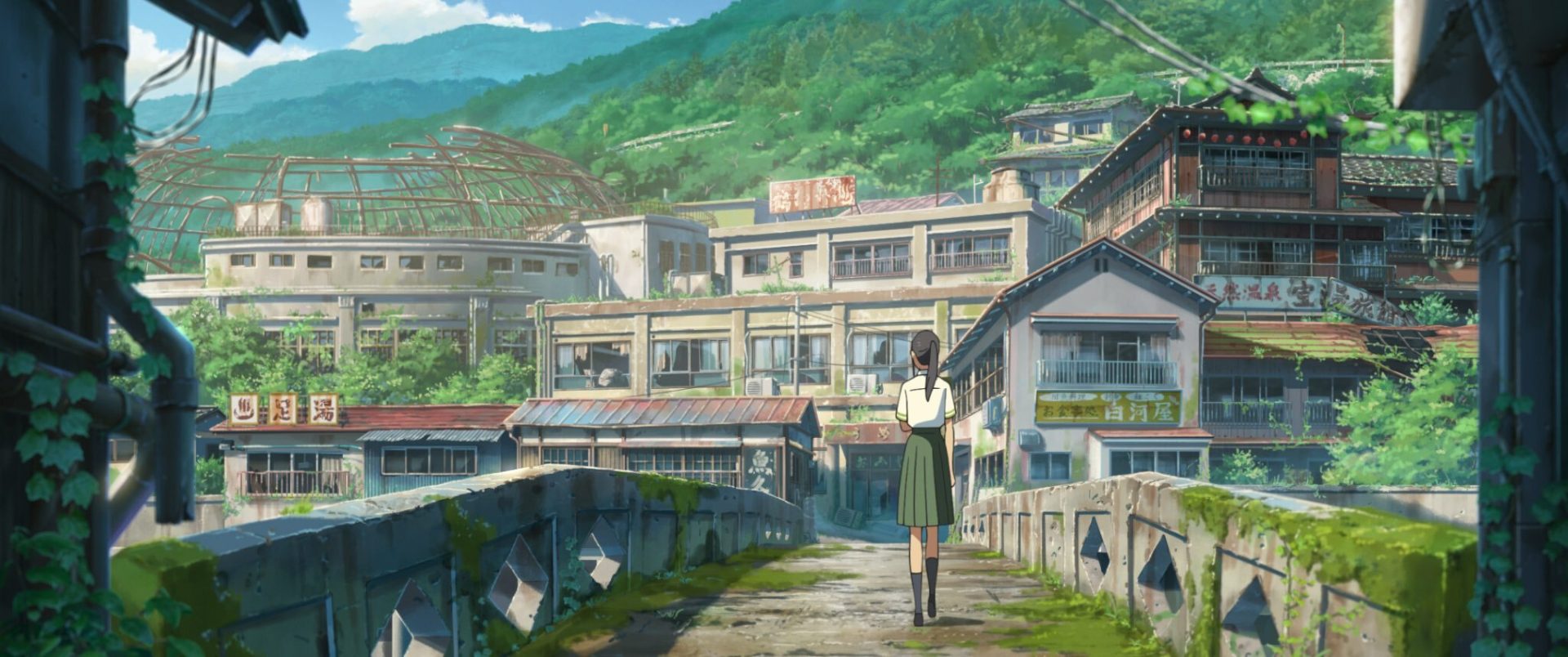
The visuals do an excellent job of showing the worm as an unstoppable force without an unmovable object in sight. It can be delayed, but never fully stopped. To an extent, the movie invites a reading that frames the phenomenon as a thing we have to accept, be it as a metaphor for the guarantee of death or as one for the unpredictable certainty of mass traumatic events that we simply can’t always prepare for (or survive regardless of preparedness).

What keeps the story from falling off the deep end into despair is the magical-realist element of the world the movie creates. Only Suzume, Souta, and the cat can see the doors and the worm, but everyone can see the living chair and the talking cat. People react to them with wonder rather than fear or panic and it makes for a very light and colorful experience with several sequences that garner attention just on spectacle alone.

Rounding out the experience are the characters Suzume meets along the way towards each door. They each offer different avenues towards the idea of hope and acceptance and they turn the movie into a living journey with a variety of locations and color palettes to boot. They feel like short stories in their own right and they carry their own arcs.
Suzume

There are too many metaphors and ideas inhabiting Suzume to account for here, but discovering them on your own is quite rewarding. I latched on to those regarding Japan’s history with natural disasters and crises, especially in recent times with the earthquakes that rocked the country’s nuclear sites. The doors that the worm uses, for instance, are all found in abandoned places such as schools and amusement parks, as if they belong to past traumas people would rather forget than process collectively. There are just so many ways into the story and its characters that repeat viewings are essentially a requirement.

Thankfully, going back into the world of Suzume is an easy sell. It’s a movie that welcomes complexity without overcomplicating the conversations it wants to have on grief, the memory of disasters, and the magic of hope. It truly is a remarkable story that impresses by being as inventive as it is emotionally grounded, and it will become a highlight in anyone’s film education upon watching.

The Outwaters tries and fails to find horror in the unseen

Outwaters

Darkness is perhaps the horror genre’s most reliable source of terror, a factory of fear that churns out multitudes of things that can scare even the most hardened of fans. Used smartly, it can allow audiences to fill in obscure spaces with the ugliest, most terrifying things you can think of by only offering a hint as to what might be moving in the shadows.

Robbie Banfitch’s found footage film The Outwaters is fully invested in seeing this idea through in a way that indulges darkness to the fullest extent. Unfortunately, it stumbles by keeping things too tucked away in the dark to allow audiences to effectively populate the shadows with monsters that defy the very concept of reality (a problem that also hindered Skinamarink’s exercise in unseen and suggested scares).

The movie follows a small group of friends on their way to the Mojave Desert to shoot a music video. A string of earthquakes and aftershocks rock the area they’re going to be filming in and a series of eerie sounds and vibrations start disrupting the silence of the desert in a way that hints at something big crossing over into our realm. Then, reality shifts and the monsters come out.

outwaters

The story takes its time building up to the horror, but it’s to the point of distraction as very little from the first third of the movie barely affects or colors the events that affect the group as it gets caught up in all the bad that bleeds into our world. What does work to great effect is the sound design, which carries itself well throughout the entire film.

Not one sound reveals exactly what or where it’s coming from and they do an excellent job of helping the audience guess at what their point of origin could be, or what unholy creatures are making them. At times they come off as deep underground explosions, at others it sounds like something impossibly large is marching down the desert.

Once the story transitions into full horror, ambient sounds hint at creatures in pain or angry demons out on the hunt. If there’s one thing The Outwaters succeeds at is in doing a healthy amount of worldbuilding by sound alone. Had the movie leaned more into this, it would’ve have resulted in something entirely new and surprising. But it didn’t.

As I stated earlier, darkness is one of horror’s greatest allies. It gives everyone permission to bring their own fears into the experience so they can mix them in with the stuff the filmmaker decides to reveal. It can be a delicate thing to balance out, which means that keeping the visuals too obscure for an extended period of the movie’s runtime can lead to a whole lot of nothing.

outwaters

If you think about it, darkness in horror movies are like sandboxes that invite audiences to come in and play with their toys. It’s a challenging play area, though, as its dimensions are almost always just faintly outlined and can change at a moment’s notice. The Outwaters opts for the faintest of outlines, keeping its toys largely inaccessible to the viewer and lost within the darkness it creates. It makes for a frustrating watch as our imaginations can only do so much until we realize we’re staring at a black screen for big chunks of time.

There are daylight sequences that pull the veil back somewhat on a few of the story’s monsters and their particular kind of violence, and they do lead to the occasional striking visual in the process (especially as it reaches the final stretch), but the director’s insistence on keeping things barely visible and disorienting achieves little other than frustration.

Filling in the blanks can be an interesting exercise from a viewer’s point of view, but it’s not unfair to ask the filmmaker provide a bit more to latch onto as well. The audience shouldn’t be doing all the creative heavy lifting, in this regard.

This is compounded by the dizzying camera work that often just hangs loosely on the character’s hands to communicate the idea that what’s captured isn’t being filmed on purpose, as if it’s an automatic reaction from a person that’s lost their mind. It’s an interesting response to found footage conventions, but it’s also overplayed and it doesn’t add to the overall sense of horror it’s going for. It’s another distraction that can have viewers trying to figure out if there’s anything worth searching out for in each shot or not. There usually isn’t.

The Outwaters had the potential to innovate if it had further developed its unsettling sound design. Instead, it goes for a slow burn dominated by drawn out sequences where all the audience gets is a black screen with creepy growls here and there. It misses the point when it comes to inviting the audience to use their imagination to flesh out the monsters that stick to the periphery. There comes a point where showing nothing amounts to just that, nothing.

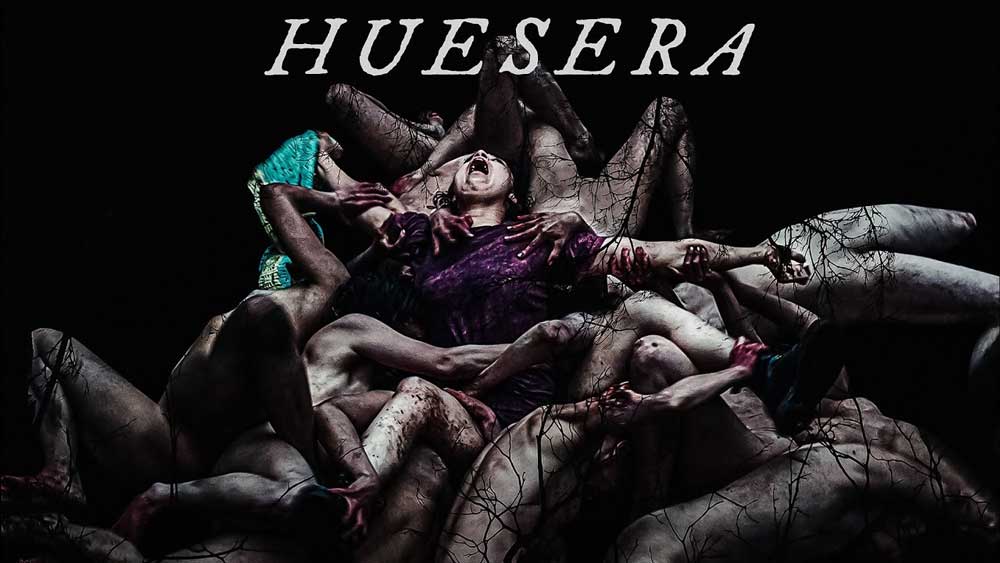
Movie Review: HUESERA expertly finds its scares in the fear of losing one’s self

huesera

There’s very little we don’t fear as a people. Horror movies can attest to that, conjuring up stories upon stories that turn anxieties about life and human expression into scary things that can help us process our reactions to them. Often, these stories put characters on the path to confront those fears and perhaps learn a little bit about themselves in the process to be better equipped at dealing with it all. Monsters are slayed and demons are exorcised, all so the character can grow and become stronger. Change, at some level, is the goal, hopefully towards something better.

Michelle Garza Cervera’s Huesera: The Bone Woman doesn’t follow that particular model of horror. Its metaphors about motherhood, social expectations, and personal freedom point to messier and more complex ideas, ones that consider change as a thing that can pass us by and leave ghosts behind. It’s a scary thought, and it’s one that Garza Cervera pulls off with clever aggression.

Huesera follows Valeria (played by Natalia Solián), a young woman that finds a faceless entity has latched on to her first pregnancy. Her haunting strains her relationship with her husband Raúl (Alfonso Dosal) and puts her on a path that paints motherhood as a hungry thing that can very easily eat up a mother’s ability to be her own person.

The movie, written by Garza Cervera (who also featured a segment in the horror anthology movie México Bárbaro II) and Abia Castillo, doesn’t just settle on the fears of motherhood for the duration, though. In fact, I found it to be a red herring that smartly concealed its other, more potent metaphors for when the time was right to make them known. A lot of that is hinted when we meet Valeria’s old love interest, a woman called Octavia (Mayra Batalla), a lost opportunity that figures into Valeria’s struggles in ways that deepen the horror in meaningful and refreshing ways.

Huesera

One of the great successes of the film lies in its ability to never let the supernatural elements get swallowed up by its metaphors. The entity that oppresses Valeria is terrifying, a faceless being that contorts its body by breaking its bones and knitting them back together to skitter around like an insect with malicious intent. This is tied to Valeria’s own physical reactions to stress and anger, but I’ll leave that for the movie to show.

What’s impressive is how well each horror sequence plays with the sounds of the entity’s bones cracking to ramp up the tension. The entity is mostly shrouded in darkness, but enough of it is shown to give audiences a scary memento to take with them come bedtime. There’s one particular scare that lands like a statement on jump scares, speaking to how powerful subverting expectations in these moments can be (like foregoing the musical crescendo that announces the coming of the jump scare, for instance). They also got the timing of it just right.

At a time when the more indie/arthouse horror movies are keeping their ghosts and specters in very dark shadows and in locations submerged in full black, to put more weight on the viewer to populate those spaces with the things they think hide there, I appreciated that Huesera gives its audience something more concrete to chew on. This pays off in the end especially as Garza Cervera offers up a chilling encounter that is uniquely disturbing, while featuring few nods to some of the best in Japanese horror (in fact, Junji Ito’s Uzumaki can be seen on a bookshelf at one point in the film), by showing us how terrifyingly cruel the presence can be.

Another commendable achievement is Garza Cervera’s mastery of tone and lighting to create haunting images in bright settings, which isn’t a regular occurrence in the horror genre. It points to the creative team’s willingness to trust the material and take risks with it.

Huesera

Natalia Solián’s performance as Valeria pulls all these elements together with her ability to portray absolute fear with her wide range of facial expressions. It’s easy to feel the movie thanks to Solián’s physicality, subdued and quiet in parts while angry and excruciating in others. It’s a remarkable display of character building and it makes the film hit harder as the haunting becomes more sinister.

A lot also has to be said of Huesera’s approach to sexuality and identity, too, in all its dimensions. The characters’ responses to these considerations feel realistic and genuine, not so much as a statement on representation but rather as a fact of life that still clashes with stubborn social norms in manners that aren’t often perceived the same way by everyone involved (all within a Mexican perspective, which has its own specificities). It adds layers to the story, painting a fairly chaotic picture where clear answers are in short supply and not even flirted with.

Huesera is one of those movies that provide an example to follow for filmmakers savvy enough to appreciate its methods. It’s a movie that dares to confront a lot to get at a sense of terror that makes real life be just as scary as the supernatural. It’s themes and metaphors require engagement, the kind that asks viewers to step out of their comfort zones to find meaning in darker places. Huesera justifies that journey into the dark, and it shows very little mercy along the way.

Regarding the Matter of Oswald’s Body turns the JFK conspiracy into a neo-Western

Regarding Oswald's Body
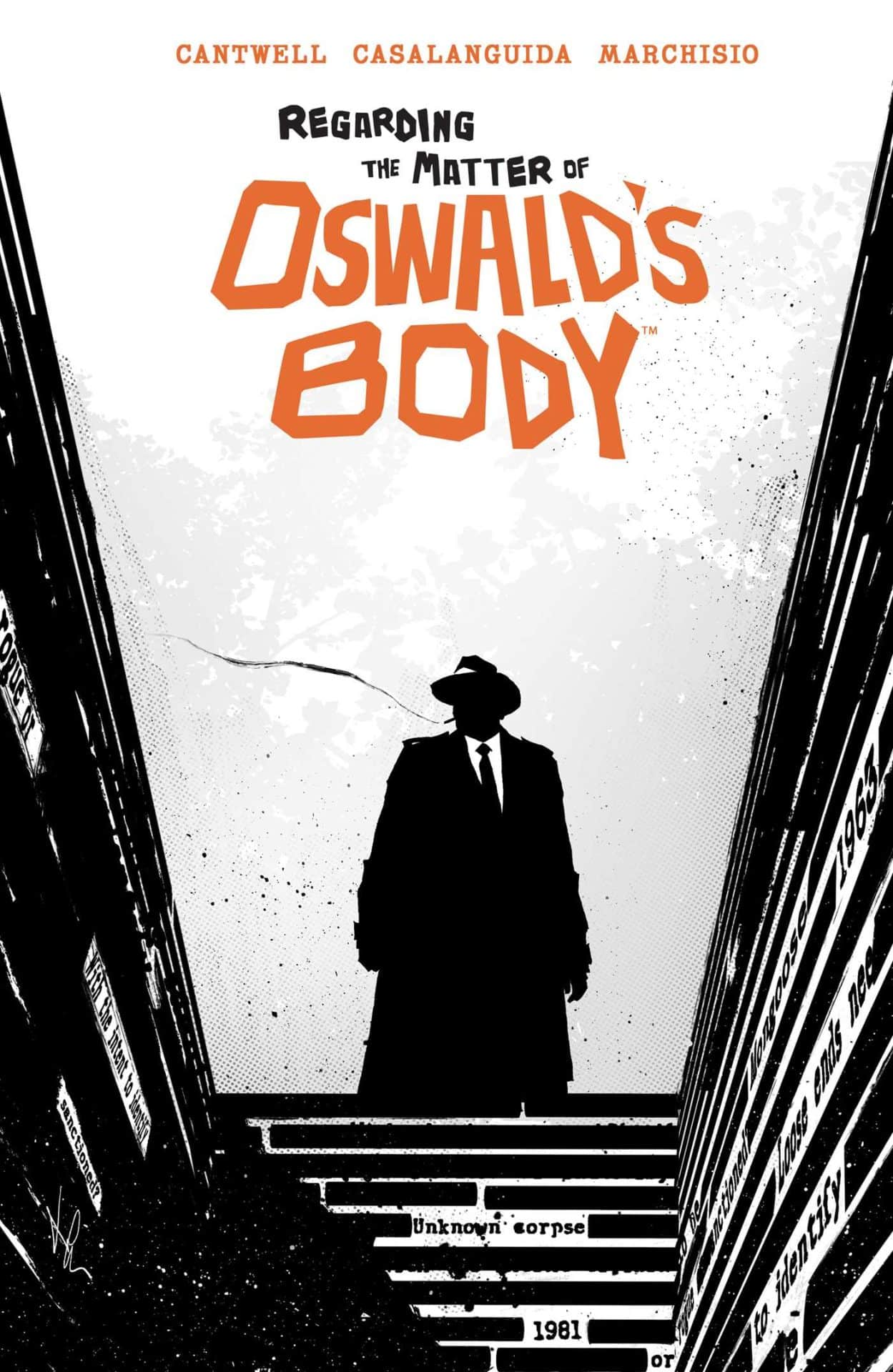
Regarding the Matter of Oswald’s Body #1, cover

The JFK assassination holds a very strange place in conspiracy theory history. It’s perhaps one of the most documented cases of its kind, a lot of it owed to the official story that came out of the Warren Commission, the group responsible for investigating the killing of the President on November 22nd, 1963. The commission’s conclusion placed the blame entirely on a single individual, a man named Lee Harvey Oswald. He was a US marine that had at one point defected to the Soviet Union and that, according to his wife Marina, had serious delusions of grandeur. The report couldn’t pin down the motive behind the shooting, though. For the express purposes of the official story, Oswald took that information to the grave.

Christopher Cantwell and Luca Casalanguida’s comic Regarding the Matter of Oswald’s Body exhumes Oswald’s body, quite literally, to question that narrative and entertain other possible versions of the truth to try and make sense of the absurdity behind the assassination of John F. Kennedy. It goes the way of the neo-Western to do so, a mix of Western genre conventions and noir beats with arthouse sensibilities sprinkled throughout (though this last ingredient is less present in Cantwell and Casalanguida’s comic).

The comic follows a makeshift posse composed of a bank robber, a car thief, a Civil Rights protester, and a failed G-man put together by the combined element of the mafia and a secret government operative that tasks them with kidnapping a man that is the spitting image of Lee Harvey Oswald.

It’s immediately apparent that, for readers who possess at least a passing knowledge of the conspiracy, the task represents a crucial piece in the assassination’s design and that the group of archetypal losers chosen for it are going to play a part that might shorten their life expectancy considerably. Of course, Oswald is a nobody in this part of the story, so the posse underestimates the mission’s importance by thinking they’re just working towards a generous retirement plant.

Regarding Oswald's
Regarding the Matter of Oswald’s Body

While the story is accessible, though it doesn’t make any promises to hold the reader’s hand, those who’ve seen a documentary or two on the assassination will catch on quicker to the mysteries of Oswald’s place in it. I’d even suggest watching Oliver Stone’s JFK (1991) to get a primer on the conspiracy and all the theories that surround it, especially on the enigma of Oswald’s multiple sightings in gun ranges all over the US and even Mexico within impossible timeframes. It’s a fascinating story.

What sets Cantwell and Casalanguida’s comic apart from the countless books, movies, and even video games that deal in JFK’s killing in Dallas, at Dealy Plaza to be exact, is how expertly it adapts Western/cowboy movie elements to that history without sacrificing the highly unsettling aspects of a hushed political assassination in the process.

The haphazard group of criminals that gets forced into the giant conspiracy in Regarding the Matter of Oswald’s Body is burdened by the same moral complications of countless other cowboy characters that feature in American Westerns. They are guided by the promise of financial security to last them a lifetime, they seem hardened but are then unsure of the ethics behind the tasks they’ve been given, and then they question their actions in the grander scheme to reach a conclusion that might end in the kind of bloodshed that’s predicated on the principle of “doing the right thing.”

Without spoiling too much, the story essentially becomes an examination of flawed but regular people who go up against certain interests knowing their chances of success were already low from the moment they accepted the job. The noir elements come up in Cantwell and Casalanguida’s decision to shroud the main characters under the veil of secrecy, to the point where they’re seen as cogs in a machine much bigger and important than just the four of them. They the unlucky victims of history, obscure footnotes that’ll only be relevant to a very select few that already didn’t care much about them to begin with.

Regarding Oswald's
Regarding the Matter of Oswald’s Body

Then comes the matter of Oswald’s actual body, the one that was buried in Shannon Rose Hill Cemetery under a lonely grave marker adorned with his last name and nothing else. Just who is buried there if not the real Oswald? This question might as well be same one made about the bird statue’s value in The Maltese Falcon (1941) or what was inside the case that John Travolta and Samuel Jackson were after in Pulp Fiction (1994). In essence, Oswald’s corpse is the forbidden object that often becomes the source of everyone’s troubles and misfortunes once they’ve been hired to retrieve it.

The combination of all these elements result in a truly absurd and compelling piece of storytelling that puts proverbial cowboys in an environment where shadow agencies deceive common criminals into committing national tragedies. The posse at the center of Regarding the Matter of Oswald’s Body, though, doesn’t fight a greedy landowner or a dirty politician. They instead fight a corrupt system hoping to make a dent in it rather than tearing it all down. They know not to deceive themselves with the prospect of a happy ending. In the end, and to Cantwell and Casalanguida’s credit, it was a matter of placing cowboy-like criminals in front of people they’ve been all too familiar with: bad men with bad ideas and the means to execute them.

Monarch #1 is an impressive debut that builds a living, dangerous world with complex characters

Monarch #1

I’m always wary of stories that feature kids as the main characters. I immediately think it’s going to be another coming-of-age story or a childhood trauma yarn that’ll follow the same old story beats as countless other works that go down similar routes. Not that they’re bad. They’re Just a bit overused, which often makes them predictable. Rodney Barnes and Alex Lins break away from this in their new series Monarch, openly resisting what’s been done before to explore ideas that might hit harder but that must be faced regardless.

Monarch follows Travon, an orphan living in Compton. His foster home seems like a good place and he’s surrounded by people that look out for him, an important factor considering other foster kids who’ve perhaps not been as lucky as him are out to violently bully him for having it marginally better than others.

As if things weren’t hard enough for Travon, aliens descend from the skies thirsty for blood and mayhem, looking like monsters that were exclusively bred to slaughter and maim indiscriminately in the worlds they’ve targeted for invasion. Travon must fight for his life and that of his surrogate family and friends, even if it requires sacrificing things that can’t ever be recovered.

Monarch #1

Monarch sets the tone early with its relentless approach to violence. Lins captures both bully violence and alien aggression as things weighed by consequence, making them feel meaningful and necessary to the story rather than gratuitous. Travon’s living environment feels dangerous as a result, a symptom of the status quo, and it helps to build compelling characters that readers can worry about and fear for.

Barnes’ script leans on rawness to build its characters. Travon isn’t a Disneyfied version of a foster child. He’s a boy that is always aware of the hand he’s been dealt so he can never lose focus of the things that are important to him, like the people that have become family in the absence of blood relatives. Barnes makes it a point to present Travon as a survivor, a condition that might end up making him better suited than most to face down a scenario filled with vicious aliens given the things he’s had to live through at such an early age.

It’s in this arrangement that Barnes and Lins’ Monarch sets itself apart from other stories featuring coming-of-age themes and YA-like sensibilities. Nothing here is played safe or to keep readers in their comfort zones. Quite the opposite. Travon and his friends are all at risk of becoming just few more casualties of the invasion at any time. The prospect of that generates an overwhelming sense of tension that makes for compulsive reading.

Monarch #1

Fans of the 2011 sci-fi horror film Attack the Block will find a similar appreciation for roughness in the storytelling process that makes Monarch such a hard-hitting experience. In it, a group of kids from South London (an historically underprivileged area) have to fight off malicious aliens and defend their home, dysfunctional and difficult though that place may be. The movie’s strengths lie in turning commonly overlooked characters (in this case, rowdy kids that fall into a life of crime given their circumstances) into protagonists that never shed their complexities. Monarch frames its story and its characters in a similar way, letting the harsh realities of life come along for the ride without feeling the need to soften them to make audiences more comfortable. You just have to embrace the conditions of Travon’s existence and feel them along with him.

Monarch #1 is an impressive debut that builds a living, dangerous world with complex characters that already carry a considerable amount of personal history with them. It’s impossible not to root for Travon and you will keep turning the pages with a certain reluctance for fear of what might happen to him throughout. But turn them you shall, and you won’t want to stop. Monarch is just that good.

Script: Rodney Barnes Art: Alex Lins Colors: Luis NCT
Story: 10 Art: 10 Overall: 10
Recommendation: Buy and check out Barnes’ Killadelphia if you haven’t already.

Image Comics provided Graphic Policy with a FREE copy for review


Purchase: Zeus ComicscomiXology/Kindle

Early Review: Monarch #1 is an impressive debut that builds a living, dangerous world with complex characters

Monarch #1

I’m always wary of stories that feature kids as the main characters. I immediately think it’s going to be another coming-of-age story or a childhood trauma yarn that’ll follow the same old story beats as countless other works that go down similar routes. Not that they’re bad. They’re Just a bit overused, which often makes them predictable. Rodney Barnes and Alex Lins break away from this in their new series Monarch, openly resisting what’s been done before to explore ideas that might hit harder but that must be faced regardless.

Monarch follows Travon, an orphan living in Compton. His foster home seems like a good place and he’s surrounded by people that look out for him, an important factor considering other foster kids who’ve perhaps not been as lucky as him are out to violently bully him for having it marginally better than others.

As if things weren’t hard enough for Travon, aliens descend from the skies thirsty for blood and mayhem, looking like monsters that were exclusively bred to slaughter and maim indiscriminately in the worlds they’ve targeted for invasion. Travon must fight for his life and that of his surrogate family and friends, even if it requires sacrificing things that can’t ever be recovered.

Monarch #1

Monarch sets the tone early with its relentless approach to violence. Lins captures both bully violence and alien aggression as things weighed by consequence, making them feel meaningful and necessary to the story rather than gratuitous. Travon’s living environment feels dangerous as a result, a symptom of the status quo, and it helps to build compelling characters that readers can worry about and fear for.

Barnes’ script leans on rawness to build its characters. Travon isn’t a Disneyfied version of a foster child. He’s a boy that is always aware of the hand he’s been dealt so he can never lose focus of the things that are important to him, like the people that have become family in the absence of blood relatives. Barnes makes it a point to present Travon as a survivor, a condition that might end up making him better suited than most to face down a scenario filled with vicious aliens given the things he’s had to live through at such an early age.

It’s in this arrangement that Barnes and Lins’ Monarch sets itself apart from other stories featuring coming-of-age themes and YA-like sensibilities. Nothing here is played safe or to keep readers in their comfort zones. Quite the opposite. Travon and his friends are all at risk of becoming just few more casualties of the invasion at any time. The prospect of that generates an overwhelming sense of tension that makes for compulsive reading.

Monarch #1

Fans of the 2011 sci-fi horror film Attack the Block will find a similar appreciation for roughness in the storytelling process that makes Monarch such a hard-hitting experience. In it, a group of kids from South London (an historically underprivileged area) have to fight off malicious aliens and defend their home, dysfunctional and difficult though that place may be. The movie’s strengths lie in turning commonly overlooked characters (in this case, rowdy kids that fall into a life of crime given their circumstances) into protagonists that never shed their complexities. Monarch frames its story and its characters in a similar way, letting the harsh realities of life come along for the ride without feeling the need to soften them to make audiences more comfortable. You just have to embrace the conditions of Travon’s existence and feel them along with him.

Monarch #1 is an impressive debut that builds a living, dangerous world with complex characters that already carry a considerable amount of personal history with them. It’s impossible not to root for Travon and you will keep turning the pages with a certain reluctance for fear of what might happen to him throughout. But turn them you shall, and you won’t want to stop. Monarch is just that good.

Script: Rodney Barnes Art: Alex Lins Colors: Luis NCT
Story: 10 Art: 10 Overall: 10
Recommendation: Buy and check out Barnes’ Killadelphia if you haven’t already.

Image Comics provided Graphic Policy with a FREE copy for review

In shops February 8th

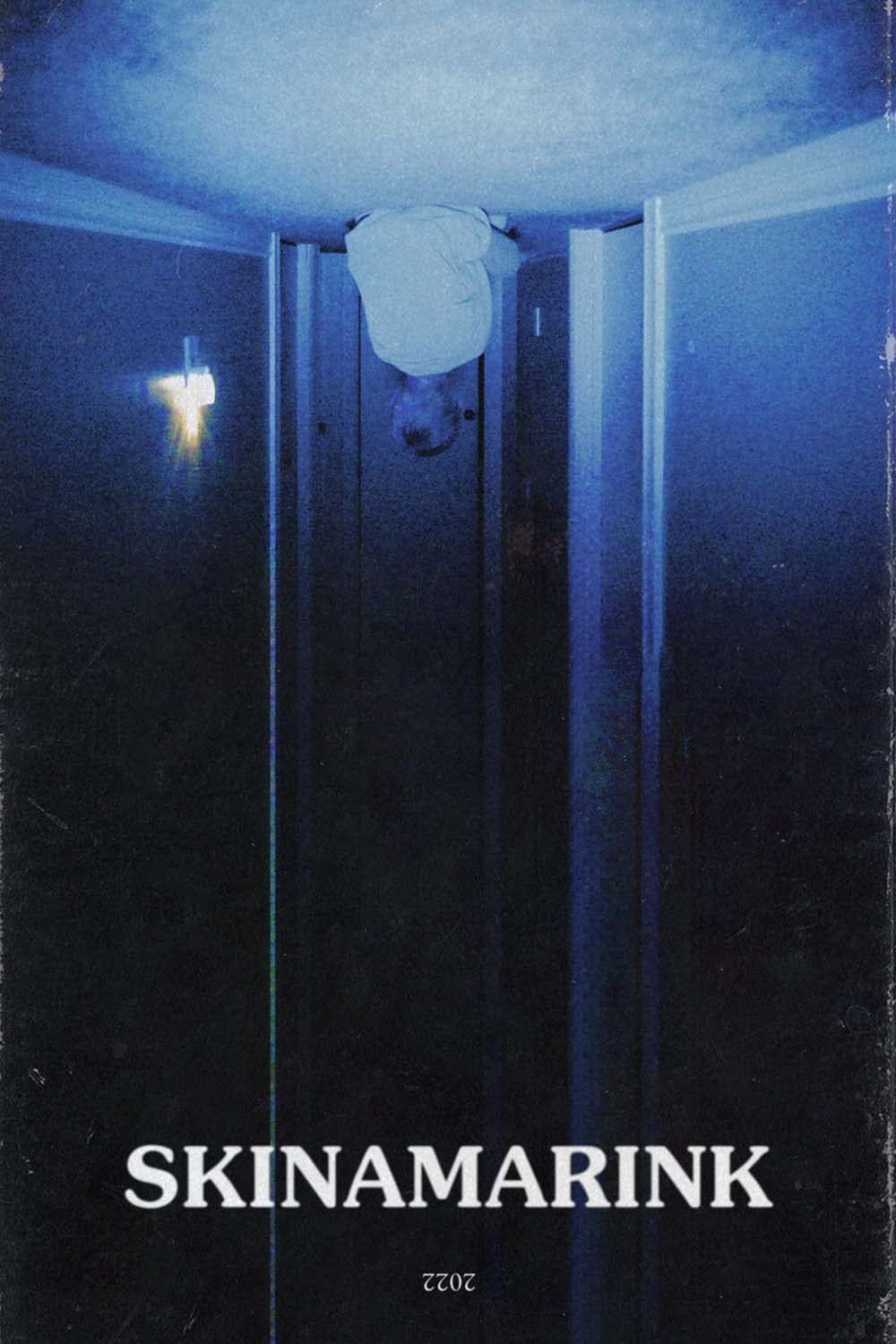
Movie Review: Skinamarink sacrifices tension for experimentation

skinamarink

The slow burn horror film can sometimes mistake quiet with tension, static shots with dread. The best among them avoid falling victim to this. Movies like Hagazussa (2017), The Dark and The Wicked (2020), and The Blackcoat’s Daughter (2015), find ways to unsettle with a carefully orchestrated sequence of events that linger and invite a closer inspection of the horrors they contain. They excel at creating a sense of discomfort that the slow pace intensifies, especially as the creepier aspects of the story take root and become ever-present once revealed.

Kyle Edward Ball’s Skinamarink, unfortunately, doesn’t quite master the intricacies of slow pacing to create a consistently scary, dread-filled, or even tense movie. Its experimental approach to storytelling, which resorts to found footage camerawork to capture the darkest corners of a house haunted by something that’s taking its time tormenting the family that lives there, produces some haunting imagery and a few truly disturbing sequences, but they are spread too far in between to create a real sense of tension and dread throughout.

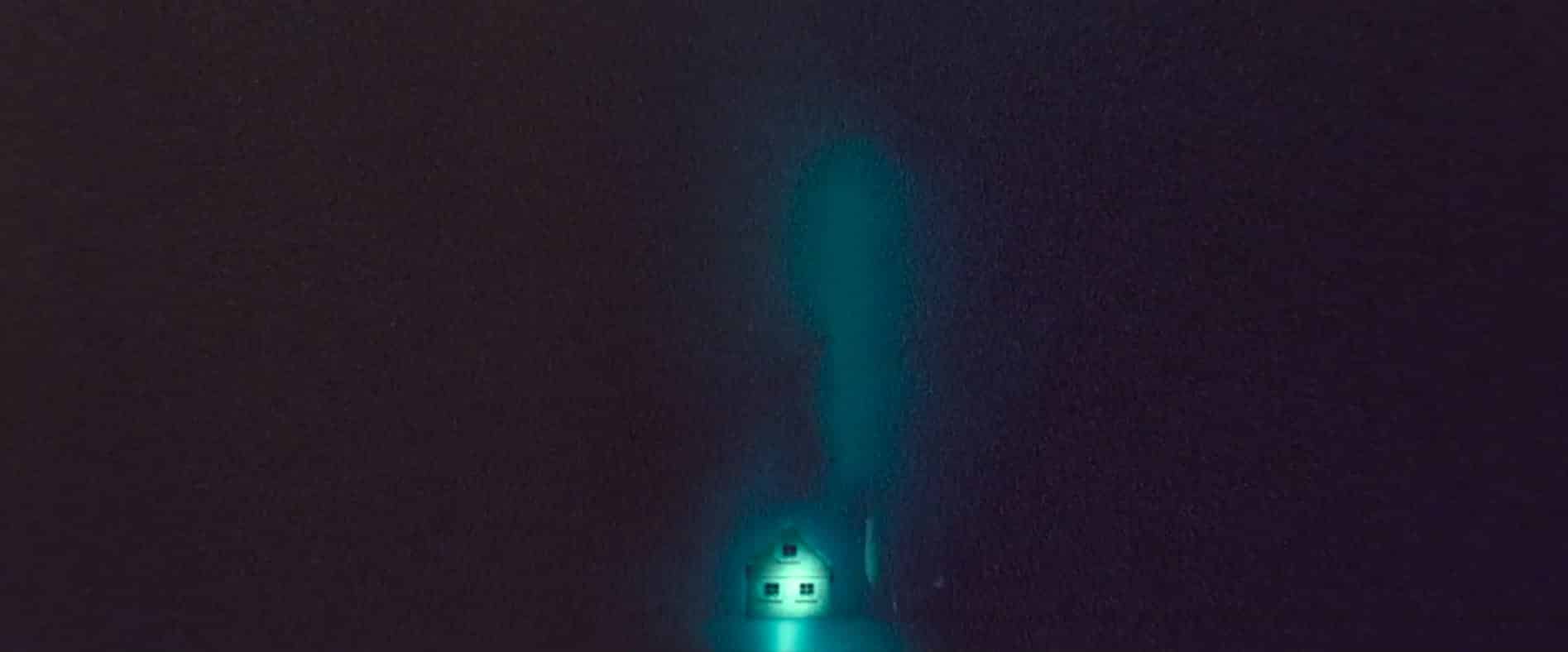
A micro-budget horror film, Skinamarink centers itself around two kids inside a two-story house that saw its doors and windows disappear, specifically the ones that lead outside. Their parents seem to be missing, out of sight for the majority of the film (if not for all of it depending on how you interpret certain scenes). We only get half glimpses of the kids’ faces, nothing ever so clear that we can distinguish them elsewhere. In fact, most of the movie sticks to dimly lit corridors, ceiling corners, closeups of Legos, and a big TV showing old black & white cartoons, all in near pitch-black conditions.

skinamarink

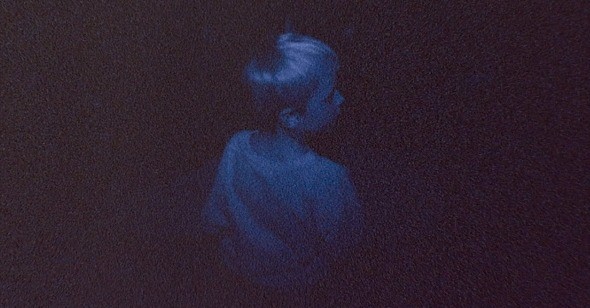
Early on, the slow quiet mixed in with the darkness creates an effective and even dangerous sensation that makes you think you’re looking in on someone’s nightmare, a kid’s nightmare at that. What we see through the camera are things and places inside the house that would scare any child that’s afraid of the dark and has no parent nearby to protect them from it (a fear many of us go through growing up, and beyond with some people). Often the only source of light is the glow of the TV screen or a night light, sometimes the hallway light or the one in the kids’ bedroom. The rest of the time everything is covered in a blueish hue that’s meant to communicate the absolute lack of any natural source of light.

In an interview with slashfilm.com, Ball stated that he achieved this lighting effect by mounting a sun gun on top of the camera and then putting a blue filter over it, which was also used to grade with. The effect succeeds in creating a kind of living darkness where the camera’s inability to clearly capture what’s there instead creates a dark canvass that the audience’s imagination can then populate with strange things moving in the background that might not be not entirely human.

What betrays this impressive visual setup is that there are huge chunks of the film where nothing concrete happens. I can fill in the darkness with all manner of monsters and demons, but there were stretches were I felt that was all I was doing. Once I played around with my imagination, I wanted to see something more from the mind of the director. The ratio of personal input vs. storytelling is severely unbalanced.

When the story lands on a horror sequence with images crafted by the director, the scares are effective and the imagery creates its own kind of Hell. Ball knows how to produce faint but malicious shapes that leave a lasting mark in the darkness, leaving a kind of afterimage that you just can’t shake off.

skinamarink

Now, because of the story’s glacial pace, these parts of the story don’t entirely land or disturb with the force they could’ve. The reason is that too much time passes between them to allow for tension to set. Add in Ball’s overuse of the cartoons, which provide a hint as to what the kids are experiencing in certain parts of the story, and the strategy starts to feel repetitive and tedious before long.

The nightmare scenario Ball creates in Skinamarink falls in line with his previous work, available to watch on YouTube, which consists of short films based on nightmares users leave on his channel’s comment section, or on his other social media pages. These videos are absolutely terrifying and way more effective in capturing the deceitful dimensions of a nightmare. What helps them the most, though, is their length. They are very short, minutes long in most cases. They are extremely similar stylistically and they do a better job of balancing audience interpretation with specific instances of horror.

Discovering Ball’s previous work led me to believe that Skinamarink would’ve worked better as a short film. The time constraint could’ve given tension and dread a better chance to shine and to sustain itself. As is, the movie feels more like something you’d find in a museum under experimental video art. You go in, watch a bit, and then move on.

skinamarink
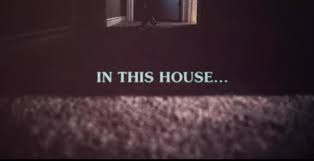
Taken from the Skinamarink trailer

There’s nothing wrong with experimentation or with asking audiences to put in more on their part to enrich the viewing experience. I enjoyed trying to figure out if something was actually moving in the darkness or if it was just that the camera produced too fuzzy an image because of the house’s all-consuming shadows. Problem was that the effect got stale way before the halfway point and it didn’t really offer anything new to keep me interested as the story progressed. Creepy sound design and minimalistic dialogue help turn the house into a claustrophobic nightmare of childhood fears too, but it gets lost in the tedium. Oddly enough, getting lost in the tedium is exactly what some viewers will experience while watching the movie.

Dark Ride is one of the best series on the stands and issue #4 further cements it

Dark Ride #4
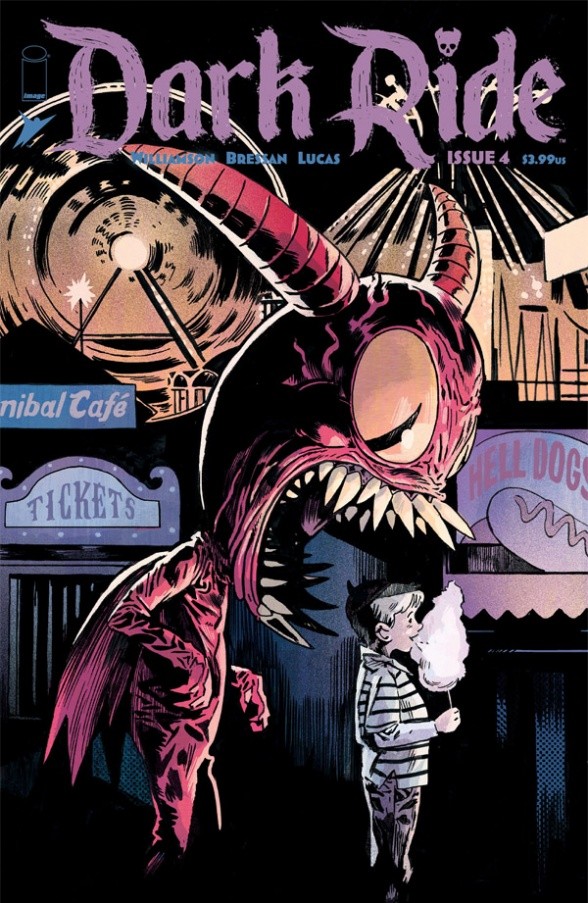
Dark Ride #4 variant cover by Michael Walsh

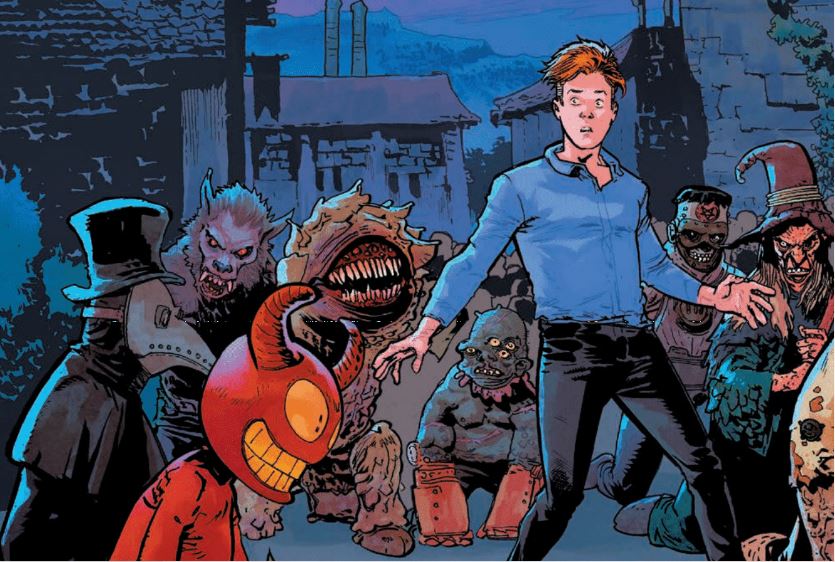
Joshua Williamson and Andrei Bressan’s Dark Ride is a treat for horror fans. The scary theme park at the center of the story is a buffet of genre references and the monsters that inhabit it hide gruesome secrets underneath their mascot suits. While it’s fair to say Dark Ride is a fun read, it’s not without its moments of pure darkness. Issue #4 dives more freely into them.

Dark Ride #4 continues to frame Devil Land park as a place that’s being forced to get in with the times. The definition of fear has changed more than once in recent years and is currently at its most flexible. The park’s owner, Arthur Dante, and his kids Samhain and Halloween (their actual names) are scrambling for ways to update the experience and stay relevant, but eager YouTubers and the sister of missing park employee Owen Seasons are threatening to expose the real horrors operating behind the scenes.

Samhain and Owen’s sister, Summer, take a more central role in issue #4, both fearful of the park’s real power as they each try to understand it while figuring out how Owen could just vanish without a trace inside it. The story is starting to take more of a traditional shape here, with the evil elements making themselves more clearly visible than in previous issues. It looks like Samhain and Summer will end up working together to get to the bottom of the many unknowns Devil Land houses.

Summer’s search for her brother does allow Williamson and Bressan to channel bits from a movie I’m pretty sure influenced the comic’s creation: Tobe Hooper’s The Funhouse (1981). In it, a group of horny teens visit a fair that features a big and disorienting funhouse as one of its main attractions. They sneak into the ride to extend their stay after the fair shuts down, but what they get is an encounter with a monstrous and violent thing that calls the place home along with his cruel parent.

Dark Ride #4

Hooper’s approach to the empty funhouse turns the location into a strange nightmare-filled arena, with barely discernible shapes and shadows making the darkness feel dangerous at every turn. Williamson and Bressan achieve a similar sensation, but they extend it to take over the entire park. Devil Land always looks like a death trap with a mind of its own, not content with just scaring guests. It takes a bite out of customers, one way or another, and it’s the reason why the horror the creative team manages to conjure up with it feels so unique.

Bressan gives the park and its creatures a fairy tale-like aesthetic that flips classic cartoon tropes for things that look as if from another dimension, a very sadistic one at that. Their behavior reminds of the old voodoo zombie films of the black & white era, stoic but harboring a menace that could reveal itself at any moment.

Adriano Lucas’ colors have been a highlight since issue #1. They’re loud and bright and they help in creating an interesting dialogue between the real and the monstrous. I was reminded of old carnival posters, in which sideshow ads and key announcements jumped out of the page. You can almost hear the colors being shouted out via megaphone, urging people to step right up.

Dark Ride continues to be one of the best series on the stands and it looks like that won’t be changing in 2023. Williamson and Bressan are taking full advantage of the premise, adding layers upon layers of storytelling to the point of establishing narrative arcs and threads that can go on for a long time. I hope the series stays for the long run. If Devil Land were a real place, I’d have no problem buying one of those expensive, all-inclusive passes that let me visit whenever I want. Even if it risks being eaten by one of the rides.

Story: Joshua Williamson Art: Andrei Bressan
Color: Adriano Lucas Letterer: Pat Brosseau
Story: 9.0 Art: 9.0 Overall: 9.0
Recommendation: Read and then watch Hooper’s The Funhouse if you haven’t already.

Image Comics provided Graphic Policy with a FREE COPY by the publisher for review


Purchase: TFAW – Zeus Comics – comiXology/Kindle

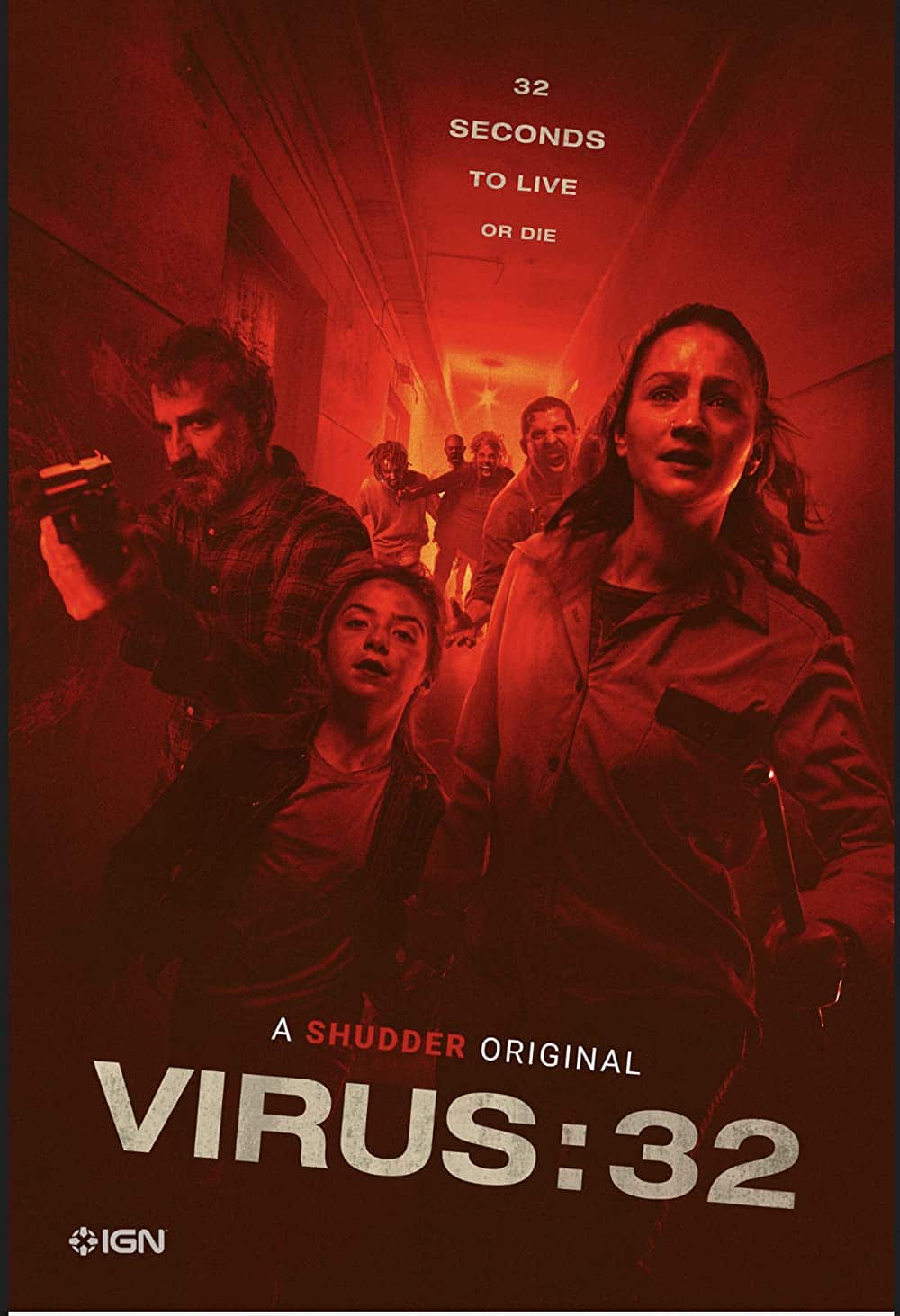
Virus: 32 looks at an outbreak of violence from the the perspective of parenthood

Virus:32

The zombie/infected horror subgenre is at a point where innovation and conceptual remixes are almost a necessity for any of its movies to succeed. The Walking Dead looked at survival from a multitude of forms and perspectives, the George Romero Dead movies took on the zombie as a metaphor for social collapse, and 28 Days Later framed the figure of the zombie-like infected human as a stand-in for society’s capacity for violence in times of crisis. Uruguayan infected/zombie movie Virus: 32 throws its hat in the ring with a story that looks inward rather than outward. Not at society as a whole but on the failings of the individual. It does so quite successfully.

Directed by Gustavo Hernández, Virus: 32 centers on Iris (played by Paula Silva) and her young daughter Tata (played by Pilar García Ayala) as a virus takes over the city of Montevideo, Uruguay. Iris is a security guard in a worryingly unkempt sports club, a place that looks more like a death trap than a place where people go to play anything. Iris is presented as a free spirit that resists meeting the traditional expectations of motherhood and responsible parenting.

Iris drinks before work, carries herself as if her life is simple and responsibility-free, and sees the idea of arriving to work on time more as a suggestion than a rule. Her attitude pushes her daughter away from her. Tata doesn’t like spending time with her forgetful mom, especially as she’s treated more like a friend than a daughter.

All of this is communicated to the audience in the first ten minutes of the film, signaling the filmmaker’s intention to make that relationship power the story at a personal level. It’s effective in that once the virus breaks out and starts becoming an immediate danger for Iris and Tata, the expectations surrounding the mother/daughter relationship come to the fore with a force, paving the way for an intimate look at these characters rather than on the total breakdown of society via infection. Iris’ parenting decisions catch up to her and they become a potent source of horror as they point to Tata’s safety not being in the most capable of hands.

Virus: 32

The main threat of the story, the thing that will metaphorically test Iris’s ability to be a good parent or not, is a virus that creates vicious killers that go berserk whenever a potential victim enters their field of view. The infected here remind of those in Garth Ennis and Jacen BurrowsCrossed, or with those in the ultraviolent 2022 virus movie The Sadness (which also borrows heavily from Crossed and 28 Days Later). They don’t eat flesh. They hunger for violence instead. In Virus: 32, the infected are incapacitated for 32 seconds after killing someone or hitting someone enough to leave them on the verge of death.

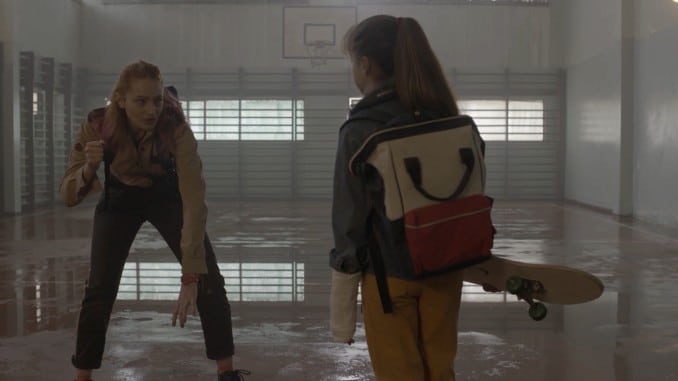
Director Hernández proves to be adept in creating a sense of horror over his characters that hinges on their fears of what they stand to lose as the pandemic breaks. For starters, Tata and Iris are split up for most of the film. Iris leaves Tata alone playing with her skateboard and kicking around basketballs as she goes to make her rounds in the sports club. Moments later, the first sign of things going completely wrong start making their way inside the club, immediately putting Iris’ decision to leave her daughter all by herself into harsh perspective.

Each terrifying development after that hits different thanks to Paula Silva’s performance as Iris. Her expressive, full-bodied performance packs an emotional punch that makes every situation feel oppressively intense, especially after another character with a unique but somewhat shared problem merges into her path (bringing another yet very different type of worry about parenthood into the story). Silva wears her character’s fears and regrets on her face and it helps the movie capture the metaphors at play more clearly.

For all of Virus: 32’s accomplishments with its personal take on the formula, there are moments, particularly in the last leg of the movie, that borrow too freely from its influences, most notably 28 Days Later. The infected behave much like those in Danny Boyle’s flick and some of the chase sequence seems ripped straight from it. The ending, too, has echoes of 28 Days, but what stuck with me was its refusal to commit to a particularly traumatic character development that happens late in the story and see it all the way through. It might’ve made for a bleaker experience, but it could’ve taken the movie’s metaphors in a different direction.

Virus: 32

Virus: 32’s decision to keep things personal helps elevate its infected/zombie story above standard fare. The movie sticks to a single location for the most part, introduces new problems with a very different and compellingly written character about halfway through, and it doesn’t settle on the grand but overused metaphor of humanity being the real monster in a zombie movie that so many others default to. It looks towards parenthood, considers how much damage it can do, and then puts it in a world devolving into senseless violence. It’s safe to say the latest wave of zombie movies has a good advocate for innovation in Virus: 32.

Virus: 32 is currently streaming on Shudder.

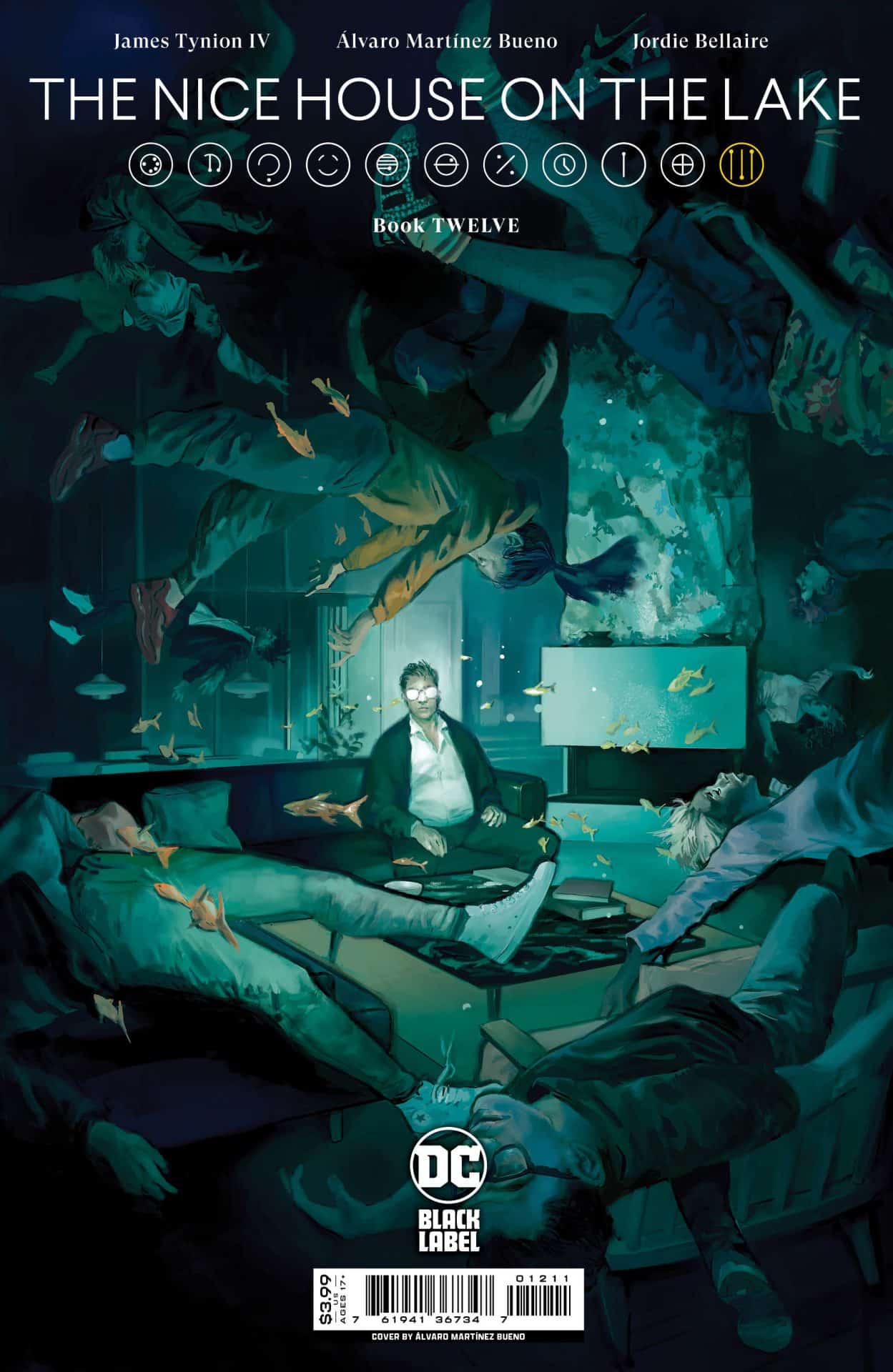
Review: The Nice House on The Lake #12

Nice

Since the very first issue of The Nice House on The Lake, I questioned whether this would be the type of story we’d get all the answers for come closing time. It had all the makings of a mystery box narrative of the kind that resists clean revelations wrapped up in neat and pristine packages. The character-focused approach to the story, with one character being the focus of a single issue throughout, even made me think that pulling the veil back on everything wasn’t entirely the point. It was about how the end-of-the-world situation the cast was living through impacted their growth and capacity for emotional adaptability (something that made the best parts of Lost succeed so resoundingly).

Now that we’re at the last stop, issue #12, I will say I feel a bit confused. It’s not that the characters didn’t reach a point of no return that changes their entire group dynamic at the core (which, to a point, it did). It’s that it felt like a fairly lax affair that ultimately ended up telling readers that the story’s a while away yet from reaching its true end. In a way, it felt a bit too restrained for it to cause any real sense of culmination, if only to signal a break in anticipation of a potentially more terrifying second part.

If you’ve been keeping up with the story (warning: some spoilers ahead) then you’ll remember certain rules within the Nice House had changed and made everyone mortal again. It takes someone’s death to change the game entirely, though, and so an urgent expectation of consequence took over the story once that happened.

Issue #12 presents the group with a decision that can disrupt Walter’s mission for good this time, one in which the idyllic and potentially utopic living conditions of the Nice House will shift into a much harsher reality that will require thinking about survival rather than just being given everything they might need to survive, as had been the case just a few issues back.

It’s safe to say by now that the story is about the burdens that friendship can instill on a group of people that don’t know how to entirely cut away from those they’d be better off not having in their lives. To an extent, it’s about the toxicity of a certain kind of friendship and how one person’s co-dependent inclinations can invade an entire network of people.

There’s a lot of this in issue #12, with the group having to decide whether to take a drastic step or not to sever ties with Walter. Most of it works, but the way it’s addressed here takes the reader back to past exchanges with Walter and his friends that we already knew about. These sequences are presented in cell phone text threads or emails and they feel more like filler than key details finally made available to the reader.

They cut away from the action too much and lessen the impact of the group’s struggles with deciding what to do with Walter, the only constant since issue #1. James Tynion IV would’ve done well to reign in those pages back to keep the focus on the group’s principal dilemma. Álvaro Martínez Bueno’s art is, as ever, perfectly calibrated to capture the emotional chaos of the moment and his facial expression work is given even more attention to help establish the momentousness of the group’s decision. It’s easy to get lost in every panel thanks to the nuances in Martínez Bueno’s character work and it truly elevates the very delicate exchanges between the group and Walter so late in the series.

Tynion does provide more generous breadcrumbs as to what Walter is and what the Nice House’s geography truly looks like in the context of the planet’s very painful and fiery death. Readers should be able to make some reliable assumptions as to what’s operating behind the scenes, especially on who Walter’s masters could be. And yet, a sliver more of information could’ve gone a long way to heighten the terror behind the personal events that transpire in the comic’s last pages.

Despite all that, I really do hope we get more Nice House in the coming year. If this last issue is meant to the closing of a part of a larger story, then it’s easier to forgive the lax nature of it and its overreliance on text-only pages. As it stands, it doesn’t really feel like an end. There’s not even enough for an open-ended type of conclusion. In fact, it feels more like a recap with a big decision in the middle of it. If this really is how it comes to a close, though, then it’s unfortunate its final moments unravel in a manner befitting of a middle chapter in a book rather than a concluding one.

Story: James Tynion IV Art: Álvaro Martínez Bueno
Colors: Jordie Bellaire Letterer: Andworld Design
Story: 6.0 Art: 10
Recommendation: Read, then cross your fingers this amazing series continues.

DC Comics provided Graphic Policy with a FREE copy for review


Purchase: TFAWZeus ComicscomiXology/Kindle

« Older Entries Recent Entries »