Author Archives: Logan Dalton

Fantastic Flops: The Fantastic Four (1994) is the scrappy underdog that couldn’t

Even though the Fantastic Four comics kickstarted the creation of the Marvel Universe, their film adaptations have been critically maligned. In the “Fantastic Flops” series, I’m going back and re-evaluating the four previous Fantastic Four films and seeing if they’re a “Flop”, “Bop”, or “In-Between”.
The Fantastic Four

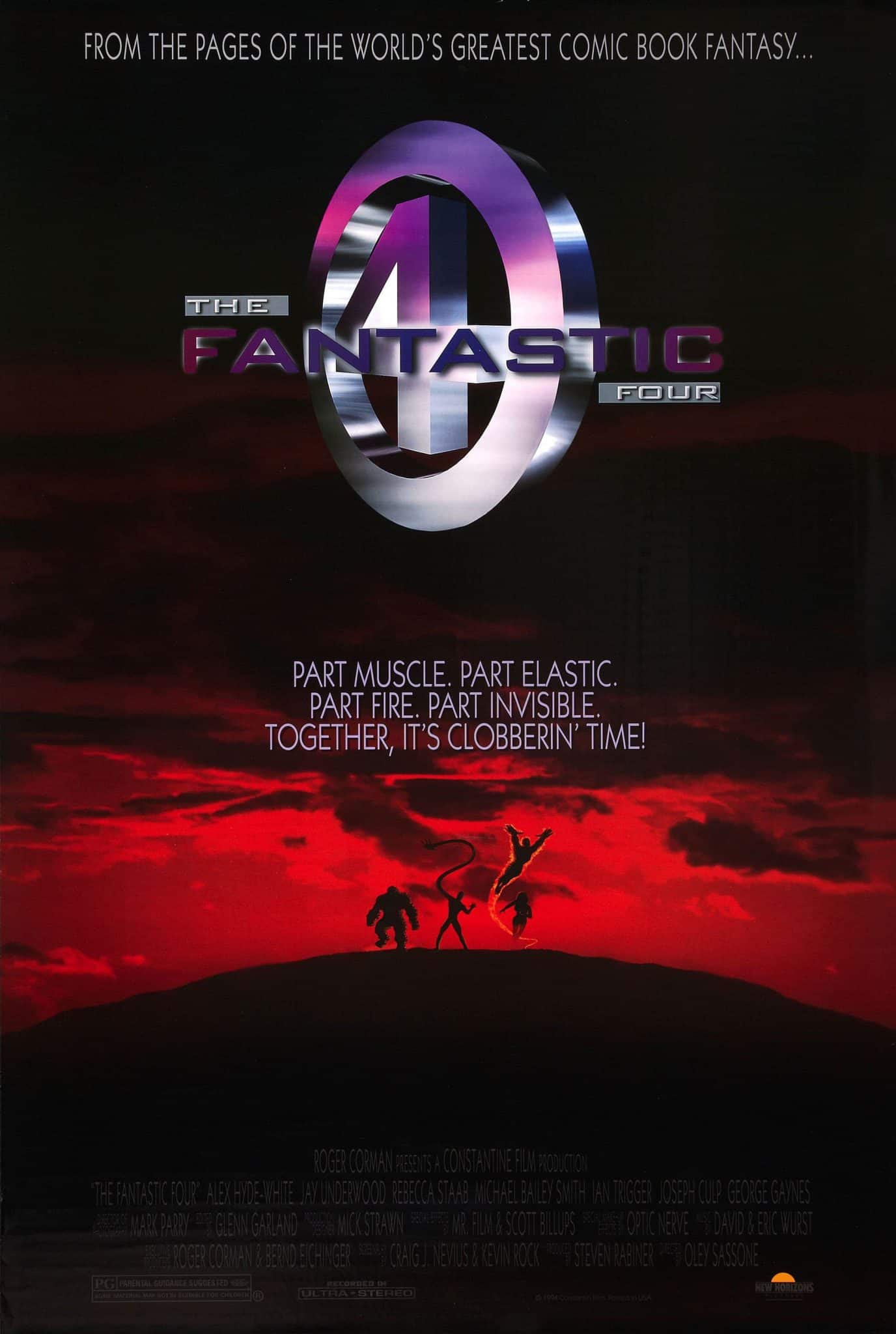
In 1994, German film company Constantin Film was set to release a live action Fantastic Four film that was executive produced by B-movie legend Roger Corman and directed by Oley Sassone, who had done music videos for Gloria Estefan, Eric Clapton, and John Lee Hooker among others. According to a 2005 issue of Los Angeles Magazine, the film was supposed to have a big premiere at the Mall of America, but without much fanfare, it was shelved. The Fantastic Four was never officially released, and reports vary on whether it was ever meant to be released or was hastily produced so that Constantin and executive producer Bernd Eichinger could hold onto the rights for a future film. There is a lot of information about The Fantastic Four’s production, including a feature length documentary, but how does the actual film hold up.

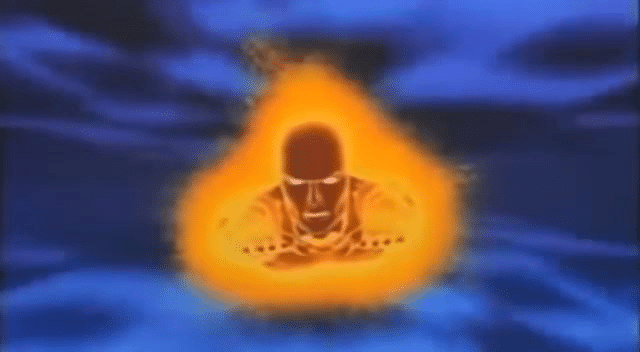
From the cheesy opening credits sequence featuring planets and astronomical phenomena, The Fantastic Four shows every bit of its estimated $1 to $1.5 million budget. Sassone and cinematographer Mark Parry use shoddy trick photography to show off Reed Richards’ (Alex Hyde-White) stretching ability including the film’s infamous final shot of his arm waving like the inflatable thingmajigs you see outside cellphone stores. More cleverly, they take a 1966 Batman approach to action with animated images of the Thing and punching sound effects filling the frame instead of actual fight scenes. Thankfully, invisibility is the lowest budget superpower ever, and I got some dark laughs from Sue Storm (Rebecca Staab) disappearing, and two henchmen shooting each other. Unfortunately, the Human Torch’s (A hyperactive and irritating Jay Underwood) big scene where he goes nova into Dr. Doom’s death laser is ruined by a patchwork hybrid of early CGI and animation. Honestly, a fun stylistic choice in this scene would be using the original Jack Kirby Human Torch illustrations and putting them into motion like the 1967 Fantastic Four cartoon. To end my special effects gripes on a positive note, I do adore the tactility and texture of the rubber suit that The Fantastic Four crafts for The Thing (Suit actor/stuntman Carl Ciarfalio)
The Fantastic Four Human Torch

Visual limitations aside, The Fantastic Four is fairly faithful to the spirit of the Stan Lee and Jack Kirby comics with each team member’s superpowers connecting to their personalities. The use of character actors instead of movie stars gives the film a down-to-Earth feel. Also, Fantastic Four are portrayed as accidents and monsters not superheroes like in their initial appearances. One of my favorite sequences in the film is The Thing wandering off and being shunned by regular people, but finding companionship and worship by the Jeweler’s (A very creepy Ian Trigger) minions. It drives home the point that while Reed, Johnny Storm, and Sue Storm can live fairly normal lives with their abilities that Ben Grimm’s (Michael Bailey Smith) life has irreversibly changed. However, his connection to Alicia Masters (Kat Green) still roots him in humanity so he doesn’t fall into villainy and arguably is the most heroic character of all in the film. This heroism is set up earlier in the film when Grimm risks burns to rescue Victor Von Doom (Joseph Culp) from an experiment gone wrong.

Culp probably gives the strongest performance in the film in the dual role of Victor Von Doom and Dr. Doom. He goes from a weird, slightly off-putting college student to the ultimate supervillain even if his voice is muffled by the comic book accurate Dr. Doom suit. (Ciarfalio has this issue as Thing too, which messes with the timing of his one-liners.) Oley Sassone does a lot of money-saving extreme close-ups on Doom’s face, but Joseph Culp exudes real menace, especially when he finally decides to get his hands dirty. I also love the hints of Doom as manipulator like when he lets the Jeweler sabotage the diamond that powers Reed Richards’ ship instead of committing his men to the fray, and how he shrinks from humanity when Richards tries to appeal to their own friendship. It reminded me a lot of Obi Wan and Darth Vader in a good way, which makes sense because Doom and Darkseid may have influenced George Lucas’ creation of Darth Vader. In both the portrayals of Doom and the Jeweler (A less scientific Mole Man with just a drop of Puppet Master.), Sassone and screenwriters Craig J. Nevius and Kevin Rock embrace the classic comic book villain without any attempt at irony.

The Fantastic Four Doctor Doom

Speaking of screenwriting, it’s the rushed nature of The Fantastic Four‘s storyline that drops the film from “In-Between” into “Flop” territory. A la David Lynch’s Dune, if you’re not familiar with the Fantastic Four, a lot of the moments in the story can be confusing like why Reed Richards’ landlady’s children are on the test flight with him and Ben Grimm, or why Grimm is in love with a woman that he awkwardly bumped into once on a flight of stairs. The Fantastic Four has a 90 minute running time, which leads to establishing scenes getting cut especially with the film having two villains, a flashback with Richards and Von Doom in college, telling the team’s origin story, and featuring the marriage of Reed and Sue. Nevius and Rock definitely should have included a scene showing Johnny and Sue connecting to Reed’s work (Instead of one of him being super creepy to an underage Sue, played by Mercedes McNabb aka Harmony Kendall from Buffy the Vampire Slayer.), one setting up Dr. Doom’s whole deal in Latveria, and maybe Thing and Alicia Masters getting to know each other at the Jeweler’s place instead of skipping straight to “I love you”. There’s definitely a feeling that the screenwriters want to get to the cool highlights of the Fantastic Four’s early career without the connective tissue that make these moments so memorable. At least, they didn’t try to shoehorn Silver Surfer or Galactus in the film.

Featuring scrappy character actors instead of Hollywood stars, a shoe string special budget, and a real love for the classic Stan Lee and Jack Kirby Fantastic Four comics, The Fantastic Four unexpectedly charmed me, especially since I have a soft spot for unpolished B and Z-films. However, the film’s rushed pacing and some truly moronic plotting decisions as well as the creepiness of characters like Reed Richards and the Jeweler keep it from being something I would ever revisit. I do love the similarities in the characters’ suits in The Fantastic Four and Fantastic Four: First Steps.

Verdict: Flop
Early Review: Godzilla: Escape the Dead Zone #1 shows there’s rooms for a variety of genres in the Kai-Sei era

Godzilla: Escape the Dead Zone #1

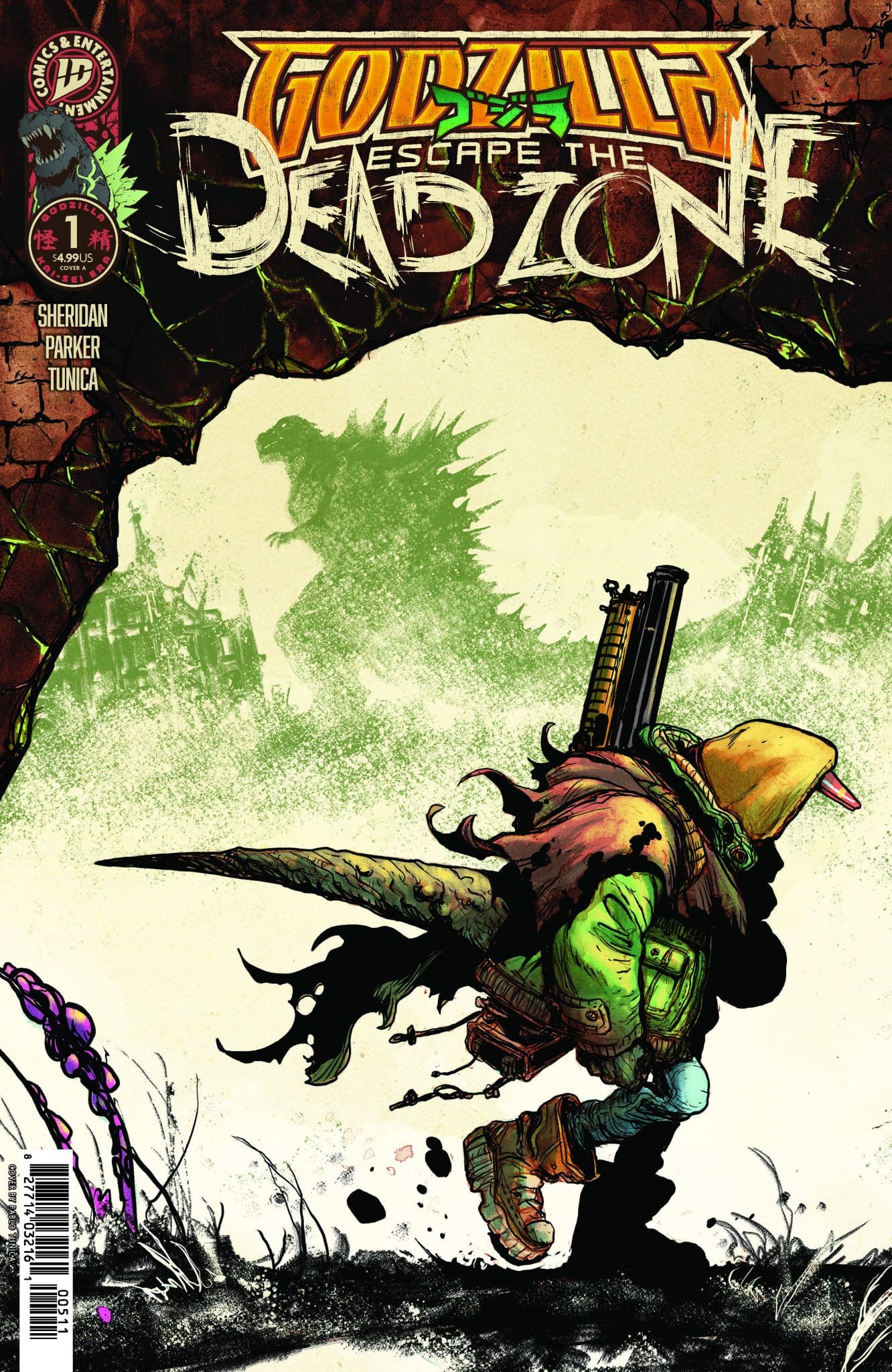
Godzilla: Escape the Dead Zone is the dirty, grungy little sibling of the shining Kai-sei era flagship book, Godzilla. In the book, writers Ethan Parker and Griffin Sheridan and artist Pablo Tunica show every day life in the kaiju and radiation-infested Dead Zone, an area that used to be Seattle and has been left for dead by the United States government. The story centers around a mysterious half-kaiju, half-human figure that is treated like an urban legend by the locals until he appears in glorious Tunica Technicolor. For the most part, Godzilla: Escape the Dead Zone #1 sets up this particular corner of the United States as well as its protagonist’s role in it before kicking into the real meat of the series’ ongoing plot towards the end of the issue.

As a comic, Godzilla: Escape the Dead Zone is built on vibes, namely, anarchic one. Pablo Tunica’s graphomania is self-evident, especially when the desert winds swirl, and monsters come out of hiding. There’s a lived-in feel to his line art with the characters definitely looking like they survived some kind of monstrous disaster. I love that Tunica colors himself, and blasts of punk rock colors offset the post-apocalyptic gloom and add tension to the fight sequences. He also plays with anatomy with limbs swaying and rocking in this irradiated world. That’s all to say that this book has a bit of edge to it compared to other licensed books: it’s more street art than IP. The main character, in particular, looks really cool.

Godzilla: Escape the Dead Zone focuses on the folks that have been left behind in a world centered around giant monsters and the energy they emit. The monsters that appear in the book are relatively small-ish fries compared to Godzilla and the other Toho big guns, but with no military or sci-fi technology, they pose a dire threat to the denizens of the Dead Zone. There aren’t any heroes or villains in this world: just survival. From the first page, Parker, Sheridan, and Tunica strip away contemporary comforts and hurl you into the deep end of this dangerous world where finding a beer or a smoke could cost your life, but a human/monster hybrid with a giant tail could be your salvation.

Featuring bright colors, an end of the world aesthetic, and gnarly, feral monsters, Godzilla: Escape the Dead Zone #1 shows there’s rooms for a variety of genres in the Kai-Sei era.

Story: Ethan Parker and Griffin Sheridan
Art: Pablo Tunica Letters: Nathan Widick
Story: 7.7 Art: 8.8 Overall: 8.2 Recommendation: Buy

IDW Publishing provided Graphic Policy with a FREE copy for review


Pre-Order: Third Eye

Mini Reviews: Aliens vs. Avengers #4, You Never Heard of Me #5, Godzilla vs. Avengers #1, Krypto: The Last Dog of Krypton #1, Exquisite Corpses #2, Emma Frost: The White Queen #1

You Never Heard of Me #5

Sometimes, the staff at Graphic Policy read more comics than we’re able to get reviewed. When that happens you’ll see a weekly feature compiling reviews of the comics, or graphic novels, we just didn’t get a chance to write a full one for.

These are Graphic Policy’s Mini Reviews and Recommendations.

Logan

Aliens vs. Avengers #4 (Marvel) Jonathan Hickman, Esad Ribic, and Ive Svorcina‘s Aliens vs. Avengers miniseries concludes in bleak, operatic fashion with a pitched battle between the remaining superheroes and Wakandan empire soldiers and the Sinister/xenomorphs. With the universe dying/concluded, the fighting is truly no holds barred, and there’s plenty of creative kills and heroic sacrifices. Ribic is known for his widescreen, epic work, but he showcases his gift for motion in a sequence where Wolverine, Armor, and Emma Frost try to take out Emma Frost. But Aliens vs. Avengers #4 isn’t just fisticuffs, and it features some classic Hickman philosophical underpinnings about life in a universe whose creators hate it. (Seriously, best use of the Engineers from Prometheus ever.) Overall: 8.7 Verdict: Buy

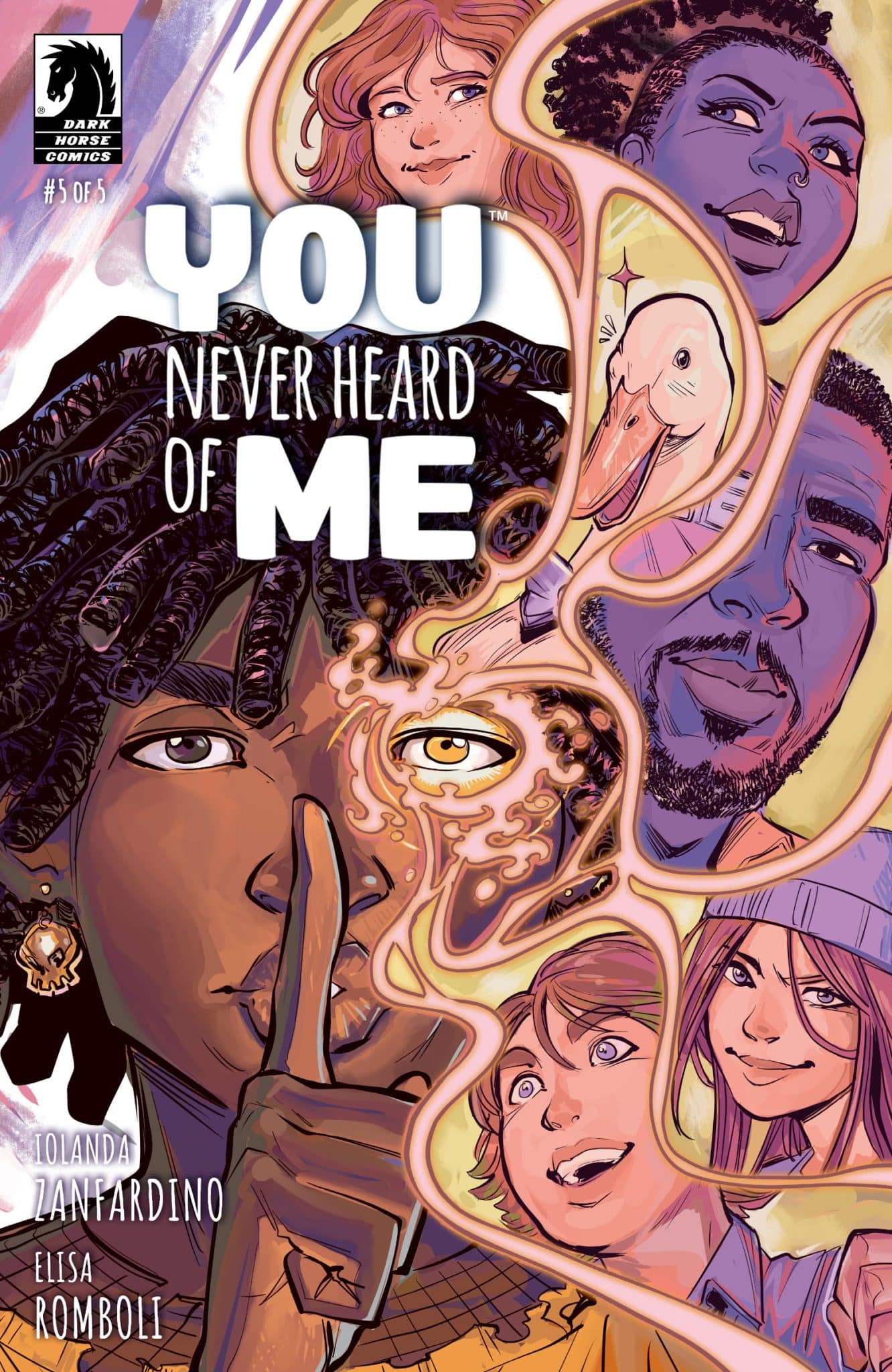
You Never Heard of Me #5 (Dark Horse) – Oh boy, this was a tear jerker. Iolanda Zanfardino and Elisa Romboli conclude the saga of Will, the boy with powers of foresight that he didn’t want, with a beautiful, earned happy ending as he grows closer to both his family and new friends. Zanfardino is so good at writing intimate, poignant conversations with Romboli’s expressive visuals making them that more expressive like Charlie connecting with her dad, who gives her the courage to ask the girl she likes out. The comic made me cry, but it also gave me a lot of good feelings as well especially in some of the visions of the future which get their own gold-tinged color palette. Overall: 9.4 Verdict: Buy

Emma Frost: The White Queen #1 (Marvel) – In Emma Frost: The White Queen #1, Amy Chu, Andrea DiVito, and Antonio Fabela turn the clock to the bad old days when Frost was a villain and not an X-Man. Until a Chris Claremont/John Byrne X-Men lineup teleport in to rescue an Argentine anti-fascist mutant, this comic is a delicious look at how Frost manipulates so-called powerful men with her right hand woman Noor. After that, it turns into a standard issue throwback X-Men comic, but Di Vito makes the nostalgia look good with fastball specials plus a Wolverine/Hellfire Club rematch with a twist. This series isn’t essential, but could potentially be a solid intermediate step between Emma Frost the White Queen and Emma Frost the superhero. Overall: 7.0 Verdict: Read

Godzilla vs. Avengers #1 (Marvel)Godzilla vs. Avengers #1 is definitely the weakest of the Godzilla vs Marvel one-shots as David Walker, George Jeanty, Karl Story, and Frank D’Armata overindulge in 2000s nostalgia in a talky, yet substance-less issue. Yeah, most of this comic is the New Avengers bantering to an exasperated Maria Hill about a battle versus Godzilla in Astoria, Oregon guest starring Fin Fang Foom and Jet Jaguar. (I do love the ongoing joke about how Jet Jaguar neither resembles a Jet nor a Jaguar.) A little Bendis talk is fun, but this is just overload especially when we get a 24 panel page speculating on Fin Fang Foom’s gender identity. Probably Godzilla vs. Avengers‘ biggest weakness is there no real throughline or connection between the kaiju and Marvel material. It’s just a generic superhero battle with quips on quips, and every character sounds the same except Captain America. Overall: 5.7 Verdict: Pass

Krypto: The Last Dog of Krypton #1 (DC)Ryan North and Mike Norton turn in a story of Krypto’s younger days and journey to Earth filled with heart and humanity. I love how they center the narrative around Krypto with Kal-El only playing an ancillary role although Jor-El and Lara-Zor-El’s anxiety about Krypton kickstart the plot, especially its first half. Norton’s background drawing Battleplug comes in handy as his take on Krypto is expressive and shows a wide range of emotions, especially during the comic’s several silent sequences. The back half of Krypto #1 is relatable to anyone who has felt lost and alone in a strange land. This series could end up being the *definitive* Krypto story and look forward to seeing how the protagonist interacts with his unexpected ally introduced on the final page cliffhanger. Overall: 8.8 Verdict: Buy

Exquisite Corpses #2 (Image) Exquisite Corpses #1 was so epic in concept and execution that it’s normal that Exquisite Corpses #2 has a little bit of a sophomore slump. However, James Tynion IV, Michael Walsh, Mariana Ignazzi, and Jordie Bellaire have fun with a little sexy killer versus creepy killer as well as showing hopeless it is for the townsfolk of Oak Valley. There’s plenty of gore and creative kills as Pretty Boy and the Congregation team up. There’s big Texas Chainsaw Massacre vs Interview with a Vampire vibes (Even though Pretty Boy is of the living.) with a charming, good looking killer matching skills with a disgusting, cultish one. However, Exquisite Corpses continues to make the ordinary folks of Oak Valley the most sympathetic figures even as they’re led as lambs for the slaughter. Maybe, at least, some of them will survive. Overall: 8.0 Verdict: Buy

Review: Bytchcraft #1

Bytchcraft #1

To preface this review, I’d like to say that I used to hang out with Bytchcraft‘s writer Aaron Reese at various cons before the COVID pandemic, such as C2E2 and Brooklyn’s Flame Con. They were a beautiful, creative soul with an amazing sense of humor and the fiercest sense of fashion. Aaron’s work for Comics Alliance inspired me in my early days as a comic critic, and even though we lost touch in recent years, I loved seeing them share art and images from Bytchcraft on Instagram and was incredibly sad to hear about their passing earlier this year. Reading Bytchcraft #1 was like having one last conversation with Aaron, and I’m glad that the whole comic book reading public can experience their literal magical vision.

Like all good first issues, Bytchcraft #1 establishes its three key characters, chief conflict, and offers an initial look at a world full of danger, magic, and badass queer witches. Aaron Reese and Lema Carril go beyond a simple light/dark magic dichotomy and take a nuanced look at the occult through the perspectives of the series’ three leads, Adriyel, Michele, and Em. Reese gives each lead a completely unique personality and voice as well as a complex web of relationships that’s only hinted at in this first issue. “Emo boi” necromancer Em is my favorite character so far, and some of their dialogue makes me laugh out loud like a line where they mention their dancing style. Bytchcraft deals with apocalypses, creepy cults, and eclipses, but there is still time for fun like an extended night club sequence, which is an opportunity for Carril to show off their flair for fashion and reveal more about the protagonists through their clothing choices.

Speaking of Lema Carril, their line art and Bex Glendining’s majestic color palettes make Bytchcraft #1 a memorable first issue. Carril’s character designs are iconic, but they have storytelling chops as well. For example, they and Aaron Reese use a lot of three panel layouts to play off Wicca’s Rule of Three and reveal the separate, yet unified nature of the book’s main coven. Triangles, and sacred geometry in general, also play a key role in the world of Bytchcraft so this all connects to the creators’ triplicate approach to layouts. To top things off, Glendining adds an extra sheen to sequences with magical energy and a complexity to the dark background colors that play off the characters’ approach to magic. They also make sure the characters are well lit so Reese’s dialogue and Lema Carril’s facial expressions can stand out.

If you enjoyed Buffy the Vampire Slayer or Charmed, but wished that the cast didn’t resemble the contents of a Duke’s mayo bottle so much or had a more in-depth and respectful view of the occult, then Bytchcraft #1 is the comic for you. Aaron Reese and Carril take some massive worldbuilding swings in this first issue while not neglecting the best part of the book, the interactions between Adril, Michele, and Em as well as their guardian, the ethereal Mthr. I can’t to dive into this world that Aaron left behind for all us queer comics reading kids trying to find connection in an uncertain, oppressive world.

Story: Aaron Reese Art: Lema Carril
Colors: Bex Glendining Letters: Morgan Martinez
Story: 8.8 Art: 9.2 Overall: 9.0 Recommendation: Buy

Mad Cave provided Graphic Policy with a FREE copy for review

Purchase: Zeus Comics

Mini Reviews: Marvel United: A Pride Special, Lost Fantasy #2, and Absolute Batman #9

Marvel United: Pride

Sometimes, the staff at Graphic Policy read more comics than we’re able to get reviewed. When that happens you’ll see a weekly feature compiling reviews of the comics, or graphic novels, we just didn’t get a chance to write a full one for.

These are Graphic Policy’s Mini Reviews and Recommendations.

Logan

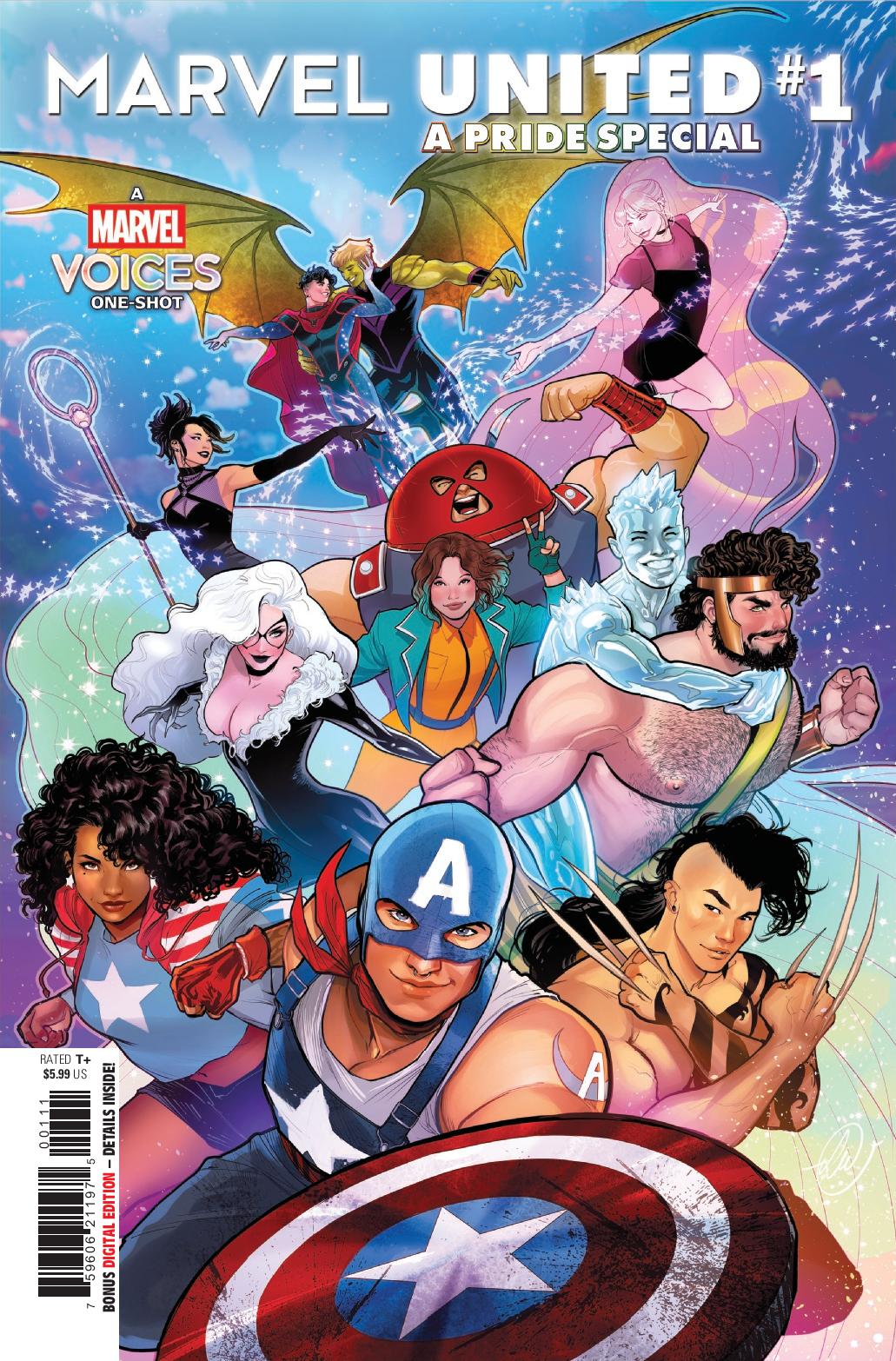
Marvel United: A Pride Special (Marvel) – The good ol’ 616 Universe gets into the Pride spirit with four wonderful, action-packed short stories featuring both LGBTQ+ characters and creators, including a few personal faves. Marvel United starts with a cosmic deep dive bang with Al Ewing and Kei Zama spinning a yarn of Aaron Fischer’s Captain America, Escapade (ice to see her back.), and Charlene McGowan battling Hate Monger with the power of love, inclusivity, trippy art, and old school Marvel lore. Up next, Wyatt Kennedy and Baileigh Underwood turn on the waterworks in a wholesome story about Mystique’s love for Nightcrawler centered a dream she had about raising him as a boy. It’s bittersweet seeing Kurt grow up in a loving home with Mystique and Destiny, but Kennedy and Underwood make up for it by showing Mystique being proud of the blue fuzzy elf in the present day. I love how this story shows the softer side of Raven Darkholme. Be gay, do crime, and have heart to heart’s about exes is at the core of “Bolter”, a Sera/Black Cat team-up from Zoe Tunnell and Federica Mancin. Even though they’ve never ran into each other in comics before, Sera and Felicia Hardy are instant frenemies, and I love how this story also leaves the door open for a Sera and Angela reunion with Mancin’s visuals underlining the deep feelings they have for each other. Marvel United concludes with a story set in the 1940s featuring Captain America and Marvel’s 1st LGBTQ+ character Arnie Roth from Anthony Oliveira and Pablo Collar. This story reveals how much of the DNA of Steve Rogers’ heroism was in his gay neighbor who was denied benefits by the VA because of his sexuality, but was finally memorialized towards the end of this story. Their friendship complements the action nicely, and an interview with Roth co-creator J.M. DeMatteis provides insight into his work and career as well as how far LGBTQ+ representation has come in comics. I love how Marvel United gets to the humanity of characters like Escapade, Mystique, Sera, and Arnie Roth underneath the shiny costumes and hopefully sets them up for more appearances down the road in Marvel comics. Overall: 9.0 Verdict: Buy

Lost Fantasy #2 (Image) Lost Fantasy continues to be an engaging blend of fantasy and noir from Curt Pires and Luca Casalanguida. This issue features bullet magic and a hidden occult world layered over our own. The small town setting offsets the giant swords, lightsabers, and monsters nicely, and I love how the protagonist’s conflict is as much psychological as physical. As a bonus, we get another chapter of Pires’, Rockwell White, and Alex Diotto‘s “Indigo Children”, which is a high octane saga rooted in space opera and the technological parts of old school superhero comics. Overall: 7.7 Verdict: Buy

Absolute Batman #9 (DC) – He only appears in his full glory towards the end of the issue, but Absolute Batman #9 debuts its bigger scarier, take on Bane courtesy of Scott Snyder, Nick Dragotta, and Frank Martin. Batman’s new mission is rescuing his friend Waylon Jones from Ark M, and he acts with increased desperation and separation from his mom and deeper connection to Pennyworth and his future rogues gallery. There are all kinds of supporting characters, backstories, and subplots filling the margin, but Snyder and Dragotta ignore this noise and masterfully meld the martial arts and slasher genres as all of Batman’s training is no match for Bane. I got chills when the narration dropped out, and colorist Martin accentuates the shadows. Overall: 8.3 Verdict: Buy

Toxie Team-Up #1 is a fun return to the world of Second Coming

Toxie Team-Up #1

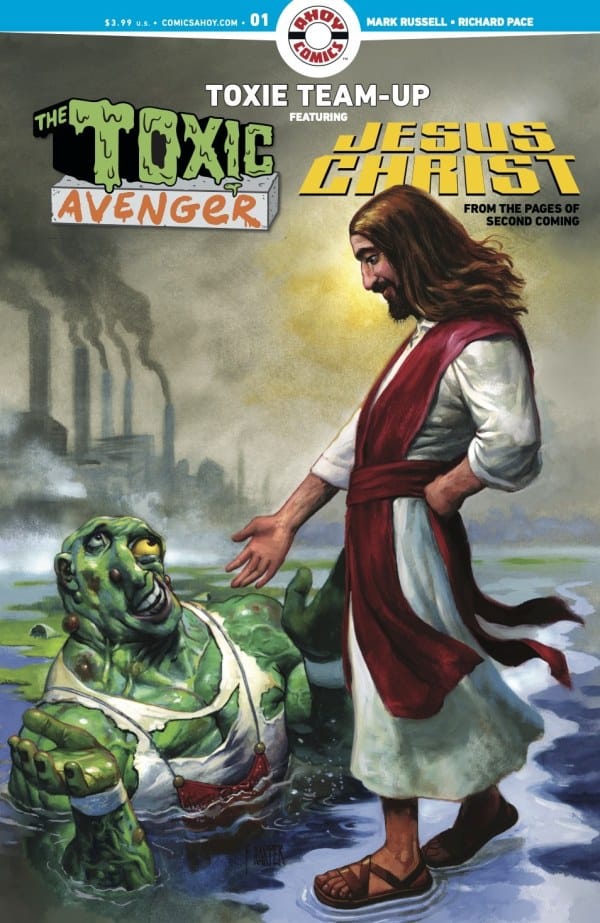
Toxie Team-Up #1 pairs Troma’s Toxic Avenger with the protagonists of other AHOY Comics. Up first is Jesus Christ from Mark Russell and Richard Pace’s Second Coming, and it goes on an all-out assault on late stage capitalism with Jesus and Toxie teaming up to take down the greedy executive of a local Tromaville soup kitchen. There’s a lot of caption boxes about theology and ethics as well as big panels of Toxie smashing (usually deserving) folks’ heads through walls as Jesus molds him into someone who goes after the underlying causes of society’s ills and not just its symptoms.

Russell and Pace definitely have good hearts, but the weird, twisted nature of Tromaville kind of cushions the blows and shock value of the inclusion of Second Coming‘s Jesus in this comic. That series (And Pace’s deadpan art style.) worked because it was about Jesus appearing in regular day society and seeing how little had changed in two millennia since he worked. However, the world of Tromaville is already a slimy mirror at society so the actual Jesus showing up is just another weird wrinkle instead of something jaw dropping and novel. Toxie Team-Up treats Jesus like William Shakespeare’s Merry Wives of Windsor treated Sir John Falstaff as a heightened version of an iconic character is placed into a wacky world that’s unlike the setting he debuted in.

However, where Toxie Team-Up #1 succeeds is at the “team-up” part of the title. Mark Russell’s script and the way Richard Pace draws the characters’ physicality gives Jesus and Toxie a fun yin yang type of vibe with Our Lord and Savior having a zen presence compared to the Toxic Avenger’s unbridled rage. I love how they bond over chaotic situations like being thrown into the garbage chute or creating tons of sandwiches out of a few bits of bread and tuna as well as their shared sense of injustice. Toxie is an exposed nerve while Jesus is a strategic sage, who isn’t afraid to get his hands dirty every now and then although the eventual comeuppance against the manager of the soup kitchen comes across as quite tame.

To go along with Toxie and Jesus’ bond, Russell and Pace craft a pathetic, create-shareholder-value stooge of an antagonist in the soup kitchen manager, Mr. Frank, that is cathartic for a world where it seems like profit is the only thing that matters. In his palatial office, Frank is completely disconnected from the folks at the soup kitchen he’s serving, and he treats Toxie and Jesus like wait staff and not colleagues. In fact, the soup kitchen is just a front for him to indulge in the basest of hustle culture and exploit the most vulnerable folks of society for his own personal profit. However, Mr. Frank isn’t some kind of supervillain or demon, but that most banal type of evil, middle management.

All in all, Toxie Team-Up #1 is a fun return to the world of Second Coming even if it lacks its parent title’s satirical bite. (The soup kitchen manager naming his model trains after the victims of experimental toxic waste experiments.) I love the arc of Jesus helping Toxie harness his rage to effect real societal change, and they have big co-workers at a crappy job energy. Also, it’s cool to see Richard Pace embrace a more over-the-top Troma style with his visuals to offset his usual realistic style that he showcases in the book’s lone flashback sequence.

Story: Mark Russell Art: Richard Pace Letters: Rob Steen
Story: 7.4 Art: 7.8 Overall: 7.6 Recommendation: Read

AHOY Comics provided Graphic Policy with a FREE copy for review


Purchase: Zeus Comics

The Umbrella Academy: Plan B #1 is like getting kicked in the teeth after a six year nap

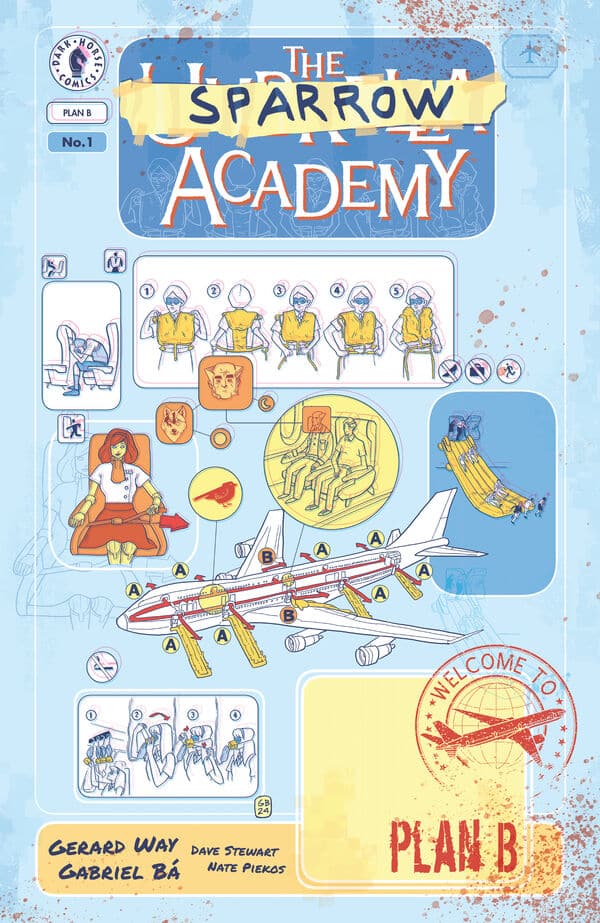
Gerard Way and Gabriel Ba’s The Umbrella Academy is back with its fourth volume, Plan B. The Umbrella Academy: Plan B #1 offers readers of the comics their first extended glimpse of The Sparrow Academy who terrorize and subvert our protagonists every step of the way beginning with Ba’s clever cover for the comic, which features a sort of vandalism of the usual team shot and succinctly tells the story of The Sparrow Academy’s first mission in an airplane seatback diagram meets a school composition book design. There are call backs to The Umbrella Academy: Apocalypse Suite #1 with Way and Ba showing the surface similarities between The Umbrella and Sparrow Academies before ripping them apart.

The plot of The Umbrella Academy: Plan B #1 is the comic book equivalent is kicking a dog while it’s down over and over again. Oh, and then let’s rub your cute little face in the mud and treat the characters that you have been spent years connecting with in both the comics and television medium with the utmost of disrespect. Part of the appeal of The Umbrella Academy is the utterly screwed up nature of the book’s main cast, and Way and Ba play on this vulnerability for maximum drama and a colorful action sequence. Seriously, Gabriel Ba and colorist Dave Stewart bring out the bright lights and surrealism to establish the Sparrow Academy’s abilities and personalities through action not exposition. For everything The Umbrella Academy throws at them, there’s a superior countermeasure. And, of course, pulling the strings in the background like it was revealed in Hotel Oblivion is the android Mom, who raised the Umbrella Academy members while Sir Reginald Hargreaves was doing God knows what. A borderline-fascist android antagonist definitely hits home in 2025 in the era of Open AI taking over everything especially with Mom being the original “trad wife”.

Reading The Umbrella Academy: Plan B #1 is like getting kicked in the teeth after a six year nap. Gerard Way lets Ba’s visuals drive the momentum of the comic while giving everyone a much anticipated Umbrella vs Sparrow Academy throwdown that lives up to the hype. I marvel at the book’s powerful approach to fight choreography as well as the smart color choices from Stewart that help keep the long list of combatants distinct. Plus Way and Gabriel Ba’s prose is still as quirky and rhythmic as ever with the Sparrow Academy playing the role of upstart opening band that really should be the headliner in every way. Plan B is a confident return for The Umbrella Academy series, and I’m excited to see how the story plays out of this summer. It could make for entertaining reading while you wait in various lines to see My Chemical Romance on their “Long Live the Black Parade Tour”.

Story: Gerard Way and Gabriel Ba Art: Gabriel Ba
Colors: Dave Stewart Letters: Nate Piekos
Story: 8.0 Art: 9.0 Overall: 8.5 Recommendation: Buy

Dark Horse Comics provided Graphic Policy with a FREE copy for review


Purchase: Zeus ComicsThird Eye ComicsGolden Apple ComicsKindle

Mini Reviews: Marvel Knights: The World to Come #1, Imperial #1, and Godzilla Heist #4

Imperial #1

Sometimes, the staff at Graphic Policy read more comics than we’re able to get reviewed. When that happens you’ll see a weekly feature compiling reviews of the comics, or graphic novels, we just didn’t get a chance to write a full one for.

These are Graphic Policy’s Mini Reviews and Recommendations.

Logan

Marvel Knights: The World to Come #1 (Marvel) – Although it features expertly rendered art from Joe Quesada and warmly nostalgic coloring and letters from Richard Isanove and Richard Starkings, Marvel Knights: The World to Come #1 is a self-indulgent epilogue to Priest‘s iconic run on Black Panther. It’s both self-serious and parody with Priest’s narrator (Still Everett Ross!) poking fun at his non-linear storytelling. Priest goes back and forth in time without spending enough time to set up each era. Even the notes in the back feel like half-baked worldbuilding compared to other potential futures in the Marvel Universe, and some of Priest’s word and dialogue choices are cringeworthy. I feel like this comic might have been fun in 1998, but it feels like moldy leftovers in 2025. Joe Quesada deserved some better scripts for his return to interiors. (Thankfully, Marvel Knights #1 is less wordy than Kevin Smith’s Daredevil.) Overall: 5.3 Verdict: Pass

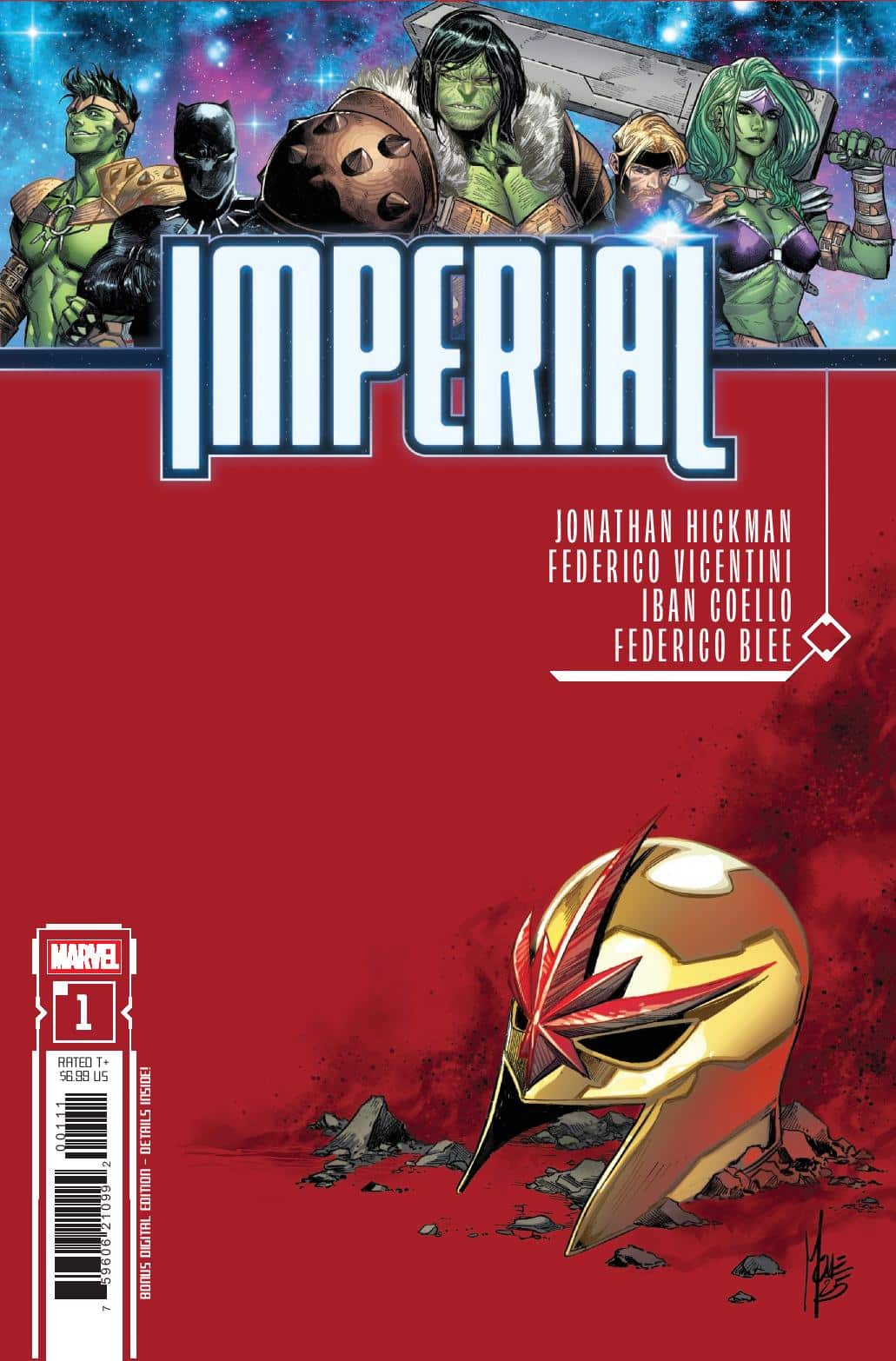
Imperial #1 (Marvel)Jonathan Hickman, Iban Coello, and Federico Vicentini‘s Imperial is a little space opera, a little mystery, and a whole lot of fun. Heads of state across the cosmic side of the Marvel Universe are getting poisoned included Hulk’s estranged son Skaar, and a disparate cast of characters must find out who’s responsible before the universe breaks out into war. Imperial #1 is full of political intrigue, but what’s really compelling is the tension between father and son represented between Peter Quill and J’Son of Spartoi and the aforementioned Hulk and Skaar. Richard Rider’s Nova presence is welcome too, and Hickman, Coello, and Vicentini ably balance space action and passive aggressive backstabbing. Imperial #1 is an epic first salvo in a blockbuster summer event series that (as far as I know) doesn’t require reading 20 other books. Overall: 8.7 Verdict: Buy

Godzilla Heist #4 (IDW Publishing) Van Jensen, Kelsey Ramsay, and Heather Breckel get the job done in this fast-paced penultimate issue of the heist/double crosses with giant monsters miniseries. Protagonist Jai comes face to face with a mad scientist and his mother’s invention Mechagodzilla all the while Godzilla is rampaging through London. Godzilla Heist #4 is light on the Godzilla and heavy on the heist with Jai spending the issue trying to get out of a very stressful situation punctuated by Breckel’s use of reds. There are also some flashbacks, a wee bit of character growth for Jai, and plenty of gun play and hand to hand action setting up a battle royale in the finale. Overall: 7.9 Verdict: Buy

DC Pride 2025 is an ambitious comic that takes the time to dig into the characters’ individual hopes, fears, and dreams

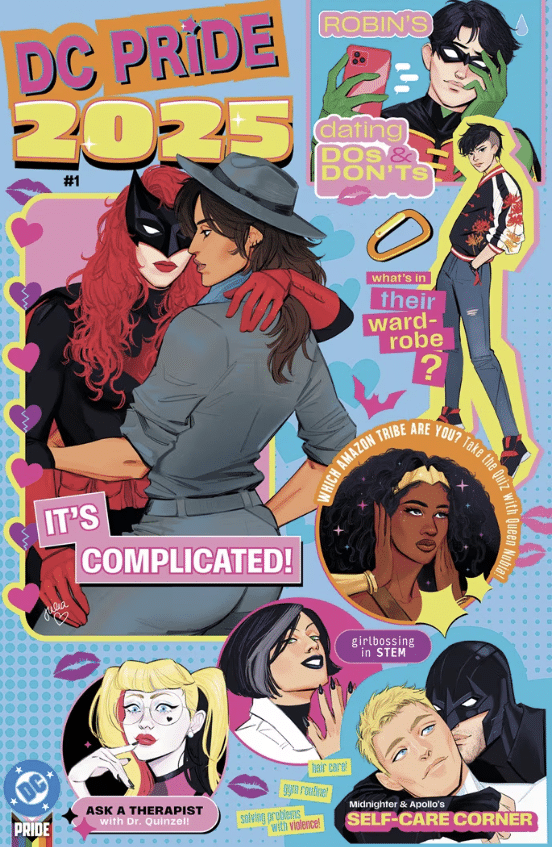
DC Pride 2025 #1 is a little different from the previous installments of DC Pride in that it’s not a collection of short stories featuring LGBTQ+ DC Comics characters, but is a single narrative centered around a gay bar that Alan Scott frequented in the 1930s and told predominantly from the POV of a new character named Ethan, who is a trans military veteran that ends up caught up a kind of multiversal/elemental saga. I applaud the scope of this comic book, which has big jam session energy as different characters end up in different pocket realities based on wishes they made at the gay bar or graffiti they scrawled. We get Apollo and Midnighter living in 1950s domestic bliss courtesy of Sam Maggs and Derek Charm, a single, psychiatric girl boss Harley Quinn from Maya Houston, Max Sarin, and Marissa Louise ; and a gorgeous sapphic romance between Jo Mullein and Nubia from Houston, Vita Ayala, and Vincent Cecil to name a few. The reading effect is like jumping from comic to comic and look at paths not trodden with some iconic queer characters and a few new or not so iconic ones.

As Tim Sheridan, Giulio Macaione, and Emilio Pilliu Alan Scott-centric frame story shows, fighting supervillains and having superpowers is a metaphor for being queer in DC Pride 2025. It might be tempting to give up and lie low, especially with the United States’ hard turn to fascism, and homophobia and transphobia promoted by folks in power, but Alan Scott, Ethan, and their companions’ actions in the comic act as a clarion call to resistance. The stuff with the Crimson Flame and Scott having his own Red Lantern is a little Geoff Johnsian for my taste, but it’s so cool to watch Alan Scott have a Sailor Moon type transformation sequence and return into action to help save the next generation of queer heroes symbolized by Ethan. I love Macaione’s use of greens to show a possible, idyllic future for Scott and a non-Red Lantern/Russian spy Johnny Ladd, but it’s a happiness based on a lie like the other possible futures in the book.

However, DC Pride 2025 isn’t all serious action and has a lot of humor and playfulness. Jude Ellison S. Doyle and Alex Moore recontextualize Golden Age Z-list Wonder Woman villain Blue Snowman coming to terms with their gender fluidity alongside nonbinary superhero Envoy in one vignette. I love how they poke fun at the restrictions of the gender binary using the classic tropes of a superhero brawl, and how even well meaning cisgender people can be just plain annoying at times. It’s so cool seeing this kind of story and voice in a mainstream, corporate comic showing that nonbinary characters don’t just have to be righteous heroes, but can be kind of messy too. DC Pride 2025 really hits the spectrum of queer identities, including asexuality with Connor Hawke getting a short story where he resists his father’s reputation as a womanizer and just wants to live his own life. I have to give a special shout out to Philip Sevy’s art in this short sequence, which seems like it’s right out of the late 1990s period where he was member of the JLA. Both the visual and character variety of DC Pride 2025 makes it an engaging read, and the book is a testament to the active work that DC Comics has done to cultivate LGBTQ+ characters in the past decade or so. (I need a monthly Midnighter and/or Apollo book though.)

After a wild and wacky cosmic adventure set in the DC Multiverse, DC Pride 2025 wraps up with a beautiful nonfiction story from Jenny Blake and Sara Soler about Blake coming out as a transgender woman earlier this year. It has gorgeous soft lines and a refreshing color palette to go with Jenny Blake’s honest and humorous script about how old comics about Clark Kent switching genders had an influence on her own gender identity journey. I love how Soler inserts different DC characters into the panel to blur the line between fantasy and non-fiction with Blake’s most famous co-creation Black Lightning making an appearance as well as transgender superheroine Dreamer, who shares coffee with Blake. The story shows that you’re never too old to be your authentic self and hints at a longer graphic memoir, which I hope Jenny Blake gets to realize at DC or elsewhere.

DC Pride 2025 is an ambitious comic with summer crossover energy that tells an epic story with DC’s LGBTQ+ characters while still taking time to dig into their individual hopes, fears, and dreams. It’s a showcase of queer representation on the page and on the issue’s creative teams, and Blake and Sara Soler’s memoir is a beautiful coda and rallying cry to continue to be queer and fearless in an increasingly dark and hateful world.

Story: Vita Ayala, Jude Ellison S. Doyle, Maya Houston
Story: Sam Maggs, Tim Sheridan, Josh Trujillo, Jenny Blake
Art: Don Aguillo, Vincent Cecil, Derek Charm, A.L. Kaplan, Giulio Macaione
Art: Emilio Pilliu, Max Sarin, Philip Sevy, Sara Soler, Alex Moore, Skyler Patridge
Colors: Eren Angiolini, Jordie Bellaire, Triona Farrell, Marissa Louise
Letters: Aditya Bidikar, Frank Cvetkovic, Lucas Gattoni, Ariana Maher, Morgan Martinez, Jodie Troutman
Story: 8.9 Art: 9.3 Overall: 9.1 Recommendation: Buy

DC Comics provided Graphic Policy with a FREE copy for review


Purchase: Zeus ComicsKindle

Mini Reviews: Monster High: Pride 2025, Metamorpho: The Element Man #6, Absolute Martian Manhunter #3, Detective Kaiju #1, Mommy Blog

Mommy Blog

Sometimes, the staff at Graphic Policy read more comics than we’re able to get reviewed. When that happens you’ll see a weekly feature compiling reviews of the comics, or graphic novels, we just didn’t get a chance to write a full one for.

These are Graphic Policy’s Mini Reviews and Recommendations.

Logan

Monster High: Pride 2025 (IDW) – Monster High kicks off Pride Month a week early with a couple cute, yet spooky stories. First up is a “fiends” to lovers called “Math Camp” by Jacque Aye, Siobhan Keenan, and Bex Glendining, which was also relatable to me as someone with lifelong math anxiety. I love the chemistry that Aye and Keenan craft between Clawdeen Wolf and Toralei, and how Clawdeen uses her knowledge of fashion to get through math equations. The plotting, puns, and bright colors are like an old school Saturday morning cartoon, but fierce and more queer-inclusive. The second story by Megan Brown, Bowen McCurdy, and Katherine Shuda deals with the ramifications of an emotional vampire using the “L” word. (Love, not lesbian.) McCurdy orchestrates a dangerous situation set up in a haunted fairgrounds to bring them together and even throws in some chibi style art to make the action/chase sequences even more adorable. I feel like being queer and being into monsters goes hand in hand, and Monster High: Pride 2025 pulls this off in a really fun way. I’ve always thought their characters have had the best aesthetics, and it’s nice to learn about their actual personalities in this comic. Overall: 8.0 Verdict: Buy

Metamorpho: The Element Man #6 (DC) – One of the most underrated DC books of the past few years concludes in freakish fashion as Al Ewing, Steve Lieber, and Lee Loughridge put Metamorpho through his final paces in a fight against Solaris, the Tyrant Sun. There’s still a Silver Age energy to Ewing’s dialogue and captions (So much alliteration!), a touch of early Bronze Age in some of the deep cut references and winking nods at the book’s cancellation, and Lieber even turns in some Golden Age art in a unique two page seqeuence. But Metamorpho #6 also feels like the eccentric cousin of Grant Morrison’s DC One Million and All-Star Superman, especially in the climax of the battle between Metamorpho and Solaris. The final issue ends up being a love letter to the different eras of superhero comics and reminding us that they’re at their finest when they’re at their weirdest. Of course, there’s plenty of heart and heroic sacrifice too with Sapphire Stagg and Metamorpho rekindling their romance. I would love a lot more adventures with this style of writing and art, but six near perfect issues is a damn good run. Overall: 9.6 Verdict: Buy

Absolute Martian Manhunter #3 (DC)Deniz Camp and Javier Rodriguez‘s Absolute Martian Manhunter continues to be one of the most immersive and impactful comic of 2025. This is a book that can be read on a variety of levels: Rodriguez’s trippy imagery and more traditional art, Camp’s narrative captions for John Jones, and Martian vision, which letterer Hassan Otsmane-Elhaou conveys in (At times literal) cloudy script. The plot of the issue deals with Jones investigating a series of homicide/arsons done against unhoused folks as the White Martian threat ramps up, and it turns into a beautiful, occasionally violent meditation on home, shelter, and being. Javier Rodriguez’s art makes the familiar alien in scenes like Jones interacting with his two distant kids. Absolute Martian Manhunter #3 is walking in someone else’s shoes, but with extra visual flair. Overall: 9.6 Verdict: Buy

Detective Kaiju #1 (Massive) – Despite its super cool title, Michael Calero and Kit WallisDetective Kaiju #1 is a fragmented first chapter. (Disclaimer: I haven’t read Quested, the series’ parent book.) The main thing that took me out of the book was figuring what the protagonist’s size was at any given time ; sometimes, he has the physical proportions of, say, Hellboy and sometimes he’s Godzilla-size. It left me wondering if the sequences Detective Kaiju is a private eye are dream sequences, and the ones where he’s facing the military and tanks are reality and vice versa. Even this quibble aside, overall, Detective Kaiju #1 feels like a collection of loose incidents instead of a coherent chapter in a narrative although I appreciate Calero’s lettering and some of Wallis’ design choices. Overall: 5.8 Verdict: Pass

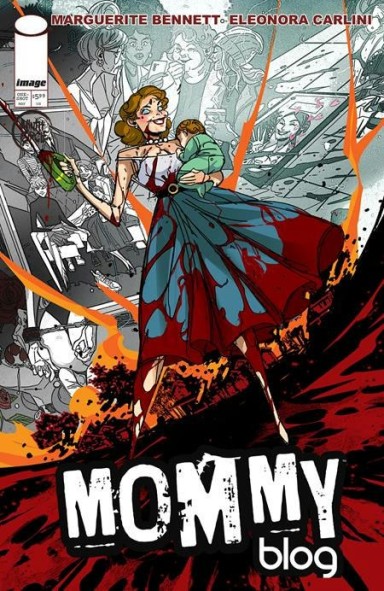
Mommy Blog (Image/Ninth Circle)Mommy Blog is an incredibly frightening, yet darkly hilarious one-shot from Marguerite Bennett, Eleonora Carlini, and Hoyt Silva that holds up a mirror to mom/influencer culture and laughs at it with a bloodstained mouth and visually cartoonish glee. Bennett’s script is wordy, but absolutely dripping in wit quickly introducing the main character, her world, and off-base opinions. Capitalism and white supremacy are Bennett and Carlini’s main targets, but they make the medicine go down with blood, gore, and suburban drama. This is a horror story for our always on/always live streaming culture where public and private life blurs together unrecognizably and relationships are just stepping stones. Overall: 9.4 Verdict: Buy

« Older Entries Recent Entries »