
Police called and search school for Gender Queer
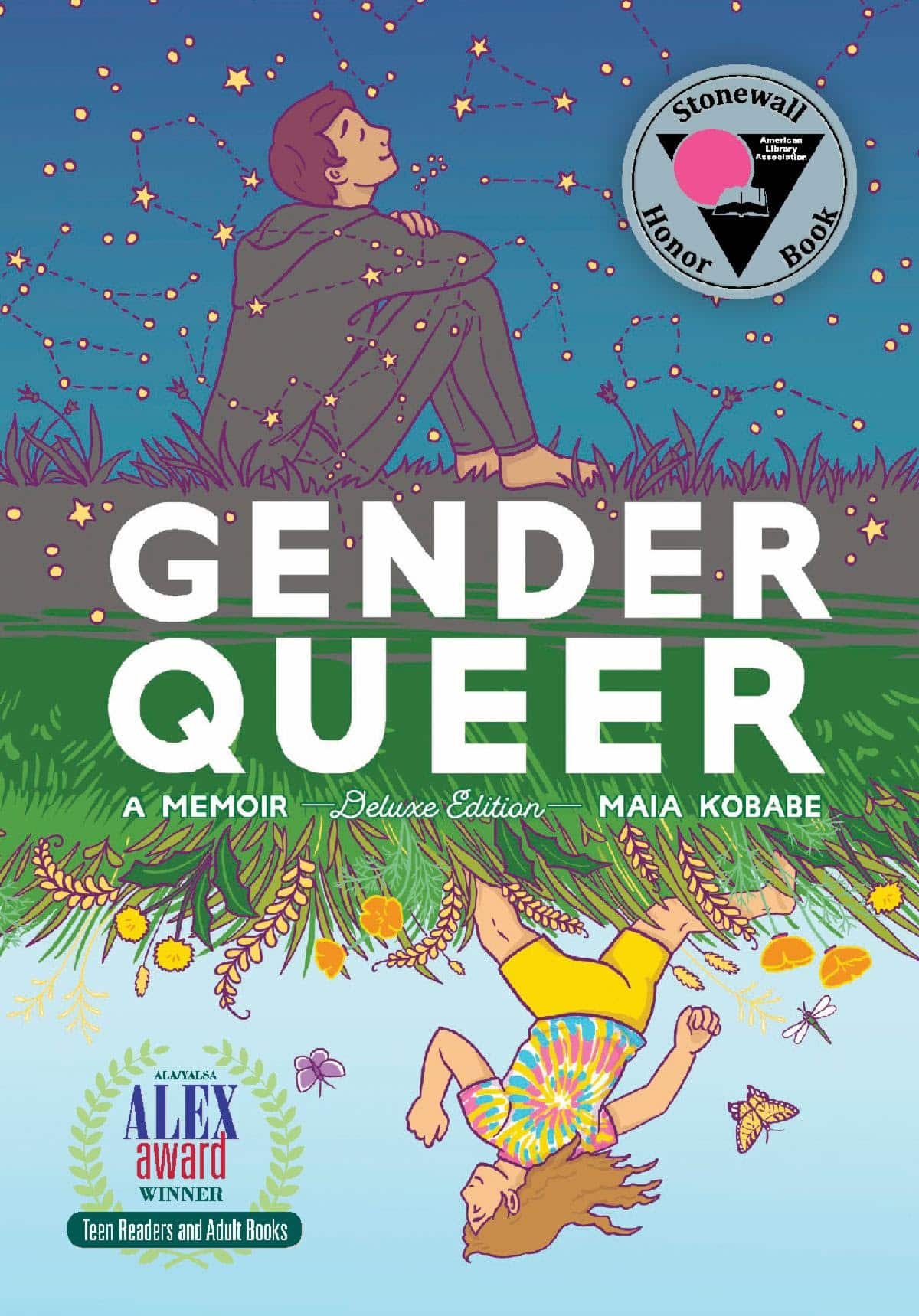
In another example of attempted censorship gone too far, an officer from the Great Barrington Police Department was dispatched to W.E.B. Du Bois Regional Middle School on December 8th to search for a copy of Gender Queer by Maia Kobabe. The search took place after school and has caused an uproar in the community.
The Town Police Chief Paul Storti has since released an apology and stated it’s not the police’s “role to seek out, censor, or ‘ban books’ in our schools.” Except, it kind of is if you’re sending a police officer to do so. Attempting to cover their asses over charges of discrimination, the police have further stated the actions “were not meant to disenfranchise anyone or influence school curriculum.” Book bans have been challenged and overturned over the fact they discriminate against groups of individuals.
A citizen notified police about “explicit sexual material” in the book saying it was pornographic or obscene and sent police a picture of the book the classroom. Police, along with school officials, agreed a plainclothed officer would look for the book after school. The officer wore a body camera and that video and other records related to the complaint is currently being requested by the ACLU which has stepped in.
The book was not found. A week later, Berkshire District Attorney Timothy Shugrue, who was notified of the search, announced that there would be no investigation. Whether the book was appropriate will now be handled by the schools where these things are typically dealt with. The process through the school would reveal the identity of the person who makes it while a complaint to the police is anonymous.
The police and school’s response has not been enough and parents are angry about it. A meeting will be held January 11 where parents will be able to air their grievances and school officials will discuss why the police got involved. The inclusion of police goes around existing internal procedures by schools and libraries when concerns over a book are made.
The book is regularly available in stories and libraries and also in another classroom at the same school with the consent of parents.
Ruth A. Bourquin, senior and managing attorney for the ACLU of Massachusetts, stated:
That’s partly what is so concerning. Police going into schools and searching for books is the sort of thing you hear about in communist China and Russia. What are we doing.
Bourquin also stated state law is clear about police not having a role in this sort of situation making their inclusion more troubling. The ACLU has sent guides to to schools, including the Massachusetts Association of School Committees, noted that legally such book bans “may constitute unlawful discrimination.” Courts have recognized just because some parents do not want their children to read certain books, you can’t deprive other students their right to access.
The librarian at Du Bois middle school, Jennifer Guerin made it clearer. This situation isn’t about “forcing a book into students’ hands. It’s about the freedom to read. It’s about providing voluntary access to a well-written, highly acclaimed resource in a safe place for a teenager who might want or need it.”
In Massachusetts, if material is on interest sexually, depicts or describes sexual conduct “in a way that is patently offensive to an average citizen of this county,” and “has no serious value of a literary, artistic, political or scientific kind,” it can be deemed obscene. In Virginia, a challenge against the graphic novel resulted in not just the case being dismissed by Virginia’s obscenity laws being found to violate the First Amendment.
Gender Queer is not the former and has series literary and artistic value and has been found to have so in numerous court challenges. An award-winning book, Gender Queer is currently the most challenged book the United States.
(via Berkshire Eagle)
Discover more from Graphic Policy
Subscribe to get the latest posts sent to your email.
