Tag Archives: review

Review: Rain #1

Rain #1
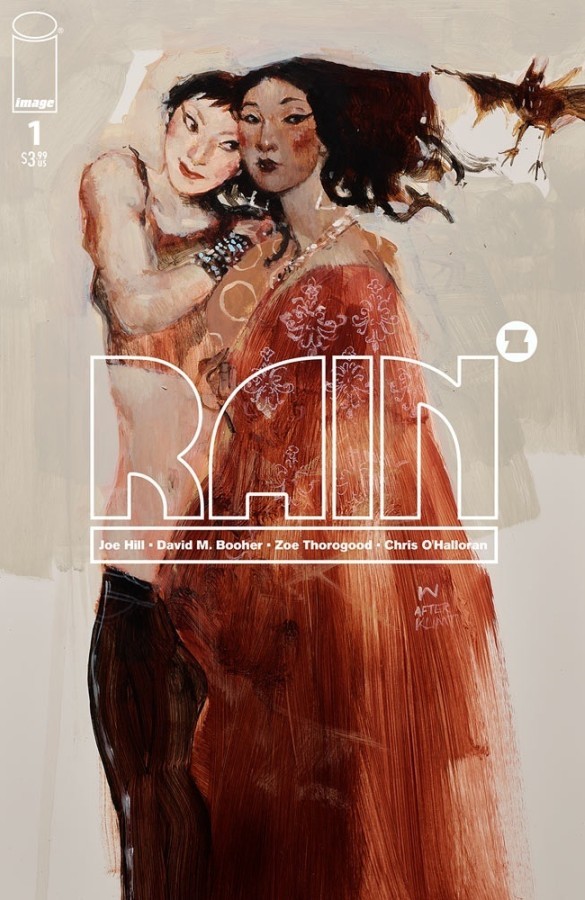
Rain #1, variant cover by Ashley Wood

Joe Hill is a master of emotional horror, of crafting stories that rip through the spectrum of human expression and into the darker things that pump life into his characters. Those things vary in form, be it the fears that accompany motherhood as seen in NOS4A2 or the excesses of life and the extremes they push us into in Heart-Shaped Box. In Image Comics Rain, adapted from a Joe Hill story of the same name by David M. Booher and Zoe Thorogood, the darkness comes from the concept of sudden loss and how unfair life can be when it comes to love.

Rain follows two young women who are in the process of moving in together. Each one has had to go through the harrowing process of coming out to their parents and their experiences range from surprisingly good to deeply traumatizing. As they arrive on the day the move actually starts, sharp crystal-like nails fall from the sky, killing everyone caught outside enjoying what was originally an invitingly sunny day.

Zoe Thorogood’s art goes for a dark fairy tale feel that frames the story in a kind of magically realistic world that’s as wondrous as it is lethal. It’s a curious approach given the only fantastical element thus far, in the first issue, is the rain of nails. Regardless, the strangeness of the event is enough to make the entire story play out as if realism isn’t an unanimously agreed upon condition.

Rain

That’s not to say it works to its detriment. Booher’s script manages to effectively translate the scope of Hill’s emotional arcs into the comic and it does a phenomenal job of keeping things grounded in that regard. It makes for a unique marriage of text and art, but one that succeeds in telling a story that requires more fantasy than usual to get its point across.

There’s also a fair bit of worldbuilding on display in Rain’s first issue, especially in terms of how the couple’s relationship fits into a time and place where acceptance isn’t as widespread as we’d hope it to be. This helps make the world the characters inhabit feel unsafe, a place where people would’ve been right to expect an actual rain of deadly nails to descend upon them at any moment.

Booher and Thorogood’s adaptation of Hill’s novella is a great example of what a creative team can conjure up when it so fully understands the vision behind a story. Adaptation is no easy task, especially when it comes with the expectation it has to be as good (if not greater) than the source text. Fortunately for Rain, the first issue starts the series out on the right foot, with the promise of more darkly curious things to come.

Story: Joe Hill and David M. Booher Art: Zoe Thorogood
Story: 9.0 Art: 9.0 Overall: 9.0
Recommendation: Buy and keep a metal-plated umbrella handy. The way things are going, we should be getting sharp nail showers any minute now.

Image Comics provided Graphic Policy with a FREE copy for review purposes.


Purchase: comiXologyKindleZeus ComicsTFAW

Advance Review: Rain #1

Rain #1
Rain #1, variant cover by Ashley Wood

Joe Hill is a master of emotional horror, of crafting stories that rip through the spectrum of human expression and into the darker things that pump life into his characters. Those things vary in form, be it the fears that accompany motherhood as seen in NOS4A2 or the excesses of life and the extremes they push us into in Heart-Shaped Box. In Image Comics Rain, adapted from a Joe Hill story of the same name by David M. Booher and Zoe Thorogood, the darkness comes from the concept of sudden loss and how unfair life can be when it comes to love.

Rain follows two young women who are in the process of moving in together. Each one has had to go through the harrowing process of coming out to their parents and their experiences range from surprisingly good to deeply traumatizing. As they arrive on the day the move actually starts, sharp crystal-like nails fall from the sky, killing everyone caught outside enjoying what was originally an invitingly sunny day.

Zoe Thorogood’s art goes for a dark fairy tale feel that frames the story in a kind of magically realistic world that’s as wondrous as it is lethal. It’s a curious approach given the only fantastical element thus far, in the first issue, is the rain of nails. Regardless, the strangeness of the event is enough to make the entire story play out as if realism isn’t an unanimously agreed upon condition.

Rain

That’s not to say it works to its detriment. Booher’s script manages to effectively translate the scope of Hill’s emotional arcs into the comic and it does a phenomenal job of keeping things grounded in that regard. It makes for a unique marriage of text and art, but one that succeeds in telling a story that requires more fantasy than usual to get its point across.

There’s also a fair bit of worldbuilding on display in Rain’s first issue, especially in terms of how the couple’s relationship fits into a time and place where acceptance isn’t as widespread as we’d hope it to be. This helps make the world the characters inhabit feel unsafe, a place where people would’ve been right to expect an actual rain of deadly nails to descend upon them at any moment.

Booher and Thorogood’s adaptation of Hill’s novella is a great example of what a creative team can conjure up when it so fully understands the vision behind a story. Adaptation is no easy task, especially when it comes with the expectation it has to be as good (if not greater) than the source text. Fortunately for Rain, the first issue starts the series out on the right foot, with the promise of more darkly curious things to come.

Story: Joe Hill and David M. Booher Art: Zoe Thorogood
Story: 9.0 Art: 9.0 Overall: 9.0
Recommendation: Buy and keep a metal-plated umbrella handy. The way things are going, we should be getting sharp nail showers any minute now.

Image Comics provided Graphic Policy with a FREE copy for review purposes.


Purchase: comiXologyKindleZeus ComicsTFAW

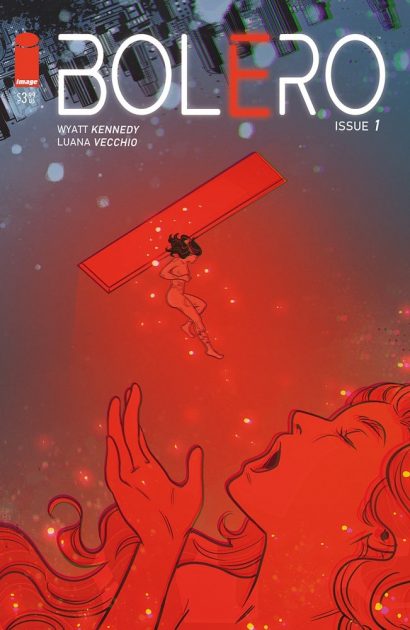
Early Review: Bolero #1

Bolero #1

The elevator pitch for Wyatt Kennedy and Luana Vecchio’s Bolero goes something like Eternal Sunshine of the Spotless Mind meets Locke & Key. If that doesn’t sell a comic, what does? But to lay claim to that comparison means setting expectations sky high. Fortunately, the comic more than lives up to the stories it namedrops.

Bolero #1 follows Devyn “Dagger” Dagny, a tattoo artist that gets her heart very, very broken—shattered, even—by Natasha, the person that Devyn will go through a whole multiverse to either get back with or forget.

By multiverses I mean literal multiverses. Devyn is given the opportunity to travel precisely 53 universes using a mother key, given to her by a very curious and cuddly creature, that allows her to move between them. A set of rules comes with the mother key, all which are basically set up to be broken later on. These range from not speaking to the being that offers the key to not traveling beyond the number of universes agreed upon.

Kennedy, who scripts the story, takes most of the first issue to lock the emotional hooks in place for Devyn’ multiversal journey, in which she’ll experience the different possibilities and forms her relationship with Natasha could take. The jumps in time, space, and bodies the comic promises is in short supply in this first entry, but the premise is well put together and shows no signs of letting up on the emotions-shattering rollercoaster ride Kennedy hopes to take us on in future issues.

Bolero #1

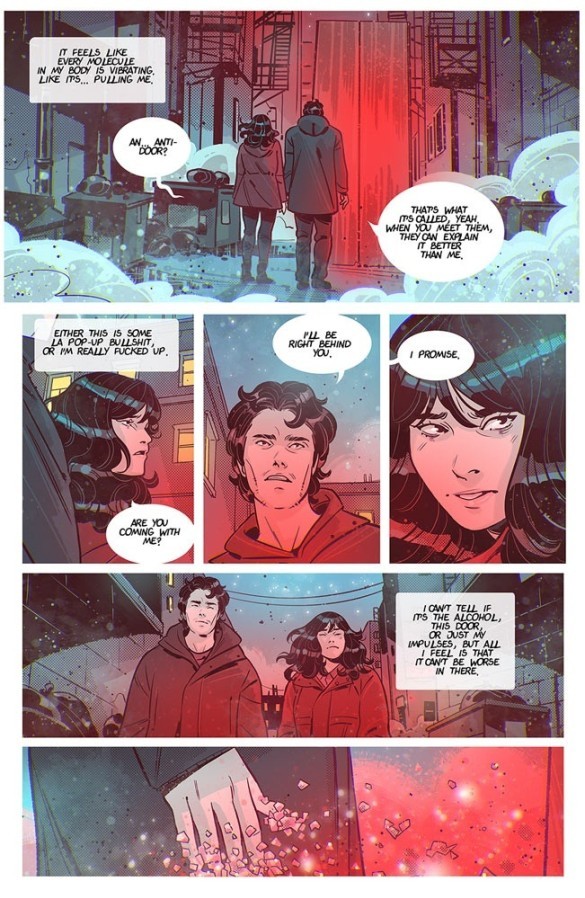
Vecchio’s art possesses a dream-like quality to it that lends itself perfectly to the type of universe-hopping experience Bolero is aiming for. Characters move across the comics page with a floaty sense of rhythm that imbues the storytelling with a kind of musicality to it that makes everything come together beautifully. Moments of bliss are magical, whereas moments of pain feel like someone is prodding inside you with a cold and indiscriminate medical apparatus without anesthesia. Vecchio’s work is quite simply a marvel to behold in Bolero.

The art is given an extra bump in the magic department with a similarly dreamy and light approach to the lettering, made possible by Brandon Graham. Dialogues unspool like memories one plays over and over again in their mind after a particularly bad breakup. Graham takes the concept and applies it with a careful use of hazy lines and unstable word balloons that capture the raw emotions that hang over every word. It’s a highlight of the book and it shows deep consideration for the vision of the story.

Bolero #1 is a primer on love, pain, and loss that prepares readers for a deeply intimate and rough story that is sure to connect on many levels. It’s a world of possibilities I can’t wait to dive into, no matter how hard things will most definitely get for Devyn and Natasha as they go through 53 variations of their doomed relationship.

Story: Wyatt Kennedy Art: Luana Vecchio Lettering: Brandon Graham
Story: 10 Art: 10 Overall: 10 Recommendation: Buy along with a box of Kleenex and a bucket of ice cream.

Image Comics provided Graphic Policy with a FREE copy for review


Pre-order: comiXologyTFAW

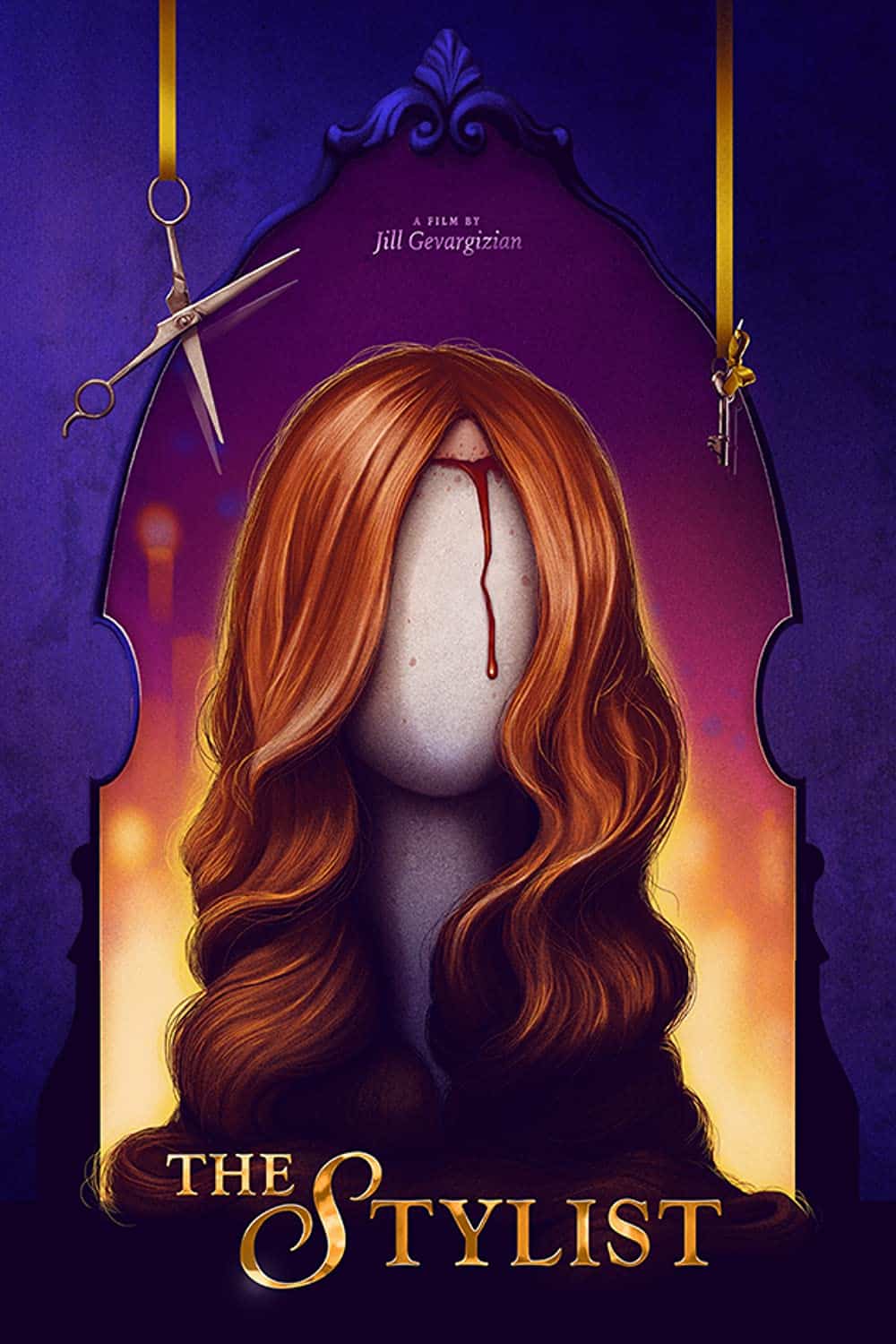
The Stylist gives the slasher genre an overdue makeover

The Stylist
The Stylist, poster

To no one’s surprise, the slasher genre has largely been dominated by male killers, most of them with deeply seated mommy issues. Norman Bates, Jason, Leatherface (as revealed in the 2006 prequel), all take their childhood traumas and dump them on unsuspecting women that must die because they remind them of their own mothers. One woman’s failure becomes a blight on the entirety of womanhood.

Jill Gevargizian’s The Stylist isn’t unaware of this trend among slashers. It actually acknowledges it for its story’s benefit, finding in it an opportunity for subversion, for turning the table on the formula without completely disposing of it.

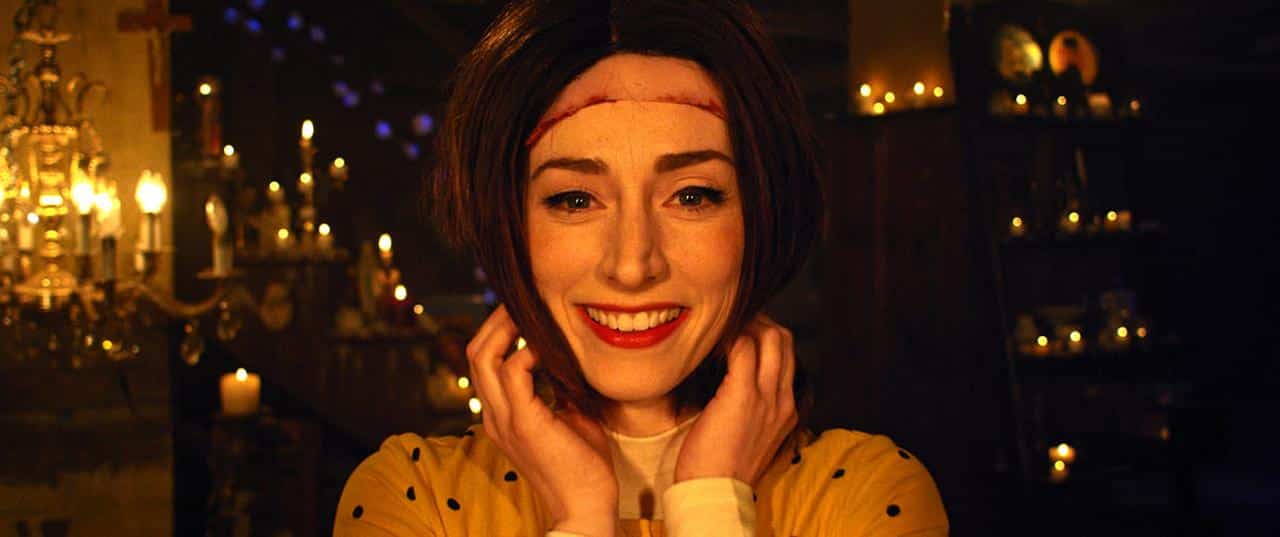
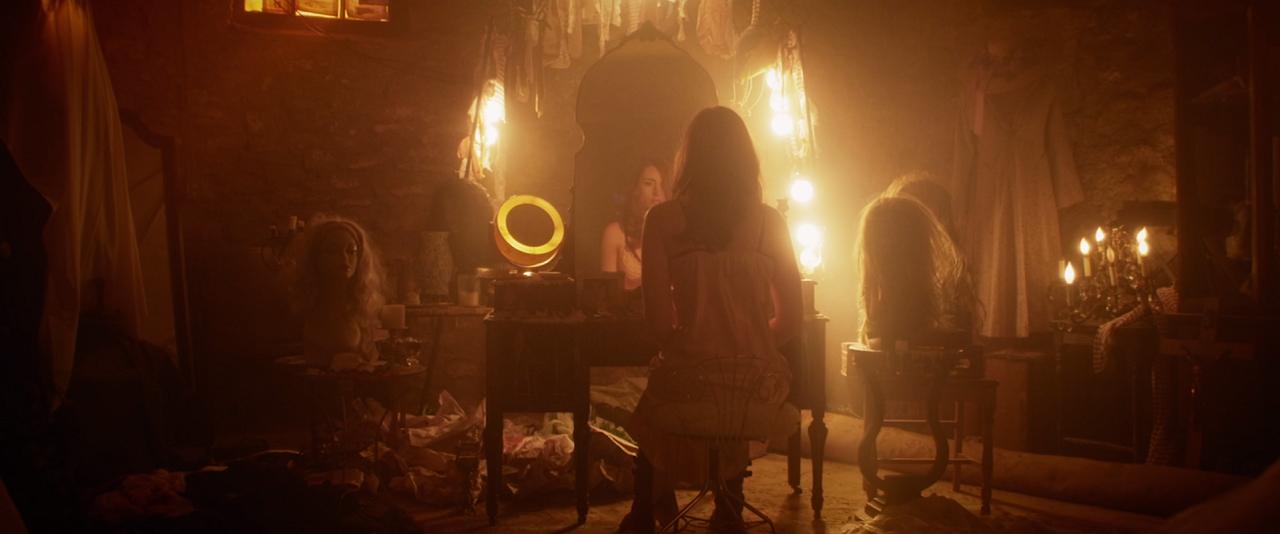
The Stylist presents audiences with a female killer called Claire (played by Najarra Townsend), a hair stylist that kills unsuspecting customers and removes their scalps to preserve their hair. The reasons why she does this is where the formula gets refreshingly tampered with. Claire isn’t obsessed with hair. She’s obsessed with the image people want to project with their new hair styles.

The movie takes advantage of Claire’s macabre methods to offer commentary on acute social anxiety and how the weight we put on physical appearances forces certain inflexible expectations upon people. One of Claire’s victims, for instance, makes a comment on how we always want what we can’t have as we settle into our lives, mostly by making decisions that box us into society’s idea of what we should be. This is basically the movie’s motto. We always want what we can’t have.

The Stylist

The movie develops this idea by focusing on a particular character that reaches out to Claire for her wedding hair, a thing that stresses the bride to be to the point of considering it the thing that’ll brings the whole experience together, as if the event’s success hinges on curls and extensions.

The concept of marriage, being one of the experiences people struggle with the most in terms of when to do it or even if it should be done in the first place, acts as the catalyst that puts Claire on crisis mode. It puts her face to face with a human tradition that requires having certain things she unfortunately doesn’t have: meaningful friendships.

The situation lends itself well to the metaphors at play. It helps them surface more noticeably as given how it’s commonly assumed that the person that has to shoulder the burden of making sure the wedding ends up being a resounding success is the bride, who also has the responsibility to dazzle in her dress and keep up appearances.

Claire takes all this in and struggles with her place in it, fortifying her frustrations with fitting in as a woman within that environment. In this regard, parts of the original slasher formula start seeping in. Women are still the killer’s main source of anguish, but the killings aren’t borne out of misogyny. They come from a profound frustration, and perhaps incompatibility, with the roles they’re expected to fulfill. That’s what makes the story feel so subversive as a slasher.

The Stylist

Najarra Townsend’s performance as the serial killer stylist is a definite highlight and one of the best in a year filled with strong horror performances (Robert Patric’s in What Josiah Saw comes to mind as one of the others). Claire is a very awkward character that always looks as if she’s uncomfortable in her own skin—hence her desire to become other women while wearing their scalps—and Townsend captures that in every single scene.

The film’s lighting is another high point. It has an eye-popping color palette that could’ve fooled anyone into thinking the story was going to borrow heavily from Giallo slasher movies. While there’s certainly a wink or two here and there that’ll surely leave fans of the genre satisfied, the overall tone of the story and its focus on deep character development owes more to films like Maniac (1980) and Henry: Portrait of a Serial Killer (1986), in which the intention is to paint a picture of the killer in as many shades as possible.

The Stylist is an unsettling film that relishes in its ability to make audiences uncomfortable. It’s confrontational even, shoving viewers into a place where they’re forced to ask themselves if Claire’s experiences wouldn’t be enough to drive anyone to do the things she does to try and fit in. It’s stylish, smart, and quite simply unforgettable, the same things one would expect from a killer haircut.

Review: Nita Hawes’ Nightmare Blog #1

Nita Hawes’ Nightmare Blog
Nita Hawes’ Nightmare Blog #1

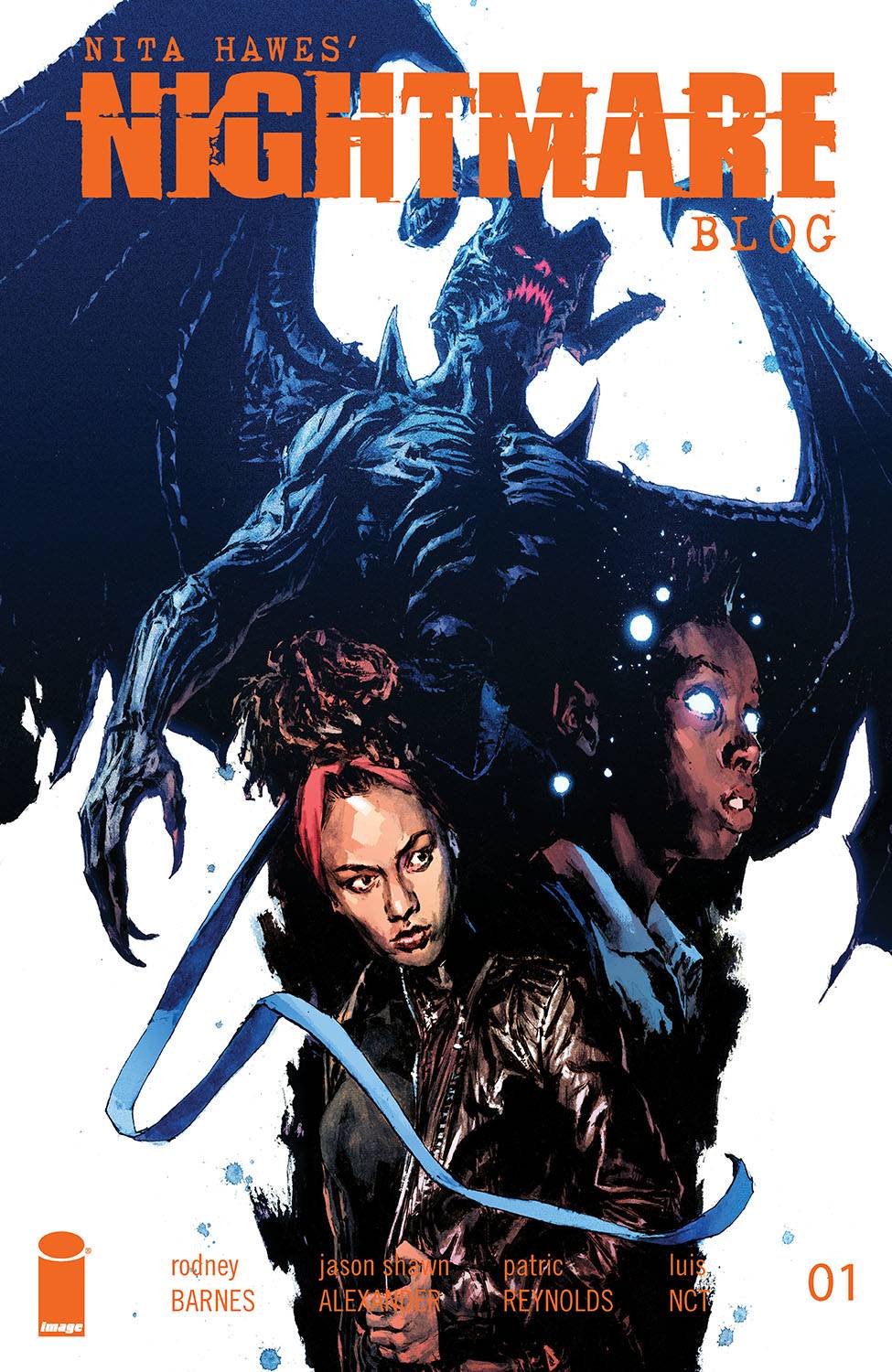
Rodney Barnes, Patric Reynolds and Jason Shawn Alexander are making sure they leave a mark in the world of horror comics with the quickly expanding universe of Killadelphia. It started with the backup story Elysium Gardens, focused on a pack of black werewolves that are trying to track down a coven of witches during the LA riots of 1965. It now continues with Nita Hawes’ Nightmare Blog, the story of a woman that runs an urban legends blog that is finally getting confirmation on the truth behind the horrors she writes about.

The new series takes a stab at another city with a long history of racial tension and racial violence not unlike that found in Philadelphia: Baltimore. The comic refers to the city as “Bodymore, Murderland,” a name suggested by Killadlephia’s own Jimmy Sangster, who is revealed as Nita Hawes’ ex-boyfriend. Nita is the surviving member of a family that’s been cut down by police shootings and police brutality during peaceful protests and fateful encounters with law enforcement.

Nita is visited by the ghost of her murdered younger brother as a music studio massacre, perpetuated by a hellish entity that loves to carry a tune as he goes about his killing, just starts to come within eyesight in her investigations. The son of one of Baltimore’s wealthiest men lies among the victims of the massacre, a key detail that also opens the door for a female detective character that will surely cross paths with Hawes.

Where Killadelphia feels like a sprawling historical vampire epic that rises from the most neglected parts of Philadelphia and into the national stage, Nita Hawes’ Nightmare Blog feels more like the back-alley investigations wing of the expanded universe. It aims to populate Killadelphia’s world with new horrors the main book might not be able to fit into its pages. Killadelphia has its hands full with Founding Father vampires and the fast spread of blood-sucking mania.

Nita Hawes’ Nightmare Blog

Fans of Kolchak: The Night Stalker will find Nita Hawes oozes with that same 1970’s vibe that made the classic TV series such a chilling and endlessly watchable piece of horror fiction. Like Kolchak, who was a reporter that investigated the news stories he stumbled upon with the journalistic integrity they deserved no matter how supernatural things got, Nita seems to possess the same deep thirst for truth that puts fact before conspiracy in the face of the unexplainable.

Also like the Kolchak movies and TV series, Nita Hawes looks ready to offer up monstrous metaphors for the problems facing inner city race relations, both past and present. Kolchak battled vampires and undying spree killers in the age of serial killers, especially out West (in and around the California area). Nita’s nightmares can very easily follow suit, only the focus is clearly set on the black experience in Baltimore.

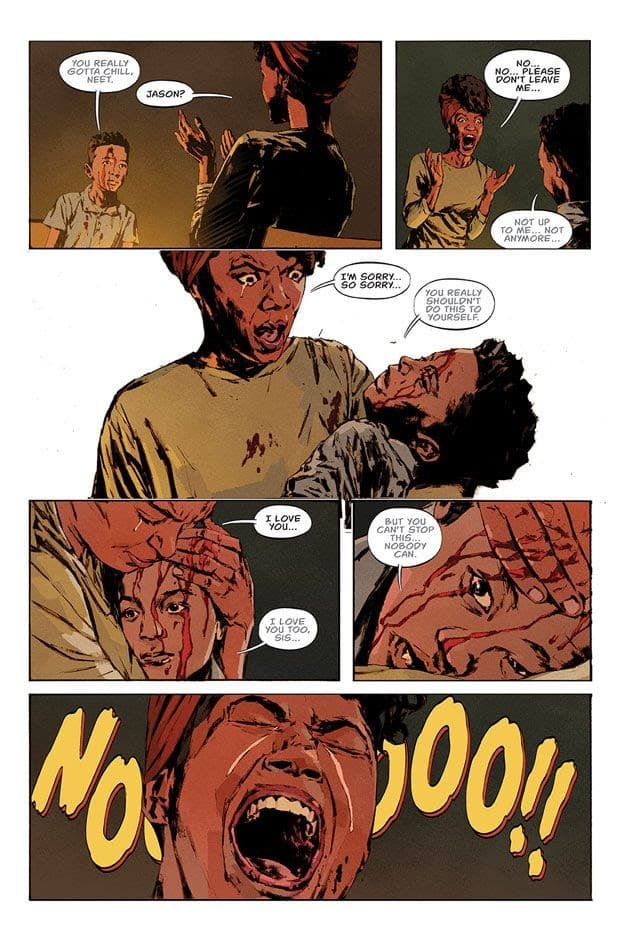
Patric Reynold’s art is as effective as Jason Shawn Alexander‘s has been throughout Killadelphia. There’s a grittiness to the horror he captures on the comics page that makes each panel feel dangerous, unsafe for its characters. The work on display takes readers outside their comfort zones and places them in a world where security is but a fantasy we let ourselves believe can be achieved. It allows for pure terror to take over the story at every corner.

Nita Hawes’ Nightmare Blog #1 is the type of comic that supports and builds upon the foundations of the main title it sprouts from while also telling a story that it can legitimately call its own. It owns its part in the grand scheme, but it also makes sure it’s essential for the enjoyment of the entire experience. Nita Hawes is ready to make the world of Killadelphia meaner and scarier.

Story: Rodney Barnes, Art: Patric Reynolds
Layouts: Jason Shawn Alexander
Publisher: Image Comics
Story: 10
Art: 10
Overall: 10
Recommendation: Buy and then binge Kolchak: The Night Stalker for added flavor.

Image Comics provided Graphic Policy with a FREE copy for review


Purchase: comiXologyAmazonKindleZeus ComicsTFAW

Movie Review: Halloween Kills betrays its characters in the franchise’s dumbest entry

David Gordon Green’s 2018 Halloween was a masterful take on the small but heavily storied world of Michael Meyers and Laurie Strode. It succeeded in not being another babysitter murder flick where horny teenagers get the knife as the sadistic masked killer goes from house to house. Instead, it turned the main survivor of the 1978 John Carpenter original movie, played by Jaime Lee Curtis, into a hardened and battle-ready warrior that weaponized her trauma while also training her daughter to also be able to defend herself.

Halloween Kills
Halloween Kills

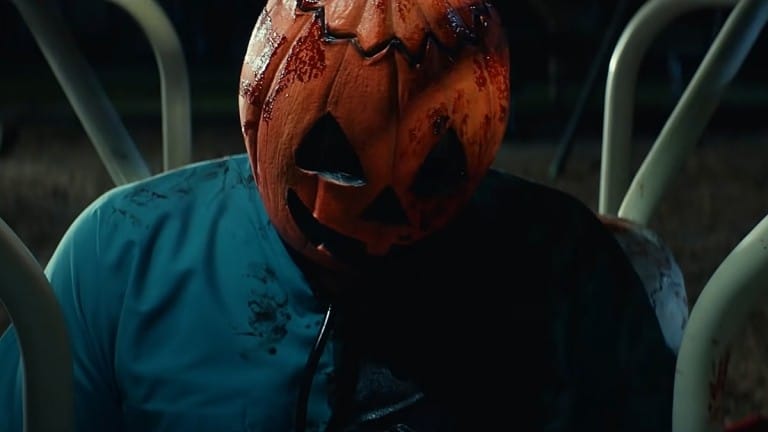
Halloween Kills takes all of that and throws it out the window without much to offer in return, other than a dumb violent movie burdened with messy metaphors and unnecessary lore alterations. Sure, Michael Meyers kills, and some of the kills are satisfying to watch, but what ultimately gets butchered in the process is the core Strode family struggle the first movie worked so hard to establish.

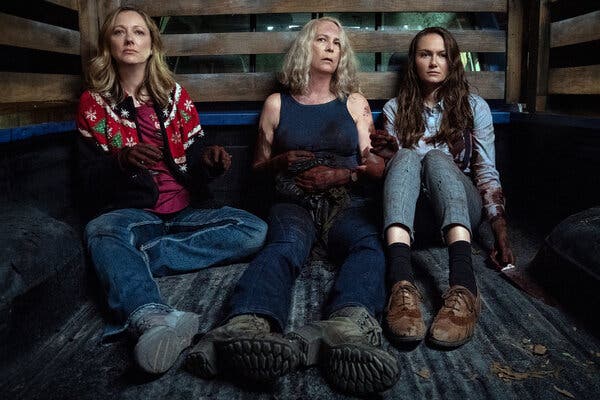
In what’s the second movie in a trilogy that was originally meant to be a two-parter, Halloween Kills picks up moments after the ending of the previous movie to see Michael Meyers surviving the fire at the Strode house. Laurie, daughter Karen (Judy Greer), and granddaughter Allyson (Andi Matichak) drive off thinking Meyers is a pile of ash underneath the rubble they left behind, but little do they know that The Shape is alive and well, and royally pissed off to boot. Chaos ensues.

In an interesting turn on expectations, Halloween Kills takes Easter eggs to a new level by making characters from the original film take on larger roles in this one, shifting the focus from Laurie’s fight against the Boogieman and onto how Haddonfield itself figures into Michael Meyers’ plans (which the movie very lazily tries to reveal through exposition dumps, in addition to trying to convince audiences on the silly idea that the killer has a masterplan of sorts). In fact, it’s what lies at the heart of the movie. The Boogieman isn’t just someone’s problem. It’s everyone’s.

Halloween Kills
Halloween Kills

Things start to get very shaky here as the expansion of the mythos seems inconsequential and sidelines Laurie and her family’s story in favor of half-baked messages and forced alterations to formula. For instance, it turns out that Michael (intentionally?) exposes Haddonfield as the real monster as its people take arms to dole out justice by themselves in a spectacularly dumb show of mob rule that tries very hard to evoke images of the January 6th Capitol Riots, resulting in the tragic death of an innocent man in the film.

One character actually blurts out the movie’s message at one point, observing that the unruly mob has basically become Haddonfield’s real killer (an issue that is “fixed” by creating a smaller, more focused mob, it seems). What’s worse is that all the time spent setting the angry mob up is time taken away from doing anything meaningful with what the previous movie brought to the table.

On the killing side of things, the movie fulfills the promise of its title, but it does so at the cost of turning Meyers into another kind of slasher that shares more with Friday the 13th’s Jason rather than the one we all know and love by now. Not that there’s anything wrong with experimentation, but implementation is key for these variations on character to succeed. Halloween Kills does not approach this aspect convincingly.

Michael is at his most sadistic in this installment, but his signature ‘slow and intimate’ killing style feels too out of character. There is only one kill scene in which we get a glimpse of that behind-the-scenes sadism Meyers usually indulges in out of camera in previous entries, in which the victim gets several knives stuck to his back for no other reason other than to show how much violence truly drives the character’s identity.

Halloween Kills
Halloween Kills

Remember, this is the same killer that beheaded a cop in the previous film and turned the head into a grizzly Jack-o-Lantern, lighted candle included. We never see him carve the cop’s face in the style of a Jack-o-Lantern, but we know he likes to get creative with his kills. Halloween Kills’ focus on fast, action-heavy kill sequences rob him of that creativity.

David Gordon Green’s Halloween sequel sacrifices too much of everything for an uninspired and clunky sequel. Its most tragic casualty is Laurie’s story, which never reaches anything worth writing about other than clichés and stunted character development. It’s a shame. I had hopes for this new trilogy. All I was left thinking of was that everything should’ve been left wrapped up in 2018. Unfortunately, we still have one more movie to go.

Review: Werewolves Within pokes fun at American politics and sneaky lycans, in that order

Werewolves Within
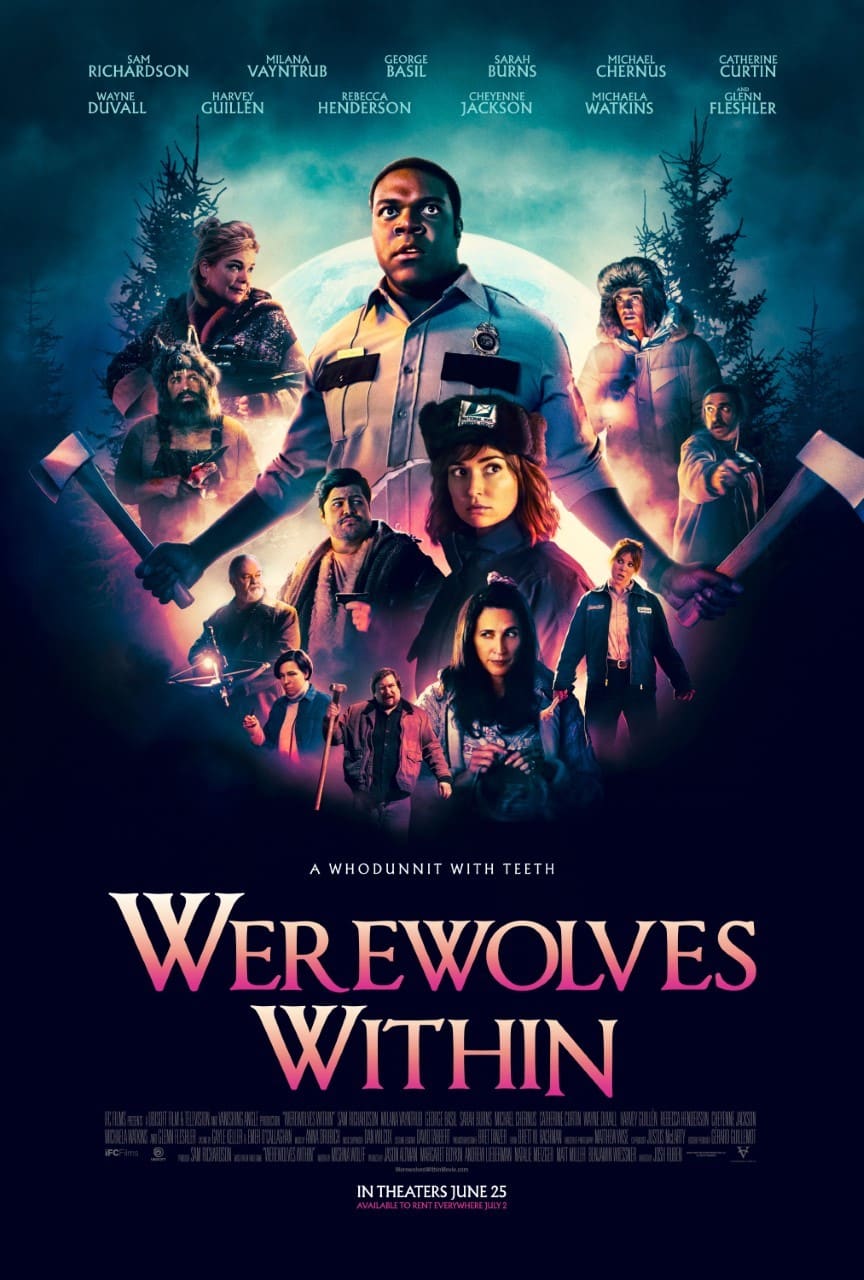
Werewolves Within poster

Imagine a werewolf story where the coming of the full moon is the least of the main character’s worries given he’s surrounded by a group of people more invested in the construction of a pipeline than the prospect of being torn to shreds by a lycanthrope. That, in a nutshell, is Werewolves Within, directed by Josh Ruben and written by Mishna Wolff.

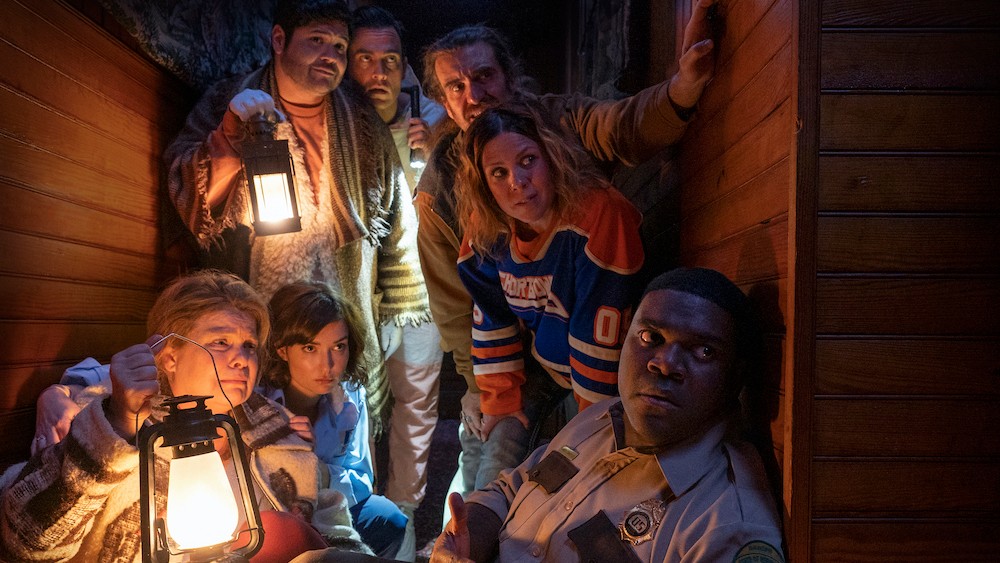
Based on the VR game of the same name, Werewolves Within centers on a group of people forced to stay together under a single roof, during a snowstorm, just as a series of grizzly happenings have scared everyone into thinking a werewolf is loose on the small town of Beavertown.

The story unravels like a game of Clue, where every character is a suspect, only in this case the suspicion revolves around the identity of the werewolf. And yet, the movie takes a sharp turn into oddball political paranoia, in which each suspect is a unique caricature of American politics that makes them as predictable as they are dangerous. It’s as if everything is split between party lines, right down to the way the group should go about solving the mystery.

The main divide that pits each character against each other is the potential construction of a pipeline through the natural beauty that surrounds Beavertown. A bullyish, macho oil man is all for the pipeline and is trying to get as many residents to his side as possible while an environmentalist, a forest ranger, a mailperson, the owner of the local inn, and a rich gay couple stand it total opposition to it.

Werewolves Within
Werewolves Within

A woman with small business aspirations (and a cute small dog called Chachi), her creepy grabby husband, and a money-hungry couple are all for the pipeline. Alliances are drawn from each side’s prejudices against the other and that’s where the movie finds its groove.

Werewolves Within’s two main leads, Finn and Cecily (played by Sam Richardson and Milana Vayntrub respectively), are the glue that keeps everything together. Finn is Beavertown’s new forest ranger and Cecily is the town’s mailperson. Their chemistry carries an undeniable pull that immediately places them as people worthy of trust in case of a werewolf crisis. They’re easy to root for, which makes all the violence around them bite that much harder.

What’s smart about the two leads is that they function as balancing agents, towing the line between the left-leaning suspects and the pro-pipeline right-wingers. To be clear, I don’t believe the movie is a right-wing bashing free-for-all where the more liberal camp comes out as the clear winner. Each side is a caricature of itself and the movie invites making fun of everyone.

You might’ve already noticed I haven’t mentioned the werewolf that much. There’s a reason for that, but I’ll let the movie do the talking on that front. I’ll say this, the direction they take it in is whip-smart and well worth the many twists and turns the movie throws at its audience at nearly every turn.

Werewolves Within is a remarkable satire of our current political climate and it uses horror conventions just as well as it subverts them to make it stand out. It serves a higher purpose and it’s all the better for it. It has quite a few tricks up its sleeves, and you’ll laugh hard through each one as you try to figure who is and who isn’t an asshole. I mean, who is or who isn’t a werewolf.

Review: Eve #1

Eve #1

The idea that kids will inherit our battles and will be forced to fight them is not a new one. It appears enough in fiction to be considered a deeply rooted generational fear about how humanity is authoring its own destruction and thus needs to be rescued by its youngest members. BOOM! Studios new series, Eve, considers this same set of circumstances, but the devil’s in the details, and writer Victor LaValle has made sure things shine enough in that department to set itself apart from the rest.

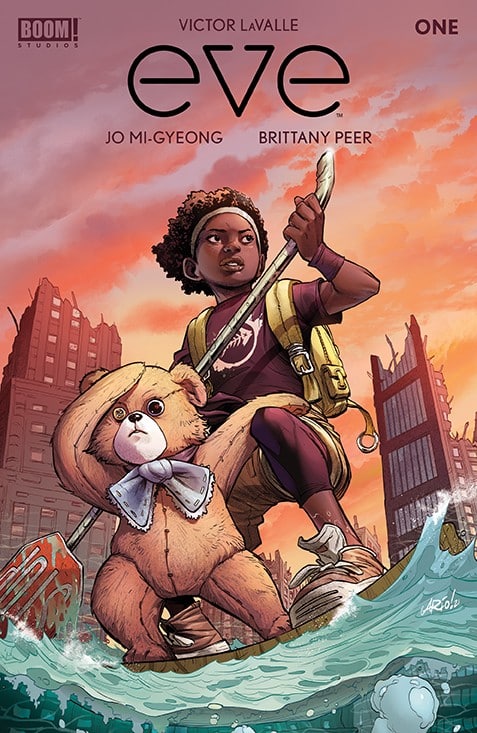
Eve tells the story of a young black girl who emerges from a stasis tank only to meet an android teddy bear called Wexler that tells her she has to save the world after it was ravaged by global climate change. And that’s just the beginning.

Vibrantly illustrated by Jo Mi-Gyeong, the comic goes on to set up global devastation as the new normal, but not a permanent one if Eve and Wexler have anything to say about it. There’s a very lived-in feel to the setting in Eve. Every panel is given the chance to substantially add to the worldbuilding and Mi-Gyeong’s clever inclusion of everyday objects strewn around the environment gives everything a layered sense of story.

Brittany Peer’s colors are surprisingly restrained and do an excellent job of keeping the environmental aspect of the story seem grounded in reality, especially during its most sci-fi moments. Even Wexler comes across as a semi-realistic invention that occupies a plausible physical space along with Eve. It’s truly an accomplishment considering the book has a YA look about it that initially gives it a cartoony vibe.

Eve #1

LaValle’s script seems interested in allowing Eve to actually embody the idea of salvation in regards to our broken planet. Unlike other post-apocalyptic tales of this kind, Eve presents its Earth-saving mission as a real possibility, one that can bring about change and harmony between humanity and nature if the former learns how to take care of the latter.

I would be making the new comic a disservice if I didn’t mention that Wexler, the android teddy bear, is likely to burrow into readers’ hearts and never leave. Unless this is all a ploy to later reveal he’s an evil character or that he’s going to sabotage Eve, Wexler’s design and the amount of emotion it allows him to express is sure to help him become a fan favorite. Issue #1 already presents him as a character that one hopes survives all the way to the end.

Eve herself is also easy to root for. She’s very aware of her emotional state and comes across as mature beyond her age. LaValle makes her and Wexler’s dialogue transpire in a serious manner as well. The book isn’t afraid to make readers interact with big ideas that require a higher degree of thought. It’s never inaccessible, but nothing is sacrificed for the sake of simplicity.

With a final page that’s sure to get readers excited about what’s coming next, Eve #1 is the start of what looks to be an entirely different kind of environmental storytelling. Its characters are instantly likable and the setting carries enough visual flair to distinguish it from some of the other stories on the market. Eve is the type of comic you open a subscription box for.

Story: Victor LaValle Art: Jo Mi-Gyeong
Color: Brittany Peer Letterer: Andworld Design
Story: 9.0 Art: 9.0 Overall: 9.0 Recommendation: Buy

BOOM! Studios provided Graphic Policy with a FREE copy for review


Purchase: comiXologyKindleZeus ComicsTFAW

Review: Beta Ray Bill #1

Beta Ray Bill
Beta Ray Bill #1

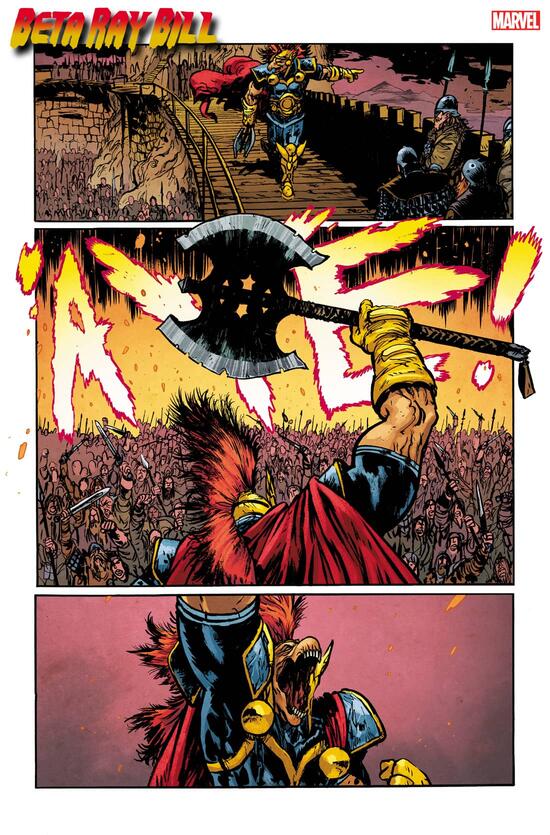
There’s a lot of emotion wrapped up in Daniel Warren Johnson’s new Beta Ray Bill mini-series. In fact, it’s what stands out despite a giant set-piece fight in Asgard against a Fin Fang Foom bearing the mark of the King in Black. What’s at the heart of this comic is a very aesthetically charged look at beauty and self-worth, one that takes place amidst perfectly chiseled Vikings and Norse gods.

Beta Ray Bill #1 is basically a character study of the titular Korbinite (whose origin story sees the character transformed into the cybernetic creature he is today after the destruction of the Burning Galaxy by the hands of Surtur). Set within the events of The King in Black, Beta Ray Bill is tasked with protecting Asgard as its Master of War, wielding every weapon available to him except Stormbreaker, his iconic hammer. Thor broke Stormbreaker during a disagreement with Bill.

The story is adamant on getting to Bill’s insecurities and frustrations quick. Without spoiling much, his battle with Foom doesn’t go all that well and he’s upstaged by Thor. Bill thinks he’s at a disadvantage in these cosmic battles given Stormbreaker isn’t available to him, which makes him feel somewhat unprepared, inadequate even, to uphold the title given to him by Thor.

Daniel Warren Johnson, who also scripted the comic, portrays Bill like an exposed nerve, a powerful being that—regardless of being considered one of the strongest heroes in the galaxy—is still destined to lead the life of an outsider based on the way he looks. Johnson takes full advantage of this characterization to set him almost completely apart from the Asgardians, all of which are gloriously sculpted to physically embody the very concept godhood. Bill, on the other hand, looks uncomfortable in his own skin, self-aware. The comic points to making this type of self-perception the crux of its narrative, seemingly with the intent to challenge it.

Along with Mike Spicer on colors, Johnson’s art is outstanding. The energy he brings to all his stories have a deeply metal feel to it, almost as if you could hear Iron Maiden or Dio blasting in the background as the story unfolds. Beta Ray Bill is no exception. If anything, the book forms a certain kinship with another of Johnson’s books: Murder Falcon.

Beta Ray Bill
Beta Ray Bill #1

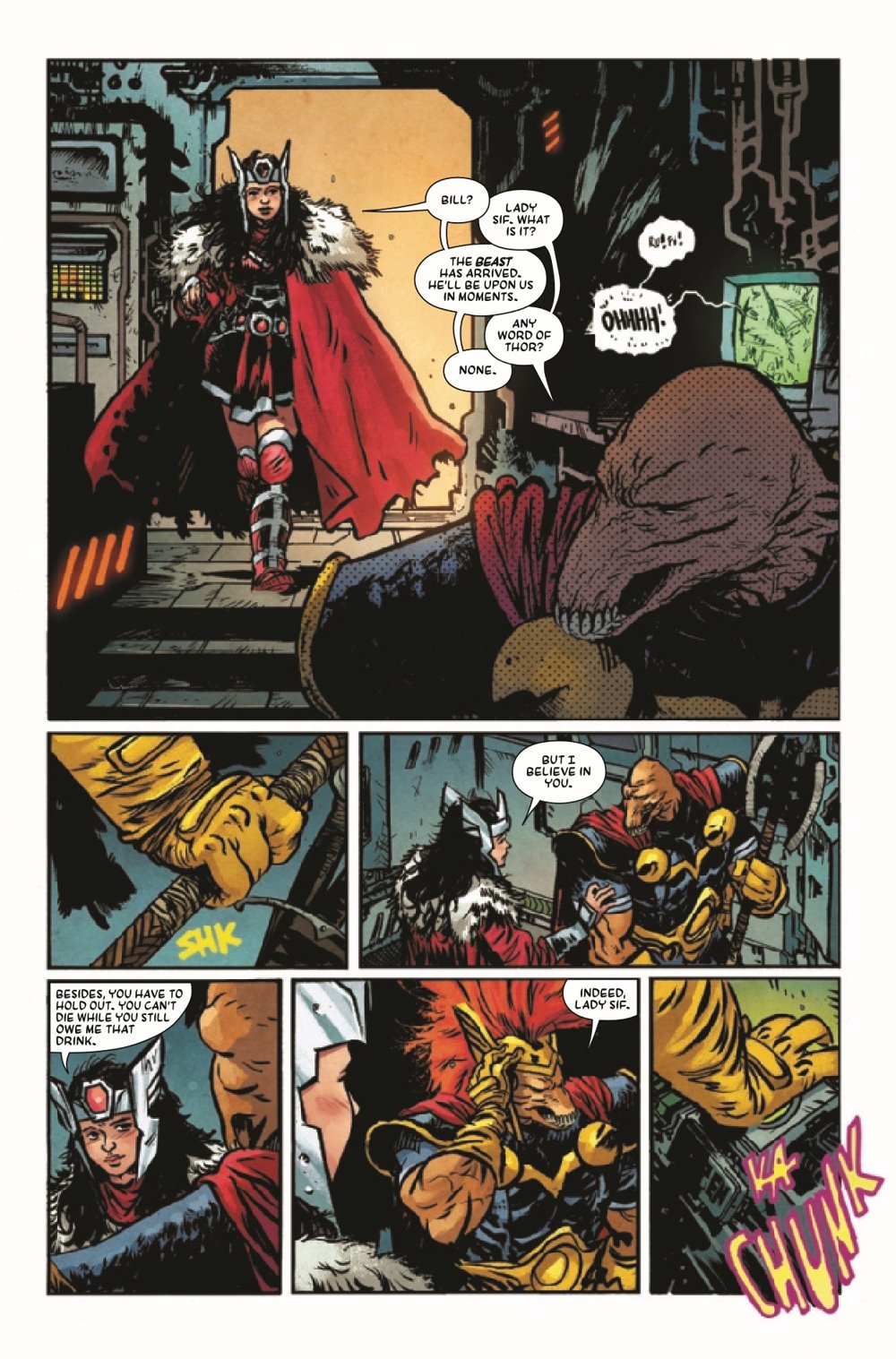
In Murder Falcon, heavy metal and giant monsters clash in a story that’s also about the emotional composition of a person’s sense of self, about how people feel in terms of regret, time, and death. That story’s approach to raw emotion seems to carry over somewhat to Beta Ray Bill, as does its contemplation on relationships and how they can be both restorative and destructive. For Bill, this aspect comes up with through his relationship with Lady Sif.

This is where the comic finds its most heart-wrenching moments. The degree of honesty behind them result in a series of emotionally harrowing sequences that make Bill questions his feelings as to his place in Asgard, among those he’s either befriended or expressed a more intimate kind of love to. By the end of my first read of this first issue, I felt my heart give a heavy pound or two as certain intimate things came to the fore. It’s a testament to how well-crafted Johnson’s script is and how good he is at capturing emotions in his comics.

Beta Ray Bill #1 is primed to be an emotional adventure with a mind to keep things cosmic both inside and outside its main character. To say that it’s exceptionally illustrated and colored is to state the obvious. Johnson and Spicer are a formidable storytelling team and if there’s one guarantee in all this is that the comic’s visuals will settle for nothing less than unforgettable. While that is special in itself, it’s the story’s heart where new narrative possibilities spring forth to entice readers. Expect this journey to tap into your entire emotional spectrum and remember to take your time enjoying each panel. Wondrous things abound in every one of them.

Script/Art by Daniel Warren Johnson Colors by Mike Spicer
Story: 9.0 Art: 9.0 Overall: 9.0 Recommendation: Buy and keep a box of Kleenex close by.

Marvel provided Graphic Policy with a FREE copy for review


Purchase: comiXologyAmazonKindleZeus ComicsTFAW

Review: Fear Case #1

Fear Case #1
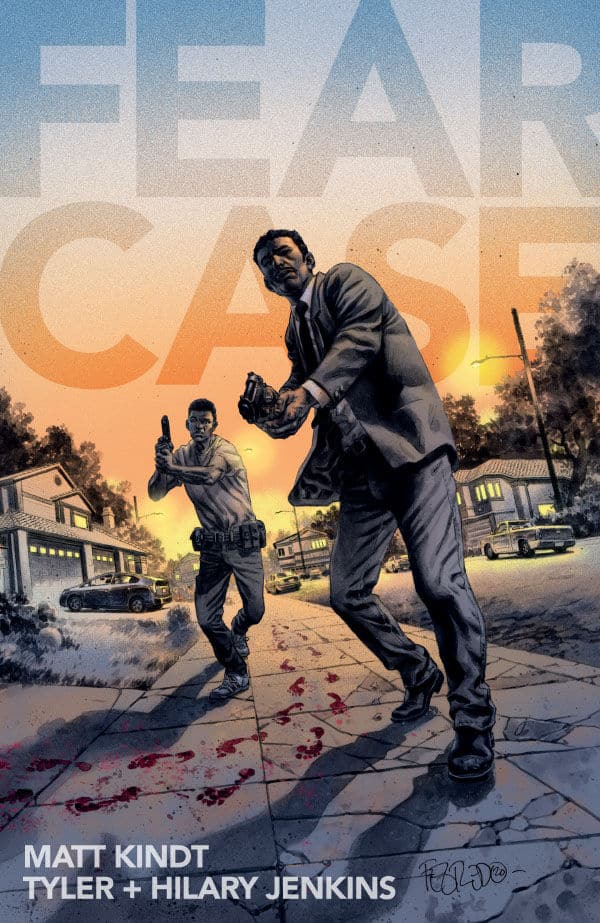
Fear Case #1, cover by Duncan Fegredo

Matt Kindt and Tyler and Hilary Jenkins are tapping into some True Detective vibes with Fear Case, the team’s new fantasy horror book for Dark Horse. To tie it only to that show, though, does a disservice to the range of ideas unleashed on this story. There’s a dark fantasy undercurrent to the plot that looks like it will grab hold as the comic progresses and there’s a Philip K. Dick reference in there that provides a big hint as to what’s coming. What’s certain is that this story has the potential to be among many ‘best of’ lists come year’s end.

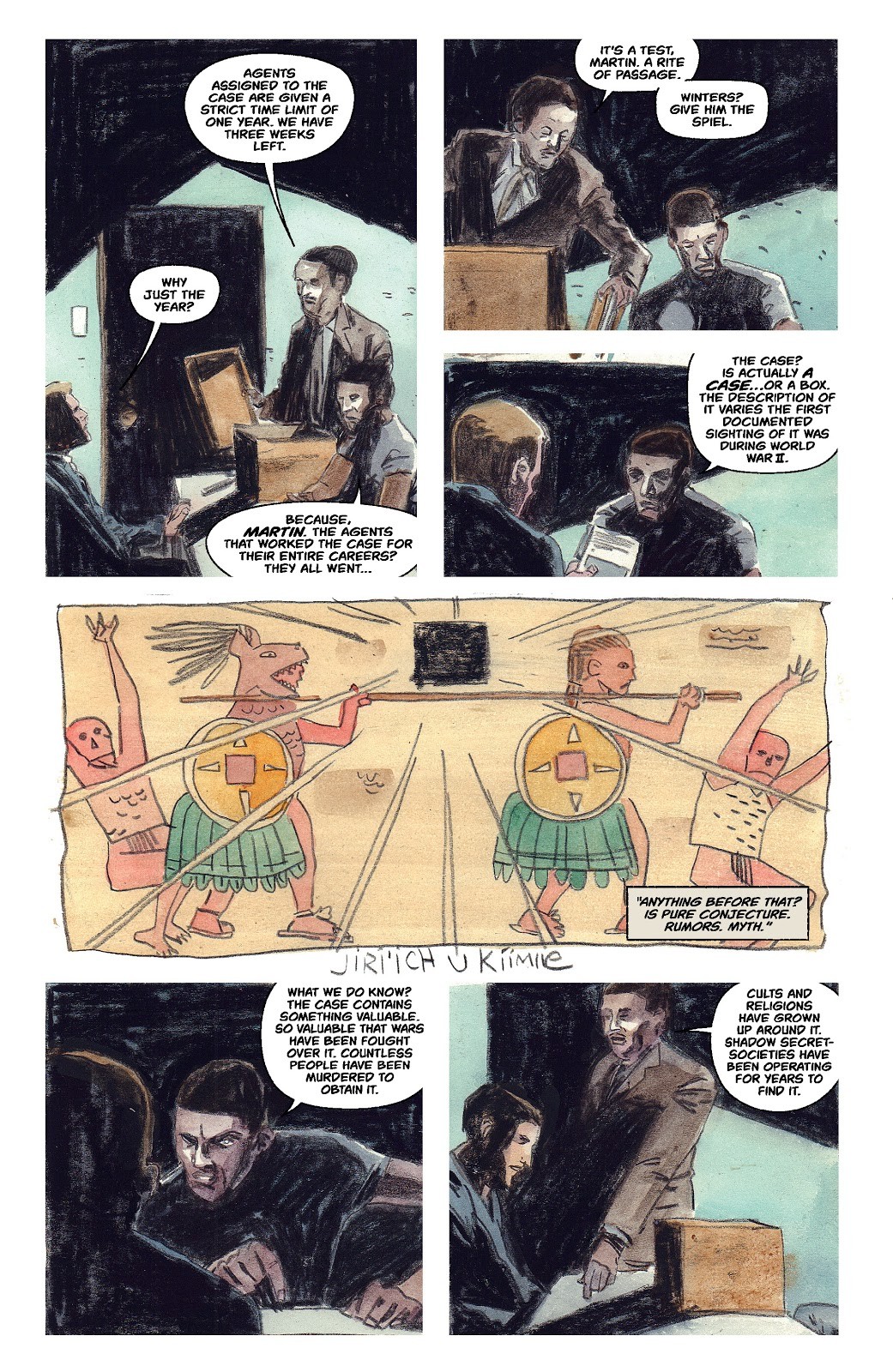
Fear Case #1 focus on two Secret Service agents, one a New Age enthusiast with a love for speculative fiction (called Winters) and the other a more old-school agent that’s not keen on entertaining fantasies (called Mitchum). They’re on the last three weeks of a mysterious case assigned to them concerning a strange box that’s been seen in some of the world’s most enigmatic tragedies. It’s a case that’s eluded many other agents, driven some to madness even. It’s because of this that those who get the case have a one-year deadline to solve it, if they withstand it.

The setup is clean, enticing, and beautifully presented without really getting bogged down by insider shop talk, which tends to make reading procedurals and detective stories a bit cumbersome sometimes. Kindt’s dialogue smoothly transitions from light exposition to character development and it does look like one won’t overpower the other, something that tends to hound True Detective.

Tyler and Hilary’s art, an illustrator and colorist combo, keeps the tone dark and heavy but not to the point of making the book feel like a walk through hell to get at its mysteries. Their approach to tone is not meant to oppress the reader rather than to offer a counterbalance to Kindt’s lively and quick dialogue. They play off of each other nicely. It shows how synchronized this creative team is on this book.

Fear Case
Fear Case #1

The mystery behind the fear case has an air of conspiracy theory behind it, making the interaction between Winters and Mitchum unravel as a clash of worldviews. Winters indulges the more mystic elements of the case while Mitchum is willing to go beyond his comfort zone but only within reason. It’s a refreshing state of affairs that thankfully doesn’t result in the two characters sniping at each other from opposite extremes. They prefer the grey area, perhaps alluding to the possibility no clear answer will come from the case and that a lot will be left up to interpretation.

There’s enough in Fear Case’s first issue to justify following the series at a monthly basis. This is the kind of comic one desperately wants to continue reading once an issue is done. It just comes off as a very good pilot episode for a TV series, like the first episodes for Fringe and The X-Files. Much like those shows, Fear Case hooks you in immediately and I doubt you’ll put up much of a struggle given how good it is.

Script: Matt Kindt Art: Tyler Jenkins Color: Hilary Jenkins
Story: 9.0 Art: 9.0 Overall: 9.0 Recommendation: Buy and brush up on your Philip K. Dick

Dark Horse provided Graphic Policy with a FREE copy for review


Purchase: comiXologyKindleZeus ComicsTFAW

« Older Entries Recent Entries »