
Ripple Effects Explores Life as a Superhero with an Invisible and Incurable Disease
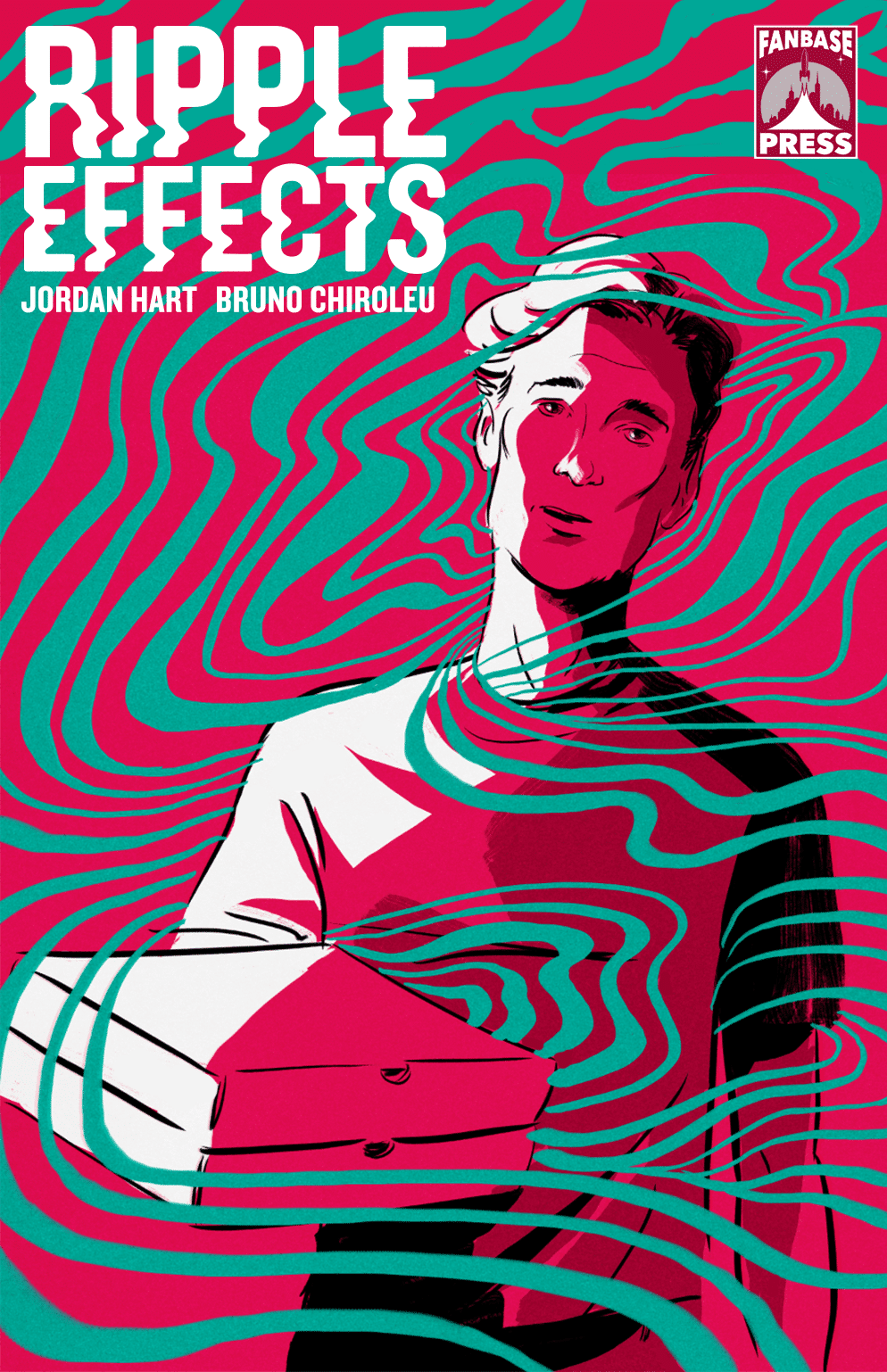
Fanbase Press has announced a new addition to its publishing slate and its first foray into Graphic Medicine with Ripple Effects, a five-issue comic book series created, written, and colored by Jordan Hart, illustrated by Bruno Chiroleu, flatted by Shane Kadlecik, lettered by Oceano Ransford, and featuring cover art by Justin C. Harder.
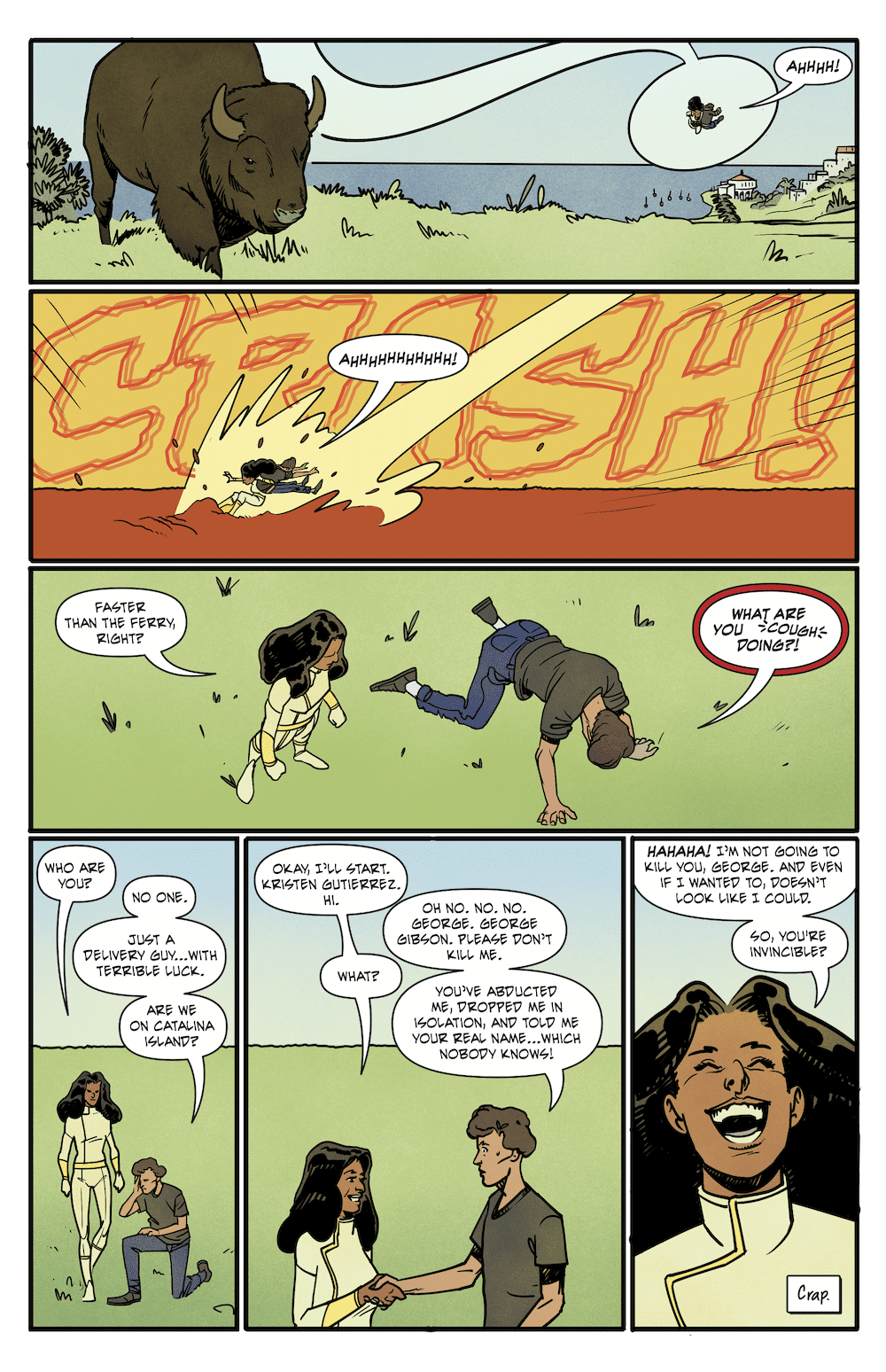
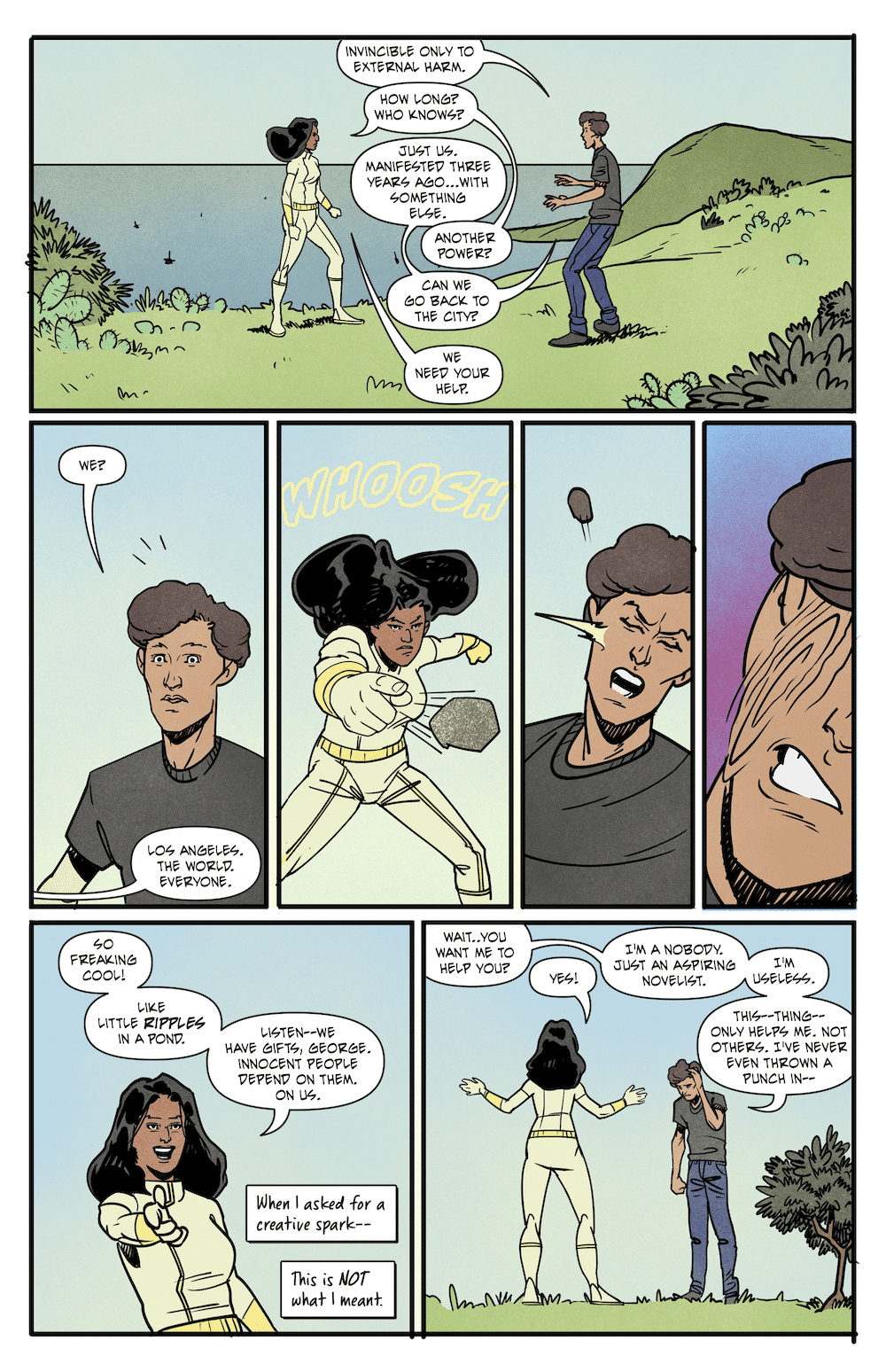
Ripple Effects explores life as a superhero with an invisible and incurable disease. It’s like The Incredibles meets the dramedy, 50/50.
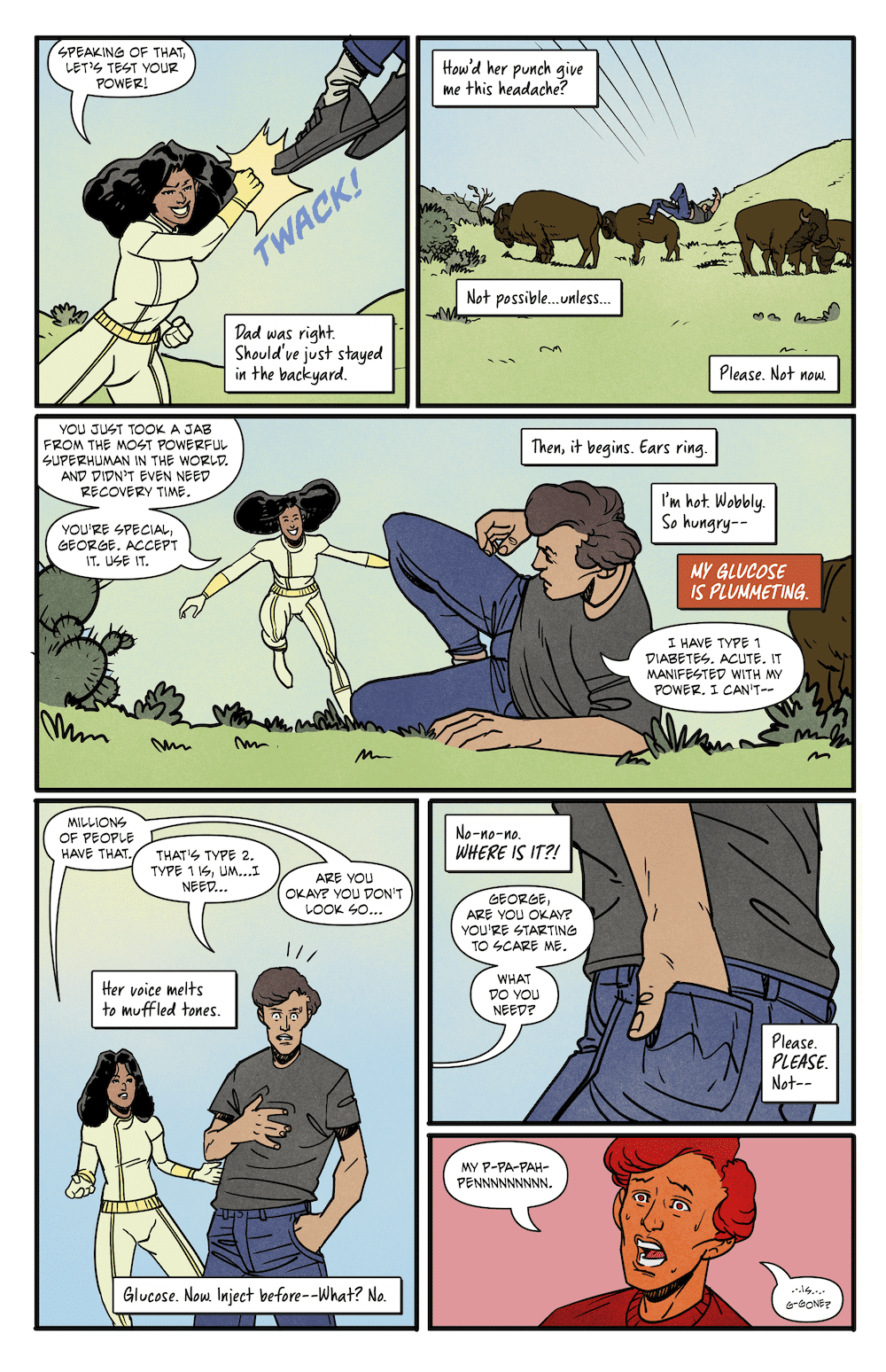
In a world that is no stranger to superheroes, George Gibson is invulnerable to physical harm but fights every day to stay alive. Suffering from an acute case of type 1 diabetes, his invincibility is offset by a defective pancreas that must be monitored and treated daily. This incurable disease makes George’s body both his greatest strength and his eternal weakness.
The series is one near and dear to creator Jordan Hart who lives with an invisible and incurable blood-clotting disease called thrombophilia.
In the announcement, Hart said:
40% of Americans have an incurable disease, some more lethal than others. A superhero who struggles with medical bills, weekly doctor visits, and the anxiety of depending on daily, erratic treatments seems well overdue.
What sets this series apart is a positive, person-first representation about life with a chronic disease . . . which just so happens to also include superhuman abilities. But, Ripple Effects isn’t just a story about a character with an incurable disease. It’s also a thrilling and relevant superhero tale that touches on the difficulty of finding a work/life balance, the class struggles and economic inequality experienced by many in our nation, and the desire to help others during trying times.
Issues #1-5 of the comic book series will be released digitally through ComiXology and Hoopla Digital starting in the summer of 2022. In addition, the series will be collected into a printed trade paperback following the digital release. The Ripple Effects trade paperback is currently available for pre-order through the Fanbase Press website. Pre-orders made by August 1, 2022, will receive an exclusive print illustrated and signed by series creator Jordan Hart.


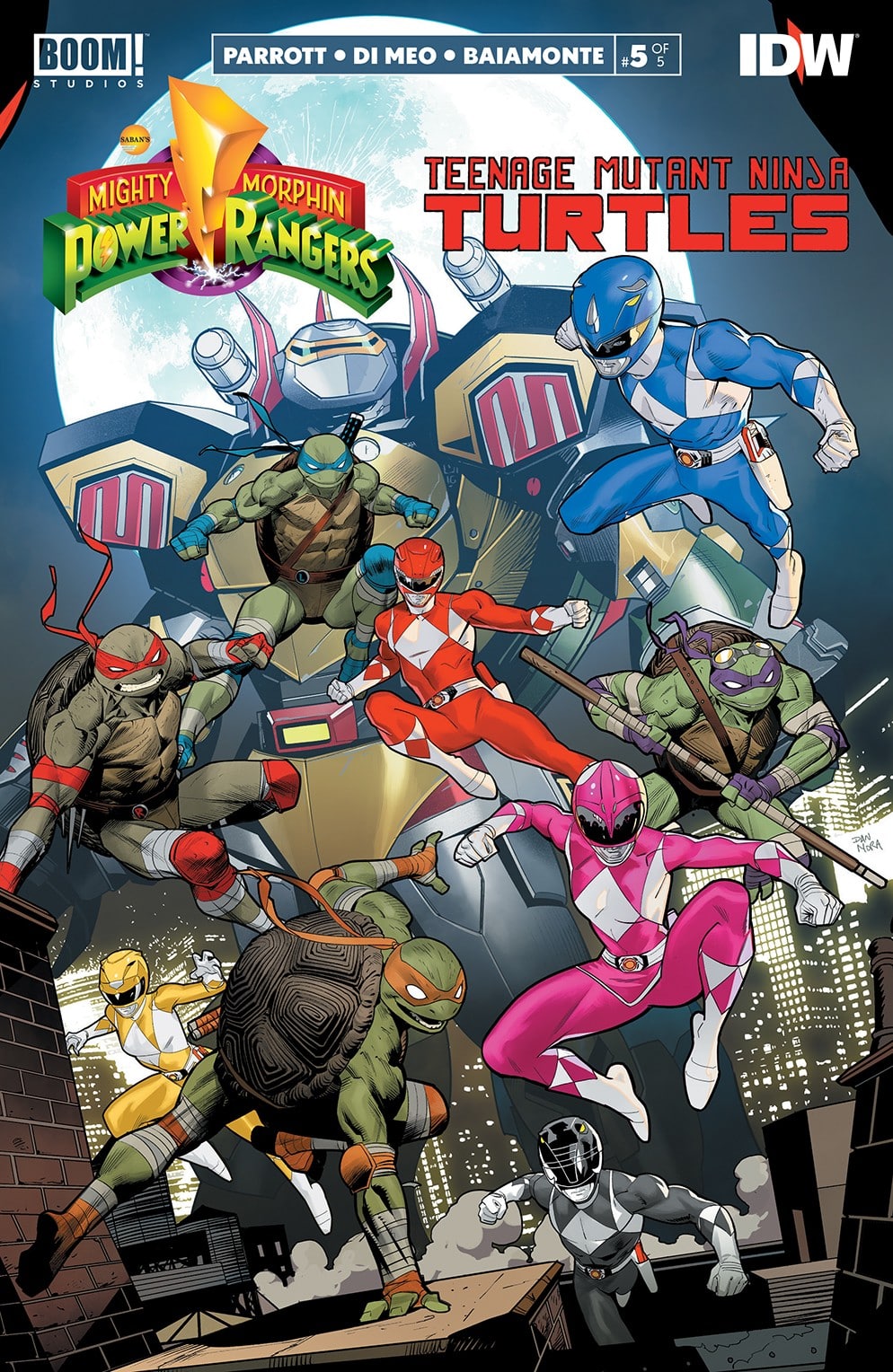
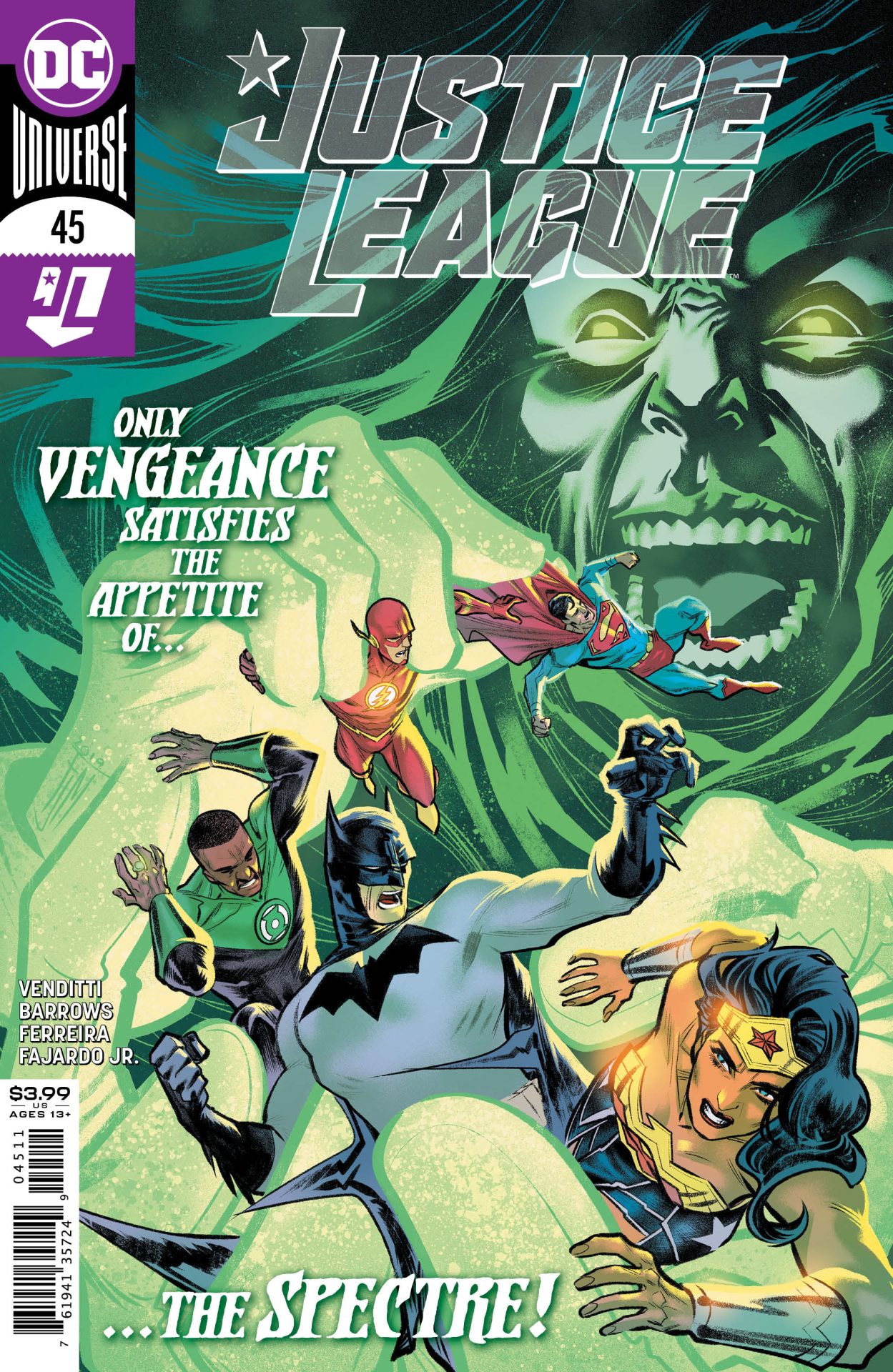



 It’s a new week and we’re gearing up for the end of year and holidays and we’ll be kicking off our coverage of both this week! While you wait for that, here’s some comic news and reviews from around the web.
 While it is so often considered taboo and explicit, so much of the world revolves on sex and people’s deepest desires. People are obsessed with the optics of what makes someone sexy. Movies, music, television, books, and comics, all rely on it to make themselves more scintillating. Though the subject still makes us uncomfortable.
 Penn State University Press has announced the release of Graphic Reproduction. This comics anthology delves deeply into the messy and often taboo subject of human reproduction. Featuring work by luminaries such as Carol Tyler, Alison Bechdel, and Joyce Farmer, Graphic Reproduction is an illustrated challenge to dominant cultural narratives about conception, pregnancy, and childbirth. The anthology is edited by Jenell Johnson with an afterword by Susan Merrill Squier.
