On July 13, a dozen attorneys general filed a lawsuit to stop the acquisition of Warner Bros. Discovery by Paramount Skydance. The lawsuit raised antitrust concerns and a decrease of competition. On July 20, a temporary restraining order was granted that prevented the deal from “closing” or “consummating” or taking any steps that would integrate or consolidate the operations.
Now, the judge has extended that restraining order by an additional 14 days, through August 17. The reason is to give the parties in the case more time to set an extended schedule for legal proceedings.
A hearing is currently set for August 3 to address the motion by the states and a preliminary injunction that could outright block the deal.
Paramount, though, has filed a motion for a three-day evidentiary hearing to take place later in August instead of that August 3 motion. They want that format so they can cross-examine the states’ expert witnesses. The states have said it’s an attempt to get around the process and decrease the time for the states to prepare their argument before the court.
Paramount must terminated its stake in a theatrical distribution joint venture with Universal Pictures called United International Pictures. This must be done within 13 months of the closing of the transaction.
It can not go into an agreement or understanding with Universal to co-distribute films in the European Union for 10 years.
The company can’t move the distribution of Warner Bros. films from their existing distributor to the one used by Paramount where that distributor also distributes Universal’s or Disney’s films in Bulgaria, Croatia, Czechia, Cyprus, Denmark, Estonia, Finland, Greece, Hungary, Iceland, Latvia, Lithuania, Norway, Poland, Portugal, Romania, Slovakia, Slovenia and Sweden.
Paramount won’t shift its distribution of its films to the distributor used by Warner Bros. where that distributor also distributes Universal or Disney films.
The commission felt that there was enough competition for film production in the EU and US including Disney, Universal, Sony, MGM, A24, Lionsgate, and more. It also didn’t think there was issues when it came to the overlap in pay-tv channels, in particular for children.
The clock is ticking for Paramount Skydance when it comes to their takeover over Warner Bros. Discovery. The business move has a temporary restraining order granted preventing it from going forward inching the entertainment company closer to its September 30 deadline to complete the deal.
Paramount has filed a motion for an abbreviated three-day evidentiary hearing to present its case to the court. A hearing was set for August 3 but Paramount is asking for that to be pushed to the week of August 17 or August 24 with a mini trial instead of a focus on the preliminary injunction.
Paramount wants the case to go quickly as the cost to purchase WBD increases if the deal isn’t done by September 30. The price increases 25 cents per share per quarter it’s not approved. That would add $627 million to the cost of the overall deal each quarter, or roughly $7 million per day. This lawsuit will likely drag on for months if it moves forward making it unlikely the deal will close by that date. The company has said delays could force it to renegotiate the deal’s financing, cause uncertainty for its stock price, or end the transaction altogether.
In the lead up to Comic-Con International San Diego, Comixology and Mad Cave Studios have announced that they have expanded their agreement to bring more Comixology Originals titles to print. In addition to the recently announced original graphic novel Quiet, by celebrity baker and cookbook author Kim-Joy with art by Alti arriving digitally this September and in print in summer 2027, the companies are excited to announce the acclaimed digital releases Major Thomás, Endless, She’s Running on Fumes, and The Tormented will be published in paperback and available for the first time in both bookstores and comic shops in 2027.
Mad Cave will bring the following Comixology Originals books to print in 2027:
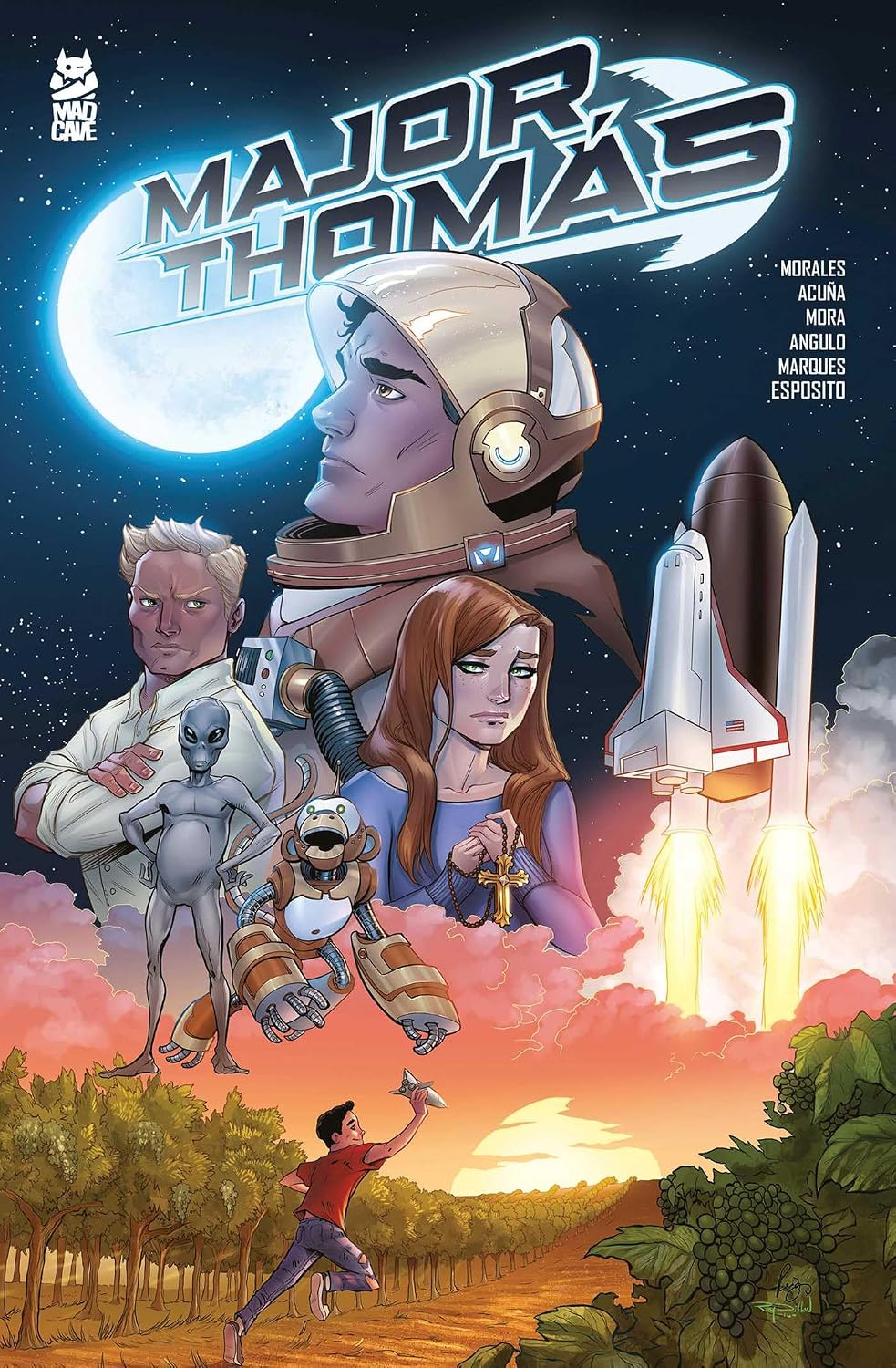
Written by Omar Morales with art by Mau Mora and Serg Acuna January 12, 2027 / January 13, 2027 — First Time In Print!
A Mexican-American farm worker becomes a NASA astronaut and just as his dreams begin to blast off, he gets lost in the middle of a space war, marooned with crushing regret about his life choices. With a foreword by Astronaut José M. Hernandez, Major Thomás is an inspiring hero’s journey for young people around the world.
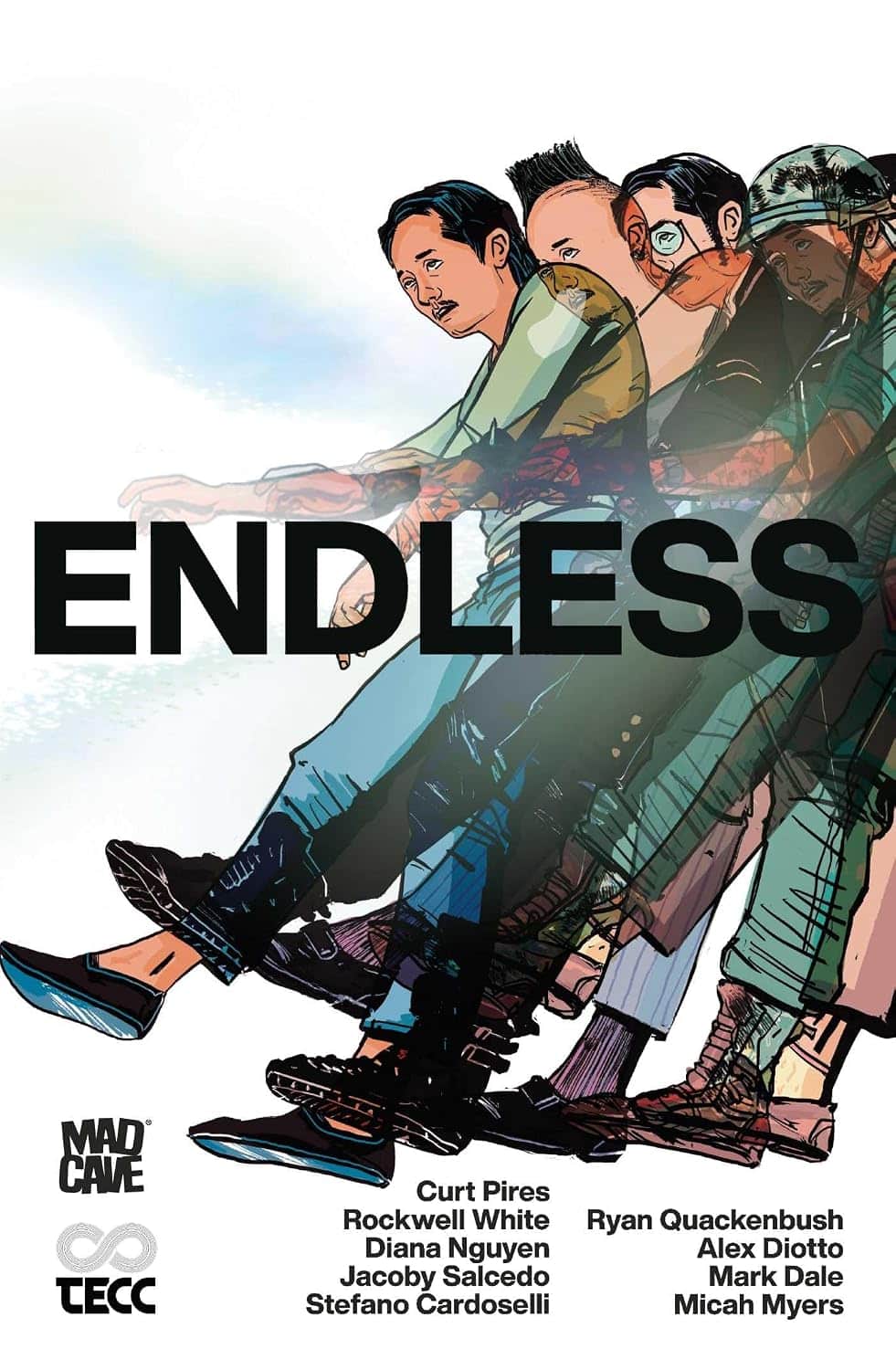
Written by Curt Pires and various artists February 23, 2027 / February 24, 2027 — First Time In Print!
When a heist to steal an expensive piece of scientific technology goes wrong, Henry Quan, a selfish career criminal, is unmoored in both space and time. Thrown in and out of parallel lives across the multiverse, he struggles to find his way back home and find out what exactly happened to him.
Each of the five issues reveals a new life in a new universe, drawn by a different amazing artist—including Diana Nguyen, Ryan Quackenbush, Rockwell White, Jacoby Salcedo, and Stefano Cardoselli.
Written by Dennis Hopeless with art by Tyler Jenkins March 23, 2027 / March 24, 2027 — First Time In Print!
A desperate mom will do anything to keep her family afloat—and grand theft auto is just the start. It’s summer 1984 in Deepwater, Missouri, and Jean’s husband has just scrambled his own eggs in a horrific car wreck. That, Jean can handle. The fifty thousand dollars worth of cocaine missing from his trunk? That’s a little harder. What’s a good woman to do?
She’ll start by throwing “good” out the window. Stealing cars and chopping them up makes a living, if not a great one. But the criminal life isn’t exactly family-friendly, and it sure as hell ain’t easy.
Inspired by real events from writer Dennis Hopeless’ own childhood, She’s Running on Fumes is a heartfelt, bittersweet exploration of what keeps a family together.
THE TORMENTED
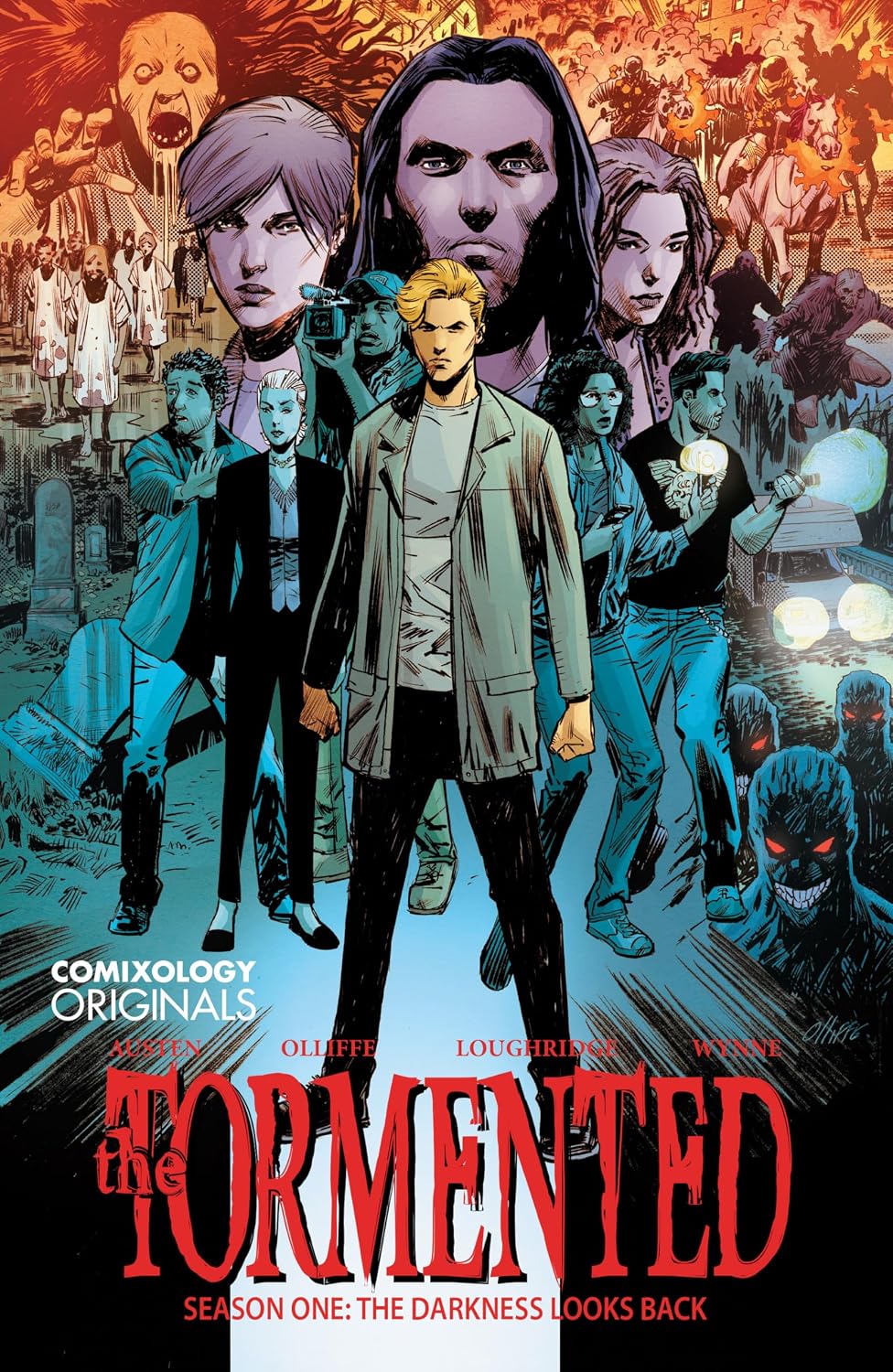
Written by Chuck Austen with art by Patrick Olliffe May 18, 2027 / May 19, 2027 — First Time In Print!
Ryan Auster’s parents were famous demon hunters while he was growing up, but unlike his father, mother, and sister, Ryan never had “the gift” to “see” the paranormal, so they left him behind when they went out to investigate. But Ryan was only hiding his gifts out of fear—fear of the things in the darkness, fear of his own, abusive father—until one life-altering night his fears prove right, something goes horribly wrong, and his entire family is brutally murdered by something… not human.
Instantly orphaned, Ryan is raised by various foster families, until—as an adult, he finds his paranormal abilities have unexpectedly gotten him an offer to host a ghost hunting reality TV show. He desperately needs the money, but he knows that if he takes the job, using his “gifts” will make him visible to whatever it was that gruesomely butchered his family, marking him, and his newfound friends on the show, for the same fate.
Too broke to say “no”, Ryan agrees to host the show, but his worst fears are realized when his “powers” do indeed make him a beacon that draws—not just the beings that killed his family—but all the many horrors that live in the darkness.
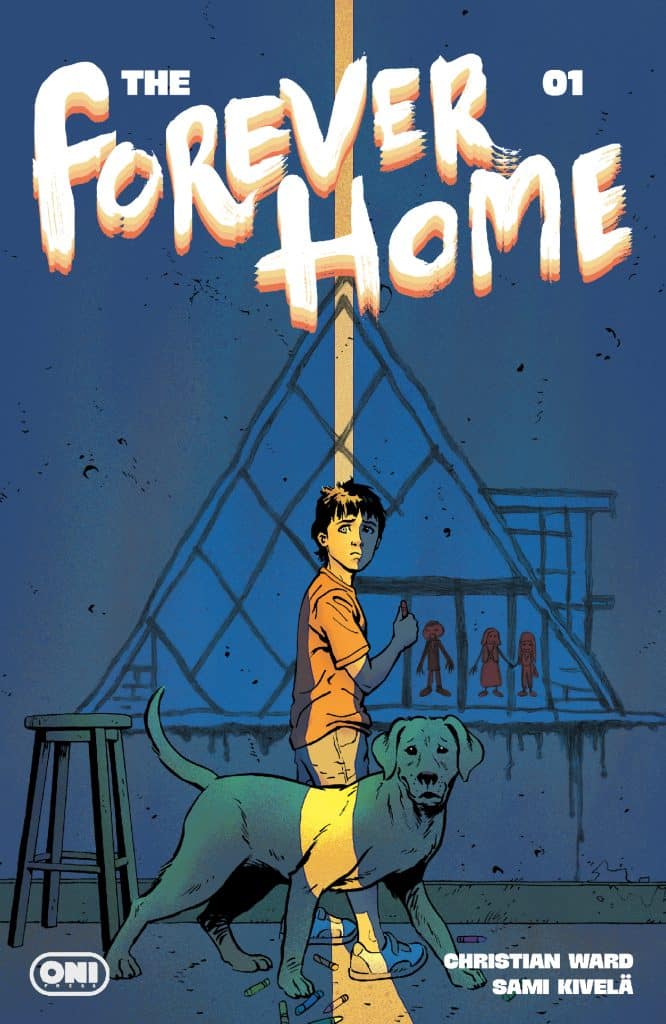
In advance of Comic-Con International 2026 in San Diego, Oni Press has announced it has brokered a new, multi-project deal with multiple Eisner Award-winning creator Christian Ward.
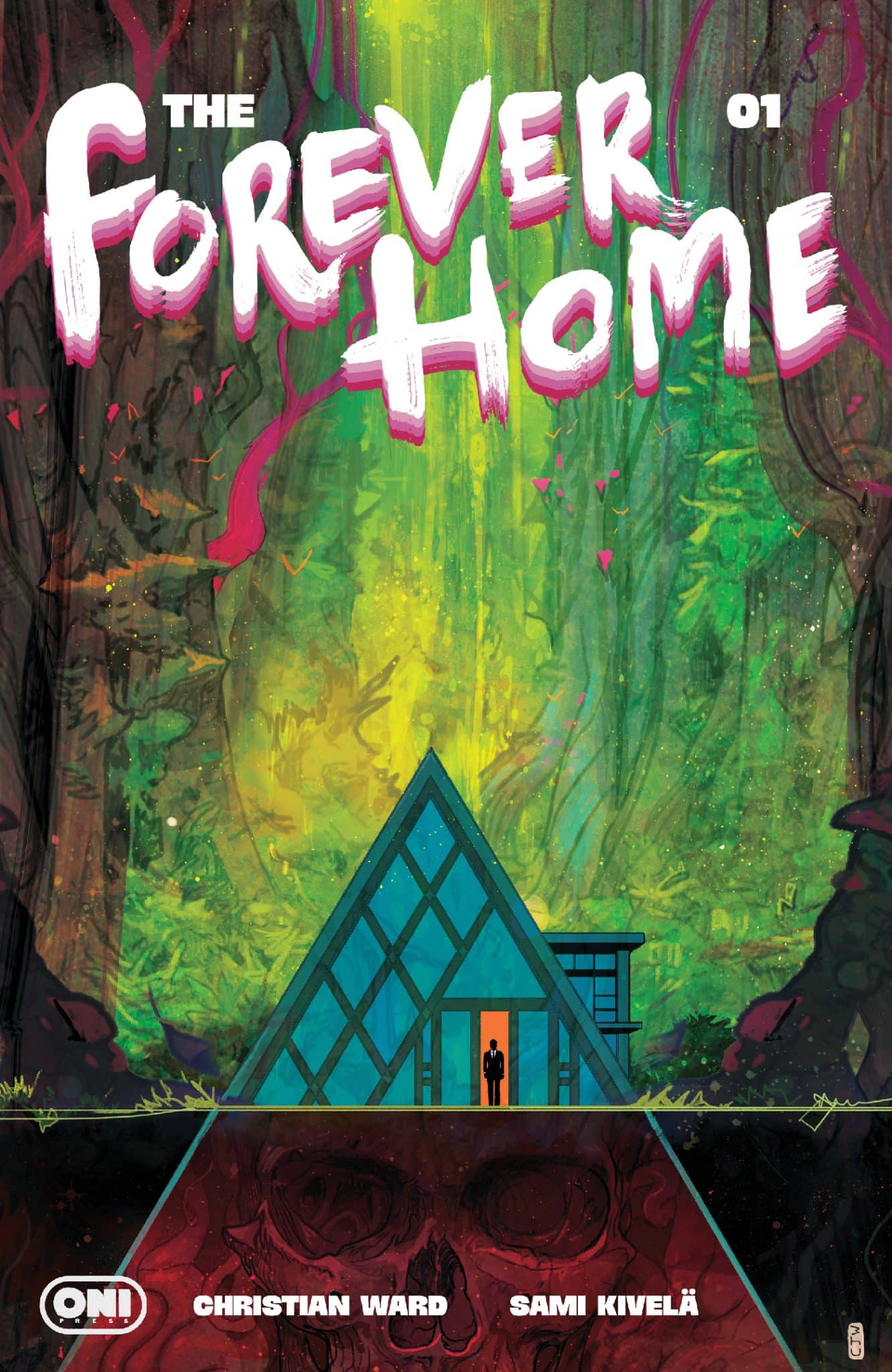
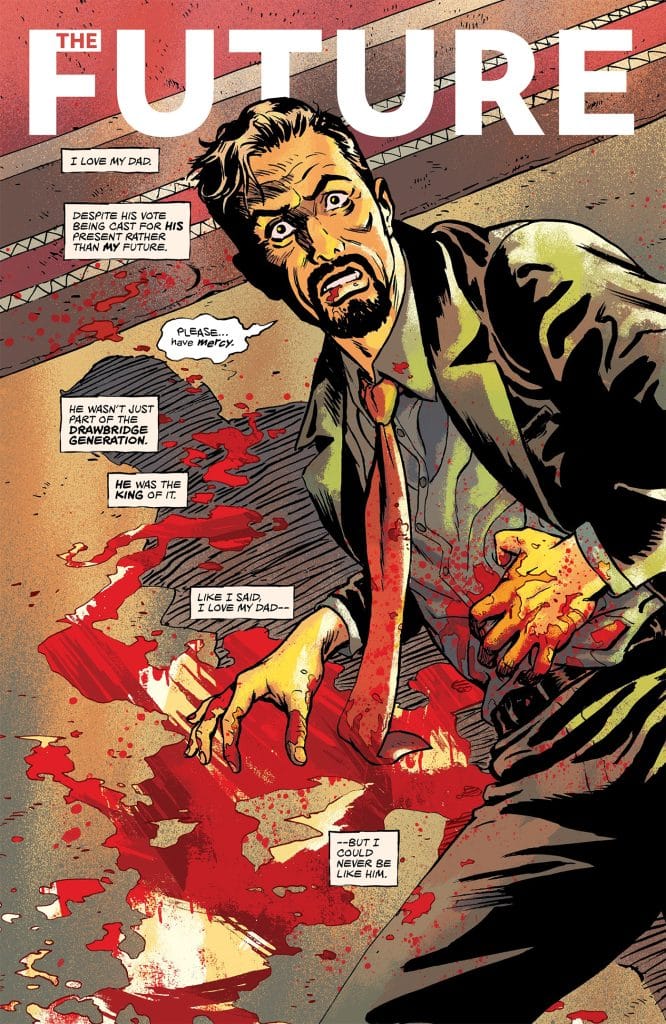
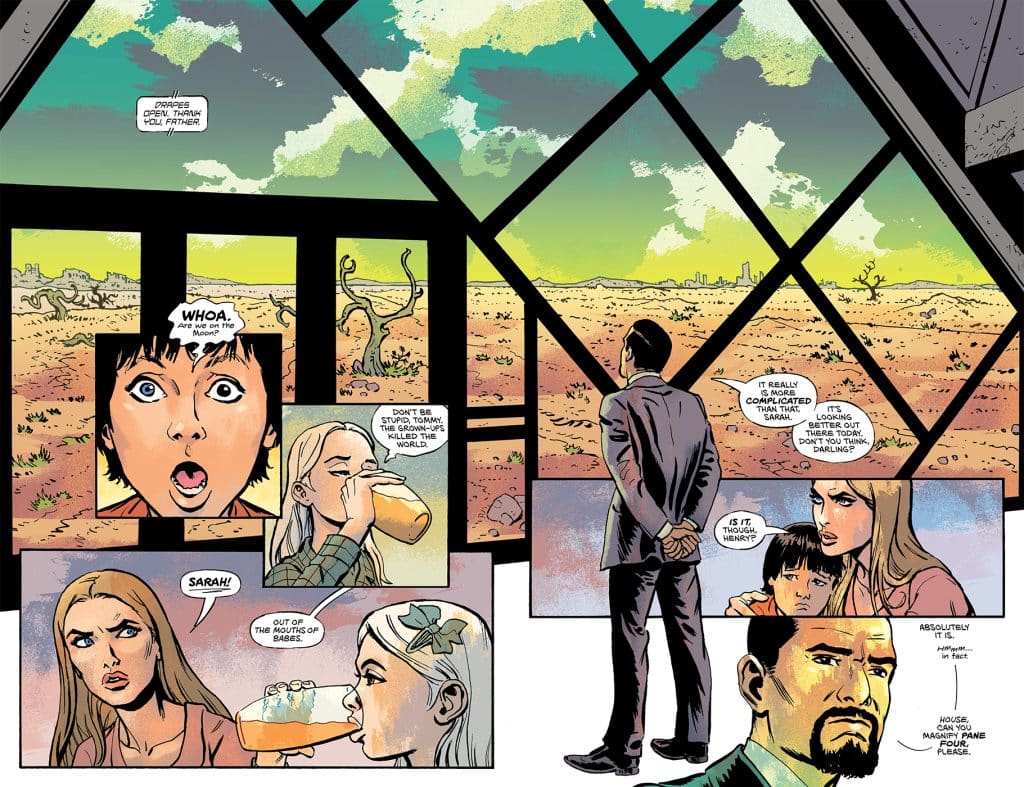
Extending beyond the upcoming release of The Forever Home #1 – Ward’s six-part series with artist and co-creator Sami Kivelä, beginning in September – the new deal will include three new creator-owned projects featuring Ward’s talents as both a writer and artist in various capacities.
The first of three new series will debut in 2027. Creative details for all three are being kept under wraps.
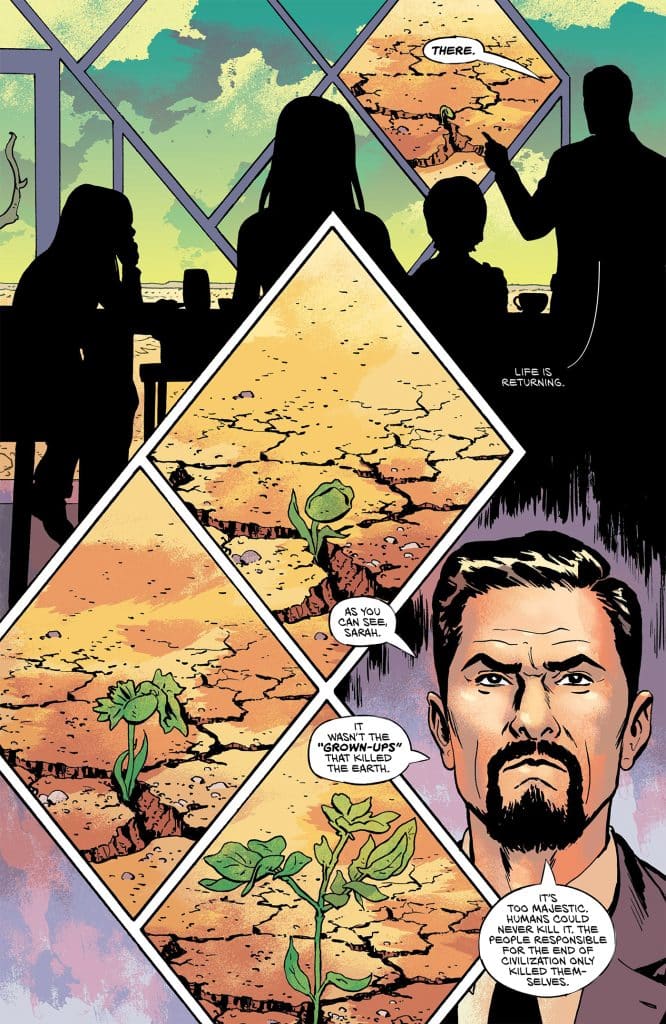
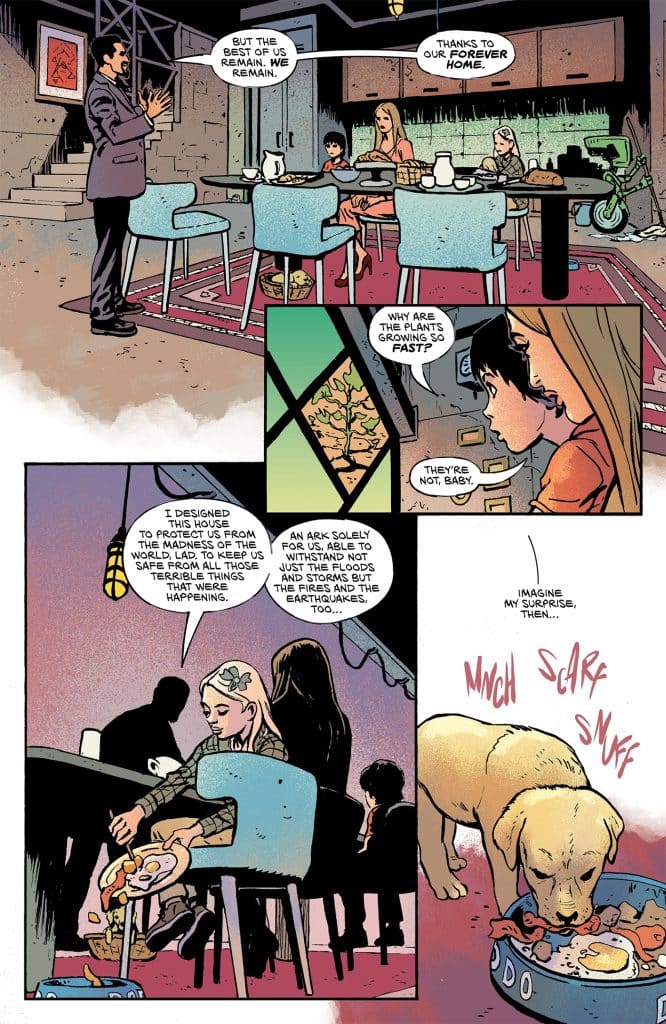
This September, join visionary creators Christian Ward and Sami Kivelä as they prepare to challenge the limits of time, technology, and human endurance itself as one family’s refuge from the end of the world becomes an eon-spanning nightmare – only in The Forever Home #1. Infamous billionaire scientist Henry D’mour could have saved the world. But he didn’t. Instead, in a desperate bid to save himself, his wife, and their two children, he constructed The Forever Home — an ark of luxury and ultramodern convenience insulated from the agony of the planet’s death throes outside its walls … and even time itself. Inside The Forever Home, only 29 minutes pass for every year on the outside … allowing the D’mour family to slowly enact their plans for a new world as their automated environment and robotic companions keep them safe. Safe on the inside. Always inside. Until a childish misstep accidentally breaks The Forever Home’s barrier … and what’s outside decides it wants back in …
To further discuss The Forever Homeand the newly inked deal, Ward will be joining Oni Press at San Diego Comic-Con 2026 on Thursday, June 23rd at 11 am PT as a guest for the Oni Press: The Loudest Thing in Color panel presentation, alongside fellow creators Tyler Crook, Juan Gedeon, Bryan Lee O’Malley, Tradd Moore, Curt Pires, and more.
Ward will also be signing copies of the new High Strangeness Deluxe Edition (featuring Ward’s stunning artwork alongside contributions from Daniel Noah, Chris Condon, Dave Chisholm, and more) and free copies of theThe Forever Home/Fort Psycho Preview Book at the Oni Press booth (#1829) at the following times while supplies last:
Thursday, July 23 | 12 noon – 1 pm (with Tyler Crook, Juan Gedeon & Curt Pires)
U.S. District Judge Araceli Martinez-Olguin granted the approval, the largest known settlement of a U.S. copyright case, and rejected claims that the settlement was too small.
The lawsuit was launched in 2024 and said that Anthropic used books without permission to teach the artificial system, Claude.
The ruling was a bit mixed in that some of the use was ruled as fair use but the company was nailed for saving more than 7 million pirated books into a “central library.” A trial was scheduled for December.
Authors and other copyright holders filed claims covering over 92% of the more than 480,000 works included in the settlement, an attorney for the authors said during a court hearing.
It’s an early win for a dozen State Attorneys General in their lawsuit attempting to stop the merger between Paramount Skydance and Warner Bros. Discovery. The temporary restraining order pauses the merger for 14 days and in response to a lawsuit filed July 13 by California, Arizona, Colorado, Connecticut, Massachusetts, Minnesota, Nevada, New Jersey, New Mexico, New York, Oregon, and Washington.
The lawsuit was filed in the U.S. District for the Northern District of California and alleges the deal violates Section 7 of the Clayton Act. That focuses on lessening competition through mergers and is an attempt to prevent monopolies.
U.S. District Judge Araceli Martinez-Olguin wrote that the AG’s:
…present compelling evidence that the combined firm resulting from the transaction will possess substantial market share in the wide-release theatrical distribution market.
On this combined firm market share alone, the Court is persuaded that it can presume the proposed merger is likely to violate antitrust laws.
The order prevents the deal from “closing” or “consummating” or taking any steps that would integrate or consolidate the operations.
Attorney General Bonta said in a statement:
My office and attorneys general nationwide have secured an emergency order blocking the unlawful merger of Warner Bros. and Paramount. This is a critical first win in our case to ensure this megamerger never sees the light of day. History tells the tale of what happens when a few people have great power over markets that are central to Americans’ lives: fewer opportunities for more people, worse products and services for all people. With our lawsuit, we’re fighting for a free and fair market and a thriving film and television industry that serves creatives and audiences alike. We have a full tank of gas, the law on our side, and look forward to continuing to make our case.
The AGs argued the temporary restraining order was needed because Paramount had indicated it could possibly close the deal soon. Paramount’s lead attorney, Jeffrey Kessler, said that they were prepared to commit to not closing the merger for the next 28 days.
The decision is important as it delays the closing of the deal for Paramount. Paramount Skydance wants the deal to close before September 30, 2026 or the cost will increase the longer it drags on. The price increases 25 cents per share per quarter it’s not approved. That would add $627 million to the cost of the overall deal each quarter, or roughly $7 million per day. This lawsuit could drag on for months making it unlikely the deal will close by that date. The company has said delays could force it to renegotiate the deal’s financing, cause uncertainty for its stock price, or end the transaction altogether.
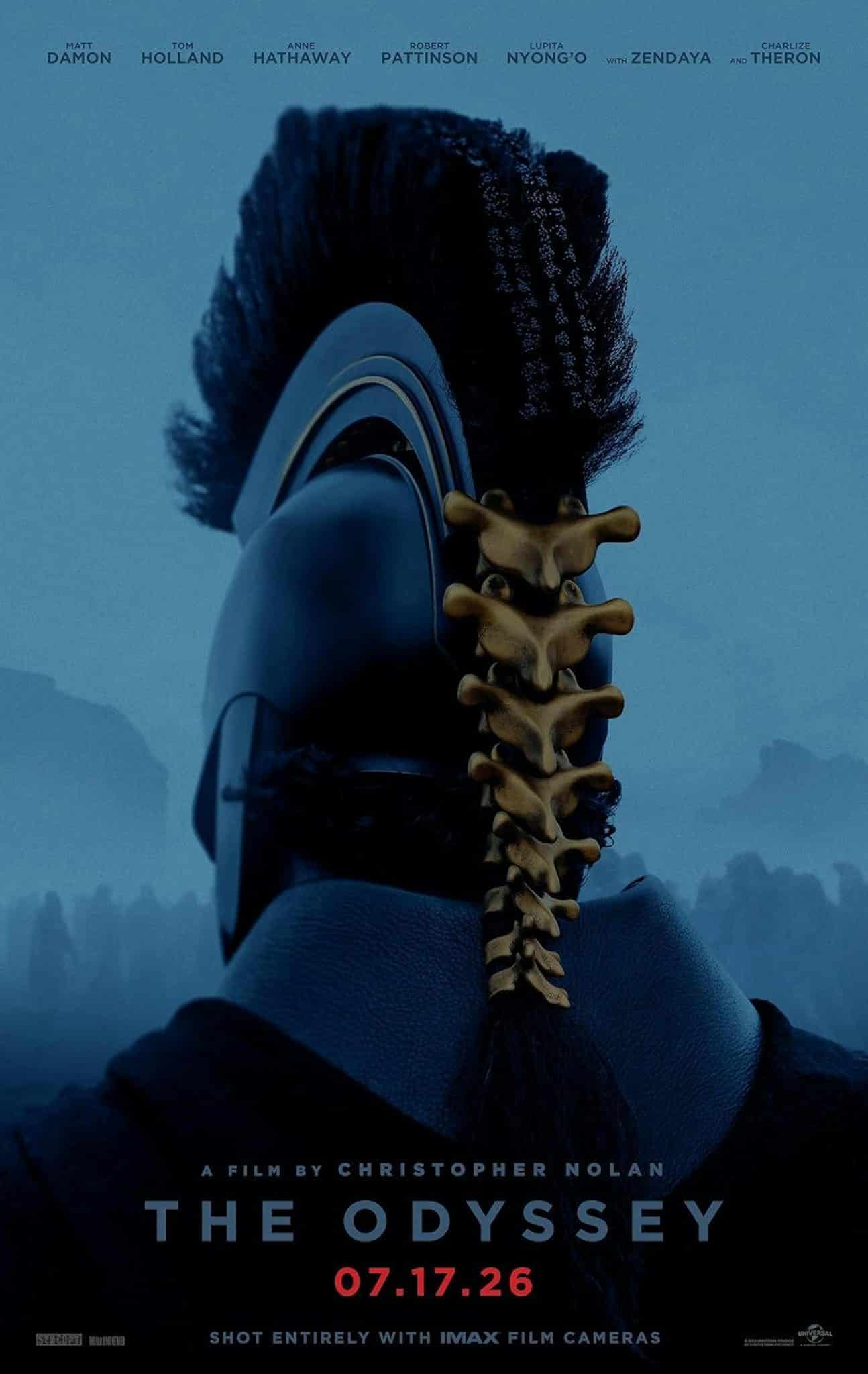
Everything old is new again as The Odyssey topped the weekend box office with an impressive $124.5 million domestically. Internationally, the movie grossed $139.6 million giving it $264.1 million worldwide in its first weekend. The film’s success is another win for Christopher Nolan and the film is driving viewers into premium screenings showing that if you create “event viewing,” audiences will show up. It’s going so well that IMAX is extending its screenings for another week. It is reported that half of the moviegoers were aged 18 to 34, showing the film has found success across ages and generations.
In second place was Moana, which is hard to call anything but a flop. The movie added $19 million domestically, a 56% drop from the previous week bringing that total to just $82.1 million. Internationally, it grossed $44.4 million over the week to bring that total to $96.4 million. Worldwide, the movie has grossed $178.5 million. With a reported production budget of $250 million, it’s hard to see it making a profit unless it’s tie-ins bring it across the goal line.
Minions & Monsters slipped to third place with a possible tie with Toy Story 5. Minions & Monsters and Toy Story 5 both grossed an estimated $14.8 million, so we’ll see what the end numbers wind up being.
Minions & Monsters domestically has now grossed $137.6 million. Over the week, it grossed $48.5 million internationally which is now $220.3 million. Worldwide, the movie has grossed $357.9 million.
Toy Story 5 has grossed $430.9 million domestically and over the week it added $52.2 million internationally which is now $527.5 million. Worldwide, the movie has grossed $958.4 million and sure to cross the billion dollar mark before its run is over.
Evil Dead Burn rounded out the top five with $5 million domestically to bring its total to $24.2 million. It’s international total is $27.2 million for a worldwide total of $51.4 million.
In comic related movies…
Supergirl came in ninth place. It grossed an estimated $1.5 domestically which is now a little under $70 million. Internationally, the movie grossed $1.5 million over a week to bring that up to $50.9 million. Worldwide, the movie has grossed $120.6 million after two weeks.
Star Wars: The Mandalorian and Grogu grossed an estimated $120,000 over the weekend to bring its domestic gross to $177.5 million. Internationally, the movie remained at $163.1 million. Worldwide, the movie has grossed $340.6 million after five weeks. The film will wind up slightly short of Solo: A Star Wars Story was when it ended its run.
Bleach: Thousand-Year Blood War – The Calamity has grossed $4.3 million domestically. Internationally, the movie has grossed $731,877 which makes $5 million worldwide.
Masters of the Universe grossed $300,000 domestically which is now $64.6 million and has also grossed $48.7 million internationally for $113.4 million worldwide.
Numbers have 48 movies grossing $188,271,704 from 29,288 theaters for an average of $6,428.29. That is compared to last week’s 62 movies grossing $127,920,333 from 31,743 theaters for an average of $4,029.88.
Dynamite Entertainment‘s new juvenile imprint, Dynamite Kids, has announced an extension to their ongoing licensing partnership with Nickelodeon through 2027.
This update will ensure even more exciting releases by the publisher featuring the biggest brands that children love, including PAW Patrol, its spinoff Rubble & Crew, as well as Blue’s Clues & You. These juggernaut-hit animated preschool series will be featured in official activity books, board books, and more!
Alongside this extension, Dynamite is excited to announce the debut of Blue’s Clues & You: The Mystery of the Missing Pie. This novelty board book makes its way to stores and young readers this October, inviting them to help solve another mystery. In the new tale from writer Jane Kent, children join Blue and Josh as they search for Mr. Salt’s missing pie. Across the interactive adventure, every spread features fun pop-out pieces that will help them solve this delicious mystery!
This upcoming release joins a slate of already-released books from the partnership between Dynamite Entertainment and Nickelodeon including:
PAW Patrol: PAWsome PUPpets!
PAW Patrol: Ready for a Rescue!
PAW Patrol: Ruff ‘n Ready Rescues!
PAW Patrol: Construction Heroes
Blue’s Clues & You: It’s Puppet Time with Blue!
Blue’s Clues & You: Blue’s Beach Bonanza
Blue’s Clues & You: It’s Your Birthday!
Dynamite Kids is thrilled to keep collaborating with one of the most beloved and influential brands in both children’s entertainment and education. Stay tuned for more exciting updates about these book releases that are ideal for preschool-aged children and their families!
The collective, made up of 50 artists and writers, is made up of creators who have had their works published by Silver Sprocket and acknowledge its role in many of their careers and the publisher championing unique and diverse comics.
But, with the good, there’s the bad that includes issues “like systemic accounting problems, important financial miscommunications, concerns about treatment of staff, and a general lack of professionalism.”
In their statement, they state those concerns have been dismissed and they feel they have reached an impasse with the publisher leading to the release of the statement.
Issues began to be noticed in 2025 when several artists noticed “inconsistencies in the accounting and payment of royalties.” They attempted to raise the concerns with Silver Sprocket owner Avi Ehrlich and were asked to form a “small working group” to discuss changes and create solutions.
They collective saw it in another way, their requests and concerns were “baseline responsibilities of the publisher” like resolving overdue royalty statements.
As of June 2026, they collective has seen no progress addressing their concerns and a lack of accountability.
The concerns are:
Royalty Payments – Silver Sprocket provides a 50/50 net revenue split (profit split) though they see an issue with Silver Sprocket also acting as a retailer resulting in more of a 75/25 revenue split. There’s also questions about the lack of separation between the Silver Sprocket store and Silver Sprocket as a publisher when it comes to business entities.
Royalty Statements – Statements are received late along with late payments and include miscalculations.
Expenses – Unexpected expenses have been added to statements that reduce potential royalty payments. Examples mentioned are a “marketing bonus,” costs for a second printing, being charged for a flight.
Bookkeeping and Accounting – The collective states that Silver Sprocket is inconsistent with their methods of calculating sales data resulting in corrections in reported revenue. There’s a need for a professional bookkeeper to track the complicated expenses/process.
Communication – The difficulty in communicating concerns is mentioned including Silver Sprocket leadership speaking “poorly of artists and adjacent members of the comics community” as well as outright lying.
Treatment of Sprocket Staff – The Sprocket Artist Collective support the Silver Sprocket staff that have been unfairly let go and those that have left in frustration.