Tag Archives: Shudder

NYCC 2024: Shudder previews its 2025 Film Slate

Shudder, AMC Networks’ premium streaming service for horror, thriller and the supernatural, previewed its highly anticipated 2025 film lineup during a special panel at New York Comic Con 2024. The event, titled “Shudder is here to Scare the S*** Out of You,” was led by Shudder’s VP of Programming, Samuel Zimmerman, and featured a distinguished group of horror industry talents including actors David Dastmalchian and Devon Sawa, musician and director Flying Lotus, actor and director Kate Siegel, and director Tina Romero. During the panel, Shudder revealed several key updates: the upcoming release of Dark Match, a wrestling-themed horror film debuting on January 31, 2025, and a first-look teaser for the sci-fi horror feature ASH, set for theatrical release through RLJE Films and streaming on Shudder in 2025. Additionally, Shudder confirmed the greenlight for the highly anticipated eighth installment of the V/H/S franchise.

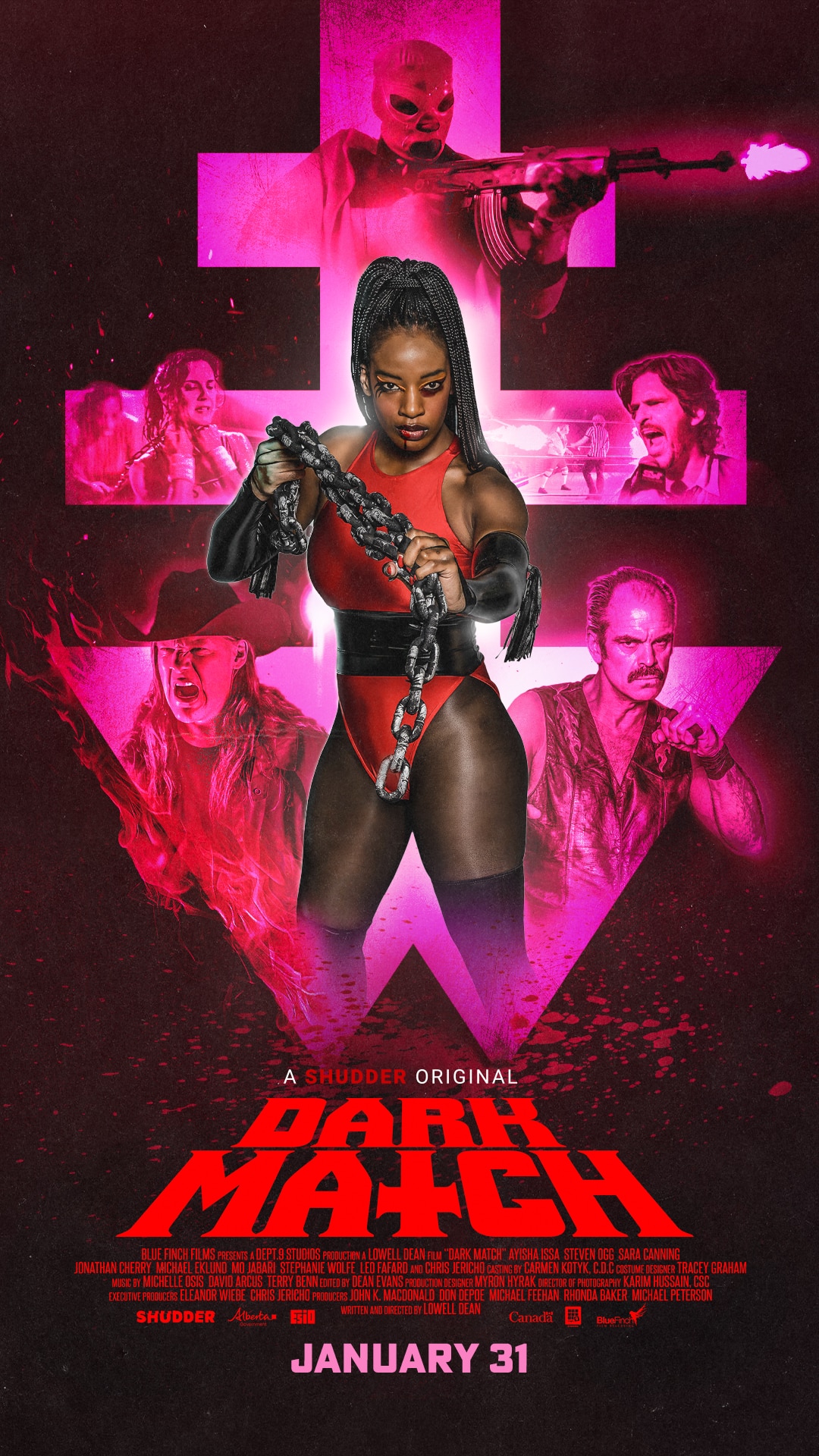
Shudder has acquired the US, UKI, and ANZ rights to Dark Match, written and directed by Lowell Dean and starring wrestling superstar Chris Jericho (TERRIFIER 2), Ayisha Issa (TRANSPLANT), Steven Ogg (THE WALKING DEAD, WESTWORLD), Sara Canning (THE VAMPIRE DIARIES)Michael Eklund (THE CALLand Jonathan Cherry (GOON). 

In Dark Match, a small-time wrestling company accepts a well-paying gig in a backwoods town only to learn, too late, that the community is run by a mysterious cult leader with devious plans for their match. The film will debut on Shudder on January 31, 2025.
Dark Match

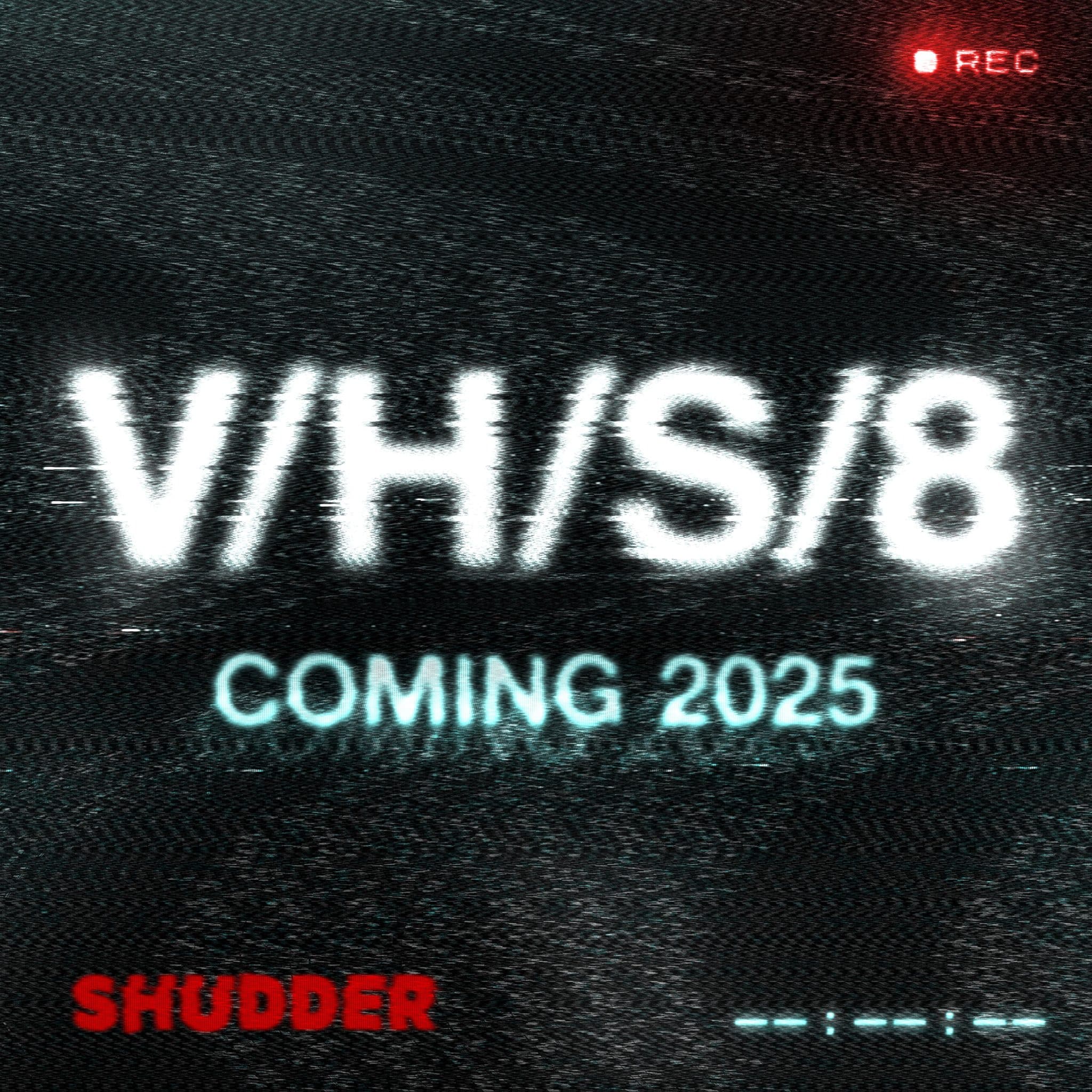
The found footage franchise V/H/S will continue with an eighth film, set to debut on Shudder in 2025. The news comes on the heels of a record-breaking opening for the latest installment V/H/S/BEYOND, which debuted on Friday, October 4 and became the #2 most streamed film of all time across Shudder and AMC+ and the most streamed movie in the V/H/S franchise.
RLJE Films and Shudder have acquired the US rights to Grammy Award Winner Flying Lotus’ second feature ASH. The film stars Eiza González (BABY DRIVER, 3 BODY PROBLEM), Aaron Paul (BREAKING BAD, WESTWORLD), Iko Uwais (THE RAID, THE NIGHT COMES FOR US), Beulah Koale (NEXT GOAL WINS), and Kate Elliott (WENTWORTH), and will feature an original score composed by Flying Lotus, whose previous films include the Shudder Original KUSO and a segment in V/H/S/99. ASH will have a wide theatrical release through RLJE Films and streaming on Shudder in 2025.

On the mysterious planet of Ash, Riya (González) awakens to find her crew slaughtered. When a man named Brion (Paul) arrives to rescue her, an ordeal of psychological and physical terror ensues while Riya and Brion must decide if they can trust one another to survive.

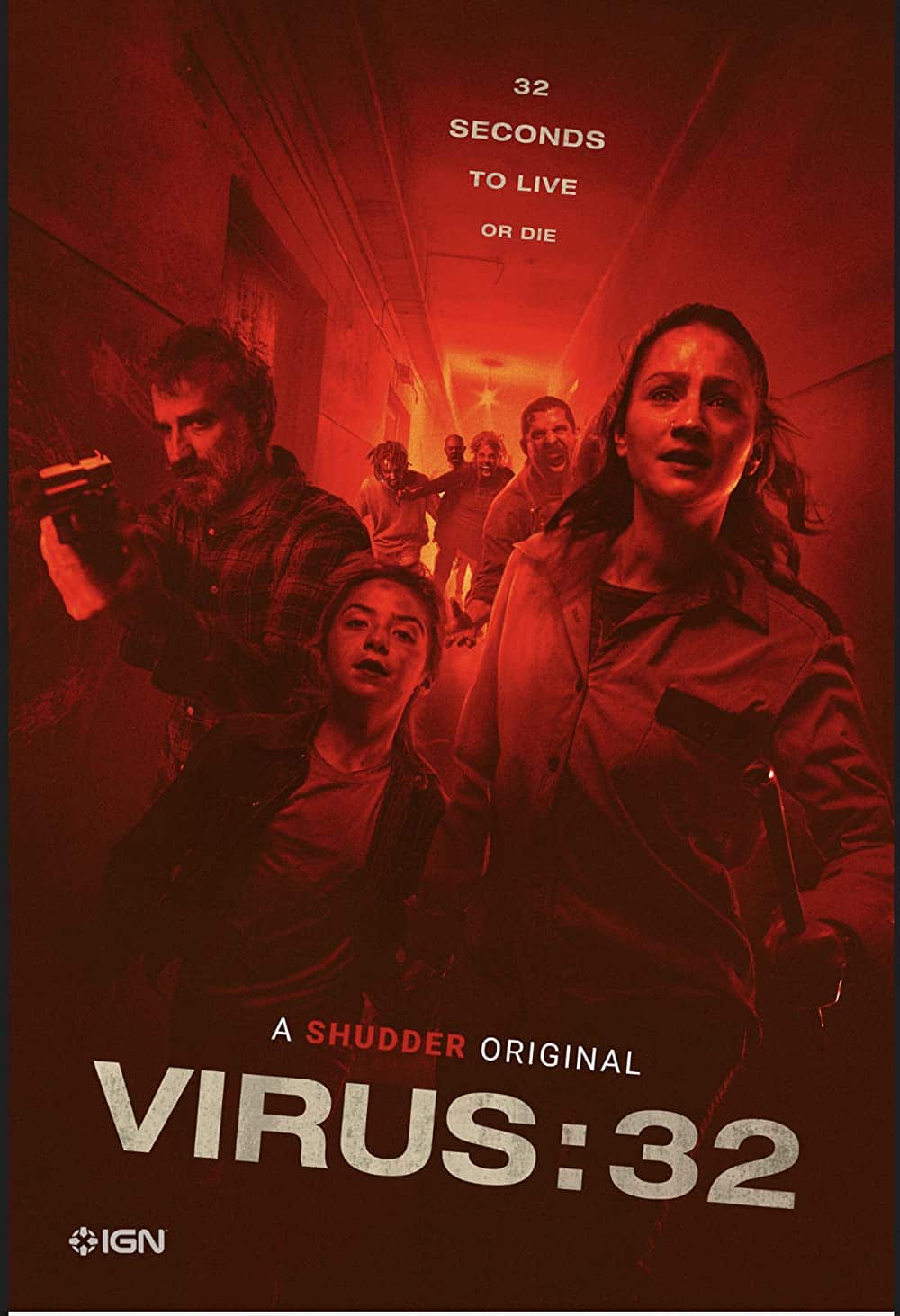
Virus: 32 looks at an outbreak of violence from the the perspective of parenthood

Virus:32

The zombie/infected horror subgenre is at a point where innovation and conceptual remixes are almost a necessity for any of its movies to succeed. The Walking Dead looked at survival from a multitude of forms and perspectives, the George Romero Dead movies took on the zombie as a metaphor for social collapse, and 28 Days Later framed the figure of the zombie-like infected human as a stand-in for society’s capacity for violence in times of crisis. Uruguayan infected/zombie movie Virus: 32 throws its hat in the ring with a story that looks inward rather than outward. Not at society as a whole but on the failings of the individual. It does so quite successfully.

Directed by Gustavo Hernández, Virus: 32 centers on Iris (played by Paula Silva) and her young daughter Tata (played by Pilar García Ayala) as a virus takes over the city of Montevideo, Uruguay. Iris is a security guard in a worryingly unkempt sports club, a place that looks more like a death trap than a place where people go to play anything. Iris is presented as a free spirit that resists meeting the traditional expectations of motherhood and responsible parenting.

Iris drinks before work, carries herself as if her life is simple and responsibility-free, and sees the idea of arriving to work on time more as a suggestion than a rule. Her attitude pushes her daughter away from her. Tata doesn’t like spending time with her forgetful mom, especially as she’s treated more like a friend than a daughter.

All of this is communicated to the audience in the first ten minutes of the film, signaling the filmmaker’s intention to make that relationship power the story at a personal level. It’s effective in that once the virus breaks out and starts becoming an immediate danger for Iris and Tata, the expectations surrounding the mother/daughter relationship come to the fore with a force, paving the way for an intimate look at these characters rather than on the total breakdown of society via infection. Iris’ parenting decisions catch up to her and they become a potent source of horror as they point to Tata’s safety not being in the most capable of hands.

Virus: 32

The main threat of the story, the thing that will metaphorically test Iris’s ability to be a good parent or not, is a virus that creates vicious killers that go berserk whenever a potential victim enters their field of view. The infected here remind of those in Garth Ennis and Jacen BurrowsCrossed, or with those in the ultraviolent 2022 virus movie The Sadness (which also borrows heavily from Crossed and 28 Days Later). They don’t eat flesh. They hunger for violence instead. In Virus: 32, the infected are incapacitated for 32 seconds after killing someone or hitting someone enough to leave them on the verge of death.

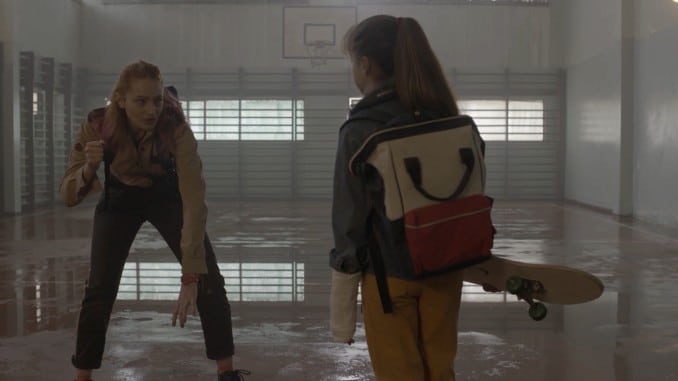
Director Hernández proves to be adept in creating a sense of horror over his characters that hinges on their fears of what they stand to lose as the pandemic breaks. For starters, Tata and Iris are split up for most of the film. Iris leaves Tata alone playing with her skateboard and kicking around basketballs as she goes to make her rounds in the sports club. Moments later, the first sign of things going completely wrong start making their way inside the club, immediately putting Iris’ decision to leave her daughter all by herself into harsh perspective.

Each terrifying development after that hits different thanks to Paula Silva’s performance as Iris. Her expressive, full-bodied performance packs an emotional punch that makes every situation feel oppressively intense, especially after another character with a unique but somewhat shared problem merges into her path (bringing another yet very different type of worry about parenthood into the story). Silva wears her character’s fears and regrets on her face and it helps the movie capture the metaphors at play more clearly.

For all of Virus: 32’s accomplishments with its personal take on the formula, there are moments, particularly in the last leg of the movie, that borrow too freely from its influences, most notably 28 Days Later. The infected behave much like those in Danny Boyle’s flick and some of the chase sequence seems ripped straight from it. The ending, too, has echoes of 28 Days, but what stuck with me was its refusal to commit to a particularly traumatic character development that happens late in the story and see it all the way through. It might’ve made for a bleaker experience, but it could’ve taken the movie’s metaphors in a different direction.

Virus: 32

Virus: 32’s decision to keep things personal helps elevate its infected/zombie story above standard fare. The movie sticks to a single location for the most part, introduces new problems with a very different and compellingly written character about halfway through, and it doesn’t settle on the grand but overused metaphor of humanity being the real monster in a zombie movie that so many others default to. It looks towards parenthood, considers how much damage it can do, and then puts it in a world devolving into senseless violence. It’s safe to say the latest wave of zombie movies has a good advocate for innovation in Virus: 32.

Virus: 32 is currently streaming on Shudder.

Movie Review: Sissy

Sissy

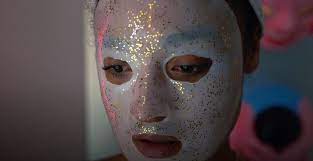
There’s a curious contradiction at the center of social media. For an idea that seems to put heavy stock on the importance of socializing, the very act of doing so online can be a very lonely affair. As such, the image we create online is often severely curated, a sanitized version of ourselves that purges the less appealing aspects of our personas. Writer/director duo Hannah Barlow and Kane Senes’ satirical horror movie Sissy puts this contradiction front and center to dissect our relationship with social media and what happens when our online profiles become scrutinized in the real world. Turns out a lot of blood can be spilled on the topic.

Sissy follows Cecilia (brilliantly played by Aisha Dee), a successful mental health influencer that creates mindfulness content. One day she runs into her childhood friend Emma (played by Hannah Barlow) and is reluctantly thrust into in-person socializing with her and her new group of friends. Tensions arise when we learn there’s a deeply rooted traumatic event that made the two friends drift apart when they were kids, an event that involves another girl who used to bully Cecilia but is now Emma’s bestie.

Things get complicated when Cecilia is invited by Emma to join her fiancé and a few friends to go to a cabin in the woods to celebrate their bachelorette party. Once there, Cecilia learns the cabin belongs to the same girl, now grown up, that used to bully her when she was little. What was originally meant to be an opportunity to reconnect with a lost friend quickly becomes a darkly comic descent into trauma, social media identities, and deaths both accidental and intentional.

Sissy

The movie is, in essence, a clever deconstruction of Cecilia, a slow unraveling of her real self and of her influencer self. It’s made obvious quite early that each version of Cecilia is at odds with the other. Whereas Cecilia the influencer comes off as a calm and collected person that’s emotionally mature and stable, offline Cecilia is a quiet and somewhat awkward person that keeps to herself and only socializes via her phone. Content creation isn’t just her job, it’s her life. Emma’s presence disrupts this as it forces the real Cecilia to get behind the wheel, traumas and anxieties laid bare for all to see.

Sissy succeeds at showing how current generations live in a constant exchange of personalities that are then equally scrutinized both online and offline. The message hits hard thanks to Aisha Dee’s performance, an emotionally nuanced showcase that presents audiences with the darkly funny consequences of bringing digital behaviors into the real world.

As Cecilia’s traumas are forced to the surface by her childhood bully, the mental health influencer starts to show the cracks on her own psyche. It’s an idea that frames online content creators as the spiritual successors of Dr. Jekyll and Mr. Hyde, substituting the classic horror character’s mysterious transformation elixir for social media platforms. Cecilia makes it clear throughout that she values her digital presence more than her real one. Harlow and Senes use this to lay the breadcrumbs that guide the story towards its very funny and clever deaths.

Sissy

Sissy sneaks up on you with what it decides to make fun of and illicit laughs from. Each of the characters Cecilia interacts with is pushed to a point just shy of caricature to make them embody the least pleasant parts of social media interactions. It’s as if they were walking like/dislike buttons, offering opinions on Cecilia’s character with the scorn of an anonymous troll in a comments section. They become the things that are wrong with the internet, in part, with Cecilia being the troubled but also troubling victim at the center.

On a quick note, I was glad to see the movie not give in to 80’s horror nostalgia. At points, I expected a neon-soaked homage to the slashers of yesteryear, but the story has a wider vision that isn’t content to simply settle on genre references and Easter eggs. The same can be said of its score (by Kenneth Lampl) and musical selection. It’s all set to capture the present rather than a modernized version of the past.

Barlow and Senes have one of the best horror movies of the year on their hands with Sissy, led by an astonishing performance by Aisha Dee. It puts social media, woke stereotypes, and digital anxieties in full display to satirize them in a way that invites discussion. I for one keep coming back to it, thinking about Cecilia and all the chaos that she brought with her by the simple fact of having an online presence that hides her traumas and presents an entirely different person than the one that walks among real people. Goes to show just how much horror lies in the things that we leave out of our social media profiles.

Sissy is currently streaming on Shudder.

Movie Review: Dark Glasses

Dark Glasses

Dario Argento is considered by many to be one of horror’s great directors, an icon that serves as the face of the giallo subgenre (along with Mario Bava and Lucio Fulci). What pushed the Italian director into that sphere of recognition lies in his ability to produce highly stylized horror sequences involving very intimate and gruesome murders, often at the expense of story and narrative coherence. Seldom has Argento sacrificed an elaborate kill scene, which are more often than not soaked in neon or solid reds and blues, for the sake of logic. And yet, his films carry a distinctive signature that make them unique, that make them Argento.

The director’s new movie, Dark Glasses (now streaming on Shudder), is a surprising departure from the excesses of the genre. It’s more an exercise in restraint than in self-indulgence, something that can’t easily be said about the rest of his films, and it’s one of the reasons why it succeeds so convincingly even as an example of giallo. In a way, Dark Glasses is giallo stripped of its messy storytelling bits, finely tuned to get at the things the subgenre can do well if given the chance.

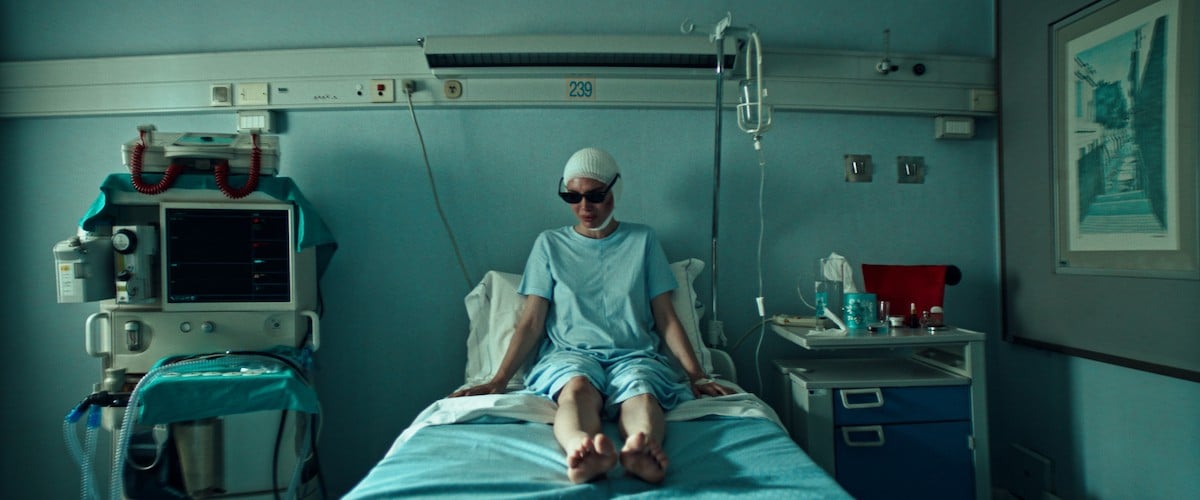
Dark Glasses follows Diana (played by Ilenia Pastorelli), a highly successful escort that becomes the target of a serial killer that’s preying on sex workers. The reason for the killings is kept a mystery, as is the case in most giallos, but it does lead early on to an intense car chase where the killer slams into Diana’s vehicle and causes a violent crash, resulting in Diana losing her sight. A third car is caught up in the violence, belonging to a Chinese family. A boy is left orphaned as a result, complicating matters further for Diana. The kid, called Chin (Andrea Zhang), later decides to seek out Diana and help her as she navigates her new reality as a blind person, perhaps because he feels a connection to her given their shared experience in loss. This dynamic ends up being one of the film’s greatest strengths.

Dark Glasses

Diana and Chin make for an unusual pairing in a giallo, which leads to them being such a unique set of characters within that context. Their relationship is one of companionship and mutual protection, standing opposed to the usual lonely investigator on the trail of the killer. They very clearly need each other, one due to the loss of a crucial sense and the other due to the loss of his core family unit. This allowed Argento to build his characters, to develop a bond between them and then put it to the test in tense scenarios.

Ilenia Pastorelli’s Diana becomes one of Argento’s strongest and most imposing leading ladies thanks to this welcome focus on character development. Her performance relies heavily on her struggle to accept and understand her new condition and she leans heavily on the character’s frustrations to project that sensation on screen. It’s easy to feel her anger and desperation in the movie’s most intense sequences, especially as she fights against her condition to try and get an advantage over the killer.

Zhang also commits to his role, especially in terms of the range of emotions his character has to go through after the crash. He’s vulnerable in moments when his family is being discussed, especially his future without them, but his resourcefulness as Diana’s guide when trying to the escape the killer shines bright thanks to the all the character work Argento puts in beforehand. It’s a tender and delicate show of friendship that rarely gets the time to grow in these types of movies.

Dark Glasses

On the traditional giallo violence side of things, Argento goes for a measured touch that prioritizes quicker shots of gore over extended stays on open wounds and severed limbs. Each kill is still elegantly shot in a way that achieves the kind of macabre beauty featured in his other films, but in Dark Glasses he favors teasing the audience with the idea of brutality and cruelty rather than linger on it. Whereas in other films the violence comes off as gratuitous and sensationalized, here it carries weight while also building up the terror the killer carries with him.

Dark Glasses is the kind of Argento I’ve always wished we’d gotten more of. He crafts a memorable female character with Diana, one that avoids falling into the oversexualized and oversimplified characterizations of the past. There’s enough giallo here to please hardcore fans, too, but it’s in the twists and tweaks to the formula that the movie finds a life of its own. Argento should be commended for offering a blueprint for future forays into giallo with Dark Glasses. Goes to show, masters of horror always have a movie in their back pockets that can remind fans why they’ve earned the title.

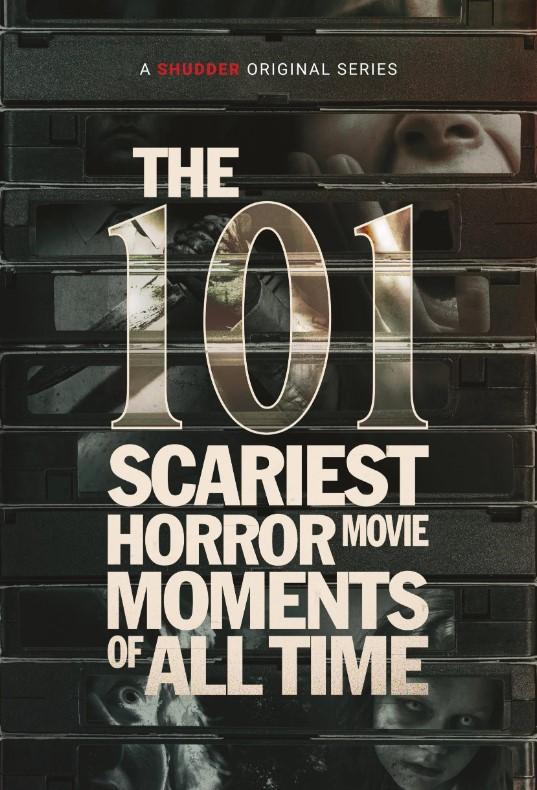
Review: Shudder’ s 101 Scariest Horror Movie Moments of All Time

Horror Movie

Lists and rankings concerning the best of anything are bound to be controversial by their very nature. Some might argue against the inherently subjective dimensions of the premise itself, saying it invalidates the entire exercise altogether. Others find validation through them, a way to dole out a few “told you so’s” in a debate. For me, lists aren’t about any of that.

A good list offers a service, a good excuse to go through the things being discussed by either engaging with them for the first time or getting reacquainted with them to test out the premise of the list. Shudder’s 101 Scariest Horror Movie Moments of All Time does precisely that. It’s not interested in laying down the law in the field of horror in an inflexible way (despite what the series’ title blatantly implies), instead it’s all about giving viewers more than enough reasons to indulge in well-crafted scares or to get reacquainted with old haunts with a fresh set of eyes.

The horror streaming service’s new series is basically a spiritual successor to Bravo’s 2004 miniseries The 100 Scariest Movie Moments, an influential production in its own right that gave horror fans material to debate and revisit once it aired. The first episode of the Shudder series, which is currently available to stream, goes from entries 101-89, stopping on each one to give a general idea of what the film is about and why it’s memorable as a whole before finally landing on its scariest moment.

Horror movie
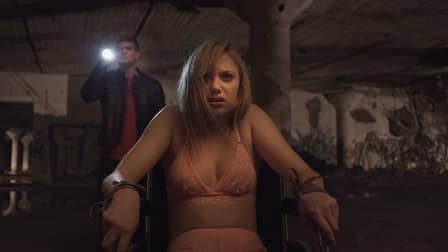
It Follows

I’m not going to spoil the whole list here, but I will reveal entry #101 as it sets the tone well and signals a desire to not just go over the same horror classics that have dominated these kinds of countdowns before. David Robert Mitchell’s It Follows (2014) kicks things off fast and intense in what I took as a kind of statement. It had that “this isn’t your parents’ best of horror list” feel to it and it imbued the following entries with a surprising sense of anticipation.

Part of what also made the first entry so exciting was how it presented the format for the series, especially when it comes to its commentators. Instead of going for a mashup of quick edits and cuts of speakers giving bite-sized observations on the movie, each segment focused largely on one leading voice supported by shorter horror expert interventions, which included directors, journalists, scholars, experts, actors, and celebrity fans. The tone was celebratory but focused, not interested in quick quips or in making fun of the movie (something that Bravo, E!, and VH1 would go on to do in their own countdown-type shows).

An impressive cast of commentators graces the screen throughout, too. Tananarive Due, Mick Garris, Joe Dante, Tom Holland (the director of Fright Night and Child’s Play, not Spider-Man), Tony Todd, Brea Grant, and Gigi Saúl Guerrero are among the experts brought in to dissect each scary moment and their insight is the stuff of horror nerd dreams.

There’s a good mix of veteran industry names and newer or emerging voices within the community to make each discussion come off as fresh. Nothing feels recycled, giving every movie a chance to be seen through a different lens. This seems to be the aim of the series, to favor new interpretations and to dare consider films that haven’t had the chance to get much of a spotlight elsewhere.

Mulholland Drive

For instance, I never expected David Lynch’s Mulholland Drive (2001) to be one of the selections, but its inclusion was not only welcome but given the treatment it deserves as a unique film that freely indulges in horror in its storytelling. Mario Bava’s Black Sabbath (1963) follows close enough to make the ranking come off as modern and not tied down by tradition or cannon.

I was also pleased to see the range of time periods on display as newer lists tend to add newer productions at the expense of older ones despite their relevance and overall filmic impact. On the contrary, the show goes lengths to reassure fans the old and the new can coexist and elevate each other. There’s even recognition of a previous selection’s influence on a movie that comes further down on the list.

All of this to say that The 101 Scariest Movie Moments of All Time is shaping up to be an invaluable piece of horror content, especially in getting viewers to watch more horror. It’s a fun, non-combative celebration of the genre that invites appreciation rather than contentious debate over which movie should come first or last. Give it a watch and then go and get scared watching the movies that made it into the list.

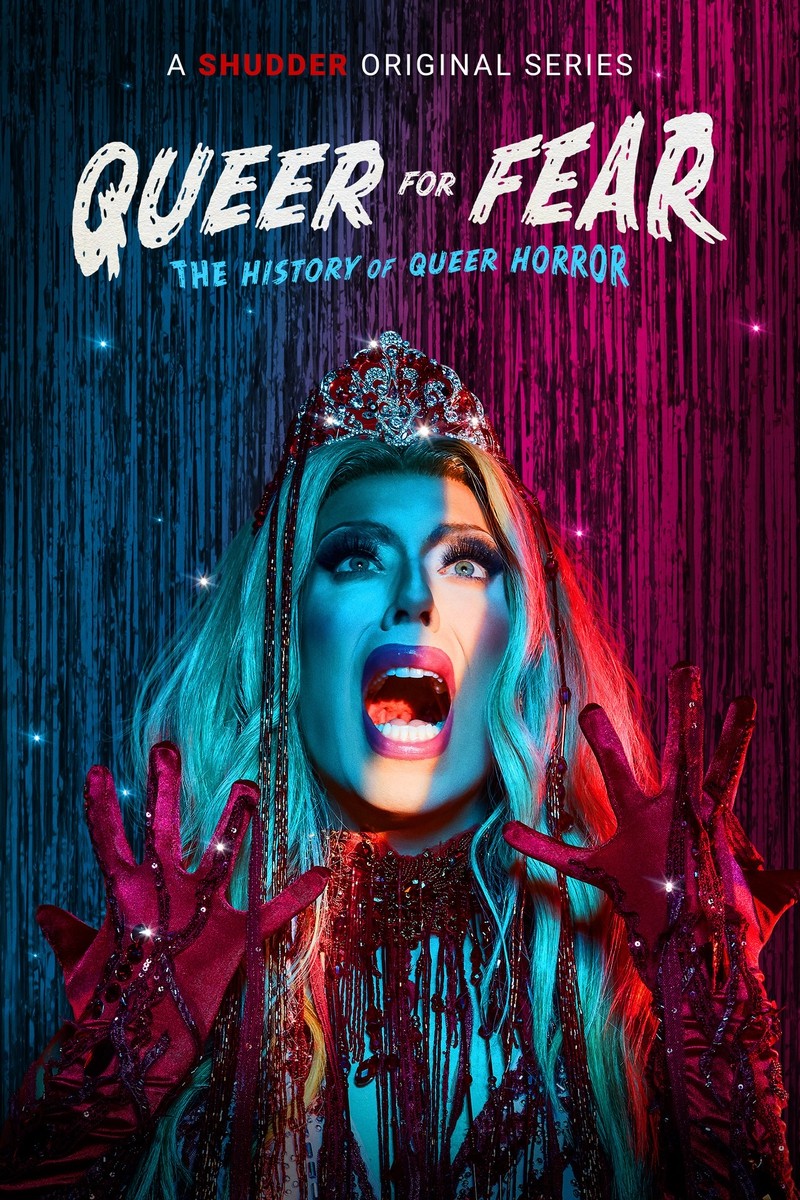
SHUDDER’s new four-part documentary QUEER FOR FEAR aims to celebrate LGBT horror cinema

Queer for Fear

Horror has a very complicated history with queerness. At times it’s been the genre that’s turned queer stereotypes into evil monsters or gratuitous victims of extreme violence (think Sleepaway Camp). In others, it’s the genre that’s created iconic monsters and killers that cast a reflection on society’s fears and those groups that don’t conform to the status quo (Psycho’s Norman Bates, for instance). And yet, their place in the history of queer representation is not static. Some of the most ‘problematic’ queer horror films for instance, have been reclaimed as examples of resistance and confrontation in mass market spaces (a good example of this is A Nightmare on Elm Street 2: Freddy’s Revenge, which has its own Shudder documentary).

Shudder’s new four-part documentary Queer for Fear: The History of Queer Horror looks to be just what audiences need to untangle this complex story and look at the many shifts and changes queerness has experienced in horror. The streaming service took to San Diego Comic-Con to reveal an extended sneak peek of the docuseries, which is executive produced by Hannibal’s Brian Fuller.

According to Shudder’s description of Queer for Fear, the docuseries will stretch as far back as the 19th century to look at literary origins (including the influences and subtexts present in the works of authors like Bram Stoker, Mary Shelley, and Oscar Wilde), the 1920-30’s ‘pansy craze’ (the rise in popularity of drag performers that had been gathering steam since the New York masquerades balls of the 1890s), all the way to the ‘lavender scare’ of the 1950s, the 1980-90’s AIDS crisis, and the present.

Given how adaptable horror is to the realities of any given context, Queer for Fear is sure to become further confirmation of the genre’s ability hold up a mirror to society in an attempt to scare them into realizing just how terrifying discrimination, Othering, and violence predicated on hate can be.

As is the case with any attempt at capturing the history of something, I’m curious to see what films make it into the story and how much importance is ascribed to them. The extended sneak peek clip Shudder shared seems to present Psycho as a kind of watershed moment in queer horror cinema, for instance. Finding out what other films manage to reach that iconic quality is just one of the reasons viewers will keep coming back for all four episodes.

Nightbreed

I for one hope Clive Barker’s work shines through, especially Nightbreed (1990). As a metaphor for the importance of community for ‘outsider’ groups, Nightbreed stands as one of the British author/director’s most impressive and compelling films. Based on Barker’s own novel Cabal, the story follows a man called Aaron Boone as he searches for the mythical underground city of Midian, a place where monsters live without the pressures of being exposed and judged in the outside world. A murderous psychopath learns of Midian and seeks to destroy the monsters’ refuge.

It was a commercial and critical failure for reasons that fit into the common thread of other queer horror films: it was misunderstood and promoted as something that it was not. In Nighbtbreed’’s case, trailers and other promotional material hinted at a slasher movie rather than a dark queer fantasy experience. It should go without saying, Queer for Fear will have a lot of these type of examples to pull from to explain how so many of these horror films fell into cult status and obscurity because of studio interference in the process of building up a film’s identity.

Queer for Fear is set to premiere on September 29th on Shudder and it’s already looking like a crucial piece of horror history that fans and newcomers should definitely take the time to learn about. It follows in the footsteps of Horror Noire: A History of Black Horror (2019), which also premiered on Shudder, in its intention to promote visibility and champion representation. To say it’s one of the year’s most important releases is quite simply an understatement.

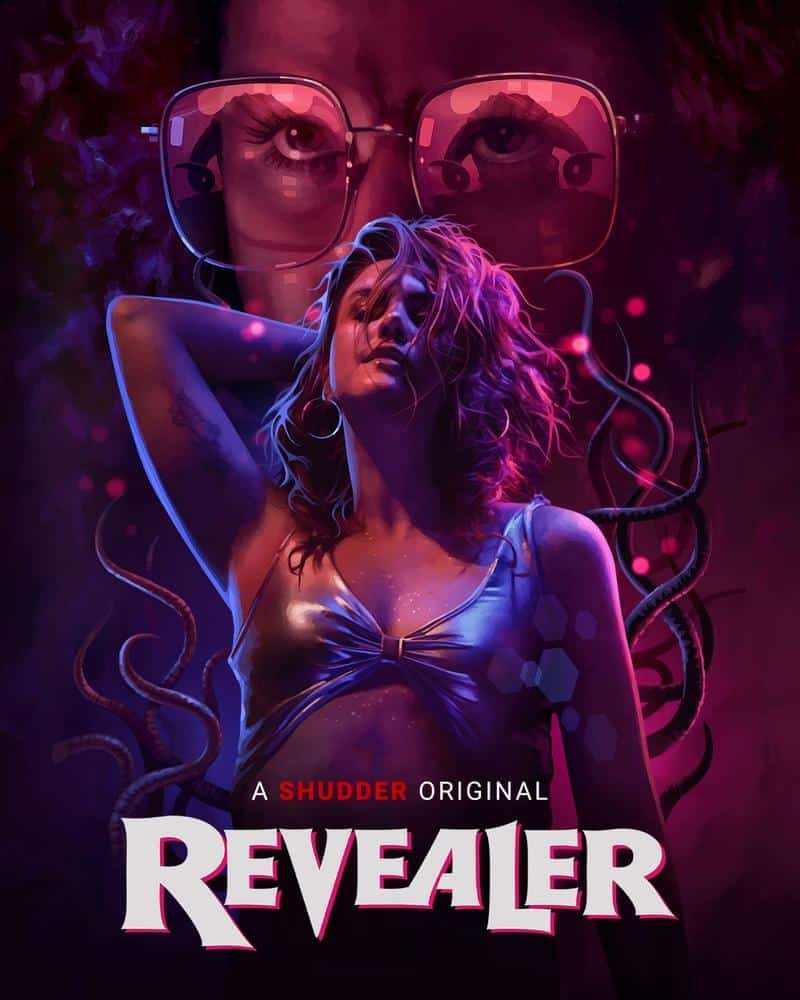
Movie Review: Revealer sends a stripper and a religious protester to the end of the world

Revealer

Stripped down to its bare essentials, the Apocalypse is ultimately an overblown shaming session levied against humanity. Trumpets signal the new stages of shaming scheduled throughout the event and demons spew out from their underground caverns to give everyone a taste of their disdain. That it’s also known as Judgment Day is just icing on the cake.

Director Luke Boyce’s Revealer, currently streaming on Shudder, certainly takes this to heart as it forces a tense pairing of personalities with firm convictions on morality just as the Apocalypse unleashes its opening salvo. It’s a movie that seems to become more relevant every single day after it’s very recent release, especially in terms of dividing lines and Supreme Court decisions.

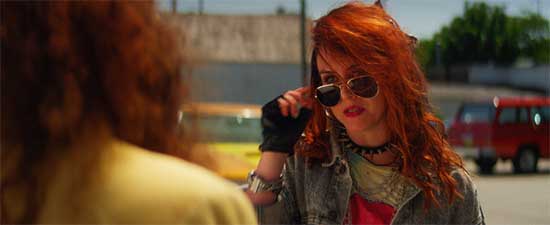
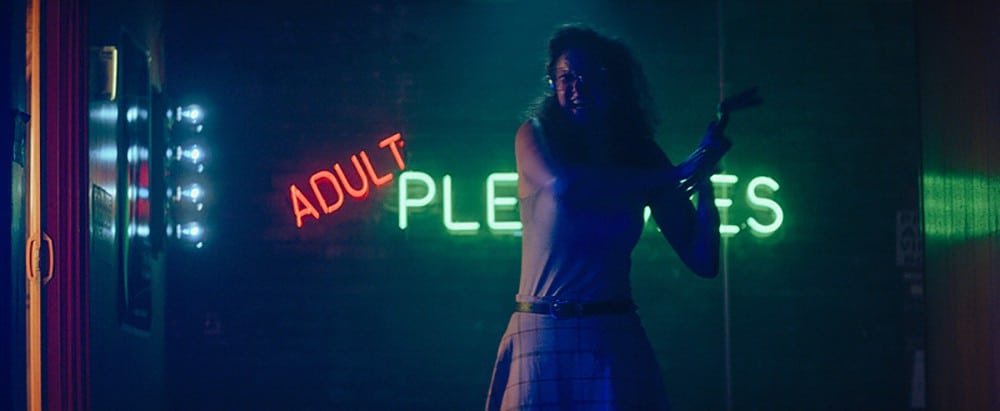
Revealer follows a stripper called Angie (Caito Aase) and a religious protestor called Sally (Shaina Schrooten), both stuck in a peepshow booth as the world ends outside. They each stand on opposite sides of a spectrum that’s divided groups of people since time immemorial: religion. Their anticipated animosity towards each other is present from the very beginning and has no qualms about being as brutal and piercing as possible every time any type of judgment is levied against the other, even after an unsteady alliance forms between them as demons and devils start making their way into the sex shop they’re held up in.

Comic fans should have a vested interest in this movie given the resumés of the screenwriting duo behind it, Tim Seeley and Michael Moreci. As two of the most versatile voices in the industry, Seeley and Moreci bring a finely tuned and honest sensibility to character creation that features the same approach to economical but precise dialogue writing present in comic book storytelling. This is perhaps most present in how the movie contemplates the idea of passing judgment onto others, on what lies in the very act of it and how difficult it is to let go of prejudices even when good intentions guide the conversation.

Revealer

The story’s success largely depends on Angie and Sally’s interactions and how genuine they feel as the Apocalypse threatens to burst their respective bubbles. The movie doesn’t only achieve this but does so by never allowing one of the characters to overpower the other with their worldviews.

Seeley and Moreci inject a fair amount of nuance into their dysfunctional pairing, promoting understanding rather than moral superiority. It’s not about whose worldview reigns supreme. It’s about finding a way to understand each other while also being able to challenge preconceived notions of right and wrong.

Boyce does a good job of giving these two characters enough unencumbered space for their conversations to take place while also creating a strong sense of dread as one particular devil sets its eyes on their souls. The story essentially takes place in just a handful of locations, all enclosed and claustrophobic. It’s theatrical in its approach and it maximizes the use of the limited budget in outstanding ways, putting the focus on character rather than on fire and brimstone. The Apocalypse is ever-present, but it’s mostly unseen. What’s impressive is that it is always felt. Therein lies the success of Revealer.

Caito Asse and Shaina Schrooten as the stripper and the religious protestor, respectively, melt into their roles and give each other more than enough emotion to play off each other. They go from total dislike for each other to brief bouts of understanding constantly and the effect is one that their performances carry through well.

Revealer

Given how heavy handed the script is though, mostly for good, the performances do sometimes fall into exaggeration and it can play against them. The humor doesn’t always hit the mark either, but not enough to distract from the story. It should be said that the movie isn’t an exercise in realism, but that some exchanges between Angie and Sally could’ve been reigned back a bit for more impact.

What we do get see of the Apocalypse, almost entirely in the form of demonic creatures, is memorable and plays to the fears and worries Angie and Sally argue about in their conversations. One particular creature stands out as a kind of Pinhead figure from the Hellraiser movies in its sense of presence and serious menace, and it helps propel a fair bit of tension and fear in what’s a very dialogue-heavy script. Other lesser demons also give Angie and Sally a few horror scenes that help to build their characters in surprising ways.

Revealer came out just as the American Supreme Court overturned Roe v. Wade, the landmark 1972 ruling went on to protect the freedom of choice on abortions. In its wake, the national divide has widened, bringing to light more forceful forms of disagreements that aren’t that dissimilar from the kinds explored in the movie. This might be a small note that definitely requires further exploration, but the context in which the movie finds itself in does turn it into an urgent watch. It offers different ways to go about contemplating the things that keep us apart and to better gauge the impact of our moral judgments. It’s something to think about and Revealer definitely helps.

Revealer

Boyce, Seeley, and Moreci have a very confrontational horror movie in Revealer. It has two compelling characters that drive home a debate that seems more necessary with each passing day. It might just be that the Apocalypse is exactly what we need to put things into perspective and come together.

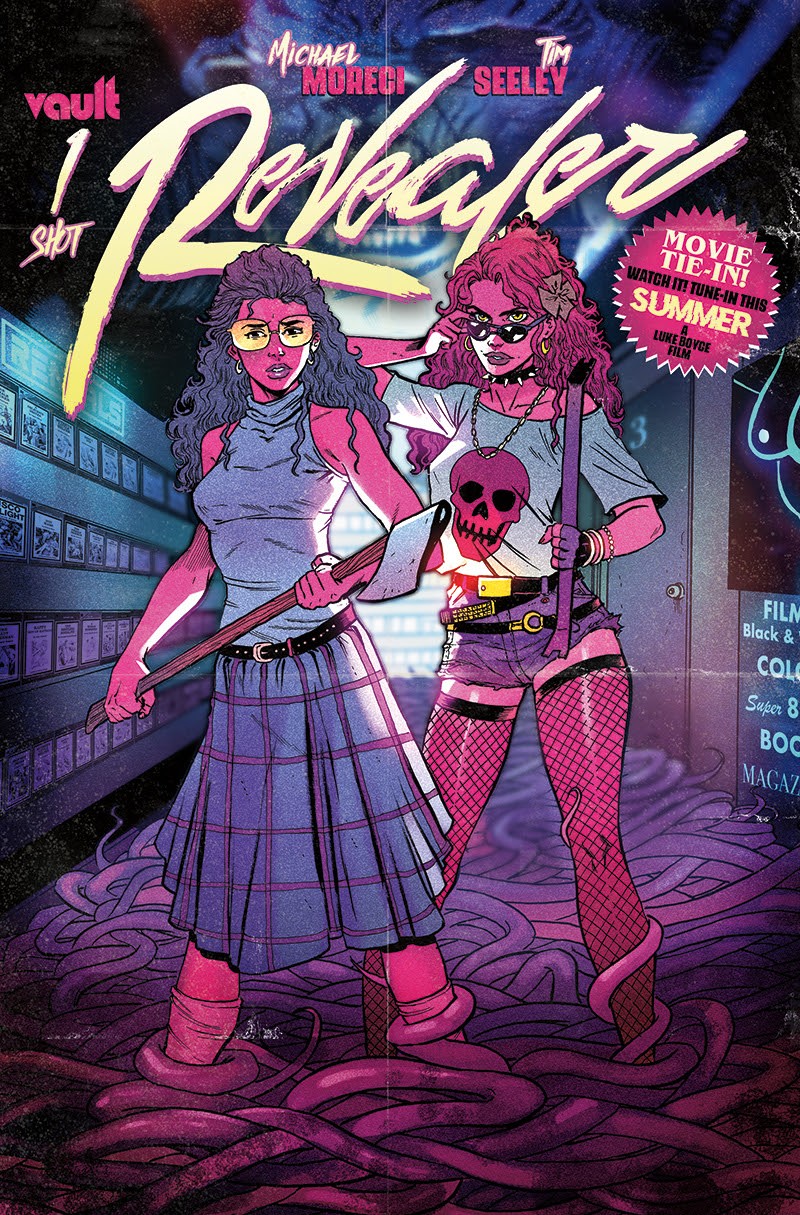
Vault announces Revealer, the comic tie-in to the Shudder original horror film

Vault has announced that in August 2022 they will publish the comic book tie-in to Revealer, the Shudder original horror film from Michael Moreci, Tim Seeley, and Luke Boyce. The one-shot will be written by Moreci, Seeley, Boyce, and Aaron Koontz, with art by Dean Kotz, and more creators who will be announced soon.

All net proceeds from the Revealer comic will be donated to Brave Space Alliance, the first Black-led, trans-led LGBTQ+ Center located on the South Side of Chicago, IL. 

Revealer is set during the height of Satanic Panic in 1980s Chicago. Angie Pitarelli just wants to make some extra cash dancing in her peep show booth at the Revealers Adult Bookstore. Sally Mewbourne wants to save Angie’s soul by leading a protest outside her workplace. When the sky turns red and terror starts to consume the streets, Angie and Sally end up trapped in Angie’s booth—and, together, have to find a way to survive an apocalypse of biblical, and demonic, proportions. The Revealer film is a Shudder Original and will be available on their streaming service on Thursday, June 23rd.

The Revealer comic book will hit store shelves on August 31st, 2022.

Spinning out of this summer’s hit indie horror film REVEALER, these four stories tie directly into the movie! Learn more about the characters, the lore, the Revealers adult bookstore, and what awaits on the other side of the biblical apocalypse.

Revealer

Movie Review: The Sadness holds up a mirror to show how ugly humanity can be

The Sadness

Horror produces some of the strongest, most visceral metaphors for humanity’s self-destructive bent across genres. Be it to comment on our near-cannibalistic drive towards consumerism in a capitalistic society (George Romero’s Dawn of the Dead) or to address harmful misconceptions about aggressive diseases that deteriorate our very bodies (David Cronenberg’s The Fly). There’s little to no contest. Horror does it better.

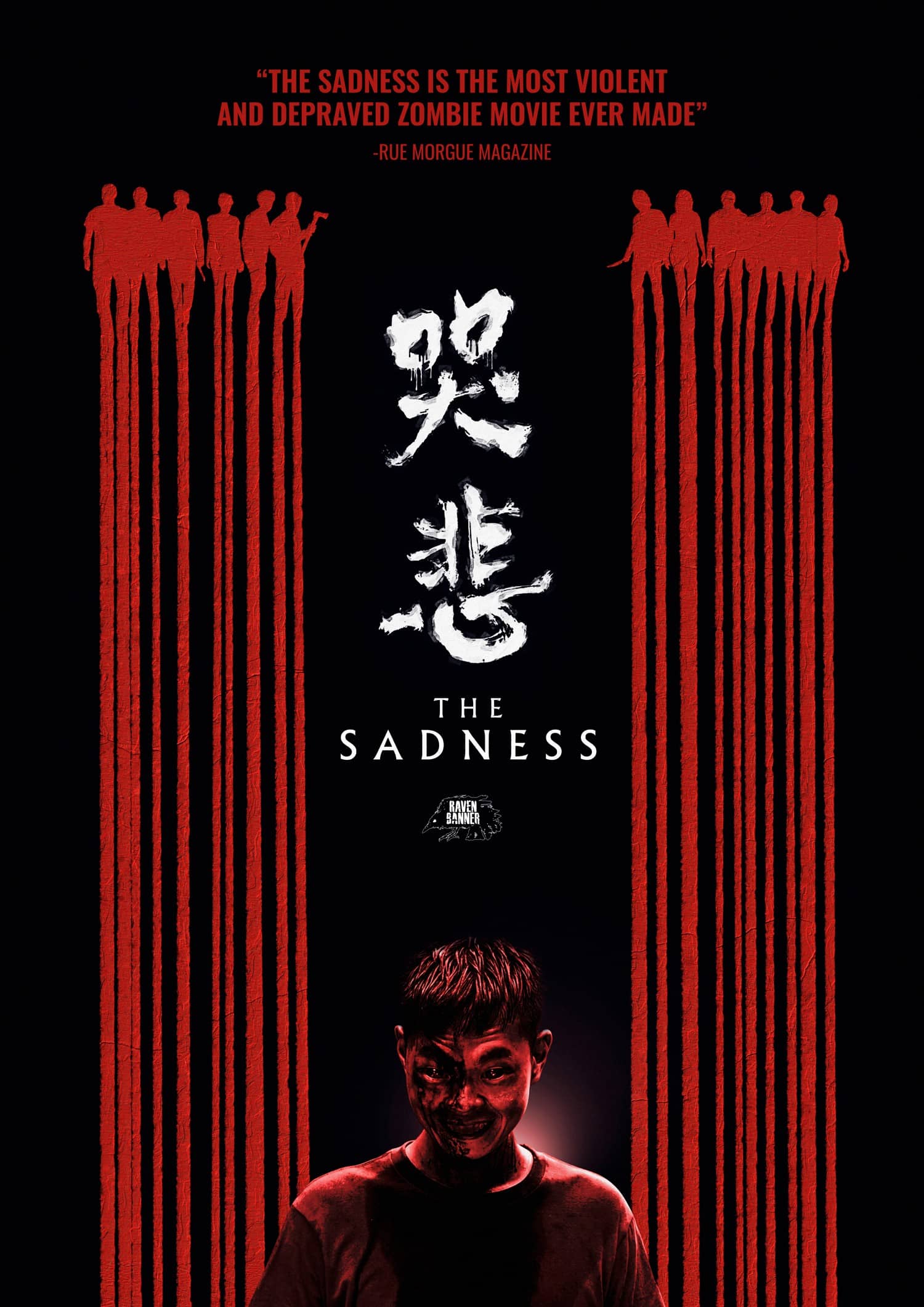
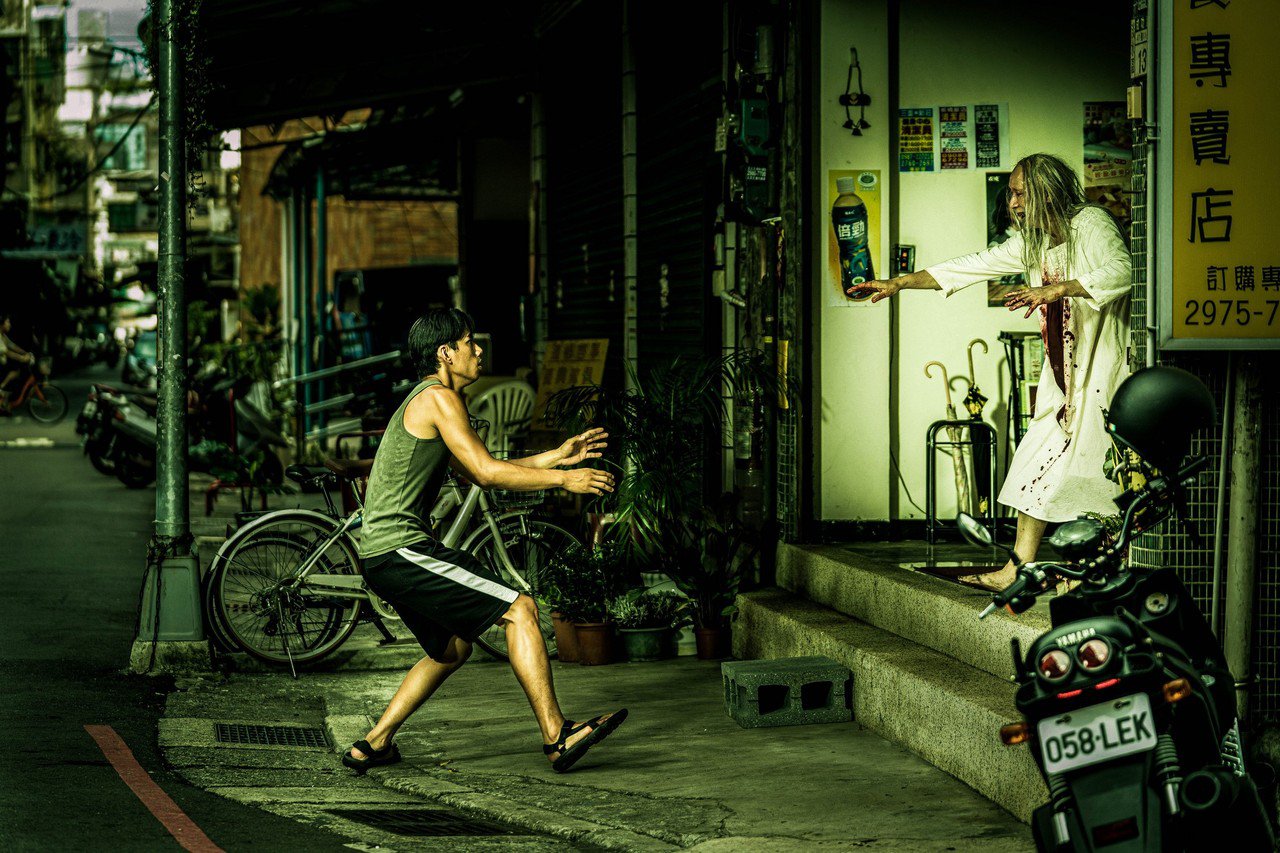
And yet, there are times when human behavior can be so ugly, so brutal, that metaphors might not be the adequate vehicle for getting a message across. Sometimes you need to hold a mirror up and just show the ugliness, blood and guts intact. Taiwanese horror movie The Sadness, directed by Rob Jabbaz, does exactly that to produce one of the most gut-wrenching horror experiences to date on our reactionary and selfish behavior during a pandemic. Brutal doesn’t even begin to cover the type of violence this movie manages to put on screen.

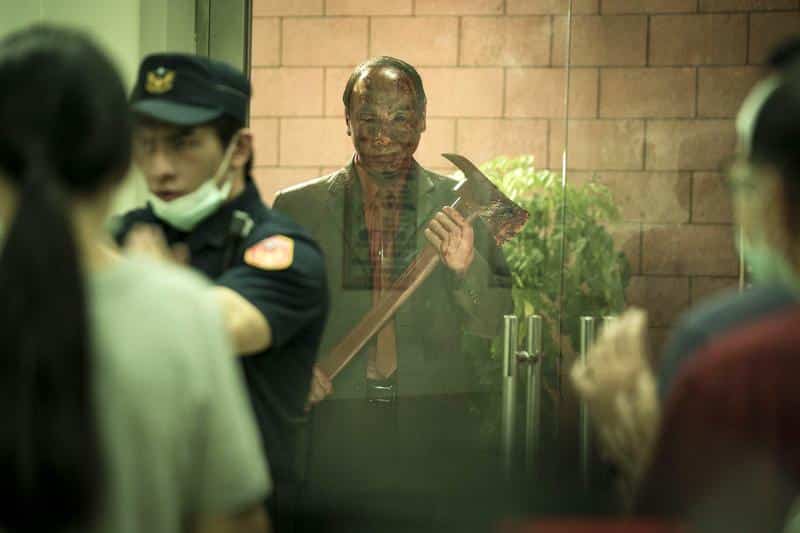
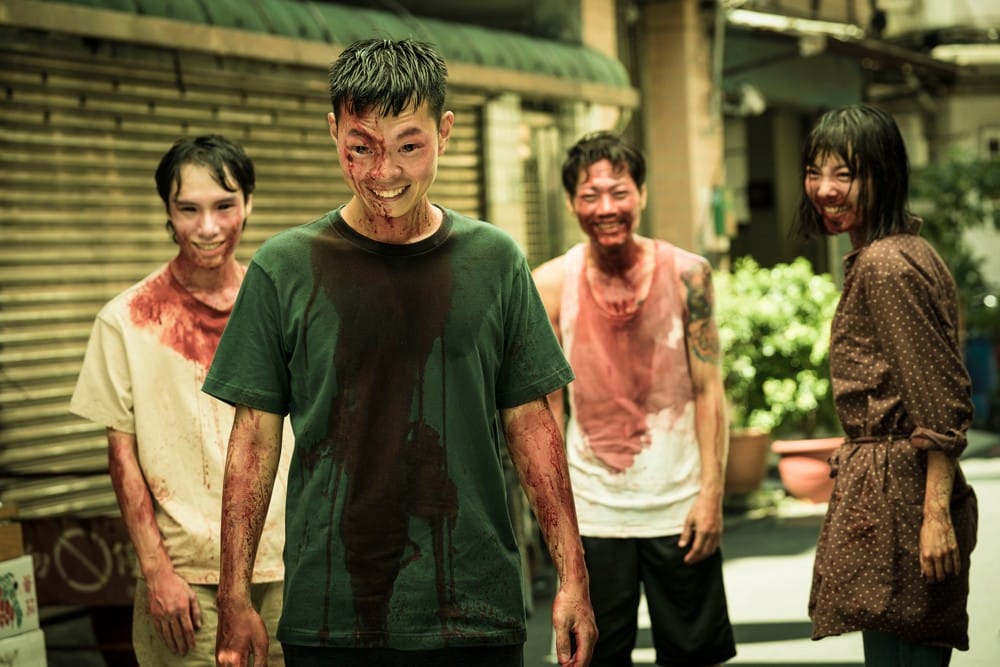
The Sadness (currently streaming on Shudder) sees Taiwan very quickly collapse under the strains of a highly contagious virus that turns the infected into ultraviolent killers unburdened by morality and possessed by a sexual rage that makes them even more repulsively dangerous. They represent an irreparable tear in the social fabric and they get plenty of opportunities to enact their darkest urges to show what total societal collapse can look like.

The story is driven by a couple living in the city as the pandemic breaks out. One of them is at home, Jim (played by Berant Zhu) and the other is at work, Kat (played by Regina Lei), just as things take a turn for the worse. Each one witnesses the different forms of violence the infected are capable of, guiding the viewer from shock to shock to build tension while also obliterating any sense of safety the characters can have as it progresses.

The Sadness

Fans of Avatar PressCrossed series (co-created by Garth Ennis and Jacen Burrows) will find themselves in familiar territory with The Sadness as the basic premise is pretty much the same as the comic’s. In Crossed, a pandemic breaks out that causes the infected to shed their morals and go on mass killing sprees interspersed with sexual violence. The exchange of bodily fluids created more crossed, named as such because of the red cross-shaped rash that appears on their faces. A similar thing happens in The Sadness. A change in eye color (from the original to a sickly dark red) that covers the entire eyeball separates the infected from the not infected.

Upon reading Crossed for the first time, I remember thinking that there was no way in Hell an American or even a British movie studio would ever dare adapt the comic into film. Until I’m proven wrong, The Sadness is as close as we’re getting to a Crossed movie.

Director Jabbaz’s decision to make the violence say its piece so close up to the camera, in many of the movie’s death sequences specifically, ends up playing to the story’s strengths, namely its intention to lay bare the levels of depravity people will willingly descend to if allowed. The movie is a gorehound’s dream, but it’s not exploitative or celebratory of gore for the sake of it. It’s meant to unsettle, to become a mirror of us at our worst.

The camerawork on display during the more violent sequences accentuates this. It’s structured in the service of making the audience feel repulsed by it. It differs from the Crossed comic in this regard, if only a bit. Ennis and Burrows tend to go over the top in their story for a very dark comedic effect that puts shock first and commentary second. This isn’t a knock on the comic, it’s just a difference worth pointing out.

The Sadness

It was also surprising to see a fair amount of restraint in the instances of sexual violence. What’s put on the screen regarding it is meant to further complicate the reflection the infected cast upon us, but it never outstays its welcome and what we get of it is focused and purposeful. Crossed is on the opposite side of the spectrum. It prefers to attack the senses by digging into all that’s horrible about the infected.

One standout performance comes from one of the infected, a business man who’s trying to flirt (very awkwardly) with the Kat character and gets infected during an intense train scene in which the infection starts spreading from passenger to passenger. The business man is played by Tzu-Chiang Wang and he represents the current strain of sexist male behavior that argues men are justified in expressing their desires towards women without fear of rejection or consequence. Men who act in accordance with this mindset view themselves as the victims of “female arrogance” and “female oppression” and thus argue that they’re being shunned or unjustly made out to be the villains.

This character ends up being one of the most malignant expressions of the virus, a stand-in for gender violence. The movie doesn’t hit viewers on the head with the message so much as it puts it front and center as a warning of how bad things can get in this particular subject if left unchecked. Other infected act accordingly, representing a behavioral fear that’s just unpleasant to think about, much less to look at.

The Sadness

Human cruelty and sadism have consistently proven to be some of fiction’s most powerful forms of terror. The Sadness operates like the unplugged version of these human traits. It’s a hard watch that confronts viewers with their potential to do serious social damage should certain conditions allow for it. Pair it with a reading of Crossed and you’ll find yourself having a tough time mustering even an ounce of hope for humanity.

TV Review: Cursed Films kicks off season 2 with the dark myths behind The Wizard of Oz

Cursed Films

The first season of Shudder’s Cursed Films turned the tables on what its own title seemed to suggest, that it was going to be about the supernatural elements at play in the making of certain horror films. Instead, it went for a more noble goal. It sought to debunk the myths and conspiracy theories that haunt certain movies afflicted by a history of tragedy, irresponsible filmmaking, and superstition. Season two of the docuseries is a continuation of this, and it decided to go for one of Hollywood’s (and cinema’s) most treasured films for its opening episode: The Wizard of Oz.

A cursory online search about the supposedly dark secrets contained within the original cuts of 1939’s The Wizard of Oz (dir. by Victor Fleming) will yield a hefty volume of grim hits that promise to reveal the “truth” behind deep backlot rumors concerning hanging munchkins and abusive Hollywood producers that took turns in abusing the movie’s star, Judy Garland, while on set.

Cursed Films 2 employs the same approach that made season one such a compelling watch. It goes for an aggressive deconstruction of the very idea of what a cursed film is and why reality, and not superstition, offers the best explanations for the mysteries that’ve latched on to it. Taken as a whole, season one ultimately suggests that films become cursed thanks to fans who want to explain production woes and accidents via the same lore that’s in the content of the movies in question.

Weird noises on the set of The Exorcist? It had to be the devil. It’s what the movie is about in the first place. You can’t really blame anything that happened during its production on a vampire, for instance. The movie is not about undead bloodsuckers. It’s about a possessed girl who, in one scene, claims to be the devil. The same goes for the other movies explored in the docuseries.

Cursed Films

The Wizard of Oz, the show suggests, becomes a cursed film for its position in American film history and how it stands to represent the spirit of Hollywood, a place that is as classy and fantastic as it is ugly and corrupt. Add in the internet’s message board community culture, plus its conspiracy-heavy leanings, and you’ve got a cursed film.

The episode is well-scripted and researched, featuring interviews with surviving family members of the movie’s cast along with other commentators, such as Mythbusters’ own Adam Savage (brought in to discuss the case of the Tin Man’s original aluminum-based makeup and how it nearly killed the first actor that was cast to play him). Surprises are plentiful throughout, especially when it comes to the rumors that swirled around the actors who played the munchkins in the movie. This part of the episode is one of its strongest and is sure to give viewers something to talk about.

Perhaps one of the most effective components of the episode comes in the form of incident reenactments. They possess a haunting quality that strengthens the show’s idea on reality being dark enough on its own without requiring curses to explain away the strange happenings. They’re presented with a grainy filter that heightens the events they recreate while adding context and texture in the process. It’s a very successful approach and I hope the remaining episodes feature them as well.

The decision to open a new season of Cursed Films with a staple of classic American filmmaking is a daring one, and a resounding success at that. It can even be viewed as a statement on the controversial practice of declaring . Cursed Films goes to the land of Oz to say that no myth is safe, that they can be exposed as distorted truths for all to see. The upcoming episodes include Rosemary’s Baby, Stalker, Cannibal Holocaust, and Wes Craven’s The Serpent and The Rainbow (the one I’m looking forward to the most). You should expect them to scare you with what actually happened rather than with demonic forces that hold grudges against troubled Hollywood productions.

« Older Entries