
DC Celebrates the Legacy of Joe Kubert on His Centennial This September
This September, DC celebrates the life and legacy of legendary artist, writer, and educator Joe Kubert on what would have been his 100th birthday.
Across a career that spanned generations, Kubert helped define the visual language of comic book storytelling through his groundbreaking work on characters including Sgt. Rock, Hawkman, Enemy Ace, Ragman, Tarzan, and many others. His dynamic artwork, unforgettable covers, and commitment to nurturing future generations of artists through the Joe Kubert School of Cartoon and Graphic Art continue to influence comics today.
To honor Kubert’s centennial, DC will publish a series of special releases celebrating his artistry, storytelling, and enduring impact on the medium.
Artists, Family, and Students Unite to Honor Joe Kubert
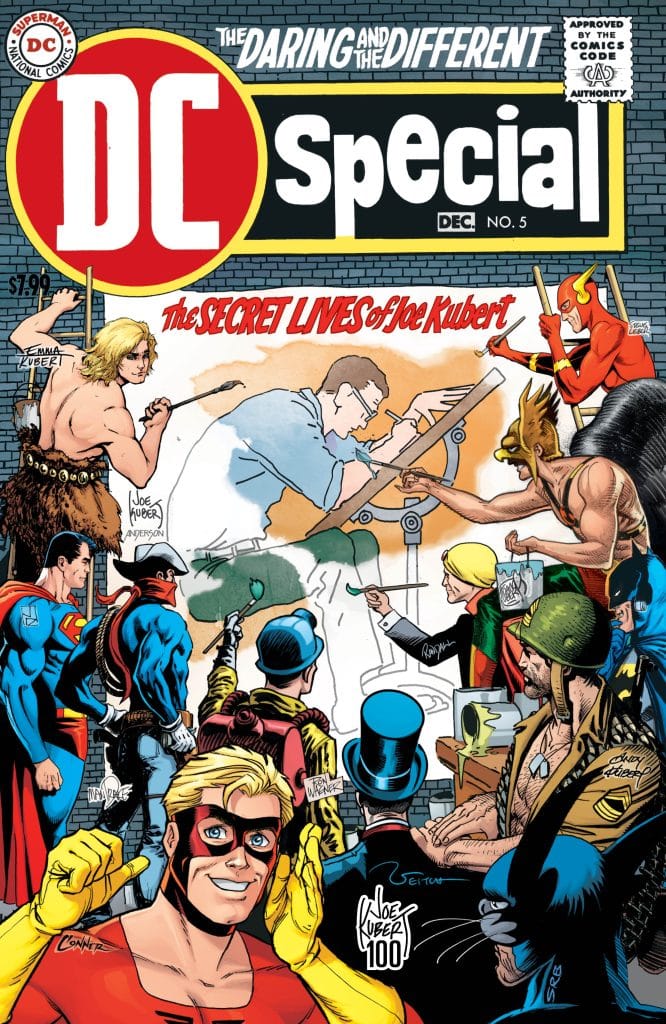
Leading the celebration is DC Special #5 Facsimile Edition, accompanied by a newly commissioned artist-jam homage cover that brings together members of the Kubert family and acclaimed Kubert School alumni to celebrate Joe Kubert’s enduring influence on generations of comic book artists.
Contributors to the commemorative cover include Adam Kubert, Andy Kubert, Emma Kubert, Jan Duursema, Tom Mandrake, Ron Wagner, Amanda Conner, Rick Veitch, Stephen R. Bissette, Lee Weeks, Ron Randall, Steve Lieber, and colorist Brad Anderson.
Originally curated by Joe Kubert himself, DC Special #5 presents four of the creator’s personal favorite stories and stands as a fitting tribute to an artist whose influence continues to shape the industry decades after his work first appeared on newsstands.
DC Special #5 Facsimile Edition arrives September 16 and features additional foil and blank sketch cover variants celebrating Kubert’s legacy.

100 Years of Iconic Covers
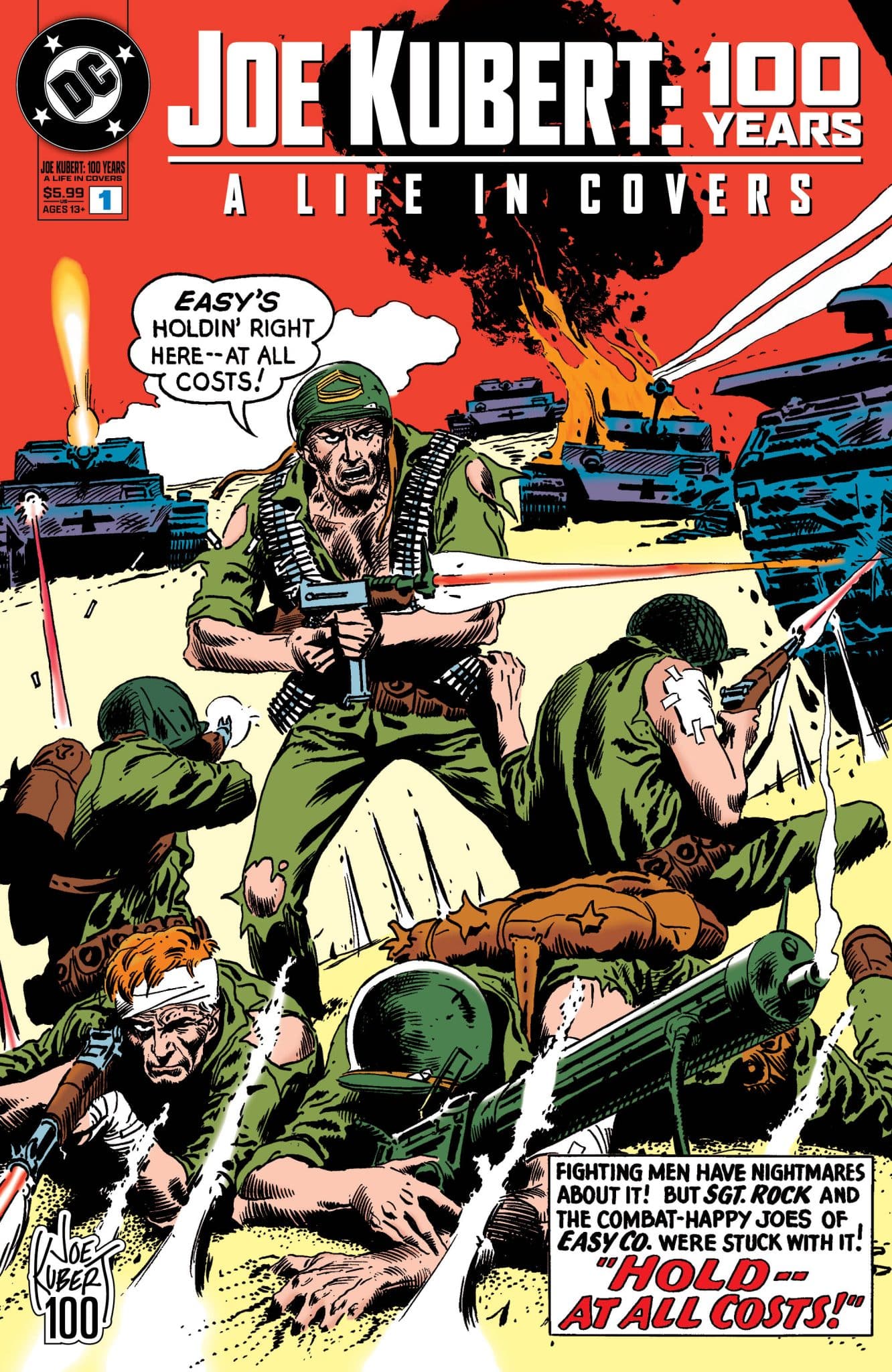
Also arriving in September is Joe Kubert: 100 Years – A Life in Covers, a comic book gallery showcasing some of the most memorable covers from Kubert’s remarkable career.
Spanning multiple decades of DC history, the collection highlights Kubert’s work on titles including The Brave and the Bold, House of Mystery, Sgt. Rock, Ragman, and more, demonstrating the versatility, emotion, and storytelling power that made Kubert one of comics’ most recognizable visual voices.
The one-shot also includes a special foreword by Katie Kubert, offering a personal perspective on her grandfather’s enduring legacy.
Joe Kubert: 100 Years – A Life in Covers #1 arrives September 16.
Celebrating Sgt. Rock
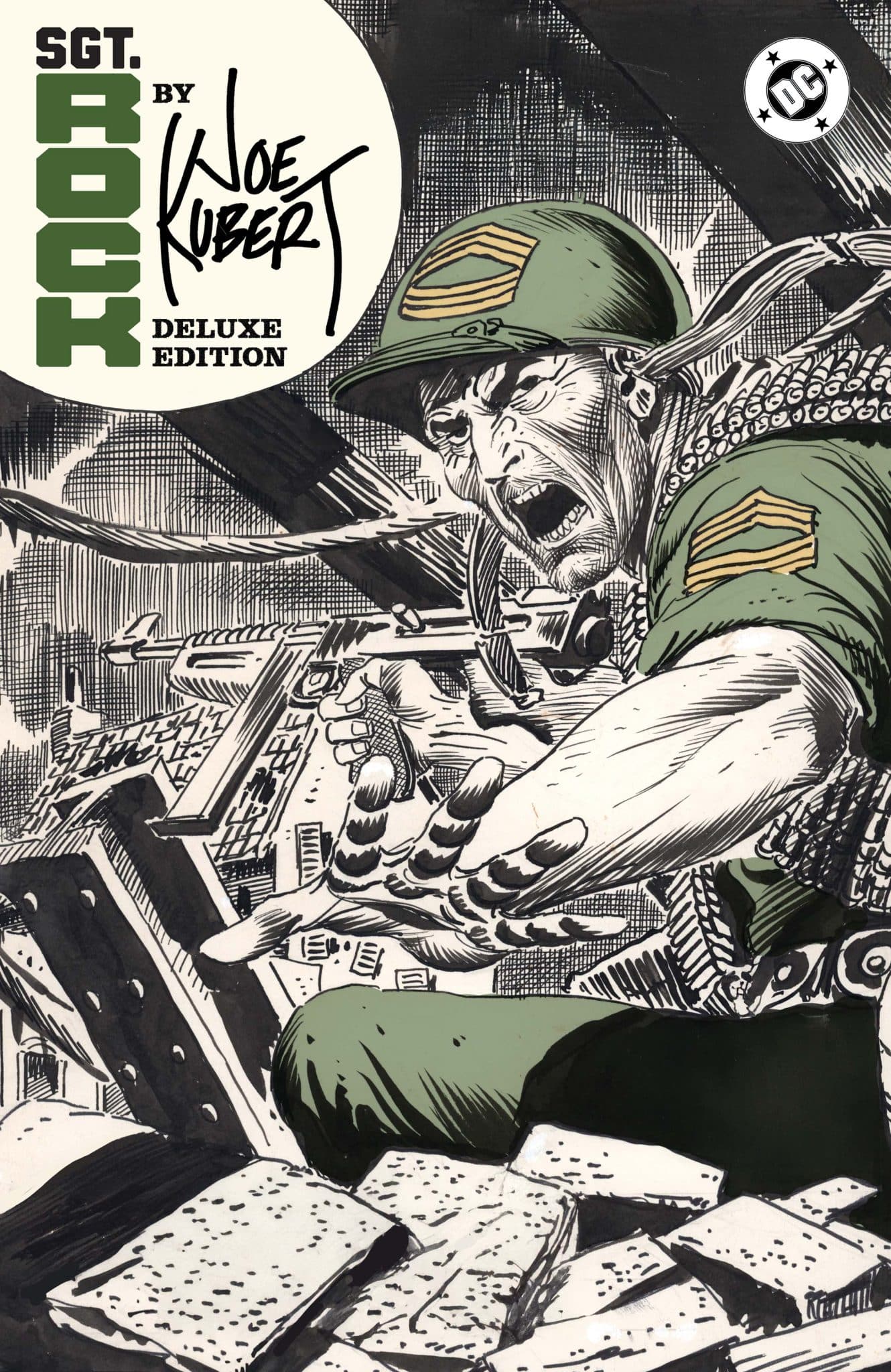
Rounding out the centennial celebration is Sgt. Rock by Joe Kubert: Deluxe Edition, a hardcover collection spotlighting many of Kubert’s defining stories featuring the character most closely associated with his career.
Presented in fully restored color, the collection showcases Kubert’s mastery of visual storytelling across stories of heroism, sacrifice, and humanity set against the backdrop of war.
Whether depicting battlefield action or quieter character moments, Kubert’s work on Sgt. Rock remains a benchmark for comic book storytelling and continues to inspire readers and creators alike.
Sgt. Rock by Joe Kubert: Deluxe Edition arrives September 15.
A Legacy That Lives On
One hundred years after Joe Kubert’s birth, his influence can still be seen across the comics industry through the artists he inspired, the stories he created, and the generations of creators who followed in his footsteps.
This September, DC invites readers to celebrate the life and work of a creator whose contributions helped shape the history of comics and whose artistic legacy continues to endure.
DC’s Joe Kubert centennial releases will be available this September wherever comics, books, and graphic novels are sold.
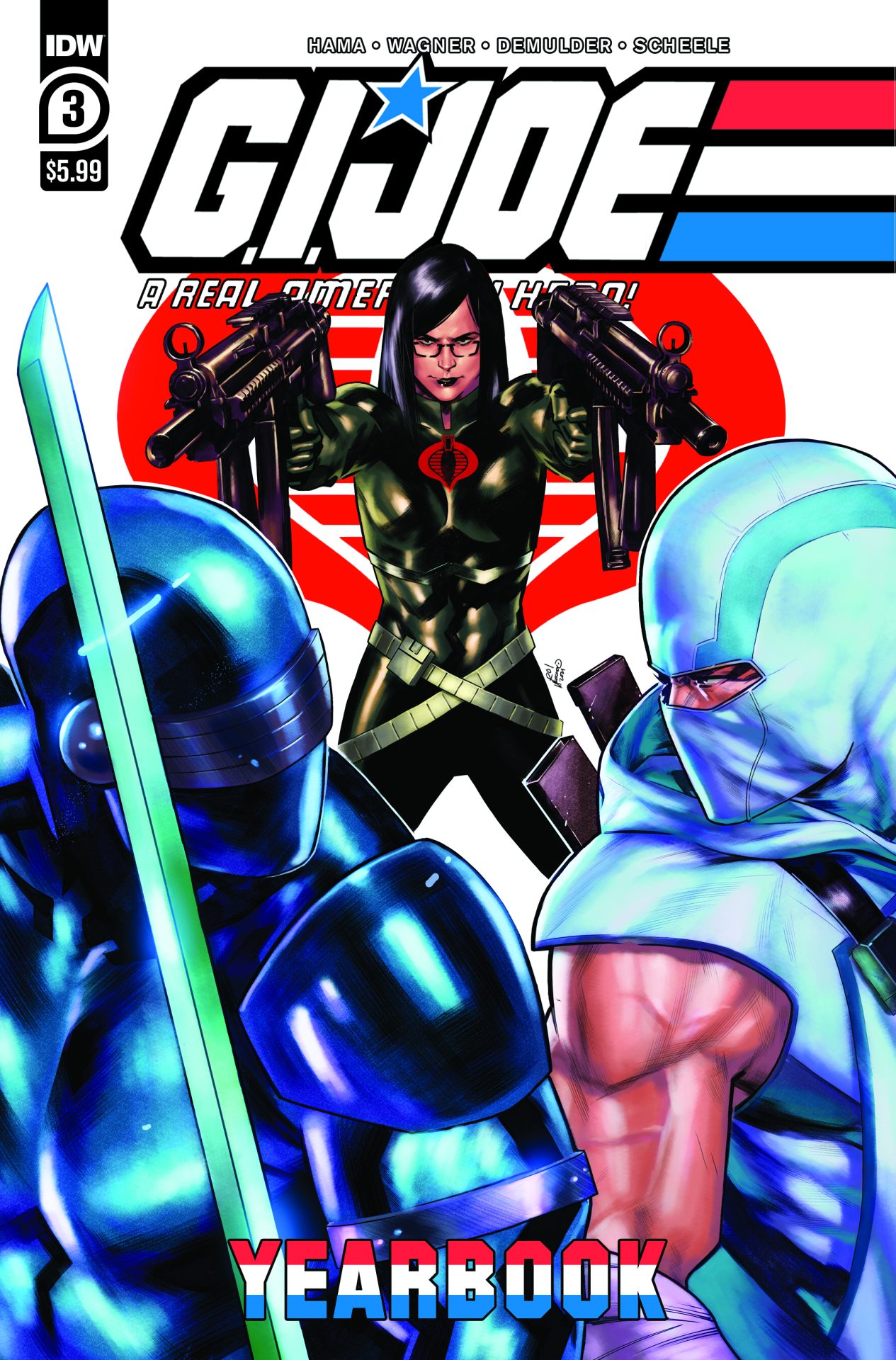

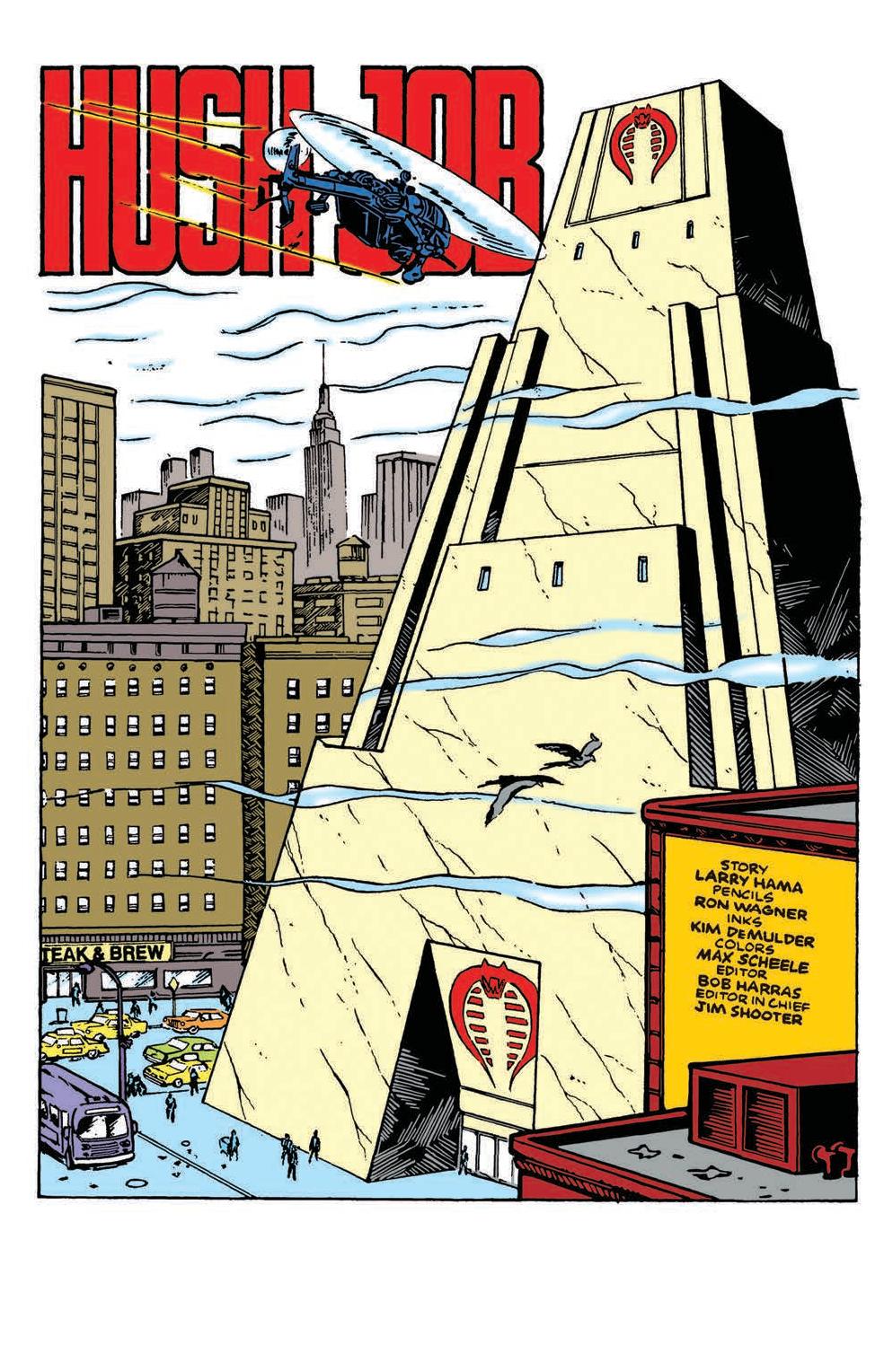
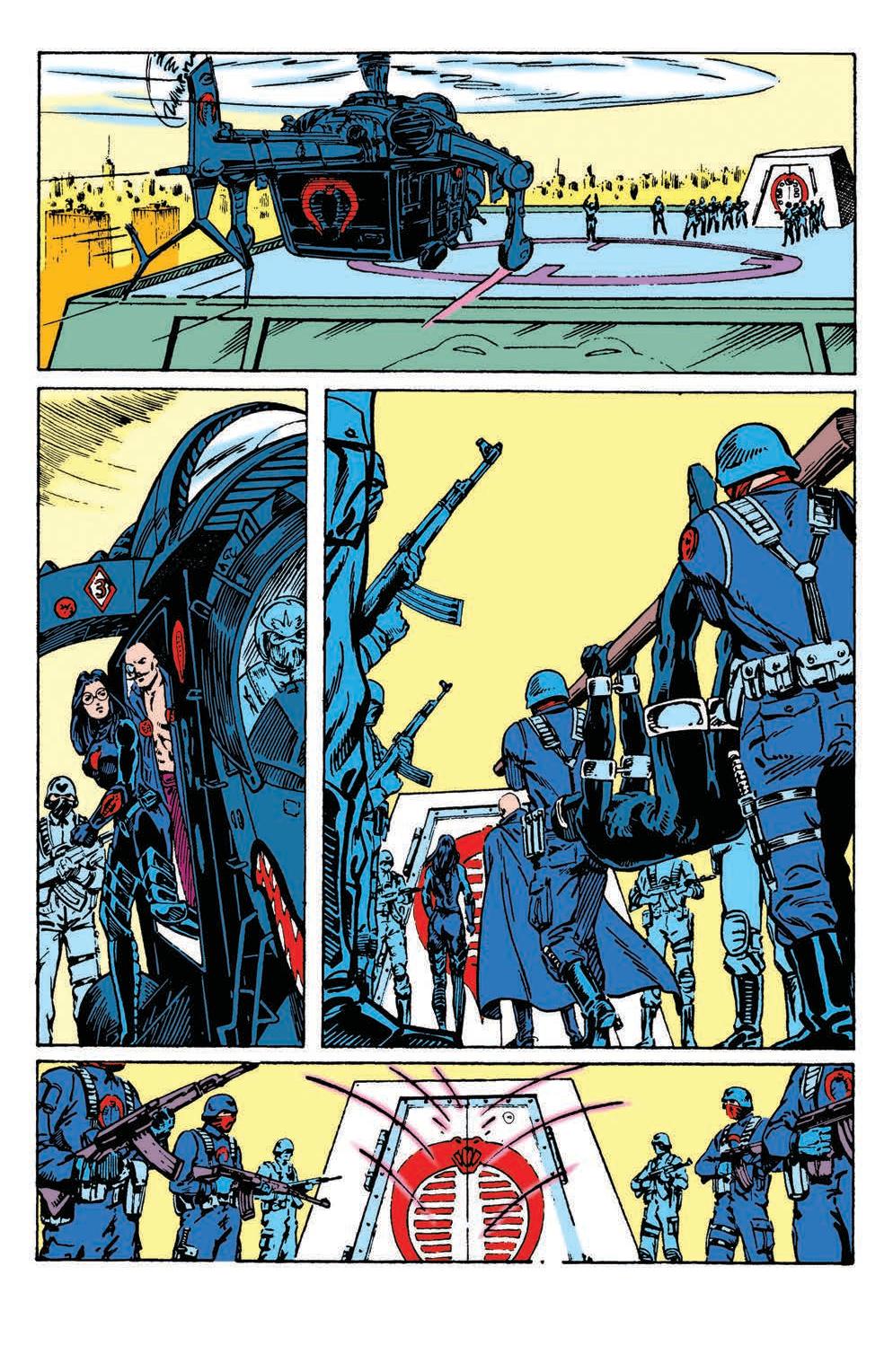
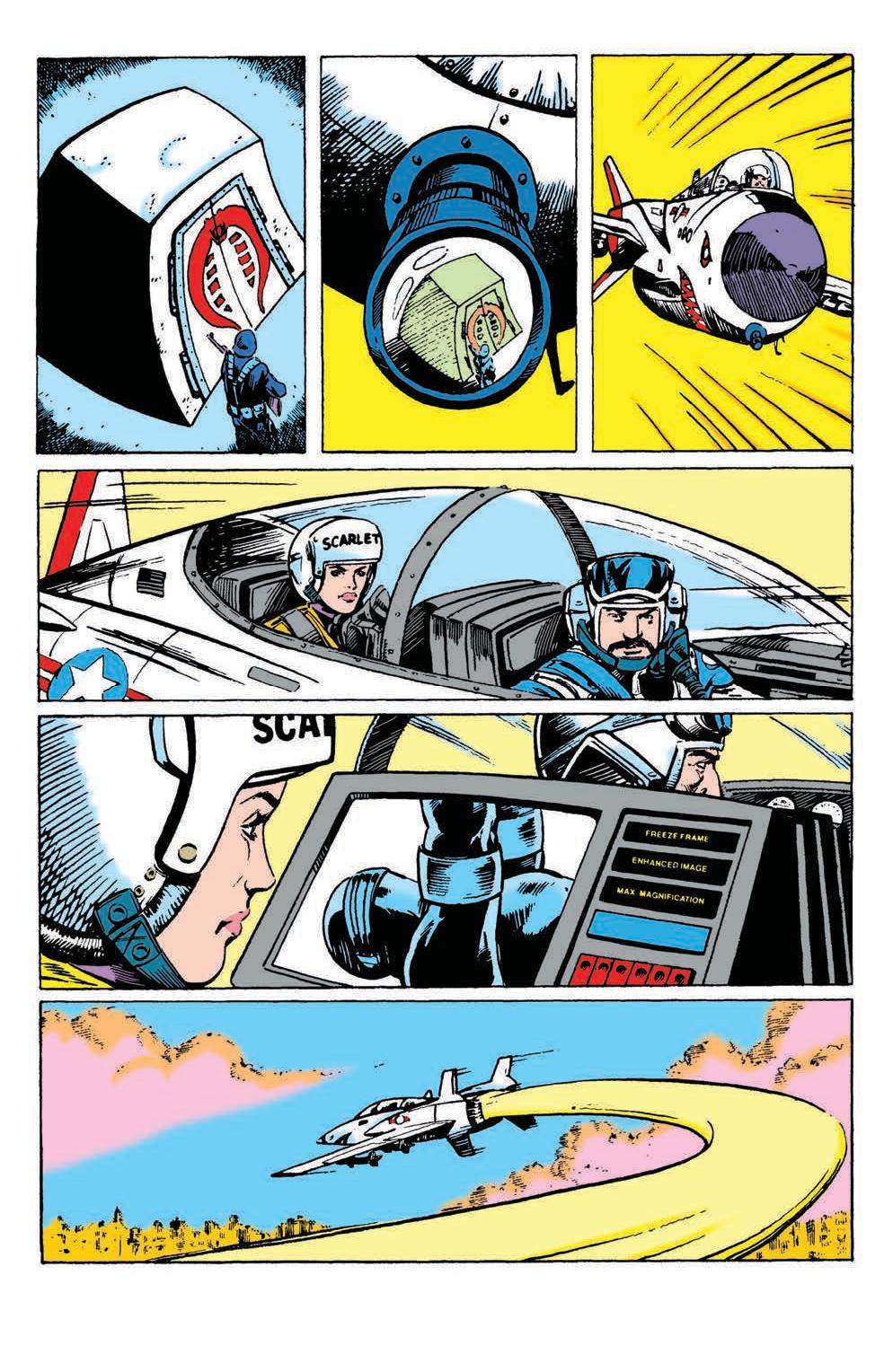
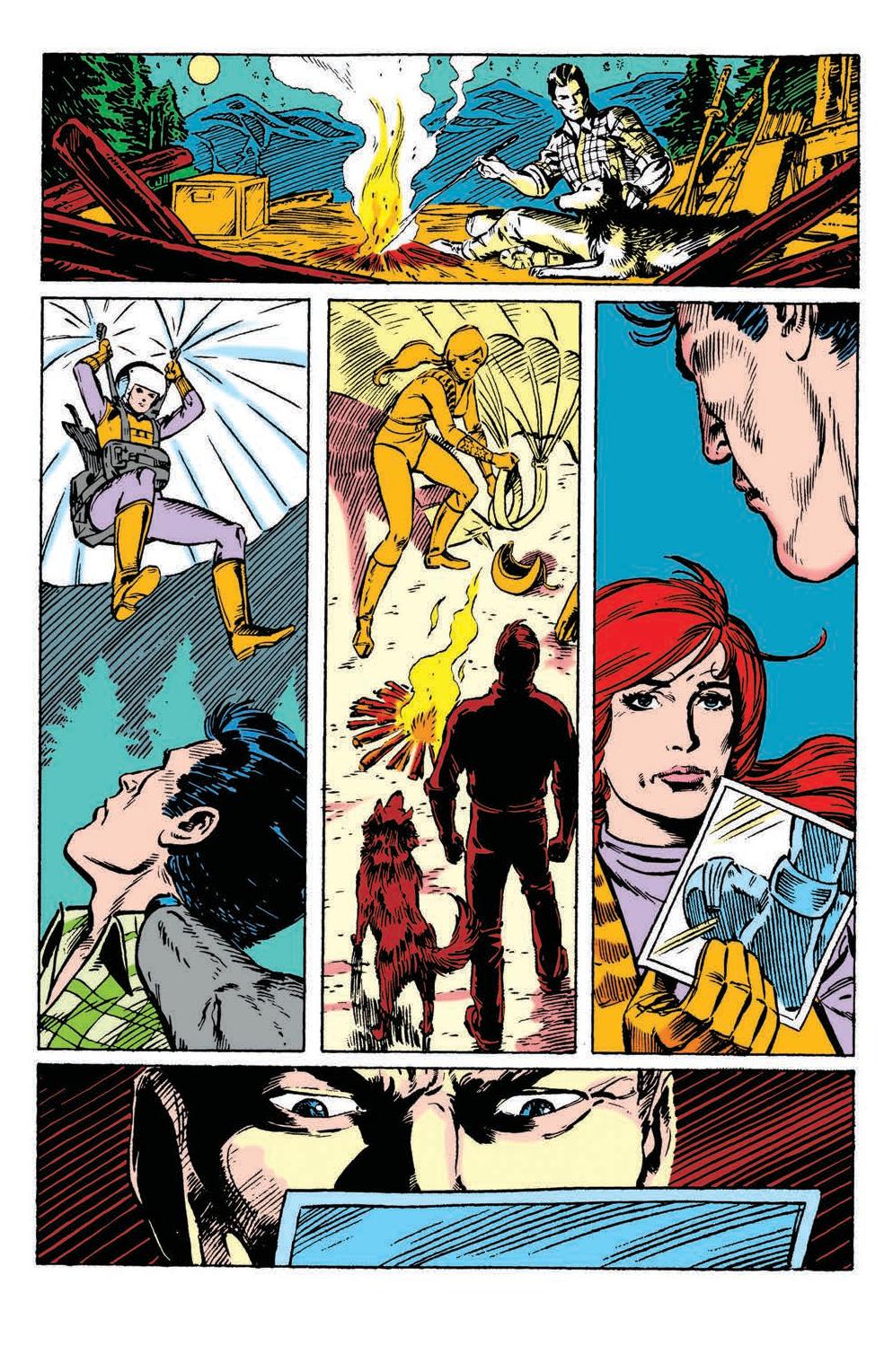
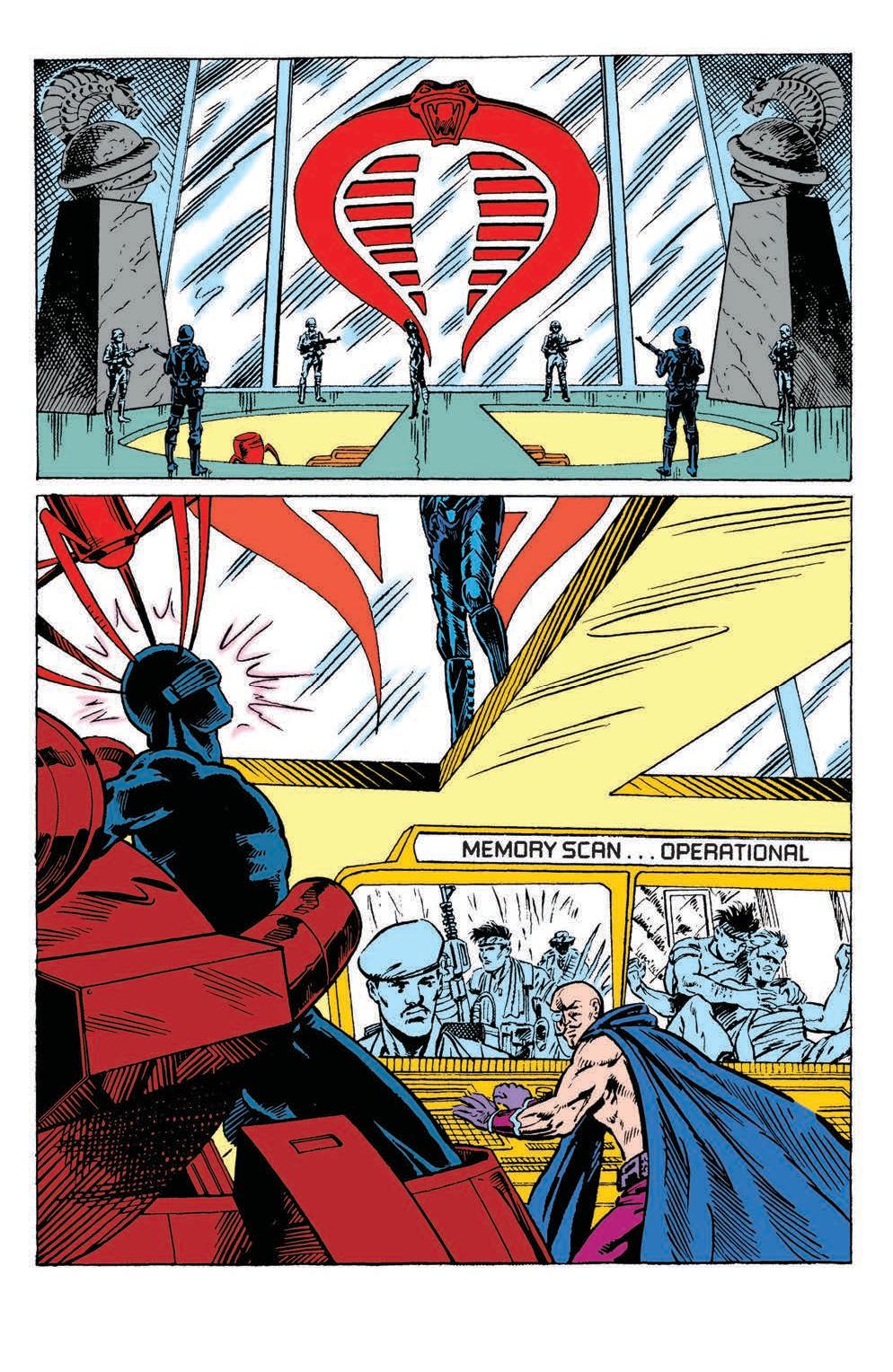


 Within the medium of comics, no one gets death as deftly as sequential art does. Books, can portray a death quite convincingly, describing every detail, as if you were in the room. Movies and tv shows, do it well too, as they show the viewer visually and sometimes not, what occurs. As the death of a beloved character, can make the audience gasp or cheer.
 I am old enough to remember the 90s X-Men cartoon, which set a pretty high standard for cartoons at the time. First, there was nothing like it, as many of the cartoons on TV at the time pretty much were purely entertainment. Gone were the days of Silverhawks and Robotech, where you could learn something from a cartoon. This is exactly why the X-Men were an anomaly, as they had mature themes, but understood the show was for children.
 Genre television has been around for decades, but the gap in quality has only gotten better in the last few years. I remember as a kid growing up, watching Adam West’s Batman, on the television, just about every afternoon. It was fun watching the Dark Knight, before he was so dark, he was all business, but family friendly. I also remember watching the Incredible Hulk, a much sedate heartfelt version not only the big Green guy also of Bruce Banner.