
Logan’s 10 Favorite Movies of 2025
Even though I didn’t quite live up to my personal goal of writing a full length film review every week, 2025 was a really fun year for me at the cinema. If I had to sum up my viewing in one word, it would be “auteurs”. Seriously, let talented filmmakers like Ryan Coogler, Guillermo Del Toro, and Paul Thomas Anderson cook and have massive budgets, and they will make art that won’t just be discussed on opening weekend, but by posterity. (I’m definitely including/referencing Sinners in my popular music library instruction.)
Here are my 10 favorite movies of 2025. I didn’t watch everything that came out this year, but I loved most of what I saw. (Sorry, Captain America: Brave New World.)
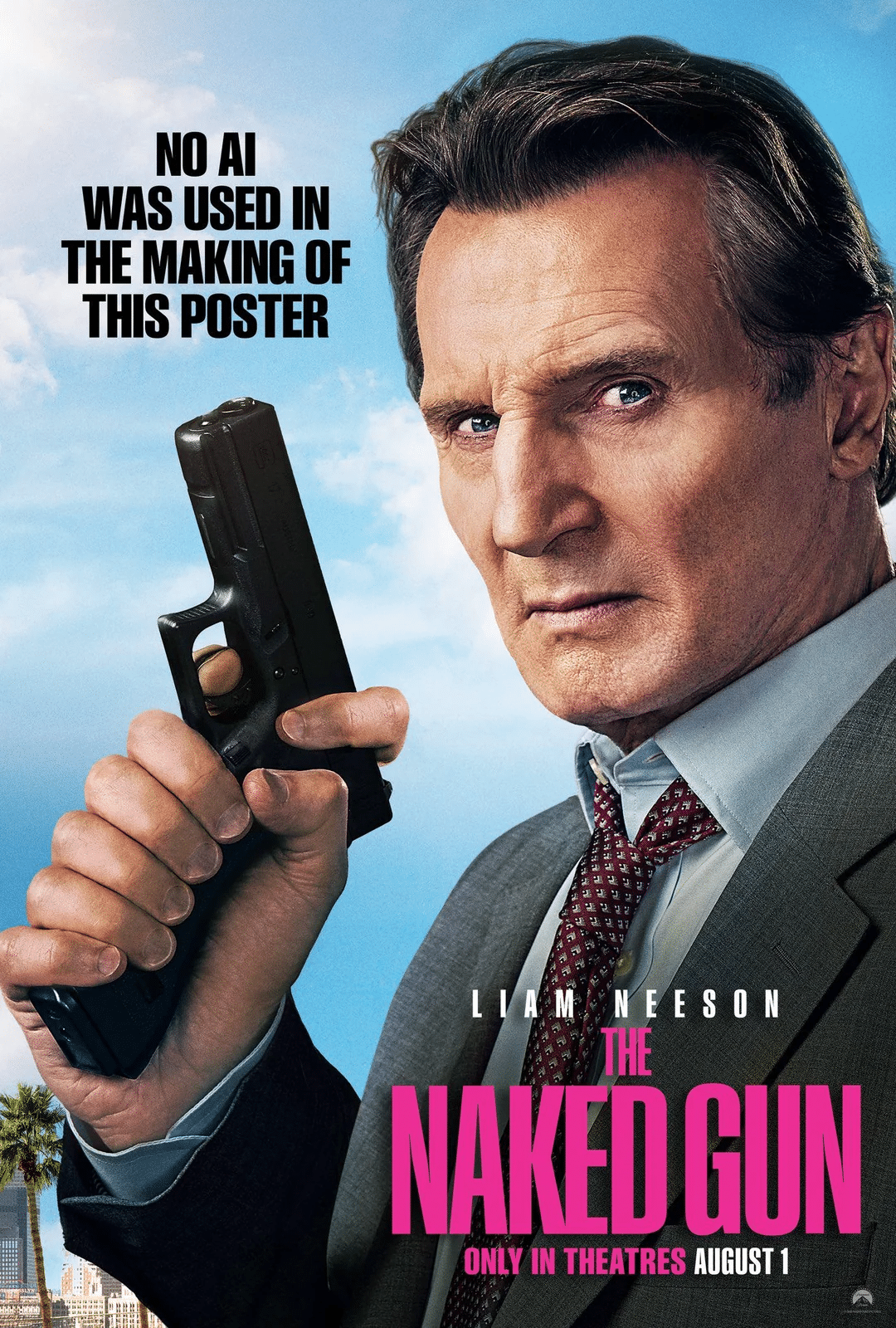
10. The Naked Gun (Akiva Schaffer)
Conservatives claim that comedy is dead, but they just haven’t watched The Naked Gun yet. Liam Neeson is oblivious, deadpan perfection as Lt. Frank Drebin Jr., and he and Beth Davenport (Pamela Anderson) have silly chemistry that addsa dollop of romance to the spoof flick. To sweeten the deal, The Naked Gun is under 90 minutes and the most joke-dense film I’ve seen in the cinema in some time. It also roasts the hell out of tech bros and has the most hilarious end credits.

9. Lurker (Alex Russell)
Lurker is a frighteningly intimate look at the relationship between artist and fan as retail clerk Matthew (Theodore Pellerin) grows closer to British R&B star Oliver (Archie Madekwe). Alex Russell does an excellent job progressively showing Matthew cannibalizing Oliver’s clout while simultaneously ending up becoming the inspiration he needs. A lo-fi score from Kenny Beats and grainy, intrusive cinematography from Pat Scola makes Lurker even more voyeuristic and uncomfortable.
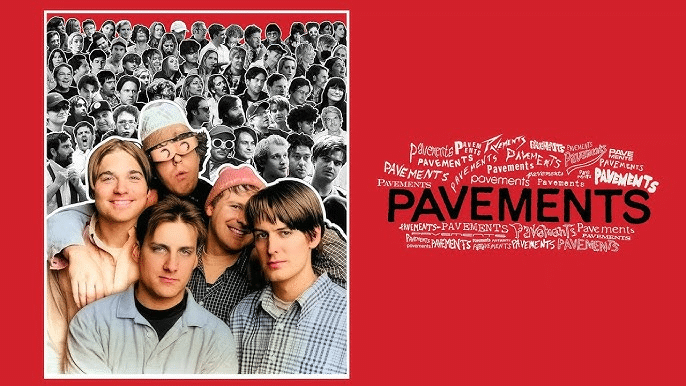
8. Pavements (Alex Ross Perry)
Alex Ross Perry’s Pavements is a five layer movie burrito of documentary, biopic, musical theater, performance art, and tribute all centered around seminal, fiercely anti-commercial 90s rock band Pavement, who has recently reunited and gone on tour. (I was able to see them in 2024 at Riot Fest.) The film hits the right balance between irony and earnestness, and my favorite bits were seeing footage of the Pavement jukebox musical as well as Joe Keery’s quirky performance as the band’s frontman Stephen Malkmus during the biopic segments. As a band, Pavement didn’t care about appealing to the masses and/or Lollapalooza/Alternative Nation, and neither does this film, which makes it great in an era of estate-massaging ego trips disguised as art.
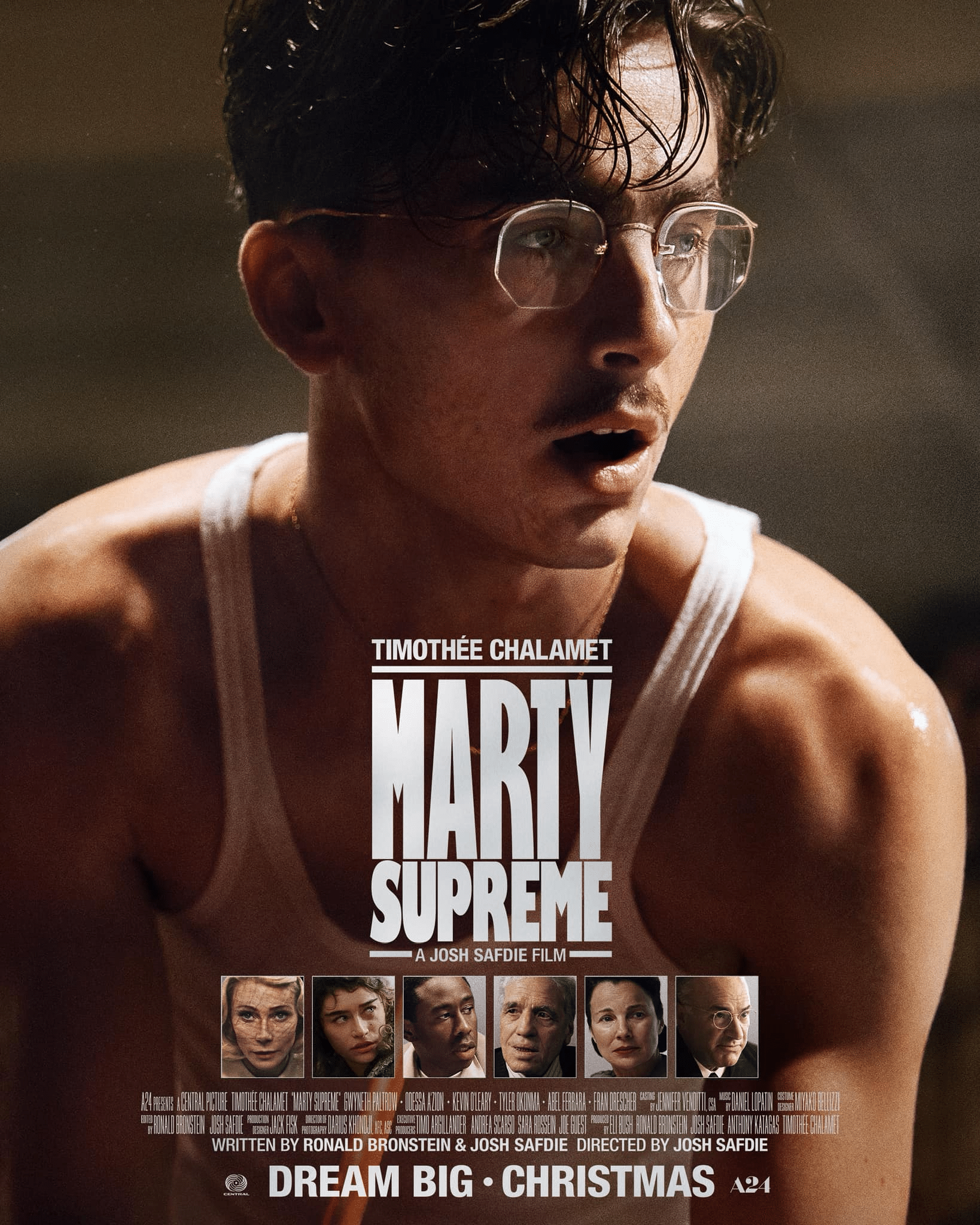
7. Marty Supreme (Josh Safdie)
Marty Supreme is another stressful, entertaining movie from a singular Safdie Brother about a table tennis protege named Marty Mauser (Timothee Chalamet), who must gather enough money to go to the World Championships in Japan with the help of an evil businessman (A perfectly cast Kevin O’Leary), a silver screen star in decline (Gwyneth Paltrow still has her fastball.), and his pregnant childhood friend/situationship (A breakout performance from Odessa D’Azion). The film is set in the 1950s, but is chock-full with 1980s New Wave needle drops that give it that sports movie sheen although Mauser is the epitome of narcissism. However, Chalamet gives his all in the role, and you can’t help but root for him in the end and then shudder about the college boys watching this movie on winter break and seeing him as an aspirational figure. (I want one of those orange ping pong balls though.)
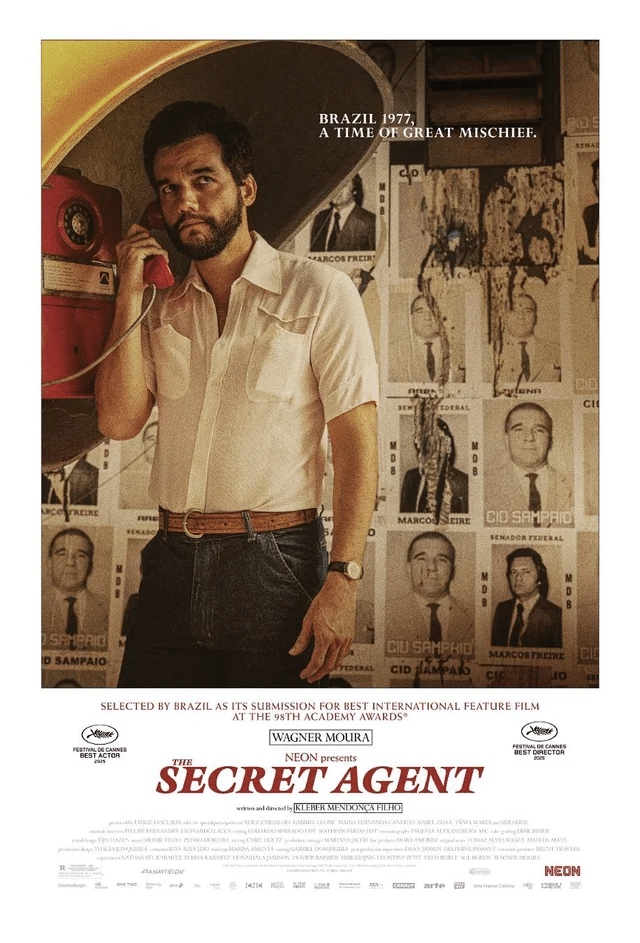
6. The Secret Agent (Kleber Mendonça Filho)
The Secret Agent is a tense sociopolitical thriller set at carnival in Recife, Brazil during the height of the country’s military dictatorship. However, it’s also a film about constructing identities, misinformation, and maybe even the research process. Director Kleber Mendonça Filho and cinematographer Evgenia Alexandrova tap into 1970s sleaze in creating the film’s visual palette with plenty of yellow evoking the classic Brazilian football kit. This, of course, turns to red when shit hits the fan. The main takeaway from the film is the magnetic, yet earnest Wagner Moura as ex-professor/wanted man Armando, who really deserves a Best Actor nomination.

5. Superman (James Gunn)
Like both the epic poems and comic books of yore, James Gunn’s Superman skips the origin story and plunges into the Man of Steel’s career in media res as he tries to mediate a conflict between Jarhanpur and Boravia, uncover a conspiracy connected to tech billionaire Lex Luthor (Nicholas Hoult), dog sit, and maybe even get the girl. In the best way, Superman feels like picking up a random trade paperback with Gunn crafting an entertaining supporting cast that doesn’t take the spotlight away from its titular protagonist’s arc. Above all, Superman is a sincere film, and that starts with David Corenswet’s performance as the Big Blue Boy Scout, who can say “Kindness is the real punk rock” and mean every word. It’s a near-perfect tone setter for James Gunn and company’s vision of the DC Universe.
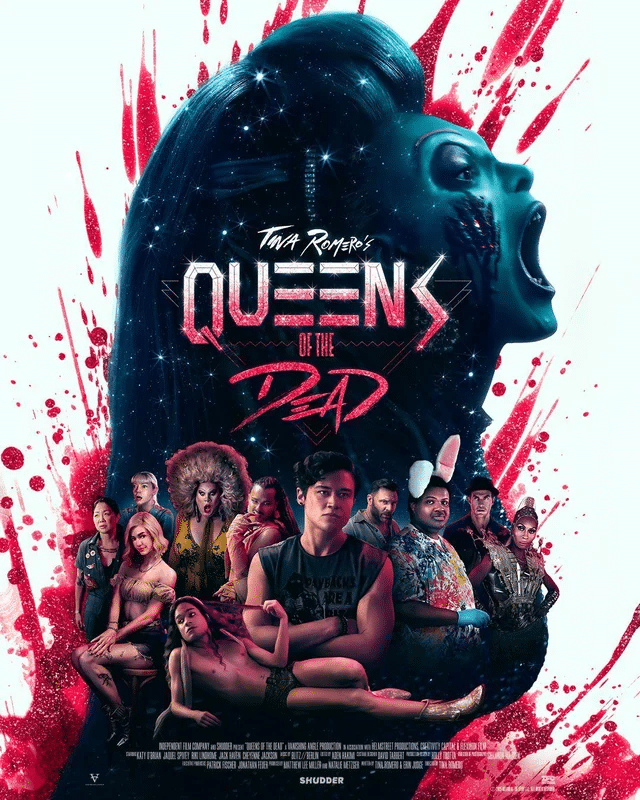
4. Queens of the Dead (Tina Romero)
Tina Romero queers the horror comedy in the hilarious instant cult classic Queens of the Dead. This film has an elevator pitch to die for, namely, Brooklyn drag queens, queer folks, and one homophobic plumber fight zombies and try to find safety. However, Queens of the Dead isn’t just jokes, gore, and fabulous fits, and Romero and co-writer Erin Judge and actor Jacquel Spivey give anxiety-ridden drag queen Sam a beautiful heroic journey as they try to express themselves artistically in a late capitalist hellscape. And speaking of hellscape, Tina Romero brings plenty of pointed satire to the film that would make her father smile. We should really be on our phones less.
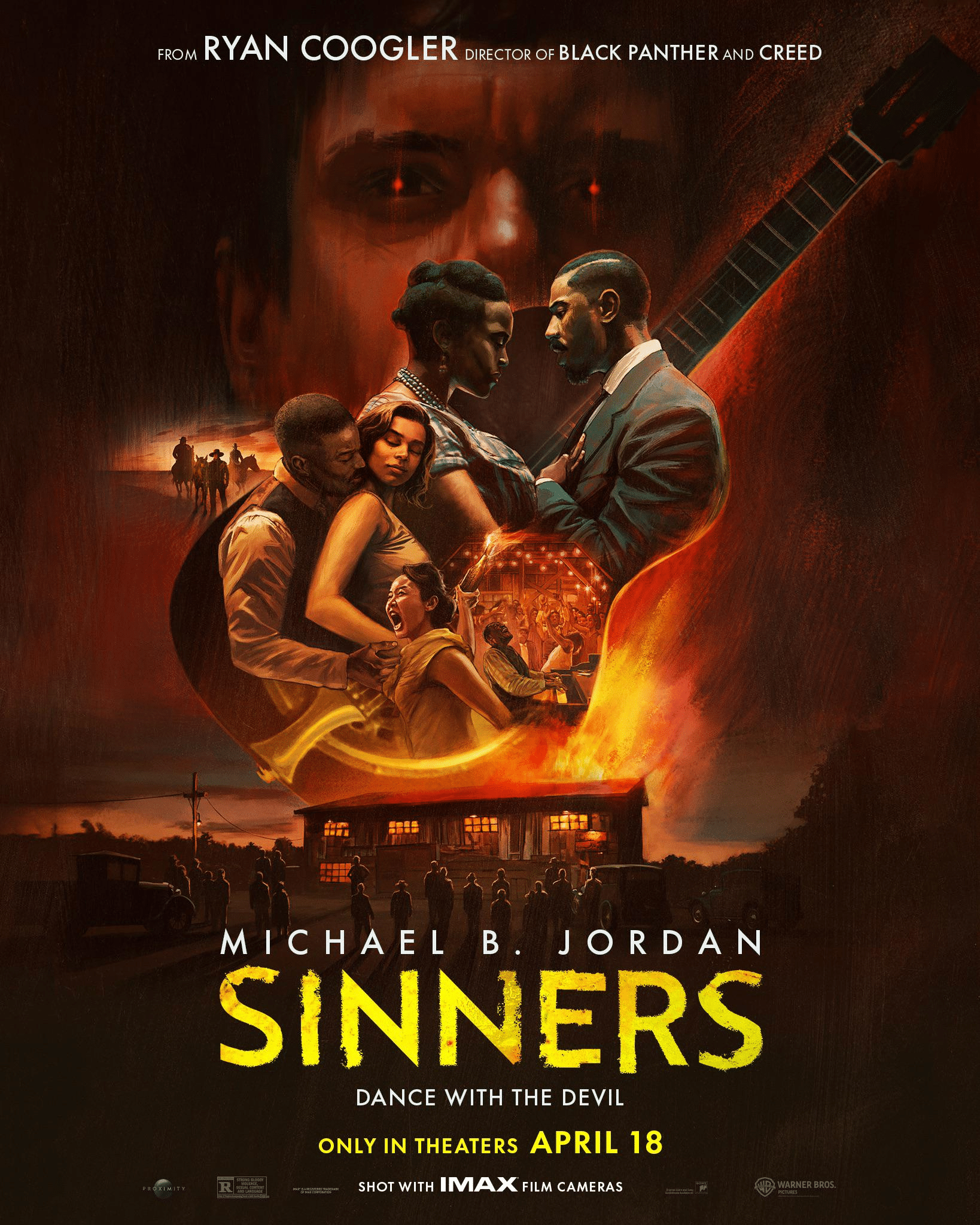
3. Sinners (Ryan Coogler)
Sinners is an exciting vampire thriller meets blues musical that explores the concept of race and whiteness in the United States. The main juke joint sequence is worth the price of admission alone as director Ryan Coogler and star Miles Caton demonstrate that the history of popular music in the United States is the history of Black music. Caton’s triple threat performance is bolstered by Michael B. Jordan playing a dual role as Stack and Smoke. He has charming chemistry with Hailee Steinfeld, his bi-racial ex-girlfriend. Sinners has real heat to it, and you can smell the sweat and sex of the juke joint as carnal, supernatural, and spiritual unite, and Remmick’s (Jack O’Connell) Irish vampires try to break off a piece of it just like real life artists like Elvis Presley would in the near future. Finally, Sinners might have the best post-credits sequence of all time. (I feel like Buddy Guy playing himself slightly edges out Samuel L. Jackson’s debut as Nick Fury in Iron Man.)

2. One Battle After Another (Paul Thomas Anderson)
Bob Ferguson (Leonardo DiCaprio) juggles fatherhood and rekindling the ashes of revolutionary spirit in Paul Thomas Anderson’s epic film One Battle After Another. Just like the works of the author that inspired it (Thomas Pynchon), OBAA is more encyclopedia than film with the most exciting car chase scene, the most tender father/daughter moments, and the funniest supporting performance as Benicio Del Toro has the time of his life as the beer-guzzling “Sensei” Sergei. One Battle After Another doesn’t have any clear answers about being a good parent or fighting a cause while still trying to have a life and family, but that makes it all the more compelling and a lovely use of Warner Brothers’ $130 million.
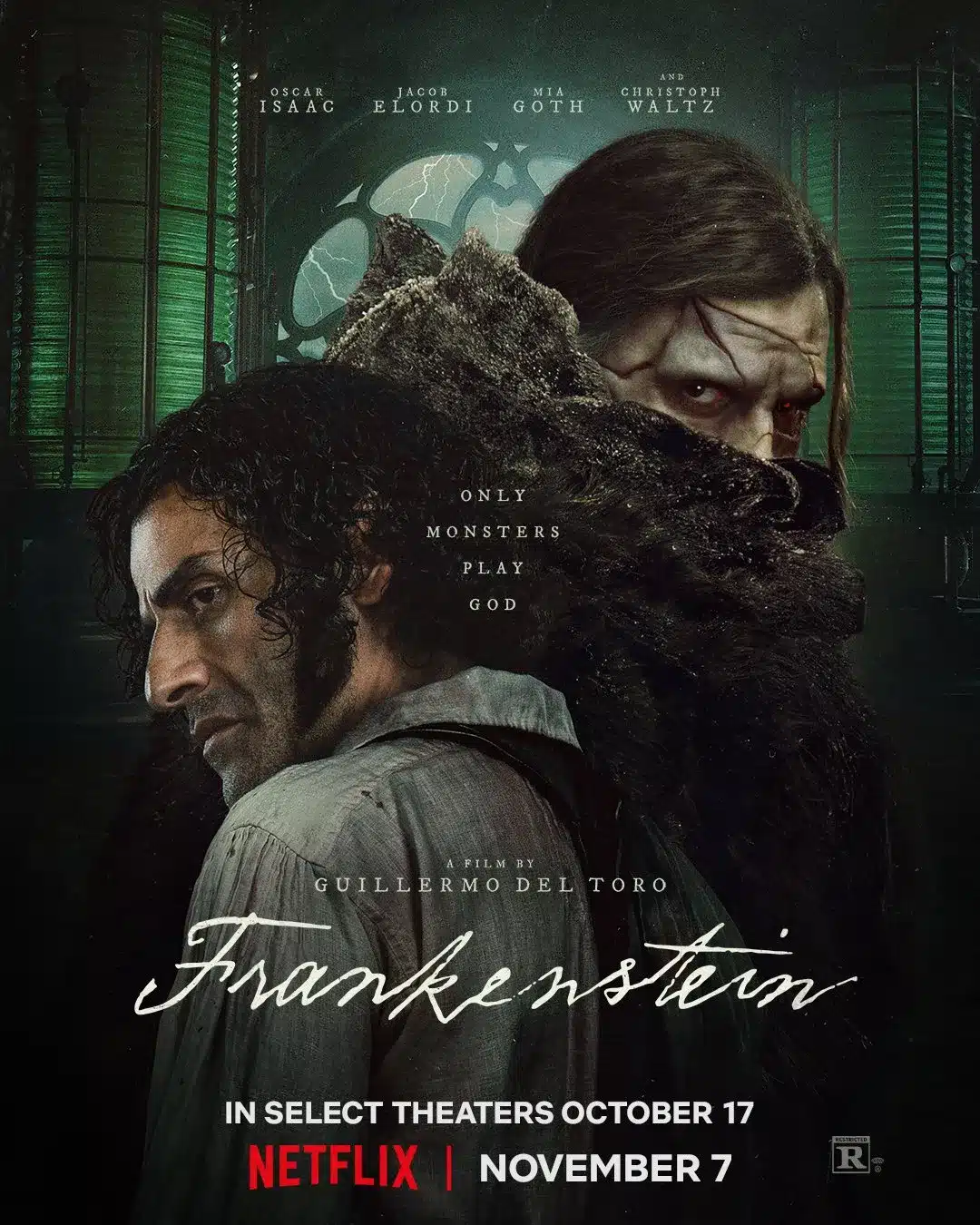
1. Frankenstein (Guillermo Del Toro)
My favorite film of 2025 was Guillermo Del Toro’s none more Goth adaptation of Mary Shelley’s Frankenstein that I was thankfully able to see in theatrically courtesy of my local independent theater, The Belcourt. Frankenstein is truly the loveliest film of 2025 with Del Toro and cinematographer Dan Lautsen conjuring frames that look like English Romantic oil paintings, Gustave Dore woodcuts, and Berni Wrightson’s pencil and ink illustrations depending on the mood. This attention to visual detail extends to the exquisite costuming and set design, especially anything Mia Goth’s Lady Elizabeth/Baroness Frankenstein wears. (Yes, this film is quite Freudian.) Frankenstein isn’t a plot beat by plot beat adaptation of the novel, but Del Toro captures the overarching themes about the destructive nature of technology (*cough* Generative AI) and the hubris of humanity. To top it all off, Jacob Elordi gives a truly tragic performance as The Creature, especially in one poignant scene where the Blind Man (David Bradley) teaches him to read and engage with art. (John Milton’s Paradise Lost, of course.)
Honorable Mentions: The Ballad of Wallis Island (James Griffiths), The Bad Guys 2 (Pierre Perifel), Hamnet (Chloe Zhao)