Tag Archives: Barbara Perez Marquez

Baltimore Comic-Con 2025 Family Alley with Kid-Friendly Comics Creators

Families will be making their way to the 2025 Baltimore Comic-Con this October 17-19 at the Inner Harbor’s Baltimore Convention Center. The Baltimore Comic-Con will feature our Family Alley section for comics creators whose work is oriented towards kids for our 2025 event. Kids (plural!) 10 and under are free with an accompanying adult! Get tickets for the show online now!

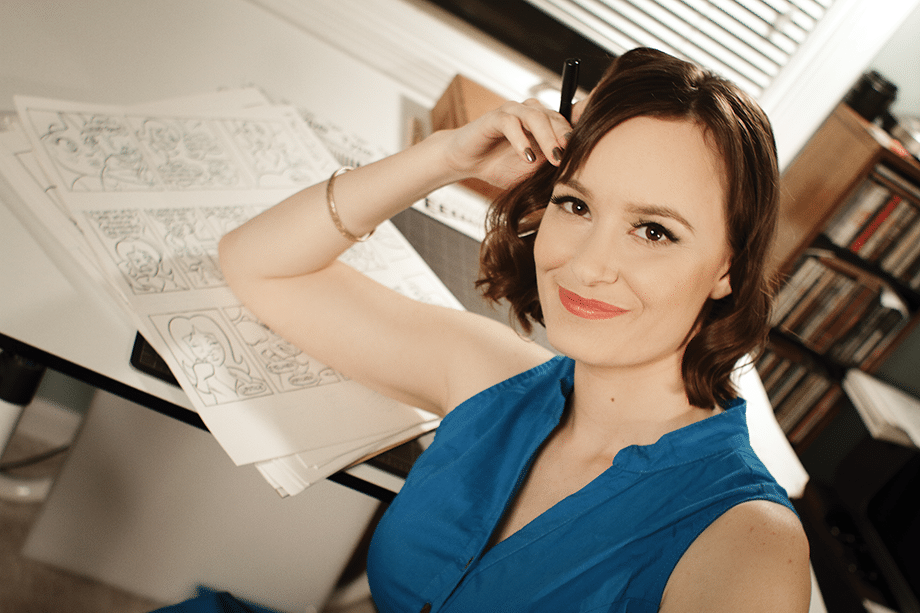
Carolyn Belefski creates and publishes original comics and illustrations, including her comic strip Curls. She is artist of the comic books Black Magic TalesFrench Fry Club, and The Legettes. Her freelance projects range from working with BOOM! Studios on Cartoon Network’s Adventure Time comic book to commissioned comics for the Obama White House. Carolyn currently serves as Washington, DC chapter chair of the National Cartoonists Society and recently served on the Board of Directors. She conceived and orchestrated the NCS Activity Book featuring over 50 creators with a cover by Sergio Aragonés, which she colored. She has also worked on a variety of anthology projects including Mine!, Magic BulletRise: Comics Against BullyingCartoonists Draw Blood, and District Comics: An Unconventional History of Washington, DC. She was nominated for the Kim Yale New Talent Award from Friends of Lulu and was recognized as a runner-up for Best Visual Artist from Washington City Paper. Carolyn also designs and produces wearable art such as bandanas, enamel pins, and more.
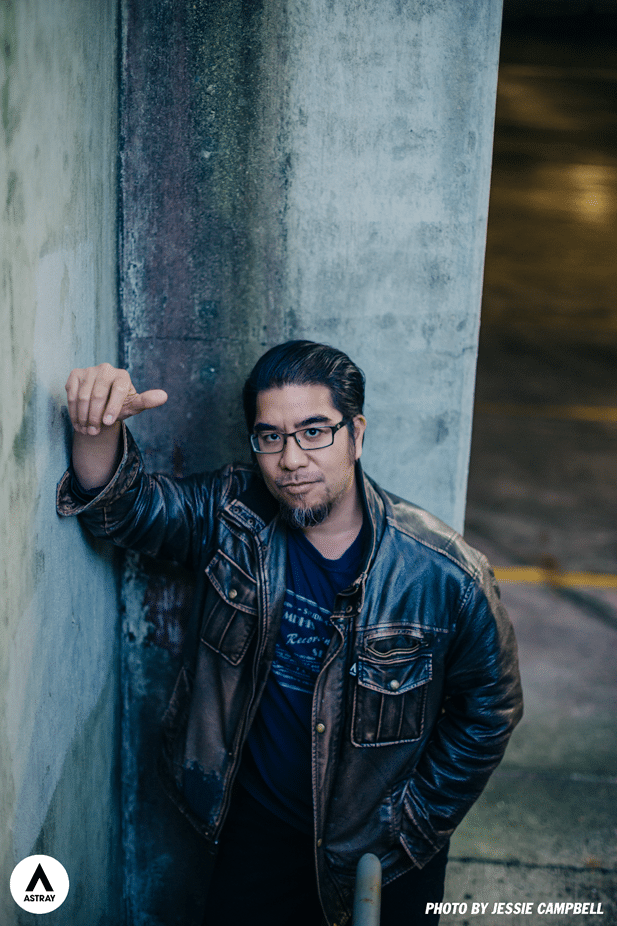
Joe Carabeo is a writer and co-creator with Carolyn Belefski on comic properties The LegettesFrench Fry Club, and Black Magic Tales. As Curls Studio, they have toured the convention scene with since 2007. He has also worked on a variety of anthology projects including Magic BulletCartoonists Draw Blood, and District Comics: An Unconventional History of Washington, DC. Joe is a filmmaker with Astray Productions. In addition to his own work, he has used his directing and camera talent to work with The First Lady of the United States, Dr. Jill Biden, Madeline Albright, The Beach Boys, Olivia Jean from Third Man Records, My Kid Brother from Ruthless Records, Professional Wrestler Sonjay Dutt, U2’s Bono, ABC, NBC, Showtime, Epix, TLC, Bravo, DC Lottery, NASA, Under Armour, Papa John’s Pizza, Jerry’s Subs, Chef Spike Mendelsohn, Chef Carla Hall, Van Metre, Northwestern Mutual, and many more.

Chris Flick is a professional illustrator, cartoonist, caricaturist, and UI/UX web and graphic designer working in the Washington, DC area.

In 2007, he created the webcomic Capes & Babes featuring Roy the Werewolf. You can read all 1,200+ strips at www.capesnbabes.com. Chris has also collected those 12 years of strips into five trade paperback books and created three all-ages coloring books on amazon.com.

Chris attends several conventions throughout the year where he primarily draws caricatures of people as werewolves and other monsters, sells mash-up posters, coloring books, stickers, and so much more. He also recently published a guide to tabling at conventions called “Conventional Wisdom”.
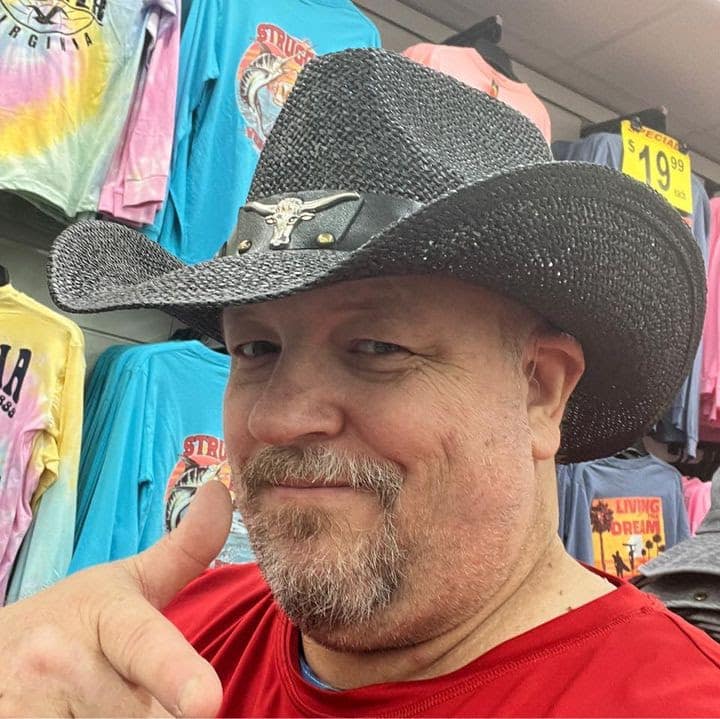
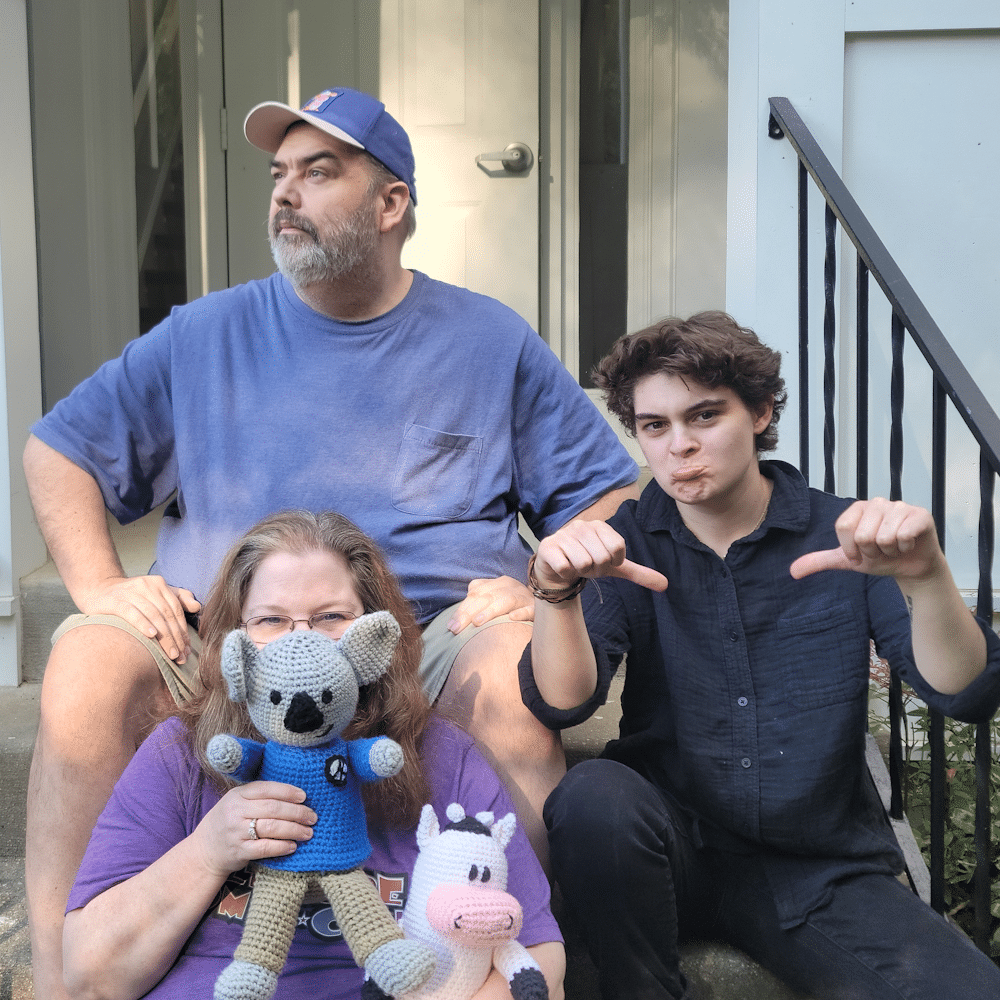
Deans Family Productions (DFP) is a family-owned and operated company creating children’s books, comics, artwork, and toys. Started by Robert Deans in 2014 with the debut of Robert’s Shakes The Cow in the book Moo Thousand and Pun, DFP has quickly developed a reputation for quality all-ages products, all with a dash of “Dad Humor.” Following Moo Thousand, a second series for young readers, The Bear from AUNT spy adventures featuring Stanley The Bear was created. More series, including soft-boiled noir serials, “Choose Your Own” solo gamebooks, and picture books featuring original creations The MooseLambs have since followed. Robert’s wife Elinda has since created a line of handmade toys of DFP characters, including some in “cowsplay.” DFP also publishes an exclusive line of comics – The Mighty Hippofartamus – featuring a superhero co-created by Robert and his then-nine-year-old-Kidlet! DFP strives to make books, toys, and more that will delight children and adults alike. Find them online at grandpunwick.com and dfplinks.com.

Franco created the Dino-Mike book series and worked on various comic properties, including the critically acclaimed Superman Family AdventuresYoung JusticeBilly Batson and the Magic of ShazamSuperpowersArkhamaniacs, and the New York Times bestseller, multi-Eisner and Harvey Award-winning series Tiny Titans for DC Comics, as well as Grimiss Island and the Eisner Award-winning Itty Bitty Hellboy with Dark Horse Comics, and Little Archie for Archie Comics.

His latest work include Teen Titans Go to the LibraryDeadman Tells the Spooky Tales (DC Comics), and his original Fae and the Moon (Little Bee).

Twitter/Instagram: @awyeahfranco
blindwolfstudios.com
awyeahcomics.com

Chris Giarrusso is the writer/artist best known for creating the Mini Marvels at Marvel Comics and G-Man at Image Comics. He drew and co-created Hashtag: Danger! with writer Tom Peyer at Ahoy Comics and collaborated with Franco and Art Baltazar on Encounter at Lion Forge. His most recent work has been a steady stream of variant covers at Marvel Comics for VenomX-Men, and a set of 15 connected covers recreating The Official Handbook of the Marvel Universe in his signature Mini Marvel style.

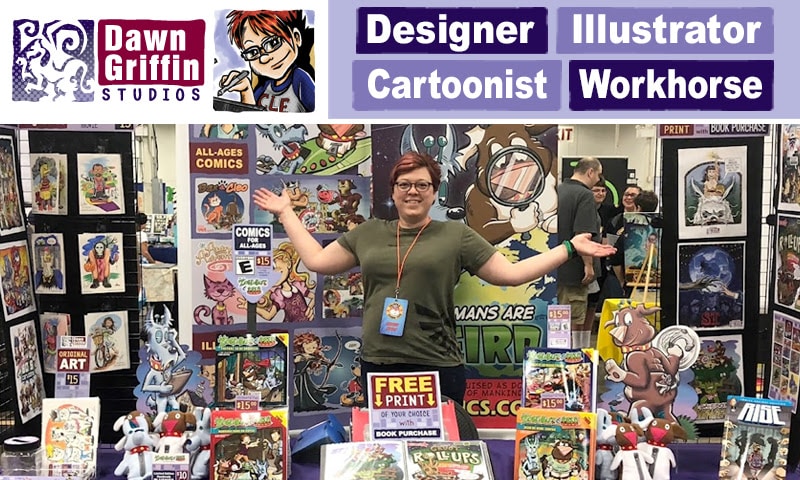
Dawn Griffin, of Havertown PA, is an illustrator specializing in “cute, funny, quirky” kids and young adult material. Her creator-owned properties, both boasting four books each, are the sci-fi/humor comic Zorphbert & Fred and the self-esteem kids book series Abby’s Adventures published under Eifrig Publishing. She has also contributed to multiple anthologies such as Team Cul de Sac from Andrews McMeel Publishing, and RISE: Comics Against Bullying from Northwest Press. Dawn is also a co-founder of Webcomic Alliance, a five-year-running web resource and popular podcast for comic creators. “Creative Workhorse” may be an understatement.
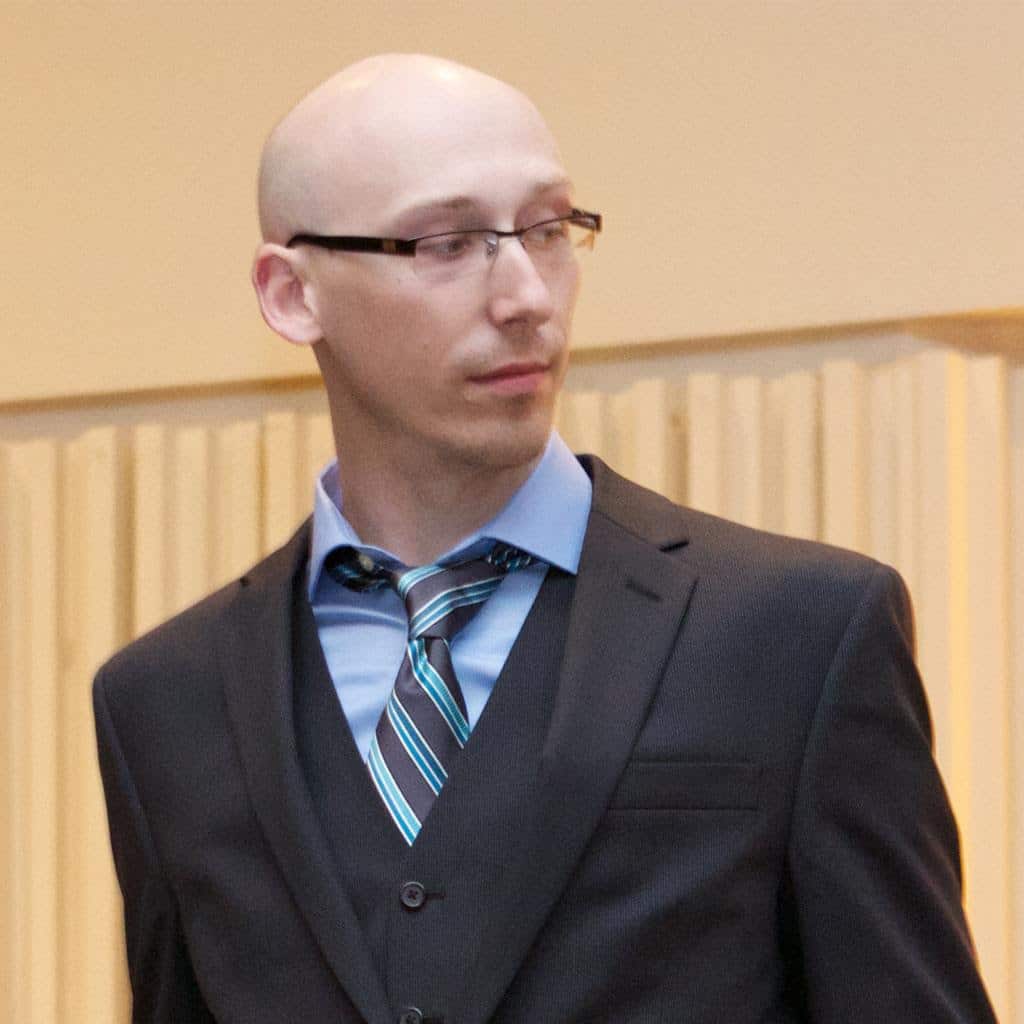
Raised on a “healthy” diet of cartoons, comics, and video games, Central Ohio-based Nate Lovett has been drawing since he could first hold a crayon. He’s been working in comics and illustration professionally since 2007, getting his first real start with Xombie: Reanimated from Devil’s Due. From there, his fun, colorful, and animated style has led to working on comics, children’s books, and concept art for Marvel, Image, Action Lab, Nickelodeon, Random House, Viz, and Hasbro on projects such as Teenage Mutant Ninja TurtlesDungeons & DragonsMarvel Comic PresentsMoon Girl & Devil DinosaurPaw PatrolCorn & PegGI JoeBravest WarriorsRedakaiMonsunoHack/Slash, and more. Recently, he’s completed work on the graphic novel Commander Tomorrow for Rocketship Entertainment, and the comic Packrat & Thunderbunny while attempting to work on his own all-ages projects, Carter Kain & Punk Rawk Ninja.

Trevor Mueller is a comic writer from Chicago. His latest projects are Nexus Point and Re-Possessed (Webtoon Originals). He has also written the multi-Harvey Award nominated Albert the Alien. He has contributed stories to several anthologies, including Reading With Pictures (Andrews McMeel). He has also self-published several other works including ConsumerBeyond the PillarsLos Ojos, and The Witches of E Wick Blvd.

Trevor also appears on occasional episodes of the popular web series Nostalgia Critic.

Trevor currently lives in Chicago with his family; his cat, Waffles, might be planning for world domination.
Dan Parent is an American comic book artist and writer best known for his work for Archie Comics. A graduate of The Kubert School, Dan began working for Archie immediately after graduation. His writing of the Love Showdown series from 1994 received widespread attention. Dan has also illustrated Felix the CatBarbie, and co-created the comic series Die Kitty Die, and has worked for Disney Adventures, Dynamite, DC, and Valiant.

In 2010, Parent introduced the first openly gay character in Archie Comics when he created Kevin Keller in Veronica #202, which he wrote and drew. Kevin Keller got his own title with the publication of Kevin Keller #1 in 2012.

In May 2013, Parent was presented with the GLAAD Media Award for Outstanding Comic Book. Dan was nominated for a 2013 Harvey Award for Special Award for Humor in Comics, and nominated again in 2014 and 2015 as a cover artist.

Dan has worked on many crossover titles, including team-ups with KISS, the B-52’s, BlondieBatman ‘66, GleeSharknadoPredatorHarley QuinnPoison IvyVampirella, and Red Sonja.

In 2016, Dan published Die Kitty Die, which was funded through Kickstarter and subsequently published by Chapterhouse Comics. Three series have since followed. 

Dan is currently working on titles celebrating Archie Comics’ 80th Anniversary, including special projects for the 60th Anniversaries of Sabrina the Teenage Witch and Josie and the Pussycats.

Barbara Perez Marquez was born and raised in the Dominican Republic, now she lives in the USA. She holds an MFA in Creative Writing and writes comics and prose. During her career, she has also been an editor, translator, and even a sensitivity reader for several publications and projects. Her work was first featured in a student collection in the 7th grade, which inspired her desire to become a writer. Since then, she’s been featured in a number of literary journals, as well as anthologies. You can find her among the creators behind The Cardboard Kingdom, the Eisner-nominated graphic novel series about a neighborhood of kids having amazing adventures with cardboard. Her next graphic novel, The Library of Memories, is out in 2026.
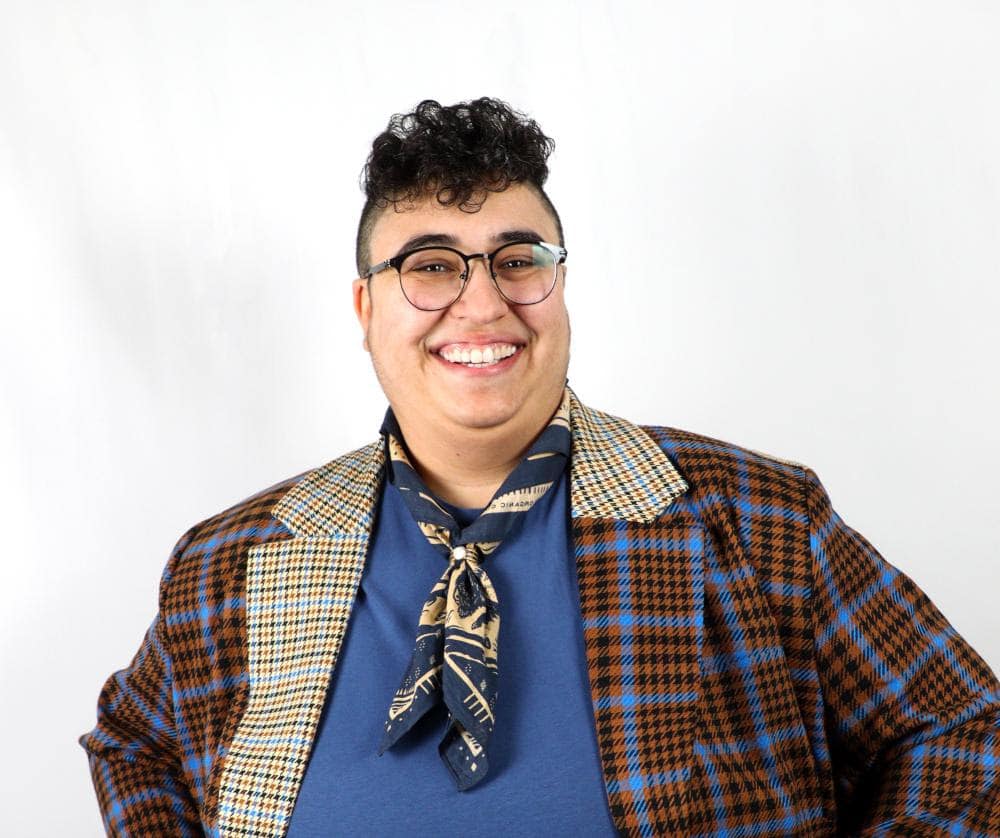
Andy Runton is the award-winning creator of Owly, the kind-hearted little owl who’s always searching for new friends and adventures. Owly showcases Andy’s love of wildlife and the outdoors, and has earned him multiple awards, including the Eisner Award for Best Publication for a Younger Audience. The Owly books have been praised for their “charm, wisdom, and warmth” by Booklist, and WIRED.com said they are “one of the best comics for kids around. Period.” Andy lives in the greater Atlanta area, where he works full time as a writer and illustrator. Visit him online at andyrunton.com
Pronouns: he/him


This year’s confirmed guests for the show include: Arthur Adams (Longshot), Joel Adams (Ms. Mystic), Zeea Adams (Deadman), Kaare Andrews (Spider-Man: REIGN 2), Jeremy Bastian (Cursed Pirate Girl), Marty Baumann ((Pixar artist), John Beatty (Marvel Super Heroes: Secret Wars), Rose Besch (Miles Morales: Spider-Man), Josh Blaylock (Mercy Sparx, courtesy of Hero Initiative), Russ Braun (The Boys), Mark Buckingham (Fables), Jacen Burrows (Crossed), Jim Calafiore (NED, Lord of the Pit), Richard Case (Doom Patrol), Donny Cates (Venom), Keith Champagne (Stranger Things), Howard Chaykin (Time Squared), Jo Chen (Runaways), Sean Chen (Evermind), Jim Cheung (Young Avengers), Mark Chiarello (Wednesday Comics), Frank Cho (Harley Quinn), Michael Cho (The Avengers and the Veracity Trap), Amy Chu (Emma Frost: The White Queen), Chris Claremont (X-Men), Matthew Clark (Adventures of Superman, courtesy of Hero Initiative), Becky Cloonan (Somna), Michael W. Conrad (Manowar: Invictus), Denys Cowan (The Question), Dani (Sensational Wonder Woman), Alan Davis (Excalibur), Deans Family Productions (Crass Fed), Jeff Dekal (Something is Killing the Children), Francine Delgado (Gatchaman), Kevin Delgado (Tuff Stuff, courtesy of Comics and Collectibles R Us), Todd Dezago (The Perhapanauts), Ryan Dunlavey (Action Philosophers), Garth Ennis (The Boys, Saturday and Sunday only), Viktor Farro (Invincible Universe: Battle Beast), David Finch (Moon Knight), Tony Fleecs (Stray Dogs), Trish Forstner (Feral), Franco (Deadman Tells the Spooky Tales), Barbara Friedlander (Swing with Scooter), Jose Luis Garcia-Lopez (DC Nation), Ron Garney (BRZRKR), Chris Giarrusso (Mini Marvels), Dan Goldman (Unfinished Business), Randy Green (Witchblade). Mike Grell (Green Arrow: The Longbow Hunters), Torunn Grønbekk (Catwoman), Gavin Guidry (Action Comics), Brian Haberlin (Spawn, courtesy of Hero Initiative), Bob Hall (West Coast Avengers), Cully Hamner (Blue Beetle), Scott Hanna (Amazing Spider-Man), Dean Haspiel (The Red Hook), Mike Hawthorne (Deadpool), Marc Hempel (Sandman), Jamal Igle (Superman, courtesy of Hero Initiative), Klaus Janson (Daredevil), Nikkol Jelenic (Dreadstar), Dave Johnson (100 Bullets), Phillip Kennedy Johnson (Incredible Hulk), J.G. Jones (Wanted), Chris Kemple (Artist Alley Comics), Chip Kidd (The Avengers in the Veracity Trap), Derek Kirk Kim (The Last Mermaid), Tom King (Wonder Woman), Adam Kubert (Wolverine), Jae Lee (Inhumans), Jeph Loeb (Batman: The Long Halloween), Tula Lotay (Barnstormers), Nate Lovett (Dungeons & Dragons), Kevin Maguire (Justice League), Alex Maleev (Star Wars: Boba Fett – Black White and Red), Anthony Marques (The Green Hornet), Laura Martin (Nubia: Queen of the Amazons), Shawn Martinbrough (Red Hood: The Hill), Ron Marz (Green Lantern), Jose Marzan Jr. (Y: The Last Man), Justin Mason (Spider-Punk), Charlie McElvy (Spider-Squirrel), Mike McKone (Red Goblin), Bob McLeod (New Mutants), Carla Speed McNeil (Finder), Adriana Melo (Action Comics), Josh Middleton (Aquaman), Al Milgrom (Spectacular Spider-Man), Mark Morales (Thor), Trevor Mueller (Albert the Alien), Sarah Myers (TMNT Saturday Morning Adventures), Tom Nguyen (The Switch), Mike Norton (Battlepug, courtesy of Hero Initiative), Kevin Nowlan (Batman: Sword of Azrael), Patrick Olliffe (Untold Tales of Spider-Man), Dan Parent (Sabrina the Teenage Witch), John J. Pearson (In Bloom), Andrew Pepoy (Simone & Ajax), Barbara Perez Marquez (The Cardboard Kingdom), David Petersen (Mouse Guard), Brandon Peterson (Uncanny X-Men), Khoi Pham (Star Wars: Darth Vader), Paul Pope (THB), Joe Pruett (Savage Sword of Conan), Tom Raney (Green Lantern), Amy Reeder (Power Girl), Rod Reis (COWL), Esad Ribic (Conan the Barbarian), Afua Richardson (Kahhori: Reshaper of Worlds), Andrew Robinson (Halo), James Robinson (Starman), Don Rosa (Uncle $crooge), Craig Rousseau (Herculoids), Stephane Roux (Void Rivals), Jim Rugg (Street Angel), Andy Runton (Owly), Stuart Sayger (Conan the Barbarian), Joseph Schmalke (Seven Years in Darkness, courtesy of Groundbreaking Comics), Bart Sears (Deathstroke), Declan Shalvey (Old Dog), Louise Simonson (The Death of Superman 30th Anniversary Special), Walter Simonson (Thor), Don Simpson (Megaton Man), Jeff Smith (Bone), John K. Snyder III (Suicide Squad), Mark Sparacio (Chelsea Dagger and the Women of Excalibur), Joe Staton (Dick Tracy), Brian Stelfreeze (Black Panther), Paul D. Storrie (Storm Kids: Stanley’s Ghost), Karl Story (The Mandalorian), Zoe Thorogood (It’s Lonely at the Centre of the Universe), John Timms (Superman: Son of Kal-El), Peter Tomasi (The Rocketfellers), Billy Tucci (Shi), Fred Van Lente (Action Philosophers), Brian K. Vaughan (Spectators, Friday and Saturday only), Gus Vazquez (Sunfire and Big Hero Six), Charles Vess (Stardust), Wade Von Grawbadger (Justice League), Mark Waid (Justice League Unlimited), David F. Walker (Big Jim and the White Boy, Saturday and Sunday only), Dan Watters (Nightwing), Lee Weeks (Batman/Catwoman Special), Mark Wheatley (Breathtaker), Matt Wieringo (Stargate Atlantis: Gateways), Keith Williams (Web of Spider-Man), Rich Woodall (Electric Black), John Workman (Wild Things), Kelly Yates (Doctor Who), and Thom Zahler (Love and Capes).
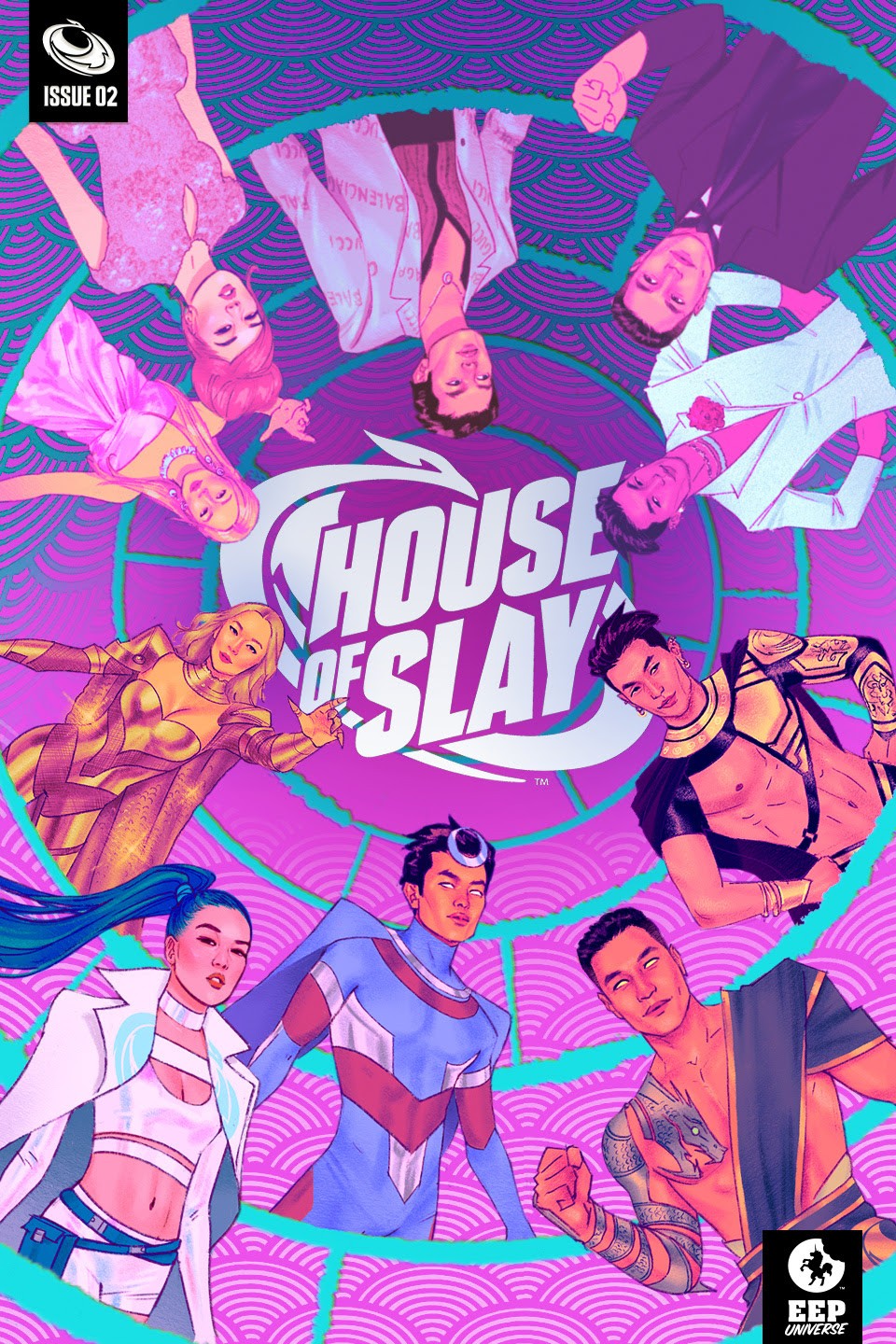
House of Slay goes Global in Season 2 of the Webcomic

House of Slay, the fashion collective formed by prominent fashion world figures Prabal Gurung, Phillip Lim, Laura Kim, Tina Leung, and Ezra Williams, has kicked off a new season of their hit superhero webcomic on the Tapas and WEBTOON platforms. The series, created in partnership with XRM Media and EEP Universe, follows superpowered versions of the fashion icons as they combat the fear of “other” and build a community of love, hope, and solidarity.

Season 1 — complete and available online now — chronicled the novice heroes’ chance encounter with a magical artifact, their newfound powers rooted in ancient legend, and their first encounter with a power-hungry villain fueled by the world’s hate and fear. Season 2’s five short stories widen the scope with new heroes, new antagonists, and new shades of intolerance and bigotry for House of Slay to challenge. It kicks off with “Slay in LA” by writer Amy Chu and artist Fabian Lelay, in which a trip to Los Angeles reveals there’s much more magic in the world than what they experienced last season.

Four more stories on this globe-spanning, mythos-expanding adventure were created by writers Barbara Perez Marquez, Cherish Chen, Henry Barajas, and Deron Bennett, and artists Dominic Bustamante, Ashley Liu, Louie Chin, and Lynne Yoshii, with key art and character designs by Kevin Wada. 

House of Slay #2

FlameCon 2018: The Panels

To go along with an environment free of toxicity and full of heartfelt enthusiasm to go with the water stations, pronoun stickers, and the best press lounge in my five years of covering conventions, Flame Con also had nuanced panels on a variety of comics and pop culture topics with panelists, who represented a broad spectrum of voices and experiences. I attended three panels at the con: “Fan Activists Assemble!” about practical ways members of fandom can effect sociopolitical change, “Fangirl… But then Make It Fashion” an entertaining, yet wide ranging panel about the larger cultural context of character designs and costumes, and “Telling All Ages Queer Stories” about LGBTQ representation in all ages comics.

Jay Edidin and Elana Levin

Fan Activists Assemble! (Saturday)

Fan Activists Assemble” was hosted by Elana Levin of Graphic Policy Radio, who also trains digital organizes and is a new media mentor and also featured a guest appearance from journalist and podcaster Jay Edidin of Jay and Miles X-Plain the X-Men fame. Pop culture has always been intertwined with her activism beginning with her love for the X-Men comics, and her current passion is bridging those two worlds via the tool of the Internet. She also talked about how social media and the ability for protests to “trend” has helped the way they are viewed in society unlike in the past when protesters were arrested or beat up by the police, and their narrative was shaped by traditional news media.

As Stephen Duncombe said, “Scratch an activist, and you’re apt to find a fan.” At the beginning of her talk, Elana Levin stated many strengths that fans can bring to the world of activism, including community building, thinking beyond the world we exist in, and practical skills like art, writing, social media posting, and even meme and GIF making. Fans don’t have to reinvent the wheel and form their own organization and can bring their talents and fresh POV to existing organizations from larger ones like GLAAD or the ACLU to smaller, local ones.

Next, Levin brought in Jay Edidin as a case study of fan activism when he confronted Dark Horse Comics for having healthcare that excluded any coverage “…related to gender dysphoria and transition” while claiming to be an LGBTQ friendly company and featuring the Pride flag on their Twitter profile. Edidin used to be an employee of Dark Horse Comics and has been a journalist since 2007. He couldn’t go public for a while because his ex-husband worked for Dark Horse, but seeing the company’s Pride Day tweet led to him confronting the company. With the help of comic book creator, Mariah McCourt, an open letter stating a demand for expanding Dark Horse’s healthcare coverage was drafted and signed by many comics professionals. Dark Horse changed their policy a day before the letter went public.

Elana Levin showed that this action fit an effective four part organizational strategy. There was the goal, which was for Dark Horse Comics to have trans inclusive healthcare, the target was upper management because they have the power to effect change in the company, the “ask” was for comics creators to sign the open letter, and the message was for Dark Horse to basically put their money where their mouth is and support the LGBTQ community through their actions and not just through rainbow logos. Jay Edidin added that using the letter format was important because comics creators are vulnerable on their own.

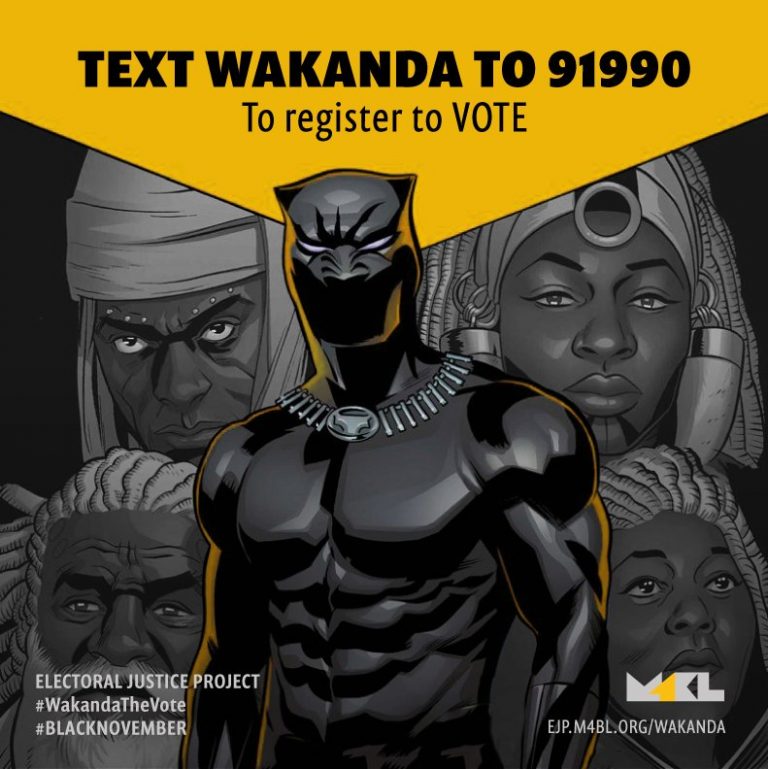
Later, in the panel, Elana Levin gave examples of how social media and hashtags are able to shape discussions like the conversation around having an Asian American Iron Fist that cast a shadow over Finn Jones’ eventual casting as him in the Marvel Netflix show. Even if this didn’t end in a “win”, it started a conversation, and Marvel later did some race bent casting by having Tessa Thompson play Valkyrie in Thor Ragnarok and Zazie Beetz play Domino in Deadpool 2. Levin also laid out practical rules for hashtags, including keeping them short and simple and only using two per tweet. An example was using #WakandatheVote and #BlackPanther in a tweet about registering voters who were in line for the Black Panther film. She also reiterated the importance of having a specific goal, targeting decision makers, and having a clear ask in online activism using the Harry Potter Alliance’s efforts of having the franchise’s chocolate frogs made with fair trade chocolate and opposing North Carolina’s anti-trans HB2 “bathroom bill”.

The panel concluded with Levin engaging the audience in their own activism brainstorming session with an audience member discussing the need for more asexual representation in pop culture and comics and using FlameCon as a venue to make a case for this.  This led to a side discussion about the importance of fun in activism and helping keep people engaged in cause from free pizza and T-shirts to crafting GIFs like one of the Dora Milaje from Black Panther metaphorically confronting ICE.

Little Corvus, Yoshi Yoshitani, Aaron Reese, Terry Blas, Jen Bartel, Irene Koh

“Fangirl… But Then Make It Fashion!” (Saturday)

“Fan Activists Assemble” was immediately followed by the “Fangirl… But Then Make It Fashion” panel, which was moderated by Geeks Out’s Aaron Reese. The panelists were comic book creators Little Corvus (Deja Brew), Yoshi Yoshitani (Jem and the Holograms), Terry Blas (Dead Weight), Irene Koh (The Legend of Korra), and Jen Bartel (America). After breaking the ice with a fun discussion about favorite candies, Reese started out by asking about the difference between cultural inspiration and appropriation in character outfits. Bartel stressed the importance of “cultural and historical context” in fashion while Koh gave the positive example of the Bangladeshi character she introduced in the Legend of Korra comics as well as time periods where there was “cultural exchange” between European and Asian cultures.

A negative example given by Koh was Queen Amidala’s outfits in Star Wars, which she said were inspired by North Asian and Mongolian fashions and demeaned the original culture. Reese added that Padme had dreadlocks in a deleted scene from Revenge of the Sith, which led to the realization that most of the design and fashion choices in Star Wars are cultural appropriation beginning with the “white guys dressed like ninjas” that Terry Blas used to describe the Jedi Knights. Blas said that unlike Star Wars which exoticizes or “others” its Asian influences, Avatar: The Last Airbender respected Asian cultures even though it wasn’t created by Asians and was superhero stories for people who didn’t have superheroes that looked like them.

The discussion then turned to the popular video game Overwatch where Yoshi Yoshitani criticized the character Doomfist, whose map and character is supposedly inspired by Nigerian culture, but he is half naked, has tusks, and looks like the creators never did research on actual Nigerian fashion. She said that Hanzo and Symmetra had good designs while Irene Koh poked fun at Hanzo’s obsession with honor. Aaron Reese said that the issue with Overwatch was that the game designers focused on environments instead of character looks.

The next topic was body positivity, and Reese gave a shout out to Rose Quartz and the curviness and softness of characters in Steven Universe as well as the strength of Antiope from the Wonder Woman film and the other athletic “hunter/gatherer” Amazon women. His bad example was Psylocke, and a slide showed an example from both the comics and Olivia Munn playing her in X-Men: Apocalypse. Little Corvus made a good point that the difficulty that the panel had thinking of examples was a big problem in pop culture. Terry Blas used the example of his comic Dead Weight about a murder mystery at a fat camp where the characters are drawn as fat in different ways that reflects their character instead of just having the same body shape.

Bartel said that she had done covers for the character Faith from Valiant Comics and liked her as a representative of body positivity, but said that she wished she could redesign her costume into something that the superheroine would actually wear. In connection with this, Blas said that some male comic book artists spend hours of research getting a jet engine part right, but don’t consider fashion in their work. This led to a discussion about female superhero body types with Yoshitani saying that there was pressure on female superheroes to be perfect for everyone. Irene Koh said that she wished superhero artists took inspiration from ESPN: The Body Issue, which shows how different kinds of athletes have different body types.

Other topics discussed by the panel, included gender expression and how this was handled better in anime than in Western comics with Little Corvus making an excellent point about how Mulan could be non-binary as she explores different gender presentations in the 1998 Disney film. Another topic was color washing where Reese and Koh strongly criticized writers who described people of color like food.  The panel ended on a positive note with Reese, Blas, and Little Corvus talking about how the Runaways from the Hulu TV show and America were good representations of teenage fashion and their clothing choices made them seem like they were real people.

This panel reinforced the idea that careful attention to a character’s heritage even through something like a piece of clothing makes for a richer reading or viewing experience, and it also challenged me to look at media that I have taken for granted for instances of cultural appropriation. Star Wars was a big one.

Steve Fox, Chad Sell, Barbara Perez Marquez, Molly Ostertag, Lilah Sturges, James Tynion IV

“Telling All Ages Queer Stories” (Sunday)

The final panel I attended was on Sunday and was about all ages comics created by LGBTQ creators. The panel was moderated by Paste’s Steve Foxe and featured Chad Sell (Cardboard Kingdom), Barbara Perez Marquez (Cardboard Kingdom), Molly Ostertag (Witch Boy), Lilah Sturges (Lumberjanes: The Infernal Compass), and James Tynion IV (Justice League Dark)Foxe began by asking what kind of LGBTQ characters whether positive or negative the panelists came across when they were young adults.

Tynion said that he mainly read superhero comics growing up where there wasn’t a lot of LGBTQ representation except for homophobic jokes and said he connected to the X-Men as well as webcomics with gay characters when he was in middle school. Sell said that an issue of Superman from the early 1990s scared him into possibly not coming out when two gay men were chased out of town and then rescued by Superman. The point he got from this story is that if he came out as gay, he would be forced to run away. Sturges’ first experience with a trans character in media was The Crying Game, but she said until Lana Wachowski made her 2012 speech that trans characters were portrayed as either pathetic or deceivers. She said that she enjoyed writing Jo as a happy trans kid in Lumberjanes. Perez Marquez talked about how she didn’t grow up with LGBTQ characters, but did connect with queer coded” characters like Spinelli from Recess.

Foxe’s next question was that in writing stories about LGBT youth that the panelists drew on their own childhood or an idealized one. James Tynion said that his science fiction series The Woods about a school being transported to a different planet drew on his own experiences as an out queer high schooler while his series The Backstagers about theater kids was more idealized. Molly Ostertag said that she wasn’t out as a lesbian in high school, and her upcoming queer high school girl romance was a vision of what she wanted as a teenager. However, she didn’t want to talk down to teens or avoid the realities of homophobia. Lilah Sturges said she felt a moment of doubt writing about the happy romance between Mal and Molly in Lumberjanes, but said she was able to write it because Lumberjanes like their relationship is a true utopian vision. Barbara Perez Marquez’s work on Cardboard Kingdom was more true to her life as a young queer Dominican girl while her webcomic Order of the Belfry was pure wish fulfillment about lady knights who kiss.

The discussion shifted to queer content filtering and pushback about LGBTQ content from editors and publishers. Tynion made a good point about how companies realized there was money in queer audiences and said he got some pushback in his superhero books and relatively none in his all ages comics for BOOM! Ostertag said it was easier to “push the envelope” in regards to LGBTQ content in comics versus television where she rarely interacted with the people who pulled the strings. So, it was much easier for her to explore gender roles in Witch Boy where a boy wants to try girl magic and not boy magic and harder to have a same gender couple holding hands in the background of an animated show. Sell and Perez Marquez talked about the “sneaky” representation of Cardboard Kingdom which are stories geared to 9-12 year olds and don’t have labels, but do explore things like same sex attraction and gender nonconformity.

Then, the panel basically transformed into a pure celebration of LGBTQ YA stories. James Tynion talked about how in Backstagers that he began with subtle representation and then had two of his leads, Jory and Hunter, become boyfriends by the end of the series. Lilah Sturges said that she enjoyed writing a pre-teen trans coming of age story in Lumberjanes because it’s not sexual and is a pure statement about what does it mean to have a gender. She also revealed something adorable that will make fans of the series smile when they read her graphic novel. Chad Sell talked about how he chose writers for The Cardboard Kingdom based on their own personal experiences that they could bring to the “neighborhood” of stories.

The panel ended in Q and A where an audience member asked about how the creators as adults captured the voices of today’s young people in their comics. Barbara Perez Marquez made the excellent suggestion of having kids or teens like in a public library’s graphic novel or anime club to beta read their scripts and give notes on what they liked about the scripts.