Author Archives: Jon Carroll

Around the DC Universe: What to Check Out this Week in Movies, TV, and Comics!

Welcome back to Around the DC Universe Graphic Policy’s regular examination of the best and worst content on DC Entertainment’s premier streaming service.

Special Features

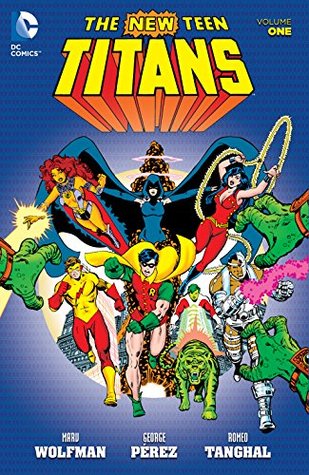
For the next few weeks DC Universe will be expanding their selection of issues from the original run of The New Teen Titans (1980) by Marv Wolfman and George Perez in the lead up to the premier of the Titans TV series (the first episode drops October 12th). DC is being cagey about how long issues will remain on the service so my recommendation is to read them as soon as possible because they are really good. Wolfman’s writing, while somewhat dated, holds up better than any of his contemporaries (with the possible exception of Chris Claremont) and Perez’s art improves with every issue reaching towards the pinnacle of his artistic achievement. It’s one of the best books of its era and a masterclass in the form that today’s creators can still draw upon for inspiration. Of particular note is issue #8 (“A Day in the Life”) a nice character piece that fleshes out the series three original creations (Starfire, Cyborg and Raven) and brings them closer to the characters we’ve come to know and love.

Movies and TV

Last week I warned you away from Superman: Doomsday and now I am happy to report that this year’s The Death of Superman is a much more successful adaptation of the original source material (which is still available to read). I love how the creators tied the escalation of the Lois and Clark romance into the fight between Superman and Doomsday. When Lois tells Clark that she loves him for the first time right before he sacrifices himself to save her and Metropolis I was moved to tears. The buildup to the climactic battle is great and the fight itself is even more epic than the one captured in the comics due to better staging and the fact that they used a much more iconic Justice League to really drive home how much of a threat Doomsday really was. The funeral sequence feels a little protracted but it is a nice coda and serves to really whet the appetite for Reign of the Supermen set to be released next year.

I know I’m a bit late to the party here but with the long awaited third season promised to drop soon I decided that it was past time to catch up on Young Justice. I really enjoy how they handle the broader DC Universe, pulling in odd little deep cuts here and there. They are fun easter eggs if you’re familiar with what’s being referenced but not completely confusing if you don’t.  If I have one criticism it’s that in the early episodes they tend to focus on obscure D-list villains in favor of more potent antagonists but this problem seems to be resolving about half way through the series with appearances by Lex Luthor, Ras Al Ghul and the Joker.  

Comics

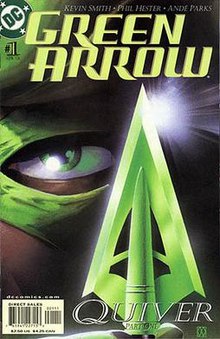
Green Arrow is a really difficult character to get right. Thus far the best presentation I’ve seen is The CW’s Arrow  but Kevin Smith’s 2000 comic book run is a close second. In Quiver, Oliver Queen returns from the dead with amnesia. He believes that he’s just back from some hard travel with his friend Green Lantern Hal Jordan but years have passed and the world has changed. Regardless of what you may think of his movies Smith knows how to write comics well: his sense of action is flawless and his dialog pithy and on point. Phil Hester’s art is hit or miss for me but his simple sense of style works well here and is a nice complement to Smith’s wordplay. I can’t unequivocally recommend this book since there is some non-explicit sexual situations involving a young girl that some might find triggering (especially given recent events) and a supporting character who is pretending to be a fairly cringeworthy trope but if these are not deal breakers for you the storytelling is of a quality that it is worth reading. Available on DC Universe in Green Arrow (2000-) #1-10.

If you are looking for something a bit more modern there are several arcs available from Geoff Johns’ 2007 Action Comics run with Superman director Richard Donner. In Escape From Bizarro World (with artist Eric Powell) Superman must save Pa Kent from his imperfect clone and a planet full of his offspring (including a Bizarro Justice League). Braniac (with artist Gary Frank) tells the story of the first true confrontation between Superman and one of his arch foes, the evil alien mastermind from the planet Colu. While Johns’ brand of decompressed storytelling isn’t for everyone, this is a case where it works fairly well. It’s an interesting run as the writers seem to be intent on adding elements of both the pre-Crisis comics continuity and the Christopher Reeve Superman films into the stripped-down framework previously established by John Byrne in his 1987 reboot. These stories actually read better taken outside the context of the character’s broader continuity adrift  as they are adrift between major periods of the Superman canon. The tone of Braniac may also feel familiar to those who are following Mark Andreyko and Kevin Maguire’s current run on Supergirl making for interesting comparisons between the two. Available on DC Universe in Action Comics (1938-) #855-857 and #866-870.

Around the DC Universe: So How is It?

It’s an understatement to say that I was excited for the release of DC Universe. Since the service was first announced over a year ago I’ve been regularly scouring the internet for news, checking my email for updates and pestering the company’s customer service department for information through a variety of social media outlets. After a short beta test DC Universe finally launched and I’ve spent almost every single free minute since trying to experience everything it has to offer. 

I’ve gotten more into the specifics of what I’ve been reading and watching but I want to focus on the nuts and bolts of the service itself and discuss who I think will get the most out of it.

A quick note on devices before we begin: I have been accessing DC Universe using the app on my Android phone, streaming to my TV via Chromecast. I’ve tried several time to use the browser on my Chromebook but I’ve had little success.  

Movies and TV

For a lot of fans the movie and TV portion of DC Universe is what will make or break it. Fortunately I think it’s also the strongest category at the moment. I watched a variety of programming this weekend and found that the interface worked well and was user friendly. There were quite a few problems with videos pausing in the middle of the day Saturday but less than I expected given the heavy volume that they were almost certainly experiencing.  There is a good selection of movies and shows for fans of all ages. Choices tend to skew towards older material though so you won’t find any of the current CW shows, Gotham or the DC Extended Universe films.  You can watch the Christopher Reeve Superman movies, the 90s Flash show and most of the DC Animated Universe (with the exception of The New Batman Adventures and The Zeta Project). DC’s original animated features are also very well represented including some of the most recent (Gotham by Gaslight, Death of Superman and Ninja Batman). It’s nice that most of the shows are presented with all of their seasons intact for convenient binging but there are some odd omissions (notably The Dark Knight Rises, the only Nolan Batfilm that wasn’t added for Batman Day). There are also some surprising choices like The Spirit TV pilot and The Human Target series both of which I had forgot even existed until I opened up the app.

Comics

While Marvel has had their Unlimited service available for over a decade, DC has been conspicuously absent from the field of comics streaming, the only major hold out. What most excited me about DC Universe was the ability to read their titles electronically without having to pay a la carte through ComiXology or another eStore. Early on it was announced that the selection available would be curated. What this meant was left vague causing concern for many and prompting some not to pre-order.

Now that the service is available I can honestly say it’s a bit of a mixed bag. The selection of comics is extensive but it doesn’t seem anywhere close to the thousands of titles that were mentioned in early promotional materials. Many series (including stand alone mini series like New Frontier and All Star Superman as well as the recent Rebirth series) have only have a single issue available. Others (like many from the New 52 launch) present incomplete story arcs but a few of the less successful books are available in their entirety. Older titles have more representation but there are few if any complete creative runs (though there are plenty of story arcs including Geoff Johns and Gary Frank’s Braniac and Frank Miller and David Mazzuchelli’s Batman Year One) which work well outside of the larger continuity. All in all it feels a bit like walking into a public library and browsing their selection of trades but that’s not necessarily a bad thing, especially for more casual readers who may not have much experience with the characters in their native medium.

The biggest issue with the comics part of DC Universe is that its very hard to keep track of what’s available at any given moment. Unlike Marvel Unlimited you can expect comics to come and go (in the four days since launch I’ve seen several issues and even an entire series vanish) but there is no schedule to it or to the addition of new issues/series (again unlike Marvel Unlimited which has had a regular new release schedule since its inception). There is no indication of what you have or haven’t read unless you create your own list of read titles. The app notes that the entire DC Digital Collection will be available to purchase beginning in October. This makes it seem like DC Universe is following the path of ComiXology Unlimited by offering a few teaser issues to subscribers to entice them into buying more. If that is the case I hope that the app makes it clear what books are available for an additional fee and which are included as part of the subscription. I also hope that they will also do us the favor of offering at least one complete trade worth of material on which to base our choices, at least in the case of ongoing series.

Content aside I think that they have done a very good job with its presentation. The reader works smoothly especially in the panel by panel mode. Guided view has always been Marvel Unlimited’s Achilles heel but DC Universe’s panel by panel mode works very well on my phone. I only had a few problems with some panels displaying out of order on a couple of modern comics. There is an option to set up automatic panel transitions but I abandoned it pretty quickly as it really doesn’t account well for the fact that not every panel will take you the same amount of time to read. The biggest problem with the interface is that it requires you to download comics to read them on the mobile app. This isn’t a huge inconvenience if you’re reading a limited series or a short story arc but it can be aggravating if you’re trying to binge a longer series. It also takes way more effort than it should to get from a finished comic to the list of available series or to the home screen. You also have to go out of your way to read a story that occurs in more than one title, switching back and forth between the books in question. This would be a huge hassle for family wide epics like The Death and Return of Superman or No Man’s Land should such be made available in their entirety. 

The Community

One of the things that DC promoted most vigorously about DC Universe was the way in which it would allow users to communicate with one another, selling the DC Universe Community as a cross between Facebook and a Message Board. While this is an admirable goal it falls short in several respects.

The nice thing about the DC Universe Community is that it seems to be very well moderated especially given the fact that DC fans have developed something of a reputation for toxicity. I’ve seen none of that in the Community posts and that is all to the good because the last thing DC fandom and the world in general needs right now is another outlet for hatred, ignorance and bile. It’s also easy to mark threads as spoilers for those who care about such things. What’s unfortunate is that a lot of features that made social media platforms like Facebook so successful are missing here. There is no way, as far as I can tell, to reply to a specific user and no means of being notified when someone responds to your posts. This ultimately leads to a bunch of detached comments loosely related by a broader topic floating around  next to each other rather than being a real discussion. It also makes it very easy to ignore as you have to spend time trying to find your old posts to see if anyone has commented on them. It’s a nice idea but not particularly engaging as currently configured.

The Encyclopedia

Pitched by DC as a more reliable version of a wiki, this is probably the biggest disappointment of the service.  Part of the problem is that it is woefully incomplete. This wouldn’t be so bad if the choices they made seemed to have a reason behind them but as of Sunday morning major names like Braniac, the Justice League and Lex Luthor are nowhere to be found. Instead there are articles for Sam Lane and “The Watchmen” (a name that is never once used in the Alan Moore/Dave Gibbons comic to refer to any group of characters).  If that weren’t bad enough there are only a few links between the entries that do exist and the content on the service. It would be great if you could use the encyclopedia to catch up on a character’s backstory, diving directly into comics, movies or TV shows as they become available but that’s not an option at the moment. It’s clear that this is a work in progress but it’s also obvious that not enough work or thought was done on this part of the experience prior to launch.

The Shop

Last but not least comes The Shop, which offers a variety of member exclusive products. I wanted to buy something before writing this review but I couldn’t find anything I wanted badly enough to pay the price that DC is asking. The stuff is nicely designed but I don’t really feel like paying twenty five dollars for a t-shirt and I have more than enough mugs. It would be nice to see DC expand this section a bit with more stuff and a wider variety of price points. It’s particularly telling that after writing the first draft of this review I went to a convention and spent almost eighty dollars on DC trades and single issues. 

Overall

I like DC Universe a lot warts and all. There are plenty of problems but I think that between the comics, the movies and the shows I will still get my money’s worth over the next fifteen months of my subscription. That said I’m still up in the air about whether or not I’ll renew. I’m hooked for now but I need to see significant improvement as well as additional content to keep me where I am.  

Recommending the service to someone else is a thorny prospect at present.  For people who are new to DC, TV or movie fans who want to give the comics a try or Marvel fans who might be DC curious, it’s a decent way to sample what they have to offer without breaking the bank especially if you are living in an area without a newbie friendly comic shop.   If you are one of the DC faithful your response to DC Universe will likely depend on what you already own and what you want to read. If you happen to harbor the impossible dream of reading every DC book ever published from the first issue of New Fun Comics to the latest issue of Aquaman  than DC Universe is probably a good match for you but if you are drawn to a particular period of DC history or to a character other than Batman its likely a hard pass. In all cases I would only recommend subscribing on a month by month basis at this point as much of the long term value of DC Universe will only become apparent as it grows and changes. 

Around the DC Universe: Week 2 – A Superman Focused Week

Welcome to Around the DC Universe, your weekly guide to the best comics and shows featured on DC Entertainment’s exclusive new streaming service.

Technical Issues

I begin this week with technical issues because after almost two weeks of playing with the app I have finally figured out how DC Universe deals with the release of new comics.

Most of the titles are part of the curated library, a selection of 2500 or so issues that will swap out quarterly (though I imagine that a few key issues like Action Comics #1 and Detective Comics #27 will remain in perpetuity). Special features will be added weekly for shorter runs usually of a week or two.

Special Features

Right now you have three weeks to check out the original Death and Return of Superman  in Action Comics (1938-), Adventures of Superman, Superman: The Man of Steel and Superman (1986). This epic event stands at the crossroads between marketing gimmick and heartfelt storytelling. The writers and artists involved have a deep and abiding affection for the Man of Steel that shines through the hype as they take him as low as a person can go and then bring him back. Superman’s supporting cast, one of the best in the history of comics, really gets a chance to shine in the absence of the series’ main character and there are several moments that still move me to tears. Unfortunately, as of this writing DC Universe is missing several key issues including Superman (1986) #78 and 79 which introduce the infamous Cyborg Superman. It’s possible to enjoy the story despite this gap but it is disappointing that DC could not be bothered to correct their mistake despite several queries on the community forums and at least one query to their customer service department which received no response. Even if you have read the story before be sure and check out Newstime: The Life and Death of Superman (1993). Originally published as a facsimile of a tribute magazine, this is a great artifact from within the DC Universe that offers some interesting perspectives and more than a few easter eggs and has  never, to my knowledge, been reprinted.

Movies and TV

Those who don’t have time to wade through all those comics might find themselves tempted two different animated versions available on the video streaming portion of DC Universe. Sadly the older of the two (Superman: Doomsday) is an inferior adaptation. The original story took up almost a year’s worth of four monthly titles so trying to condense it into a mere hour and forty five minutes is impossible. A lot of questionable creative choices were also made, including a Superman who is perfectly willing to engage in intimate relations with Lois Lane without telling her his secret identity. The generally mean characterization of many of the characters involved robs the feature of all of its poignancy. A double feature of Batman v Superman and Justice League does the original material more credit and is infinitely more preferable to this waste of good talent. I’ve yet to watch this year’s The Death of Superman but it’s on my agenda for next week.
On the other side of the Superman coin I’m surprised by how much I enjoy watching George Reeves in the Adventures of Superman TV show. While it’s very much a product of its time, it’s still incredibly fun to watch in small doses. Reeves is inherently likable as both Superman and Clark Kent has the inherent likeability and the supporting cast is also top notch. There are some interesting wrinkles added to the legend. I particularly liked watching Pa Kent risking his life to save Baby Kal El from the blazing wreckage of his rocket after it crashes to work. The plots are much more down to Earth than we’re used to with Superman taking on smugglers and bank robbers instead of alien despots and mad scientists.  That’s not a bad thing however as it reminds us that Superman was once a much more relatable, down to Earth character, not so much in his power level but in his concerns. It’s fun to revisit that simpler time even if only for a couple of episodes.

Comics

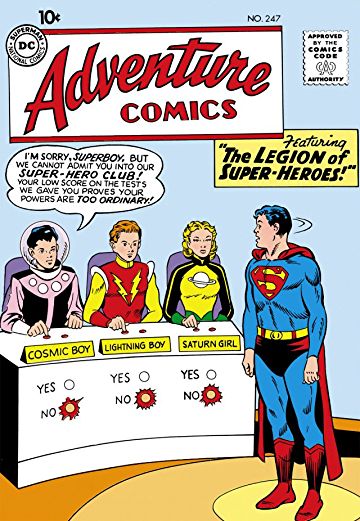
The Legion of Superheroes is one  of my all time favorite teams. The long running drama of a club of teenage heroes in the far future is in turns both goofy and profound with a tangled continuity that makes the X-Men look simple by comparison. If you’ve never experienced the Legion many of their earliest stories are currently available in Adventure Comics. DC Universe has taken a greatest hits sort of approach with some of the best stories from the first few years of the Legion’s run, many of them by science fiction legend Ed Hamilton. Reading the stories as they’re presented does sacrifice the development of on a rich and compelling continuity but these high points, including the death of one of the major players in Legion history, is well worth your time if you’re a fan of DC’s silver age. Adventure Comics was an anthology title that also featured stories about of other heroes and they are included here as as well. Fans of Aquaman  should take note of superior stories in the first two issues with art by the great Ramona Fradon, one of the first women to draw a superhero comic. Available on DC Universe in Adventure Comics (1938-) #247, 267, 300, 304, 306, 310, 312, and 316.
Around the DC Universe Week One

Welcome to the first installment of Around the DC Universe, a regular guide to what’s available this week on DC Entertainment’s new streaming service. Last time I focused on the ins and outs of the service itself. From here on out though I will be focusing on content and helping you to make the most of your subscription.

Movies and TV

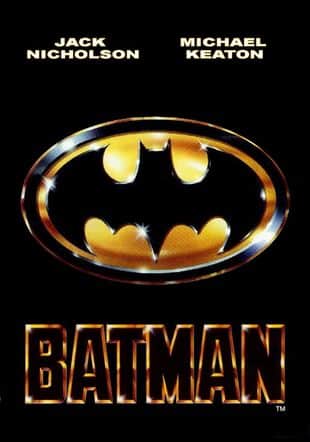
Most of my viewing time this past week was dominated by the four entries in the original Batman film canon beginning with Tim Burton’s 1989 Batman. These were movies I had grown up with but it had been a while since I had the chance to revisit them. For all their many flaws, they still manage retain a certain charm that takes me back to when I first encountered them as a kid and remain enjoyable superhero fare. Watching as an adult Batman Returns is my favorite of the bunch. Michael Keaton comes out of his shell, portraying a Bruce Wayne that’s a bit closer to the version from the comics than what was on offer in the original while remaining one of the best actors behind the cowl. Michelle Pfeiffer also gives us what is arguably the finest interpretation of Catwoman in any medium. Her Selina Kyle is a sensual yet ultimately feminist femme fatale and  she is well matched by Danny DeVito’s grotesquely masculine Penguin. The movie that surprised me the most was Batman and Robin. Often derided as one of the worst superhero films ever made, it’s hard to hate this movie in light of the obvious affection that Joel Schumacher has for this franchise. Batman and Robin is not a great movie but if you watch it as an homage to Bill Finger/Dick Sprang comics of the ‘40s and the Adam West TV show it’s still a fun romp through a darkly campy rendition of Gotham City. George Clooney is great as Bruce Wayne and both Uma Thurman and Arnold Schwarzenegger deliver their lines with scenery chewing relish. Make sure to watch these soon as their leaving the service on September 30th (a disappointment since they were heavily billed as a selling point in early promotional material).

DC Daily is also well worth your time. Billed as daily roundup of DC related news it’s far more than just hype. In addition to providing glimpses of upcoming comics, shows and movies, there are also some good discussions about what’s available on the service. Of particular note this week is their three part discussion with the legendary George Perez where he talks about his role in crafting The New Teen Titans, Crisis on Infinite Earths and Wonder Woman. While much of DC Daily is available free on YouTube, the panel discussion at the end is exclusive to subscribers with a rotating selection of guests discussing DC related topics including Batman Day,  the ‘90s Flash show, and Identity Crisis. In and of itself its not enough to justify subscribing but if you’re a subscriber and you’re not watching, then you’re missing out.

Comics

I bought the third issue of Lonely Place of Dying as Batmania was winding down in the fall of 1989. It’s one of the stories that  cemented my love of Batman in comics but unfortunately I was never able to read the whole thing before. This Batman/New Titans crossover fleshed out the character of Tim Drake (previously introduced in Batman Year Three) and put him into the Robin costume for the first time. Tim seeks out former sidekick Dick Grayson  because he feels that Batman needs a Robin to help pull him back from the edge that he’s been skirting ever since the death of Jason Todd. Meanwhile Batman and Two Face are slowly circling one another in a what we are lead to believe may become a death spiral.  Lonely Place of Dying is great because it makes the case for why Robin is an essential part of the Batman mythos; he serves to keep Batman grounded and more focused on justice than revenge. The artwork by Jim Aparo (on the Batman issues) and George Perez (on the New Titans), both working close to the peak of their artistic powers, certainly helps in this regard. Marv Wolfman’s writing does show its age a bit but its a solid, underappreciated entry in the Batman annals and could make the basis of an amazing Batman film. Available in DC Universe in Batman (1940-) 440-442 and New Titans (1994-2001) #60-61.  

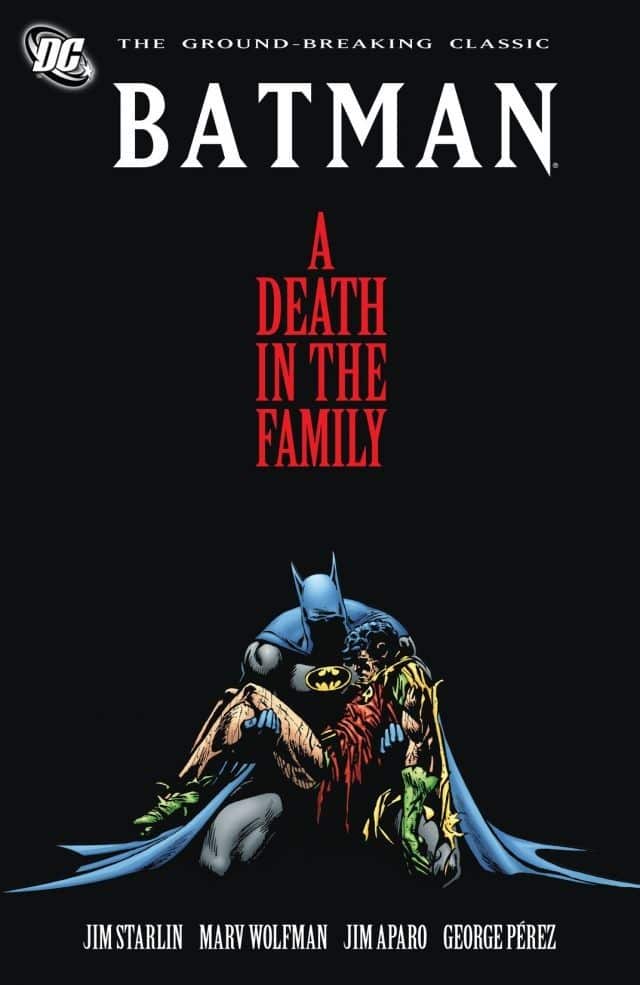
I first read A Death in the Family in its original trade paperback presentation around the same time as Lonely Place of Dying was being serialized and it has not aged well at all. I’d go so far as to say that it’s one of the most overrated Batman stories ever written. While its not as egregious as its contemporary, The Killing Joke, it’s still a problematic arc that highlights many of the problems of mainstream superhero comics in general and Batman in particular. In this story Jason Todd, the second Robin, goes to the middle east and Africa on a quest to find his real mother and runs afoul of the Joker who beats him senseless with a crowbar and blows him up. Technically the book is well written. Jim Starlin does a good job channeling Batman’s feelings for his young charge, taking  concern and affection and metastasizing into grief as the story reaches its tragic climax. Jim Aparo’s art is superb though it does pale when compared to the covers by a young Mike Mignola. The problem with A Death in the Family is the fact that it uses its tropes so artlessly. Talking about this arc on Facebook a friend remarked that it was like a “Canon film” and the comparison hits the mark. Its portrayals of Shiite terrorists and runaway abortion doctors that are completely lacking in nuance. The final chapter, in which the Joker is given diplomatic immunity by the Iranian government as part of a plot to murder the entire UN, is so absurd as to be almost insulting. It’s too grim to be goofy and not goofy enough to be good. While it lacks the aspect of sexual violence found in The Killing Joke, it doubles down on the earlier books flaws by embedding it in continuity (a mistake that DC has doubled down on ever since). It also lacks the technical excellence of Alan Moore and Brian Boland’s work making it worthwhile for only the very curious or the very bored. Available on DC Universe in Batman (1940-) 426-429.

If you’re one of those readers who wants to return to a time before comics were made by liberal social justice warriors than do NOT read the first ten issues of Action Comics Superman stories by Man of Steel creators Jerry Siegel and Joe Shuster. In these short yarns, first published between 1938 and 1939, Superman takes on a variety of nefarious no-goodniks including wife beaters, war mongering arms manufacturers, corrupt mine owners, and a college football coach with dreams of cheating his way to a win in the big game. Siegel and Shuster’s Superman may seem quaint and old fashioned by today’s standards but they were creating stories that tackled the issues that were important to them as lower class Jewish kids of the New Deal era in the years before the United States entered World War II. The handful of issues available on DC Universe are not their best but they do provide a nice introduction to their run, one of the best in the character’s history. Available on DC Universe in Action Comics (1938-)1-10.  

Technical Issues

In my initial review I noted that there was a fair amount of slow down and buffering when watching videos. Unfortunately this has not improved and if anything has gotten worse, at least when watching longer movies (anything shorter than a half an hour is okay after some stuttering at start up). Whether this is a problem with the app or with the downfall of net neutrality is hard to say but my opinion is trending towards the former.   

The biggest problem with DC Universe, however, continues to be a lack of alerts and/or consistency with the addition of new material. At the very least a section of new releases or a consistent and public release schedule would be nice. I shudder to think how difficult it’s going to become to track what comics are available to subscribers and when once the full digital library is added in October. The good news is that DC does seem committed to adding complete arcs as both the full run of Identity Crisis and Kevin Smith’s Green Arrow were uploaded.  

Harlan Ellison: A Memorial

Harlan Ellison died in his sleep. Not a bad way to shuffle off this mortal coil as these things go but I am reasonably confident that he would have preferred some form of corporeal immortality to what dreams may come. I never got to meet the man but he wrote with his heart on his sleeve so I feel like I know him and that, I think, was responsible for most of his appeal. Neil Gaiman once wrote that “writers are liars” but Harlan Ellison was the exception that proves the rule: he was, in his art at least, completely and brutally honest.

I think that maybe this is one reason that he took such umbrage at being identified as a “science-fiction writer”. There’s a certain sense that science-fiction (and fantasy, horror, and comics for that matter) don’t mean anything because they aren’t about real things. This is true to a certain extent. Most of what passes for popular fiction in both its prose and graphic form is hollow, a bronze titan with feet of clay ready to collapse under the weight of its own conceits. Ellison’s fiction, both fantastic and otherwise, was as solid as Mount Everest and (hopefully) just as enduring.

Ellison’s work is special because he combined several traits that are rarely found in a single individual. The first of these is a childlike lust for life that became truly poignant when combined with an adult’s sense that mortality is essentially unfair.  Read a story like “Jefty Is Five” or “Grail” and you’ll see what I mean. 

Ellison was also full of rage, not merely angry but burning with a pure, righteous fury at humanity’s cowardice, cruelty and stupidity. There are some who would characterize him as a misanthrope but I’ve always thought that Ellison was a true humanist who was constantly frustrated by the fact that far too many people are content to waste their small span of years as bigots, dupes and trolls. Some would argue that he hated the internet but I think that he was just annoyed that a small fraction of humanity took the greatest invention for human mass communication since the printing press and turned it into a cesspool where monsters bred unchallenged behind their pseudonyms and avatars. This is the Ellison you’ll see in “’Repent, Harlequin!’ Said the Ticktockman” (my personal favorite), and “I Have No Mouth, and I Must Scream.”

Of course none of that would matter without a fine eye for details and character. Ellison’s people seem to be shards of himself, refracted onto paper through his typewriter in black, white, and a thousand shades of gray in between. And funny too. Only Twain was funnier when Ellison was trying. Read “Prince Myshkin, and Hold the Relish” and “Paladin of the Lost Hour” and you’ll see what I mean.

Ellison was prolific as few writers of his quality are. Among modern writers only Stephen King can compete with Harlan Ellison in term of both the quantity and quality of words produced and even he falls far short on both counts. Ellison wrote almost everything, in almost every genre, and almost every media. The stories I’ve mentioned above barely scratch the surface of Ellison’s genius. All are collected in Harlan 101: Encountering Ellison along with many other classics and this is just the surface of an ice burg big enough to drown a dozen Titanics. 

Harlan Ellison died in his sleep but read and share his work and it will live on so long as humanity dares to dream.

Review: Mata Hari #1

Mata Hari is the life story of the infamous German spy from World War I. Beyond that it’s hard to provide a summary and hard to review. The biggest difficulty in comics criticism is that we’re dealing with a serial medium in which we must occasionally evaluate enormously complex works in bite-sized pieces that don’t always lend themselves to such analyses. It’s a bit like trying to talk about a film fifteen minutes at a time and Mata Hari is a prime example of this problem in action.

Mata Hari is a complicated house of cards that leaps back and forth through the life of its main character. We see her over the course of many years, first as a child and then an adult, facing trial for espionage and on the road to her execution. Writer Emma Beeby clearly has a fascination with her subject and a good grasp of the various historical sources. Unfortunately this doesn’t always translate into a coherent narrative and there is a studied ambiguity to the way details are presented that makes Mata Hari elusive. I don’t know much more about her now than I did before and that, I think, is part of the point.

The art by Ariela Kristantina is a mixed bag. While I would rate it good overall, it’s a bit inconsistent. It’s clear that she was trying to draw two different stories using different styles: one a sultry spy thriller and the other a portrait of a woman facing the injustice of society’s expectations in the wake of an unconventional life. Kristantina manages both well but the shock between the two is jarring and since most of the more titillating material is in the front and back of the book, many readers may have already been turned off by the cover and the previews.

Mata Hari is certainly an interesting book though it demands a lot of the reader in terms of attention to both the written words and the pictures themselves. You’re going to want to read this one carefully and probably more than once. I don’t know that it’s a great comic book, but it certainly reads like the first chapter of a very good graphic novel. Given editor Karen Berger’s reputation for producing many such longer form examples of the medium, it’s a bit mystifying to me that Mata Hari is being serialized at all. From what I’ve seen it will be a fascinating read when complete but is not particularly well served by being chopped up for monthly publication. That said it was good enough that I’m on board for at least one more installment.

Story: Emma Beeby Artist: Ariela Kristantina
Story: 7.0 Art 7.0 Overall: 7.0 Recommendation: Buy (but wait to read until the entire series is done)

Dark Horse provided Graphic Policy with a FREE copy for review

Advanced Review: Mata Hari #1

Mata Hari is the life story of the infamous German spy from World War I. Beyond that it’s hard to provide a summary and hard to review. The biggest difficulty in comics criticism is that we’re dealing with a serial medium in which we must occasionally evaluate enormously complex works in bite-sized pieces that don’t always lend themselves to such analyses. It’s a bit like trying to talk about a film fifteen minutes at a time and Mata Hari is a prime example of this problem in action.

Mata Hari is a complicated house of cards that leaps back and forth through the life of its main character. We see her over the course of many years, first as a child and then an adult, facing trial for espionage and on the road to her execution. Writer Emma Beeby clearly has a fascination with her subject and a good grasp of the various historical sources. Unfortunately this doesn’t always translate into a coherent narrative and there is a studied ambiguity to the way details are presented that makes Mata Hari elusive. I don’t know much more about her now than I did before and that, I think, is part of the point.

The art by Ariela Kristantina is a mixed bag. While I would rate it good overall, it’s a bit inconsistent. It’s clear that she was trying to draw two different stories using different styles: one a sultry spy thriller and the other a portrait of a woman facing the injustice of society’s expectations in the wake of an unconventional life. Kristantina manages both well but the shock between the two is jarring and since most of the more titillating material is in the front and back of the book, many readers may have already been turned off by the cover and the previews.

Mata Hari is certainly an interesting book though it demands a lot of the reader in terms of attention to both the written words and the pictures themselves. You’re going to want to read this one carefully and probably more than once. I don’t know that it’s a great comic book, but it certainly reads like the first chapter of a very good graphic novel. Given editor Karen Berger’s reputation for producing many such longer form examples of the medium, it’s a bit mystifying to me that Mata Hari is being serialized at all. From what I’ve seen it will be a fascinating read when complete but is not particularly well served by being chopped up for monthly publication. That said it was good enough that I’m on board for at least one more installment.

Story: Emma Beeby Artist: Ariela Kristantina
Story: 7.0 Art 7.0 Overall: 7.0 Recommendation: Buy (but wait to read until the entire series is done)

Dark Horse provided Graphic Policy with a FREE copy for review

Review: Kick Ass # 1

Kick-Ass is back but Dave Lizewski, the earnest, bespectacled, nerd of days past is gone. In his place is Patience Lee, a black woman and mother of two who leaves the military only to find that her husband has abandoned her to pursue a musical career. Faced with few options and mounting debt Patience decides to rob a gang to provide for her family.

Mark Millar is a divisive figure in the comics industry. While many people adore his high concepts and cinematic storytelling others are revolted by the mean streak that runs through most of his work and his tendency to fall back on highly problematic tropes of disability, race, sexuality and violence, especially towards women. As a reader I’m highly conflicted since it was Miller’s run on Marvel’s Ultimate X-Men that brought me back into the comic book fold and it was his MillarWorld forum that nourished my resurgent fandom. I want to like what he does but, sadly, I didn’t much like this.

One thing you have to give Millar credit for on the original Kick-Ass was it’s realism. For all that it could be offensive, it still had a solid emotional core that was grounded in the experiences of a lifelong fanboy. It’s story of a young man  trying to make a difference in the world in the only way he could conceive how was at once poignant and pathetic and gave that book some value despite the worst of its creator’s excesses.

In this new book it feels like Millar has heard all the criticism about the lack of diversity in comics and tried to answer it. Unfortunately the result, while brilliant in concept, is sloppy in its execution. Patience feels less like a fully rounded character and more like a bucket full of cliches: a woman of color raising her kids alone because of a feckless spouse who has to turn to crime to make ends meet. He’s put a minority character into the spotlight but she’s never allowed to transcend the stereotypes of her race if not her gender (at least no one threatens to rape her in this first issue). Millar has veered so far out of his lane here that it feels like he’s gone right into oncoming traffic and that’s a shame because the idea of a veteran (and a female veteran of color at that) as a superhero is one that has a lot of potential for good storytelling.

One thing about which I can find no flaw here is the artwork. John Romita Jr continues to amaze and delight me with this new career resurgence he’s been on for the last year. His work, which felt boring and staid after too many years at Marvel, has come alive once again in his creator owned project and his work for hire at DC. He’s drawing like a much younger artist and the passion is evident where before there was a growing sense of a man who had been there and done that a thousand times before. This is Romita at his best, raw and unfiltered. The digital inks of Peter Steigerwald and Megan Madrigal keep his lines from straying and Steigerwald’s colors add to the comic’s already strong flavor of the cinema. It almost looks like you’re watching one of Netflix’s Marvel shows, an effect that I’m sure was intentional. Letterer John Workman is brilliant as always, with an understated hand for his craft that you can’t help but notice while you’re not noticing it.

Overall the new Kick-Ass is a mixed bag, a fumbled attempt at producing the kind of comic the industry needs with some really nice looking art. It might have been successful if Millar had bothered to delve a little deeper into the inner life of his protagonist and brought to light something that felt half as true as Dave Lizewski did at his best. He can do great stuff when he doesn’t try to outdo Garth Ennis in being edgy. I wish he would remember that.

Story: Mark Millar Artist: John Romita Jr
Ink: Peter Steigerwald and Megan Madrigal Lettering: John Workman
Story: 5.0 Art: 9.0 Overall: 7.0 Recommendation: Pass

Image Comics provided Graphic Policy with a FREE copy for review

Review: Death of Love # 1

Philo Harris is a man in love with the owner of a local coffee house. He buys her gifts, listens to her gripe about her boyfriend and occasionally pet-sits for her cat. Philo is a “nice guy” and not in a good way. After a night of hard drinking with some friends,  a mysterious stranger offers him some red pills to help his love life. Philo takes them and the next thing you know he’s in the bathroom staring down a very pissed off looking cherub with a bow and arrow.

Writer Justin Jordan is no stranger to gallows humor. It runs like a black thread through much of his catalog but Death of Love is the first time, to my knowledge, that he’s attempted a straight up satire and it works pretty well. While a lot of the laugh out loud moments are in-jokes for those who follow him on social media, Jordan has a fine grasp of the dark absurdity baked into his scenario and produces a piece of work that is more akin to the Coen brothers than it is to the Farrelly brothers. While it wears its point of view on its sleeve, the characters are fleshed out and compelling enough that it never feels like a polemic.

Artist Donal Delay is a relative newcomer to mainstream American comics but he’s the perfect collaborator for this project. His work here recalls Rob Guillory’s early issues of Chew with just a dash of Venture Brothers thrown into the mix. There’s a quiet confidence to his line and his layouts are interesting to look at in themselves without ever being distracting from the story. The first two page spread is also one of the most inspired pieces of mayhem I’ve seen for a long time: equal parts Quentin Tarentino and Chuck Jones. I predict we’ll see a lot of big things from him in the next few years as more people take notice of his obvious skills.

The colors (by Felipe Sobreiro and Omar Estévez) really help to set the scene. A different palette is used for every venue, and this is used to great effect to quickly ground the reader in the particular ambience of what is going on. Letterer Rachel Deering adds a touch of much needed subtlety with a few understated sound effects that actually force you to pay more attention to the edges of every panel lest you miss something. It’s a nifty trick and something I’ve never seen used by a letterer to help the artist.   

In a time when toxic masculinity has become a subject of regular discussion and female creators across all media come under regular attack for daring to even point it out, Death of Love is both a cogent and relevant critique of sexual relations wrapped up in what promises to be a brilliant (and bloody) farce. It is at once a great big middle finger in the face of Gamergaters, MRAs, “nice” guys and a valentine for everyone who despises them… or for anyone who just wants to see some angels cut down with a chainsaw.  

Story: Justin Jordan Art: Donal Delay
Color: Felipe Sobreiro and Omar Estévez Lettering: Rachel Deering
Story: 8.0 Art: 8.0 Overall: 8.0 Recommendation: Buy

Image Comics provided Graphic Policy with a FREE copy for review.

Advance Review: Death of Love # 1

Philo Harris is a man in love with the owner of a local coffee house. He buys her gifts, listens to her gripe about her boyfriend and occasionally pet-sits for her cat. Philo is a “nice guy” and not in a good way. After a night of hard drinking with some friends,  a mysterious stranger offers him some red pills to help his love life. Philo takes them and the next thing you know he’s in the bathroom staring down a very pissed off looking cherub with a bow and arrow.

Writer Justin Jordan is no stranger to gallows humor. It runs like a black thread through much of his catalog but Death of Love is the first time, to my knowledge, that he’s attempted a straight up satire and it works pretty well. While a lot of the laugh out loud moments are in-jokes for those who follow him on social media, Jordan has a fine grasp of the dark absurdity baked into his scenario and produces a piece of work that is more akin to the Coen brothers than it is to the Farrelly brothers. While it wears its point of view on its sleeve, the characters are fleshed out and compelling enough that it never feels like a polemic.

Artist Donal Delay is a relative newcomer to mainstream American comics but he’s the perfect collaborator for this project. His work here recalls Rob Guillory’s early issues of Chew with just a dash of Venture Brothers thrown into the mix. There’s a quiet confidence to his line and his layouts are interesting to look at in themselves without ever being distracting from the story. The first two page spread is also one of the most inspired pieces of mayhem I’ve seen for a long time: equal parts Quentin Tarentino and Chuck Jones. I predict we’ll see a lot of big things from him in the next few years as more people take notice of his obvious skills.

The colors (by Felipe Sobreiro and Omar Estévez) really help to set the scene. A different palette is used for every venue, and this is used to great effect to quickly ground the reader in the particular ambience of what is going on. Letterer Rachel Deering adds a touch of much needed subtlety with a few understated sound effects that actually force you to pay more attention to the edges of every panel lest you miss something. It’s a nifty trick and something I’ve never seen used by a letterer to help the artist.   

In a time when toxic masculinity has become a subject of regular discussion and female creators across all media come under regular attack for daring to even point it out, Death of Love is both a cogent and relevant critique of sexual relations wrapped up in what promises to be a brilliant (and bloody) farce. It is at once a great big middle finger in the face of Gamergaters, MRAs, “nice” guys and a valentine for everyone who despises them… or for anyone who just wants to see some angels cut down with a chainsaw.  

Story: Justin Jordan Art: Donal Delay
Color: Felipe Sobreiro and Omar Estévez Lettering: Rachel Deering
Story: 8.0 Art: 8.0 Overall: 8.0 Recommendation: Buy

Image Comics provided Graphic Policy with a FREE copy for review.

« Older Entries Recent Entries »