Author Archives: Logan Dalton

Review: The Sandman Universe – Nightmare Country #1

The Sandman Universe - Nightmare Country #1

James Tynion, Lisandro Estherren, and Patricio Delpeche dip their toes back into The Dreaming in The Sandman Universe: Nightmare Country #1. The story centers around the nightmare The Corinthian, whose teeth for eyes motif has been an inspiration for a Brooklyn college student named Flynn. (It’s less inspiring to the guy she brings back to her dorm room.) Estherren’s art style actually looks like dreams with a flowing, impressionistic line and a lo-fi palette from Delpeche. However, in the early going the visuals are unfortunately all Nightmare Country has going for it.

In the tradition of many Sandman stories and spinoffs like the Death minis and The Dreaming, Nightmare Country #1 focuses on mortals with supernatural beings like The Corinthian in this case playing a background role. However, Flynn isn’t really an interesting protagonist even if her monologues about the world ending and being an outcast are totally relatable to anyone in their 20s, early, late, or otherwise. Lisandro Estherren and Patricio’s Delpeche’s art do the heavy lifting during her monologues conjuring up a future vision of New York underwater with fish being poisoned by art students’ paints and hint at her worst fear: Jabba the Hutt with teeth for eyes that’s sure to be revealed down the road.

It’s interesting to be that their more surreal work is used for the “real world” (With jaunts into the horrific and bizarre) while Yanick Paquette‘s clean line and Nathan Fairbairn’s clearly delineated, color in the lines work is used for an interlude into The Dreaming in Nightmare Country. This four page sequence’s writing style is clearly Tynion channeling Neil Gaiman, and there are real “A book is a dream you hold in your hand” vibes to it as he introduces The Corinthian to anyone not familiar with the original Sandman series. He also does a super short story about a man in Appalachia that is afraid in mirrors that along with the last few pages featuring Mr. Agony and Mr. Ecstasy is more effective than any of the main story sequences featuring Flynn, The Corinthian, and her lover. However, Tynion, Estherren, and Paquette’s characterization of The Corinthian doesn’t go beyond creepy guy with teeth for eyes that has a connection/is an inspiration to Flynn and heralds a bigger fish in the pond, the Smiling Man. He’s just a fixation for now even if Lisandro Estherren and Patricio Delpeche make crimson, scarring mini-masterpieces out of Flynn’s paintings of him.

It fits the whole actual dream/nightmare of it all, but Nightmare Country‘s key flaw is honestly how the scenes are put together. The Paquette/Fairbairn sequence has more of a prologue vibe and its combination of strong visuals plus nostalgia for the original Sandman may have worked better opening the issue than Flynn talking bullshit at the bar with a man who she ends up in bed with despite sharing almost no chemistry beyond man and woman at a bar. (There’s an awkward panel that I think is meant to be their arms brushing against each other to create a physical connection, but it’s staged in extreme close-up and is hard to follow.) But, despite a slow start, Tynion and Estherren do end with Nighmare Country‘s most entertainingly written sequence plus some gory chills in the visual department as Mr. Agony and Mr. Ecstasy match their names in the best way and have some amusing banter while killing their victim. But, of course, The Smiling One is the Big Bad and gets the final page despite only being basically “that creepy guy in the background” for now. It’s meant to be a mystery, but for now, I’m not super invested as Agony and Ecstasy steal the show.

Despite being a continuation of what is considered to be one of the greatest comics of all time, Nighmare Country #1 is a middling start to this dreamscape horror yarn. As mentioned several times, its saving grace is the art of Lisandro Estherren and Patricio Delpeche whose hazy line and colors blur the lines between sleep and waking, fear and nightmare. This series might be one to check out in the inevitable trade paperback edition instead of on a monthly basis for now with an uninteresting protagonist and a baddie that is all flash and no substance for now.

Story: James Tynion IV Art: Lisandro Estherren, Yanick Paquette
Colors: Patricio Delpeche, Nathan Fairbairn Letters: Simon Bowland
Story: 6.0 Art: 9.0 Overall: 7.4 Recommendation: Read

DC Comics/Black Label provided Graphic Policy with a FREE copy for review


Purchase: comiXology/KindleZeus ComicsTFAW

Review: Winning Time S1E6 “Memento Mori”

With head coach/Showtime mastermind Jack McKinney (Tracy Letts) in the hospital in a coma, this episode of Winning Time: The Rise of the Lakers Dynasty titled “Memento Mori” deals with the fragility of life and success. The main plots that writers Max Borenstein, Rodney Barnes, and Rebecca Bertuch focus on are Paul Westhead (A frazzled Jason Segel) coming to terms with being the Lakers new head coach with the help of William Shakespeare and Jerry West (Jason Clarke), Magic Johnson (Quincy Isaiah) dealing with fame and everyone literally or metaphorically wanting a piece of him, and finally Jerry Buss (John C. Reilly) using wine, women, (probably) cocaine, and the Jacksons to get Great Western Bank to postpone the payment of the loan he used to purchase the team.

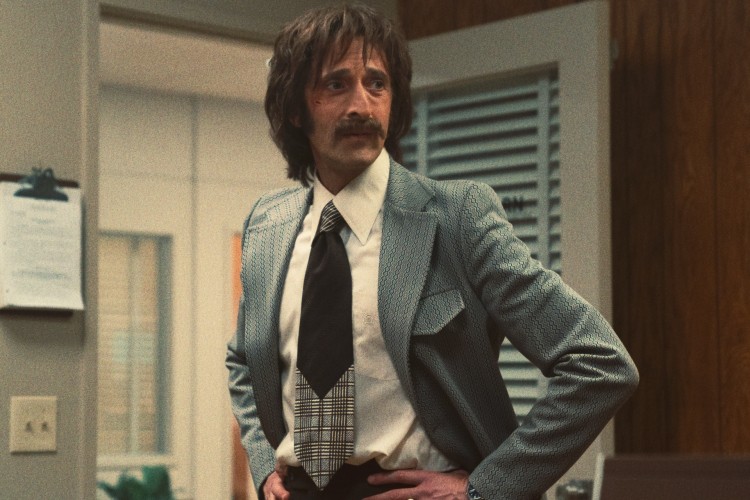
After the heights of last episode, the ensemble cast of Winning Time is in a dark place, especially Westhead, who isn’t just McKinney’s assistant coach, but his best friend with director Tanya Hamilton lingering on a picture of them in better times. There’s a little bit of Segel’s usual roles he takes in his portrayal of Paul Westhead as a flailing Muppet even though he does show a cool-headed intellectual side that kicks in when he quotes Shakespeare in the locker room and goes with his game plan against the Denver Nuggets instead of McKinney’s. (Seen in hallucination sequences) He’s definitely more English professor than NBA head coach. In the space of an episode, Westhead exhibits growth going from barely being able to speak to the players and getting chewed up and spit out by the media to switching up the depth chart and freezing out a player (Spencer Haywood) that McKinney wanted to play a major role on the Lakers. But this is after freaking out in his car and offering the Lakers job to West and travel secretary/color commentator Pat Riley (Adrien Brody). Riley plays a nice cheerleader role to Westhead throughout the episode laying the foundation for his future role…

Memento Mori

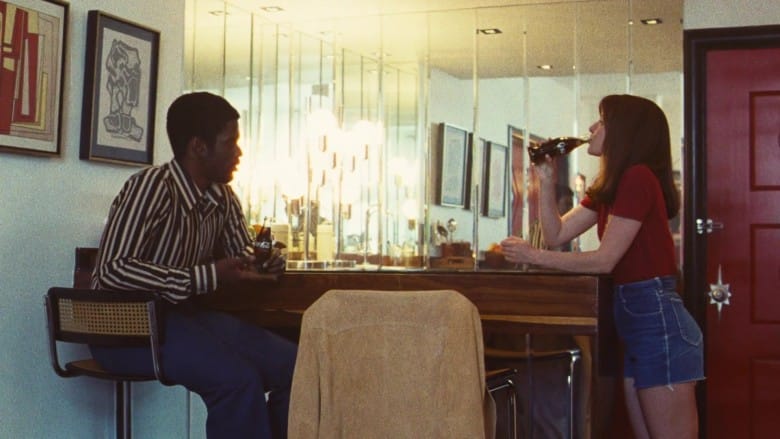
On the flip side, “Memento Mori” spends a lot of time with Magic Johnson, and it’s not the most flattering picture as he chases fame and fortune while his coach is in a coma. Hamilton and cinematographer Todd Banhazl make a scene set at a sporting goods conference feel like visual overload using a nine-way split screen set up that’s The Brady Bunch meets Watchmen showing how every shoe company wants Johnson to hawk and wear their product. A Converse exec even uses some uncomfortable farm metaphors, but of course, he signs with them to have the opportunity to stick it to Larry Bird. It also fits the family friendly, “play it safe” image that his agent/current girlfriend’s dad Dr. Thomas Day (Steve Harris) wants for him instead of the gamble (That would have paid off.) of taking stock options and $1 per shoe sold from Nike. In the sales pitch sequence, Olli Haaskivi is a quirky scene stealer channeling the eccentricity and start-up energy of Phil Knight, who wanted to put Johnson’s name on the shoe and made it actually help his speed and performance, but everyone laughs him off in the episode, including the bankers that Buss parades Johnson to.

Magic Johnson’s relationship with women has been a recurring theme in Winning Time, and as mentioned in a conversation with Day, it’s his only vice because he steers away from drugs and alcohol. “Memento Mori” features his short-lived girlfriend/agent’s daughter Cindy Day (Rachel Hilson), who he is unsure actually loves him or just wants to be close to a famous person. In a monologue where Isaiah brings out an angry and darker side of Johnson, he talks about how they would be in a relationship while Johnson was calling Cookie Kelly in the other room basically cheating on her. And Cindy is cool with this. She also oversteps her boundaries by bringing flowers to Jack McKinney’s hospital room and getting Magic Johnson to sign autographs for the Great Western bank execs, which makes him uncomfortable because he’s in casual relationship mode and honestly just wants to be with Cookie, who appears in the final scene of the episode, and isn’t into the whole fame aspect.

Throughout the episode, Johnson is told by everyone from shoe execs to Richard Pryor (Mike Epps), who gives him great advice and helps get Spencer Haywood interested in cocaine, that his real first name, Earvin, is a thing of the past. There’s a little bit of sadness in Quincy Isaiah’s eyes every time someone uses the Magic nickname to refer to him personally and not in a marketing context all culminating in Cindy moaning “Magic” when he gives her an orgasm from oral sex and realizes that she cares him about him more as a celebrity than a human being. Although, he puts “Magic” on the prototype shoe, Knight actually does use his real name hinting at how Nike would use an athlete’s name and personality to sell now-iconic shoes a few years down the road. Borenstein, Barnes, and Bertuch show Magic Johnson basically being consumed by the fame aspect of his job as he skips a team hospital visit to sign a shoe deal with Converse and does business transactions and chats with Richard Pryor and cocaine baron Dr. Mike in the tunnel before the game. However, he does manage to find some distance between his personal and work life by using a line Dr. Day said about Magic not bringing good news to have him relay the news about breaking up with his daughter before sending him to Michigan State’s campus to personally invite Cookie to a Lakers vs. Detroit Pistons game.

Memento Mori

The third main plot of “Memento Mori” shows Jerry Buss and his business partner Frank Mariani (Stephen Adly Guirgis) try to wheel and deal their way out of losing the team by getting Great Western to extend their loan and line of credit by marketing them as “the official bank of the Lakers”. They don’t buy it, but Buss shows them enough of a good time at the Forum Club to extend the loan until June 1980 aka right after the NBA Finals. Unbeknownst to the players, coaches, and other front office folks, the Lakers basically have to win a championship or go broke. John C. Reilly also gets to show a vulnerable side of Jerry Buss when his mother Jessie (Sally Field), who raised him by herself has health issues that hinder her from doing her job as accountant. What begins as him being furious that she used the wrong checking account for vendors and didn’t file the right paperwork to transfer team ownership to his ex-wife ends up with him monologuing on a balcony about how she raised him as a 19 year old single mom in the middle of the Dust Bowl. Jeanie Buss (Hadley Robinson) continues to show her quality by alerting her father to her grandmother’s health issues and also acting as a buffer between Magic Johnson and Cindy and Dr. Day when she can tell that they’re making him uncomfortable before the game.

By contrasting Jack McKinney’s coma and time in the hospital with Magic Johnson chasing fame and Jerry Buss sweet talking Sacramento bankers, Max Borenstein, Rodney Barnes, and Rebecca Bertuch really put life in perspective in a sobering downer of an episode. Jason Segel’s Paul Westhead is the standout performance of “Memento Mori” going from goofiness to anxiety and poignancy with Shakespeare quotes that befuddle his team and sports journalists, but act as kind of coping mechanism for him to deal with a stressful situation. Quincy Isaiah also continues to find the darkness and charisma in the character of Johnson switching between Magic and Earvin by lowering his eyes, dropping his smile, and in some cases, raising his voice.

Overall Verdict: 8.2

Review: Marauders #1

Marauders #1

Steve Orlando, Eleonora Carlini, and Matt Milla inject new life into the team Marauders in the first issue of their new series. With introductions out of the way, they get right to the adventure, drama, and messiness of it all as the team and their newest, most genocidal member Cassandra Nova blast into space to find the remaining members of the first generation of mutants. Along the way, Orlando continues to show his talent for excavating characters from the Big Two’s past while putting his own spin on staples like the Shi’ar Empire. Seriously, the first scene features a character that debuted in Inhumans; not the well-loved Paul Jenkins/Jae Lee series, but the Rafael Marin and Jose Ladronn one from 2000. However, Marauders #1 isn’t just cameos and throwbacks, and Steve Orlando and Carlini create an adventurous team dynamic with a bit of a dark side that sets it apart from the other current X-teams.

Eleonora Carlini’s manga-infused approach to the art in Marauders plays up the emotions and action up to 11. She combines traditional superhero figures with cartoonish faces and high energy layouts culminating to a double page splash of the Marauders’ new ship in flight. Carlini’s cartooning especially works in tense moments like a reaction shot to Kate Pryde introducing Cassandra Nova as the final Marauder. Even though it’s been obvious that she’s joining the team (Plus the justifications in the data pages.), we get to share in the surprise and even get a laugh from Somnus, who doesn’t know who she is until reading her mind and then going all glowstick on her. Along with the intense facial expressions, Milla goes big and loud with his color palette in a matter befitting a team with characters who project psychic energy into daggers, absorb it and throw it back, or phase through it to name a few. However, there’s a lot of red from Jean Grey confronting Cassandra Nova to the big finale of the issue that blows the series’ status quo up big time.

Like any good superhero book, Marauders has a lot of action from its first page to a space battle where Kate Pryde tries to phase into the mental equivalent of adamantium. However, in the gaps between missions and team construction, Steve Orlando and Eleonora Carlini continue to build up the personalities of the various Marauders. As the newbie, Cassandra Nova is the focus of Marauders #1 with everyone from psychics Jean Grey and Psylocke to team leader Kate Pryde trying to get a read on her and see if she’s actually cured. There are all kinds of panels of her looking at the reader basically saying that putting her on the team was a bad idea even if she’s connected to the mystery box that Kate found.

However, other characters get their moments in the sun like Akihiro and his relationship with his ex Somnus and current partner, Aurora, who are trying to help him overcome the pain of being tortured by Brimstone Love in the previous issue. Carlini turns in a splash showing that this torture and a desire for revenge is the first thing on Akihiro’s mind, and he plays a secondary role in the action with Psylocke and Bishop leading the way in the space fight. However, Somnus and Aurora play roles on the Marauders beyond being there Akihiro. For example, Somnus is making up for literal lost time by going on adventures with the team, and his face close-up on the glass watching Earth fall back in the distance reminds me of the first time I read a comic with the X-Men in space. Orlando also uses the data pages to add depth to the characters without detracting from the story and mystery and brewing space opera even though it would have been even more entertaining to see Dr. Nemesis and Mr. Sinister debate Cassandra Nova’s mutant-ness on panel.

Marauders #1 is full of adventures, flawed, yet badass queer characters, and also features intrigue and deep cuts from the Marvel universe in a nice action mystery package. The team has a focus, but Orlando and Carlini aren’t afraid to explore interesting rabbit trails along the way.

Story: Steve Orlando Art: Eleonora Carlini 
Colors: Matt Milla Letters: Ariana Maher
Story: 8.7 Art: 8.3 Overall: 8.5  Recommendation: Buy

Marvel Comics provided Graphic Policy with a FREE copy for review


Purchase: comiXology/KindleZeus ComicsTFAW

TV Review: Winning Time S1E5 “Pieces of a Man”

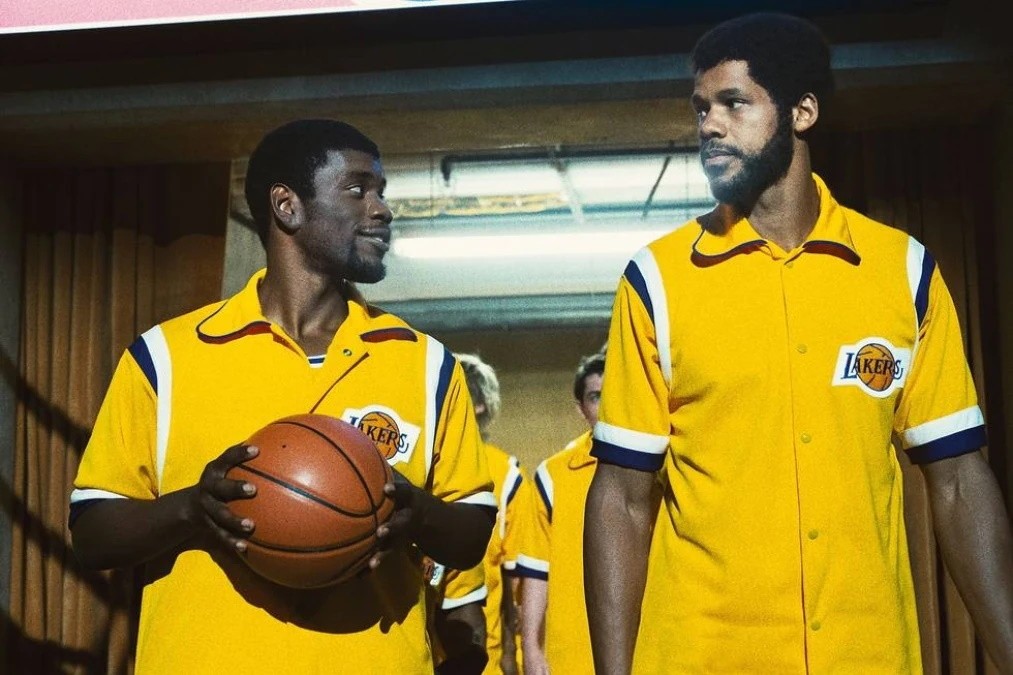
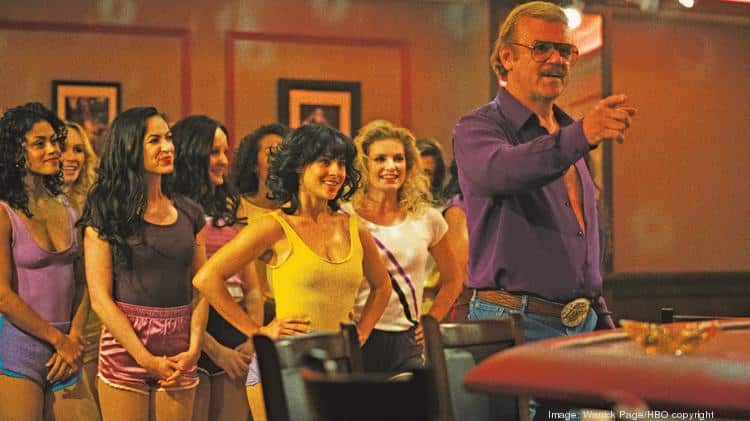
At the halfway point of Winning Time: The Rise of the Lakers Dynasty, some basketball is actually played, and writers Max Borenstein and Rodney Barnes and director Tanya Hamilton zero in on the life and faith of Kareem Abdul-Jabbar (Solomon Hughes) opening “Pieces of a Man” with his conversion to Islam and name change from Lew Alcindor to Kareem Abdul-Jabbar. The grainy quality of these cut-up montages of Abdul-Jabbar’s life as wide-eyed, earnest young man speaking out against police brutality and American imperialism and praying five times a day contrasts with the dark glamour of Jerry Buss’ (John C. Reilly) Forum Club as he runs ragged trying to have everything perfect for the first game of the season. Barnes and Borenstein dig into Buss’ micromanaging side where he nitpicks at everything from the first Laker Girls to the make of the bar until his put-upon business partner Frank Mariani (Stephen Adly Guirgis) tells him to enjoy the ride.

Hughes has brought misanthropy and presence to the role of Kareem Abdul-Jabbar, but up to this point, he’s been in the background of Winning Time‘s narrative as the jazz-listening, aging star of the Lakers, who is skeptical about coach Jack McKinney’s (Tracy Letts) new system and the easy smile of teammate Magic Johnson (Quincy Isaiah). “Pieces of a Man” dig into why Abdul-Jabbar is this way, and how he wants to change the world and not just be a great basketball player. Hamilton peers into his relationship with his Harlem transit police officer father Al Alcindor that is strained when he speaks out against a New York policeman killing a Black teenager. She shows him keeping his eyes open during his Christian family’s prayers showing that he doesn’t feel comfortable or welcome with this belief system.

Islam gives Kareem Abdul-Jabbar a way to be a part of something bigger than himself, and the episode draws attention to his prayers and includes an extended conversation with an imam at a mosque that recenters him and gives him a warmer connection to Johnson, McKinney, and the game of basketball. Rodney Barnes and Max Borenstein’s writing sings in that sequences and combined with the jazz needle drops add the portrayal of a spiritual, aloof, and sometimes inspirational man. It’s wild to see the 180 from the first game against the San Diego Clippers (Featuring a cameo from baby Kobe Bryant whose dad Joe played for the Clippers.) and the second one against the Bulls where he goes from droning his stat line to Jack McKinney and telling Magic Johnson to fuck off after he hits the game winning sky hook to smiling and enjoying basketball again.

Pieces of a Man

Barnes and Borenstein give Abdul-Jabbar a full arc in this episode, and it runs parallel to Johnson taking more of a leadership role on the team even though he’s a rookie. Although he goofs off with jokes about newcomer Spencer Haywood’s (Wood Harris) home-circumcision and blasts the boombox in the locker room, Magic Johnson shows a real work ethic showing up first to practice and buying into McKinney’s fast break system, but he’s afraid of having a conversation with Kareem Abdul-Jabbar and defers to him as he lumbers down the court and doesn’t really participate in practice. Finally, Abdul-Jabbar pulls Johnson aside for a lesson in “comporting himself” (The real Abdul-Jabbar still doing the same thing today with LeBron James.), and it turns into a fight when the younger player critiques his lack of effort and that his bad attitude is dragging down the team. However, it’s a real growth moment for Magic Johnson, who demonstrates he can smile and be goofy as well as be serious about the team’s performance. Isaiah brings a high-wire energy to his performance as Johnson this episode teetering between enthusiastic and annoying. This culminates in a brightly lit, quick cut montage sequence from Tanya Hamilton showing the fusion between basketball and entertainment that is the Showtime Lakers with Chick Hearn’s (A velvety smooth Spencer Garrett) commentary acting as the back beat.

And the other major plot in “Pieces of a Man” follows Jerry Buss trying to get everything right about the Lakers, the game day experience, and the Forum while radio pundits blast his inexperience. (At least, until the first winning streak.) Except when he’s enjoying the Laker Girls or watching the game courtside, John C. Reilly mostly plays Jerry Buss as angry yelling at choreographers and punching bars while Claire Rothman (Gaby Hoffman) looks like she’s constantly in need of a cigarette. As evidenced by the portfolios of buildings he’s bought and sold and the scrapbook of women he’s slept with, Buss likes the chase more than sitting with something for a while. Even as the Lakers succeed on the court, there’s an edginess to his behavior with his mom/accountant Jessie Buss (Sally Field) thinking he’ll fail and deciding not to go to the first game. Also, his daughter Jeanie (Hadley Robinson) mirrors his behavior running around all town trying to find a dance troupe and ends up recruiting a teenage Paula Abdul to be head choreographer and dancer and also punching a vending machine until her hand almost bleeds. She looks in pain when Buss is ogling the Laker Girls though.

Pieces of a Man

However, the two steps forward, one step back through-line of Winning Time continues in the episode’s closing scene. Jack McKinney’s wife Cranny (Julianne Nicholson) encourages him to take a day off and play tennis with his bestie/assistant coach Paul Westhead (Jason Segel), who is the one person he can really be comfortable around. Tanya Hamilton turns the camera on McKinney’s binder full of plays and schemes before cutting to a sunny L.A. day with a “Good Vibrations” needle drop. During the whole bike ride, it feels like the other shoe is about to drop from a driver almost running a stop sign and fiddling with the radio to the popping of the frame and finally an utterly tragic slow pan. The architect of Showtime is down just as his ideas were becoming reality.

“Pieces of a Man” continues Winning Time‘s structure of focusing on one key figure from the Showtime Lakers and connecting his (Yes, they’ve all been men up to this point.) journey to the franchise’s. This time it’s Kareem Abdul-Jabbar, and Rodney Barnes, Max Borenstein, and Tanya Hamilton explore the sky-hook master’s faith, activism, and overall prickliness as he doesn’t buy into Showtime for now even though it would be easier on his body than the way he’s played for decades. (There are many sequences of Abdul-Jabbar getting massages and his back cracked, and he’s very much ready to retire.) Documentary-style grittiness and flashy disco for the basketball/dancing sequence collide in an episode that’s truly a feast for the eyes and mind with a dark cliffhanger ending.

Overall Verdict: 8.7

TV Review: Winning Time S1E4 “Who the F**k is Jack McKinney?”

Who the F**k is Jack McKinney?

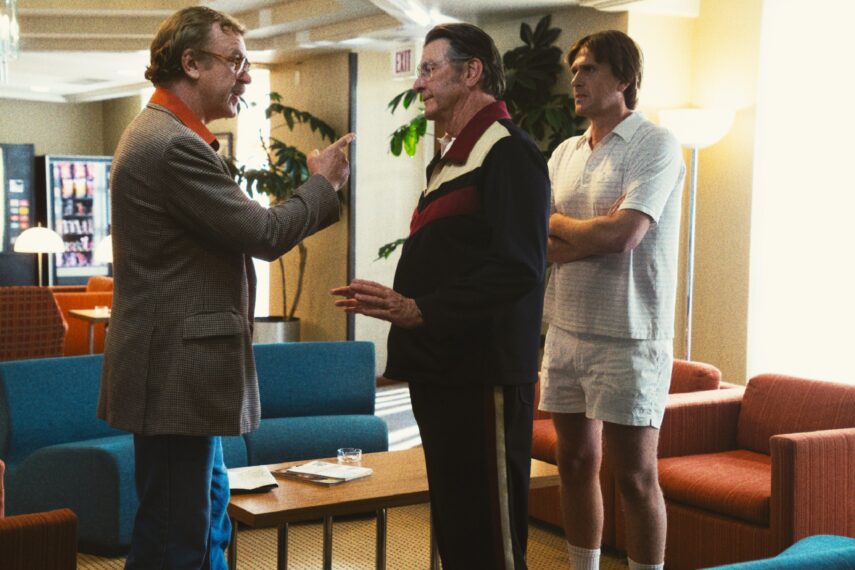
Showtime’s growing pains continue in Winning Time Season 1, Episode 4 “Who the F**k is Jack McKinney?”. Training camp is about to start after last week’s murder of Vic Weiss, Jerry Tarkanian has decided to not take the Lakers job with Weiss’ wife smacking Jerry Buss (John C. Reilly) at his funeral. So, per Jerry West’s (Jason Clarke) recommendation, Buss and the Lakers decide to go with Jack McKinney (Tracy Letts), who might have the stage presence of an accountant, but has ideas that would go on to revolutionize the game of basketball. But, for now, they’re just scrawlings on resort napkins and clipboards, or slides loaded by his assistant coach Paul Westhead (Jason Segel), a floppy-haired former English professor that is really a non-presence in this episode. Like he just mumbles and quotes Shakespeare and immediately fits in with this quite kooky set of characters

Along with the growing pains on the court, there is still the financial issues with team, and Buss’ accountant/mom Jessie Buss (Sally Field) finds a way out by saddling some of the liabilities with his ex-wife JoAnn Mueller (Kate Arrington). From an awkward opening scene where she and their children have lunch at the same Mexican restaurant as Buss and one of his girlfriends (And Jeanie Buss sees him fingering the woman at the table.) to walking in on him and another woman with the liability paper work, Arrington plays the part with scene-stealing contempt shattering the fantasy that Buss wants everyone to see about him. Writers Jim Hecht, Max Borenstein, and Rodney Barnes follow the thread of Jerry Buss’ true desires through the perspective of Jeanie Buss (Hadley Robinson), who gets real depth in this episode walking the line between an intern and boss’ daughter.

From being quiet and meek in the first couple episodes, she speaks up in a meeting and even builds a connection with two of her co-workers over a shared bong. This episode shows how much Jeanie cares about her dad and the Lakers and also how she’s unhappy that he would rather hang out with random women than spend time and communicate with her going all the way back to the opening flashback. However, she does have some real vision in regards to setting apart the Lakers from a college basketball experience, and Claire Rothman (Gaby Hoffmann) packages her ideas in something that will sell to Jerry Buss. But it’s all just theory for now. There are no Laker girls or Jack Nicholson and Dyan Cannon sitting courtside just yet.

Who the F**k is Jack McKinney?

This theme of theory versus practice definitely is the driving engine of Hecht, Borenstein, and Barnes’ training camp A-plot although there’s all kinds of squabbles and subplots going on from Kareem Abdul-Jabbar (Solomon Hughes) hazing Magic Johnson (Quincy Isaiah), Michael Cooper (Delante Desouza) battling to get a guaranteed contract, and Jerry West not wanting to walk away from the team. Director Damian Marcano excels at shooting the basketball action at its best (Johnson, Abdul-Jabbar, and Norm Nixon showing glimpses of real chemistry) and worst (Veteran Ron Boone getting hit by one of Magic Johnson’s no-look passes) while going the montage and voiceover narration route for McKinney’s ideas. With references to Buddhism that reminded me of a future Lakers coach, Tracy Letts nails Jack McKinney’s passion for basketball as well as the heartbreak and compromise he feels when West tells him that he needs to combine his system with some of his old sets. The practices and a verbal sniping show that doing things a new way is painful even as Magic Johnson and Nixon start to buy into system the system while Kareem Abdul-Jabbar simply doesn’t give a fuck. He doesn’t say a lot of words, but Hughes’ physical presence and taciturn looks show that he knows he’s the undisputed leader of the team and won’t be running suicides or “McKinney miles” with the rest of the Lakers.

I do have to applaud Marcano, Jim Hecht, Max Borenstein, and Rodney Barnes for showing viewers the building blocks of Showtime and fast break basketball with montages and film sessions showing how it sharply contrasts with the stagnant half court sets most NBA teams were running at the time. No wonder the league was struggling. There’s also a kind of cheeky animated sequence featuring Magic Johnson that connects his philosophy of basketball to McKinney’s with a focus on making his teammates and basically being good, giving, and game as the basketball court dissolves into Johnson giving oral sex. However, this whole being everyone’s friend is a little bit of facade as Cookie Kelly (Tamera Tomakili) reminds him that Magic Johnson basically stole her from one of his teammates. Their phone conversation doesn’t end well, and Isaiah shows a little bit of the darker, sadder side of Johnson, both on and off the court with Boone fighting him because he’s frustrated at his playing style and also that he has a guaranteed contract even though he hasn’t played a minute of professional basketball.

“Who the F**ck Is Jack McKinney” is set in a bikini-clad women-filled oasis in a harsh desert, and no one shot understands the facade that is Jerry Buss’ life and ownership of the Lakers than him mouthing “Fuck” under the pool when he realizes that the Lakers and Forum have no chance of turning a profit this year so he can pay off his creditors. Being together in an enclosed space (Even though McKinney closes practice to the ownership and front office) brings out temper and negative feelings with the Lakers continuing to have a long way to go both on and off the court. However, it’s not all downbeat as Hecht, Borenstein, and Barnes position Jack McKinney as one of the true, unsung heroes of the game even if the players hate him for now. Plus there’s strong characterization for Jeanie Buss as Winning Time leans into its greatest strength and weakness: it has a huge cast so it’s hard to get to know all the players, but most of them are fascinating and opportunities for strong, nuanced performances.

Overall Verdict: 8.1

Review: Rogues #1

Rogues #1

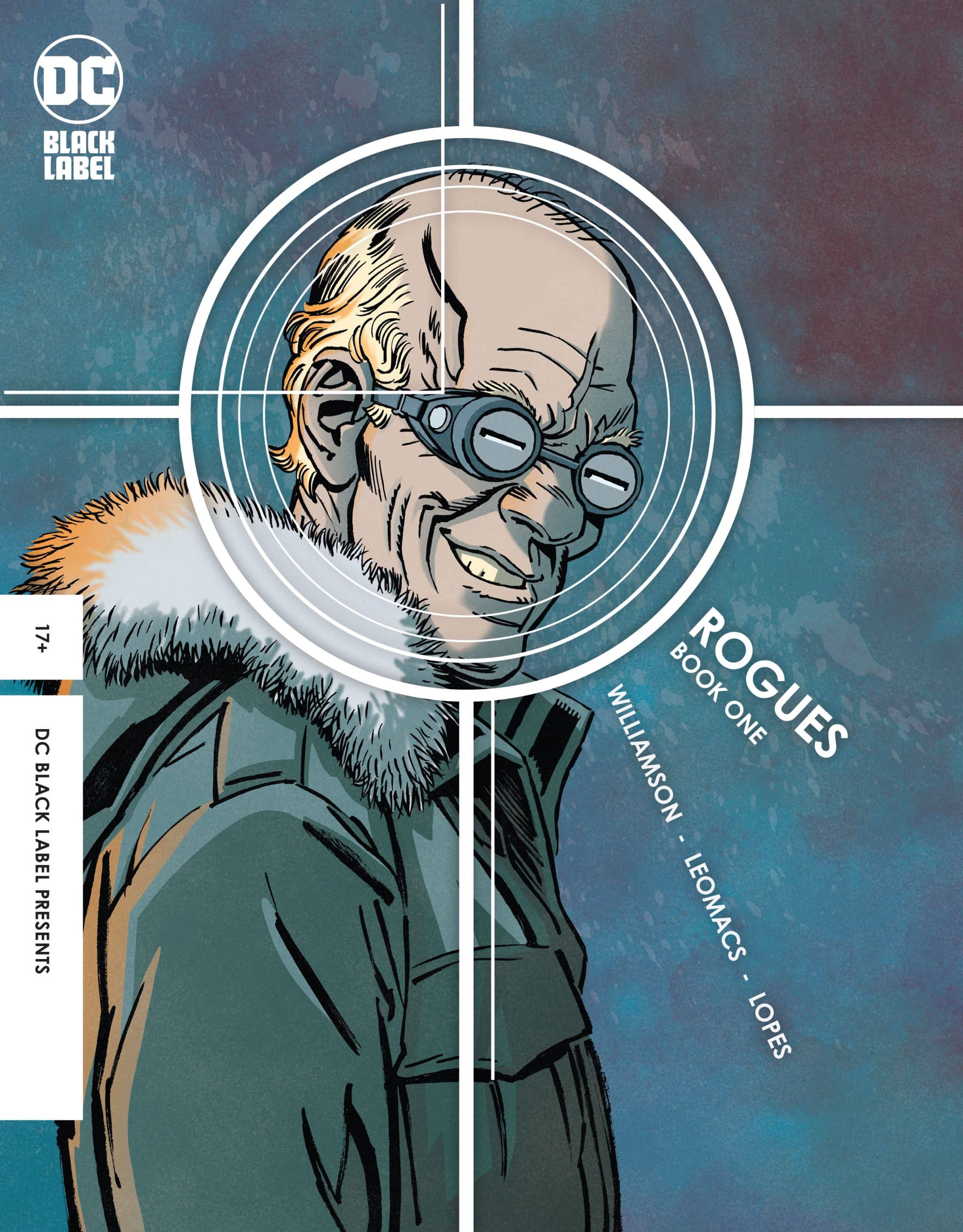
Rogues #1 is a damn fine crime comic by Joshua Williamson, Leomacs, Mat Lopes, and Hassan Otsmane-Elhaou. It follows Leonard Snart, or the artist formerly known as Captain Cold, ten years after his last big score as he struggles to put his life back together in a rapidly gentrifying Central City. Yes, Rogues has timely commentary on the American healthcare system, city life, and capitalism through the lens of aging B-list supervillains. Also, Leomacs and Lopes’ visuals hit that nice sweet spot between super detailed art and cartooning while using silent montages and shifts in color to shift the mood of the story. For example, Snart’s windows turn blue when he gets back to work on his cold gun.

Rogues is definitely structured like an old school heist movie beginning with an extended flashback sequence set during the good ol’ days that foreshadows the job to separate introductory sequences for each crew member complete with nicknames and different art styles. Even if you’re not familiar with Leonard Snart, Lisa Snart (Golden Glider), James Jesse (Trickster), Ben Turner (Bronze Tiger), Frankie Kane (Magenta), Mick Rory (Heatwave), and the surprise seventh crew member, Williamson and Leomacs have their personalities on lock before their first mini-heist. Probably the most effective is Mick’s intro. Unlike the other Rogues, he hasn’t even tried to be respectable and is introduced wreathed in flames burning down a building for insurance money. On the other hand, Magenta is introduced in a pharmacy where she can’t afford the pills to help suppress her magnetic abilities, and Leomacs uses a loose line plus swatches of color from Mat Lopes to show her losing control. The shittiness of health insurance/pharmaceutical companies is as good enough a villain origin as any.

But before setting up the crew, Joshua Williamson and Leomacs spend a decent chunk of Rogues #1 digging into what Leonard Snart’s post-Captain Cold days are like, and it isn’t a pretty sight. Later, in the story, Snart is super manipulative and let’s say definitely gets into “Black Label” territory instead of the usual Rogues’ code of honor so showing him get jerked around by probation officer and the suits at the warehouse he works at help him score major sympathy points. Williamson and Leomacs nail the tedium and pain of modern existence as Snart gets a promotion at work, but finds out it’s because his bosses know that he’ll do whatever they want because he’s an ex-con. Then, he and Leomacs cut to the overcrowded train (Hey, at least, Central City has public transit unlike some American cities.), his old neighborhood getting torn down, and finally, his disorderly apartment. No wonder, he rages out and returns to a life of crime. Lopes’ palette shift from brown to red and finally blue is a story in and of itself, and Leomacs brings out the goggles and blue jacket to show this change when Snart begins to recruit his crew.

Hassan Otsmane-Elhaou is a very underrated part of Rogues #1 from the opening scene where the ridges on the end of his balloons and the little bubbles show that the Ape (Of Angel and the Ape fame) is washed out and just wants to pick a fight at the supervillain bar because his girlfriend is dating Detective Chimp. Later, on in the story, Otsmane-Elhaou uses crooked curlicues when Leonard Snart speaks with his supervisors and waits for the other shoe to drop to symbolize him carefully picking his words so he doesn’t end up on his ass. Finally, to match the bustling city streets that Leomacs draws and Joshua Williamson’s dialogue, the lettering is all over the page when Snart begs and pleads for his sister to help him out on his last job even though she’s found fulfilling work as a social worker. Unlike the all-in Mick Rory or the desperate Magenta, it takes some cajoling for Lisa Snart to even have a conversation with her brother, and Leomacs’ body language for her shows that she doesn’t want any more from this interaction. As I mentioned earlier, each Rogue’s reintroduction is a mini-masterclass in different storytelling techniques culminating in a super tense set piece that isn’t the actual heist just yet.

Rogues #1 is proof of an adage that I like to trot out for Marvel/DC/corporate IP characters that in the right hands that any of these action figures can be compelling. Joshua Williamson, Leomacs, Mat Lopes, and Hassan Otsmane-Elhaou connect B-list villains to economic insecurity in a fast-paced, character driven act one of a heist story. Before jumping into the action, Williamson and Leomacs provides insight into each crew member’s personality and motivation and make the stakes Mount Everest high. Like seriously, I have no idea how the Rogues are going to pull off this last job even with Leonard Snart in “give no fucks” mode. With one exception, the team is really endearing in their desperation though, and going after one of the richest beings of the world gives the comic a blue collar Robin Hood vibe.

All in all, Rogues #1 is a reminder that superhero and crime stories complement each other nicely, especially with such gorgeous layouts and color palettes from Leomacs and Lopes.

Story: Joshua Williamson Art: Leomacs
Colors: Mat Lopes Letters: Hassan Otsmane-Elhaou
Story: 9.0 Art: 9.0 Overall: 9.0 Recommendation: Buy

DC Comics/Black Label provided Graphic Policy with a FREE copy for review


Purchase: comiXology/Kindle – Zeus Comics – TFAW
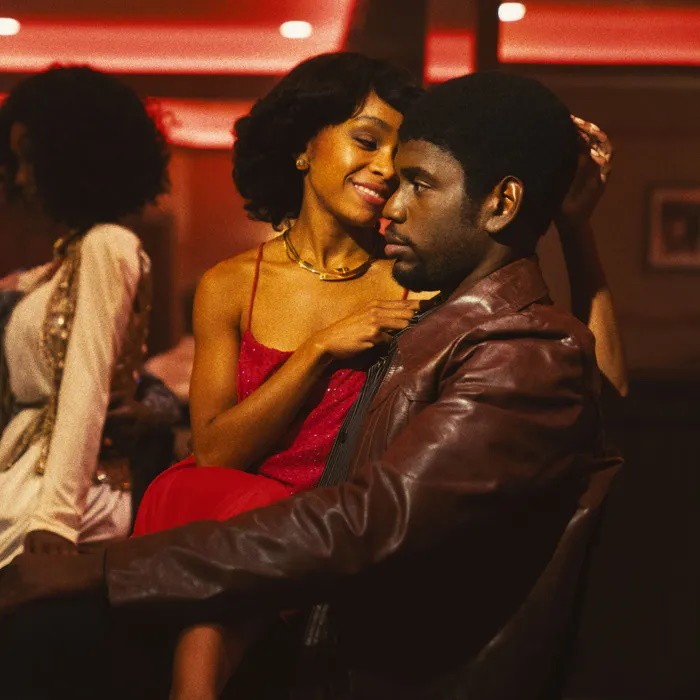
Winning Time S1E3: The Best Is Yet To Come

The Best Is Yet To Come

Winning Time’s third episode, “The Best Is Yet To Come“, shows just how precarious the Lakers’ franchise was at this time starting from the opening moments where Jerry Buss (John C. Reilly) completely loses his cool at Jerry West (Jason Clarke) for quitting two weeks before the season. The wheeling and dealing playboy has been thrown to side as West tries to salvage the interaction by saying that he wasn’t cut out for coaching and wishes he could still play for the Lakers, but he’s too old. Director Damian Marcano shoots the scene in a closed office space that becomes a recurring motif in this episode with Magic Johnson (Quincy Isaiah) spending a lot of time in the contained space of his new apartment in L.A. or former Lakers player/wannabe color commentator Pat Riley (Adrien Brody) reliving his glory days in his garage until he ends up raging out and chainsawing the whole place after his more successful wife Chris (Gillian Jacobs) says she wants to turn into her new therapist’s office. And, of course, there’s the body in the car trunk at the end of the episode. All is this to say is that Jim Hecht, Max Borenstein, and Rodney Barnes script a downer of an hour of Winning Time showing that the Lakers, and by extension Buss, Johnson, and Riley, have growing pains to go through before they can be great.

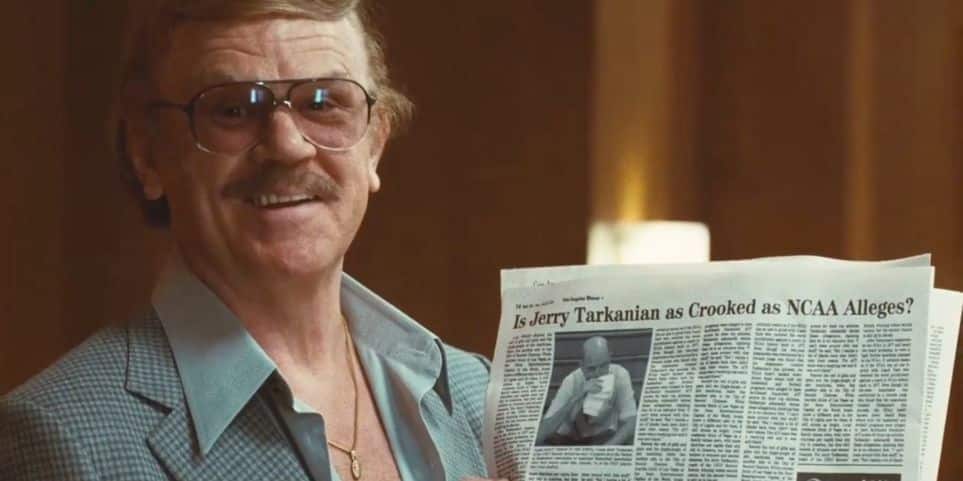
Three episodes in, and Winning Time‘s ensemble has really start to balloon. However, Hecht, Borenstein, and Barnes keep this basically cast of thousands manageable by orienting each character to either Magic Johnson and Pat Riley’s personal arc or the Lakers coaching search. (There is some D-plot kind of stuff with the team’s finances lingering like background radiation.) So, Jerry Tarkanian (Rory Cochrane) and his wise guy fixer Vic Weiss (Danny Burstein) figure in the story as Jerry Buss’ top pick for new Lakers coach. Tarkanian’s disinterest is pretty evident as he loves being respected in Las Vegas as the head coach of UNLV despite being under the scrutiny of the NCAA. Also, Johnson joins Norm Nixon (DeVaughn Nixon) for the premiere of The Fish Who Saved Pittsburgh and gets a taste of being a celebrity and what it’s really like to be an NBA player, and it’s kind of empty.

On the outside, Winning Time might be a glamorous show with 1970s/1980s fashions, California sunshine, bright lights, and naked women, but it continues to actually be about successful men (Emphasis on men.) and their existential crises. Cinematographer Todd Banhazl and editor Hank Corwin let a lot of scenes trail off and switch to a grainy (Think home movie, not New Hollywood film) composition to linger in unspoken emotion like Magic leaving his family to be driven to L.A., or Pat Riley spending aimless, unsatisfactory days at the beach. This extends to the writing as well with Jim Hecht, Max Borenstein, and Rodney Barnes giving Pat Riley (In job begging mode) one hell of monologue to Jerry West about how he never realized that his basketball career would end. (Spoiler alert: It’s 2022, and it still hasn’t.) Marcano does a slow pan to West’s dented MVP trophy and a plaque commemorating him as the official logo of the NBA while Riley tells West that he wish he had at least accomplished something in his career.

The look on Jason Clarke’s face basically says, “See the last episode”, and he’s the same kind of empty as Riley. By the end of the episode, Jerry West is looking as dejected as he was at the beginning and isn’t into having sex with his wife Karen (Lola Kirke), who wants him to become a father. He doesn’t, and it takes him the entire episode to clean out his office. Along the way, he is furious at Buss’ decision to hire Jerry Tarkanian and ends up finding what he thinks is a diamond in the rough in Jack McKinney (Tracy Letts). Letts plays McKinney as the most forgettable middle aged white dude, but the film clips of his Portland Trailblazers team and how he basically comes up with the idea of Showtime gets seeded in quietly while Buss is off jetting to Vegas to woo Tarkanian. West’s passion as he breaks down the film of McKinney’s Portland teams is in contrast with his interactions with his wife and honestly everyone else. Both he and Riley only light up because of the game of basketball. That’s all they know.

The Best Is Yet To Come

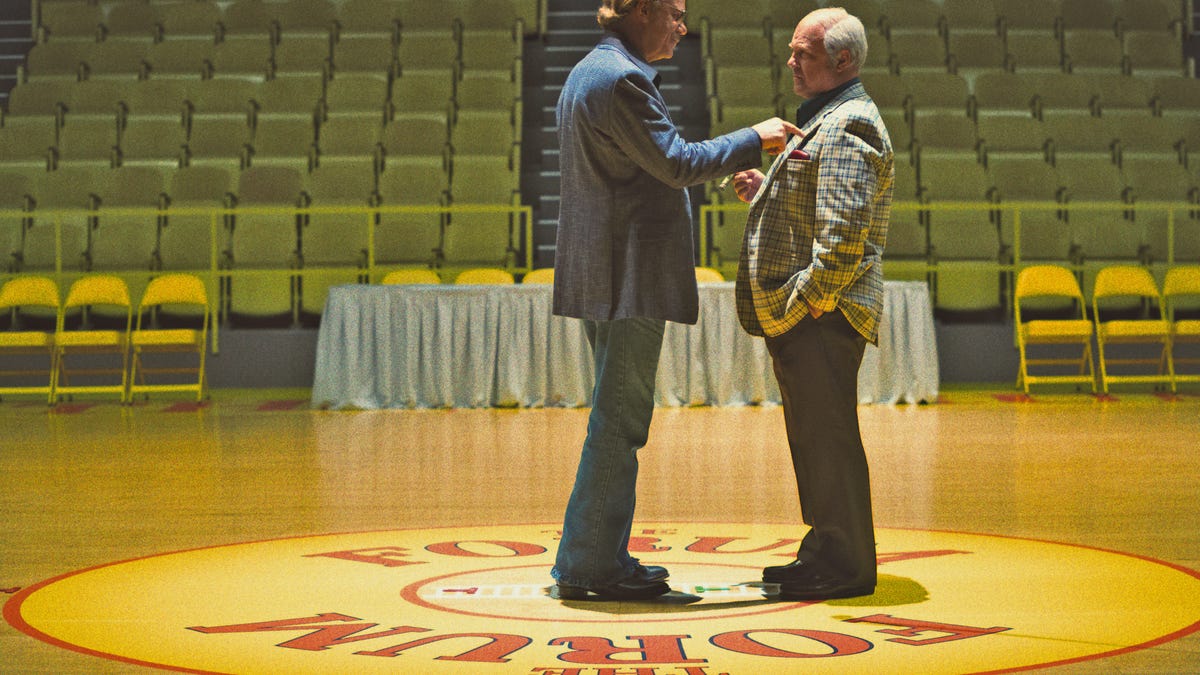
As mentioned earlier, John C. Reilly shows the angry side of Jerry Buss, and we also get to see more of his desperate side like an awkwardly hilarious sequence showing how he does his combover or when he ditches lunch with Magic Johnson to fly to Las Vegas and give Tarkanian all his money. The scenes with Jerry Tarkanian and especially his fixer Vic Weiss are straight out of a 1990s mob film with dim lighting, a Rat Pack soundtrack, and lots of quick cuts to show that Buss is out of his depth as he and his business partner Frank Mariani have to hand over their whole wad of cash to even get to have dinner with Tarkanian. Thanks to $750,000 and two cars, Tarkanian does end up taking the Lakers offer, but the conclusion of this episode puts that on hold continuing the one step forward, two steps back of Jerry Buss trying to turn the Lakers into a contender. Tracy Letts nails “Tark the Shark’s” larger than life personality including his paranoia, and how he comes across as a baron of a small fiefdom instead of an emperor. But, NCAA rules aside, he has things running smoothly at UNLV compared to the utter financial and basketball shitshow that is the Lakers. (Which is why they make an interesting TV subject.)

Also, don’t think I’ve forgotten about Magic Johnson. Quincy Isaiah does a good job showing what is charismatic for Johnson in East Lansing comes across as starstruck in Los Angeles through the quick wit of Norm Nixon. However, Nixon ends up being overshadowed by Bill Cosby at his film premiere, and the photographers ask him and his teammates if there are any Los Angeles Rams on the red carpet because the NFL far eclipsed the NBA in popularity in 1979. And in an even darker sequence (And probably why the real Magic Johnson is silent about the show so far.), Johnson falls for the over the top advances of a local pimp and ends up hanging out and having sex with lots of women at his after hours club. This sequence shows Johnson’s naivete as he falls for the pimp’s offer even after more experienced teammate Jamaal Wilkes tells him that the pimp has nothing lose, but Magic Johnson has everything to lose as his career is just starting. Damien Marcano and Corwin also utilize hard cuts from the after hours club to Johnson on the phone with his family to show how empty his time in L.A. has been so far, and that people want to use him and not be his actual friend with the exception of Nixon, who is still going after his starting position.

The Best Is Yet To Come

Even though he’s at the beginning of his basketball journey compared to Jerry West and Pat Riley, Johnson shares a throughline of disappointment with them. At the end of the day, (Although West and Riley have wives.) they’re alone with their thoughts and wondering whether it was worth it to spend so much time practicing and getting better. Marcano explores an undercurrent of nostalgia in his shots of these men from Pat Riley doing commentary over his old University of Kentucky highlights to Magic Johnson putting on his Michigan State hat when he leaves for Los Angeles. Nostalgia is a comfortable place, but as a way overcast Gillian Jacobs as Chris Riley says, “There’s a reason we bury the dead.”.

By weaving together the stories of Magic Johnson, Pat Riley, and Jerry West’s existential crises with Jerry Buss’ frantic attempt to get a Lakers head coach, Damien Marcano, Hecht, Borenstein, and Barnes craft an episode of Winning Time that has both style and substance and finds the flawed humanity in these basketball greats. Also, Adrien Brody’s sad boy slacker take on Riley is memorable and mesmerizing. Unfortunately, the female characters of “The Best is Yet to Come” only exist to advance the arcs of the male characters with even the well-drawn Claire Rothman (Gaby Hoffman) confined to smoking and sneering.

Overall Verdict: 8.4

Review: Batman: The Knight #3

Batman: The Knight #3

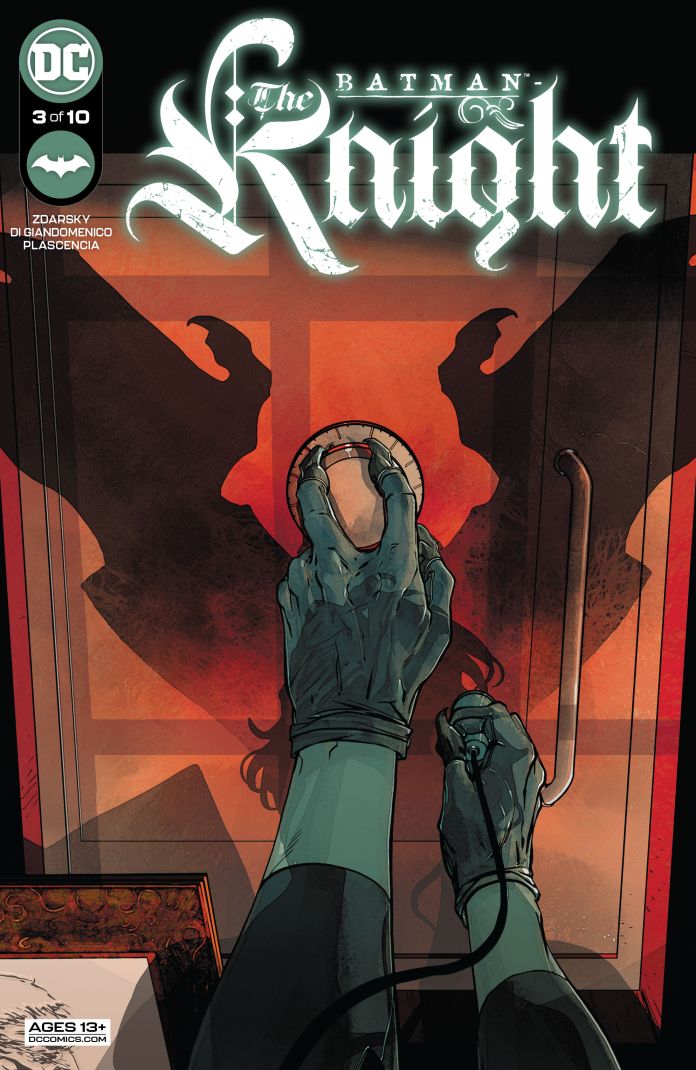
A young Bruce Wayne embraces the darkness and tracks down a wealthy serial killer with the help of cat burglar Lucie and the mysterious Henri Ducard, who has also been hired by Alfred Pennyworth to find Bruce. Chip Zdarsky, Carmine Di Giandomenico, and atmospheric colorist Ivan Plascencia continue to lay the foundation for Wayne’s transformation in Batman along with the growth in his detective and criminal profiling skills as he kind of, sort of tracks down his first criminal. Glonet, the serial killer, is yet another twisted mirror of Bruce Wayne and takes out the loss of parents on the people of Paris in a violent, yet methodical way, but Zdarsky’s strongest writing comes in the characterization of Lucie and Ducard, who are two very different mentors for Bruce.

From its first page, Batman: The Knight #3 features layers of storytelling voices from Chip Zdarsky’s narrative boxes for Glonet and Bruce to his more straightforward police procedural dialogue and finally the visuals of Di Giandomenico and Plascencia. Like many of Batman’s future rogues, Glonet looks sick and twisted, and later, Ivan Plascencia goes operatic with swatches of black when he gets desperate after the police and media catch onto his serial killer pattern. A guy who removes people’s finger nails after slashing them to death has serious issues, and this is Bruce’s first taste of the kind of utterly depraved villain he’ll have to face when he becomes Batman. The 12 issue length of Batman: The Knight gives Zdarsky and Carmine Di Giandomenico room to breathe, develop Bruce’s arc, and not pull a Jeph Loeb and introduce the big, twist-y bad guy towards the beginning of the series. (His anti-Asian racism aside, Long Halloween and Hush are pretty great especially on the art side.)

No story of Bruce Wayne’s training to become a creature of the night is complete without checking in with Henri Ducard. Wisely, Chip Zdarsky doesn’t put all his cards on the table in regards to the character, but shows his cunning and that he always gets his many as he easily finds Bruce for Alfred. However, he and Di Giandomenico aren’t afraid to show Ducard’s vulnerable side with a big image of him getting shot in the gut by Lucie’s fence for the jewelry box in Glonet’s safe. Carmine Di Giandomenico takes a moment to show the pure terror on Bruce’s face when he thinks that he is responsible for yet another person’s death. The sequence also shows Bruce’s awkwardness and lack of savvy around criminals and shady folks with his gaze lingering on the man that Lucie is about to sell the jewelry box to. He’s all rage and raw ideology with some acrobatics and fighting skills and is light years away from Matches Malone.

I was initially skeptical of yet another comic set in Batman’s past, but Batman: The Knight #3 continues to plead its case through its focus on character development and Bruce’s relationship with his mentors. Alfred Pennyworth doesn’t appear in the book that much, but every panel he appears in is charged with emotion with Zdarsky going silent and letting Carmine Di Giandomenico just having him react to the fact that Bruce is alive and that maybe his dangerous trip is a passing phase. We know it’s not, but it’s nice to see a character that has been missing from the present day Batman comics for a couple years and showing someone who 100% has Bruce’s back unlike Lucie and Ducard, who deep down just care about money although Lucie has more of nurturing relationship with Bruce as evidenced by her cheek kiss and calling him “little knight”.

Batman: The Knight #3 comes across as a rough draft version of one of Batman’s great mysteries and villain fights, but Chip Zdarsky, Di Giandomenico, and Ivan Plascencia masterfully show Bruce’s flaws while hinting at the darkness and obsession that would make him a legendary crime fighter.

Story: Chip Zdarsky Art: Carmine Di Giandomenico
Colors: Ivan Plascencia Letters: Pat Brosseau

Story: 8.3 Art: 8.0 Overall: 8.2 Recommendation: Buy

DC Comics provided Graphic Policy with a FREE copy for review

TV Review: Winning Time S1E2 “Is That All There Is?”

Is That All There Is?

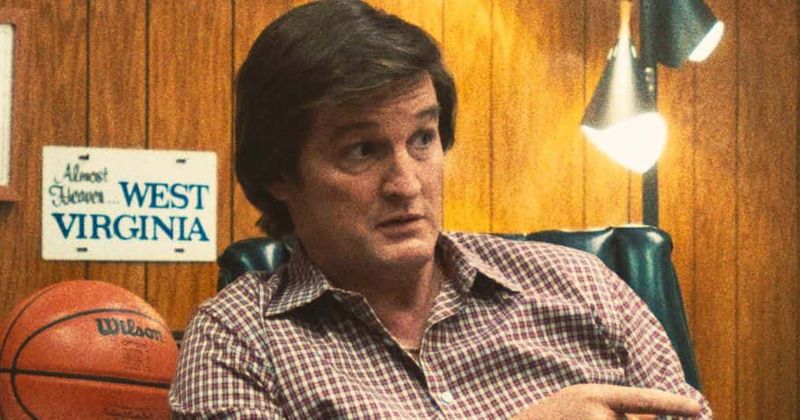
Jerry West’s memoir is titled My Charmed, Tormented Life, and from the outside, it doesn’t make sense that a man who is literally the logo of the NBA, one of its greatest players, and also found success as an executive discovering two of the greatest players of my life time (Kobe Bryant, Stephen Curry) would describe his life that way. But basketball was an escape for him from a tough life in rural West Virginia until it wasn’t. The second episode, “Is That All There Is?“, of Winning Time: The Rise of the Lakers Dynasty delves into West’s (Jason Clarke) love and loathing for the game of basketball, and how it controlled everything in his life, including his mental health and his relationship with his wife Karen (Lola Kirke). Scenes with West bookend the Jonah Hill-directed episode, but writers Rodney Barnes and Max Borenstein continue to dig into Magic Johnson’s (Quincy Isaiah) relationship with his family and on-and-off again girlfriend Cookie Kelly (Tamera Tomakili) as well as the business side of the Lakers with Jerry Buss (John C. Reilly) facing off against Boston Celtics general manager Red Auerbach (Michael Chiklis) and trying to succeed at this business side of things.

The pre-credits sequence of “Is That All There Is” is basically a short film of Jerry West’s life as he bounces the basketball to drown out the sounds of his father abusing his mother as well as the grief over his brother’s death in the Korean War. Hill and editor Hank Corwin dissolve from the snows of West Virginia to confetti in Los Angeles when West won his only championship as a player in 1972. Until Buss tells him that he can play Johnson at power forward, this is the only time he smiles in the episode. The raucous environment of the Forum leads to Jerry West drinking alone at a bar that’s hosting a wake for a guy he doesn’t know, and he ends up having a one night stand with the attendees with confetti still in his air from the championship celebration. (Yes, Jerry West fucks in this episode.)

Basically, like the lyrics of the song and the episode of the title, West is unhappy with his life despite his great successes. He doesn’t like coaching the Lakers as evidenced by his antagonistic encounters with Norm Nixon (DeVaughn Nixon) in flashbacks, and general manager Bill Sharman (Brett Cullen) has a good point when he says that Buss giving him free reign to sign players will also hinder him from making excuses why the Lakers keep losing. In contrast with Jerry Buss and Magic Johnson, he doesn’t seem to be having a good time, has no effect on laconic star player Kareem-Abdul-Jabbar (An imposing Solomon Hughes) even after passionately monologuing about how he’ll get a power forward to help him out in the post so maybe it’s time for him to get off this train.

Is That All There Is?

I love the parallels that Barnes and Borenstein draw between Jerry West and Red Auerbach throughout the episode. Auerbach isn’t in the episode a lot, but Chiklis steals every scene with a puff of smoke beginning with a freeze frame, black and white introduction with future NBA commissioner David Stern calling him the pope. Buss and Auerbach are on two planes of reality with the Celtics GM not falling for the Lakers new owner’s offers of a night out and beautiful women even if they do end up sharing a brief dinner. Red Auerbach brings out a darker, less playful side of Jerry Buss with John C. Reilly taking the sunglasses off and saying that he will eat Auerbach’s heart on the Forum floor. It definitely feels like a kid putting on his father’s clothes, especially with all the behind the scenes financial shenanigans like Buss’ mom/accountant Jessie (Sally Field) saying that the Lakers are a money pit or his business associate Frank Mariani stealing the past ten years of records so no nonsense Claire Rothman (Gaby Hoffmann) can put together a budget for next year. With talks of big concerts at the Forum or the Lakers being one piece away from a championship, there’s a slight bit of hope in the air, but they could also go bankrupt like Rothman’s last job in Philadelphia.

The love triangle between Magic Johnson, Cookie Kelly, and Brian, a devout church goer and shoe store manager seems contrived while setting up Johnson’s reputation as a womanizer and showing that he’s not a nice guy as he utterly humiliates Brian on a Lansing playground. Isaiah continues to be a believable Johnson on and off the court as he dazzles with his passing and moves and charms everyone at the fish fry. Except for his mother, Christine (LisaGay Hamilton), who is not amused by his gift of a hot tub even though Johnson knows she’s wanted it for years by her reactions to the commercial during her soap operas. She smiles and talks about the gift in an animated way when she’s with her friends, but is all business around her son. Her husband Earvin Sr. (Rob Morgan) finds a middle ground when he basically tells her that Magic is grown up and has to find his own way in L.A., and that his free spirit came from her, who used to play point guard and dance before she joined the Seventh Day Adventist Church. By spending an entire episode showing Magic Johnson’s life and relationships in his hometown, Rodney Barnes and Max Borenstein ground him as a character and show that there is an entire town (Ok, maybe not Brian.) rooting for him even as Jerry West plots to minimize role from what Jerry Buss promised.

Jonah Hill cuts down on the sugar rush fourth wall breaking in “Is That All There Is?” and uses more natural storytelling techniques to show the current state of the NBA, the Lakers, and this episode’s key players. Jerry West cowering in a dark room in his underwear or sitting alone at a bar tells more about his mental state than talking to the camera or motormouth voiceovers. This episode also sets up Red Auerbach and the Boston Celtics as the key antagonists in the series with the racial implications of them having a white star player in Larry Bird showing up during the owners meeting. But the real conflict in Winning Time is internal with Jerry West butting heads with Jerry Buss, Bill Sharman, and as implied from his interactions with Nixon and Abdul-Jabbar, the players too so he decides to leave as coach right before the season. Him undercutting Buss’ big speech with a glance and a resignation letter creates a sense of uncertainty for future episodes, and boy, am I looking forward to Adrien Brody’s Pat Riley in upcoming weeks. All in all, Winning Time continues to strike a good balance between individual character arcs and the drama of running an NBA franchise in an era when golf, tennis, and bowling were more popular sports.

Review: Eternals #10

Eternals #10

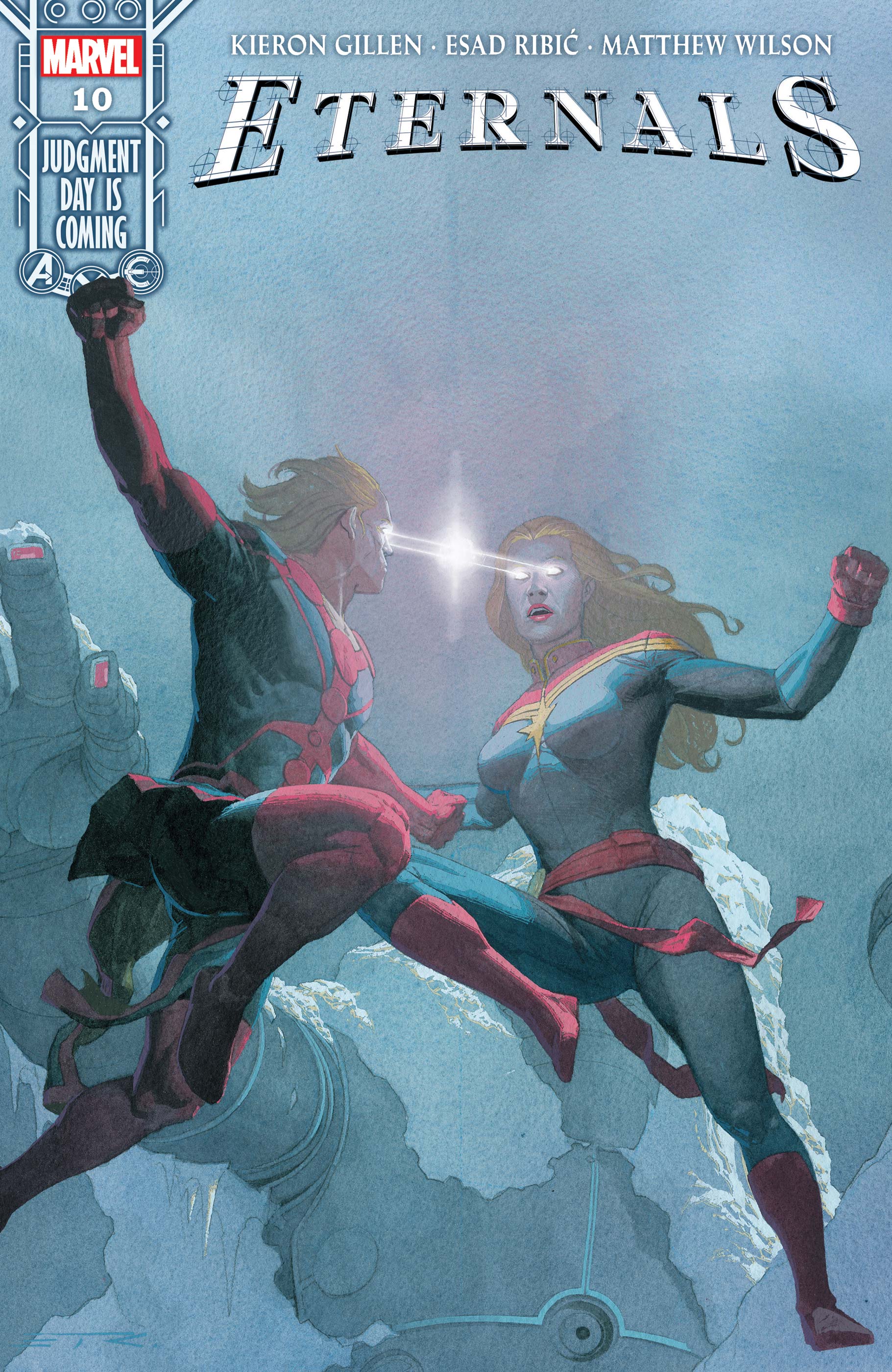
In Eternals #10, Kieron Gillen starts to lay the foundation for his upcoming event featuring the Eternals, Avengers, and (Not yet) X-Men with the help of some larger than life visuals from Esad Ribic and Matthew Wilson. This comic is Ocean’s 11 with godlike beings meets Thanos tortures the shit out of Phastos and deals with his parental issues and general hatred of the Earth. The Mad Titan’s storyline continues to be the best part of Gillen and Ribic’s Eternals run as he isn’t openly attacking and conquering Earth or other planets/worlds, but using subtler means and his new role as Prime Eternal to erase his parents from existence forever.

However, the scenes where Thanos isn’t monologuing, threatening or generally being a force are a blast with Kieron Gillen and Esad Ribic in full blockbuster mode with Kingo, Sprite, Makkari, and Ajak slipping in via Sersi’s earrings as she dines (and flirts) with Namor. With the exception of one out of place face for Captain Marvel, Ribic’s god-like take on his figures works for this era of Avengers that has heavy hitters like Phoenix, Starbrand, and of course, Thor on the team. There’s a natural rhythm to Iron Man and Namor’s sniping, and Esad Ribic shows he can do comedy too with a hilarious reaction shot to Namor basically telling him he’s meeting Sersi in the hot tub. Then, on the other hand, Ribic channels classic children’s comics with the team’s distraction of Starbrand.

Eternals #10 is really a feast of tones with the Machine’s narration tying it all together, and as usual having all the best lines. Eternals’ huge cast of characters is an argument for the monthly series with characters like Ikaris and Thena, who featured prominently in the book’s first arc, taking a secondary, yet heroic role in this issue. This is because they’re more traditional heroes/fighters, and the infiltration of Avengers Mountain is all about the stealth and veneration of Celestials. Their deep connection to the Celestials makes Makkari and Ajak perfectly suited for this mission and to play more of an active role in the narrative. There’s even an flashy sequence using Makkari’s super speed that’s a nice riff on an old puzzle video game trope with ethereal colors from Wilson.

Makkari and Ajak are even more importantly to the big picture of Eternals and the Marvel Universe as a whole because of their history with the Avengers beginning back in 1,000,000 BC that was elucidated in the wonderful Eternals: Celestia one-shot. The Eternals have a complex relationship with the Earth’s Mightiest Heroes that is contextualized in a timely data page that could lead to so much thematic goodness and sets up a metaphor for the Avengers that goes beyond dysfunctional family, sports team, or super-celebrities. (That’s more the Mark Millar/Bryan Hitch Ultimates.) However, the Avengers/Eternals conflict is more in the appetizer period thanks to all the sneaking around and flirting. But if Kingo’s pop culture references hold true, this is going from religious-tinged heist to punch-up very soon.

Eternals #10 uses the focus of an infiltration mission to flesh out its large cast’s personalities while also sowing the seeds for a conflict with the Avengers with Esad Ribic’s art ranging from statuesque deities to light comedy. While this is going on, Gillen continues to craft Thanos’ arc as he wields moral dilemmas and family trauma as weapons instead of finger snaps and flashy jewelry. Kieron Gillen’s take on Thanos is quickly becoming one of my favorites as he continues to add new wrinkles to the usual Big Bad formula. I can’t wait to see what devilish conundrum he comes up with next.

Story: Kieron Gillen Art: Esad Ribic 
Colors: Matthew Wilson Letters: Clayton Cowles
Story: 8.5 Art: 8.4 Overall: 8.4  Recommendation: Buy

Marvel Comics provided Graphic Policy with a FREE copy for review


Purchase: comiXology/KindleZeus ComicsTFAW

« Older Entries Recent Entries »