Author Archives: Logan Dalton

Spider-Man/Superman #1 explores what makes Spidey and the Man of Steel tick as well as their roles in their respective universes

Spider-Man/Superman #1

For the fourth time in the past year, the shared universes of Marvel and DC collide in Spider-Man/Superman #1. Most of the stories focus on the differences and parallels between the two flagship characters of these comic publishers, but there are plenty of sidetracks focusing on love interests, underrated supporting characters and multiversal variants, and even friends and allies like Thor, Wonder Woman, and the ever loving blue eyed Thing to name just a few.

Decades removed from his edgelord days penning Identity Crisis, writer Brad Meltzer keeps things wholesome with Spider-Man/Superman #1’s lead story “Our Kryptonite”. Pepe Larraz and Matthew Wilson handle the art duties and bring the character acting and rock ’em, sock ’em action befitting of the Marvel and DC universe’s most upstanding superheroes. Meltzer and Larraz aren’t afraid of a good homage like Spider-Man holding up a very large amount of what turns out to be Venom goo while Superman struggles with Kryptonite poisoning. (Kudos to Wilson for using some intense greens!) But “Our Kryptonite” isn’t content to play the greatest hits of Supes and Spidey ; it’s concerned with why someone risks their life to be a hero. The combined pressure of Green Goblin, Lex Luthor, a Venom symbiote, and kryptonite allow for vulnerability and eventually triumphant poses captured by Pepe Larraz. But the real best part of this story is the interactions between Aunt May and the Kents in the epilogue as they find common ground because they raised two uncommon men and share a love of apple cobbler. Cheesy banter and all, “Our Kryptonite” is the kind of story that reminds me of why I loved superheroes in the first place, and the final panel dedication to Jerry Siegel, Joe Shuster, Stan Lee, and Steve Ditko is well-earned.

In Spider-Man/Superman #1’s second story, “Metropolis Marvels”, Dan Slott, Marcos Martin, and Muntsa Vicente turn back the clock almost a century for a two-fisted tale of Spider-Man Noir and Golden Age Superman. Martin’s visual storytelling is uncanny from the Will Eisner-esque title panel to his ability to slow down the flight of a speeding bullet across the course of a page. Plus there’s a couple Superman doing Spider-Man things and vice versa for good measure. I was also really impressed with how Slott writes 1930s Superman as a rough and tumble social crusader that still has a moral code and is extremely straight-laced in his civilian identity as Clark Kent. He has a feel for the moralizing staccato of those ancient comics, and I would honestly be into him writing a Superman comic set in this era.

After the Golden Age heights of “Metropolis Marvels”, Spider-Man/Superman plummets straight back to Earth in Joe Kelly, Humberto Ramos, and Edgar Delgado’s “Sweethearts”, which is just Gwen Stacy and Lana Lang monologuing at each other about Peter Parker and Clark Kent. I understand wanting to include the current Amazing Spider-Man writer, who also wrote one of the best 21st-century Superman stories, as well as an iconic Spider-Man and teen hero artist. However, two middle-aged men writing teenage girls is a poor fit, especially with hackneyed dialogue about feminism and mud wrestling. The rest of the story is firmly out of the gutter, but it’s just blocks of dialogue over splash pages of Superboy and Spider-Man fighting each other’s villains. It’s a sermon, not a fun comic, until some cute, awkward banter offers a glimpse of what this story could have been.

People who put “Moderate” as their political views on dating apps will love Geoff Johns, Gary Frank, and Brad Anderson’s “Identity War”. It’s Johns’ abbreviated take on a Marvel/DC crossover featuring some cool Hulk art from Frank and his usual favorites like Stargirl, Green Lantern, the Legion of the Superheroes, and I guess, Superman. The story uses a genre predicated around people punching each other to talk about the importance to listening to other perspectives, which is totally valid, but look out the window in 2026, and you’re realize we’re far beyond that naive early Barack Obama-era optimism when Geoff Johns was the hottest writer in the game. So, yeah, we’ve got ourselves another sermon, but it’s cool to see Gary Frank and Anderson draw all those heroes and villains punching each other.

Despite the trendy-ish slang name, “Ghosting” is an old-fashioned science and magic team-up as Steel tries out some new tech while fighting the Hobgoblin with the help of guest star, Thor. (Of course, they touch hammers.) Louise Simonson, Todd Nauck, and Rachelle Rosenberg infuse this story with plenty of fun banter, superpowers, and page-shattering action. There’s a lot of detail and power in Nauck’s art, giving it a nostalgic feel. Also, it’s nice to see Steel get a “W” by himself without the Man of Steel assisting. Stephanie Phillips and Phil Noto go more contemporary in Spider-Man/Superman‘s 6th story: a team-up between Ghost Spider and Supergirl against Livewire. The story is a meta-commentary on how more recently created or reinvented characters get sidelined and stay static. Ghost Spider and Supergirl have been drawn and written by iconic creators and even gotten some big screen time, but sometimes they feel like another Spider- or Super-person. However, in the space of a few action-packed pages, Phillips and Noto remind me of what badasses they are while being a little stubborn and plant the seeds of a friendship that I wouldn’t mind seeing develop. (Sophie Campbell would slay on the art!)

Next, “The One Thing…” reunites Miles Morales co-creators Brian Michael Bendis and Sara Pichelli for a conversation and team-up between Spider-Man and Superman. Seriously, this story genuinely has good advice set against a background of masks, capes, and a world-ending magic meets science crisis. (Shout out to the psychedelic color palette from Federico Blee). Bendis has a strong handle on both characters’ voices building a rapport between them before imparting wisdom that could apply to anyone. Too bad the comic cuts off before we get to see them punch out Brainiac and Dormammu.

If “The One Thing” was simple, beautiful character work, then “The Wondrous and Worthy” is epic moments, intricate world building, and yes, touching emotion from the iconic Thor team of Jason Aaron, Russell Dauterman, and Matthew Wilson. First, this story successfully combines the world of Asgard, the Fourth World, and a touch of the Venom symbiotes and Amazons to set up the ultimate fight. But it resonates because of the bond between Wonder Woman and Jane Foster Thor. With Odinson off being unworthy like in that part of the Aaron run, she is the defender of Earth against Darkseid and acquits herself nicely despite anxious thought bubbles and her cancer diagnosis. In a pivotal scene, Jane offers her hammer to Diana after a speech full of admiration, but then Diana plays an Uno reverse card and praises Jane’s heroism leading to a team up for the ages. This might be my favorite story in Spider-Man/Superman, but I kind of hate that they keep cutting off the story’s endings before the big battles. I’m definitely more of a fan of Jason Aaron’s vision of a Marvel/DC crossover than Geoff Johns’, especially since it flows out of such a great Thor run and bridges two of Jack Kirby’s finest creations: Marvel’s Asgard and the Fourth World.

Spider-Man/Superman wraps with a simple three page conversation between its two leads penned by Jeph Loeb with art by Jim Cheung and Jay David Ramos. It’s a solid little short that cements the mentor/young hero throughline of Superman and Spider-Man that has threaded its way through this one-shot. Superman gives Spider-Man great advice about dealing with grief, loss, and guilt, and there’s a little humorous fanboying at the end. It’s kind of a perfect way to end a pretty good series of crossover stories and put a smile on my face. It’s interesting that Marvel still sees Spider-Man as a youthful hero even though he’s been married and had children in the “Renew Your Vows” and Hickman Ultimate Spider-Man run. If Spider-Man represents my inner anxious, yet brave and sarcastic child, then Superman is the kind of person I would turn to when I need a “real adult” to talk to.

Spider-Man/Superman #1 has a couple of stinkers, but overall, it’s a decade-spanning homage to heroism from a diverse group of creators that explores what makes Spidey and the Man of Steel tick as well as their roles in their respective universes. My three favorites were the Dan Slott/Marcos Martin Spider-Man Noir/Golden Age Superman story, Jason Aaron/Russell Dauterman Thor/Wonder Woman crossover extravaganza, and the Brian Bendis/Sara Pichelli Miles Morales and Superman heart-to-heart, and I was also impressed by the main Brad Meltzer and Pepe Larraz story that balanced blockbuster action and heartfelt moments, which are why these characters are still so dear to me.

Story: Brad Meltzer, Dan Slott, Joe Kelly, Geoff Johns, Louise Simonson,
Stephanie Phillips, Brian Michael Bendis, Jason Aaron, Jeph Loeb
Art: Pepe Larraz, Marcos Martin, Humberto Ramos, Gary Frank,
Todd Nauck, Phil Noto, Sara Pichelli, Russell Dauterman, Jim Cheung 
Colors: Matthew Wilson, Muntsa Vicente, Edgar Delgado, Brad Anderson,
Rachelle Rosenberg, Federico Blee, Jay David Ramos
Letters: Clayton Cowles, Joe Caramagna
Story: 8.0 Art: 8.5 Overall: 8.3 Recommendation: Buy

Marvel Comics provided Graphic Policy with a FREE copy for review

Mini Reviews: Inglorious X-Force #4, Super Creepshow #2, Batwoman #2, Lobo #2

Lobo #2

Sometimes, the staff at Graphic Policy read more comics than we’re able to get reviewed. When that happens you’ll see a weekly feature compiling reviews of the comics, or graphic novels, we just didn’t get a chance to write a full one for.

These are Graphic Policy’s Mini Reviews and Recommendations.

Logan

Inglorious X-Force #4 (Marvel)Inglorious X-Force is a fun, kick-ass 90s throwback of a comic, especially with Philip Tan taking over art duties. He and writer Tim Seeley throw in a million concepts and lore references, but still have time for genuine bonding and emotions between the team of Cable, Boom Boom, Archangel, Akihiro, and Ms Marvel. I live for the Warren/Tabby/Akihiro love triangle. Inglorious X-Force #4 isn’t essential reading and is more Simonson/Liefeld New Mutants than Ellis/Immonen Nextwave, but finds its footing by the time the final page rolls around. This team is a good hang for sure, but lacking in the bad guy department until that cliffhanger. Overall: 7.5 Verdict: Read

Super Creepshow #2 (Image)Super Creepshow is another solid installment of this superhero/horror anthology featuring a story that will make you lose your lunch, and the return of the legendary Marv Wolfman to writing vampire hunters. Gerry Duggan, Scott Buoncristiano, and Mike Spicer lead off the comic with the disgusting “The Creepshow Two-In-One”. A standard issue Midwest superhero parody (I’m here for the Keg ; I wonder if he likes PBR.) turns into body horror comedy, and Buoncristiano pulls the limits of a “Mature” rating while Duggan pokes at fragile masculinity. This one definitely isn’t for the squeamish. Up next is Wolfman, Michele Rubini, and Miquel Muerto spinning a tale of violent vampires and fraught friendships in “Be Careful What You Wish For”. Wolfman hasn’t lost a step in this kind of story giving it personal (Pun intended) stakes and letting Rubini draw some savage, very unsexy bloodsuckers. This team could write one hell of a Blade series, but an action-packed story of kill or be killed is the next best thing. If you like your superheroes a little sick and twisted, then Super Creepshow is the comic for you. Overall 8.1 Verdict Buy

Batwoman #2 (DC) – The second issue of Batwoman is another case of strong visuals from Dani and Matt Hollingsworth, but below average writing from Greg Rucka. Seriously, this feels like reheated nachos from Elegy with a splash of tzatziki sauce. Rucka and Dani do attempt to raise the stakes with the appearance of Jake Kane, but his fate and Batwoman’s subsequent crash out feels rushed and unearned. It’s a reveal or a sake of a reveal not something honest and true to the character. Overall: 5.8 Verdict: Pass

Lobo #2 (DC) – The fun and a a network minimum amount of “frags” keep flying in Lobo #2 from Skottie Young, Jorge Corona, and Jean-Francois Beaulieu. This issue shows the day-to-day of Lobo as reality TV star, and it’s about as pretty as the truly terrible costume the network makes the Main Man wear. Lobo vs AI network suit is the battle royale we need in the age of layoffs, focus groups, and algorithms. Lobo #2 even pulls off a crossover/guest star moment with a delightful caricature of a famous, but not too famous DC hero. I can’t wait to see what comes out of Lobo’s mouth next or his latest fit. Overall: 8.8 Verdict: Buy

Mini Reviews: The Fury of Firestorm #1, Sirens: Love Hurts #3, Die Loaded #6

Sirens: Love Hurts #3

Sometimes, the staff at Graphic Policy read more comics than we’re able to get reviewed. When that happens you’ll see a weekly feature compiling reviews of the comics, or graphic novels, we just didn’t get a chance to write a full one for.

These are Graphic Policy’s Mini Reviews and Recommendations.

Logan

The Fury of Firestorm #1 (DC) – I don’t really know a lot about Firestorm beyond his/their appearances in the CW superhero shows, but Jeff Lemire is a solid writer and DC is kind of on a roll right now so I gave Fury of Firestorm #1 a shot. And I’m glad I did! Lemire, Rafael De LaTorre, and Marcelo Maiolo tap into Firestorm’s almost godlike power set to show the horrific nature of what would happen if he ever broke bad. Structured like the Hebrew Bible’s Genesis 1, the opening scene shows Firestorm devastating a small town in Colorado, and the rest of the comic picks up the pieces and establishes the herculean task that Ronnie Raymond’s girlfriend Firehawk face in stopping him. Fury of Firestorm also has two distinct visual styles: an almost brush and ink chilling rural horror style and a nostalgic early Bronze Age superhero style with Maiolo’s palette carrying the tone shift. I’m here for this almost True Detective take on superheroes that isn’t ashamed of the bright and shiny part of superheroes, which is par for the course for Jeff Lemire, who’s written both Gideon Falls and JSA. Overall: 8.5 Verdict: Buy

Sirens: Love Hurts #3 (DC/Black Label)Tini Howard, Babs Tarr, and Miquel Muerto chronicle a key turning point in the Gotham City Sirens’ relationship as Dinah Lance truly becomes friends with Selina, Harley, and Poison Ivy. There’s still zodiac-themed femicide galore, but they seem like actual friends (Sometimes with benefits) and not just unlikely teammates. Howard and Tarr showcase this growth during a gorgeously messy New Year’s Eve/bachelorette party scene with some fierce fits and even bigger pitfalls. This comic really has it all: a dark mystery, fun friendship/romance vibes, and Babs Tarr continuing to fire on all cylinders visual. Overall: 9.1 Verdict: Buy

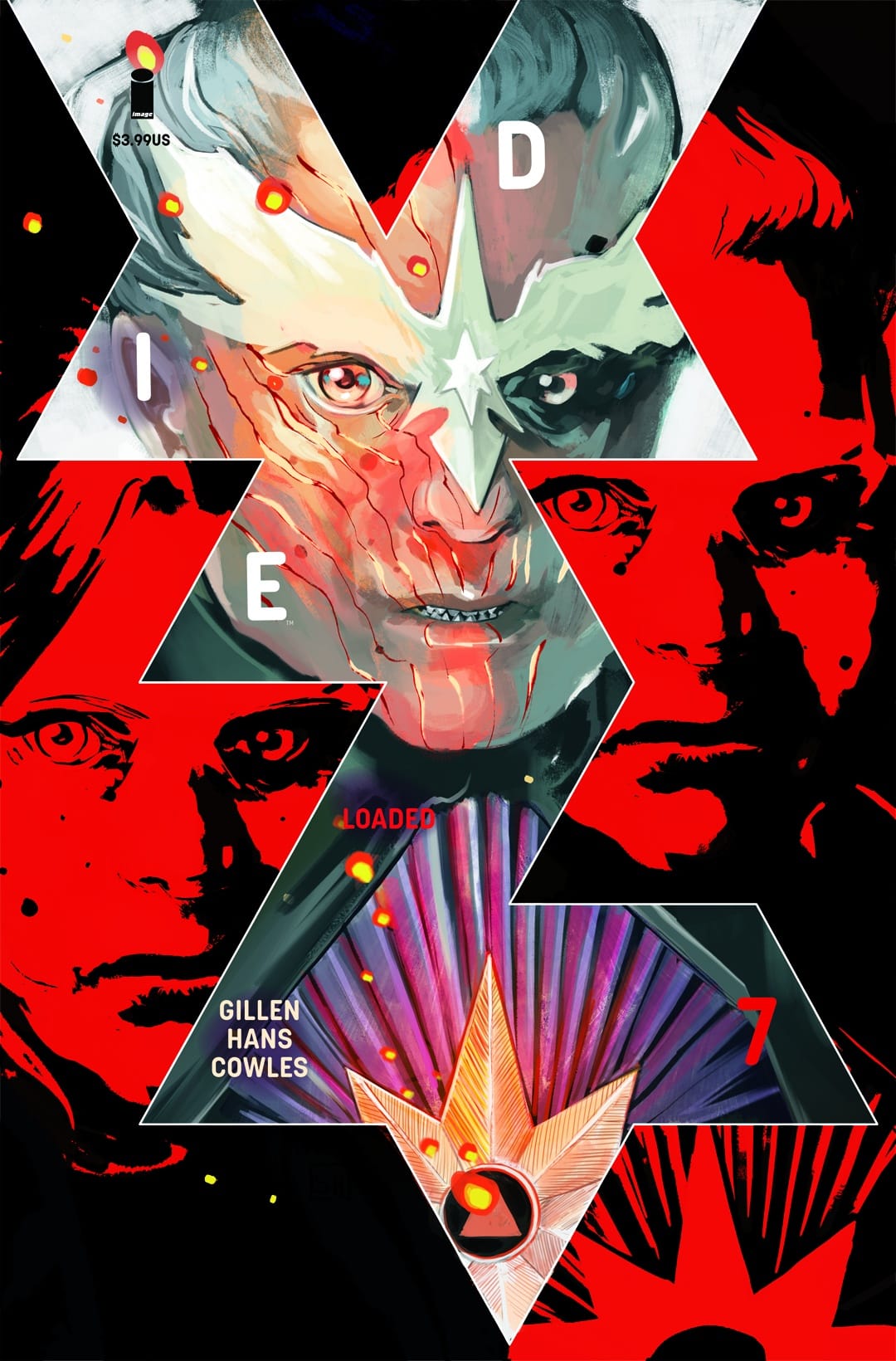
Die Loaded #6 (Image)Kieron Gillen and Stephanie Hans wrap up Die Loaded’s first arc by assembling the full party and then blowing shit up. There’s a Tolkien riff, but it’s pure plot. Instead the emotional crux of the issue is a couple heart-to-hearts between Chuck and Angela’s kids and especially Sophie and Matt’s dead. Die Loaded loses the fantasy trappings and goes full exploration of family dynamics and grief in some of Gillen’s most vulnerable writing. It’s beautiful, but the series needs to continue. I love Die Loaded’s diverse and chaotic cast and look forward to seeing how they react as the “game” actually begins. Overall: 8.5 Verdict: Buy

Godzilla’s Monsterpiece Theatre Presents: Romeo & Juliet and Godzilla #1 deepens the tragedy of the love story while also throwing in slapstick humor on a colossal scale

Godzilla's Monsterpiece Theatre Presents Romeo And Juliet And Godzilla #1

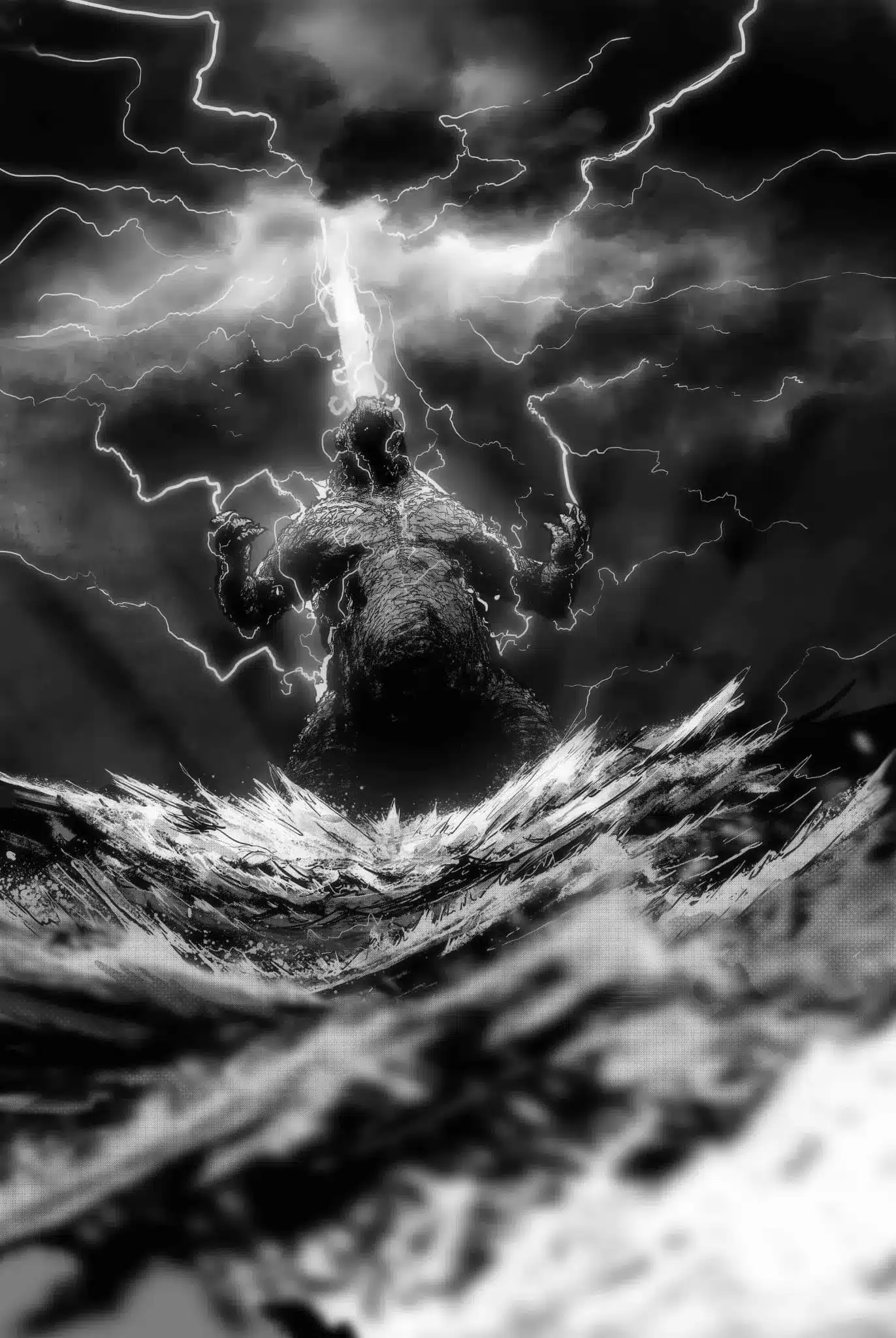
In Godzilla’s Monsterpiece Theatre Presents: Romeo & Juliet and Godzilla #1, Adam Tierney and Sean Peacock intensify the classic tragic melodrama of William Shakespeare’s doomed lovers with an old-fashioned kaiju attack on Renaissance Verona. With the exception of a gorgeous fantasy sequence and some fun genre riffs, Tierney’s plot (and language) doesn’t stray from the classic story. However, Godzilla stomping, Mothra flying, and Capulet’s medieval take on Mechagodzilla add an extra level of mayhem and dark, slapstick humor.

Adding Godzilla to the mix really shows how self-absorbed and infatuated Romeo and Juliet were with each other. While the monster destroys their town killing family and friends, they only have eyes for each other. (And by extension, so do Godzilla and Mothra.) Shakespeare’s beautiful speeches and soliloquies take the foreground while carnage reigns in the background. I cackled when Godzilla took out Juliet’s famous balcony with a blast of nuclear breath, even though it sets up Romeo as the romantic hero sweeping her up in his arms before their kiss. Also, the Capulet/Montague feud doesn’t go away while the town is being attacked, but it only gets (literally) hotter. Tybalt and Mercutio (Especially Harold Perrineau’s performance as him in Romeo + Juliet) are two of the best characters in the play, and Adam Tierney and Peacock give them time to be witty and combative. However, their deaths result from being caught in the crossfire between Mechagodzilla and Godzilla. The combination of Gothic visuals from Sean Peacock and ominous lettering from Brian Kolek, with the classic line “A plague on both your houses,” captures the comic’s overall tone very well: highbrow, yet not afraid to laugh at itself.

Yes, the themes of the irrationality of love and family feuds shine true in Romeo & Juliet and Godzilla. There’s even a gorgeously colored dream sequence where Romeo and Juliet find a happy ending under a stained glass window of Toho monsters that illustrates that this isn’t Verona’s first Kaiju rodeo, as well as the cyclical nature of war and conflict. It’s just also a plain cool piece of art from Peacock, and he adds depth and humor to Tierney and Shakespeare’s text. He has a Tom Scioli meets Classics Illustrated style that works for the tone of the book, even if some of the panel transitions can be muddled and confusing, like when Juliet takes this story’s take on the “poison”. But, overall, Sean Peacock brings a dynamic approach to layouts that draws parallels between Romeo/Juliet and Godzilla/Mothra. The way the action is staged feels like a stage play, too.

Even better than the lead story is the first chapter of Tom Scioli’s Robin Hood and Godzilla serial that will run as backups in all of the Godzilla’s Monsterpiece Theatre Presents titles. The King of Monsters plays a background role in this story, with Scioli gleefully throwing himself into an all-swashbuckling, all-the-time adventure yarn with violence and hijinks that would make Errol Flynn smile. He uses page layouts to spring the trap that Robin Hood pulls off on the Sheriff of Nottingham and his goons, and honestly, this comic works out as a straight-up Robin Hood comic without the Godzilla bit. However, with his face poking out of the water, Godzilla represents menace and the escalation of stakes to come. Tom Scioli uses Godzilla’s presence in the book to put Robin Hood in the tradition of the chivalric romances because this hero finally has a kind of dragon to slay.

If you enjoyed Godzilla’s Monsterpiece Theatre, Romeo and Juliet & Godzilla is much in the same vein, adapting the key moments and themes from the William Shakespeare play while adding some explosive giant monster action. Tierney and Peacock use the presence of Godzilla, Mothra, and Medieval Mechagodzilla to deepen the tragedy of the love story while also throwing in slapstick humor on a colossal scale and showing how self-involved Romeo and Juliet were, as well as the futility of their families’ feud.

Story: Adam Tierney, Tom Scioli
Art: Sean Peacock, Tom Scioli Letters: Brian Kolek
Story: 8.8 Art: 8.6 Overall: 8.7 Recommendation: Buy

IDW provided Graphic Policy with a FREE copy for review


Purchase: Zeus ComicsKindle

Mini Reviews: Eternals 50th Anniversary Special, Deadpool: April Pool’s Day #1, Touched by a Demon #3

Touched By a Demon #3

Sometimes, the staff at Graphic Policy read more comics than we’re able to get reviewed. When that happens you’ll see a weekly feature compiling reviews of the comics, or graphic novels, we just didn’t get a chance to write a full one for.

These are Graphic Policy’s Mini Reviews and Recommendations.

Logan

Eternals 50th Anniversary Special (Marvel) – A group of creators pay homage to the Eternals’ past, present, and future in The Eternals 50th Anniversary Special with mostly positive results. The comic leads off with a Captain America and Ikaris tale from Ethan S. Parker, Griffin Sheridan, Phil Noto, and Dale Eaglesham where they have a hot dog together and go down memory lane. Noto handles the present day, slice of life visuals, and his adeptness for body language captures the camaraderie between the two men out of time/Jack Kirby creations. In the flashback story, Eaglesham channels the King in a mad science, Nazi punching, and eye beam blasting punch-up. And what ties each period together is the humor from Parker and Sheridan’s script with Ikaris even getting in some dry one-liners. (I love that Cap calls him Ike!) The next story from former Marvel editor Ralph Macchio and one of my favorite current comic book artist Michael Cho puts the spotlight on Ransak, a Deviant, who is conventionally attractive and shunned by his peers. Cho’s powerful line art and Lee Loughridge’s dazzling colors make the angst that Ransak feels inside manifest physically through his gladiator fights, including one against an abusive figure from his fast and even his sparring against Eternal, Thena. Macchio’s writing has an old school lilt, but the violence and emotions keep the story moving, and Ransak is very to empathize with. Unfortunately, the last story from Fall Out Boy frontman Patrick Stump and artist Domenico Carbone is the weakest. The concept of a lost Eternal who can move items from anywhere in the universe is super imaginative, but it’s an idea that needs more room to breathe instead of a short story at the end of a special. Also, Stump peppering the script with captions, dialogues, and extended metaphors in the middle of high powered fight scenes hinders the flow of the story. Carbone’s art is serviceable, but some of the page transitions are awkward. This story definitely needed another editorial, but hey, Patrick Stump’s involvement in the Eternals 50th Anniversary Special got me to read the book. Two strong stories and one stinker with potential is a decent batting average for an anthology, and I’m not even that big of an Eternals fan beyond the Kieron Gillen/Esad Ribic run. Overall: 8.0 Verdict: Buy

Deadpool: April Pool’s Day #1 (Marvel) – In Deadpool: April Pool’s Day, Gail Simone, CF Villa, Robert Gill, and Ig Guara have crafted a comic that is both a laugh a minute and a Valentine to the old forgotten genre comics Marvel used to publish. Star Comics stans rejoice! Simone also gives Deadpool a solid heroic arc through the different “genre verse” shenanigans, and the one-shot ending team-up is super wholesome. I enjoy when Wade is written this way. Finally, I wonder if there are any Starr the Slayer comics on Marvel Unlimited. Overall: 8.7 Verdict: Buy

Touched by a Demon #3 (Dark Horse)Touched by a Demon #3 is easily the best issue of the Kristen Gudsnuk penned and drawn series. The case of the week is a riff on the old monkey’s paw, but the wishes aren’t cursed. However, it exposes their client as a toxic piece of shit and not the mild and meek office scapegoat Zuzu thought he was. The back half of the issue returns to theology, and Bifrons and Father Angelo continue to have searing chemistry while discussing Church Fathers and Antichrist. This comic is really a beautiful discussion of good, evil, and moral philosophy while being hilarious and having super cute art. It’s the full package and has one (literal) hell of a cliffhanger too. Overall: 9.5 Verdict: Buy

Mini Reviews: Florida Hippopotamus Cocaine Massacre #2, Godzilla Infinity Roar #2

Florida Hippopotamus Cocaine Massacre #2

Sometimes, the staff at Graphic Policy read more comics than we’re able to get reviewed. When that happens you’ll see a weekly feature compiling reviews of the comics, or graphic novels, we just didn’t get a chance to write a full one for.

These are Graphic Policy’s Mini Reviews and Recommendations.

Logan

Florida Hippopotamus Cocaine Massacre #2 (Mad Cave)Florida Hippopotamus Cocaine Massacre (FHCM) #2 is more unfettered Cold War era violence, satire, and hilarity from writer Fred Kennedy and artist James Edward Clark. We get Agent Nebraska’s origin story and way more hippos and a little less Communist dictators than the first issue, but it’s amazing to watch Kennedy and Clark take down Amerikkkan copaganda down a ton of pegs. The B-movie vibe of FHCM keeps it from coming across as preachy, and characters like Bea, the commonsensical amusement park employee, balance out the wackier figures. This comic has lot of ideas and plot elements that make me smile and guffaw (Peanuts as socialist propaganda), and I’m definitely planning on returning to this drug and hippo infested amusement park on a monthly basis. P.S. The Nancy Reagan stand-in, after school special framing narrative continues to be ingenious. Overall: 9.0 Verdict: Buy

Godzilla Infinity Roar #2 (Marvel)Gerry Duggan, Ig Guara, and Javier Garron serve up bigger and more epic Kaiju brawls in Godzilla: Infinity Roar #2. The King of Monsters fights Ghidorah for the hell of it, but the real battle royale is Godzilla vs Galactus. Duggan handles the “logic” side of things while Garron and Guara serve up some memorable moments and reaction shots. I’m curious to see what gimmick the heroes cook up to get out of this one, or this battle might be endless. (Or until sales drop.) Overall: 7.4 Verdict: Read

Mini Reviews: Lobo #1, Batwoman #1, Sentry #1, Dead Teenagers #1, Super Creepshow #1, Wrestle Heist #4, Infernal Hulk #5

Super Creepshow #1

Sometimes, the staff at Graphic Policy read more comics than we’re able to get reviewed. When that happens you’ll see a weekly feature compiling reviews of the comics, or graphic novels, we just didn’t get a chance to write a full one for.

These are Graphic Policy’s Mini Reviews and Recommendations.

Logan

Lobo #1 (DC) – Almost in time for his big screen debut, Skottie Young, Jorge Corona, and Jean-Francois Beaulieu put together a comic that understands why the Main Man is such a fun character. Lobo #1 is equal parts satire and over-the-top violence with Corona going for a hard PG-13 version of the shenanigans that go on in Young’s indie comic, I Hate Fairyland. The code and origin story is intact (In a gorgeous double page spread), but the plot fits a society that is oversaturated with content so why not add bounty hunters to the docket. (Dog, who.) I love the jabs that Skottie Young and Jorge Corona take at Disney, Warner Brothers, and all the megacorps, but it’s because they have jester privilege. Most folks with an HBO Max/Paramount Plus/Disney Plus subscription are unlikely to read this comic. I’m very here for Lobo’s trying very hard not to sell out era, but of course, he does because late capitalism, and wow, I’m overintellectualizing this book. There are lots of funny one liners and excessive violence, and somewhere Simon Bisley is smiling at Corona and Jean-Francois Beaulieu’s over a bottle of Johnnie Walker. Overall: 8.9 Verdict: Buy

Batwoman #1 (DC) – Kate Kane relives past trauma in a mental hospital in Greece in a gorgeously drawn comic that also feels like a retread of a book from 19-20 years ago. Much of the book’s page count is Greg Rucka and Dani retelling the story of the relationship between Kate and her deceased villainous twin sister Alice. It’s cool to see Dani’s take on some iconic layouts and panels from JH Williams, but her and Matt Hollingsworth’s work resonates more in the present day scenes as Kate struggles with her past guilt and mental health. In the last few pages, Batwoman #1 does break new ground so I’ll give the next couple issues a shot especially since the book hasn’t looked this good since the Williams days. Overall: 7.5 Verdict: Read

Sentry #1 (Marvel)Paul Jenkins is back writing Sentry, and he and artist Christian Rosado really put the titular character through the wringer. Seriously, Watchdog is involved, super creepy Void stuff, and it feels like Bob Reynolds’ story is progressing for the first time time in years. Jenkins just *gets* Sentry’s voice and thoughts, and his insightful captions pair well with Rosado and Matt Milla’s epic-meets-psychologically disconcerting art style. We don’t know how much damage the Void has done, and that’s a frightening thing for this story and the Marvel Universe as a whole. Overall: 8.3 Verdict: Buy

Dead Teenagers #1 (Oni Press)Dead Teenagers #1 is a clever, nostalgic postmodern sci-fi slasher from Jude Ellison S. Doyle and Caitlin Yarsky. True to its title, it’s about a diverse group of teens trying to escape the worst life of their night. Each scenario riffs on fictional tropes, and Doyle and Yarsky revel in the references and especially the 90s fashion. This first issue also gives a nice handle on the key cast of characters before the status quo shifting twist. I thought I knew what this book was about, but I don’t and I love Dead Teenagers more for it. Overall: 8.1 Verdict: Buy

Super Creepshow #1 (Image) – In Super Creepshow #1, two of mainstream comics’ finest writers, Kieron Gillen and Ryan North, get to put their own sick and twisted spin on the superhero genre with artists Rossi Gifford and Derek Charm. Up first is Gillen and Gifford’s body horror twist on Spider-Man, The Creep. The hormones and gore are turned up to 11, and the female of species is deadlier than the male. I love the Sam Raimi energy of this 10-pager. The second story “Speed Freak” from North and Charm shows the frightening consequences of super speed with bullied Ron going from ersatz Flash to cosmic menace haunting his town and the only girl who was nice to him. Derek Charm’s Archie-style art especially works for the horror bits as Ron’s body breaks and bends with the the copyright friendly Speed force. Clever superhero and horror from some of the best talents in the industry means that Super Creepshow is a no brainer to pick up this week. Overall: 9.4 Verdict: Buy

Brett

Sentry #1 (Marvel) – The Sentry is back and Paul Jenkins is back at the helm with artist Christian Rosado and Matt Milla. The debut issue brings up the interesting dynamic of superheroes who do so much damage and destruction while also trying to do good. What’s the balance? It’s an intriguing concept that uses the Sentry to examine the concept of modern superheroes. Overall: 8.0 Verdict: Buy

The Infernal Hulk #5 (Marvel) – Written by Phillip Kennedy Johnson, with art by Kev Walker, ink by Cam Smith, and color by Matthew Wilson, The Infernal Hulk #5 is an interesting one that feels a little out of left field, but feels like a key chapter in building toward whatever comes next. It’s a massive battle with heroes standing witness and key ramifications. The series has been a fantastic mix of traditional superhero comics but deeply infused with horror. The art and colors add to the vibe of the overall comic, making this a series that shouldn’t be missed. Overall: 8.0 Verdict: Buy

Wrestle Heist #4 (Image Comics)Kyle Starks‘ style, with colors by Vlad Popov, is on full display here with a gonzo issue where things go so right and so wrong at the same time as the heist begins. We learn far more about the evil promoter in a series that brings the fact and fiction together for a world we want to see more of. This is one you can appreciate at the surface level though those with wrestling knowledge will love it more. The backmatter is absolutely fantastic as always. Another great issue in a series that’s a hell of a lot of fun. Overall: 8.25 Verdict: Buy

Mini Reviews: Alias: Red Band #1, Die Loaded #5, Bleeding Hearts #2, Sirens: Love Hurts #2

Bleeding Hearts #2

Sometimes, the staff at Graphic Policy read more comics than we’re able to get reviewed. When that happens you’ll see a weekly feature compiling reviews of the comics, or graphic novels, we just didn’t get a chance to write a full one for.

These are Graphic Policy’s Mini Reviews and Recommendations.

Logan

Alias: Red Band #1 (Marvel)Sam Humphries and Gerardo BorgesAlias: Red Band #1 is like the warm embrace of an old friend. It all starts with the visuals as Borges channels Michael Gaydos in his faded out, noir approach with the assistance of colorist Arthur Hesli. His double page layouts where conversations become fights that look like the newspaper columns of the paparazzi photographer that has it out for “the mayor’s wife” aka Jessica Jones. Alias definitely lives up to its “red band” billing with a grisly murder almost on page one, but the conflict is through debates between following the law and doing what’s right and trusting your gut not fisticuffs. A particularly heated argument between Luke Cage and Jessica particularly shows the powerless of power. Alias: Red Band #1 definitely doesn’t have any new tricks, but it brings the aesthetic of Alias to the current Marvel Universe where Jessica, Luke, and engaging third lead Typhoid Mary are worlds away from who they were in 2001. Overall: 7.9 Verdict: Buy

Die Loaded #5 (Image)Kieron Gillen and Stephanie Hans expand the world of Die in this consequential, reveal-filled installment of the series. Sophie is still the POV character, but Chuck’s gaming-obsessed daughter Violet takes center stage as the new Master. Die Loaded #5 heads back into the trauma side of Die with Violet dealing with her father’s death through a gorgeous, yet dark island fantasy world. Also, Sophie continues to improve at Die’s mechanics with a side of her maternality as she tries to collect the party and go home. But this is hindered by the aforementioned complex trauma and bleed of Violet, who quickly becomes one of Die Loaded‘s most compelling characters. Throw in a mystery reveal, an Ursula K. LeGuin riff on par with the Tolkien one in Die, and some splendid colors, character designs, and high energy layouts from Hans, and I’m even more hooked on this series. Overall: 8.7 Verdict: Buy

Bleeding Hearts #2 (Vertigo) – Mmm, I love how Deniz Camp and Stipan Morian structure the sophomore issue of Bleeding Hearts. Our lovable zombie protagonist Poke appears in the beginning and the end and has a key moment. However, Bleeding Hearts #2 zeroes in on the potential victims from the end of the previous issue: a mother and her precious daughter named Rabbit. It lays out the difficulty of surviving in this zombified world with unrelenting narration from the mom, who focuses all her energy to giving Rabbit as normal a childhood as possible, including a stuffed animal. However, there are some super disturbing scenes, and Morian captures the trauma seared in Rabbit’s eyes. There’s an old school Frank Miller/John Romita Jr. quality to his figure work that lends the visuals darkness, but also unwavering humanity. By the time Bleeding Hearts #2 wrapped up, I cared deeply about three individuals in this comic and hope against hope for a bond of survival between them. Kudos to Camp and Stipan Morian doing something a little different and switching POVs to give a fuller picture of what this series could be. For old school Vertigo heads, this has Invisibles “Best Man Fall” energy, but with a happier ending. Overall: 9.3 Verdict: Buy

Sirens: Love Hurts #2 (DC/Black Label) Sirens: Love Hurts continues to be one of the most fun current comics as Black Canary, Catwoman, Harley Quinn, and Poison Ivy encounter a red herring and uncover more evidence about Gotham’s newest killer of women. Tini Howard‘s script is laugh out loud funny (I’m not over “dick dizzy”), and Babs Tarr brings some fierce fits and even fiercer facial expression accentuated by Miquel Muerto’s dynamic color palette. I love seeing how comfortable Dinah is with her new villain/anti-hero friends especially compared with the boredom of pre-wedding activities. (I could read a whole comic where Dick Grayson plays a wedding planner though.) Astrology ends up playing a key role in the plot, but let’s say Sirens: Love Hurts brings more of a girl’s girl approach to the zodiac killer than David Fincher and company. Overall: 9.1 Verdict: Buy

No Saints Nor Poets is another unique queer genre comic with a world that draws on the aesthetic of the Italy of the past while being super relevant for 2026

No Saints Nor Poets

No Saints Nor Poets is a new series created and written by Iolanda Zanfardino for a new LGBTQ+ indie comics publisher called Tightrope Press. I had the opportunity to read and review the first two issues, and it’s a wonderful blend of queer romance, gondola racing, and commentary on classism and the integration of church and state all in a post-apocalyptic setting that resembles medieval Venice. Oh, did I mention there’s sea monsters! Elisa Romboli and Martina Belli handle the art duties, and while there are subtle differences in their styles (Romboli’s work is a little more chaotic than the clean lines of Belli), there is a continuity in how the characters are depicted and how the story is told. For example, much of the relationship between lead characters Flynn, Pierre, and an important third figure is conveyed through glances.

Flynn and Pierre have a classic goody two shoes/bad boy dynamic, and it’s fitting that No Saints Nor Poets starts with an adrenaline-filled illegal gondola race down the canals of Serena. Pierre is more calculated while Flynn is a daredevil, and Zanfardino, Romboli, and Belli use the first two issues to explore the motivation behind the way they act. In fact, they take a sidebar from the main plot in No Saints Nor Poets #2 to show what passes for a meet cute in this world. One thing that has attracted me to Iolanda Zanfardino and Elisa Romboli’s work over the past several years is how three dimensional both their characters and worlds are, and how they’re not afraid to spend time showing what makes them tick instead of blowing through plot. No Saints Nor Poets is a six issue miniseries so there’s plenty of time for action down the road.

There is plenty of sexy flirting and shirtless men in No Saints Nor Poets, but the comic has a brain and soul to go with its brawn. One of the most touching sequences in No Saints Nor Poets #1 is when Pierre counsels one of his old parishioners, an old lady, who quirkily confesses the sins of her pet birds. This evolves into a conversation about the god Aestus and about how depersonalized the worship of him has become with a wall separating the have’s and have-not’s. It’s much less European/medieval, but I see a lot of parallels between the rise of megachurches versus a small, closely knit church community where folks help each other and find support in one another. It’s spirituality as an excuse to gain money and power not to find well-being, enlightenment, and connection.

Walking hand in hand with religion is class in No Saints Nor Poets especially in the interactions featuring a character that’s introduced towards the issue one. Flynn and Pierre take a job from wealthy, Eyes Wide Shut looking folks (Sans the unhinged sex for now.) because it’s much more lucrative than their usual delivery gigs. A difference in color palette from Chiocca and lavishness in surroundings shows the how different life is in the wet versus dry areas, and issue two unpacks both Flynn and Pierre’s relationship with class that has a big impact on their own relationship. But, hey, there’s also cool sea monsters to spear and sell, and these fantasy elements are the sugar that helps the medicine of social commentary go down.

No Saints Nor Poets is another unique queer genre comic from Iolanda Zanfardino with a world that draws on the aesthetic of the Italy of the past while being super relevant for 2026. She, Romboli, and Belli craft a complex web of attraction between Flynn and Pierre and throw in a third party for even more spiciness. I love this world of souped up gondola racing, hot guys, and a nuanced perspective on the role of faith in a dying society and am here for the roller coaster ride that is the life of this ex-priest and grifter. But, seriously, there’s been a deficit of attractive priests in my life since the conclusion of Fleabag, and No Saints Nor Poets fills the void.

Story: Iolanda Zanfardino
Art: Elisa Romboli (#1), Martina Belli (#2)
Colors: Ilaria Chiocca Translator: Elena Barberi
Story: 8.6 Art: 8.2 Overall: 8.4 Recommendation: Buy

Tightrope Press provided Graphic Policy with a FREE copy for review

Mini Reviews: Touched by a Demon #2, Sonic Racing: Crossworlds #1, Exploit #1

Exploit #1

Sometimes, the staff at Graphic Policy read more comics than we’re able to get reviewed. When that happens you’ll see a weekly feature compiling reviews of the comics, or graphic novels, we just didn’t get a chance to write a full one for.

These are Graphic Policy’s Mini Reviews and Recommendations.

Logan

Touched by a Demon #2 (Dark Horse)Touched by a Demon continues to be a charming, darkly humorous series from cartoon Kristen Gudsnuk. This book excels at both the macro and micro levels of storytelling. I live for the background gags and the distinction in character designs between demons and humans, but Gudsnuk also does a good job of letting Bifrons and Zuzu struggle and fail yet somehow find growth in an organic way. This is a comic that’s very silly and yet also deals with serious subjects like abuse in an empathetic way. It also has numerous smart things to say about theology and free will in an even handed way. Overall: 9.0 Verdict: Buy

Sonic Racing: Crossworlds #1 (IDW Publishing) Sonic Racing Crossworlds #1 is a tie-in comic to a new Sonic racing game of the same title. (That’s a fun development.) However, it feels a lot like when you were younger, and an older friend or sibling would unplug your controller so that you won’t really playing. Crossworlds #1 has bright colors, anarchic action, and even some snappy one-liners from Iasmin Omar Ata. (I love how they write the Shadow/Jet rivalry.) However, with so many characters, plot threads, and utter randomness, the book ends up having no flow on a big picture level. Overall: 5.8 Verdict: Pass

Exploit #1 (Mad Cave Studios) – Co-written by former Wired, Verge, and Comics Alliance journalist Laura Hudson, Exploit #1 is a high adrenaline valentine to the fourth estate, especially the tech side. Hudson, Tim Leong, and Emiliana Pinna craft an intriguing and relatable lead in Kirby, who is 34 years and interning at one of the last tech magazines that isn’t under the thrall of billionaires and AI. I love her enthusiasm and thirst for truth and making a difference even if she isn’t in the typical intern age bracket. She’s not naive and idealist ; she just has nothing left to lose. Before introducing the thriller elements, Hudson, Leong, and Pinna go full day in the life of an up and coming journalist with snappy dialogue, bright colors from Rebecca Good, and zippy panel-to-panel transitions. Exploit #1 is a comic about a conflict that is near and dear to my heart while also being a compelling and entertaining read. Overall: 9.4 Verdict: Buy

« Older Entries Recent Entries »