Tag Archives: Solomon Hughes

TV Review: Winning Time S1E7 “Invisible Man”

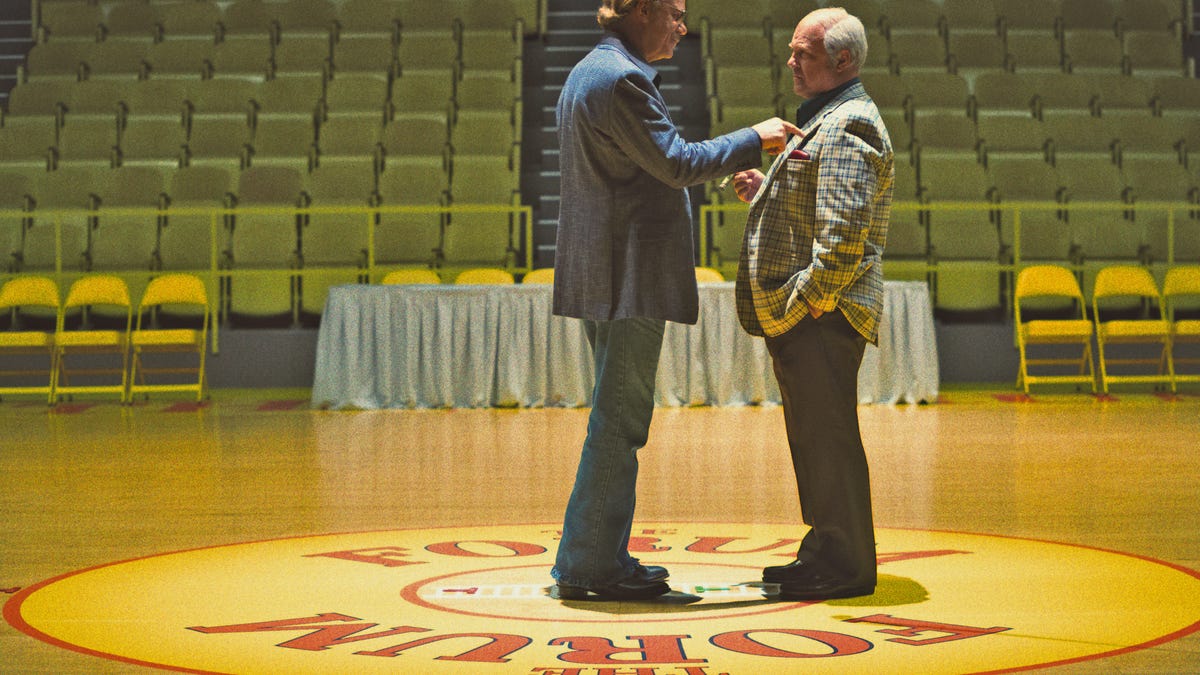
The iconic Lakers/Celtics rivalry takes center stage in “Invisible Man” with a rematch between college enemies Magic Johnson (Quincy Isaiah) and Larry Bird (A hick-ish Sean Patrick Small) being the talk of the country and also serving as commentary on race in the United States. However, on an immediate level, “substitute” coach Paul Westhead (Jason Segel) has to win the game, or he loses both his job and his old boss Jack McKinney’s (Tracy Letts) to former Laker Elgin Baylor (Orlando Jones in a bad wig), who accidentally calls Pat Riley’s (Adrien Brody) hotel room instead of a scheming Jerry West (Jason Clarke), who is doing the opposite of retiring.

Director Payman Benz frames the episode like a game of Monopoly, which is Jerry Buss’ (John C. Reilly) favorite board game because it relies on both chance and strategy, and it connects well to the plot of the episode. If Michael Cooper’s layup at the end of the Lakers/Celtics bounced another way (And the editing shows how desperate it is.), Westhead would have lost his job, and who knows if the Lakers would have won a championship under Baylor. So, it’s safe to say that Westhead is under a lot of stress this episode especially as the losses pile up. He gets talked over in the locker room and hides behind Riley, who shows a real talent for coaching and motivation, complete with shots of him slicking back his hair that hint at the legend he would become. There’s a great scene where Riley gets into it with Westhead and soaks him with cold water basically showing him the harsh reality of what will happen if they don’t win a game on this road trip. They’ve been buddy buddy up to this point, but coaching (Especially against the Celtics.) brings out an angry side of Pat Riley and lets Adrien Brody cut loose a bit with his acting culminating with getting thrown out of the Boston game.

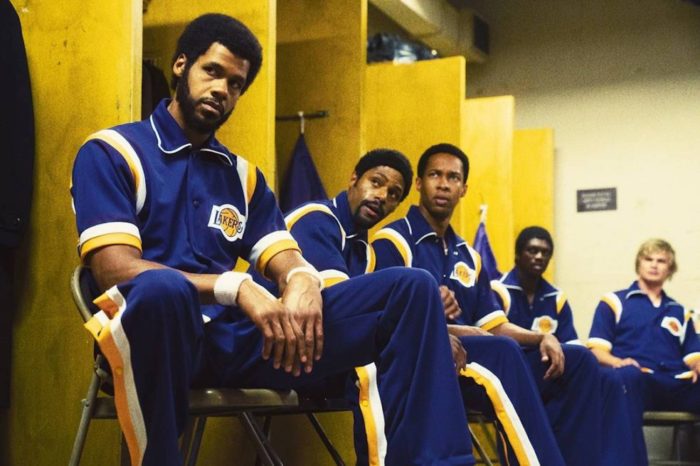
While the coaching situation of the Lakers continues to be unresolved, writers Max Borenstein and Rodney Barnes thread the needle and show how the Larry Bird/Magic Johnson (And by extension, Lakers/Celtics) rivalry connects to race and white privilege in the United States. In demeanor, Bird is the complete opposite of Johnson with his one word answers to the press, Bud Light, and spit cup while Magic Johnson is all smiles and gives the journalists something to work with for better or worse. However, despite this and Johnson outperforming Bird on the court in the 1979 national championship game, the media treats him like God’s gift to basketball. Bird makes him feel invisible, and Kareem Abdul-Jabbar (Solomon Hughes) uses this feeling to have a serious conversation with Magic Johnson about race in the United States, and how since Johnson was bused to an all-white school in Lansing, he’s been trying to stand out with his smile, charisma, and basketball game. However, Abdul-Jabbar tells him that the media will continue to chase Bird even if Johnson dominates him tonight or has a better season overall.
Invisible Man

This conversation between Kareem Abdul-Jabbar and Magic Johnson flows out of a very frank one that the Lakers captain had with Earvin Johnson Sr. (Rob Morgan) at the Christmas dinner that he and his wife host for the team after they’re upset by the last place Detroit Pistons. They start by making small talk about Abdul-Jabbar’s appetite, and how much Johnson Sr. respects Abdul-Jabbar and is glad that his son gets to play with one of the greatest centers of all time. However, the chat turns into Kareem Abdul-Jabbar asking Earvin Johnson Sr. why Johnson doesn’t seem to harbor any anger about race relations in the United States and, on a lighter note, if he’s always smiled all the time. Johnson Sr. says that he has been puzzled by this too, especially since he grew up in Mississippi when lynchings were common. Benz, Borenstein, and Barnes also use this scene to frame two men who genuinely care about Magic Johnson and don’t want him to be overwhelmed by folks who would take advantage of him with Abdul-Jabbar starting to take on a kind of surrogate father role for Johnson. This is in contrast with his agent Dr. Day (Steve Harris), who urges him to immediately take a deal with Buick focusing on the money that Magic Johnson would make while Earvin Johnson Sr. warns him that the cars are less dependable than they used to be according to his friends who work at their factory.

The complicated relationship between Magic Johnson and Cookie Kelly (Tamera Tomakili) continues in “Invisible Man” as she doesn’t use his tickets to the Lakers/Pistons game, but buys her own nosebleeds ticket. However, Isaiah and Tomakili demonstrate great chemistry with Johnson almost missing the team bus to Boston and calls her family hinting at an actual future for their relationship. But then Payman Benz does a quick cut to Kelly’s friend Rhonda getting dressed in the bathroom after their conversation. Yes, Johnson slept with the supposed love of his life’s best friend, and the rumors about him picking out women in the crowd at different games to sleep with makes sense. Max Borenstein and Rodney Barnes continue to show that Magic Johnson cares about Cookie Kelly deeply, but he also wants to enjoy his life as a young NBA star and not settle down just yet. (This is probably why the Los Angeles Lakers didn’t sign off on the show!)
Invisible Man

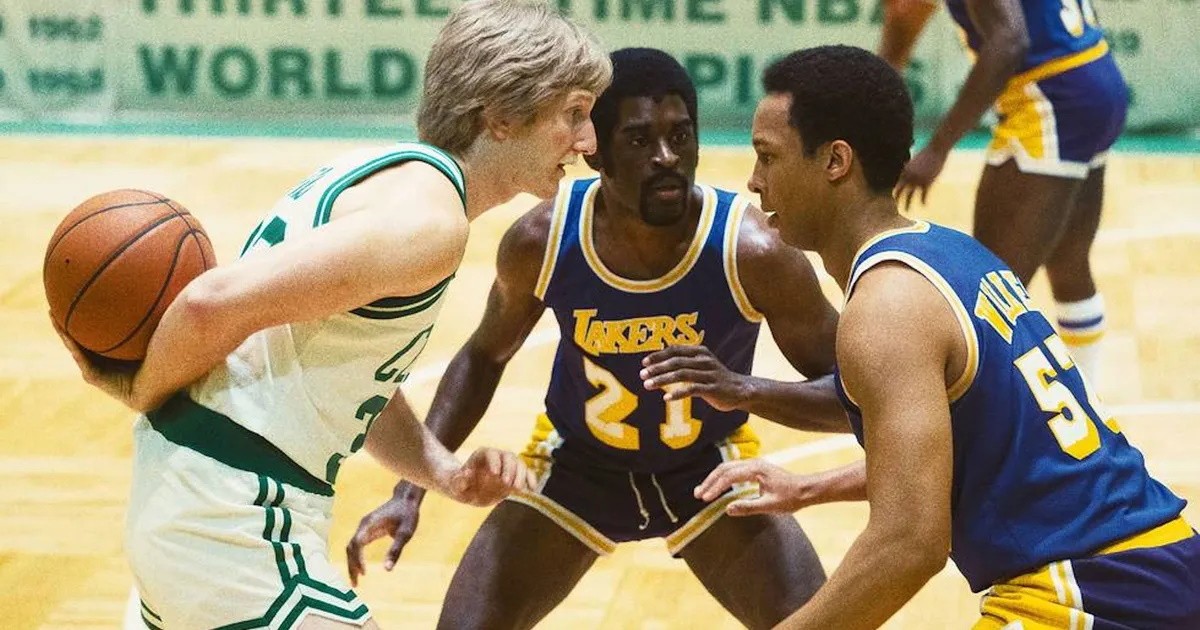
The climax of “Invisible Man” is the Lakers vs. Celtics game, and there’s a lot on the line including Westhead and McKinney’s jobs, Johnson’s place in the Rookie of the Year conversation, and West’s sanity as he says that one loss to Boston is what led to the Lakers’ inability to beat them in the playoffs. Director Payman Benz shoots the Boston Garden like a haunted house complete with a racist, animated leprechaun, and both Pat Riley and Norm Nixon talk about the arena in the same hushed tones as a ghost story. And the ghost stories are true with the referees giving the Celtics every call to the soundtrack of Johnny Most’s (G. Larry Butler) incredibly biased/homer commentary while cutting to Buss and Bill Sharman sitting in the nosebleeds, and West getting taunted by his driver while listening to the game in the car because he doesn’t want to set foot in the Boston Garden again. Most and Chick Hearn’s (Spencer Garrett) makes the scene incredibly entertaining and also is a contrast between the old and new NBA.

Somehow, the Lakers win the game after Riley is ejected for saying he slept with the referee’s mother, and a fight breaks out after Larry Bird throws a ball at former All-Star/current ring-chasing enforcer/power forward Spencer Haywood (Wood Harris), who is finally getting some playing time from Westhead after benching him because of a misunderstanding that’s nagged at him the past two episodes. Like in the game at the beginning of the episode, the team is pretty much self-coaching, and the only reason Buss doesn’t fire Paul Westhead is because that would lose him McKinney too. However, Jason Segel taps into some rage and finally shows a little backbone with a “Fuck Boston” chant in the huddle and also giving the referees a piece of his mind down the stretch. He also has a good defensive game plan for Larry Bird, but Bird is that good telling his defender how and when he’ll make shots.

In the game sequences and through the reactions of the crowd in Boston plus animated and documentary-style elements like racist Boston fans putting human excrement in Bill Russell’s bed even after he won them 11 titles, Payman Benz shows how exciting the Lakers/Celtics rivalry was and also how it’s a microcosm of race relations in the United States through well-acted scenes with Quincy Isaiah, Solomon Hughes, and Rob Morgan as Magic Johnson, Kareem Abdul-Jabbar, and Earvin Johnson Sr. Segel also brings a lot of fear and anxiety to the role of Westhead while Adrien Brody adds a little more confidence and charisma to his portrayal of Pat Riley with the ejection sequence showing that he makes a great head coach.

As someone who has said “Fuck Boston” many times (Including today when they beat the Brooklyn Nets on a last minute shot in the first game of the NBA Playoffs), I’m definitely biased, but “Invisible Man” is one of the stronger episodes of Winning Time with a compelling visual style (Sunny LA vs the Crypt Keeper’s Lair aka the Boston Garden), strong characterization for Johnson, Riley, Westhead, and a demon-facing West, and sociopolitical commentary about being Black in the United States using the ultimate NBA rivalry as the lens.

Overall Verdict: 9.0
TV Review: Winning Time S1E5 “Pieces of a Man”

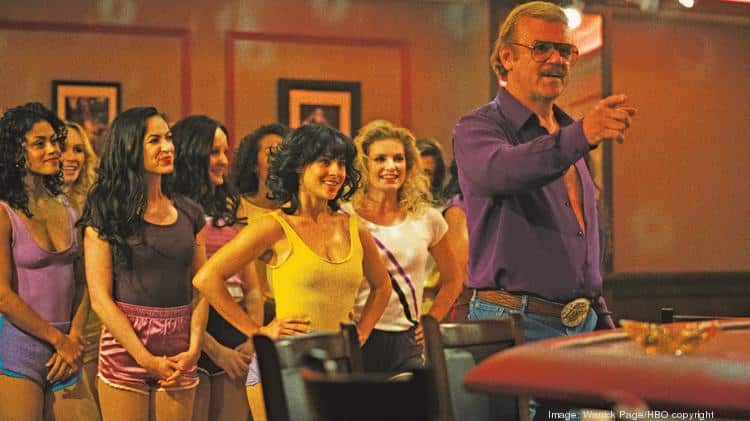
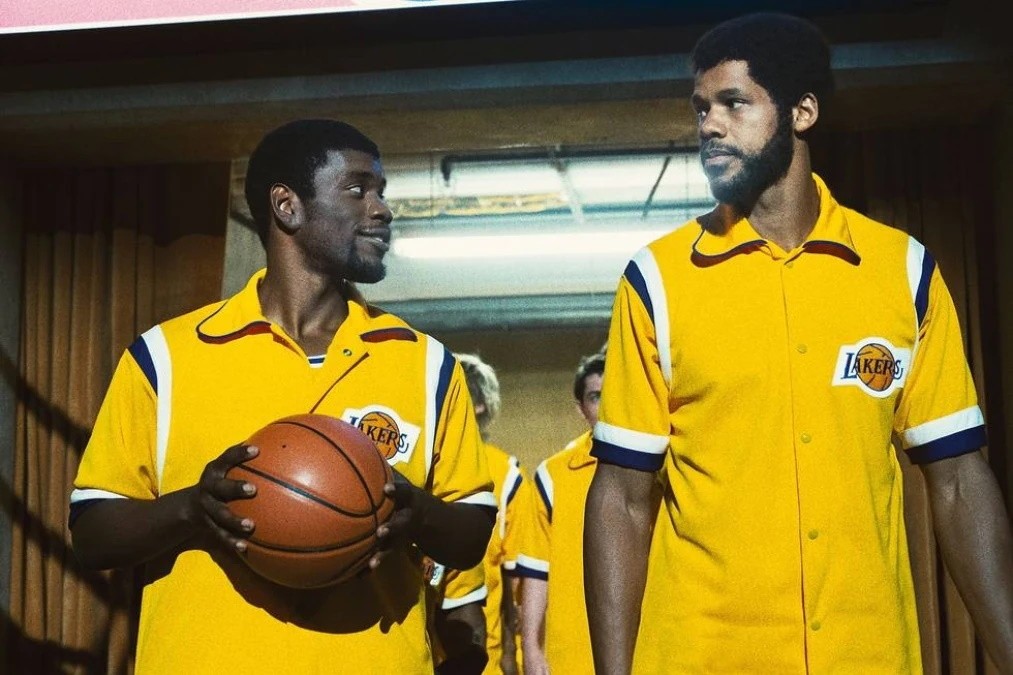
At the halfway point of Winning Time: The Rise of the Lakers Dynasty, some basketball is actually played, and writers Max Borenstein and Rodney Barnes and director Tanya Hamilton zero in on the life and faith of Kareem Abdul-Jabbar (Solomon Hughes) opening “Pieces of a Man” with his conversion to Islam and name change from Lew Alcindor to Kareem Abdul-Jabbar. The grainy quality of these cut-up montages of Abdul-Jabbar’s life as wide-eyed, earnest young man speaking out against police brutality and American imperialism and praying five times a day contrasts with the dark glamour of Jerry Buss’ (John C. Reilly) Forum Club as he runs ragged trying to have everything perfect for the first game of the season. Barnes and Borenstein dig into Buss’ micromanaging side where he nitpicks at everything from the first Laker Girls to the make of the bar until his put-upon business partner Frank Mariani (Stephen Adly Guirgis) tells him to enjoy the ride.

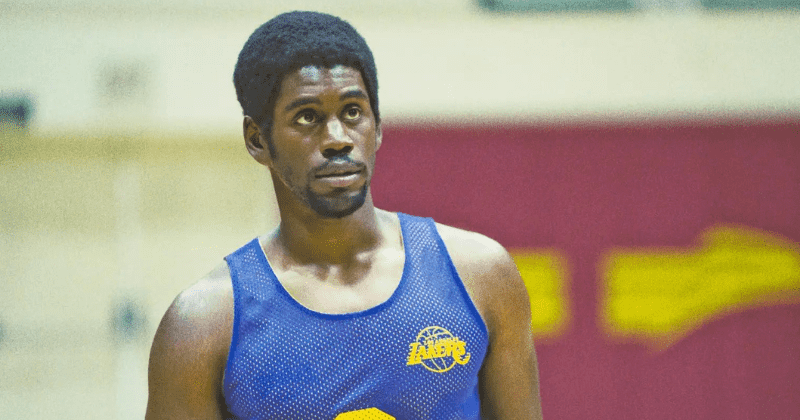
Hughes has brought misanthropy and presence to the role of Kareem Abdul-Jabbar, but up to this point, he’s been in the background of Winning Time‘s narrative as the jazz-listening, aging star of the Lakers, who is skeptical about coach Jack McKinney’s (Tracy Letts) new system and the easy smile of teammate Magic Johnson (Quincy Isaiah). “Pieces of a Man” dig into why Abdul-Jabbar is this way, and how he wants to change the world and not just be a great basketball player. Hamilton peers into his relationship with his Harlem transit police officer father Al Alcindor that is strained when he speaks out against a New York policeman killing a Black teenager. She shows him keeping his eyes open during his Christian family’s prayers showing that he doesn’t feel comfortable or welcome with this belief system.

Islam gives Kareem Abdul-Jabbar a way to be a part of something bigger than himself, and the episode draws attention to his prayers and includes an extended conversation with an imam at a mosque that recenters him and gives him a warmer connection to Johnson, McKinney, and the game of basketball. Rodney Barnes and Max Borenstein’s writing sings in that sequences and combined with the jazz needle drops add the portrayal of a spiritual, aloof, and sometimes inspirational man. It’s wild to see the 180 from the first game against the San Diego Clippers (Featuring a cameo from baby Kobe Bryant whose dad Joe played for the Clippers.) and the second one against the Bulls where he goes from droning his stat line to Jack McKinney and telling Magic Johnson to fuck off after he hits the game winning sky hook to smiling and enjoying basketball again.

Pieces of a Man

Barnes and Borenstein give Abdul-Jabbar a full arc in this episode, and it runs parallel to Johnson taking more of a leadership role on the team even though he’s a rookie. Although he goofs off with jokes about newcomer Spencer Haywood’s (Wood Harris) home-circumcision and blasts the boombox in the locker room, Magic Johnson shows a real work ethic showing up first to practice and buying into McKinney’s fast break system, but he’s afraid of having a conversation with Kareem Abdul-Jabbar and defers to him as he lumbers down the court and doesn’t really participate in practice. Finally, Abdul-Jabbar pulls Johnson aside for a lesson in “comporting himself” (The real Abdul-Jabbar still doing the same thing today with LeBron James.), and it turns into a fight when the younger player critiques his lack of effort and that his bad attitude is dragging down the team. However, it’s a real growth moment for Magic Johnson, who demonstrates he can smile and be goofy as well as be serious about the team’s performance. Isaiah brings a high-wire energy to his performance as Johnson this episode teetering between enthusiastic and annoying. This culminates in a brightly lit, quick cut montage sequence from Tanya Hamilton showing the fusion between basketball and entertainment that is the Showtime Lakers with Chick Hearn’s (A velvety smooth Spencer Garrett) commentary acting as the back beat.

And the other major plot in “Pieces of a Man” follows Jerry Buss trying to get everything right about the Lakers, the game day experience, and the Forum while radio pundits blast his inexperience. (At least, until the first winning streak.) Except when he’s enjoying the Laker Girls or watching the game courtside, John C. Reilly mostly plays Jerry Buss as angry yelling at choreographers and punching bars while Claire Rothman (Gaby Hoffman) looks like she’s constantly in need of a cigarette. As evidenced by the portfolios of buildings he’s bought and sold and the scrapbook of women he’s slept with, Buss likes the chase more than sitting with something for a while. Even as the Lakers succeed on the court, there’s an edginess to his behavior with his mom/accountant Jessie Buss (Sally Field) thinking he’ll fail and deciding not to go to the first game. Also, his daughter Jeanie (Hadley Robinson) mirrors his behavior running around all town trying to find a dance troupe and ends up recruiting a teenage Paula Abdul to be head choreographer and dancer and also punching a vending machine until her hand almost bleeds. She looks in pain when Buss is ogling the Laker Girls though.

Pieces of a Man

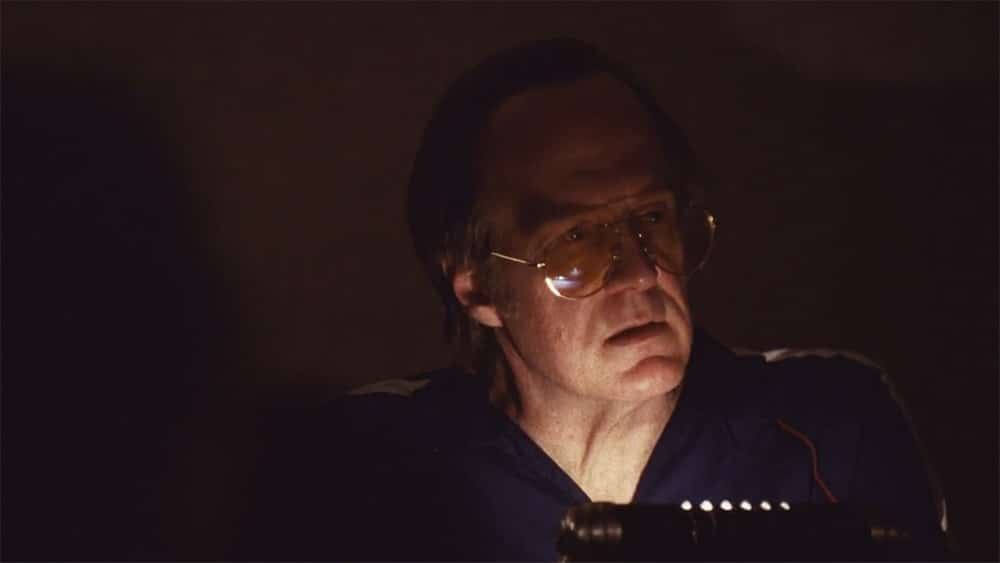
However, the two steps forward, one step back through-line of Winning Time continues in the episode’s closing scene. Jack McKinney’s wife Cranny (Julianne Nicholson) encourages him to take a day off and play tennis with his bestie/assistant coach Paul Westhead (Jason Segel), who is the one person he can really be comfortable around. Tanya Hamilton turns the camera on McKinney’s binder full of plays and schemes before cutting to a sunny L.A. day with a “Good Vibrations” needle drop. During the whole bike ride, it feels like the other shoe is about to drop from a driver almost running a stop sign and fiddling with the radio to the popping of the frame and finally an utterly tragic slow pan. The architect of Showtime is down just as his ideas were becoming reality.

“Pieces of a Man” continues Winning Time‘s structure of focusing on one key figure from the Showtime Lakers and connecting his (Yes, they’ve all been men up to this point.) journey to the franchise’s. This time it’s Kareem Abdul-Jabbar, and Rodney Barnes, Max Borenstein, and Tanya Hamilton explore the sky-hook master’s faith, activism, and overall prickliness as he doesn’t buy into Showtime for now even though it would be easier on his body than the way he’s played for decades. (There are many sequences of Abdul-Jabbar getting massages and his back cracked, and he’s very much ready to retire.) Documentary-style grittiness and flashy disco for the basketball/dancing sequence collide in an episode that’s truly a feast for the eyes and mind with a dark cliffhanger ending.

Overall Verdict: 8.7

TV Review: Winning Time S1E4 “Who the F**k is Jack McKinney?”

Who the F**k is Jack McKinney?

Showtime’s growing pains continue in Winning Time Season 1, Episode 4 “Who the F**k is Jack McKinney?”. Training camp is about to start after last week’s murder of Vic Weiss, Jerry Tarkanian has decided to not take the Lakers job with Weiss’ wife smacking Jerry Buss (John C. Reilly) at his funeral. So, per Jerry West’s (Jason Clarke) recommendation, Buss and the Lakers decide to go with Jack McKinney (Tracy Letts), who might have the stage presence of an accountant, but has ideas that would go on to revolutionize the game of basketball. But, for now, they’re just scrawlings on resort napkins and clipboards, or slides loaded by his assistant coach Paul Westhead (Jason Segel), a floppy-haired former English professor that is really a non-presence in this episode. Like he just mumbles and quotes Shakespeare and immediately fits in with this quite kooky set of characters

Along with the growing pains on the court, there is still the financial issues with team, and Buss’ accountant/mom Jessie Buss (Sally Field) finds a way out by saddling some of the liabilities with his ex-wife JoAnn Mueller (Kate Arrington). From an awkward opening scene where she and their children have lunch at the same Mexican restaurant as Buss and one of his girlfriends (And Jeanie Buss sees him fingering the woman at the table.) to walking in on him and another woman with the liability paper work, Arrington plays the part with scene-stealing contempt shattering the fantasy that Buss wants everyone to see about him. Writers Jim Hecht, Max Borenstein, and Rodney Barnes follow the thread of Jerry Buss’ true desires through the perspective of Jeanie Buss (Hadley Robinson), who gets real depth in this episode walking the line between an intern and boss’ daughter.

From being quiet and meek in the first couple episodes, she speaks up in a meeting and even builds a connection with two of her co-workers over a shared bong. This episode shows how much Jeanie cares about her dad and the Lakers and also how she’s unhappy that he would rather hang out with random women than spend time and communicate with her going all the way back to the opening flashback. However, she does have some real vision in regards to setting apart the Lakers from a college basketball experience, and Claire Rothman (Gaby Hoffmann) packages her ideas in something that will sell to Jerry Buss. But it’s all just theory for now. There are no Laker girls or Jack Nicholson and Dyan Cannon sitting courtside just yet.

Who the F**k is Jack McKinney?

This theme of theory versus practice definitely is the driving engine of Hecht, Borenstein, and Barnes’ training camp A-plot although there’s all kinds of squabbles and subplots going on from Kareem Abdul-Jabbar (Solomon Hughes) hazing Magic Johnson (Quincy Isaiah), Michael Cooper (Delante Desouza) battling to get a guaranteed contract, and Jerry West not wanting to walk away from the team. Director Damian Marcano excels at shooting the basketball action at its best (Johnson, Abdul-Jabbar, and Norm Nixon showing glimpses of real chemistry) and worst (Veteran Ron Boone getting hit by one of Magic Johnson’s no-look passes) while going the montage and voiceover narration route for McKinney’s ideas. With references to Buddhism that reminded me of a future Lakers coach, Tracy Letts nails Jack McKinney’s passion for basketball as well as the heartbreak and compromise he feels when West tells him that he needs to combine his system with some of his old sets. The practices and a verbal sniping show that doing things a new way is painful even as Magic Johnson and Nixon start to buy into system the system while Kareem Abdul-Jabbar simply doesn’t give a fuck. He doesn’t say a lot of words, but Hughes’ physical presence and taciturn looks show that he knows he’s the undisputed leader of the team and won’t be running suicides or “McKinney miles” with the rest of the Lakers.

I do have to applaud Marcano, Jim Hecht, Max Borenstein, and Rodney Barnes for showing viewers the building blocks of Showtime and fast break basketball with montages and film sessions showing how it sharply contrasts with the stagnant half court sets most NBA teams were running at the time. No wonder the league was struggling. There’s also a kind of cheeky animated sequence featuring Magic Johnson that connects his philosophy of basketball to McKinney’s with a focus on making his teammates and basically being good, giving, and game as the basketball court dissolves into Johnson giving oral sex. However, this whole being everyone’s friend is a little bit of facade as Cookie Kelly (Tamera Tomakili) reminds him that Magic Johnson basically stole her from one of his teammates. Their phone conversation doesn’t end well, and Isaiah shows a little bit of the darker, sadder side of Johnson, both on and off the court with Boone fighting him because he’s frustrated at his playing style and also that he has a guaranteed contract even though he hasn’t played a minute of professional basketball.

“Who the F**ck Is Jack McKinney” is set in a bikini-clad women-filled oasis in a harsh desert, and no one shot understands the facade that is Jerry Buss’ life and ownership of the Lakers than him mouthing “Fuck” under the pool when he realizes that the Lakers and Forum have no chance of turning a profit this year so he can pay off his creditors. Being together in an enclosed space (Even though McKinney closes practice to the ownership and front office) brings out temper and negative feelings with the Lakers continuing to have a long way to go both on and off the court. However, it’s not all downbeat as Hecht, Borenstein, and Barnes position Jack McKinney as one of the true, unsung heroes of the game even if the players hate him for now. Plus there’s strong characterization for Jeanie Buss as Winning Time leans into its greatest strength and weakness: it has a huge cast so it’s hard to get to know all the players, but most of them are fascinating and opportunities for strong, nuanced performances.

Overall Verdict: 8.1

TV Review: Winning Time S1E2 “Is That All There Is?”

Is That All There Is?

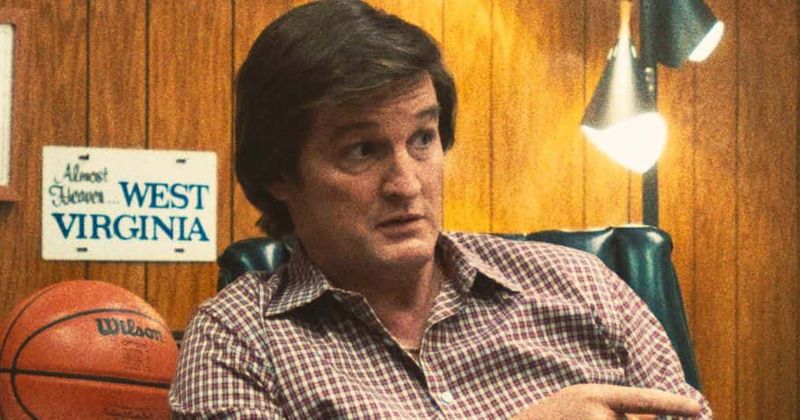
Jerry West’s memoir is titled My Charmed, Tormented Life, and from the outside, it doesn’t make sense that a man who is literally the logo of the NBA, one of its greatest players, and also found success as an executive discovering two of the greatest players of my life time (Kobe Bryant, Stephen Curry) would describe his life that way. But basketball was an escape for him from a tough life in rural West Virginia until it wasn’t. The second episode, “Is That All There Is?“, of Winning Time: The Rise of the Lakers Dynasty delves into West’s (Jason Clarke) love and loathing for the game of basketball, and how it controlled everything in his life, including his mental health and his relationship with his wife Karen (Lola Kirke). Scenes with West bookend the Jonah Hill-directed episode, but writers Rodney Barnes and Max Borenstein continue to dig into Magic Johnson’s (Quincy Isaiah) relationship with his family and on-and-off again girlfriend Cookie Kelly (Tamera Tomakili) as well as the business side of the Lakers with Jerry Buss (John C. Reilly) facing off against Boston Celtics general manager Red Auerbach (Michael Chiklis) and trying to succeed at this business side of things.

The pre-credits sequence of “Is That All There Is” is basically a short film of Jerry West’s life as he bounces the basketball to drown out the sounds of his father abusing his mother as well as the grief over his brother’s death in the Korean War. Hill and editor Hank Corwin dissolve from the snows of West Virginia to confetti in Los Angeles when West won his only championship as a player in 1972. Until Buss tells him that he can play Johnson at power forward, this is the only time he smiles in the episode. The raucous environment of the Forum leads to Jerry West drinking alone at a bar that’s hosting a wake for a guy he doesn’t know, and he ends up having a one night stand with the attendees with confetti still in his air from the championship celebration. (Yes, Jerry West fucks in this episode.)

Basically, like the lyrics of the song and the episode of the title, West is unhappy with his life despite his great successes. He doesn’t like coaching the Lakers as evidenced by his antagonistic encounters with Norm Nixon (DeVaughn Nixon) in flashbacks, and general manager Bill Sharman (Brett Cullen) has a good point when he says that Buss giving him free reign to sign players will also hinder him from making excuses why the Lakers keep losing. In contrast with Jerry Buss and Magic Johnson, he doesn’t seem to be having a good time, has no effect on laconic star player Kareem-Abdul-Jabbar (An imposing Solomon Hughes) even after passionately monologuing about how he’ll get a power forward to help him out in the post so maybe it’s time for him to get off this train.

Is That All There Is?

I love the parallels that Barnes and Borenstein draw between Jerry West and Red Auerbach throughout the episode. Auerbach isn’t in the episode a lot, but Chiklis steals every scene with a puff of smoke beginning with a freeze frame, black and white introduction with future NBA commissioner David Stern calling him the pope. Buss and Auerbach are on two planes of reality with the Celtics GM not falling for the Lakers new owner’s offers of a night out and beautiful women even if they do end up sharing a brief dinner. Red Auerbach brings out a darker, less playful side of Jerry Buss with John C. Reilly taking the sunglasses off and saying that he will eat Auerbach’s heart on the Forum floor. It definitely feels like a kid putting on his father’s clothes, especially with all the behind the scenes financial shenanigans like Buss’ mom/accountant Jessie (Sally Field) saying that the Lakers are a money pit or his business associate Frank Mariani stealing the past ten years of records so no nonsense Claire Rothman (Gaby Hoffmann) can put together a budget for next year. With talks of big concerts at the Forum or the Lakers being one piece away from a championship, there’s a slight bit of hope in the air, but they could also go bankrupt like Rothman’s last job in Philadelphia.

The love triangle between Magic Johnson, Cookie Kelly, and Brian, a devout church goer and shoe store manager seems contrived while setting up Johnson’s reputation as a womanizer and showing that he’s not a nice guy as he utterly humiliates Brian on a Lansing playground. Isaiah continues to be a believable Johnson on and off the court as he dazzles with his passing and moves and charms everyone at the fish fry. Except for his mother, Christine (LisaGay Hamilton), who is not amused by his gift of a hot tub even though Johnson knows she’s wanted it for years by her reactions to the commercial during her soap operas. She smiles and talks about the gift in an animated way when she’s with her friends, but is all business around her son. Her husband Earvin Sr. (Rob Morgan) finds a middle ground when he basically tells her that Magic is grown up and has to find his own way in L.A., and that his free spirit came from her, who used to play point guard and dance before she joined the Seventh Day Adventist Church. By spending an entire episode showing Magic Johnson’s life and relationships in his hometown, Rodney Barnes and Max Borenstein ground him as a character and show that there is an entire town (Ok, maybe not Brian.) rooting for him even as Jerry West plots to minimize role from what Jerry Buss promised.

Jonah Hill cuts down on the sugar rush fourth wall breaking in “Is That All There Is?” and uses more natural storytelling techniques to show the current state of the NBA, the Lakers, and this episode’s key players. Jerry West cowering in a dark room in his underwear or sitting alone at a bar tells more about his mental state than talking to the camera or motormouth voiceovers. This episode also sets up Red Auerbach and the Boston Celtics as the key antagonists in the series with the racial implications of them having a white star player in Larry Bird showing up during the owners meeting. But the real conflict in Winning Time is internal with Jerry West butting heads with Jerry Buss, Bill Sharman, and as implied from his interactions with Nixon and Abdul-Jabbar, the players too so he decides to leave as coach right before the season. Him undercutting Buss’ big speech with a glance and a resignation letter creates a sense of uncertainty for future episodes, and boy, am I looking forward to Adrien Brody’s Pat Riley in upcoming weeks. All in all, Winning Time continues to strike a good balance between individual character arcs and the drama of running an NBA franchise in an era when golf, tennis, and bowling were more popular sports.