Tag Archives: horror movie

Demián Rugna’s WHEN EVIL LURKS is a masterful exercise in cruelty
When Evil Lurks

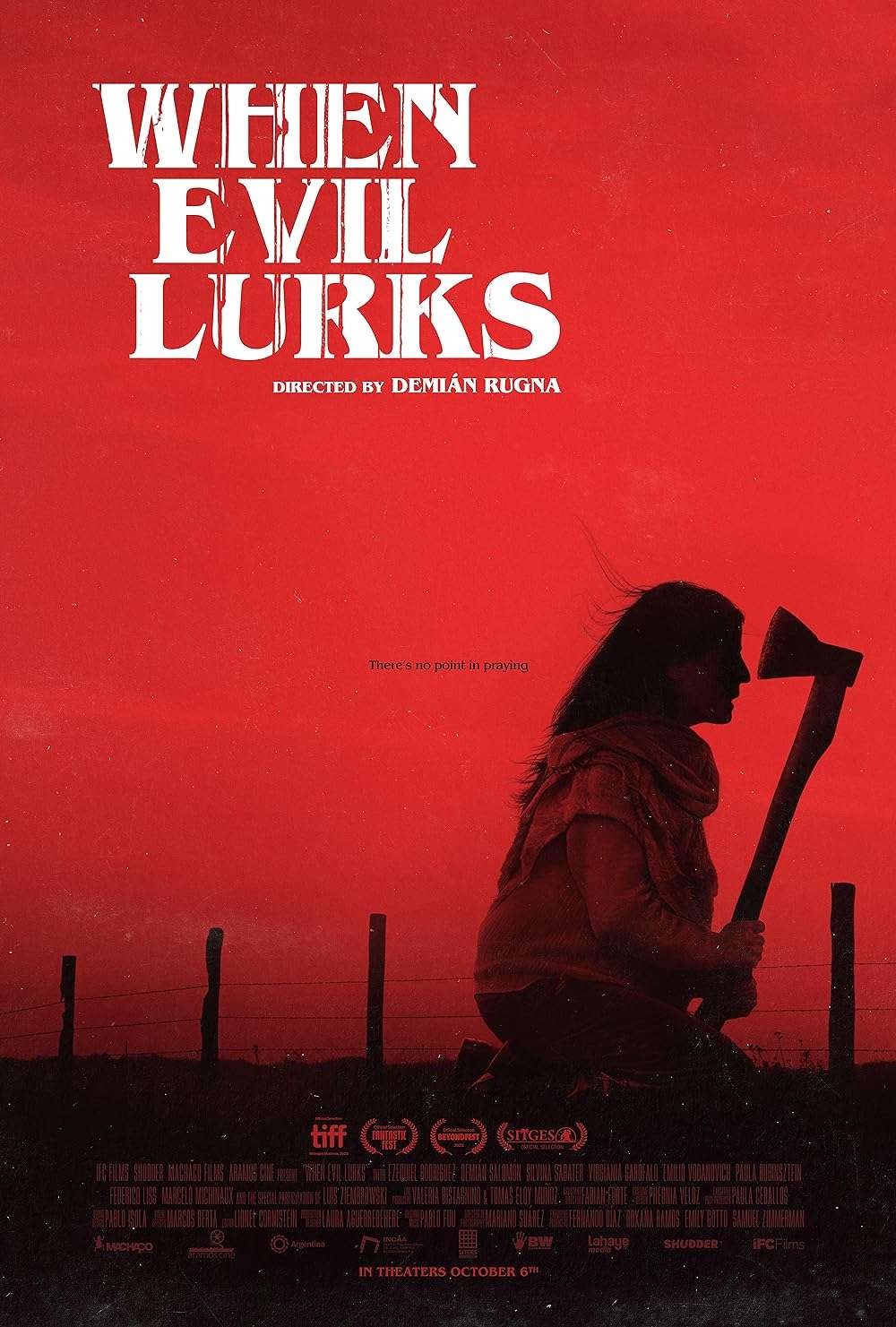
Horror loves grand metaphors about society, be it on the effect capitalism has on people (Dawn of the Dead) or the terrors racism can manifest in different scenarios (Tales from the Hood). Demián Rugna’s When Evil Lurks certainly has its metaphor in place – namely human behavior in times of crisis – but more than having an interest in calling out society, what it really wants is to express its highly justified anger at it. And this movie is angry.

When Evil Lurks (or Cuando Acecha la Maldad, in the original Spanish) imagines a world where demonic possession spreads like a virus. Essentially, humanity is in the throes of a possession pandemic, a very cruel one at that. Cities are hotspots, making smaller rural areas the ideal places for safety. That is, until panic inevitably sets in and people start giving in to it.

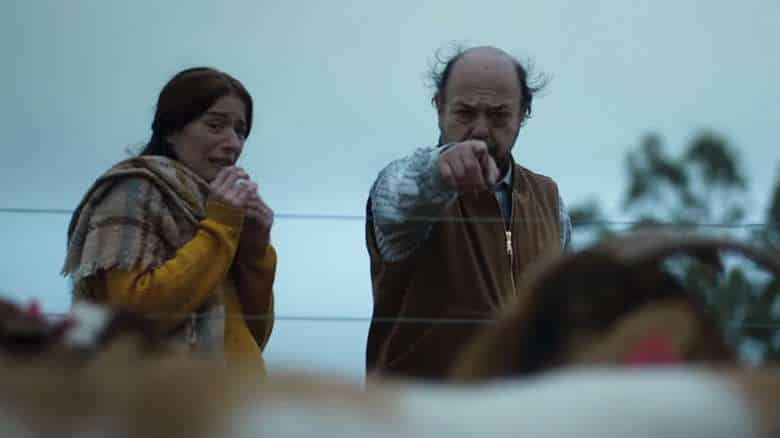
The movie follows Pedro (Ezequiel Rodríguez) and Jaime (Demián Solomón), two brothers who live in an isolated and very quiet part of the countryside. One night they hear gunshots, a sign that things in their corner of the world might not be so disconnected from the outside world. The next day they find a possessed (or embichado in Spanish) and realize the pandemic has reached their home. Panic rears its head almost immediately, and what follows is a blood-soaked journey that leads to death, doom, extreme violence.

What sets this particular pandemic horror story apart is how intently it focuses on human error and how it can lead to all the tragedy that ensues once a full-blown crisis is under way. Pedro and Jaime are scared and unbearably anxious for almost the entirety of the film, and it influences each decision made in their poor attempt to outrun the demonic pandemic.

When Evil Lurks

Pedro and Jaime’s actions put their group in immediate danger from the onset, an interesting comment on how people disregard logic and common sense when met with danger in its earliest stages. Echoes of the COVID-19 pandemic carry through here. The memory of people disregarding social guidelines and hoarding supplies due to fake fears of shortages is fresh enough that it’s hard not to connect the dots while watching the movie. But it goes beyond that. The mistakes Pedro and Jaime make are timeless, things people have been doing since time immemorial.

The performances do an excellent job of conveying this throughout. Interactions are intense and loud, led by frustration rather than careful thought. Ezequiel Rodríguez, especially, channels this with aplomb. His characterization of Pedro weaves good intentions with desperation to show a man that wants to help but does more damage in doing so. Here’s where cruelty sets in.

Rugna approaches death sequences with a visceral sense of violence that is unmatched when compared to what landed on cinemas this year. What makes them hit hard isn’t necessarily their explicitness, but rather how important he makes each character feel to the group that Pedro and Jaime eventually put together. One scene in particular, involving a dog and a small kid, ripped through the silence of the theater with a shock that threw any semblance of safety out the window. No one is safe, and no one dies easy. The violence the victims face help build the more sinister qualities of the pandemic while also reflecting how badly key characters screwed up so that this could happen.

Cruelty, here, is a storytelling tool that accentuates consequence. Shock value is there to weigh characters down with the guilt of having put people in the way of their terrible deaths. Tried to save your son without considering taking him out of his home was the wrong idea in the first place? Expect an embichado to eat his head while casually walking on the road. A tragedy, sure, but an avoidable one. Realizing that brings with it a special kind of pain.
When Evil Lurks

One other point of note is Rugna’s worldbuilding. Not unlike James Mangold’s 2017 Logan, there are no dedicated points of exposition to explain how the story got to this point in the pandemic. You get bits and pieces and are then expected to put them together. Preventing infection, for instance, is a process that’s mostly inferred. Fighting the possessed follows suit, but is given more depth with the introduction of certain tools that carry a lot of story. In a clever twist, though, these arcane-looking tools are there to inspire more questions. They are pieces of a puzzle with strange dimensions the audience is not made privy of. It helps keep the mystery of the pandemic open enough to not just be COVID-specific, but rather more universal regarding humanity’s woeful track record with crisis management.

When Evil Lurks is a dare for the horror genre. It pulls the camera away from the über-intimate focus of newer horror movies (that often overindulge the topic of trauma to get their point across) to get a very good look at panicked social behavior. It’s pandemic horror of the highest order, of the kind that points the finger at people and tells them they’re making it worse. We need more movies like this, hence the dare. Angry horror movies are like getting a bucket of cold water getting dunked on our heads followed by a bucket of hot blood. You’re not supposed to feel comforted. You’re supposed to feel guilty if you’re part of the problem. It’s confrontational horror at its finest, and it’s precisely what When Evil Lurks is.

Where does EVIL DEAD RISE rank in the franchise Sam Raimi built?

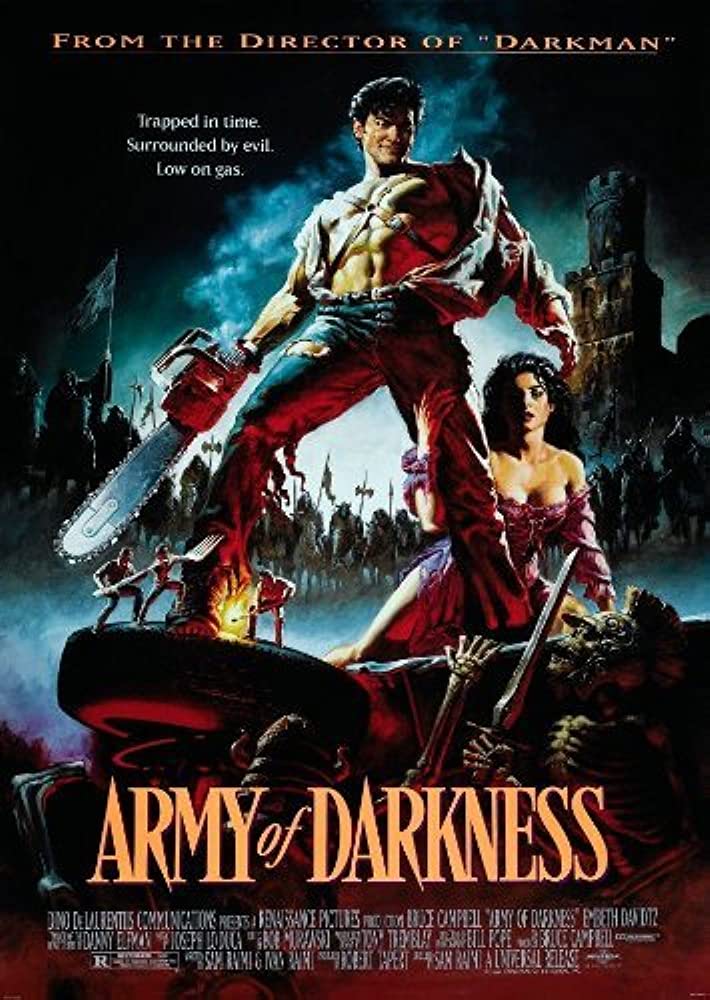
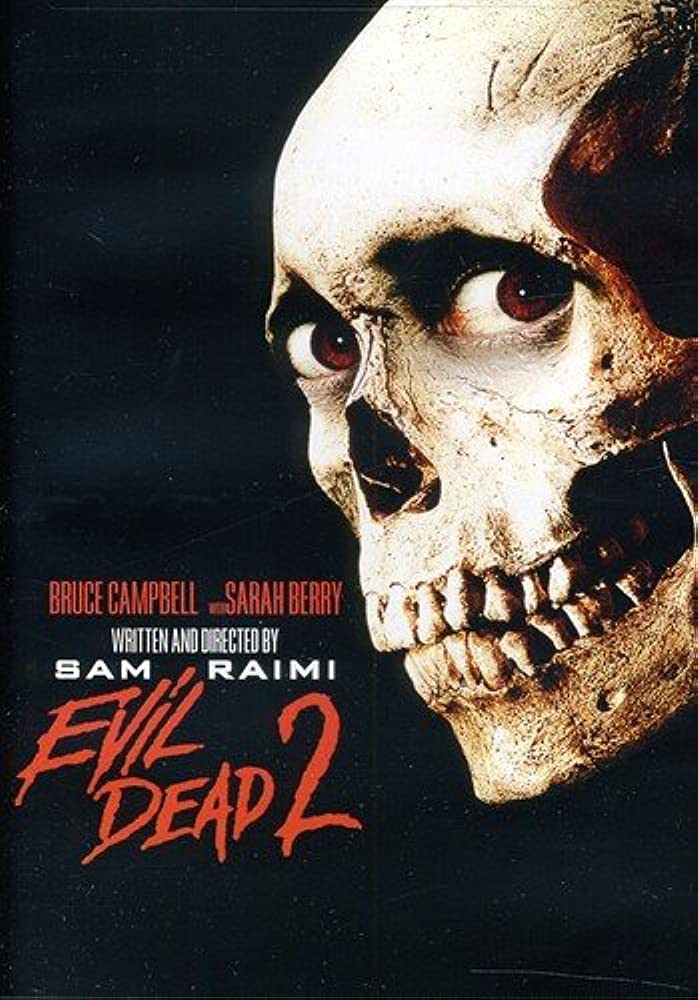
Evil Dead is perhaps the most wildly chimeric franchise in horror cinema. Not a single one of the five movies in its catalogue conforms to a singular identity, or even feels the same. The first movie (released in 1981), for instance, is a low budget horror movie that was intense, scary, and experimental (especially in its approach to camera work). Sure, it had its comedic moments, but it didn’t lean into it all the way. The horror-comedy identity it carries later on really starts being fleshed out in Evil Dead 2 (1987), only to fully embrace the mix in the third movie, Army of Darkness (1992), a direct sequel to part 2’s reimagining of the first film.

This is perhaps best reflected in how its signature character, Bruce Campbell’s Ash, behaves in each one of the movies he’s in (specifically the first three, then followed by the Starz TV series Ash and the Evil Dead, and the various video games based on the universe). He goes from typical college student in the first Evil Dead (1981) to punchline-spewing/chainsaw-wielding hero in Army of Darkness. We can’t speak of one Ash, but of several Ashes. The version people know and love today is mostly the one from Army of Darkness, the one where he’s at his most quotable.

Perhaps the only constant throughout the movies is the source of the demonic threat: the Book of the Dead. This is where the universe’s signature demons, the Deadites, come in. They are a nasty bunch and they might just be the most sadistic, brutal, and evil entities in horror cinema, easily living up to the Evil Dead name. They are cruel and gleeful in their violence, and they settle for nothing less than swallowing souls. And yet, they also change and evolve as the license grows.

All of this to say, the franchise’s DNA can be quite tough to untangle in any traditional way. It’s a Frankenstein’s Monster of a movie universe that built its identity as it went along, to the whims of its creator Sam Raimi.

In the best possible way, Evil Dead is a franchise that relishes in the possibilities of creative freedom when it is allowed to be as chaotic as it wants. It’s one of the most fascinating pieces of cinema because of it, mostly because it hasn’t been torn to pieces to later be rebuilt by higher-ups and corporate interests to the extent other licenses have been (look at Star Wars, the MCU). Not that it hasn’t been meddled with entirely, but Raimi and company have managed to keep most of their vision for it under their control.

So, where does the latest movie in the Evil Dead-verse, the Lee Cronin-directed Evil Dead Rise, rank in it? Can it be fairly ranked even? Is it enough of an Evil Dead movie or is it something else? Things get complicated and messy here, so let’s see if we can find where it fits.

For the purposes of this ranking, I’m sticking with the movies. It makes for a more manageable sample size and it doesn’t short-change the many other mediums the franchise has expanded into (with comics being among its most important story-wise). Also, I don’t believe it’s possible to be a purist with such a mercurial bunch of films, so I’ll be basing my ranking on how well they got the story across and how memorable they end up being because of it.

Let’s start.

5. The Evil Dead remake (dir. Fede Álvarez, 2013)

This movie came as a surprise for reasons that hit at the core of the franchise. It was a remake of the very first movie, but it wasn’t entirely clear who it was for. If it was a way to reintroduce the audience to the story, then the absence of Campbell’s Ash or a character that could inherit the role made it a somewhat strange and disjointed experience.

The movie itself boasts some great Deadite sequences and the makeup effects (by a team of artists that included Vinnie Ashton, CJ Goldman, Suzy Lee, and Jane O’Kane) elevated them by keeping things grounded and practical. The story is partly driven by an addiction metaphor that carries through well, but it ultimately felt a bit generic (a few years too late after the torture porn craze of the early aughts, which ramped up the gore considerably). It’s not as playful with the camera as Raimi’s original and the signature malice of the evil afflicting the cast isn’t as imaginative as what came before.

Not a bad movie, ultimately, but one that didn’t really push the Evil Dead brand in any meaningful way.

4. Evil Dead Rise (dir. Lee Cronin, 2023)

Lee Cronin’s stab at the Evil Dead franchise stands at the crossroads between the 2013 remake and the original trilogy. Its story, which follows a single-parent family in a rundown apartment building that’s about to get the Deadite treatment, certainly attempts at establishing a kind of balance between the new and the old, but it doesn’t quite result in an interesting or new way forward for the universe.

Rise gets one thing undeniably right: the Deadites. Alyssa Sutherland’s possessed mother character, Ellie, stands as one of the most terrifying performances both in the series and in recent horror outings overall. Taking a cue from the original films, the demonic presence here is oppressively evil and it echoes that sinister enthusiasm found in the Deadites from the 1981 film. The generous amounts of blood and gore on display assures viewers Cronin has his eyes on the ball, and it works for the most part.

Where it doesn’t really do much is with its characters. Rise borrows more from the remake than anything else in this department, opting for characters that aren’t entirely memorable (other than Ellie). Establishing a new Ash-type character or anchor character could’ve pushed it all further. In fact, this was a great opportunity to give audiences a female Ash, a new face that could steer Evil Dead into uncharted territory (an idea that has already been explored in the Army of Darkness comics). Unfortunately, it doesn’t.

Rise feels like an Evil Dead movie. In fact, it captures the tone of the very first movie and its remake very well, more so than that of Evil Dead 2 and Army of Darkness. It’s just missing good characters. It seems to be betting on different Books of the Dead to tie in new movies together, but it really needs a compelling character or characters to make this new phase stand out.

3. Army of Darkness (dir. Sam Raimi, 1992)

The Ash we know today, the horror icon, got forged in Army of Darkness. Bruce Campbell dialed up the comedy for part three, going for slapstick and physical comedy in the tradition of the Three Stooges, and it worked well enough to cement Ash as a staple of the horror genre, a legend.

Raimi went from horror/comedy in Evil Dead 2 to dark fantasy/comedy in Army, emphasis on comedy. The shift can be jarring, though. Ash only has one or two quips in part 2 (most notably when he says ‘groovy’ after he attaches a chainsaw to his bloody stump and fashions himself a boomstick), whereas he’s a walking quote factory in part 3. Lines like “Hail to the king, baby” and “come get some” became synonymous with the franchise, becoming Easter eggs themselves when said by some characters in Rise and in the remakeas a tribute to the originals.

The movie does sacrifice a lot of its horror in the name of fun. The good thing is, it turns Army into the funniestmovie in the series in a way that’s unique to it, a distinction it carries to this day. There’s funny, and then there’s Evil Dead funny. Ash becomes the voice of its universe and creates a kind of expectation with his presence in that, physical or not, he should be present or alluded to in everything Evil Dead (hence the callbacks in Rise and the remake).

2. The Evil Dead (dir. Sam Raimi, 1981)

When it comes to pure horror, there’s no beating the original. The Deadites in this one are loyal servants of sadism. Despite the budget constraints, Raimi managed to put on a display of evil the series has yet to match (though Rise comes very close with Deadtite Ellie).

The movie establishes the lore and mythical foundations future outings will adhere to. It places the story in a lone and isolated cabin in the woods (setting up a style that favors small living spaces as a kind of signature of the series, which Rise sticks to but Army of Darkness doesn’t), it features a book bound in human skin that can awaken sleeping demons, it has the reciting of ancient words by accident to bring forth the monsters, and it boasts excessive amounts of blood and gore.

While this movie’s Ash isn’t as quotable as the other ones, Campbell still stands out as the strongest character of the bunch and a worthy protagonist we can follow as his sanity gets tested by the Deadites.

Raimi’s signature camera work makes a statement in The Evil Dead, adding to the already experimental nature of the film while simultaneously carving out a space for itself in the genre. The very first Evil movie is a classic and an outstanding example of horror to boot. It’s an extreme possession story with soul-hungry demons that behave like cruel children playing with tiny insects. It’s my personal favorite and a top-ten best horror movie of all time.

1. Evil Dead 2: Dead By Dawn (dir. Sam Raimi,1987)

This is the one, the Evil Dead formula perfected. It precisely strikes the right balance between horror and comedy while never losing sight of what made the first movie so great. It’s a strange specimen of a movie, though, if we take the first three movies as a legitimate trilogy. It’s not a direct sequel per se, but rather a reimagining of the first.

The story starts things off with Ash and his girlfriend taking a trip to the cabin in the woods without the three other friends that feature in the original. Once there, events are sped up to free up space for deeper explorations of the lore and of Ash’s character. By exploring Ash, I mean letting him take a more aggressive and personal role against the Deadites. He doesn’t quite become the Deadite hunter he is in Army of Darkness, but he certainly tries to meet the Deadites’ violence with his own.

Dead by Dawn is also the first time we get chainsaw-hand Ash. Being such an integral part of the character, it’s easy to forget Ash never gets to use the chainsaw in the first movie. It’s a frustrating tease as he gets close to putting saw to flesh, but it never materializes. Evil 2 fixes that and makes it a part of the character’s identity.

The Deadites retain their sinister look from the first one, but they’re made even more monstrous. The special effects come courtesy of Tom Sullivan, who worked on all three films. They’re playfully maniacal and equally terrifying.

With a more exaggerated take on terror and an eye to build upon the possibilities of the first film, Evil Dead 2 is the perfect Evil Dead movie. Hail to the king.

Movie Review: HUESERA expertly finds its scares in the fear of losing one’s self

huesera

There’s very little we don’t fear as a people. Horror movies can attest to that, conjuring up stories upon stories that turn anxieties about life and human expression into scary things that can help us process our reactions to them. Often, these stories put characters on the path to confront those fears and perhaps learn a little bit about themselves in the process to be better equipped at dealing with it all. Monsters are slayed and demons are exorcised, all so the character can grow and become stronger. Change, at some level, is the goal, hopefully towards something better.

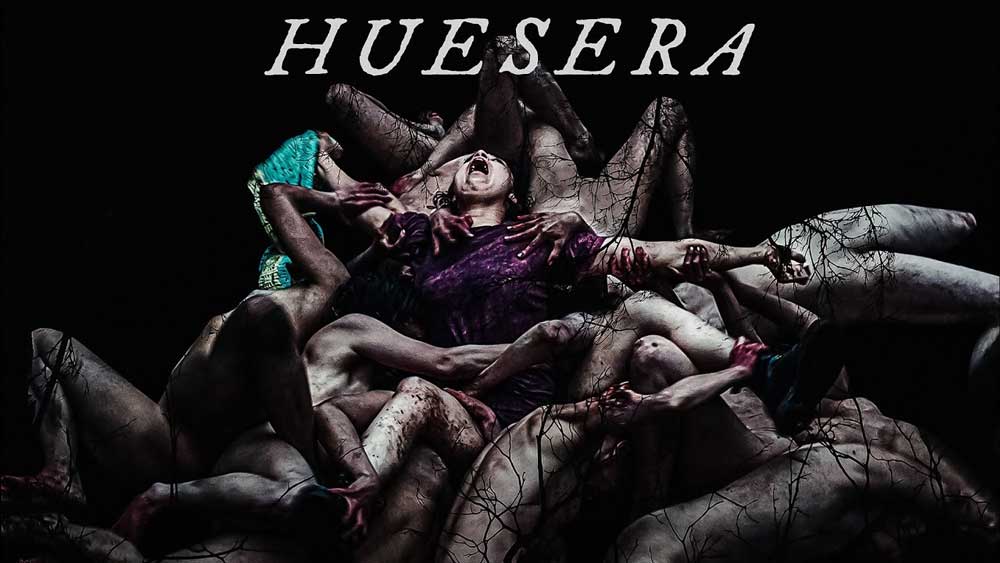
Michelle Garza Cervera’s Huesera: The Bone Woman doesn’t follow that particular model of horror. Its metaphors about motherhood, social expectations, and personal freedom point to messier and more complex ideas, ones that consider change as a thing that can pass us by and leave ghosts behind. It’s a scary thought, and it’s one that Garza Cervera pulls off with clever aggression.

Huesera follows Valeria (played by Natalia Solián), a young woman that finds a faceless entity has latched on to her first pregnancy. Her haunting strains her relationship with her husband Raúl (Alfonso Dosal) and puts her on a path that paints motherhood as a hungry thing that can very easily eat up a mother’s ability to be her own person.

The movie, written by Garza Cervera (who also featured a segment in the horror anthology movie México Bárbaro II) and Abia Castillo, doesn’t just settle on the fears of motherhood for the duration, though. In fact, I found it to be a red herring that smartly concealed its other, more potent metaphors for when the time was right to make them known. A lot of that is hinted when we meet Valeria’s old love interest, a woman called Octavia (Mayra Batalla), a lost opportunity that figures into Valeria’s struggles in ways that deepen the horror in meaningful and refreshing ways.

Huesera

One of the great successes of the film lies in its ability to never let the supernatural elements get swallowed up by its metaphors. The entity that oppresses Valeria is terrifying, a faceless being that contorts its body by breaking its bones and knitting them back together to skitter around like an insect with malicious intent. This is tied to Valeria’s own physical reactions to stress and anger, but I’ll leave that for the movie to show.

What’s impressive is how well each horror sequence plays with the sounds of the entity’s bones cracking to ramp up the tension. The entity is mostly shrouded in darkness, but enough of it is shown to give audiences a scary memento to take with them come bedtime. There’s one particular scare that lands like a statement on jump scares, speaking to how powerful subverting expectations in these moments can be (like foregoing the musical crescendo that announces the coming of the jump scare, for instance). They also got the timing of it just right.

At a time when the more indie/arthouse horror movies are keeping their ghosts and specters in very dark shadows and in locations submerged in full black, to put more weight on the viewer to populate those spaces with the things they think hide there, I appreciated that Huesera gives its audience something more concrete to chew on. This pays off in the end especially as Garza Cervera offers up a chilling encounter that is uniquely disturbing, while featuring few nods to some of the best in Japanese horror (in fact, Junji Ito’s Uzumaki can be seen on a bookshelf at one point in the film), by showing us how terrifyingly cruel the presence can be.

Another commendable achievement is Garza Cervera’s mastery of tone and lighting to create haunting images in bright settings, which isn’t a regular occurrence in the horror genre. It points to the creative team’s willingness to trust the material and take risks with it.

Huesera

Natalia Solián’s performance as Valeria pulls all these elements together with her ability to portray absolute fear with her wide range of facial expressions. It’s easy to feel the movie thanks to Solián’s physicality, subdued and quiet in parts while angry and excruciating in others. It’s a remarkable display of character building and it makes the film hit harder as the haunting becomes more sinister.

A lot also has to be said of Huesera’s approach to sexuality and identity, too, in all its dimensions. The characters’ responses to these considerations feel realistic and genuine, not so much as a statement on representation but rather as a fact of life that still clashes with stubborn social norms in manners that aren’t often perceived the same way by everyone involved (all within a Mexican perspective, which has its own specificities). It adds layers to the story, painting a fairly chaotic picture where clear answers are in short supply and not even flirted with.

Huesera is one of those movies that provide an example to follow for filmmakers savvy enough to appreciate its methods. It’s a movie that dares to confront a lot to get at a sense of terror that makes real life be just as scary as the supernatural. It’s themes and metaphors require engagement, the kind that asks viewers to step out of their comfort zones to find meaning in darker places. Huesera justifies that journey into the dark, and it shows very little mercy along the way.

Virus: 32 looks at an outbreak of violence from the the perspective of parenthood

Virus:32

The zombie/infected horror subgenre is at a point where innovation and conceptual remixes are almost a necessity for any of its movies to succeed. The Walking Dead looked at survival from a multitude of forms and perspectives, the George Romero Dead movies took on the zombie as a metaphor for social collapse, and 28 Days Later framed the figure of the zombie-like infected human as a stand-in for society’s capacity for violence in times of crisis. Uruguayan infected/zombie movie Virus: 32 throws its hat in the ring with a story that looks inward rather than outward. Not at society as a whole but on the failings of the individual. It does so quite successfully.

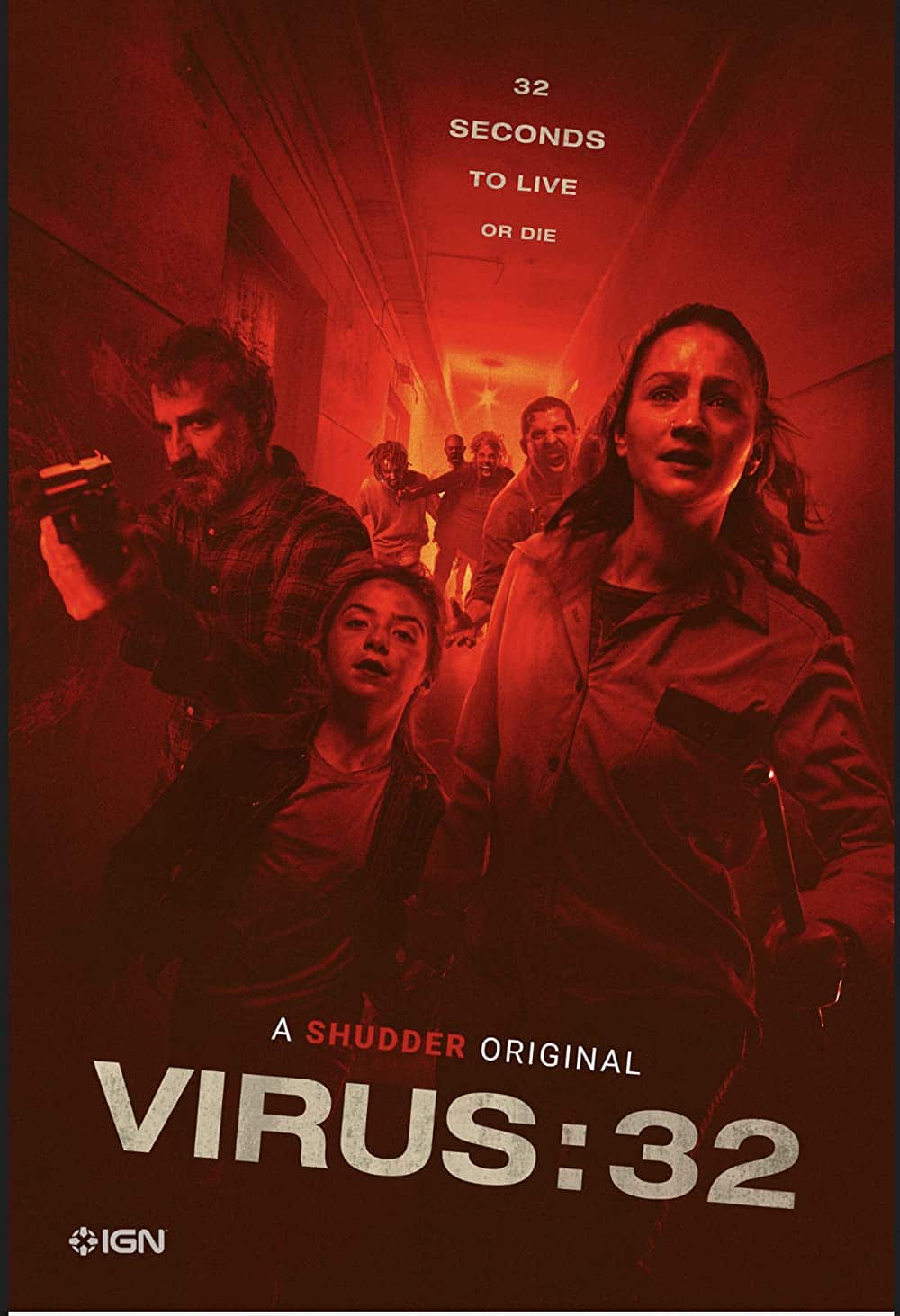
Directed by Gustavo Hernández, Virus: 32 centers on Iris (played by Paula Silva) and her young daughter Tata (played by Pilar García Ayala) as a virus takes over the city of Montevideo, Uruguay. Iris is a security guard in a worryingly unkempt sports club, a place that looks more like a death trap than a place where people go to play anything. Iris is presented as a free spirit that resists meeting the traditional expectations of motherhood and responsible parenting.

Iris drinks before work, carries herself as if her life is simple and responsibility-free, and sees the idea of arriving to work on time more as a suggestion than a rule. Her attitude pushes her daughter away from her. Tata doesn’t like spending time with her forgetful mom, especially as she’s treated more like a friend than a daughter.

All of this is communicated to the audience in the first ten minutes of the film, signaling the filmmaker’s intention to make that relationship power the story at a personal level. It’s effective in that once the virus breaks out and starts becoming an immediate danger for Iris and Tata, the expectations surrounding the mother/daughter relationship come to the fore with a force, paving the way for an intimate look at these characters rather than on the total breakdown of society via infection. Iris’ parenting decisions catch up to her and they become a potent source of horror as they point to Tata’s safety not being in the most capable of hands.

Virus: 32

The main threat of the story, the thing that will metaphorically test Iris’s ability to be a good parent or not, is a virus that creates vicious killers that go berserk whenever a potential victim enters their field of view. The infected here remind of those in Garth Ennis and Jacen BurrowsCrossed, or with those in the ultraviolent 2022 virus movie The Sadness (which also borrows heavily from Crossed and 28 Days Later). They don’t eat flesh. They hunger for violence instead. In Virus: 32, the infected are incapacitated for 32 seconds after killing someone or hitting someone enough to leave them on the verge of death.

Director Hernández proves to be adept in creating a sense of horror over his characters that hinges on their fears of what they stand to lose as the pandemic breaks. For starters, Tata and Iris are split up for most of the film. Iris leaves Tata alone playing with her skateboard and kicking around basketballs as she goes to make her rounds in the sports club. Moments later, the first sign of things going completely wrong start making their way inside the club, immediately putting Iris’ decision to leave her daughter all by herself into harsh perspective.

Each terrifying development after that hits different thanks to Paula Silva’s performance as Iris. Her expressive, full-bodied performance packs an emotional punch that makes every situation feel oppressively intense, especially after another character with a unique but somewhat shared problem merges into her path (bringing another yet very different type of worry about parenthood into the story). Silva wears her character’s fears and regrets on her face and it helps the movie capture the metaphors at play more clearly.

For all of Virus: 32’s accomplishments with its personal take on the formula, there are moments, particularly in the last leg of the movie, that borrow too freely from its influences, most notably 28 Days Later. The infected behave much like those in Danny Boyle’s flick and some of the chase sequence seems ripped straight from it. The ending, too, has echoes of 28 Days, but what stuck with me was its refusal to commit to a particularly traumatic character development that happens late in the story and see it all the way through. It might’ve made for a bleaker experience, but it could’ve taken the movie’s metaphors in a different direction.

Virus: 32

Virus: 32’s decision to keep things personal helps elevate its infected/zombie story above standard fare. The movie sticks to a single location for the most part, introduces new problems with a very different and compellingly written character about halfway through, and it doesn’t settle on the grand but overused metaphor of humanity being the real monster in a zombie movie that so many others default to. It looks towards parenthood, considers how much damage it can do, and then puts it in a world devolving into senseless violence. It’s safe to say the latest wave of zombie movies has a good advocate for innovation in Virus: 32.

Virus: 32 is currently streaming on Shudder.

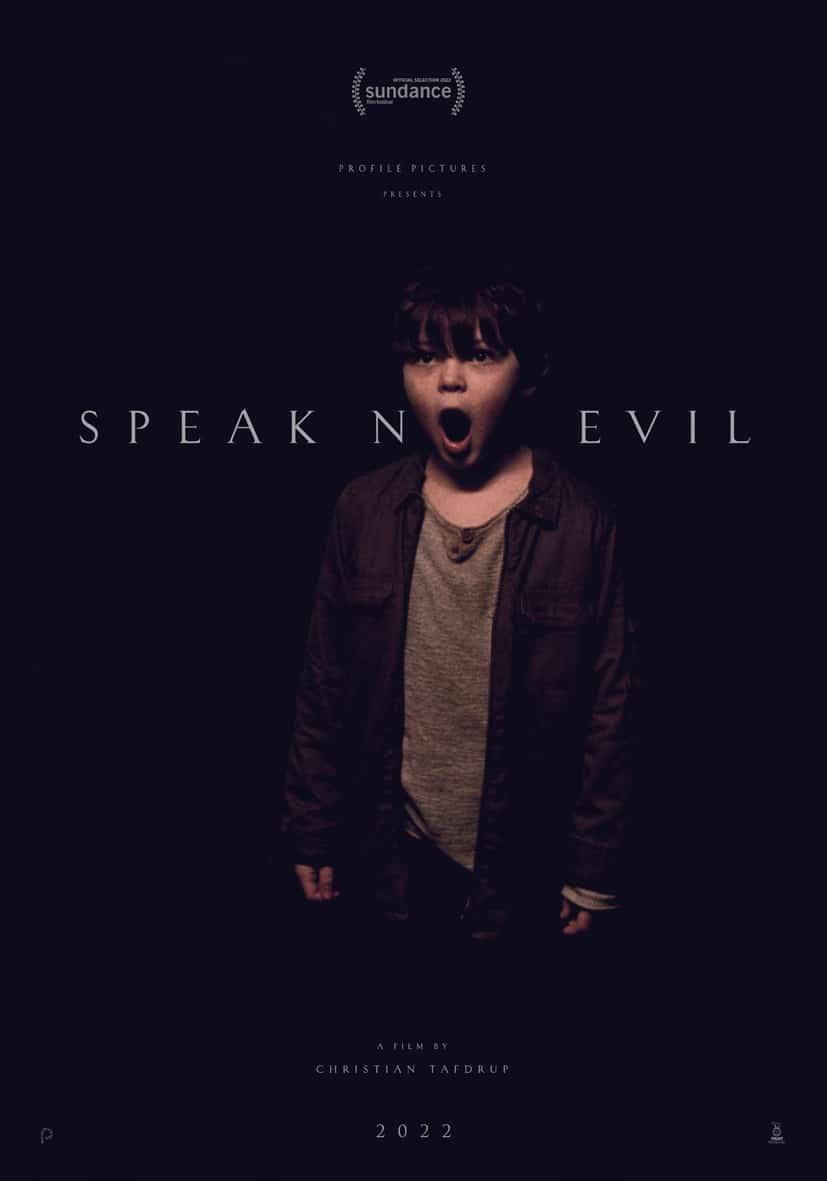
Movie Review: Speak No Evil

Speak No Evil

It takes a good horror movie to make audiences not question why the characters onscreen don’t just simply run away from the very dangerous situations they find themselves in. Movies like The Conjuring and It Follows never let the audience settle on the question because the answer is clear: whatever’s haunting the people in the story is inescapable (or requires a considerable amount of money to move out, as is the case in some haunted house movies).

Danish director Christian Tafdrup’s Speak No Evil, now streaming on Shudder, opts for inviting the question. It wants audiences to ask themselves why the family at the center of it doesn’t just leave terrible place they’re in and the horrible people inhabiting it. The reason? Because he’s found an answer that might explain why we as people resist fleeing when the bad starts stacking up, and it’s not for any noble reason. Tafdrup’s deeply disturbing and brutal film makes his characters suffer extensively for staying and it makes for a visceral experience.

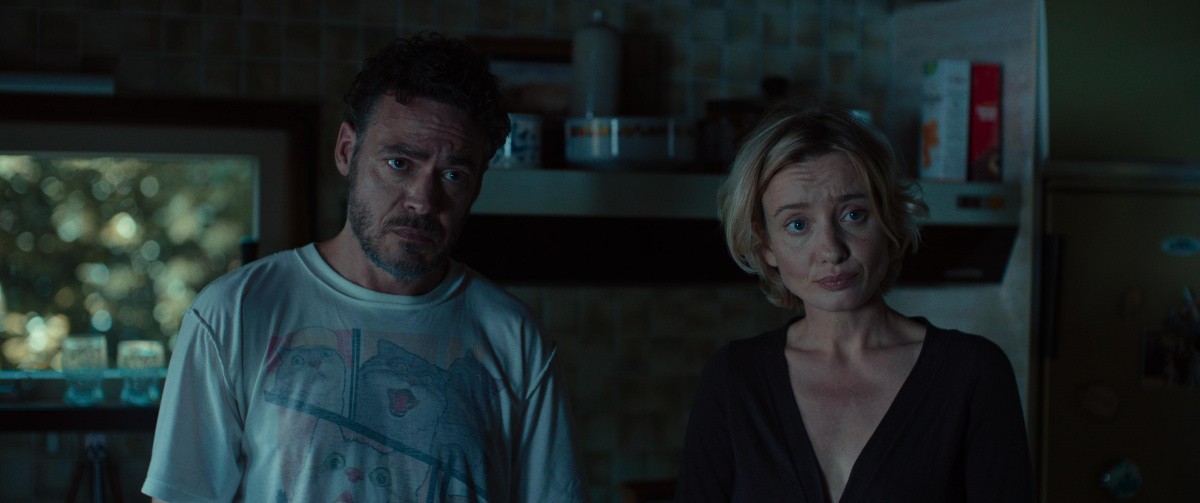
Speak No Evil follows a Danish family (Morten Burian and Sidsel Siem Koch with Liva Forsberg playing the young daughter role) as they take up an invitation to visit a family from Holland (Fedja van Huêt and Karina Smulders with Marius Damslev playing the role of their son) who they met while vacationing in Italy. The Danish family are a bit unsure about spending a weekend with this Dutch family because they’re basically strangers despite the time they spent together during the trip. They decide to accept their invitation but very quickly find out the Dutch family carry a very particular kind of strange with them. From then on, it’s a slow but fascinating descent into a hell of anxiety, politeness, and other people.

Speak No Evil

I want to make special mention of Sune Kølster’s score for the movie before discussing anything else. It can best be described as an exercise in creating an atmosphere of impending apocalypse. It’s expertly used in key sequences that don’t necessarily lead to moments of intense terror. Instead, it’s used as an announcement of absolute doom and its inevitability. It serves to keep the audience unsettled and concerned for the Danish family given the more outright horror parts of the movie are reserved for the very end of the story.

The rest of the movie, up to just before the final act, is essentially a series of nuanced events that peel back the layers of discomfort and awkwardness between the two families. The fact they know so little of each other starts to become very apparent, and there’s something off about the Dutch family. This forces the Danish family down a path of strained political correctness and forced politeness to try and avoid as much unpleasantness as possible. They fail at it, and watching it all devolve into an awkward mess of social pleasantries makes for an uncomfortable watch that is consistently fascinating.

It brings it all back to the question of why anyone would stay put in a place that’s so obviously not right. As the movie progresses, the answer to that question is fear of coming off as impolite. The Danish family’s unconscious commitment to not breaking the rules of social interaction and the expectation of it essentially imprisons them in a home that hides some truly sinister secrets behind the façade of familial normalcy.

In a way, the story finds its horror in the cages we build for ourselves by making decisions designed not for one’s own safety and security but for the sake of the perception others might have of us, or the opinions they might formulate about us based on how willing we are to avoid confrontation.

Speak No Evil

The idea blooms onscreen thanks in large part to the performances of the entire cast. The Danish couple, especially, put in the work to project physical discomfort to the point it hurts to watch them flail about emotionally to keep things under control without imposing their wills. For instance, Morten Burian (who plays the Danish father figure) has what seems like a permanent forced smile on his face for almost the entire movie, showing a kind of desperation to abide by the codes of conduct without ruffling feathers or inconveniencing anyone.

There’s a scene where Sidsel Siem Koch’s character, the Danish mother figure, is offered a piece of meat after having explicitly told the other family she’s a vegetarian. She reluctantly accepts the meat to keep the peace while her husband tries to brush the tension away with a smile. From there, the slights and the clashes just escalate until real evil starts seeping out.

Fedja van Huêt and Karina Smulders, who play the Dutch couple, dive into their performances with a rawness that makes the viewing experience itself come off as a test of endurance. They emotionally torture the other family with a false sense of kindness that casts doubt as to whether they are actually evil or if they’re just a very different an odd kind of family.

Director Tafdrup sets up the proverbial game board perfectly for a finale that shocks with its brutality. Once the design is laid bare, the implications of every decision made by the Danish family start to unravel, making the already painful process of seeing a family try so hard to please people that aren’t returning the favor become even more excruciating.

Speak No Evil

The finale is a descent into hell unlike any other. The audience is invited to think about the ‘what ifs’ of the many decisions not made before it got the point of no return. It’s not so much a punch to the gut as it as a cruel stabbing of the senses that leaves the audience broken and hopeless.

Revealing more would be doing Speak No Evil a disservice. It’s such a finely tuned piece of horror filmmaking that it just demands to be watched, experienced, and felt. The darkness slowly burrows itself under the skin as the story unfolds, and when its finally ready to show its ugly face it proceeds to do so with malicious intent. There’s a lesson in there too. When it looks like things are taking a turn and your senses tell you to flee, screw politeness and run as fast as you can.

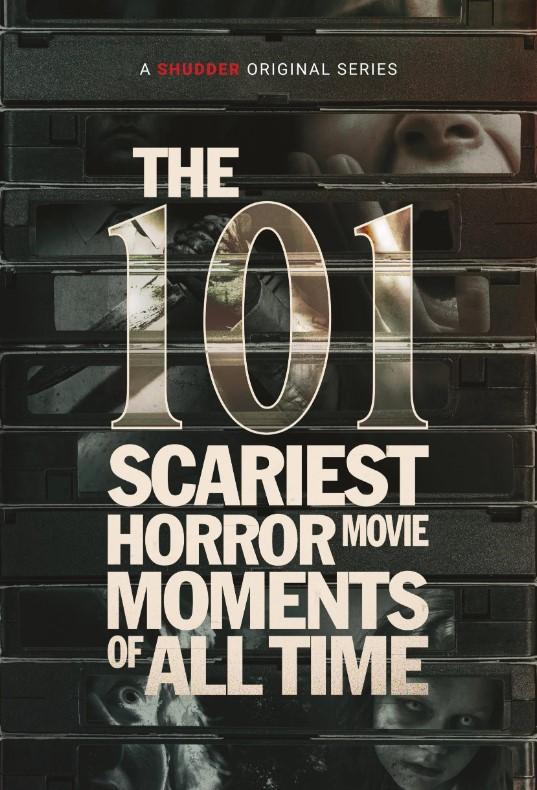
Review: Shudder’ s 101 Scariest Horror Movie Moments of All Time

Horror Movie

Lists and rankings concerning the best of anything are bound to be controversial by their very nature. Some might argue against the inherently subjective dimensions of the premise itself, saying it invalidates the entire exercise altogether. Others find validation through them, a way to dole out a few “told you so’s” in a debate. For me, lists aren’t about any of that.

A good list offers a service, a good excuse to go through the things being discussed by either engaging with them for the first time or getting reacquainted with them to test out the premise of the list. Shudder’s 101 Scariest Horror Movie Moments of All Time does precisely that. It’s not interested in laying down the law in the field of horror in an inflexible way (despite what the series’ title blatantly implies), instead it’s all about giving viewers more than enough reasons to indulge in well-crafted scares or to get reacquainted with old haunts with a fresh set of eyes.

The horror streaming service’s new series is basically a spiritual successor to Bravo’s 2004 miniseries The 100 Scariest Movie Moments, an influential production in its own right that gave horror fans material to debate and revisit once it aired. The first episode of the Shudder series, which is currently available to stream, goes from entries 101-89, stopping on each one to give a general idea of what the film is about and why it’s memorable as a whole before finally landing on its scariest moment.

Horror movie
It Follows

I’m not going to spoil the whole list here, but I will reveal entry #101 as it sets the tone well and signals a desire to not just go over the same horror classics that have dominated these kinds of countdowns before. David Robert Mitchell’s It Follows (2014) kicks things off fast and intense in what I took as a kind of statement. It had that “this isn’t your parents’ best of horror list” feel to it and it imbued the following entries with a surprising sense of anticipation.

Part of what also made the first entry so exciting was how it presented the format for the series, especially when it comes to its commentators. Instead of going for a mashup of quick edits and cuts of speakers giving bite-sized observations on the movie, each segment focused largely on one leading voice supported by shorter horror expert interventions, which included directors, journalists, scholars, experts, actors, and celebrity fans. The tone was celebratory but focused, not interested in quick quips or in making fun of the movie (something that Bravo, E!, and VH1 would go on to do in their own countdown-type shows).

An impressive cast of commentators graces the screen throughout, too. Tananarive Due, Mick Garris, Joe Dante, Tom Holland (the director of Fright Night and Child’s Play, not Spider-Man), Tony Todd, Brea Grant, and Gigi Saúl Guerrero are among the experts brought in to dissect each scary moment and their insight is the stuff of horror nerd dreams.

There’s a good mix of veteran industry names and newer or emerging voices within the community to make each discussion come off as fresh. Nothing feels recycled, giving every movie a chance to be seen through a different lens. This seems to be the aim of the series, to favor new interpretations and to dare consider films that haven’t had the chance to get much of a spotlight elsewhere.

Mulholland Drive

For instance, I never expected David Lynch’s Mulholland Drive (2001) to be one of the selections, but its inclusion was not only welcome but given the treatment it deserves as a unique film that freely indulges in horror in its storytelling. Mario Bava’s Black Sabbath (1963) follows close enough to make the ranking come off as modern and not tied down by tradition or cannon.

I was also pleased to see the range of time periods on display as newer lists tend to add newer productions at the expense of older ones despite their relevance and overall filmic impact. On the contrary, the show goes lengths to reassure fans the old and the new can coexist and elevate each other. There’s even recognition of a previous selection’s influence on a movie that comes further down on the list.

All of this to say that The 101 Scariest Movie Moments of All Time is shaping up to be an invaluable piece of horror content, especially in getting viewers to watch more horror. It’s a fun, non-combative celebration of the genre that invites appreciation rather than contentious debate over which movie should come first or last. Give it a watch and then go and get scared watching the movies that made it into the list.

HELLRAISER’s new Pinhead looks ready to deal her own kind of Hell while honoring legacy

Pinhead is the kind of horror icon that is recognizable even to those who might not have seen a single Hellraiser movie. A head full of nails and an elegantly dark and leathery costume design that finds a sense of twisted beauty in pain and suffering proved the right combination to achieve this during Doug Bradley’s tenure as the Hell priest.

Now it’s actress Jamie Clayton’s turn to push the iconic role into new territory in the David Bruckner-directed Hellraiser reboot set to premier on October 6 on Hulu. It’s not an easy task, that which lies ahead of the movie, but the recent teaser and photo reveals show considerable promise.

Hellraiser
Jamie Clayton as the new Pinhead

Created by master of horror Clive Barker, and based on his 1986 novella The Hellbound Heart, Hellraiser is a story of power and pleasure and the horrors they create when absolute self-indulgence and sexual greed lead people to worship at the altar of terrible things. Pinhead is the head of the Cenobites, demons that reward those seeking to experience a higher form of physical gratification through delicately intricate sessions of pure suffering for all eternity.

The Cenobites have been portrayed as living tributes to sadomasochism that are terrifying pieces of art unto themselves. You can’t quite stop looking at them and the ways they embody pain. Of course, there’s an erotic energy coursing through them that makes their brand of suffering unique. So far, their designs combine flayed flesh wrapped over leather and plastic, making it seem as if the mere act of existing comes at the price of a chunk of flesh for even the smallest movement. Wrapped inside all that is the idea that pain equals pleasure, which turns Hell into a place of decadent torment.

Based on the new images published through Entertainment Weekly and Clayton’s social media, the new Hellraiser seems to be doubling-down on the flayed flesh aspect. Clayton’s Pinhead carries the classic full head grid cut with long thin nails sprouting from its cleanly segment sections, but her neck is peeled back and held in place via strips of flesh organized into gruesome patterns.

Like Doug Bradley’s Pinhead, Clayton’s has black eyes, but they hold a deeper stare that clearly unsettles given how much darker they are than the original’s. These changes, nuanced in parts but still clearly identifiable already add a considerable amount of character and presence to the new Pinhead, things that I believe must be present to guarantee the success of this reboot. So far, looks like we’re on the right track.

Hellraiser
The Masque, Hellraiser (2022)

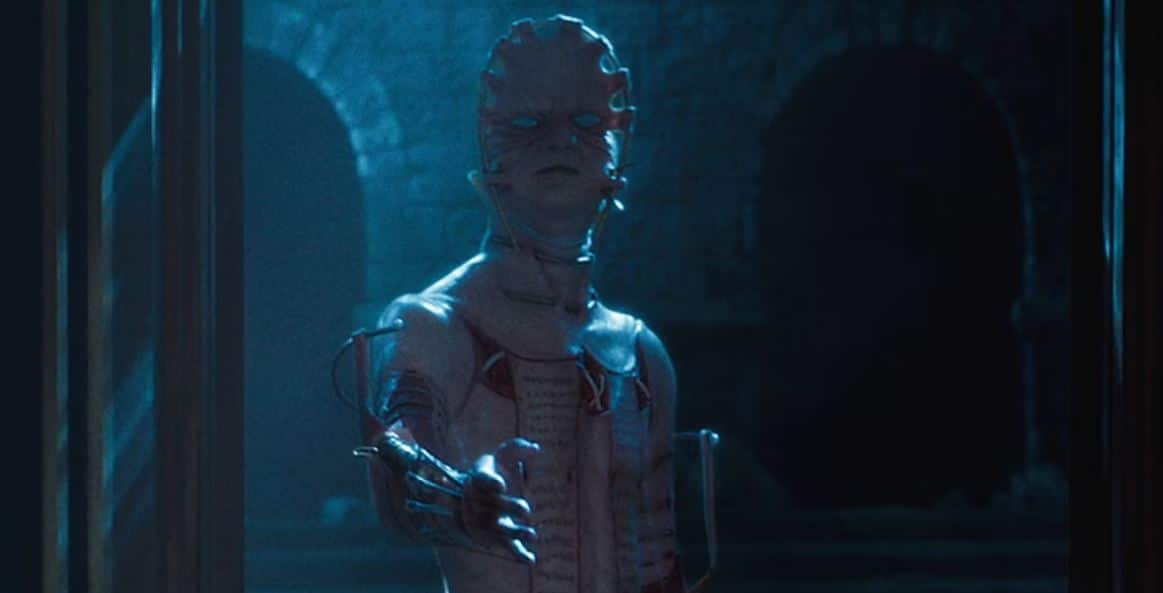
Another Cenobite was revealed called The Masque, a pale white being with a human face stretched over a metal frame with flaps of skin and carefully placed cuts adorning the body and creating their own violent patterns. If The Masque is indication of anything it’s of the care and thought that’s also gone into Pinhead’s band of deranged demons (or angels to others). The original movies featured this as well, with The Chatterer, Butterball, and Angelique among the most beloved by fans. That’s another box the reboot seems to be ticking as well.

The only teaser that’s been released reveals very little, but it does show a bit of Clayton’s Pinhead in the flesh (no pun intended). Will the Lament Configuration (the box that allows the Cenobites to crossover in search of whoever opened it) get its own redesign? Will the story journey into the Cenobites’ realm as it did in Hellraiser II or stay mostly within our reality as it did in the first movie?

These are all questions that a forthcoming trailer will surely shed more light on, but for now we have a genuinely unsettling and creepy new Pinhead to enjoy along with a glimpse of the other horrors that’ll accompany her. The sights provided do more than enough to peak anyone’s curiosity. We’ll soon know just how many nightmares they’ll inspire in an eager audience.

Movie Review: Revealer sends a stripper and a religious protester to the end of the world

Revealer

Stripped down to its bare essentials, the Apocalypse is ultimately an overblown shaming session levied against humanity. Trumpets signal the new stages of shaming scheduled throughout the event and demons spew out from their underground caverns to give everyone a taste of their disdain. That it’s also known as Judgment Day is just icing on the cake.

Director Luke Boyce’s Revealer, currently streaming on Shudder, certainly takes this to heart as it forces a tense pairing of personalities with firm convictions on morality just as the Apocalypse unleashes its opening salvo. It’s a movie that seems to become more relevant every single day after it’s very recent release, especially in terms of dividing lines and Supreme Court decisions.

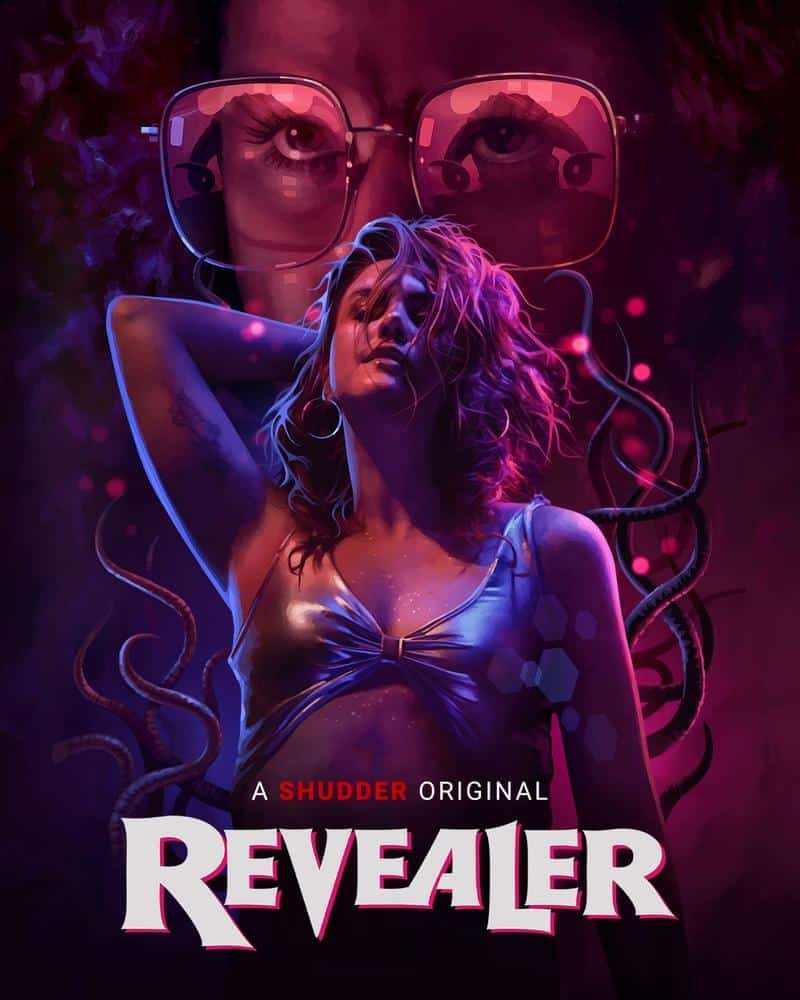
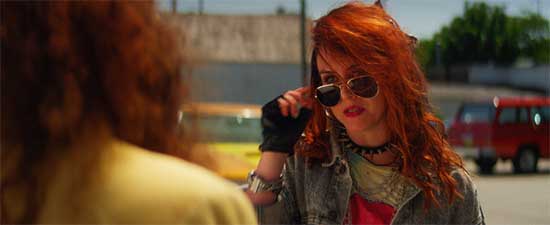
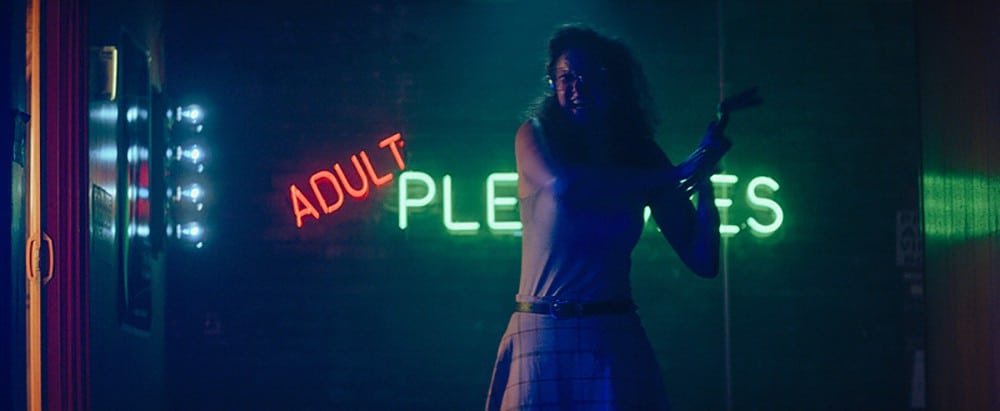
Revealer follows a stripper called Angie (Caito Aase) and a religious protestor called Sally (Shaina Schrooten), both stuck in a peepshow booth as the world ends outside. They each stand on opposite sides of a spectrum that’s divided groups of people since time immemorial: religion. Their anticipated animosity towards each other is present from the very beginning and has no qualms about being as brutal and piercing as possible every time any type of judgment is levied against the other, even after an unsteady alliance forms between them as demons and devils start making their way into the sex shop they’re held up in.

Comic fans should have a vested interest in this movie given the resumés of the screenwriting duo behind it, Tim Seeley and Michael Moreci. As two of the most versatile voices in the industry, Seeley and Moreci bring a finely tuned and honest sensibility to character creation that features the same approach to economical but precise dialogue writing present in comic book storytelling. This is perhaps most present in how the movie contemplates the idea of passing judgment onto others, on what lies in the very act of it and how difficult it is to let go of prejudices even when good intentions guide the conversation.

Revealer

The story’s success largely depends on Angie and Sally’s interactions and how genuine they feel as the Apocalypse threatens to burst their respective bubbles. The movie doesn’t only achieve this but does so by never allowing one of the characters to overpower the other with their worldviews.

Seeley and Moreci inject a fair amount of nuance into their dysfunctional pairing, promoting understanding rather than moral superiority. It’s not about whose worldview reigns supreme. It’s about finding a way to understand each other while also being able to challenge preconceived notions of right and wrong.

Boyce does a good job of giving these two characters enough unencumbered space for their conversations to take place while also creating a strong sense of dread as one particular devil sets its eyes on their souls. The story essentially takes place in just a handful of locations, all enclosed and claustrophobic. It’s theatrical in its approach and it maximizes the use of the limited budget in outstanding ways, putting the focus on character rather than on fire and brimstone. The Apocalypse is ever-present, but it’s mostly unseen. What’s impressive is that it is always felt. Therein lies the success of Revealer.

Caito Asse and Shaina Schrooten as the stripper and the religious protestor, respectively, melt into their roles and give each other more than enough emotion to play off each other. They go from total dislike for each other to brief bouts of understanding constantly and the effect is one that their performances carry through well.

Revealer

Given how heavy handed the script is though, mostly for good, the performances do sometimes fall into exaggeration and it can play against them. The humor doesn’t always hit the mark either, but not enough to distract from the story. It should be said that the movie isn’t an exercise in realism, but that some exchanges between Angie and Sally could’ve been reigned back a bit for more impact.

What we do get see of the Apocalypse, almost entirely in the form of demonic creatures, is memorable and plays to the fears and worries Angie and Sally argue about in their conversations. One particular creature stands out as a kind of Pinhead figure from the Hellraiser movies in its sense of presence and serious menace, and it helps propel a fair bit of tension and fear in what’s a very dialogue-heavy script. Other lesser demons also give Angie and Sally a few horror scenes that help to build their characters in surprising ways.

Revealer came out just as the American Supreme Court overturned Roe v. Wade, the landmark 1972 ruling went on to protect the freedom of choice on abortions. In its wake, the national divide has widened, bringing to light more forceful forms of disagreements that aren’t that dissimilar from the kinds explored in the movie. This might be a small note that definitely requires further exploration, but the context in which the movie finds itself in does turn it into an urgent watch. It offers different ways to go about contemplating the things that keep us apart and to better gauge the impact of our moral judgments. It’s something to think about and Revealer definitely helps.

Revealer

Boyce, Seeley, and Moreci have a very confrontational horror movie in Revealer. It has two compelling characters that drive home a debate that seems more necessary with each passing day. It might just be that the Apocalypse is exactly what we need to put things into perspective and come together.

Review: Werewolves Within pokes fun at American politics and sneaky lycans, in that order

Werewolves Within
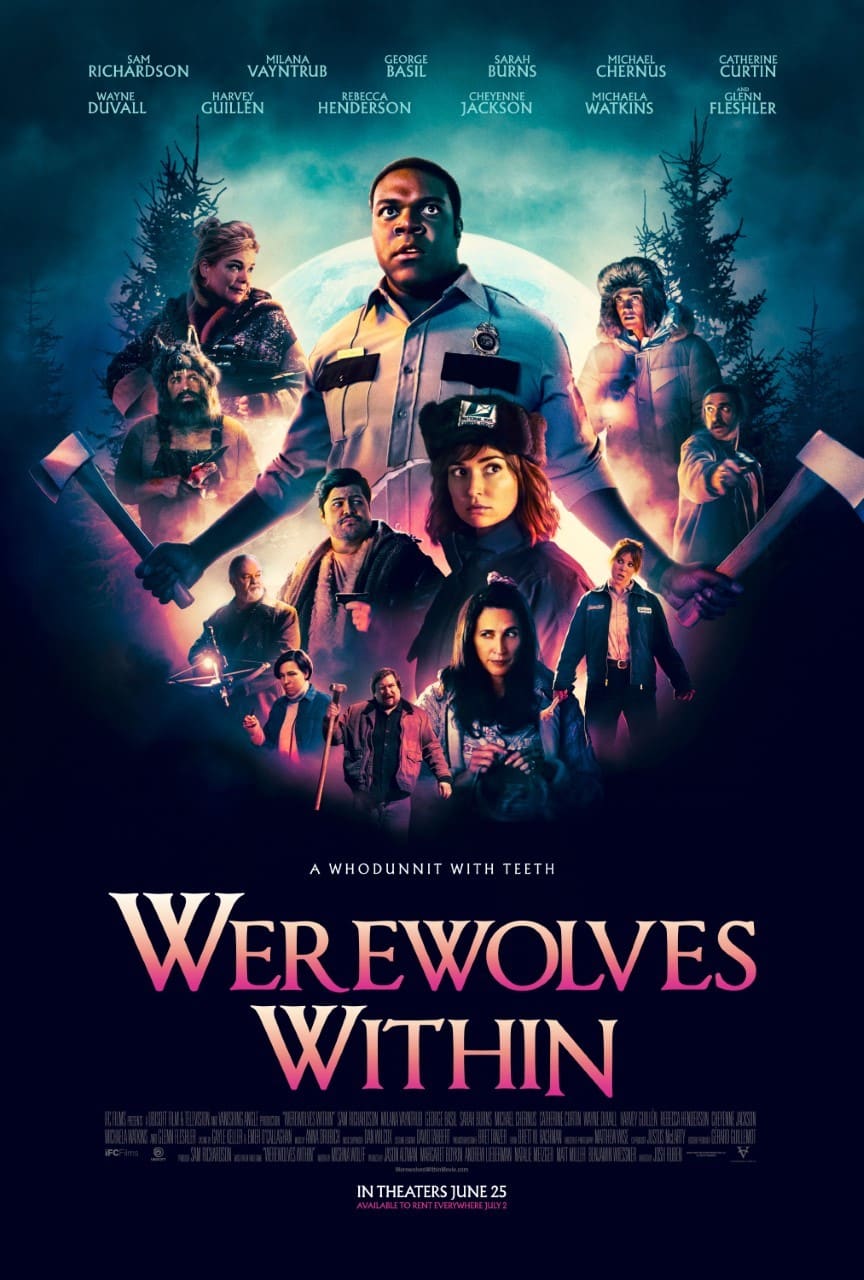
Werewolves Within poster

Imagine a werewolf story where the coming of the full moon is the least of the main character’s worries given he’s surrounded by a group of people more invested in the construction of a pipeline than the prospect of being torn to shreds by a lycanthrope. That, in a nutshell, is Werewolves Within, directed by Josh Ruben and written by Mishna Wolff.

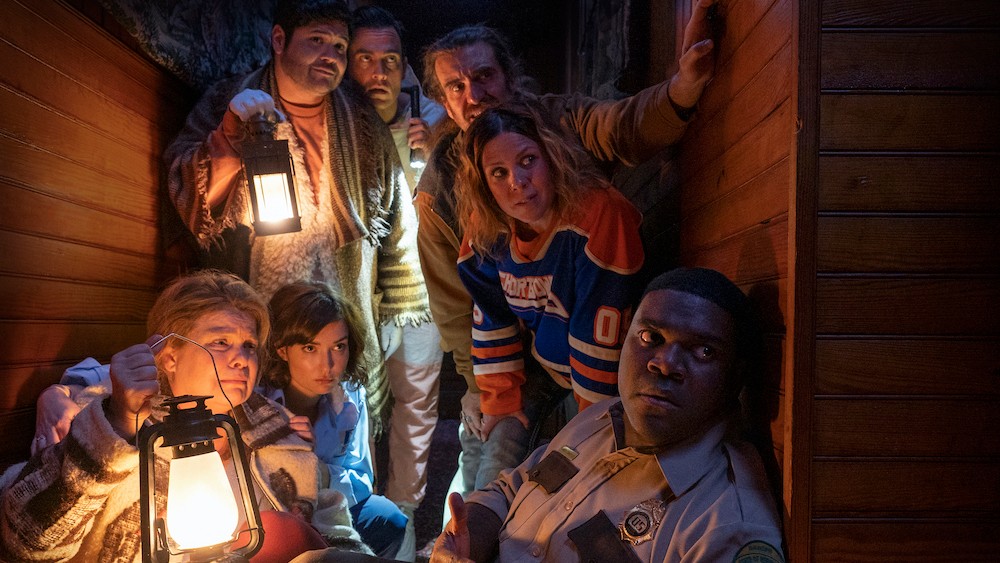
Based on the VR game of the same name, Werewolves Within centers on a group of people forced to stay together under a single roof, during a snowstorm, just as a series of grizzly happenings have scared everyone into thinking a werewolf is loose on the small town of Beavertown.

The story unravels like a game of Clue, where every character is a suspect, only in this case the suspicion revolves around the identity of the werewolf. And yet, the movie takes a sharp turn into oddball political paranoia, in which each suspect is a unique caricature of American politics that makes them as predictable as they are dangerous. It’s as if everything is split between party lines, right down to the way the group should go about solving the mystery.

The main divide that pits each character against each other is the potential construction of a pipeline through the natural beauty that surrounds Beavertown. A bullyish, macho oil man is all for the pipeline and is trying to get as many residents to his side as possible while an environmentalist, a forest ranger, a mailperson, the owner of the local inn, and a rich gay couple stand it total opposition to it.

Werewolves Within
Werewolves Within

A woman with small business aspirations (and a cute small dog called Chachi), her creepy grabby husband, and a money-hungry couple are all for the pipeline. Alliances are drawn from each side’s prejudices against the other and that’s where the movie finds its groove.

Werewolves Within’s two main leads, Finn and Cecily (played by Sam Richardson and Milana Vayntrub respectively), are the glue that keeps everything together. Finn is Beavertown’s new forest ranger and Cecily is the town’s mailperson. Their chemistry carries an undeniable pull that immediately places them as people worthy of trust in case of a werewolf crisis. They’re easy to root for, which makes all the violence around them bite that much harder.

What’s smart about the two leads is that they function as balancing agents, towing the line between the left-leaning suspects and the pro-pipeline right-wingers. To be clear, I don’t believe the movie is a right-wing bashing free-for-all where the more liberal camp comes out as the clear winner. Each side is a caricature of itself and the movie invites making fun of everyone.

You might’ve already noticed I haven’t mentioned the werewolf that much. There’s a reason for that, but I’ll let the movie do the talking on that front. I’ll say this, the direction they take it in is whip-smart and well worth the many twists and turns the movie throws at its audience at nearly every turn.

Werewolves Within is a remarkable satire of our current political climate and it uses horror conventions just as well as it subverts them to make it stand out. It serves a higher purpose and it’s all the better for it. It has quite a few tricks up its sleeves, and you’ll laugh hard through each one as you try to figure who is and who isn’t an asshole. I mean, who is or who isn’t a werewolf.