
Underrated: MY CAPTAIN AMERICA: A GRANDDAUGHTER’S MEMOIR OF A LEGENDARY COMIC BOOK ARTIST EXPLORES THE WORLD OF JOE SIMON
This is a column that focuses on something or some things from the comic book sphere of influence that may not get the credit and recognition it deserves. Whether that’s a list of comic book movies, ongoing comics, or a set of stories featuring a certain character. The columns may take the form of a bullet pointed list, or a slightly longer thinkpiece – there’s really no formula for this other than whether the things being covered are Underrated in some way. This week: Captain America: A Granddaughter’s Memoir of a Legendary Comic Artist .
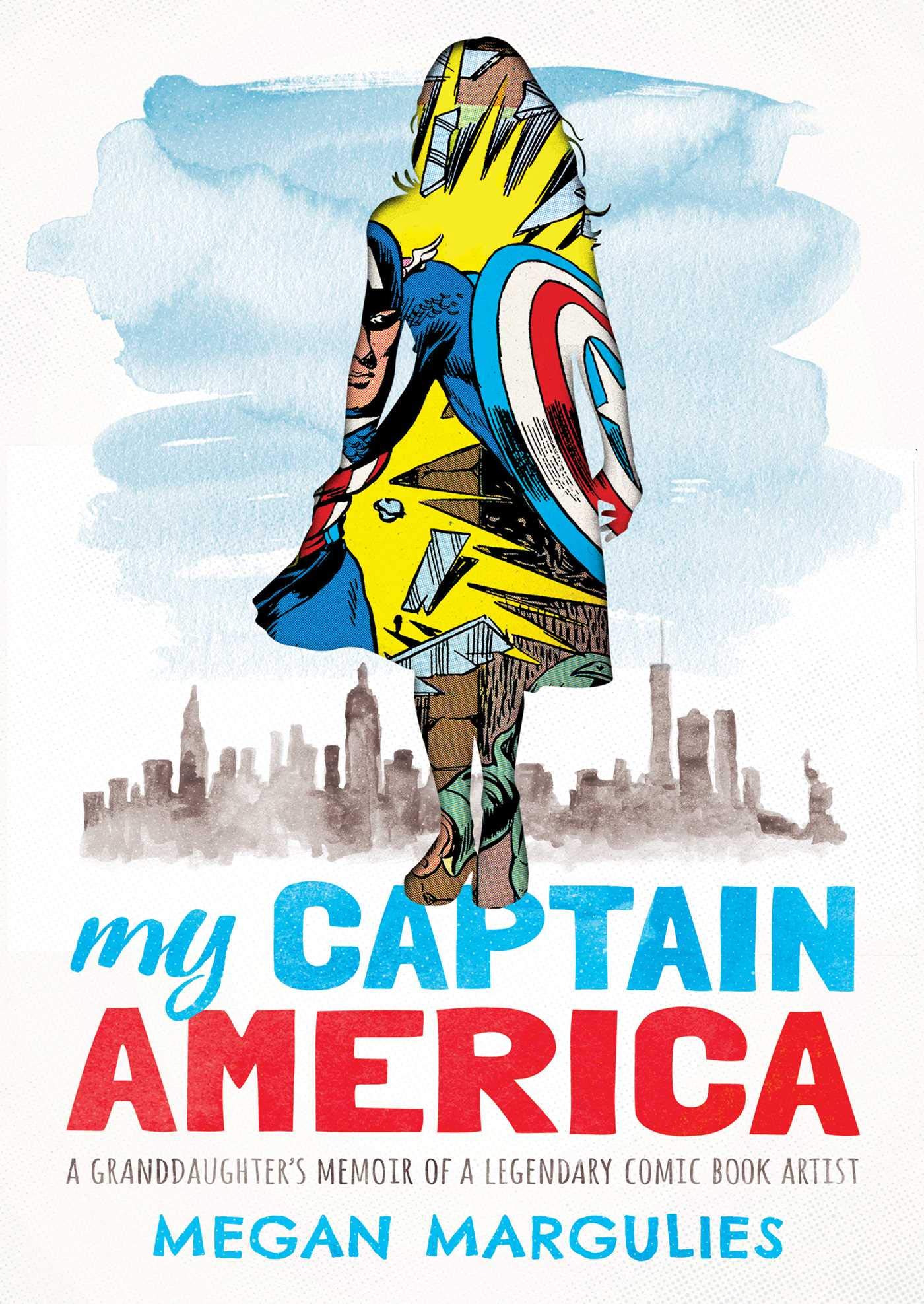
In the 1990s, Megan Margulies’s Upper West Side neighborhood was filled with strife, and the small one-bedroom apartment she shared with her parents and two younger siblings was hardly a respite. Salvation arrived in the form of Megan’s spirited grandfather, whose midtown studio became a second home. His living room was dominated by the drawing table, notes, and doodles that marked him as Joe Simon the cartoonist. But for Megan, he was always Daddy Joe.
That was all it took for me to want to read My Captain America: A Granddaughter’s Memoir of a Legendary Comic Artist; it checked all the boxes of my interest – comic book history and the chance to learn more about a legend, Joe Simon. I’ll be honest in saying I can count on one hand the number of memoirs I’ve read (aside from graphic novel memoirs, I could probably use two fingers to count), because ultimately memoirs aren’t typically my thing. Megan Margulies book recounting her relationship with her grandfather, however, was a book that I thoroughly enjoyed.
Although Joe Simon, or Daddy Joe, features prominently in the book, My Captain America… is as much Margulies’ story as it is about Joe Simon.
We follow Marqulies story growing up in the upper west side of New York City in a one bedroom apartment, through the expansion of her family and her rebellious teenage years. Through it all, there’s Joe Simon He is the refuge in a tumultuous young life, the island of calm as the author’s life spirals through familial squabbles and the New York of the late 90’s.
This isn’t a historical record of everything Joe Simon did in his storied comic book career and Marqulies never presents it as such, only bringing up moments that are relevant to the events unfolding on the page. By doing this, she is able to give you an insight into who Joe Simon was, and the impact he had one those around him. Her tidbits also have the effect of being told from a very unique perspective; – and yes, there are certainly aspects of the comic legend that many will be learning about for the first time from this memoir.
You will read about the behind the scenes of Simon’s interviews, snippets of his reactions to events within comics, and even hear about his experience watching Captain America: The First Avenger.
For any fan of Captain America, this book is a must read.
Joe Simon passed away at 98 years old in December 2011. Even knowing that date is coming when reading this book, you can’t help but feel heartbroken when Marqulies peels back the layers of time. The grief we feel as readers is only a fraction of what his family felt, and I’m not ashamed to say that my eyes were more than misty reading those pages. Marqulies pulls on every heart string you have, and some you didn’t know about.
What I was expecting to be an exploration of a comic book legend from a perspective that we’ve never seen before quickly became an intimate look at the relationship between a grandfather and his granddaughter that it was an honor to share.
Purchase: Bookshop – Amazon (Hardcover) – Kindle – Audiobook – Audio CD
Join us next week where there will doubtless be another movie, series, comic or comic related thing discussed that is, for whatever reason, Underrated.
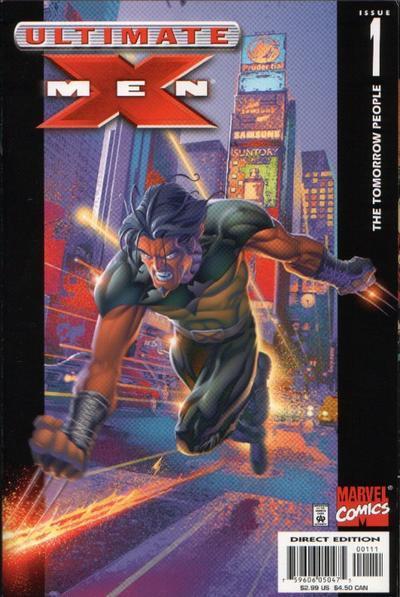 Ultimate X-Men was a series launched under Marvel’s Ultimate Marvel imprint that aimed to do away with 40 years of so called convoluted continuity into a more modern and updated setting. The second title to launch after Ultimate Spider-Man, Ultimate X-Men was written by Mark Millar and drawn by Adam and Andy Kubert. Millar was largely ignorant of the storied history of the X-Men, and reinvented the characters with the 2000 X-Men film as his primary reference. Millar has admitted in an interview with Sequential Tart that he knew bugger all about the characters before Joe Queseda and Bill Jemas asked him to pitch for X-Men, expecting them to use the script as toilet paper. Instead, because Millar knew next to nothing about the franchise, they decided that he should be the one to reboot the X-Men for Marvel’s Ultimate line of comics.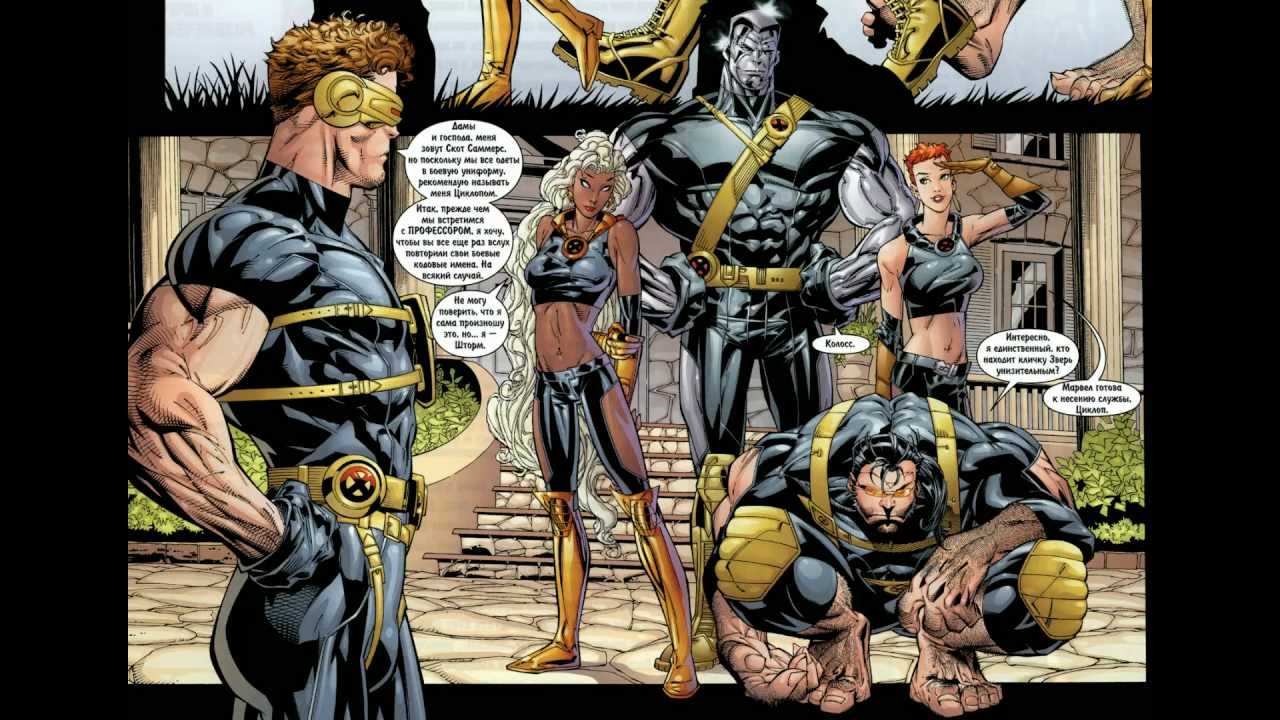
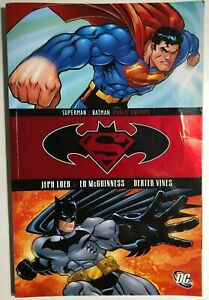
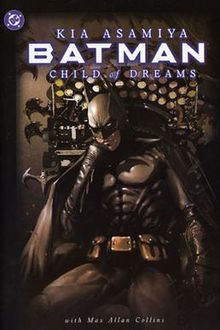 This week I wanted to focus on one of the very few manga books I own. Batman: Child Of Dreams was written and illustrated by Kia Asamiya and was originally published in Magazine Z, before eventually being released in an English language version in 2003. At the time of translation it was common for manga to be flipped so that Western audiences wouldn’t be confused by the traditional right to left reading layout of the source material (I’m told this isn’t the case any longer), so when you’re reading the book you’ll notice Two Face is scarred on the wrong side. It’s a minor thing at best once you understand why it’s there, and don’t attribute the error to an artistic blunder.