
Review: Haiti: The First Black Republic
As Americans, we love to write legends out of our historical figures. Take, for instance, the number of stories connected to George Washington. They go from almost unbelievable to slice of life. It’s no wonder the rest of the world has both celebrated us for our diverse history but ridicule us for our bravado. Another story which many take as history, and not a legend, is the Louisiana Purchase.
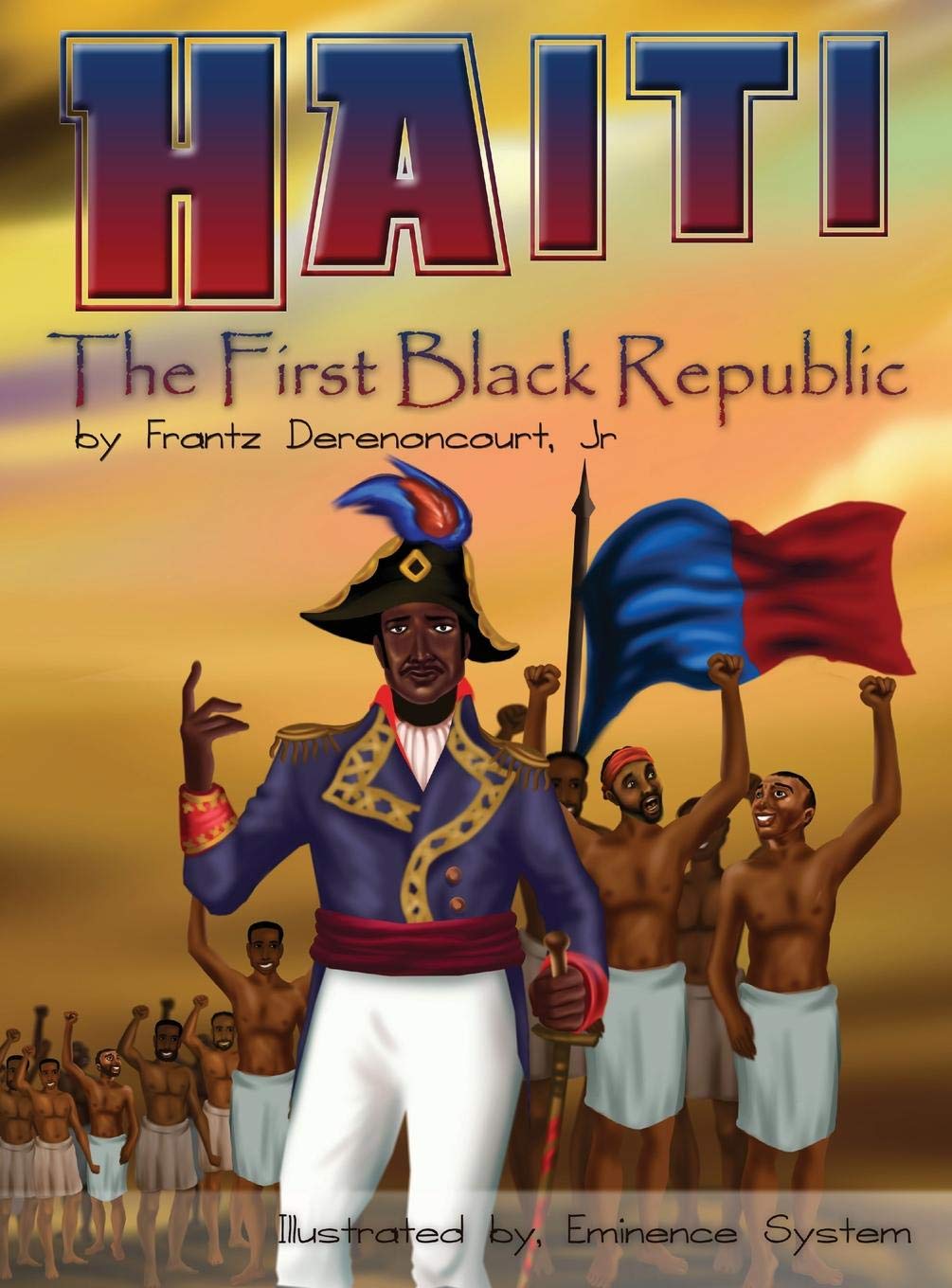
History has told us that France sold us what we now know as the Midwest because they did not want anything to do with the New World. The truth is more complicated than one simple answer. Another reason was because of the Haitian Revolution which lead to hundreds of French people dying or fleeing the island. This story is beautifully captured in Haiti: The First Black Republic, where we find out what lead to it and the brave men and women that emerged from it.
We find out about the first inhabitants, the Arawak tribe, Taino, who built villages, fed off the land and even traded amongst each other, and did so peacefully for thousands of years. Everything changed in 1492, when Christopher Columbus plundered the land for gold and left a settlement, which decreased the population from 1,000,000 to 25,000. The French would arrive in the 1600s where they share the island with the Spaniards, where they began a prosperous sugar and slave trade. As slavery became popular across the island, so did runaway slaves, who became entrenched with the Maroons, and were lead by a man named Mackandal, who eventually structured an army of Maroons and former slaves, to fight against the slave masters. This would inspire a slave named Dutty Boukman to organize an insurrection, with a detailed plan on how to defeat the French. As the revolt started, France would hear news of this slave revolt, prompting France to send a cavalry, which was met by an ex-slave, Toiussant LOverture, who took up the cause shortly after Boukman was killed. He along with Henri Christophe and Jean Jacques Dessalines, successfully pushed back the French out of Haiti, made them abolish slavery and free all the slaves of St.Domingue, the capital of French Haiti. L’Overture would set up a new independent government, which included schools and courts of justice. This would not last when Bonaparte came into power, Toussaint L’Ouverture was tricked by French General LeClerc, captured and sent to France where he was jailed until his death. Dessalines in LOverture’s absence would defeat LeClerc, and rid the island of French presence once and for all in the Battle of Vertieres. On January 1, 1804, Dessalines would sign the Haitian Declaration of Independence, making it the first independent nation in the Caribbean, and would give the country its name, “Haiti”, in honor of the country’s first inhabitants, the Tainos.
Overall, a brisk but informative history, of why the island’s history is so important to so many of its people, and its Diaspora. The history as told by Frantz Derenoncourt Jr. is amazing. The art by the Eminence System is stunning. Altogether, a history everyone should know, even if it is not thought in schools.
Story: Frantz Derenoncourt Jr. Art: Eminence System
Story: 10 Art: 9.3 Overall: 9.7 Recommendation: Buy
Discover more from Graphic Policy
Subscribe to get the latest posts sent to your email.
