
Tag Archives: Marvel Comics

Mini Reviews and Recommendations For The Week Ending 3/19/2022

Sometimes, the staff at Graphic Policy read more comics than we’re able to get reviewed. When that happens you’ll see a weekly feature compiling short reviews from the staff of the comics, or graphic novels, we just didn’t get a chance to write a full review for. Given the lack of new comics, expect this weekly update to begin featuring comics that we think you’ll enjoy while you can’t get anything new to read – only new to you.

These are Graphic Policy’s Mini Reviews and Recommendations.


Logan
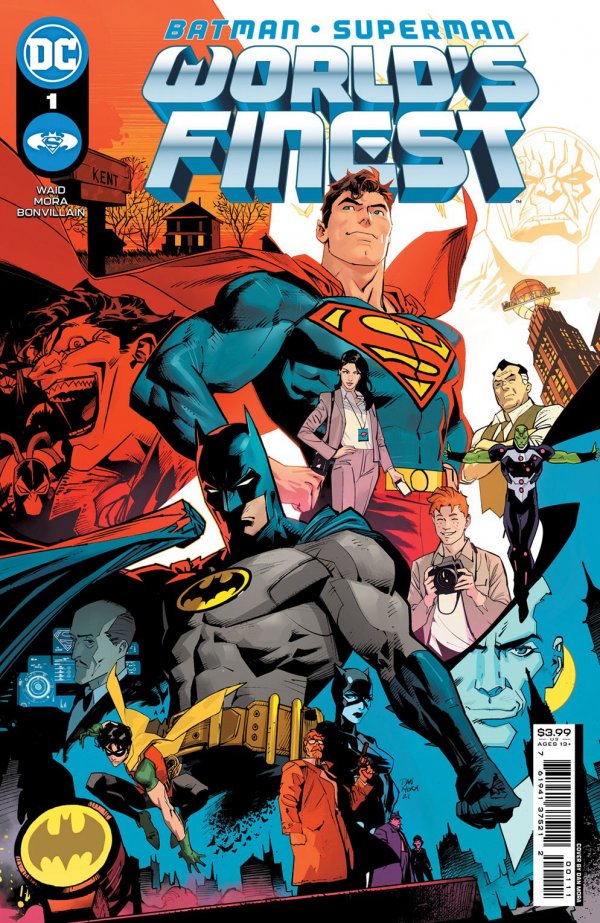
Batman/Superman: World’s Finest #1 (DC)– Mark Waid, Dan Mora, and Tamra Bonvillain turn in a high energy, high emotion team-up book in World’s Finest #1. Set in the earlier days of Batman and Superman’s crime fighting career, the book has them working as a well-oiled machine until Metallo injects Red Kryptonite into Superman’s heart causing him to transform uncontrollably. Mora and Bonvillain go into almost body horror mode showing the effects of the injection on him, and they and Waid bring in the Doom Patrol to figure out to cure and counter it. But the greatest part about World’s Finest #1 is that Batman and Superman have a genuine friendship as Bruce Wayne and Clark Kent that’s established in a flashback sequence and echoes into the main plot with Batman trying to pry him loose mentally. World’s Finest #1 has an old school vibe with modern visual storytelling techniques, and honestly it’s just nice to see the Doom Patrol in something comics related again. Overall: 8.9 Verdict: Buy

Joe Hill’s Rain #3 (Image)– Joe Hill’s Rain continues to explore the dimensions of grief, loss, and the apocalypse while still having strong thriller elements. David Booher’s narration works well with Zoe Thorogood’s art and Chris O’Halloran’s flat state to get in the head of protagonist Honeysuckle as she, a new friend, and eccentric kid Templeton travel to Denver to tell her girlfriend’s father about his daughter’s death. The introduction of a cop character adds tension and some context about what’s going on in the world outside of Colorado while Thorogood probes at the depth of loss with wide panels of people being skewered by this deadly rain. The bond between the three travelers grows in Rain #3, but even in the face of tragedy and loss of life, some humans continue to be assholes adding another dimension of conflict beyond avoiding the rain. Overall: 8.0 Verdict: Buy

Nightwing #90 (DC)– Tom Taylor continues to revisit the strong relationships that Dick Grayson has with the various denizens of the DC Universe in Nightwing while weaving into the larger plot of Blockbuster trying to take out Dick Grayson. Geraldo Borges is the artist on this issue, and he and regular colorist Adriano Lucas bring an action movie flair to Nightwing #90 with explosions, flying devris, and finally Wally West running into a hail of bullets. Taylor and Borges remember that Wally and Dick are best friends, and Wally helps save the residents of Dick’s apartment building while offering him a safe place to crash in Keystone City. There are a lot of down beats in Nightwing #90 (the kidnapping of Barbara Gordon, Dick’s apartment building’s destruction), but Tom Taylor finds a lot of humor and warmth in the bond between Wally West and Dick Grayson before springing them into action. Nightwing continues to have its cake and eat it too with strong guest stars that logically make sense in the story, showing Dick’s desire to improve Bludhaven no matter the cost, and exciting art especially in the action scenes. Overall: 8.7 Verdict: Buy

Eternals: The Heretic #1 (Marvel)– In his last comics work before his passing, Ryan Bodenheim brings genocidal Eternal and patriarch Uranos to life with Kieron Gillen, Edgar Salazar, and Chris O’Halloran. This issue delves into such evil that the Machine takes a break from sassy narrator duties while Uranos and Thanos bond over efficient ways of committing genocide and contempt for their families. Uranos snarks at Thanos for only killing 50% of the universe in a full page spread that shows the sheer force of his power, but they end up being kind of buddies by the end of the one-shot. Bodenheim and Salazar give Uranos a cragginess in his appearance to go with Gillen writing him as utterly believing in his principles. He might be behind bars, but Eternals: The Heretic establishes as a true, very behind the scenes power player in the Marvel Universe. Overall: 8.4 Verdict: Buy


Well, there you have it, folks. The reviews we didn’t quite get a chance to write. See you next week!

Please note that with some of the above comics, Graphic Policy was provided FREE copies for review. Where we purchased the comics, you’ll see an asterisk (*). If you don’t see that, you can infer the comic was a review copy. In cases where we were provided a review copy and we also purchased the comic you’ll see two asterisks (**).
Mini Reviews and Recommendations For The Week Ending 3/5/2022

Sometimes, the staff at Graphic Policy read more comics than we’re able to get reviewed. When that happens you’ll see a weekly feature compiling short reviews from the staff of the comics, or graphic novels, we just didn’t get a chance to write a full review for. Given the lack of new comics, expect this weekly update to begin featuring comics that we think you’ll enjoy while you can’t get anything new to read – only new to you.

These are Graphic Policy’s Mini Reviews and Recommendations.


Logan

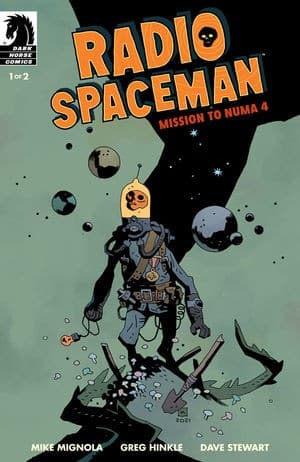
Radio Spaceman #1 (Dark Horse)– Mike Mignola, Greg Hinkle, and Dave Stewart craft a world that’s a little steampunk, a little sci-fi, and of course, a little cosmic horror. Hinkle does an admirable job bringing Mignola’s designs to life, and this story has all kinds of cool shit like malfunctioning rayguns, eccentric inventors, attack frogs, and best of all, an astronaut with a skull for a head. Mike Mignola keeps the story simple and focuses on things like atmosphere and letting Hinkle’s art breathe as the story goes from a decrepit satellite to Forbidden Planet meets the Nostromo. It’s nice to see Mignola back doing sci-fi, and Greg Hinkle, and of course deity-tier colorist Dave Stewart, are well-matched collaborators for this new world. Overall: 8.2 Verdict: Buy 

A Thing Called Truth #5 (Image/Shadowline)– Iolanda Zanfardino and Elisa Romboli’s road trip/romance wraps up with sweeping gestures, dramatic arguments, and love at first sight. It’s like turning back time to when the mid-budget romcom ruled the box office, but queer this time. The incompatibility between Mag and Dorian’s personalities and approaches to life goes from the backburner to boil in A Thing Called Truth #5, and they get into a big argument. Romboli uses gutters between their angry faces and pointing fingers to hint that maybe they won’t work out as a couple. But A Thing Called Truth isn’t that kind of story. It’s more of a fairy tale about living life in the moment instead of being overwhelmed by things like jobs and capitalism. It’s yet another hit from Zanfardino and Elisa Romboli, who revive the romance genre with humor, passion, and queerness. Overall: 8.8 Verdict: Buy

One-Star Squadron #4 (DC)– One-Star Squadron is another compelling installment of this work place comedy meets satire of hypercapitalism from Mark Russell, Steve Lieber, and Dave Stewart. This issue focuses on Red Tornado attempting to lay off half of Heroz4U’s employees so they can slash payroll and sell the company. Lieber’s skill with facial expression comes in handy during the comedic bits (A page long riff on the “Coffee’s for closers” speech in Glengarry Glen Ross.), but he also does a great job conveying the tension that Red Tornado feels between being a good person and having a job support his family. Because as Maxwell Lord’s audiobook says, having a conscience isn’t an asset in 2022. Russell and Steve Lieber also spend some time with supporting characters like Power Girl, Minuteman, and in a truly tragic sequence, Gangbuster and show what they’re up to with the layoffs and sale impending. Their take on Power Girl is a picture perfect takedown of “girl boss” culture from the white suit to the lack of empathy. On top of being a timely, emotionally compelling story, One-Star Squadron continues to be loaded with background gags satirizing different aspects of contemporary society through a superheroic lens. Overall: 8.1 Verdict: Buy

Loaded Bible: Blood of My Blood #1 (Image)– Tim Seeley returns to Loaded Bible (I haven’t read the original comic) with Steve Orlando, Giuseppe Cafaro, and Josh Rodriguez. They check into a world where vampires and Catholics have teamed up to make the world a theocracy ruled by the Red Pope Dracula, and anyone not in keeping with the church’s teaching hangs out in the ruins of an old missionary space trip with a clone of Jesus. It’s high concept and has shades of late 90s Top Cow books, but is less heterosexual gazey. Clone Jesus is a compelling character, and Orlando, Seeley, and Cafaro spend their time fleshing out the utopia he has created and defended before overturning it. Blood of My Blood #1 has a schlocky, B-movie tone, but the art is nothing to right home about with the exception of a few memorable moments like one of the church’s ships dwarfing some survivors or any time Dracula makes an appearance. Overall: 7.3 Verdict: Read

What If?: Miles Morales #1 (Marvel)– Although it features a very predictable “twist”, Cody Ziglar and Paco Medina turn in an interesting riff on both Miles Morales and Captain America in What If?: Miles Morales #1. It’s awesome how closely Ziglar adheres to Miles’ origin all the way back in Ultimate Comics Spider-Man #1 with a star-spangled twist, and he writes the dynamic between Miles, his family, and his girlfriend Falcon in a fun, banter-heavy way. It’s not as off the wall and “What If” as it could be, but the glimpses of upcoming issues seem to be more off-beat with this universe/issue as the base level. Overall: 7.6 Verdict: Read


Well, there you have it, folks. The reviews we didn’t quite get a chance to write. See you next week!

Please note that with some of the above comics, Graphic Policy was provided FREE copies for review. Where we purchased the comics, you’ll see an asterisk (*). If you don’t see that, you can infer the comic was a review copy. In cases where we were provided a review copy and we also purchased the comic you’ll see two asterisks (**).
Underrated: MY CAPTAIN AMERICA: A GRANDDAUGHTER’S MEMOIR OF A LEGENDARY COMIC BOOK ARTIST EXPLORES THE WORLD OF JOE SIMON

This is a column that focuses on something or some things from the comic book sphere of influence that may not get the credit and recognition it deserves. Whether that’s a list of comic book movies, ongoing comics, or a set of stories featuring a certain character. The columns may take the form of a bullet pointed list, or a slightly longer thinkpiece – there’s really no formula for this other than whether the things being covered are Underrated in some way. This week: Captain America: A Granddaughter’s Memoir of a Legendary Comic Artist .


MY CAPTAIN AMERICA: A GRANDDAUGHTER'S MEMOIR OF A LEGENDARY COMIC BOOK ARTIST

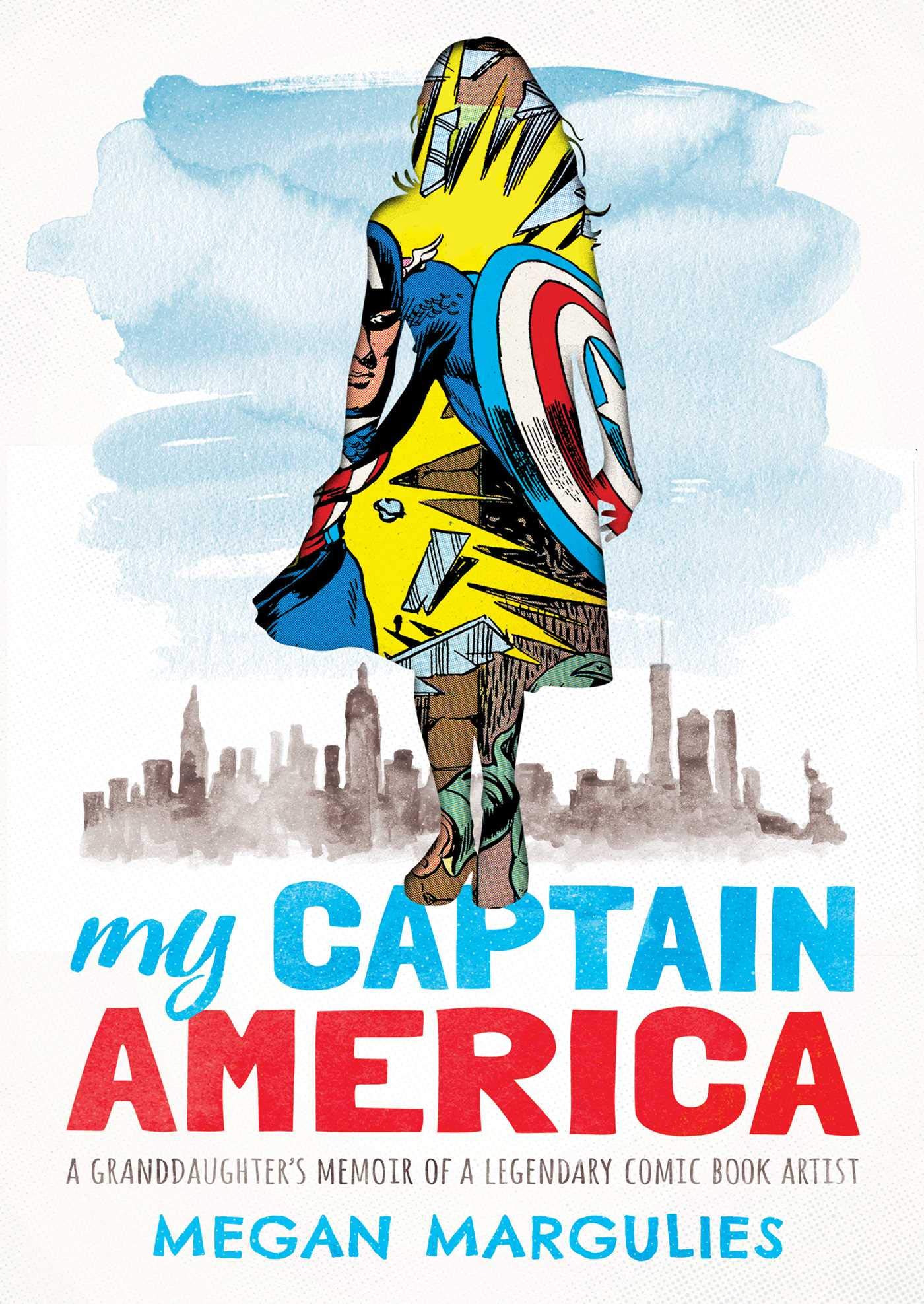
In the 1990s, Megan Margulies’s Upper West Side neighborhood was filled with strife, and the small one-bedroom apartment she shared with her parents and two younger siblings was hardly a respite. Salvation arrived in the form of Megan’s spirited grandfather, whose midtown studio became a second home. His living room was dominated by the drawing table, notes, and doodles that marked him as Joe Simon the cartoonist. But for Megan, he was always Daddy Joe.

That was all it took for me to want to read My Captain America: A Granddaughter’s Memoir of a Legendary Comic Artist; it checked all the boxes of my interest – comic book history and the chance to learn more about a legend, Joe Simon. I’ll be honest in saying I can count on one hand the number of memoirs I’ve read (aside from graphic novel memoirs, I could probably use two fingers to count), because ultimately memoirs aren’t typically my thing. Megan Margulies book recounting her relationship with her grandfather, however, was a book that I thoroughly enjoyed.

Although Joe Simon, or Daddy Joe, features prominently in the book, My Captain America… is as much Margulies’ story as it is about Joe Simon.

We follow Marqulies story growing up in the upper west side of New York City in a one bedroom apartment, through the expansion of her family and her rebellious teenage years. Through it all, there’s Joe Simon He is the refuge in a tumultuous young life, the island of calm as the author’s life spirals through familial squabbles and the New York of the late 90’s.

This isn’t a historical record of everything Joe Simon did in his storied comic book career and Marqulies never presents it as such, only bringing up moments that are relevant to the events unfolding on the page. By doing this, she is able to give you an insight into who Joe Simon was, and the impact he had one those around him. Her tidbits also have the effect of being told from a very unique perspective; – and yes, there are certainly aspects of the comic legend that many will be learning about for the first time from this memoir.

You will read about the behind the scenes of Simon’s interviews, snippets of his reactions to events within comics, and even hear about his experience watching Captain America: The First Avenger.

For any fan of Captain America, this book is a must read.

Joe Simon passed away at 98 years old in December 2011. Even knowing that date is coming when reading this book, you can’t help but feel heartbroken when Marqulies peels back the layers of time. The grief we feel as readers is only a fraction of what his family felt, and I’m not ashamed to say that my eyes were more than misty reading those pages. Marqulies pulls on every heart string you have, and some you didn’t know about.

What I was expecting to be an exploration of a comic book legend from a perspective that we’ve never seen before quickly became an intimate look at the relationship between a grandfather and his granddaughter that it was an honor to share.


Purchase: BookshopAmazon (Hardcover)KindleAudiobook Audio CD


Join us next week where there will doubtless be another movie, series, comic or comic related thing discussed that is, for whatever reason, Underrated.

Underrated: Ultimate X-Men

This is a column that focuses on something or some things from the comic book sphere of influence that may not get the credit and recognition it deserves. Whether that’s a list of comic book movies, ongoing comics, or a set of stories featuring a certain character. The columns may take the form of a bullet pointed list, or a slightly longer thinkpiece – there’s really no formula for this other than whether the things being covered are Underrated in some way. This week:  Ultimate X-Men


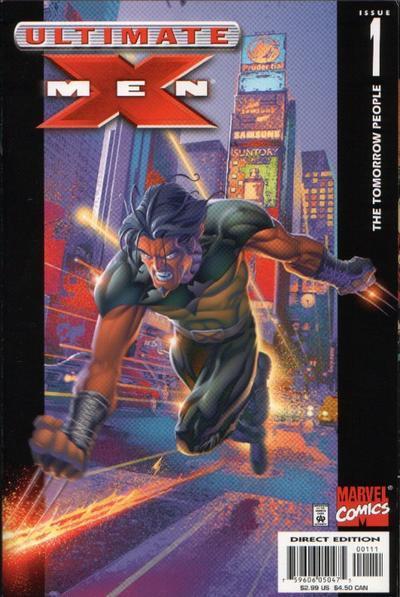
Ultimate_X-Men_Vol_1_1.jpgUltimate X-Men was a series launched under Marvel’s Ultimate Marvel imprint that aimed to do away with 40 years of so called convoluted continuity into a more modern and updated setting. The second title to launch after Ultimate Spider-Man, Ultimate X-Men was written by Mark Millar and drawn by Adam and Andy Kubert. Millar was largely ignorant of the storied history of the X-Men, and reinvented the characters with the 2000 X-Men  film as his primary reference. Millar has admitted in an interview with Sequential Tart that he knew bugger all about the characters before Joe Queseda and Bill Jemas asked him to pitch for X-Men, expecting them to use the script as toilet paper. Instead, because Millar knew next to nothing about the franchise, they decided that he should be the one to reboot the X-Men for Marvel’s Ultimate line of comics.
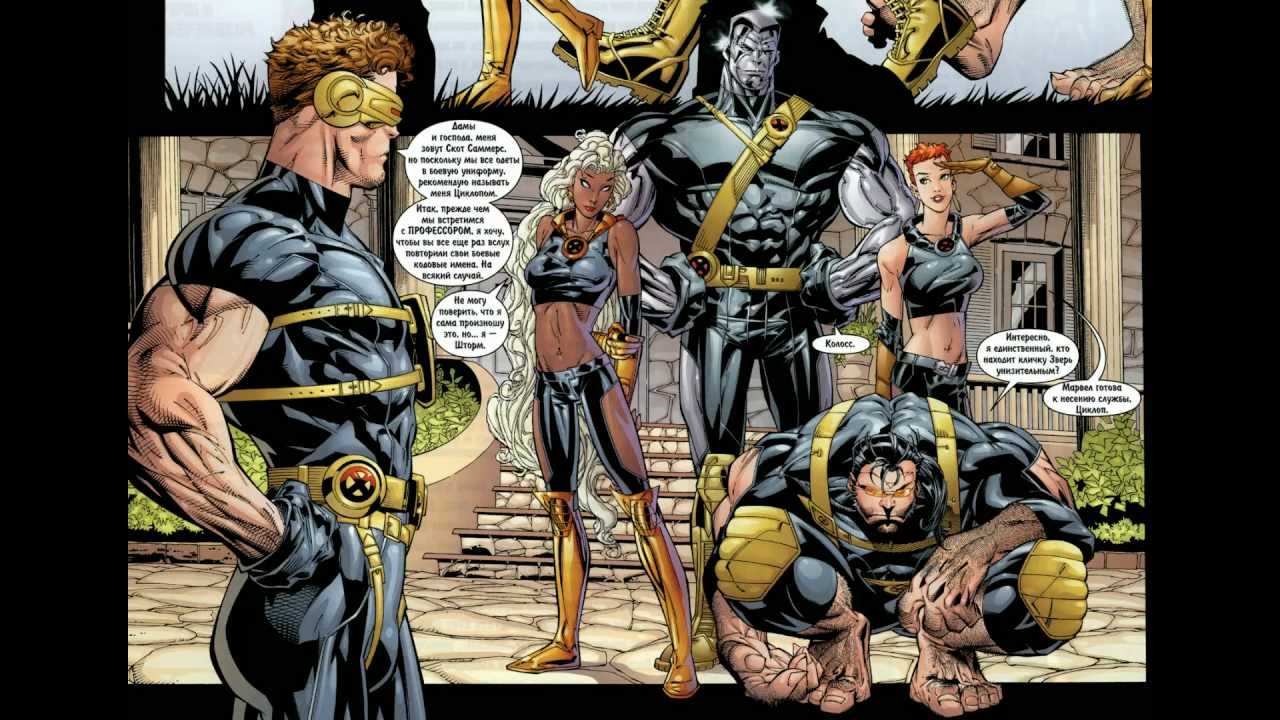
Free from the shackles of the past Millar set about crafting a new, and more modern universe for the X-Men to inhabit aimed to bring a return to the mainstream appeal the franchise enjoyed years before.

Launching in 2001, Ultimate X-Men was also part of Marvel’s “dot-comics” format, which was an early translation of print to digital using a slightly animated Flash format. Comic pages would appear on the screen showing a handful of panels at a time, and speech and thought bubbles hovering over the characters. The format would eventually pave the way toward Marvel Unlimited. Although not the first comic on the dot-comics format, it was one of the first that I read that way. Because the dot-comics were free to whomever had an internet connection and the patience to read the comics in their episodic form (if memory serves, five or so pages were uploaded every few days), they were a great way for people like myself to get introduced to a series that I otherwise would not have before.

Ultimate_X-Men_Vol_1 interior.jpg

Although I had previously dabbled in the X-Universe before, I was never a constant reader. Ultimate X-Men drew me into reading an ongoing series featuring Marvel’s merry mutants for the first time. The characters were familiar and yet felt fresh, the situations they were in reflected more of the world around them than the main Marvel universe characters did. Or at least that’s how it felt at the  time. It was here, with a newly discovered love of the characters that I truly became an X-Men fan and not just a Wolverine fan. At the time the irony that the series was being written by a man who knew bugger all about the characters was something I was unaware of, but the benefit of hindsight brings into sharp focus that provided one is a competent writer and has some understanding of the subject, then the essence of characters one is writing about shine through. And Millar, for the most part, had that understanding.

Running from 2001 until 2009 where it was cancelled at the conclusion of the critical and commercial failure of the Ultimatum crossover, Ultimate X-Men enjoyed nearly a decade as the fan favourite X-title. Although it was eventually relaunched as Ultimate Comics X-Men in 2011, the series never enjoyed the success of its pre-Ultimatum days.

Would Ultimate X-Men have worked had it been released today? Although we’ll probably never know, you can look at DC’s New 52 and to a lesser extent the successor to the Ultimate line (Ultimate Comics) to get an idea – although there are obvious faults with either comparison. The New 52 replaced DC’s continuity in its entirety, to much chatter from fans, and the Ultimate Comcs line tried to pick up after the failure of Ultimatum which had driven many fans away already. However you look at it, for nearly ten years Ultimate X-Men, and some of its companions under Marvel’s Ultimate line, were among the pinnacle of superhero comics. The reimagining of the characters, stripping them down to their core and putting them in a different world was a brave choice, but one that I, and thousands like me, fell in love with.

I grew up reading Ultimate X-Men, both as a comics fan and a human, and it hurts me a little to see people ignore it as an unimportant part of Marvel’s past because it’s not chronologically relevant in the X-Men’s story. It’s not, not really, but that doesn’t mean the stories told under the Ultimate X-Men banner remain among some of my most cherished to this day. If, for whatever reason, you haven’t read them then you can find the collected editions easily enough at your favourite online retailer (or, maybe your LCS can get them in for you).

That’s all we have for this week, folks. Come back next time  when there’s something else Underrated to talk about.


Underrated: The Amazing Spider-Man

I drastically overslept today, so rather than the planned column, we’re revisitng one from 2017 when I went to bat for one of the more maligned Spider-Man movies.


This is a column that focuses on something or some things from the comic book sphere of influence that may not get the credit and recognition it deserves. Whether that’s a list of comic book movies, ongoing comics, or a set of stories featuring a certain character. The columns may take the form of a bullet pointed list, or a slightly longer thinkpiece – there’s really no formula for this other than whether the things being covered are Underrated in some way. This week: The Amazing Spiderman


Today I wanted to talk about the first reboot of the Spider-Man movie franchise from waaaaaaaay back in 2012. After the Sam Raimi trilogy which, lets be honest, didn’t exactly end on a high note, Sony would eventually decide to relaunch the Spider-Man movie franchise, and it’s the result of that reboot that I wanted to talk about today.

If you’re surprised that this is the movie we’re focusing on today, then you may have missed that the Marvel Studios/Sony collaboration Spider-Man Homecoming is in theaters  (and the MCU!) now; and you may also have been unaware of the amount of people who are now complaining about this movie (or maybe that’s just the people I hang out with?) – or you may have never really enjoyed this movie. But regardless of where you sit, I’ve always really enjoyed this movie, and feel that it’s stronger than a lot of people give it credit.

Why? To the bullet points!

The chemistry between the leads
One of the strongest aspects of the Amazing franchise is the relationship between Andrew Garfield’s Peter Parker and Emma Stone’s Gwen Stacy. Their interactions on screen approach poetry in some scenes, and without a doubt these two actors elevate the film beyond what a typical pair of romantic leads can do.

 Andrew Garfield’s Spider-Man
Garfield may have been to cool to genuinely pull off a nerdy Peter Parker, but his Spider-Man was top notch; his boundless energy and fast mouth was unlike anything we had seen before in live action, and Garfield pulled it off spectacularly. This was a Spider-Man whose failures were a palpable weight on his spandex clad shoulders, and in the quiet moments throughout the movie you can genuinely sense that through Garfield’s body language.

 The webswinging
The effects team did a wonderful job guiding Spider-Man’s journey through the skies in what is, for my money, the most realistic depiction of a man flying through the air on super strong glue to date.

 The costume
I’m kidding. I wasn’t exactly fond of this movie’s Spider-Man look. The orange lenses weren’t my thing, and the way the red came down the legs weren’t my favourite.

 The lack of the actual words “With great power there must also come great responsibility”
I know this is probably a contentious point to make, but loved that Peter learned this lesson throughout the film without having the quote used just for the audience who feel they must hear those words in the movie. It was far more powerful for Peter to learn it through his actions and reactions than have the lesson spelled out in what could have been an awkward and stilted scene. Plus, it lent a much heavier weight to Uncle Ben’s voice message at the end.

There are quite a few aspects of The Amazing Spider-Man that I thoroughly enjoyed, more than I should probably talk about in this article, but I’m aware that this isn’t a flawless movie – it’s not even the best Spider-Man movie- that honour is reserved for Sam Raimi’s Spider-Man 2. Yes, The Amazing Spider-Man  did have its issues; the Lizard wasn’t the most compelling villain, and his design was somewhat weak, but he isn’t the weakest in any of the Spider-Man movies (Topher Grace a Venom will hold that title for quite some time). His rationale is still just understandable enough when you break it down for yourself, but you do need to be aware of his misguided, yet deeply hidden altruistic thought process. And only a few years removed from Spider-Man 3, did we really need to see Uncle Ben die again? Not really.

I’m aware that it had it’s problems, but I don’t care; I love it anyway. For years, this was one of my favourite Spider-Man films, until we got the two Tom Holland flicks. I’ll always enjoy this movie, but it won’t be the first Spider-Man movie I reach for.


There we have it. Are there other comic book related stuff out there that is, for whatever reason, underrated and under-appreciated?

Absolutely.

Because of that, Underrated will return to highlight more comic book related stuff  that either gets ignored despite it’s high quality, or maybe isn’t quite as bad as we tend to think it is. In the meantime, though, if you do get a chance check out the characters in thisUnderrated, then you may need to hunt through the back issue bins for some, but others do have some stories collected in trades.

Until next time!

Mini Reviews and Recommendations For The Week Ending 09/18/2021

Sometimes, the staff at Graphic Policy read more comics than we’re able to get reviewed. When that happens you’ll see a weekly feature compiling short reviews from the staff of the comics, or graphic novels, we just didn’t get a chance to write a full review for. Given the lack of new comics, expect this weekly update to begin featuring comics that we think you’ll enjoy while you can’t get anything new to read – only new to you.

These are Graphic Policy’s Mini Reviews and Recommendations.


Logan

Eternals: Thanos Rises #1 (Marvel)– Only in comics can you have a prehistoric battle between immortal beings astride dinosaurs and a Platonic dialogue all under the same covers as Kieron Gillen, Dustin Weaver, and Matthew Wilson show the ideological and physical roots of one of pop culture’s greatest villains, Thanos, in Eternals: Thanos Rises #1. The conflict at the core of this issue, and honestly at the Eternals as a whole in Gillen’s run, is if immortal beings whose goal is to defend a kind of status quo (the machine) can change even in the slightest way. This way is having children, and as one can guess, it doesn’t turn out great. Weaver and Wilson’s visuals bring the power and mythic quality of the best Jack Kirby stories while having their own unique and slightly askew approach to storytelling. They’re influenced by the King and not a cover band for him. Also, it’s just plain cool and additive to the whole vibe of the Eternals to have characters based on the ancient Greek pantheon partake in the very ancient Greek activity of a philosophical dialogue. Eternals: Thanos Rises #1 adds context and scope to Kieron Gillen’s work on Eternals and features him, Weaver, and Wilson working in an epic mode. Overall: 9.4 Verdict: Buy

Black’s Myth #3 (Ahoy)– Strummer and Ben’s hunt for their client’s missing silver bullets (Apparently they were forged from the 30 pieces of silver that Judas received for betraying his Lord and Savior, but you know how there things are.) takes them to many interesting destinations, including a vampire bar and occult bookstore that’s more than meets the eye. Eric Palicki and Wendell Cavalcanti keep the action and mystery going at a nice clip lulling readers into a false sense of security before escalating the plot with a wallop in the last few pages. Also, Calvacanti gets to show off his fight sequence chops and channels Frank Miller and Klaus Janson in a nine panel grid vampire beatdown that shows that Strummer still has a relish for violence and is more werewolf than detective. In Black’s Myth #3, the pace never drags, the patter is always snappy, and Eric Palicki and Wendell Cavalcanti really up the danger quotient. Overall: 8.6 Verdict: Buy

Joker #7 (DC)– The shape of the conspiracy that Jim Gordon’s up against starts to slowly reveal itself in Joker #7 by James Tynion, Guillem March, and Arif Prianto. Like most issues of Joker, the book features multiple settings, narrators, and POVs as well as art styles from March, who does a James Bond/Avengers homage with Julia Pennyworth to tight grids and reflections in eye glasses as Gordon meets a potential new ally. He can get as much tension from a conversation as a silent martial arts fight aka Cassandra Cain in action. Joker #7 also features smart commentary about how the rest of the world sees Gotham (It hides social issues under masks and costumes.) and character moment payoffs like Pennyworth beating the shit out of some Bane theme park investors as payback for the villain killing her father back in the Tom King Batman run. One of the reveals that Tynion pulls is a little obvious (If keeping with his history on the Bat-family books), but I love the layered storyline he’s creating in this book that goes beyond a simple cat and mouse game. The Punchline backup from James Tynion, Sam Johns, and Sweeney Boo is quite entertaining as Harper Row tries to break out of prison creating an opportunity for clever layouts and a sense of urgency in that story’s plot. Overall: 8.5 Verdict: Buy

Godzilla Rivals: Vs. Mothra (IDW)– Mary Kenney, SL Gallant, Maria Keane, and Adam Guzowski turn in a celebration of the Queen of the Monsters in the one-shot Godzilla Rivals: Vs. Mothra. Before the titular battle, Kenney does a good job fleshing out this comic’s protagonist, Mima, a photographer who’s supposed to be doing a puff piece on the Japanese military and ends up learning about Mothra’s captivity attempting to free her. Like the best kaiju stories, Godzilla Rivals: Vs. Mothra ends up being a parable about how humanity cages nature and what we don’t understand instead of being curious like Mina, whose photojournalism career came out of a life time exploring the great outdoors with her parent. All is this is great, but Godzilla Rivals: vs. Mothra also has a curb stomp monster action courtesy of Gallant and Keane as Kenney shuts off the dialogue and captions and “lets them fight”. There is really clever use of Mothra’s cocoon and Godzilla’s nuclear breath, and the entire story ends up being a little bittersweet. This comic is a must-read if you like your kaiju fights with a side of emotional resonance. Overall: 9.2 Verdict: Buy

Trial of Magneto #2 (Marvel)– Leah Williams, Lucas Werneck, and Edgar Delgado are back for another round of bombastic drama, action, and questionable morality. Trial of Magneto #2 adds the Avengers to the mix to complicate the murder investigation and also show how much Wanda Maximoff meant to the team as they share grief and space with the Krakoans. However, not everything is sunshine and daisies, and we get yet another Magneto vs. everyone fight scene like the previous issue. But Williams and Werneck switch things up by letting Northstar be angry when his husband Kyle is caught in the middle of things and is treated as less than by Magneto. Throw in an utterly chaotic last few pages plus couple moments that show how utterly morally bankrupt Krakoan leaders like Professor X and Emma Frost are, and you can see why Mystique (Who has a 1 panel cameo) wants to burn the place down. Overall: 8.0 Verdict: Buy


Well, there you have it, folks. The reviews we didn’t quite get a chance to write. See you next week!

Please note that with some of the above comics, Graphic Policy was provided FREE copies for review. Where we purchased the comics, you’ll see an asterisk (*). If you don’t see that, you can infer the comic was a review copy. In cases where we were provided a review copy and we also purchased the comic you’ll see two asterisks (**).

Mini Reviews and Recommendations For The Week Ending 09/04/2021

Sometimes, the staff at Graphic Policy read more comics than we’re able to get reviewed. When that happens you’ll see a weekly feature compiling short reviews from the staff of the comics, or graphic novels, we just didn’t get a chance to write a full review for. Given the lack of new comics, expect this weekly update to begin featuring comics that we think you’ll enjoy while you can’t get anything new to read – only new to you.

These are Graphic Policy’s Mini Reviews and Recommendations.


Logan

Static Season One #3 (DC/Milestone)- Static Season One continues to be a master-class in modern teen superhero comics from Vita Ayala, Nikolas Draper-Ivey, and ChrisCross. The book bakes in relevant themes of the American police state preying on young Black people and bigoted white men being eager to sign up and be their lackeys while also having beautiful touching moments throughout. Draper-Ivey masterfully melds manga and Western comics in a thrilling escape sequence before slowing things down and digging into the influences for Static’s costume rooted in his love of science, DIY, and escapist fiction like anime and SF. He, ChrisCross, and Ayala also turn in an emotional sequence with him and his father as they realize that they are both alike in their love of creation and building something from nothing even though that manifests itself in science experiments for Virgil and home repair for Mr. Hawkins. Even after all this, there’s time to flesh out Virgil’s supporting class at his high school and escalate the threat as the Feds are coming after the folks affected by the Big Bang, which is quickly becoming a heightened metaphor for government reprisal against anyone who challenges the white supremacist, cop-exalting status quo. Overall: 9.0 Verdict: Buy

Black Hammer Reborn #3 (Dark Horse)– A relationship ending can feel like the end of the world, especially a marriage with two kids. Jeff Lemire, Caitlin Yarsky, and Dave Stewart combine both the conclusion of Lucy Weber (Aka Black Hammer II) and Elliot (Formerly, the two bit supervillain Lightning Rod)’s relationship with yet another apocalypse for Spiral City. Yarsky’s character acting is superb as she illustrates the difference in emotions between Lucy and Elliot arguing with their therapist to their “meet cute” where Elliot’s “lightning finger” powers have little to no effect on her. Even though they’ve grown distant and Elliot cheated on Lucy, you can see their rapport as Elliot had put on a costume to rob a laundromat and pay rent. This kind of everyday relationship stuff combined with superhero tropes is what the Black Hammer books such compelling reads, and Lemire and Caitlin Yarsky get back to this in Black Hammer Reborn #3 while also showing the threat that’s coming might be beyond her. Overall: 8.5 Verdict: Buy

Dark Ages #1 (Marvel)– Tom Taylor brings his brand of disaster movies meets large fictional universe with a side of character specific hope to what is definitely not Earth-616 in Dark Ages #1. This first issue is focused on the incident that led to the Marvel Universe basically losing electricity, and Taylor, Iban Coello, and Brian Reber are game for a bleak, hopeless take on the the summer crossover with a battle against the Celestial-looking Unmaker that does what his name describes and does insane shit like turning Thing into a pile of rocks and sinking Atlantis among other things. What’s really interesting is that Tom Taylor and Coello do what so many Marvel writers can’t really do and say what if defeating the summer event’s Big Bad cost everything and led to an even worse reality. However, there are little bits of hope, including one that elicited a total “Aww” reaction from this reader and riffs on one of the most famous moments in all of Marvel history. Peter Parker is the narrator for much of the comic, and Taylor has a great handle on his humorous, salt of the Earth voice while Iban Coello and Reber bring the powerhouse wide screen visuals with a touch of cartooning to make everything a little more human. Overall: 7.9 Verdict: Buy

Money Shot #14 (Vault)– Money Shot continues to be outrageous as ever as the XXXplorers and the alien parody of the XXXplorers band together to rescue two members of their team from a matriarchal hunter-gatherer society of deer-people who keep giant, horny clay pigeons as pets. And along the way, Tim Seeley and Sarah Beattie throw in a legit plot twist about the identity of the alien porn stars while Caroline Leigh Layne continues with her pitch perfect riffs on the filmography of Andy Sidaris combined with soft eroticism and some primalness. In its third arc, Money Shot has really learned the value of taking it slow and focusing on its character between the sexy, violent, or body of a bogeyman bounty hunter merging bits. It’s one of those comics where I’m like “What the fuck will they think of next” and am usually satisfied and amused by it. Overall: 8.1 Verdict: Buy

Second Coming: Only Begotten Son #4 (Ahoy)– Unlike the first miniseries, Mark Russell, Richard Pace, and Leonard Kirk continue to explore the parallel lives of Jesus and Sunstar in more character-driven vignettes all centered around a moral throughline. The moral this issue is compassion, and Jesus’ empathy and compassion through the form of a story of forgiveness gets Sunstar’s mom a reprieve from eviction from her retirement. However, the main plot of this issue is centered around the villain Cranius causing massive earthquakes because he wants to get back at how Sunstar treated him in high school. In lesser hands, this would be a typical disaster storyline, but Russell, Pace, and Kirk turn it into a story of change and forgiveness. Sure, there is great retirement home banter, but Only Begotten Son #4 is one of the saddest chapters of Second Coming with consequences that will resonate for the rest of the arc. Overall: 8.0 Verdict: Buy


Well, there you have it, folks. The reviews we didn’t quite get a chance to write. See you next week!

Please note that with some of the above comics, Graphic Policy was provided FREE copies for review. Where we purchased the comics, you’ll see an asterisk (*). If you don’t see that, you can infer the comic was a review copy. In cases where we were provided a review copy and we also purchased the comic you’ll see two asterisks (**).

Mini Reviews and Recommendations For The Week Ending 07/17/2021

Sometimes, the staff at Graphic Policy read more comics than we’re able to get reviewed. When that happens you’ll see a weekly feature compiling short reviews from the staff of the comics, or graphic novels, we just didn’t get a chance to write a full review for. Given the lack of new comics, expect this weekly update to begin featuring comics that we think you’ll enjoy while you can’t get anything new to read – only new to you.

These are Graphic Policy’s Mini Reviews and Recommendations.


Logan

Ninjak #1 (Valiant)– Ninjak #1 is probably the best-drawn Valiant book I’ve read with Javier Pulido bringing his creative attitude to page layouts, flat colors, and spot-on cartooning to a world of super spies and superpowers. Ninjak has all kinds of lovely storytelling touches like Pulido and Dave Sharpe switching up the lettering font when someone isn’t the greatest at speaking a foreign language. Jeff Parker’s plot feels a lot like a Daniel Craig-era James Bond film, but with katanas and superpowers. He and Pulido show Ninjak in action from the POV of someone he lets trail and seeing the effects of his fighting skills creates a feeling of intrigue like he’s the bogeyman or something. However, all of the secrets are blown at the end, and Parker and Javier Pulido raise the stakes sky high on the last few pages without being close to revealing this series’ Big Bad. Overall: 9.0 Verdict: Buy

Joker #5 (DC)– James Tynion and guest creators Matthew Rosenberg and Francesco Francavilla spin a gorgeous, yet seriously unsettling yarn about the Joker’s first night in Arkham that contextualizes why he’s been in Jim Gordon’s head throughout the Joker series. Any time Francavilla does interior art is a treat, and Joker #5 is no exception as he brings a deadpan creepiness to the titular character compared to the overly righteous of Jim Gordon. Francavilla’s colors were really my favorite part of the issue from faded greys for any scenes featuring Gordon’s family to his bright, eye-popping red hair that adds sound and fury to any sequence. But it ends up signifying nothing, and this is really a tragic comic. You could definitely slot it in after Batman Year One and Man Who Laughs, it’s that good and a high point of one of my current DC faves. In the backup story, Sweeney Boo’s art has a slick, queer af vibe perfect for a story featuring the Row siblings. Tynion and Sam Johns juggle Harper Row and Cullen Row’s stories perfectly as Cullen deals with his crush’s immature Punchline-fanboy friends while Harper Row is ready to spring back into action. It’s a nice dessert to the robust main story. Overall: 9.4 Verdict: Buy

Die #18 (Image)– The cast of Die continue to wander through a dungeon to the center of the world so they can finally escape this nightmare. Kieron Gillen and Stephanie Hans make the dungeon less full of loot and enemies and more like the Mines of Moria in Lord of the Rings aka emptiness, a touch of psychological dread, and a big, god-like monster towards the end. They hone in on the character of Sol, who was killed by the Gamemaster and became the first Fallen, and show how terrible his life was being stuck in the game for decades and having his eyes replaced with a literal D20. Even though he ran the game and wanted to take revenge on the game, he’s weary of it. Hans’ art wrings some real emotion out of his transformation, and she also gets to turn her gifts into the real world in a 1990s flashback set in a pub in Stafford, UK right after the cast originally returned from Die. Finally, what really got me in this issue was Ash, who deep down doesn’t want to leave Die because she can truly be her authentic self in this fantasy world versus the “real” one. It’s really powerful character even as Gillen and Stephanie Hans start to call time on the series. Overall: 8.8 Verdict: Buy

Way of X #4 (Marvel)– Si Spurrier, Bob Quinn, and Java Tartaglia’s Way of X continues to be the book that pokes at the flaws of Krakoa. There’s the obvious build-up to Onslaught 2: Electric Boogaloo, but they also examine the trauma around life in Krakoa from Gorgon dealing the fallout of being resurrected weirdly to the new mutant Lost coping with Fabian Cortez killing her parents pre-amnesty and even some geological issues on Mars aka Arakko. With expressive figure work and faded out backgrounds, Quinn shows the every day mutant struggle as well as Nightcrawler trying to find a unifying theory for everything to center his mutant religion around. Also, the Gorgon resurrection thread is one that’s been begging to be explored since X of Swords, and Spurrier and Bob Quinn do a good job of using it to reinforce the themes of Way of X as well as showing there’s still heightened tensions between humans and mutants. All this plus Legion and Professor X have their version of a heart to heart, and he continues to be a great co-protagonist of the series. Overall: 8.2 Verdict: Buy

X-Corp #3 (Marvel)– X-Corp #3 rights the series’ ship with better art from Valentine De Landro and improved focus from Tini Howard as she makes Jamie Madrox the heart of this issue. Madrox has to demonstrate an important X-Corp product launch, but he also doesn’t want to miss his son’s first steps. This tension between work and family runs in the background while Monet spars with Sara St. John, who works for X-Corp’s competitor in their bandwidth project, and makes cracks about women in technology panels/summits. De Landro’s art is more fluid and less cold than Alberto Foche’s on the previous two issues of X-Corp and fits the tone of a fast-paced, wheeling and dealing tech summit. X-Corp might have the power of mutants on its side, but their competitor Noblesse does have a few literally killer apps. A one page modular bonus story from Jason Loo puts everything Madrox-related in context and shows that maybe the straits aren’t so dire though. I really enjoy how Howard, De Landro, and Loo use his abilities to create the ultimate tech work flow. If the visuals of this book continue to be as clear and engaging as this issue, X-Corp could start to grow on me. Overall: 7.9 Verdict: Buy


Well, there you have it, folks. The reviews we didn’t quite get a chance to write. See you next week!

Please note that with some of the above comics, Graphic Policy was provided FREE copies for review. Where we purchased the comics, you’ll see an asterisk (*). If you don’t see that, you can infer the comic was a review copy. In cases where we were provided a review copy and we also purchased the comic you’ll see two asterisks (**).

Mini Reviews and Recommendations For The Week Ending 07/10/2021

Sometimes, the staff at Graphic Policy read more comics than we’re able to get reviewed. When that happens you’ll see a weekly feature compiling short reviews from the staff of the comics, or graphic novels, we just didn’t get a chance to write a full review for. Given the lack of new comics, expect this weekly update to begin featuring comics that we think you’ll enjoy while you can’t get anything new to read – only new to you.

These are Graphic Policy’s Mini Reviews and Recommendations.


Logan

Crush and Lobo #2 (DC)– Crush and Lobo by Mariko Tamaki and Amancay Nahuelpan is really my current comfort comic. It mixes the queer yearning with a deadpan sense of humor, and it’s set in space. Tamaki layers Crush’s relationship with her ex Katie and her dad Lobo into a fun slice of life-meet-adventure story. Basically, space baristas aren’t to be trifled with. Nahuelpan’s action chops on his creator owned Black Mask titles definitely transfer over to this book, and he gets to draw zero grav fight sequences in this one. My one slight issue with this book is that there’s not a whole lot of Lobo in it, but a hilarious prison group therapy sequence shows that Mariko Tamaki already has his voice. I can’t wait to see his interactions with Crush in the next issue. Overall: 9.0 Verdict: Buy

Black’s Myth #1 (Ahoy)– Black’s Myth #1 is a comic about white supremacist attacking, werewolf P.I. nicknamed after Joe Strummer from writer Eric Palicki and artist Wendell Cavalcanti, who does the whole book in black and white with lots of grid layouts. It starts intense with its protagonist bleeding out from a silver bullet wound in the bath tub and never lets up and doesn’t shy away from its supernatural elements. In fact, Cavalcanti’s best work happens when he’s slinging ink and blacks around when a recovering Strummer decides to fuck up some Nazis in an alley and find out who’s trying to kill her. Black’s Myth hits that sweet spot between crime and fantasy, and the art style gave me strong David Lapham vibes. Overall: 8.4 Verdict: Buy

Hellions #13 (Marvel)– Hellions #13 kicks off a new arc, and Zeb Wells, Roge Antonio, and Rain Beredo dig into the consequences of the team’s (Well, mainly, Mr. Sinister) actions in previous storylines. So, there’s the return of the insane, Frankenstein Monster with a cape Mr. Sinister clone, who led the suicide mission into Arakko in X of Swords and also some subplots featuring the A.I. mutant baby the team rescued and X-Factor investigating their resurrections. (The book’s cancelled, and this plot is only in one data page, but an X-Factor vs. Hellions book would have been great fun.) But this issue isn’t just clones and the return of the past enemies as Wells and Antonio take time for team-bonding like Empath and Wild Child joking around about heroic sacrifices, or Orphan-Maker latching onto Greycrow as a parental figure now that Nanny spends all her time with the A.I. These moments make a predominantly table-setting issue more interesting as Zeb Wells sets up a big brawl for the next issue. Overall: 7.8 Verdict: Buy

X-Force #21 (Marvel)– Spinning out of the Terra Verde incident (Think the Iran/Contra affair, but more psychic and telefloronic), Benjamin Percy, Joshua Cassara, Robert Gill, and Guru eFX are back on their sentient plant shit in X-Force #21. Somehow, a strain of Man-Thing is infecting humans in politics, corporate boardrooms, police forces etc. all across the U.S., and they’re doing irrational things like murder. X-Force is on the case to find the cause of these happenings and see if there are any connections to Terra Verde, and more frightening, Krakoa. Cassara and Gill’s art and Guru eFX’s color palette do a good job with the body horror sequences, and there’s one especially nauseating sequence with Wolverine early on. The big panel layouts work well for an action-driven book, and they and Percy give Wolverine and Quentin Quire a fun kind of chemistry and their own unique fastball special. Some readers may shrug at Benjamin Percy introducing yet another plotline to X-Force, but he threads the needle and connects the Man-Things to the long running XENO plot as well as the recent telefloronic happenings. Also, immediately fighting a being that is benevolent, yet misunderstood is totally in the mutant CIA’s M.O. Overall: 8.1 Verdict: Buy

Brett

X-Men #1 (Marvel) – A decent start for the new series that has its moments but never quite excites. There’s a lot of setup in this newest volume and that rather slow aspect is given some action to give the issue a little excitement. Unfortunately, that action fills like filler material in between major arcs. It’s not a bad start, there’s a lot that’s intriguing, but it doesn’t quite have that spark that has me immediately wanting to see what’s next. Overall Rating: 7.0 Recommendation: Read


Well, there you have it, folks. The reviews we didn’t quite get a chance to write. See you next week!

Please note that with some of the above comics, Graphic Policy was provided FREE copies for review. Where we purchased the comics, you’ll see an asterisk (*). If you don’t see that, you can infer the comic was a review copy. In cases where we were provided a review copy and we also purchased the comic you’ll see two asterisks (**).

Mini Reviews and Recommendations For The Week Ending 07/03/2021

Sometimes, the staff at Graphic Policy read more comics than we’re able to get reviewed. When that happens you’ll see a weekly feature compiling short reviews from the staff of the comics, or graphic novels, we just didn’t get a chance to write a full review for. Given the lack of new comics, expect this weekly update to begin featuring comics that we think you’ll enjoy while you can’t get anything new to read – only new to you.

These are Graphic Policy’s Mini Reviews and Recommendations.


Logan

X-Factor #10 (Marvel)– Throughout its ten issue run, X-Factor definitely had an identity crisis. It wasn’t sure if it wanted to be a continuity-driven mystery book, Law and Order: Krakoa, or a queer mutant hangout comic. Leah Williams, David Baldeon, and David Messina definitely make this final issue of the comic Krakoa: SVU by wrapping up the long-running subplot of Prodigy solving his own murder. However, due to the need to wrap up the Hellfire Gala event and set up Trial of Magneto as well as several other loose ends, this storyline based on the real killing of queer Black men does get the time or sensitivity it needs. Although, X-Factor #10 doesn’t really work as a whole and has its share of tonal whiplash moments (Aurora and Akihiro flirting while Prodigy confronts his murderer), Williams and Baldeon do capture some great character moments like Northstar being proud of Polaris joining the X-Men, Eye-Boy learning how to do new things with his powers, and any time Prodigy and Speed are cute together. But, all in all, X-Factor will go down as squandered potential for me: a great cast of mostly queer characters, a decent procedural hook, but lots of half-starts and oodles of rushed sub plots. Overall: 5.9 Verdict: Pass

Cable #11 (Marvel)– Cable #11 chronicles Gerry Duggan and Phil Noto’s final approach to a showdown of Kid Cable, Old Man Cable, the Summers family, and some original X-Force mainstays against a baby-sacrificing, hiding very well Stryfe. The final issue is sure to be a gun-toting, sword swinging, and power-flaunting punch-up so Duggan goes quiet on the penultimate one and spend time showing interactions between the Cables as well as his relationship with his “son” and “daughter-in-law” plus his romantic relationship with the Stepford Cuckoos. In Noto’s hands, talking heads are never boring, and he milks comedy out of Deadpool showing up in a serious book and pathos out of Old Man Cable going on basically a suicide mission. Plus there are the aforementioned swords and cool vehicles. It’s all really back to basics Cable comics, body slides and all, but with a family dynamic that has honestly been the highlight of the series along with watching Kid Cable try to grow into the role of the legendary timeline hopping gunslinger/ultra-powerful mutant. Overall: 8.0 Verdict: Buy

Crossover #7 (Image)– Chip Zdarsky, Phil Hester, and Ande Parks are unleashed to play in the Crossover sandbox and turn in easily the best issue of the series. Something is hunting down comics creators and instead of having a basic action adventure issue, we get to see Zdarsky and Hester with both humor and pathos grapple with Steve Murray and his Chip Zdarsky persona. In fact, this issue is a sequel to the Sex Criminals issue where Zdarsky and Matt Fraction put themselves in the book as characters. Through a combination of in- and dick jokes and sweet moments like Chip Zdarsky spooning himself, Crossover #7 ends up a meditation on using fictional personas to feel better about one’s self and say things that your “real” self could never say. It also has a cool final page that introduces a couple awesome players to the Crossover world and are a perfect fit for Phil Hester’s art style. I’m not the biggest fan of Crossover in general (Except for Geoff Shaw and Dee Cunniffe’s visuals), but this issue shows that it works as a place where talented comics creators can interrogate themselves and their work. Overall: 8.6 Verdict: Buy

Beta Ray Bill #4 (Marvel)– This is a quieter installment of Beta Ray Bill #4 with Daniel Warren Johnson and Mike Spicer plunging into Bill’s past trauma with Skuttlebutt in tow. It’s the insightful character exploration that makes me care for Bill even if I haven’t read a lot of comics with him in it, and it shows the budding connection between Bill and Skuttlebutt. Bill is a great warrior who is insecure about his looks, and Johnson shows both side of this coin in Beta Ray Bill #4 with poignant panels of Bill weeping in the mirror to big splash pages of him fighting a tentacle monster or getting ready to battle this mini’s “final boss”. Overall: 8.2 Verdict: Buy

United States of Captain America #1 (Marvel)– Christopher Cantwell and Dale Eaglesham interrogate the meaning behind Captain America’s shield and its connections to patriotism, nationalism, and yes, heroism in United States of Captain America #1. Eaglesham’s art is photorealistic without sacrificing motion of fluidity and reminds me a lot of Steve Epting’s work on Captain America with Ed Brubaker. This extends to its spy thriller meets political satire tone with one page montage on how different people use the Captain America logo to prop up different beliefs. However, United States of Captain America #1 has one amazing trick up its sleeve: Aaron Fischer, Captain America of the Railways, who protects queer and unhoused youth. He makes a big impression on Steve Rogers and Sam Wilson, and Josh Trujillo and Jan Bazaldua tell his origin in a powerful backup story that goes after governments for siding with corporations over people. It’s a memorable piece of queer liberation in a corporate candy shell, and I hope Aaron Fischer has a longer shelf life beyond this miniseries, but I’m not holding my breath. Overall: 8.5 Verdict: Buy

Brett

The Mighty Crusaders: The Shield (Archie Comics) – A mess of a debut, if this is supposed to lead to something bigger, it’s a rough start. Rob Liefeld headlines this reboot of Archie’s superhero line but drama behind the scenes seems to have derailed this project before it starts. The end result is a comic that feels like a story was crammed into Liefeld’s art. It’s pinups with pictures. If you’re a fan of Liefeld’s art, this is for you, but beyond that, avoid this one. Hopefully, someone hops on this line and delivers an ongoing vision as there’s a lot of potential here. Overall Rating: 5.0 Recommendation: Pass


Well, there you have it, folks. The reviews we didn’t quite get a chance to write. See you next week!

Please note that with some of the above comics, Graphic Policy was provided FREE copies for review. Where we purchased the comics, you’ll see an asterisk (*). If you don’t see that, you can infer the comic was a review copy. In cases where we were provided a review copy and we also purchased the comic you’ll see two asterisks (**).

« Older Entries Recent Entries »