Underrated: The Comic Book History Of Comics: Birth Of A Medium
This is a column that focuses on something or some things from the comic book sphere of influence that may not get the credit and recognition it deserves. Whether that’s a list of comic book movies, ongoing comics, or a set of stories featuring a certain character. The columns may take the form of a bullet pointed list, or a slightly longer thinkpiece – there’s really no formula for this other than whether the things being covered are Underrated in some way. This week: The Comic Book History Of Comics: Birth Of A Medium.
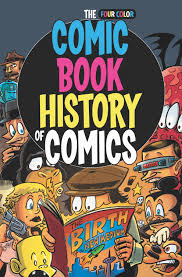 There are numerous books on the history of comics, some of which sit partially read on my shelf, but there are very few comics or graphic novels about the history of comics. Enter Fred Van Lente and Ryan Dunlavey’s Comic Book History Of Comics. It is exactly what it says; a history of comics told in comic book form. But it’s more than just a history of comics, it also attempts to show the evolution of art into the sequential art we know today as comics; to show the differentiation from cartoons to comics. Originally published by IDW as a six issue miniseries, I picked up the collected edition a few months ago
-

- The legal jargon within the first few pages is all done in comic form. Because why not?
-

- An early example of art as a story telling method, and one that shows how long humanity has been telling stories with art.
and only finally read it this week.
Frankly, I was astounded that it had taken me this long to read it, and little surprised that fewer people were talking about the project. After all, what better way to tell the early history of comics than in comic form? It almost makes you wonder why it hasn’t been done before.
The Comic Book History Of Comics: Birth Of A Medium packs a LOT of information into its 150 odd pages, but it isn’t a definitive history. How could it be with only 150 some pages of sequential art? But it is a fantastic introduction to some of the medium’s more architectural sons and, to a lesser extent daughters (but that’s an issue with the book and the industry itself – Van Lente and Dunlavey do include sections entitled The Comic Book Herstory… but one gets the sense that these are far less prominent than perhaps they should be). That being said, this is a fun way to learn about the history of comics if you’re unfamiliar, and even if you think you have a good handle on things, I’d put money on Fred Van Lente and Ryan Dunlavey having unearthed something that you were previously unfamiliar with.
There’s a ton of information packed within these pages, but never once does the delivery feel stagnant or anything less than thoroughly entertaining. There are visual puns amidst the art, examples of Dunlavey literally showing you what Van Lente is talking about in terms of panel usage, and some wonderful caricatures of historical figures. I paid $24 for this book (I’m in Canada), and it was worth every penny and then some. Ultimately, this is a brilliant addition to my bookshelf, and one I will revisit more often than not.
I can wait to get the next volume.
Join us next week when we look at something else that is, for whatever reason, Underrated.
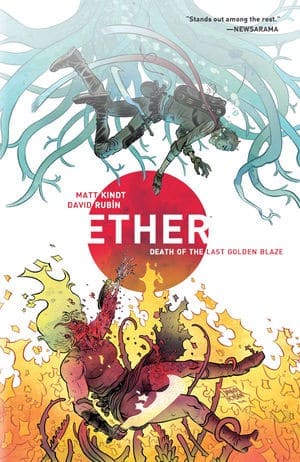 Somehow Ether slipped through my radar back when the first issue was released in November of 2016. It wasn’t until the comic shop I frequent had a copy of the trade paperback on the counter that I noticed it. I asked the clerk what the book was about, and he spent a good twenty minutes selling me on it. He could have saved himself nineteen minutes a forty odd seconds with the words “Matt Kindt wrote it.”
 The Consultant #4 (Action Lab)
 Originally appearing in MLJ Comics Blue Ribbon Comics #4, the Fox continued to feature in the title until it’s cancellation eighteen issues later with #22, although the character only had one cover appearance; issue #16’s ensemble featured every character featured within the comic. MLJ Comics would eventually become Archie Comics, which brings us to 2014 and the release of the first issue of Freak Magnet.
 Born April 28th 1911, Leon Harrison Gross was a writer, theater director and producer perhaps best known by the name he would use after his college graduation: Lee Falk. He took the name Lee, a childhood nickname, and Falk the middle name of his stepfather. Falk was fascinated by the mystical arts and stage magicians as a boy, and as a result created Mandrake the Magician (who not coincidentally shared a resemblance to Falk himself) who debuted in 1934.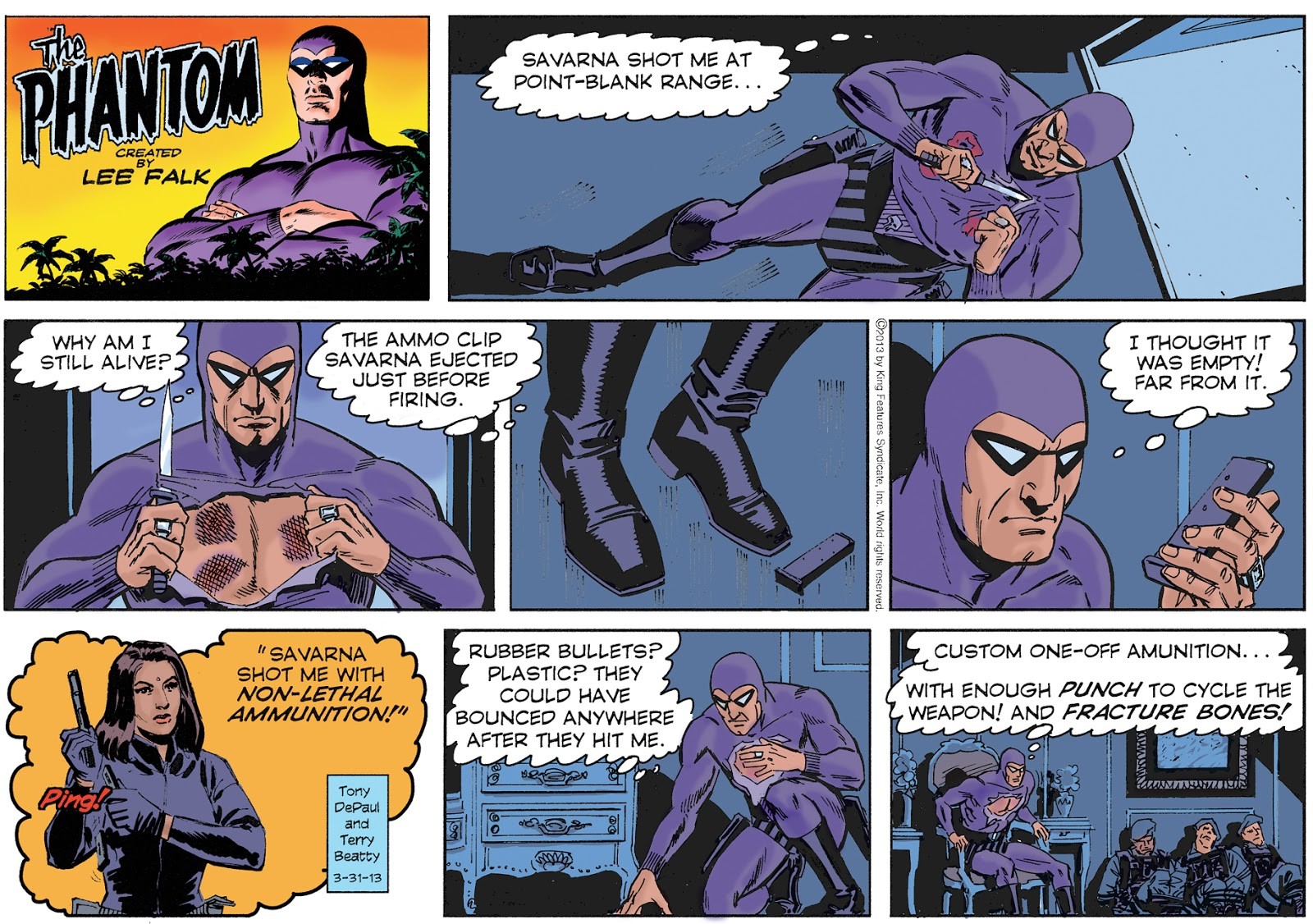
 Whether the Phantom provided
 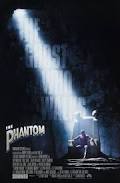 The Phantom (1996)
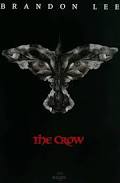 The Crow (1994)
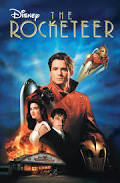 The Rocketeer (1991)
 TMNT Universe #19 (IDW)
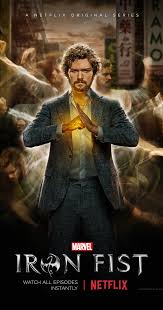
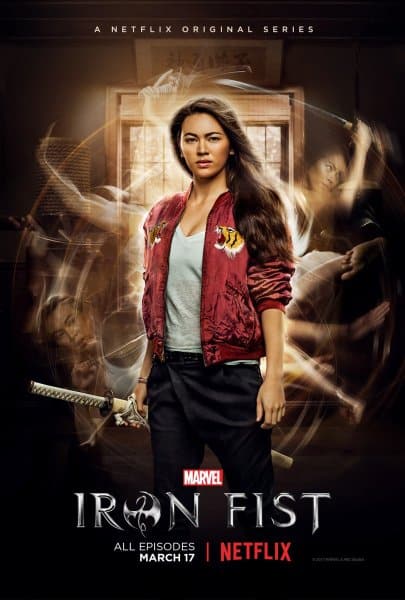 Iron Fist debuted in March of 2017 to less than positive reviews, with one critic stating that the series “failed to grasp what makes Iron Fist interesting.” Others claimed the show missed an opportunity for diversification by casting Finn Jones as the titular character instead of an Asian actor, whereas Jones’ innocent and naive take on the skilled martial artist didn’t exactly resonate with everybody, either. Despite the criticisms of his portrayal Jones, much like the show itself, isn’t as bad as you would expect. He gives the audience a naive and overly innocent Danny Rand which is a complete juxtaposition to the troubled heroes already mentioned above. Danny Rand hasn’t been broken like Jessica Jones, he has lead a relatively sheltered life despite his extreme martial arts training, and he starts the series full of hope and optimism.
 Speaking of Colleen Wing, it was Jessica Henwick’s character that stole the show for me. Her interactions with Rosario Dawson’s Claire Temple often provided some of the more entertaining and humorous moments in the show – and often at Danny’s expense. Indeed were it not for Colleen Wing and Claire Temple, one could argue that Danny Rand would have been utterly lost about half way through the series. Danny’s naivety was his biggest weakness in the series, often leading him into some dumb decisions and because of that the plot needed some strong characters to push, pull and guide the Iron Fist where he needed to go – and more often than not save him from himself. Iron Fist may have been a story around Danny Rand’s return to the world, but it’s the supporting cast who are the real stars of the show.
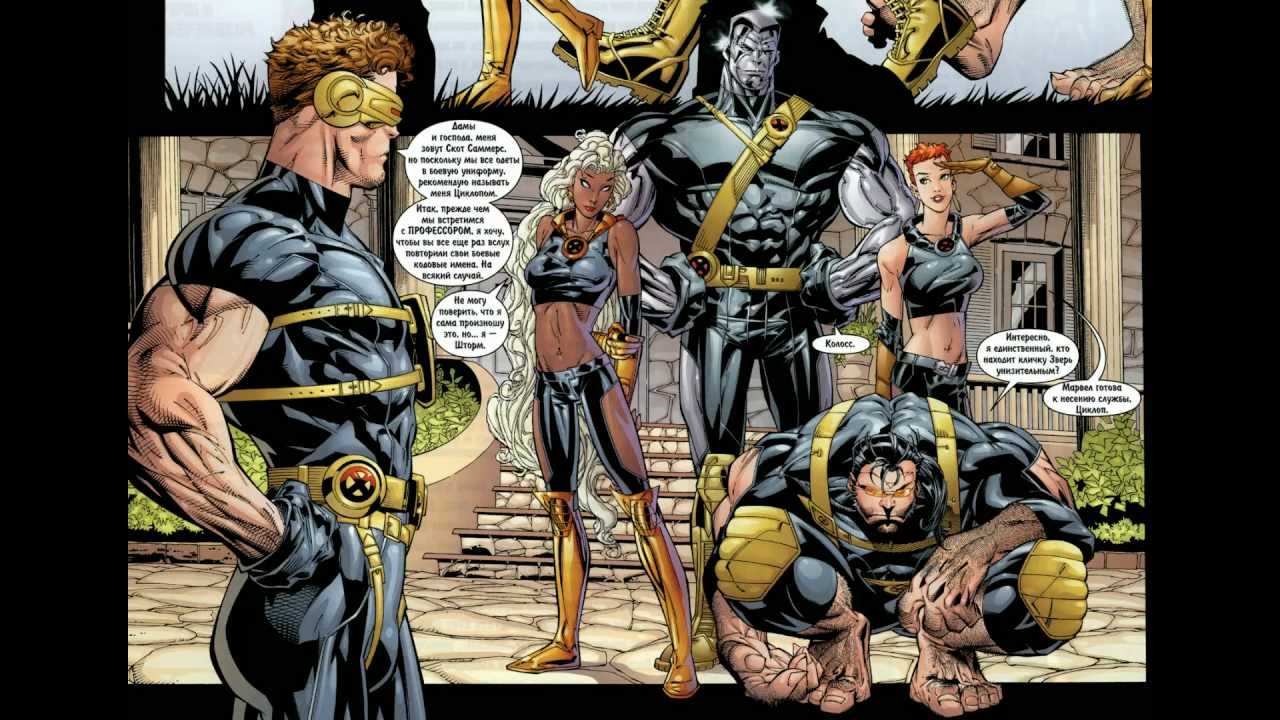
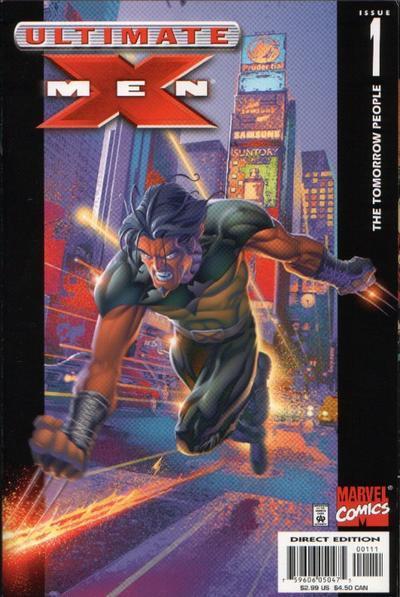 Ultimate X-Men was a series launched under Marvel’s Ultimate Marvel imprint that aimed to do away with 40 years of so called convoluted continuity into a more modern and updated setting. The second title to launch after Ultimate Spider-Man, Ultimate X-Men was written by Mark Millar and drawn by Adam and Andy Kubert. Millar was largely ignorant of the storied history of the X-Men, and reinvented the characters with the 2000 X-Men film as his primary reference. Millar has admitted in an interview with Sequential Tart that he knew bugger all about the characters before Joe Queseda and Bill Jemas asked him to pitch for X-Men, expecting them to use the script as toilet paper. Instead, because Millar knew next to nothing about the franchise, they decided that he should be the one to reboot the X-Men for Marvel’s Ultimate line of comics.