Tag Archives: Streaming

Apple’s new The Enfield Poltergeist documentary dives into the real story of the infamous UK haunting

As popular as paranormal shows and documentaries are, there’s really only a handful of them that mystify people enough to consider the possibility that ghosts are real. The United States, for instance, will forever have The Amityville Haunting, which produced an entire franchise of movies and books given how aggressively it took over the American psyche when it reached the zeitgeist. England has The Enfield Haunting. Or The Conjuring 2 haunting, as many might know it as.

Apple + dropped a trailer for their new docuseries focusing on the British haunting, titled The Enfield Poltergeist, a project that might garner a lot of attention for its connection with The Conjuring universe. It took place in 1977, when a working-class family in Enfield, London claimed their house was visited upon by angry ghosts that caused kids to levitate and be thrown around by unseen forces. All four episodes drop on Friday, October 17, 2023.

The case is not without its controversy. Much like Amityville, accusations of the haunting being staged for publicity, fame, or financial gain were quick to make the rounds. Skeptics point to the picture “evidence” of the poltergeist as being fabricated, and that it was quite obvious at that. Pictures of family members levitating, for instance, have been subjected to considerable scrutiny as they seem to show girls just launching themselves up into the air or jumping to give off the impression they were being thrown around by ghosts.

This isn’t the only documentary dropping this year tied to the James Wan-developed horror franchise. Netflix is releasing its own, titled The Devil on Trial, the first case in the US to attempt a “demonic possession” defense at a murder trial. It was the basis for the third Conjuring movie, what many consider to be the weakest entry of the three films. The Devil on Trial will also drop on October 17.

enfield

These two docs lay bare the fictionalized aspects behind the films, especially in the case of the Enfield haunting. The Conjuring 2 made it look like The Warrens, the paranormal investigators and exorcists driving the films, were mostly responsible for riding the house of its demonic afflictions despite investigator Maurice Grosse alleging they were only there briefly. Grosse was the original investigator behind the Enfield Haunting, staying on the case for the duration of it while also acting as witness to some of the more extreme phenomena (levitation, changes in voice).

In fact, Apple also revealed the series will draw heavily from Grosse’s research, especially from the recordings he made and the reports he wrote up. Events will be recreated and will aim for fidelity to the sources. All of this to say, this won’t be The Conjuring 2.

The Enfield Haunting does have an interesting cultural record, having been used as the basis and inspiration for other movies and TV series. One notable project that used it as its foundation was the 1992 BBC television movie Ghostwatch, a pseudo-reality horror documentary that aired on Halloween of the same year. It took the form of a live special report on a haunting at a house on the fictional Foxhill Drive area in Northolt, Greater London. The found footage genre owes it a lot, preceding The Blair Witch Project by seven years.

The Enfield Poltergeist is a fascinating case that should yield a compelling watch once it premieres. Myths can certainly be shattered here, especially if the hoax allegations are treated seriously enough (some of which are referenced in both The Conjuring 2 and Ghostwatch). Real or not, there’s potential for deep fear to set in the series. Ultimately, audiences will have enough to be afraid of. Even if the haunting is entirely human.
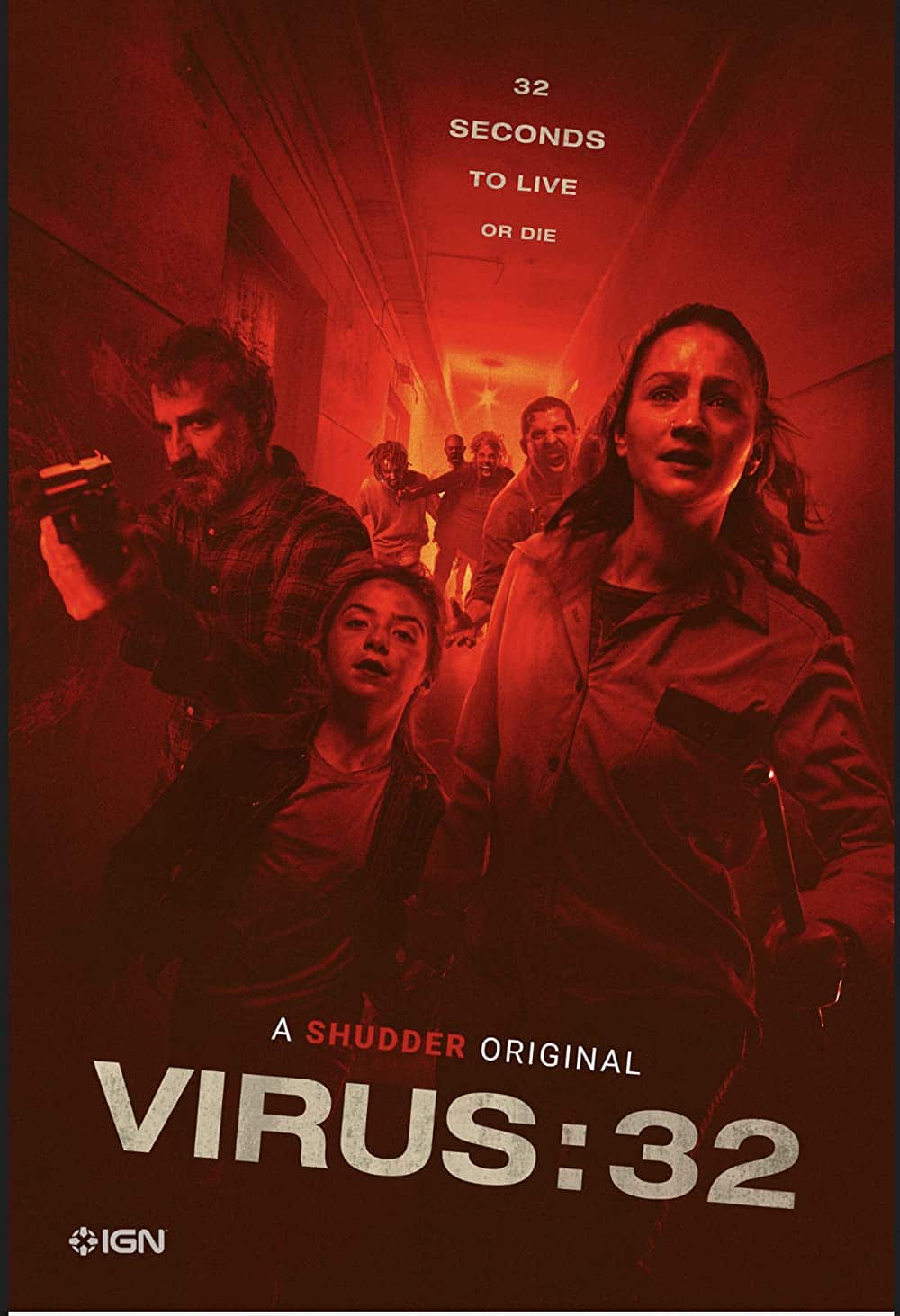

Virus: 32 looks at an outbreak of violence from the the perspective of parenthood

Virus:32

The zombie/infected horror subgenre is at a point where innovation and conceptual remixes are almost a necessity for any of its movies to succeed. The Walking Dead looked at survival from a multitude of forms and perspectives, the George Romero Dead movies took on the zombie as a metaphor for social collapse, and 28 Days Later framed the figure of the zombie-like infected human as a stand-in for society’s capacity for violence in times of crisis. Uruguayan infected/zombie movie Virus: 32 throws its hat in the ring with a story that looks inward rather than outward. Not at society as a whole but on the failings of the individual. It does so quite successfully.

Directed by Gustavo Hernández, Virus: 32 centers on Iris (played by Paula Silva) and her young daughter Tata (played by Pilar García Ayala) as a virus takes over the city of Montevideo, Uruguay. Iris is a security guard in a worryingly unkempt sports club, a place that looks more like a death trap than a place where people go to play anything. Iris is presented as a free spirit that resists meeting the traditional expectations of motherhood and responsible parenting.

Iris drinks before work, carries herself as if her life is simple and responsibility-free, and sees the idea of arriving to work on time more as a suggestion than a rule. Her attitude pushes her daughter away from her. Tata doesn’t like spending time with her forgetful mom, especially as she’s treated more like a friend than a daughter.

All of this is communicated to the audience in the first ten minutes of the film, signaling the filmmaker’s intention to make that relationship power the story at a personal level. It’s effective in that once the virus breaks out and starts becoming an immediate danger for Iris and Tata, the expectations surrounding the mother/daughter relationship come to the fore with a force, paving the way for an intimate look at these characters rather than on the total breakdown of society via infection. Iris’ parenting decisions catch up to her and they become a potent source of horror as they point to Tata’s safety not being in the most capable of hands.

Virus: 32

The main threat of the story, the thing that will metaphorically test Iris’s ability to be a good parent or not, is a virus that creates vicious killers that go berserk whenever a potential victim enters their field of view. The infected here remind of those in Garth Ennis and Jacen BurrowsCrossed, or with those in the ultraviolent 2022 virus movie The Sadness (which also borrows heavily from Crossed and 28 Days Later). They don’t eat flesh. They hunger for violence instead. In Virus: 32, the infected are incapacitated for 32 seconds after killing someone or hitting someone enough to leave them on the verge of death.

Director Hernández proves to be adept in creating a sense of horror over his characters that hinges on their fears of what they stand to lose as the pandemic breaks. For starters, Tata and Iris are split up for most of the film. Iris leaves Tata alone playing with her skateboard and kicking around basketballs as she goes to make her rounds in the sports club. Moments later, the first sign of things going completely wrong start making their way inside the club, immediately putting Iris’ decision to leave her daughter all by herself into harsh perspective.

Each terrifying development after that hits different thanks to Paula Silva’s performance as Iris. Her expressive, full-bodied performance packs an emotional punch that makes every situation feel oppressively intense, especially after another character with a unique but somewhat shared problem merges into her path (bringing another yet very different type of worry about parenthood into the story). Silva wears her character’s fears and regrets on her face and it helps the movie capture the metaphors at play more clearly.

For all of Virus: 32’s accomplishments with its personal take on the formula, there are moments, particularly in the last leg of the movie, that borrow too freely from its influences, most notably 28 Days Later. The infected behave much like those in Danny Boyle’s flick and some of the chase sequence seems ripped straight from it. The ending, too, has echoes of 28 Days, but what stuck with me was its refusal to commit to a particularly traumatic character development that happens late in the story and see it all the way through. It might’ve made for a bleaker experience, but it could’ve taken the movie’s metaphors in a different direction.

Virus: 32

Virus: 32’s decision to keep things personal helps elevate its infected/zombie story above standard fare. The movie sticks to a single location for the most part, introduces new problems with a very different and compellingly written character about halfway through, and it doesn’t settle on the grand but overused metaphor of humanity being the real monster in a zombie movie that so many others default to. It looks towards parenthood, considers how much damage it can do, and then puts it in a world devolving into senseless violence. It’s safe to say the latest wave of zombie movies has a good advocate for innovation in Virus: 32.

Virus: 32 is currently streaming on Shudder.

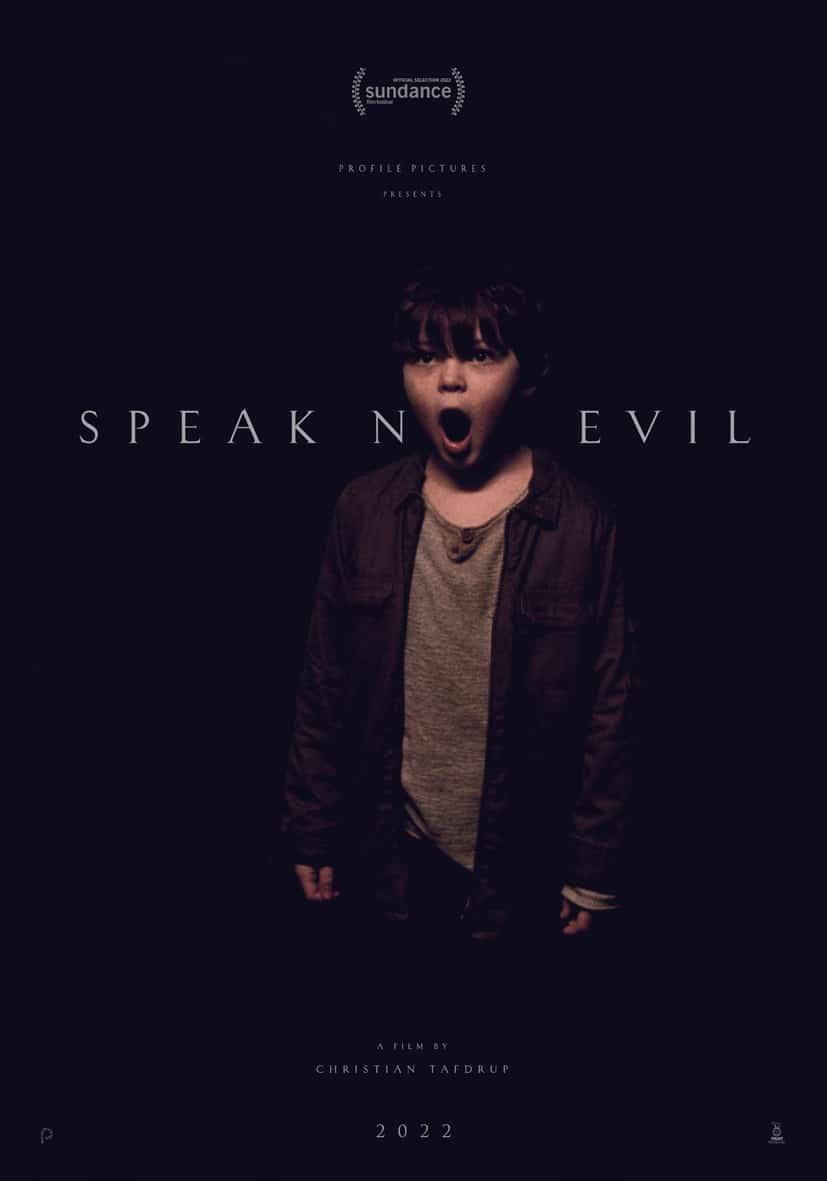
Movie Review: Speak No Evil

Speak No Evil

It takes a good horror movie to make audiences not question why the characters onscreen don’t just simply run away from the very dangerous situations they find themselves in. Movies like The Conjuring and It Follows never let the audience settle on the question because the answer is clear: whatever’s haunting the people in the story is inescapable (or requires a considerable amount of money to move out, as is the case in some haunted house movies).

Danish director Christian Tafdrup’s Speak No Evil, now streaming on Shudder, opts for inviting the question. It wants audiences to ask themselves why the family at the center of it doesn’t just leave terrible place they’re in and the horrible people inhabiting it. The reason? Because he’s found an answer that might explain why we as people resist fleeing when the bad starts stacking up, and it’s not for any noble reason. Tafdrup’s deeply disturbing and brutal film makes his characters suffer extensively for staying and it makes for a visceral experience.

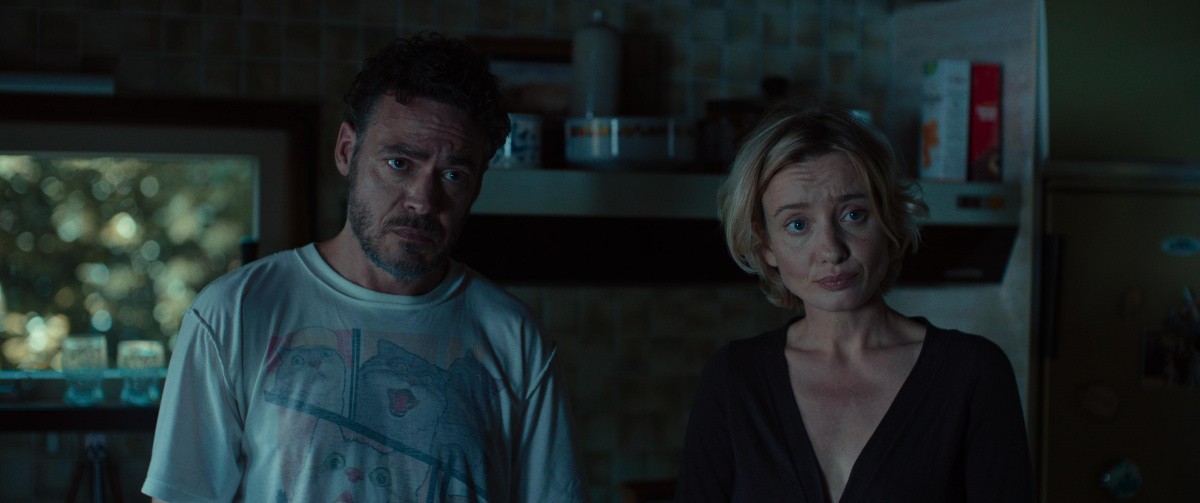
Speak No Evil follows a Danish family (Morten Burian and Sidsel Siem Koch with Liva Forsberg playing the young daughter role) as they take up an invitation to visit a family from Holland (Fedja van Huêt and Karina Smulders with Marius Damslev playing the role of their son) who they met while vacationing in Italy. The Danish family are a bit unsure about spending a weekend with this Dutch family because they’re basically strangers despite the time they spent together during the trip. They decide to accept their invitation but very quickly find out the Dutch family carry a very particular kind of strange with them. From then on, it’s a slow but fascinating descent into a hell of anxiety, politeness, and other people.

Speak No Evil

I want to make special mention of Sune Kølster’s score for the movie before discussing anything else. It can best be described as an exercise in creating an atmosphere of impending apocalypse. It’s expertly used in key sequences that don’t necessarily lead to moments of intense terror. Instead, it’s used as an announcement of absolute doom and its inevitability. It serves to keep the audience unsettled and concerned for the Danish family given the more outright horror parts of the movie are reserved for the very end of the story.

The rest of the movie, up to just before the final act, is essentially a series of nuanced events that peel back the layers of discomfort and awkwardness between the two families. The fact they know so little of each other starts to become very apparent, and there’s something off about the Dutch family. This forces the Danish family down a path of strained political correctness and forced politeness to try and avoid as much unpleasantness as possible. They fail at it, and watching it all devolve into an awkward mess of social pleasantries makes for an uncomfortable watch that is consistently fascinating.

It brings it all back to the question of why anyone would stay put in a place that’s so obviously not right. As the movie progresses, the answer to that question is fear of coming off as impolite. The Danish family’s unconscious commitment to not breaking the rules of social interaction and the expectation of it essentially imprisons them in a home that hides some truly sinister secrets behind the façade of familial normalcy.

In a way, the story finds its horror in the cages we build for ourselves by making decisions designed not for one’s own safety and security but for the sake of the perception others might have of us, or the opinions they might formulate about us based on how willing we are to avoid confrontation.

Speak No Evil

The idea blooms onscreen thanks in large part to the performances of the entire cast. The Danish couple, especially, put in the work to project physical discomfort to the point it hurts to watch them flail about emotionally to keep things under control without imposing their wills. For instance, Morten Burian (who plays the Danish father figure) has what seems like a permanent forced smile on his face for almost the entire movie, showing a kind of desperation to abide by the codes of conduct without ruffling feathers or inconveniencing anyone.

There’s a scene where Sidsel Siem Koch’s character, the Danish mother figure, is offered a piece of meat after having explicitly told the other family she’s a vegetarian. She reluctantly accepts the meat to keep the peace while her husband tries to brush the tension away with a smile. From there, the slights and the clashes just escalate until real evil starts seeping out.

Fedja van Huêt and Karina Smulders, who play the Dutch couple, dive into their performances with a rawness that makes the viewing experience itself come off as a test of endurance. They emotionally torture the other family with a false sense of kindness that casts doubt as to whether they are actually evil or if they’re just a very different an odd kind of family.

Director Tafdrup sets up the proverbial game board perfectly for a finale that shocks with its brutality. Once the design is laid bare, the implications of every decision made by the Danish family start to unravel, making the already painful process of seeing a family try so hard to please people that aren’t returning the favor become even more excruciating.

Speak No Evil

The finale is a descent into hell unlike any other. The audience is invited to think about the ‘what ifs’ of the many decisions not made before it got the point of no return. It’s not so much a punch to the gut as it as a cruel stabbing of the senses that leaves the audience broken and hopeless.

Revealing more would be doing Speak No Evil a disservice. It’s such a finely tuned piece of horror filmmaking that it just demands to be watched, experienced, and felt. The darkness slowly burrows itself under the skin as the story unfolds, and when its finally ready to show its ugly face it proceeds to do so with malicious intent. There’s a lesson in there too. When it looks like things are taking a turn and your senses tell you to flee, screw politeness and run as fast as you can.

Review: Shudder’ s 101 Scariest Horror Movie Moments of All Time

Horror Movie

Lists and rankings concerning the best of anything are bound to be controversial by their very nature. Some might argue against the inherently subjective dimensions of the premise itself, saying it invalidates the entire exercise altogether. Others find validation through them, a way to dole out a few “told you so’s” in a debate. For me, lists aren’t about any of that.

A good list offers a service, a good excuse to go through the things being discussed by either engaging with them for the first time or getting reacquainted with them to test out the premise of the list. Shudder’s 101 Scariest Horror Movie Moments of All Time does precisely that. It’s not interested in laying down the law in the field of horror in an inflexible way (despite what the series’ title blatantly implies), instead it’s all about giving viewers more than enough reasons to indulge in well-crafted scares or to get reacquainted with old haunts with a fresh set of eyes.

The horror streaming service’s new series is basically a spiritual successor to Bravo’s 2004 miniseries The 100 Scariest Movie Moments, an influential production in its own right that gave horror fans material to debate and revisit once it aired. The first episode of the Shudder series, which is currently available to stream, goes from entries 101-89, stopping on each one to give a general idea of what the film is about and why it’s memorable as a whole before finally landing on its scariest moment.

Horror movie
It Follows

I’m not going to spoil the whole list here, but I will reveal entry #101 as it sets the tone well and signals a desire to not just go over the same horror classics that have dominated these kinds of countdowns before. David Robert Mitchell’s It Follows (2014) kicks things off fast and intense in what I took as a kind of statement. It had that “this isn’t your parents’ best of horror list” feel to it and it imbued the following entries with a surprising sense of anticipation.

Part of what also made the first entry so exciting was how it presented the format for the series, especially when it comes to its commentators. Instead of going for a mashup of quick edits and cuts of speakers giving bite-sized observations on the movie, each segment focused largely on one leading voice supported by shorter horror expert interventions, which included directors, journalists, scholars, experts, actors, and celebrity fans. The tone was celebratory but focused, not interested in quick quips or in making fun of the movie (something that Bravo, E!, and VH1 would go on to do in their own countdown-type shows).

An impressive cast of commentators graces the screen throughout, too. Tananarive Due, Mick Garris, Joe Dante, Tom Holland (the director of Fright Night and Child’s Play, not Spider-Man), Tony Todd, Brea Grant, and Gigi Saúl Guerrero are among the experts brought in to dissect each scary moment and their insight is the stuff of horror nerd dreams.

There’s a good mix of veteran industry names and newer or emerging voices within the community to make each discussion come off as fresh. Nothing feels recycled, giving every movie a chance to be seen through a different lens. This seems to be the aim of the series, to favor new interpretations and to dare consider films that haven’t had the chance to get much of a spotlight elsewhere.

Mulholland Drive

For instance, I never expected David Lynch’s Mulholland Drive (2001) to be one of the selections, but its inclusion was not only welcome but given the treatment it deserves as a unique film that freely indulges in horror in its storytelling. Mario Bava’s Black Sabbath (1963) follows close enough to make the ranking come off as modern and not tied down by tradition or cannon.

I was also pleased to see the range of time periods on display as newer lists tend to add newer productions at the expense of older ones despite their relevance and overall filmic impact. On the contrary, the show goes lengths to reassure fans the old and the new can coexist and elevate each other. There’s even recognition of a previous selection’s influence on a movie that comes further down on the list.

All of this to say that The 101 Scariest Movie Moments of All Time is shaping up to be an invaluable piece of horror content, especially in getting viewers to watch more horror. It’s a fun, non-combative celebration of the genre that invites appreciation rather than contentious debate over which movie should come first or last. Give it a watch and then go and get scared watching the movies that made it into the list.

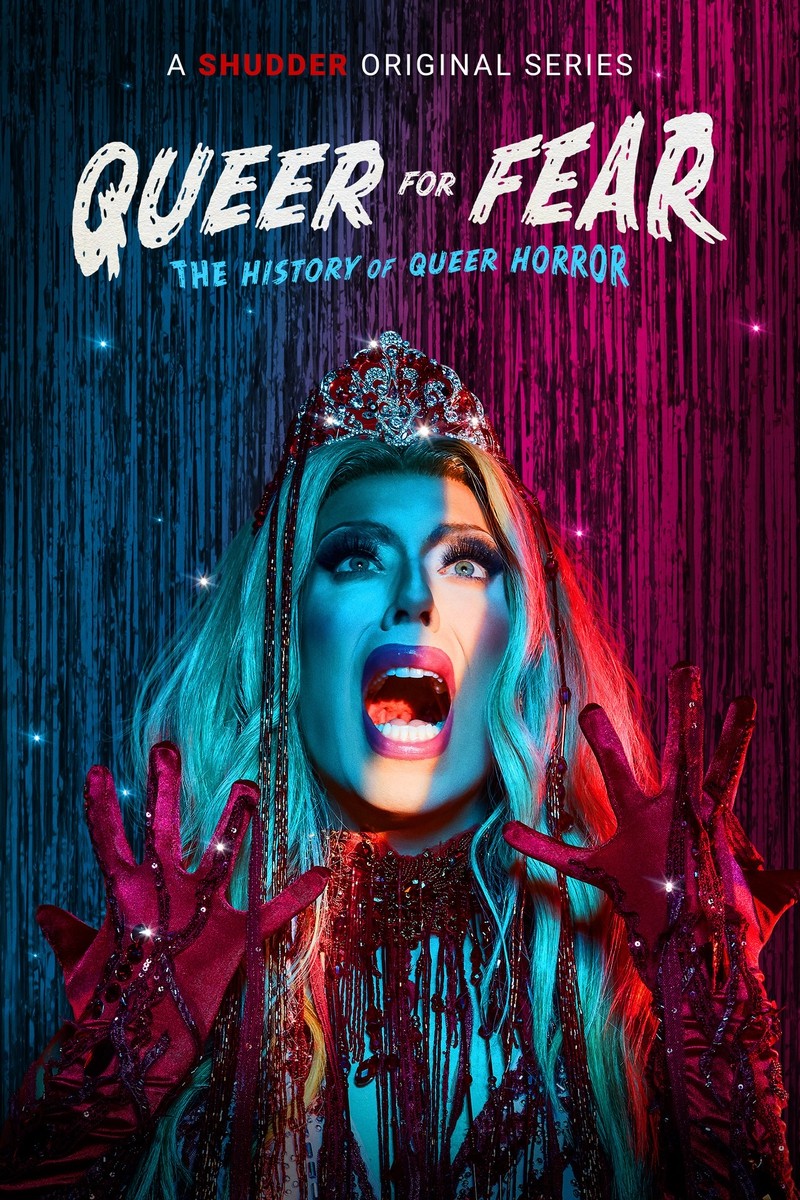
SHUDDER’s new four-part documentary QUEER FOR FEAR aims to celebrate LGBT horror cinema

Queer for Fear

Horror has a very complicated history with queerness. At times it’s been the genre that’s turned queer stereotypes into evil monsters or gratuitous victims of extreme violence (think Sleepaway Camp). In others, it’s the genre that’s created iconic monsters and killers that cast a reflection on society’s fears and those groups that don’t conform to the status quo (Psycho’s Norman Bates, for instance). And yet, their place in the history of queer representation is not static. Some of the most ‘problematic’ queer horror films for instance, have been reclaimed as examples of resistance and confrontation in mass market spaces (a good example of this is A Nightmare on Elm Street 2: Freddy’s Revenge, which has its own Shudder documentary).

Shudder’s new four-part documentary Queer for Fear: The History of Queer Horror looks to be just what audiences need to untangle this complex story and look at the many shifts and changes queerness has experienced in horror. The streaming service took to San Diego Comic-Con to reveal an extended sneak peek of the docuseries, which is executive produced by Hannibal’s Brian Fuller.

According to Shudder’s description of Queer for Fear, the docuseries will stretch as far back as the 19th century to look at literary origins (including the influences and subtexts present in the works of authors like Bram Stoker, Mary Shelley, and Oscar Wilde), the 1920-30’s ‘pansy craze’ (the rise in popularity of drag performers that had been gathering steam since the New York masquerades balls of the 1890s), all the way to the ‘lavender scare’ of the 1950s, the 1980-90’s AIDS crisis, and the present.

Given how adaptable horror is to the realities of any given context, Queer for Fear is sure to become further confirmation of the genre’s ability hold up a mirror to society in an attempt to scare them into realizing just how terrifying discrimination, Othering, and violence predicated on hate can be.

As is the case with any attempt at capturing the history of something, I’m curious to see what films make it into the story and how much importance is ascribed to them. The extended sneak peek clip Shudder shared seems to present Psycho as a kind of watershed moment in queer horror cinema, for instance. Finding out what other films manage to reach that iconic quality is just one of the reasons viewers will keep coming back for all four episodes.

Nightbreed

I for one hope Clive Barker’s work shines through, especially Nightbreed (1990). As a metaphor for the importance of community for ‘outsider’ groups, Nightbreed stands as one of the British author/director’s most impressive and compelling films. Based on Barker’s own novel Cabal, the story follows a man called Aaron Boone as he searches for the mythical underground city of Midian, a place where monsters live without the pressures of being exposed and judged in the outside world. A murderous psychopath learns of Midian and seeks to destroy the monsters’ refuge.

It was a commercial and critical failure for reasons that fit into the common thread of other queer horror films: it was misunderstood and promoted as something that it was not. In Nighbtbreed’’s case, trailers and other promotional material hinted at a slasher movie rather than a dark queer fantasy experience. It should go without saying, Queer for Fear will have a lot of these type of examples to pull from to explain how so many of these horror films fell into cult status and obscurity because of studio interference in the process of building up a film’s identity.

Queer for Fear is set to premiere on September 29th on Shudder and it’s already looking like a crucial piece of horror history that fans and newcomers should definitely take the time to learn about. It follows in the footsteps of Horror Noire: A History of Black Horror (2019), which also premiered on Shudder, in its intention to promote visibility and champion representation. To say it’s one of the year’s most important releases is quite simply an understatement.

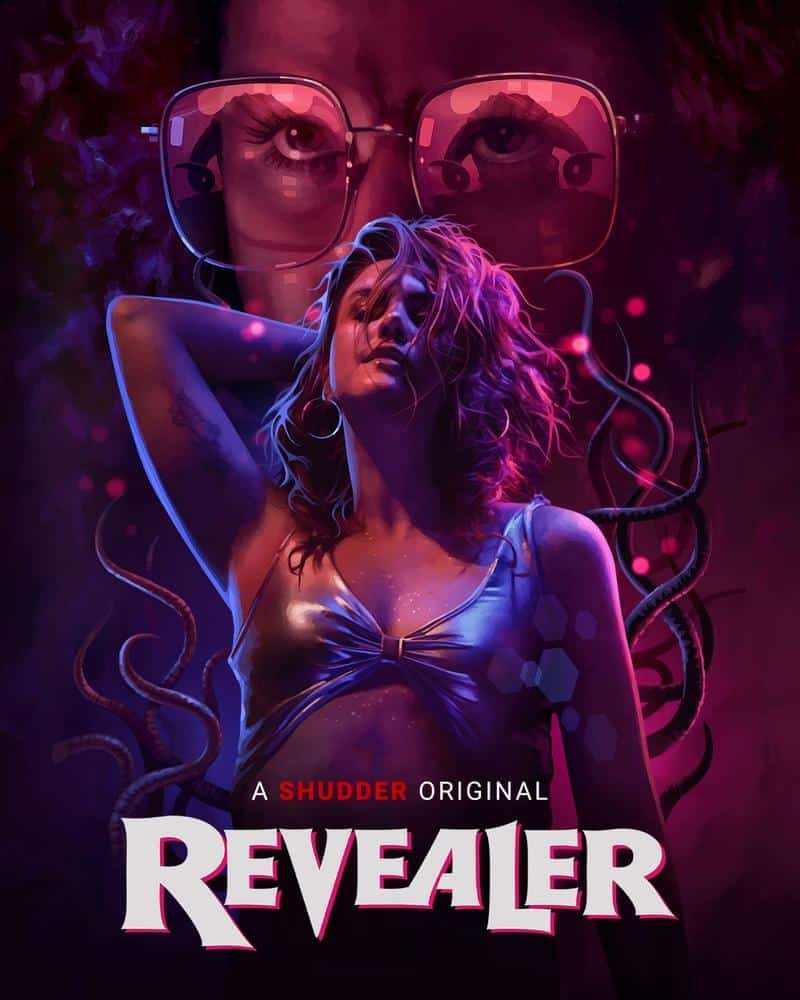
Movie Review: Revealer sends a stripper and a religious protester to the end of the world

Revealer

Stripped down to its bare essentials, the Apocalypse is ultimately an overblown shaming session levied against humanity. Trumpets signal the new stages of shaming scheduled throughout the event and demons spew out from their underground caverns to give everyone a taste of their disdain. That it’s also known as Judgment Day is just icing on the cake.

Director Luke Boyce’s Revealer, currently streaming on Shudder, certainly takes this to heart as it forces a tense pairing of personalities with firm convictions on morality just as the Apocalypse unleashes its opening salvo. It’s a movie that seems to become more relevant every single day after it’s very recent release, especially in terms of dividing lines and Supreme Court decisions.

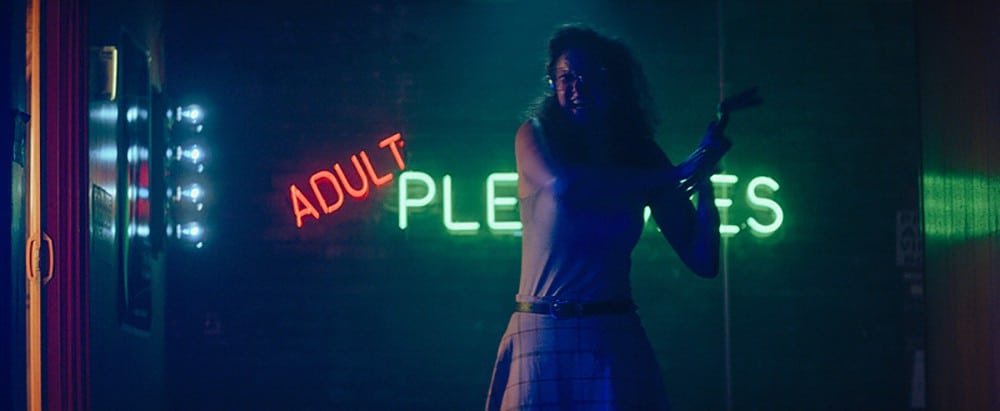
Revealer follows a stripper called Angie (Caito Aase) and a religious protestor called Sally (Shaina Schrooten), both stuck in a peepshow booth as the world ends outside. They each stand on opposite sides of a spectrum that’s divided groups of people since time immemorial: religion. Their anticipated animosity towards each other is present from the very beginning and has no qualms about being as brutal and piercing as possible every time any type of judgment is levied against the other, even after an unsteady alliance forms between them as demons and devils start making their way into the sex shop they’re held up in.

Comic fans should have a vested interest in this movie given the resumés of the screenwriting duo behind it, Tim Seeley and Michael Moreci. As two of the most versatile voices in the industry, Seeley and Moreci bring a finely tuned and honest sensibility to character creation that features the same approach to economical but precise dialogue writing present in comic book storytelling. This is perhaps most present in how the movie contemplates the idea of passing judgment onto others, on what lies in the very act of it and how difficult it is to let go of prejudices even when good intentions guide the conversation.

Revealer

The story’s success largely depends on Angie and Sally’s interactions and how genuine they feel as the Apocalypse threatens to burst their respective bubbles. The movie doesn’t only achieve this but does so by never allowing one of the characters to overpower the other with their worldviews.

Seeley and Moreci inject a fair amount of nuance into their dysfunctional pairing, promoting understanding rather than moral superiority. It’s not about whose worldview reigns supreme. It’s about finding a way to understand each other while also being able to challenge preconceived notions of right and wrong.

Boyce does a good job of giving these two characters enough unencumbered space for their conversations to take place while also creating a strong sense of dread as one particular devil sets its eyes on their souls. The story essentially takes place in just a handful of locations, all enclosed and claustrophobic. It’s theatrical in its approach and it maximizes the use of the limited budget in outstanding ways, putting the focus on character rather than on fire and brimstone. The Apocalypse is ever-present, but it’s mostly unseen. What’s impressive is that it is always felt. Therein lies the success of Revealer.

Caito Asse and Shaina Schrooten as the stripper and the religious protestor, respectively, melt into their roles and give each other more than enough emotion to play off each other. They go from total dislike for each other to brief bouts of understanding constantly and the effect is one that their performances carry through well.

Revealer

Given how heavy handed the script is though, mostly for good, the performances do sometimes fall into exaggeration and it can play against them. The humor doesn’t always hit the mark either, but not enough to distract from the story. It should be said that the movie isn’t an exercise in realism, but that some exchanges between Angie and Sally could’ve been reigned back a bit for more impact.

What we do get see of the Apocalypse, almost entirely in the form of demonic creatures, is memorable and plays to the fears and worries Angie and Sally argue about in their conversations. One particular creature stands out as a kind of Pinhead figure from the Hellraiser movies in its sense of presence and serious menace, and it helps propel a fair bit of tension and fear in what’s a very dialogue-heavy script. Other lesser demons also give Angie and Sally a few horror scenes that help to build their characters in surprising ways.

Revealer came out just as the American Supreme Court overturned Roe v. Wade, the landmark 1972 ruling went on to protect the freedom of choice on abortions. In its wake, the national divide has widened, bringing to light more forceful forms of disagreements that aren’t that dissimilar from the kinds explored in the movie. This might be a small note that definitely requires further exploration, but the context in which the movie finds itself in does turn it into an urgent watch. It offers different ways to go about contemplating the things that keep us apart and to better gauge the impact of our moral judgments. It’s something to think about and Revealer definitely helps.

Revealer

Boyce, Seeley, and Moreci have a very confrontational horror movie in Revealer. It has two compelling characters that drive home a debate that seems more necessary with each passing day. It might just be that the Apocalypse is exactly what we need to put things into perspective and come together.

Netflix reveals blood-soaked posters for its live-action Resident Evil series

Resident Evil has become a pop culture giant, and now it aims to become even bigger with its first ever live-action series slated for release on Netflix this coming July 14th. Actor Lance Reddick (The Wire, Bosch, Horizon: Zero Dawn) is attached to the project and will be playing the role of Albert Wesker, the sunglasses-wearing embodiment of government conspiracies and clandestine machinations.

Netflix has released a summary for the series. It reads:

“2036 – 14 years after a deadly virus caused a global apocalypse, Jade Wesker fights for survival in a world overrun by the blood-thirsty infected and insane creatures. In this absolute carnage, Jade is haunted by her past in New Raccoon City, by her father’s chilling connections to the Umbrella Corporation but mostly by what happened to her sister, Billie.”

Judging by the main character’s name, it’s safe to assume the story is hedging its bets on Wesker’s history being compelling enough to build an entire series on. I’d say it is. His place in the RE universe can be compared to that of the Cigarette Smoking Man’s in The X-Files tv show. He’s the shadowy observer, the backstage manipulator whose limitless knowledge of everything secret turns him into the very essence of what makes ‘deep background’ character types so easy to obsess over.

The focus on a future setting is surprising, even if the time jump is little more than a decade from our own time. In the context of COVID, going for a post-pandemic scenario might allow the story to look back into recent events and comment on the many missteps we took as a people from all corners of society. Of course, you take all that and add zombies to it to get that special RE flavor.

Netflix has also released three teaser posters that reassure fans the basic elements of the game’s universe will transfer over into the series. One of them, for instance, shows a vial that contains a blood sample marked positive for the T-Virus. Another presents an Umbrella Corp pill covered in blood that carries the name of JOY. It’s all in the details and the posters make sure any first impressions ramp up fan excitement.

For those eager to jump into the RE extended universe, Netflix already has a solid animated series called Resident Evil: Infinite Darkness. It follows an international investigation led by Leon and Claire as new signs of the same zombie outbreak that descended upon them in Raccoon City start to surface once more. It’s a digital animation that plays out much like an extended cinematic sequence ripped straight from one of the games but with a serviceable storyline and well-choreographed action moments to round out the experience.

With the Netflix series on the horizon, expect to see more information to pour out in the coming weeks. A trailer drop should be imminent. The biggest question surrounding the show is how faithful it will be to the source material. The Milla Jovovich-ledResident Evil movies have a fanbase, but they were quick to ditch the games after a few entries. Netflix has a chance to set a new standard for the license. In an already crowded zombie arena, Resident Evil has a unique chance to rule the land. It has to make sure it gets the zombies and the monsters right, though.

Review: MIDNIGHT MASS masterfully turns religion into a matter of blood and devious faith

Midnight Mass

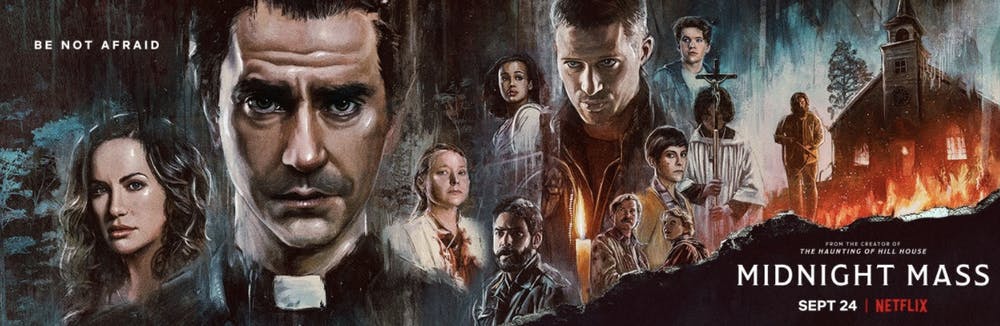
Religion and horror have never been known to be strange bedfellows. In fact, it can be argued they’re both cut from the same cloth, or at the very least that one can’t exist without the other. Mike Flanagan seems to find refuge in this idea as his latest Netflix series, Midnight Mass, turns to some of the Bible’s most terrifying passages to craft a 7-part story about how faith can turn the religiously devoted into desperate monsters trying to find meaning and purpose.

Midnight Mass is set in Crockett Island, a small piece of land separated from the mainland with a very reserved and quietly weary populace that has embraced their isolated experience. It’s the kind of place where despair and small-town politics breed a kind of people that can be easily manipulated by a charismatic enough figure. The island’s only saving grace is the common ground most of the inhabitants share on Sunday mornings: St. Patrick’s, a small catholic church.

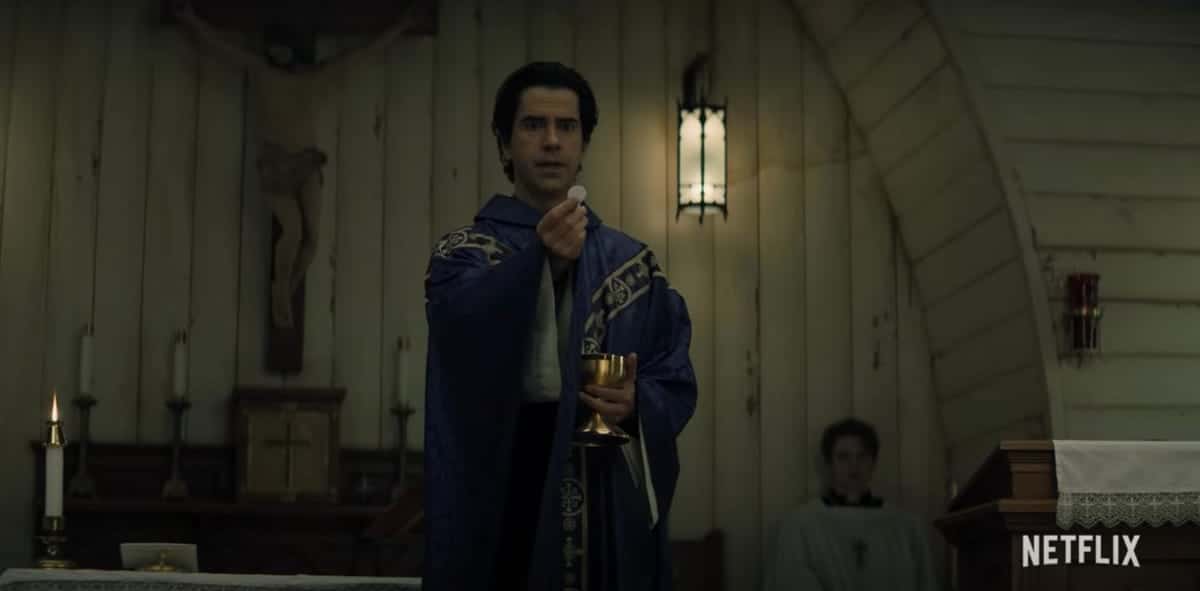
Enter Father Paul (played by Hamish Linklater), a young and impassioned priest that’s ready to do whatever’s needed of him to bring more people into church, capital sins included. Problem is, Father Paul has brought something with him to the island, something monstruous, and it hungers.

While the series’ true north lies in the dangers of religious manipulation dressed as honest devotion, it isn’t content with just settling on the spiritual ailments plaguing the island’s residents. The story also explores grief, loss, the trials of being an outsider in a closed-off community, and alcoholism as problems religion can either alleviate or unintentionally replace with other addictions.

Midnight Mass
Hamish Linklater as Father Paul

Who says people can’t get intoxicated by the promise of receiving God’s most coveted blessings? The metaphor’s there and it’s expertly woven into the fabric of the horror at the series’ core.

Flanagan, who directs each episode and either fully scripts or co-writes them, is largely successful at turning religion into Midnight Mass’ primary source of terror by resorting to fiery Bible verses to create powerful connections between the horrible things that happen on the island and the contents of the holy book.

Father Paul’s sermons invite literal interpretations of some of Catholicism’s most potentially gruesome practices, if taken word for word. Deciphering this allows viewers to slowly piece together some of the story’s secrets and makes for some truly satisfying sequences where horror unfolds in new and inventive ways, especially when it comes to communion.

The setup and the character driven tempo of the story is where Midnight Mass excels. The island’s inhabitants only have themselves to contend with and it’s their willingness to either give in to the church or to question it that establishes the fear and tension surrounding Father Paul’s interest in turning Crockett Island’s inhabitants into fervent servers of God.

Midnight Mass
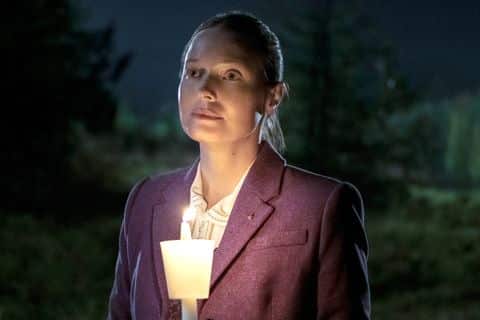
Samantha Sloyan as Bev Keane

One thing sometimes gets in the way of Midnight Mass’ already dialogue-heavy plot: individual character monologues. People familiar with Flanagan’s work, especially those that saw The Haunting of Hill House (2018), know that the director likes his horror to be sentimental, heavy-handedly so. To achieve that, Flanagan resorts far too often to long-winded monologues about faith, life after death, and the many philosophical meanings of life and they can grind the story to a halt.

In Midnight Mass, monologues surrounding Father Paul’s sermons or those of a particularly sinister character called Bev Keane (played by Samantha Sloyan), a zealous Catholic that can give the Old Testament a run for its money, are particularly interesting and intense. They’re some of the best parts of the story. Monologues relegated to what happens after death or about making amends are the opposite. They make their points early on and then they just keep going.

They open different avenues of conversation and feature some genuinely interesting ideas, but they’re too involved for their own good and they definitely overstay their welcome. Thankfully, the performances behind the characters delivering these monologues are excellent and they help sustain interest as the dialogue stretches on.

Rahul Kohli, who plays Sherrif Hassan, a practicing Muslim that has to navigate the town’s racism while also being the only resident that’s not Catholic in Crockett, does an admirable job of delivering each line with a force that commands attention. The rest of the cast follows suit, but they only alleviate some of the problems inherent in these monologues.

Midnight Mass
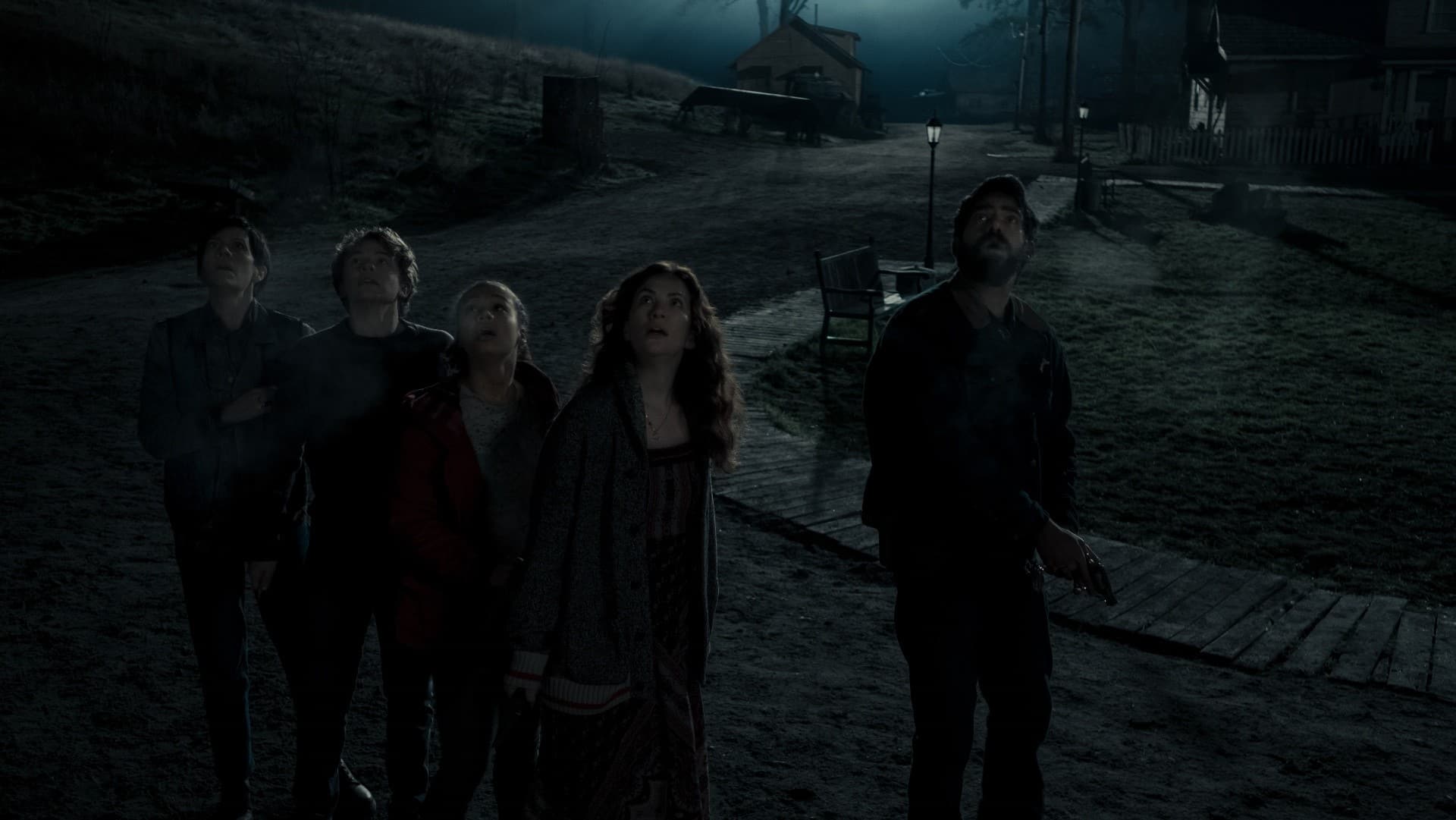
(From left to right) Annabeth Gish, Igby Rigney, Annarah Cymone, Kate Siegel, and Rahul Kohli

The story’s reveals, on the other hand, make each development feel monumental and prop up some of its most interesting characters for a series of profoundly heart-wrenching moments that are sure to stick around well after the credits have rolled on the final episode.

Taken in as a whole, Midnight Mass can more accurately be described as a work of horror drama. Flanagan isn’t afraid to spend time with his characters exploring themes that aren’t rooted in terror every step of the way. He prefers his horror slow-cooked, but once certain pieces have been set and the time comes to let the darkness take over, very few filmmakers can conjure up horror as unsettling or as disturbing as the kind in Midnight Mass.

Movie Review: Saint Maud offers a disturbing portrayal of faith and loneliness

Saint Maud
Saint Maud

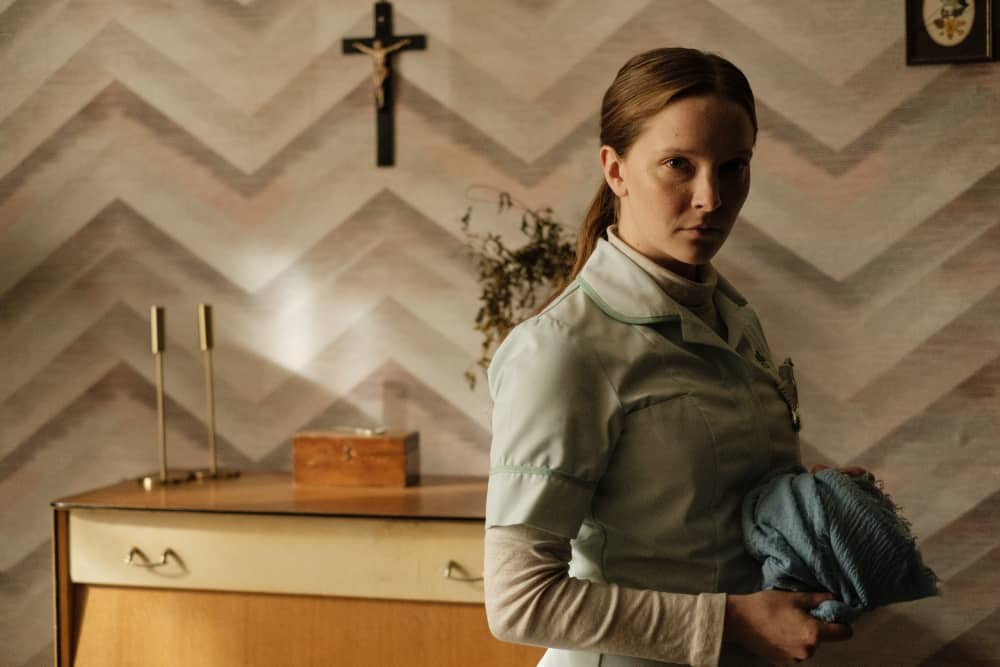
Pay attention to the title of the movie Saint Maud. Really think about what it is that makes someone a saint. In fact, if you look up some of the key saints from Christianity you’ll find the path to sainthood is often paved in blood. Be it through obscure instances of violence or culpable sin, the title of saint is still considered as an undertaking of absolute faith with the good grace of God standing as its ultimate reward.

Rose Glass Saint Maud looks at all this through a different lens, employing psychological horror to produce one of the most disturbing explorations of faith, devotion, and mental illness in recent memory.

Written and directed by Glass, Saint Maud follows a young, pious nurse called Maud as she comes to terms with the meaning of her relationship with God. In essence, Maud lives to answer the question of what God wants with her. As she looks for answers, she’s assigned to take care of a woman dying of cancer. Maud believes she can save the troubled woman’s soul, but God seems to have a harder test in the works for her.

The movie’s most resounding successes rest on the shoulders of actress Morfydd Clark, who plays Maud. Clark masterfully captures the title character’s tug and pull with being both hopeful and lost at the same time. Clark plays Maud as a young woman constantly teetering between a full-blown mental breakdown or a divine revelation.

Maud is given brief but revealing bits of internal dialogue that keeps viewers informed on the latest developments on what she thinks God is asking of her. Morfydd’s narration does a great job of showing Maud’s frustrations with her lack of understanding, always aware of the mounting pressure she faces while trying to make sense of her situation.

Saint Maud plays a bit with what’s real and what’s inside the main character’s head, but it prefers the less ambiguous approach to what’s actually happening. There’s more evidence of Maud suffering from a severe mental illness rather than a fundamental crisis of faith. And yet, it’s her faith that wins out as the thing that guides her in this new phase of life as a recent convert. Maud wasn’t always religious. There’s an obscure trauma at play that the movie cleverly keeps pretty much under wraps. It’s what might explain how God has so completely taken a hold over her.

Saint Maud
Saint Maud

The manifestations of her faith do one very unique thing here that not many other horror movies can claim to do. It makes the movie unfold as a kind of possession story where God is the invading spirit. Maud’s religious devotion plays a central role here as her decision to give in to faith keeps her isolated from almost everyone else.

Glass’ script is careful not to overindulge with the supernatural elements, but whenever something gives the appearance of being otherworldly, the horror gets ramped up considerably. Glass does an excellent job of playing with shadows and dark corners without stripping a single scene of all color. In fact, the movie contains a very clear and solid color palette that serves to heighten the terror at the heart of Maud’s process.

This figures into Glass’ decision to put Maud in big open spaces that aren’t exactly crowded with people. Quite the opposite. Maud seems to live in a world devoid of meaningful human contact. This becomes an especially powerful source of pain while in the presence of male characters, none of which see Maud as someone worth being treated with care or respect. Maud’s world is hostile and even God is suspect.

Saint Maud has a lot of moving parts, each made more complex and disturbing thanks to the fact the element of faith serves as its source of horror. Clark’s performance elevates the story’s focus on the consequences of unchecked piousness with an eye to question not just religious behavior but also the effects it can have on a troubled mind. As far as explorations into these matters are concerned, Saint Maud stands as one of its greatest.

Movie Review: Da 5 Bloods is an essential part of Vietnam War cinema

Da 5 Bloods
Da 5 Bloods, Netflix

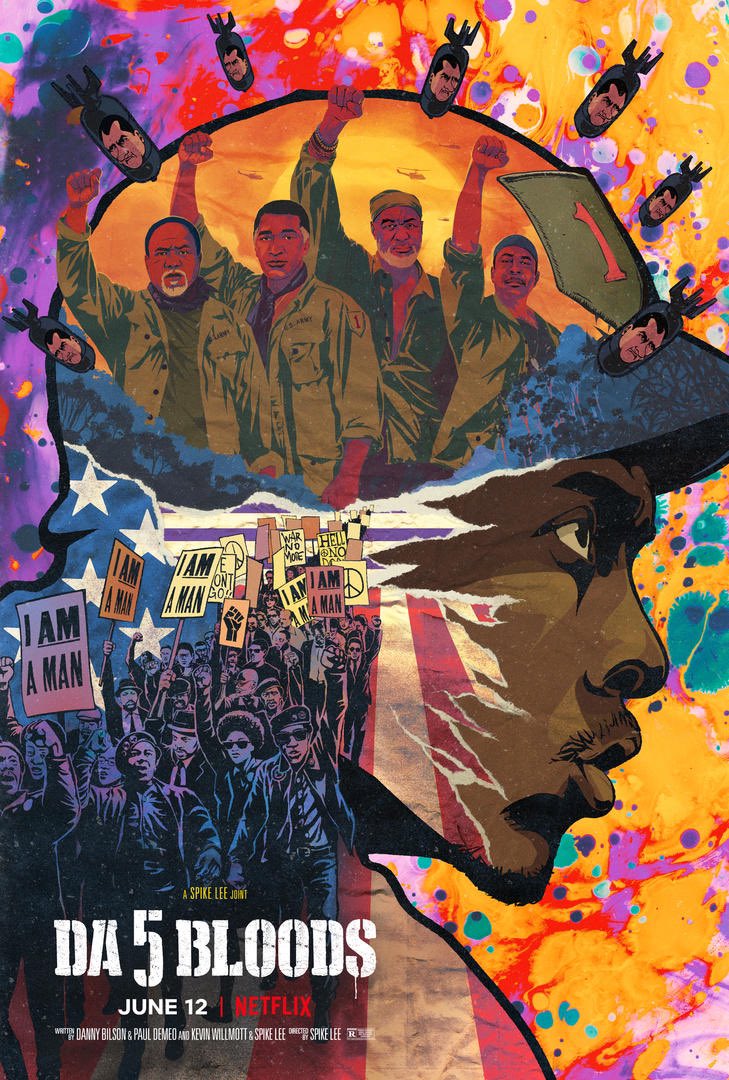
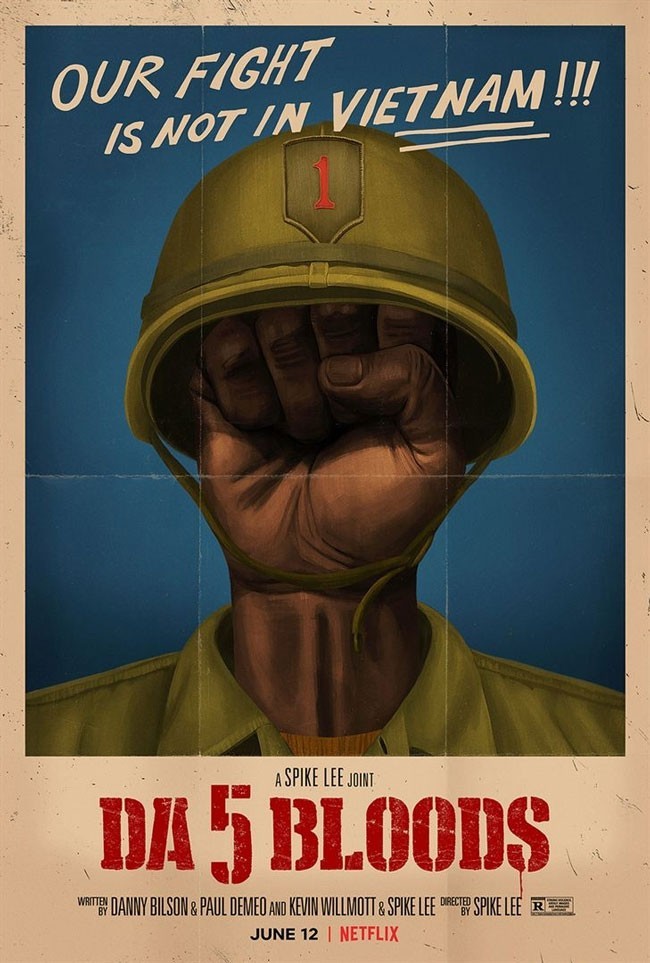
Spike Lee’s Da 5 Bloods is a new Vietnam War movie classic, worthy of a spot among Apocalypse Now, Full Metal Jacket, and Platoon. These movies all stand on their own and are inherently different because Vietnam itself was so unlike conventional warfare. It quite simply resists a particular storytelling mold due to it being a very singular kind of conflict, a different species of war. For Lee’s movie to make it into that list it needed to honor that same level of uniqueness present in those other films. I can gladly say it overwhelmingly achieves this.

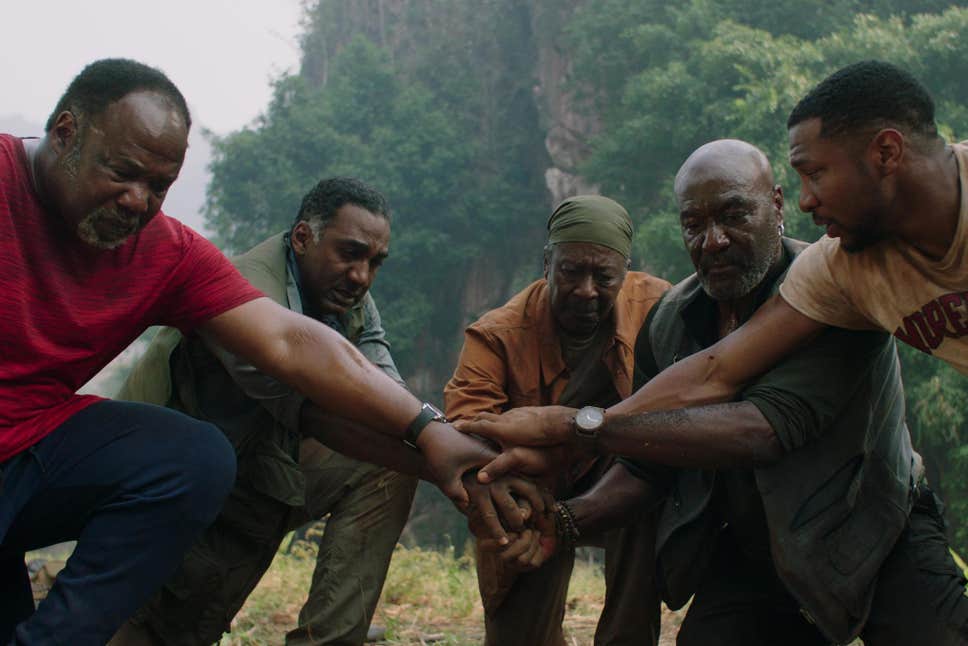
Da 5 Bloods follows a group of four black Vietnam War veterans that go back to Vietnam to look for a box full of gold they buried during a mission with the intention of retrieving it later on. The group is led by Stormin’ Norman, played by an intensely magnetic Chadwick Boseman, a leader/teacher figure that basically acts as the Bloods’ own war version of Malcom X and Martin Luther King.

The film alternates between flashbacks and the present time (where it spends the majority of its time), with no de-aging tech used for the four main guys during flashbacks. Boseman’s character is the only one that looks young in the flashbacks because he’s the only one who didn’t make it out of the war.

It was so refreshing not being distracted by any de-aging techniques, which made The Irishman such a frustrating watch for me. I couldn’t go five minutes at a time without asking myself why a another actor wasn’t cast in the role of the younger Robert DeNiro.

In fact, the decision not to make the four main characters younger digitally also plays into some of the film’s strongest themes: combat memory and PTSD. That the same actors played both past and present versions of their characters gave the flashbacks a tragic sense of remembrance that communicated the very rough reality of how combat vets never truly leave the war behind. It’s a constant thing that makes vets think their wars never really end (another theme explored in the movie).

Da 5 Bloods
Da 5 Bloods, Netflix

As stated earlier, the story stays the great majority of its time in the present. Their final mission in Vietnam–the retrieval of the buried gold–brings with it discussions on reparations and why black soldiers specifically deserve what’s rightfully theirs due to fighting for an America that didn’t respect them nor acknowledged their sacrifices back on the homefront.

This theme stuck with the movie throughout, making sure it was a part of every discussion that took place between the four vets. Spike Lee makes the point come across even clearer with his signature cuts to archival footage of black protests and black leaders like MLK and Malcom X adding their two-cents on any given discussion, even if it’s in presence alone. It evokes a kind of continuity for the black soldiers, seeing in Vietnam a contradiction of the very idea of military service. Why fight when black lives are being disregarded back home? Why not find this gold and give it back to the people? These questions lie at the heart of the film.

Black Lives Matter discourses are also echoed throughout the film thanks to its aggressive focus on how black military service means an entirely different thing altogether when compared with white military service. This sets this particular Vietnam War movie apart from the others, making it so different and unique in its own right. Apocalypse Now, for instance, explores war as madness. Platoon goes for misguided leadership, the absence of order, and a complete lack of accountability in war. Full Metal Jacket approaches the war as a morally corrupt and senseless act of mass violence that’s too far gone for it to be redeemed. Da 5 Bloods is about how something as historically charged as race in America completely changes what soldiers fight for. How society treats these soldiers at home will determine how their war is fought on the battlefield.

Da 5 Bloods
Da 5 Bloods, Netflix

In other words, America brings a multitude of Americas to war, each meaning something different depending on who you ask and what color their skin is.

Delroy Lindo’s character, Paul, best exemplifies all of these metaphors. Paul is the character that most visibly carries the trauma of war on his persona. He’s unstable, angry, and resistant to help from the other vets. He’s a challenging character to engage with, but the movie’s genius is often seen through him as we go from being frustrated with Paul to understanding why it’s been so hard for him to leave the war behind.

Lindo puts on a performance for the ages. He grabs the audience and pulls them in close to him whether they want to or not, but it’s all for a cause. Spike Lee entrusts him with his signature monologue sequences, in which an actor stares straight to the camera to address a problem head-on and without restraint. Lindo steps up to the challenge and gives a monologue that we should be discussing for years to come as it ruminates on what happens when a country asks its most oppressed communities to go to war in its name. The monologue ties in well with the opening scenes of the movie in which we see archival footage of Muhammad Ali explaining why he refused to serve in the Vietnam War is shown.

Actors Isaiah Whitlock Jr., Norm Lewis, and Clarke Peters all do a fantastic job stepping into the shoes of the other three vets. They represent a cohesive unit that also struggles with leaving the war behind while also representing what Vietnam meant to them through their own character arcs. Clarke Peters in particular always keeps up with Lindo’s intensity, playing the part of the moral compass without falling to the trappings of passing judgment on any of his friends. Jonathan Majors as Paul’s son also becomes a mayor player as his fractured relationship with his father manifests and changes as the movie progresses. To a point, he represents inherited trauma and how the war extends beyond the combat veteran’s experience to become a generational problem.

Da 5 Bloods
Da 5 Bloods, Netflix

Da 5 Bloods is a powerhouse of emotion, politics, and black history that easily fits in with the Black Lives Matter movement currently voicing their anger on the streets today, but it never takes for granted that it’s first and foremost a Vietnam War movie. It’s important it doesn’t run away from that as the black experience in war has seldom been explored with the seriousness it deserves.

Vietnam War cinema in America has largely been dominated by white experiences of it. Spike Lee’s Vietnam War movie is invaluable because it sheds light on why it’s important everyone knows that not every soldier fights for their country for the same reasons. The color of a soldier’s skin dictates which version of America they’re fighting for, and they all differ on their definition of freedom.