Category Archives: Underrated

Underrated: Batman And Robin. Yes, The Movie. No, I Am Not Joking

This is a column that focuses on something or some things from the comic book sphere of influence that may not get the credit and recognition it deserves. Whether that’s a list of comic book movies, ongoing comics, or a set of stories featuring a certain character. The columns may take the form of a bullet pointed list, or a slightly longer thinkpiece – there’s really no formula for this other than whether the things being covered are Underrated in some way. This week: Batman And Robin.
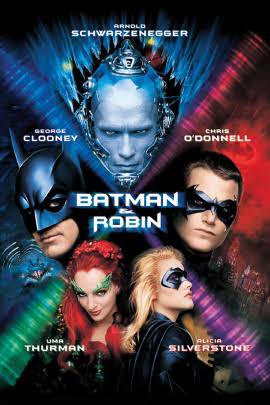

You all know the general reputation of this movie. So bad that it ended the original run of Batman films. Nipples on the Batsuit and enough ice puns to chill a bottle of whiskey.

And let us not forget the Bat-credit card.

The last of the movie series that began with Tim Burton’s Batman is not thought of fondly, but I want you to think about a couple of points regarding the movie next time you want to hate on the only George Clooney Batman appearance.

  • It paved the way for Christopher Nolan’s Dark Knight Trilogy
    Alright, so this isn’t necessarily a good thing about the movie, but at least the follow up Batman flick led to one of the strongest movies featuring the Dark Knight we’ve had yet.
  • It’s the only film in which Batman does purposefully or accidentally kill somebody.
    When I say accidentally kill somebody, I mean those moments where he doesn’t seem to care what happens to criminals after he’s run them off a bridge. Or shot their vehicle with missiles. Or left a man on a train.
  • Think of it as a continuation of the Adam West Batman.
    All of a sudden the movie takes on an entirely new look when you see it as being an homage to the biffing and powing of the 60’s.
  • Once you accept it’s not a great movie, it’s surprisingly fun.
    This will never place highly on any comic fans order of Batman movies – at best it might be in the bottom two or three – but it’s always going to place high on the silly and goofy list. Sometimes, after imbibing some mind altering substances, that’s exactly what you want. Don’t take this movie seriously, and you’ll find it a very ice film.
  • Arnold’s ice puns are awful.
    Seriously, they’re very uncool. And yet… you can’t help but laugh at the sheer delight Arnold has in delivering them.
  • It really is so bad it’s great.
    There’s only a few movies that are so shit that you enjoy them, and this is the best of the ones featuring Batman.

You didn’t really think I’d claim this as a good movie, did you? It’s awful. But it’s so awful that it’s really enjoyable (unlike the theatrical cut of Batman V Superman which is considerably worse than the extended version). So enjoyable that it’s almost an underrated gem – which makes it the perfect movie to rewatch when you’ve got a spare moment and want a laugh.


Join us next week when we look at something else that is, for whatever reason, Underrated.

Underrated: Batman ’66

This is a column that focuses on something or some things from the comic book sphere of influence that may not get the credit and recognition it deserves. Whether that’s a list of comic book movies, ongoing comics, or a set of stories featuring a certain character. The columns may take the form of a bullet pointed list, or a slightly longer thinkpiece – there’s really no formula for this other than whether the things being covered are Underrated in some way. This week: Batman ’66.


I’m sure you’re aware by now that Adam West passed away last week after a brief battle with leukemia at the age of 88. His death got me thinking about the impact of the show, and the steps it made back in the 60’s that we may over look today in light of the darker direction Batman has taken since. To that extent here are, in my opinion at least, five things about the show that we may overlook – if you think I’ve missed something, you’re right, but I’ll be revisiting this in the future.

  • Adam West’s deadpan delivery.
    I could list so many brilliant one liners that came from Adam West, or I could send you to this page, but two of my favourites are:
    “I wish we could help you, citizen, but we’re just a couple of ordinary crime-fighters going about our mundane business.”
    “Robin: “Where’d you get a live fish, Batman?”
    Batman: “The true crime-fighter always carries everything he needs in his utility belt, Robin.”
    Out of context, I find them even funnier.
  • Pow! Bop! Biff! batman-and-robin-opening-credit2
    The on-screen sound effects were fantastic when we first saw them, and they’ve rightly earned their place in pop culture today. So what are they doing here? It’s the secondary function they served that impressed me the most; by appearing on the screen just before a hit connected, it allowed the actors to be a little safer when fighting each other as they didn’t run the risk of getting a fist to the face. Plus it was one of the best opening credits in any TV show (I still think that it holds up)
  • The show’s influence on the comics.
    I don’t mean the obvious way the tone of the comics changed as a result of the series influence (granted some may not think that was a good thing), but rather the way that the show cemented certain characters as Batman’s core rogues gallery at a time when they weren’t as prevalent in the comics. The Riddler appeared on the television show for the first time in a decade’s absence from the comics, as did Catwoman and Mr. Freeze. Geekscape has an interesting article if you’d like to read more on this.1966+Adam+West+Car.jpg
  • The Batmobile
    Seriously, look at this thing. This is still a fantastic car to this day (you’d drive it. You know you would), but it kick started fandom’s love of having an awesome Batmobile. Do you remember what the Batmobile looked like before the TV show? No. Because it wasn’t that cool.
  • Bill Finger’s last Batman story
    Batman co-creator Bill Finger co-wrote the two part episode “The Clock King’s Crazy Crimes / The Clock King Gets Crowned” for the second season of the show, which aired October 12–13, 1966. It was the last time he wrote a story featuring his creation.
  • The cast
    Would the show have worked without Adam West? Maybe. But when you look at the way he carried himself on the show, his delivery and his physique (he had said numerous times that he didn’t need rubber molding, that was “all Adam West”) then you couldn’t have asked for a better man to have a lasting cultural impact as the Batman. In the past 60 years, no other actor has been viewed in such a synonymous way with the role of the caped crusader (the cynical ones will be saying “well that’s because he didn’t do much else!” And to those I show a swift middle finger. West is a legend). But Adam West wasn’t the only star of the show; I don’t remember a character played by a bad actor on the show. Yes, some of  them may have hammed it up a little, but that’s what the show demanded of them and holy cow did they deliver.

I could go on about this show for days, but this article is due out in half an hour, and I should probably make sure it’s not late.

Underrated: Batman Vs Superman: Dawn Of Justice Ultimate Edition

With the Snyder Cut of Justice League having just been released, I felt it was an ideal time to rerun this older post. This has nothing to do with me not preparing a column in advance. Nope. Not at all.


This is a column that focuses on something or some things from the comic book sphere of influence that may not get the credit and recognition it deserves. Whether that’s a list of comic book movies, ongoing comics, or a set of stories featuring a certain character. The columns may take the form of a bullet pointed list, or a slightly longer thinkpiece – there’s really no formula for this other than whether the things being covered are Underrated in some way. This week: Batman Vs Superman: Dawn Of Justice Ultimate Edition.


Let’s not beat around the bush here: the theatrical cut of Batman Vs Superman: Dawn Of Justice wasn’t the greatest superhero movie of last year and while it wasn’t the worst comic book movie of the year, it was perhaps one of the most disappointing – for me at least. I had expected so much from the movie, because it was fucking Batman and Superman on the big screen together. And… well we got an average movie. There were parts that were great (Ben Affleck and Gal Gadot), and parts that were pretty good (Henry Cavil), and… some less than savoury parts. I left the theatre feeling quite unsure of how I felt; did the good outweigh the bad, or did it balance it out? What didn’t click for me? Could the movie had been better?

Shortly after seeing the movie I found out that there would be an R rated extended cut of the film released for home media, and I wondered whether that would do anything to set the film right.

As it turns out, it did.

Almost every problem I had with the pacing, plot and direction of the movie was made better by the extended cut. I still wasn’t happy that the entire movie had effectively been told in short form in the trailers, but there wasn’t much I could do about that other than not watching the trailer in the first palace. Since that wasn’t an option…

Look, I get that Warner Brothers probably had concerns about audiences sitting for an extended period of time… I mean the near two and a half hour run time of the theatrical cut was the longest movie in recent memory, and understandably Warner’s were concerned about audiences attention spans. It’s not like we’d ever sit patiently during Lord Of The Rings, or binge watch five hours of Daredevil in one sitting. That’s just not who we are. And to think we’d rather have  a great long movie longer than a slightly shorter average one would never cross their minds. 

It’s okay, though.

Whether it’s thanks to the success of Deadpool, or the critical slamming early on, or both, the Extended cut of the movie is a much better story in every way. The plot holes that resulted from the opening sequence are fixed because of the additional footage showing the soldiers using flame throwers to incinerate bodies to mimic Superman’s heat vision, if you wrote the movie off based on the theatrical cut then you’re missing one of the better superhero movies of last year.

Yeah, I said it.

The Extended edition is a better move than Civil War is, but because the real version of the film was never released in theaters, the movie as a whole got quite an unfair reputation – albeit fairly earned based on the expectations people had for this supposed juggernaut of a film, and what was initially delivered. If you’ve only seen the theatrical cut of the movie, then give the Extended edition a shot. The additional scenes add significantly to the overall experience, delivering a much better experience than anything you’d have expected from the theatrical experience.

Underrated: Batman: Child Of Dreams

This is a column that focuses on something or some things from the comic book sphere of influence that may not get the credit and recognition it deserves. Whether that’s a list of comic book movies, ongoing comics, or a set of stories featuring a certain character. The columns may take the form of a bullet pointed list, or a slightly longer thinkpiece – there’s really no formula for this other than whether the things being covered are Underrated in some way. This week: Batman: Child Of Dreams


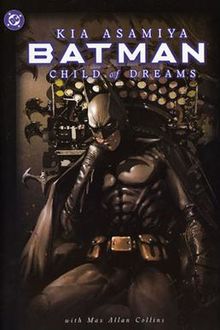
Child_of_Dreams_(manga).jpgThis week I wanted to focus on one of the very few manga books I own. Batman: Child Of Dreams was written and illustrated by Kia Asamiya and was originally published in Magazine Z, before eventually being released in an English language version in 2003. At the time of translation it was common for manga to be flipped so that Western audiences wouldn’t be confused by the traditional right to left reading layout of the source material (I’m told this isn’t the case any longer), so when you’re reading the book you’ll notice Two Face is scarred on the wrong side. It’s a minor thing at best once you understand why it’s there, and don’t attribute the error to an artistic blunder.

The story is about a designer drug that transforms you into somebody for 24 hours before killing you, the trail of which Batman follows to Tokyo with the help of a journalist Yuuko Yagi.

Child Of Dreams works on numerous levels as a book. It’s a compelling Batman story in and of itself, but it also gently introduced those unfamiliar with manga to the medium with characters that they’re already familiar with. Although I would have liked to try to read the book the way it was originally designed to be read, it is still interesting to see Asamiya’s take on the Dark Knight and how his influences and style give a fresh light to a well established character.

Unfortunately, this book didn’t inspire me to jump into manga, nor seek out more works by the creator (simply because I didn’t know how to find either after a very brief search), but it still remains a Batman tale that I enjoy to this day. If you can find this for a decent price, and you want to spend some time with a different take on the Dark Knight, then you can’t go wrong with Batman: Child of Dreams.


Join us next week when we look at something else that is, for whatever reason, Underrated.


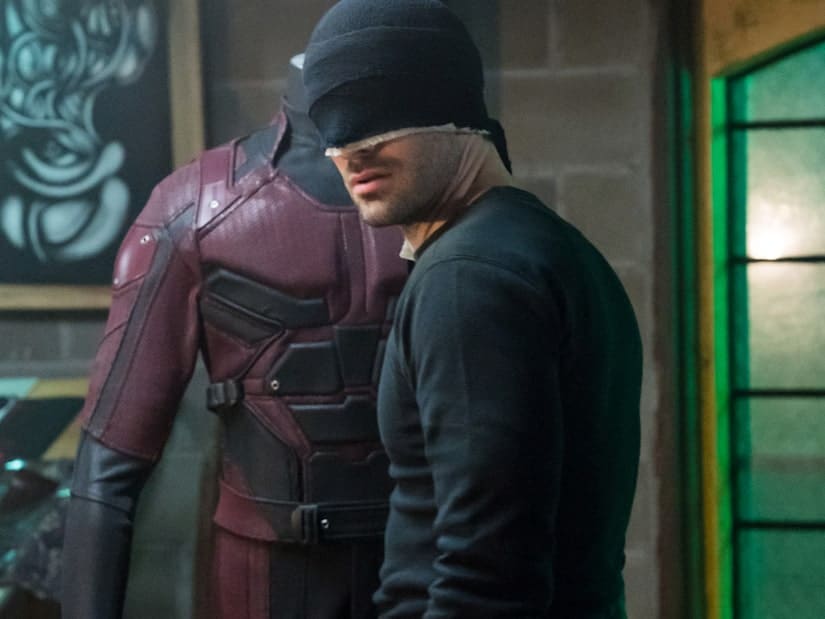
Underrated: Charlie Cox as Daredevil

This is a column that focuses on something or some things from the comic book sphere of influence that may not get the credit and recognition it deserves. Whether that’s a list of comic book movies, ongoing comics, or a set of stories featuring a certain character. The columns may take the form of a bullet pointed list, or a slightly longer thinkpiece – there’s really no formula for this other than whether the things being covered are Underrated in some way. This week: Charlie Cox as Daredevil.


I’ve been rewatching the Netflix Daredevil and The Defenders shows recently because I wanted to remind myself of just how good they were, and something stuck in my mind during the sixth episode of The Defenders, and that’s just how consistently good Charlie Cox has been throughout his tenure at Matt Murdock. It’s no secret at this point that Cox has returned to the role, much to the joy of fans – this one included – and I wanted to look at some of the subtler things in his performance in way of celebration of the actor returning to the role.

Cox has been lauded for his role as Matt Murdock across the three seasons of Daredevil and the lone Defenders offering, so I’m not going to focus on all the reasons that fans wanted to see the actor return, but rather on a couple of the more subtle things he does as Matt Murdock that I didn’t notice on the first viewing of the series.

What I found most impressive was the way Cox’s eyes don’t move; there’s a constant far away look in his eyes, and they remain unfocused on anything throughout the series. Obviously the character is blind, and while there are definitely times that Cox’s eyes are covered by glasses or a mask, the actor is never actually caught looking at anything. Seriously, next time you watch a scene where his eyes are exposed, watch them. Then pay attention to the way he cocks his head when masked to pick up the different sounds in the environment elevates the actor’s portrayal of the character; watching him processing the audio of the environment he’s in is something I took for granted, and it wasn’t until I’d been able to watch the show for the third time that I really clued in to the nuances of the performance.

The only downside (and I say that with a giant asterisk) was in watching Cox deliver such a strong performance as Daredevil and contrasting that to the more average portrayal of Iron Fist in Defenders. I’m not sure that Iron Fist will carry the same casting choice to the Marvel Cinematic Universe, but it would surprise me if we didn’t see the character recast.

Charlie Cox as Daredevil is right up there with Robert Downey Jr. as Tony Stark and Hugh Jackman as Wolverine for my money. I can’t wait to see him return to the character again.


Join us next week where there will doubtless be another movie, series, comic or comic related thing discussed that is, for whatever reason, Underrated.

Underrated: The Best Comics of 2021

This is a column that focuses on something or some things from the comic book sphere of influence that may not get the credit and recognition it deserves. Whether that’s a list of comic book movies, ongoing comics, or a set of stories featuring a certain character. The columns may take the form of a bullet pointed list, or a slightly longer thinkpiece – there’s really no formula for this other than whether the things being covered are Underrated in some way. This week: the Best Comics of 2021 .


I didn’t do a Best Of List for 2021 because I thought my sampling of comics wasn’t as wide as it had been in years past because I’d been reading a lot more graphic novels and books than I had been typical comics. While this is a fantastic way to catch an entire story in one go – or a few if you’re reading one of Marvel’s Epic Collections that contains comics from the 60’s and early 70’s – it did mean that I typically wouldn’t pick up a floppy comic before either my current book or tpb I had on the go.

But as I was filing away the books I had read this year, I realized I’d still read more than I expected – and as luck would have it, almost all of the books I’d enjoyed the most weren’t from the Big Two (Daredevil being a notable exception to that), and so here we are at an Underrated Best of 2021 list. I didn’t realize until I’d made the list that for the most part there’s only one book from each publisher – that wasn’t intentional, unlike me choosing to avoid a traditional top five/ten, just a happy coincidence.

By The Horns (Scout) Markisan Naso, Jason Muhr and Andrei Tabacaru aren’t one of the more well known creative teams in comics, but they’re certainly one of the best. By The Horns is a story set in a lusciously vibrant fantasy world with technology not unlike what you’d see in the Star Wars franchise. It’s a beautifully illustrated and written series that should be on every person’s pull list.

This series was hands down one of the very best from 2021 from any publisher. For my money, only Daredevil came close to matching the excitement I had to read each issue. Easily the best of the year.

Shadowman (Valiant) Valiant have had some ups and downs this year, but the unequalled high point for the publisher was this book from Cullen Bunn and Jon Davis Hunt. In what is probably my favourite take on the character, we get four issues that are essentially stand alone comics with an overarching theme. It’s a brilliant story so far, and one that leads into what’s promising to be an epic event in the Valiant universe.

Once And Future (Boom) It’s almost cheating to include this given the buzz that surrounds the comic on a consistent basis, but here we are. Once And Future brings fairytales, myths and legends from Europe into a more modern setting. The series has been consistently brilliant with the stakes escalating in an organic and believable way – there’s no out of the blue or unexpected twist when it comes to villains, but rather a genuine progression from where the series has progressed from the first issue to the current. Keiran Gillen, Dan Mora and Tamra Bonvillain have never produced any less than a good comic book month after month.

Wrong Earth: Night and Day (Ahoy) The best way to describe the premise of Wrong Earth is that the Batman from the 1960’s TV show switched places with Ben Affleck’s version of Batman; one, an idealistic man with gadgets not unlike the Bat-Shark Repellant, and the other, a vigilante who’s far more violent (and deadly) in his approach. The two men have to adapt and survive in the other’s world, and the actions they take are often hilarious. The series takes jabs at the innocence of the Silver Age and the grimdark comics we have now all while extolling the virtues of each. You’ll come away from the series on a meta level even more confused about why one era is more beloved than the other, but there’s no doubt about the fact that what you’ve read is absolutely top tier stuff.

Two Moons (Image) A supernatural comic set in the late 1800’s staring a Native American soldier in the titular role, the series deals with identity, the erasure of native culture and the freedom of self. It’s dark, atmospheric stuff, but it was the sleeper hit of the year for me because I picked the series up in one chunk based on the cover art more than anything having completely missed anything to do with the solicitations.

Eniac (Bad Idea) Bad Idea have been an interesting experiment. The publisher has had so many off the wall ideas when it comes to marketing, appealing to fans and even releasing their books into stores. So much so, that the quality of the books is often overlooked when it comes to the discussion of the publisher. I haven’t read a bad comic from Bad Idea yet, but the best of the bunch has remained the very first series to be released. A tale about an evil computer that has decided to take the world into a peaceful direction… at any cost. If you can find the issues for a reasonable price, it’s worth checking out.

Home (Image) A story about a mother and son being separated at the border as they try to find a better life in the states, the first issue was utterly heart breaking. I had no expectation of what would follow, and so as the book’s world expands and we see how the son is part of a legacy of people with powers, the book becomes a coming of age tale with the protagonist constantly on the run from immigration enforcement. Maybe the book impacted me because I am an immigrant (albeit with a much different story), but Home is a comic that everyone should read.


Join us next week where there will doubtless be another movie, series, comic or comic related thing discussed that is, for whatever reason, Underrated.
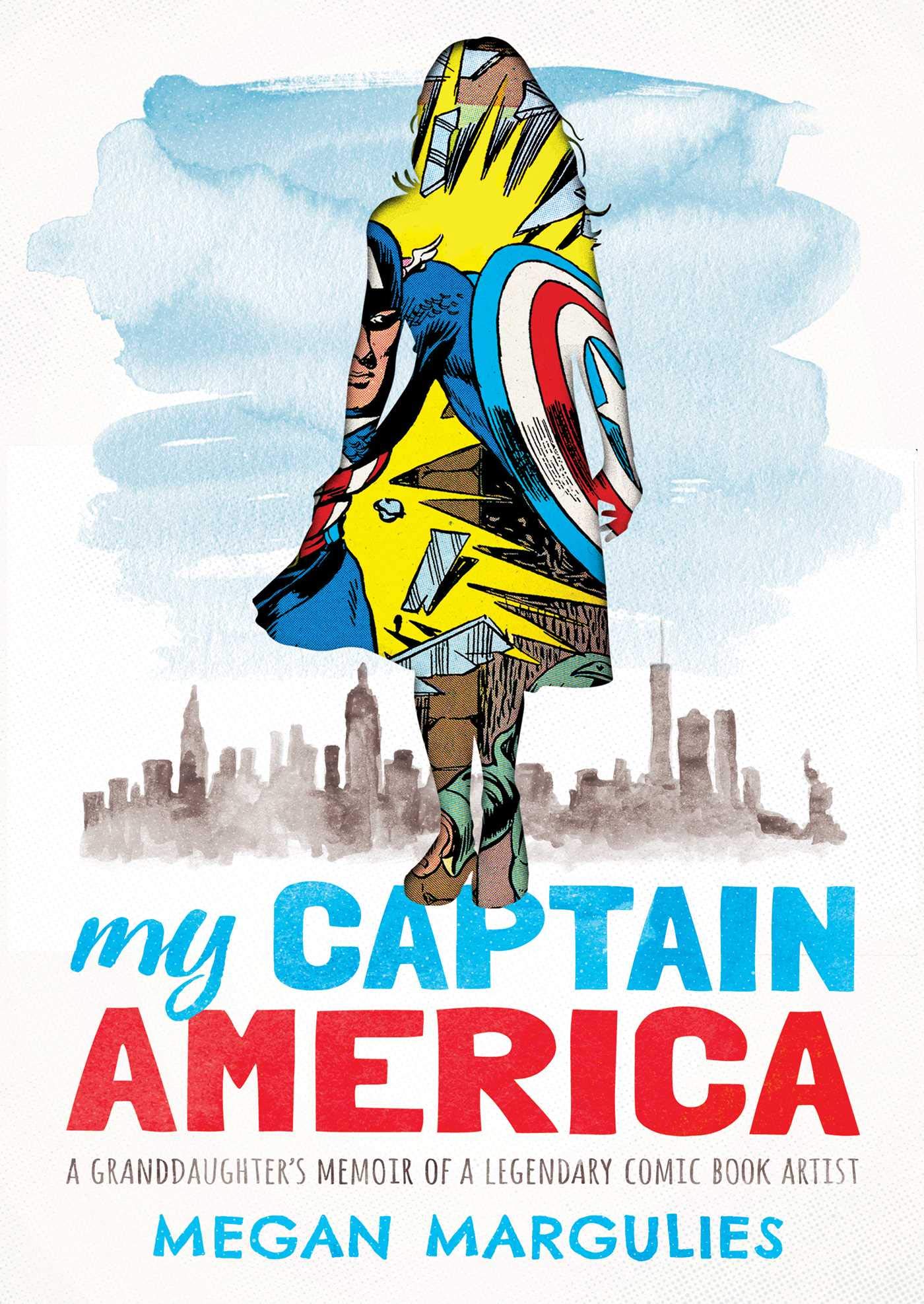
Underrated: MY CAPTAIN AMERICA: A GRANDDAUGHTER’S MEMOIR OF A LEGENDARY COMIC BOOK ARTIST EXPLORES THE WORLD OF JOE SIMON

This is a column that focuses on something or some things from the comic book sphere of influence that may not get the credit and recognition it deserves. Whether that’s a list of comic book movies, ongoing comics, or a set of stories featuring a certain character. The columns may take the form of a bullet pointed list, or a slightly longer thinkpiece – there’s really no formula for this other than whether the things being covered are Underrated in some way. This week: Captain America: A Granddaughter’s Memoir of a Legendary Comic Artist .


MY CAPTAIN AMERICA: A GRANDDAUGHTER'S MEMOIR OF A LEGENDARY COMIC BOOK ARTIST

In the 1990s, Megan Margulies’s Upper West Side neighborhood was filled with strife, and the small one-bedroom apartment she shared with her parents and two younger siblings was hardly a respite. Salvation arrived in the form of Megan’s spirited grandfather, whose midtown studio became a second home. His living room was dominated by the drawing table, notes, and doodles that marked him as Joe Simon the cartoonist. But for Megan, he was always Daddy Joe.

That was all it took for me to want to read My Captain America: A Granddaughter’s Memoir of a Legendary Comic Artist; it checked all the boxes of my interest – comic book history and the chance to learn more about a legend, Joe Simon. I’ll be honest in saying I can count on one hand the number of memoirs I’ve read (aside from graphic novel memoirs, I could probably use two fingers to count), because ultimately memoirs aren’t typically my thing. Megan Margulies book recounting her relationship with her grandfather, however, was a book that I thoroughly enjoyed.

Although Joe Simon, or Daddy Joe, features prominently in the book, My Captain America… is as much Margulies’ story as it is about Joe Simon.

We follow Marqulies story growing up in the upper west side of New York City in a one bedroom apartment, through the expansion of her family and her rebellious teenage years. Through it all, there’s Joe Simon He is the refuge in a tumultuous young life, the island of calm as the author’s life spirals through familial squabbles and the New York of the late 90’s.

This isn’t a historical record of everything Joe Simon did in his storied comic book career and Marqulies never presents it as such, only bringing up moments that are relevant to the events unfolding on the page. By doing this, she is able to give you an insight into who Joe Simon was, and the impact he had one those around him. Her tidbits also have the effect of being told from a very unique perspective; – and yes, there are certainly aspects of the comic legend that many will be learning about for the first time from this memoir.

You will read about the behind the scenes of Simon’s interviews, snippets of his reactions to events within comics, and even hear about his experience watching Captain America: The First Avenger.

For any fan of Captain America, this book is a must read.

Joe Simon passed away at 98 years old in December 2011. Even knowing that date is coming when reading this book, you can’t help but feel heartbroken when Marqulies peels back the layers of time. The grief we feel as readers is only a fraction of what his family felt, and I’m not ashamed to say that my eyes were more than misty reading those pages. Marqulies pulls on every heart string you have, and some you didn’t know about.

What I was expecting to be an exploration of a comic book legend from a perspective that we’ve never seen before quickly became an intimate look at the relationship between a grandfather and his granddaughter that it was an honor to share.


Purchase: Bookshop – Amazon (Hardcover) – Kindle – Audiobook – Audio CD


Join us next week where there will doubtless be another movie, series, comic or comic related thing discussed that is, for whatever reason, Underrated.

Underrated: Ultimate X-Men

This is a column that focuses on something or some things from the comic book sphere of influence that may not get the credit and recognition it deserves. Whether that’s a list of comic book movies, ongoing comics, or a set of stories featuring a certain character. The columns may take the form of a bullet pointed list, or a slightly longer thinkpiece – there’s really no formula for this other than whether the things being covered are Underrated in some way. This week:  Ultimate X-Men


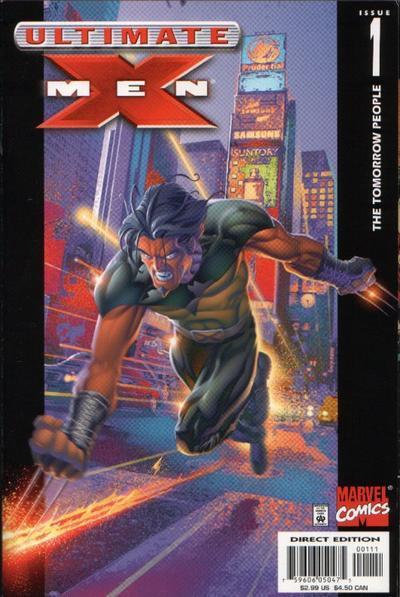
Ultimate_X-Men_Vol_1_1.jpgUltimate X-Men was a series launched under Marvel’s Ultimate Marvel imprint that aimed to do away with 40 years of so called convoluted continuity into a more modern and updated setting. The second title to launch after Ultimate Spider-Man, Ultimate X-Men was written by Mark Millar and drawn by Adam and Andy Kubert. Millar was largely ignorant of the storied history of the X-Men, and reinvented the characters with the 2000 X-Men  film as his primary reference. Millar has admitted in an interview with Sequential Tart that he knew bugger all about the characters before Joe Queseda and Bill Jemas asked him to pitch for X-Men, expecting them to use the script as toilet paper. Instead, because Millar knew next to nothing about the franchise, they decided that he should be the one to reboot the X-Men for Marvel’s Ultimate line of comics.
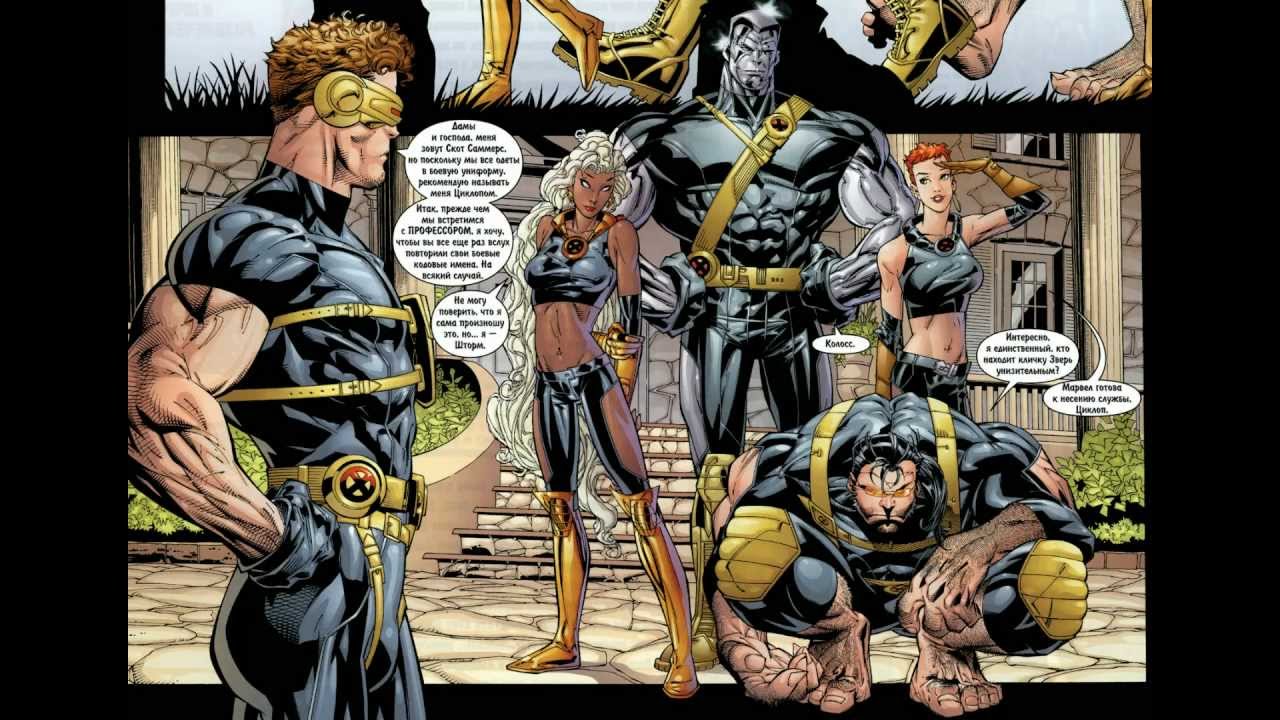
Free from the shackles of the past Millar set about crafting a new, and more modern universe for the X-Men to inhabit aimed to bring a return to the mainstream appeal the franchise enjoyed years before.

Launching in 2001, Ultimate X-Men was also part of Marvel’s “dot-comics” format, which was an early translation of print to digital using a slightly animated Flash format. Comic pages would appear on the screen showing a handful of panels at a time, and speech and thought bubbles hovering over the characters. The format would eventually pave the way toward Marvel Unlimited. Although not the first comic on the dot-comics format, it was one of the first that I read that way. Because the dot-comics were free to whomever had an internet connection and the patience to read the comics in their episodic form (if memory serves, five or so pages were uploaded every few days), they were a great way for people like myself to get introduced to a series that I otherwise would not have before.

Ultimate_X-Men_Vol_1 interior.jpg

Although I had previously dabbled in the X-Universe before, I was never a constant reader. Ultimate X-Men drew me into reading an ongoing series featuring Marvel’s merry mutants for the first time. The characters were familiar and yet felt fresh, the situations they were in reflected more of the world around them than the main Marvel universe characters did. Or at least that’s how it felt at the  time. It was here, with a newly discovered love of the characters that I truly became an X-Men fan and not just a Wolverine fan. At the time the irony that the series was being written by a man who knew bugger all about the characters was something I was unaware of, but the benefit of hindsight brings into sharp focus that provided one is a competent writer and has some understanding of the subject, then the essence of characters one is writing about shine through. And Millar, for the most part, had that understanding.

Running from 2001 until 2009 where it was cancelled at the conclusion of the critical and commercial failure of the Ultimatum crossover, Ultimate X-Men enjoyed nearly a decade as the fan favourite X-title. Although it was eventually relaunched as Ultimate Comics X-Men in 2011, the series never enjoyed the success of its pre-Ultimatum days.

Would Ultimate X-Men have worked had it been released today? Although we’ll probably never know, you can look at DC’s New 52 and to a lesser extent the successor to the Ultimate line (Ultimate Comics) to get an idea – although there are obvious faults with either comparison. The New 52 replaced DC’s continuity in its entirety, to much chatter from fans, and the Ultimate Comcs line tried to pick up after the failure of Ultimatum which had driven many fans away already. However you look at it, for nearly ten years Ultimate X-Men, and some of its companions under Marvel’s Ultimate line, were among the pinnacle of superhero comics. The reimagining of the characters, stripping them down to their core and putting them in a different world was a brave choice, but one that I, and thousands like me, fell in love with.

I grew up reading Ultimate X-Men, both as a comics fan and a human, and it hurts me a little to see people ignore it as an unimportant part of Marvel’s past because it’s not chronologically relevant in the X-Men’s story. It’s not, not really, but that doesn’t mean the stories told under the Ultimate X-Men banner remain among some of my most cherished to this day. If, for whatever reason, you haven’t read them then you can find the collected editions easily enough at your favourite online retailer (or, maybe your LCS can get them in for you).

That’s all we have for this week, folks. Come back next time  when there’s something else Underrated to talk about.


Underrated: A.D. After Death

Time got away from me this week, so we’re rerunning an older column from yesteryear.

This is a column that focuses on something or some things from the comic book sphere of influence that may not get the credit and recognition it deserves. Whether that’s a list of comic book movies, ongoing comics, or a set of stories featuring a certain character. The columns may take the form of a bullet pointed list, or a slightly longer thinkpiece – there’s really no formula for this other than whether the things being covered are Underrated in some way. This week: A.D. After Death


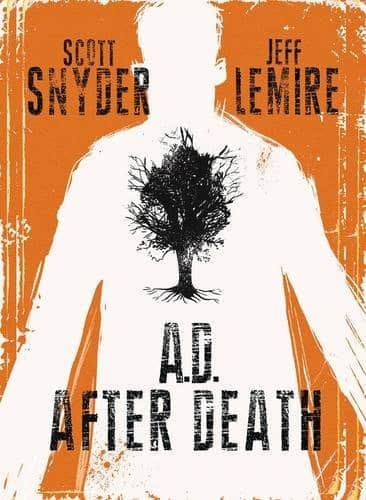
I found the hard cover trade of A.D. After Death used for a penny shy of $10 Canadian dollars a month or ago along with a couple other hard cover books that were being sold for a surprisingly good price (which I’m sure will show up in this column eventually). After finally getting a chance to read and finish the book, it wound up as the subject of today’s column.

If you want to read the series’ synopsis, it’s below. If you don’t… well, skip the next paragraph, I guess. Either way, you’ll find the core premise of the comic below.

What if we found a cure for death? Two of comics’ most acclaimed creators, Scott Snyder (Wytches, Batman, American Vampire) and Jeff Lemire (Descender, Plutona, Moon Knight, Sweet Tooth) unite to create an epic like no other, set in a future where a genetic cure for death has been found. Years after the discovery, one man starts to question everything, leading him on a mind-bending journey that will bring him face-to-face with his past and his own mortality.
A unique combination of comics, prose, and illustration, A.D. After Death is an oversized hardcover graphic novel written by Snyder and fully painted by Lemire.

What struck me most after A.D. After Death was that it’s more than a typical comic or graphic novel. While the hardcover I have collects the three oversized issues, the story itself is presented with a lot of Scott Snyder’s prose text set against Jeff Lemire’s haunting artwork in conjunction with more traditional comic panels. The book is really interestingly laid out because of this, and presents a fascinating visual journey from start to finish. It’s a hauntingly beautiful book, with a story that’s equally as haunting.

A.D. After Death isn’t the kind of story I’m used to reading from Scott Snyder, honestly, and I was surprised at how much I enjoyed the ambiguity of the story; told in both the present day and with flashbacks (via the prose text), you’re never quite sure what direction the story will take. I loved the ending, too, but won’t say why because it will reveal a touch too much.

What I will say, is that this may be a book that I won’t read again for some time, but the story itself will stay with me for a long time to come. In a story that can be so much to so many, we’re left asking ourselves who we really are; are you really the person you think you are, or are you just a product of what this world has made you?


Join us next week where there will doubtless be another movie, series, comic or comic related thing discussed that is, for whatever reason, Underrated.

Underrated: X-Men Origins: Wolverine

This is a column that focuses on something or some things from the comic book sphere of influence that may not get the credit and recognition it deserves. Whether that’s a list of comic book movies, ongoing comics, or a set of stories featuring a certain character. The columns may take the form of a bullet pointed list, or a slightly longer thinkpiece – there’s really no formula for this other than whether the things being covered are Underrated in some way. This week: X-Men Origins: Wolverine.


This week on Underrated, I wanted to take a look at one of the most reviled movies in the X-Men Franchise, not because I’m going to convince you it’s secretly a great movie that has been unfairly shat on for nearly ten years, but because I want to highlight some of the things that it actually did right. Do they out weight the bad to redeem the movie? Personally, I think so. Although X-Men Origins: Wolverine will never be thought of as a shining example of the character in cinema, and nor should it be, it isn’t the catastrophic mess that we remember it being.

Before you start raging at me (and you’re more than welcome to do so on twitter @karcossa) ask yourself when was the last time you saw this movie? I watched it on the 21st of March this year with the intention of tearing it to pieces in an article, but I actually kind of enjoyed it, so I wrote this instead [note, this article was written on March 23rd, so the movie was quite fresh in my mind]. So before you fire up those angry fingers, give the movie a quick watch and remember I’m not claiming it’s great, just that it isn’t bad.

  • The Opening Sequence
    Honestly, you give me a movie with Wolverine and Sabretooth fighting their way through history based on this opening credit montage and I will throw my money at you. This is a prime example of a movie blowing it’s load too early, if you’ll pardon the expression. We get one of the best opening sequences in the franchise before one of the worst movies. No wonder it got flattened by fans.
  • Liev Schreiber And Hugh Jackman
    Say what you want about the script, plot choices, and pointless cameos, but I will not hear a bad word said about either Schreiber or Jackman’s performances in this movie. It remains a great tragedy that we only got one movie with Liev Schreiber playing Sabretooth opposite Hugh Jackman, and that it was this one. Having watched the movie recently, the two men are almost able to save the movie with their acting chops alone – without them it wouldn’t be worth watching past the title sequence.
  • Most Action Sequences
    Strangely enough, the action sequences in the movie are actually pretty good; Logan and Creed fighting in the bar is awesome, and even the final battle is pretty entertaining (despite the character mutilation of Deadpool). The only downside to the sequence where Team X attacks a compound is that the individual use of the soldier’s abilities makes little sense as a tactical strike, but as a showcase of the individual powers at play it’s pretty good. As is the helicopter fight – right up until the cliched walking away from the explosion end point.
  • The One Liners
    X-Men Origins: Wolverine isn’t a comedy, but there’s quite a few one liners that will at the very least elicit a chuckle from you. Plus, you can also laugh at the so-bad-it’s-good moments.
  • Wolverine Uses All His Powers
    Funnily enough, one of the things this movie gets right is how many other abilities Logan has. At different points in the movie you see him use his enhanced senses of smell, vision and hearing to locate Creed, Zero and Kayla. You don’t see him using his other powers as often as you do his healing and claws (for obvious reasons, I’m sure).

Yes, the movie has its problems, especially with how it fits (or used to fit depending on who you’re talking to) into the X-Men movie franchise, or how it treats certain characters, but if you look at it as a standalone movie that just happens to feature Wolverine… it’s actually not that bad; truth be told, I enjoyed it more than I thought I would, and that’s why it’s the subject of this week’s Underrated.

« Older Entries Recent Entries »